Gotland, Sweden’s largest island, is an absolute summer obsession for the locals. While international travellers often debate whether it’s worth taking a ferry to Sweden from the mainland or driving over the Copenhagen bridges instead, they unfairly skip this stretch of land. Yet the moment you step off the ferry in the capital of Visby, you’ll instantly understand why the entire Swedish mainland flees here in July.
Instead of the endless dark spruce forests and granite cliffs you know from Nordic crime dramas, you’ll be greeted here by dazzlingly bright limestone and fields full of red poppies. It’s a mix you simply won’t find anywhere else in the Baltic Sea: rugged limestone, sandy beaches and medieval churches standing in fields as if time had simply frozen somewhere in the 13th century. Gotland has a surprisingly mild climate and gets more sunshine than anywhere else in Sweden.
The island has two completely different faces, both of which are guaranteed to captivate you. On one side stands romantic Visby, enclosed by massive walls where roses climb over Gothic ruins, and on the other lies the rugged northern islet of Fårö. That’s where you’ll find the famous limestone sea stacks known as raukar and a melancholy landscape so beloved by the legendary director Ingmar Bergman.
A summary for those who don’t have time to read the whole article
- Book ferries early: Destination Gotland’s boats tend to sell out months in advance in summer, and you won’t just turn up at the port and buy a car ticket on a whim.
- Visby is a UNESCO gem: This perfectly preserved Hanseatic town with its 3.4-kilometre walls is best enjoyed early in the morning without the crowds.
- Don’t skip Fårö: The northern islet with its limestone raukar and lunar landscape is reachable by a free ferry, but long queues form in summer.
- Bikes are ideal: The island is incredibly flat, its highest point just 82 metres, so cycling between the 92 medieval churches is an absolute breeze.
- Watch out for summer festivals: There’s the political week in July and the famous medieval festival Medeltidsveckan in August, when accommodation vanishes at lightning speed.
- Swimming is realistic: The shallow bays in the east and north of the island warm up to 20 to 22 degrees in summer, and Tofta beach is made for families with kids.
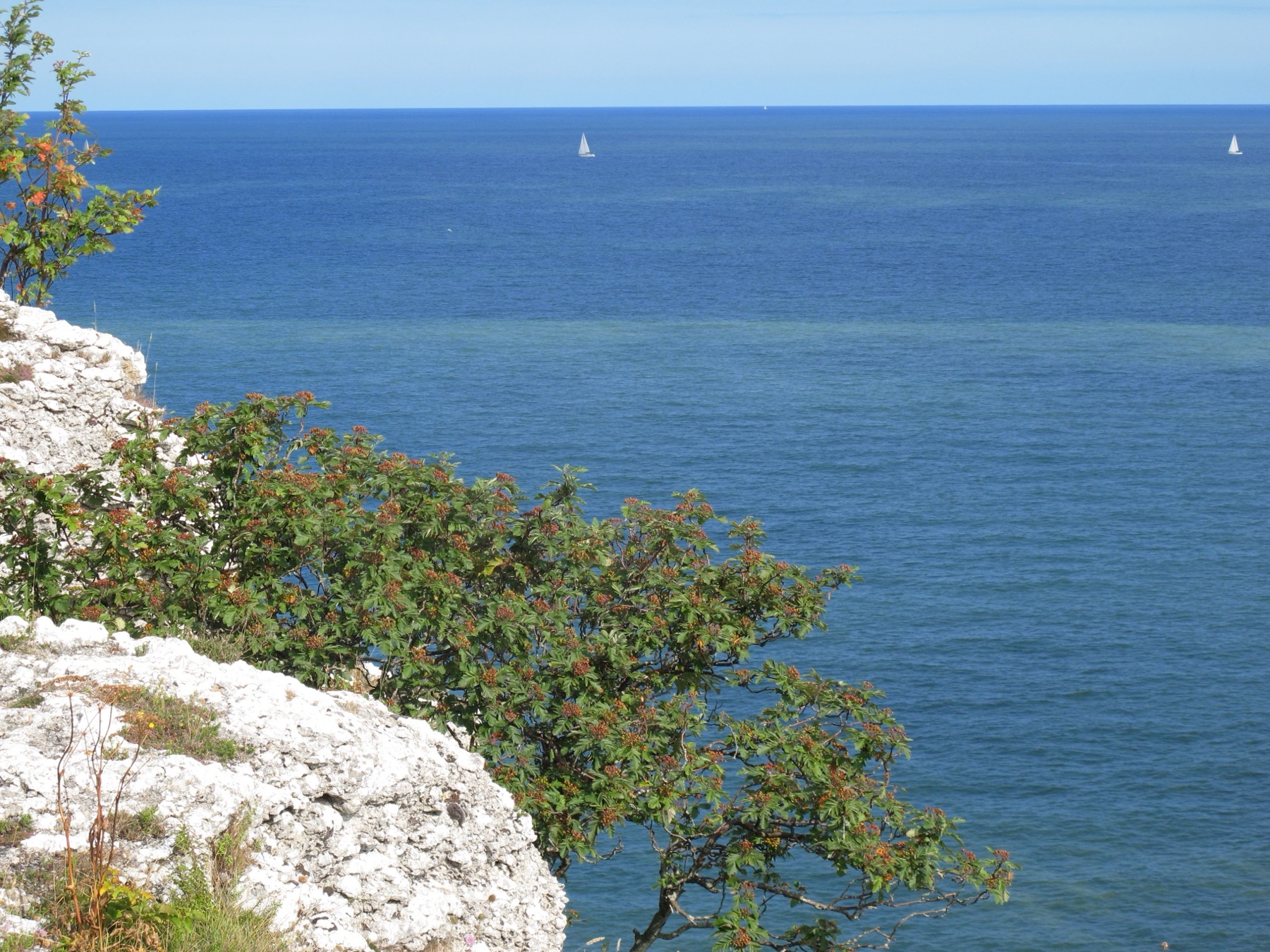
The full destination guide: Sweden — guide and what to see
When to visit Gotland in Sweden
I recommend planning your trip to Gotland well in advance, otherwise both your wallet and your nerves will weep and you’ll end up stuck on the mainland. The summer season here is very short and the island experiences a few extreme swings in visitor numbers that dramatically change its atmosphere and the prices in the shops. If you’re after the golden middle ground, June is the ideal choice, when everything is in bloom and the island is only just waking up, or the turn of August and September. By late August the Swedish kids are back at school, the crowds disappear, and the Baltic Sea is at its warmest after summer.
Be most careful about early July, when the traditional political week Almedalsveckan takes place. Politicians, journalists and lobbyists gather in Visby from all over the country, accommodation is snapped up years ahead and prices shoot up steeply. Right after comes the so-called Stockholmsveckan in mid-July, when the island is taken over by Stockholm’s golden youth. The quiet historic town turns into one big and fairly pricey party, so ferries and hotels are bursting at the seams and you won’t get a table in a restaurant without a reservation.
A chapter of its own is the phenomenal Medeltidsveckan in August. The biggest medieval festival in northern Europe draws over 40,000 people in historical costumes and in 2026 it runs from 2 to 9 August. If you love history, this will simply enchant you, but strategically you must book your accommodation a huge amount of time ahead, even twelve months. Outside these summer peaks Gotland is wonderfully calm, but bear in mind that from mid-September many rural cafés and smaller attractions may be closed on weekdays.
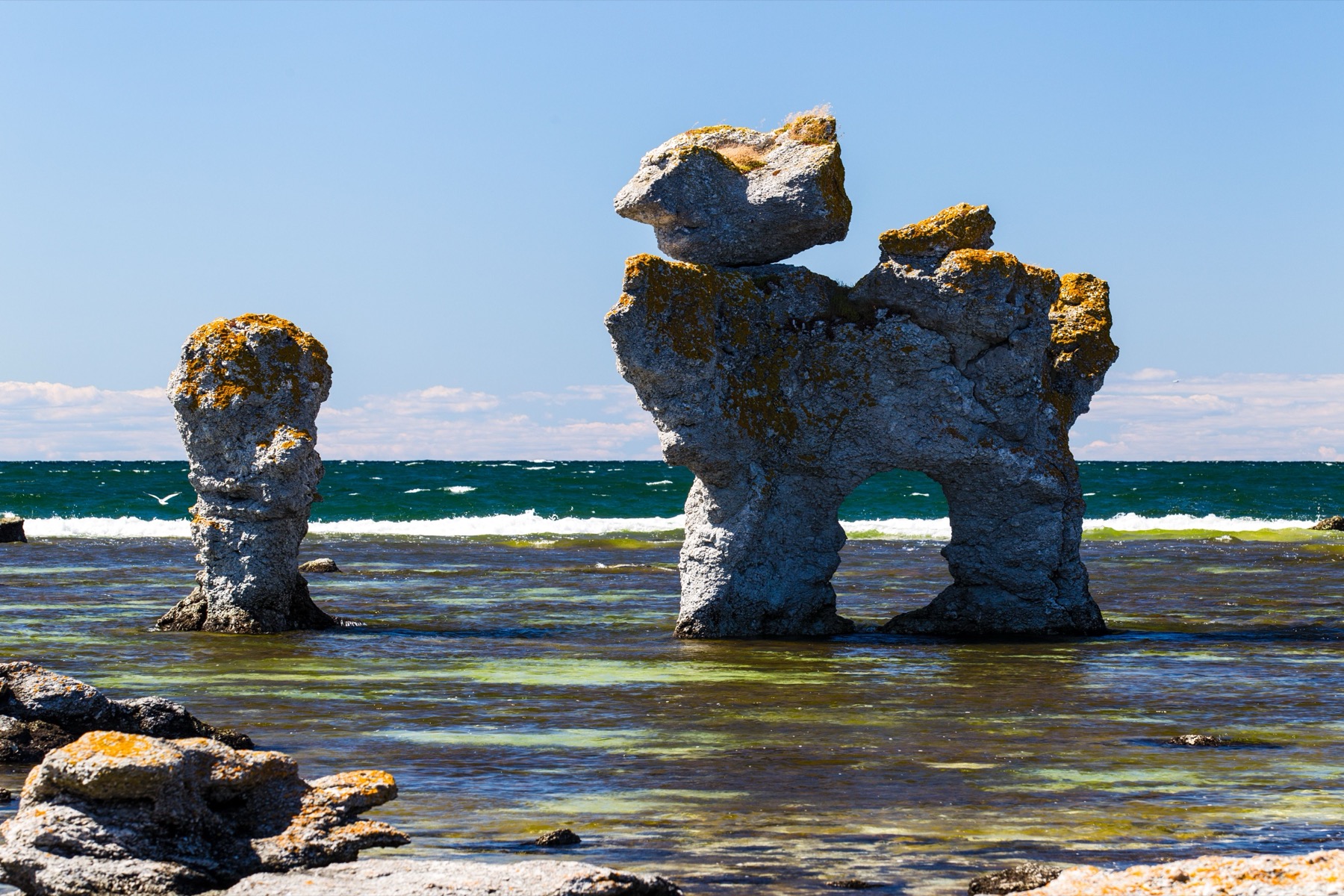
Where to stay on Gotland
💡 Accommodation tip and experiences: We prefer to look for accommodation on Booking.com, which usually has the best cancellation terms. It then pays to compare and book tickets, tours and activities through GetYourGuide.
Staying on the island splits into two completely different experiences. You can choose the romance right inside the medieval walls of Visby, where all the restaurants and sights are within arm’s reach, or you can favour the countryside. Renting a traditional Swedish cabin, or stuga, by a lake or on a sheep farm is usually the best choice for families with a car. During July and around the August medieval festival, expect capacities to fill up unbelievably far ahead and prices to reach their annual peak.
The Swedish stuga isn’t just ordinary accommodation but a genuine national phenomenon and the embodiment of slow living. Almost all of these wooden cabins glow in the characteristic deep-red colour known as falu red with white window frames. When renting, watch out for local customs, because in Sweden it’s absolutely standard to bring your own bedding and towels. You’re also expected to do a thorough final clean before leaving, or pay handsomely for it. A weekly rental of such a cabin will cost you around 1,000 SEK (about €90) off-season, but in the summer peak prices easily climb over 10,000 SEK (€900).
If you want to stay right in Visby, an absolute icon is the Clarion Hotel Wisby in a carefully restored 13th-century building with a gorgeous wellness area among ancient columns, where summer prices start at around €185 per night for two. A cosier and quieter alternative inside the walls is the boutique Hotell Slottsbacken with a lovely quiet courtyard. Families with children will appreciate Kneippbyn Resort south of town, offering fully equipped cabins a short walk from the sea from €120, and if you’re heading north, the unique Fårösunds Fästning in a former military fortress right by the ferry is worth a mention.
20 best things to see and do on Gotland Island in Sweden
Here’s a detailed list of the best the island has to offer. The numbers here aren’t a ranking — use them to build an itinerary based on where you’ll be at any given time, and plan your days around your own interests.
1. Ringmur: A walk along the medieval walls
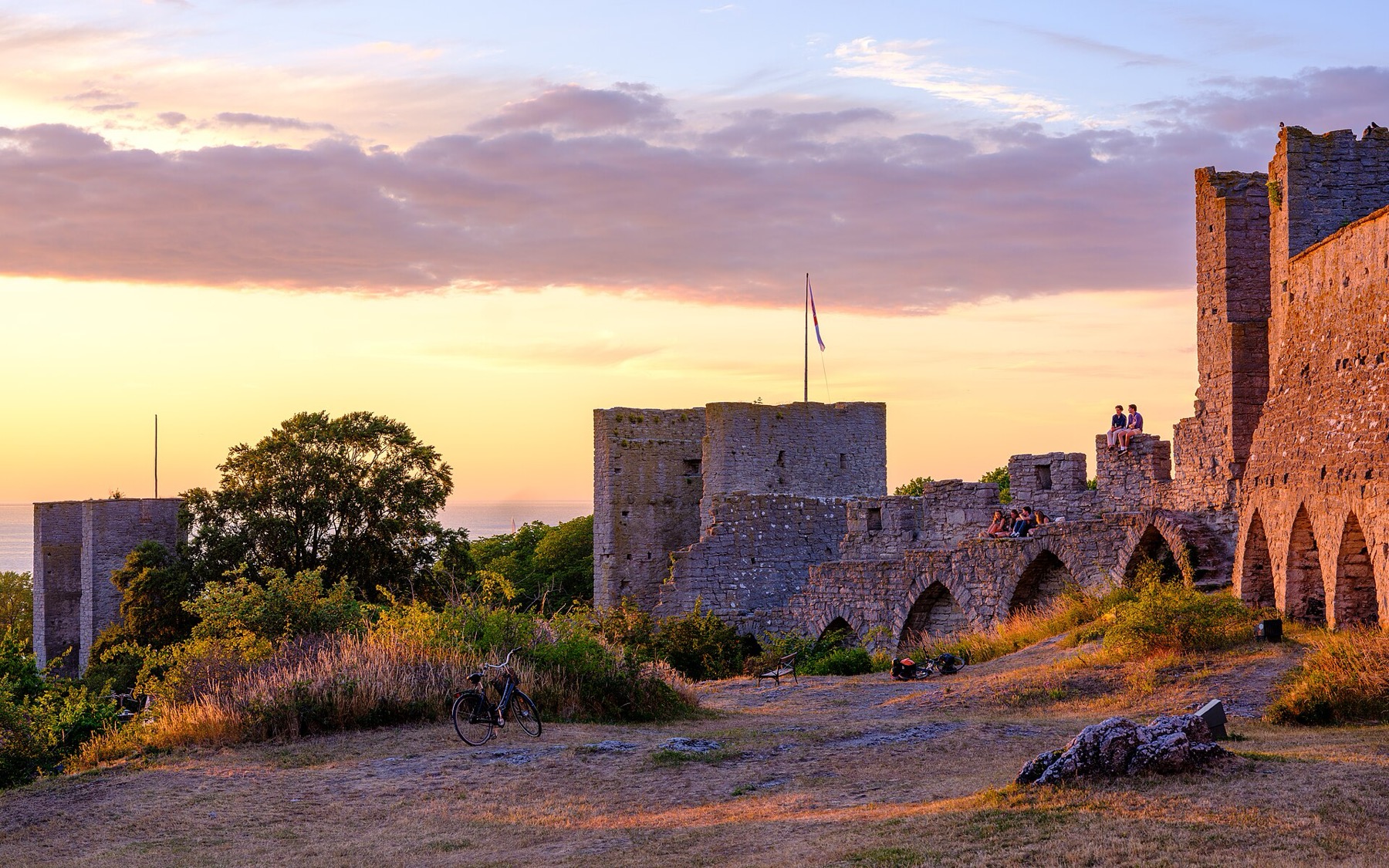
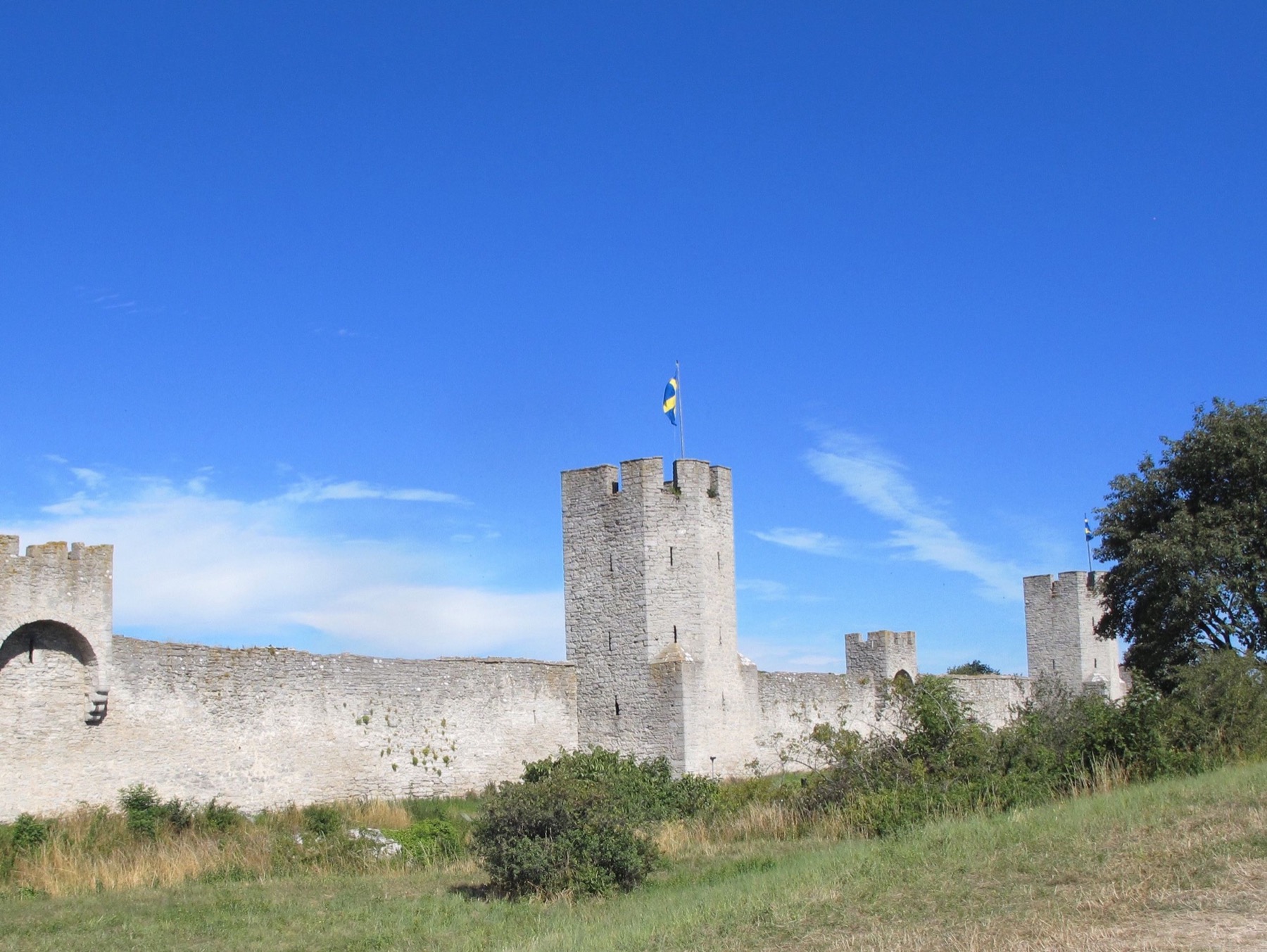
The capital of Visby is a revelation that at first glance looks more like a meticulously built film set than a real town. Its entire historic core is still enclosed by a massive stone wall called the ringmur, which stretches an impressive 3.4 kilometres and boasts 27 preserved defensive towers. It’s no polished replica, but raw 13th-century medievalism listed by UNESCO. The wall is freely accessible 24 hours a day and there’s no entrance fee whatsoever, so you can inspect it up close from every angle.
The original purpose of these walls, surprisingly, wasn’t to protect the town from foreign armies but rather to separate the wealthy German merchants inside from the poorer Gotland farmers in the countryside. This enormous social tension led to more than one bloody conflict, culminating in 1361 in a devastating Danish invasion under King Valdemar Atterdag. Today a beautiful footpath runs along the outer side of the walls, set in a dry moat, which I recommend walking early in the morning before the day-trippers arrive from the ferries.
Walking all the way around the town at a leisurely pace takes you about an hour and a half, and along the way you’ll come across plenty of benches ideal for a rest. The most beautiful views of the town and sea open up at the northern gate Norderport and the mighty tower Dalmanstornet. During the walk you’ll notice how the old limestone stones turn golden when caught by the morning or evening Nordic sun.
💡 Tip: If you’re looking for the perfect spot for sunset, head to the Kruttornet, or Powder Tower, near the harbour. It’s the oldest building in the town and the view over the Baltic Sea from here is truly breathtaking.
2. Sankta Karin and the magic of ruins
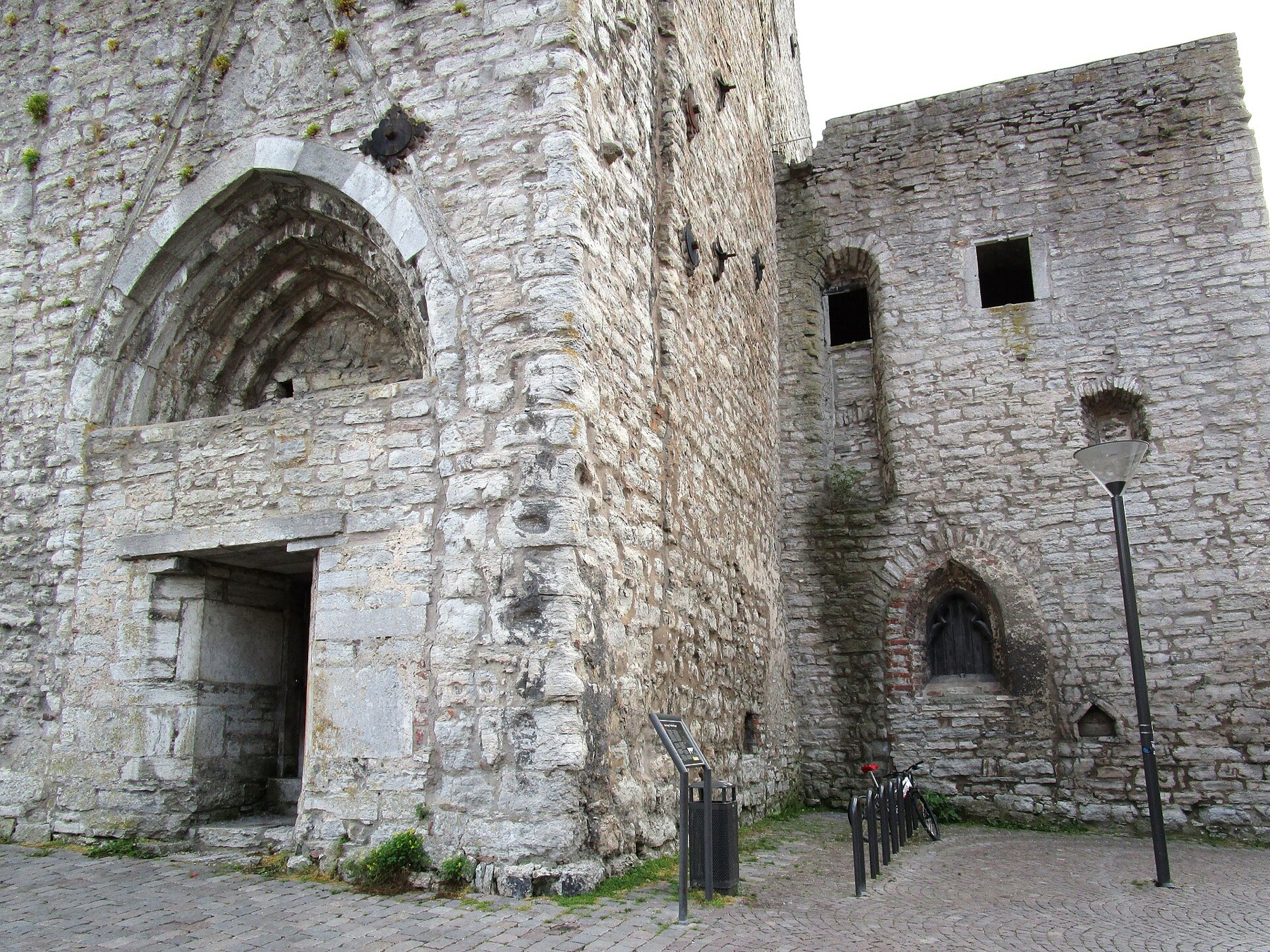
Visby is very often nicknamed the town of roses and ruins, which you’ll fully grasp on your very first walk through its old cobbled streets. All over town you’ll come across monumental torsos of grand medieval churches, left abandoned for centuries after the fall of the Hanseatic League and the subsequent religious reformations. By far the most striking is the ruin of Sankta Karin church, which dominates the main square, Stora Torget, and is accessible completely free of charge.
Its tall Gothic arches, rising to the open, roofless sky, feel incredibly mystical and give the place an unmistakable atmosphere. These buildings once served the various nationalities of wealthy merchants who lived in Visby and competed with one another in showing off their riches. Today they form a magical backdrop for your evening strolls, especially when soft artificial lighting catches their old stones and the ever-present blooming roses begin to climb over them.
Locals often hold summer acoustic concerts here beneath the vaults, in winter the space turns into a romantic ice rink, and during the day people simply picnic on the grass. Other beautiful ruins you definitely shouldn’t miss are the sister churches of Drottens and Sankt Lars, lying just a few streets away. You can wander freely among the mighty stone walls and imagine how the town looked in its days of greatest glory.
💡 Tip: Stop at one of the surrounding restaurants on Stora Torget square for the traditional lunch menu known as dagens rätt. For around 150 SEK (€14) you get a great main course, a salad buffet and coffee, all with a view of the ruins.
3. Sankta Maria Cathedral
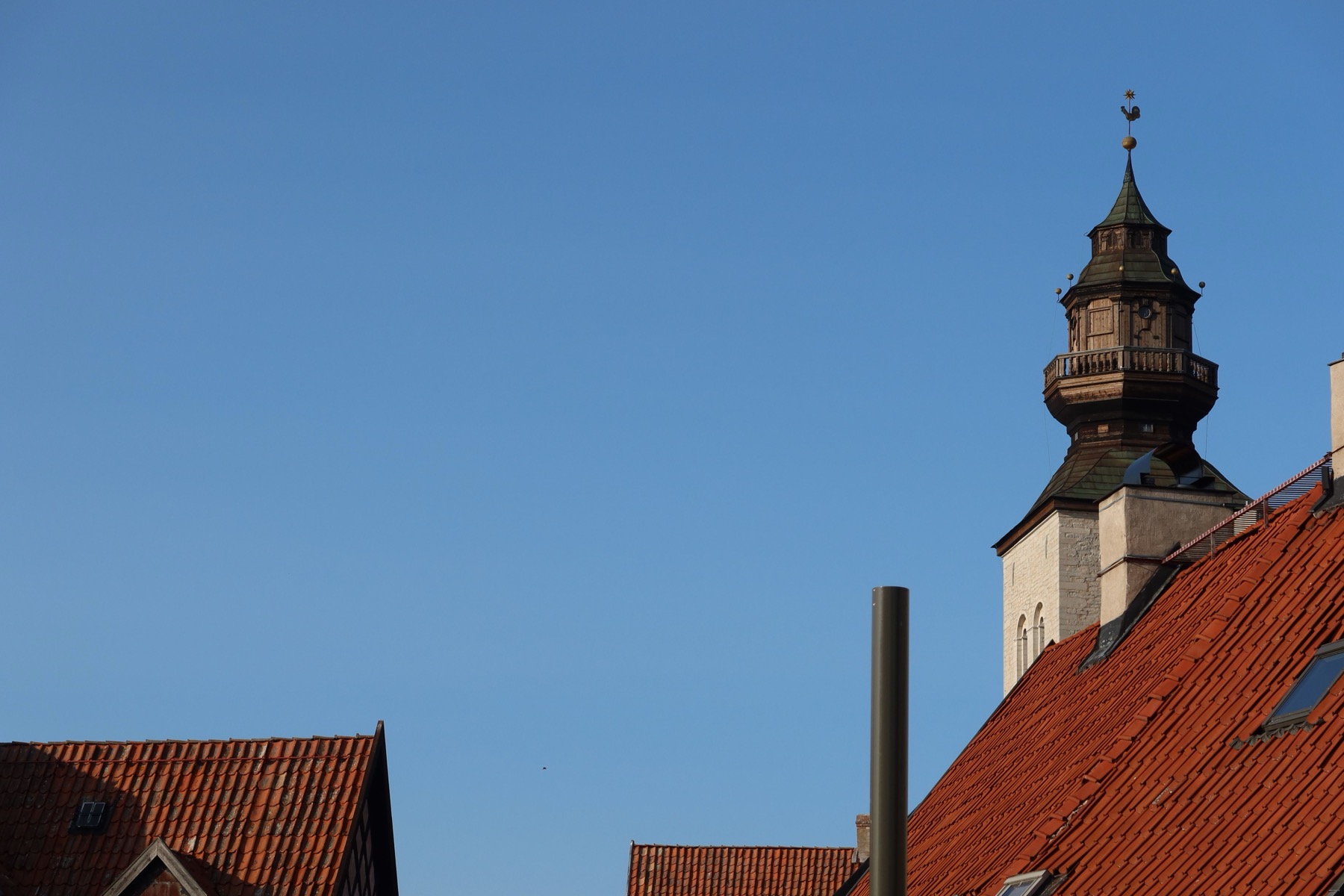
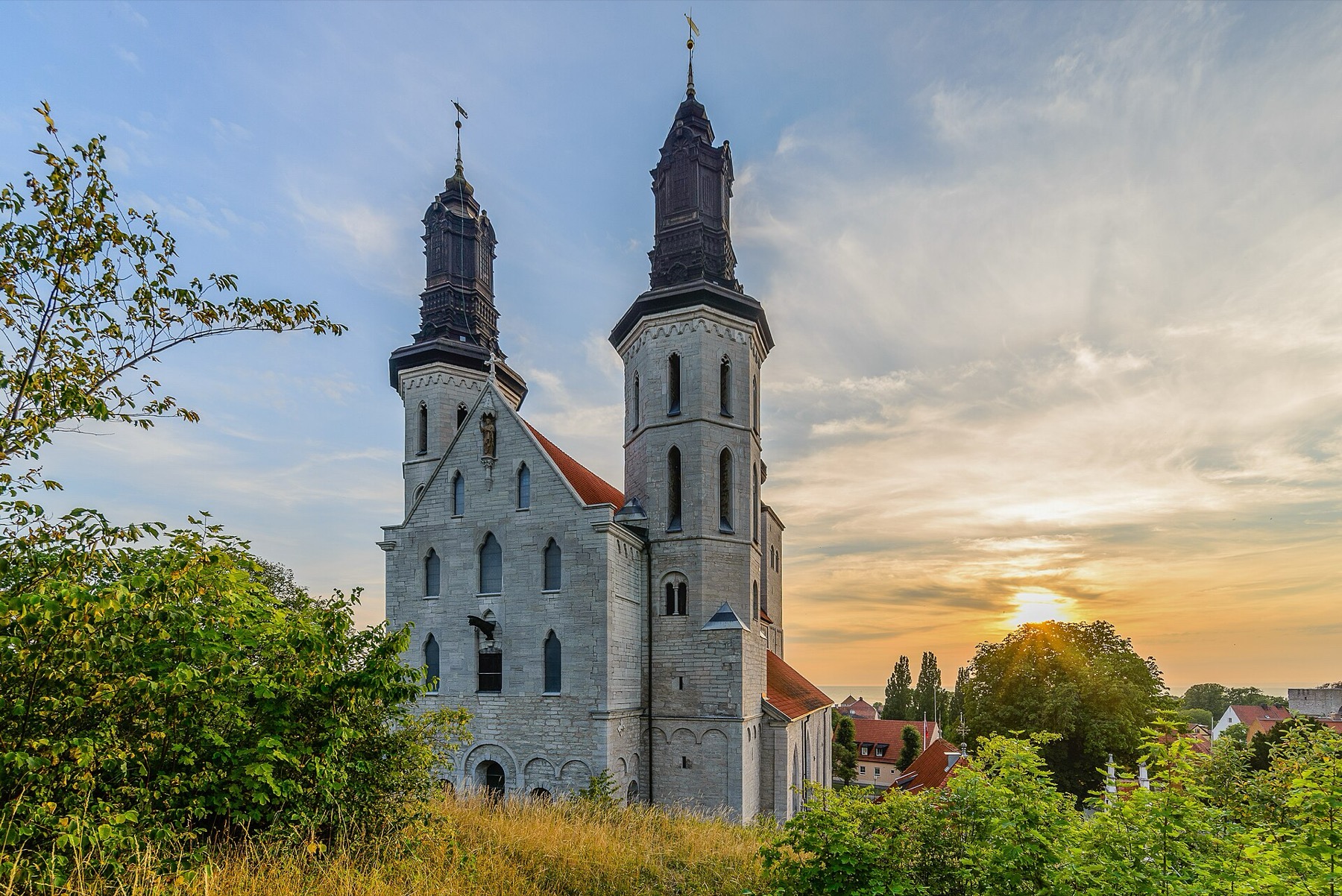
Even though the town is full of fascinating ruins, one medieval church has survived the centuries in full splendour and still serves its purpose to this day. Sankta Maria Cathedral is the only working church from the Hanseatic era, and its characteristic dark towers dominate the skyline of all of Visby. It was originally built in the early 13th century by wealthy German merchants who had enough money for its constant upkeep, thanks to which the building miraculously survived every plague and the town’s decline.
Its robust architecture differs markedly from anything else you’ll see on the island and gives an incredibly massive impression. Entry inside is completely free and the doors are usually open to visitors every day from 9:00 to 17:00. The stunning wooden interior hides a beautiful Baroque altar and rare medieval sandstone statues that will transport you hundreds of years into the past for a moment.
The cathedral is surrounded by cascading terraces and gardens where people come just to sit, and after touring the interior be sure to stroll along the surrounding cobbled paths lined with Gotland houses and front gardens, where you’ll find the most authentic calm far from the harbour.
💡 Tip: Climb the steep wooden steps to the Kyrkberget, or Church Hill, lookout right behind the cathedral. Here you’ll find exactly that classic postcard view of red roofs and blue sea.
4. A botanical garden inside the walls
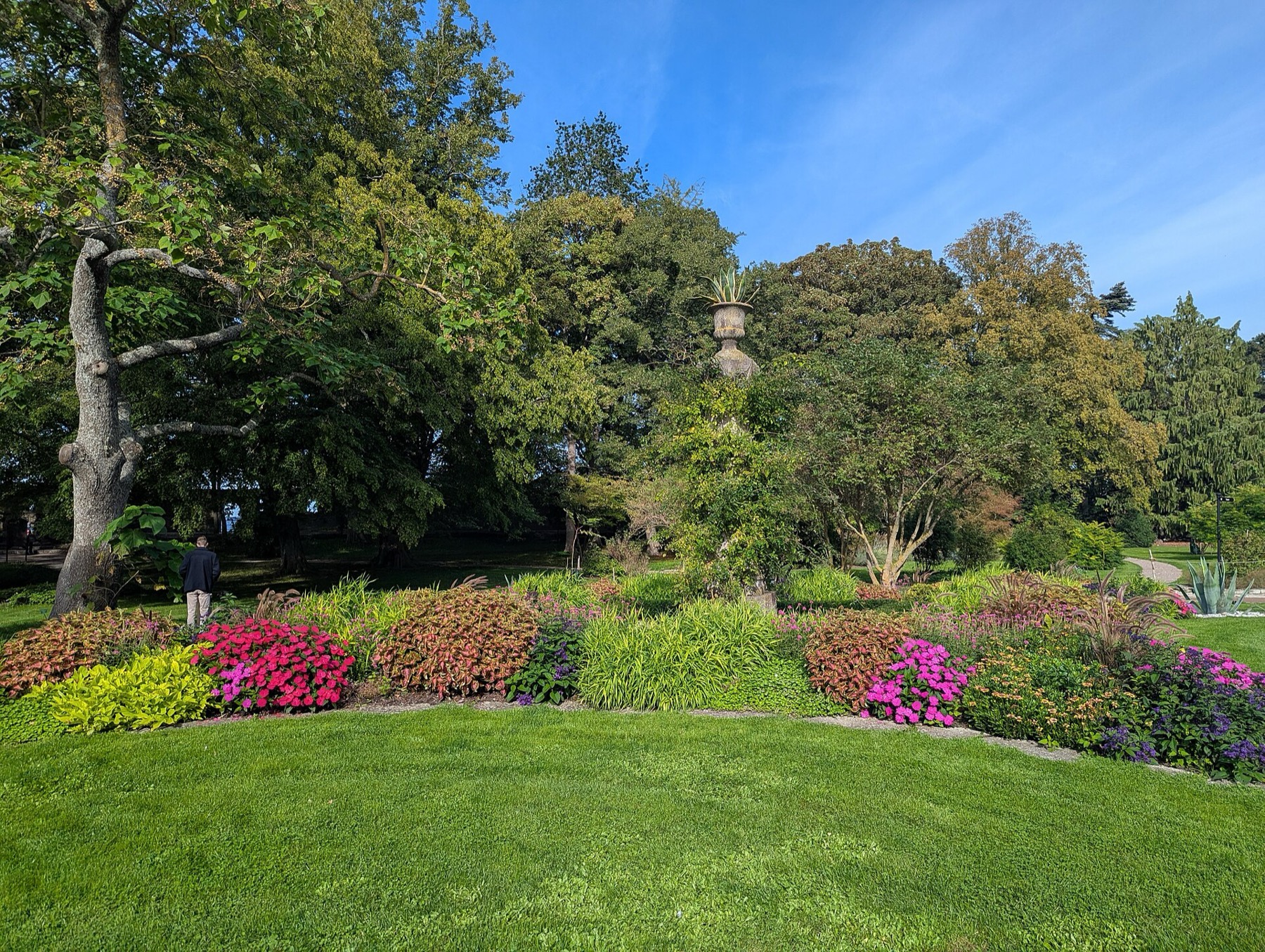
You might be surprised to find a thriving botanical garden on a Swedish island in the Baltic Sea, but DBW’s Botaniska Trädgård is a genuine European rarity. Thanks to the sun-warmed stone walls that shelter the whole garden from the cold sea wind, a specific microclimate has developed here since 1855, more reminiscent of the Mediterranean than of harsh Scandinavia. Plants thrive here so well that the garden stays full of colour long into autumn.
Roses commonly bloom here often right into late October, and you’ll find mature fig trees, mulberries and huge walnut trees, perfect for resting beneath. Entry to the garden is completely free and the gates stay open to the public 24 hours a day, making it quite possibly the calmest spot in all of Visby. People come here early in the morning to sit with a book or coffee and enjoy the fresh air full of flowery scents.
It’s an incredible visual contrast between the exotic flora and the medieval ruins of Sankt Olof church. Its mighty limestone pillars, romantically overgrown with dense ivy, stand right in the middle of carefully tended flowerbeds and lawns. The garden is just a short walk from the seaside promenade, so you can easily and naturally work it into your afternoon coastal stroll.
💡 Tip: Bring an afternoon coffee and a traditional Swedish cinnamon bun from the nearby bakery and picnic under the trees. It’s the perfect escape from the summer crowds in the town centre.
5. Almedalen and the Hanseatic harbour
The sprawling Almedalen park, stretching between the town walls and the sea coast, was the original Hanseatic harbour in the Middle Ages. This is where huge wooden ships full of expensive spices, luxurious fabrics and silver once sailed into Visby. Today it’s a beautiful green park with a large pond that serves as the main relaxation zone for tourists and locals alike, and entry is naturally completely free.
But the place holds enormous political and historical significance for all of Sweden. This is where, in the late 1960s, then Prime Minister Olof Palme began the tradition of summer speeches from the back of a truck, which gradually evolved into the famous political week Almedalsveckan. During this week in July the quiet park turns into a huge open-air debating forum, drawing the top figures of Swedish politics and journalism.
If you’re not here during the festival frenzy, you’ll enjoy a very peaceful walk with a view of the modern yachts in the adjacent new harbour. The park is cleverly threaded with paved paths ideal for prams and wheelchairs, and you’ll find plenty of comfortable benches for resting in the shade of the tall trees.
💡 Tip: For families with children, Almedalen is an absolute must. In the middle of the park there’s a well-equipped playground and a huge flock of ducks and swans in the pond, impatiently waiting for your attention.
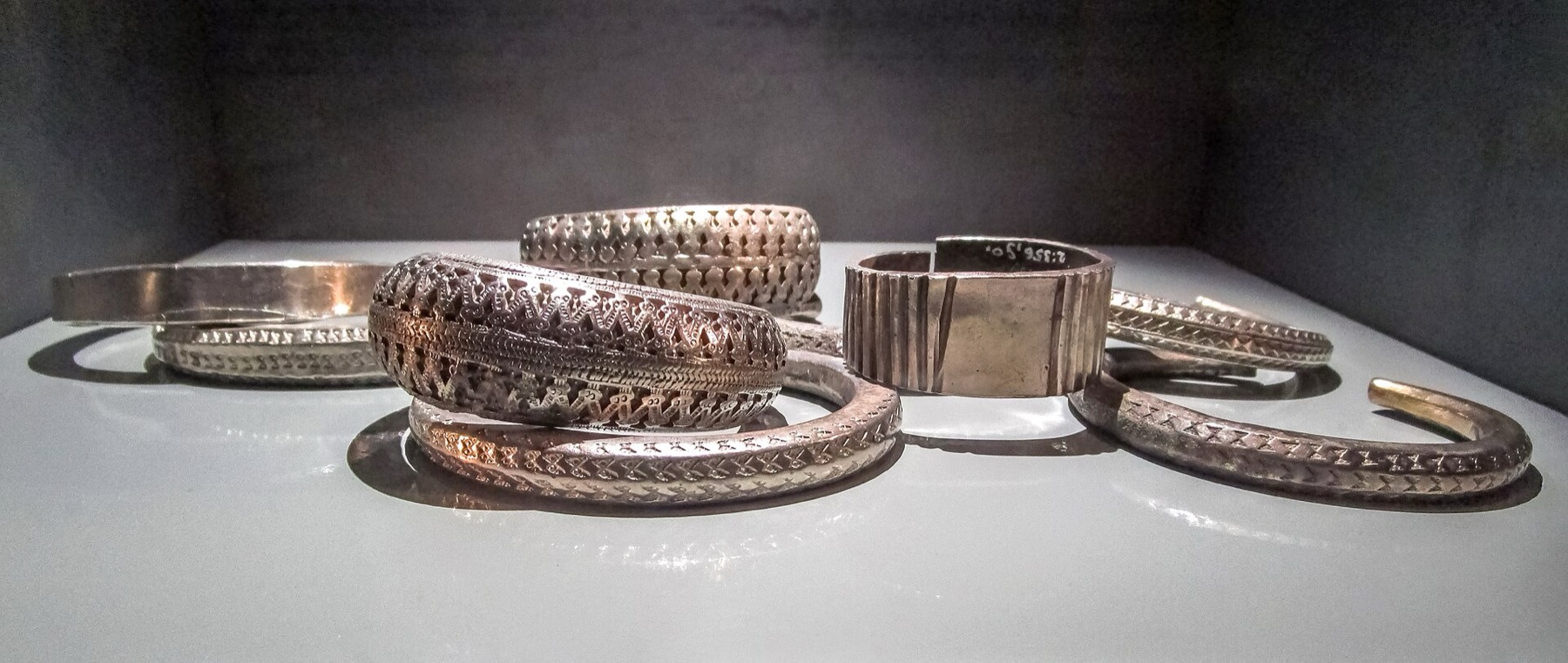
6. Gotlands Museum and the Spillings hoard
If you have time to visit just one single museum during your stay, it must without a doubt be Gotlands Museum, or Fornsalen, right in the centre of Visby. Thanks to its strategic location, the island was a major crossroads of Viking trade routes, and the amount of silver hidden in the local soil is unrivalled anywhere in the world. Farmers here still occasionally plough up thousand-year-old coins and artefacts in their fields.
The main draw of this modern museum is an absolute world rarity: the enormous Spillings hoard. It’s the largest Viking silver find in the world, weighing an incredible 65 kilograms of silver and bronze. Seeing the giant silver ingots and thousands of 9th-century Arabic coins with your own eyes is a fascinating experience that helps you understand just how fabulously wealthy and important the island once was for all of Europe.
Admission to the museum costs an adult around 150 SEK (about €14), while children and youth up to 19 get free entry. It’s open year-round, in summer usually from 10:00 to 18:00, and a careful tour of all the exhibitions will take you at least two hours.
💡 Tip: Save money and buy a combined ticket at the desk that’s also valid for the nearby art museum Gotlands Konstmuseum, just a few streets away.
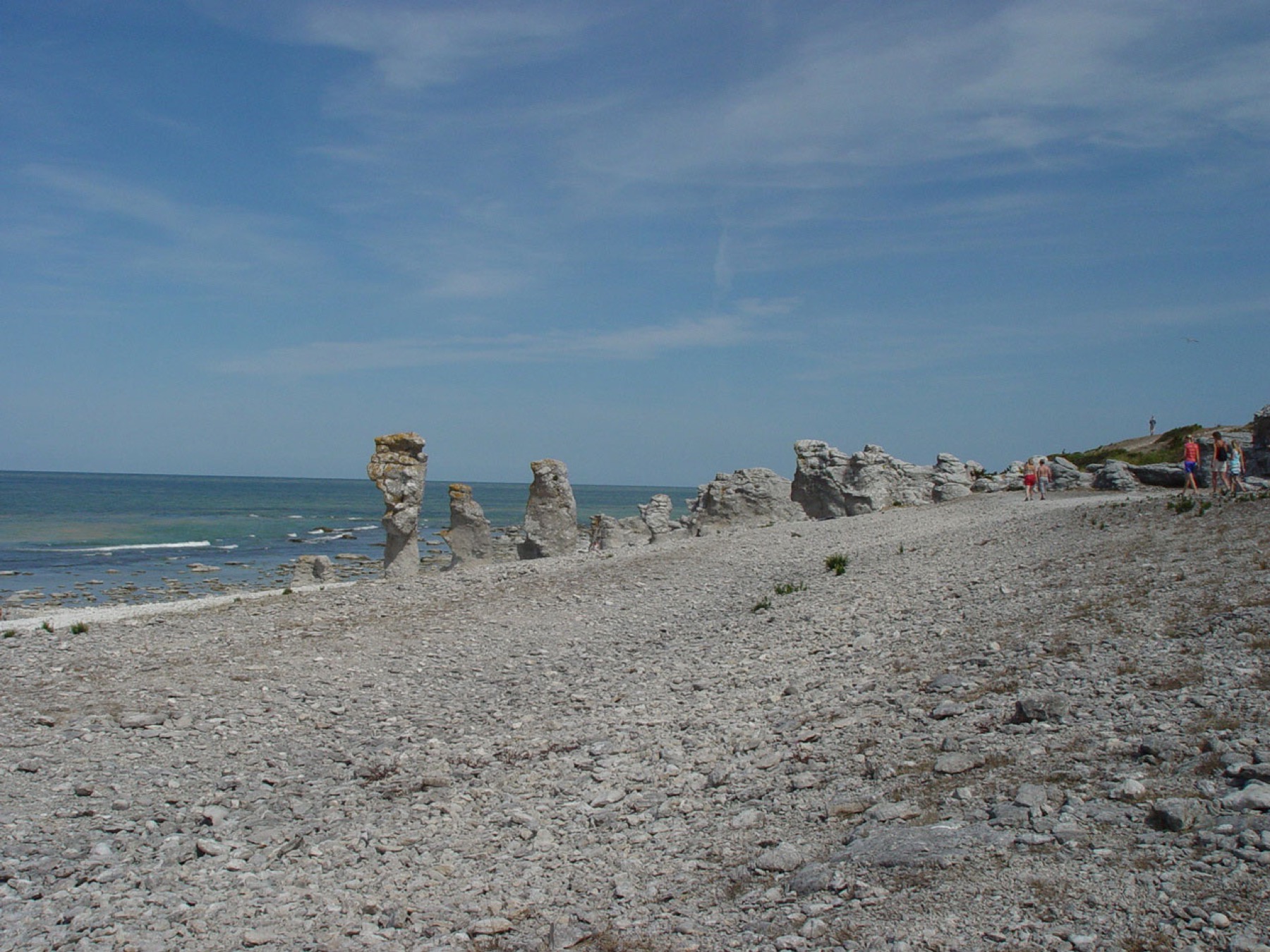
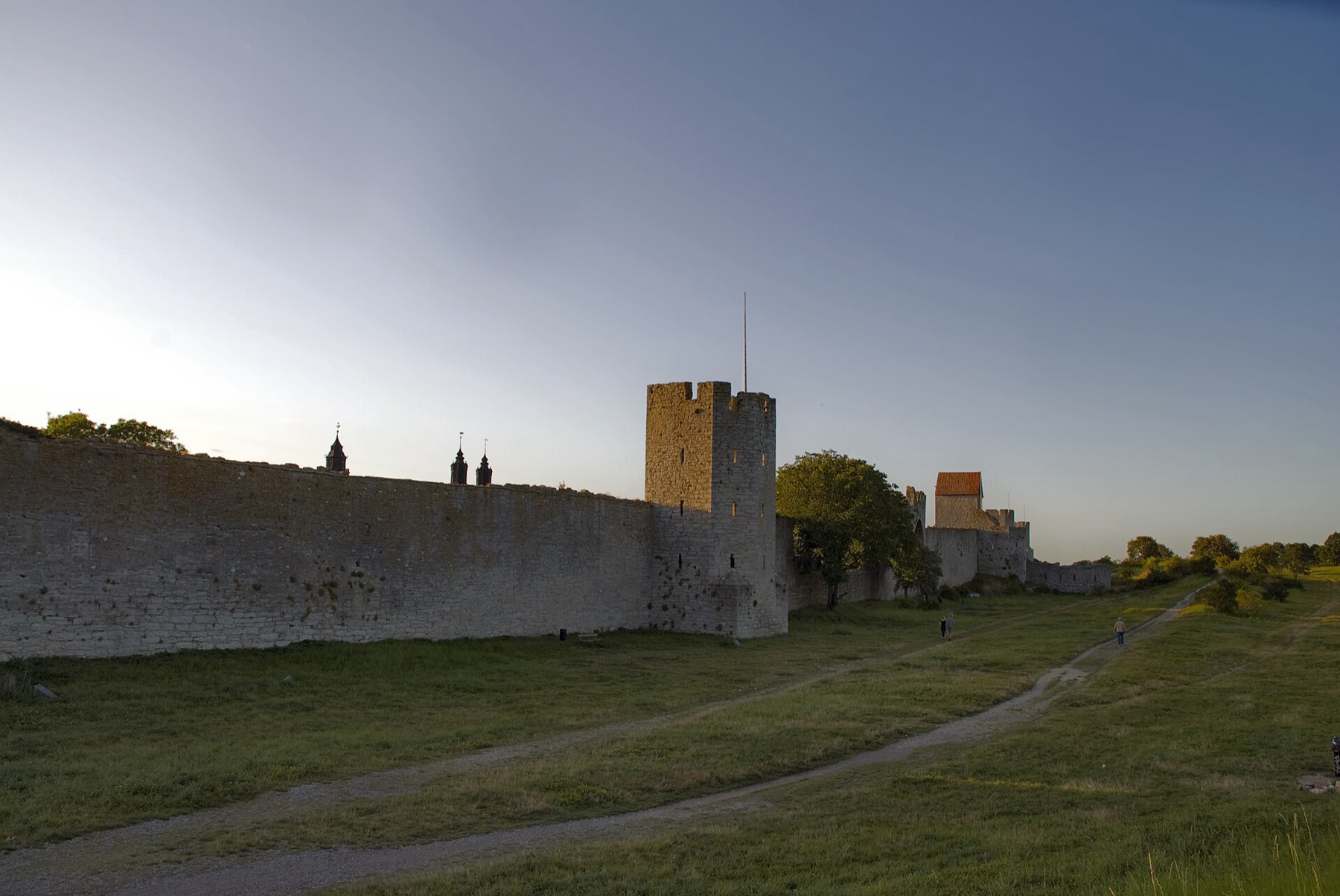
7. Fårö island and its lunar landscape
If Gotland is another world, then the little island of Fårö at the very northern tip is a whole other planet. The trip on the small yellow ferry from Fårösund harbour takes just ten minutes, and the great news is it doesn’t cost a cent for either car or passenger. On the other side of the strait you’ll be greeted by a bleaker, flatter and wilder landscape full of grazing sheep and old stone walls. From Visby it’s about 55 kilometres to the ferry, which you’ll manage by car in under an hour.
The island’s main magnet is the raukar — giant limestone stacks jutting out of the sea and pebble beaches. These rock towers, shaped over millions of years by sharp wind and salty Baltic water, are found in the Langhammars and Digerhuvud nature reserves on the west coast. Walking among the stone giants, up to ten metres tall and often resembling petrified trolls or sinister human faces, is a deeply mystical and unforgettable experience.
The whole island has a very melancholy and rugged atmosphere that sharply contrasts with romantic, well-groomed Visby. The landscape here is far more open, and the strong sea wind even shapes the local stunted pines, which bend low to the ground.
💡 Tip: The ferry is free and runs as a shuttle, but in the summer peak queues of cars can build up for as long as an hour. I definitely recommend setting off early in the morning, ideally before nine, to avoid the tailbacks and have the raukar all to yourself.
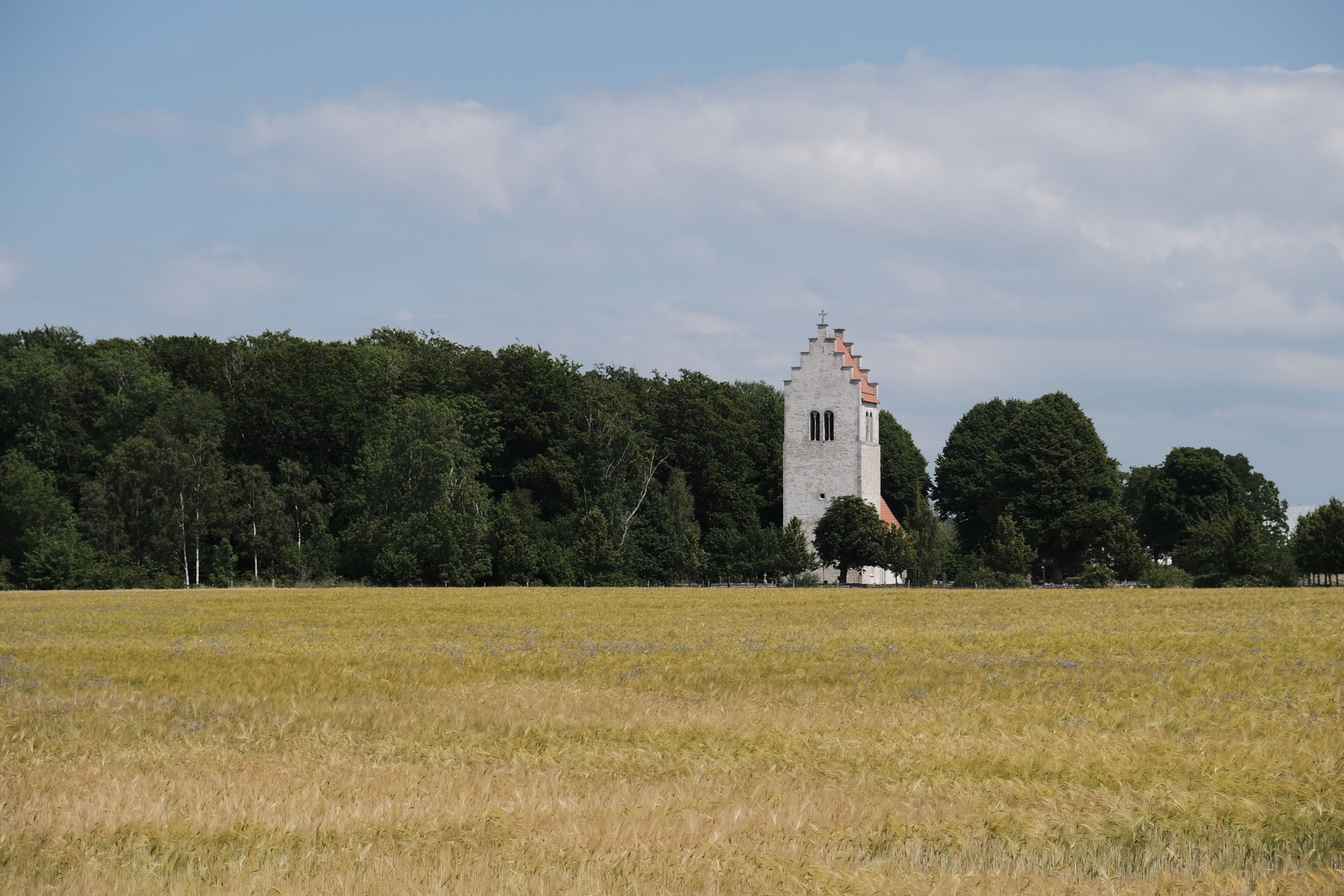
8. Ingmar Bergman and the film trail
The raw, melancholy landscape of Fårö so enchanted the legendary Swedish director Ingmar Bergman that he spent a significant part of his life here and found his true home. He shot films like Persona and Scenes from a Marriage here, and the local light and silence wouldn’t let him go — he lived on Fårö until the end of his life. To this day you feel at every step that strange calm and isolation he was seeking.
Film fans from all over the world now enthusiastically head to the modern Bergmancenter, which maps his life and work in detail. The exhibition is brilliantly done and shows just how much the island influenced his view of human relationships and his filmmaking style. Admission to the centre costs around 120 SEK (about €11) and in summer they’re usually open daily from 10:00 to 16:00. There’s also a small café and cinema where his works are regularly screened.
After visiting the museum, be sure to stop at the nearby unassuming little cemetery by the local Fårö kyrka church. This is where this giant of film has his very simple grave, adorned only with a plain stone, exactly in the spirit of the rugged local landscape he so admired.
💡 Tip: Before you head to the island, watch at least one Bergman film shot on Fårö. When you then stand on the same stony beach as the main characters, the experience of the place will be a hundred times stronger.
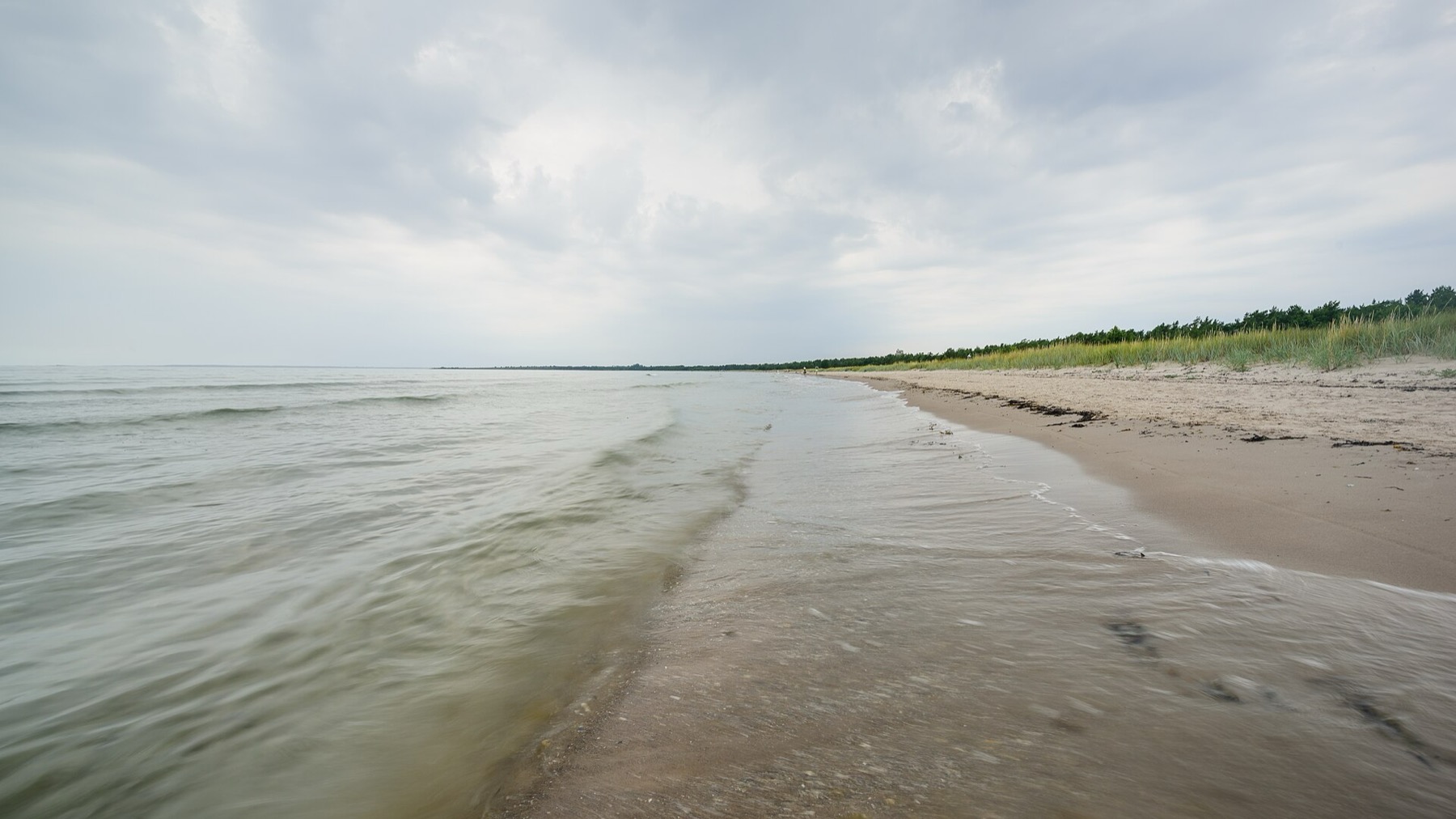
9. Sudersand and Ljugarn beaches
When you think of Sweden, swimming in the sea probably isn’t the first thing that comes to mind for the ideal summer holiday. But Gotland will quickly set you straight and convince you otherwise. Sudersand bay on the northern island of Fårö boasts fine white sand and crystal-clear water that rivals the famous beaches of northern Germany or Denmark. Parking right by the beach is free and you’ll find all the facilities you need, including toilets and showers.
Another great option is the long sandy Ljugarn beach on the east coast of Gotland itself, about 45 kilometres from Visby. It’s one of the oldest Swedish seaside resorts, where a very relaxed, old-world atmosphere with a nineteenth-century feel still reigns. The beach is very wide and offers plenty of space even on the hottest August days.
The water in these shallow bays is surprisingly pleasant in July and August and regularly reaches temperatures of around 20 to 22 °C. Thanks to the very gradual entry into the sea, even small children commonly and completely safely swim here, and for them it’s an absolute paradise.
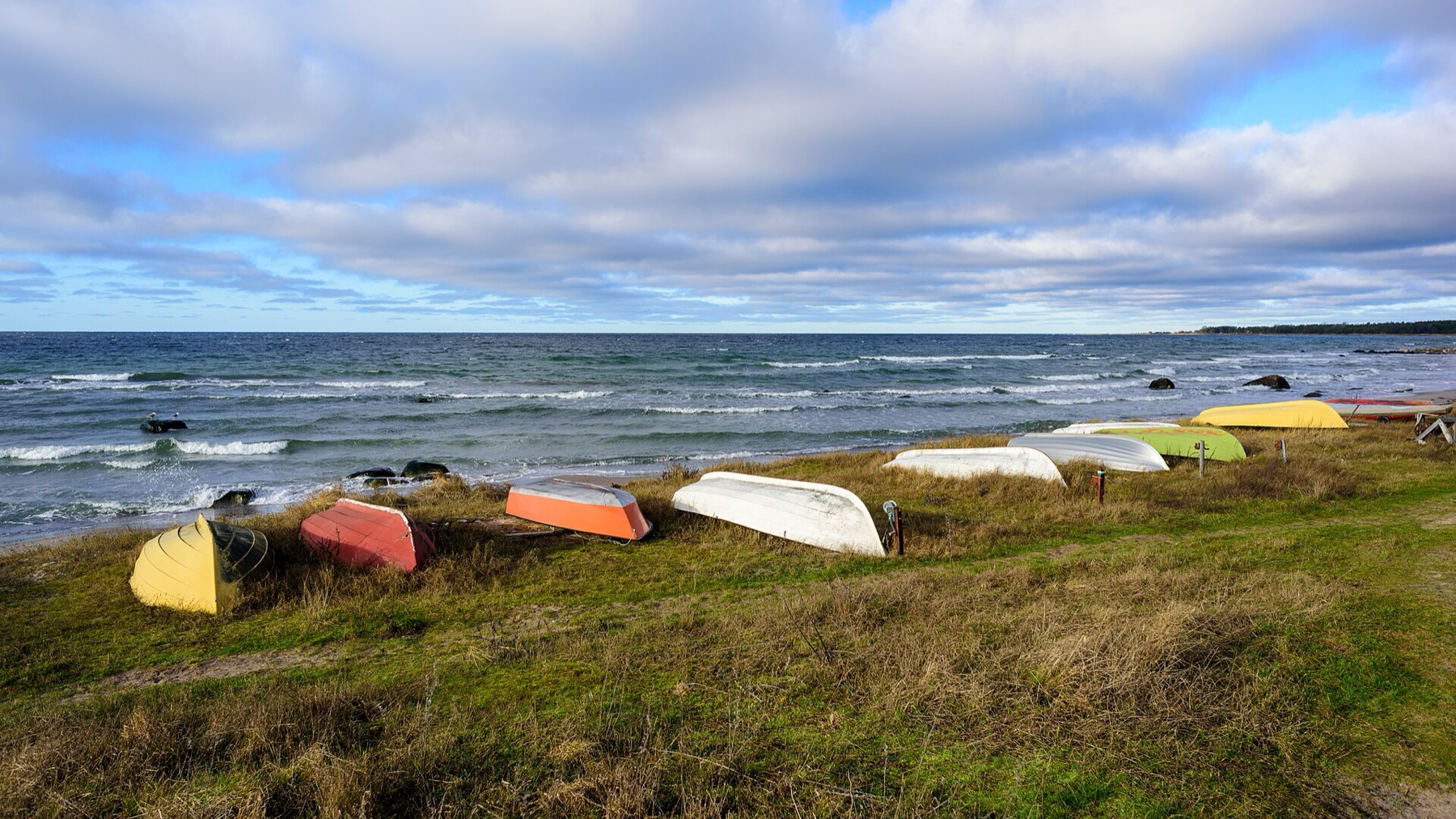
💡 Tip: Ljugarn beach is lined with old historic wooden bathing huts that are hugely photogenic. Walk along them early in the morning or at sunset for perfect holiday photos.
10. Tofta and the house of Pippi Longstocking
If you’re travelling with children, your main swimming base should be Tofta beach, just 20 kilometres south of Visby. It’s a classic, kilometres-long sandy beach with a shallow, safe entry into the water, a great campsite and every conceivable amenity. Right next door there’s also a place guaranteed to put a huge smile on the face of every child and nostalgic adult alike.
The local Kneippbyn amusement park hides the original Villa Villekulla, the very same yellow-and-pink house where the legendary 1969 series about Pippi Longstocking was filmed. The house still stands today and children can explore it from cellar to attic, try out Pippi’s retro kitchen and peek into her crazy world. In summer there are also regular open-air theatre performances here.
Be prepared, though, for the admission to the whole park to be fairly pricey — in high season it costs around 395 SEK (about €36) per person. The price does include access to the summer water park and lots of other attractions, so a family can easily spend a whole day here.
💡 Tip: If you’re planning to visit Kneippbyn, always buy tickets online in advance on their website. Not only will you save a bit on each ticket, but above all you’ll avoid the long morning queues at the ticket desks.
11. Lummelunda and the underground caves
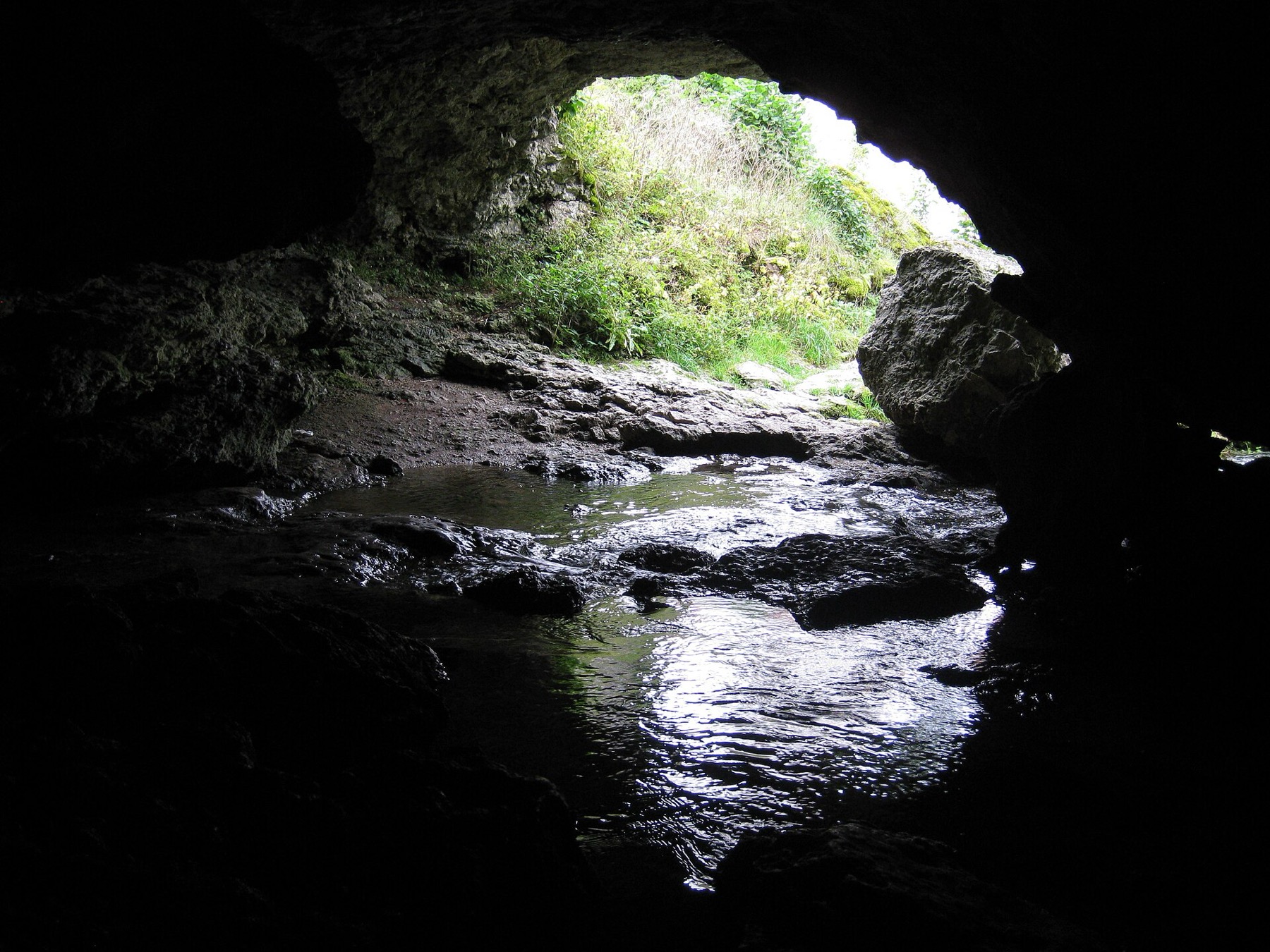
A little north of Visby, about 15 kilometres of easy driving or cycling, there’s a natural wonder you’d never expect on this flat limestone island at first glance. Lummelundagrottan is an extensive underground cave system discovered in the 1950s by three curious local teenagers. Today it’s one of the most visited and most popular natural attractions on all of Gotland.
You can take a standard guided tour along lit walkways, where you’ll see beautiful stalactites, ancient fossils and mysterious underground pools. A ticket for this classic route costs around 195 SEK (€18) and the caves are open from May to the end of September. For the more adventurous, the cave management also offers special caving expeditions in wetsuits into the flooded parts of the complex, where the ordinary tourist never sets foot.
The area around the cave is also a beautiful nature reserve with steep cliffs, worth a longer coastal walk in its own right. You’ll also find an old water mill and a pleasant café where you can rest after the tour and take in your underground impressions.
💡 Tip: Don’t forget to bring a warm jacket or jumper, even if it’s thirty degrees and sunny outside. Inside the cave complex a steady temperature of just 8 °C prevails all year round.

12. 92 medieval churches in the countryside
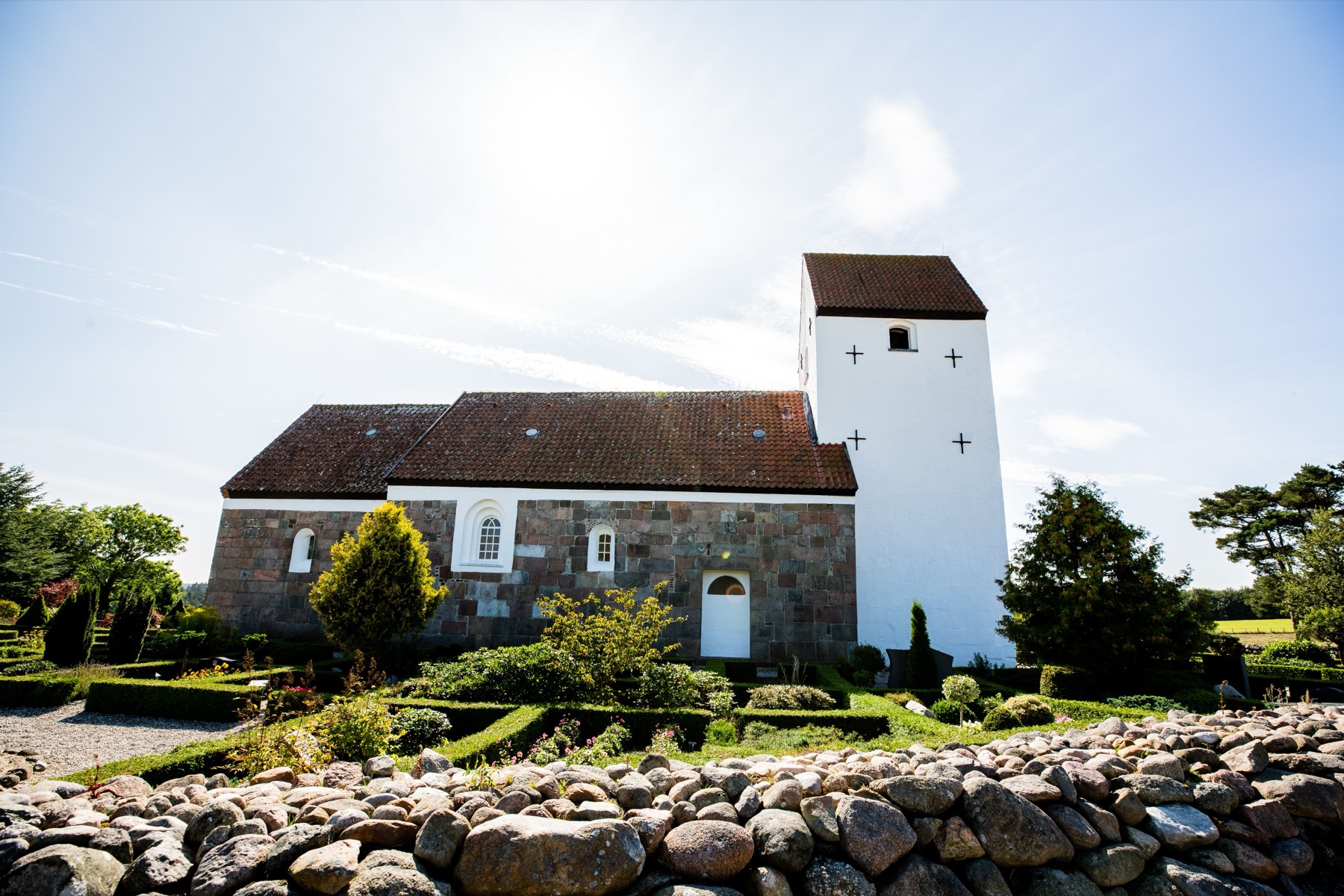
While most tourists often get stuck in Visby alone, the real soul of Gotland lies in its flat and incredibly peaceful interior. Travelling off the main routes, you’ll soon notice one enormous anomaly: every village, even the smallest, has a huge, beautifully preserved medieval church. There are exactly 92 of them, built of solid stone and still functioning without a hitch for the local community.
They serve as a fascinating reminder of a time when the island was fabulously wealthy thanks to maritime trade and ordinary farmers could afford to build churches that elsewhere would only stand in large cities. Most of them stay open during the day from May to September (usually from 9:00 to 18:00) and entry is completely free. You can walk right in and, in absolute silence, admire the rare wooden statues, fonts and frescoes from the 13th century.
Among the architecturally most beautiful and largest are the churches in the villages of Öja, Tingstäde and Dalhem. Driving or cycling from one church to another is also a wonderfully meditative experience, during which you’ll see the real, tourism-untouched Swedish countryside.
💡 Tip: Stop by the tourist information centre in Visby and pick up the free map called Nyckel till Gotlands kyrkor, which will guide you to the architecturally most interesting gems on the island.
13. Gotland by bike: A perfect flat
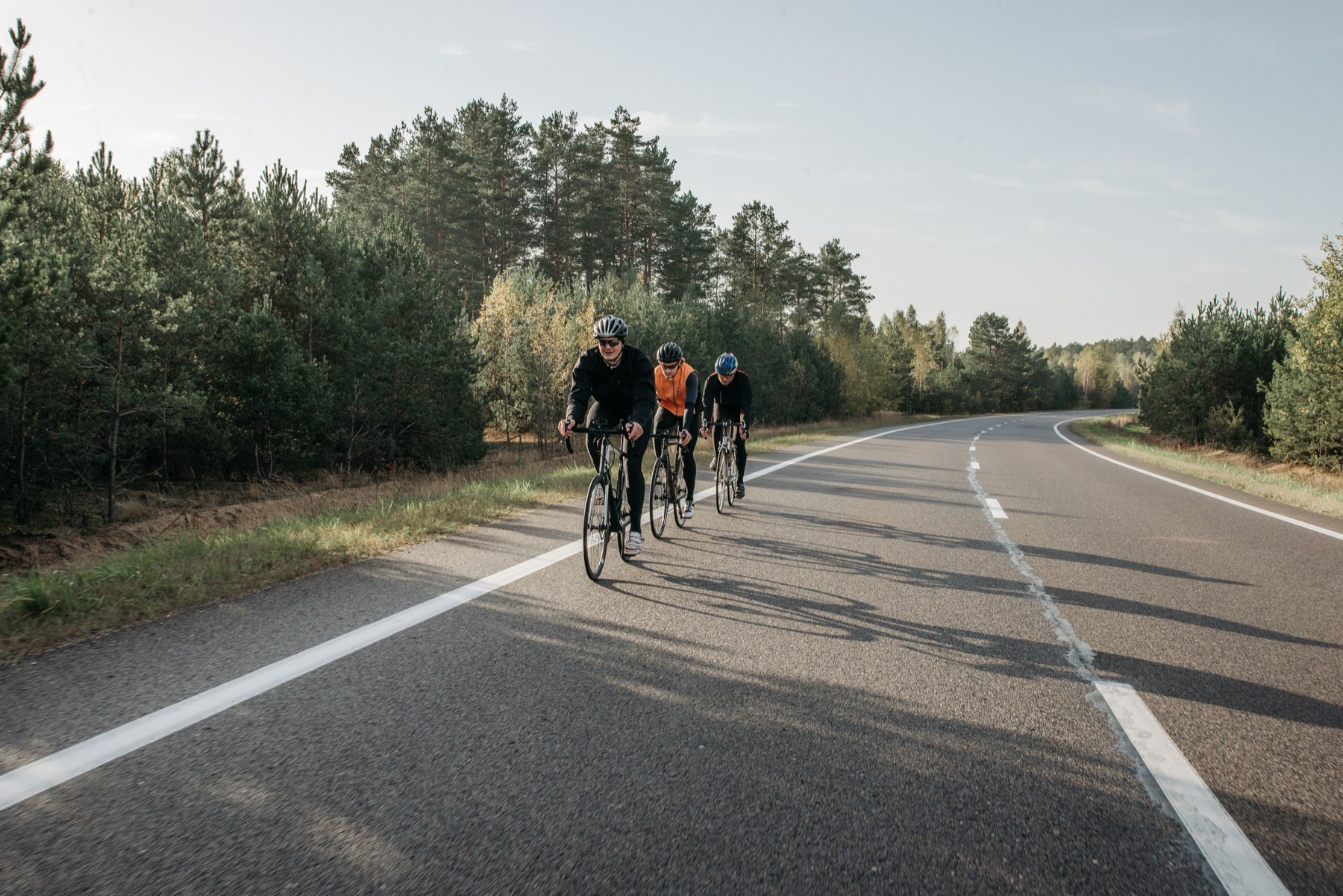
The island is incredibly flat, its highest point rising just 82 metres above the sea, and there are absolutely no exhausting hills. That makes it an absolute paradise for cyclists of all ages and fitness levels. Renting a bike in Visby and setting off along the narrow, quiet paved roads between farms is by far the best way to soak up the relaxed local atmosphere and discover hidden spots.
Traffic on the side roads is absolutely minimal and the routes are excellently and clearly signposted for cyclists. You can do an easy day trip from Visby to the Lummelunda caves, about 15 kilometres one way, or set off on a multi-day journey from church to church. Reliable rental shops are right by the harbour, and a daily rental of a classic bike costs you around 200 SEK (about €18).
Besides classic bikes, the rental shops also offer modern e-bikes, which make a lot of sense here. Gotland may have no hills, but a strong headwind from the sea often blows, and it can turn a longer ride along the open coast into quite a demanding athletic feat.
💡 Tip: If you plan to ride longer routes, pack enough water and a snack in your backpack. In the countryside the distances between open cafés or shops are often much greater than you’d expect.
14. Hoburgsgubben and the wild south of the island
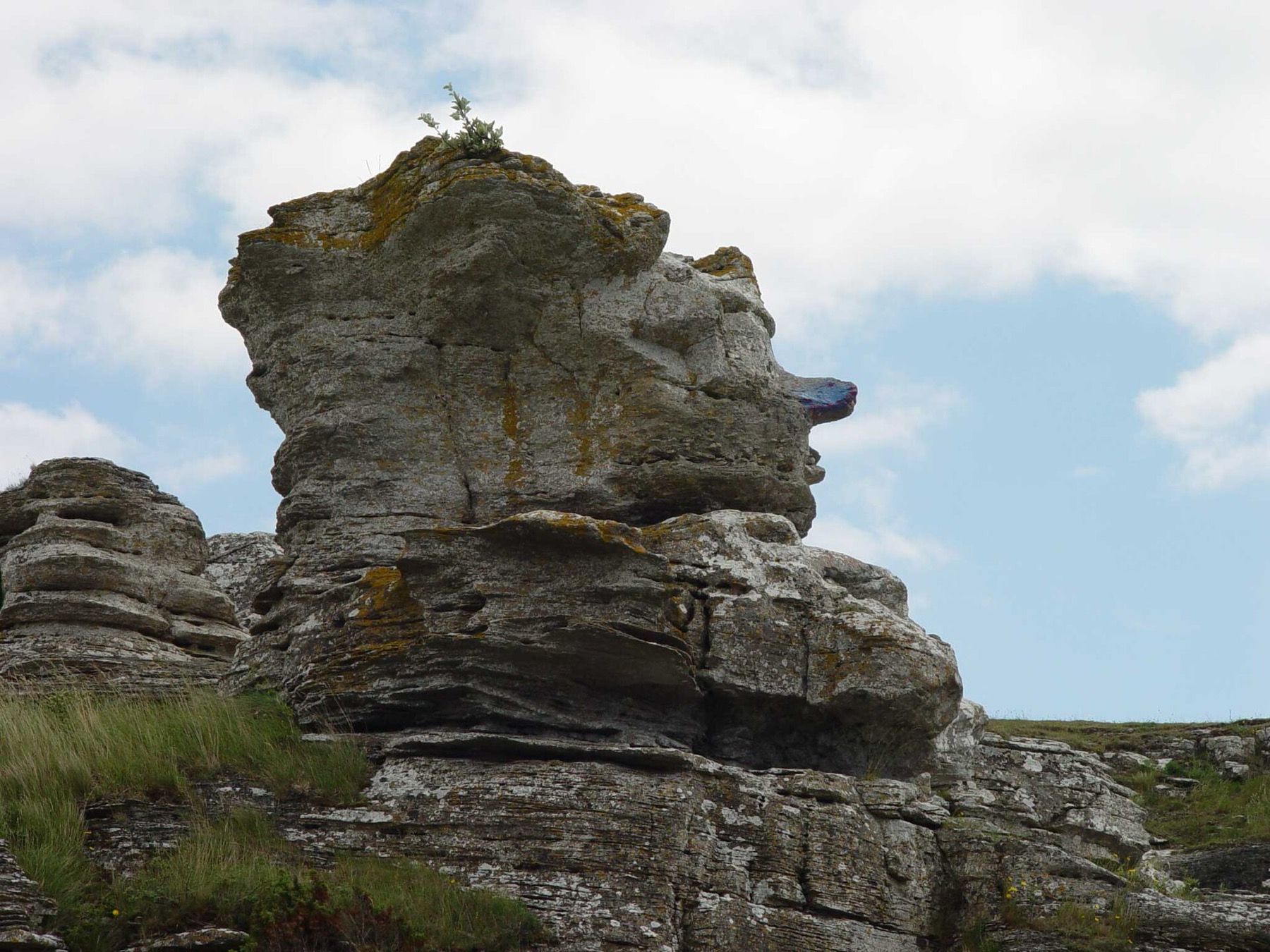
While the north is known for Fårö island and crowds of tourists, the southern tip known as Sudret has a completely different, far lonelier and rougher atmosphere. The landscape here is dotted with old windmills and lined with dramatic limestone cliffs dropping straight into the cold sea. The most famous point in the whole area is Hoburgsgubben, a mighty rock formation that, seen from the right angle, resembles the head of an old man gazing out to sea.
The trip to this remote south takes you a little over an hour by car from Visby, since you have to cover about 90 kilometres. But it’s absolutely worth the time behind the wheel. You’ll find wonderful local farms here, quiet pebble bays, and the roads wind right along the coast with endless views to the horizon.
The whole area is a protected nature reserve with completely free access, offering real Scandinavian romance without the crowds. It’s exactly the kind of place where you can sit on a cliff, listen to the waves and not meet a single soul all afternoon. For lunch you can then stop at one of the local farmsteads, which often serve excellent vegetarian dishes from their own produce.
💡 Tip: From the Hoburgsgubben rock formation, set off on foot along the yellow-marked hiking trail, which leads you along the edge of the most beautiful cliffs on the entire south coast.
15. Stora and Lilla Karlsö: The bird islands
If you love nature and wildlife, you mustn’t miss a full-day trip to the pair of small limestone islands lying off the west coast of Gotland. Stora Karlsö is the second-oldest nature reserve in the world (created right after America’s Yellowstone) and you get there by excursion boat from the small harbour village of Klintehamn, about 35 kilometres south of Visby.
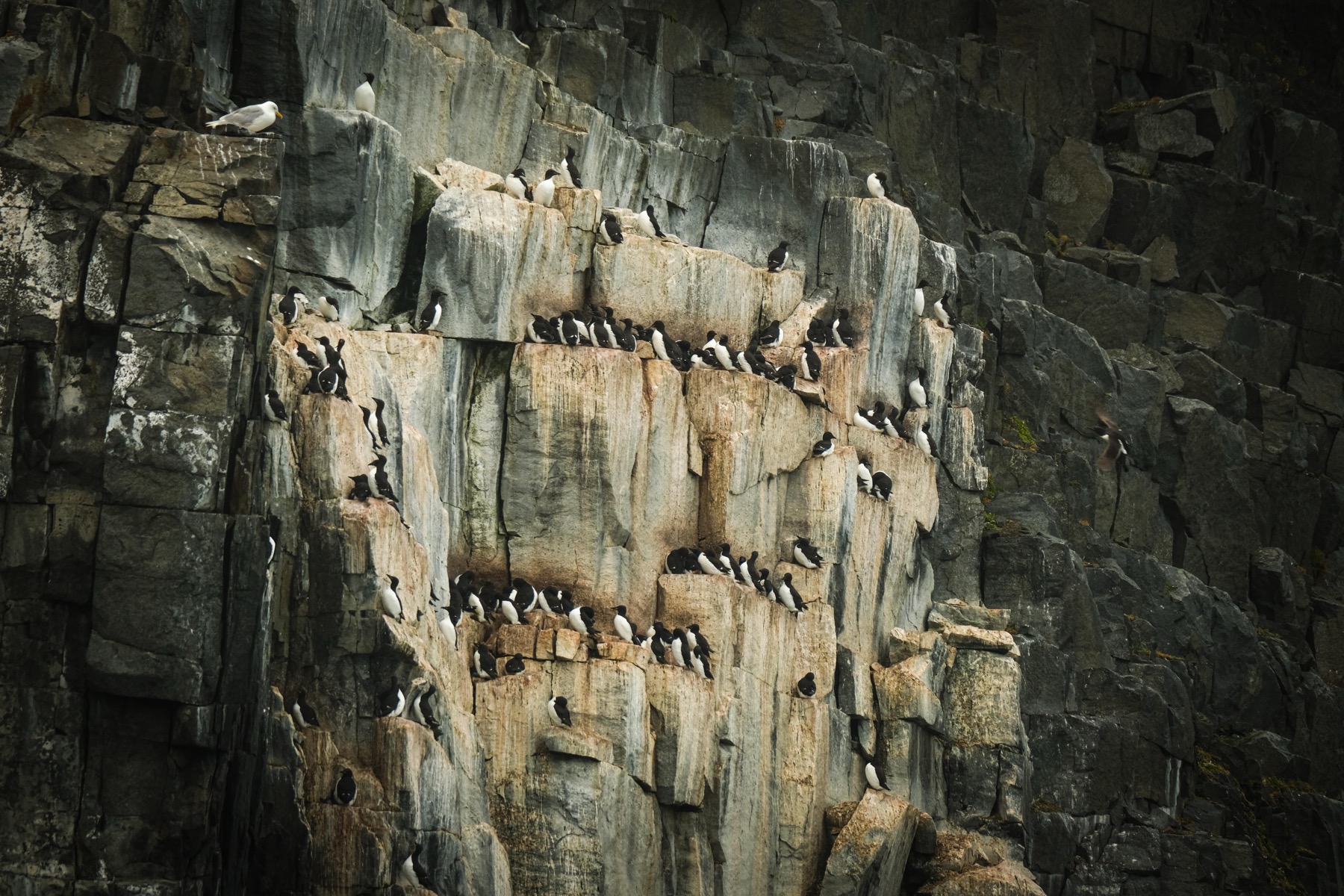
The islands are world-famous as a giant nesting site for tens of thousands of seabirds, especially guillemots and razorbills. These fascinating birds, with their huge colonies on the steep cliffs, strikingly resemble little penguins, and watching them is a huge experience. A walk around the island with an ornithological guide will reveal not only the birdlife but also the amazing limestone flora that develops undisturbed here thanks to the absence of predators.
A boat ticket combined with a guided tour costs you around 450 SEK (€41). Because of the strict protection of nature and nesting birds, visitor capacity is strictly limited, so there are never too many people on the island at once.
💡 Tip: You have to book the trip to the islands well in advance online, because the boats tend to fill up quickly in summer. And definitely don’t forget to pack a good pair of binoculars!
16. Saffranspannkaka and Gotland fika
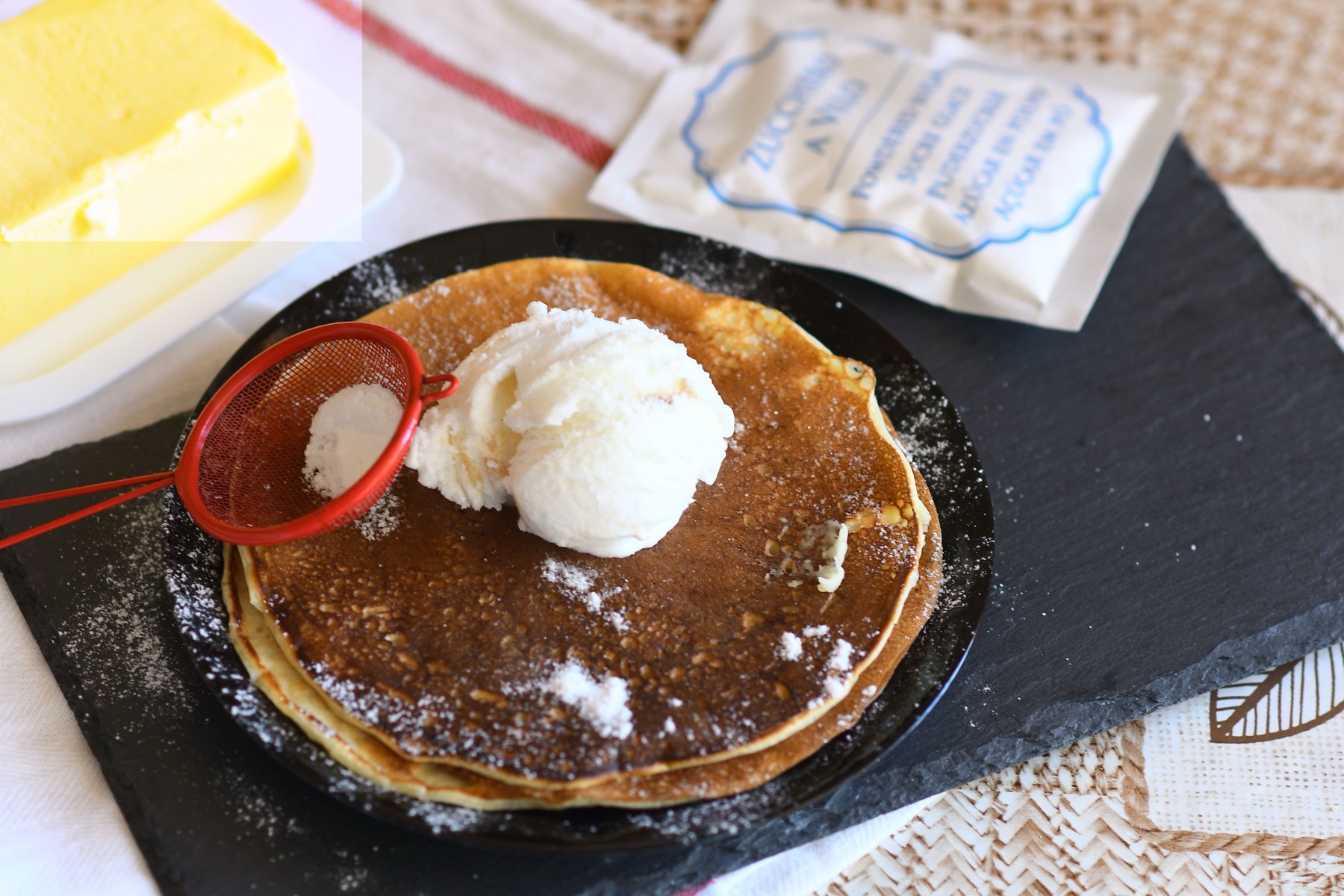
Gotland has its own very specific cuisine, which as vegetarian travellers we absolutely appreciate and, in all likelihood, you’ll fall in love with too. The absolute island classic is saffranspannkaka, a dense saffron pancake baked from rice pudding, almonds and cream. Thanks to a generous dose of expensive saffron it glows bright yellow and is more of a very filling dessert than the classic thin pancake. It’s traditionally served cold or lukewarm, topped with a proper dollop of whipped cream and the essential dewberry jam (salmbär), which grows wild all over the island and has a slightly tart taste.
You’ll buy it in every café during the traditional Swedish coffee break called fika; they make a great one at the Majstregården café near the Hoburgsgubben cliffs in the south of the island, and a portion costs you around 80 to 100 SEK (€7 to €9). It’s a perfect energy boost after a long bike ride.
Another local tradition you shouldn’t miss is the excellent farmhouse cheeses and homemade jams sold at small family stalls by the roadside. These stalls work purely on the honour system, so you take the goods and drop the money in a little box, or pay via the Swedish app Swish.
💡 Tip: Since as a visitor you won’t have access to the Swish payment app, always keep a few Swedish crowns in cash on you for purchases at the small roadside stalls, otherwise you won’t be able to buy that homemade jam.
17. Truffles and asparagus: An island full of flavour
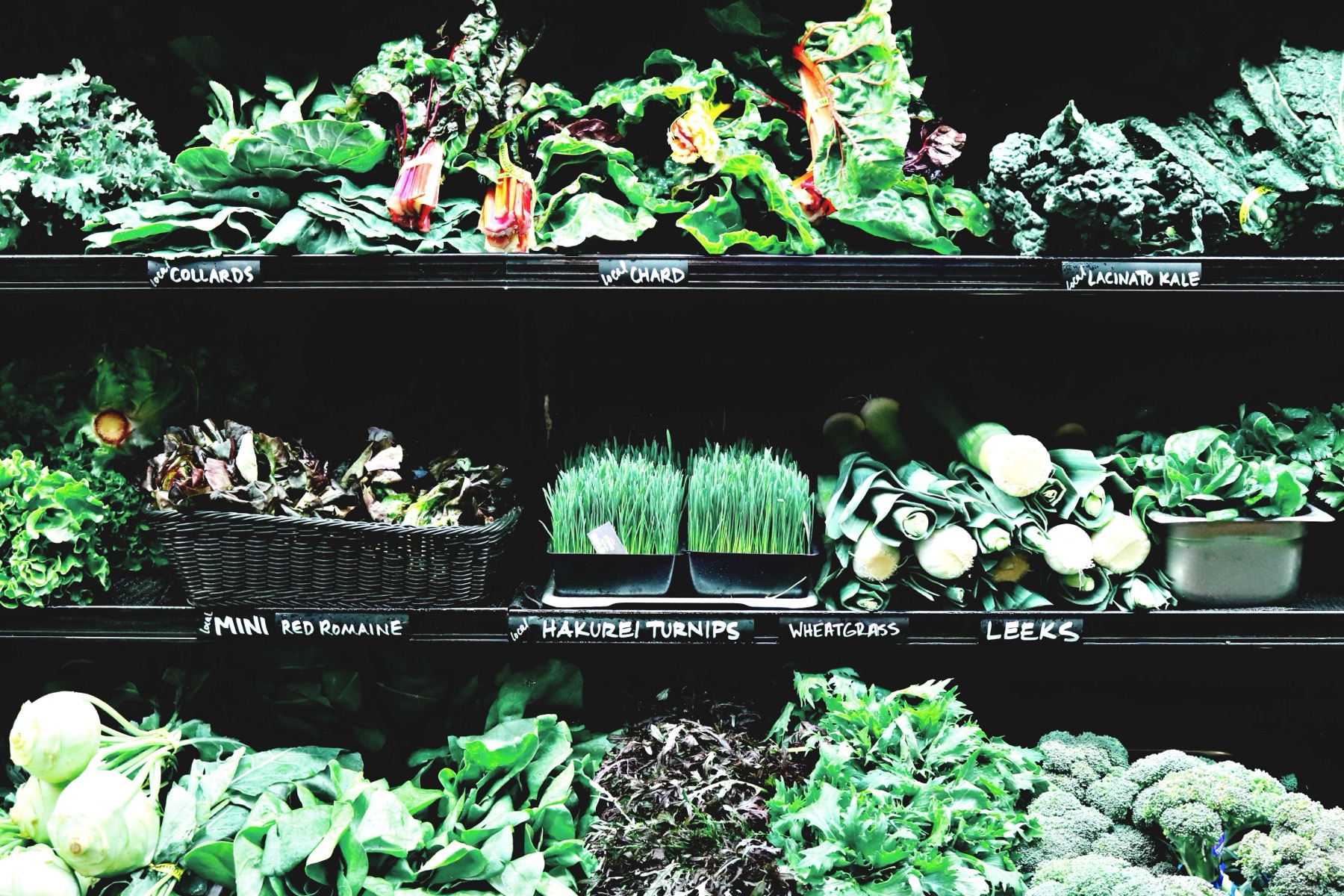
Thanks to its strongly limestone soil and unusually mild climate, Gotland is a real agricultural pearl of all of Sweden and an absolute paradise for vegetarians. It’s the only place in Scandinavia where black truffles grow in the wild. In autumn there are even big truffle safaris here with specially trained dogs, and local restaurants offer fantastic meat-free truffle menus, from hearty pasta to delicate flavoured butters.
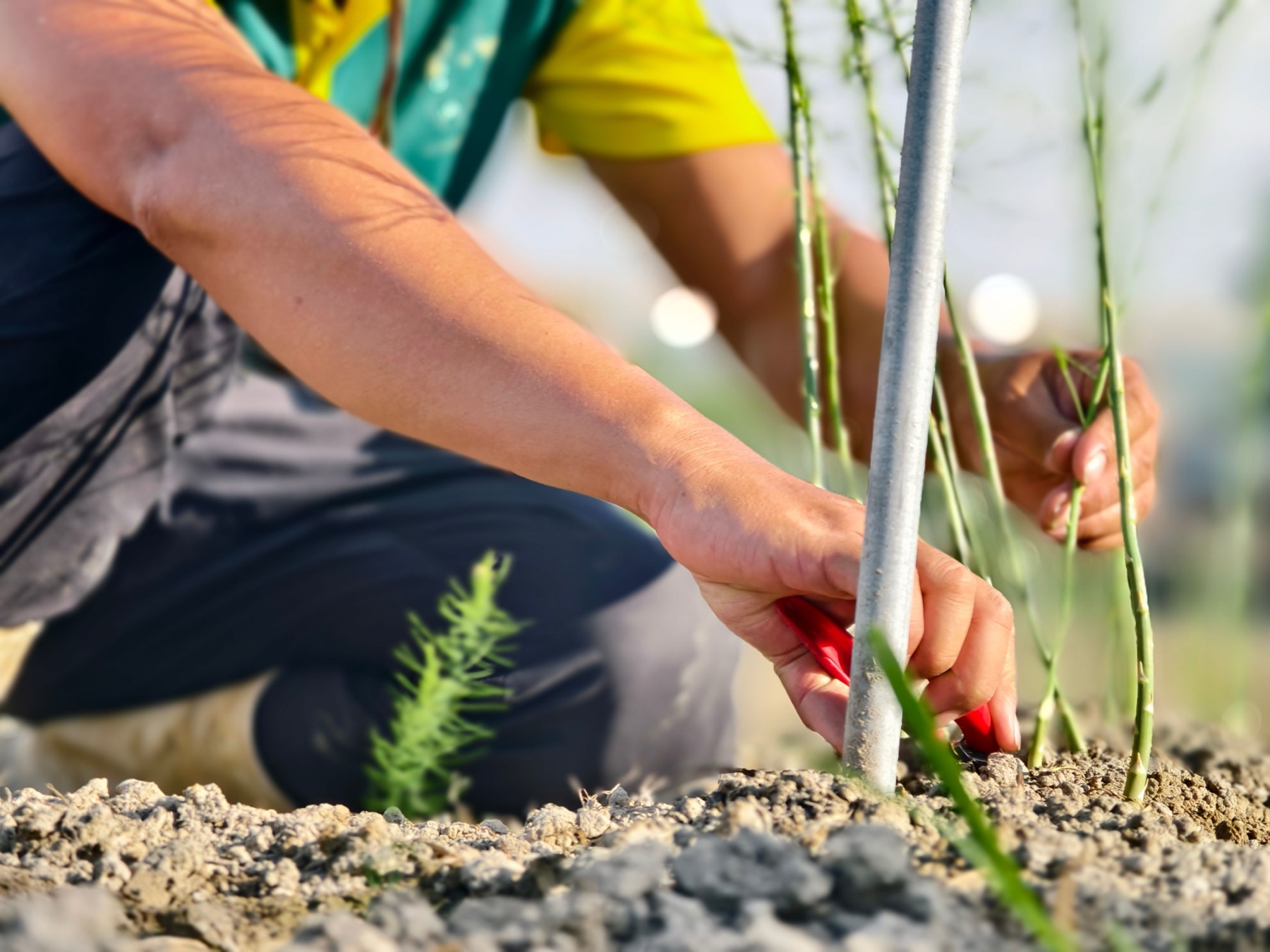
In spring the whole island turns into an endless asparagus kingdom. Fresh green and white asparagus from the local farms is a delicacy renowned throughout Sweden, and I warmly recommend ordering it at one of the rural restaurants simply lightly grilled with lemon and fresh herbs. For the best truffle menu, be sure to head to the celebrated Smakrike Krog & Logi restaurant in Ljugarn. The island is also home to the famous Gotland lamb and various fish specialities that form the basis of the locals’ historic diet, but you can happily focus on these local vegetable treasures, of which there are plenty.
During summer you mustn’t skip a stop at one of the many pancake houses (pannkaksträdgård), where fantastic savoury and sweet variations are served. In short, Gotland is one of the few places in Scandinavia where, as a vegetarian, you won’t have to sulk over a bowl of soup and envy everyone else. Fans of specialty coffee will also get their fill, because small independent roasteries have been sprouting up like mushrooms here in recent years.
💡 Tip: During May and June, stop at one of the many farm shops (gårdsbutik) and buy fresh asparagus straight from the grower. You won’t find it fresher or cheaper anywhere else, and you’ll be directly supporting the local family farms.
18. Gårdsförsäljning: Farm alcohol in 2026
For all travellers, 2026 brings one absolutely crucial and groundbreaking novelty that fundamentally changes long-standing Swedish traditions. After more than a hundred years of the strict state monopoly of Systembolaget, a pilot project for on-farm alcohol sales, so-called gårdsförsäljning, is getting fully under way. Gotland has a very strong tradition of small craft breweries and organic farms, which can now offer their products directly to tourists without a middleman.
So now, after a short tour of the production or a tasting, you can buy local alcohol directly from the maker and take it home with you or to your rented cabin. A visit to a small brewery tucked away somewhere in the countryside thus becomes a brilliant destination for an afternoon bike trip. You no longer have to search laboriously for a branch of the state shop in Visby and anxiously check whether it happens to be Sunday afternoon, when state shops are uncompromisingly closed everywhere.
There are clear rules, though. To be able to buy alcohol on a farm, you must be over 20 and the purchase must always be tied to some educational activity, which in practice means taking a guided tour or a guided tasting. The price of such an excursion is usually around 150 to 250 SEK (€14 to €23), but the experience of the authentic setting is definitely worth it.
💡 Tip: A condition of buying on a farm is taking part in a paid tour or tasting. In summer these events at the popular island micro-breweries tend to sell out fairly quickly, so it’s best to book your spot online a few days ahead.
19. Medeltidsveckan: The Middle Ages up close
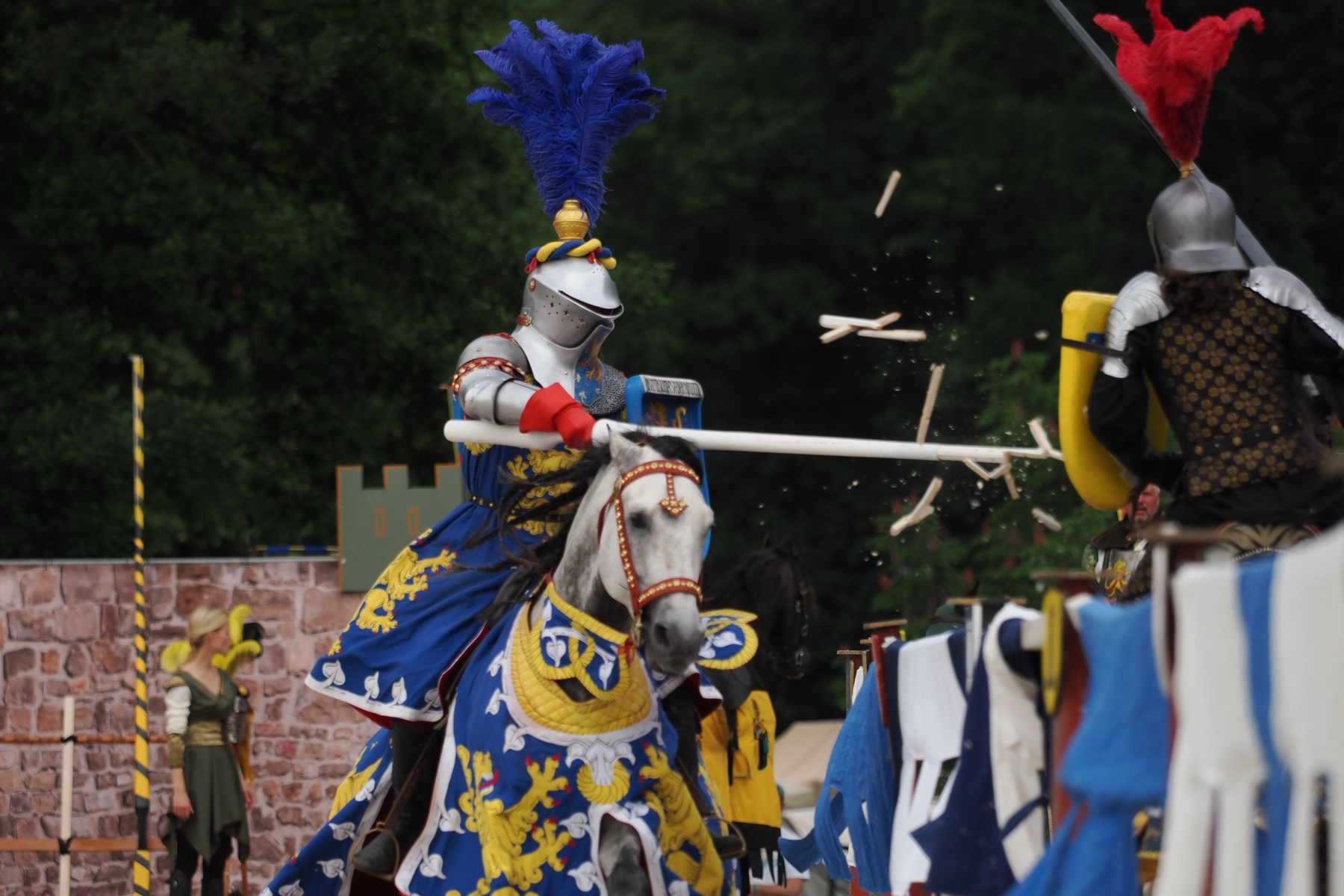
This isn’t just an ordinary local festival with a few stalls — it’s an absolute cultural phenomenon and an event that the whole island lives for in summer. As already mentioned, during the second week of August (in 2026 it falls exactly on 2 to 9 August) all of Visby is thrown back in time by eight hundred years. During Medeltidsveckan, the streets fill with knights, wandering jesters, craftspeople and thousands of people in perfect historical costumes.
Every year over 40,000 visitors gather for the event and grand jousting tournaments are held right beneath the ancient walls. The medieval markets smell of baked bread and exotic spices, live period music plays everywhere and evening fire shows lend the church ruins a magical atmosphere. The atmosphere is utterly immersive and infectious, and even if you don’t normally go in for history, this will simply sweep you away.
A festival pass for the whole week costs an adult around 500 SEK (€45), which by Swedish standards is actually quite a pleasant price, but you’ll experience a huge amount of the street action even without one. If you decide to come during this period, be prepared to book hotels, campsites and ferries as much as a year ahead. The island’s capacity is stretched to its absolute maximum during the festival.
💡 Tip: Want to blend into the crowd but don’t have a historical costume at home? The rental shops in Visby are pretty pricey during the festival. It’s perfectly enough to bring some simple loose linen clothing in natural earthy colours and cinch it with a leather belt.
20. Romance in the fishing villages
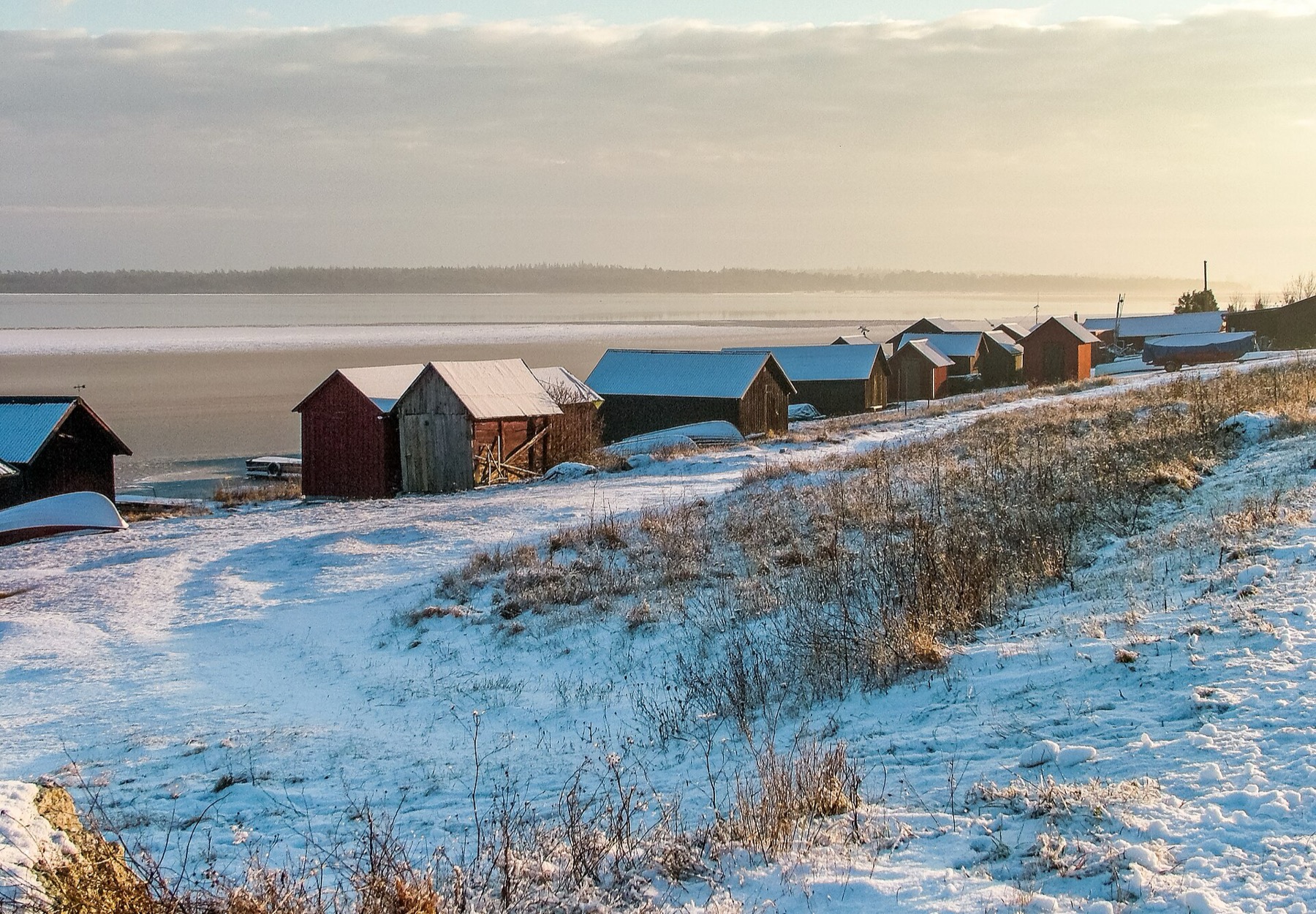
Driving along the coast off the main paved routes, you’ll surely come across the so-called fiskelägen. These are old fishing hamlets made up of dozens of small wooden huts huddled close together on rugged pebble beaches. In the past they served local farmers and fishermen as seasonal dwellings during the harsh autumn herring catch and sheltered the expensive fishing nets from the rough Nordic weather.
Today these huts are often beautifully restored, glowing in the typical red or black colour and serving as miniature summer cabins passed down in families from generation to generation. Among the absolute most picturesque are the hamlets of Gnisvärd, about 20 kilometres south of Visby, and the remote hamlet of Helgumannen on the northern island of Fårö. You can stop here any time of day, because they’re freely accessible and there’s no entrance fee.
These are places where the nets still stand on poles, the shadows of the huts fall across the pebbles and not a soul is in sight — exactly the type of scenery that simply can’t be photographed badly. Try sitting for a while on the sun-warmed pebbles, listening to the waves and soaking up the true island solitude undisturbed by any crowds of tourists with cameras.
💡 Tip: Plan your visit to the fishing hamlets ideally for the early evening. The low setting sun gives the old wooden huts a wonderfully soft, golden light and you’ll avoid harsh shadows in your photos, which every photography lover will appreciate.
Where to eat on Gotland
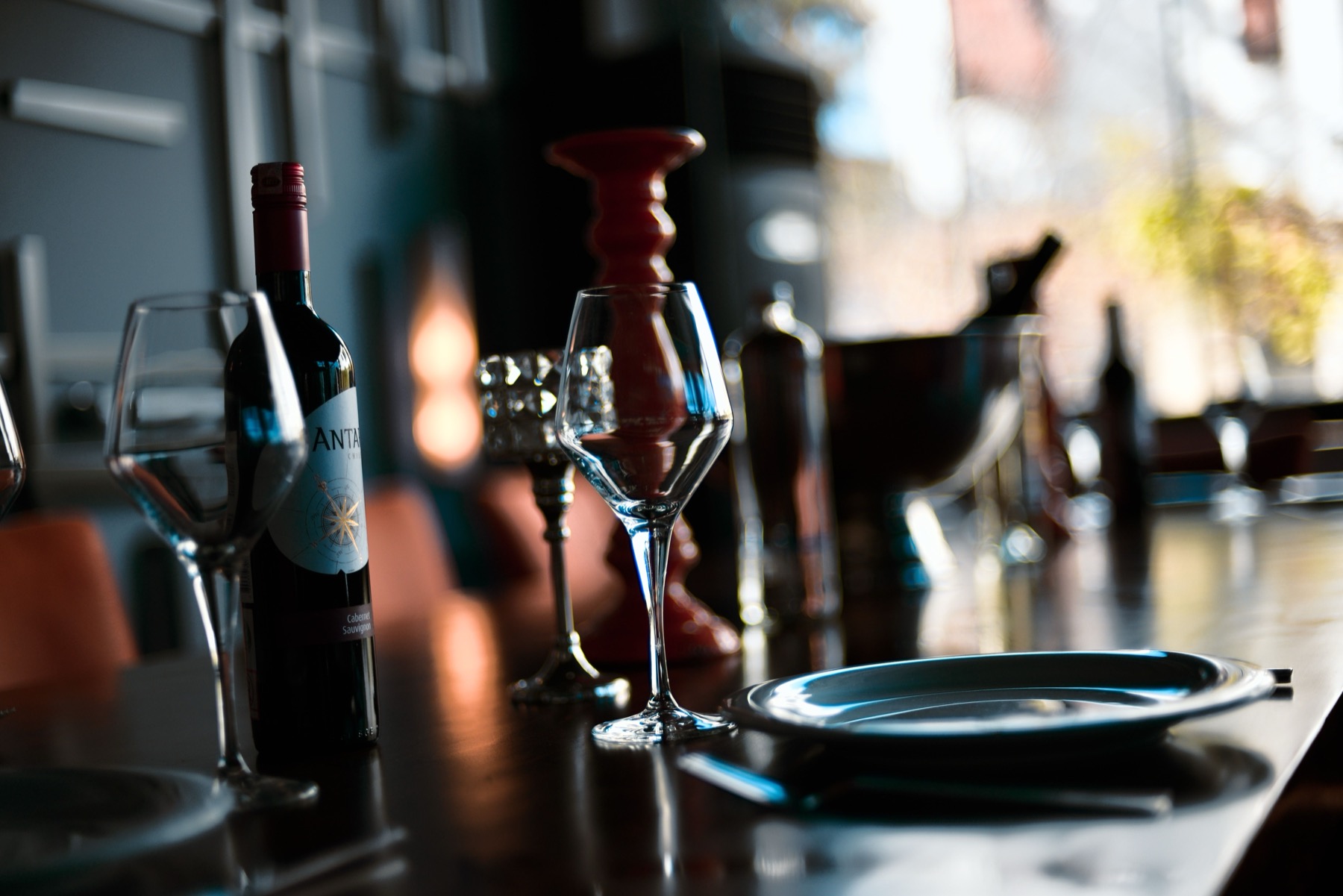
The island is a true culinary paradise that prides itself on local ingredients. You won’t find rows of anonymous fast-food joints here, but rather cosy bistros, small farm cafés and family restaurants with a personal touch. Lovers of traditional Nordic cuisine will get their fill, but thanks to the mild climate and generous harvest, you’ll quite commonly get top-notch vegetarian dishes too.
In summer, expect the most popular places to be packed to the last seat in the evening. So I recommend making early dinner reservations — you’ll save yourself a lot of unnecessary searching and stress. Here are the specific spots you definitely shouldn’t miss while touring the island.
Dinner in the alleys of Visby
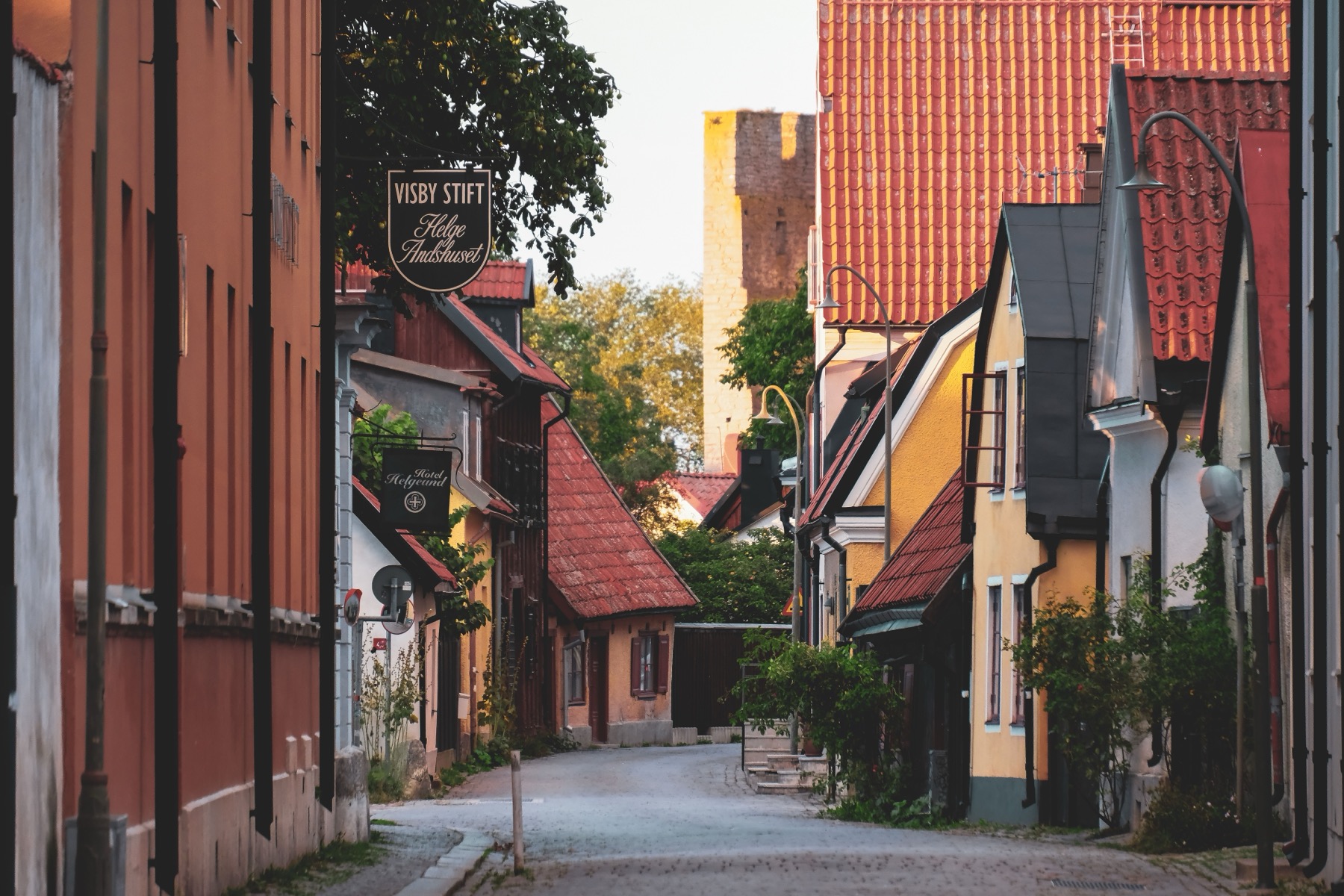
If you’re after an amazing experience right in the capital, definitely head to Crêperie & Logi. This hugely popular spot sits in one of the narrowest historic alleys and specialises in French galettes and sweet crêpes filled with the best local cheeses and vegetables. The atmosphere inside is pleasantly noisy and informal, and the staff dart between tables with a smile.
Another gem for lovers of quality dining is the Isola Bella restaurant, which whisks you for a moment from the cold north to sunny Italy. They cook excellent homemade pasta dishes here and make abundant use of fresh Gotland asparagus and truffles, so it’s a great combination of Mediterranean tradition and Swedish ingredients. The candle-filled interior also takes care of just the right evening romance.
Country cafés and farms
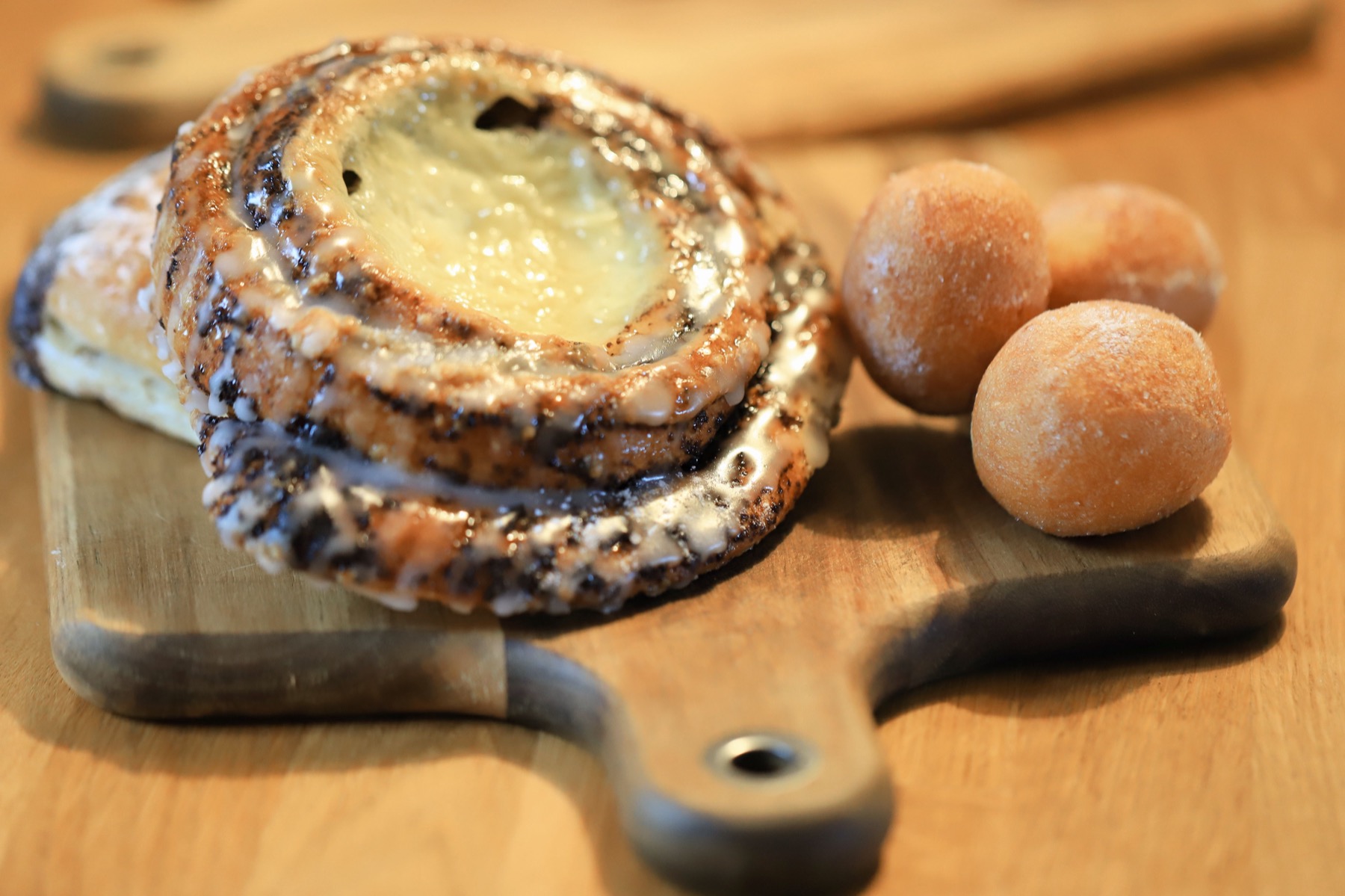
As you roam the island by bike or car, sooner or later the real Swedish coffee culture will wash over you. Stop at the charming Sylvis Döttrar on Fårö island, a homely bakery and café in one. They bake the best cinnamon buns far and wide and pour your coffee happily into a classic porcelain cup.
For a heartier lunch in the middle of nature, try Lilla Bjers near Visby. It’s an organic farm with its own award-winning restaurant, where they serve exactly what they harvested from the field that morning onto your plate. Their seasonal vegetarian menus are wonderful, full of colour, and are guaranteed to recharge you for more discovering of the limestone beauties.
How to get to Gotland by ferry
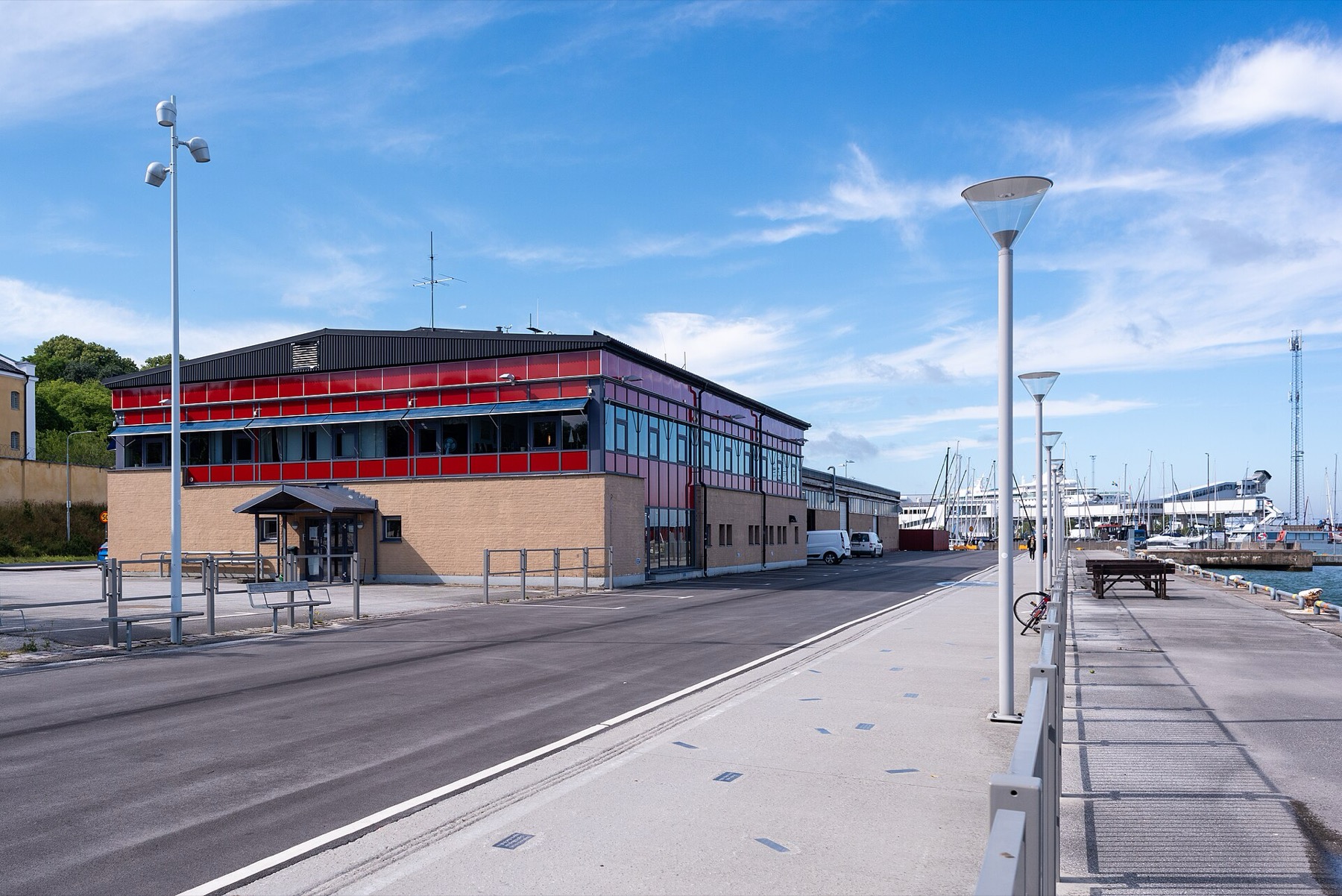
Planning your trip to the island takes a little logistics, but it’s nothing complicated. The vast majority of travellers choose the modern ferries of Destination Gotland, which are huge, modern and offer every conceivable comfort on board, including good restaurants, kids’ play areas and a cinema. They sail from two main ports on the Swedish mainland and dock right in the centre of Visby.
The first option is Nynäshamn port, just under an hour’s drive south of Stockholm, easily reachable by commuter train from Stockholm’s central station. The crossing from here takes 3 hours and 15 minutes. The second option, absolutely ideal for drivers arriving from southern Europe or overland via the Öresund Bridge, is Oskarshamn port in Småland. This saves you the long drive all the way up to Stockholm, and the crossing itself takes just under three hours. In terms of price, the ferry for a foot passenger off-peak costs from around €25 one way, but with a car the price rises noticeably and commonly exceeds €100 for a one-way ticket. In summer there’s also an uncompromising rule: car tickets sell out months ahead, so booking well in advance is an absolute necessity — you simply won’t board on a whim in July.
If you don’t want to spend time on the boat, you can conveniently fly to Gotland. The airlines SAS and BRA operate regular flights from Stockholm’s Arlanda and Bromma airports. The flight itself takes just about 40 minutes, which is incredibly fast, but you miss out on that real island romance that the slow approach by ferry to the historic walls undoubtedly offers.
How to get around the island
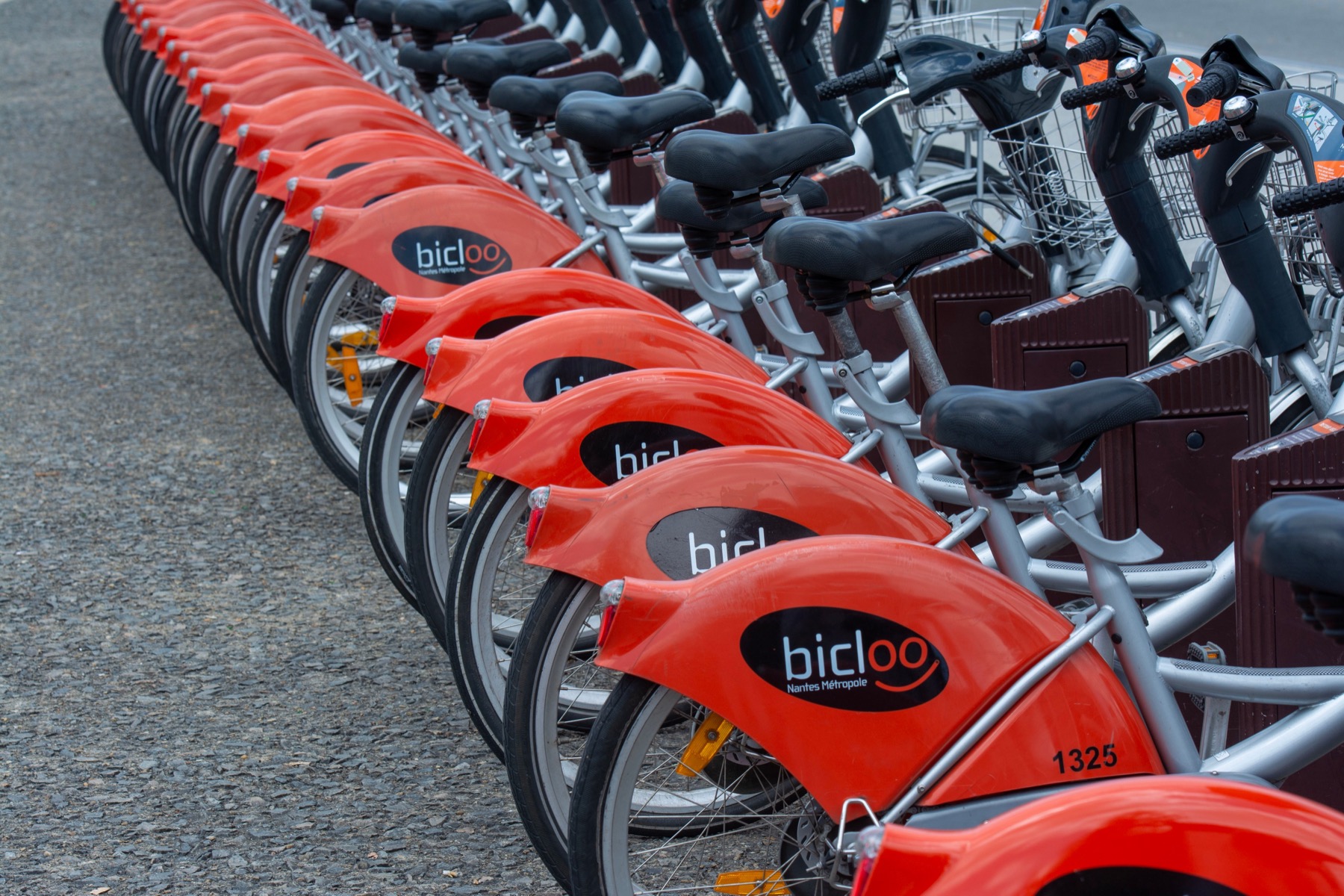
Getting around Gotland depends mainly on how much time you have and everything you want to see. You can easily walk around the capital of Visby on foot — its historic centre full of narrow cobbled streets is actually rather unfriendly to cars. If you’re going to explore the immediate surroundings of the town, the clear best choice is a bicycle. The island is incredibly flat and the network of side, almost deserted paved roads is made for cyclists. You’ll find rental shops right by the harbour and save yourself the hassle of parking.
But if you plan to explore the remote north, including Fårö island, or the wild south known as Sudret, a car is simply a necessity. From Visby it’s about 55 kilometres to the ferry to Fårö and as much as 90 kilometres to the southern tip near the Hoburgsgubben cliffs, which is too big a challenge for an ordinary mortal on a day bike trip. The roads on the island are in excellent condition and driving here is an absolute joy. Just watch out for the ever-present speed cameras and the free-roaming sheep, which sometimes graze dangerously close to the road.
You reach Fårö island by a small yellow ferry from Fårösund harbour, which shuttles continuously and is completely free for cars and pedestrians alike. As for public transport, regional buses (Region Gotland) do run around the island, but off the main routes between the larger villages the connections tend not to be very frequent. So if you arrive without a car, it’s worth considering at least a short-term car rental right in Visby for the days when you’ll want to head to the most remote and most beautiful corners.
Where to go next from Gotland
Gotland may be love at first sight, but Sweden is huge and offers plenty of other ways to extend your summer holiday. Once you board the ferry back, all of Scandinavia opens up to you.
- If you’re curious what else this Nordic country has to offer, read the article Sweden: 30 tips on what to see and experience.
- The ferry easily brings you close to the capital, so definitely don’t skip Stockholm: 25 tips on what to see and experience.
- Wondering how to manage it all financially? We’ve prepared a detailed budget in the article Prices in Sweden: how much a holiday costs.
- And if you’d like to combine Nordic nature with something more southerly, get inspired by the big guide Holiday in Europe: 17 most beautiful places.
Frequently asked questions
What’s the best way to get to Gotland?
The vast majority of travellers choose the modern ferries operated by Destination Gotland, which depart from two Swedish mainland ports: Nynäshamn (less than an hour south of Stockholm) and Oskarshamn in the south. The crossing takes around 3 hours and the comfortable ships offer every imaginable amenity, including restaurants. An alternative is to fly from Stockholm Arlanda or Bromma airports, which takes less than 40 minutes and will save you a lot of time.
How much does the ferry to the island cost?
If you’re travelling without a car as a foot passenger, you can get a one-way ticket outside peak season from around €25. With your own car, however, the price rises considerably and typically exceeds €95 one way, and in summer there’s one golden rule: book your ferry months in advance. Otherwise you simply won’t get your car on the boat, because it’s usually completely sold out.
How many days should I spend on Gotland?
Going for just two days is pointless – you’ll lose too much precious time on lengthy ferry transfers. The ideal length for a first visit is 4 to 5 days. Spend one full day in the main town of Visby, another on the island of Fårö, and use the remaining time to explore the southern coastline at your leisure, discover underground caves, or cycle through the countryside among medieval churches.
Do I need a car on the island?
It depends entirely on your travel plans. Visby itself is small and a car would just be a nuisance in the historic centre full of narrow streets. The rest of the immediate area is perfectly flat and great for cycling. But if you want to reach the remote north (Fårö) as well as the wild south and you only have a few days, a car will save you an enormous amount of time. Rental companies operate right at the harbour.
Can you actually swim in the Baltic Sea?
Yes, and it’s surprisingly pleasant! Thanks to the shallow bays on the east and north of the island, the water can warm up to 20–22 °C in July and August. Beautiful beaches like Sudersand on the island of Fårö or Tofta with fine white sand are more reminiscent of central Europe than rugged Scandinavia and are great and safe even for younger children.
Is Gotland really that expensive?
Sweden isn’t generally among the cheapest destinations and Gotland, as the main summer resort, keeps prices very high, especially when it comes to accommodation in July. You can save money by cooking with ingredients bought from supermarkets and taking advantage of the so-called dagens rätt – very good-value daily lunch menus in restaurants that for around €11–13 include a hot meal, salad buffet, bread and coffee.
What is Medeltidsveckan?
It’s the biggest medieval festival in northern Europe, held every August in Visby (in 2026 it’s 2–9 August). The town is flooded with tens of thousands of people in amazing historical costumes, with jousting tournaments, markets and concerts. It’s a huge experience, but requires careful booking of accommodation easily twelve months in advance.
Tips and Tricks for Your Vacation
Don’t Overpay for Flights
Search for flights on Kayak. It’s our favorite search engine because it scans the websites of all airlines and always finds the cheapest connection.
Book Your Accommodation Smartly
The best experiences we’ve had when looking for accommodation (from Alaska to Morocco) are with Booking.com, where hotels, apartments, and entire houses are usually the cheapest and most widely available.
Don’t Forget Travel Insurance
Good travel insurance will protect you against illness, accidents, theft, or flight cancellations. We’ve had a few hospital visits abroad, so we know how important it is to have proper insurance arranged.
Where we insure ourselves: SafetyWing (simple monthly subscription) and TrueTraveller (for extra-long trips).
Find the Best Experiences
Get Your Guide is a huge online marketplace where you can book guided walks, trips, skip-the-line tickets, tours, and much more. We always find some extra fun there!