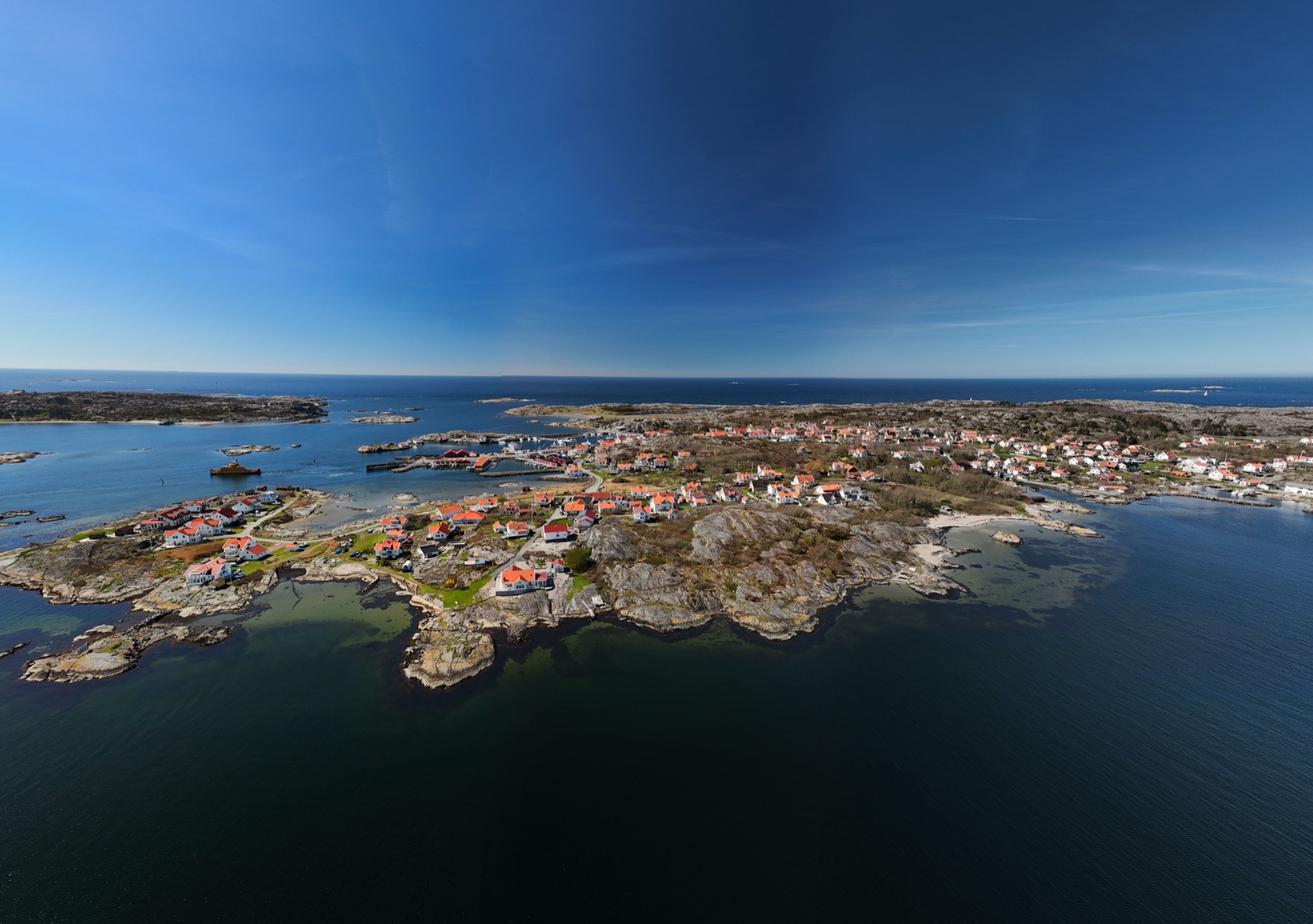
Sweden’s west coast, known as Bohuslän, is defined by huge pink granite boulders smoothed by ancient glaciers, with perfectly white fishing cottages nestled between them. The sea here is so incredibly clean that locals swim straight off the rocks, quite happily first thing in the morning. Welcome to Bohuslän, Sweden at its finest.
The entire 300-kilometre Bohuslän region, stretching from the port city of Gothenburg all the way to the Norwegian border, is an absolute summer classic. The rest of Europe knows this rugged yet immensely romantic land mainly from the dark crime novels of author Camilla Läckberg, which are set right here.
If you’re looking for the best coastal road trip in Sweden, you’ve just found it. On the calmer stretches the whole route can be driven over a long weekend, but I’d strongly recommend setting aside more time. So come on, let’s walk through it together from south to north. ☺️
TL;DR
- What Bohuslän is: A strip of coastline north of Gothenburg full of granite islands, fishing villages and wild nature.
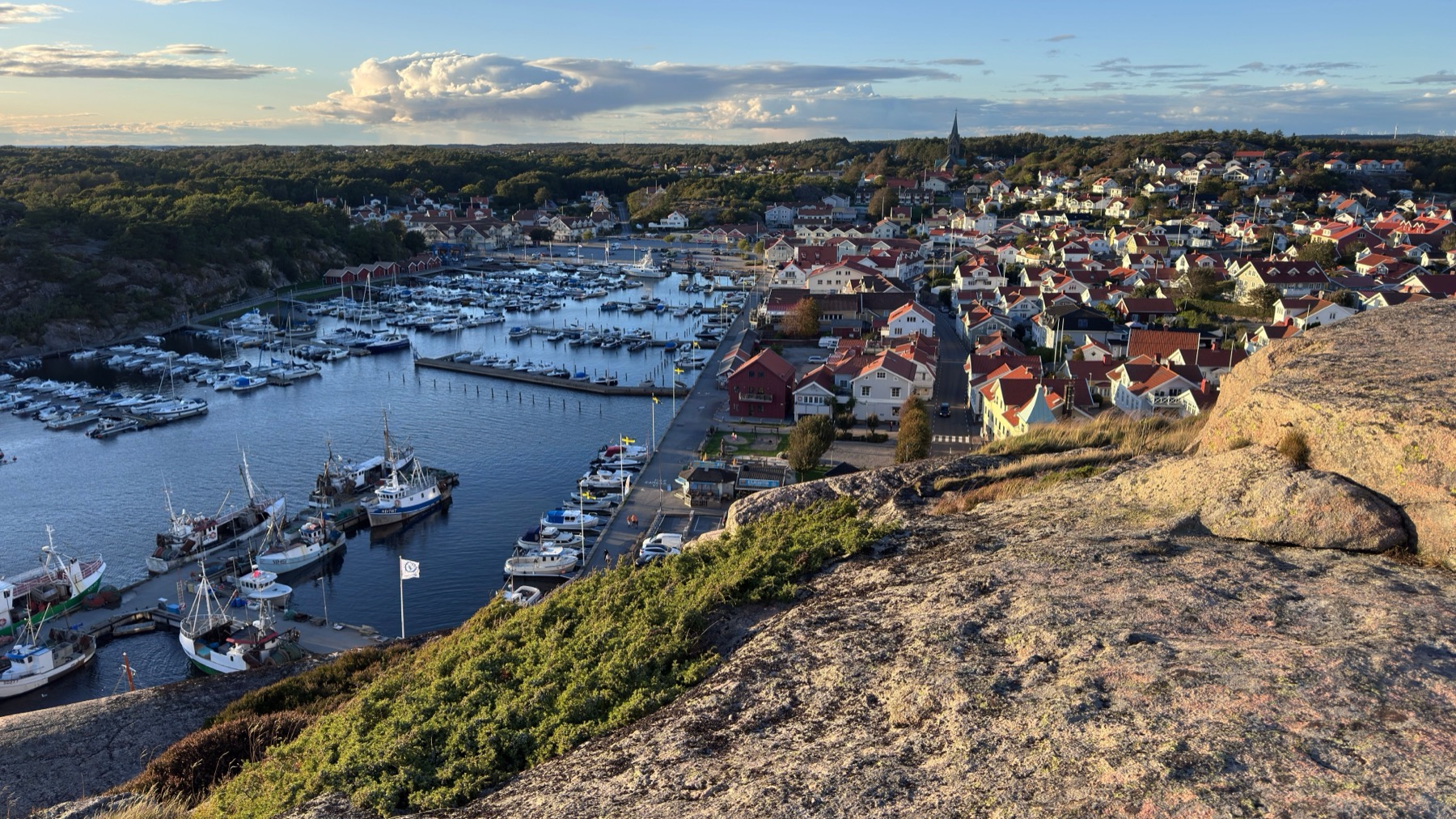
- Fjällbacka: The iconic village from Camilla Läckberg’s books, where a mighty rock with a dramatic cleft towers above the white houses.
- Smögen and Marstrand: The liveliest hubs on the coast, with wooden jetties, little cafés and car-free historic fortresses.
- Kosterhavet National Park: Sweden’s only marine national park, reachable only by ferry, where you can explore a stunning underwater world.
- Food: The region is famous for seafood, led by lobster and oysters, but you’ll also find fantastic vegetarian cafés and salad buffets.
- Transport and accommodation: The ideal way is to travel by car or use the excellent Västtrafik bus network, and you can sleep in cosy cabins or luxury harbour hotels.
The full destination guide: Sweden — guide and what to see
When to visit the Bohuslän coast of Sweden
The Swedish summer is fairly short and high season peaks in July, when the whole country goes on the so-called industrisemester (nationwide holiday). During this month every harbour is packed with yachts, accommodation is bursting at the seams and prices shoot sky high. If you don’t mind the crowds and want to experience that real pulsing Nordic atmosphere, it’s the ideal choice. Luckily the coast doesn’t suffer from the swarms of mosquitoes and tiny midges (knott) you get up north in Lapland, so you can enjoy your evenings outside in peace.
Far smarter, though, is to plan your trip for late May and early June, or for the end of August and September. The weather is still very pleasant, the sun sets late in the evening and you’ll have the lanes of the fishing villages almost to yourself. The sea still calls for a little hardiness, but for coastal walks and kayaking these are absolutely perfect months. Nature is also incredibly fresh and full of colour at this time.
Autumn then draws visitors with one very specific phenomenon: the famous lobster season. It always starts on the first Monday after 20 September, and the whole coast turns into one big fishing celebration as locals haul heavy pots out of the water. For lovers of peace and long trips into nature this is probably the most beautiful period, because in the autumn sun the granite rocks take on incredibly rich colours and the air smells of sea salt.
Where to stay along the Bohuslän coast
💡 Accommodation and experiences tip: We prefer to look for accommodation on Booking.com, which usually has the best cancellation terms. It then pays to compare and book tickets, tours and activities through GetYourGuide.
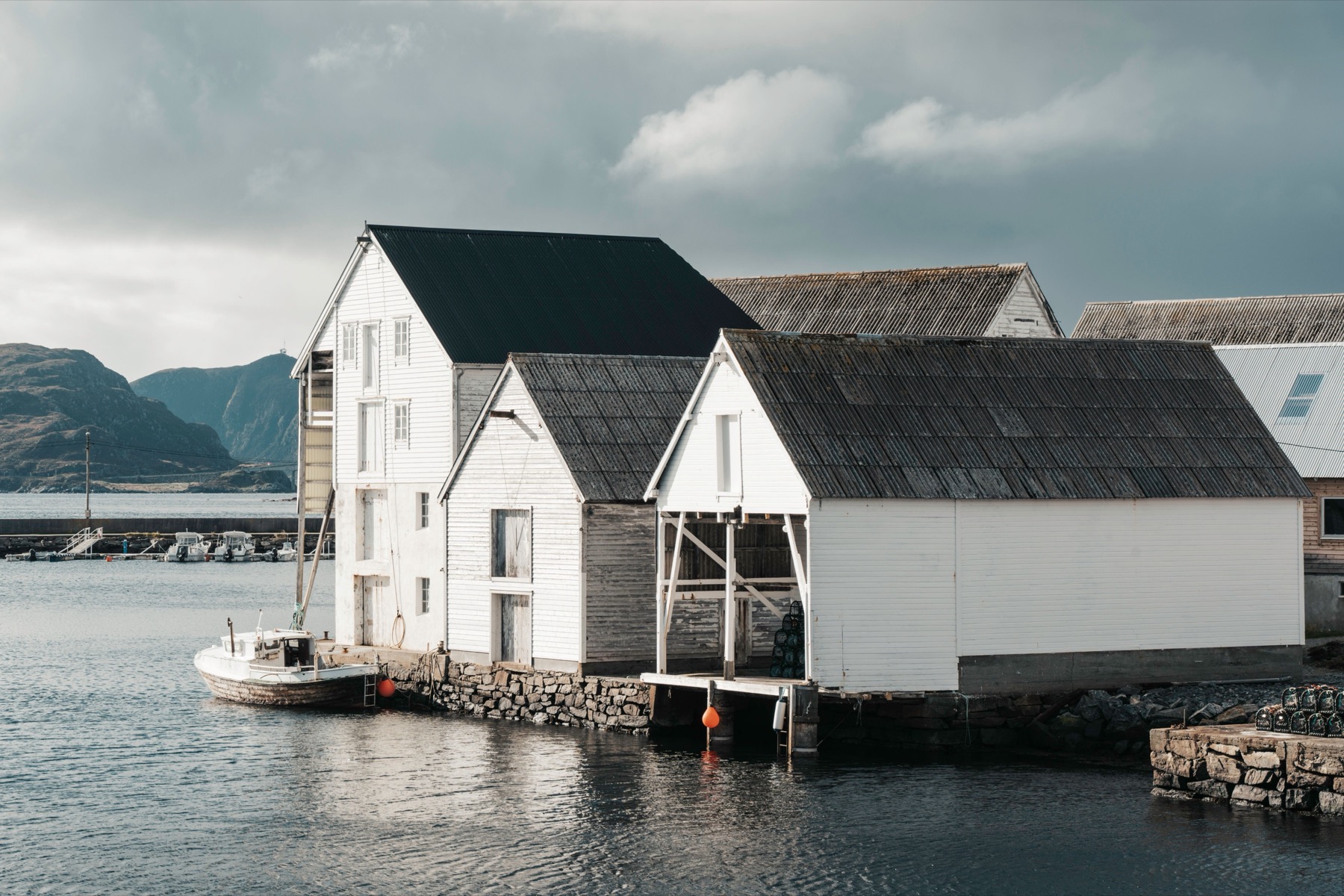
Accommodation on the west coast offers everything from simple campsites with red cabins to gorgeous historic hotels right on the water. The best base for exploring the south is Marstrand, while for the central and northern parts of the coast it pays to drop anchor in Fjällbacka or Smögen. Bear in mind that in the summer months free rooms disappear at incredible speed, so booking several months in advance is an absolute must.
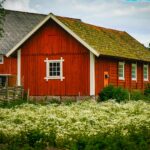
If you’re after the real Swedish dream, try renting a traditional cabin called a stuga. You’ll find these deep red houses with white corners scattered all along the coast. Prices range from 1,000 SEK (around €90) off-season up to 12,000 SEK (around €1,100) per week in summer. Just watch out for the local customs, though. In Sweden it’s completely standard to bring your own bed linen and towels, and you either pay extra for the final cleaning or have to scrub the cabin spotless yourself.
If you long for pure romance on a car-free island, definitely check out Villa Maritime Marstrand, a beautiful hotel complex overlooking the harbour and the yachts. It offers fully equipped apartments with a kitchenette, so you can comfortably cook your own meals. The nightly rate in season is around 2,500 SEK (about €230).
Right in the heart of the action, and of the crime novels, lies the legendary Stora Hotellet Fjällbacka, which will charm you with its boutique style and history reaching back to the nineteenth century. The rooms are decorated in a nautical style and the atmosphere is wonderfully cosy (a night costs roughly 2,800 SEK / about €260). Wellness lovers, meanwhile, swear by Smögens Hafvsbad in the town of Smögen, with pools carved into the rock and fantastic vegetarian breakfasts (from 2,200 SEK / about €200).
16 things to see and do in Bohuslän, Sweden
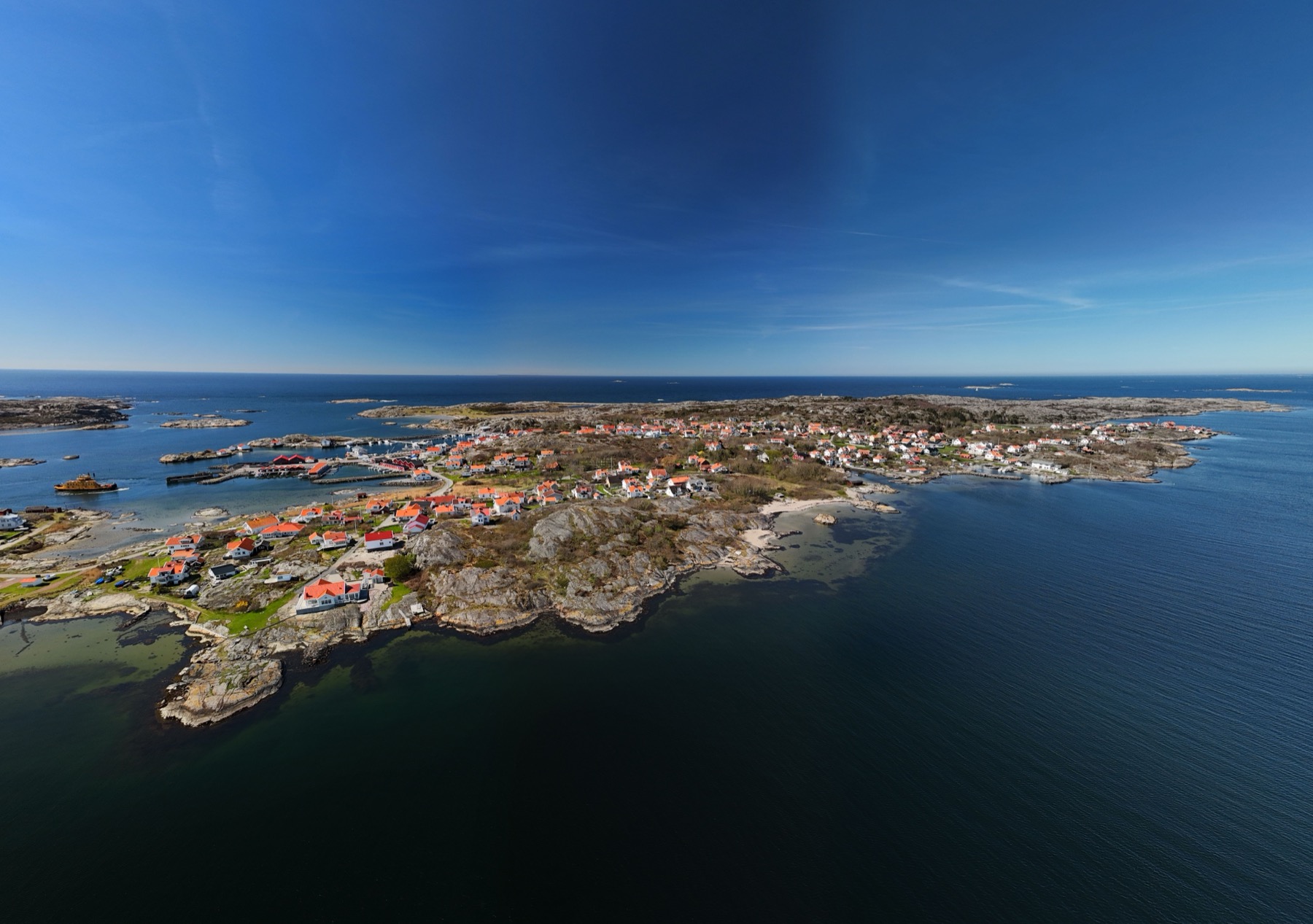
The west coast is dotted with gorgeous stops, and picking out the best ones is quite a task. I’ve put together a list of sixteen places and experiences that you definitely shouldn’t miss on your road trip.
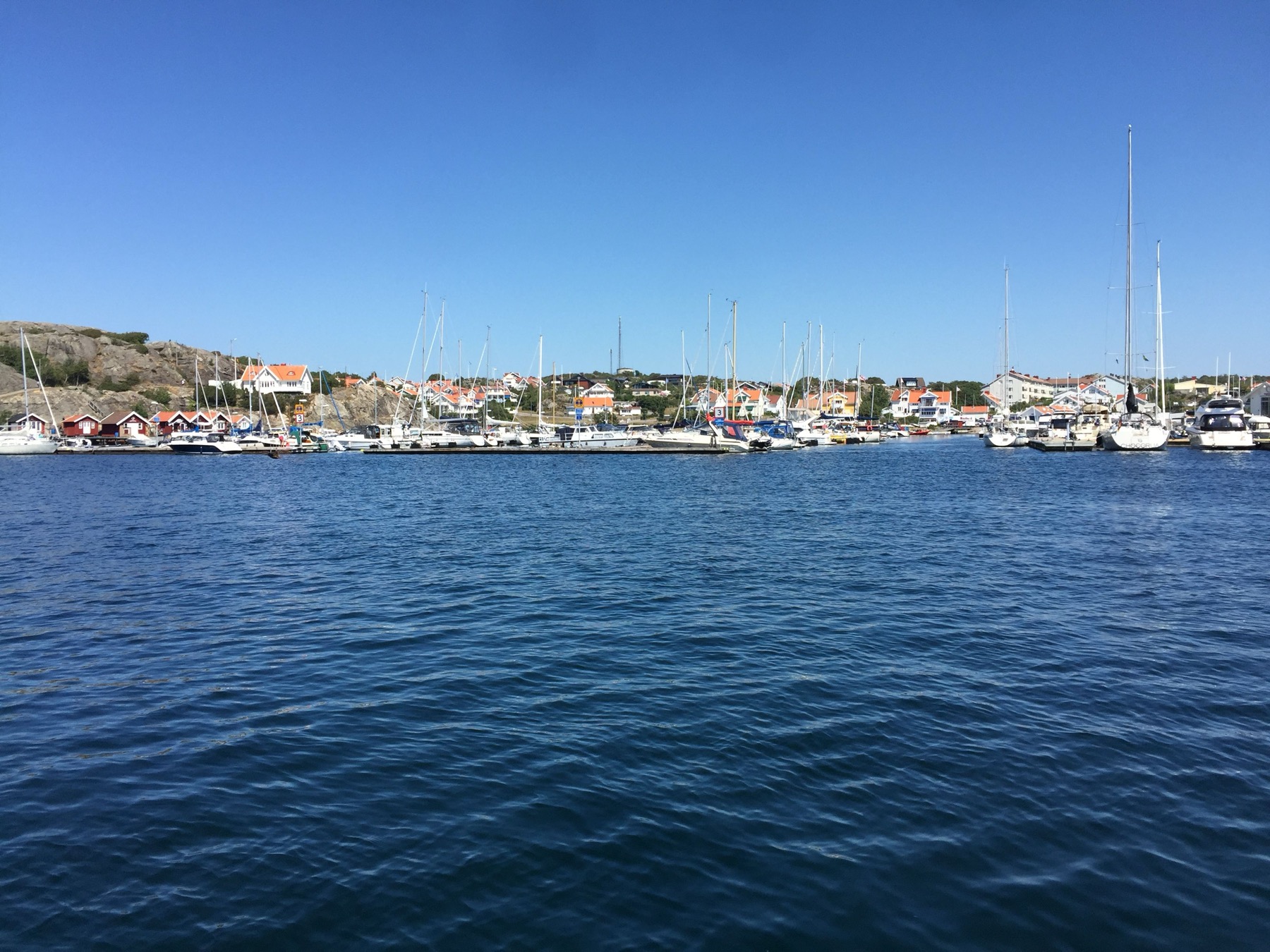
1. Marstrand and Carlsten Fortress
The island of Marstrand historically served as the playground of Swedish high society and royalty, and today it’s the uncrowned capital of Swedish sailing. It sits just under an hour’s drive from central Gothenburg, which makes it the ideal first stop on your road trip. Cars are strictly banned here, so you leave your vehicle in the large park-and-ride lot in the village of Koön and cross the strait on a short ferry, which runs every fifteen minutes and costs a couple of euros return.
The landmark of the whole island is the mighty stone Carlsten Fortress from the seventeenth century, which towers on the highest hill and offers an absolutely fantastic view over the open sea. You can wander its dark dungeons at your leisure and listen to legends about famous prisoners. The entrance fee for an adult is around 150 SEK (about €14) and in summer it’s open every day from morning until late afternoon. Off-season you can usually only get in at weekends.
After touring the historic ramparts, treat yourself to a coffee in one of the many charming little cafés down below the fortress. The island can be comfortably walked on marked trails that lead you to remote rocky coves where you can escape the biggest crush of tourists. The whole loop is about five kilometres and anyone can manage it easily. In short, one of those places where you arrive for an hour and leave three hours later.
💡 Tip: If you’re travelling in July, be prepared for the mainland car parks to be hopelessly full. So arrive early in the morning to park calmly and avoid the queues for the ferry and at the fortress entrance.
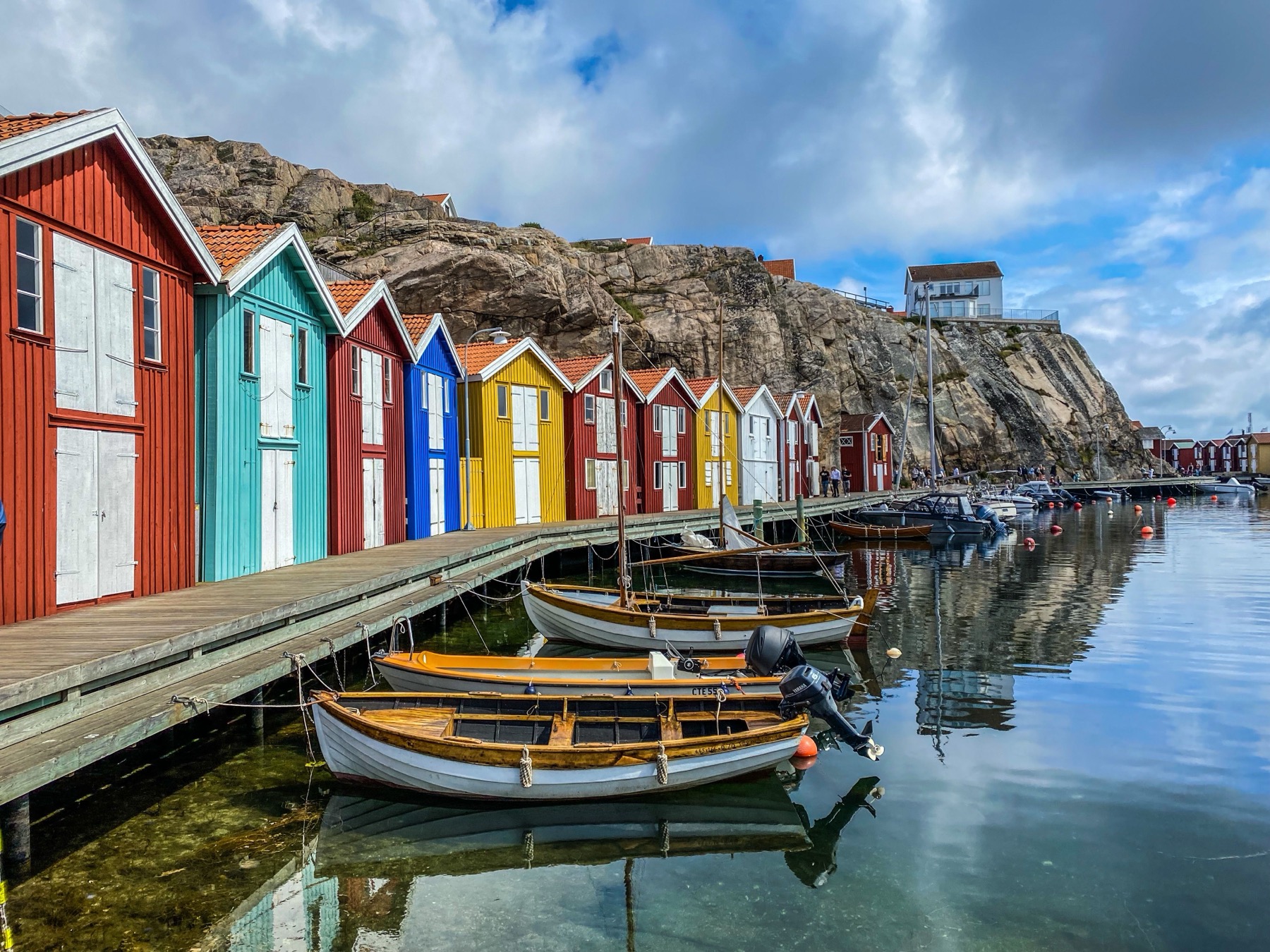
2. Smögen and the wooden Smögenbryggan jetty
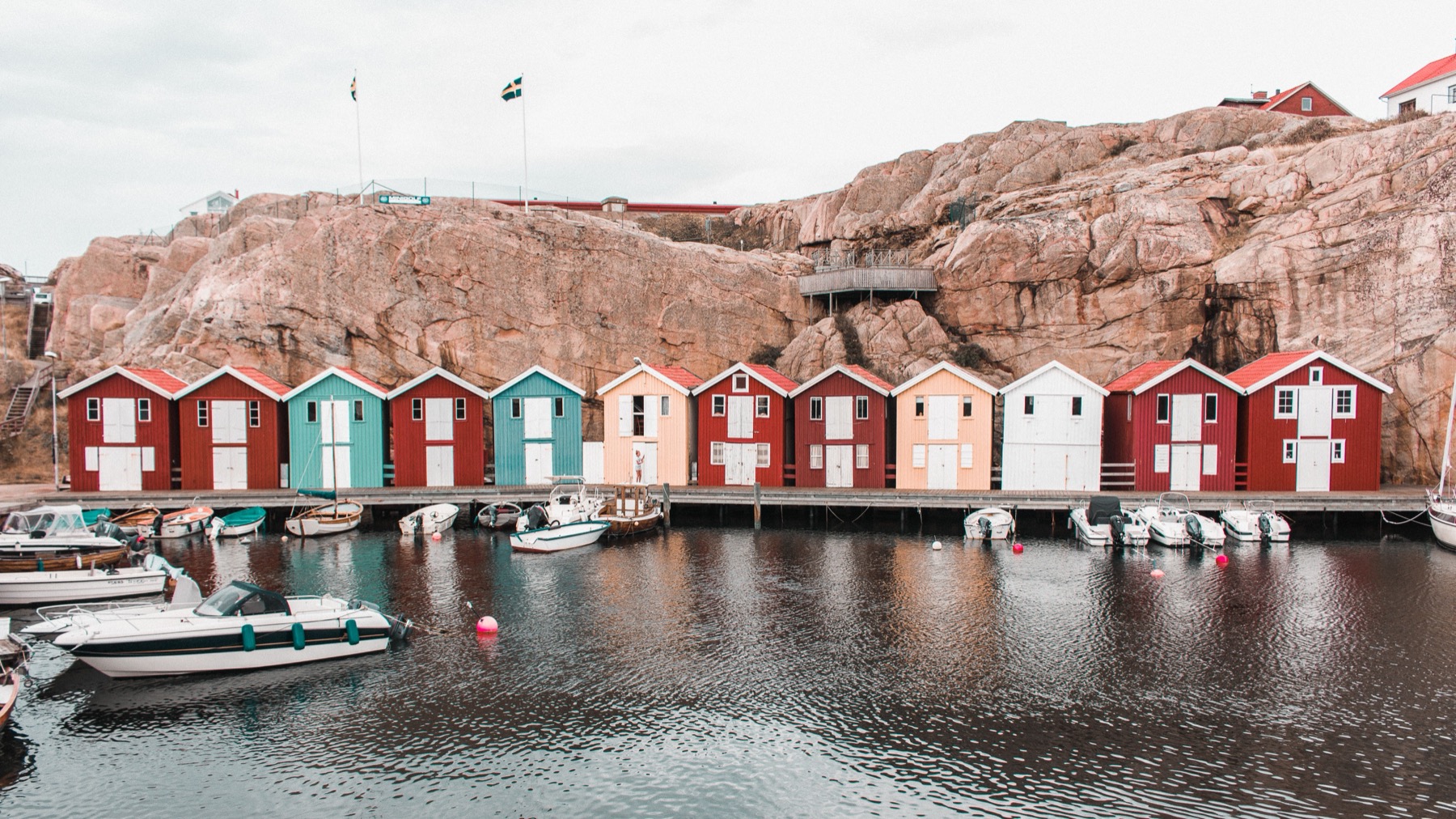
If you’ve ever seen a photo of western Sweden, it was probably of the famous wooden Smögenbryggan jetty. This place lies about an hour and a half’s drive north of Gothenburg and is one of the most photographed spots in the whole country. The jetty stretches almost a full kilometre along the sheltered harbour and is lined with iconic colourful fishing sheds. Fishermen originally stored their nets in them, but today they house independent boutiques, cafés and small art galleries.
In the summer months it’s shoulder to shoulder here and the harbour is bursting under a fleet of expensive yachts, but that buzzing atmosphere is simply worth the visit. People stroll along the wooden planks, sit on benches and soak up the long sunny days. If you want a traditional Swedish coffee with sweet pastry, budget around 65 to 100 SEK (€6 to €9), which for such a location is actually a pretty pleasant price.
The surroundings of Smögen itself also offer beautiful nature trails carved right into the granite rocks. These paths lead you to spots where you can safely jump into the sea or just sit and watch the boats sailing past on the horizon. The sunset from these cliffs is said to be one of the most romantic experiences on the whole coast.
💡 Tip: Head to the end of the jetty early in the morning, or in September when most of the tourists have gone home. That way you’ll enjoy the sight of the sea waking up in complete silence, without having to push through crowds of day-trippers.
3. Fjällbacka and the footsteps of Camilla Läckberg
For every fan of Nordic noir, Fjällbacka is an absolute shrine, because this is exactly where author Camilla Läckberg sets her bloody novels. This idyllic little village lies about forty minutes’ drive north of Smögen, and in reality it’s thankfully far safer than on the pages of the popular books. The whole cluster of white and red wooden houses looks so much like a postcard that you can’t believe your eyes, and the harbour practically begs you to slow down and have one coffee after another.
The biggest draw here is the steep Vetteberget rock wall, which rises right above the centre of the village. Through the very middle of this rock runs a narrow and very dramatic cleft, Kungsklyftan, with giant wedged boulders hanging overhead. Many people know this magical spot from the film adaptation of Astrid Lindgren’s famous book Ronja the Robber’s Daughter. Walking under the many-tonne stones is an absolutely fascinating experience, with no entrance fee, and it’s open all year round.
Once you conquer the wooden steps leading through the gorge, you’ll reach the very top of the Vetteberget rock. From there the best possible view of the whole archipelago opens up before you, dotted with dozens of tiny islands and reefs. The climb takes only about twenty minutes, but definitely wear sturdy shoes, as the stones can get quite slippery after rain.
💡 Tip: Stop by the local tourist information centre, where you can pick up a special map with the locations from the crime novels. It will guide you exactly to the spots where the most gripping scenes from Camilla Läckberg’s books took place.
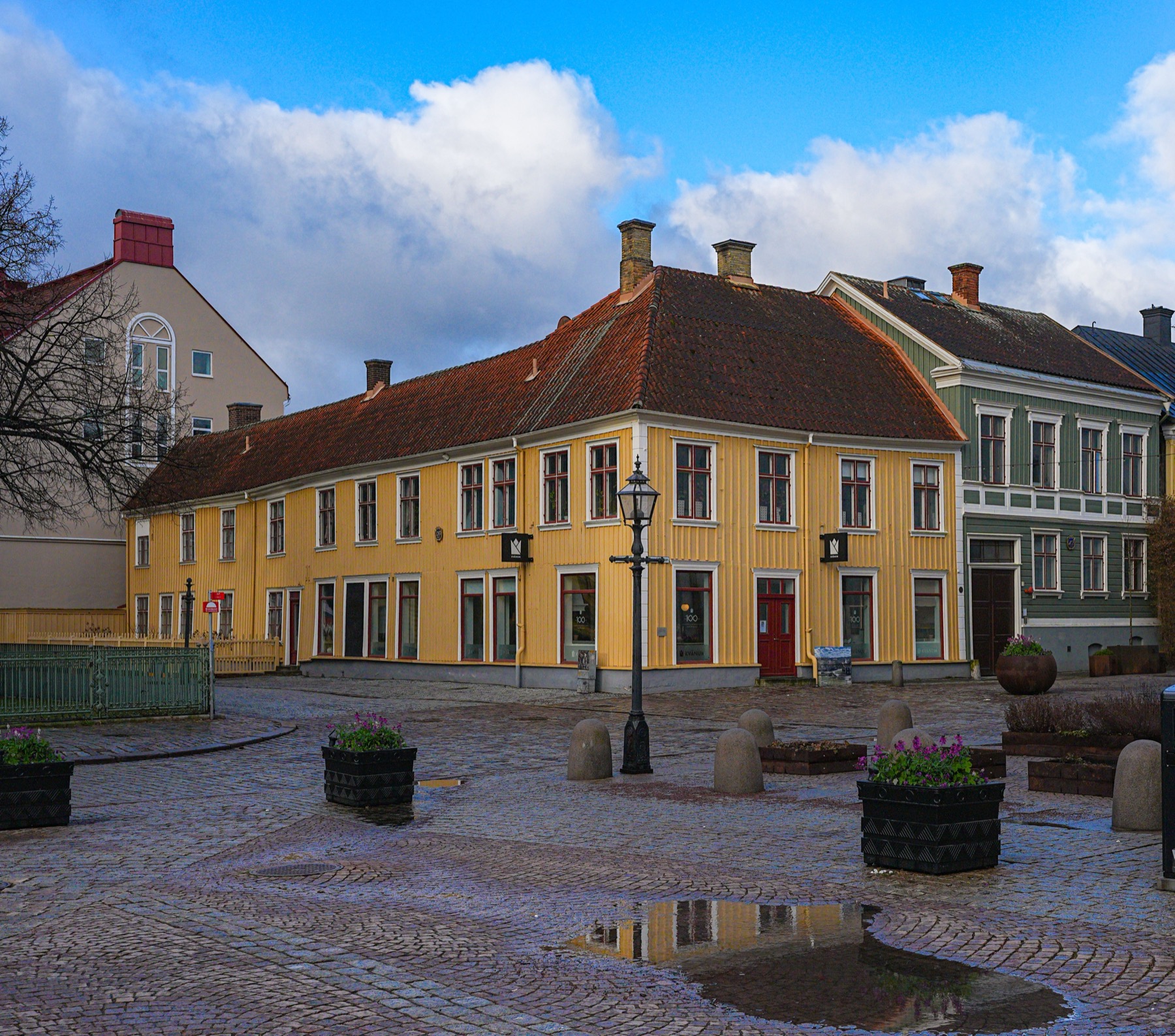
4. Ingrid Bergman Square in Fjällbacka
But it wasn’t just literature that made Fjällbacka famous, because it was also loved by one of the most famous actresses of all time, Ingrid Bergman. From the late 1950s she came here regularly for her summer retreat on the nearby isolated island of Dannholmen. Together with her husband Lars Schmidt, she sought an escape from the Hollywood bustle, the flash of cameras and the constant attention of journalists. The locals respected her desire for privacy and here she could feel like a completely ordinary woman.
Today her memory is honoured by a small square right by the water, which bears her name and lies just a short walk from the main harbour jetty. In its centre stands the actress’s small bronze bust, gazing thoughtfully towards the harbour and the islands on the horizon. Several benches are scattered around the square, making it an absolutely ideal spot for a short afternoon sit-down.
If you fancy something tasty, definitely buy a scoop of ice cream from one of the neighbouring stalls and enjoy it with a view of the anchored sailing boats. The island of Dannholmen itself is still in private hands and not normally open to the public, but on boat trips around the surrounding archipelago the captains often head at least close by, to show tourists the summer home of this film legend from a distance.
💡 Tip: Also wander through the narrow lanes of old Fjällbacka, which wind up the slope just behind the square. You’ll find beautifully kept wooden houses with flowers in the windows, looking exactly the way one imagines the traditional Swedish countryside.
5. Grebbestad and oyster hunting
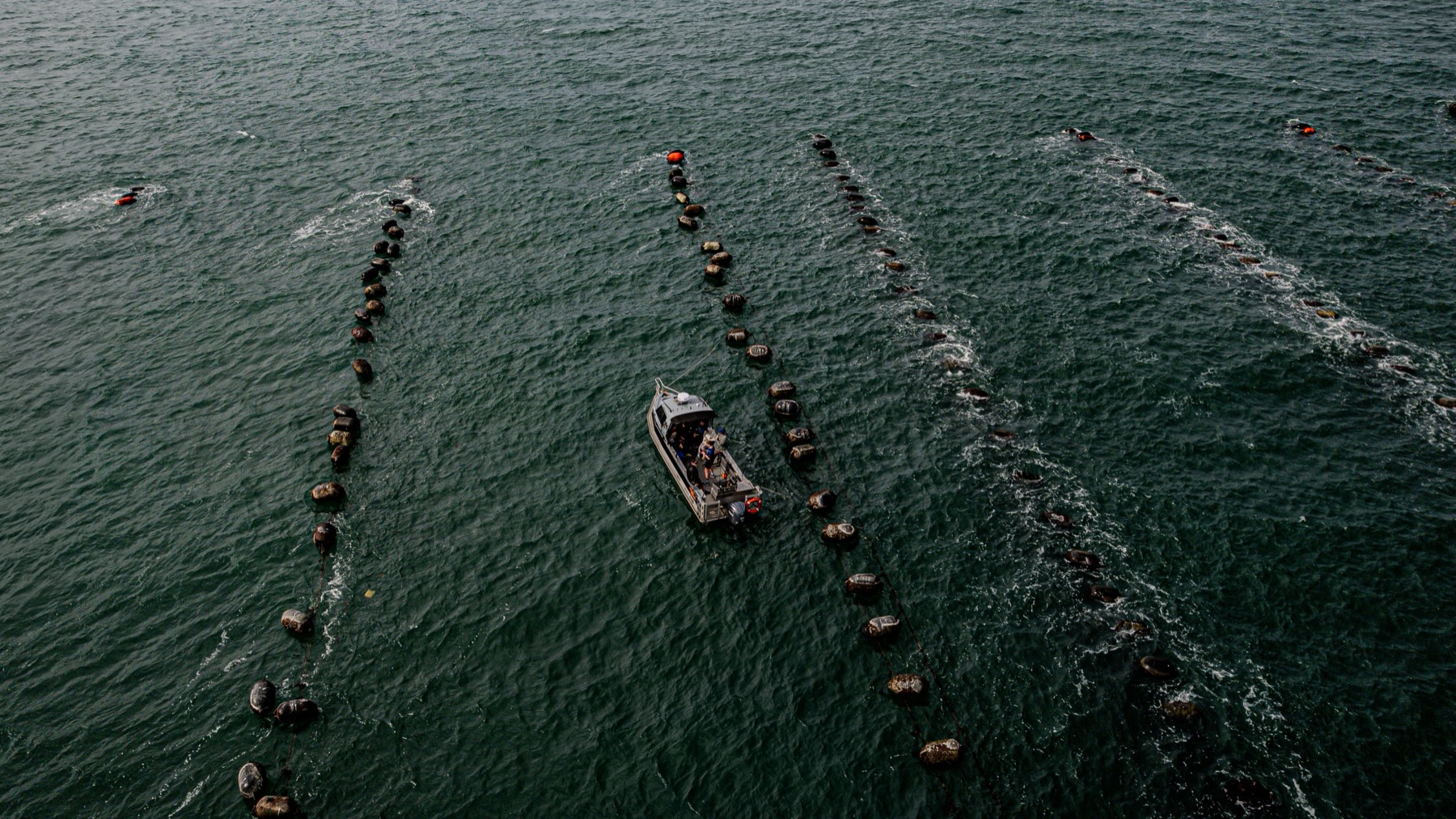
The little town of Grebbestad, lying roughly fifteen minutes’ drive north of Fjällbacka, is the absolute centre of the Swedish oyster industry. An incredible ninety percent of all oysters harvested in the country come from here. The local seafood is legendary and the Swedes are hugely proud of it, because the cold and extremely clean water from the North Sea gives it a very specific and sought-after flavour.
A big draw for tourists is the so-called Seafood Safari, where fishermen take those interested out on a boat and show them the whole harvesting process in practice. People are kitted out in thick waterproof overalls, learn how to open oysters properly and come to appreciate the hard work behind this traditional craft. These organised trips usually last around two to three hours and cost roughly 800 to 1,200 SEK (about €70 to €110) per person.
But Grebbestad is a very pleasant stop even if you’re not planning any safari. The town has a lovely harbour promenade lined with wooden houses, and a much calmer, more authentic atmosphere than overcrowded Smögen. You can simply stroll around, watch the fishing boats returning from the morning catch and soak up that genuine Nordic calm.
💡 Tip: Stop by one of the local bakeries and buy traditional Swedish rye bread or cinnamon buns. In Grebbestad you can also stock up very well and relatively cheaply at the local supermarkets for the rest of your journey towards the Norwegian border.
6. Kosterhavet National Park
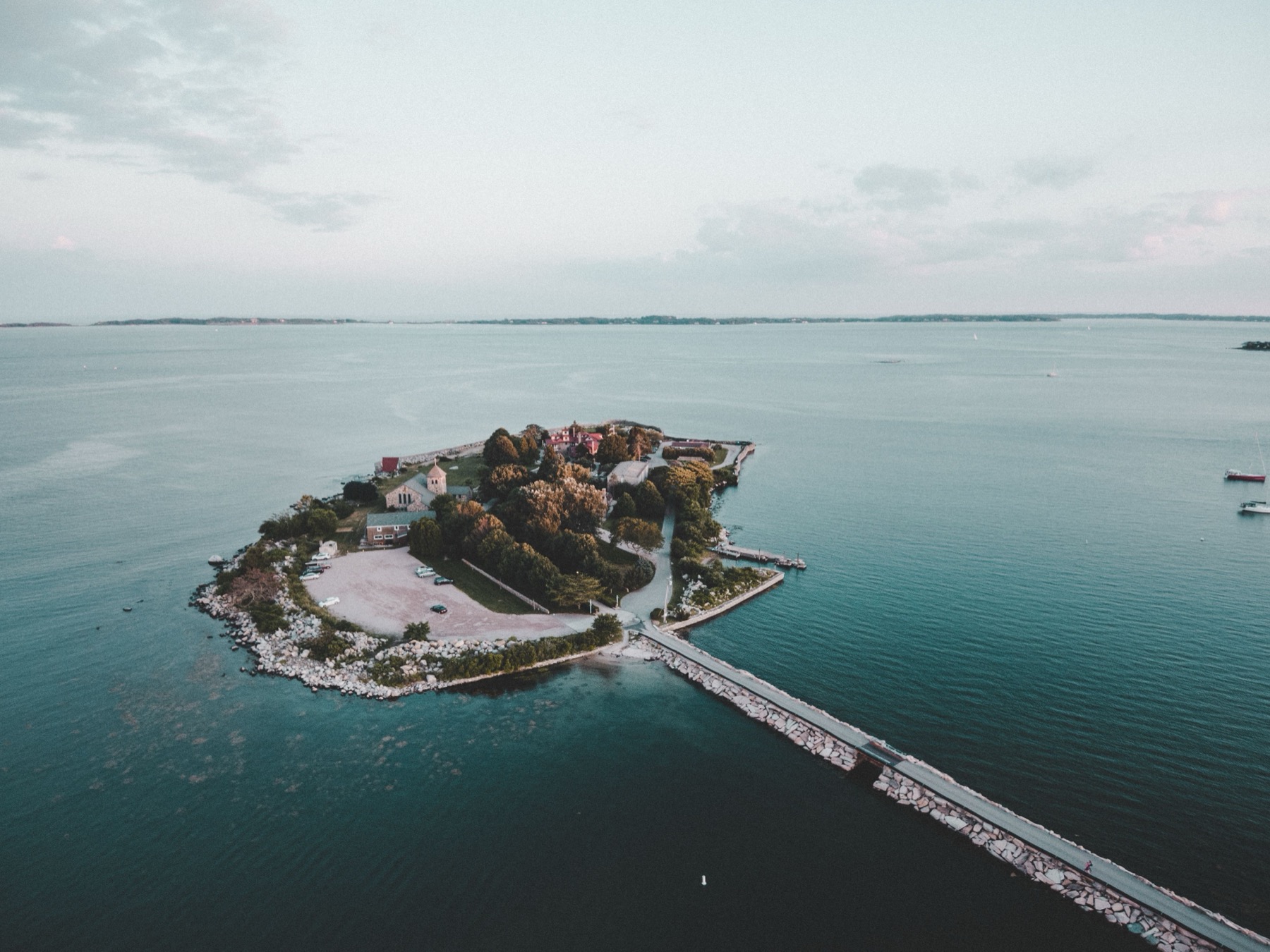
Right by the Norwegian border lies Kosterhavet, the only marine national park in all of Sweden, and beneath its surface hide over six thousand species of animals, including rare cold-loving corals you simply won’t find anywhere else in the region. The park was established in 2009 and protects this underwater world from fishing and pollution, so the water here has incredible clarity.
The heart of the park is the islands of Nordkoster and Sydkoster, which you can only reach by passenger ferry from the town of Strömstad. The boat trip takes just under an hour and a return ticket costs around 180 SEK (about €16). On these islands, too, there are no cars at all, so all tourists and locals alike rent bikes and pedal along the narrow gravel paths. You’ll ride between green pastures, blooming heaths and remote little beaches.
On the island of Sydkoster, be sure to visit the modern Naturum information centre, where you’ll learn plenty of interesting facts about the local nature and underwater life. Admission to the centre is completely free and inside you’ll find interactive exhibits that entertain adults and children alike. The islands are fairly flat, so cycling here isn’t physically demanding at all and absolutely anyone can manage it.
💡 Tip: You’ll find the bike rentals right by the ferry landing, but in high summer season it’s better to reserve one in advance online. Renting a bike for the whole day costs roughly around 150 SEK (about €14).
7. Lysekil and the Havets Hus aquarium
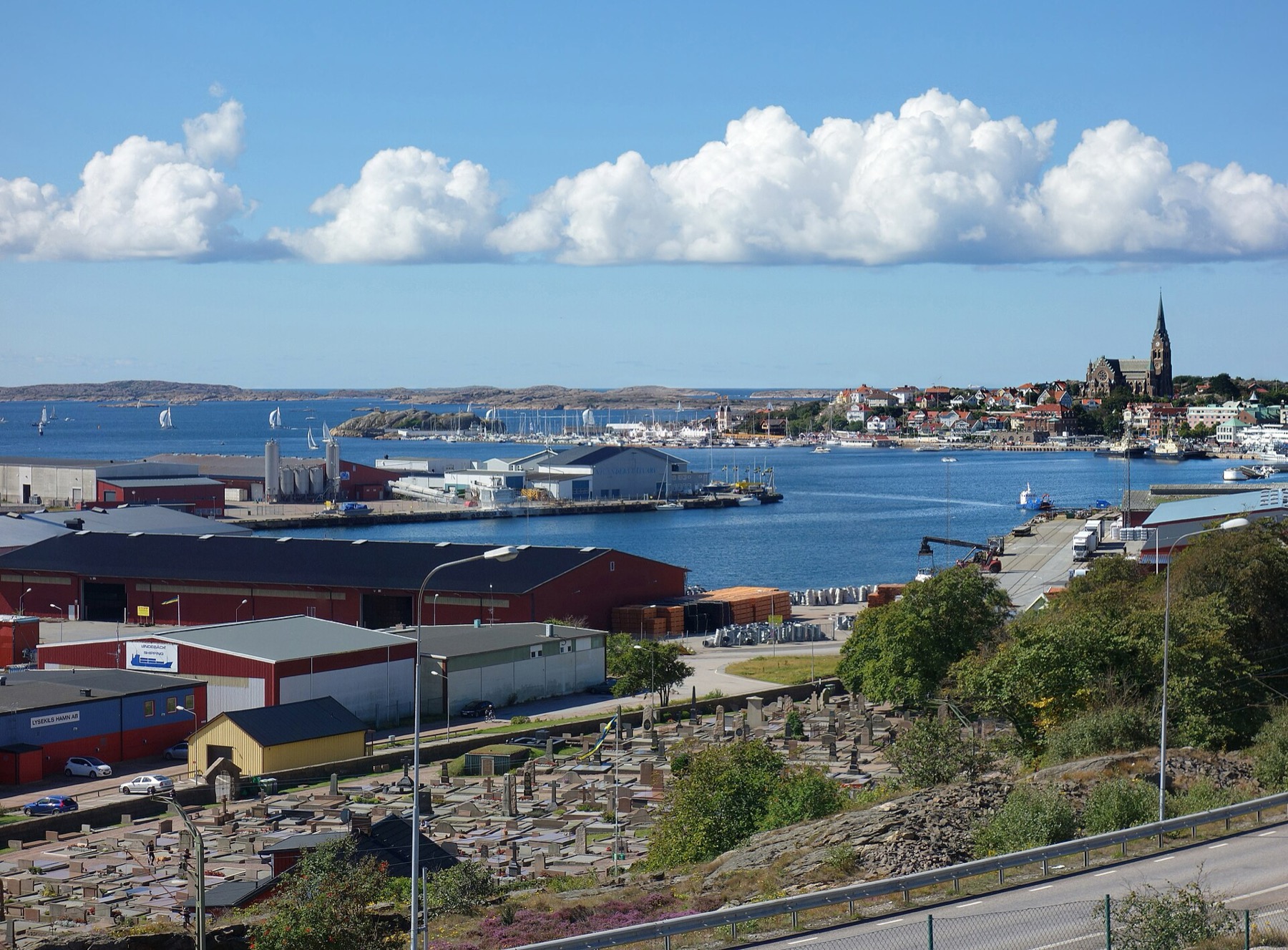
The larger town of Lysekil, set at the very tip of the Stångenäs peninsula, works as an absolutely great base for families with children. It offers plenty to do even if the weather happens to turn and it starts to rain. From Gothenburg you can drive here in about an hour and a half, with the final stretch of the journey including a short crossing on a free road ferry over the Gullmarsfjorden fjord.
Lysekil’s biggest attraction is without doubt the popular Havets Hus aquarium, which specialises exclusively in North Sea fauna. You walk through a glass tunnel and see sharks, huge rays, starfish and crabs up close in their natural environment. The exhibition is designed in a very modern way and places great emphasis on protecting marine ecosystems, so you learn a lot of things here.
The town itself has a beautiful promenade, plenty of old wooden villas from the nineteenth century and a huge pink granite church that’s visible from afar. In the centre you’ll also find several great bakeries where you can pop in for an afternoon coffee and shelter from the wind, which sometimes blows quite strongly in off the sea.
💡 Tip: The aquarium entrance fee for an adult is around 160 SEK (about €15) and I recommend buying tickets in advance online. That way you’ll avoid the long queues at the ticket desk that regularly form here in the summer months.
8. The Stångehuvud rock formations
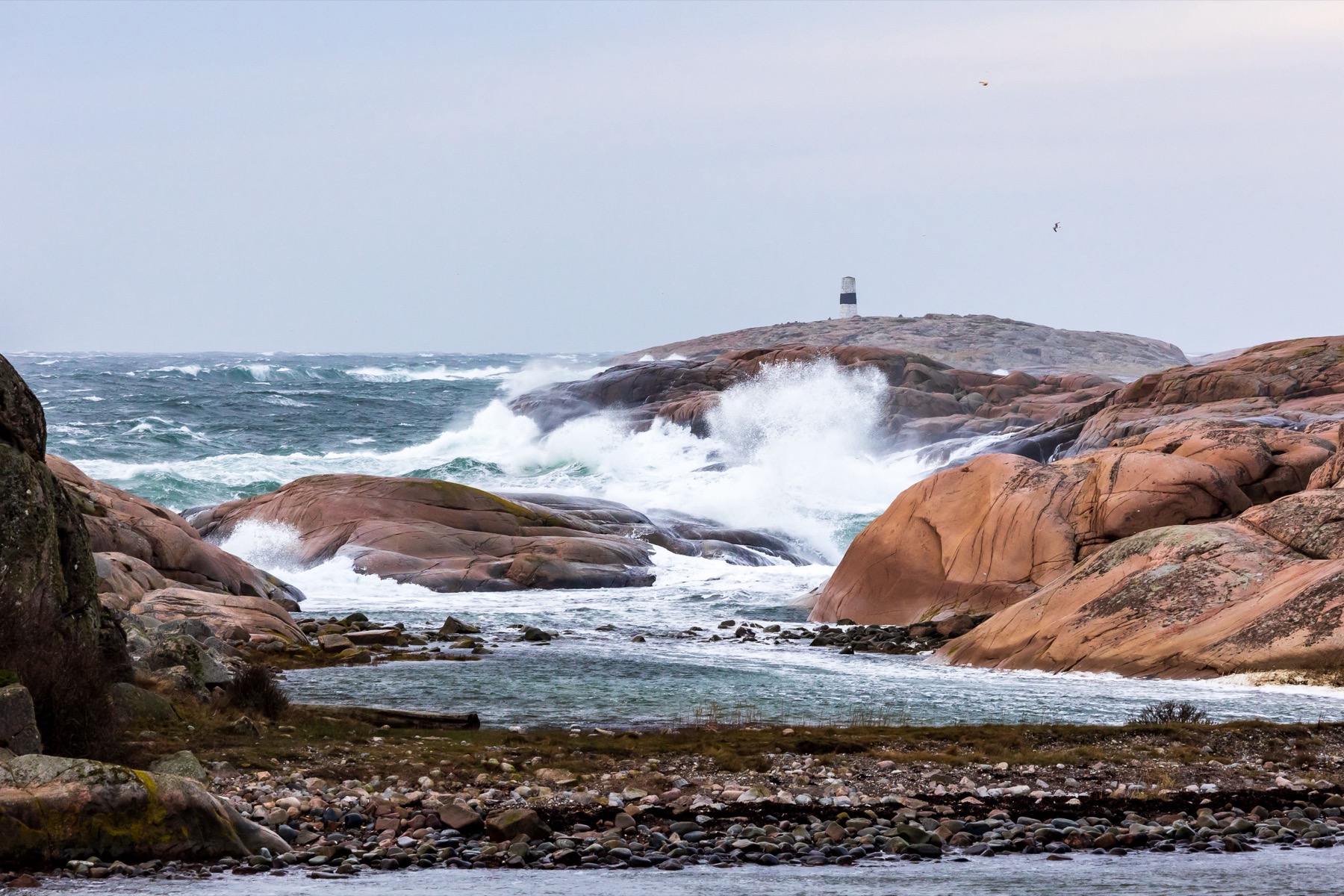
Right on the very edge of Lysekil lies the Stångehuvud nature reserve, an absolute paradise for all lovers of photography and wild landscapes. Here you’ll find the most beautiful massifs of smooth pink granite, into which the strong waves of the North Sea have crashed for centuries, shaping them into incredible, flowing forms. The stones are so perfectly polished that you can even walk on them barefoot.
Several excellently marked trails and paths lead through the area, weaving between the enormous boulders. At the very top of the highest rock stands a small wooden lighthouse from the nineteenth century, painted a brilliant white. This little building serves as a perfect landmark and creates a gorgeous contrast with the pink stone and the deep blue ocean in the background.
Entry to the reserve is completely free and you can reach it on foot from the centre of Lysekil in just fifteen minutes. The locals will tell you that the sunset from here is one of the best on the whole coast, and after seeing the granite rocks glowing orange, you’ll simply believe them.
💡 Tip: The rocks can be extremely slippery and dangerous after rain or during heavy swells. So be very careful where you step, and never get too close to the edge of the cliffs when the sea is rough.
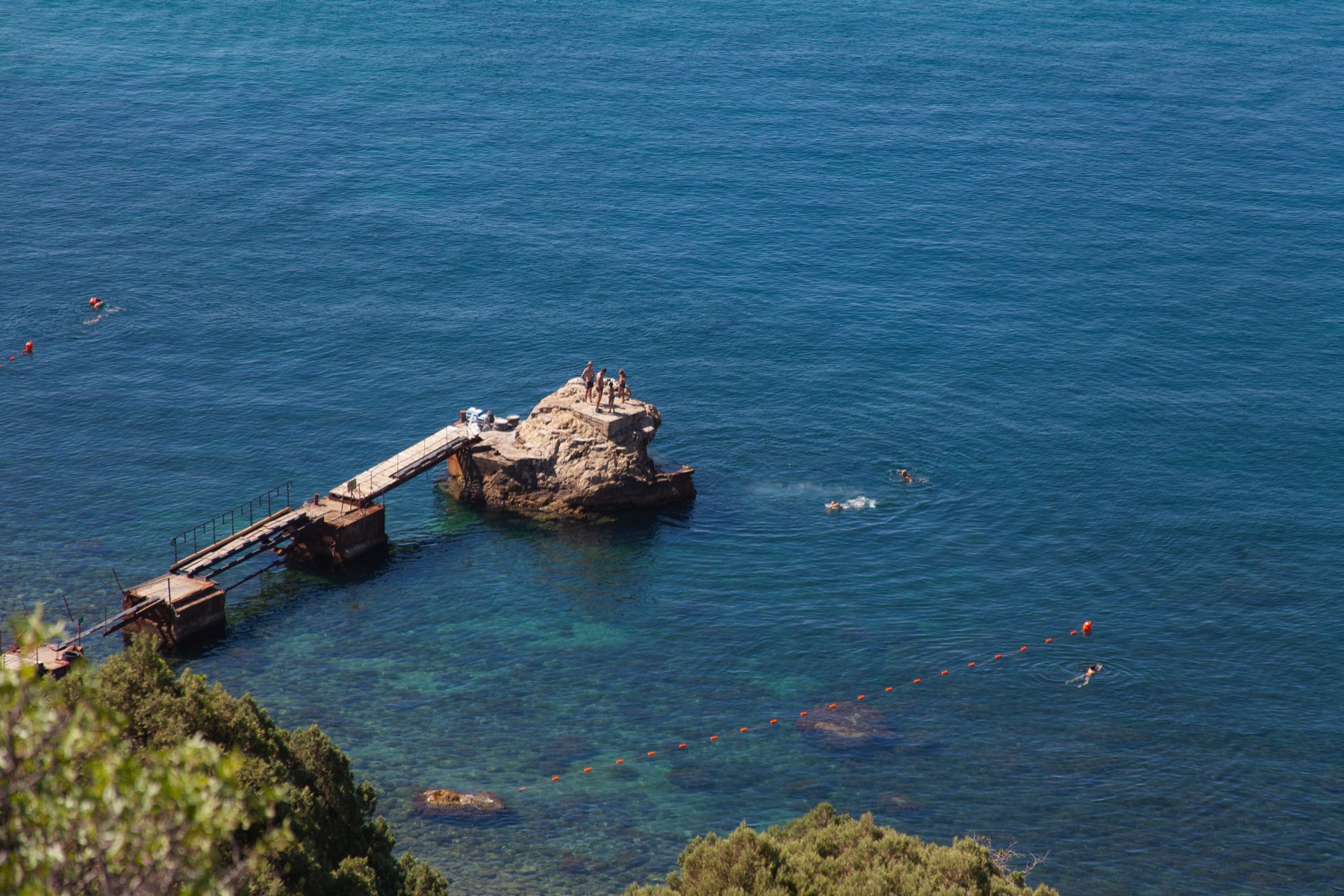
9. Swimming off the rocks
Compared with the eastern Baltic, the west coast has one big advantage and disadvantage at the same time, because the water here is saltier thanks to the currents from the North Sea, but also noticeably colder. A typical summer sea temperature is only around 17 to 19 degrees Celsius, which calls for a bit of courage and hardiness. In return, though, the water is incredibly clean and refreshing.
Swimming here happens in a very specific way, as the Swedes don’t build classic sandy beaches with loungers and parasols. Instead, all along the coast you’ll find stainless-steel ladders fixed straight into the granite rocks, which you simply climb down into the deep water. You swim, climb back up the steps and then bask on the sun-warmed stone like a lizard. It’s an absolutely minimalist yet perfect experience.
This way of swimming also beautifully demonstrates the Swedish right of public access to nature, called allemansrätten. You can spread your towel on practically any rock, as long as you don’t disturb the owners of nearby houses. Nobody will ask you for any entrance fee, and the entire coastline is open to everyone.
💡 Tip: If you’re only just getting into cold-water swimming, look out for places with floating saunas built there. You can warm up thoroughly by the wood stove and only then jump into the cold sea, which is incidentally the best possible combination for your health.
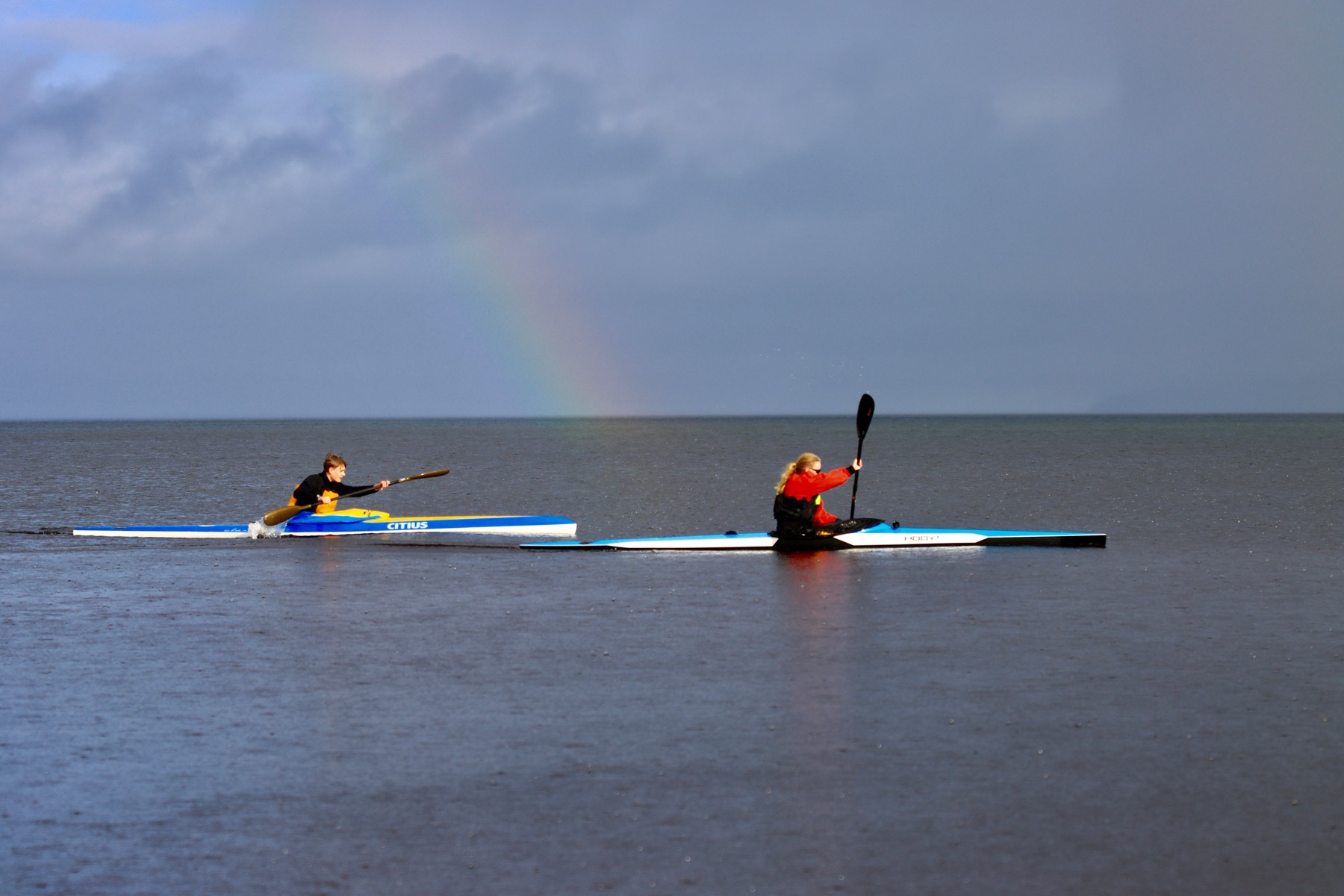

10. Kayaking through the Bohuslän archipelago
Thanks to the thousands of little islands that act as a natural breakwater and shelter the coast from the open ocean, Bohuslän is a world-famous destination for sea kayaking. The water between the inner islands is often very calm and smooth as a mirror, so even complete beginners with no previous paddling experience can head out onto the sea.
You’ll find rentals in practically every larger harbour, whether it’s Fjällbacka, Grebbestad or Lysekil. The equipment is always in top condition and the instructors give you a detailed briefing before you set off, plus waterproof bags for your things. A half-day kayak rental costs roughly 400 SEK (about €35), while a full-day adventure runs around 600 SEK (about €55). This gives you complete freedom and the chance to explore remote shallow coves.
By kayak you can reach places no big excursion boat will ever sail to. You can paddle between the pink boulders, watch seabirds and sometimes even seals basking on the stones. On many deserted little islands you can easily land, pull your kayak onto the shore and set up a private picnic in complete wilderness.
💡 Tip: The weather at sea can change very quickly, so before setting off always check the wind forecast carefully. The rentals will also usually give you a precise map with recommended routes that are sheltered from strong sea currents.
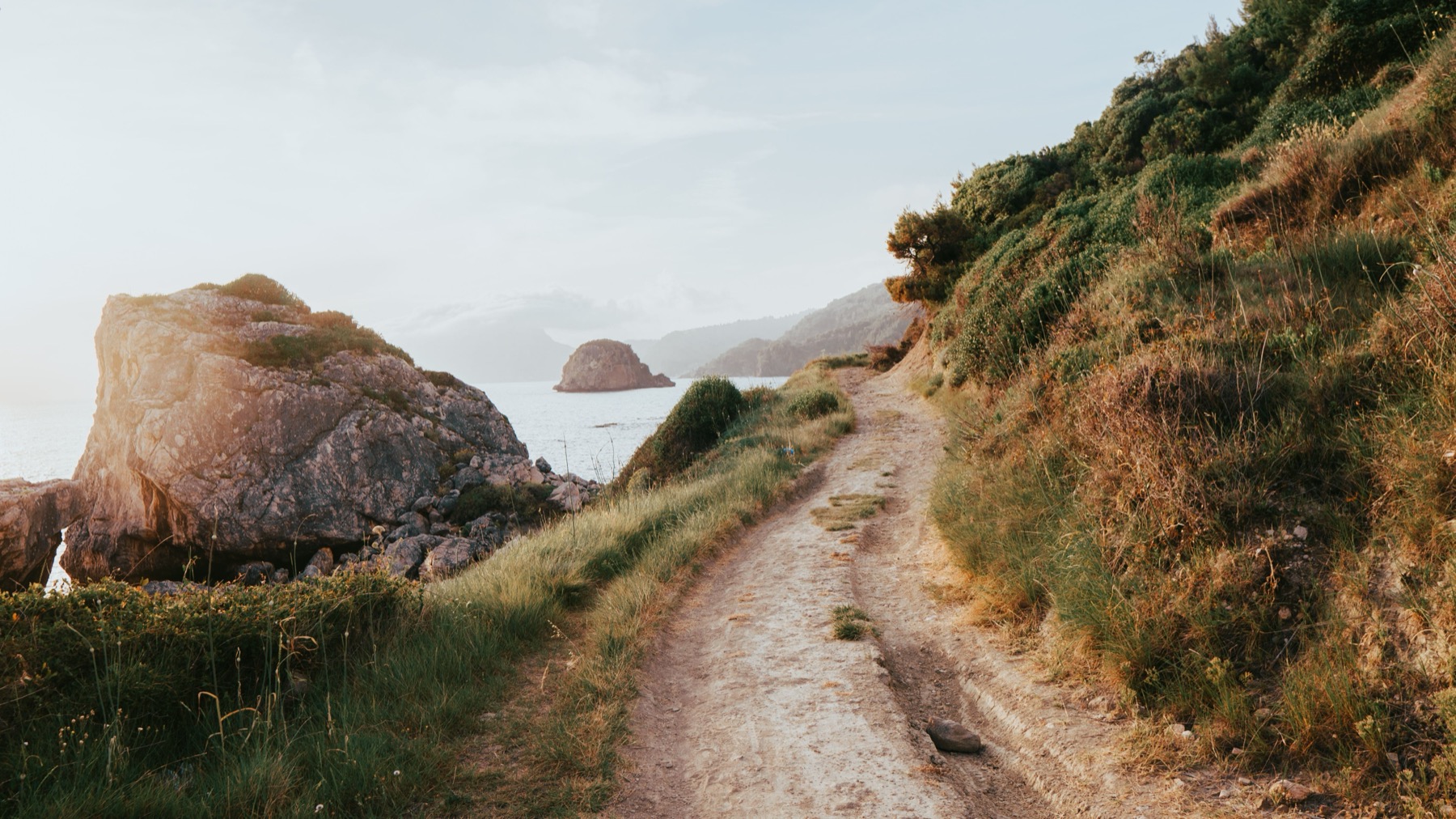
11. The Kuststigen hiking trail
You may have heard of the famous long-distance Kungsleden route in the far north of Sweden, but the west coast has its own gorgeous hiking trail called Kuststigen. It winds along the entire Bohuslän coast and offers hundreds of kilometres of marked paths. Of course you don’t have to walk the whole thing with a heavy backpack, as it’s cleverly divided into many shorter stages that link up the most interesting natural features and fishing villages.
The routes lead you through dense broadleaf forests, over bogs and wetlands and right to the edge of steep cliffs. Most sections are very easy, perfectly maintained and marked in blue on trees and stones. Thanks to the Swedish allemansrätten right, you can move freely here, you just have to follow one basic rule: “inte störa, inte förstöra” (don’t disturb, don’t destroy).
Walking along Kuststigen you’ll come across plenty of beautiful viewpoints and wooden rest stops. Often you’ll also find simple wooden shelters called vindskydd, where you can light a fire and, if needed, even spend the night for free. You just need to bring your own sleeping bag and mat.
💡 Tip: On the official Kuststigen trail website you can download detailed maps of the individual stages onto your phone. You’ll also find information there about where you can refill drinking water along the way, or where the local bus stops are for an easy return to your car.
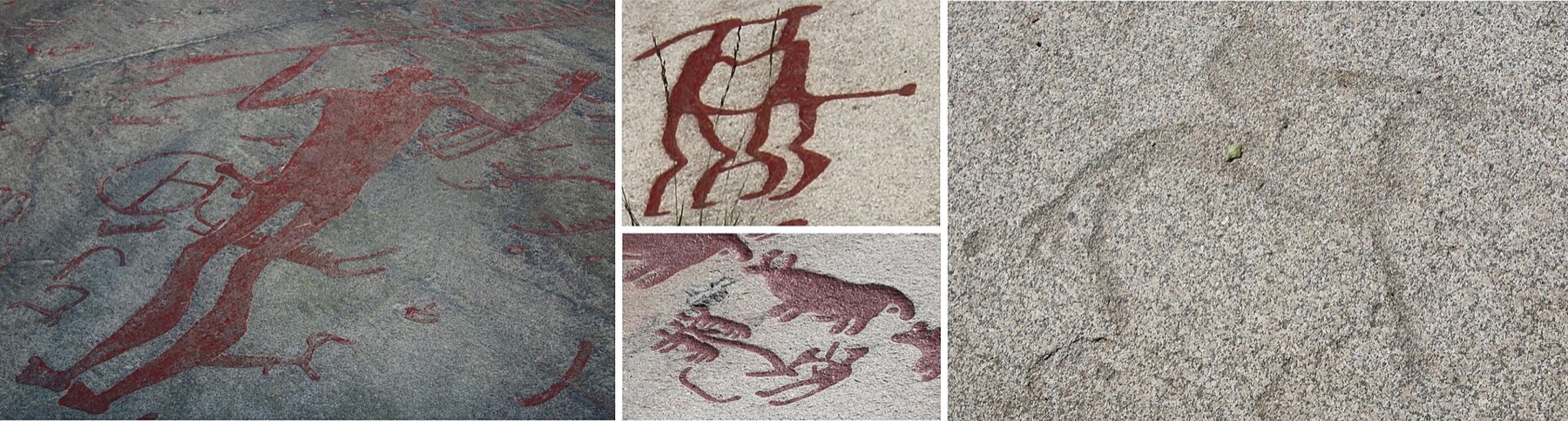
12. Tanumshede and the UNESCO rock carvings
If you want to take a break from the sea breeze for a while, head a short distance inland to the unassuming town of Tanumshede, lying just off the E6 motorway. Here you’ll find incredible Bronze Age rock carvings that are on the UNESCO list and offer a fascinating glimpse into the lives of people three thousand years ago. The area hides hundreds of carved figures, ranking among the most important archaeological monuments in northern Europe.
On the smooth granite slabs you’ll see hundreds of figures of enormous ships, animals and warriors, which have been carefully filled in with special red paint for better visibility. The most famous panel, the so-called Vitlyckehäll, contains over three hundred different figures, including the famous scene of a kissing couple. Walking among these stones is like reading an ancient comic book.
Entry to the whole site and to the adjacent modern Vitlycke museum is, moreover, completely free, which in Sweden is always a very welcome bonus. In the museum you’ll find a detailed explanation of how and why the carvings were created, and outside you can walk through a replica of a Bronze Age village where children can try out traditional crafts.
💡 Tip: The carvings are scattered across several different spots within a few kilometres. The best approach is to drive between them and then set off along the short marked forest trails, which will safely lead you to the other granite slabs.
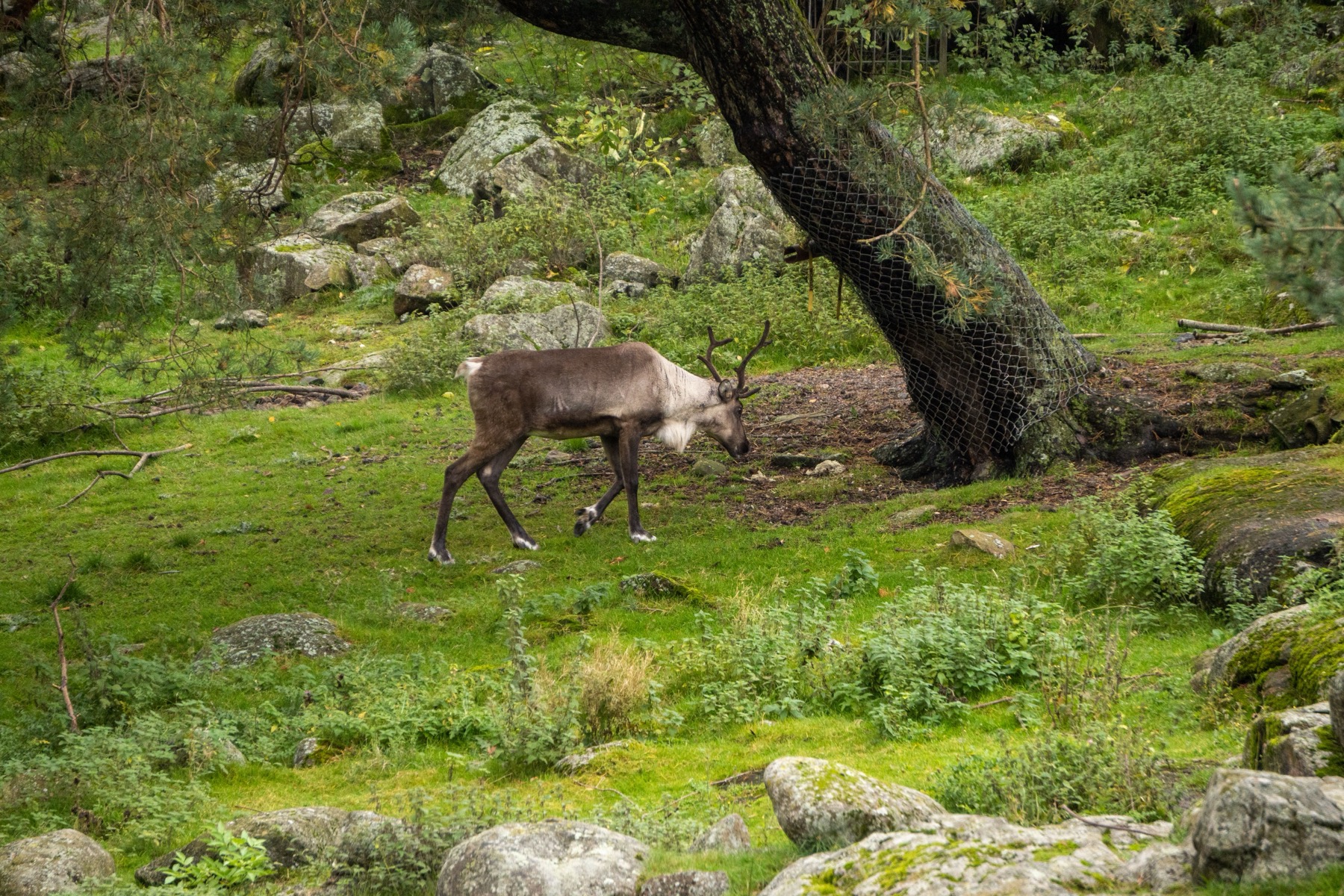
13. The Nordens Ark wildlife sanctuary
Nordens Ark is definitely not an ordinary zoo, but a top-class sanctuary focused on endangered animal species. It lies in a gorgeous wooded valley by the Åbyfjorden fjord, about thirty minutes’ drive north of Lysekil. The animals here don’t live in small cages, but in enormous enclosures that perfectly simulate their natural environment, and the goal of the project is to return them to the wild.
The project focuses primarily on protecting rare big cats and Nordic fauna, so with a bit of luck and patience you’ll spot snow leopards, Amur tigers, wolves or wolverines here, and for children there’s also a huge farm with old Nordic breeds of domestic animals. Admission is around 250 SEK (about €23) for an adult, and the money goes directly to conservation projects.
Bear in mind that the grounds are really extensive and built on fairly hilly terrain. You could easily walk several kilometres along the wooden boardwalks and forest trails, so comfortable shoes are an absolute must. A visit will take you at least three to four hours.
💡 Tip: Your best chance of seeing the rare big cats on the move is either right in the morning after opening, or in the late afternoon, when the temperature drops and the animals are much more active than in the midday heat.
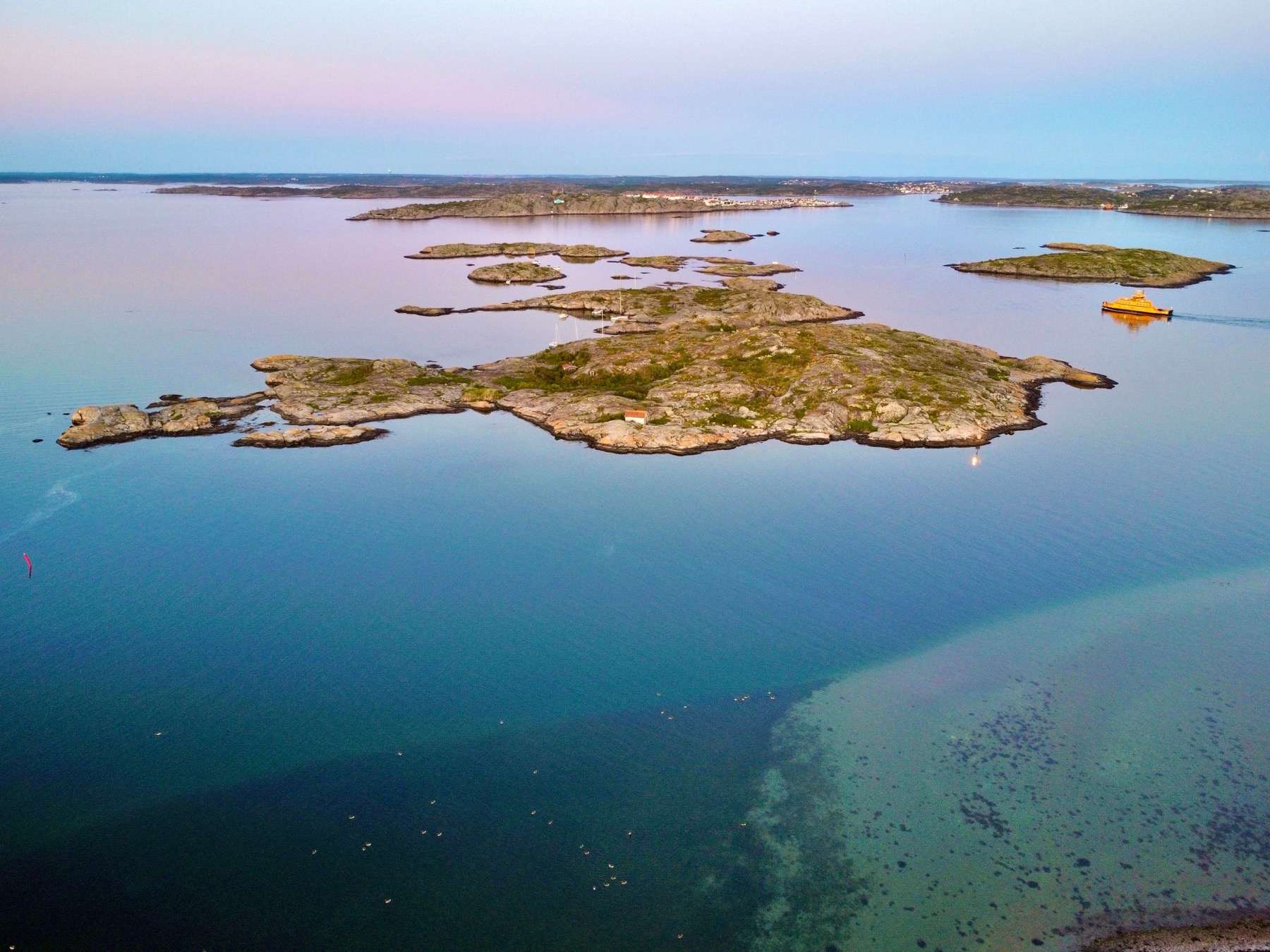
14. The Väderöarna islands (Weather Islands)
The Väderöarna archipelago, meaning the Weather Islands, lies at the very edge of the open ocean and represents the westernmost inhabited point of all Sweden. You can only get here on a special excursion boat from Fjällbacka or from the town of Hamburgsund. The crossing takes just under an hour, and waiting for you is an absolutely rugged, wind-battered landscape without a single tree, looking like something from another world.
An interesting point is that thanks to the strong Gulf Stream flowing in here, you’ll paradoxically measure the warmest seawater in the wider area and the climate is unexpectedly mild. The local clear waters are also home to huge colonies of seals, which you can watch very safely and up close from special guided excursion boats.
On the main island you’ll find just an old pilot station, a historic lighthouse and one very cosy guesthouse with an excellent café, where you can have a hot tea and shelter from the wind. The islands are laced with short trails along which you can clamber over the granite cliffs and gaze at the endless horizon.
💡 Tip: Excursion boats to Väderöarna run all year round, but in high season they sell out fast. Be sure to book tickets a few days in advance online and don’t forget to pack a windbreaker, because on the open sea it really does always blow.
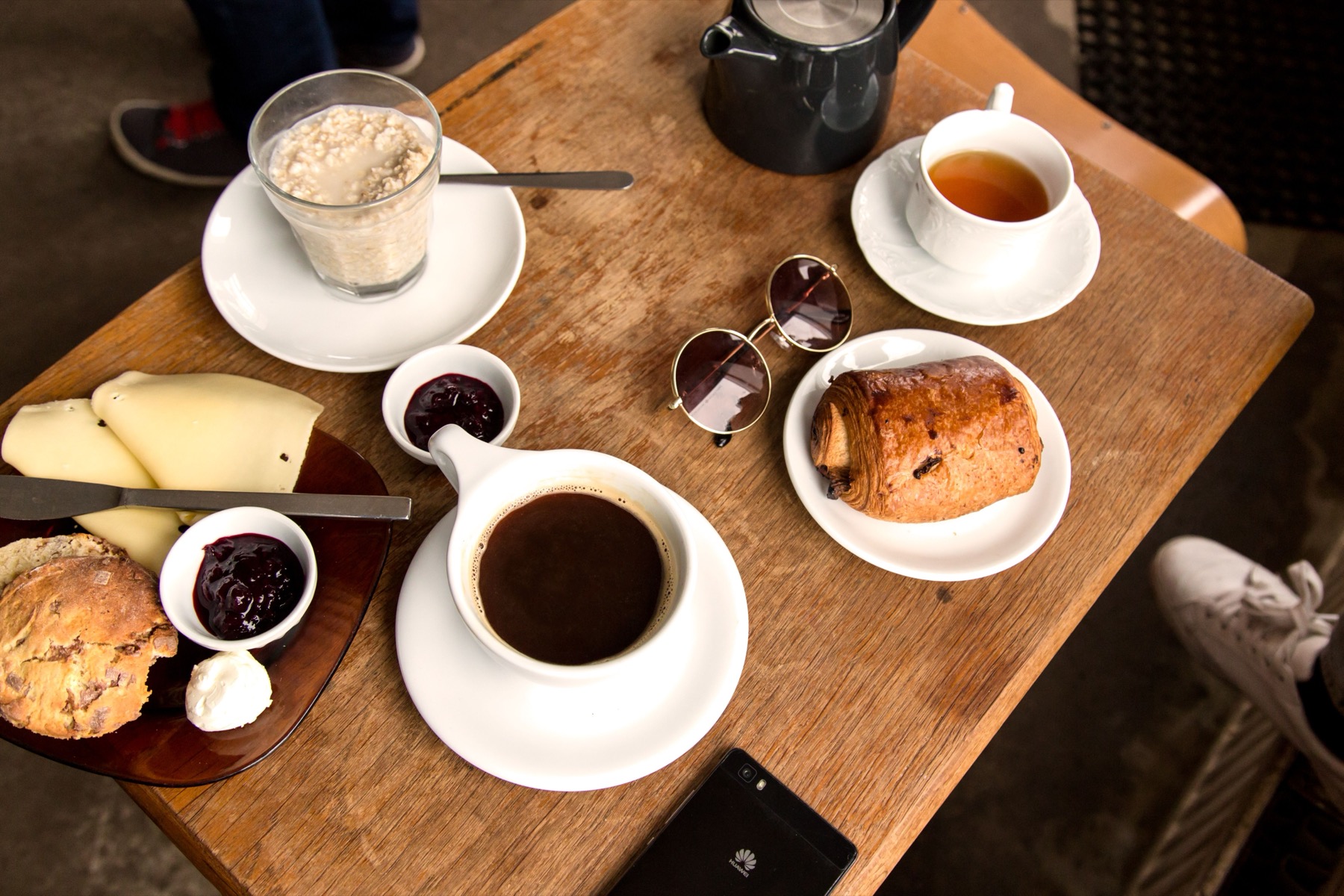
15. Where to eat: fika and vegetarian choices
The west coast is internationally famous for fishing, and the bestsellers here are mainly the local oysters and lobsters, but even committed vegetarians eat very well here. The absolute cornerstone of Swedish dining is the lunch menu called dagens lunch, usually served between eleven and two o’clock. As part of it, most restaurants offer excellent meat-free options for roughly 120 to 150 SEK (€11 to €14), which are also easy on the budget.
I recommend trying the amazing salad buffets (great lunches are served, for example, at the Johans Krog restaurant in Marstrand), which usually come free with lunch including water and coffee, or stopping by a local bakery for a traditional fika. Definitely worth a go is the legendary Skärets Konditori café right by the jetty in Smögen. Giant cinnamon buns (kanelbulle), priced at around 65 to 100 SEK (€6 to €9), with a hot coffee in some tucked-away harbour café, make up the best gastronomic experience you could wish for. 😅
If you want to open a bottle of wine at the cabin in the evening, you need to remember the strict Swedish rules. You can only buy alcohol over 3.5% at the state-run Systembolaget shops. On weekdays they’re open until roughly 6 or 7 pm, but be very careful at the weekend. On Saturday they close as early as 3 pm and on Sunday they’re uncompromisingly closed altogether, so you have to plan your shopping ahead.
💡 Tip: In ordinary supermarkets like ICA or the cheaper Willys you’ll find a huge selection of vegetarian and vegan products. Sweden is very progressive in this respect and even in the smallest village you’ll find great meat-free alternatives.
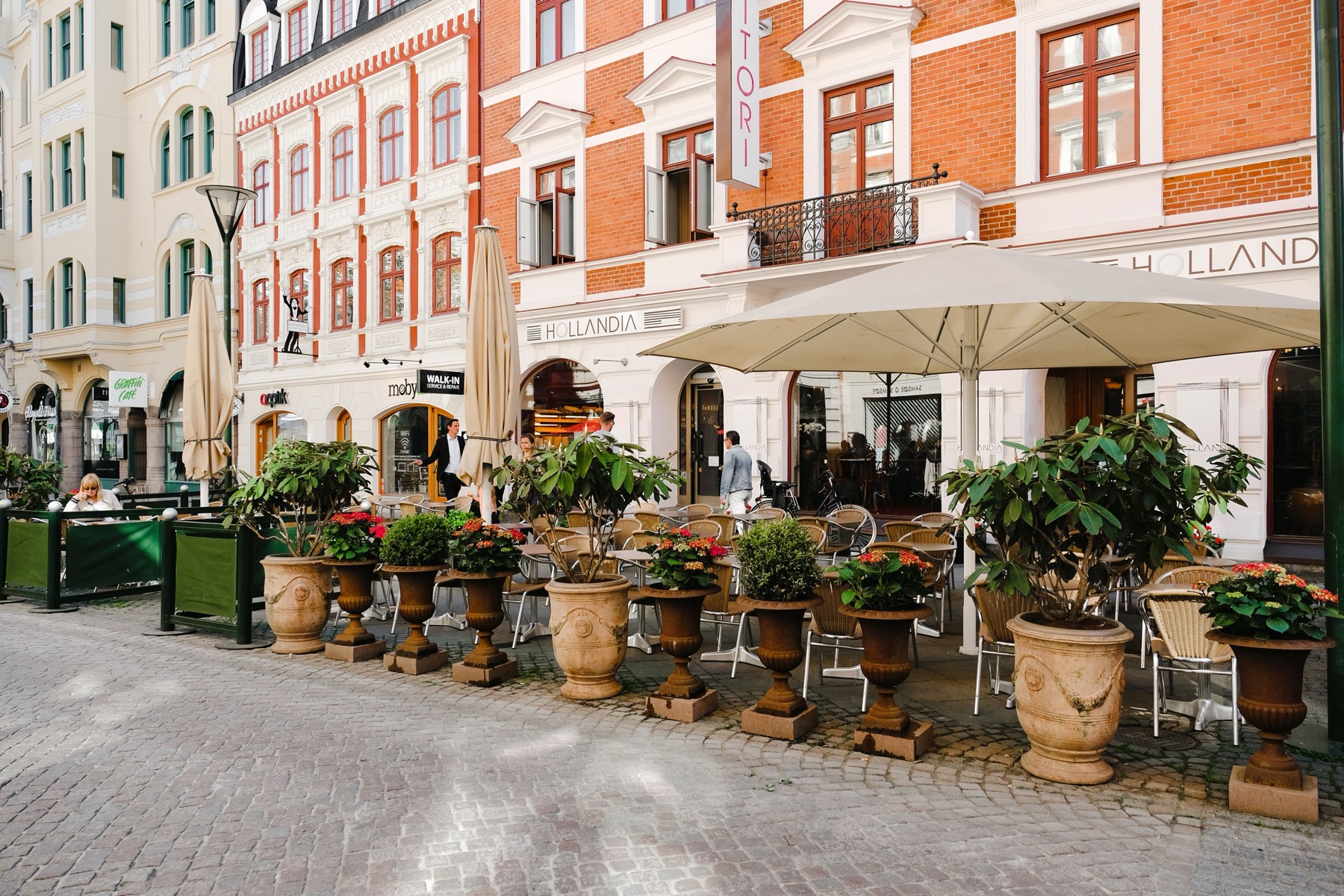
16. The road trip experience and local transport
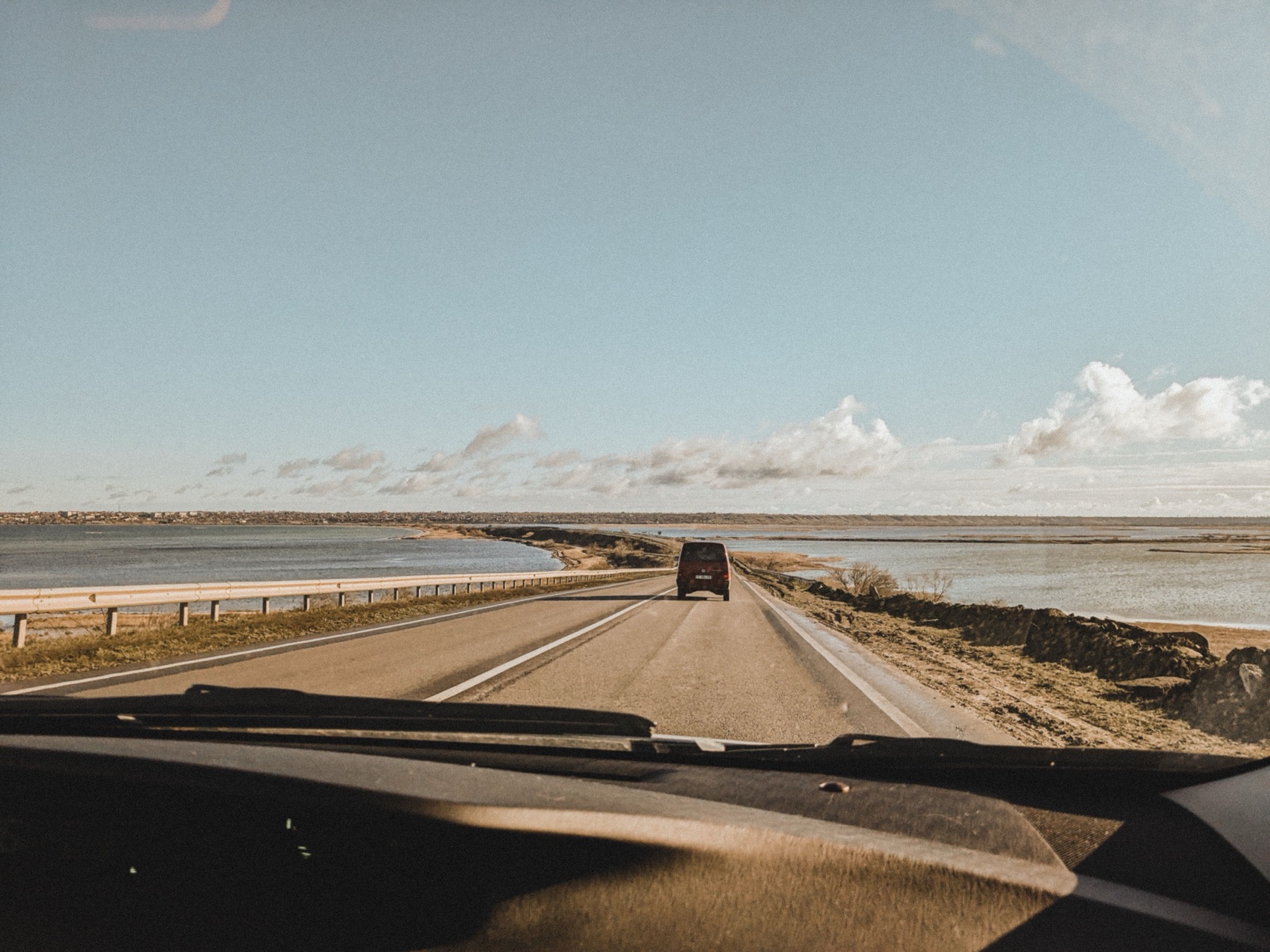
The whole Bohuslän region is best driven using the E6 motorway, which acts as the main artery of the entire area. It stretches from Gothenburg all the way up to the Norwegian border and links all the important exits to the coastal villages. Swedish motorways have one huge advantage, as they’re completely free and there are no motorway vignettes (unlike, say, the toll stickers you need in Austria or Switzerland). The roads here are also perfectly maintained and the traffic is, unlike in central Europe, completely calm and relaxed.
If you don’t want to or can’t drive a car, that’s no problem at all, because the regional Västtrafik bus and boat network works brilliantly here. This company connects Gothenburg with larger towns like Lysekil or Strömstad via fast express services, and from there smaller local buses link on to the tiniest fishing villages. Tickets are bought very easily through a clear mobile app.
Travelling by public transport can also pay off very well. If you’ll be passing through the region for longer and plan to actively use the buses and ferries, buying a period ticket is the best investment. During 2026 the Swedish government is even heavily subsidising the price of monthly passes, which as a result cost only half.
💡 Tip: When planning your journey via the Västtrafik mobile app, always carefully check the weekend timetables. To more remote places like Fjällbacka, buses run considerably less often on Sunday than on weekdays, so you could get stuck somewhere.
How to get to Bohuslän and how to travel around it
The logistics of a trip to Sweden’s west coast are much simpler than they seem at first glance. If you prefer speed, the best option is flying. Airlines such as Ryanair, easyJet and Lufthansa serve Landvetter Airport in Gothenburg from major European hubs, and the flights can often be picked up at very reasonable prices. Right at the airport you can then rent a car and head straight north, without having to detour into the city centre.
For families with children or travellers who want to stay in cabins and bring their own supplies, it makes huge sense to set off in your own car. You can use the comfortable overnight ferry from the German port of Kiel straight into the centre of Gothenburg with Stena Line, where you sleep in a cabin and save hundreds of kilometres of driving. Another popular option is to cross through Denmark to the north of Jutland and take the quick ferry from Frederikshavn, which takes only three and a half hours.
Once you’re there, you’ll find that a car is practically essential for exploring Bohuslän if you want complete freedom and to stop at deserted rocks. The main artery is the E6 motorway mentioned above. Smaller winding roads branch off it leading straight to the sea. The distances aren’t dizzying at all, as you can drive from Gothenburg to Strömstad in the far north in roughly two hours. But watch out for paying the toll in Gothenburg, the so-called congestion tax. Cameras automatically read your number plate and the fee is paid through the Epass24 system, which it’s best to register with in advance.
Parking in the fishing villages can be quite a headache in summer season. You can’t get into the centres of places like Marstrand or Smögen with a car at all, or parking there is extremely expensive. So always look for large park-and-ride lots on the edges of the towns and walk the rest of the way. To pay for parking you’ll need a mobile app, most often Easypark or Parkster, because you won’t find coin machines here anymore.
A 5-day west coast road trip
So that you can enjoy the Bohuslän region to the full and without the needless stress of constant driving, I’ve put together the ideal itinerary for a five-day road trip. This route will guide you through the most beautiful places, from the south all the way north.
Day 1: Gothenburg and Marstrand Start your adventure in Gothenburg, where you can have a coffee in the Haga district. Around lunchtime, head northwest by car (about 45 km) to the island of Marstrand. Park at the park-and-ride lot in Koön, cross by ferry and devote the afternoon to touring the majestic Carlsten Fortress and wandering around the island. You can spend the night right in Marstrand or in cheaper guesthouses on the mainland towards Stenungsund.
Day 2: Lysekil and the granite rocks In the morning, head further north on the E6 and then turn off towards the town of Lysekil. Along the way there’s a short crossing on a free road ferry over the fjord. In the morning visit the Havets Hus aquarium, and after lunch (try the local dagens lunch) set off on foot into the Stångehuvud nature reserve. A walk among the smooth pink boulders at sunset is unforgettable. Stay in Lysekil or move on closer to the town of Smögen.
Day 3: Smögen and Fjällbacka This day belongs to the most photographed places. In the morning head to Smögen and walk the famous wooden Smögenbryggan jetty before the biggest crowds of tourists arrive. In the afternoon drive roughly 40 kilometres north to crime-novel Fjällbacka. Here you must conquer the wooden steps through the Kungsklyftan rock cleft and have a coffee on Ingrid Bergman Square. For the night I recommend renting a typical red cabin (stuga) somewhere in the forests around Fjällbacka.
Day 4: Grebbestad and history From Fjällbacka it’s just a short hop to Grebbestad, the capital of Swedish oysters. Wander the calm harbour and soak up the fishing atmosphere. Then head a little inland to the town of Tanumshede, where you’ll spend the afternoon exploring the fascinating Bronze Age rock carvings on the UNESCO list. In the evening move on north to the town of Strömstad, which will be your final base.
Day 5: Kosterhavet National Park Devote the last day to pure nature. In the morning leave your car in Strömstad and hop on the passenger ferry heading to the islands of Nordkoster and Sydkoster. Rent a bike and spend the whole day pedalling between pastures and remote beaches in Sweden’s only marine national park. In the afternoon take the ferry back to the mainland and cruise comfortably and quickly back south to Gothenburg along the E6.
Where to go next from Bohuslän
Once you’ve explored the granite coast, it would be a huge shame to skip the region’s main city. Take a look at our detailed article Gothenburg: 20 tips on what to see in Sweden’s second city, where you’ll discover why this city is far more laid-back than Stockholm.
If you’re figuring out the logistics of driving up in your own car, the guide By ferry to Sweden: routes, prices and how to choose the right one will definitely help. For an overall picture of what else awaits you in the north, check out Sweden: 30 tips on what to see and experience, and don’t forget to keep an eye on your budget with the article Prices in Sweden: how much a holiday costs.
Frequently asked questions
When planning a trip, lots of people ask the same practical things. Here I’ve put together answers to the most common questions that might interest you before your trip to the west coast.
What’s the best way to get to the Bohuslän region?
The fastest option is to fly directly to Gothenburg (served by Ryanair and other major carriers at great prices) and rent a car there. If you’re driving from abroad, the most comfortable option is to take the overnight ferry from Kiel in Germany directly to the centre of Gothenburg, from where it’s less than an hour’s drive to Bohuslän.
How many days do I need on the coast?
For a quick tour of the most famous spots (Marstrand, Smögen, Fjällbacka), an extended weekend—three to four days—will suffice. But if you want to go kayaking, hike part of the Kuststigen trail, and visit Kosterhavet National Park, set aside at least five to seven days on the coast.
Can you swim in the sea on the west coast?
Yes, swimming here is absolutely no problem, but you have to expect the water to be a bit colder than in the Baltic Sea (in summer it’s usually between 17 and 19 degrees). Instead of sandy beaches, you enter the water via special stainless steel ladders that are attached directly to the granite rocks.
When’s the best time to visit?
If you want to avoid the biggest crowds and overpriced accommodation, head here in late May to early June, or from late August to mid-September. In July, most Swedes have their nationwide holiday and the harbours are hopelessly crowded.
Do I need a car to travel around Bohuslän?
A car is a huge advantage because it gives you the freedom to stop anywhere along the coast. However, it’s doable without one—the region has a very dense and reliable network of buses and local ferries operated by Västtrafik, which will get you to all the main tourist centres.
Where exactly can I find the locations from Camilla Läckberg’s books?
Her detective novels are set in the village of Fjällbacka and its immediate surroundings. As you walk around, you’ll definitely come across the dramatic rock crevice Kungsklyftan, the old church, and the harbour, all of which play key roles in her books.
How much does accommodation on the west coast cost?
Prices vary greatly depending on the season. Outside the main holiday season you can find a double room in a nice guesthouse from 1,200 SEK (around €105), but in July and August prices in popular harbours like Marstrand or Smögen regularly climb to 2,500 SEK (€220) or more. Cheaper alternatives are campsites and small cabin rentals (stugor).
What is Kosterhavet National Park?
It’s Sweden’s very first marine national park, located in the far north of Bohuslän near the Norwegian border. It protects a unique underwater ecosystem with cold-water corals, and its centrepiece is the islands of Nordkoster and Sydkoster, where cars are prohibited.
Tips and Tricks for Your Vacation
Don’t Overpay for Flights
Search for flights on Kayak. It’s our favorite search engine because it scans the websites of all airlines and always finds the cheapest connection.
Book Your Accommodation Smartly
The best experiences we’ve had when looking for accommodation (from Alaska to Morocco) are with Booking.com, where hotels, apartments, and entire houses are usually the cheapest and most widely available.
Don’t Forget Travel Insurance
Good travel insurance will protect you against illness, accidents, theft, or flight cancellations. We’ve had a few hospital visits abroad, so we know how important it is to have proper insurance arranged.
Where we insure ourselves: SafetyWing (simple monthly subscription) and TrueTraveller (for extra-long trips).
Find the Best Experiences
Get Your Guide is a huge online marketplace where you can book guided walks, trips, skip-the-line tickets, tours, and much more. We always find some extra fun there!