Most travellers know Livorno, Italy only as the name printed on a ferry ticket or a quick cruise-ship stop. They rush straight out of the port to Florence or Pisa and skip the city entirely. That’s a huge shame, because this port town has a completely different vibe from the rest of Tuscany.
Don’t expect the typical medieval lanes lined with tidy cypress trees here. Livorno is raw, functional and steeped in maritime history. What you will find, though, are some of the best beaches in Tuscany, a fascinating network of canals and street food you’ll absolutely fall in love with. If you’re really craving polished Renaissance romance, you might prefer Lucca, but if you’re after authentic Italian life, you’re in the right place.
This city has plenty to offer, from fortresses and canals to cliffs. Let’s take a look at 18 tips that will help you enjoy it properly. We’ll explore the Costa degli Etruschi coastline and talk about accommodation, which needs a bit of care here. And of course we’ll cover how the local ferries work and what you can squeeze in when you only have a few hours to see the city.
TL;DR
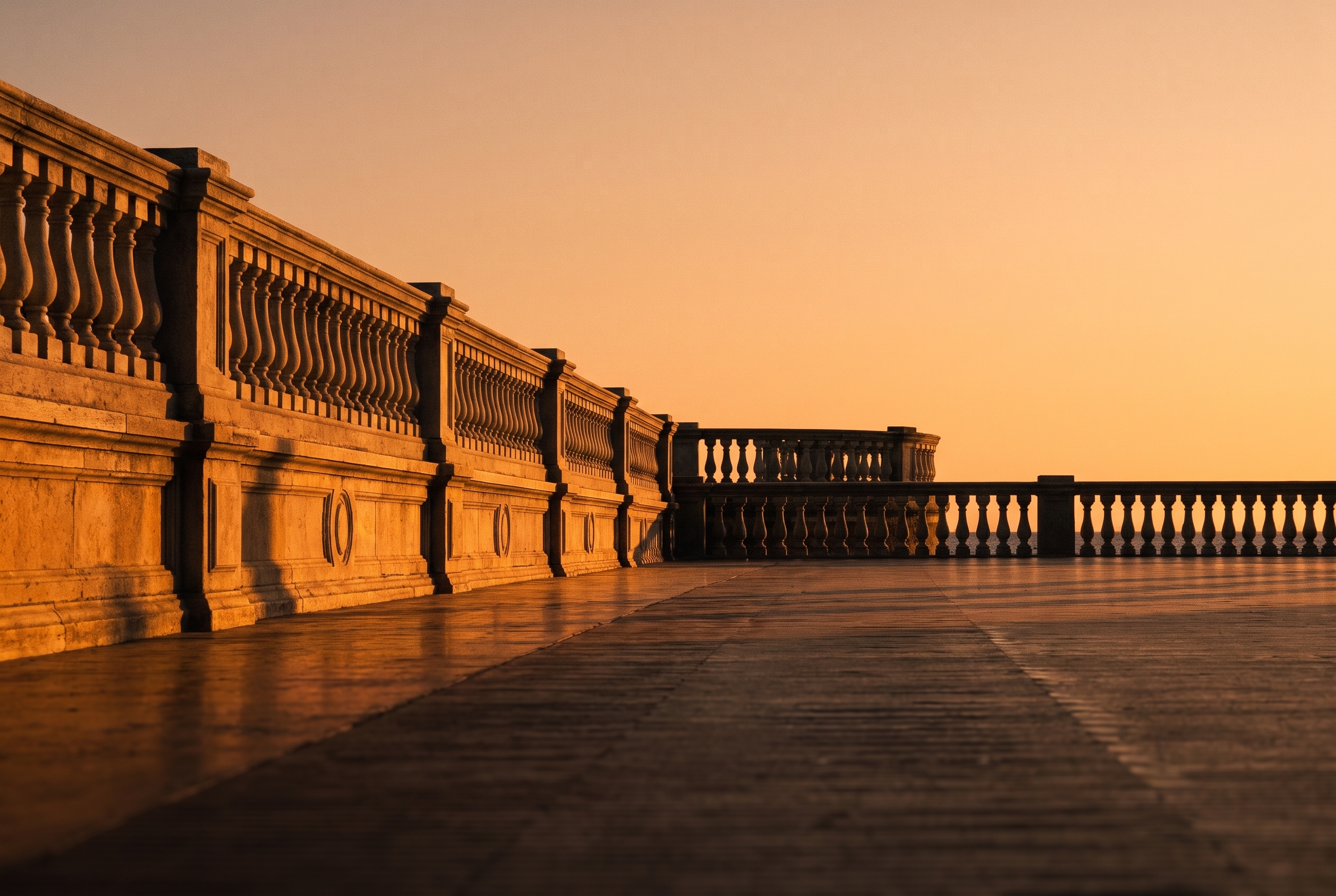
- The city’s main icon: Terrazza Mascagni is a huge chequerboard terrace right above the sea, with the most beautiful sunsets.
- Livorno’s Venice: The 17th-century Venezia Nuova district will surprise you with its network of water canals you can explore by boat.
- The best street food: Torta di ceci and the “5 e 5” sandwich are absolutely genius vegan treats made from chickpea flour that you simply have to try.
- Swimming and beaches: Don’t look for sand right in the centre. For the best swimming, head to the rocky cliffs of Calafuria or the beaches at Quercianella.
- The hoax of the century: The city proudly embraces a bizarre story from 1984, when students used an ordinary power drill to fake sculptures by the famous Amedeo Modigliani.
- Cruise ships: If you’re only docked for a few hours, skip the long trip to Florence and enjoy the local Mercato Centrale market and the harbour fortresses.
The full destination guide: Tuscany — guide and what to see
When to visit Livorno: weather in Livorno, Italy
If you’re planning to explore the city and enjoy some pleasant swimming at the same time, May, June and September are absolutely ideal months. By early summer the sea is usually warm enough, and in September it still holds its summer temperature, so you can swim without worrying about the cold. On top of that, these dates help you avoid the crowds that flood the Italian coast every summer during the school holidays. Spring and early autumn days also bring perfect conditions for long walks around the city, when you’re not troubled by the punishing Italian sun and the evenings stay beautifully mild.
July and August mean absolute high season, when you simply have to expect packed beaches, parking headaches and serious heat in the streets. On the other hand, August is exactly when the city’s famous Effetto Venezia festival takes place, filling the entire historic centre with music, culture and incredible energy. It’s a spectacular experience full of great food and evening entertainment that, in my opinion, is definitely worth a bit of summer sweat, even if the crowds can get pretty exhausting at times.
In winter the city runs completely normally, because Livorno isn’t some artificially built resort but a year-round living and hugely important Italian port. Swimming naturally drops out from autumn to spring, but you’ll enjoy the local sights, market and renowned restaurants all the more. A winter visit also lets you explore the city in complete peace, without the ever-present stress and, above all, for a fraction of the summer accommodation prices. So for lovers of authentic atmosphere and good food, even November or February is actually a great choice, as long as you dress well against the sea wind.
Where to stay in Livorno
💡 Tip for stays and experiences: We prefer to look for accommodation on Booking.com, which usually has the best cancellation terms. For tickets, tours and activities, it’s worth comparing and booking through GetYourGuide.
Let me warn you straight away: hotels in Livorno are in worse shape than in the rest of Tuscany, and the reviews reflect that. Most local hotels tend to hover only around average on travel portals, and reviewers are fairly critical of the level of service. That’s why a lot of travellers prefer to stay in nearby Pisa or Lucca and just take comfortable day trips to Livorno by train — a perfectly legitimate and very practical option.
But if you long to stay right by the sea and want to experience the real evening atmosphere of a pulsing port firsthand, choose your hotel very carefully and always read the latest reviews. Among the demonstrably better-rated places, I definitely recommend Hotel Universal, which sits a little away from the busy centre, offers lovely sea views and is one of the few in the city to boast its own outdoor pool. Right by the beach, with balconies facing the open sea, you’ll find the popular Hotel Rex, an absolutely great choice for all die-hard swimming lovers, even if some guests occasionally mention minor complaints about cleanliness in their reviews.
If you’re travelling by car and need somewhere safe to park it, check out MAX Hotel Livorno, where parking is completely free for guests and there’s even a small fitness centre. Reviewers say the rooms could perhaps use a slight refresh, but at that price it’s a very decent standard. For a simple overnight stay right in the city centre, Hotel Europa Parking won’t disappoint and does the job.
If you want to go a notch higher, take a look at Grand Hotel Palazzo. A rooftop bar, a small spa and harbour views sound tempting. Just bear in mind that parking costs around €18 a day, and according to some guests it’s a five-star hotel more on paper than in reality, so it’s best to keep your expectations a little grounded. On the flip side, do steer clear of places with weak reviews, such as the Gran Duca Hotel, where people repeatedly complain about the quality of service despite its otherwise superb location right by the old harbour.
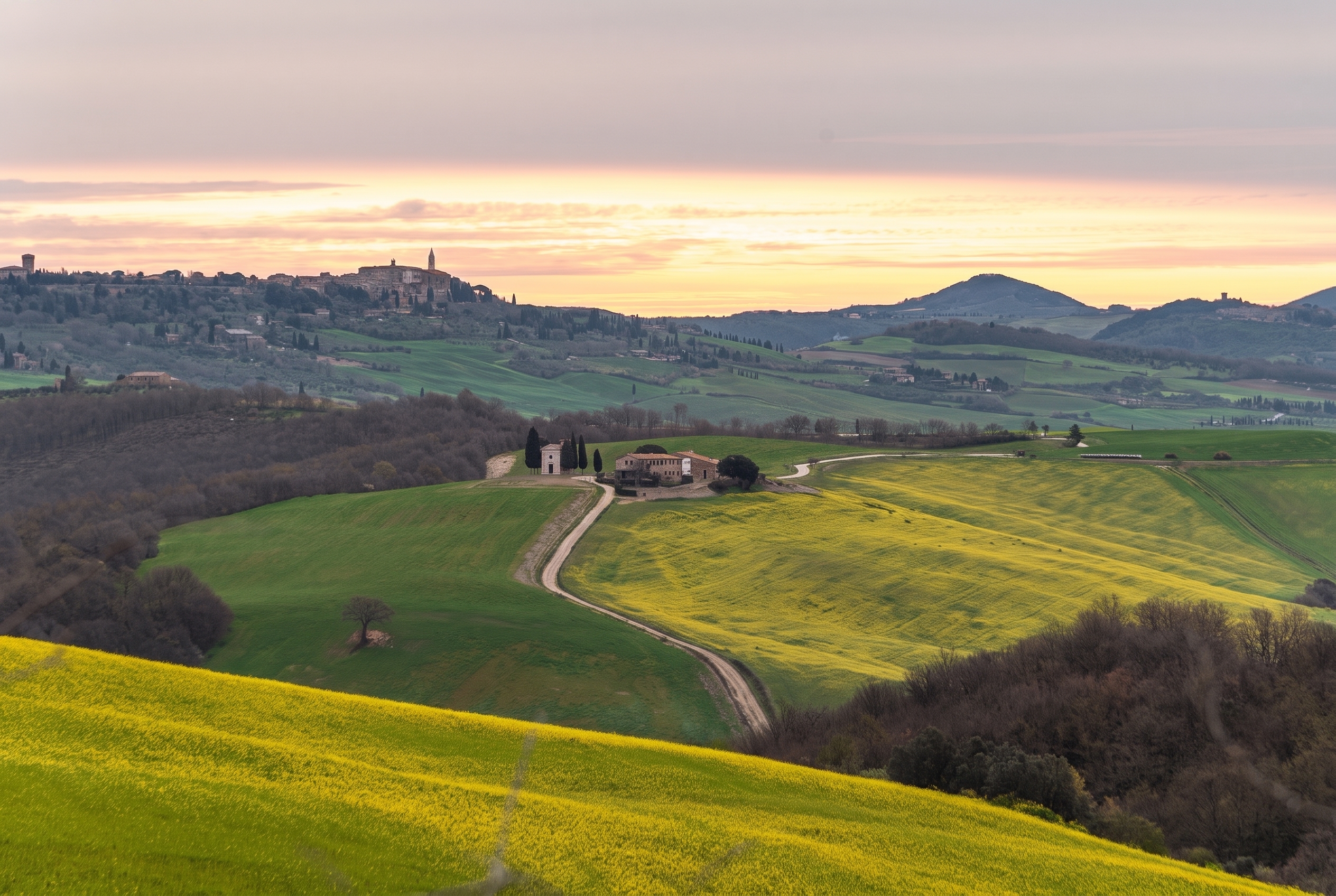
18 tips on what to see and do in Livorno, Italy
Let’s take a look at the very best this port town has to offer, from historic fortresses to perfect coastal scenery. I’ll show you how to enjoy the city to the fullest even if you only have a few hours from a cruise-ship stop.
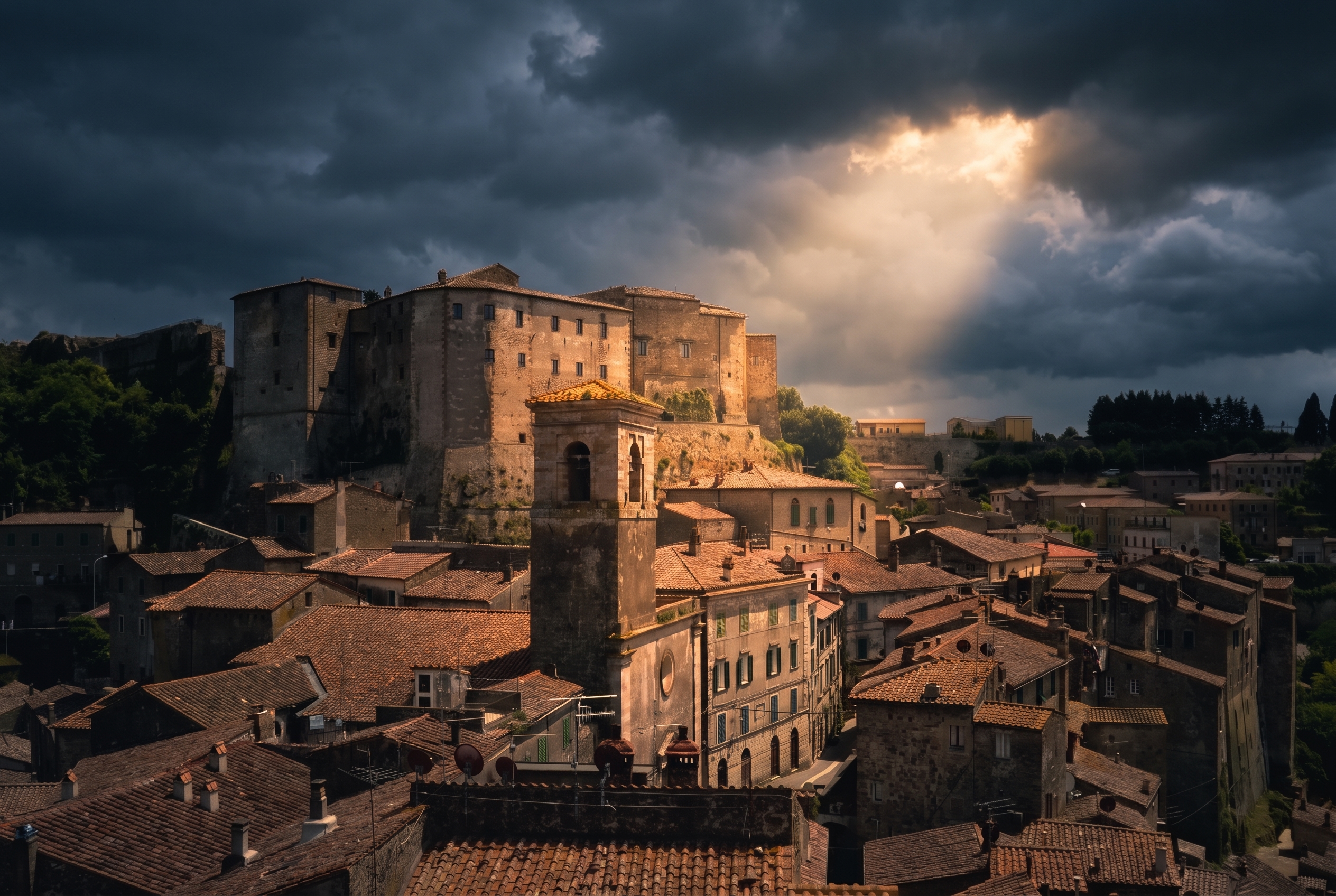
1. Terrazza Mascagni
If you’ve ever seen an iconic photo of Livorno, it was probably this sprawling terrace with its stunning black-and-white chequerboard paving. It seems to stretch all the way to the distant horizon and blends perfectly with the blue of the Tyrrhenian Sea, creating an absolutely breathtaking sight. The terrace is named after a famous local, the acclaimed composer Pietro Mascagni. Today it’s without doubt one of the most photographed spots in all of Tuscany and a centrepiece of every visit.
Entry is free and the terrace is open around the clock, so feel free to save it for the evening. Locals love to stroll here, jog along the coast, chat with friends or simply sit on the old stone benches and drink in the fresh sea air. The space really is enormous, so even in peak season the crowds spread out fairly reliably.
💡 Tip: Try to arrive ideally at sunset, because the whole terrace faces due west and the play of warm sunbeams on the geometric black-and-white paving is simply magical. Take plenty of photos here and then move smoothly on to the nearby Aquarium or straight to the restaurants for an early evening pizza.
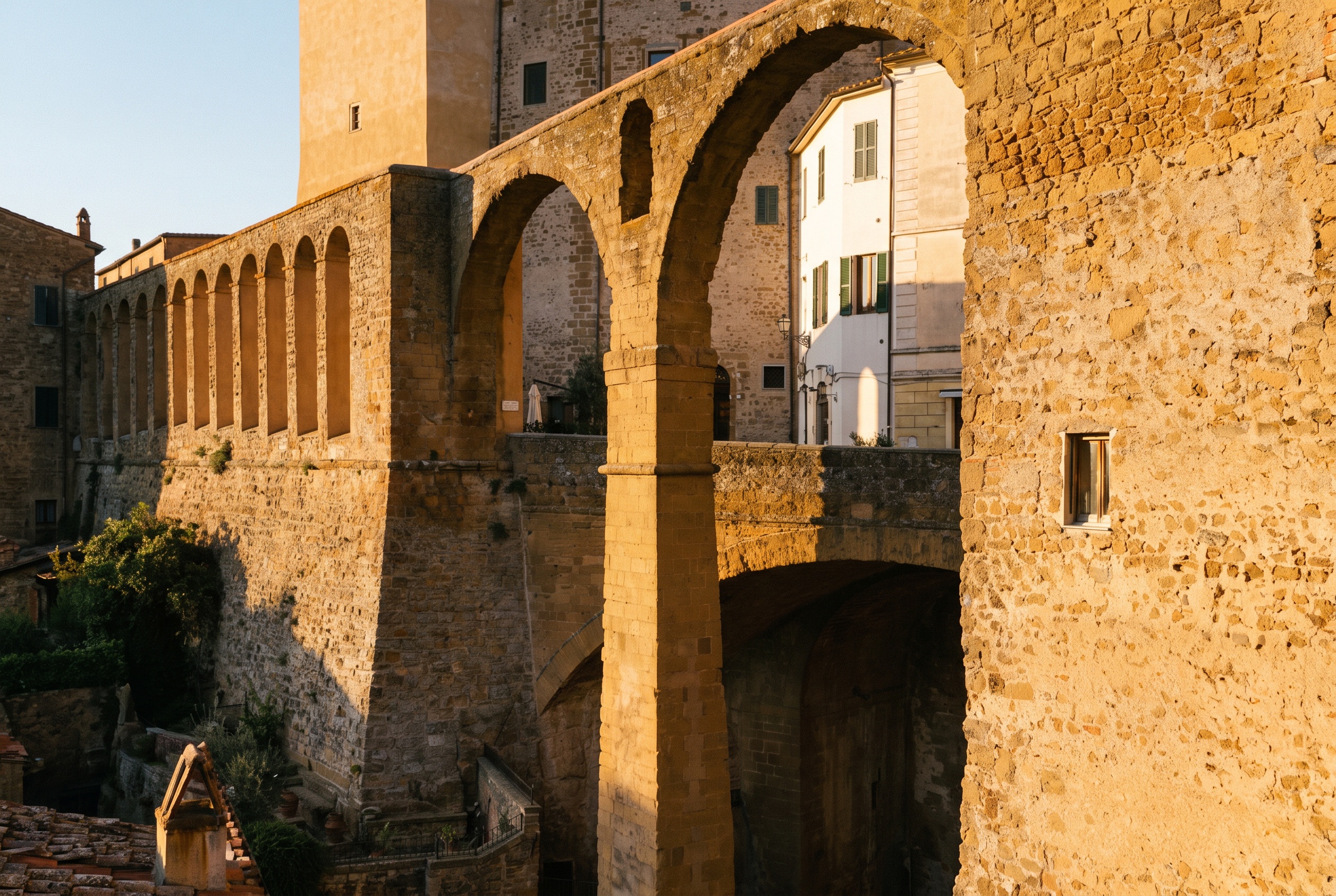
2. Acquario di Livorno
Right next to the famous Mascagni viewing terrace stands the popular Livorno Aquarium, an absolutely great stop especially if you’re travelling with younger children or just need to hide from the fierce summer sun for a while. The aquarium isn’t among the very largest in Europe, but it’s very tastefully and modernly laid out, so you can easily and comfortably spend a very pleasant two hours full of discovery here.
Inside you’ll find dozens of beautifully lit tanks with a variety of marine creatures, from brightly coloured tropical fish and playful seahorses to elegant sharks and huge sea turtles. Special attention is paid to the rich ecosystem of the Mediterranean and the Tyrrhenian coast, which gives the whole visit a pleasantly local dimension. You can get a close-up look at exactly the fish you might later encounter while snorkelling.
The aquarium has a very modern concept and also offers hugely interesting interactive exhibits. There’s a nice section on marine conservation, designed for kids in a way that entertains adults too. 😁
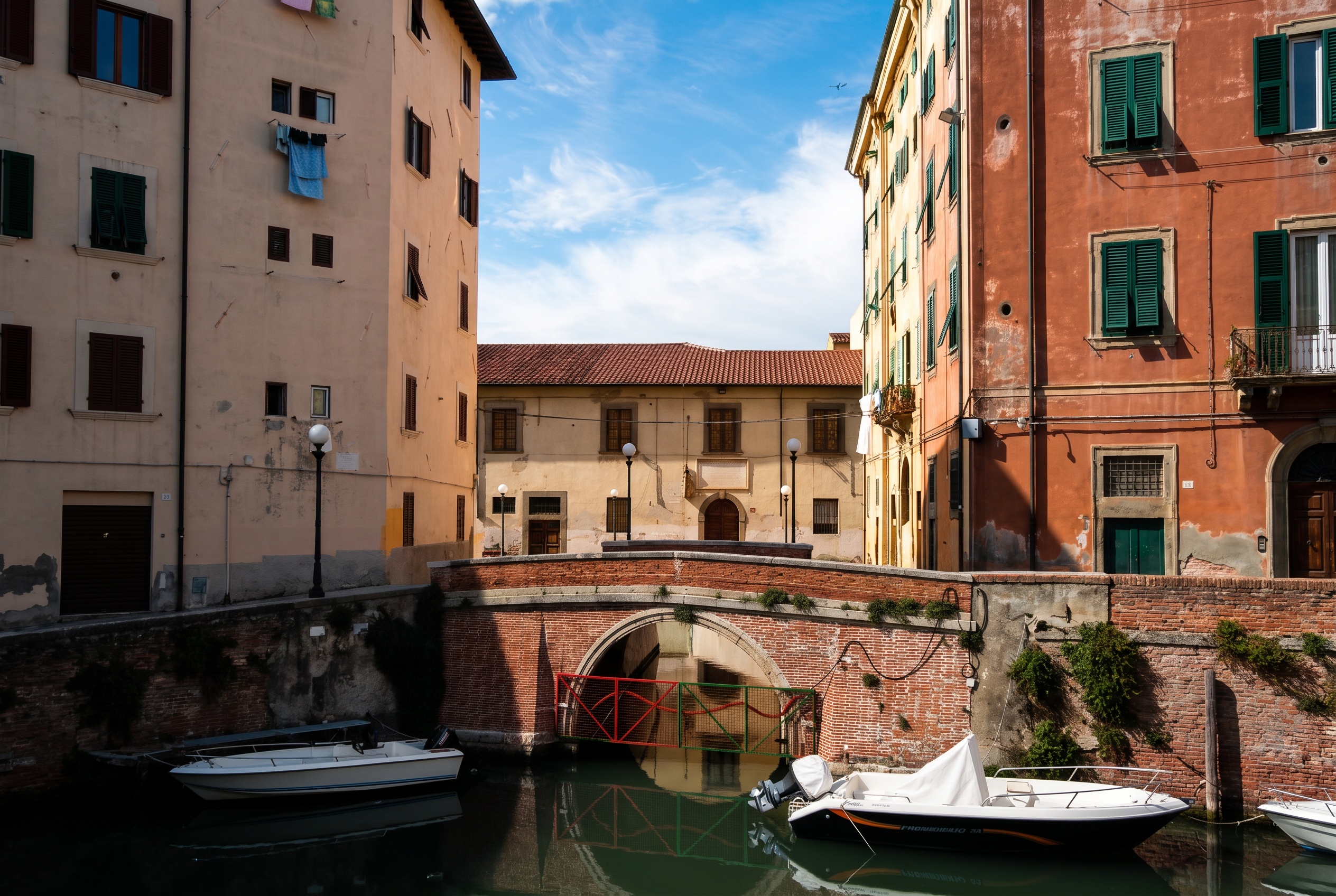
3. Venezia Nuova, Livorno’s Little Venice
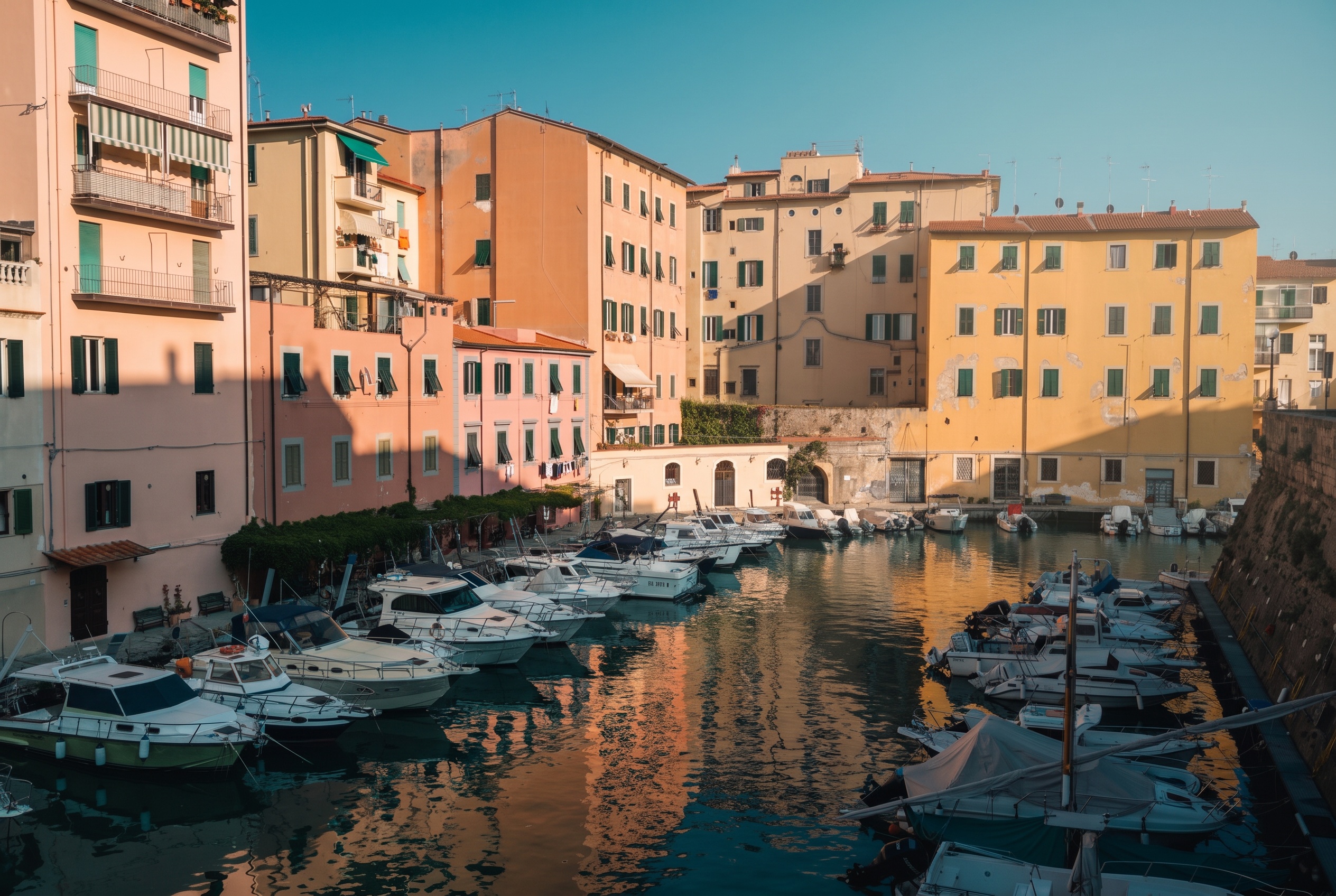
Livorno has its own picturesque Venice, and that’s no exaggeration at all. The historic Venezia Nuova district was built in the 17th century and got its grand name from the skilled Venetian workers invited here by the rulers of the day. Their task was to help build a complex system of waterways and practical merchant warehouses, and their unmistakable architectural signature is obvious across the whole district at first glance.
Today, according to many travellers, it’s the single most picturesque part of the whole city, full of old brick bridges, narrow shady lanes and small romantic squares. The buildings along the water have a peculiar patina and many of them conceal vast vaulted cellars right at water level, from which luxury goods were once unloaded directly from arriving merchant ships.
Entry to the district is of course completely free, and a walk along these quiet canals instantly transports you a few centuries back in time. I definitely recommend wandering around without a map and just soaking up the atmosphere. That way you’ll discover plenty of hidden cafés and small artisan shops that fit perfectly into this historic setting and give it authentic life.
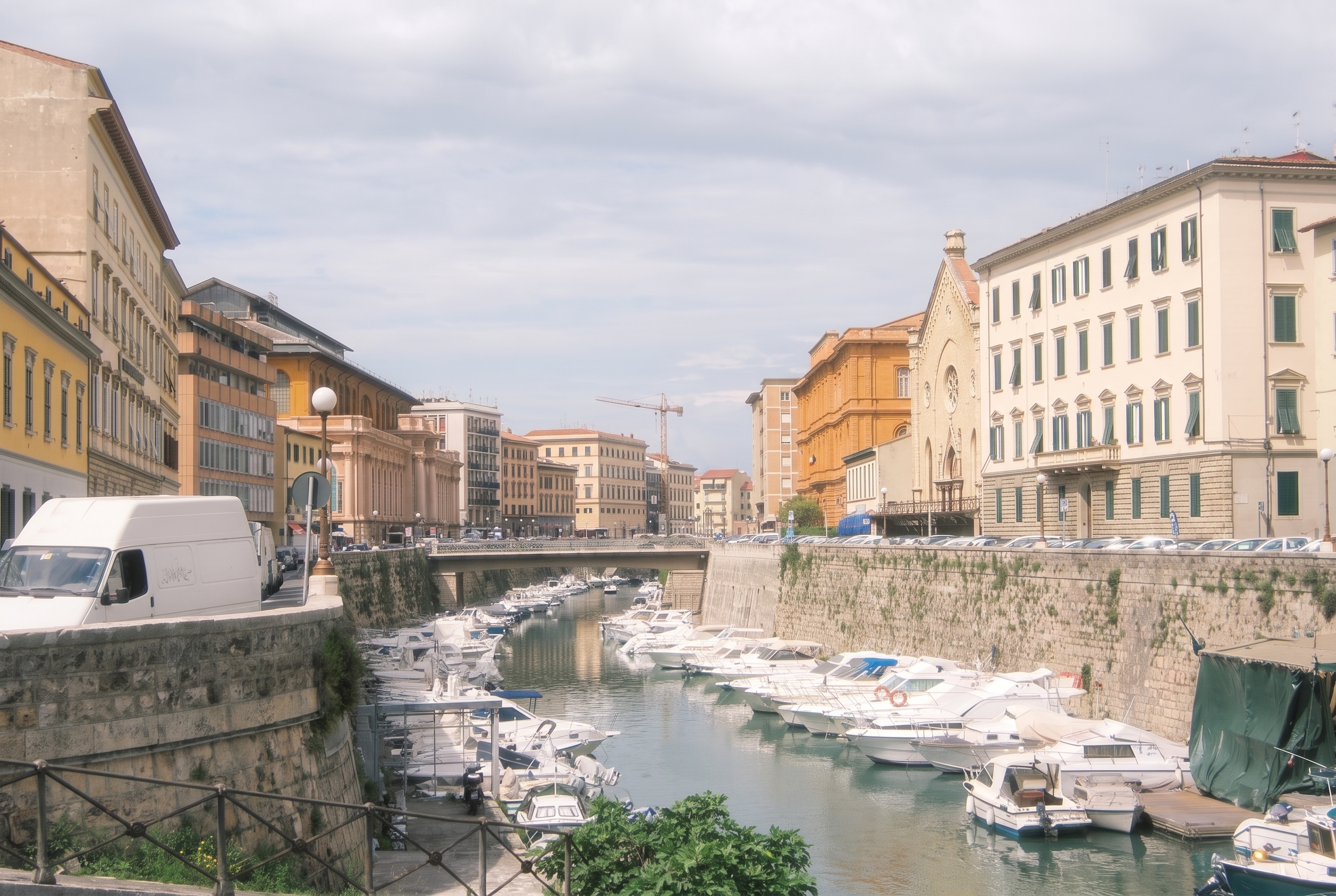
4. A boat tour on the Fossi canals
The best and definitely most fun way to see the historic Venezia Nuova district up close is to head straight onto the water. In peak summer season you can comfortably take a boat tour along the main canals, which locals affectionately call the Fossi. It’s an absolutely great experience that shows you the city from a completely different angle and lets you peek into how it really works.
These wide canals once served primarily to move precious goods smoothly from the big merchant ships anchored in the port straight into the cool cellars of wealthy traders. The calm ride offers a completely different perspective on the city — you’ll see the old bridge arches and the massive foundations of houses up close, things you’d never have a chance to notice or appreciate from an ordinary street.
It’s best to always check the availability of the tour boats and current ticket prices on the spot in the old harbour, as the offerings of individual operators may change slightly from year to year. You’ll usually find the stops and boarding points near the Fortezza Nuova fortress or by the main Livorno squares lining the water.
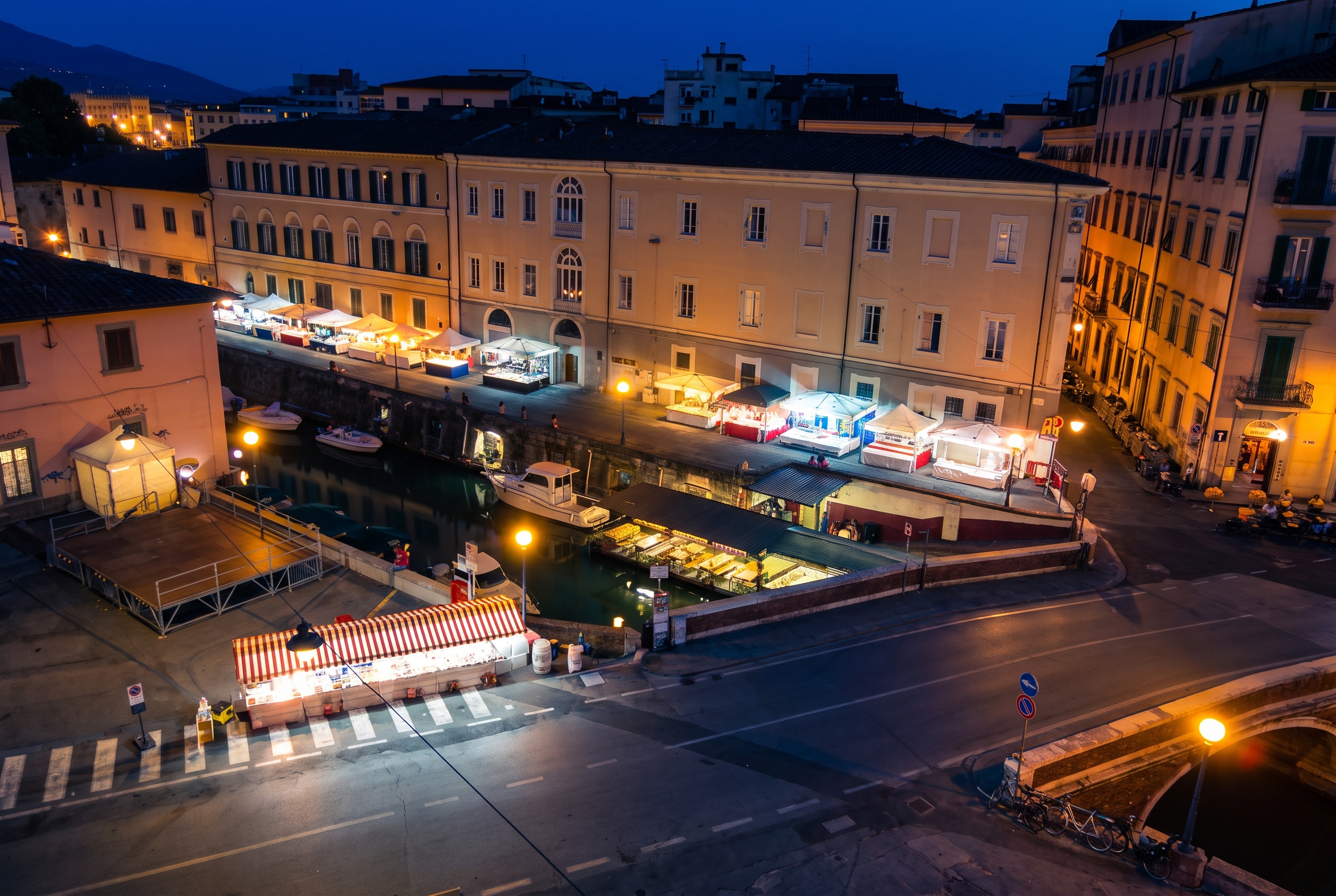
5. Effetto Venezia festival
If you happen to be heading to Livorno in August, you’re in enormous luck, because this is the very month when the city’s biggest and most famous festival, Effetto Venezia, takes place. The whole historic canal district transforms for a few busy days into one giant, pulsing open-air stage, and the overall atmosphere is simply electrifying. This is when the city shows its best face, full of unbridled Italian joy.
The narrow streets and little squares come alive with loud concerts, street theatre performances, endless stalls with beautiful handmade goods and, above all, an incredible amount of great food. People eat excellent street food, drink wine and dance long into the hot summer night, with the whole city on its feet and having fun together.
💡 Tip: The exact festival dates change slightly from year to year, so I warmly recommend checking the official comune.livorno.it website before your trip, so this extraordinary event doesn’t slip past you by a few days. During the festival, expect the city to be really full of people, but that authentic Tuscan experience is definitely worth being squeezed in the crowd.
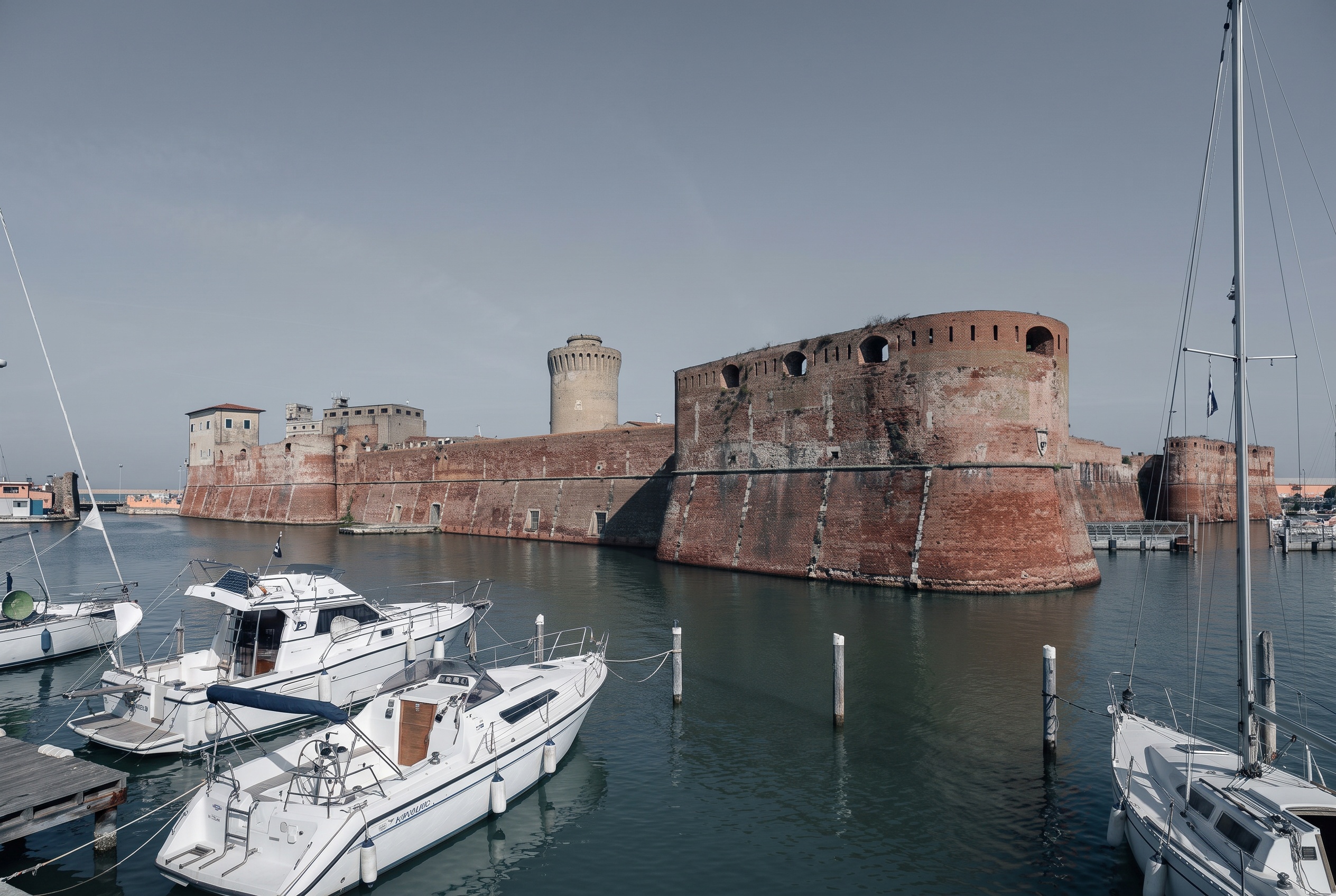
6. Fortezza Vecchia
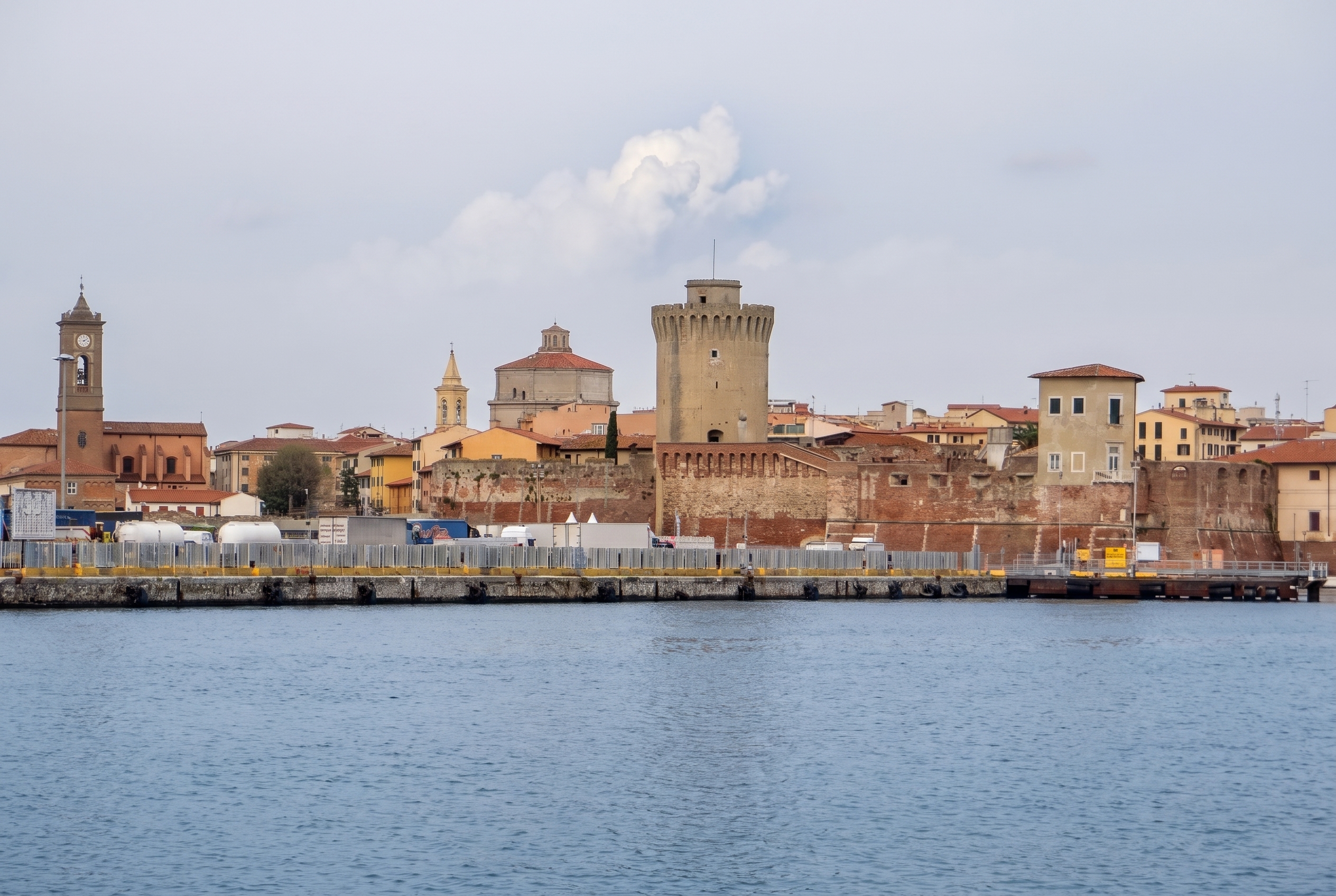
The old fortress, known by its Italian name Fortezza Vecchia, was built at the very start of the 16th century as the main military defensive point against the constant and devastating raids of sea pirates. Its massive stone walls and tall watchtowers still dominate the old harbour today and form an inseparable part of the city’s skyline, a reminder of its turbulent and slightly wild history.
The grounds are freely accessible (unless there happens to be an exhibition or a wedding on) and a walk among the ramparts is worth it. Looking out to sea, it’s easy to imagine soldiers keeping watch here for enemy ships.
Inside the fortress you’ll find, among other things, an interesting and informative exhibition on the city’s rich maritime history and its gradual development. And when you climb the steep stairs to the very top of the mighty ramparts, you’ll be treated to a beautiful panoramic view of the whole bustling harbour, the enormous ferries departing for the islands and the wide blue sea stretching to the horizon.
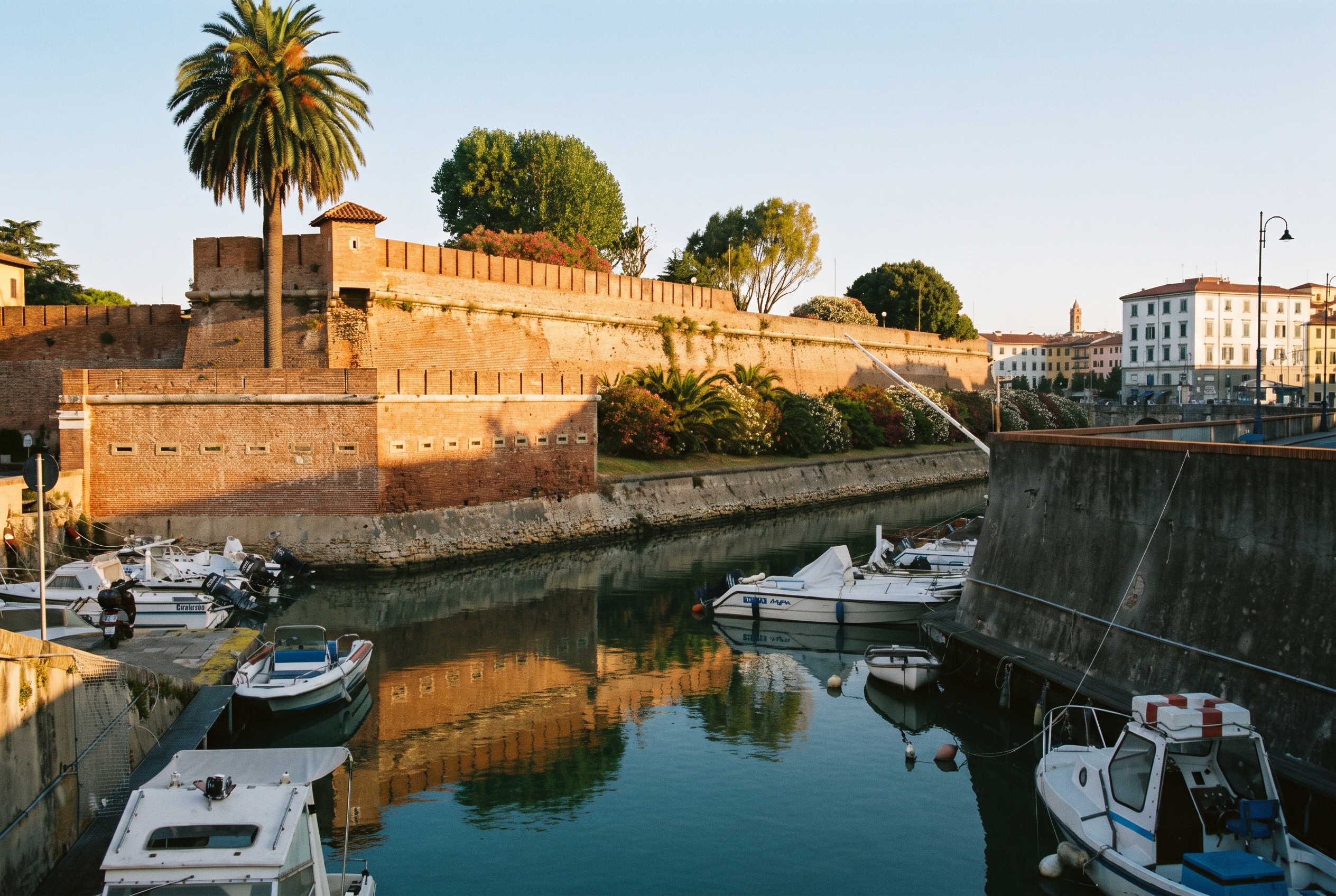
7. Fortezza Nuova
The old fortress’s slightly younger and noticeably greener sister is Fortezza Nuova, which dates from the end of the 16th century. It’s completely surrounded by a deep water moat and from the outside looks like an enormous, impregnable rocky island in the middle of a busy city. Its old brick walls reflected on the calm water are also a favourite subject of local painters and keen photographers.
The most interesting thing about this structure is that its sprawling interior was over time turned into a lovely large public park. So a strictly guarded military object gradually became a beloved green oasis of calm, where the noise of the surrounding traffic barely reaches and time seems to stand still. The contrast between the harsh military architecture and the neat greenery is very striking here.
Locals come here for picnics, to read or just laze in the shade, and if you’re travelling with kids, there’s plenty of room for them to run around properly.
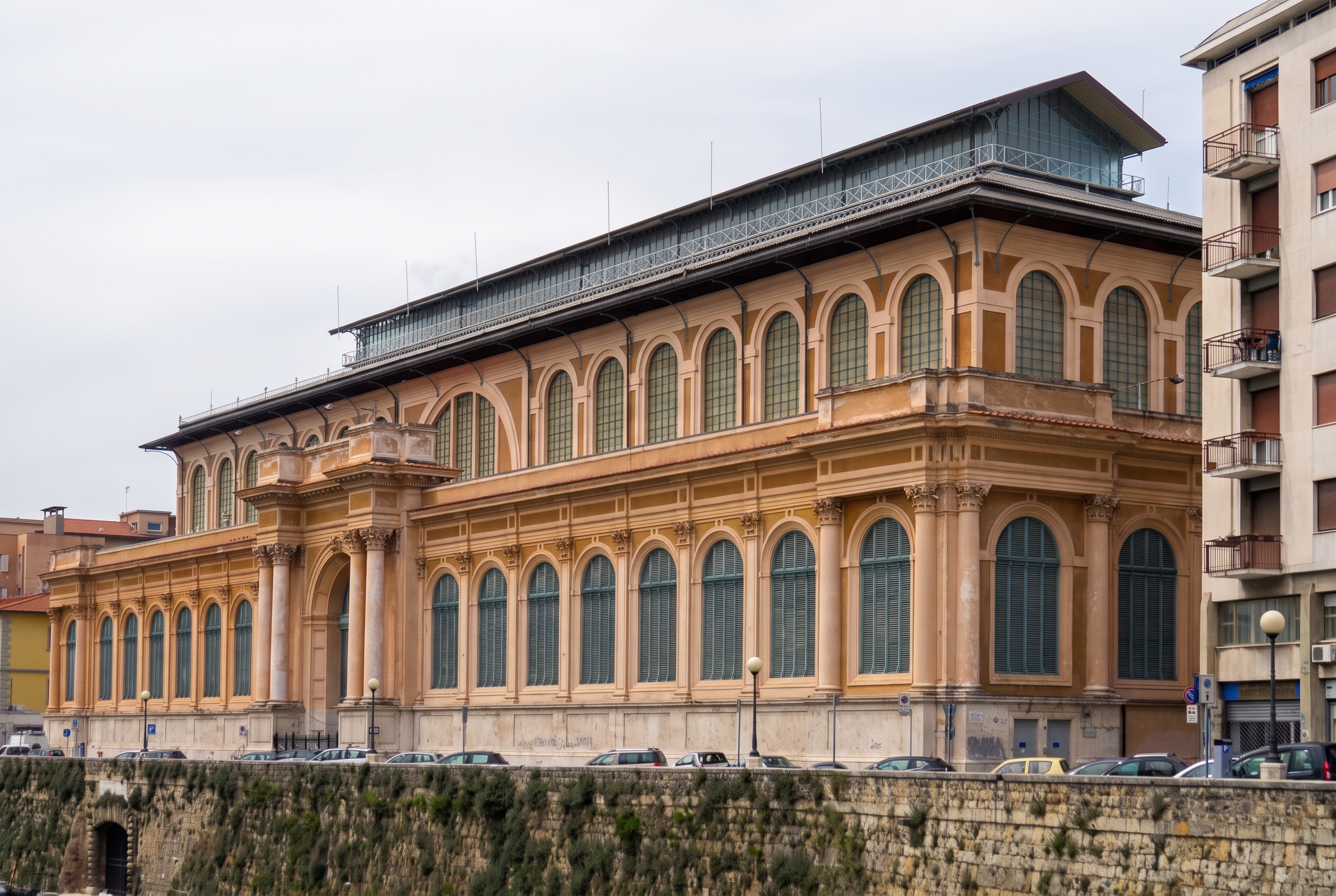
8. Mercato Centrale
For all keen food lovers and fans of authentic local atmosphere, a visit to the Mercato Centrale market is an absolute must you can’t skip. It’s one of the very largest covered markets in all of Italy, and the building’s architecture itself, with its huge arched windows and elegant steel structure, is a beautiful sight in its own right, reminiscent of 19th-century Parisian markets.
The noise of bargaining stallholders, the smell of herbs and fresh baking… it’s hard to leave the market, and usually you walk out with a full bag.
Entry to the building is of course completely free, and I definitely recommend heading here early in the morning. That’s when the market is in full swing and there’s the greatest imaginable buzz. Local cooks and experienced homemakers carefully shop here for the best ingredients for Sunday lunch, and just quietly watching them is an experience in itself.
9. The hoax of the fake Modigliani heads
This is an absolutely fascinating story that once made Livorno famous across the art world, and the city still embraces it today with a refreshing dose of self-irony. The famous painter and sculptor Amedeo Modigliani was born right here in Livorno in 1884, and in the summer of 1984 a big exhibition was held to mark his centenary. At first, though, hardly anyone cared about the exhibition, so the organiser Vera Durbé came up with a crazy idea. She had the city’s Fosso Reale canal dredged, where, according to an old local legend, Modigliani had thrown his early sculptures after crushing criticism.
Would you believe it, in July three stone heads with typically elongated necks really were fished out of the water, and enthusiastic art experts triumphantly declared them genuine on the spot. The newspapers ran huge headlines and journalists poured into Livorno from all over Europe.
But the sensation lasted only a few weeks. Soon three local students, namely Michele Ghelarducci, Pietro Luridiana and Pier Francesco Ferrucci, publicly confessed that they had made one of the heads in a garage using an ordinary Black & Decker power drill and a chisel, as a pure student prank. A local dock worker, Angelo Froglia, then innocently claimed the other two heads. Today Livorno proudly displays these fake heads as a funny reminder that it sometimes pays not to take yourself so deadly seriously.
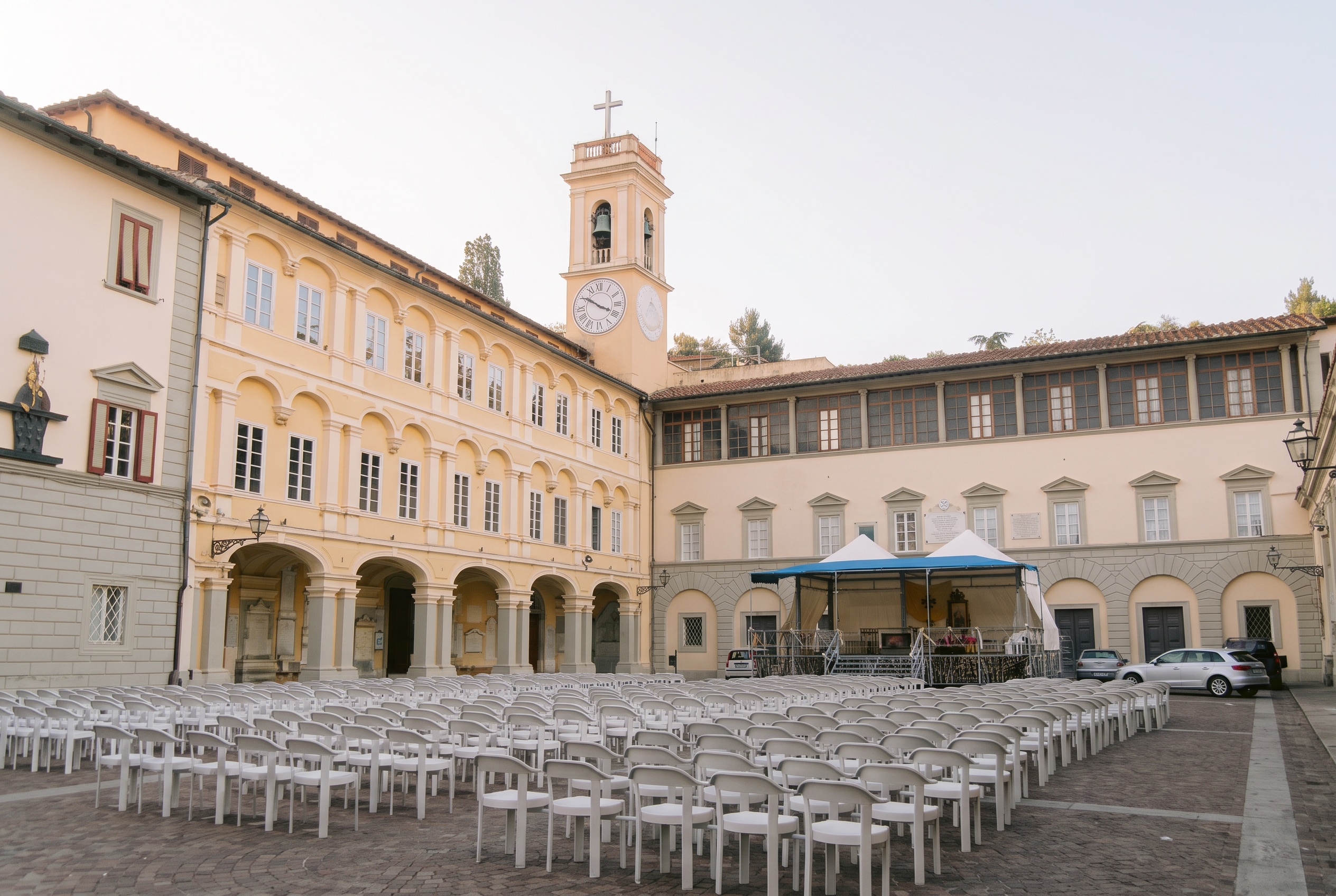

10. Santuario di Montenero
High on a wooded hill above the busy city rises the majestic pilgrimage church of Santuario di Montenero, dedicated to the patron saint of all Tuscany. It’s one of the most important and most-visited spiritual sites in the whole region. On top of that, the sprawling terrace in front of the church offers an absolutely gorgeous panoramic view of the endless coastline and the harbour lying far below you.
Inside this beautifully decorated sanctuary you’ll find an absolutely fascinating and huge collection of so-called ex voto. These are small thank-you pictures, paintings on wood and personal objects that grateful sailors have humbly brought here over the centuries — sailors who miraculously survived terrifying shipwrecks on stormy seas, or ordinary people who recovered from some serious illness.
Every picture is a story: a shipwreck, an illness, a miraculous recovery. Walking around and reading them is an unexpectedly powerful experience.
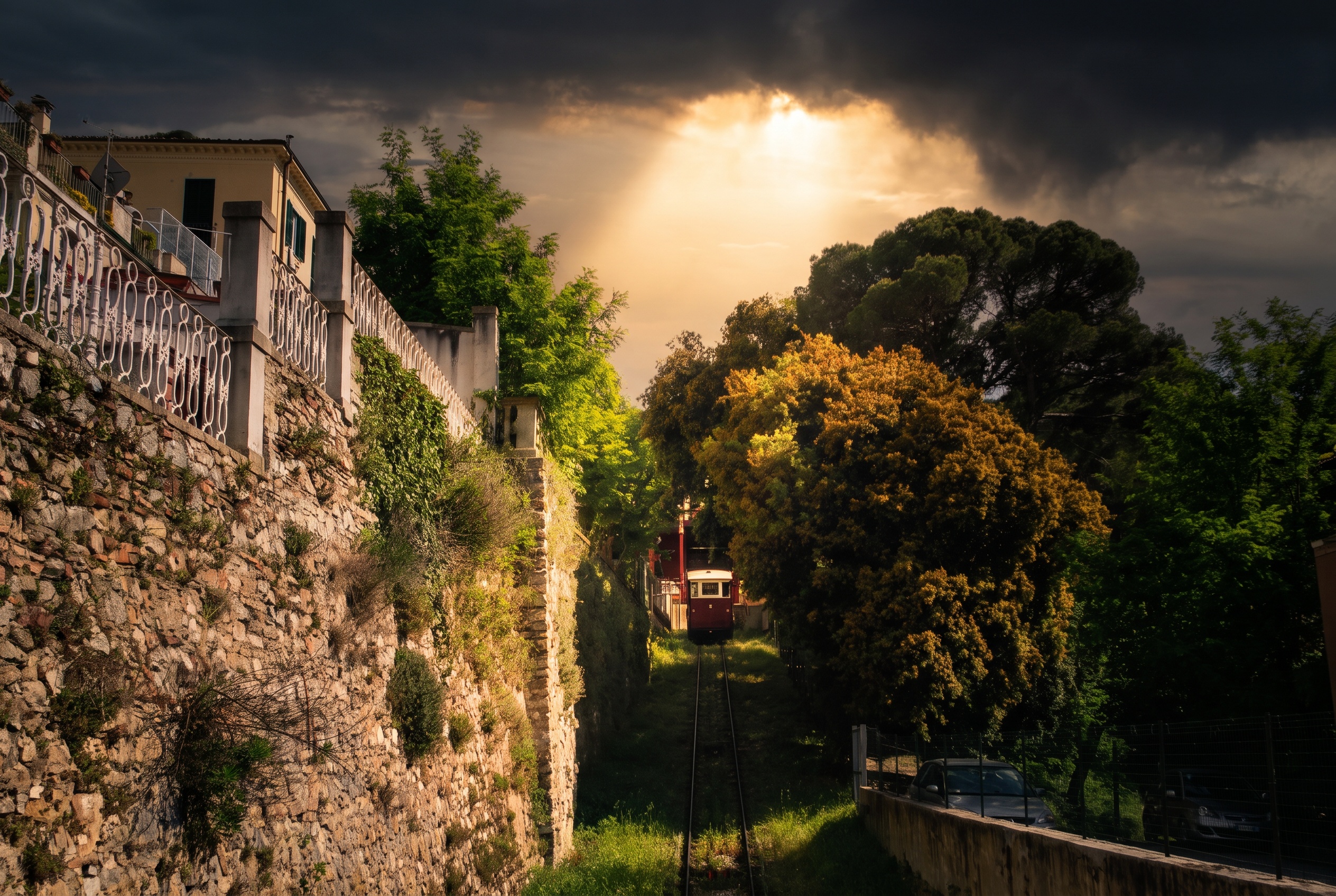
11. Italy’s first electric funicular
The journey to the Santuario di Montenero pilgrimage site is a great experience in its own right, one you definitely shouldn’t miss. You can travel there very comfortably and stylishly on the beautiful historic Funicolare di Montenero funicular. It was built back in 1906 and less than two years later became the very first fully electrically powered ground funicular in all of Italy — a huge technological leap forward at the time.
Its original and very noble purpose was to ensure that every believer could reach the revered sanctuary on the steep hill, regardless of age, health or current physical fitness. The funicular has retained its unmistakable old-world charm to this day, and the ride in the small red car steeply uphill reliably delights adults and children alike.
💡 Tip: Be sure to check the current fares and exact operating hours on the spot, as they can change fairly often depending on the season and maintenance. The ride up itself only takes a few short minutes, but it has huge historic charm and will save you a lot of precious energy on a hot summer day.
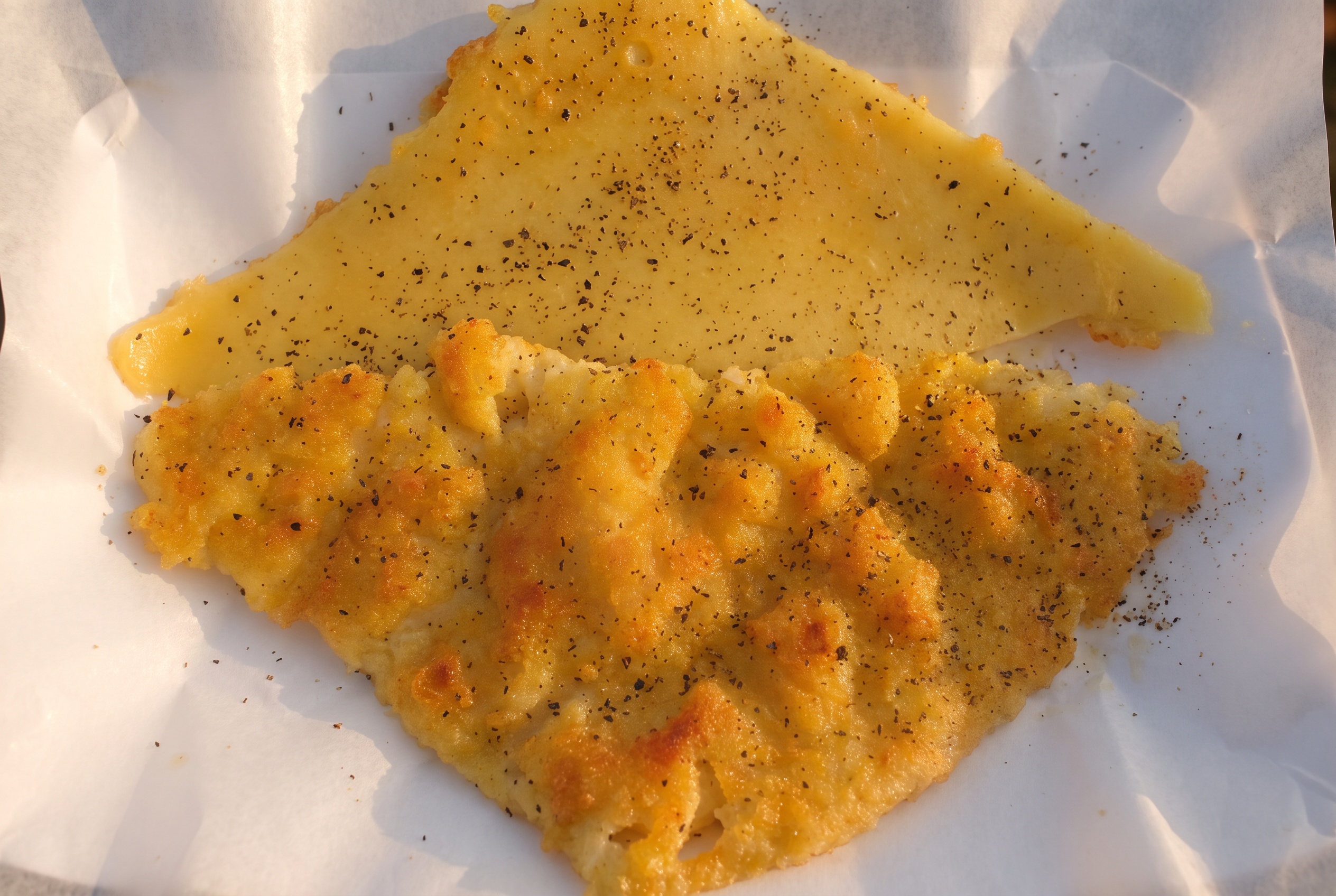
12. Where to eat: vegan street food, torta di ceci and 5 e 5
This is Livorno’s absolute culinary treasure and at the same time fantastic news for all vegetarians and vegans heading to Tuscany. Livorno’s main street food is, in fact, purely plant-based. The foundation is the genius torta di ceci (often also called cecina), an amazingly simple flatbread made from chickpea flour, water, salt and a good dose of quality olive oil, baked crispy in a hot oven. It’s naturally gluten-free and incredibly good.
When this fragrant flatbread is tucked into a fresh, soft focaccia or a round roll, you get the legendary Livorno sandwich called “5 e 5”. This witty name comes from times long past, when poor dock workers would buy a piece of plain torta for 5 centesimi and a piece of bread for another 5 centesimi, so they could fill up properly and cheaply after a hard shift.
If you want to try this dish in its very best form, I warmly recommend heading to one of the traditional torterie right by the main market. The most famous and most beloved by locals is the little place Antica Torteria al Mercato (though everyone knows it more as Da Gagarin). Be prepared for the fact that there’s sometimes a fairly long queue, but the wait for a fresh chickpea flatbread is definitely worth it! 😅
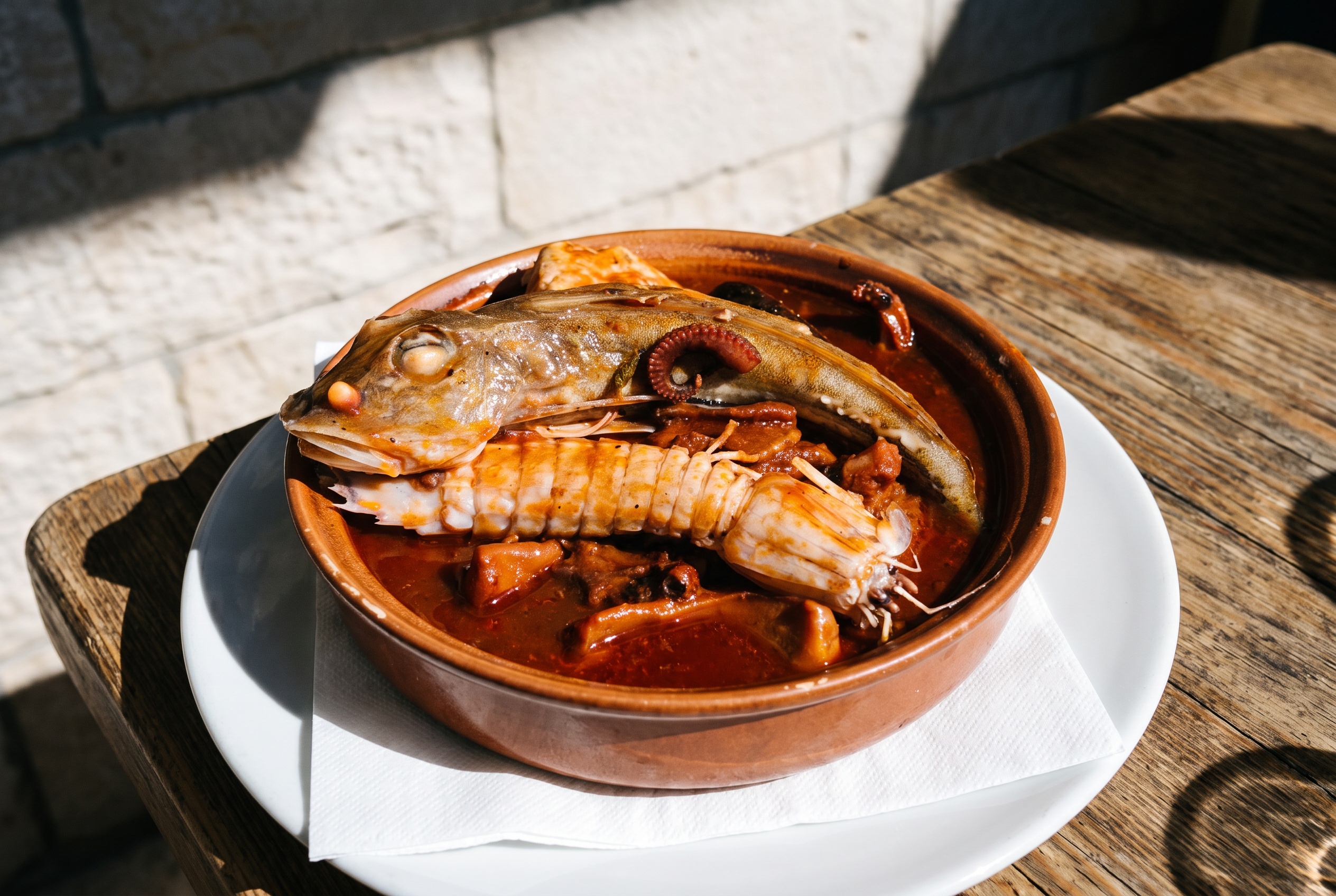
13. Cacciucco and local trattorias
For die-hard lovers of fish and seafood, on the other hand, there’s a completely different local speciality that made this city famous far beyond the borders of Tuscany. Cacciucco is an extremely hearty fish stew, traditionally and carefully prepared from five different kinds of fresh fish, octopus and mussels. It’s all served in a very rich tomato sauce with a good chunk of toasted garlic bread.
Local fishermen and proud cooks like to claim it’s because there are exactly five “c”s in the word cacciucco, which gives the dish an amusing local context. In reality, it used to be cooked simply from whatever was left in the nets and whatever the fishermen didn’t manage to sell profitably at the local market that day. Today, though, it’s a prized delicacy.
If you eat fish and want to try this hearty speciality, head to trusted places with a long tradition. Very well known is Ristorante Il Molo, right by the water, or the incredibly popular Trattoria il Deserto. Its location is a little further from the busy centre on Via Provinciale Pisana, but it boasts by far the highest number of great reviews in the whole city. Osteria Red or Osteria della Venezia right by the picturesque canals also have an excellent reputation among old-timers, as does the historic fish restaurant Melafumo.
14. The city’s multicultural history
At first glance, Livorno is a little different from the rest of classic Tuscany, and there’s a very deep and interesting historical reason for it. At the turn of the 16th and 17th centuries, the powerful Medici family issued a series of groundbreaking laws known as the Leggi Livornine, aimed at quickly populating and economically kick-starting this strategically hugely important port.
These unique laws guaranteed all new immigrants complete religious freedom, freedom of trade and even full amnesty for any past misdeeds. Thanks to this remarkably liberal approach for the time, enterprising people flocked here from all over the world, including Jews, Greeks, Armenians, Dutch and British looking for a fresh start.
And this is exactly what explains why Livorno is so different: lively, a little chaotic, friendly. Florence or Siena are simply another world.
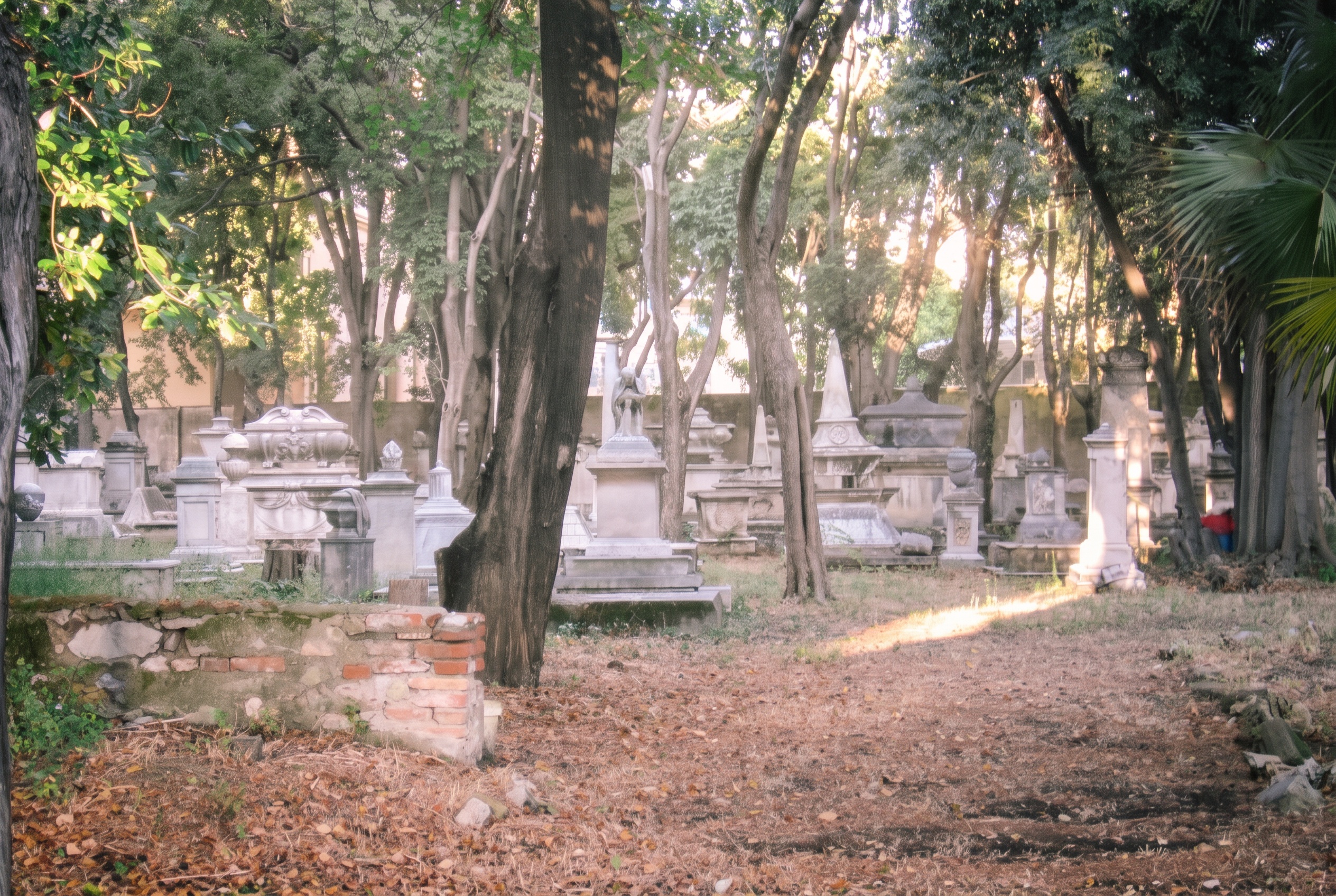
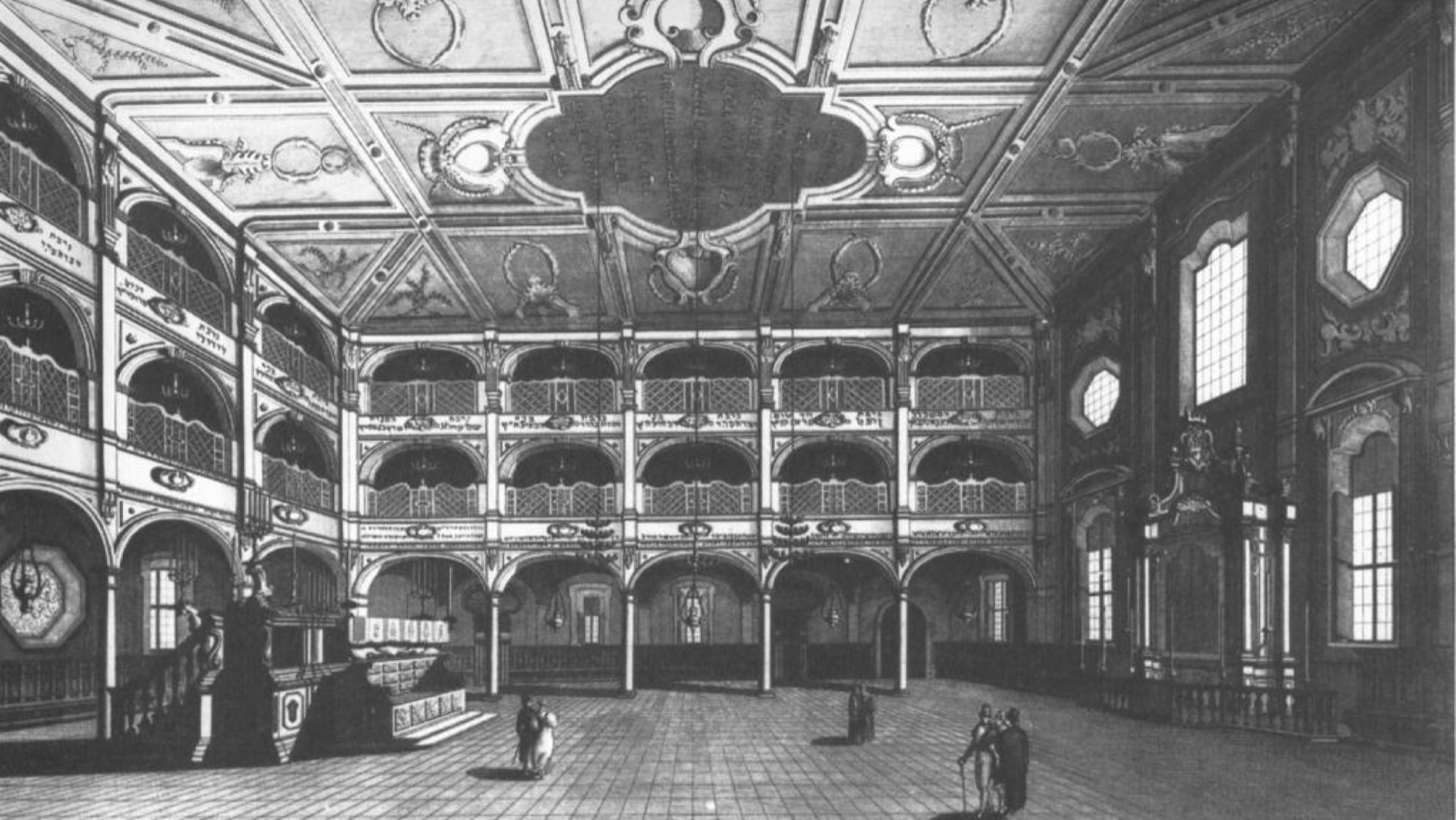
15. The synagogue and the English Cemetery
Traces of this fascinating multicultural past can still be found scattered across the city today, if you know where to look. Livorno’s synagogue was once one of the very largest and most beautiful in all of Europe. And although the original gorgeous building was sadly destroyed during heavy bombing in World War II, today a very interesting modern structure stands on its site, proudly commemorating this historically significant and influential Jewish community.
Another exceptionally interesting stop, somewhat unjustly overlooked by tourists, is the old English Cemetery, which is in fact the oldest Protestant cemetery in all of Italy. This place has incredible historic charm and radiates enormous calm amid the city bustle.
Resting here are wealthy merchants, influential diplomats and simple sailors from many corners of Europe, who found their new home in Livorno or unexpectedly died on their long voyages. A walk among the centuries-old gravestones overgrown with thick ivy has an inimitable and slightly melancholic atmosphere you might not expect at all in such a busy Italian city.
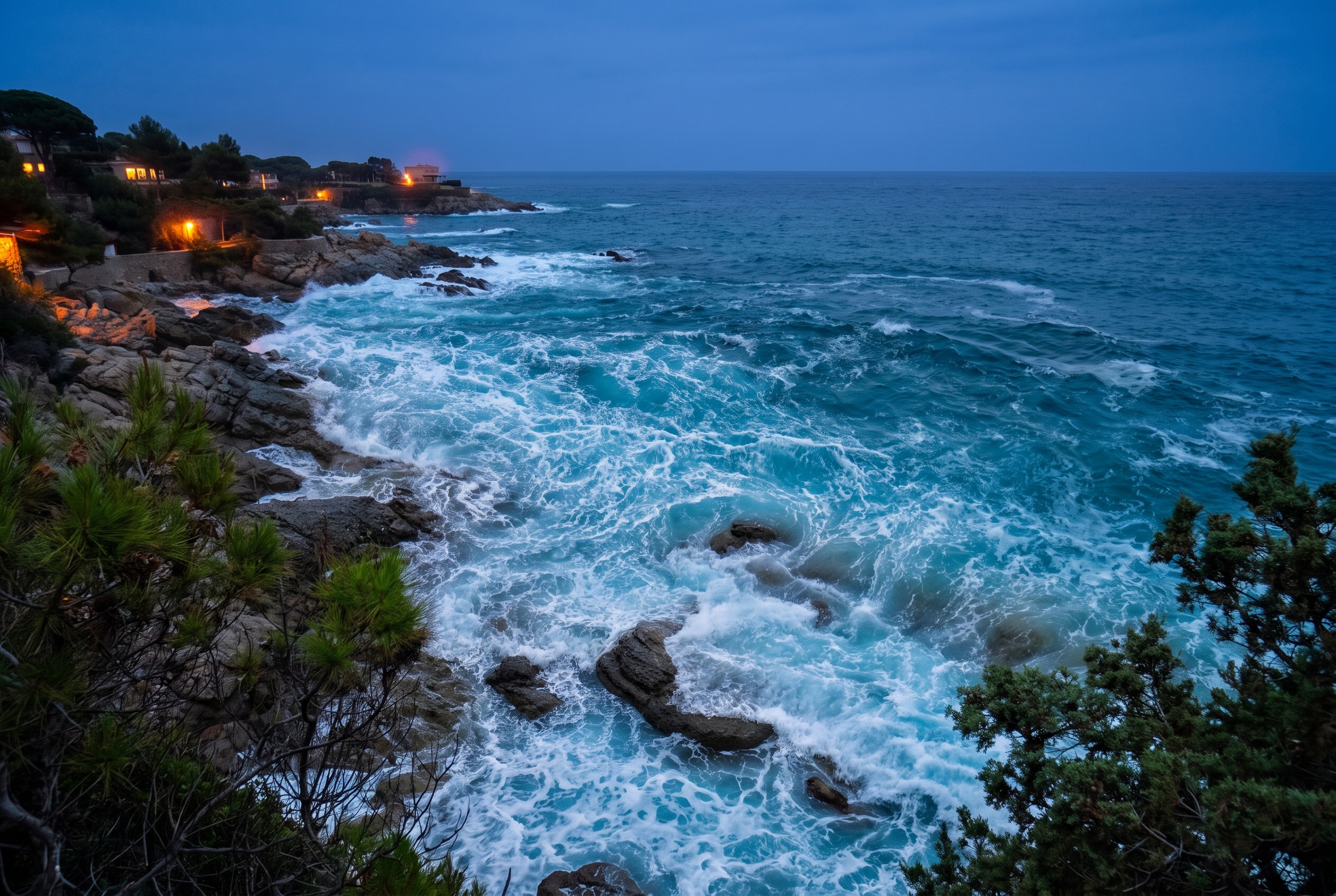
16. The rocky cliffs of Calafuria
If you’re looking forward to Livorno mainly for the sea and summer swimming, there’s one pretty crucial thing you need to know in advance. Don’t look for big sandy beaches with fine sand right in the city centre — the whole immediate area around Livorno is surrounded by dramatic rocks. Calafuria is a stunning rocky cliff several kilometres long, lying south of the centre, constantly whipped by strong wind and sea waves.
The whole cliff is riddled with little hollows and from a distance looks a bit like a giant sandstone sponge. It’s an absolutely iconic spot for daring jumps into the crystal-clear water and offers fantastic conditions for snorkelling along the steep cliffs, where plenty of fish hide.
This place is loved above all by local youngsters, groups of friends and more adventurous types, who bring blankets and food and spend long, lazy summer afternoons here. Objectively, it’s not quite the ideal spot for families with small children because of the tricky access to the water, but if you’re after clear sea and a bit of adrenaline from jumping in, you’ll be absolutely thrilled with the Calafuria cliffs.
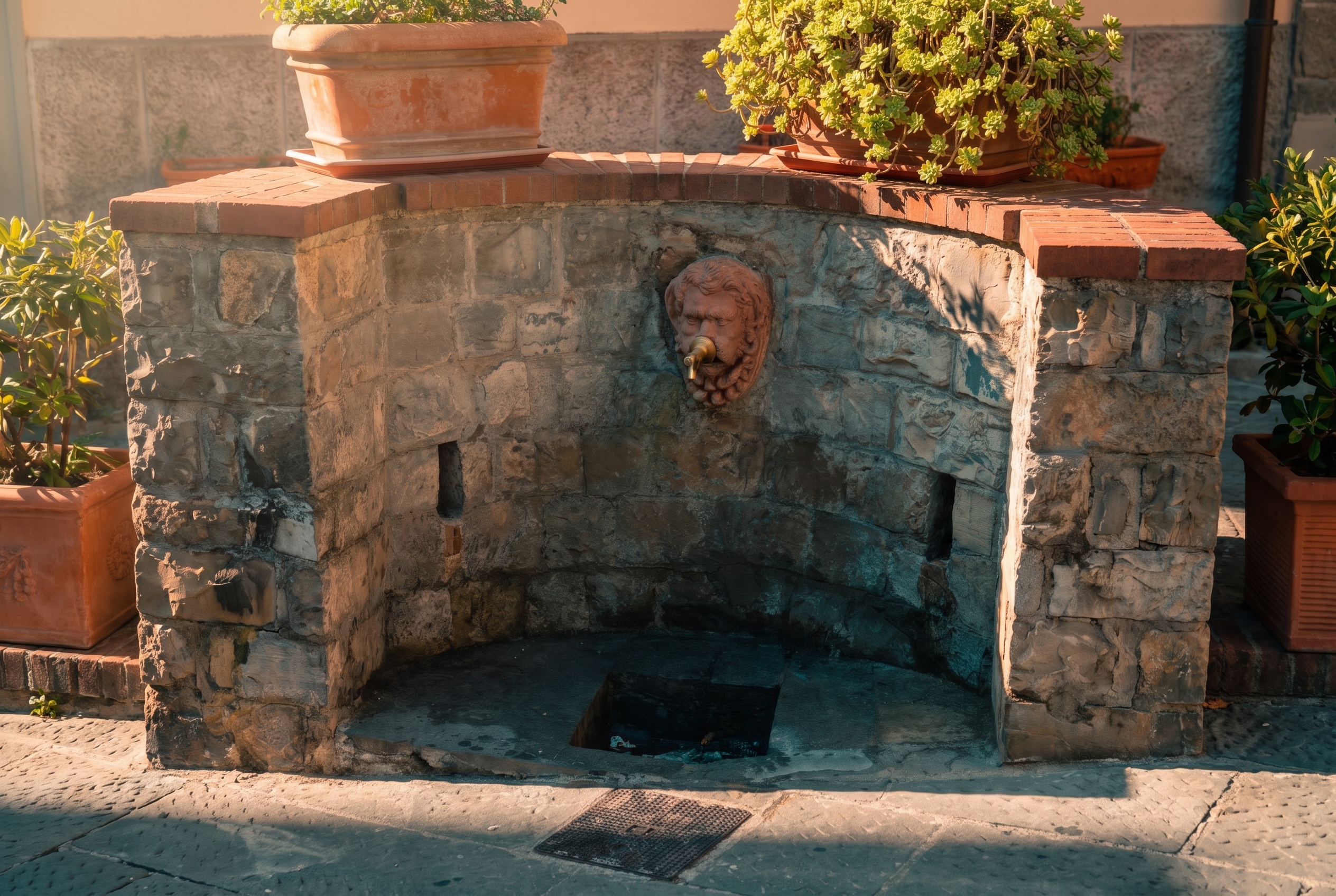
17. Blue Flag beaches: Quercianella and Calambrone
If you’re after slightly calmer swimming with better tourist infrastructure and, above all, easier access to the water, you should travel about 10 kilometres south of Livorno to the picturesque village of Quercianella. Here you’ll find beautiful hidden coves and very clean pebble beaches, which have proudly held the international Blue Flag award for excellent water quality and great visitor services since 2007.
Other very pretty stretches of coast with romantic rocks and small quiet coves are also offered by the nearby town of Antignano or the Boccale area, both very popular among local families. The water here is beautifully clean and the beaches are nowhere near as crowded as at the more famous resorts further north.
But if you’re travelling with really small children and absolutely need fine sand for your happiness, it’s better to head north of Livorno towards Pisa to the fairly well-known resort of Calambrone. There, a long and very shallow sandy beach stretches along the coast, where children can build sandcastles in complete peace and you can enjoy maximum comfort on a rented sunbed right under a parasol.
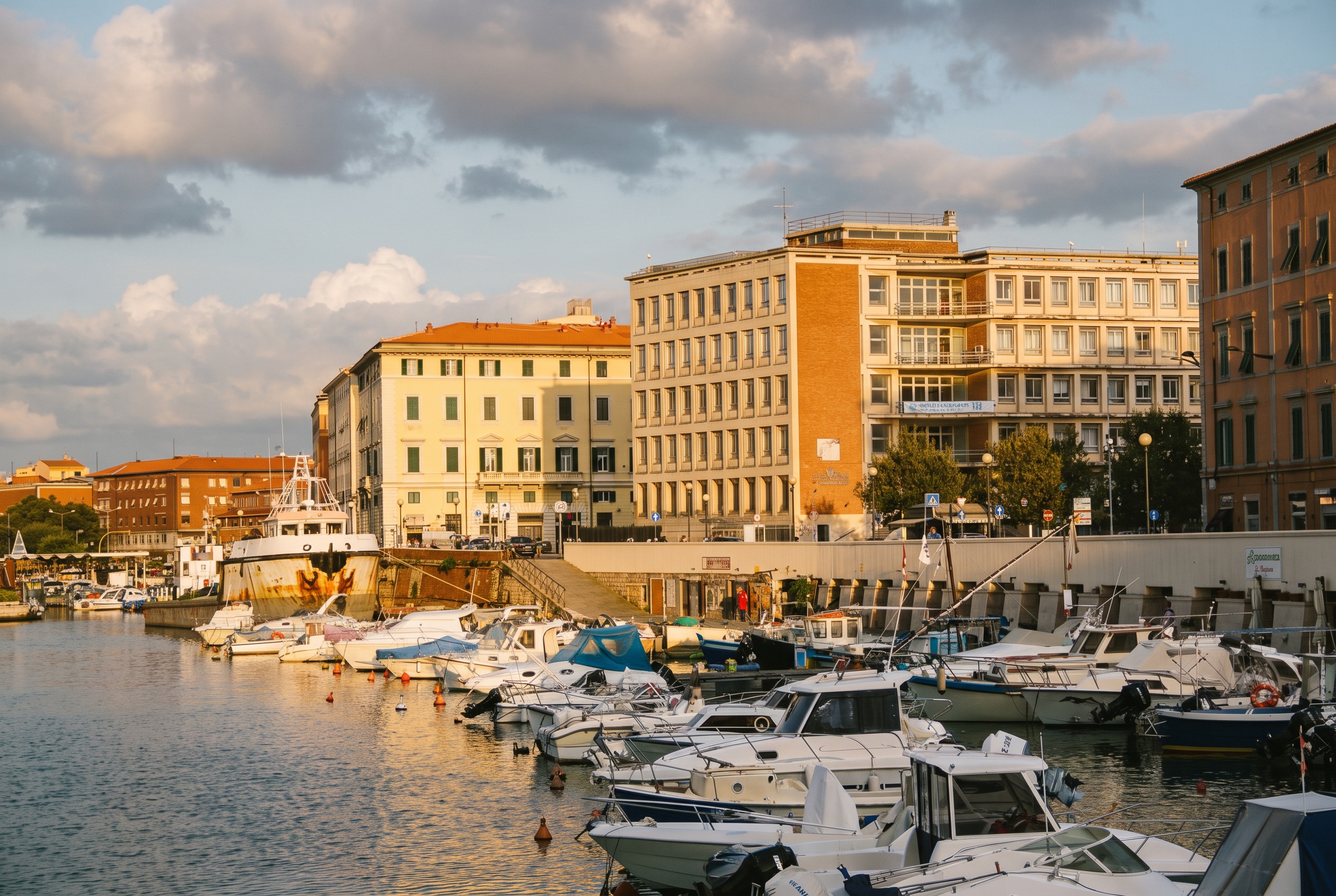
18. Cruise-ship stop and ferries
Livorno is one of the absolute largest and busiest ferry ports in the whole country, and huge numbers of people set off from here every day on their holiday journeys. Ferries head from here to Corsica to Bastia, to Sardinia to the towns of Olbia and Golfo Aranci, or to the beautiful Tuscan islands of Capraia and Gorgona. Ferry timetables, specific operators and ticket prices constantly change with the season, so always look them up well in advance directly on the official port websites.
At the same time, this port is a huge terminal for the gigantic cruise ships crossing the Mediterranean, which regularly drop off thousands of tourists here. If you arrive on one of these giant ships and have only a few allotted hours to explore the mainland, take my advice: don’t rush at all costs into overcrowded Florence.
The bus trip there and back will reliably eat up three hours, and you won’t experience much of Florence in a rush anyway. Better to stay right in Livorno, calmly stroll through the morning market, grab some excellent street food by the canals, take a photo on Terrazza Mascagni, and you’ll come away with a far more authentic and relaxed Italian experience without any needless stress.
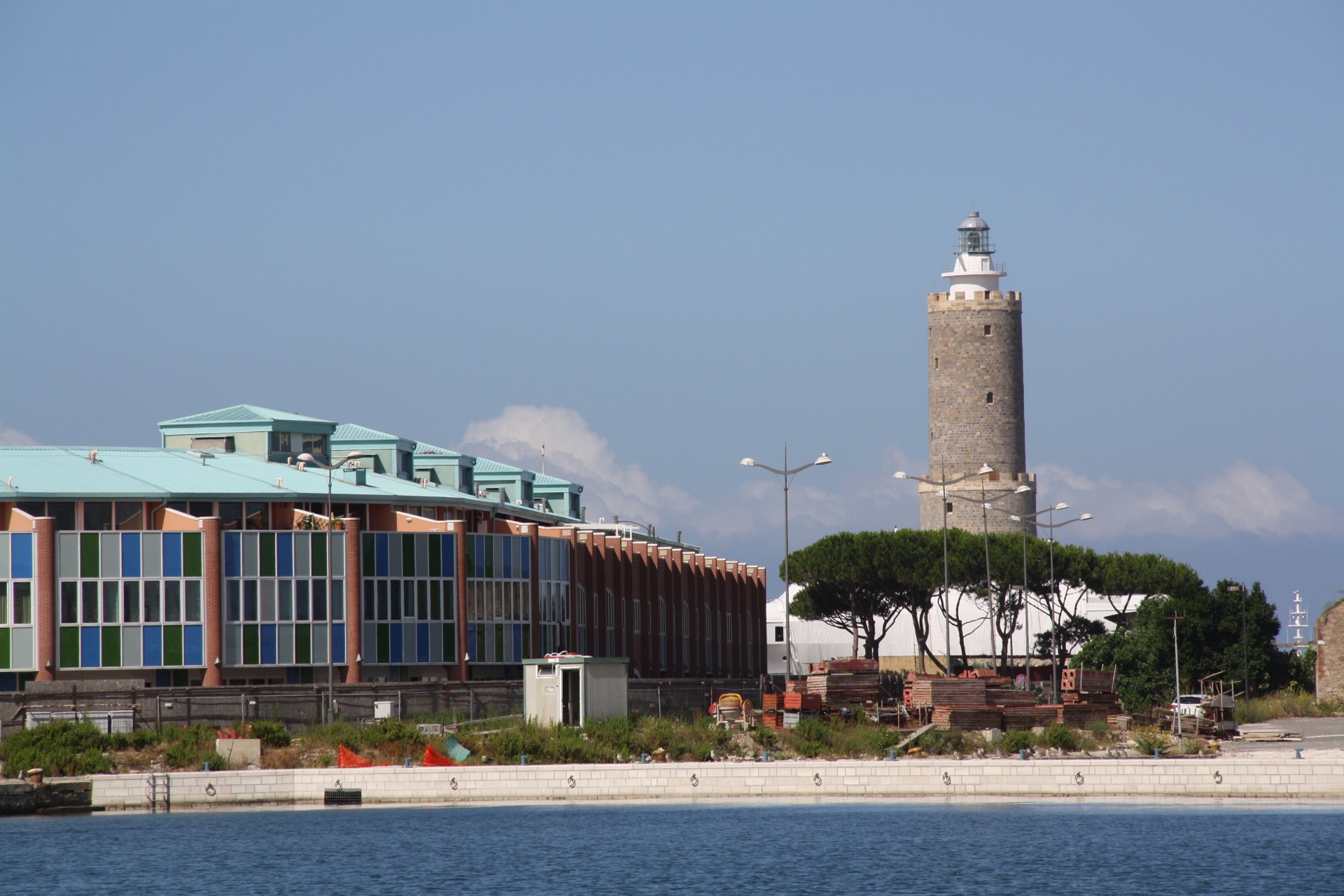
Where to go next from Livorno
If you’re based in Livorno and want to head out on trips around the area, the train connections here are absolutely fantastic. You can reach neighbouring Pisa in just a few minutes and tick off the world-famous tower with our guide Pisa: 37 tips on what to see and do. From there it’s just a short hop to more gems — find inspiration in the article Florence: 30 tips on what to see in the cradle of the Renaissance.
For those who want to explore the whole region in more depth and not miss even the smallest hilltop villages, I recommend studying our complete Tuscany: 30 most beautiful places and a 7-day itinerary. And if you’re enchanted by medieval architecture, definitely don’t miss the article Siena and San Gimignano: 8 tips on what to see.
Since ferries sail from Livorno to one of Europe’s most beautiful islands, you might find the article How to get to Sardinia: ferry, plane and transport handy, along with Sardinia holiday: 25 tips on what to see and do. For food lovers, we also have a more general overview: Italian cuisine: what to try region by region, or tips in Where to go on holiday in Italy: 20 best places.
Frequently asked questions
Is Livorno even worth visiting?
Absolutely yes, but you need to know what to expect in advance. It’s not a polished Renaissance open-air museum like other Tuscan towns, but rather a very lively, somewhat rough-around-the-edges port with amazing vegan street food, a gorgeous coastline and a distinctive atmosphere. Those looking for authentic Italy without the gloss and crowds of tourists will be absolutely thrilled with Livorno and will want to come back.
How do you get from Livorno to Florence and Pisa?
The fastest and by far most convenient way is definitely by train. The main station, Livorno Centrale, offers very frequent and direct connections throughout the day. You’ll reach Pisa in about 15 to 20 minutes, while the journey to Florence city centre takes approximately an hour and a half depending on which type of train you choose for your trip.
Where can you swim in Livorno?
Don’t expect large sandy beaches right in the city centre – the coastline there is quite rocky. If you want to jump into the water from a height, head to the popular Calafuria cliffs. For quieter coves and clean pebbles, travel about 10 kilometres south to the picturesque Quercianella, or for sand head north to Calambrone beach, which is great for small children.
Should I go into town from the cruise ship, or head to Florence?
It depends on how much time you actually have. If your ship is only docked for half a day, the trip to Florence (an hour and a half each way) will really exhaust you and you’ll only see incredible crowds and stress. In that case, it’s better to stay in Livorno, walk through the market, explore the historic canals and enjoy an excellent lunch right by the water.
What should you taste in Livorno?
You absolutely must try the local famous vegan street food, which is the amazing chickpea flour flatbread torta di ceci and the sandwich made from it called 5 e 5. If you eat fish, the typical local speciality is the hearty fish stew cacciucco, which is traditionally cooked with five types of sea fish in a thick tomato sauce with garlic bread.
How many days is enough for Livorno?
For exploring the historic centre itself, the morning market, a boat ride through the Venezia Nuova canals and a photo at the Terrazze Mascagni, half a day to one day is comfortably enough. However, if you want to add swimming on the rocks and trips along the Costa degli Etruschi coast, you can easily keep yourself entertained here for two to three days full of relaxation.
Where is the best place to sleep in Livorno?
Choose accommodation carefully and read current reviews – the hotel offering here doesn’t reach the same quality as in Tuscany’s tourist centres. Many travellers therefore choose accommodation in Pisa or Lucca and only visit Livorno for a day trip. If you want to sleep by the sea, try the better-rated Hotel Universal with a pool or the popular Hotel Rex.
Can you see those fake Modigliani heads somewhere?
Yes, the city has cleverly turned this huge embarrassment from 1984 into something of an entertaining tourist attraction. The three fake stone heads, which local students made back then using an ordinary drill and fooled art critics from around the world with, are still proudly displayed in Livorno today as a reminder of this absolutely bizarre historical event.
Tips and Tricks for Your Vacation
Don’t Overpay for Flights
Search for flights on Kayak. It’s our favorite search engine because it scans the websites of all airlines and always finds the cheapest connection.
Book Your Accommodation Smartly
The best experiences we’ve had when looking for accommodation (from Alaska to Morocco) are with Booking.com, where hotels, apartments, and entire houses are usually the cheapest and most widely available.
 🚗 Car rental on the roadVerified car rentals in Tuscany
Search with the DiscoverCars comparison engine — it compares prices from dozens of local and international rental companies, and most bookings come with free cancellation.
Compare car prices in Tuscany →Don’t Forget Travel Insurance
Good travel insurance will protect you against illness, accidents, theft, or flight cancellations. We’ve had a few hospital visits abroad, so we know how important it is to have proper insurance arranged.
Where we insure ourselves: SafetyWing (simple monthly subscription) and TrueTraveller (for extra-long trips).
Find the Best Experiences
Get Your Guide is a huge online marketplace where you can book guided walks, trips, skip-the-line tickets, tours, and much more. We always find some extra fun there!