The question of how to get to Sardinia troubles just about everyone planning their first trip to this corner of Italy. Since it’s an island, you essentially have only two main options: hop on a plane or use a ferry. Each of these comes with big pros and cons, and a lot depends on how long you want to stay and whether you’re planning to explore hidden coves with your own car. The logistics might look a little complicated at first glance, but trust me, with a good plan you’ll have it sorted in no time.
In this article we’ll walk through all the available transport options together. We’ll look at the airports and direct flights, break down how taking a ferry to Sardinia with a car works, and above all focus on the biggest pitfall of them all. That’s hands down renting a car in Sardinia and navigating the island, because the treacherous ZTL zones have reportedly cost more than one tourist their nerves (and their money). You’ll see that if you prepare for these traps in advance, your holiday will go off without a hitch.
TL;DR
- By air from the UK: Several airlines run seasonal flights from London and other UK airports to Olbia, Cagliari and Alghero. easyJet and Ryanair tend to offer the cheapest fares, while British Airways flies to Cagliari in summer.
- Main airports: The island has three international airports — Olbia (northeast), Alghero (northwest) and Cagliari (south).
- By ferry: The cheapest and shortest ferries from mainland Italy sail from the ports of Livorno and Civitavecchia (near Rome). The crossing takes roughly 5 to 10 hours.
- A car is essential: Public transport on the island is very sparse, so renting a small, nimble car is practically unavoidable for discovering remote beaches.
- Watch out for fines: The historic centres of many towns are protected by so-called ZTL zones with cameras, where entry is strictly forbidden under threat of a hefty fine.
- Ferry from Corsica: If you’re combining a visit to both islands, the ferry from Bonifacio in Corsica to the north of Sardinia takes just under 50 minutes.
The full destination guide: Sardinia — guide and what to see
Flying to Sardinia: airports and direct flights
Flying is probably the most comfortable and fastest way to kick off your Sardinia adventure. The island is served by three main international airports, strategically positioned to cover the most important tourist regions. In the south you’ll find Cagliari airport (code CAG), in the northeast near the luxury resorts lies Olbia (OLB), and in the northwest there’s Alghero airport (AHO). You should always pick your arrival airport based on which part of the island you mainly want to explore, because driving from north to south can easily eat up four hours of pure travel time.
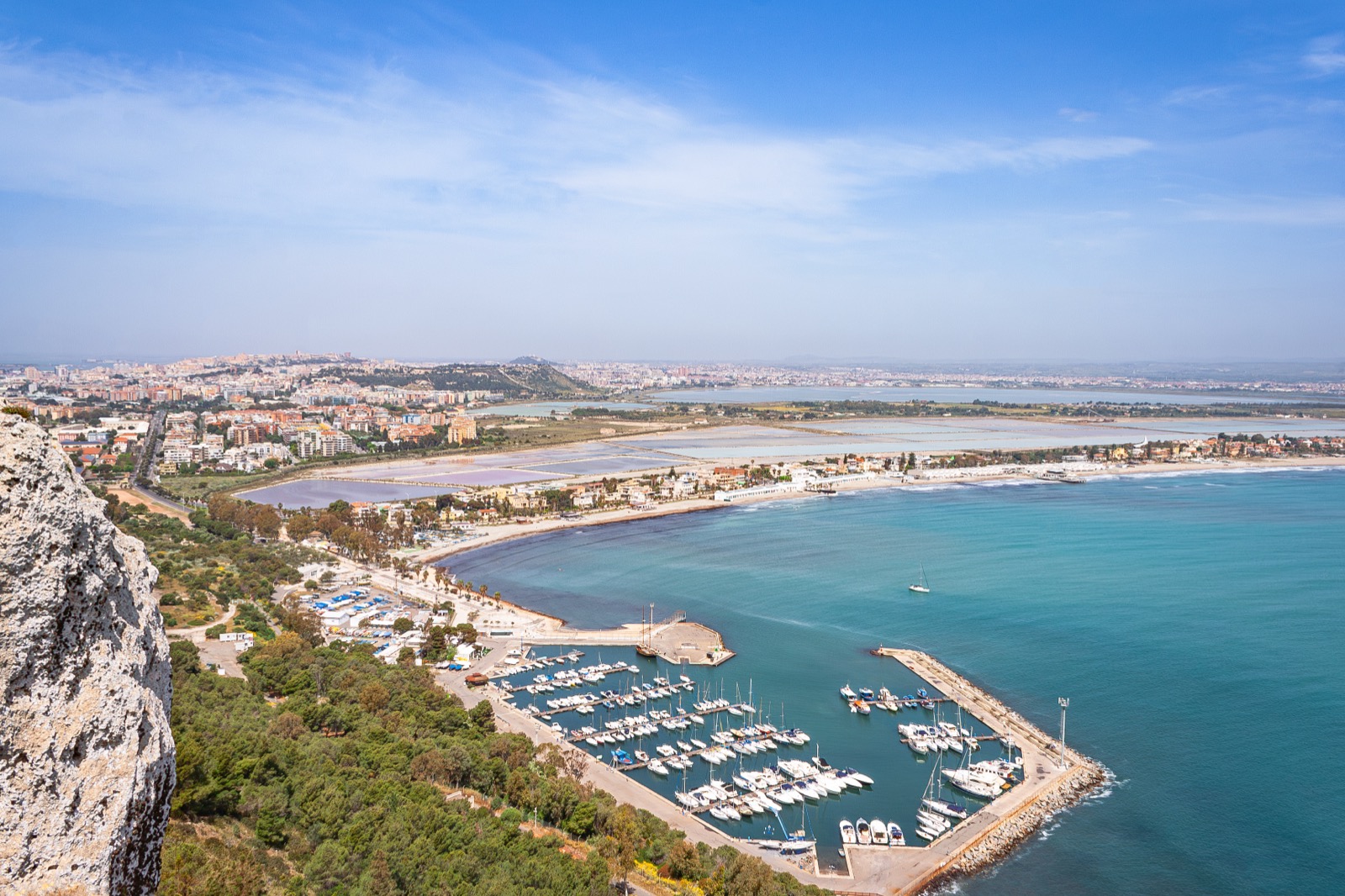
If you’re looking for direct flights to Sardinia from the UK, the situation has improved a lot in recent years, although service is heavily tied to the main tourist season. In summer, easyJet and Ryanair operate direct flights from London and other UK airports (Manchester, Bristol, Edinburgh) to Olbia, Cagliari and Alghero, with return fares typically starting around £60–£120 if you book early. British Airways also flies to Cagliari from London Gatwick during the season. Alghero is an ideal starting point for exploring the west coast and the stunning limestone caves.
Outside the main summer season, which usually ends in October and doesn’t restart until May, the choice of direct flights from the UK shrinks dramatically or disappears entirely. In that case you’ll need to brace yourself for connecting flights, most often via Rome, Milan or Bergamo. Thankfully the transfers in Italy are fairly quick and run on reliable domestic routes. As a bonus, this means you can reach the island in the winter months too, when Sardinia is gorgeously green, blissfully empty and better suited to mountain treks than beach days.
I’d recommend not leaving your flight booking until the last minute. Experienced travellers suggest booking tickets ideally three to four months ahead, especially if you’re travelling during July or August. In those months Italy faces an enormous influx of tourists, and mid-August also brings the Ferragosto holiday, when the price of everything from flights to accommodation soars to astronomical heights.
Taking the ferry to Sardinia
Travelling by ferry is a real adventure, and for many people it’s the only sensible choice — especially if you’re planning a longer stay and want to bring your own car. Sardinia has five main ports: Olbia, Golfo Aranci, Porto Torres, Cagliari and Arbatax. Getting your head around the ferry companies’ offerings can be a bit confusing at first, but once you understand the basic routes from mainland Italy, France or neighbouring Corsica, planning becomes a breeze.
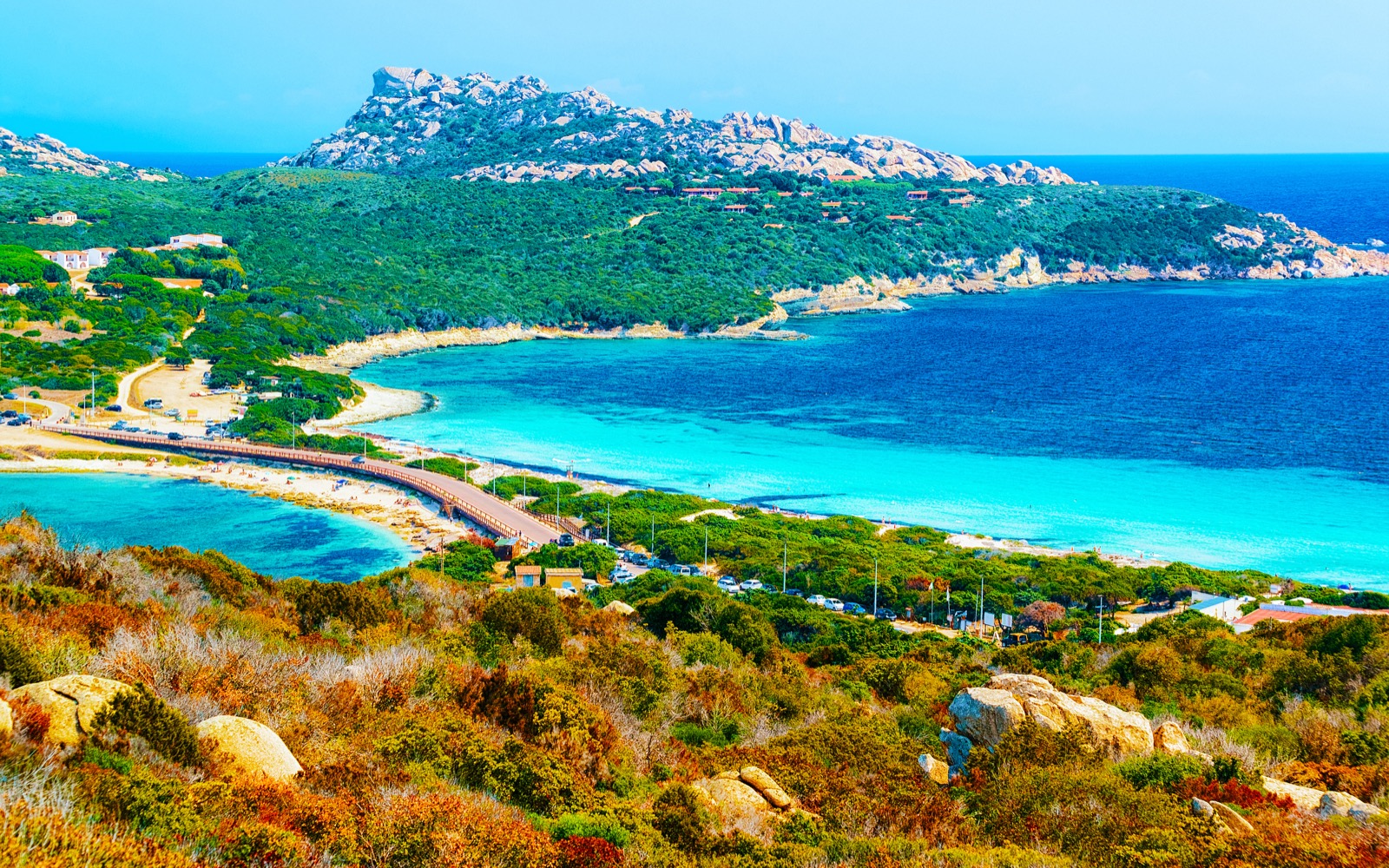
The biggest ferry operators include the shipping companies Moby, Tirrenia/GNV, Grimaldi Lines and Corsica Ferries. You can easily compare routes and prices across all carriers on a site like Direct Ferries. All of these companies allow you to bring cars, motorcycles and motorhomes. Below you’ll find a handy table of the most popular routes, so you can get a rough idea of times and prices. Please bear in mind that the prices listed are approximate for a basic deck ticket in the 2025/2026 season, and for precise quotes you should always check the current season on the carrier’s official website.
| Route (mainland to island) | Crossing time | Price from (1 person) | Main companies |
|---|---|---|---|
| Livorno → Olbia | ~7–10 h (often overnight) | from ~€20 | Moby, Grimaldi |
| Civitavecchia (Rome) → Olbia | ~5–8 h | from ~€50 | Tirrenia, Moby |
| Genoa → Porto Torres / Olbia | ~10–11 h (overnight) | from ~€42 | GNV, Tirrenia, Moby |
| Toulon / Marseille (France) → Porto Torres | ~10–14 h (seasonal) | from ~€35 | Corsica Ferries |
| Bonifacio (Corsica) → Santa Teresa Gallura | ~50 min | foot passenger ~€17–39 | Moby, Ichnusa Lines |
Choosing your departure port is absolutely crucial for both your budget and your comfort. The port of Livorno is generally considered the cheapest option for departing from Italy, and the overnight ferry to Olbia is hugely popular among travellers. By choosing a night crossing, you save the cost of a hotel night and avoid losing an entire day that you’d otherwise spend sitting on deck. For maximum comfort you can pay extra for a private cabin with a bed and shower, which essentially turns the journey into a pleasant night in a floating hotel.
If you decide to bring your own car to the island, be prepared for the ferry price to climb significantly. The car is charged separately and the price depends on its dimensions, so be absolutely precise when entering the vehicle’s length and height into the booking system. Despite the higher upfront cost, bringing your own car often pays off if you’re staying two weeks or more, since local rental prices skyrocket in peak season. Don’t forget to book your car ferry tickets well in advance — garage capacity on the ships is limited. To compare prices you can use the official portal Sardegna Turismo or the carriers’ own websites.
A completely separate and rather romantic chapter is the crossing from neighbouring Corsica. If you’re lucky enough to do a grand road trip across both islands, the ferry from the Corsican port of Bonifacio to the Sardinian town of Santa Teresa Gallura is an experience in itself. The crossing takes just 50 minutes and offers fantastic views of Bonifacio’s white cliffs. A foot passenger ticket costs roughly €17 to €39 depending on the time of day and the season.
Car rental and getting around the island
Once you reach the island, you’ll run into the harsh reality of the local infrastructure. Although guidebooks sometimes gloss over it, experienced travellers all agree on one thing: Sardinia practically demands that you rent a car. The island is huge, there are no classic motorways, and the most magical spots — like the remote beaches of the Costa Verde or the mountain villages of the Barbagia region — are simply unreachable by public transport. Without a car you’ll be limited to the immediate surroundings of your hotel.
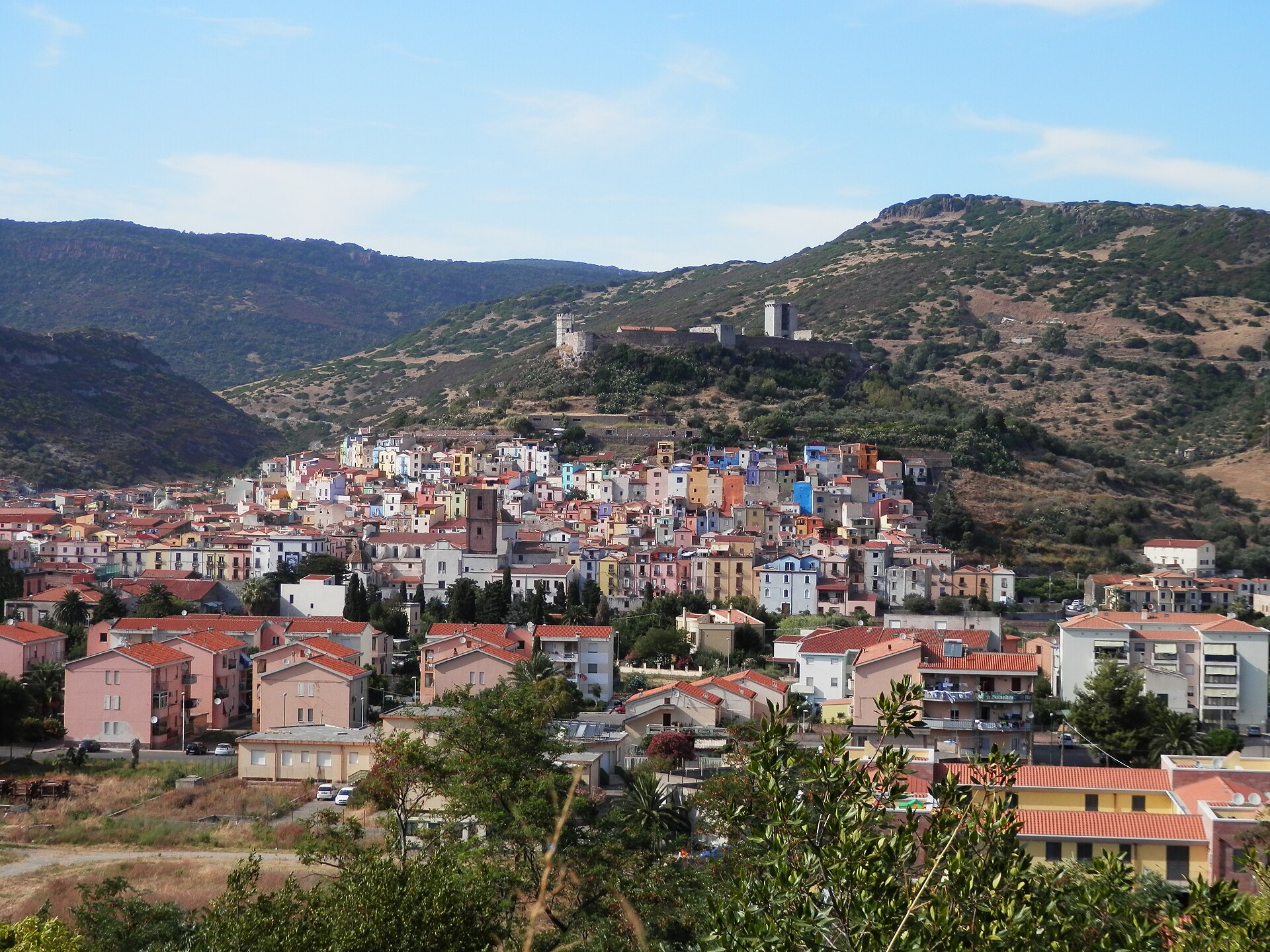
Prices for an economy-class rental car average around €30 to €45 per day in season, while in the winter months you can stumble on incredible deals for as little as €9 a day. The island’s roads, especially those along the coast and in the mountains, are very narrow, winding and lined with stone walls. That’s why I honestly recommend going for a smaller, more nimble car — it’ll make parking and squeezing past oncoming buses on the clifftops far easier.
Watch out for insurance and deposits
Travel forums are full of horror stories about car rental companies, and Italy unfortunately often tops the dissatisfaction charts in this regard. One of the biggest warnings that comes up again and again is a strong recommendation to avoid the company Goldcar. This rental firm is notorious for its extremely aggressive tactics of pushing expensive add-on insurance right at the counter, which can ruin your mood the moment you land.
The sticking point is usually the payment card. Most big international rental companies strictly require a credit card in the driver’s name to block the deposit. If you only have a debit card, they’ll probably force you to buy their full local insurance, even if you’ve already insured the car from home through a broker. The exception tends to be smaller local firms, such as the reportedly debit-friendly Sardinya or Only Sardinia, which are much more accommodating and have more transparent terms.
When you collect the car, spend as much time as you possibly can inspecting it. Always photograph and film the car in detail from every angle, including the roof, wheels and interior. If you find any scratch that isn’t recorded on the handover protocol, insist on having it added before you drive off. Likewise, always keep an eye on the fuel policy and choose only the full-to-full option (full tank on pickup and return) to avoid pointless refuelling charges.
Treacherous ZTL zones and parking
If there’s one thing that can unexpectedly add hundreds of euros to your holiday bill, it’s the so-called Zona Traffico Limitato, or ZTL for short. These are historic city centres closed to ordinary traffic, where only residents with a special permit are allowed to drive. Every entry into the zone is mercilessly monitored by cameras, and the automatic system will issue you a fine without batting an eyelid if you break the rules. These fines most often range from €80 to €200 for each individual pass under a camera.
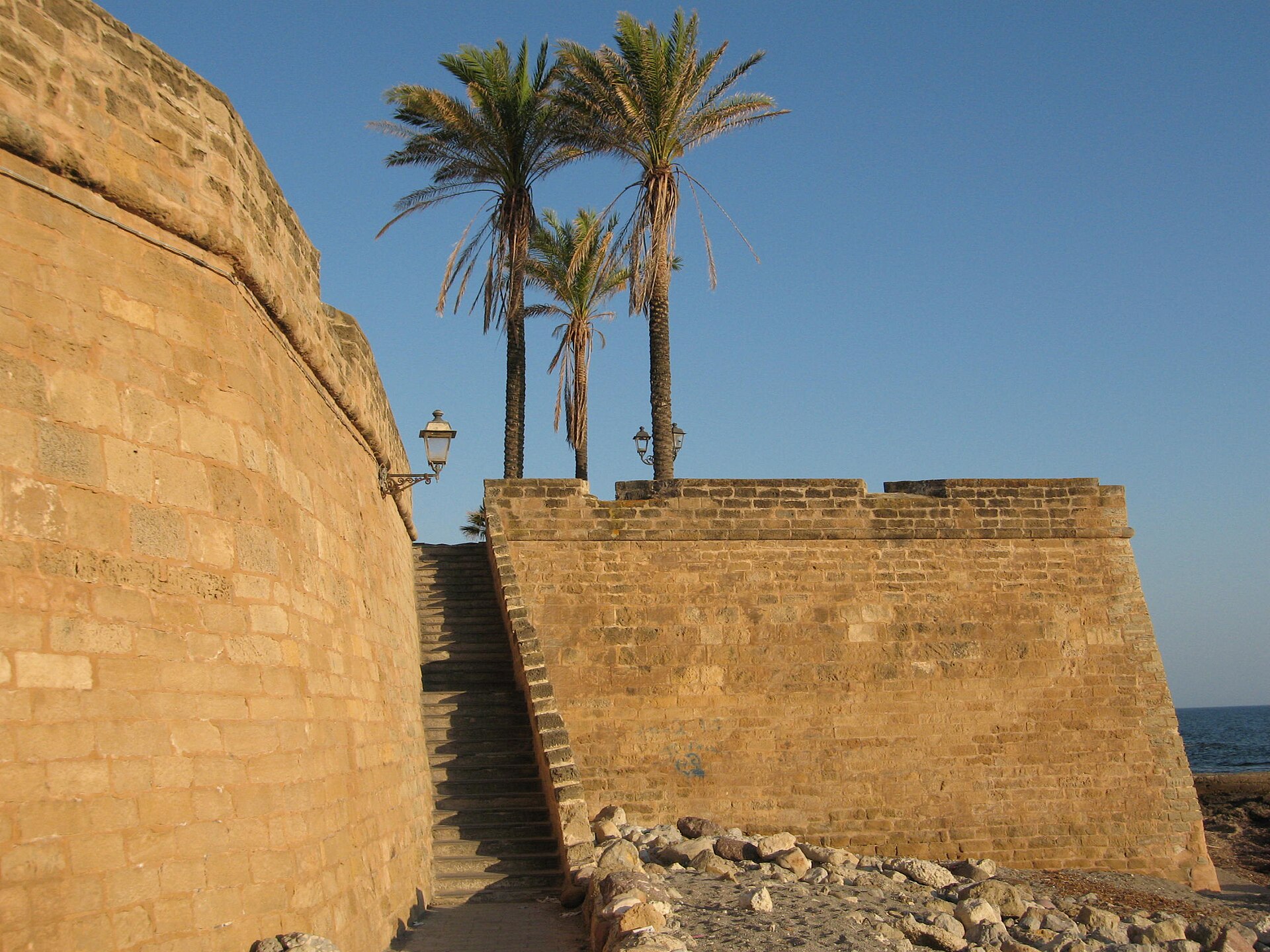
Where will you encounter these zones? Practically everywhere. The old town of Alghero is completely closed to cars, you’ll find huge ZTL zones in Cagliari (especially in the Castello, Marina and Villanova districts), as well as in Olbia, Bosa and Castelsardo. If you see a sign reading Varco Attivo, it means the zone is active and entry is strictly forbidden at that moment. A Varco Non Attivo sign, on the other hand, means entry is allowed. The only reliable solution is to always park well away from the historic centre and walk the short distance, or arrange things in advance with your hotel inside the ZTL, which must report your number plate to the police.
Parking itself is governed by the colour of the lines painted on the road. Blue lines mean paid parking — in towns you’ll pay roughly €1 per hour and near beaches around €2 per hour. White lines indicate free parking, but sadly there’s an absolute minimum of those, and yellow lines are strictly reserved for residents or disabled drivers, so never park there. Be prepared, too, for petrol prices on the island to be a little higher than the European average.

How to travel around Sardinia without a car
You’re probably wondering whether it’s even possible to manage without a driving licence. The answer is yes — you can travel around Sardinia without a car, but you’ll have to accept that it’ll take a huge dose of patience and careful planning. You’ll lose that famous freedom to stop at every hidden cove, but you’ll also save yourself the headaches of parking and ZTL zones. The key to success is choosing the right base from which to get around.
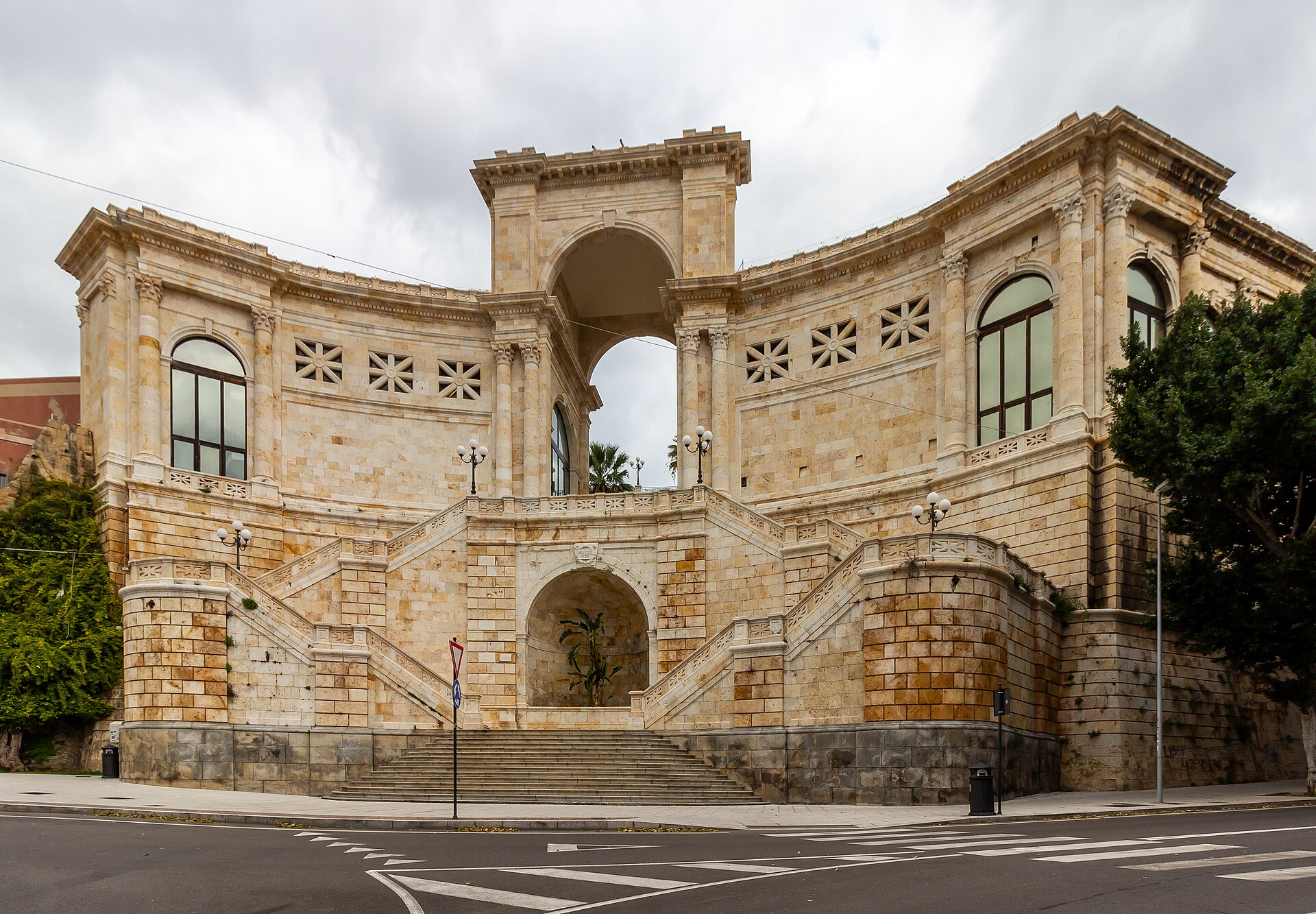
The main pillar of public transport is the regional ARST buses, which connect the larger towns and in summer also reach the main beaches. You’ll find timetables on the official ARST website, but be prepared for services to run infrequently, with severely limited operation at weekends and on holidays. The rail network operated by Trenitalia is fairly sparse on the island, essentially linking only the main axis between Cagliari, Oristano, Sassari and Olbia.
If you decide on a car-free holiday, the wisest choice is to stay right in Cagliari or in Alghero. From Cagliari you can easily reach the long Poetto beach by city public transport, and you can take the train on day trips into the interior. Alghero, meanwhile, is a compact town from which special tourist buses (the so-called Beach buses) run to the gorgeous Capo Caccia cliffs and the Grotta di Nettuno caves. To visit more distant, harder-to-reach beaches like La Pelosa, it’s worth paying extra for organised transfers or boat trips through local agencies.
Where to stay
Choosing where to stay in Sardinia is perhaps even more important than the way you get there. The island is enormously diverse, and each part offers a completely different atmosphere and price level. I always recommend not trying to drive around the whole island in a week — you’d spend your entire holiday behind the wheel. Pick one, or at most two areas, and explore them properly instead.
The northeast coast, including Gallura and the famous Costa Smeralda, is the most luxurious and by far the most expensive part of the island. Here you’ll find gorgeous boutique hotels, pricey yachts and snow-white beaches near towns like Porto Cervo. If you’re after better value in this area, travellers often opt for the town of San Teodoro with its shallow beaches, or Santa Teresa Gallura in the north, which boasts a superb view across to Corsica.
💡 Specific accommodation tips across the regions (check prices and availability on Booking.com — in peak season, book early):
- Hotel Villa Las Tronas (Alghero)
- Su Gologone Experience Hotel (Oliena)
- Hotel Nuraghe Arvu (Cala Gonone)
- Cala Cuncheddi (Olbia)
- Hotel Nautilus (Villasimius)
The northwest, centred on Alghero, is on the other hand considered one of the best all-round bases for every type of traveller. It combines a beautiful historic centre with a Catalan influence, easy access to its own airport, and yet it’s far more wallet-friendly than the east. If you’re craving wild nature, head to the east coast around Baunei and Ogliastra. The town of Cala Gonone is the ideal jumping-off point for breathtaking boat trips into the Gulf of Orosei.
And finally, the south around the capital, Cagliari, is often unfairly overlooked, yet it offers wonderful authenticity, smaller crowds even in peak season, and far more bearable prices. Here you can combine rich history with trips to the endless sand dunes around Chia or the cliffs near Villasimius. And if you’re after a truly powerful cultural experience, try spending a night at an inland agriturismo in the Barbagia region, where you’ll get to know the island’s true, raw shepherding face.
Where to go next
I hope this logistics guide has helped and that you’re already looking forward to the Italian sun. If you’ve already got your flights or ferry sorted, it’s time to start planning the itinerary itself and picking out the specific spots you absolutely have to see.
Be sure not to miss our main article Sardinia Holiday: What to See and Do, where you’ll find detailed tips on the most beautiful historic landmarks, hidden Nuragic sites and romantic towns. If you’re mainly interested in swimming, we’ve put together a guide to the Most Beautiful Beaches in Sardinia, because getting your head around the booking and fee systems at beaches like La Pelosa or Cala Goloritzé isn’t exactly straightforward.
Another important factor for a perfect holiday is the weather in Sardinia, where you’ll learn when the treacherous mistral wind blows and when’s the best time to go to avoid the punishing August heat. And if you happen to be planning that grand road trip and want to pop a little further north by ferry, our detailed Corsica guide will come in handy.
💡 Keep exploring Sardinia: main Sardinia guide, road-trip itinerary, weather and when to go, Cagliari.
Frequently asked questions
How to get to Sardinia from Czechia?
The fastest option is direct flights from Prague, operated by Smartwings to Olbia and Cagliari, or Ryanair to Alghero (mainly during summer season). An alternative is a flight with a layover in Rome or Milan. If you prefer travelling by car, you need to reach one of the Italian ports (e.g. Livorno or Civitavecchia) and continue from there by ferry.
How long does the ferry to Sardinia take?
The length of the crossing varies depending on the departure port and route. The shortest ferries from mainland Italy (Civitavecchia to Olbia) manage the journey in 5 to 8 hours. The crossing from Livorno takes approximately 7 to 10 hours and from Genoa around 10 to 11 hours. Comfortable overnight ferries are very often used.
How much does the ferry to Sardinia cost?
The price for a basic deck ticket for one foot passenger starts at around 20 euros off-peak (route from Livorno). However, if you pay extra for a cabin and especially for transporting a personal car during the peak summer season, the price for the whole family can climb to several hundred euros.
Are there direct flights to Sardinia from Prague?
Yes, during the main tourist season there are direct flights from Prague. Smartwings operates flights to Olbia and Cagliari, while low-cost carrier Ryanair usually offers connections to Alghero in the northwest of the island.
Do I need a car in Sardinia?
It’s highly recommended. The island is large, with plenty of mountains and secluded coves that public transport doesn’t reach at all. If you want to explore natural beauty and not be limited to just the immediate area around your hotel, renting a car is practically essential.
What are ZTL zones and how to avoid a fine?
ZTL (Zona a Traffico Limitato) are historic city centers where vehicle entry is strictly prohibited without special resident permits. Entries are monitored by cameras and fines are very high (often over 100 euros). Watch out for illuminated signs reading Varco Attivo and always park outside the historic center to be safe.
Can you travel in Sardinia without a car?
With big compromises, yes. You’ll need to choose a larger city as your base, such as Cagliari or Alghero, from where fairly reliable local transport runs to the nearest beaches. For more distant trips, you’ll then have to rely on ARST regional buses, trains, or organized transfers from local agencies.
Tips and Tricks for Your Vacation
Don’t Overpay for Flights
Search for flights on Kayak. It’s our favorite search engine because it scans the websites of all airlines and always finds the cheapest connection.
Book Your Accommodation Smartly
The best experiences we’ve had when looking for accommodation (from Alaska to Morocco) are with Booking.com, where hotels, apartments, and entire houses are usually the cheapest and most widely available.
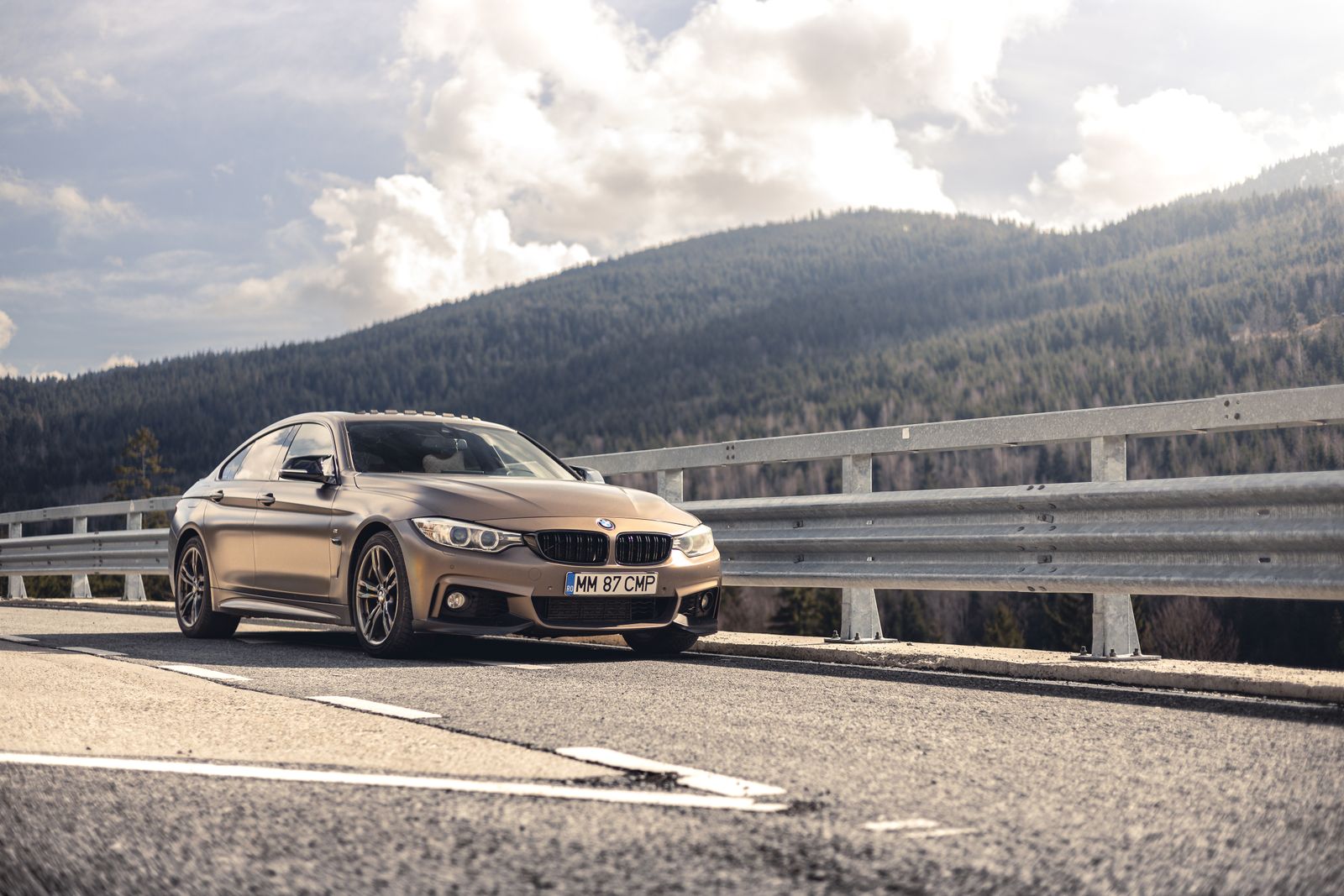 🚗 Car rental on the roadVerified rental cars in Sardinia
Search with the DiscoverCars comparison engine — it compares prices from dozens of local and international rental companies, and most bookings come with free cancellation.
Compare car prices in Sardinia →Don’t Forget Travel Insurance
Good travel insurance will protect you against illness, accidents, theft, or flight cancellations. We’ve had a few hospital visits abroad, so we know how important it is to have proper insurance arranged.
Where we insure ourselves: SafetyWing (simple monthly subscription) and TrueTraveller (for extra-long trips).
Find the Best Experiences
Get Your Guide is a huge online marketplace where you can book guided walks, trips, skip-the-line tickets, tours, and much more. We always find some extra fun there!