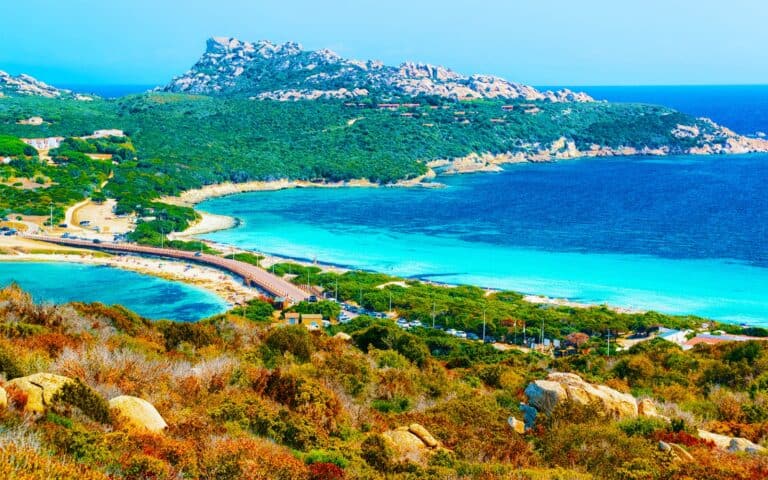
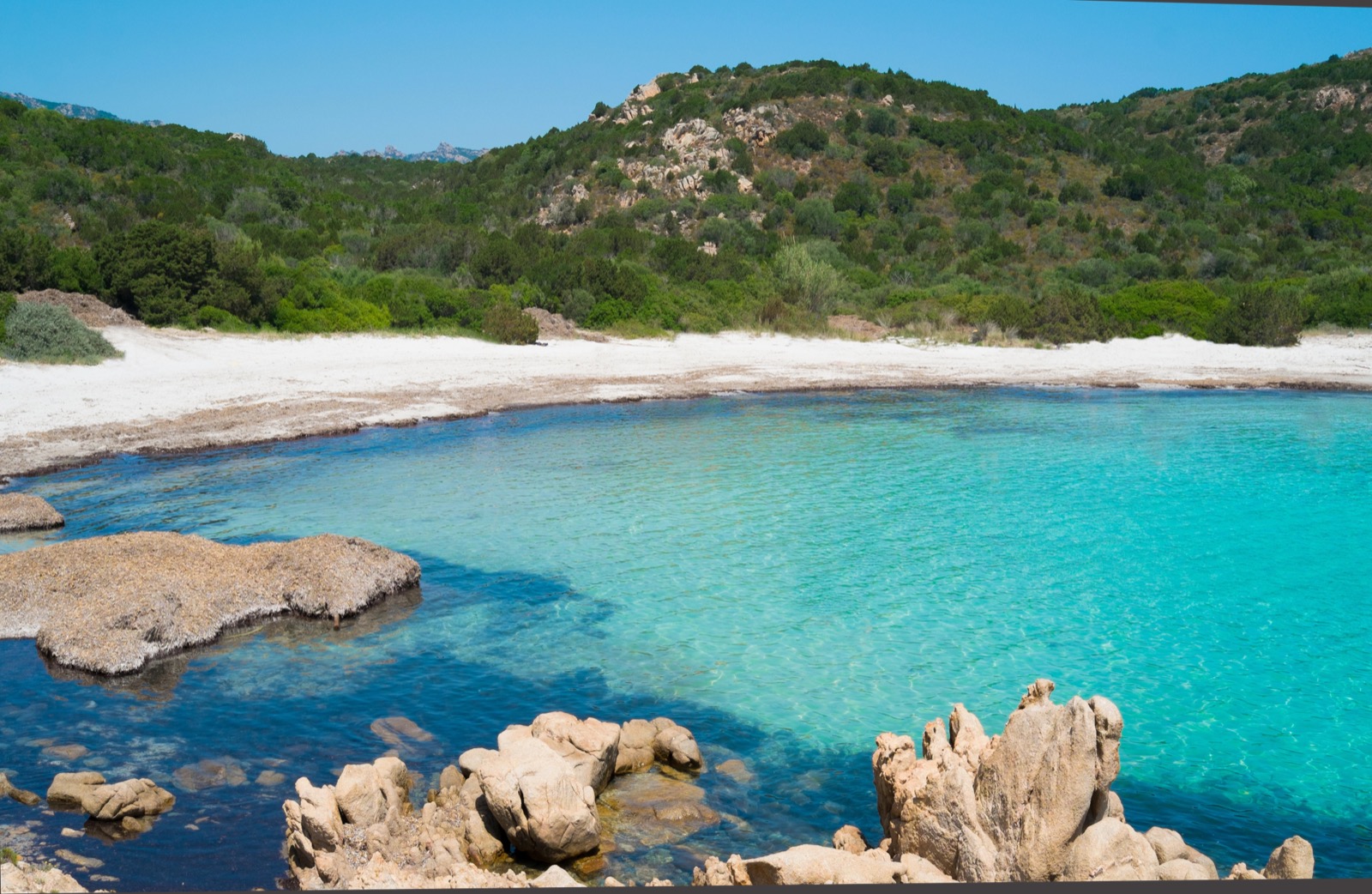
You know that feeling when you’re craving powder-white sand and turquoise water, but the thought of a twelve-hour flight to the Caribbean instantly puts you off? That’s exactly why travellers from all over the world have fallen for Italy’s Sardinia, an island that delivers that exotic illusion one hundred percent — just a couple of hours’ flight away. The island is literally dotted with unbelievable coves, and picking out the best beaches in Sardinia is an almost superhuman task. Every corner of the island offers a completely different atmosphere and scenery.
Whether you’re after wild limestone cliffs reachable only by water, or you’re wondering which are the ideal Sardinia beaches for families, you’ll definitely find what you’re looking for here. The island is said to have some of the cleanest, clearest waters in all of Europe, and judging by the photos it really does look absolutely unreal. Just be prepared for the fact that the whole world now knows about this Mediterranean paradise, and the Italians have started to protect the best Sardinia beaches quite strictly from the onslaught of tourists.
In this guide you’ll find exactly 16 tips for the prettiest coves and beaches, neatly divided by region. I’ll point you to the famous quartz sand, explain how the dreaded booking systems work for the 2025 and 2026 seasons, and throw in some tips for strategic accommodation. Let’s dream a little and plan your next amazing island holiday together.
TL;DR
- Best areas: For Caribbean sand and families, head south (Chia, Villasimius) or northeast (San Teodoro). For dramatic cliffs and boat trips, head east to the Golfo di Orosei.
- Reservations are a must: The most famous spots like La Pelosa, Cala Goloritzé and the beaches around San Teodoro have strict daily visitor limits and require booking through an app days in advance.
- Hidden rules: At La Pelosa beach you’re required to put a solid mat under your towel — otherwise you risk a hefty fine.
- The pink beach: The famous Spiaggia Rosa on Budelli island is strictly off-limits — you can only admire it from afar from the deck of a boat.
- Getting around: A car is an absolute must on Sardinia, but you ideally need to reach the popular beaches by nine in the morning, or you won’t find a parking spot.
The full destination guide: Sardinia — guide and what to see
When to visit Sardinia’s beaches and how to handle reservations
Planning a holiday in Sardinia is no longer just about buying flights and packing your swimsuit. The island authorities have decided to protect the fragile natural environment, so for the 2025 and 2026 seasons they’ve introduced a system of strict limits and fees. Sort out your accommodation and car hire well in advance — and the same goes for the most famous coves.
The best time for swimming starts in June, when temperatures climb towards 28 °C and the sea starts to warm up nicely. July and August are the absolute peak, with huge crowds and the highest prices — best avoided if you can. Experts and locals agree that the most beautiful month is hands down September, with warm seas and a far calmer atmosphere. Bear in mind the wind known as the mistral, which can drop the feels-like temperature on the beach quite quickly.
The booking system works slightly differently for each beach, and it can be nerve-wracking. Most of the time you’ll need to download a specific local app, pay a fee through it and get a QR code. At the iconic La Pelosa, for example, slots open just a few days ahead and vanish within seconds. So always check the current season on the official website for each spot, because the rules and prices for 2025 and 2026 can change right up to the start of summer.
The East and Golfo di Orosei: a paradise reached by water
💡 Tip: Tickets, boat trips and organised tours fill up fast in season, so it pays to buy them online in advance via GetYourGuide.
1. Cala Goloritzé — the queen of Italian beaches
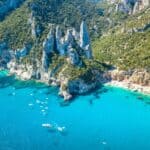
This beach is an absolute icon and the winner of many prestigious polls. It’s defined by the towering 100-metre rock spire of Punta Caroddi and a gorgeous stone arch plunging into the turquoise water. Access is only possible on foot from the Golgo plateau, which means a roughly hour-and-a-half descent followed by a fairly demanding climb back up.
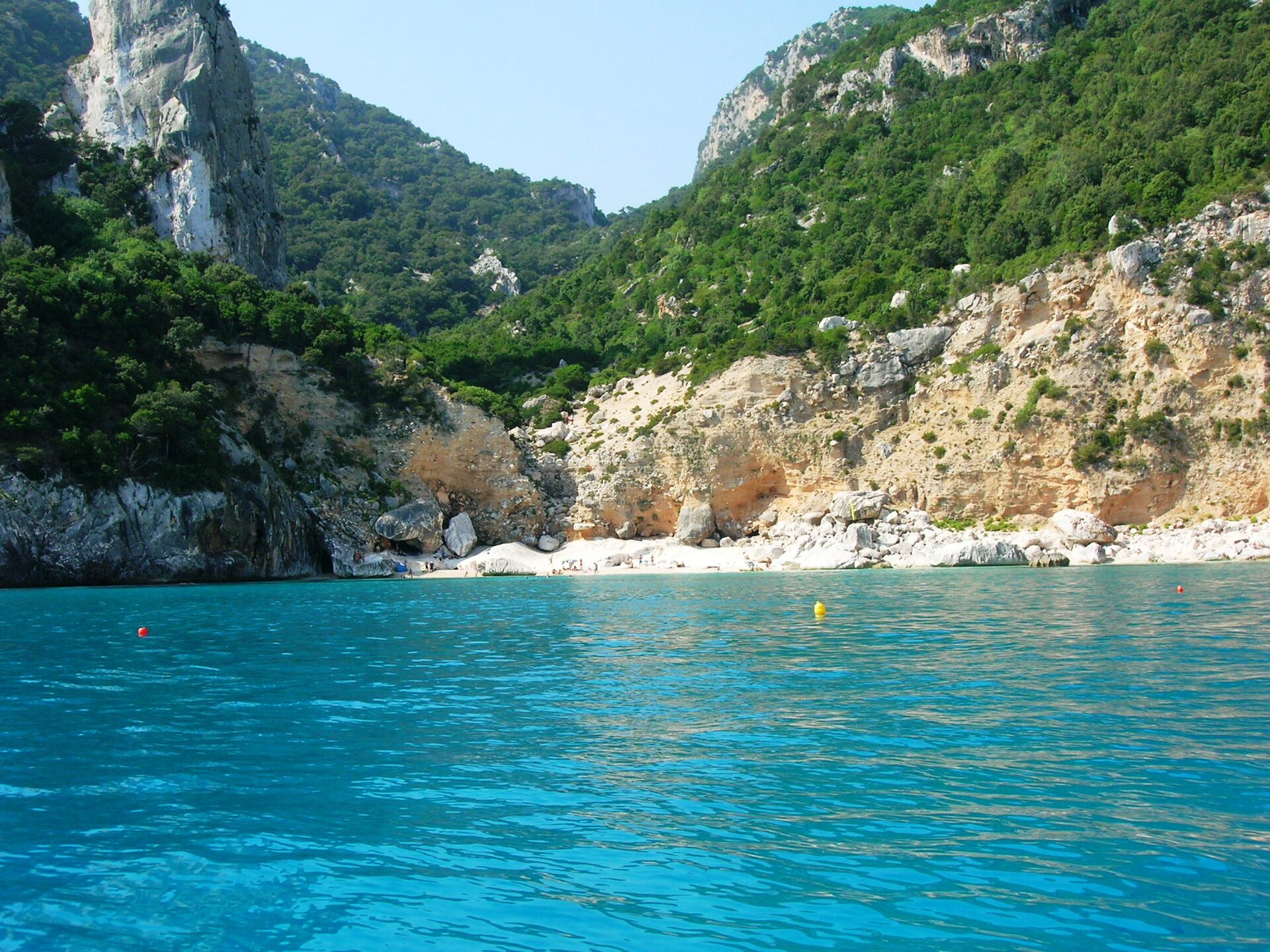
Because it’s so unique, Cala Goloritzé has very strict rules. The daily limit is just 250 people at a time and boats are completely banned from entering. You’ll need to book 72 hours in advance through the official Heart of Sardinia app. Tickets cost around €7, and it’s always best to verify the limits online for the current season.
2. Cala Luna — the cove of moon caves
If you like slightly more dramatic scenery, Cala Luna is guaranteed to wow you. This crescent-shaped beach is famous for its deep limestone caves, which provide wonderful natural shade. And just behind the beach there’s a freshwater lagoon surrounded by flowering oleanders.
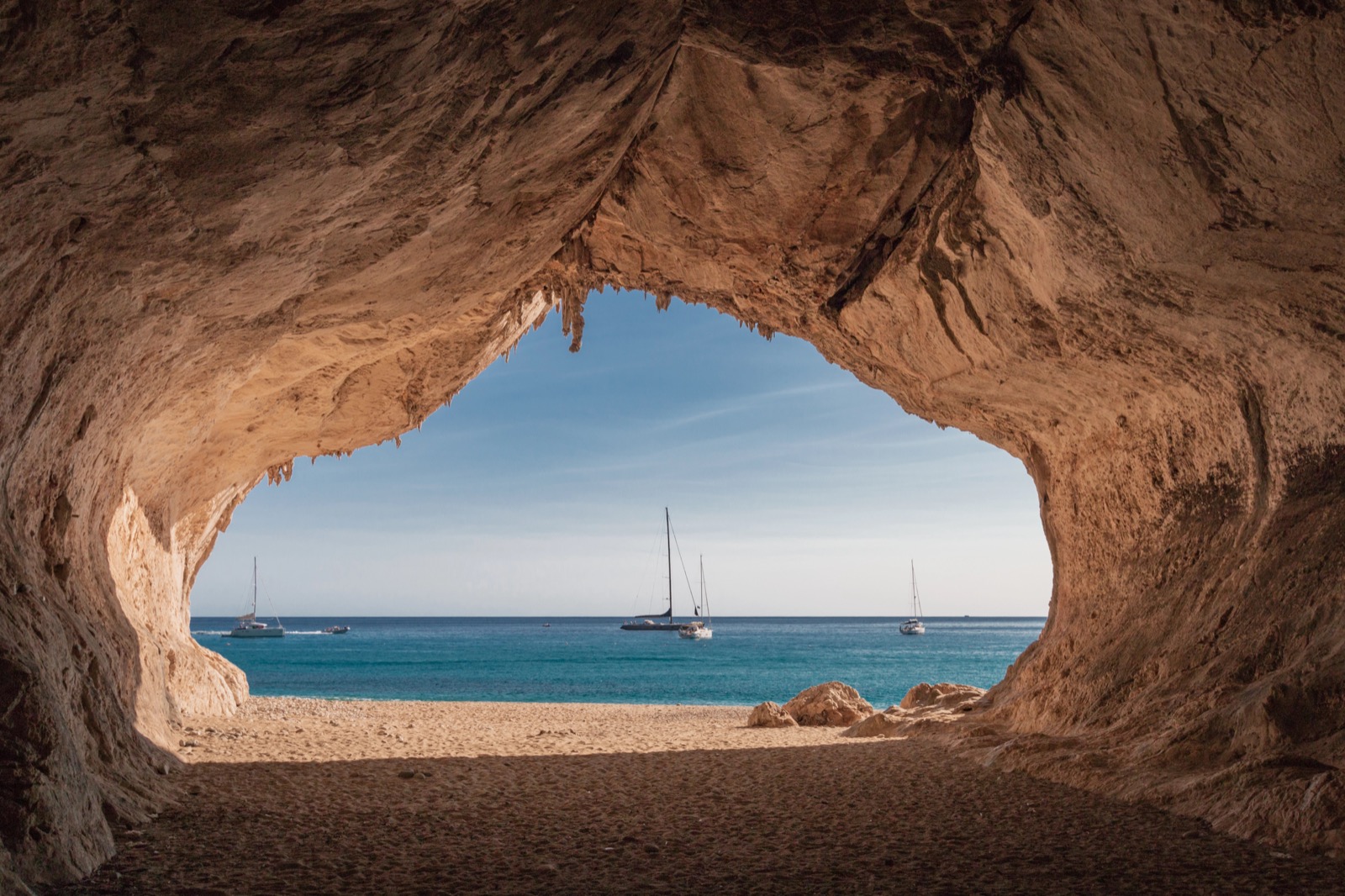
You can get here on foot via a fairly demanding trek from Cala Fuili, but most travellers opt for the more comfortable boat ride from the port of Cala Gonone. In high season it tends to get pretty busy, so I’d recommend arriving on the very first morning boat to photograph the caves without the crowds.
3. Cala Mariolu — pink pebbles and incredible blue
For many people, Cala Mariolu is the single most beautiful stop in the entire gulf. Instead of fine sand, you’ll find tiny white and pink pebbles that give the water an utterly crystal-clear, vivid blue colour. Rich marine life hides beneath the surface, so a snorkel is an absolute essential here.
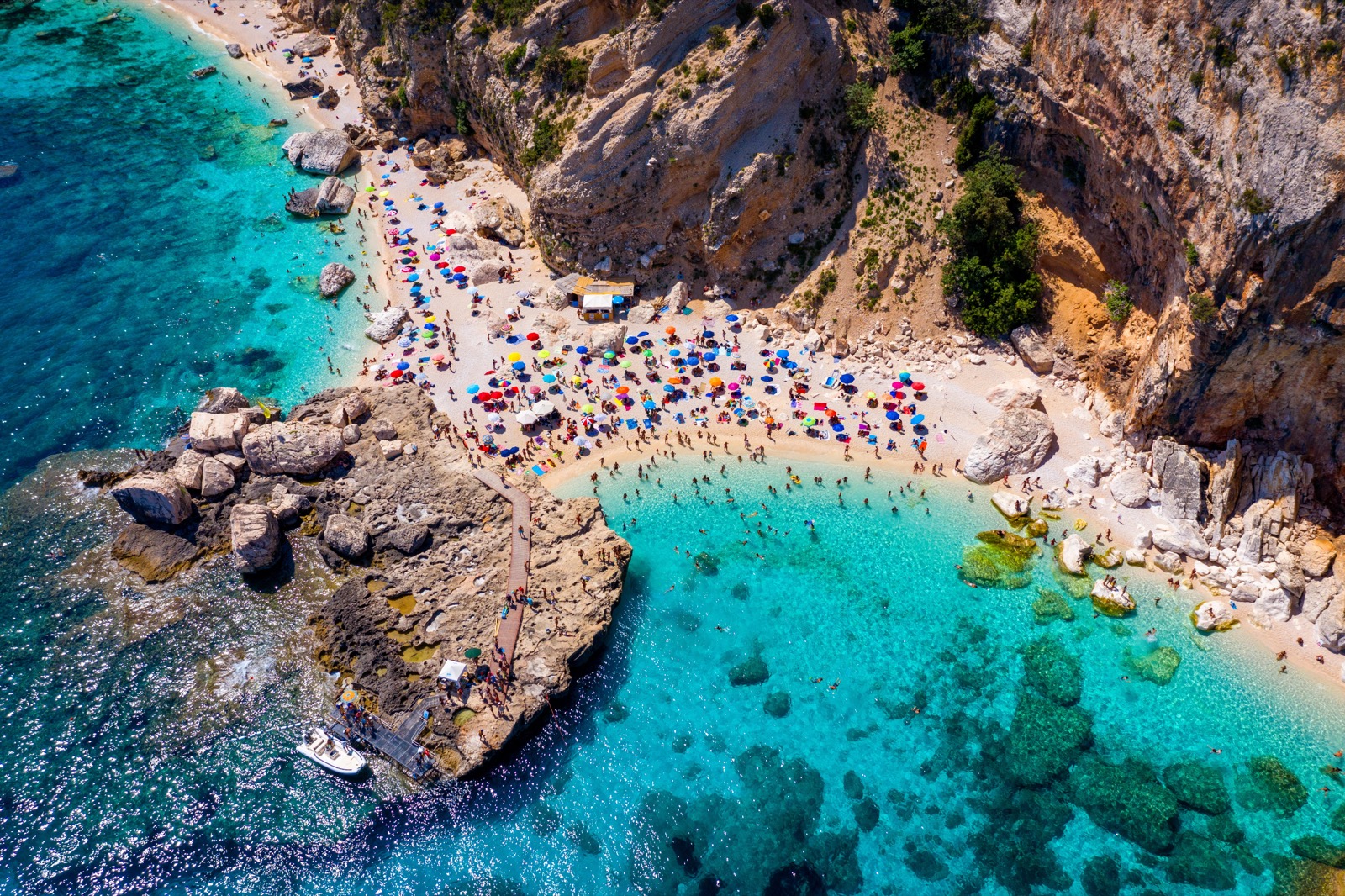
Strict regulations apply here too, to protect the environment. The daily limit is set at 700 visitors, and you’ll need a QR code plus a small fee of around €1. You’ll need this code even if you rent your own boat and arrive under your own steam without an organised tour.
4. Cala Gonone and Cala Fuili — easily accessible beauty
While most beaches in the gulf require some logistical planning, Cala Fuili is a welcome exception. It sits right at the end of the road leading out of the little town of Cala Gonone, and you can drive to it. From the car park there’s just a short descent down stone steps straight into the picturesque pebble cove.
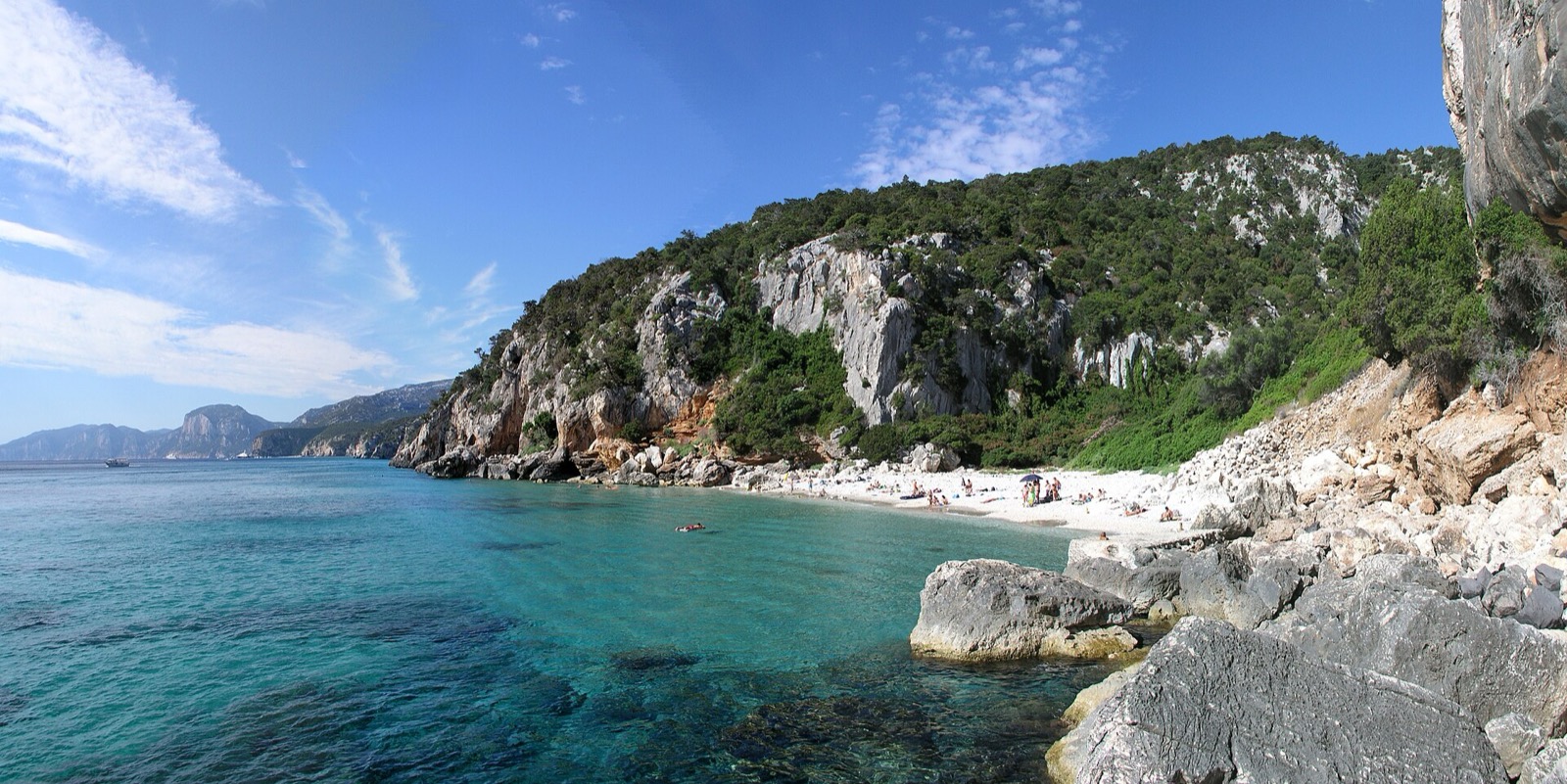
The town of Cala Gonone serves as the main departure port for all the boat trips into the Gulf of Orosei. If you’d rather not trek over the mountains, you can simply rent a small inflatable boat here (no skipper’s licence needed) and explore the beaches entirely at your own pace.
The South: Caribbean sand and ideal conditions for families
The southern part of the island around the capital, Cagliari, is often unfairly overlooked — yet this is precisely where you’ll find Sardinia beaches for families at their very best. The sea slopes very gently here, the sand is fine as flour, and even in peak summer it’s a little less crowded than the famous Emerald Coast.
5. Chia and Su Giudeu — sand dunes and juniper trees
The Chia area is famous for its endless beaches lined with tall sand dunes and century-old juniper trees. Su Giudeu beach is probably the most photogenic of them, with incredibly shallow, warm water. A small island sits just off the shore, and at low tide you can stroll right out to it on foot.
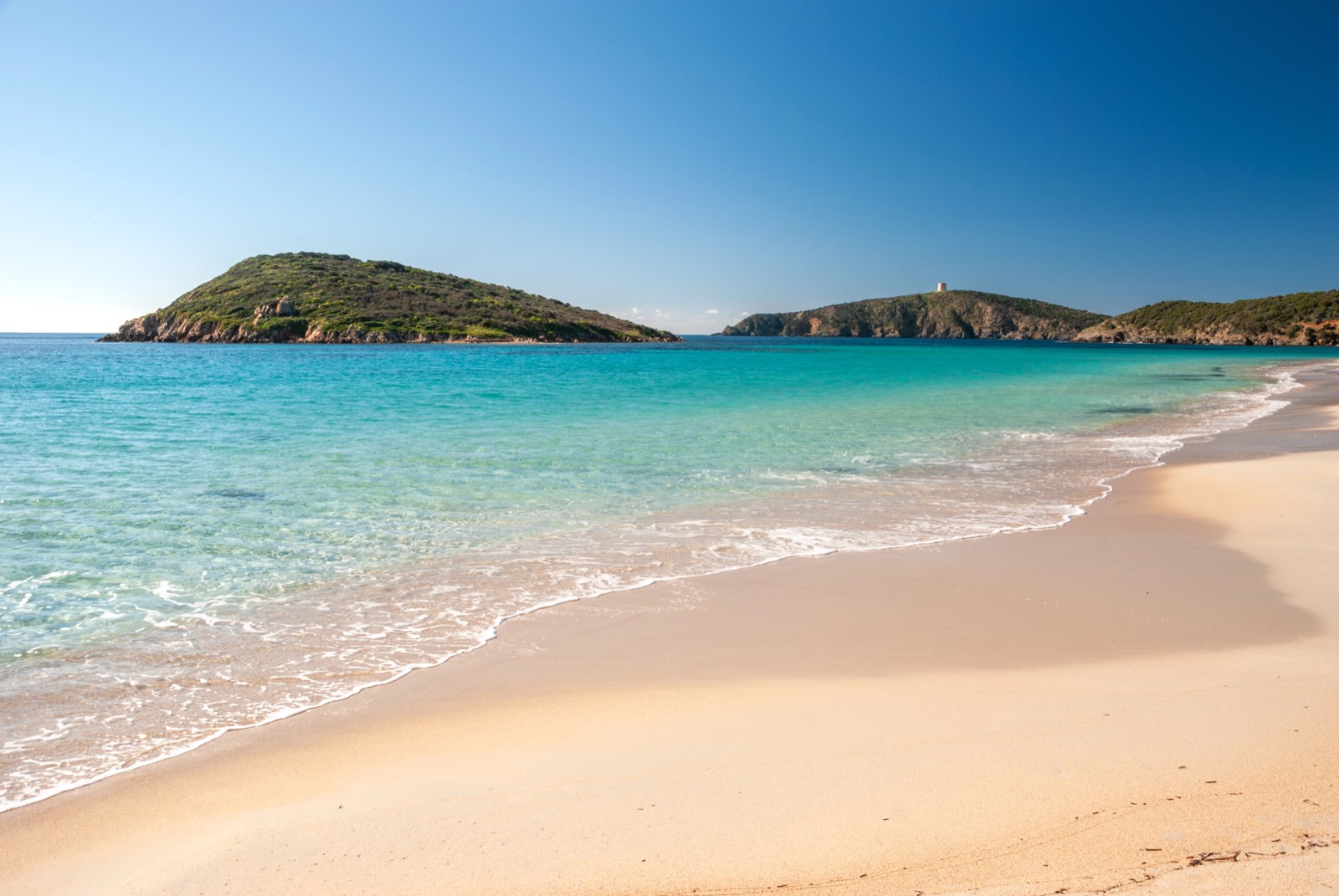
Right behind the beach lies a shallow lagoon where, with a bit of luck, you can spot wild pink flamingos. This area is also hugely popular with surfers and kitesurfers, especially when a stronger sea breeze picks up.
6. Tuerredda — an island paradise with new rules
Tuerredda beach regularly features in the top ten of the entire south, and it’s not hard to see why. The shape of the bay shelters the water perfectly from strong winds, so the surface feels like a calm swimming pool. The water shifts through incredible shades from emerald to deep blue, and the white sand practically begs you to laze around all day.
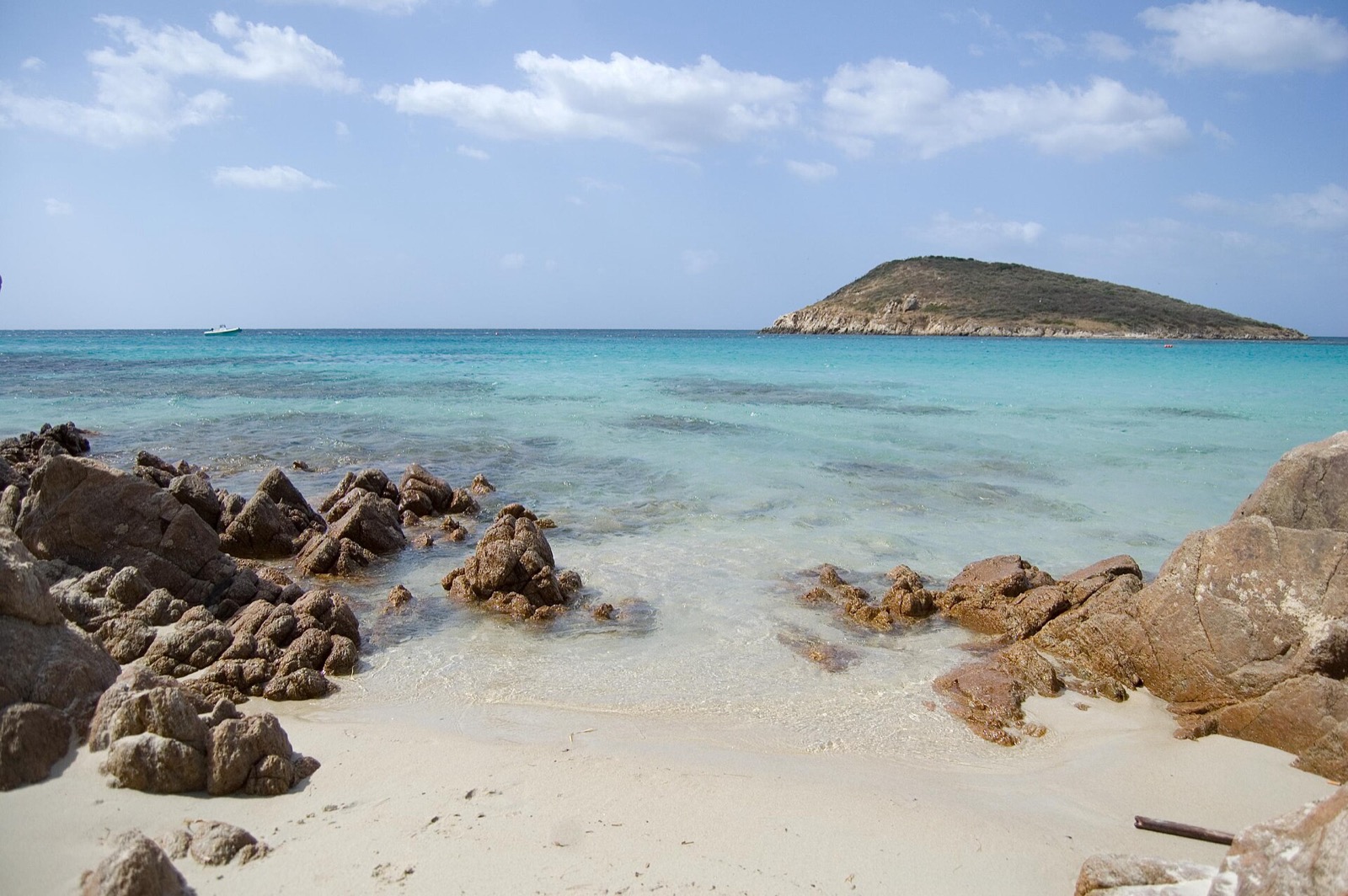
Thanks to its huge popularity, the authorities have stepped in, and from summer 2025 a daily limit of 1,100 people is being introduced, monitored via a dedicated app. Definitely check the official sources before you set off, so you don’t reach the barrier only to discover the capacity is hopelessly full.
7. Porto Giunco (Villasimius) — swimming beneath a watchtower
Villasimius is probably the most popular resort in the south, and Porto Giunco beach is its greatest pride. The bay is lapped by the sea on one side and bordered by the freshwater lake Notteri on the other. Above the beach rises an old Aragonese watchtower, and you can take a short walk up to it for the best panoramic photos.
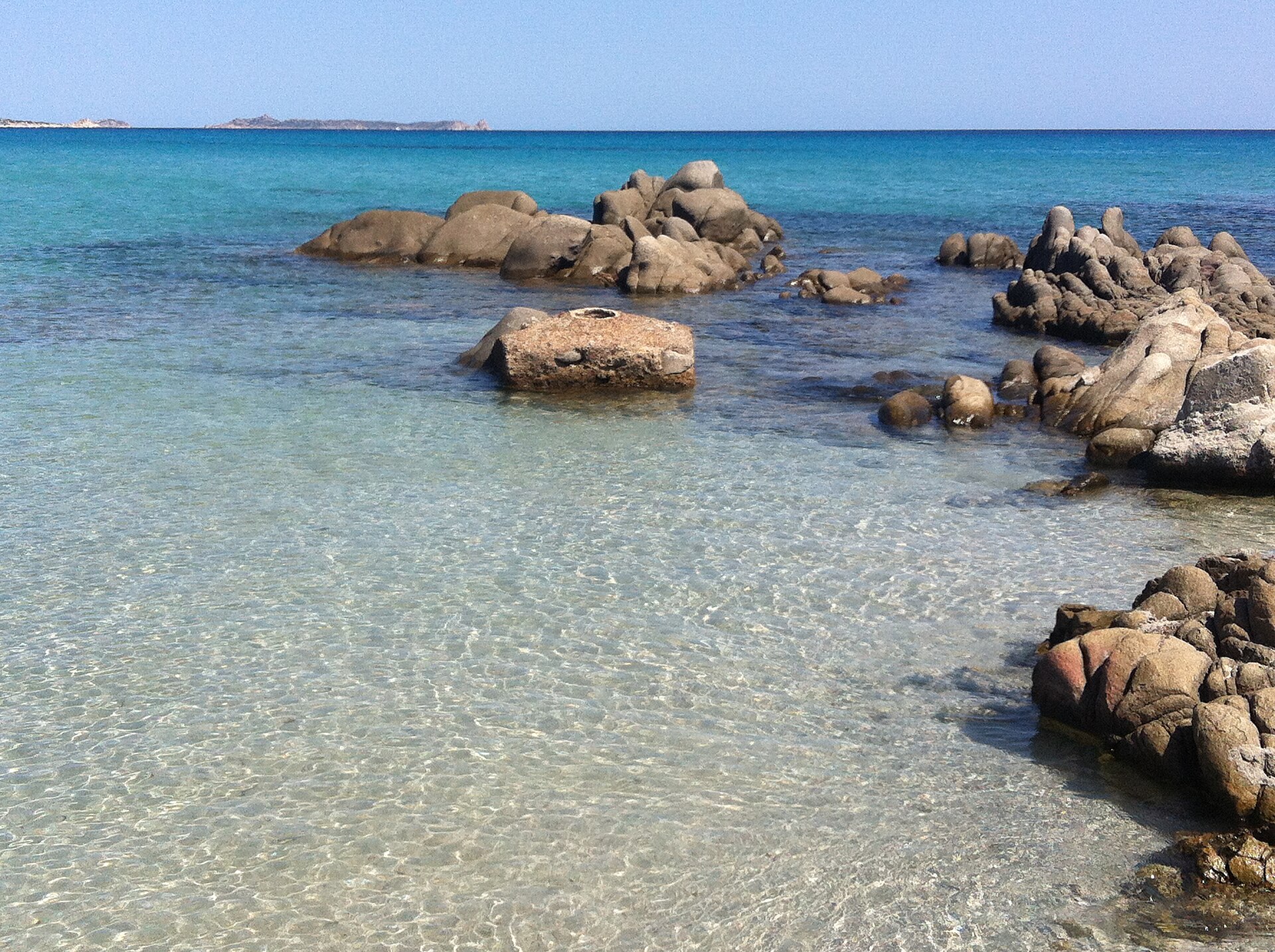
The beach lies within a protected marine area, so you can expect wonderful snorkelling here. There’s usually a parking fee of around €10 per car, so I’d recommend always keeping plenty of small change on you.
8. Punta Molentis — granite boulders and solitude
Just a short way from busier Villasimius hides a smaller gem called Punta Molentis. This intimate beach is made of fine sand on one side and sheltered on the other by enormous granite boulders. It’s a great spot if you’re after slightly wilder nature and a calmer atmosphere.
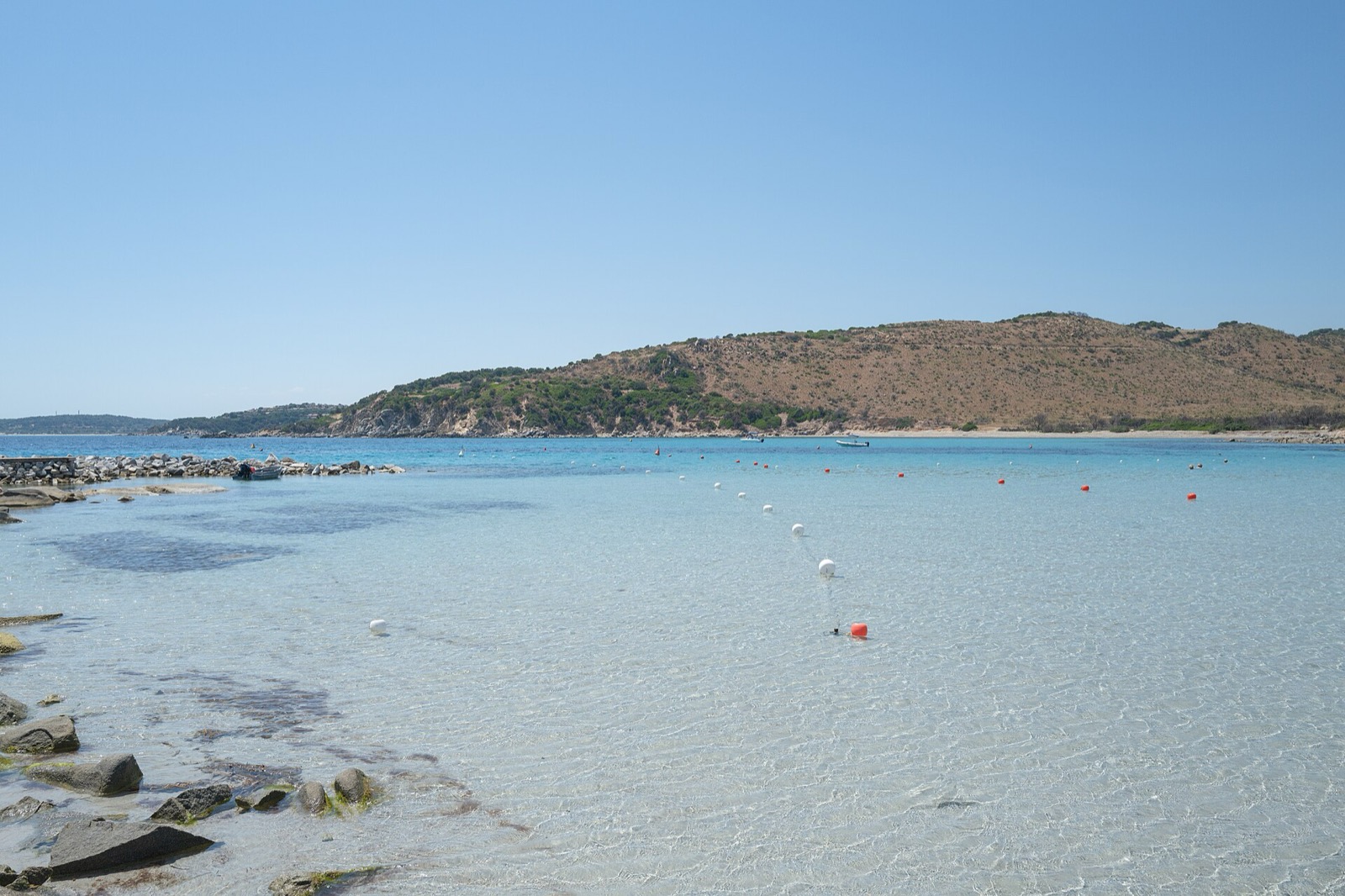
The area is protected, and you can look up the current rules on the official website of the Villasimius protected area. Parking capacity is very limited and an entry fee applies again, so the rule about getting up early counts double here.
9. Costa Rei — eight kilometres of joy
If you don’t like cramped coves and you’re after space, the Costa Rei (Royal Coast) is guaranteed not to disappoint. This incredible eight-kilometre stretch of golden sand offers plenty of room for absolutely everyone. It’s probably the most practical choice for families with small children.
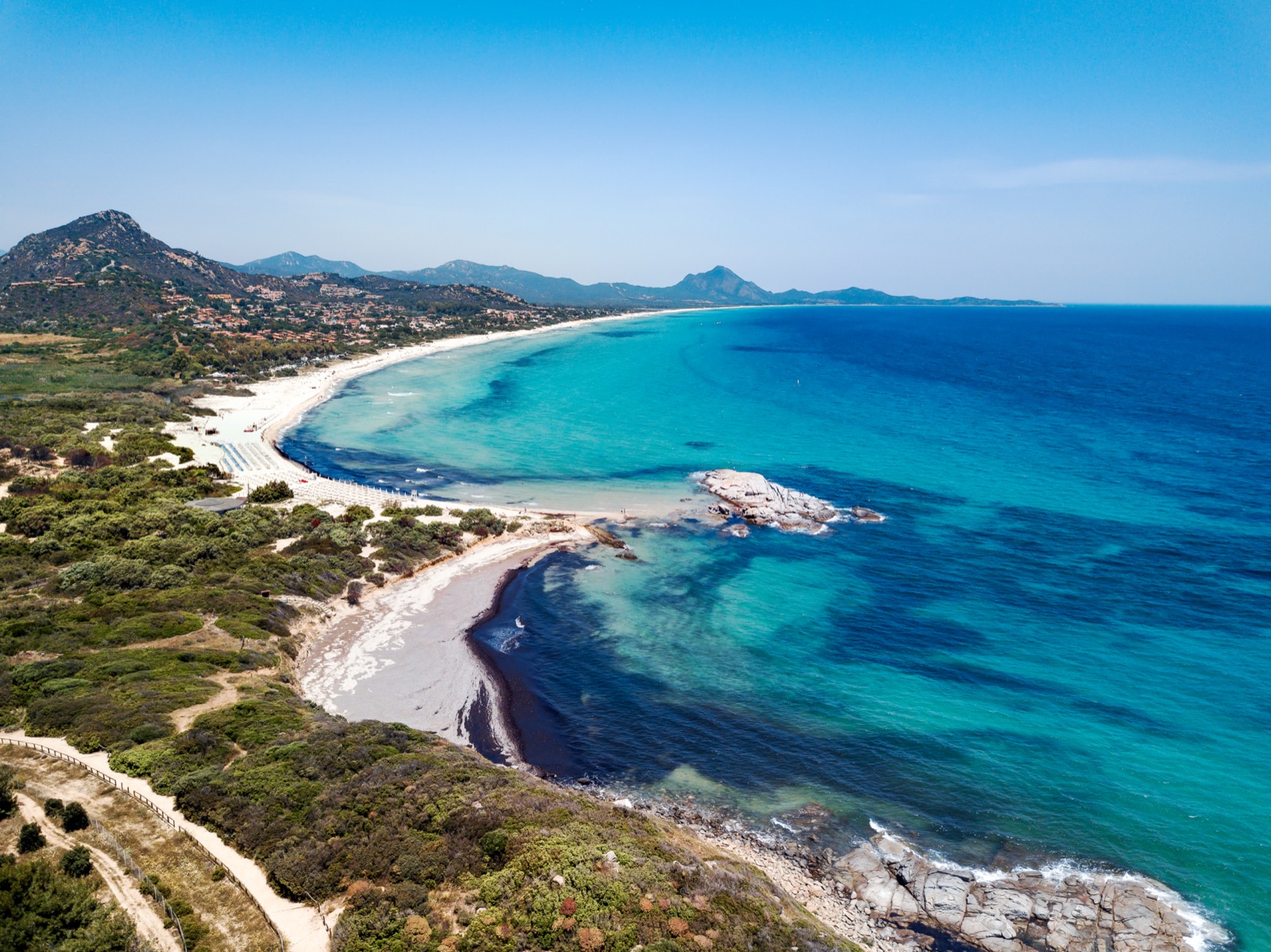
Along the beach you’ll find every kind of facility, from beach bars and pedalo rentals to excellent Italian restaurants. The entry into the water is extremely gentle and safe, which makes Costa Rei an absolute classic for a carefree summer holiday.
The Northeast and La Maddalena: luxury and island reserves
This region combines untouched wilderness with the world of international celebrities. Here you’ll find the famous Costa Smeralda, or Emerald Coast, built by Prince Aga Khan in the 1960s. It’s hands down the most expensive part of the island, but the beaches look like they’ve been cut straight out of the most luxurious brochures.
10. Cala Brandinchi — the so-called Little Tahiti
The nickname Little Tahiti didn’t come about by chance. The sand here is dazzlingly white and the sea so shallow and clear that you’ll genuinely feel like you’re somewhere in French Polynesia. It’s one of the most popular beaches in the San Teodoro area, surrounded by a fragrant pine grove that offers welcome natural shade.
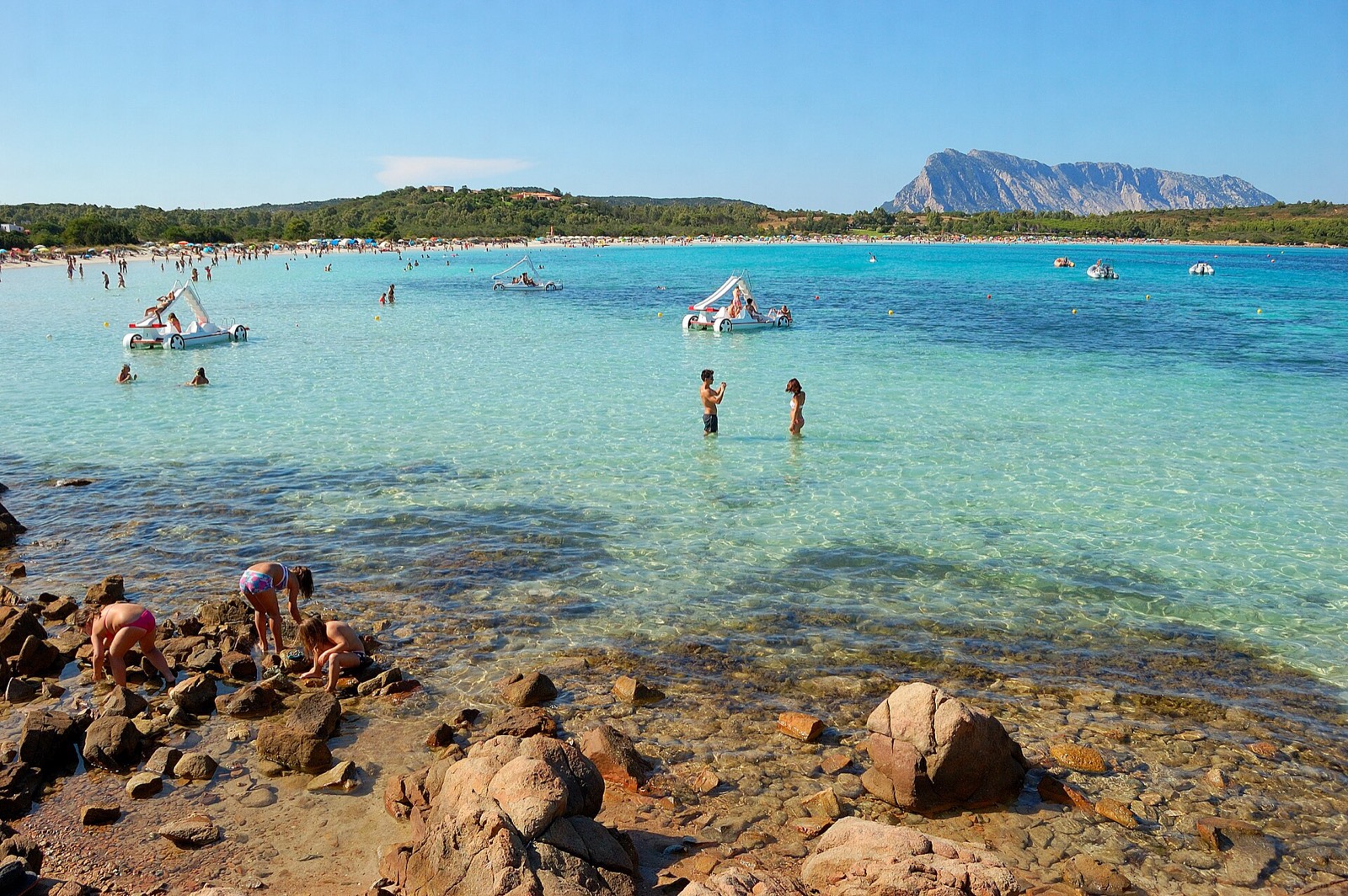
Getting here isn’t quite so straightforward, though. From June to the end of September, entry is regulated by a fee and a strict limit. You’ll need to book through the San Teodoro booking portal. Without a valid QR code they simply won’t let you onto the beach, so check the rules for the current season on the official website.

11. La Cinta — three kilometres of sand in San Teodoro
Just a little further along sits La Cinta, the main draw of the town of San Teodoro. The great thing about this enormous three-kilometre beach is that, despite its huge popularity, it isn’t bound by limits as strict as the smaller coves. You can stroll here for hours and soak up the views of Tavolara island.
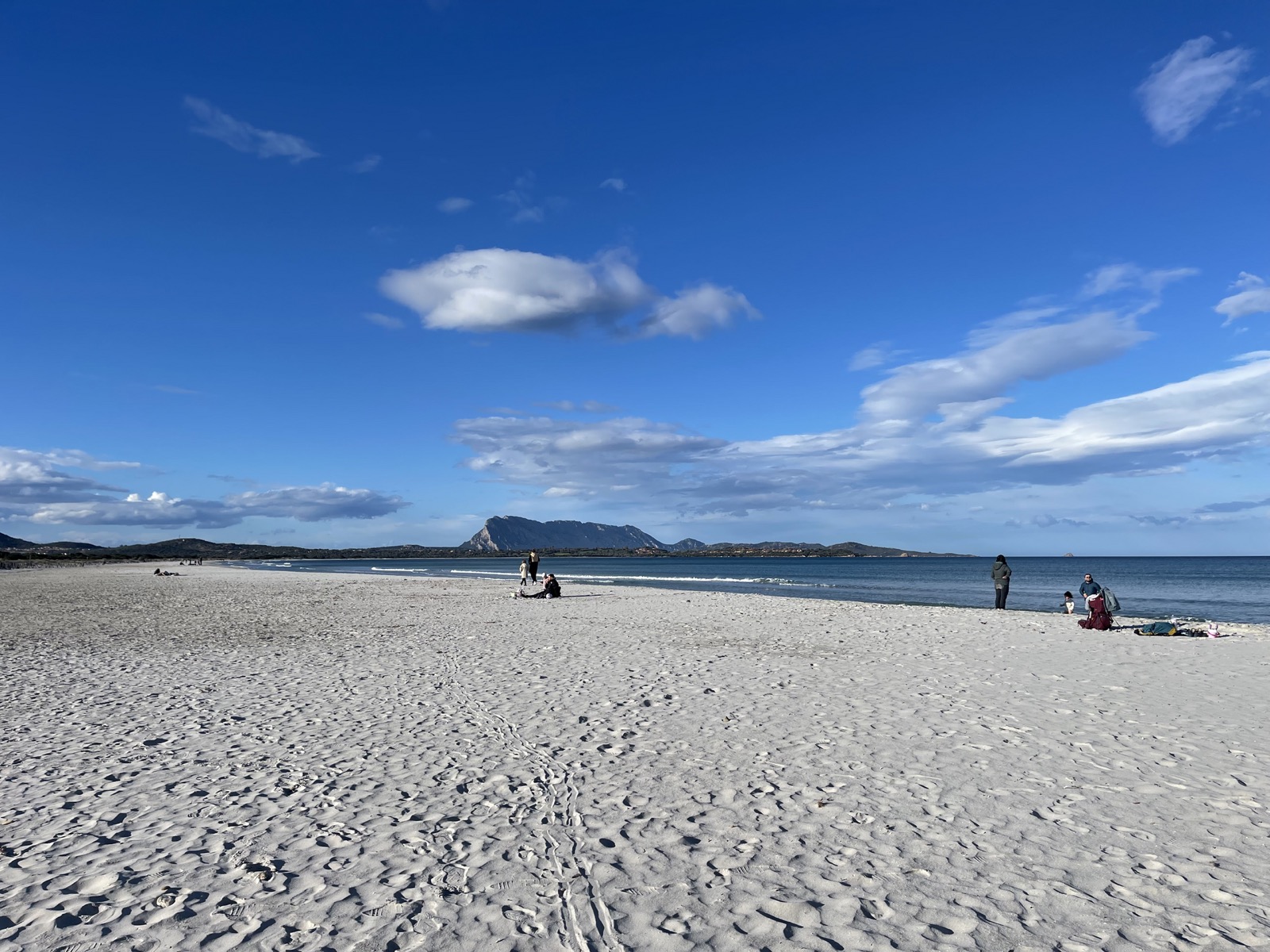
Right behind the sand spreads a large lagoon where flocks of flamingos gather. The beach is also very popular with young people, as you’ll find plenty of beach bars with great music and the chance to try out various water sports.
12. Spiaggia del Principe — the heart of the Emerald Coast
This beach was named after Prince Aga Khan himself, for whom it was apparently his absolute favourite on the entire island. It’s split into two parts by a small rock and surrounded by the typical fragrant Sardinian vegetation known as macchia. The water shifts between shades of emerald and turquoise exactly as the name of the whole coast promises.
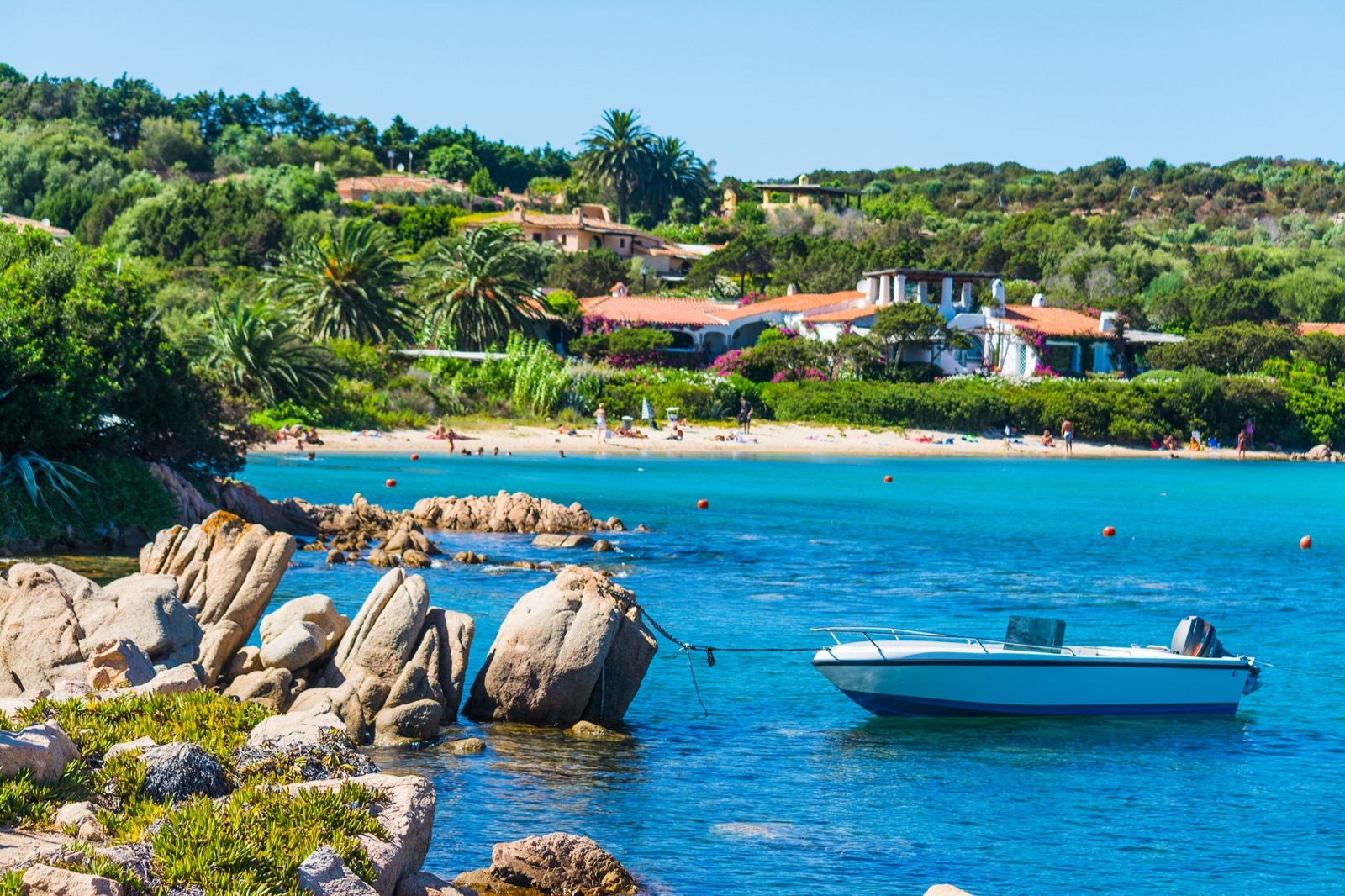
Even though it lies in a super-luxurious location, access to the beach is public and free. You will, however, have to pay fairly pricey parking, and there’s a roughly ten-minute walk from the car along an unpaved path — so leave the pushchairs at home.
13. Cala Coticcio — a hidden gem on Caprera island
The La Maddalena archipelago is a chapter all of its own. On Caprera island you’ll find Cala Coticcio beach, known as the Tahiti cove. It’s a truly unique natural phenomenon hemmed in by pink granite rocks. Because it lies within a national park, its protection has been taken to the absolute maximum.
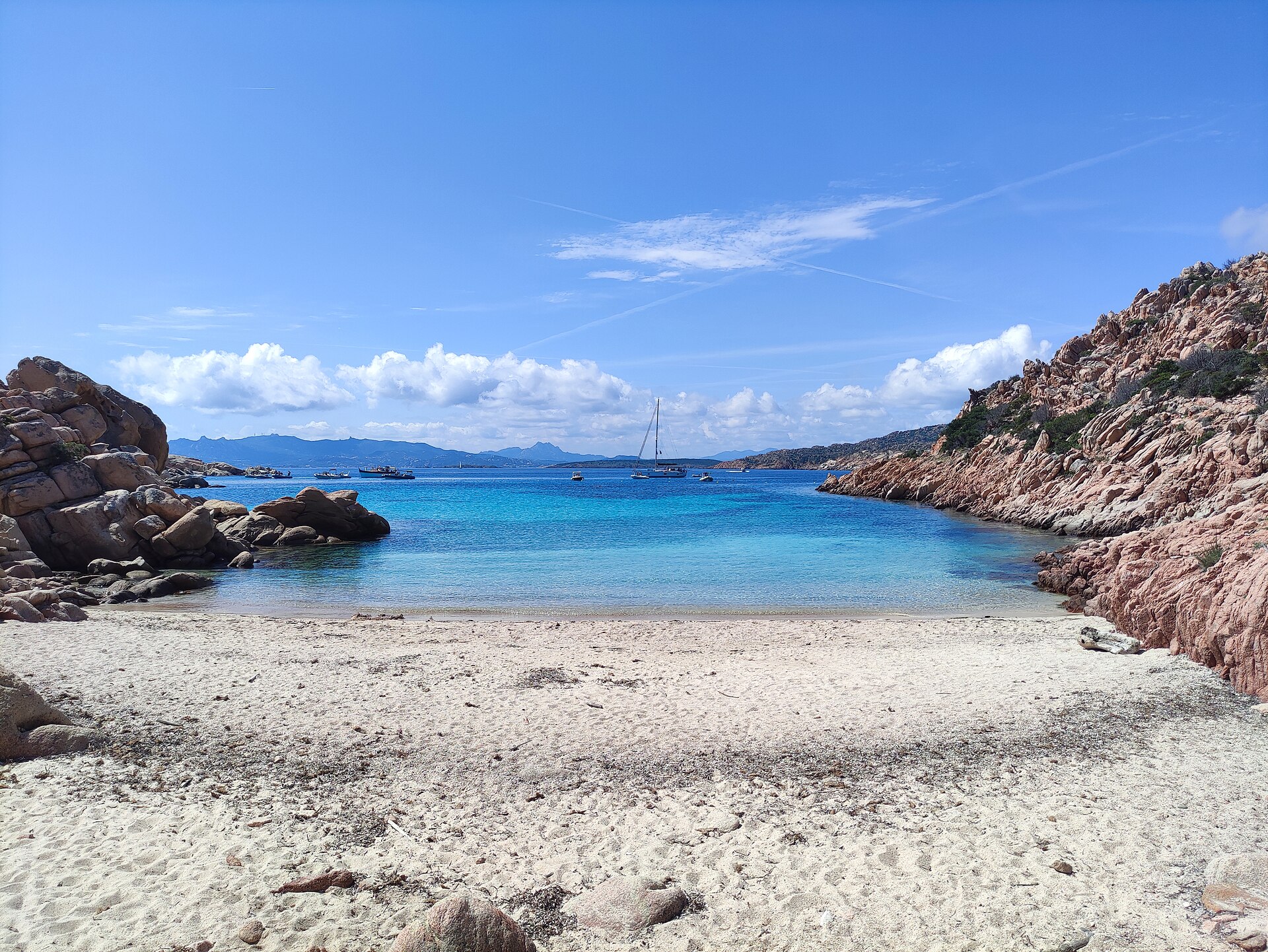
Entry is limited to just 60 people a day, and you can only reach the beach with a certified guide. There’s a small fee of around €3, and I’d recommend studying all the details on the La Maddalena National Park website. It takes more organising, but the experience is apparently well worth it.
14. Spiaggia Rosa — the pink beach you can’t set foot on
The beach on Budelli island is probably the most famous on all of Sardinia, and paradoxically it’s the one beach where you definitely won’t be laying down your towel. Its sand has a gorgeous pink hue thanks to tiny fragments of the shells of marine microorganisms. Because of unruly tourists who carried the sand off in bottles, entry has been strictly banned since 1998.
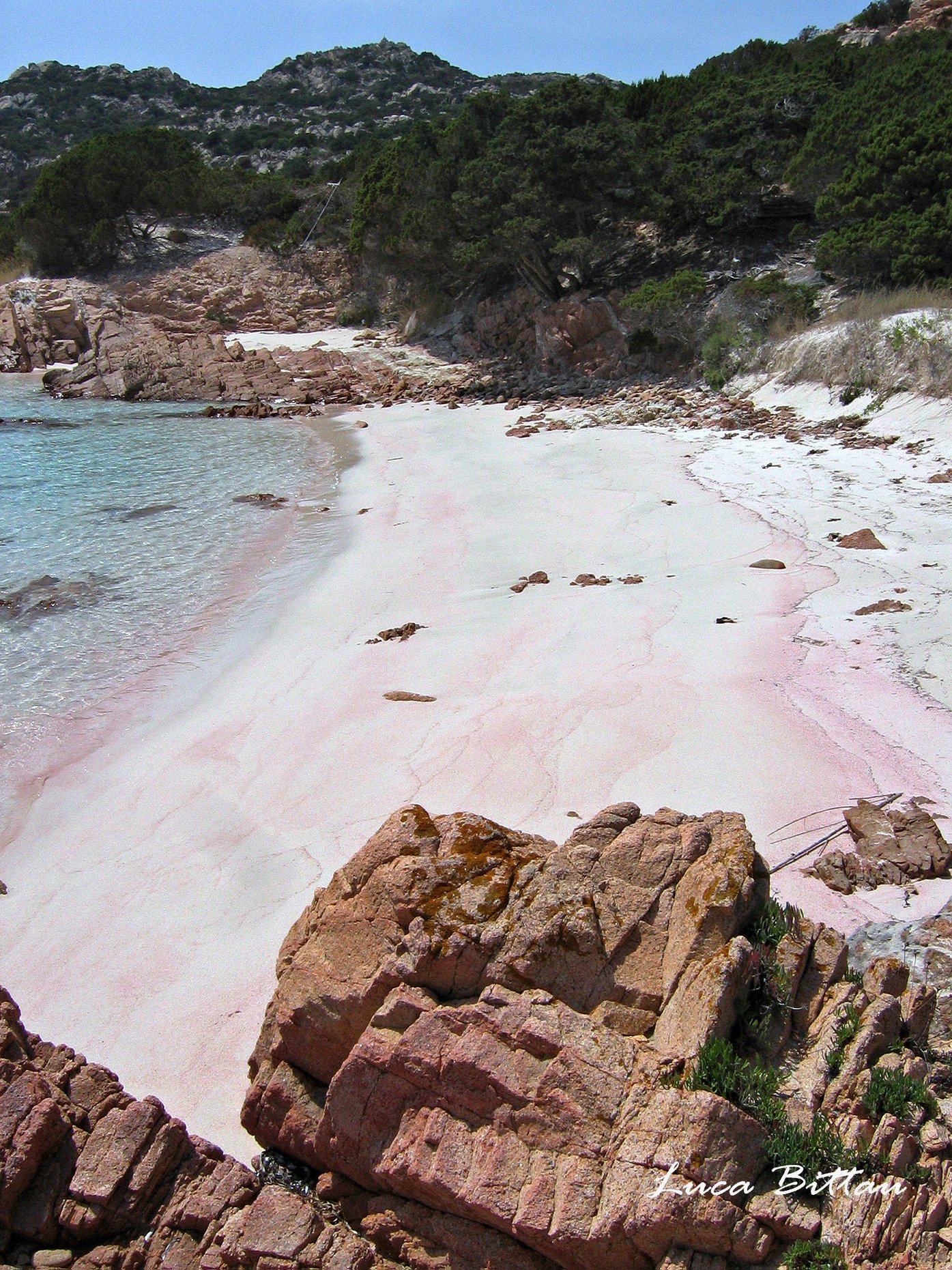
The ban also extends to swimming and anchoring boats within 70 metres of the shore. If you were to try to set foot on the beach, you’d face an immediate fine of €500, and stealing sand could cost you up to €3,500. So you can safely admire this beauty only from the deck of an organised boat trip.
The Northwest: the Caribbean beside historic towns
This part of the island is hugely popular for its combination of beautiful beaches and historic landmarks. The Catalan influence of the town of Alghero reigns here, and from it you’re only a short hop from huge cliffs and from snow-white beaches that look just like the Caribbean.
15. La Pelosa — the iconic shallow lagoon at Stintino
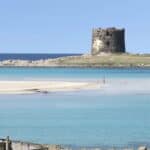
The Stintino area hides La Pelosa beach, which simply looks unreal in photos. Dazzlingly white sand and water so shallow that you can wade out for tens of metres and it’ll still barely reach your knees. The whole scene is completed by a historic Aragonese tower built on a small island just off the shore.
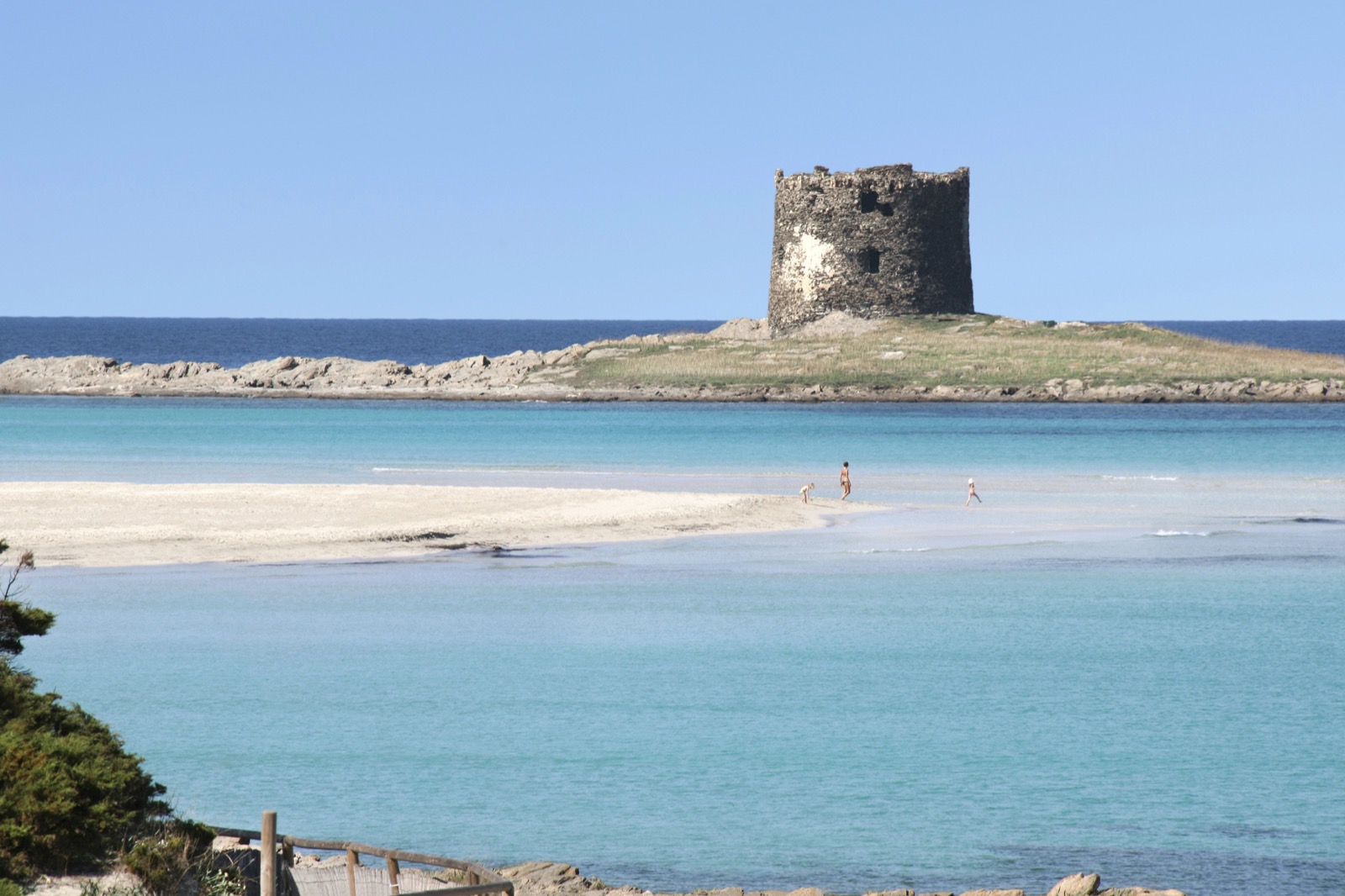
Because of the enormous strain on it, La Pelosa has one of the strictest regimes on the island. The limit is 1,500 people a day and entry costs roughly €3.50. You have to grab your booking exactly 48 hours in advance through the official La Pelosa booking website. What’s more, beneath a regular fabric towel you must place a solid mat, so the precious sand doesn’t stick to you. The rules are enforced under the threat of high fines, so do check the current conditions for the 2025/2026 season.
The West: unusual beaches and Phoenician ruins
The west coast around the town of Oristano and the Sinis peninsula is noticeably quieter and wilder. There aren’t as many luxury resorts here, but you’ll get all the more out of the authentic atmosphere, the historic ruins of Phoenician towns and beaches that are completely out of the ordinary.
16. Is Arutas — the incredible quartz beach
This place will completely surprise you. Instead of fine sand, Is Arutas beach is covered in tiny grains of quartz resembling grains of rice. They shimmer in every colour, from white through greenish to a delicate pink. Walking on them is incredibly pleasant, and because of their weight the water at the shore is absolutely clear and never cloudy.
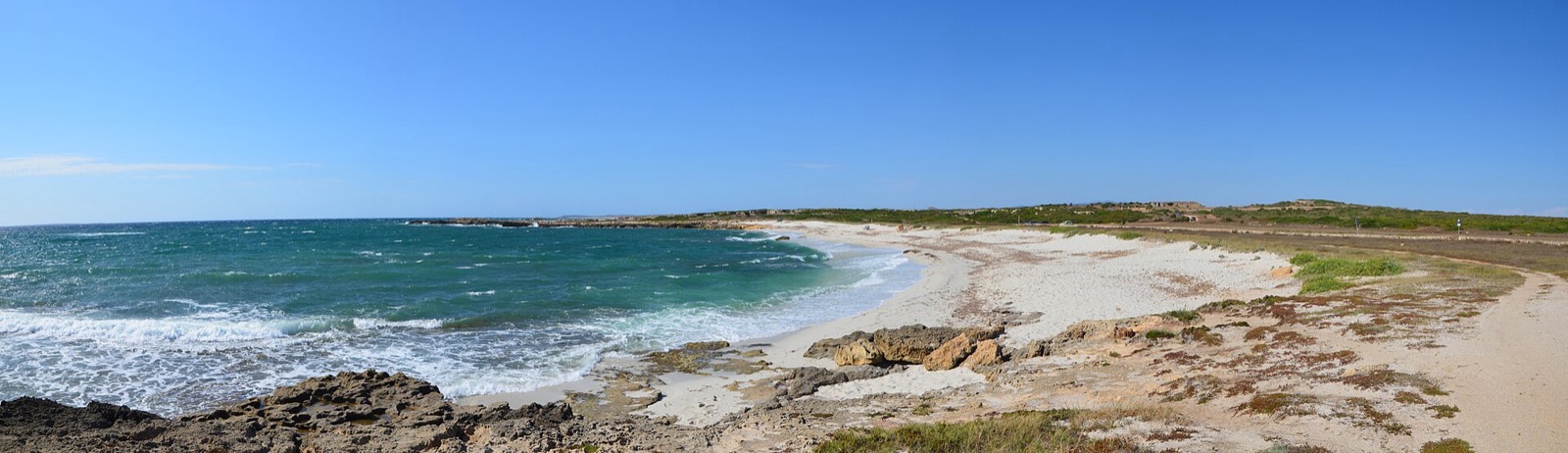
This unique geological quirk is strictly protected. Collecting quartz grains is absolutely forbidden, and airport security on the island is very well prepared for sand smugglers. Fines for removing natural material from this beach run into thousands of euros, so it’s better to take home only beautiful photos and memories.
Where to stay near the prettiest beaches
Choosing your base is crucial on Sardinia, because the roads are winding and distances are deceptive. I definitely don’t recommend trying to drive across the whole island from a single spot. If you’re going for a week, always pick just one specific region. Prices shoot up sharply in July and August, so it pays to book your hotel months in advance.
For families and comfort lovers, the northeast is a great choice, around San Teodoro or Santa Teresa, where you’ll find excellent value and easy access to gems like Cala Brandinchi. If you’re keen to explore wild caves, base yourself in the eastern resort of Cala Gonone. The south around Cagliari is a touch cheaper, offering perfect Caribbean sand and excellent local cuisine — where you can try, for example, the wonderful vegetarian culurgiones pasta filled with potato and mint.
💡 Specific accommodation tips across the regions (check prices and availability via Booking.com; book early in high season):
- Hotel Villa Las Tronas (Alghero)
- Su Gologone Experience Hotel (Oliena)
- Hotel Nuraghe Arvu (Cala Gonone)
- Cala Cuncheddi (Olbia)
- Hotel Nautilus (Villasimius)
Practical beach tips
Sardinia’s coastline is gorgeous, but it takes a little preparation to really enjoy a day by the water and not get caught out by local quirks. A few small tricks will save you a lot of stress and money.
- The early bird catches the worm: Most beaches aren’t in towns and their car parks have very limited capacity. If you arrive after ten o’clock, you simply won’t find a spot at places like Villasimius or Costa Smeralda.
- The solid-mat rule: On many regulated beaches (especially La Pelosa) it’s forbidden to lay a fabric towel directly on the sand. You have to buy a firm reed mat (sold everywhere along the roads) and only then put your towel on top. This helps prevent the massive loss of precious sand.
- Jellyfish and wind: The sun here can be truly relentless and there isn’t much shade on the beaches, so your own parasol is basically essential. Jellyfish occasionally turn up in the warm sea, so it’s a good idea to carry a little bottle of fresh water to rinse off. If a strong mistral is blowing, keep an eye on the colour of the lifeguards’ flags.
- Bring supplies: Especially on the wild beaches of the east coast or in the west around the Sinis peninsula, you won’t find any refreshment stalls. Always keep a good supply of drinking water in the car, as summer temperatures top 30 °C. If you do come across a local restaurant, definitely try the sweet fried seadas with cheese and honey for dessert.
Where to go next
If island life is calling and you want to explore more breathtaking destinations, be sure to check out these articles, which will help you no end with planning your holiday:
- Sardinia holiday: what to see and do
- Thinking of taking the ferry to the neighbouring island? Read our detailed Corsica guide.
Frequently asked questions
Which is the most beautiful beach in Sardinia?
It’s hard to pick just one, but among the absolute top regularly belong limestone Cala Goloritzé in the east, shallow La Pelosa in the northwest, and the popular Cala Brandinchi nicknamed Little Tahiti in the northeast.
Do I need to book beaches in Sardinia in advance?
Yes, at the most famous beaches it’s a necessity for the 2025/2026 season. La Pelosa, Cala Goloritzé, Cala Mariolu or the beaches in San Teodoro require downloading a specific app and purchasing tickets in advance due to daily visitor limits.
How much does entrance to La Pelosa and Cala Goloritzé cost?
On La Pelosa beach you’ll pay approximately €3.50 per person and you must book 48 hours in advance. Entry to Cala Goloritzé costs around €7 and can be booked up to 72 hours in advance through the Heart of Sardinia app.
Which beaches in Sardinia are best for kids?
Families with children will find the southern and southeastern coast most suitable. Beaches like Costa Rei, Chia, Su Giudeu or Porto Giunco in Villasimius have fine white sand and an extremely gradual entry into the sea.
How to get to the beaches in Golfo di Orosei?
Most of the beaches in this bay (for example Cala Mariolu or Cala Luna) are best accessed by boat from the port of Cala Gonone. On the other hand, boats are not allowed at Cala Goloritzé and you can only get there via a roughly hour-and-a-half-long hiking trek.
Are Sardinian beaches sandy or pebbly?
Sardinia offers both. In the south and northeast, you’ll find predominantly fine white sand reminiscent of the Caribbean. The eastern Gulf of Orosei features stunning white pebbles, and in the west at Is Arutas, there’s unique coarser quartz sand.
When is the sea in Sardinia warmest for swimming?
The sea is warmest at the end of August and in September, when the water temperature reaches a very pleasant 24 to 26 °C. Plus, in September the biggest summer crowds disappear from the beaches.
Tips and Tricks for Your Vacation
Don’t Overpay for Flights
Search for flights on Kayak. It’s our favorite search engine because it scans the websites of all airlines and always finds the cheapest connection.
Book Your Accommodation Smartly
The best experiences we’ve had when looking for accommodation (from Alaska to Morocco) are with Booking.com, where hotels, apartments, and entire houses are usually the cheapest and most widely available.
 🚗 Car rental on the roadVerified rental cars in Sardinia
Search with the DiscoverCars comparison engine — it compares prices from dozens of local and international rental companies, and most bookings come with free cancellation.
Compare car prices in Sardinia →Don’t Forget Travel Insurance
Good travel insurance will protect you against illness, accidents, theft, or flight cancellations. We’ve had a few hospital visits abroad, so we know how important it is to have proper insurance arranged.
Where we insure ourselves: SafetyWing (simple monthly subscription) and TrueTraveller (for extra-long trips).
Find the Best Experiences
Get Your Guide is a huge online marketplace where you can book guided walks, trips, skip-the-line tickets, tours, and much more. We always find some extra fun there!