

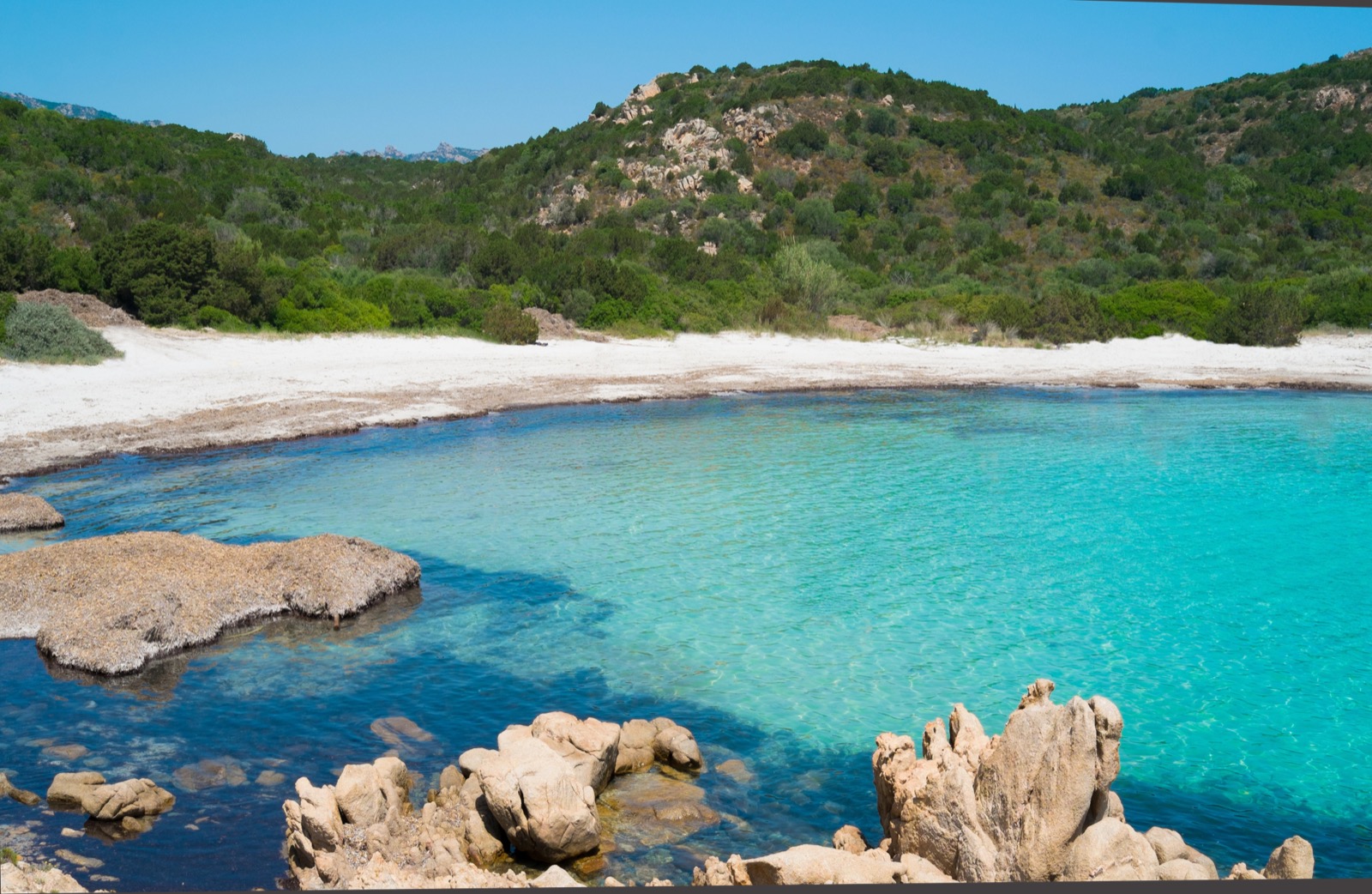
You know that feeling when you’re craving Caribbean-white beaches and turquoise water, but the thought of a twelve-hour flight puts you off entirely? That’s exactly why Italy’s Sardinia is such a massive hit — it offers genuinely incredible, exotic scenery just a few hours’ flight from home. If you’re planning a holiday on this magical island, you’re probably wondering about the Sardinia weather and which particular month to choose for the smoothest, most enjoyable trip.
In this article we’ll take a look together at when to go to Sardinia so you can enjoy the wonderfully warm sea while neatly sidestepping the biggest crowds. We’ll go through the temperatures month by month in detail, explain what the dreaded mistral wind is all about, and I’ll show you how to plan your itinerary cleverly so that accommodation and car hire don’t cost you a small fortune.
TL;DR
- Best months: According to many seasoned travellers, September and June are absolute perfection — it’s already lovely and warm, but you safely avoid the August madness.
- Warmest sea: If you love bath-warm water, head over in late August or September, when the sea reaches an incredible 24 to 26 °C.
- What to avoid: Think very carefully before travelling around the Ferragosto holiday (15 August), because prices soar to astronomical heights and the Italian beaches are simply bursting at the seams.
- Watch out for the mistral: This very strong northwesterly wind can cool both the sea and the air, so it’s well worth having a plan B and moving over to the more sheltered east coast.
The full destination guide: Sardinia — guide and what to see
What is the weather like in Sardinia
This beautiful island boasts a classic Mediterranean climate, which in practice means very long, hot and dry summers followed by mild but noticeably wetter winters. Locals reportedly enjoy up to 300 sunny days a year, which sounds like an absolute dream for anyone who loves warmth and sunshine. So it’s no surprise that the main season here lasts considerably longer than back home, and you can swim from late spring right through to deep into autumn.
When people think of the weather in Sardinia, Italy, many automatically picture only the scorching July sun, but the island has something to offer in absolutely every season. While peak summer draws beach-lounging fans, spring and autumn are ideal for discovering the mysterious ancient nuraghi or for more demanding hiking in the wild mountains. Just bear in mind that the island is fairly large and very varied, so while you’ll happily sunbathe down south around Cagliari even in October, high up in the Gennargentu mountains it can already be noticeably cooler. You’ll find current tips and updates on each region on the official Sardinia tourism portal.
Sardinia weather by month: temperatures and sea
Let’s take a look at the actual numbers so you get a clear picture of how the Sardinia weather by month really changes. The table below clearly shows the average daytime air temperatures alongside the average water temperature, since that’s probably the most important factor for a perfect beach holiday.
| Month | Air (°C) | Sea (°C) | What to expect |
|---|---|---|---|
| April | 18–20 | 15–16 | Spring blooms and lush greenery, ideal for treks; not yet swimming weather. |
| May | 20–23 | 17–19 | Pleasantly warm, great for exploring sights, sea only for the hardy. |
| June | 25–28 | 21–23 | Start of summer, long days, excellent swimming conditions without extreme heat. |
| July | 28–32 | 24–25 | Serious heat, packed beaches, peak of the season and highest accommodation prices. |
| August | 30–35 | 25–26 | Scorching sun, the national Ferragosto holiday, extremely warm sea. |
| September | 26–28 | 24–25 | The highlight of the year, summer warmth lingers but the crowds gradually fade. |
| October | 22–24 | 21–22 | Autumn calm, the south of the island is still great for the beach and swimming. |
| November–March | 14–16 | 14–16 | Off-season, much more frequent rain, suitable mainly for sightseeing. |
Spring in Sardinia
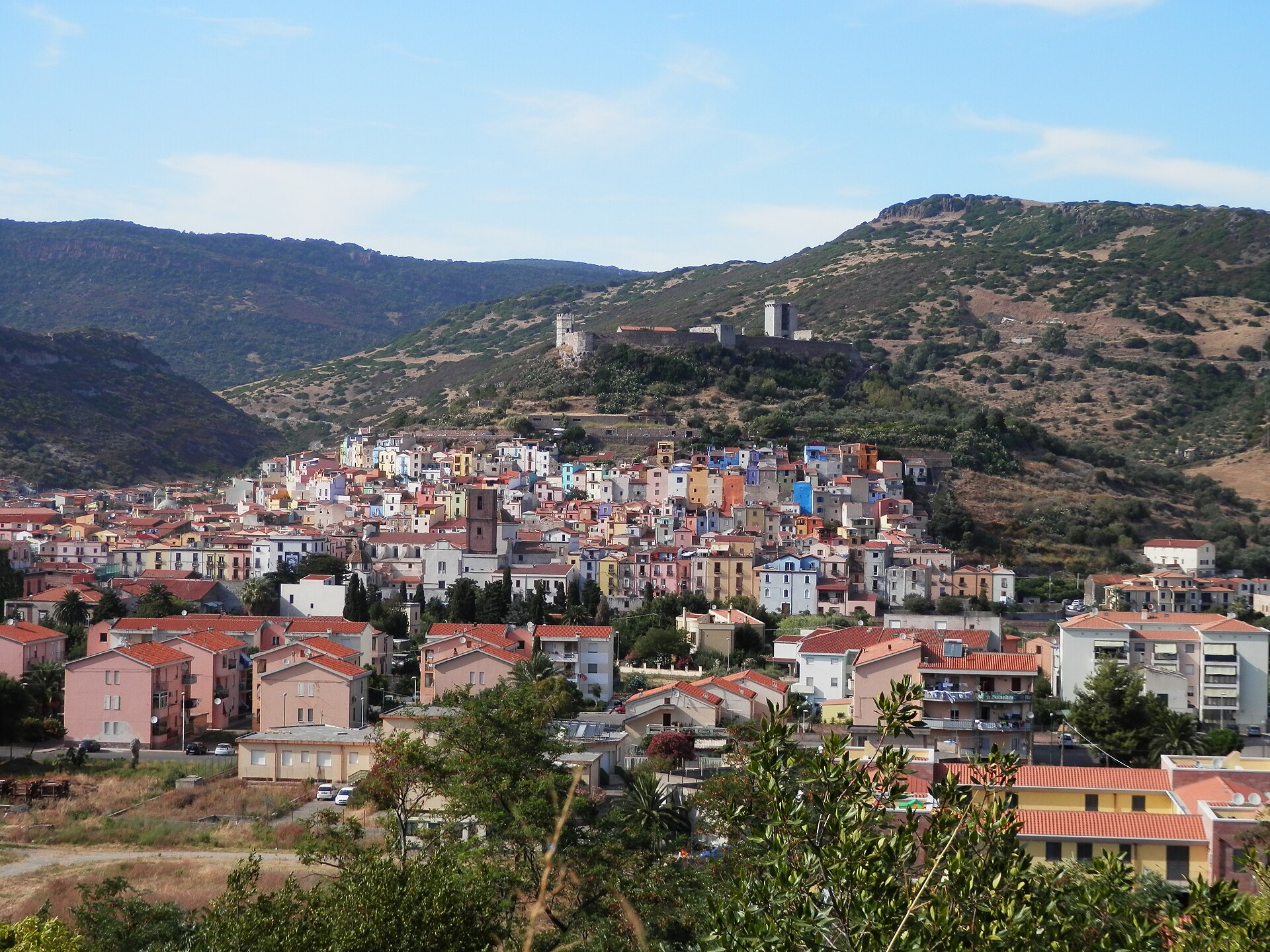
The spring months on the island are said to be utterly magical, because the whole landscape blooms beautifully and turns fresh green before the summer sun mercilessly scorches it yellow. In April and May the air temperatures sit very pleasantly around twenty degrees, creating perfect conditions for an active holiday without sweat-soaked shirts. If you’re planning to explore the incredibly deep Gola Su Gorropu canyon or simply wander the lanes of historic Alghero, a spring trip is a sure bet.
That said, I have to be honest and point out that the sea temperature in Sardinia is no chart-topper this early in the year. The water hovers around just 15 to 19 °C in spring, so unless you’re a genuine Wim-Hof-style cold-water enthusiast, you’ll probably only dip your ankles during a romantic stroll along the shore. By May the first charming little beach cafés are up and running, but proper all-day splashing still calls for a fair bit of courage and resilience.
Summer in Sardinia
The summer months mark the island’s main season, and the coast transforms into a truly buzzing holiday destination drawing eager travellers from all over the world. Sardinia in June is probably the best possible compromise if you want guaranteed hot weather with temperatures around 28 °C, but you don’t yet fancy being jostled by thousands of other people on the most famous beaches, like the Caribbean-style La Pelosa.
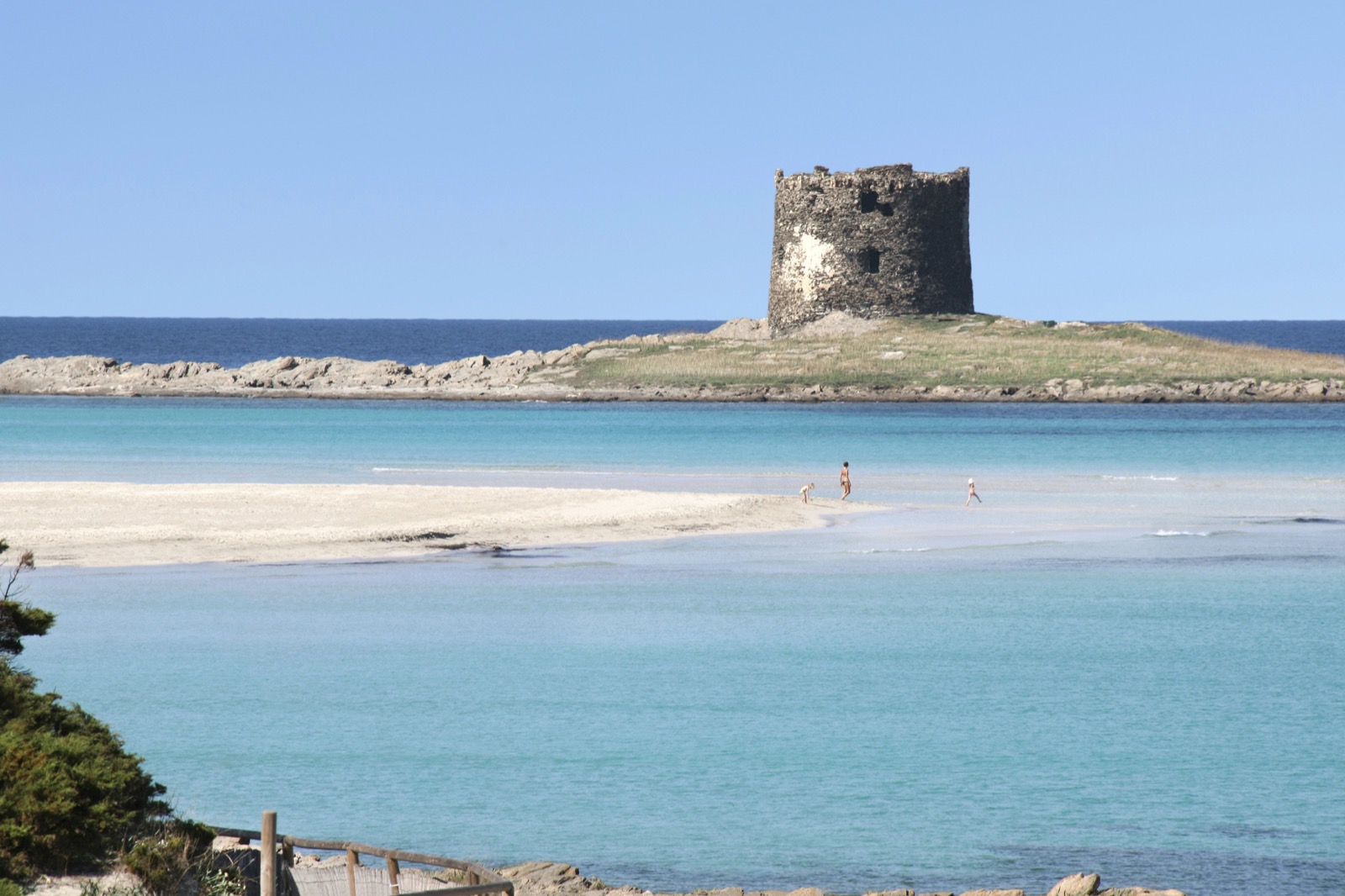
July and especially August lean more towards scorching heat and massive crowds, when the mercury often climbs to 35 °C and Italian families soak up their holidays to the full. The crucial date for planning is 15 August, the Ferragosto holiday, when practically all of Italy takes time off and the price of flights and car hire can easily double. On the upside, it’s precisely in hot August that you get the warmest sea water of all — it feels like a luxurious natural spa, and you won’t want to climb out.
Autumn in Sardinia (September & October)
If you ask seasoned travellers for their secret tip, the overwhelming majority will tell you without hesitation that Sardinia in September is sheer perfection. During the day you still get a glorious summery 27 °C, and after the whole summer the sea is beautifully warmed to 24 °C, yet you can easily find space to lay out your towel on the white sand now that the school year has relentlessly begun. By mid-September the water is at its most pleasant for long swims of the entire calendar year.
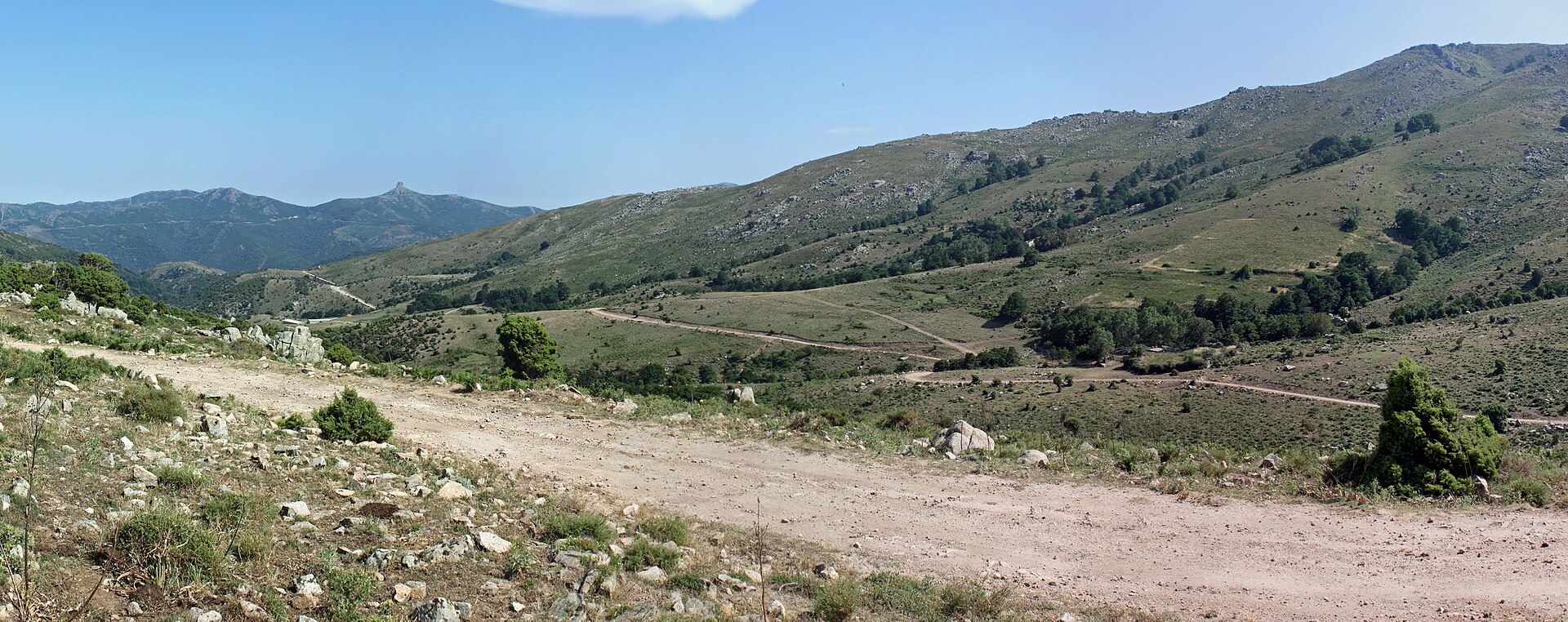
October certainly doesn’t lag behind either, reliably offering a luxurious extension of summer, especially in the south of the island around Cagliari, where you can happily spend your holiday in a swimsuit with an ice cream in hand. Car hire prices fall to a fraction of the summer rates at this time, so you can leisurely tour the remote interior, where the traditional and very authentic Autunno in Barbagia festivals take place in autumn. In short, it’s the time when the island starts to breathe again at a calm, slow pace.
Winter in Sardinia (November to December)
Winter on the Italian island is very calm, with temperatures averaging between 14 and 16 degrees Celsius — still a fairly pleasant escape from the British winter chill and damp. During these months you should expect much more frequent rain showers, plus the fact that in the smaller coastal resorts the vast majority of restaurants and hotels stay firmly shut until spring.
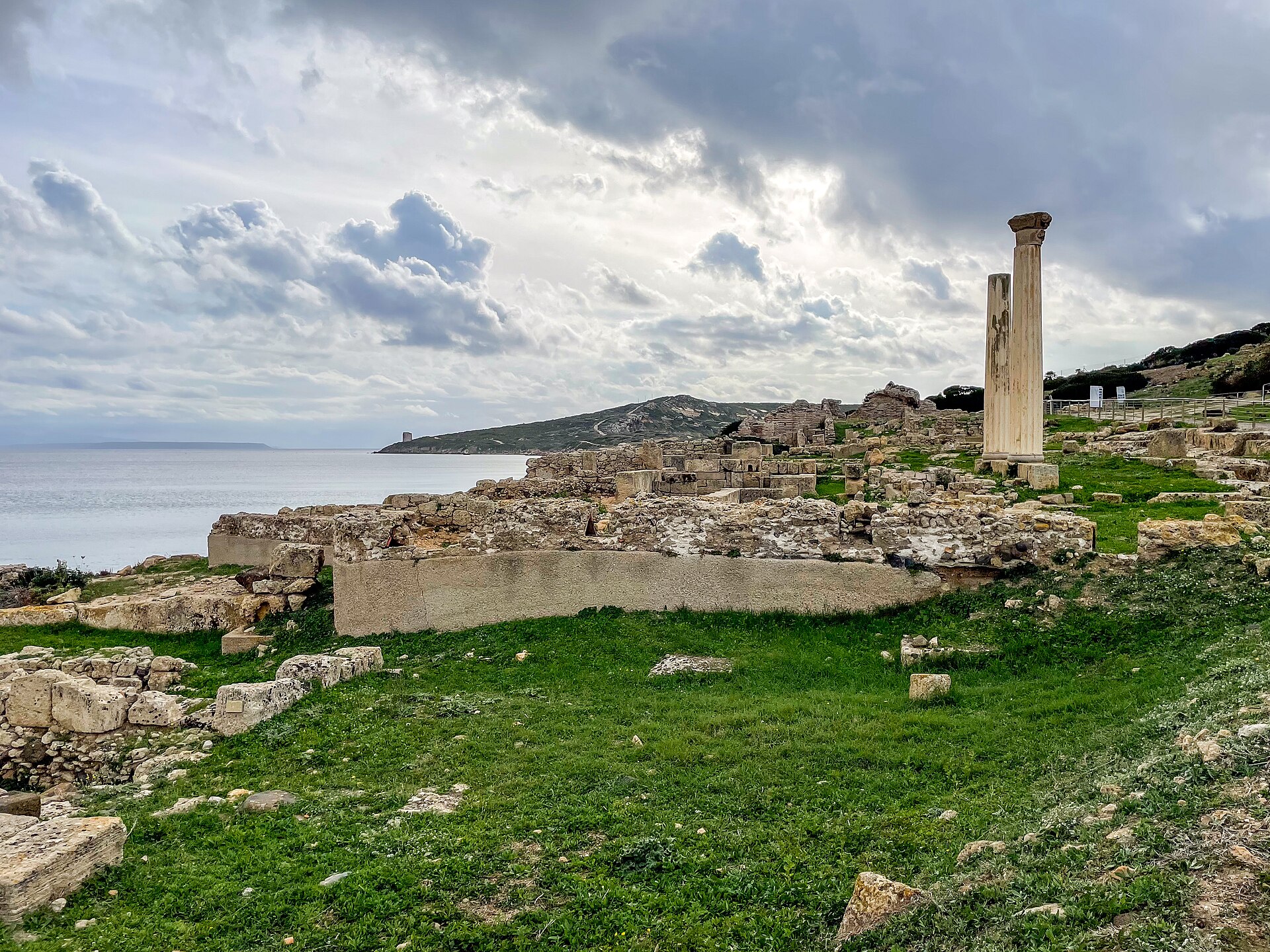
Winter is therefore best suited to travellers who want to experience the authentic island without the tourist gloss and deliberately focus on the larger, livelier towns. You can stroll in complete peace around stunning archaeological sites like the ancient Phoenician-Roman city of Tharros, or admire the unique cone-shaped nuraghi without queuing. The coast can get very windy, though, so a warm windproof jacket will be your best friend on day trips.
When is the best time to visit Sardinia
Pinpointing the absolute best date to visit isn’t entirely straightforward, because we all picture our ideal holiday a little differently. But if we look at long-term data and traveller forums, the best time to visit Sardinia for classic beach relaxation and soaking up the atmosphere is undoubtedly the second half of June and the whole of September. You get the best of all worlds — stable summer weather, warm water and a much more bearable accommodation bill.
For families with children, who are sadly tied to the summer holidays, I’d strongly suggest aiming for July rather than the highly problematic August. Italians tend to take their company-wide holidays mostly in August, and it’s during this month that long traffic jams form at popular spots while beach parking prices climb to ridiculous heights. What’s more, if you’re heading for famous spots with limited capacity like Cala Goloritzé or La Pelosa, you have to book entry days in advance through dedicated apps (for example Heart of Sardinia for Cala Goloritzé or the official La Pelosa site for Stintino), otherwise they simply won’t let you in.
For keen hikers and cyclists, on the other hand, May or the second half of October is an absolute winner, when the local nature is very gentle and the sun won’t wear you out on demanding climbs. The budget difference between high and low season is enormous: while a small hire car in August can easily cost more than 40 euros a day, in November you might pay as little as nine euros. Plan it cleverly and late autumn will save you a heap of money while offering huge freedom to travel.
The mistral wind: what to watch out for
When planning a dream holiday, most people focus solely on sun and clouds, but on islands the wind also plays a huge role and simply has to be factored in. The locals often talk about the so-called maestrale — the dreaded mistral wind — which blows towards the Italian shores from the northwest, from the direction of nearby France. This air current is strongest mainly from October to April, but it can occasionally give the beaches a good blasting even unexpectedly in the middle of summer.
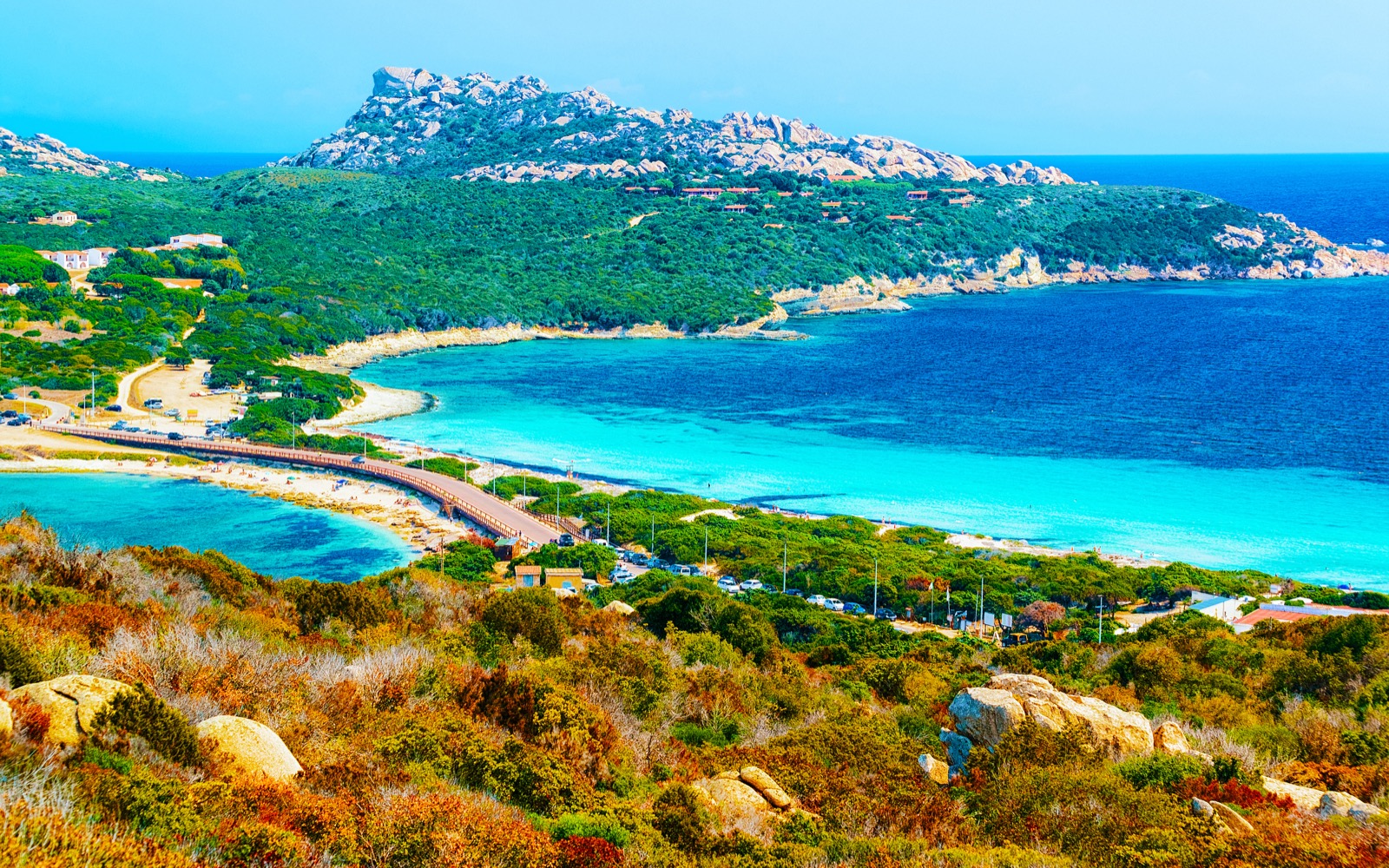
The fundamental problem with the mistral is that within just a few hours it can cool the sea water and whip up big waves, which for safety reasons leads to the cancellation of popular boat trips to the La Maddalena islands or into the Gulf of Orosei. Fortunately there’s one brilliant travel trick: always have a plan B ready. The east coast of the island and the Ogliastra region are naturally sheltered from this northwesterly wind by high mountains, so it’s often perfectly calm there even when towels are flying through the air in the west. It always pays to check the Windfinder app in the morning and decide flexibly which side to head to that day.
What to pack for each season
Packing your suitcase is sometimes the most stressful part of any trip, but once you know exactly what to expect, it’s actually a fairly quick job. Whatever month you choose, be sure to pack a good, sturdy pair of shoes, because the most beautiful remote coves often require a short scramble down rocky paths, where ordinary flip-flops leave you genuinely suffering and risking injury.
Here are a few quick tips on what not to forget when packing, depending on the season:
- Spring and autumn: Expect fairly big temperature swings between a sunny day and a cooler night. Pack a light windbreaker and a warmer jumper for an evening over a glass of the excellent local Cannonau wine.
- Peak summer season: The absolute essentials are good sunscreen, a practical hat and light linen clothing that won’t leave you sweating in the sun. For the famous beaches in the northwest (like La Pelosa) you’ll also need to get a proper straw mat to put under your towel, or you risk a hefty fine.
- Winter months: Here you’ll make full use of a classic insulated jacket and closed shoes, plus a good waterproof layer, since rainfall is simply much more frequent in this off-season period.

Where to stay and when to book
Choosing the right base can lift the whole holiday experience to a completely different level, because the distances here are deceptive and the narrow lanes are driven very slowly. The basic rule is that if you’re travelling in July or August, you need to sort out your accommodation a good six months ahead, otherwise you’ll be left with only the most expensive options and mediocre ratings. For shorter visits it’s strongly recommended to pick just one part of the island, either the north or the south, so you don’t spend half your holiday cooped up in a hire car and actually get to relax.
💡 Specific accommodation tips across the regions (check prices and availability via Booking.com, and book early in high season):
- Hotel Villa Las Tronas (Alghero)
- Su Gologone Experience Hotel (Oliena)
- Hotel Nuraghe Arvu (Cala Gonone)
- Cala Cuncheddi (Olbia)
- Hotel Nautilus (Villasimius)
In the northwest, in historic Alghero, you’ll find a brilliant compromise between accessible beaches and buzzing city life. The Hotel Catalunya has excellent reviews and offers a stunning view from the top floor straight over the bay and the old town, plus it’s strategically just a short walk from the harbour. If you’re after something quieter with a lovely pool and a family feel, take a look at the Hotel Sa Cheya Relais & Spa, set in beautiful countryside just outside town.
If you’re drawn to the northeast and the iconic Costa Smeralda, where it’s a touch pricier but the beaches look straight out of a luxury catalogue, the little town of San Teodoro makes a great base. For lovers of boutique experiences there’s the lovely Hotel Costa Kadis, which travellers praise highly for its cleanliness and excellent breakfast. Anyone wanting to stay right by the turquoise sea with full luxury service won’t go wrong with the Paradise Resort & Spa, just a few lazy steps from the snow-white beach.
And let’s definitely not forget the south around the capital, Cagliari, which tends to be noticeably cheaper and much more authentic than the north. For wonderfully romantic moments, head to the Palazzo Tirso Cagliari MGallery, a beautifully restored historic palace right in the city. For a truly laid-back beach holiday in the south, it’s worth checking out the famous Forte Village Resort near the ancient city of Nora — an absolute paradise for families with children, though you’ll naturally pay a little extra in high summer.
Where to next
This is where our detailed weather overview ends, but planning your holiday is only just beginning. Be sure not to miss the other articles on the blog, where we go into real detail and show off the most beautiful Italian gems that would be a huge shame to miss. Trust me — once you fall for this island, you’ll want to come back again and again.
- If you’re fine-tuning your overall travel plan, take a look at our comprehensive article Sardinia holiday: what to see and do.
- Only interested in the most photogenic coves? Browse our carefully curated selection in The most beautiful beaches in Sardinia.
- And if you’re still wondering whether to try the neighbouring French island instead, our Corsica guide will come in extremely handy.
 🚗 Car rental on the road
Verified rental cars in Sardinia
🚗 Car rental on the road
Verified rental cars in Sardinia
Search with the DiscoverCars comparison engine — it compares prices from dozens of local and international rental companies, and most bookings come with free cancellation.
Compare car prices in Sardinia →Frequently asked questions
When is the best time to go to Sardinia?
The best time to visit is definitely June and September. During these months, the sea is already beautifully warm and the sun pleasantly hot, but you’ll avoid the August extremes when beaches are incredibly crowded and prices disproportionately high. For hiking, spring or late autumn is absolutely ideal.
What’s the weather like in Sardinia in September?
September is, according to many opinions, absolutely the best month of the entire year. Air temperatures comfortably remain at summery 27 °C and the sea has accumulated heat after the hot August, offering a fantastic 24 °C. Moreover, tourist crowds significantly thin out with the approaching autumn.
How warm is the sea in Sardinia?
The water is warmest at the end of August and in September, when it regularly reaches 24 to 26 °C. In June it’s usually around a pleasant 22 °C, while in spring (April and May) the sea is still quite cold, with temperatures mostly between just 15 and 19 °C.
When is it warmest in Sardinia?
The warmest months are July and August during summer, when the mercury regularly climbs to 30-35 °C. During this period, scorching heat prevails and the sun is incredibly strong, so you definitely won’t manage on trips without reliable sunscreen with a high SPF factor.
Can you swim in Sardinia in June?
Definitely yes, and it’s apparently absolutely fantastic. In June, daytime temperatures cheerfully reach 28 °C and the sea water is usually around 21 to 23 °C. For the vast majority of people, this is a perfectly comfortable temperature for swimming, and at the same time it’s not yet as uncomfortably stuffy as it gets two months later.
What is the mistral wind and when does it blow?
Mistral (called maestrale in Italian) is a very strong northwestern wind that can make the air feel much cooler and brings large waves primarily to the western coast. It blows mostly from October to April, but can unexpectedly surprise you even in summer. In such cases, it’s good to head to the more sheltered eastern side of the island, protected by mountains.
What’s the weather like in Sardinia in winter?
Winter along the coast is very mild with average daytime temperatures between 14 and 16 °C. This is the period when it tends to rain more and cold winds blow quite often. The winter months are thus suitable for cheaper car rentals and exploring archaeological sites without the crowds, but obviously not at all for swimming.
Tips and Tricks for Your Vacation
Don’t Overpay for Flights
Search for flights on Kayak. It’s our favorite search engine because it scans the websites of all airlines and always finds the cheapest connection.
Book Your Accommodation Smartly
The best experiences we’ve had when looking for accommodation (from Alaska to Morocco) are with Booking.com, where hotels, apartments, and entire houses are usually the cheapest and most widely available.
Don’t Forget Travel Insurance
Good travel insurance will protect you against illness, accidents, theft, or flight cancellations. We’ve had a few hospital visits abroad, so we know how important it is to have proper insurance arranged.
Where we insure ourselves: SafetyWing (simple monthly subscription) and TrueTraveller (for extra-long trips).
Find the Best Experiences
Get Your Guide is a huge online marketplace where you can book guided walks, trips, skip-the-line tickets, tours, and much more. We always find some extra fun there!
More from Sardinia
Full guide → Itinerary · most readSardinia Road Trip: 7–10 Day Itinerary & Route Tips for 2026
 What to seeSardinia, Italy: 25 Best Things to See and Do in 2026
 Getting thereHow to Get to Sardinia: Ferry, Plane & Island Transport 2026
 What to seeNuraghi and the Mysterious Interior of Sardinia: 10 Things You Should Know
 What to seeNorthwest Sardinia, Italy: 10 Tips for La Pelosa, Bosa & Castelsardo 2026


