For a moment, forget everything you think you know about Italian cuisine. There’s actually no single, unified “Italian cuisine” – it’s just a convenient label for the rest of the world. The moment you cross the border, you’ll discover that Italy is gastronomically carved up into dozens of small, proud and completely distinct regions, each with its own ingredients, its own rules and its own sacred classics.
The best way to understand Italian food is to look at the fat it’s cooked in. The north is built on butter, cream, rice and polenta, while the south is the kingdom of olive oil, dried pasta and tomatoes. The golden rule: eat whatever grows and lives within fifty kilometres of your table.
In this guide we’ll take you through Italian flavours region by region – from authentic Neapolitan pizza through Ligurian pesto and Sicilian cannoli to Tuscan wines. We’ll also cover the rules of dining, how to spot real gelato, how to avoid the tourist traps and what to order if you’re vegetarian.
TL;DR
- The main rule: Eat local and seasonal – every region has a different speciality. There’s no universal “Italian” menu.
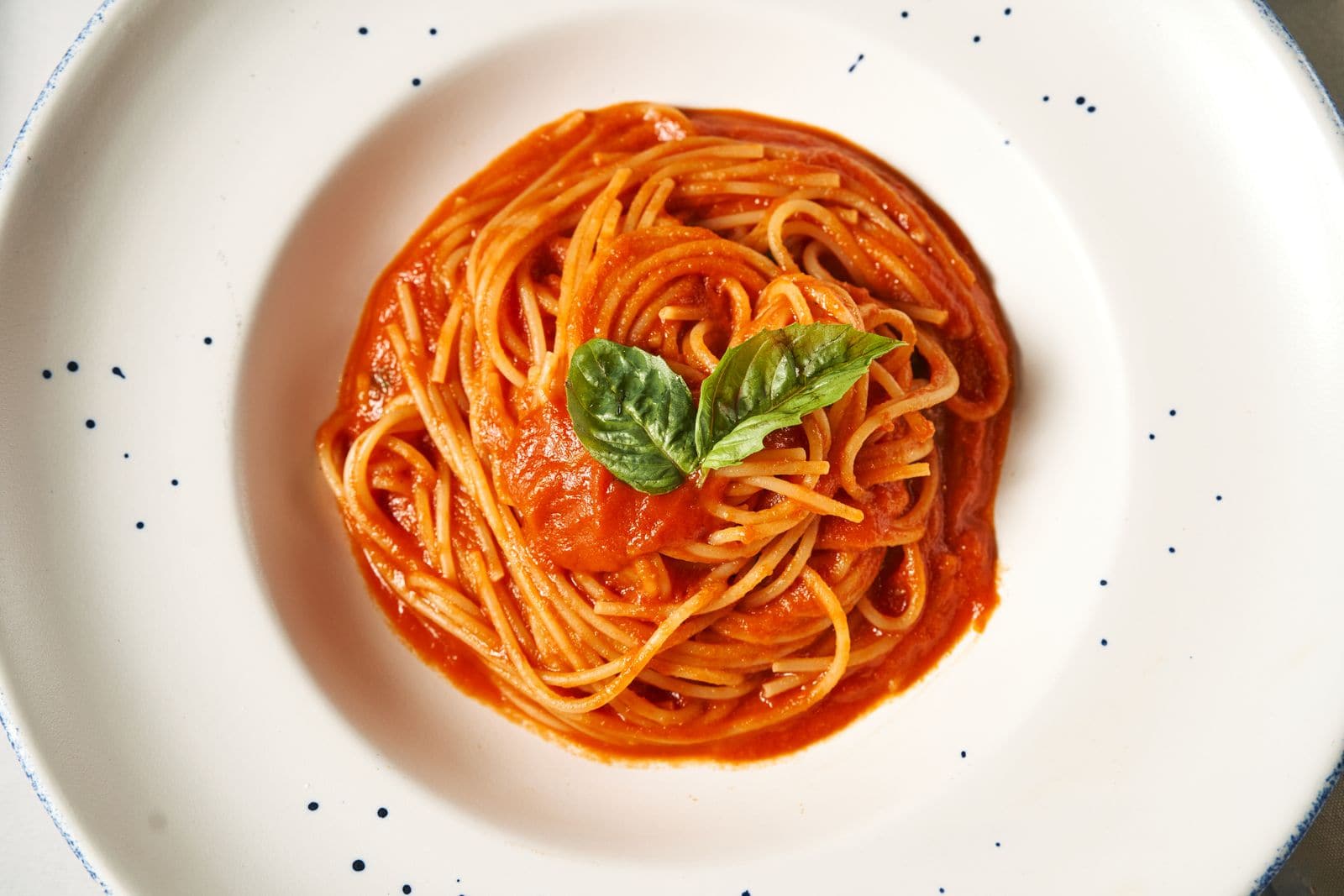
- North vs. south: The north runs on butter and rice (risotto, pesto, Parmesan), the south on oil and tomatoes (pizza, parmigiana).
- Dining: The menu has courses (antipasto → primo → secondo → dolce), and the bill includes a legal coperto charge.
- Coffee: Cappuccino is for mornings only; after a meal always order an espresso; standing at the bar is cheaper.
- Gelato: Look for muted colours and metal tubs with lids, not neon mountains of ice cream.
- For vegetarians: Italy is paradise – pizza, pasta al pomodoro, cacio e pepe, parmigiana, burrata, focaccia, gelato.
- Wine: Tuscan Chianti and Brunello, Piedmont’s Barolo, Veneto’s Prosecco. ⚠️ Drink-drive limit is 0.5‰.
The full destination guide: Italy — guide and what to see
The rules of Italian dining
Italians take food deadly seriously, and they can spot a tourist before they’ve even opened their mouth. Before you dive into the regional specialities, it’s worth knowing a few basic rules of the game.
The structure of a meal: a marathon, not a sprint
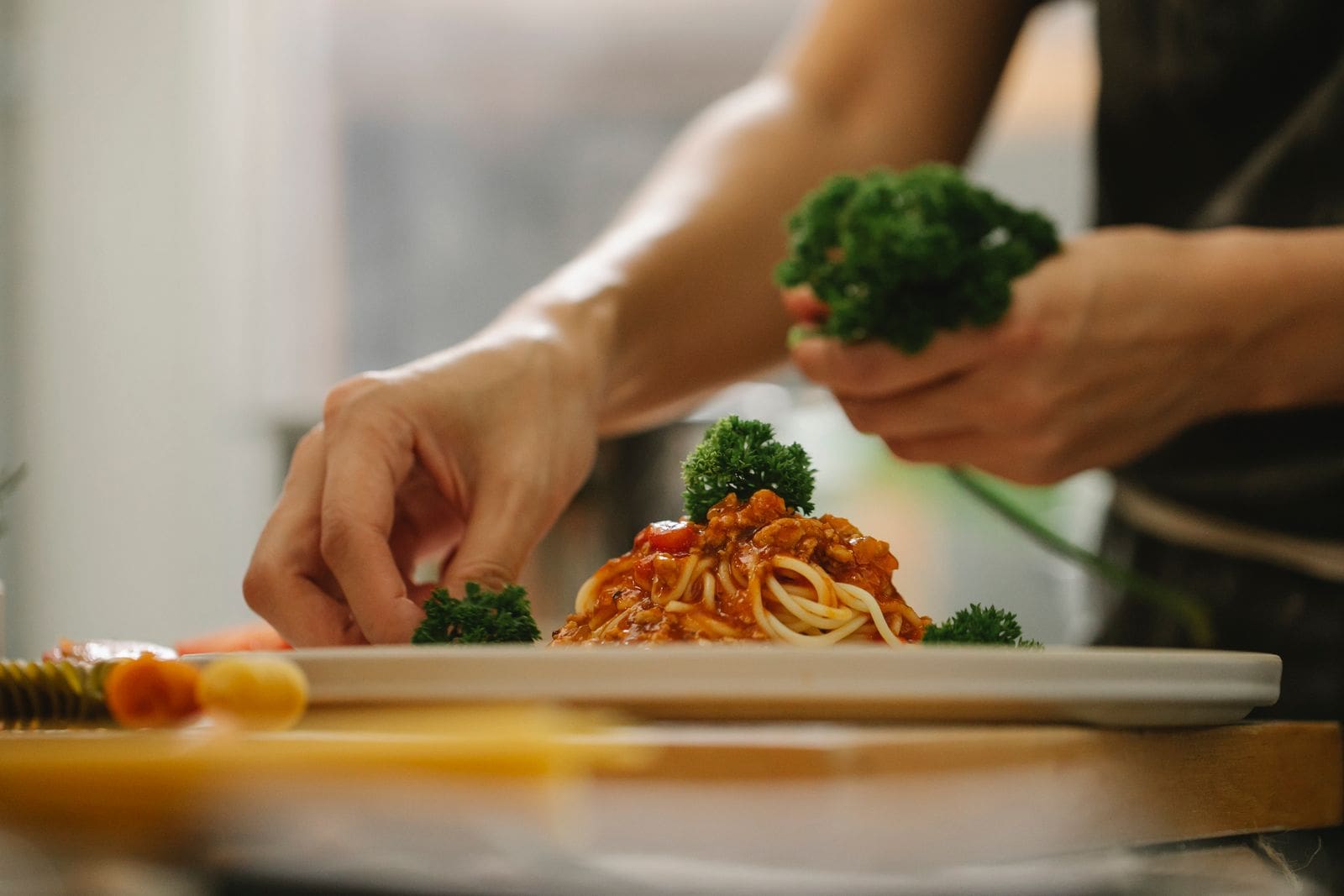
A classic menu in a trattoria isn’t built around one giant main course but around a clear architecture. Antipasto is the starter (cheeses, bruschetta, vegetables), primo is the first course with carbs (pasta, risotto, soup), secondo is the main protein, contorno is a side ordered separately and dolce is dessert.
You don’t have to order everything – it’s perfectly normal to combine a starter and a first course, or a first and a second. ⚠️ Just never order pasta as a side dish with meat; in Italy that’s a gastronomic sin – pasta is a course in its own right.
Coperto, coffee and timing
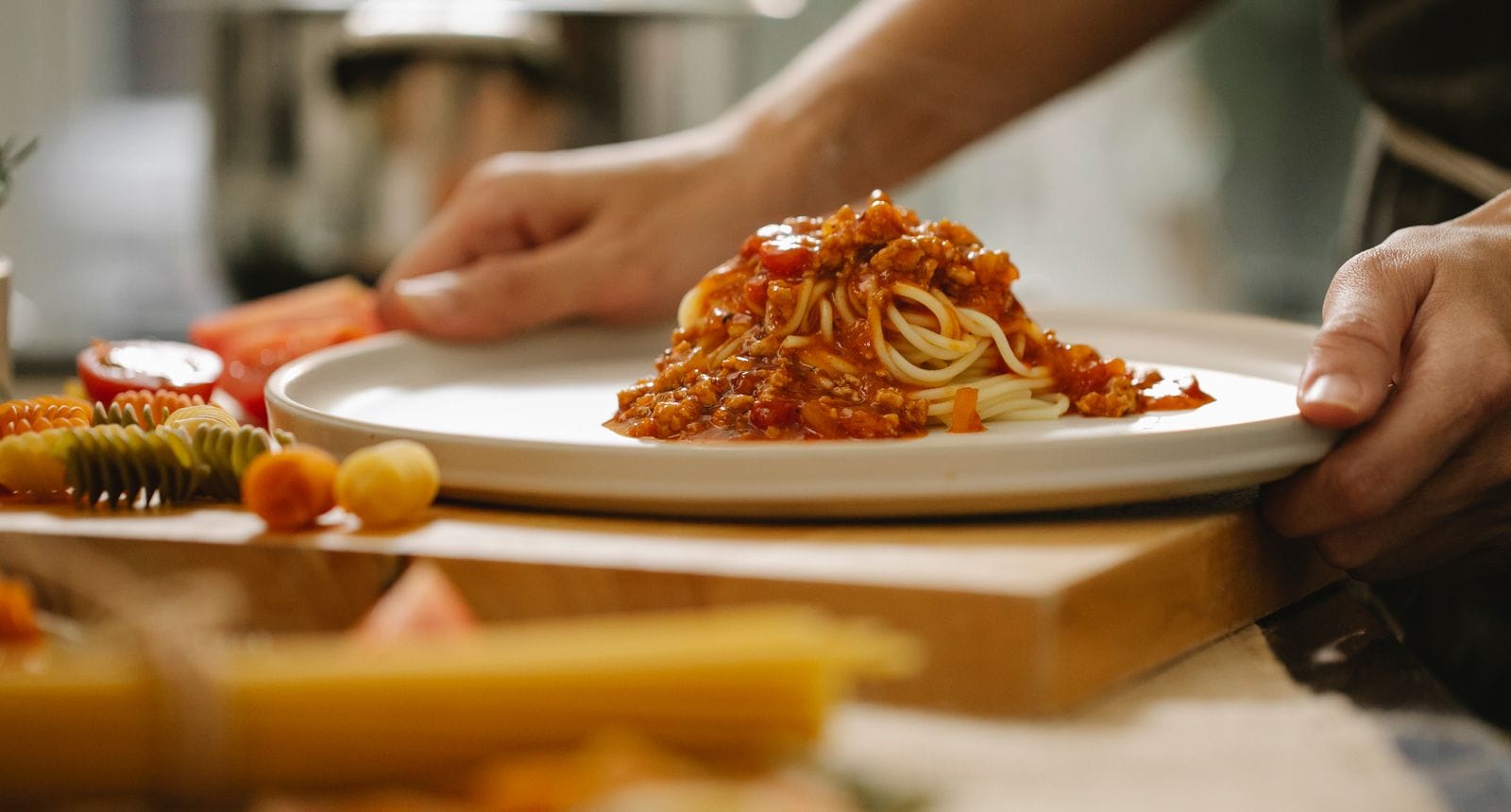
You’ll almost always find an item called coperto (pane e coperto) on the bill – a legal cover charge for the table setting and bread, usually €1.50–3 per person. It’s not a tourist scam and it must be stated on the menu. Tipping isn’t expected; Italians don’t leave gratuities, at most they round the bill up.
And watch out with coffee: cappuccino is only drunk in the morning; after lunch or dinner order un caffè, i.e. a classic espresso. A trick to save money: an espresso drunk standing at the bar (al banco) costs a fraction of a coffee sipped at a table on the piazza (al tavolo).
Aperitivo: a ritual you’ll fall in love with
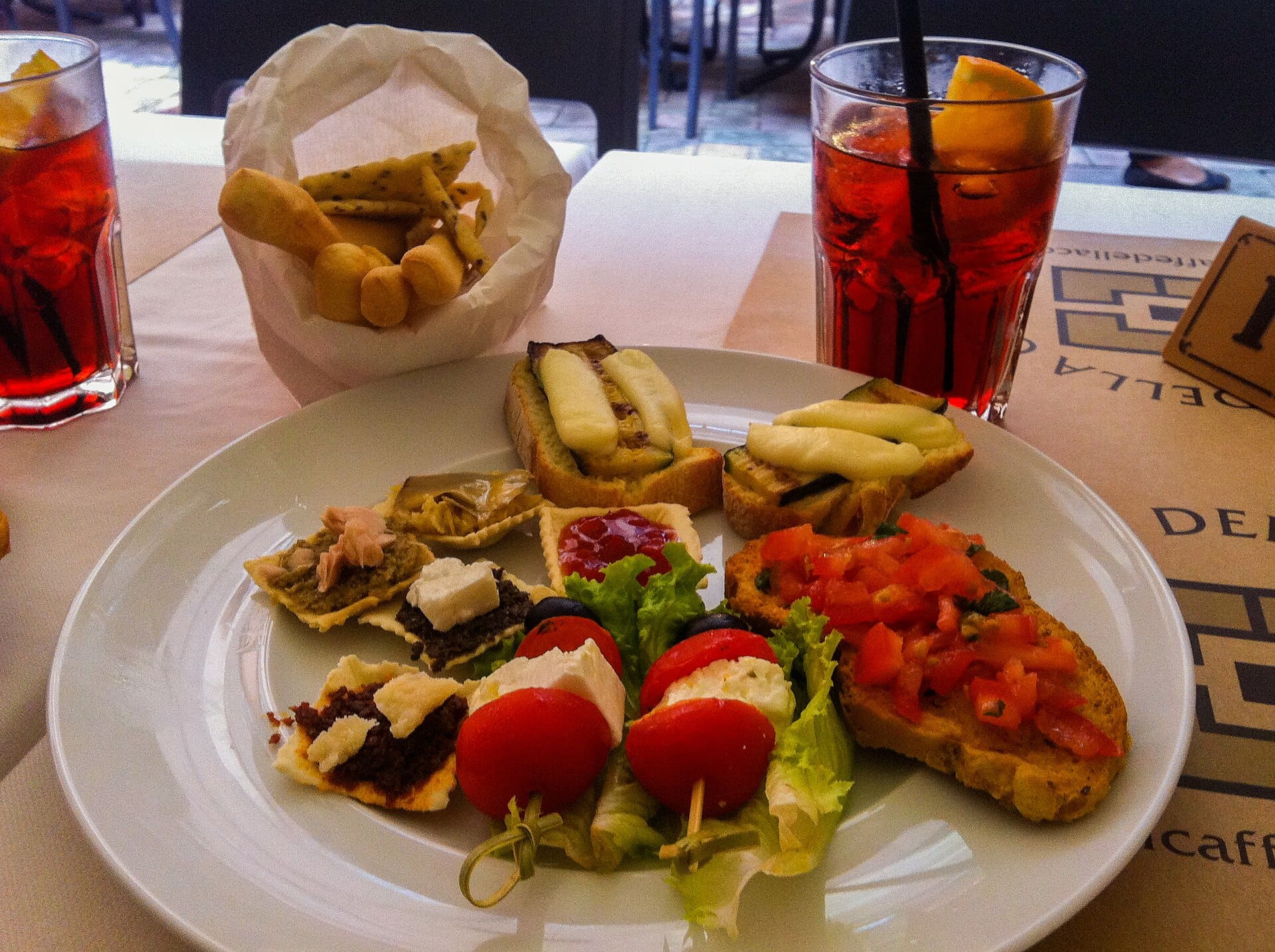
The Italian evening kicks off between six and eight with a ritual called aperitivo – something like happy hour on steroids. You order an Aperol Spritz, a Campari or a bittersweet Negroni, and you get a bowl of olives and crisps thrown in – in the better bars, even access to a small buffet of focaccia. At the other end of dinner comes the digestivo – a shot to aid digestion: in the south the lemony limoncello, in the north grappa or a herbal amaro.

How to spot real gelato
There are thousands of ice cream shops in Italy, but a large chunk of them sell an industrial pre-mix loaded with colourings. The label gelato artigianale won’t save you – the term isn’t regulated in any way. Instead, rely on these signs of quality:
- Muted colours. Real pistachio is khaki to brown-green, not neon; banana is greyish, not bright yellow.
- No fluffy mountains. Unnaturally piled-up peaks of ice cream that don’t melt in the heat are full of hardened fats – run.
- Metal tubs with lids. Gelato kept under covered containers (pozzetti) holds its temperature and needs no chemicals.
- Seasonality. Watermelon or peach gelato in December means preserved purée, not fresh fruit.
What to eat region by region
Italy’s gastronomic map is as varied as they come. Here’s a pick of the best of what to look for and where – with a note on what’s vegetarian-friendly and what’s a meaty speciality for everyone else.
Emilia-Romagna: the valley of food
If food is the main reason for your trip, Emilia-Romagna is your first stop – the country’s unofficial gastronomic capital. Here it’s worth busting a myth: spaghetti bolognese doesn’t exist in Bologna; it’s an invention of foreign restaurants. The local classic tagliatelle al ragù (egg noodles with slow-braised beef) is a meaty speciality for non-vegetarians.
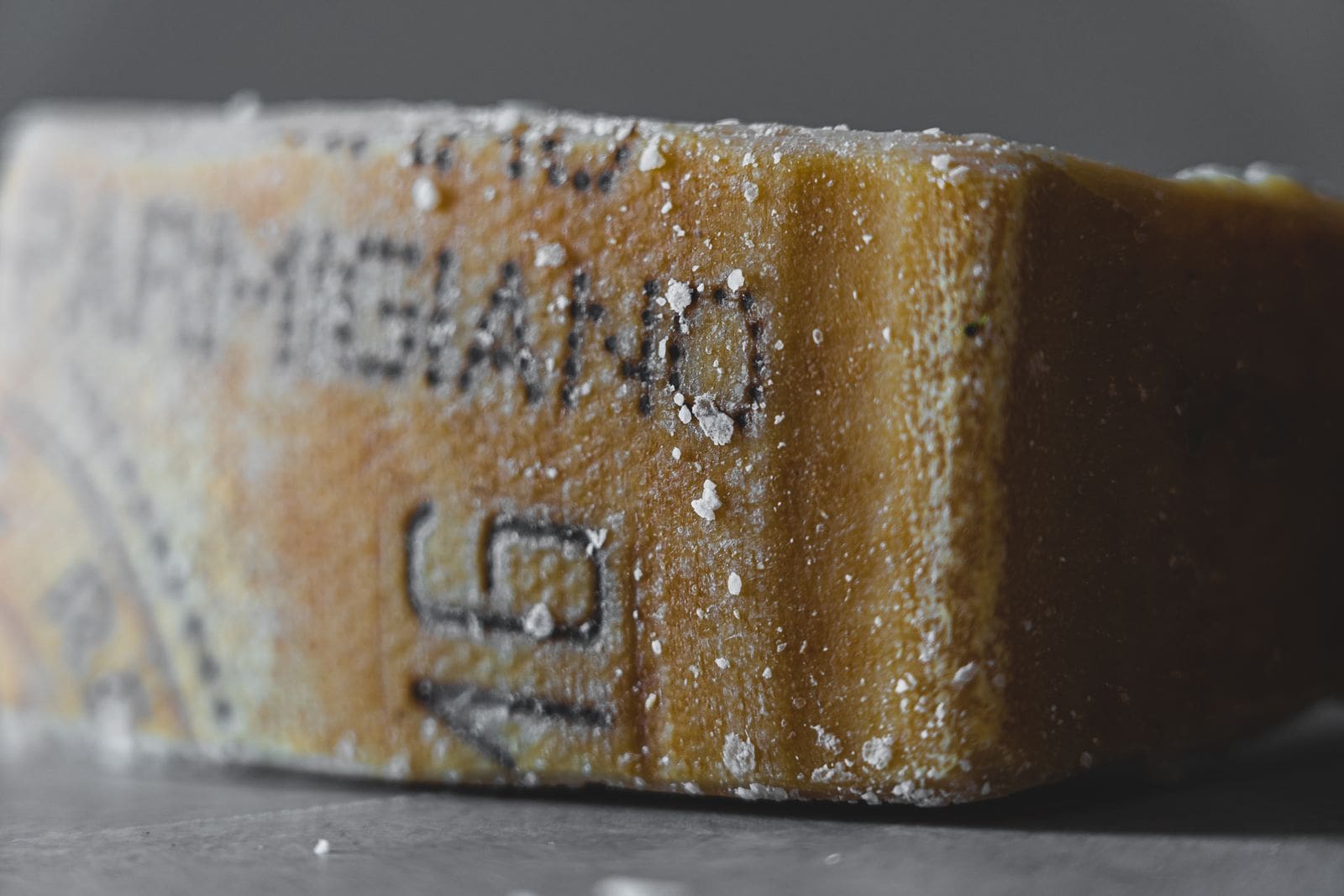
But there’s treasure here for everyone else: a short hop from Bologna lies Parma, home of Parmigiano Reggiano (real Parmesan), and Modena gave the world the thick, syrupy Aceto Balsamico Tradizionale, which ages in wooden barrels for at least 12 years and is dripped drop by drop over Parmesan or strawberries.
The north on butter: risotto, pesto and tiramisu
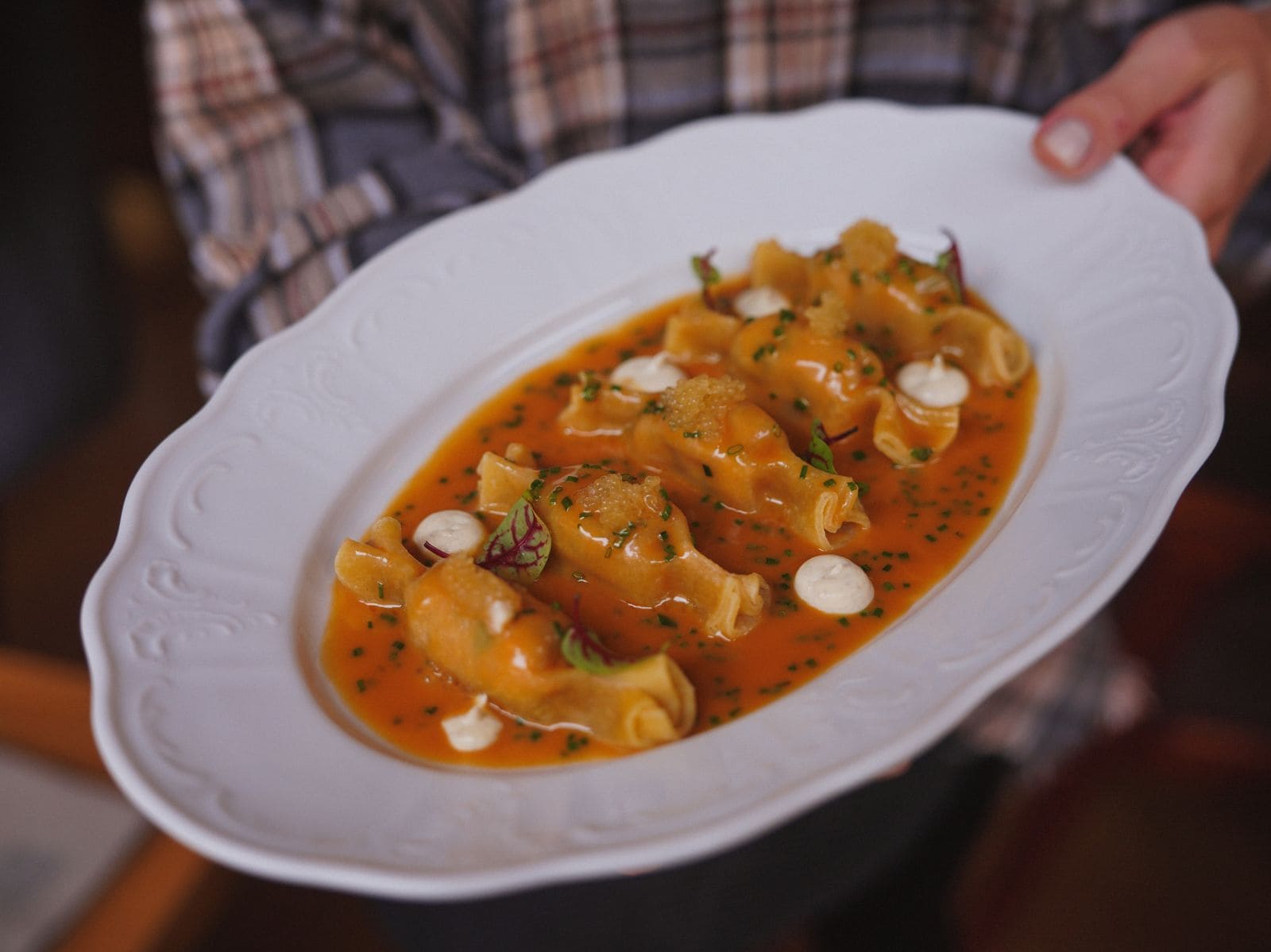
Milan and its surroundings sit firmly in the “butter” zone. The queen here is risotto alla milanese, creamy rice turned golden with saffron (traditionally paired with the braised veal shank ossobuco – that one’s for non-vegetarians). In Liguria around Genoa, hunt down the best pesto alla genovese in the world, pounded in a mortar from basil, pine nuts, olive oil and cheese – spread on fresh focaccia it’s the perfect meat-free lunch. And in the Veneto, try tiramisu, which was born here: sponge fingers soaked in espresso, mascarpone and cocoa.
Tuscany and the centre: pecorino and bread
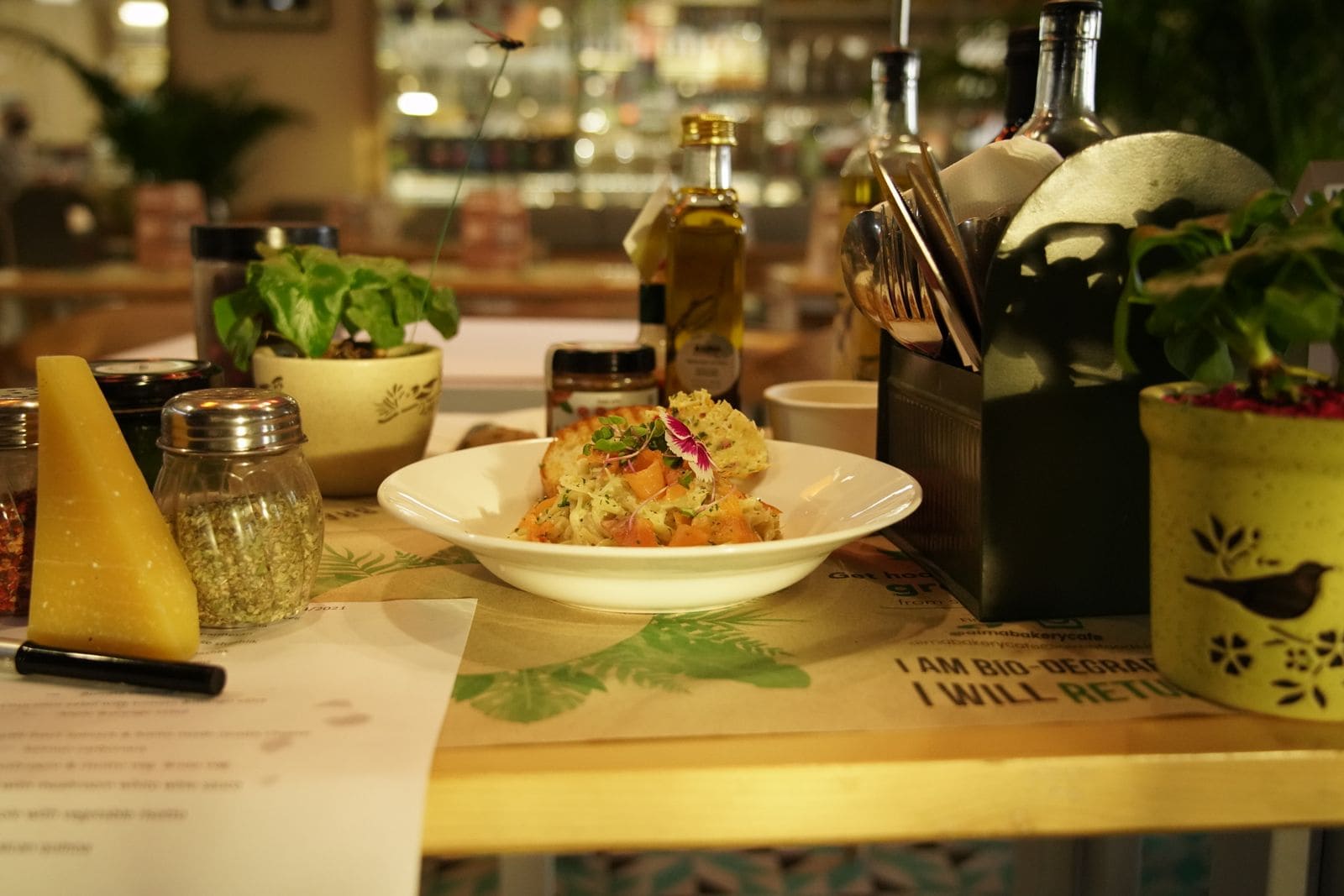
Tuscan cooking is rustic and prides itself on brilliant simplicity. It’s ruled by bistecca alla fiorentina, a huge steak from the Chianina breed (a meaty icon for non-vegetarians), but Tuscany is just as generous for everyone else. Sheep’s cheese pecorino, unsalted Tuscan bread, soups like ribollita and pappa al pomodoro (a bread soup with tomatoes and basil), and beans every which way – this is peasant cooking in which a vegetarian will never go hungry.
Rome: the holy trinity of pasta
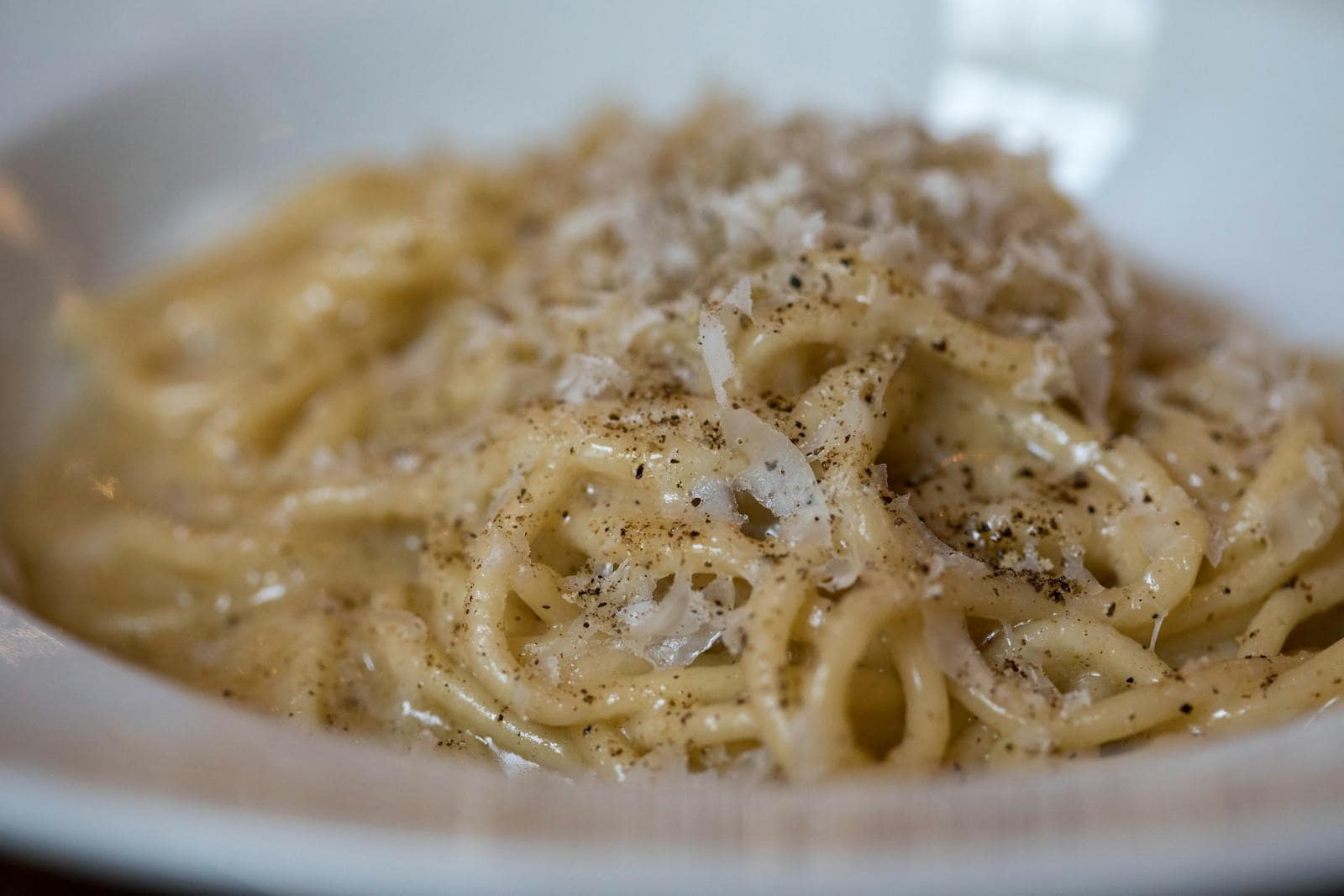
Rome deserves its own guide, but there’s no skipping its food. This is where the holy trinity of pasta was born, and one of them is a vegetarian star: cacio e pepe – brilliantly minimalist pasta made from just pecorino romano sheep’s cheese, black pepper and the starchy pasta water. The other two, carbonara (egg yolks, pecorino, cured pork cheek guanciale and pepper – never any cream!) and amatriciana with tomatoes, are meaty specialities for everyone else.
Campania and the south: real pizza and parmigiana
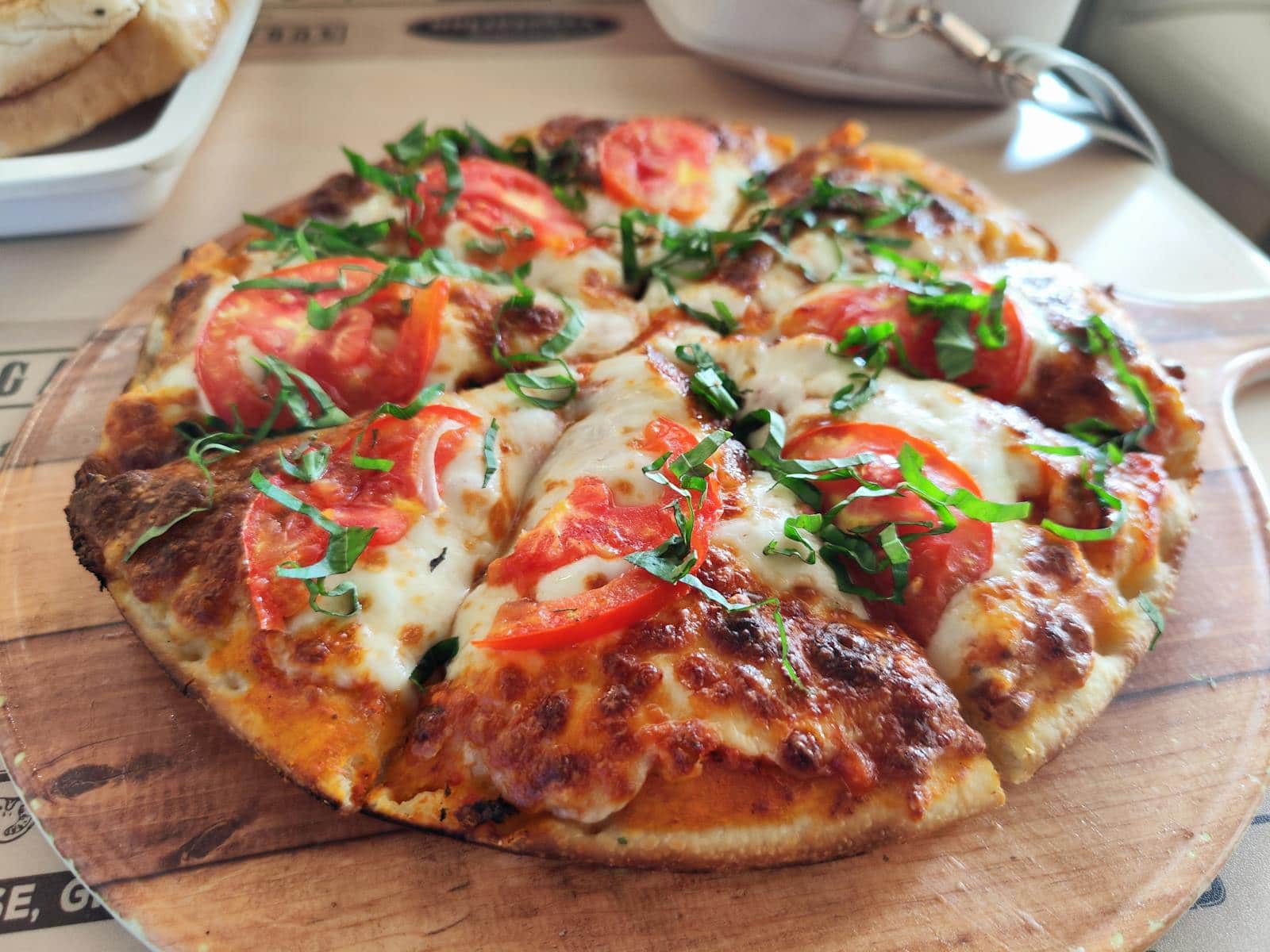
Naples is loud, chaotic and the absolute mecca of pizza. Pizza napoletana has strict rules: the dough proves for long hours and bakes in a wood-fired oven at around 450°C for just 60–90 seconds, so the edges are tall and pillowy while the centre is thin and wet with mozzarella and San Marzano tomatoes. The best pizzerias make only two types – Margherita and Marinara – and both are vegetarian (Marinara is even vegan: just tomatoes, garlic, oregano, oil). Forget pineapple.
The south has another meat-free gem too: parmigiana di melanzane – fried slices of aubergine layered with tomato sauce, basil and mozzarella, then baked in the oven.
Puglia and Sicily: burrata, orecchiette and cannoli
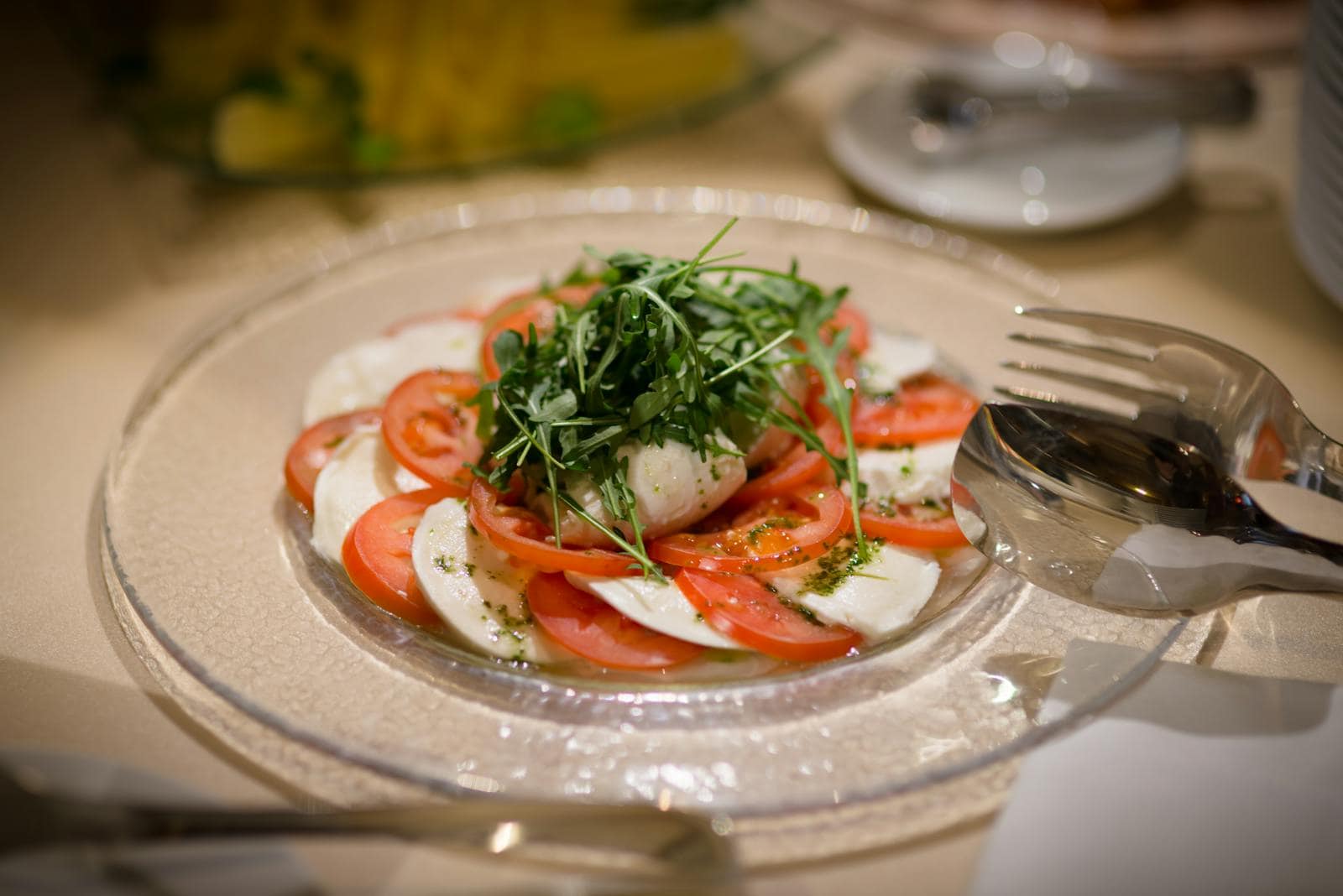
In Puglia, on the “heel” of the boot, orecchiette reign supreme – little ear-shaped pasta that old ladies in the alleys of Bari still shape by hand to this day (superb with broccoli or cime di rapa). Puglia is also the home of burrata – a ball of mozzarella filled with cream that oozes across the plate the moment you cut into it.
And Sicily? It gave the world the sweet cannoli (crisp tubes filled with sweet sheep’s ricotta) and arancini – fried rice balls usually filled with meat ragù (for non-vegetarians), but often with cheese or peas too.
Italian street food
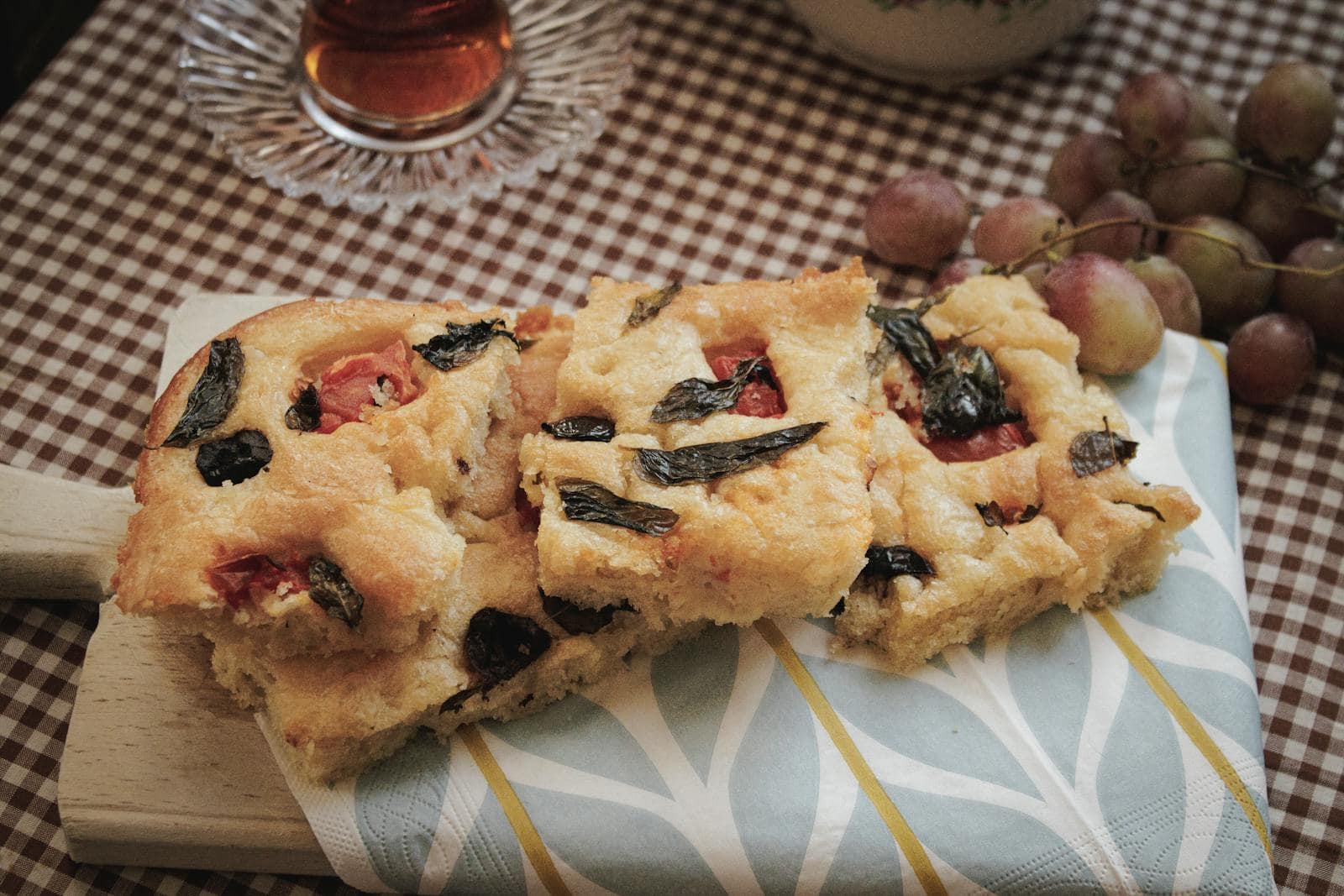
Italy isn’t all about long sit-down dinners – street food here has a rich tradition, and much of it is meat-free. In Liguria you’ll find focaccia on every corner, and in Genoa the savoury farinata (a chickpea-flour flatbread). In Rome the classics include supplì (fried rice balls with mozzarella) and crispy pizza al taglio sold by weight. In Puglia don’t miss panzerotti – fried parcels filled with tomato and mozzarella. And in Emilia-Romagna the king is piadina, a thin flatbread stuffed with squacquerone cheese and rocket. Add a cone of gelato and you’ve got the perfect lunch for a few euros.
Italian wines: from northern mists to southern sun
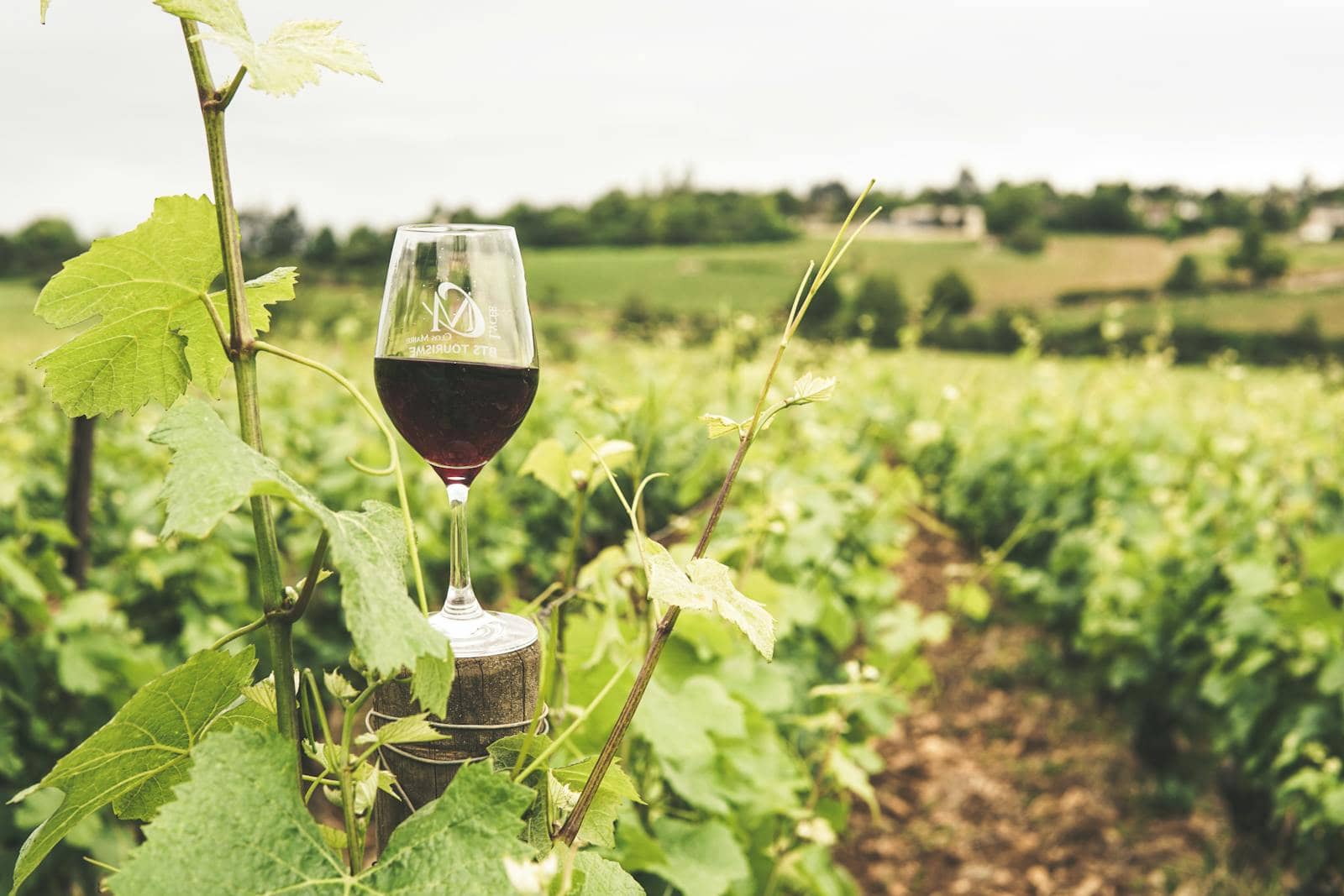
Italy is the world’s largest wine producer, and wine tourism here has been honed to perfection. You can pop into a local enoteca (a wine bar with tastings) or head straight to a cantina (winery) out among the vines. Tastings at wineries typically cost €15–40 and often include a tour of the cellar.
- Tuscany: the kingdom of the Sangiovese grape – dry, ruby-red Chianti Classico (spot it by the black rooster logo) and the powerful Brunello di Montalcino, which must age for at least 5 years.
- Piedmont: the heavyweight Barolo and the more elegant Barbaresco, both 100% Nebbiolo; for those with a sweet tooth, the lightly sparkling Moscato d’Asti.
- The north – bubbles: the Veneto’s Prosecco and the more luxurious Franciacorta (Italy’s answer to Champagne) from Lombardy.
- The south: full-bodied, fruity and affordable Primitivo from Puglia and Nero d’Avola from Sicily.
⚠️ If you’re driving, be extremely careful: the Italian blood alcohol limit is 0.5‰ (for drivers with under 3 years’ experience it’s an uncompromising 0.0‰). For a winery road trip, nominate a designated driver, or simply taste the wine and spit it into the bucket provided.
How to avoid the tourist trap
The closer you are to a famous landmark, the warier you should be about the restaurants. Italian gastronomy is fantastic, but tourist traps can ruin the experience and empty your wallet. Here are the clear warning signs to steer clear of:
- A menu with photos of the food and in five languages. A good trattoria doesn’t need photos – a picture menu by the Colosseum or on St Mark’s Square is almost guaranteed to be a trap.
- A waiter luring you inside. If someone is actively pulling you off the street to a table, the quality inside is usually pretty poor.
- “Spaghetti bolognese” on the menu. This dish doesn’t exist in Italy; its presence gives away a place tailored for tourists.
- A fixed-price menu turistico. The cheap-looking package is usually made from the cheapest ingredients – you’re better off with one honest à la carte course.
- A restaurant with a view of the top attraction. You pay for the view in the price of the food; two alleys away you’ll find better food for half the money.
💡 Tip: There’s a simple, reliable filter – go where the locals sit, where the menu is short, seasonal and only in Italian (at most with an English translation off to the side). A short, ever-changing menu means fresh ingredients.
Tips for vegetarians in Italy
Italy is one of the most vegetarian-friendly countries in Europe – a huge share of the classics are meat-free by their very nature. Reliable safe bets on any menu:
- Pizza Margherita and Marinara – the staple that never lets you down (Marinara is often vegan too).
- Pasta al pomodoro, cacio e pepe, pesto – simple, perfect meat-free pasta.
- Parmigiana di melanzane – baked aubergine with tomatoes and mozzarella.
- Caprese and burrata – tomatoes, mozzarella/burrata, basil and oil.
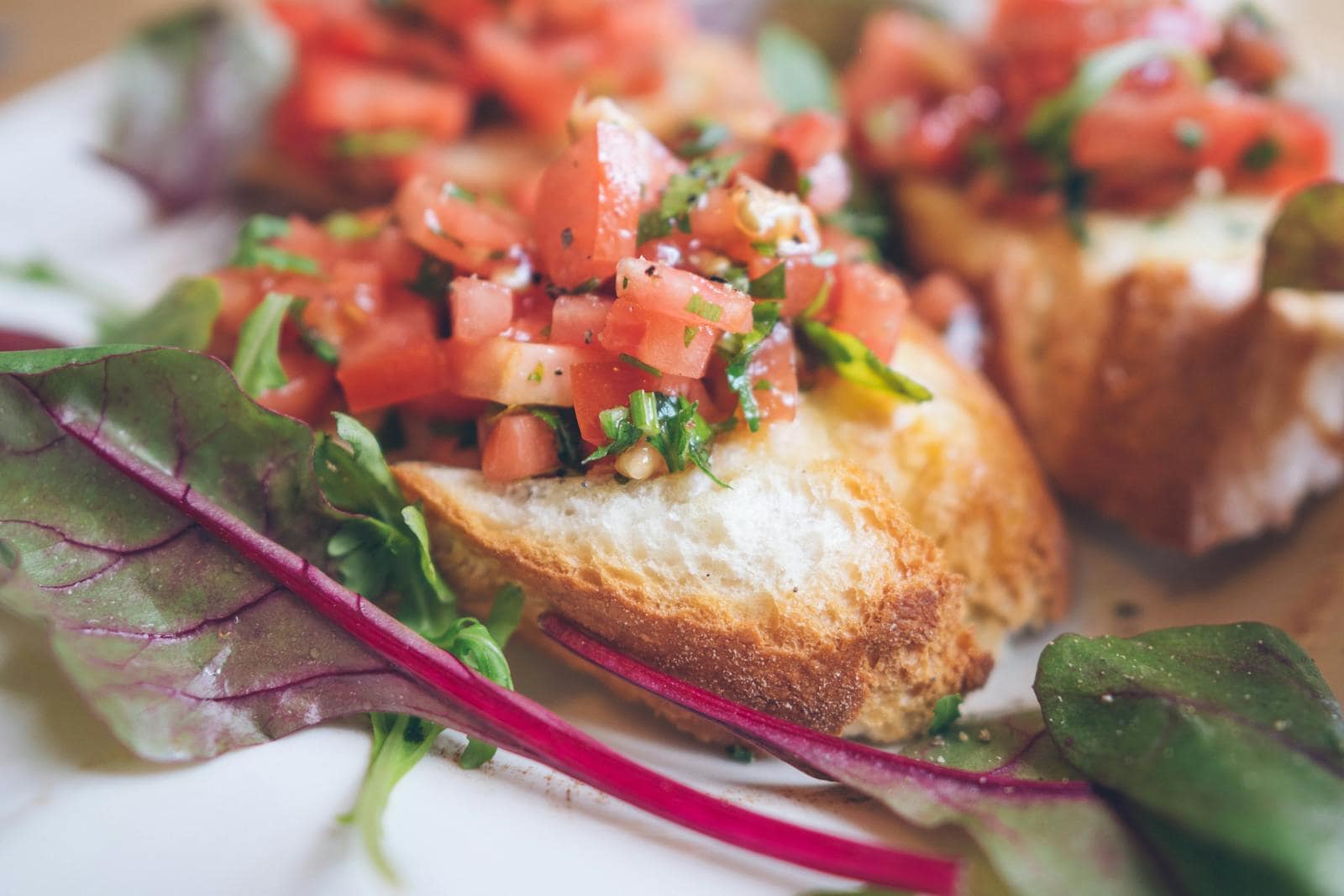
- Focaccia and bruschetta – ideal with an aperitivo or as a snack.
- Gelato, tiramisu, cannoli – desserts everyone can enjoy.
💡 Tip: Watch out for hidden protein – some sauces and fillings contain guanciale, anchovies or meat stock. Just ask “è vegetariano?” and the Italian waiter will happily point you in the right direction; meat-free options are everywhere.
💡 Experience tip: If you want to not just taste Italian cuisine but really understand it, compare the cooking classes, food tours and tastings on GetYourGuide – from making pasta in Bologna to wine tasting in Tuscany.
Where to go next for a taste of Italy
When you want to taste Italian cuisine right at the source, take a look at our regional guides. You’ll find the best pizza and parmigiana in Naples, real ragù and Parmesan around Modena, the Roman pasta trinity while wandering Rome, and Tuscan wine with pecorino in Tuscany. For cannoli and arancini, head to Sicily. And before you set off, check out when to go to Italy and our complete guide to a holiday in Italy.
 🚗 Car rental on the road
Verified rental cars in Italy
🚗 Car rental on the road
Verified rental cars in Italy
Search with the DiscoverCars comparison engine — it compares prices from dozens of local and international rental companies, and most bookings come with free cancellation.
Compare car prices in Italy →Frequently asked questions
What’s best to try in Italy?
It depends on the region – that’s the whole magic of Italian cuisine. In Naples, authentic pizza napoletana, in Liguria pesto alla genovese, in Emilia-Romagna Parmesan and balsamic vinegar, in Rome cacio e pepe, in Sicily sweet cannoli. A universal safe bet is good gelato and a glass of local wine. The rule is: eat what’s local and seasonal.
Is Italian cuisine suitable for vegetarians?
Yes, Italy is one of the most vegetarian-friendly countries in Europe. Loads of classics are meat-free: pizza Margherita and Marinara, pasta al pomodoro, cacio e pepe, pesto, parmigiana di melanzane, caprese, burrata, focaccia and most desserts. Just watch out for hidden ingredients like guanciale, anchovies or meat stock and ask “è vegetariano?“.
What is coperto on an Italian bill?
Coperto (pane e coperto) is a legal charge for table setting, bread and tablecloth, usually €1.50–3 per person. It’s not a tourist scam and must be listed on the menu. If you have it on your bill, no tip is expected – Italians don’t typically tip, at most they round the bill up.
Why you shouldn’t order a cappuccino after lunch in Italy?
Cappuccino is purely a breakfast drink for Italians – they consider hot milk too heavy for digestion after meals. After lunch or dinner, they exclusively drink un caffè, meaning a strong espresso. Ordering a cappuccino at two in the afternoon will immediately out you as a tourist, but of course no one will refuse to serve it to you.
Which Italian wine should you choose?
For starters, go by region: in Tuscany reach for a dry Chianti Classico or premium Brunello di Montalcino, in Piedmont for a robust Barolo, in the north for a refreshing Prosecco, and in the south for a fruity Primitivo from Apulia. In every enoteca they’ll be happy to advise you and let you taste. ⚠️ If you’re driving, remember the 0.5 ‰ limit.
Tips and Tricks for Your Vacation
Don’t Overpay for Flights
Search for flights on Kayak. It’s our favorite search engine because it scans the websites of all airlines and always finds the cheapest connection.
Book Your Accommodation Smartly
The best experiences we’ve had when looking for accommodation (from Alaska to Morocco) are with Booking.com, where hotels, apartments, and entire houses are usually the cheapest and most widely available.
Don’t Forget Travel Insurance
Good travel insurance will protect you against illness, accidents, theft, or flight cancellations. We’ve had a few hospital visits abroad, so we know how important it is to have proper insurance arranged.
Where we insure ourselves: SafetyWing (simple monthly subscription) and TrueTraveller (for extra-long trips).
Find the Best Experiences
Get Your Guide is a huge online marketplace where you can book guided walks, trips, skip-the-line tickets, tours, and much more. We always find some extra fun there!