Italy doesn’t really have a bad time to visit, but it definitely has bad decisions. You could be standing on an empty St Mark’s Square in November, staring into the morning mist and feeling like you’ve stepped into a historical novel. Or you could be stuck in traffic on the Amalfi Coast in mid-August, sweating in 40°C heat and paying absurd prices for a hotel hemmed in by the crowds. Understanding Italy weather and timing is what makes the difference.
The secret to travelling around Italy isn’t about chasing the “perfect month”. It’s about pairing the right time with the right region and your own travel style. If it’s your first trip and you want a taste of everything, the sweet spot is late April into May, or September. But the moment you’re after something specific – a wine harvest in Tuscany, empty museums in Florence or Caribbean-style beaches on Sardinia – the rules of the game change.
In this guide you’ll find month-by-month weather, a breakdown of the four seasons, an explanation of the August trap known as Ferragosto, and an overview of the new fees and limits for 2026. By the end you’ll know exactly when to head to the coast, when to visit the art cities, and when to escape into the countryside.
TL;DR
- Best time overall: April–May and September–early October (pleasant warmth, bearable crowds, sensible prices).
- For the coast: the swimming season in the south runs from late May to October; August = most expensive and most crowded.
- For art cities: spring, autumn, even winter (empty museums, low prices). Avoid Venice, Florence and Milan in summer.
- For skiing and Christmas markets: December to March in the Alps and the big cities.
- ⚠️ August (Ferragosto, 15 Aug): the coast is bursting at the seams, the interior and small businesses shut down. The priciest and most demanding time to travel.
- ⚠️ February 2026: the Milano-Cortina Winter Olympics will send prices in the north into orbit. If you’re not coming for the sport, steer clear of the north.
- Golden rule for 2026: book key sights (Uffizi, Colosseum, The Last Supper) and Sardinia’s beaches weeks in advance.
The full destination guide: Italy — guide and what to see
The Four Seasons in Italy
Italy stretches more than a thousand kilometres, so “Italy weather” always depends on whether you’re standing at the foot of the Alps or down in Sicily. Even so, the year splits into four fairly clear chapters.
Spring (April–May): the golden mean
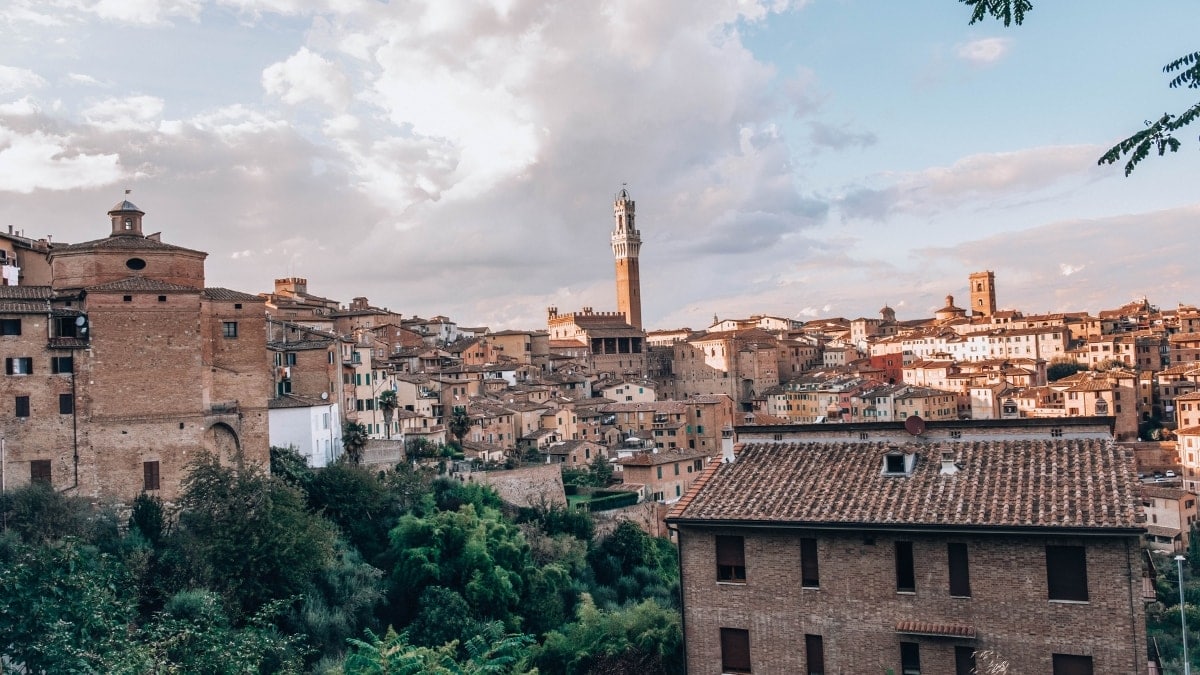
This is the real ideal. The snow in the mountains is melting, the Tuscan hills are turning a deep, rich green and poppies blaze everywhere. Temperatures sit in the comfortable 18–24°C range, so you can spend all day exploring cities or hiking the cliffs of Cinque Terre without wilting in the heat. The tourists have arrived, but the summer madness hasn’t kicked off yet. The sea in April is only for the brave; in the south the water starts warming up by late May. For Renaissance cities and the countryside, spring is absolutely peak.
Summer (June–August): heat and crowds
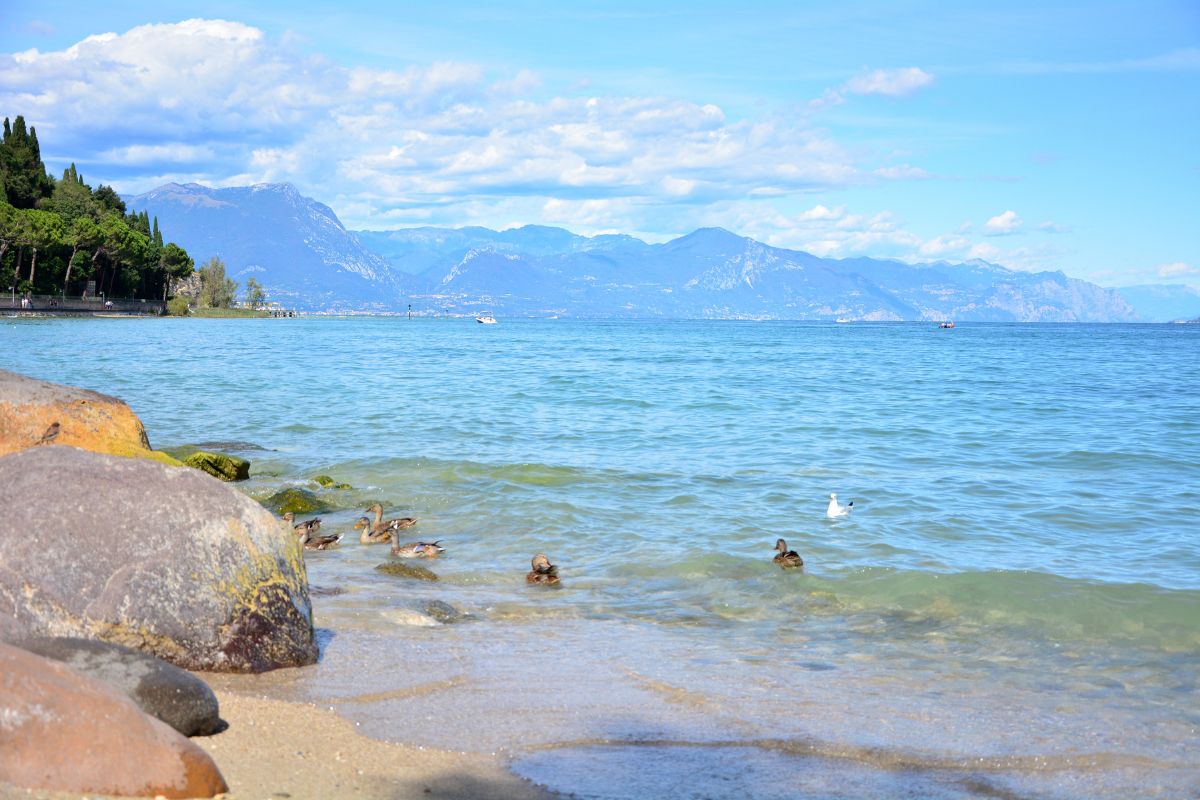
July and August in the big cities can be brutal. Thermometers in the stone streets of Florence and Milan routinely hit 40°C, cities turn into heat islands and Italy issues red heat warnings (bollino rosso). Summer belongs to the water: the Italian lakes are heaving, beaches from the northern Adriatic to Sardinia report full house and accommodation prices peak. If you have to travel in summer, skip the baking art cities and head for the water or the mountains instead.
Autumn (September–October): a second wind
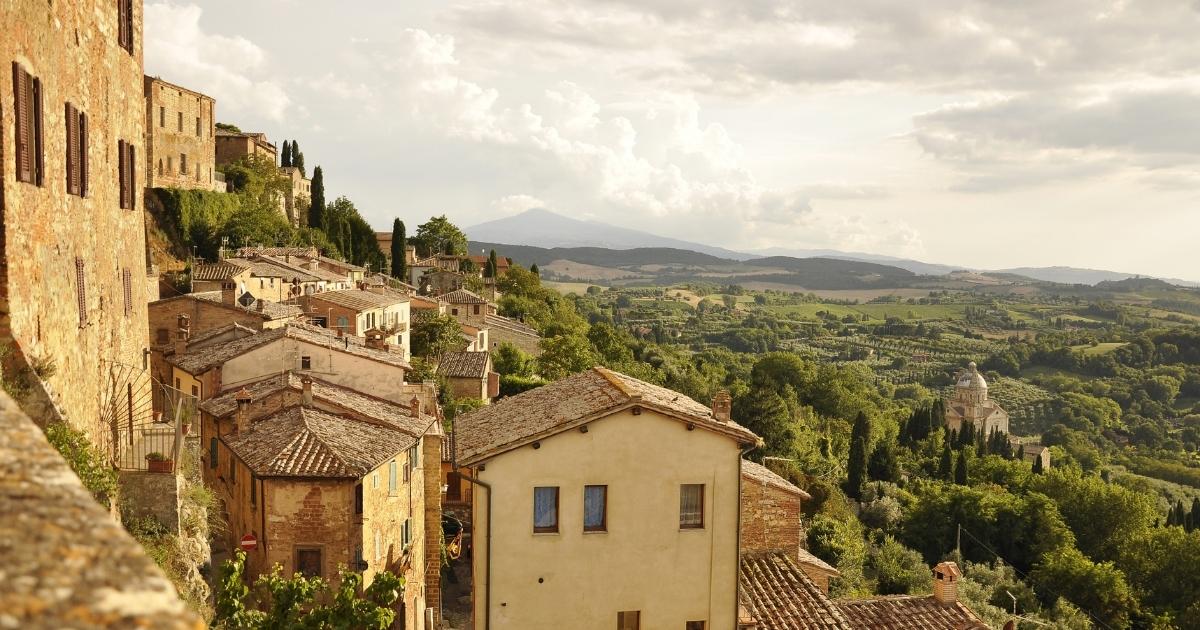
September and October easily rival spring. The summer crowds thin out, but the sea in the south and on the islands holds onto its summer warmth, so the swimming season on Sardinia or in Puglia carries on quite happily. Autumn also smells of harvest: Tuscany, Umbria and Piedmont are in the middle of the grape harvest (vendemmia), and later come the olives. The light softens and the Val d’Orcia turns golden. It’s the perfect time for road-trip lovers, wine fans and anyone after a slower pace.
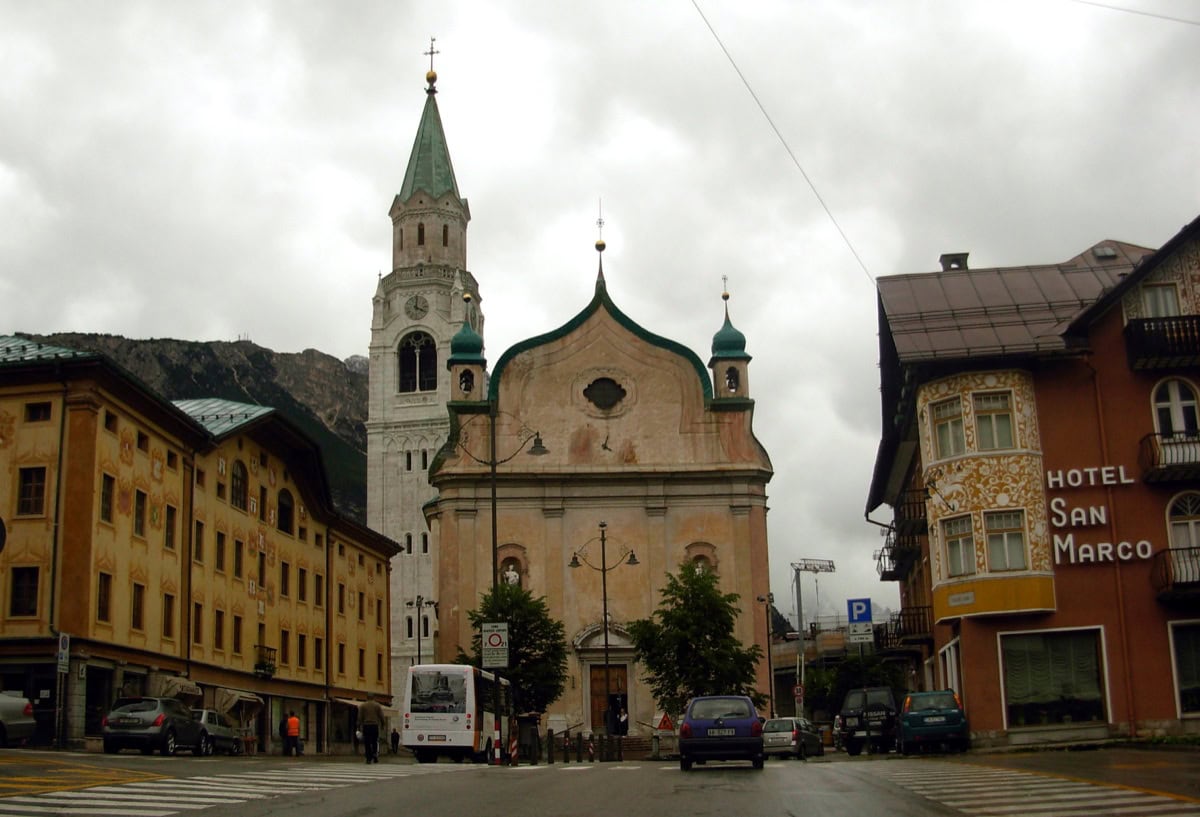
Winter (November–March): empty museums and skiing
Hate queues? Winter is your season. You can wander the Uffizi Gallery and the Doge’s Palace in total peace, and hotel prices drop to a fraction of summer rates. In the north, expect cold, rain and fog rolling off the Po Valley, while the south stays milder. Be aware, though: plenty of coastal resorts, restaurants and ferries to the smaller islands shut down for the winter. This is the season for big cities, Christmas markets, Alpine skiing and long dinners in cosy trattorias.
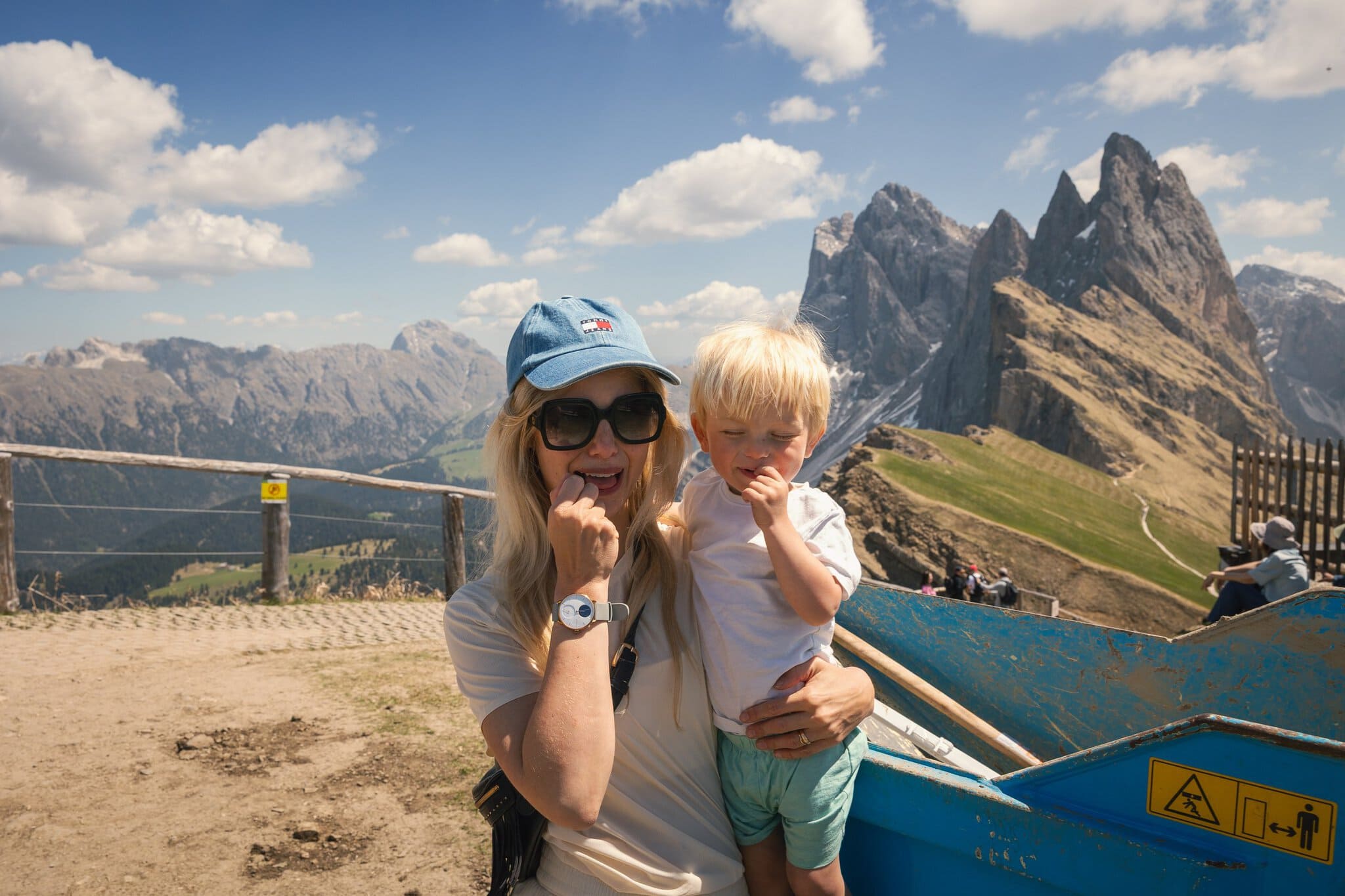
Weather by Region: North, Centre, South and the Mountains
Italy spans ten degrees of latitude, so when the almond trees are in bloom in Sicily, there’s still a metre of snow in the Dolomites. Before you lock in your dates, take a look at exactly where you’re heading.
North (Lombardy, Veneto, Piedmont, the lakes). A continental climate with a proper winter: fog off the Po Valley, damp cold and the occasional snow in the cities. Summers are hot and humid, spring and autumn changeable. The best window is May, June and September.
Centre (Tuscany, Umbria, Lazio, Marche). A mild Mediterranean climate with warm, dry summers and a wetter but bearable winter. Inland Tuscany can be surprisingly stifling in summer. The ideal is April, May, September and October.
South and the islands (Campania, Puglia, Calabria, Sicily, Sardinia). True Mediterranean: long, scorching summers and mild winters when temperatures rarely drop below 10°C. The swimming season is the longest in the country. Summer is tough without shade and air conditioning, so for sightseeing pick late May, June, September and October.
Mountains (Alps, Dolomites, Apennines). Two completely separate seasons: December to March for skiing and June to September for hiking, cable cars and via ferratas. In between (April, November) plenty of resorts and lifts close, so expect mud and fog.
Italy Month by Month
If you’re planning around a particular month, here’s a quick overview of what to expect in the north and south, how the crowds and prices look, and what to watch out for.
| Month | Weather (north / south) | Crowds and prices | What to see / watch out for |
| January | Cold, foggy / Mild, rainy | Lowest (outside the mountains) | Cities empty, ideal for museums. The coast is asleep. |
| February | Winter / Cool | Low (peak in the Alps) | ⚠️ Milano-Cortina 2026 Winter Olympics + Venice Carnival = the north is extremely expensive. |
| March | Spring stirring / Pleasant | Medium (rising towards Easter) | Easter brings a surge into the cities. The lakeside gardens reopen. |
| April | 15–20°C / 18–22°C | Higher | Tuscany lush green, great for Cinque Terre and Naples. Sea still cold. |
| May | 20–25°C / 22–26°C | High | The first ideal window. Late May allows swimming in the south. |
| June | 25–30°C / 28–32°C | Very high | Beach season in full swing, cities starting to get hot. |
| July | 30–35+°C / 35–40°C | Extreme | Avoid Florence and Milan. Coast and lakes at maximum. |
| August | Scorching / Scorching | Absolute peak | ⚠️ Ferragosto (15 Aug). Coast packed, the interior deserted. |
| September | 22–27°C / 25–30°C | High | The second ideal time. Warm sea, grape harvest begins. |
| October | 15–20°C / 20–25°C | Medium | ⚠️ Risk of acqua alta in Venice. Wonderful Tuscany (olives, truffles). |
| November | Cold, raw / Mild | Lowest | The least touristy month. Good only for big cities and food. |
| December | Winter / Cool | Rising over the holidays | Christmas markets, nativity scenes in Naples, start of ski season. |
Ferragosto: the August Trap You Need to Know About
Anyone planning a trip for August should understand the phenomenon known as Ferragosto (15 August). It’s not just a public holiday – it’s practically a state of mind. On that day and in the weeks around it, the whole of Italy is on the move, with millions of Italians leaving the cities and heading for the coast or the mountains.
What does that mean in practice? The big tourist hubs like Florence and Venice keep running, because they live off foreign visitors. But the moment you turn into the authentic neighbourhoods or smaller towns, you’ll run into shutters down and signs reading Chiuso per ferie (Closed for the holidays). Family-run trattorias, bakeries and craft workshops can be shut for days or even weeks.
The beaches of Sardinia, Puglia and the northern Adriatic, on the other hand, experience an apocalypse. Finding a parking space near the sea feels like a fight for survival, the motorways grind to a halt and accommodation prices reach astronomical heights. If you really must come to Italy in August, book everything well in advance and arm yourself with patience.
Holidays and Festivals That Will Shape Your Trip
The Italian calendar is packed, and some events can transform an entire city – whether for the better or into a nightmare of sold-out hotels. Keep an eye on these:
- Venice Carnival (February): two weeks of masks, costumes and magical atmosphere. But Venice is rammed and expensive – sort out your accommodation months ahead.
- Easter (Pasqua, March/April): a movable feast and one of the busiest times in the cities. On Easter Monday (Pasquetta) Italians head out on day trips, so expect packed trails and restaurants.
- Palio di Siena (2 July and 16 August): the famous horse race in Piazza del Campo. If you want to avoid the crowds, skip Siena on these days; if you want the experience, get there well ahead.
- Ferragosto (15 August): the height of summer and the main trap, which we cover below.
- Grape harvest (vendemmia, September–October): Tuscany, Piedmont and Umbria come alive with the harvest and wine festivals. A brilliant reason to head into the countryside in autumn.
- Christmas markets and nativity scenes (December): from the South Tyrolean markets in Bolzano to the famous Neapolitan nativity scenes (presepi). The northern mountains kick off the ski season at the same time.
When to Go Based on the Type of Destination
Italy isn’t one trip – it’s several different worlds. Here’s how to time the four most common kinds of journey.
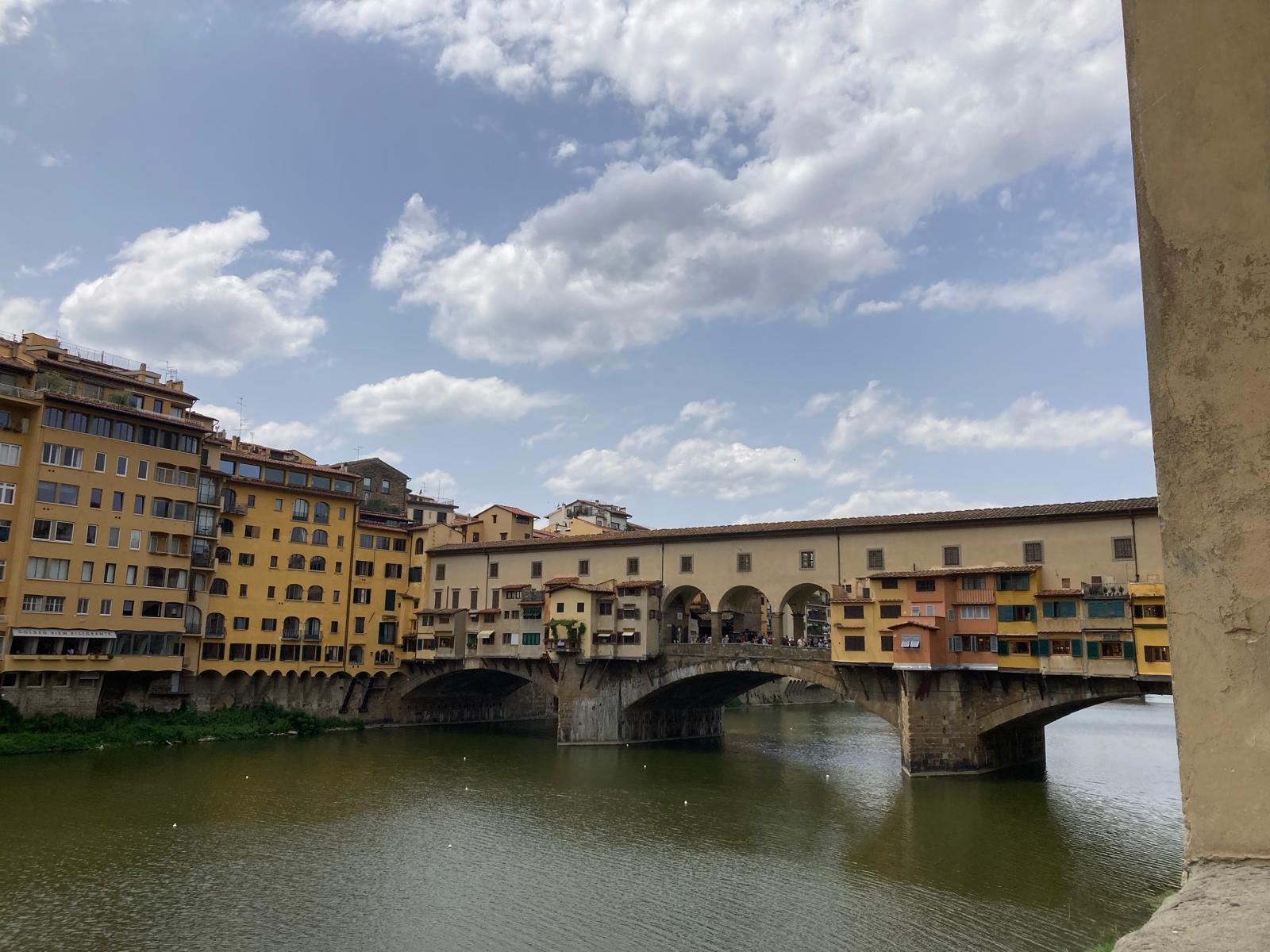
Art cities: Venice, Florence and Milan
The equation is simple: avoid summer. Renaissance architecture and narrow lanes soak up the heat and won’t let it go, and queuing for an hour outside the Uffizi in July is exhausting. Spring and autumn are ideal, while winter is a genius choice for connoisseurs who don’t mind packing a jumper.
⚠️ Venice day-tripper fee 2026: if you’re visiting Venice for the day only (no overnight stay) on selected 60 days between 3 April and 26 July, you won’t escape the entry fee. Pay in advance and it costs €5; leave it to the last minute and it’s €10. Anyone staying the night doesn’t pay the fee, but still has to register.
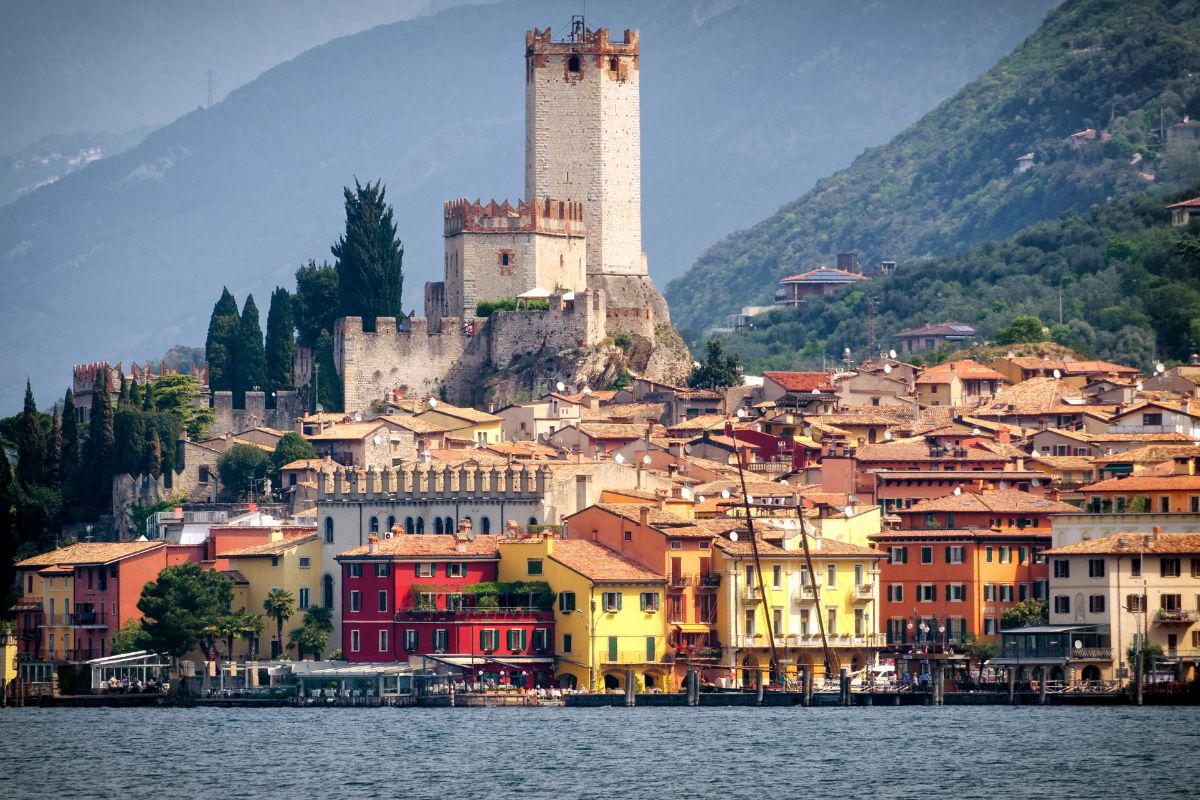
The Italian lakes: Lake Garda and Lake Como
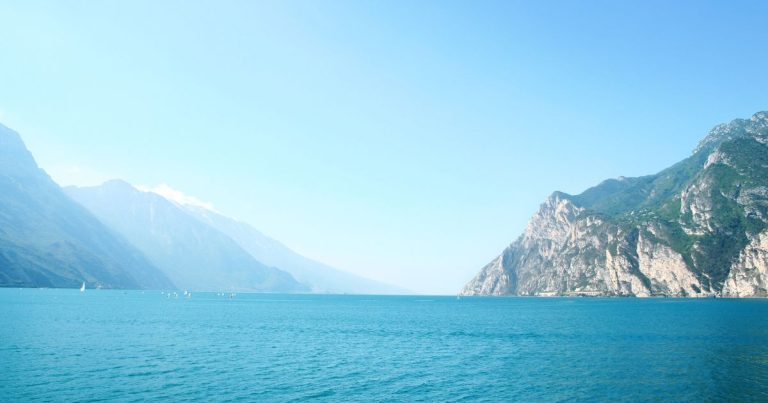
The lakes have a shorter season than the south. From November to March it’s dead quiet, with many hotels and famous villas closed and ferries running a reduced service. The season turns at Easter. May and June are gorgeous (the azaleas and rhododendrons bloom at Villa Carlotta on Lake Como), while July and August burst at the seams under the onslaught of families. For British visitors, Lake Garda together with Gardaland is an absolute magnet. September is quieter and still plenty warm. You’ll find the details in our article on the weather at Lake Garda.
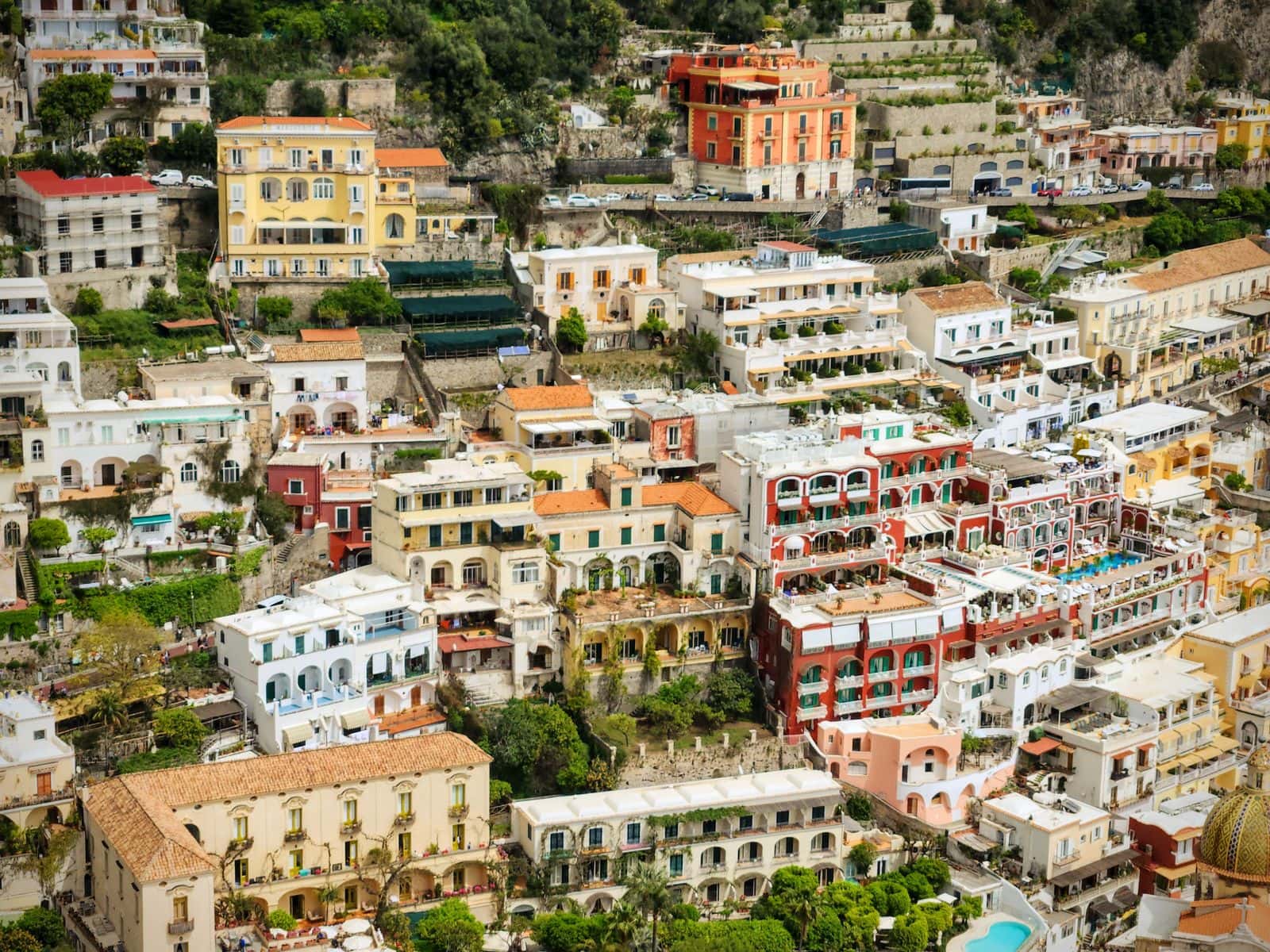
Coast and islands: Amalfi, Cinque Terre, Sardinia, Puglia
The swimming season in the south starts in late May and stretches into October. Sardinia and its Caribbean-style beaches tend to be extremely expensive and hopelessly overcrowded in August.
⚠️ Beach limits 2026: strict limits continue on Sardinia’s famous beaches. Only 1,500 people a day can get onto La Pelosa beach (€3.50 entry and a ban on laying towels directly on the sand), and just 250 onto Cala Goloritzé. Everything is booked online, sometimes several days ahead.
⚠️ Amalfi and Cinque Terre: on the Amalfi Coast road an alternating number-plate system (targhe alterne) applies in season, even for foreigners, while in Cinque Terre the national park manages the crowds with one-way traffic on the busiest trails. If you head here in summer, leave the car well outside town and hop on the train or boat instead. For a sense of the weather in the south, see our article on the weather in Bari.
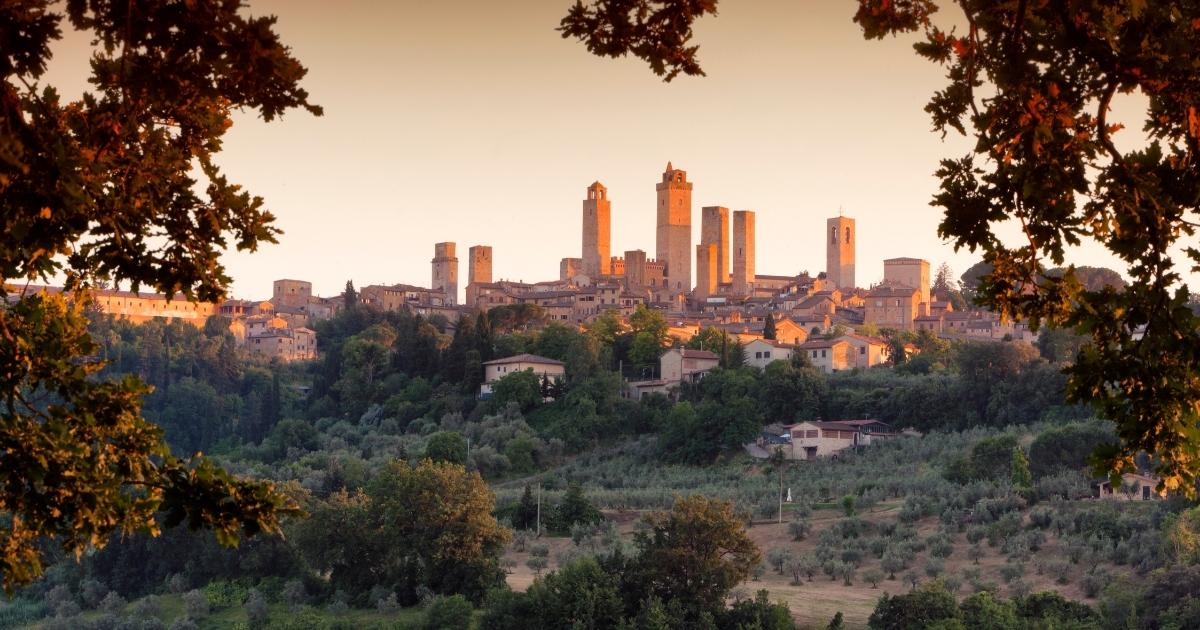
The countryside: Tuscany and Umbria
The countryside changes with the colour of the fields. Spring Tuscany looks like that famous deep-green wallpaper scattered with poppies; in summer the landscape turns yellow (sunflowers and mown wheat), but expect punishing heat. Autumn Tuscany smells of grapes and freshly ploughed earth. If you’re planning to stay in a traditional agriturismo (a working farm), bear in mind that in high season owners often require a minimum stay of three to seven nights, and you can’t get by here without a car. That’s why the shoulder season (May or October), with its empty back roads, is worth its weight in gold.
What to Expect in 2026
Italy is putting the brakes on overtourism hard, and 2026 brings several changes that could shake up your plans.
- ⚠️ Milano-Cortina Winter Olympics (February 2026): northern Italy is hosting the Winter Games. Milan, Cortina d’Ampezzo, Bormio and Livigno will see an absolute crush in February, accommodation prices in Lombardy and Veneto will rocket, and transport will be stretched to the limit. If sport isn’t your thing, give the north a wide berth in February.
- Jubilee aftershocks: 2025 was a Holy Year in Rome, drawing tens of millions of pilgrims. The Holy Doors close on 6 January 2026, but the huge pressure on the booking systems of key sights (the Colosseum, Pompeii) will linger for a long time yet.
- ⚠️ New fees and limits: from February 2026 there’s a €2 charge to visit the Trevi Fountain. Pompeii has introduced a daily limit of 20,000 visitors and named tickets. Florence has banned key-code boxes (keyboxes) on historic facades and is cracking down hard on short-term rentals.
The golden rule of modern Italy is clear: plan and book ahead. Tickets for Milan’s Last Supper need snapping up three months in advance, the Uffizi a month ahead, and the Colosseum exactly 30 days in advance.
💡 Ticket tip: you can compare and buy timed tickets and guided tours (Uffizi, Colosseum, The Last Supper, Doge’s Palace) as well as full-day excursions online in advance on GetYourGuide – in 2026, pre-booking the top sights is practically a must.
How to Choose Accommodation by Season
💡 Tip for accommodation and experiences: we like to look for places to stay on Booking.com, which tends to have the best cancellation terms. Tickets, tours and activities are then worth comparing and buying through GetYourGuide.
Accommodation prices in Italy swing more dramatically with the season than almost anywhere else. The same room on Lake Garda or in Sardinia can easily cost three times more in August than in April. A few principles to save you money and stress:
- Book early in high season. By the coast and lakes in July and August, the good value-for-money options disappear a month ahead; choose accommodation with free cancellation so you keep your options open.
- Play the shoulder season. In May or October you can grab even boutique city hotels for a fraction of summer prices.
- Expect minimum stays in the countryside. An agriturismo in Tuscany often demands three to seven nights in summer, so plan short hops into the cities instead.
Where to Next
Once you’ve got the timing sorted, pick a specific destination. For inspiration on the best places across the country, see our big guide on where to go on holiday in Italy. If you’re heading for the water, detailed month-by-month forecasts come in handy, such as the weather at Lake Garda or the weather in Bari down south.
Frequently Asked Questions
When is the best time to go to Italy?
The best time overall is April–May and September–early October: pleasant temperatures around 18–26 °C, manageable crowds and more reasonable prices than in summer. If you’re primarily after the sea, the ideal time is late May to September, when the sea is warm too. City and museum lovers will appreciate winter as well, when monuments are empty and hotels cheap.
When to swim in the sea in Italy?
The swimming season in the south (Sardinia, Apulia, Campania) and on the islands lasts roughly from the end of May to October. The sea is warmest in August and September, but September offers equally warm water with smaller crowds. On the northern Adriatic and at the lakes, the season is somewhat shorter, concentrated from June to September.
Is August in Italy a good idea?
August is the most challenging month. Due to the Ferragosto holiday (August 15th), the coast is overcrowded, prices are at their peak, and in smaller towns, family-run businesses close down. Major tourist centers continue to operate, but the heat in art cities is exhausting. If you have no other option, book everything well in advance and expect crowds and high prices.
When are prices lowest in Italy?
The cheapest time is November to March (outside mountain areas and holidays). Big cities like Rome, Florence or Venice are significantly cheaper and less crowded in winter. Watch out though for February 2026, when the Milano-Cortina Winter Olympics will push prices in northern Italy to extremes.
Do I need to book tickets in advance for 2026?
For top attractions, yes. Tickets to the Uffizi are worth buying about a month in advance, to the Colosseum exactly 30 days ahead, and for Milan’s Last Supper easily a quarter of a year in advance. Pompeii and other sites have introduced daily limits and personalized tickets. Booking in advance is now more the rule than the exception in Italy.
Tips and Tricks for Your Vacation
Don’t Overpay for Flights
Search for flights on Kayak. It’s our favorite search engine because it scans the websites of all airlines and always finds the cheapest connection.
Book Your Accommodation Smartly
The best experiences we’ve had when looking for accommodation (from Alaska to Morocco) are with Booking.com, where hotels, apartments, and entire houses are usually the cheapest and most widely available.
 🚗 Car rental on the roadVerified rental cars in Italy
Search with the DiscoverCars comparison engine — it compares prices from dozens of local and international rental companies, and most bookings come with free cancellation.
Compare car prices in Italy →Don’t Forget Travel Insurance
Good travel insurance will protect you against illness, accidents, theft, or flight cancellations. We’ve had a few hospital visits abroad, so we know how important it is to have proper insurance arranged.
Where we insure ourselves: SafetyWing (simple monthly subscription) and TrueTraveller (for extra-long trips).
Find the Best Experiences
Get Your Guide is a huge online marketplace where you can book guided walks, trips, skip-the-line tickets, tours, and much more. We always find some extra fun there!