As you approach Pag Island in Croatia from the mainland, you might feel like you’re landing on another planet. The bare, sharply carved white landscape without a single plant looks unbelievably mystical. Pag is the fifth largest island in Croatia and boasts the longest coastline of them all, hiding hundreds of gorgeous coves and beaches.
This island is full of extremes and contrasts that will keep you fascinated. On one side you’ll find the legendary Zrće Beach packed with music clubs, while on the other lie quiet historic alleys and centuries-old cheese-making traditions. So within a single holiday, you can experience both a wild party and a complete escape from civilisation into untamed nature.
I’ve put together a detailed guide focusing on what matters most. You’ll discover where to find the most beautiful hidden beaches, where to head for the best sheep’s cheese, and how to actually get to the island. Let’s take a look at everything you need to know before you go.
TL;DR
- Lunar landscape: Thanks to the powerful bura wind, the eastern side of the island is completely bare and resembles the surface of the Moon.
- Croatia’s Ibiza: Zrće Beach near the town of Novalja is the heart of European party tourism, with open-air clubs.
- Cultural heritage: The town of Pag offers a peaceful atmosphere, historic alleys and the famous Pag lace listed by UNESCO.
- World-famous cheese: Paški sir is a hard sheep’s cheese that gets its unique flavour from herbs and salt carried on the sea wind.
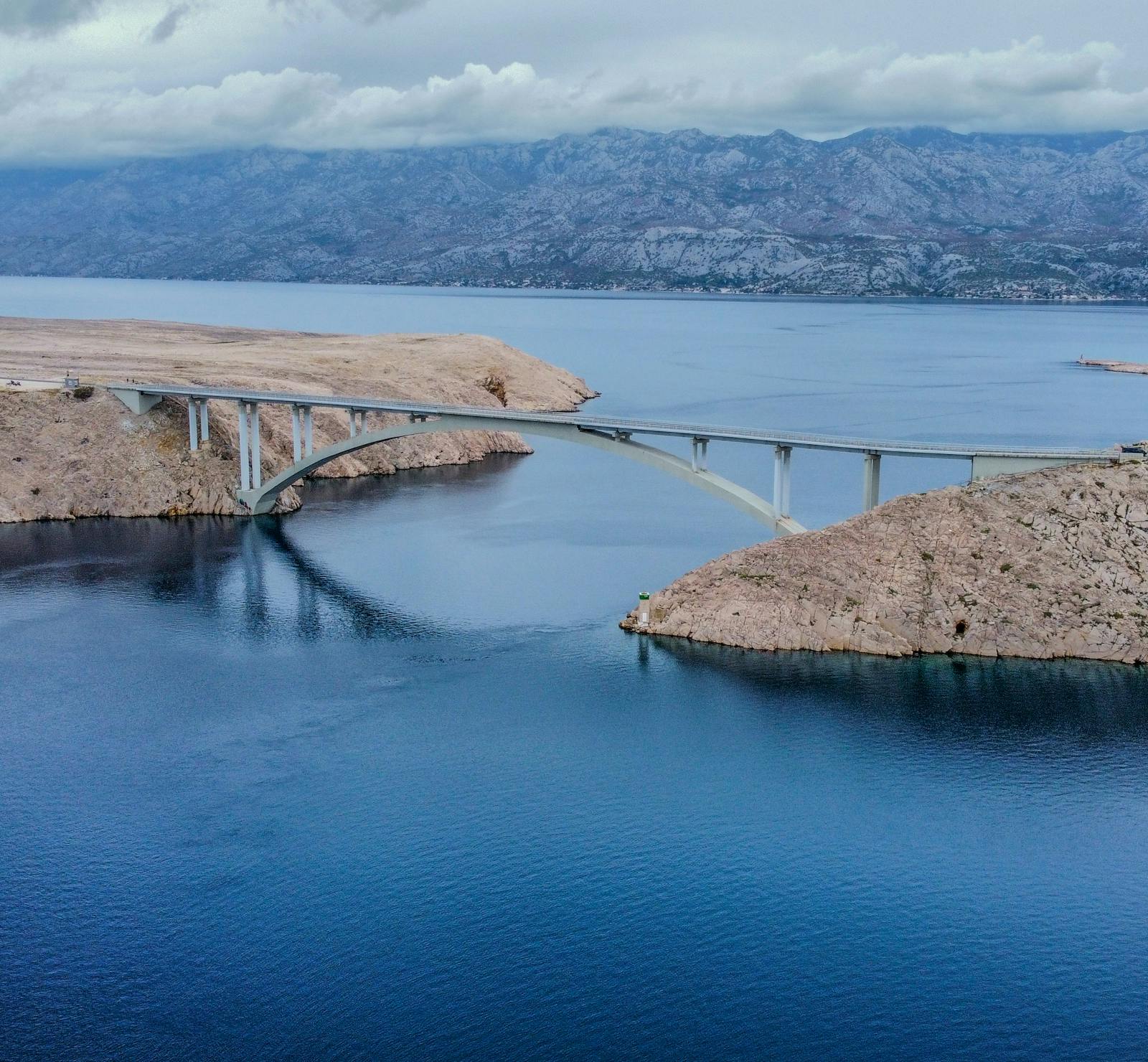
- Getting to the island: You can reach the south conveniently via the free Pag Bridge, while the fast Prizna–Žigljen ferry runs to the north.
- Hidden beaches: Beyond the busy resorts, the island conceals wild coves such as Beritnica and Ručica, among the most beautiful in Croatia.
The full destination guide: Dalmatia — guide and what to see
When to visit Pag Island
Choosing the right time is absolutely key when visiting Pag, and it mostly depends on what you actually expect from your holiday. The main summer season runs from June to September, when the whole island springs fully to life and becomes one of the busiest places in all of Croatia. If loud music and huge festivals are your thing, come in July or August, when Zrće Beach is in full swing and the thermometer regularly hits a tropical 35°C in the shade.
For a quieter holiday and exploring the wild nature, late May and early June are absolutely ideal, as is the whole of sunny September. In September the sea is still beautifully warm after the long summer, yet the crowds have long since vanished and you’ll have plenty of that longed-for privacy on the pebble beaches. In autumn the island also hosts various local food festivals and the much-loved olive harvest begins, which is hugely charming and gives you a glimpse into the everyday life of the locals.
When planning your stay, you absolutely have to reckon with one unique local phenomenon that fundamentally shapes life on the island. Pag is regularly lashed by the bura, an extremely strong and cold wind that drops from the monumental mainland Velebit range straight onto the sea surface. In winter months its gusts can exceed 200 km/h, and occasionally, for safety reasons, the main Pag Bridge is temporarily closed because of it, so the only way to reach the island is then by ferry.
Where to stay on Pag Island
💡 Tip for accommodation and experiences: We love searching for places to stay on Booking.com, which usually has the best cancellation terms. For tickets, tours and activities, it pays to compare and book through GetYourGuide.
The decision about the right accommodation will shape your entire holiday, because the island is figuratively split into two completely different and distinctive parts. The northern part around the busy town of Novalja mainly attracts young people, party enthusiasts and lovers of endless nightlife. The southern part around the historic town of Pag, on the other hand, is very peaceful and is the ideal choice for families with younger children or loved-up couples seeking undisturbed seaside romance.
If you want to stay right in the middle of the action and just a short hop from the famous Zrće Beach, a great choice is the modern Liberty Plaza right in Novalja. This stylish complex offers gorgeous views over the open sea, perfect walking distance to the town centre with its restaurants, and tastefully furnished rooms. Most accommodation in this area is easy to book through Booking, but I warmly recommend doing so several months in advance, since in summer Novalja is hopelessly sold out well ahead of time.
For those of you who prefer a more historic atmosphere and long for quiet evenings, the town of Pag itself is a far better choice. A gorgeous, undisturbed stay is promised by the family-run Boutique Hotel Intermezzo, located just a short stroll from the old Renaissance centre, with a very personal and warm approach to all its guests. If you head a little further from the centre towards the quiet coves, you’ll find the very popular Hotel Belveder, where you’ll enjoy fantastic peace and a private beach reserved just for hotel guests.
12 things to see and do on Pag Island
The island offers an endless range of experiences for every type of traveller. I’ve put together a list of twelve places that will show you Pag in all its variety.
1. The fascinating lunar landscape
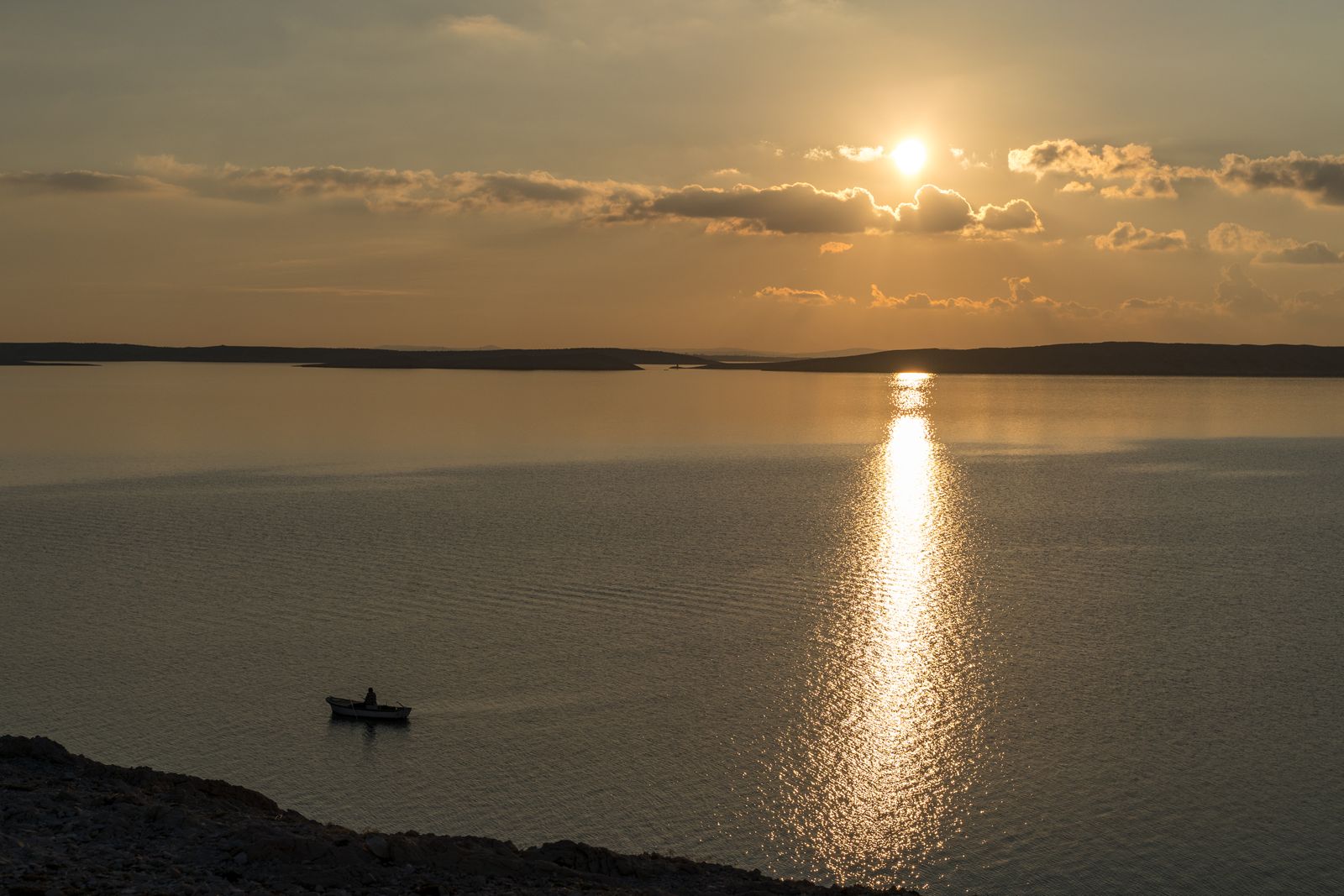
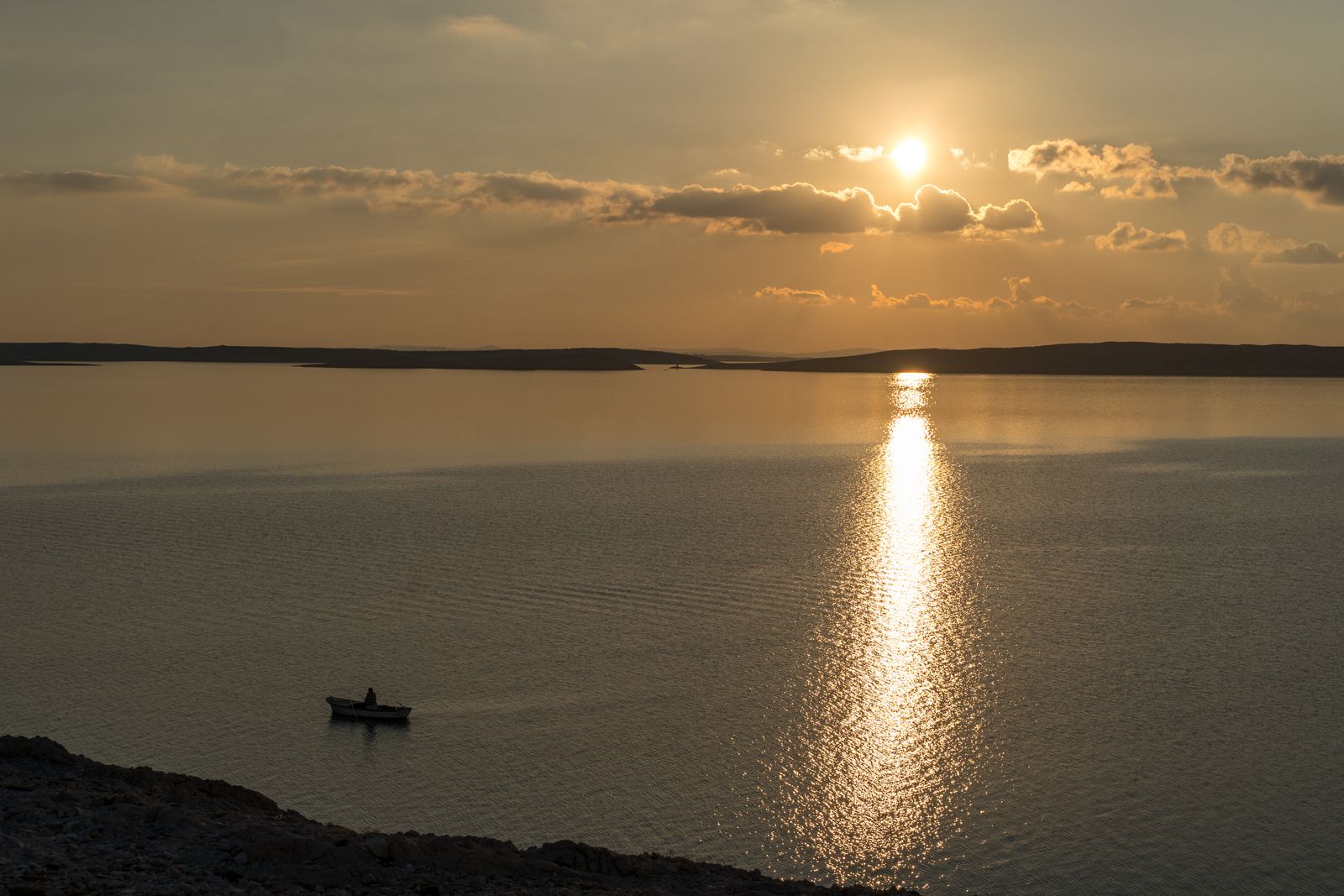
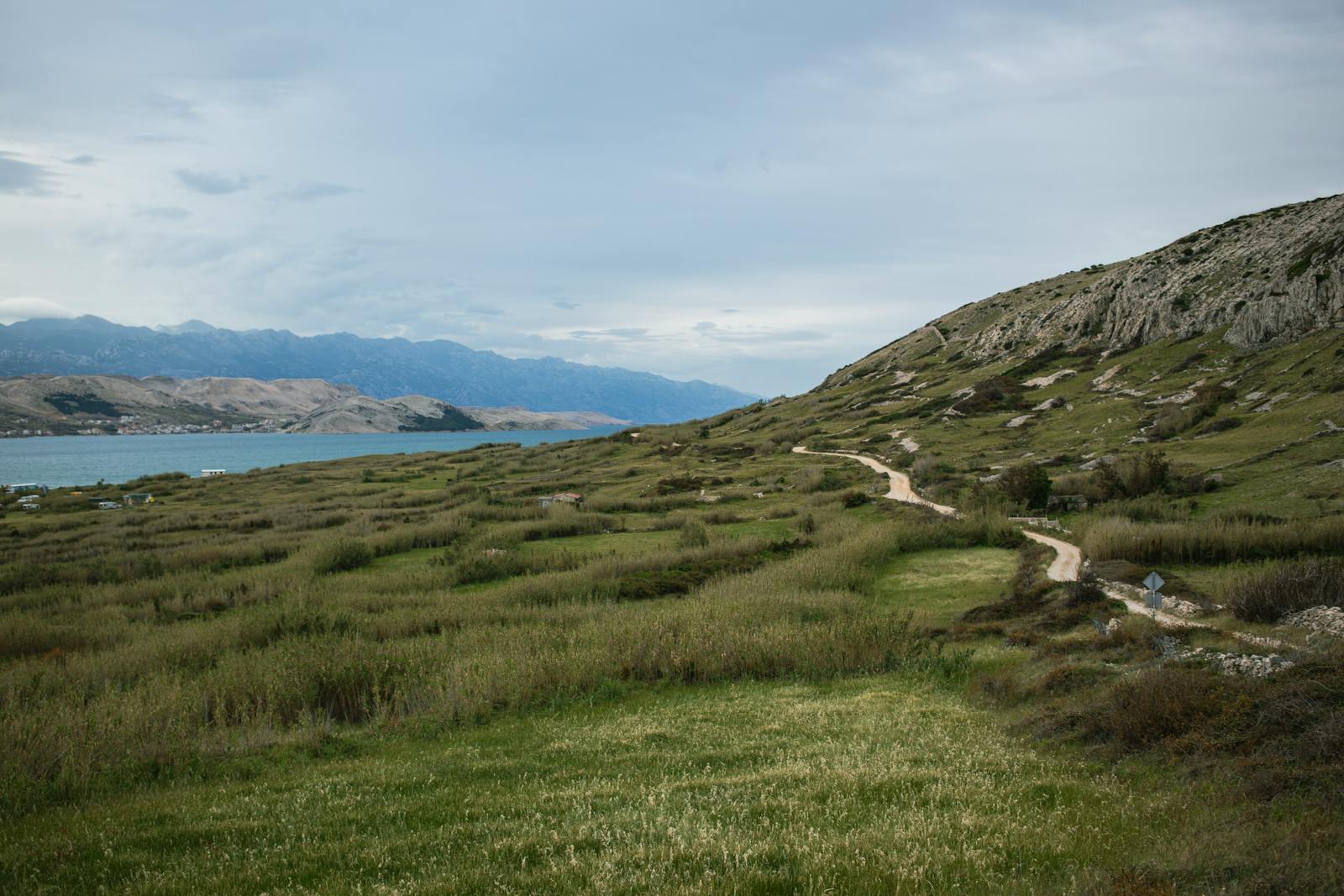
Looking out from the mainland, you’ll be treated to a view you simply won’t see anywhere else in Croatia, and it might catch you a little off guard at first. The eastern side of the island facing the Velebit range is utterly barren and stony, so at sunset it really does resemble, down to the smallest detail, the inhospitable surface of the Moon. This unique natural phenomenon is caused by the very same dreaded bura wind, which brings huge amounts of salty sea mist from the Velebit Channel and batters the coast with incredible force.
This aggressive salty spray literally scorches almost all ordinary vegetation on this side of the island, leaving behind nothing but bare white rocks. Only the toughest and hardiest plants survive here, mainly aromatic sage, yellow-flowering immortelle and wild island fennel. These unassuming herbs give the whole island a beautiful and highly distinctive spicy scent that you’ll be sure to catch within seconds of stepping out of the car.
I definitely recommend taking time for a slow drive along the eastern coast and stopping at one of the many viewpoints along the winding road. The contrast of bright white stone and the deep blue Adriatic Sea is an absolute paradise for keen photographers. Over the centuries, the locals have also threaded this harsh, inhospitable landscape with hundreds of kilometres of dry stone walls, cleverly used to divide the meagre pastures for the ever-present sheep.
💡 Tip: You’ll capture the best photos of the lunar landscape early in the morning or in the late afternoon, when the lowering sun casts beautiful long shadows across the rocks. During the day, the light reflects very harshly off the white stone and photos often come out overexposed.
2. Zrće Beach and the town of Novalja
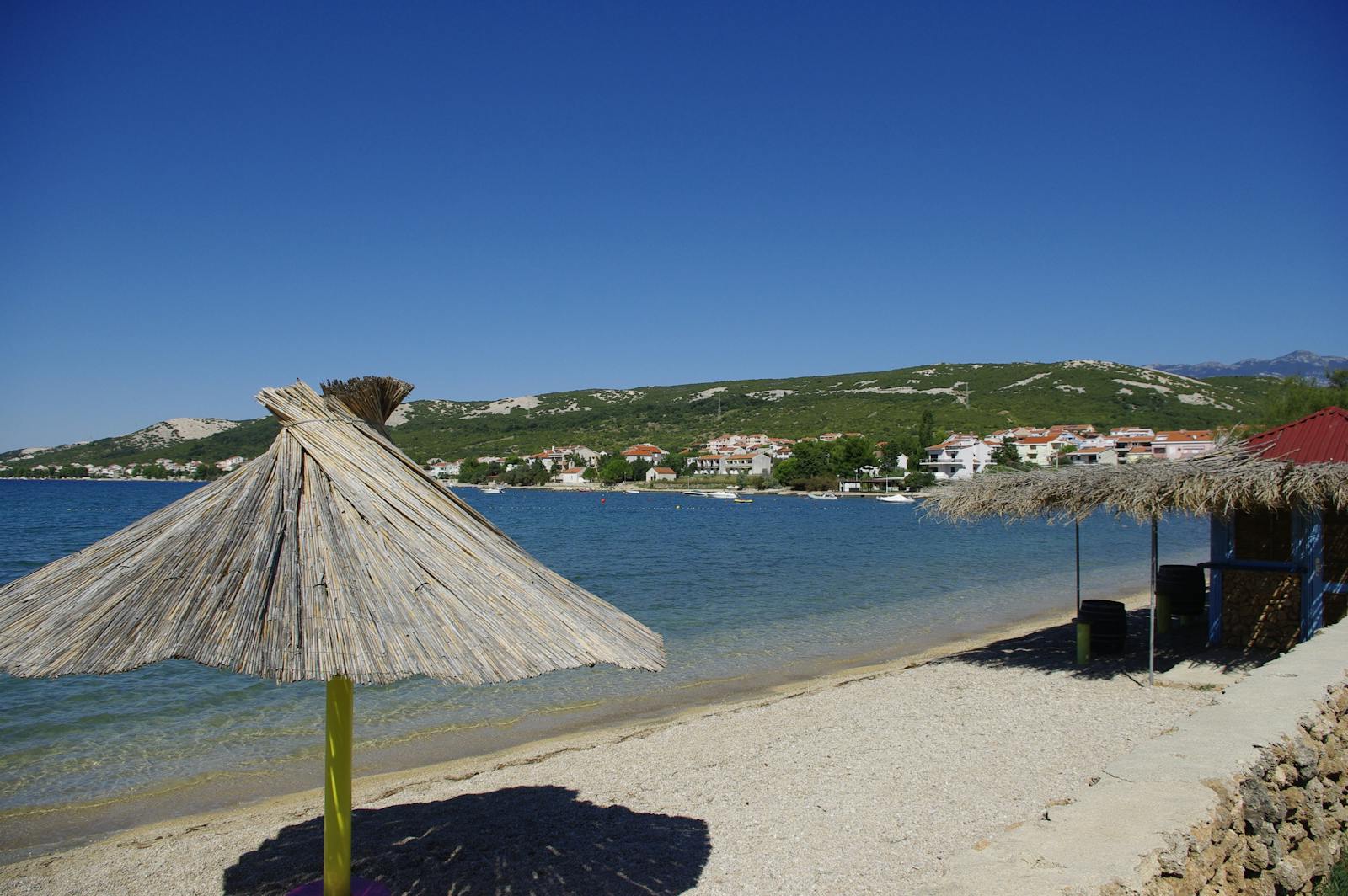
The town of Novalja is without doubt the liveliest and loudest spot on the entire island, and the adjacent Zrće Beach is the main reason hundreds of thousands of young people from all over Europe head here every summer. This long pebble beach is rightly nicknamed Croatia’s Ibiza, because it’s home to the best open-air clubs, where life pulses 24 hours a day and electronic music blasts from literally every direction.
If you’re planning to visit in 2026, you need to be aware of one absolutely major change on the local club scene that surprised many fans. The famous NOA Beach Club was permanently closed and completely dismantled in February 2026, even though it had until recently ranked among the world’s ten best clubs. But don’t worry that you’ll miss out on a great party, because legendary venues such as Papaya, Aquarius and Kalypso are still going strong after recent extensive renovations, and modern new clubs like Symbol and Lift are opening too.
Throughout the long summer, the beach hosts a rotation of huge music festivals focused mainly on quality techno and EDM. Among the best-known and most-visited are the Sonus, DropZone and the popular Lunar festivals, which draw enthusiastic fans from around the world. If you’re interested in the exact dates of these summer festivals, be sure to keep an eye on the official site zrce.com, where you’ll always find the most up-to-date information and can safely buy your tickets right there.
💡 Tip: Reliable, regular night buses run from the centre of Novalja to the clubs at Zrće, so you can leave your car parked at your accommodation without a worry and fully enjoy a night of dancing.
3. The historic town of Pag
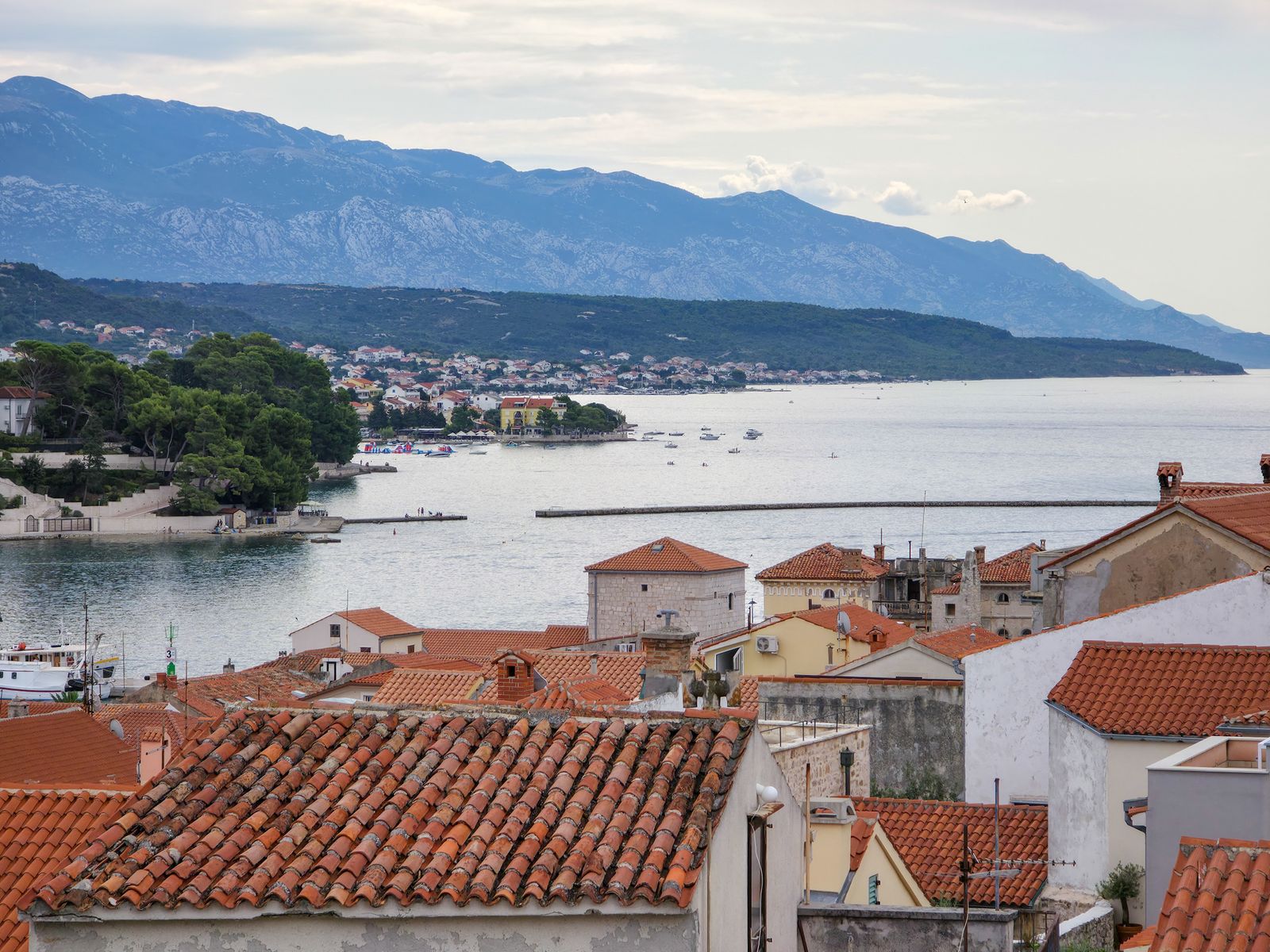
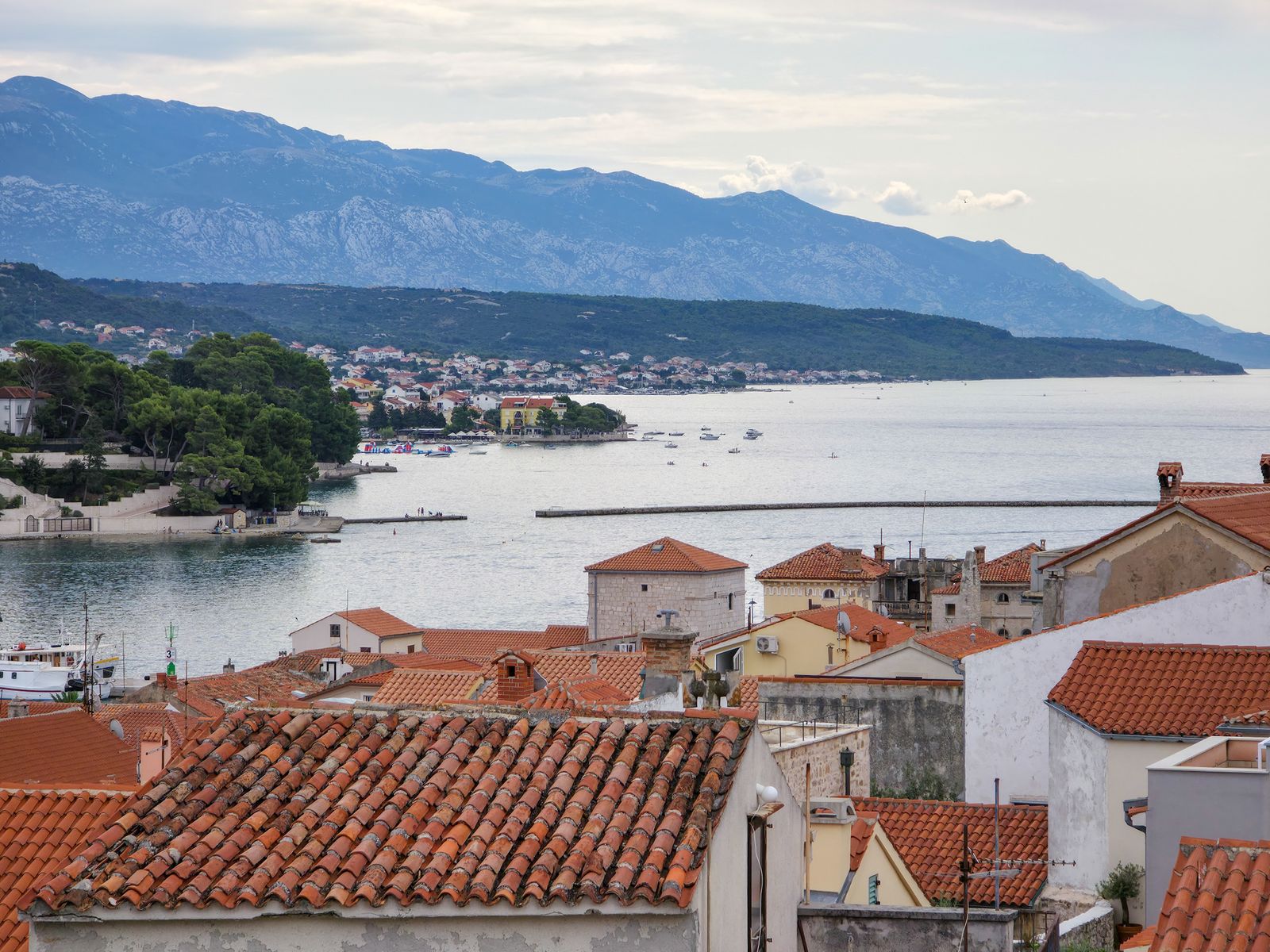
As a complete and very welcome contrast to the endlessly busy Novalja stands the island’s own main town. The town of Pag is a true oasis of calm and deep history, home to just over two thousand permanent residents who are in no rush at all. Its present-day form dates back to the mid-fifteenth century, and the whole town was cleverly built to a strict Renaissance plan, so you certainly won’t get lost in its logically arranged streets.
On a slow walk through the historic centre, you’ll come across beautifully preserved stone houses, cosy little cafés and remnants of the mighty old walls that once protected the town. The heart of the whole town is the spacious main square with its gorgeous Church of the Assumption of the Virgin Mary, where local families and curious tourists naturally gather every summer evening. The whole town radiates a very slow and pleasantly relaxing atmosphere that immediately makes you slow down and soak up that southern calm.
Don’t forget to stroll along the beautifully maintained seafront promenade, which offers a stunning view over the whole bay and the surrounding bare hills. An evening walk along the softly lit harbour is one of the most romantic experiences you can take home from an island holiday. Throughout the summer, smaller cultural events, music performances and popular markets selling traditional local products are also held here very often.
💡 Tip: The town of Pag is an absolutely great base for your daily trips, as it lies just a short distance from the main bridge connecting the island to the nearby mainland.
4. The famous Pag lace (UNESCO)
This varied island is by no means only about wild nature and sun-drenched beaches; it also rightly boasts a globally unique craft. Pag lace is so exceptional that in 2009 it was proudly inscribed on the UNESCO list of intangible heritage, alongside the famous laces of Hvar Island and the northern Croatian town of Lepoglava. It’s an incredibly intricate needlepoint lace whose rich tradition reaches all the way back to the sixteenth century and the meticulous local Benedictine nuns.
Making a single small piece of this fine lace takes even the most skilled lacemaker several long months of daily painstaking work. The complex pattern is never sketched out on paper; instead, the local women create it purely from memory and pass this rare skill down from generation to generation, as they have done for hundreds of years. Every finished piece is therefore a complete and utterly unrepeatable original, carrying within it a piece of the island’s history.
When you wander through the old town of Pag in the early evening, you’ll surely see older local women sitting on chairs in front of their houses, patiently stitching more intricate patterns. You can buy genuine Pag lace directly from them, which is unquestionably the best and most authentic souvenir from your summer travels. You can also visit a small specialist lace gallery right in the town centre, where you’ll see the most intricate historic patterns from past centuries with your own eyes.
💡 Tip: Watch out for suspiciously cheap imitations in ordinary souvenir shops. Real handmade lace may be pricier, but you’re taking home a genuine work of art of priceless value.
5. The ancient salt pans and the Salt Museum
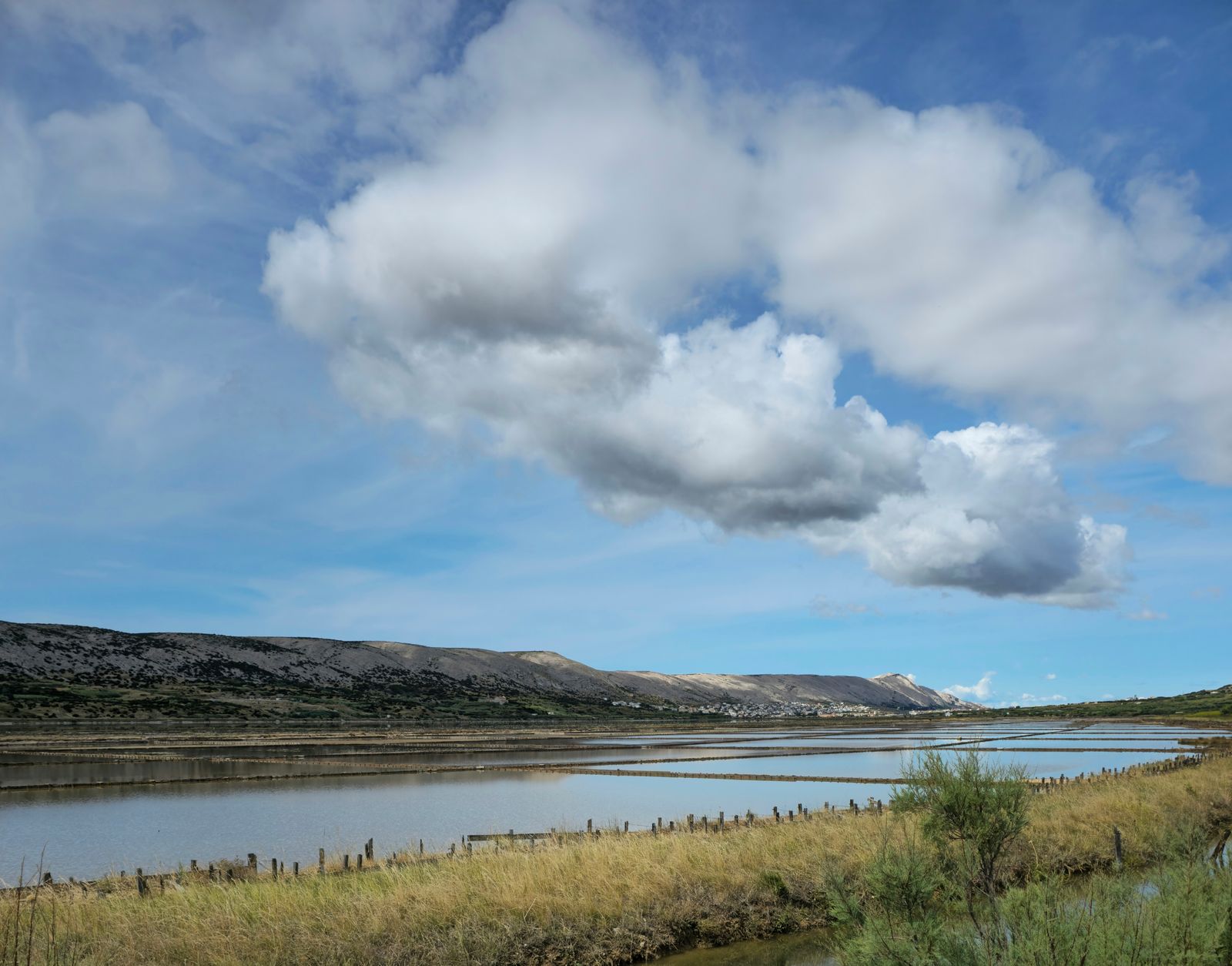
The traditional production of high-quality sea salt shaped the island’s complex history and overall wealth for many long centuries, and its influence is evident at every turn. Solana Pag spreads across an impressive area of nearly two million square metres and is the largest functioning salt works in all of Croatia. Historical written records of organised salt harvesting here date back as far as the tenth century, which proves its enormous significance.
The production of this valuable commodity is closely tied to the incredibly clean sea, the high number of sunny days per year and the constant drying wind. Since 2019, Pag salt has held the prestigious European Union protected geographical indication, clearly confirming its top culinary quality and unique composition full of healthy minerals. To this day, much of the total production is obtained by traditional natural evaporation in cascading shallow pools.
Right on the edge of the town of Pag you’ll find the old stone salt warehouses, the so-called “magazines”, which are today a protected and highly unique technical monument. One of these enormous historic warehouses now houses the modern Salt Museum, where you’ll learn everything about the history of salt harvesting, the intricate processes and its fundamental importance to the locals, all in an engaging way. A short distance away, a little shop sells the finest coarse salt to take home to your kitchen.
💡 Tip: The salt pans are best seen from the panoramic viewpoint above the town of Pag on the way towards nearby Zadar. From up high they look like a giant watery chessboard lying on the calm surface of the bay.
6. Pag cheese, the king of island gastronomy
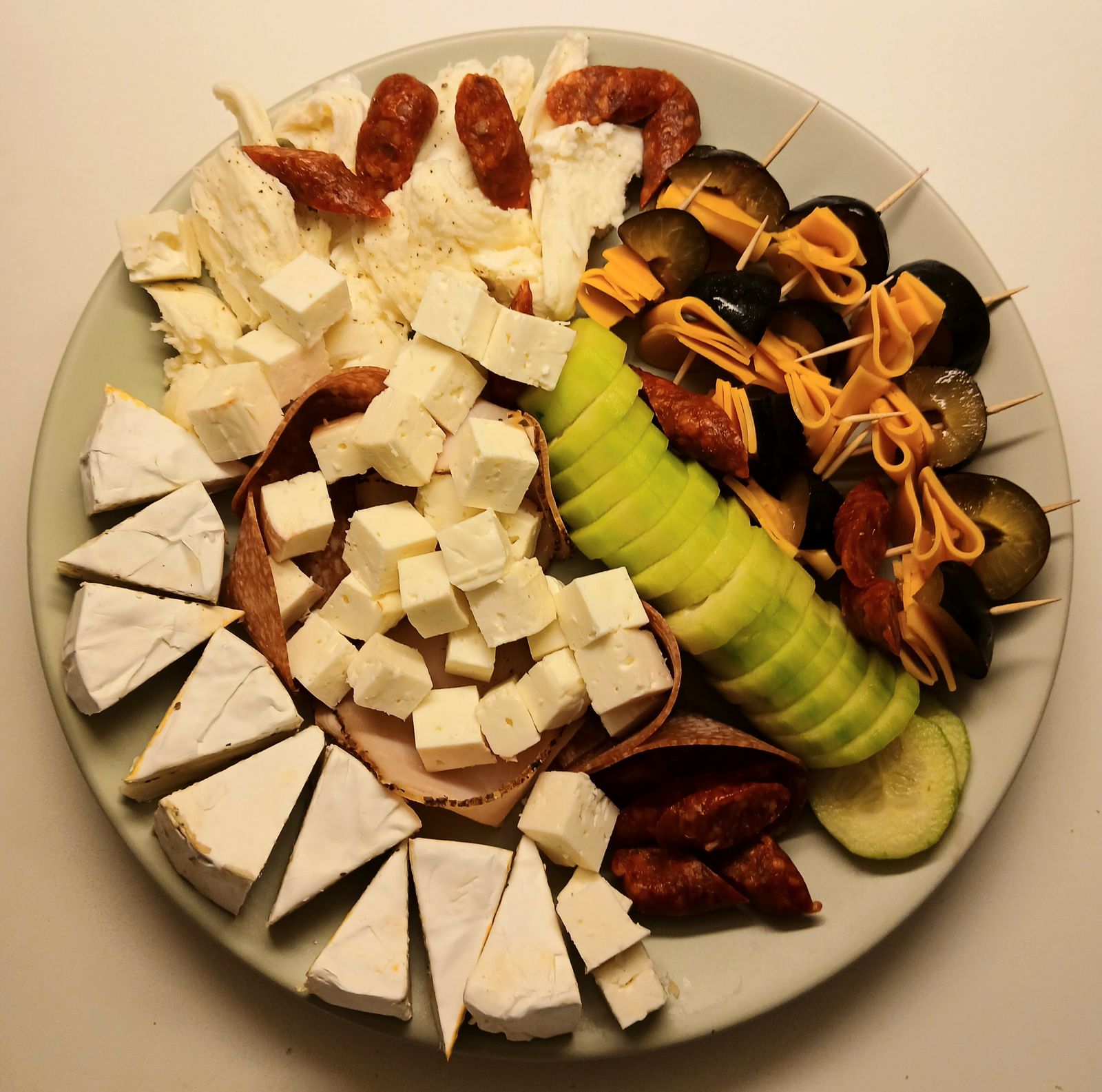
If there’s one single thing you simply must taste on the island, it’s undoubtedly the phenomenal local sheep’s cheese. Paški sir is by far the most famous Croatian cheese and has won countless gold medals at the most prestigious culinary competitions in the world. Just like the renowned local salt, this exceptional cheese has held a European Union protected designation of origin since 2019.
Behind its phenomenal and very bold flavour, once again, lies the harsh island nature and the relentless bura wind that coats everything in salt. The Pag sheep graze on bare, stony pastures covered with salty mist and aromatic herbs, above all wild sage. This unique, nutrient-rich diet is naturally reflected in the extraordinary quality and flavour of the milk, from which the hard cheese is then made, maturing for at least sixty days in dark cellars.
The best place for a proper tasting is the small family cheese dairies, found mainly in the hilly surroundings of the village of Kolan. At a traditional tasting, the sliced cheese is served with fresh crusty bread, homemade olive oil and excellent local wine, which together create a perfect harmony of flavours. I warmly recommend buying at least a small wedge of this gastronomic treasure to take home, even though it’s undoubtedly one of the pricier delicacies.
💡 Tip: Remember that the longer the cheese matures, the harder, spicier and, logically, the more expensive it is. Younger cheese, on the other hand, is much milder and pairs beautifully with lighter summer white wines from the local vineyards.

7. Traditional Pag lamb
Closely linked to the extensive grazing of free-roaming sheep is another great speciality of island cuisine, much sought after by lovers of traditional meat dishes. Pag lamb (paška janjetina) even holds its own protected status and has long ranked among the most sought-after culinary delicacies in the entire country. Its great secret lies in exactly the same natural principle as the famous sheep’s cheese.
Young lambs up to forty-five days old drink exclusively the nutritious milk of ewes that graze on local herbs heavily salted by the sea wind from Velebit. Thanks to this specific environment, the meat has an incredibly tender texture, and chefs say it needs no complicated seasoning or lengthy marinating at all. The renowned local restaurants most often prepare it very simply, with just a little coarse sea salt and a drop of quality olive oil.
The most traditional method of island preparation is very slow roasting, either whole on a spit or under a heavy iron bell called a peka, into which potatoes are added. This local speciality is most in demand during the spring months, when the meat is said to be at its most tender. For vegetarians and lovers of meat-free food, however, the island offers plenty of other great and hearty dishes, from delicious pizza and homemade pasta to fresh seasonal roasted vegetables topped with local sheep’s cheese.
💡 Tip: If someone in your group is keen to taste the most authentic version of this dish, seek out the traditional konobas — small family restaurants tucked away in the island’s interior, far from the tourist centres.
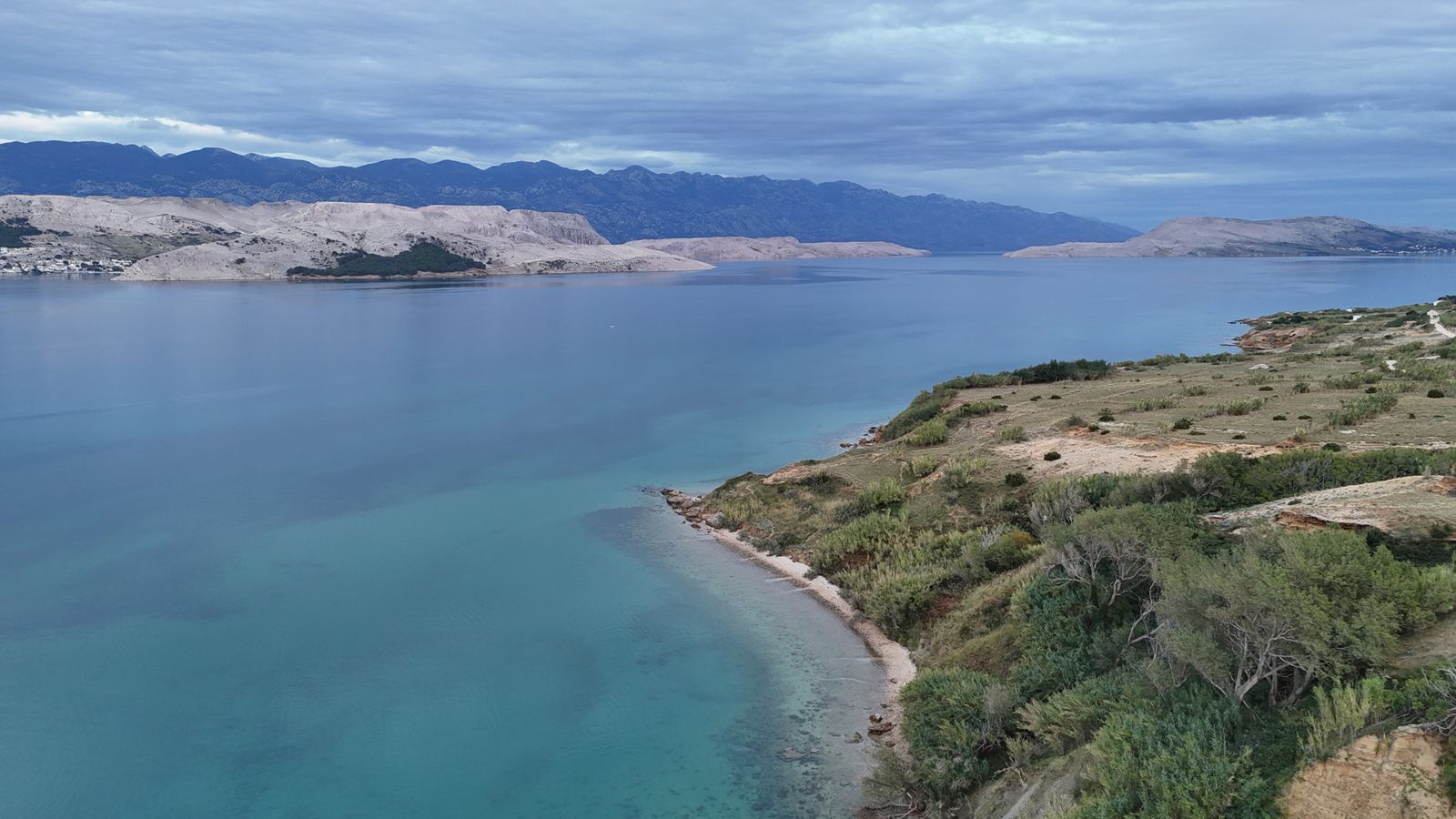
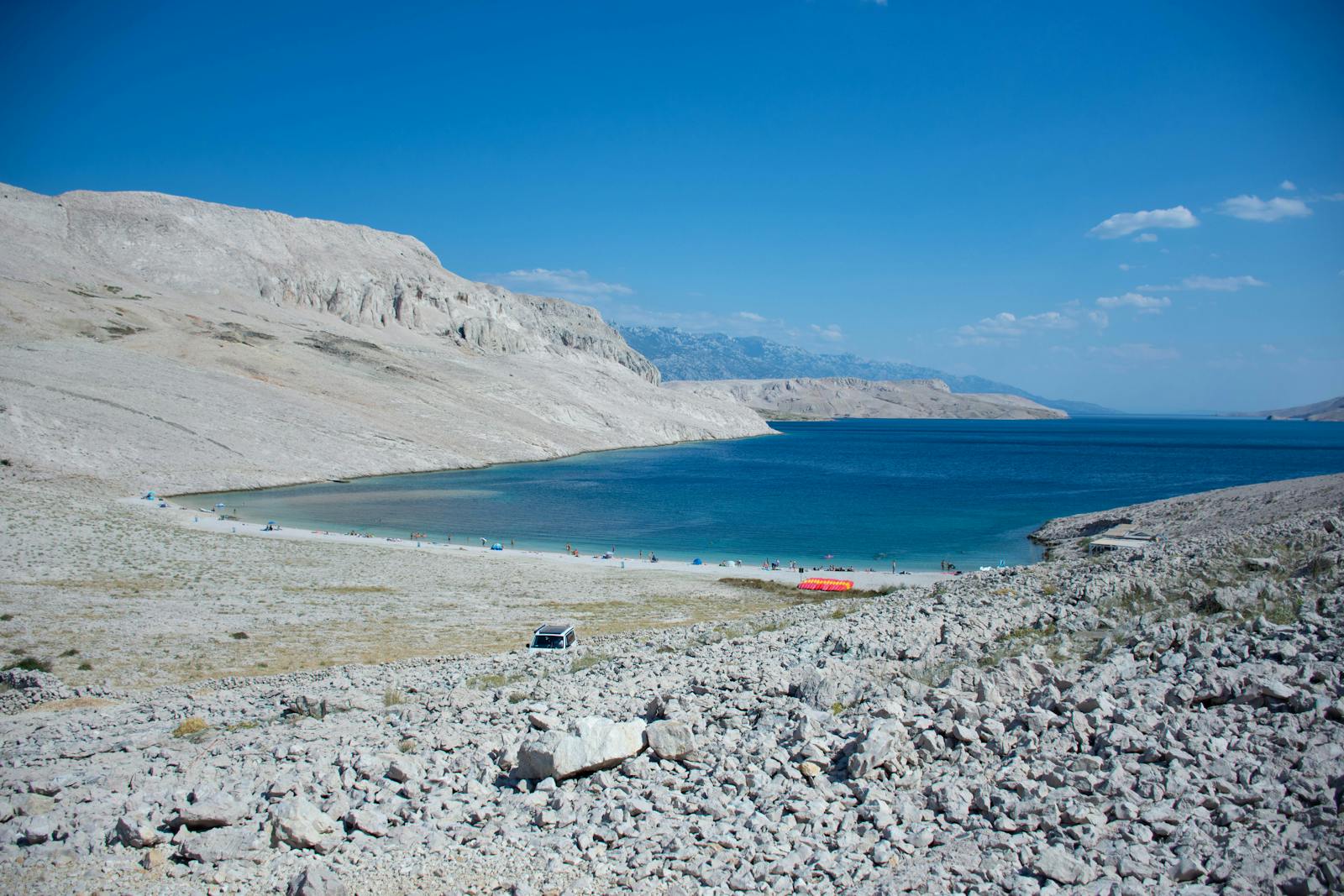
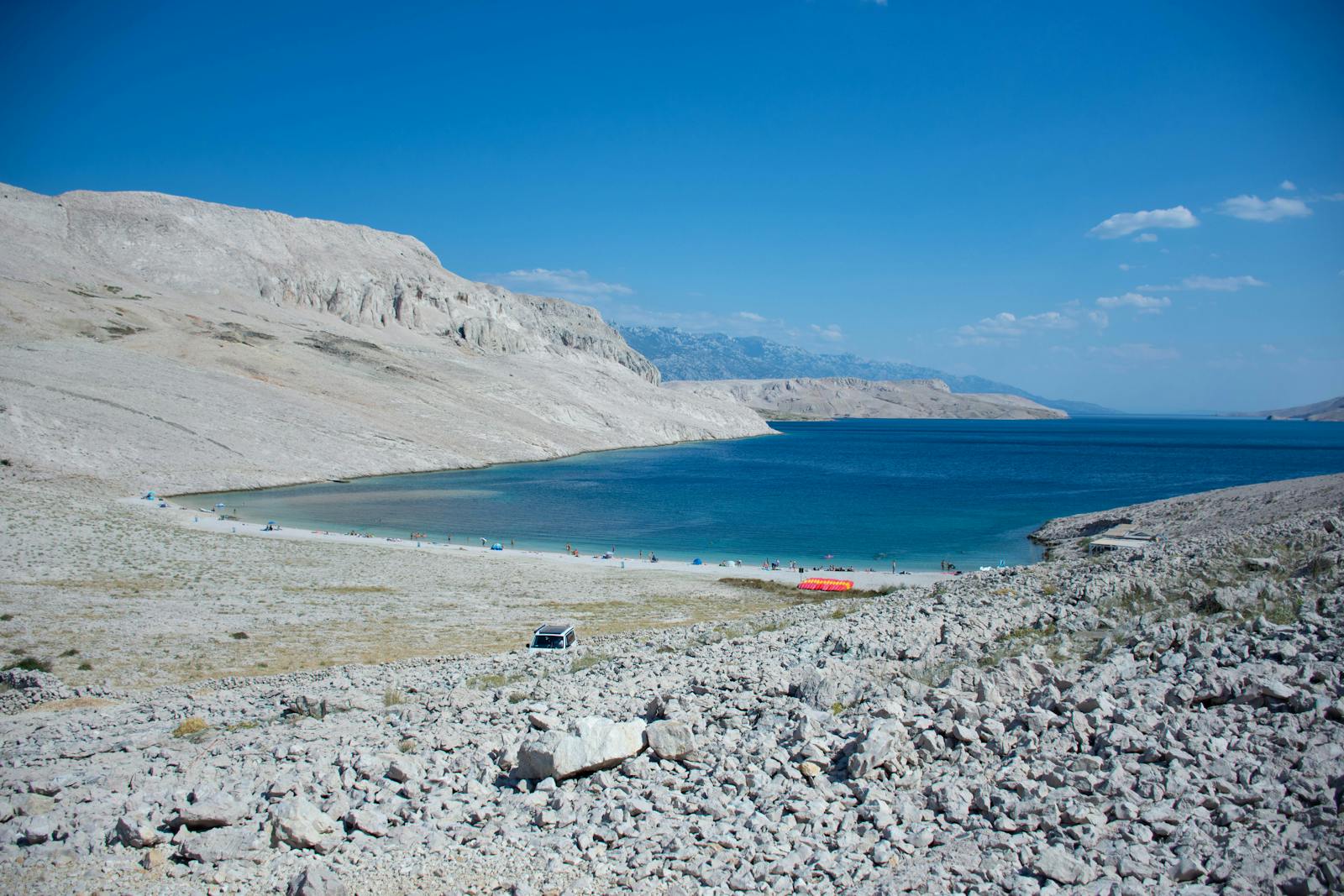
8. Beautiful Ručica Beach near Metajna
The whole island hides plenty of beautiful coves, but the locals themselves very often single out the pebble beach of Ručica as the most beautiful and photogenic of them all. It lies near the picturesque little village of Metajna and offers a perfect escape from the noisy world. You can reach the beach by car through a very interesting and completely deserted landscape, and you can park in a designated spot just a few dozen metres from the sea itself.
Ručica is made up of a pleasant mix of coarse sand and small light-coloured pebbles, which contrast sharply with the surrounding bare, parched hills. You’ll find no natural shade or tall trees here, so you absolutely must bring your own sturdy parasol, plenty of sunscreen and lots of drinking water. The crystal-clear water has an amazing turquoise colour, and thanks to the good visibility, it’s absolutely ideal for long snorkelling sessions along the rocks.
Over the past few years this beach has gained enormous popularity, and in peak summer season there are far more people here than before, but it still safely retains its rugged, wild charm. Taking photos in this deserted cove often looks like luxury shots from expensive travel brochures, because the surrounding stony scenery is utterly breathtaking. Don’t forget to bring comfortable water shoes — the pebbles on the seabed can be quite sharp in places.
💡 Tip: During the hot summer, a small makeshift stall with basic refreshments sometimes operates on the beach, but outside peak season you should bring all your food and drink supplies from your accommodation just to be safe.
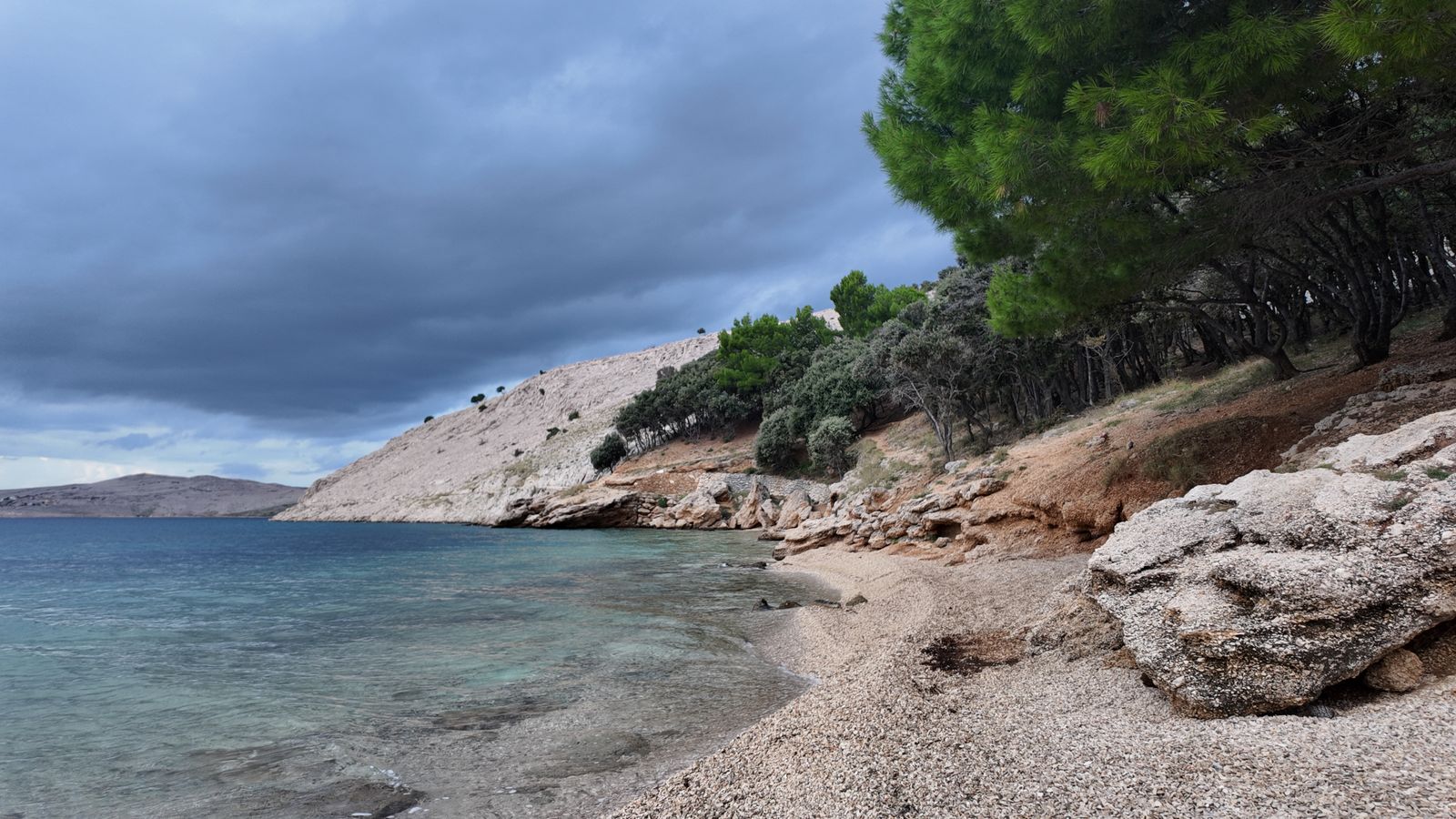
9. Hidden and wild Beritnica Beach
Just over the next hill from the popular Ručica Beach lies one more, much larger and considerably harder-to-reach natural gem. The gorgeous Beritnica Beach is completely cut off from the outside world and ranks confidently among the most photogenic spots in all of Croatia. Its biggest and most unmistakable feature is the three mighty rock formations that rise majestically straight out of the shallow sea, just a few metres from the pebble shore.
You absolutely cannot reach this stunning beach by car, which is ultimately its greatest advantage and a guarantee of peace. You have to tackle roughly a thirty-minute hike directly from Ručica Beach across sharp stony hills, or rent a small boat with a captain in the nearby village. The path on foot follows the aptly named “Life on Mars” trail, which can be fairly demanding in the summer heat, so set off either early in the morning or late in the afternoon.
Your reward for the physical effort will be complete, undisturbed peace, an empty pebble beach and crystal-clear, waveless water. This remote cove is the perfect spot for all travellers who genuinely can’t stand overcrowded resorts and are deliberately seeking untouched wild nature. The strict rule applies here too: you must carry all your equipment and water supplies on your back, because there’s absolutely nothing built for miles around.
💡 Tip: If you enjoy sport climbing, the very popular and well-visited rock face of Stogaj rises directly above the beach, offering absolutely phenomenal views over the entire cove and the surrounding barren islands from the top.
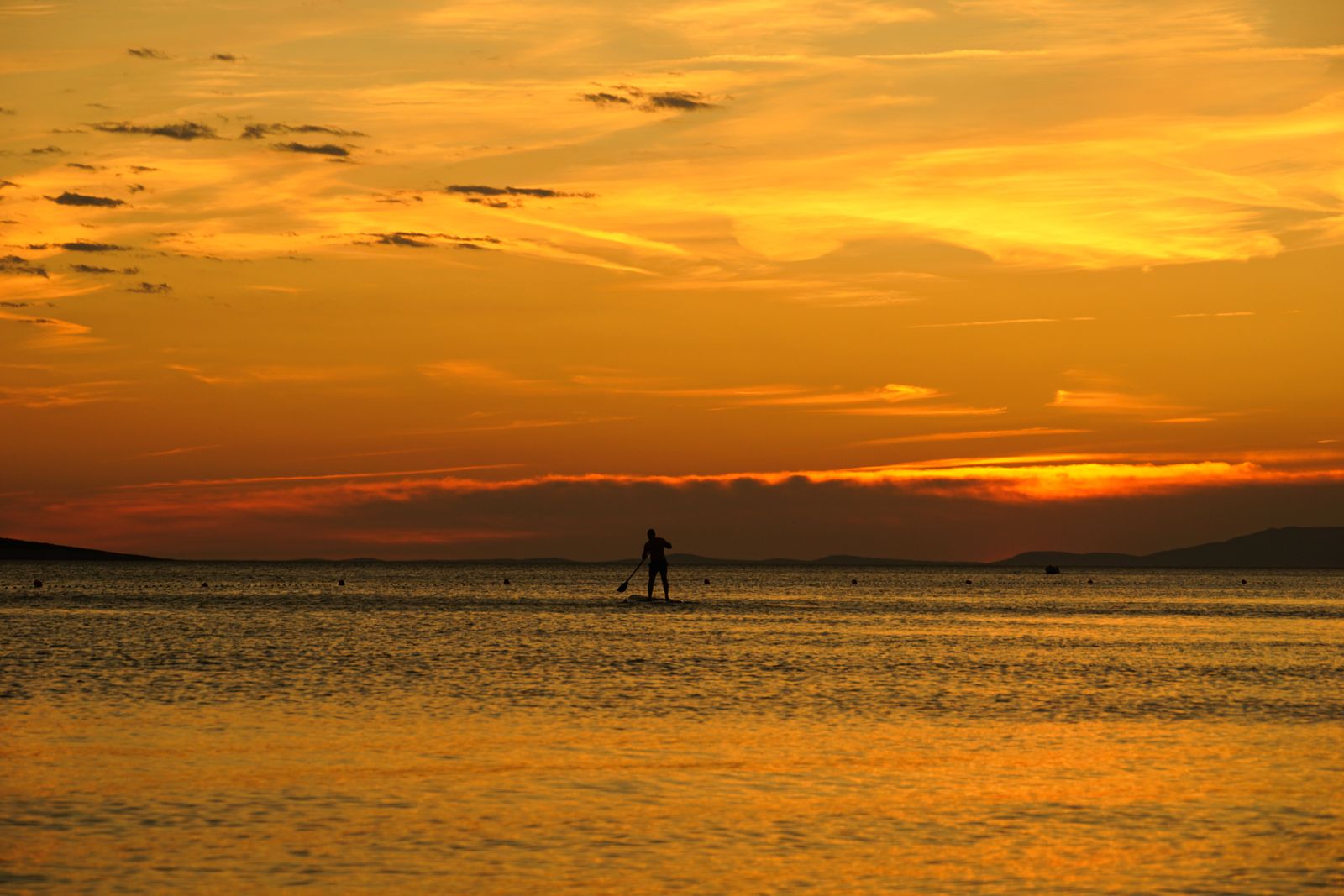
10. The family-friendly Sveti Duh Beach
While the vast majority of beaches on this island are rather pebbly or downright stony with a steep drop, Sveti Duh Beach offers a very pleasant and safe change. This exceptionally long beach boasts a sandy-pebble bottom and a very gentle entry into the sea, which makes it an absolute paradise for families with small children and for non-swimmers. You’ll find it tucked away in the northern part of the huge, sheltered Bay of Pag.
Because the water here is really very shallow even several dozen metres from the shore, the sea warms up far faster and more intensely than anywhere else on the island. Younger children can play perfectly safely in the warm water and build endless castles out of fine gravel and sand, while you relax peacefully on a blanket and read a book. Right by the beach there’s also a popular campsite, so there are clean basic facilities and the chance for a quick bite to eat in the shade.
The beach is genuinely spacious beyond the norm, so even in the busiest August peak you can usually find a quiet spot for your big towel and parasol without much trouble. Straight from the shore, you also get a gorgeous, undisturbed view of the entire mainland Velebit range, which rises majestically high above the surface of the distant sea. Compared to the utterly wild Beritnica, this is simply a very civilised, safe and easily accessible spot for a laid-back afternoon.
💡 Tip: A smaller, peripheral part of this extensive beach is traditionally and long reserved for naturists. It’s always clearly and visibly marked with signs, so there’s no need to worry about accidentally wandering into the wrong section.
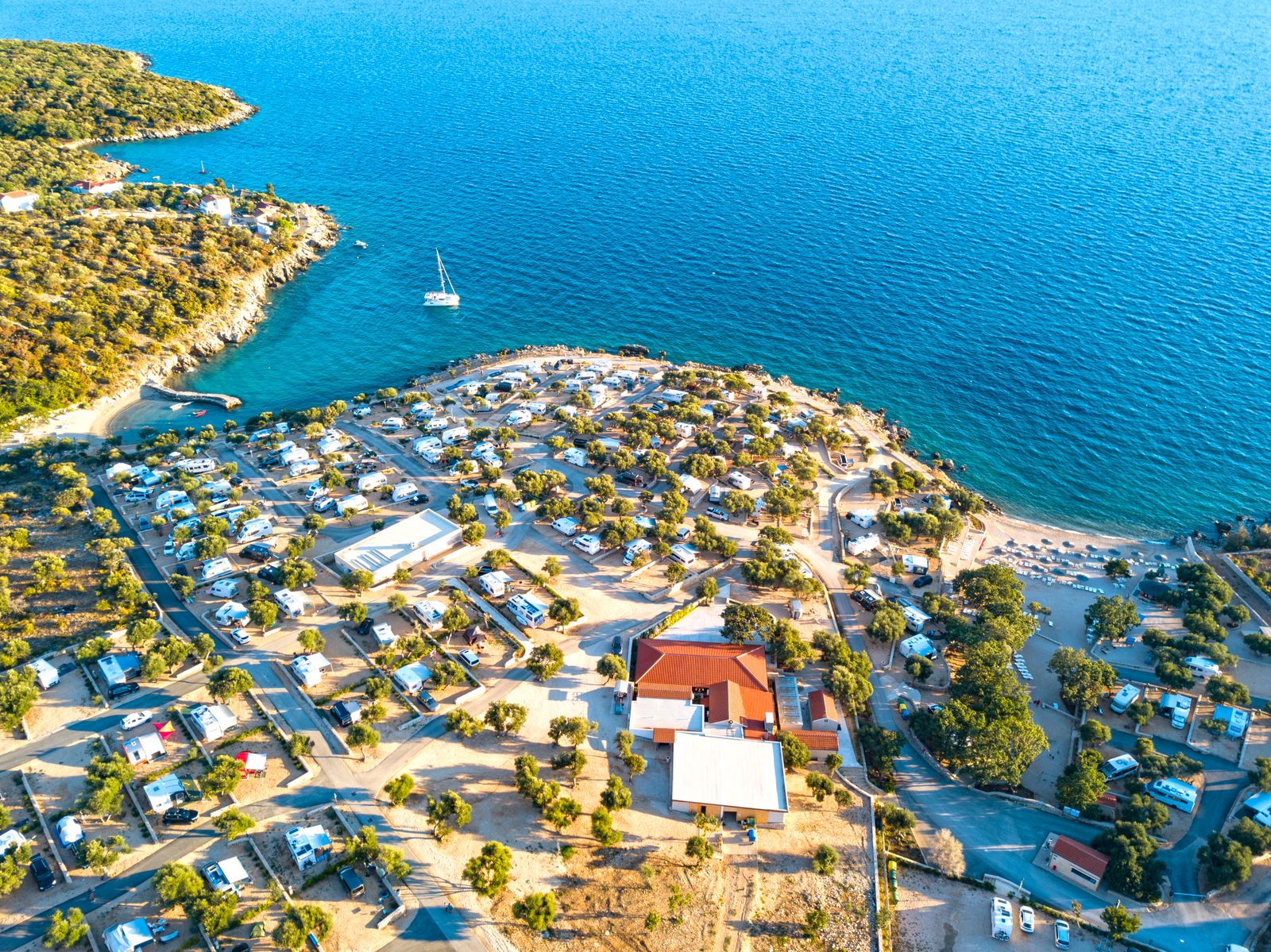
11. The historic Caska Beach near Novalja
Just about three very short kilometres from the constantly busy centre of Novalja lies a very interesting and spacious pebble beach called Caska. This deep cove offers a great compromise between the peace you crave and easy access to services, because you’ll find several pleasant beach bars for refreshment here, yet without the booming electronic music typical of neighbouring Zrće. A huge and not-to-be-overlooked advantage is the large paved car park, which is usually completely free for visitors.
Beyond the fantastic swimming in clean water, this particular spot is hugely fascinating from a rich historical perspective too. Right beneath the calm surface of the sea here lie the remains of the great ancient city of Cissa, which, according to legend, sank to the seabed during a mighty, devastating earthquake in the fourth century AD. If you bring quality diving goggles and swim slowly a little way from the shore, with a bit of luck you can spot the outlines of old walls and amphorae on the seabed.
What’s more, the whole beach is flanked on both sides by old half-ruined stone towers and romantic ruins, lending the whole place a very magical, ancient feel. The seabed here slopes fairly steeply and quickly into the depths, making it the ideal spot for more experienced swimmers who don’t enjoy endless wading through shallow water like at Sveti Duh Beach. The immediate surroundings of the cove are also crossed by several lovely, easy walking trails with amazing views of the open sea.
💡 Tip: The beach is so cleverly oriented geographically that only an absolute minimum of wind blows onto it from the mainland, so the sea here is almost always beautifully calm and as smooth as a mirror — something you’ll appreciate when swimming.
12. The hike up Mount Sveti Vid
If after a few days you grow tired of constantly lying by the sea and have a sporty spirit and a love of active holidays, the island offers surprisingly great hiking options too. The very highest point of this elongated island is the stony summit of Sveti Vid, rising to an impressive height of nearly 350 metres above sea level. On its windswept peak you’ll find just a small, abandoned stone chapel built back in the fourteenth century.
The route to this summit leads directly through the fascinating lunar landscape already mentioned and offers a truly amazing, unforgettable sporting experience. From the top, you’ll then enjoy the absolute best panoramic view over the entire rugged Bay of Pag, the historic town of Pag, the vast salt pans and the monumental mainland Velebit range stretching off into the distance. In really clear weather and good visibility, you can see all the way to the beautiful neighbouring islands of Rab, Lošinj and little Silba.
Two main, well-marked hiking trails lead to the summit, and you can choose between them according to your fitness. One is somewhat steeper and faster and starts near the village of Šimuni, while the other is gentler, longer and starts near the famous cheese-making town of Kolan. In the hot summer months it’s absolutely essential to set off on this demanding hike early in the morning at sunrise, because there’s no shade at all on the route and the sun reflects very strongly off the white rocks. Be sure to wear sturdy hiking boots, as loose stones can be unpleasantly slippery.
💡 Tip: Definitely remember to pack more than enough fluids and sunscreen in your backpack. On this entire bare hill there’s no natural spring, nor the slightest chance to buy drinking water along the way.
Map of points of interest for your phone
Where to go next from Pag Island
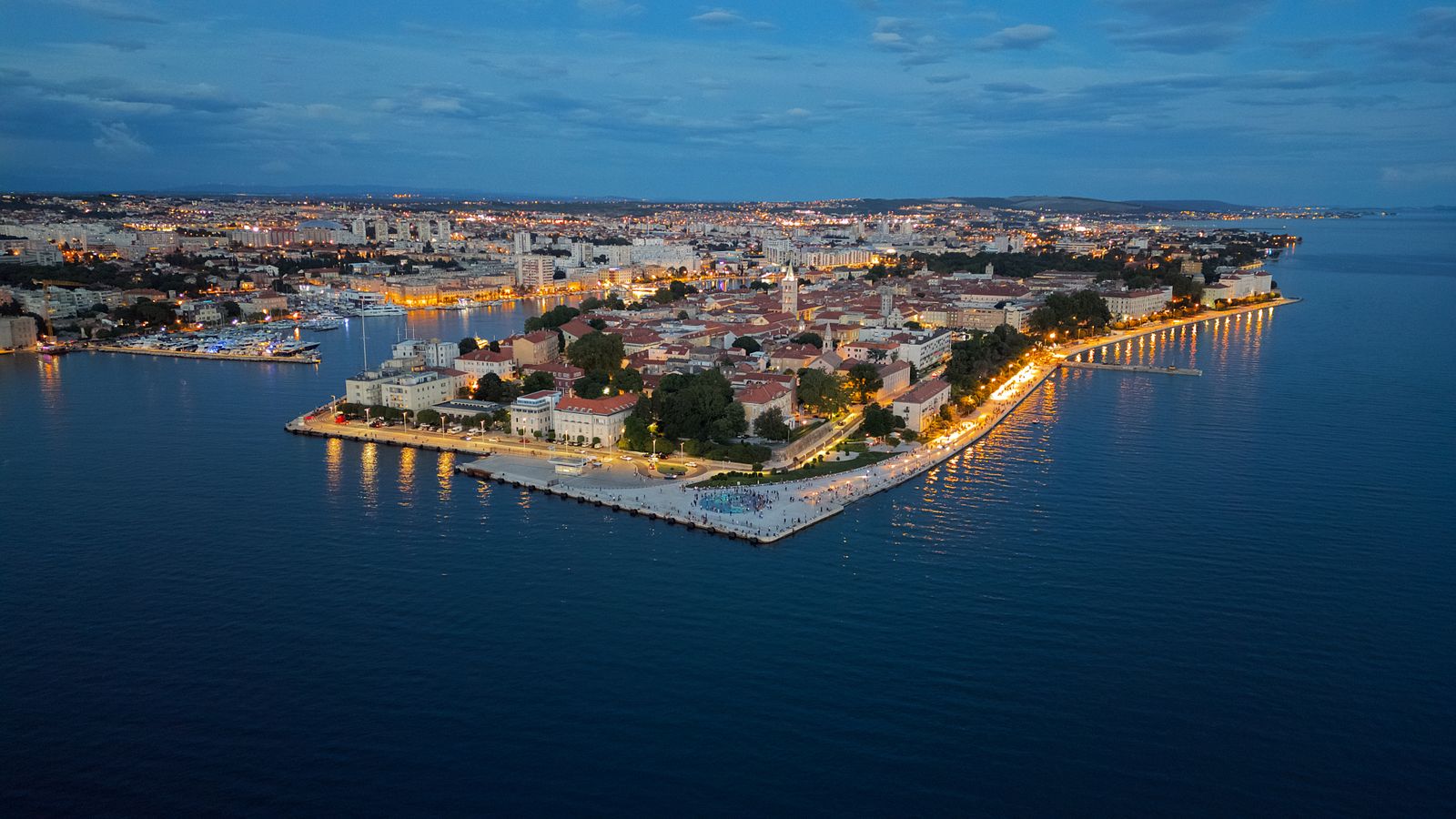
If you have more time on your holiday, Pag is a great base for exploring more of the Croatian coast. From the southern part of the island, you can cross the bridge straight into northern Dalmatia. I warmly recommend visiting nearby historic Zadar, famous for its sea organ and fantastic sunsets.
Wondering whether to choose a slightly different style of travel? Read our article about what it’s like to experience Croatia by boat, which lets you discover the most hidden coves without the crowds. If you’re still undecided about your final destination, you’ll find plenty of inspiration in our big guide on where to go on holiday in Croatia. And for tips on the best places to stay, check out our overview of tried-and-tested accommodation in Croatia.
Frequently asked questions
What’s the best way to get to Pag island?
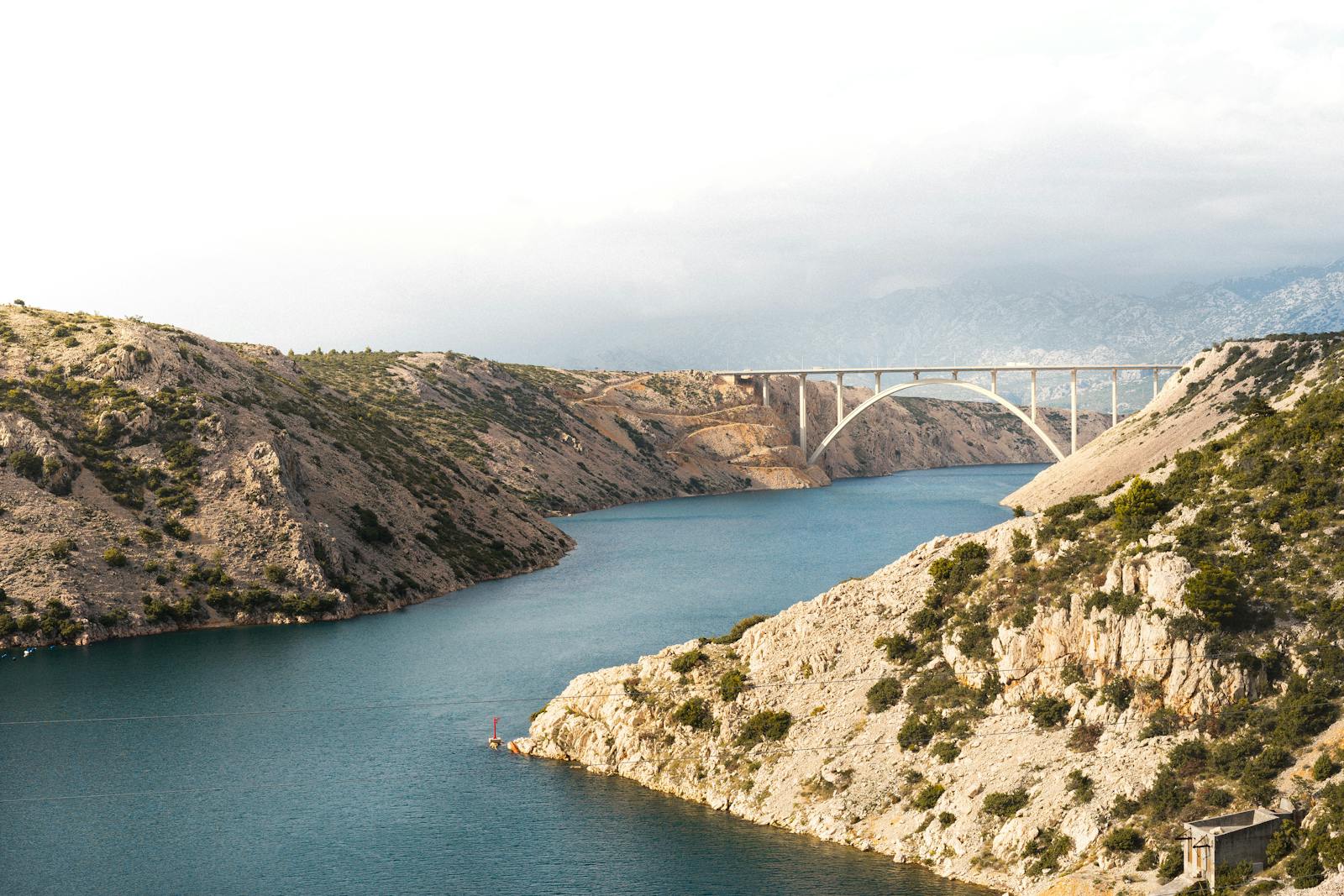
You have two main and very different options. You can reach the southern part of the island via the concrete Pag Bridge completely free of charge and without any queues, which is absolutely ideal when traveling from Zadar. If, on the other hand, you’re heading straight to the north to bustling Novalja, it’s much faster to use the regular Jadrolinija ferry on the short Prizna–Žigljen route.
How much does the ferry to the island cost and how often does it run?
Ferries on line 335 run very frequently during the summer season, up to twenty times a day, and operate almost non-stop, with the crossing itself taking just fifteen minutes. The price for a regular car with driver in 2025 and 2026 is around €17 to €25, while an adult foot passenger pays approximately €2 to €4. A purchased ticket is valid for any departure time on the given day.
Is the island suitable for families with children?
Absolutely yes, very much so. If you avoid the northern party area around Zrće beach, the island offers wonderful and undisturbed peace and quiet for the whole family. The area around the historic town of Pag or the village of Šimuni is absolutely ideal for families, where you’ll find long and very peaceful beaches with safe and gradual entry into the water.
Where’s the best place to shop on the island?
The largest supermarkets and regular grocery stores can be found on the outskirts of the larger towns of Novalja and Pag. For absolutely fresh vegetables, fruit and fantastic local cheeses, however, I recommend visiting the early morning markets right in the center of Pag town, where you can buy fresh produce at great prices directly from local farmers.
Is the popular NOA club on Zrće beach still operating?
No, unfortunately you can no longer visit this famous club. Club NOA was permanently closed in February 2026 and subsequently completely dismantled. However, the party life on Zrće beach naturally continues in full swing at other hugely popular venues, such as the modernized Papaya, Kalypso, or the reopened Aquarius.
Can I travel around the island without a car?
Getting around without your own car is unfortunately quite complicated here and will significantly limit you. Local buses do run occasionally between the main larger towns, but you simply won’t be able to reach the most beautiful remote beaches and viewpoints by regular public transport. If you arrive by ferry without a car, you can rent at least a powerful scooter on site.
What is the bora wind and why is it important?
Bora is an extremely strong and very cold katabatic wind flowing from the mainland Velebit mountain range toward the sea. This aggressive wind creates the typical barren lunar landscape of the eastern part of the island by spraying salty sea mist onto the land. At the same time, it paradoxically gives rise to the unique and distinctive flavor of the local sheep’s cheese.
Can you drink tap water on the island?
Yes, tap water throughout Croatia is completely safe to drink and very tasty. On Pag island, fresh water is reliably supplied directly from the mainland via the main bridge, so it’s of excellent quality and you definitely don’t need to waste money on bottled water in plastic bottles.
Tips and Tricks for Your Vacation
Don’t Overpay for Flights
Search for flights on Kayak. It’s our favorite search engine because it scans the websites of all airlines and always finds the cheapest connection.
Book Your Accommodation Smartly
The best experiences we’ve had when looking for accommodation (from Alaska to Morocco) are with Booking.com, where hotels, apartments, and entire houses are usually the cheapest and most widely available.
 🚗 Car rental on the roadVerified rental cars in Croatia
Search with the DiscoverCars comparison engine — it compares prices from dozens of local and international rental companies, and most bookings come with free cancellation.
Compare car prices in Croatia →Don’t Forget Travel Insurance
Good travel insurance will protect you against illness, accidents, theft, or flight cancellations. We’ve had a few hospital visits abroad, so we know how important it is to have proper insurance arranged.
Where we insure ourselves: SafetyWing (simple monthly subscription) and TrueTraveller (for extra-long trips).
Find the Best Experiences
Get Your Guide is a huge online marketplace where you can book guided walks, trips, skip-the-line tickets, tours, and much more. We always find some extra fun there!