If you’re looking for a place in Croatia that perfectly blends rich history, unspoilt nature and absolutely fantastic wine, Korcula in Croatia will charm you instantly.
This green pearl of southern Dalmatia is often nicknamed “little Dubrovnik”, but compared with its more famous neighbour it offers a far calmer and more authentic atmosphere. Instead of endless crowds of tourists, you’ll find fragrant pine forests and winding lanes where time seems to stand still.
In this article you’ll find exactly 12 things to see and do on Korcula, we’ll show you the most beautiful beaches and I’ll explain how best to get here by ferry. There’s no shortage of practical advice on accommodation and tips on local food either, so you can make the absolute most of your holiday. ☺️
TL;DR
- Best access: The shortest route is by car to the Peljesac peninsula and then by ferry from the town of Orebic, which takes just 15 minutes.
- Main draw: The historic town of Korcula with its unique herringbone street layout, which shelters the town from the strong wind.
- Where to stay: For history and romance choose the old town; for a family holiday and sandy beaches head to Lumbarda.
- What to taste: The excellent local white wines Posip and Grk, grown right here on the island, and the traditional pasta zrnovski makaruni.
- Fun fact: The town proudly claims to be the birthplace of the famous explorer Marco Polo, even though historians mostly just smile at the idea. 😉
The full destination guide: Dalmatia — guide and what to see
When to visit Korcula and what’s the weather like
The best time to visit the island is late May, June, and then the whole of September into early October. The weather in Korcula, Croatia during these shoulder months sits at a very pleasant 20 to 28 degrees. That means you won’t roast while wandering around the historic sights, yet the sea is already lovely for swimming. By late May temperatures climb towards 22 degrees, which is plenty for hardier travellers wanting their first dip.
The absolute winner for a relaxed holiday, though, is without doubt September. The sea is beautifully warm after the hot summer and swimming is no problem at all. The biggest advantage, however, is the falling prices — accommodation in September can easily be 30 to 40% cheaper than in peak season. You’ll also avoid the long traffic queues waiting for ferries, and you’ll have far more privacy on the prettiest beaches.
July and August, by contrast, are the busiest and by far the most expensive months of the year. Temperatures regularly top 30 degrees and the old town’s lanes burst at the seams under the influx of tourists from cruise ships. On the upside, you’re guaranteed to experience the island at its liveliest.
It’s during the height of summer that all the important traditional festivals and wine celebrations take place. If you visit in July or August, don’t miss the regular evening performances of the traditional sword dance Moreska or the August culinary festival in the village of Zrnovo.
Where to stay on Korcula island
💡 Tip for accommodation and experiences: We prefer to find our places to stay on Booking.com, which tends to have the best cancellation terms. Tickets, tours and activities are then worth comparing and booking through GetYourGuide.
Choosing where to stay mainly depends on what kind of holiday you prefer and whether you’ll have a car. Each part of the island offers a completely different atmosphere. In some places you’ll find lively nightlife and historic sights, in others total peace surrounded by green vineyards. I recommend booking well in advance through Booking, because the best hotels fill up very quickly in the summer season.
If you want to soak up the historic atmosphere and have all the sights and renowned restaurants within easy reach, choose accommodation right in Korcula old town. A wonderful experience is on offer at the Aminess Korcula Heritage Hotel, which sits right on the seafront promenade and exudes magical elegance and history. A huge advantage of staying in town is that if you arrive by catamaran from Split or Dubrovnik, you won’t need a car at all.
For families with children or wine lovers, the quieter town of Lumbarda is an absolutely ideal choice. It lies about 15 minutes’ drive from the main town and you’re close to the unique sandy beaches. Here you could stay, for instance, at the modern Tara’s Lodge Hotel, which offers enormous privacy, a lovely pool and a gorgeous view straight out over the sea.
If you’re after unspoilt nature and don’t mind driving to your swims, look for apartments around Vela Luka, Pupnat or the village of Zrnovo. These areas lie further from the main tourist bustle and give you a far more authentic glimpse of how the locals live. Price-wise, these inland and western spots work out far more friendly than the old town itself.
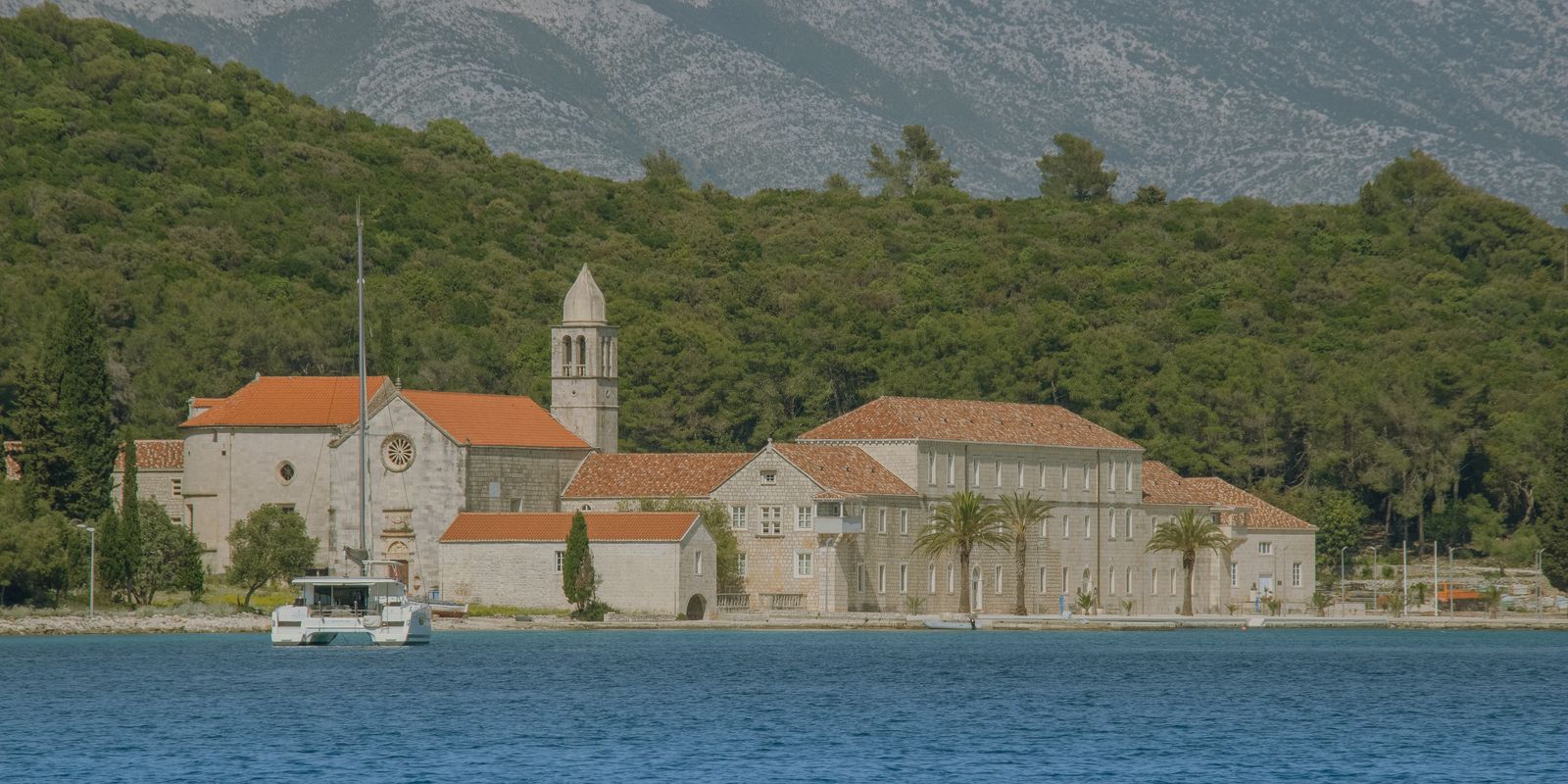
12 things to do on Korcula in Croatia
Let’s take a look together at the very best this charming island has to offer. Whether you love history, lazing on the beach or tasting great wine, put together your ideal holiday itinerary exactly to your liking.
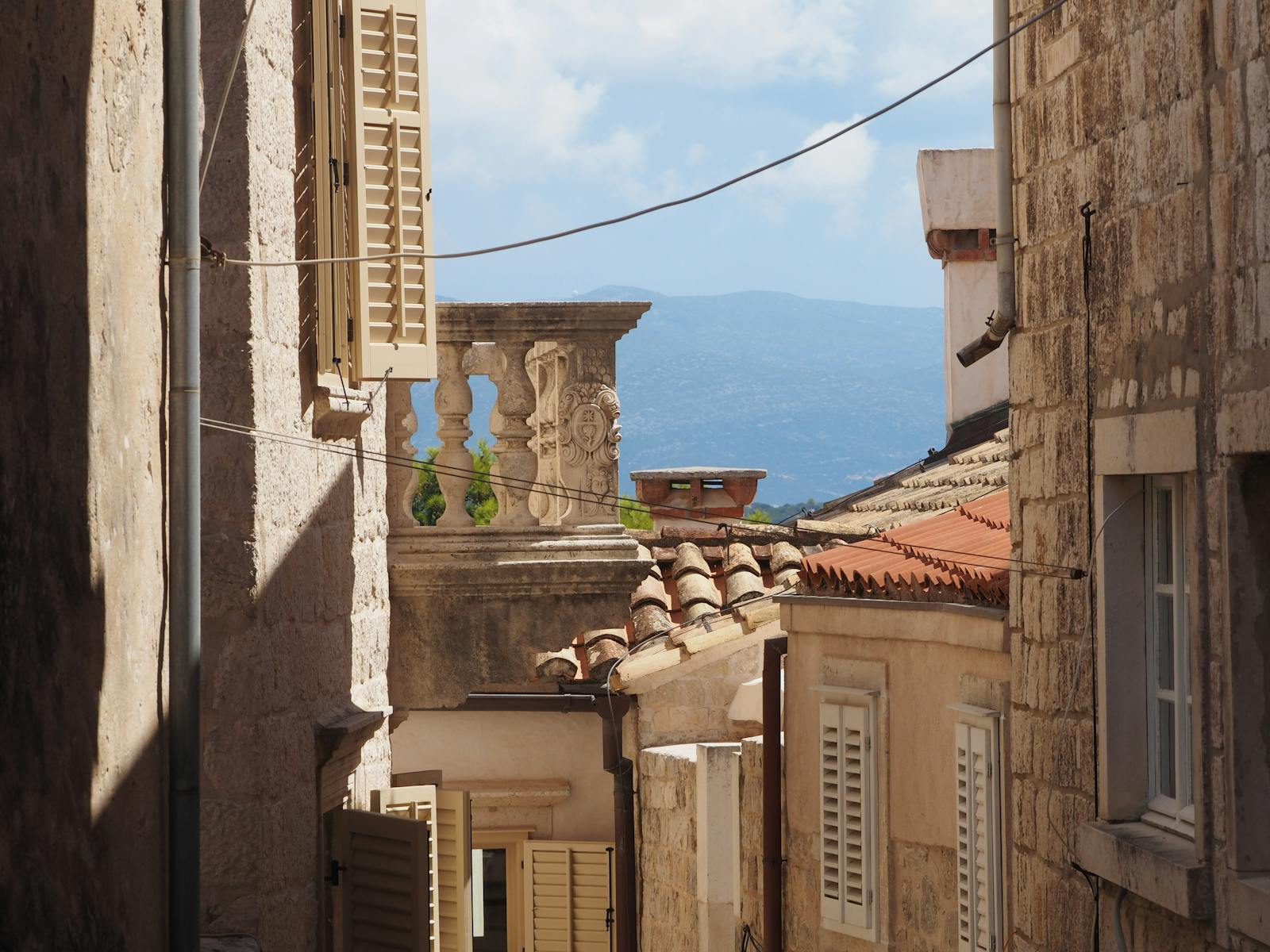
1. Wander through Korcula old town
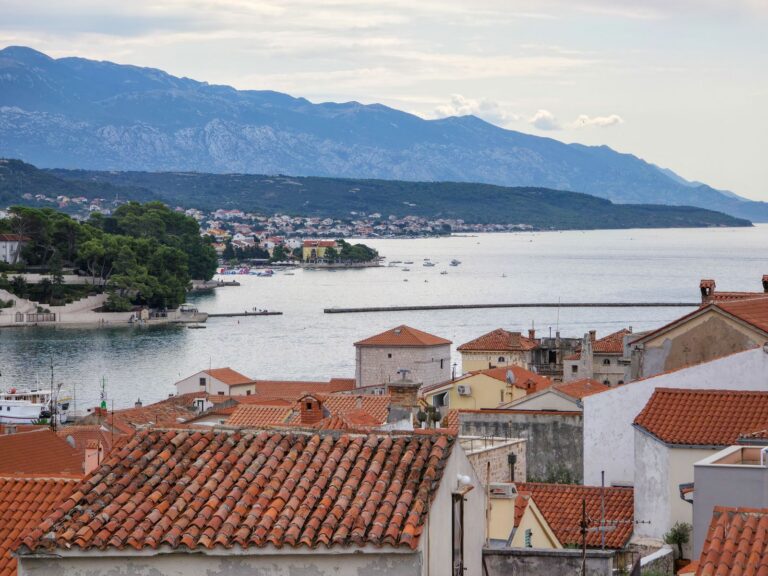
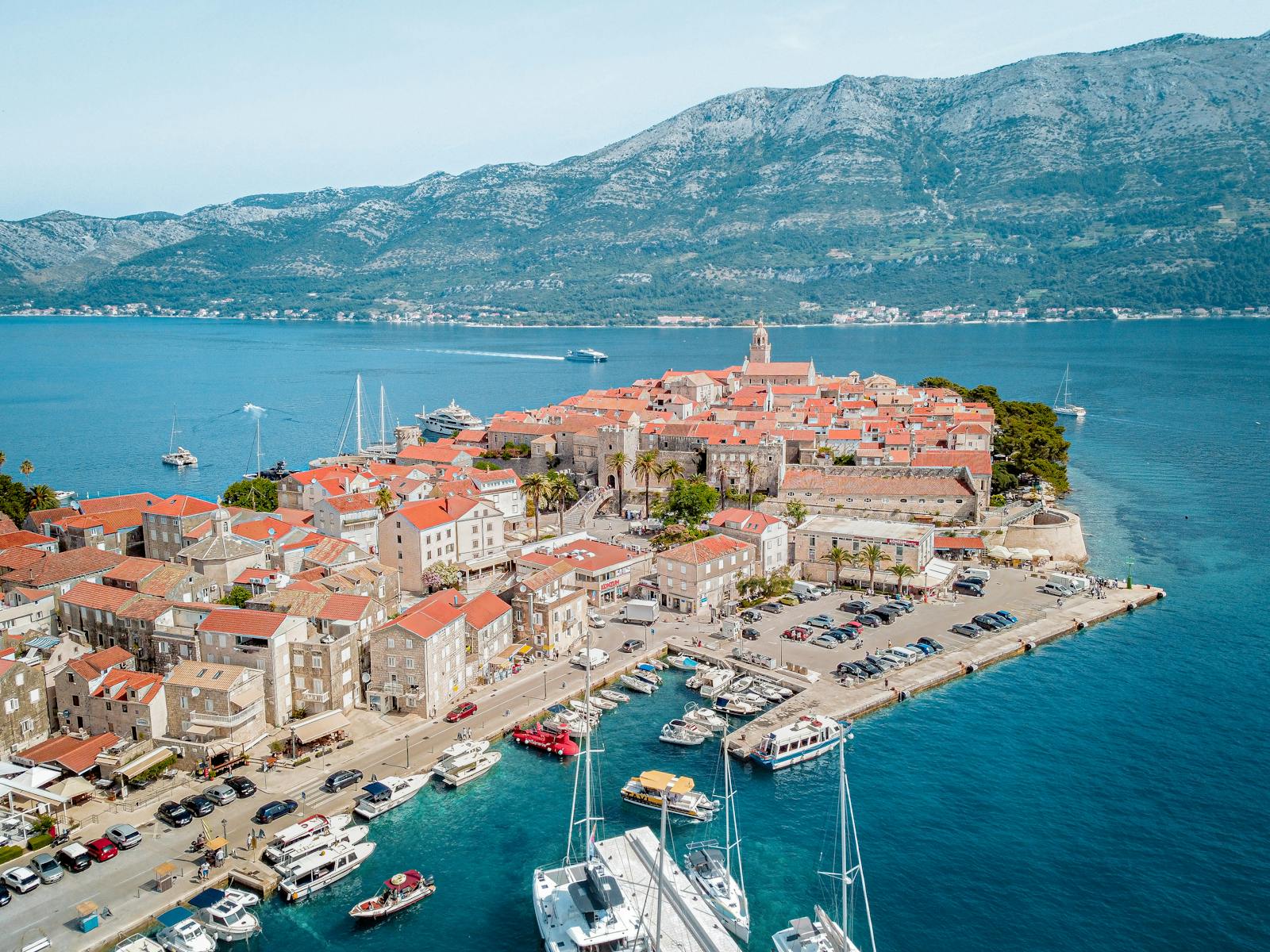
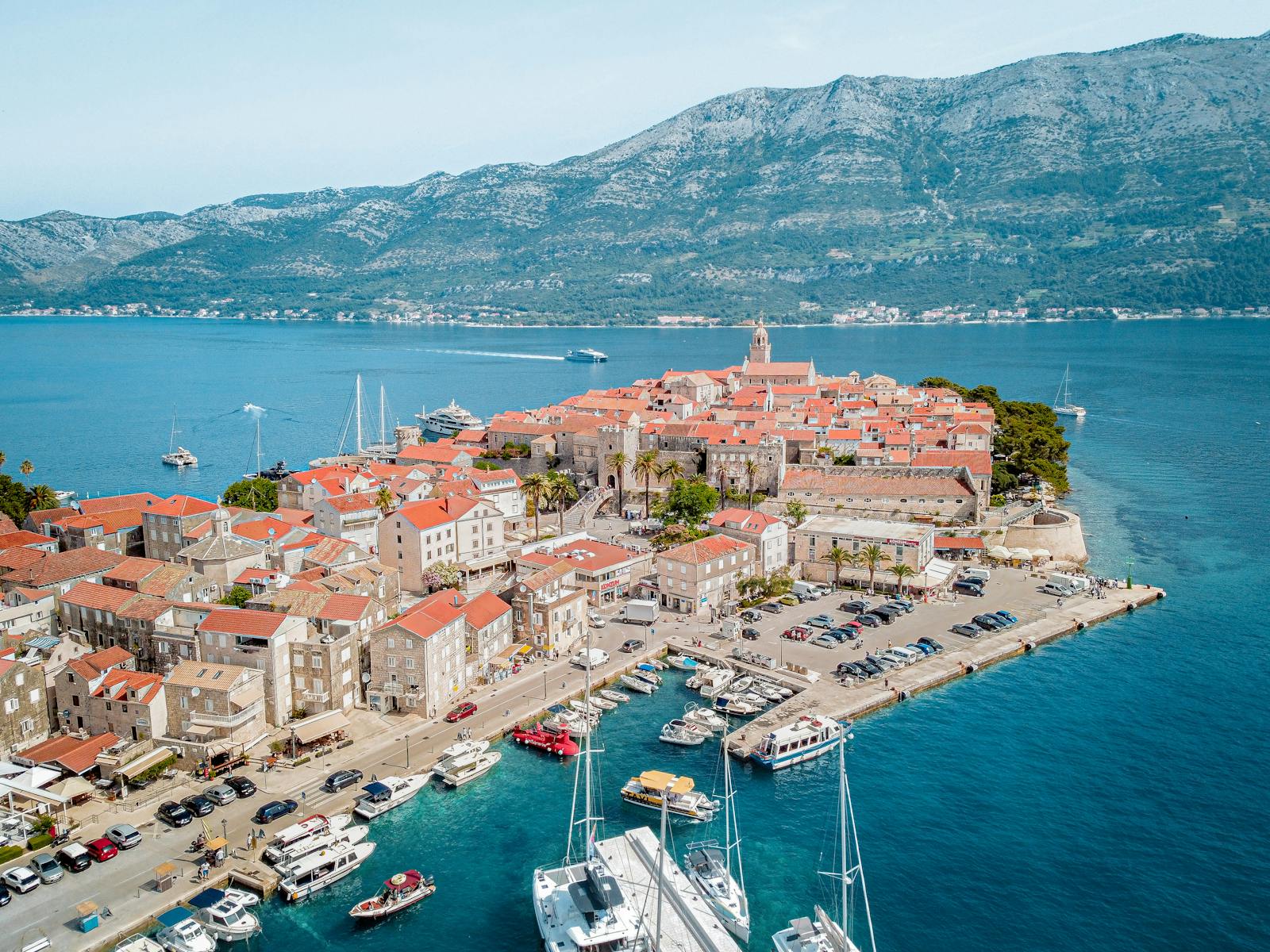
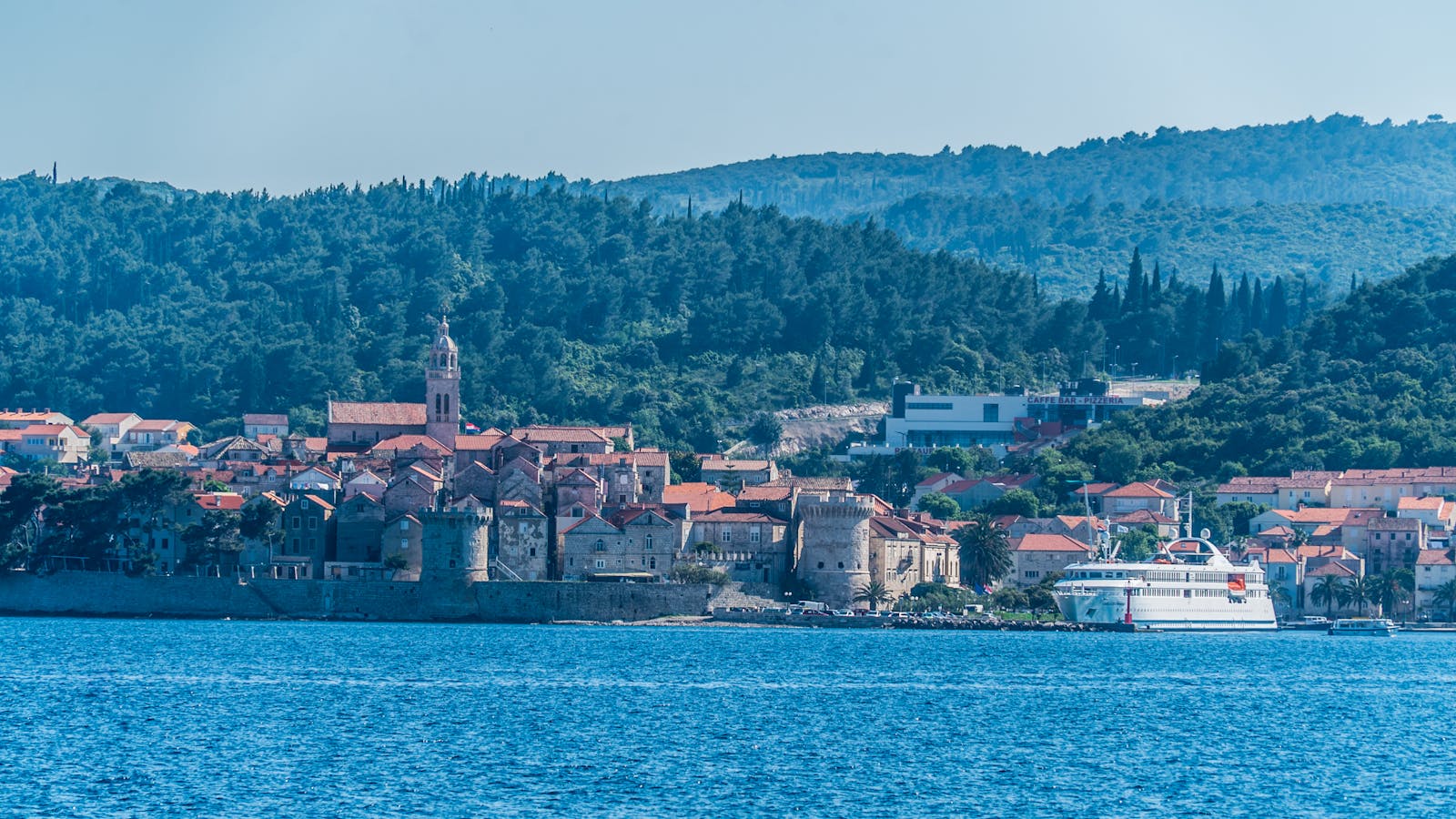
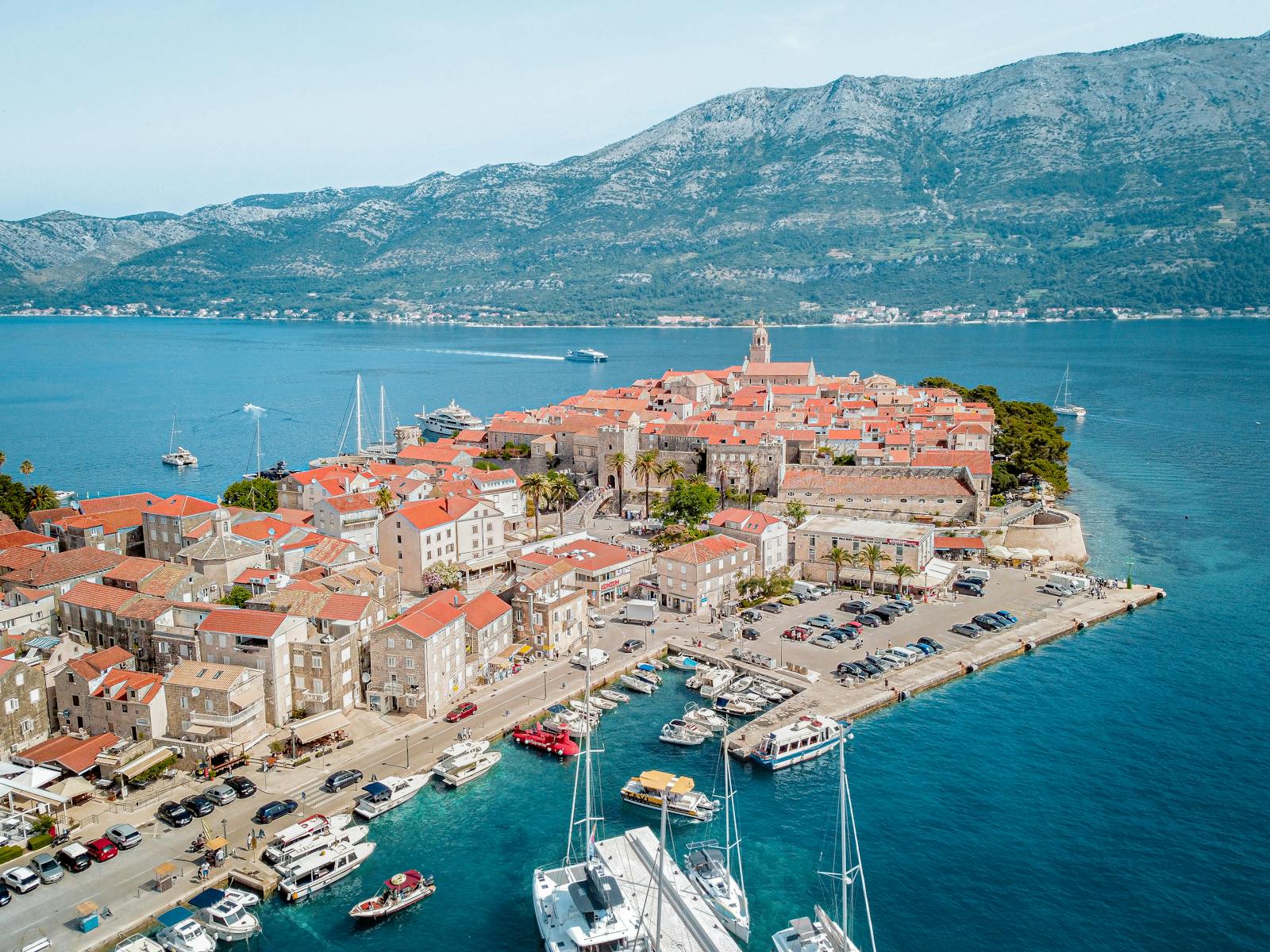
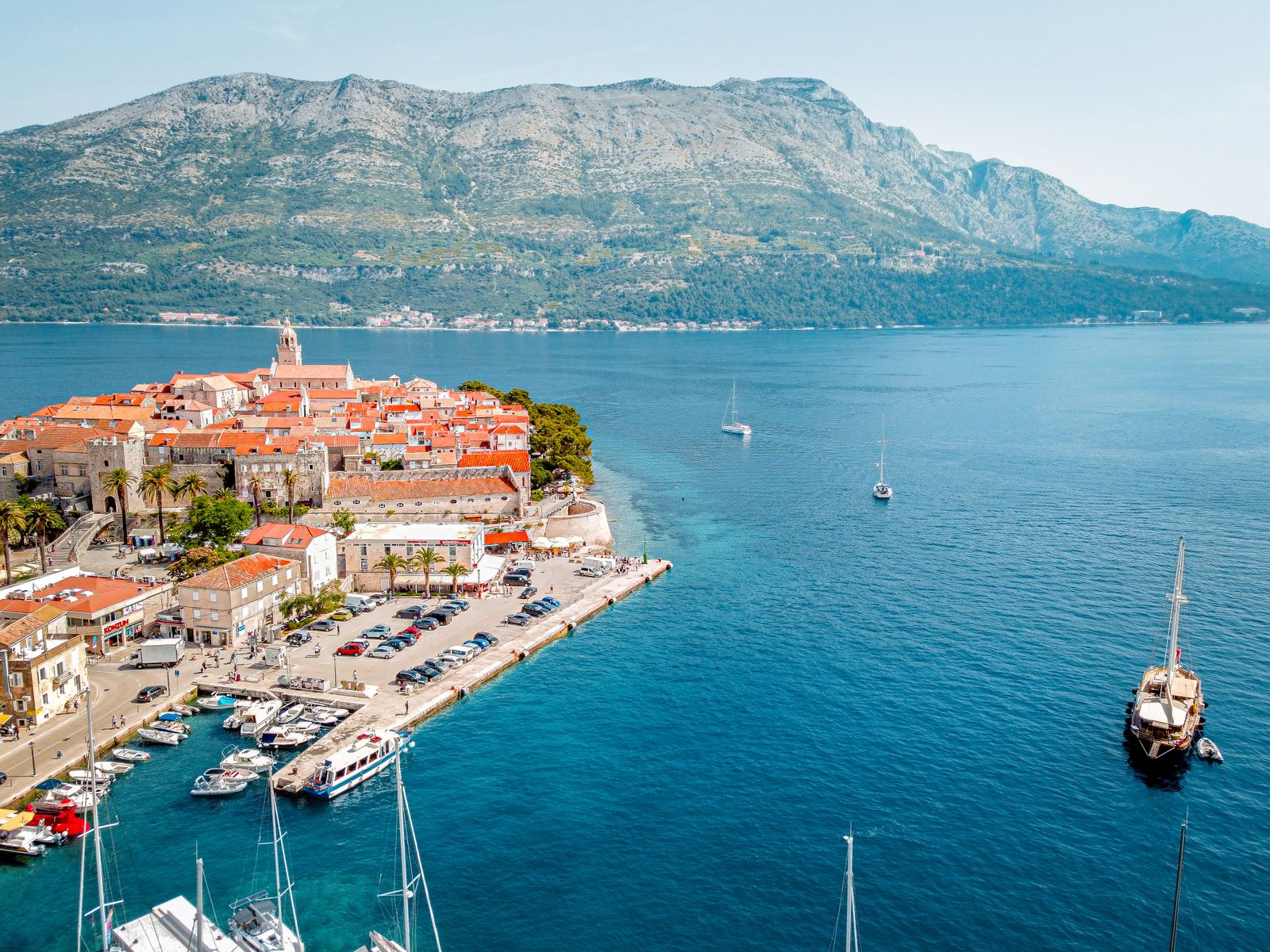
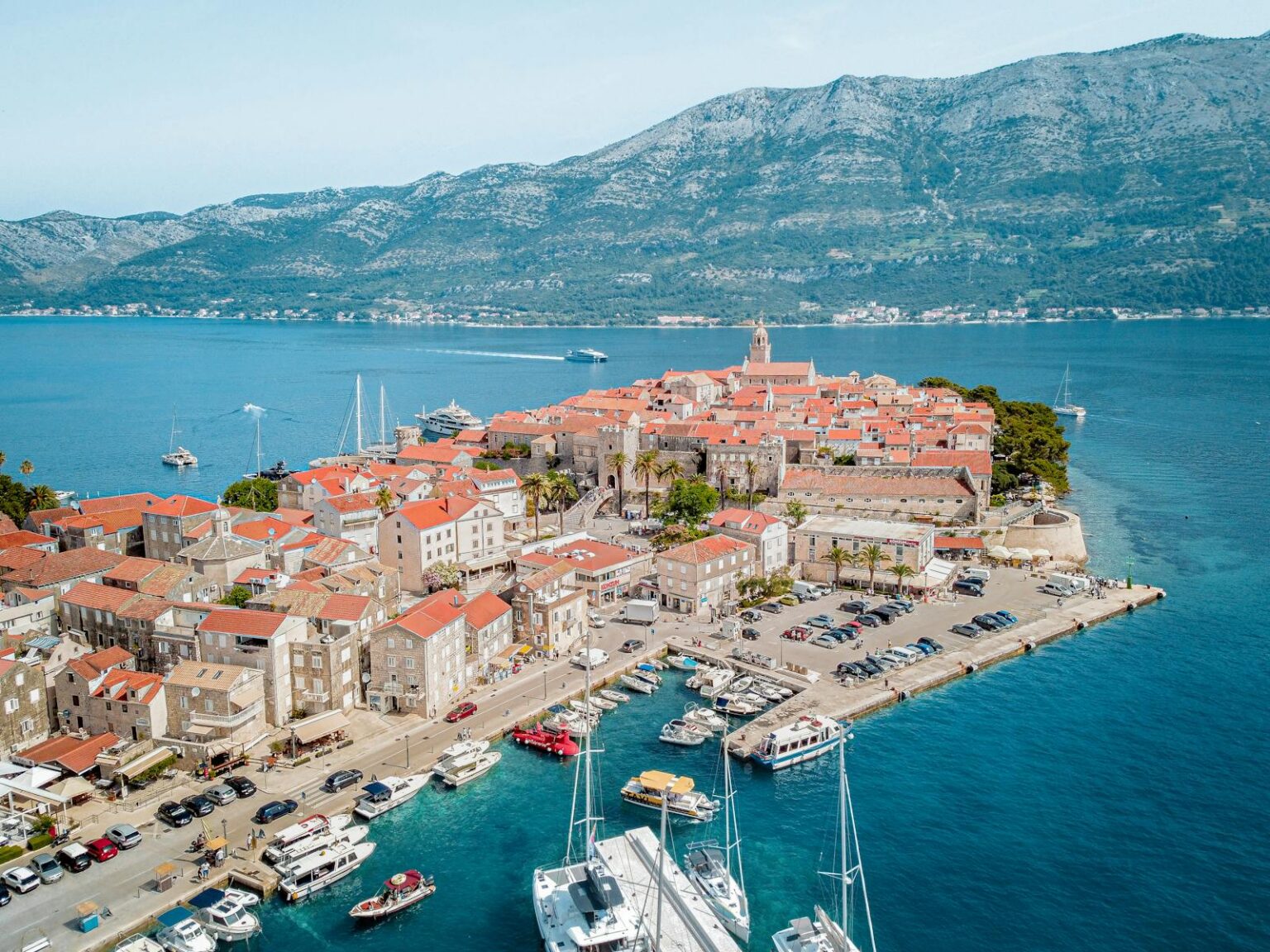
The historic core of the town is built on a small oval peninsula and is entirely encircled by mighty medieval walls from the long era of Venetian rule. The moment you enter through the main southern gate, Velika Revelin, reached by an imposing stone staircase, you’ll feel like you’ve stepped onto the set of a historical blockbuster.
The nickname “little Dubrovnik” is spot on. The stone houses, narrow cobbled lanes and ever-present defensive towers have exactly the same magic, just in a much more intimate and peaceful package. Be sure not to miss a walk along the walls and stop at the Zakerjan tower, which today houses an incredibly stylish cocktail bar with views over the open sea.
If you arrive on the fast passenger catamaran, you’ll step off practically right at the historic walls of the old town. Larger car ferries dock at Domince port, about three kilometres away.
💡 Tip: If you want to enjoy the town without the cruise-ship crowds, head into the lanes early in the morning or, conversely, late in the evening. After dark the old town is beautifully lit by lanterns and takes on an incredibly romantic atmosphere.
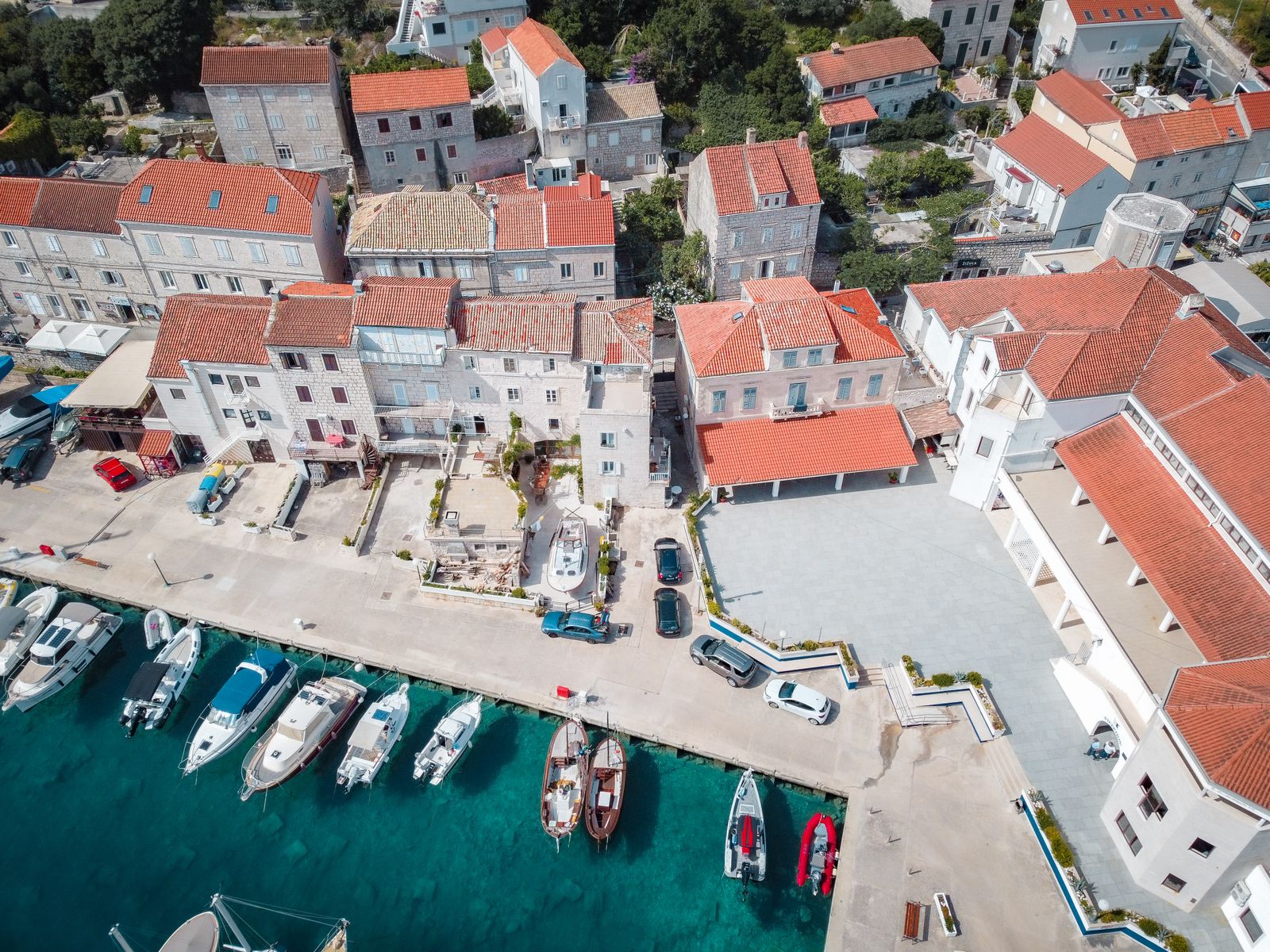
2. Discover the secret of the herringbone street plan
When you look at the old town from a viewpoint or on a Korcula map, you’ll notice an absolute architectural marvel. The lanes are arranged in a herringbone pattern, which is no historical accident but a brilliant medieval town plan thought out to the last detail.
A main street runs down the middle of the peninsula, with smaller lanes branching off it towards the sea. Those on the western side are built perfectly straight, so they let the refreshing summer wind called the maestral flow into the town. This naturally cools the town and lets it breathe in the height of summer.
The lanes on the eastern side, by contrast, are slightly curved. This specific curve serves to protect residents from the icy winter bura while also stopping the harsh, blinding morning sun from shining straight down the streets. It’s a fascinating example of how master builders of old worked perfectly with the natural elements.
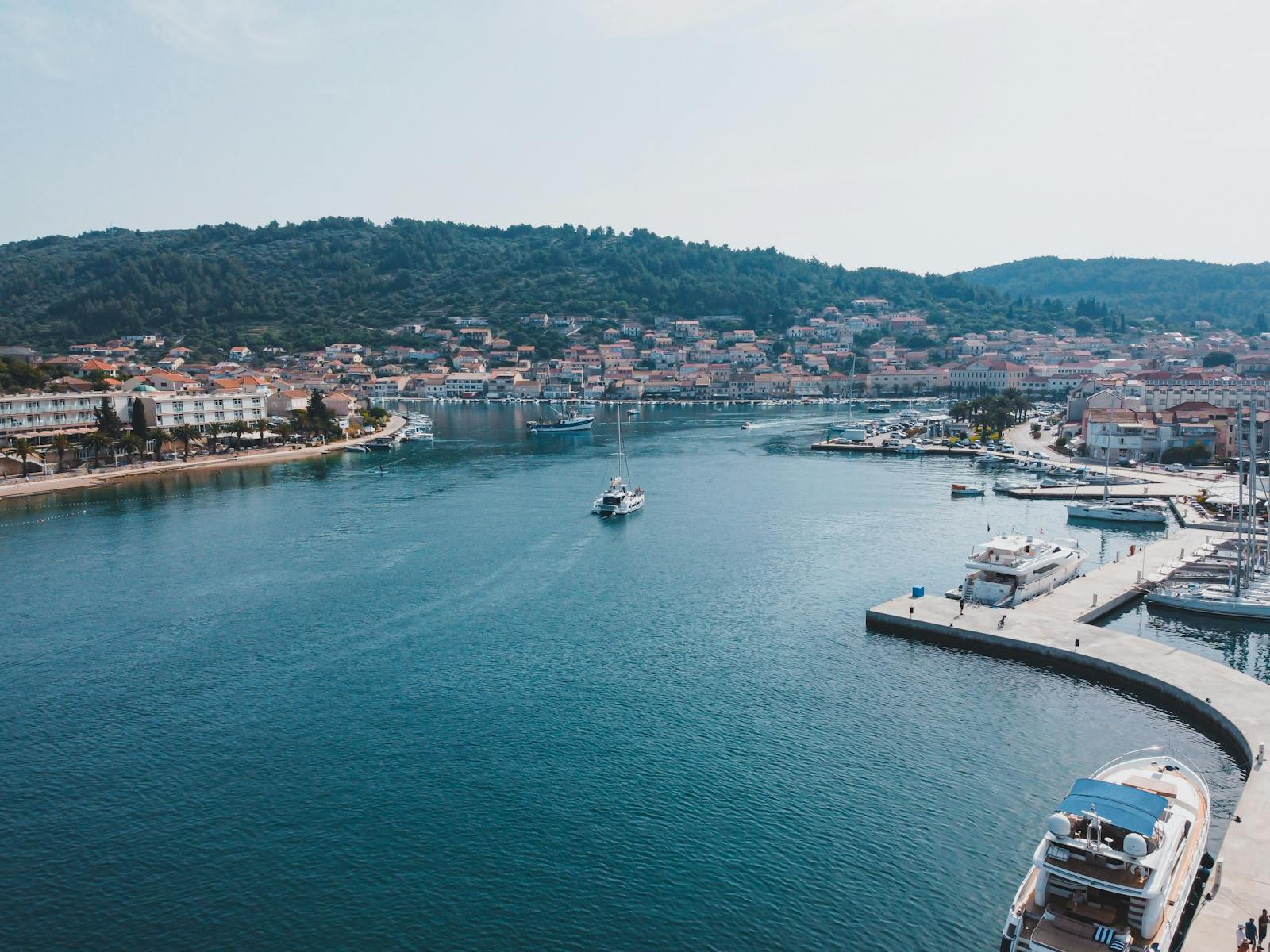
3. Climb the bell tower of St Mark’s Cathedral
Right in the heart of the old town, the magnificent Cathedral of St Mark rises over the main square. This stunning building of local pale stone took more than 150 years to construct and beautifully blends architectural elements of the late Gothic and the emerging Renaissance.
Its facade is adorned with breathtaking stonemasonry details, among them the iconic winged Venetian lion. But the main, most adrenaline-pumping experience awaits you inside. A narrow and, frankly, fairly claustrophobic staircase leads all the way up to the very top of the bell tower, offering a breathtaking panoramic view.
From up high you’ll have the whole old town with its characteristic red roofs laid out at your feet. On a clear day you can see across the narrow strait all the way to the mountainous Peljesac peninsula opposite. The entry fee is absolutely worth it, and the view from here ranks among the very best on the entire island.
4. Visit the alleged house of Marco Polo (with a pinch of salt)
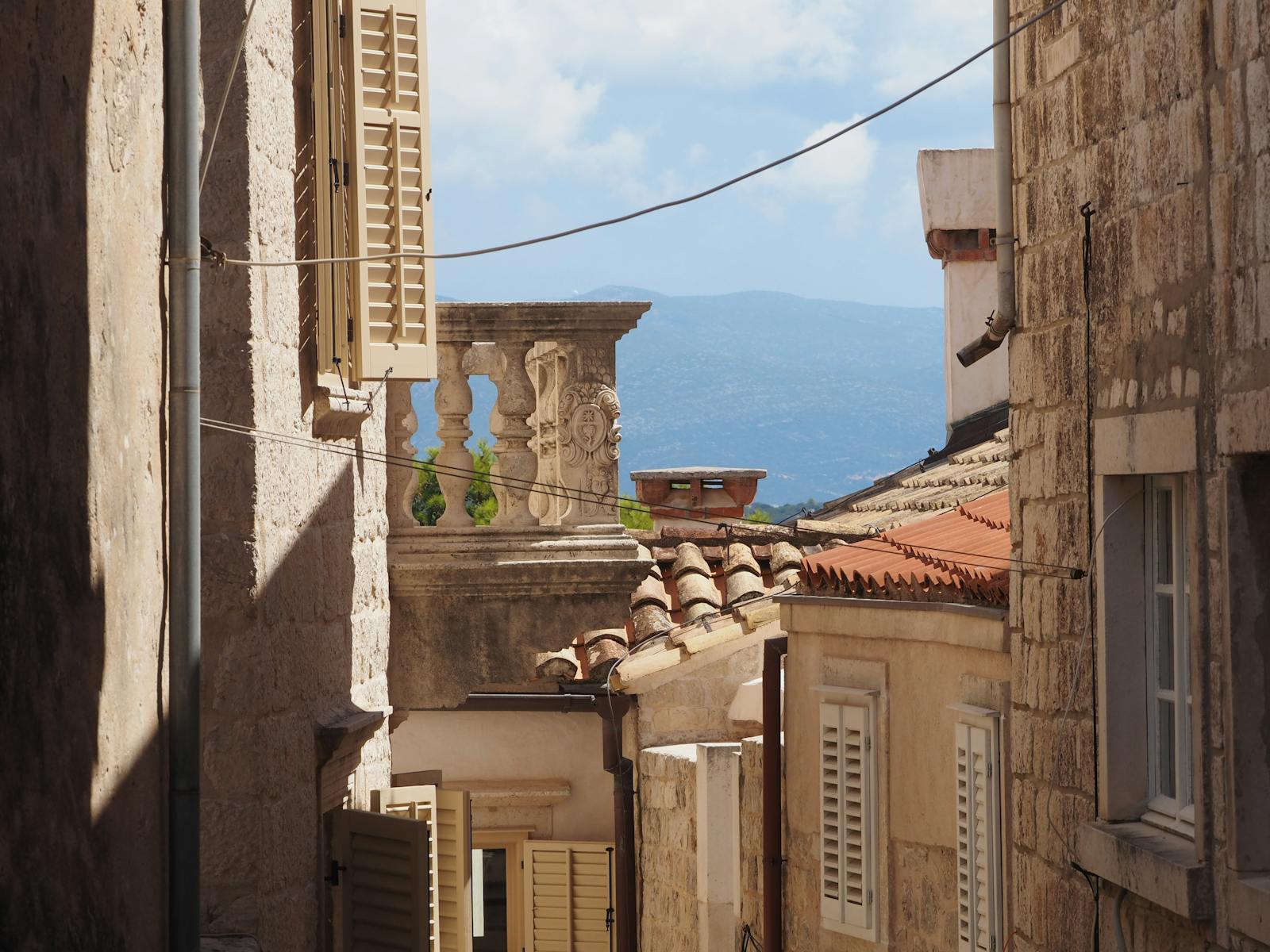
As you wander the town, you’ll very quickly come across the ever-present arrows pointing towards the house of the famous explorer Marco Polo. Locals are immensely proud of the legend that this famous Venetian merchant and explorer was born right here in 1254.
One important thing needs adding, though. Most historians merely smile indulgently at this claim and regard it as more of an invented tradition. The story supposedly only arose after the First World War as a clever boost to the fledgling tourism industry, and there’s simply no tangible proof that he was born on Korcula. 😅
Even so, a visit to the so-called Marco Polo House and the small museum next door is worth a brief stop. Take it as a charming tourist attraction. From the little tower of the old stone house there’s also a really lovely view over the harbour and surrounding islands.
5. Experience the traditional sword dance Moreska
If you’re spending your holiday on the island in summer, don’t miss a performance of the traditional sword dance called Moreska. This chivalric dance has been performed on Korcula for more than 400 years, its roots reaching back to the 16th century, and today it’s even a protected piece of intangible heritage for all of Croatia.
The plot of the whole performance is gripping and dramatic. The White King and the Black King and their armies battle over an abducted princess. It’s all accompanied by the loud clashing of real heavy swords, sparks flying in the night, and dynamic local brass music.
The main and biggest performance always takes place on 29 July, the great feast of St Theodore. During the summer season you can catch this fascinating spectacle in the open-air theatre by the walls, often twice a week. I recommend getting tickets early. A related dance called Kumpanija can also be seen in summer in the inland town of Blato.
6. Head to Lumbarda for Grk wine
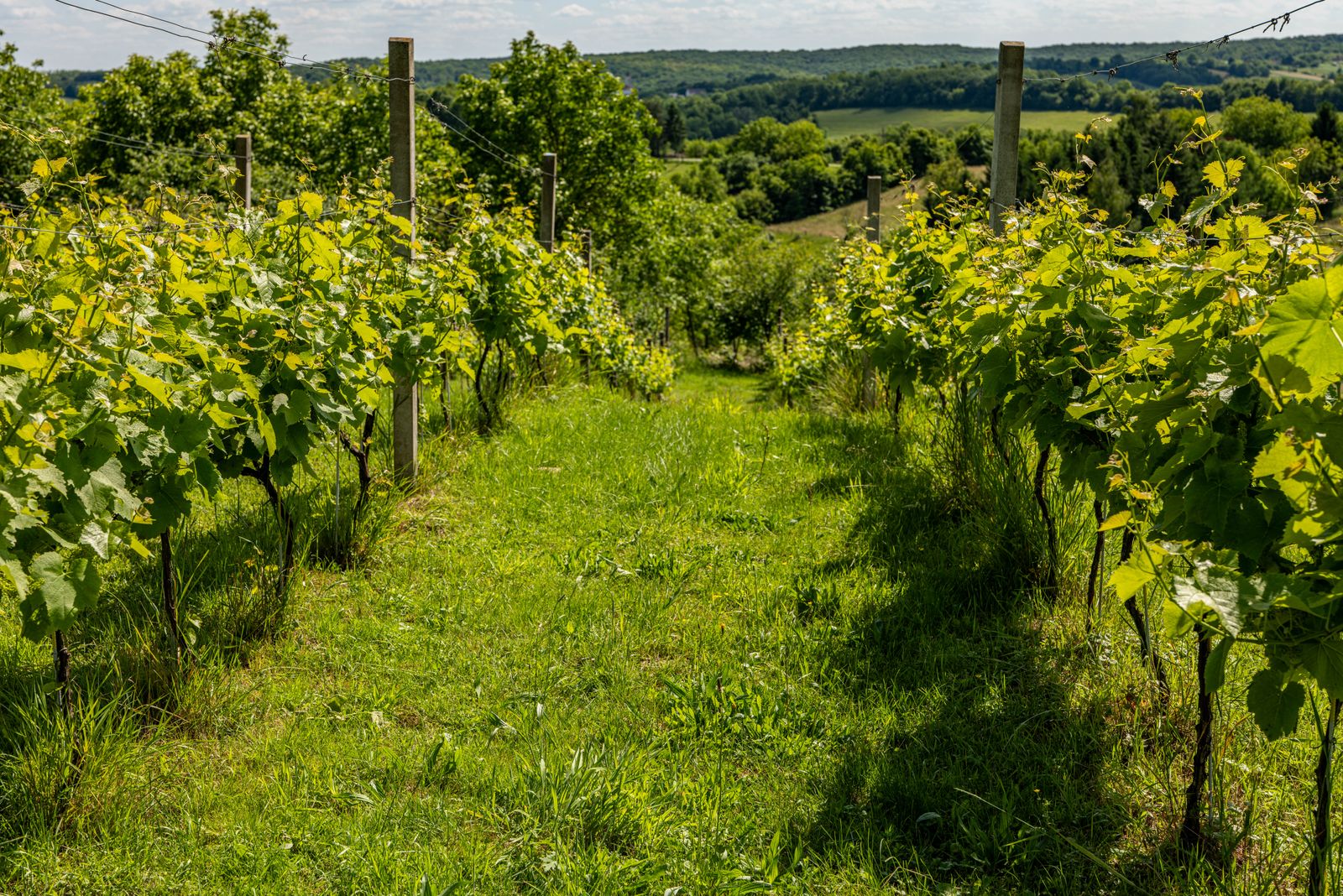
Korcula is an island of wine, and grapevines have been cultivated here since the days of the ancient Greeks in the 4th century BC. A real one-off is the village of Lumbarda, about 15 minutes by car from the main town, where the exclusive white variety Grk is grown on rare sandy soils.
This ancient vine is a huge biological rarity. It has only female flowers and cannot pollinate itself. That’s why you’ll notice it’s always grown in rows alongside the red variety Plavac Mali, which acts as its reliable pollinator.
I’d definitely recommend visiting one of the small family wineries around Lumbarda. You can sit on a terrace overlooking the green vineyards and taste this dry, refreshing and very rare wine, which is practically nowhere else to be found in the world. You can often easily reserve a tasting and a seat through GetYourGuide.
7. Relax on the sandy Vela Przina beach
Classic sandy beaches are a great rarity in Croatia, but the very wine region of Lumbarda mentioned above has several. The best known and probably most beautiful is Vela Przina beach, on the southern side of the island just beyond the sprawling vineyards.
It’s shaped like a perfect crescent moon, and thanks to the very gentle entry into the sea and the wonderfully fine sand it’s absolutely ideal for families with small children. The water in this shallow bay is beautifully warm even at the very start of the summer season.
💡 Tip: In July and August it gets fairly busy by Croatian standards. So I recommend heading out early in the morning or choosing the neighbouring Bilin Zal beach, which is similarly sandy and shallow but a touch smaller and often a little quieter.
8. Swim in Pupnatska Luka bay
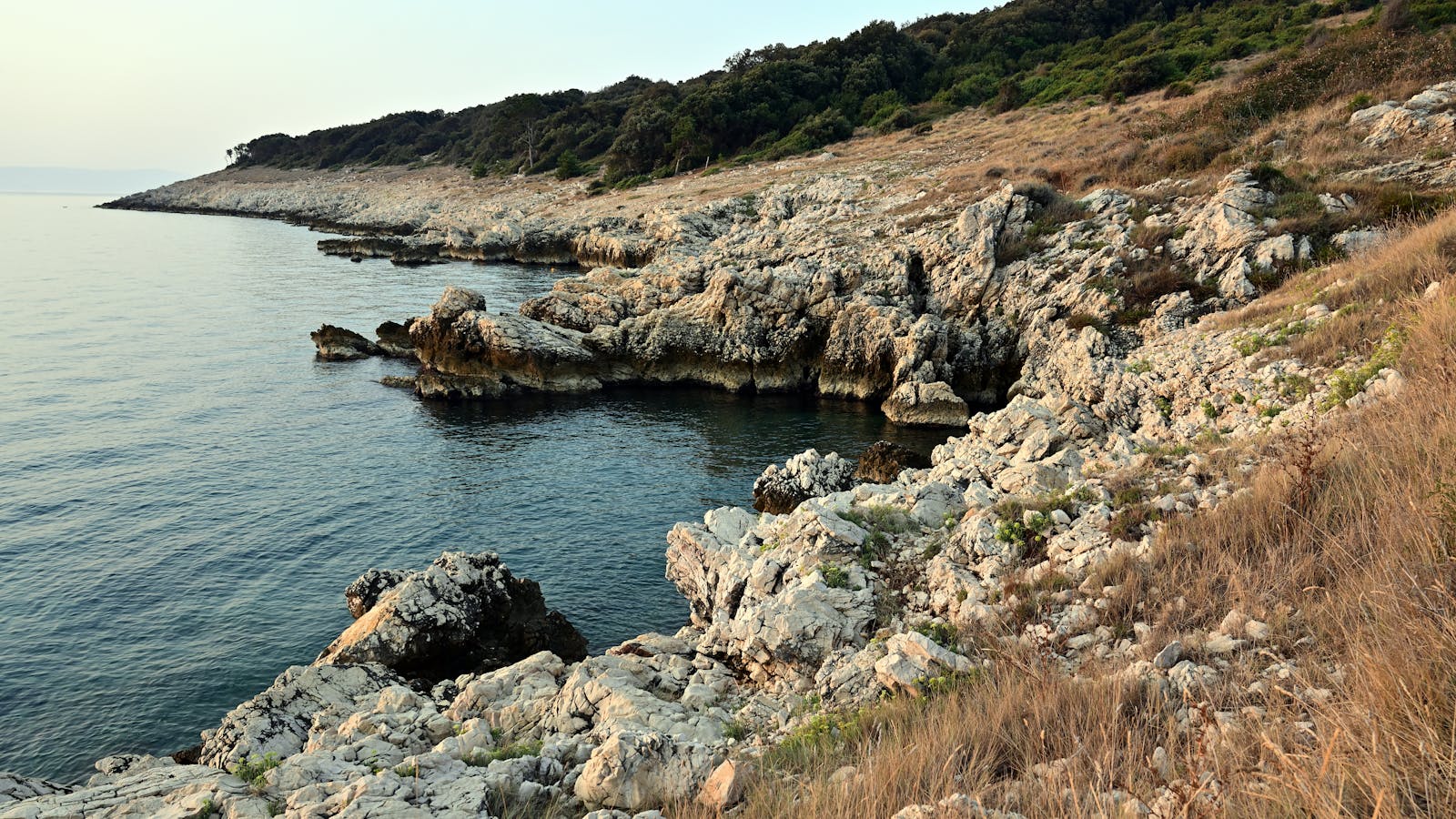
About 25 to 30 minutes’ drive from the town of Korcula you’ll find a spot that graces just about every postcard of this island. Pupnatska Luka is a gorgeous horseshoe-shaped bay on the southern coast that will instantly amaze you with its wild, untouched beauty.
The beach itself is made of pale pebbles that gleam in the sun. The water here is such an unbelievably turquoise and crystal-clear colour it almost dazzles you. The whole bay is also fringed by dense pine and oak forests, providing very welcome natural shade during the hot afternoons.
A fairly narrow and winding little road leads down to the beach, so you need to drive very carefully. On site you’ll find a paid car park and a small beach bar serving basic refreshments. It’s absolutely worth making a full day trip out here, because the swimming is truly fantastic and photogenic.
9. Try the traditional zrnovski makaruni
Besides its excellent wine, Korcula also has its own culinary treasures you won’t find anywhere else in Croatia. The most famous of all is the hand-made hollow pasta called zrnovski makaruni. It comes from the little village of Zrnovo, and the recipe has been passed down within local families from generation to generation for over 400 years.
Making it is quite demanding and requires real skill. Each piece of dough is wound by hand around a thin wooden stick to create that typical hole in the middle. If you’re after vegetarian food, I’d recommend tasting it with a proper homemade tomato sauce, herbs and a generous helping of local cheese. It’s an absolute treat.
Local restaurants traditionally also serve this pasta with a rich beef ragout or so-called pasticada, a celebrated Dalmatian meat speciality. In August Zrnovo even holds a big summer festival devoted purely to this pasta, where you can watch it being made live. For dessert, definitely try kotonjata, a delicious quince cheese.
10. Drive through the interior and taste Posip wine
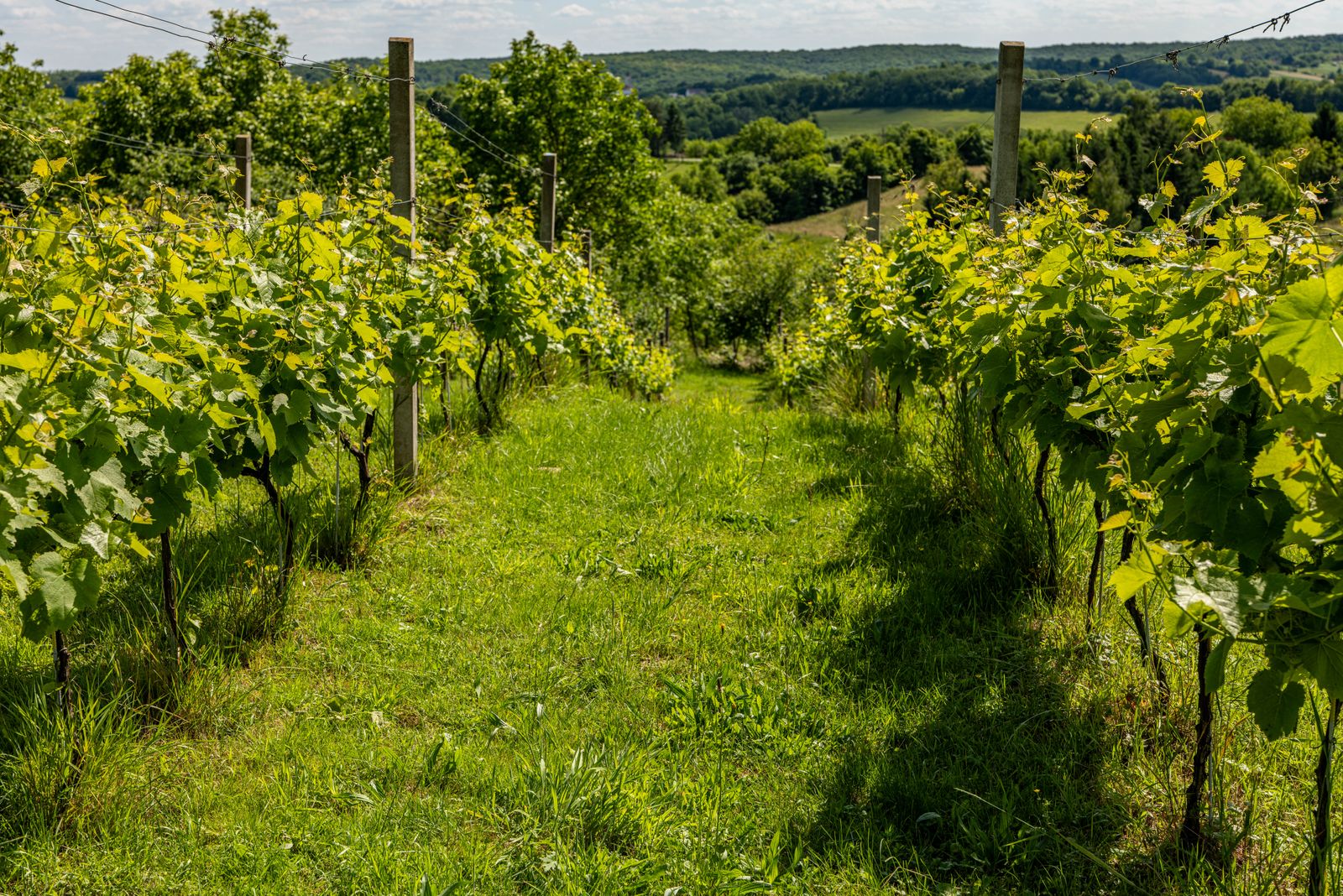
While the east of the island belongs solely to Grk wine, the centre and west of Korcula are ruled by the far more famous variety Posip. The heart of cultivation for this fuller-bodied white is the picturesque villages of Smokvica and Cara, set right in the middle of fertile and surprisingly green valleys.
Posip is a very distinctive, highly aromatic wine. The really interesting thing is that historians know the exact spot where it was discovered and even the name of the 19th-century winemaker who stumbled upon this wild vine in the forest and began cultivating it commercially. Today it’s one of the most renowned white wines in all of Croatia.
When driving across the island, be sure to make time for a trip along the so-called wine and olive oil route. This lovely scenic road connects the towns of Blato, Vela Luka and Smokvica. You’ll find plenty of small family cellars where local winemakers will welcome you warmly and hospitably.
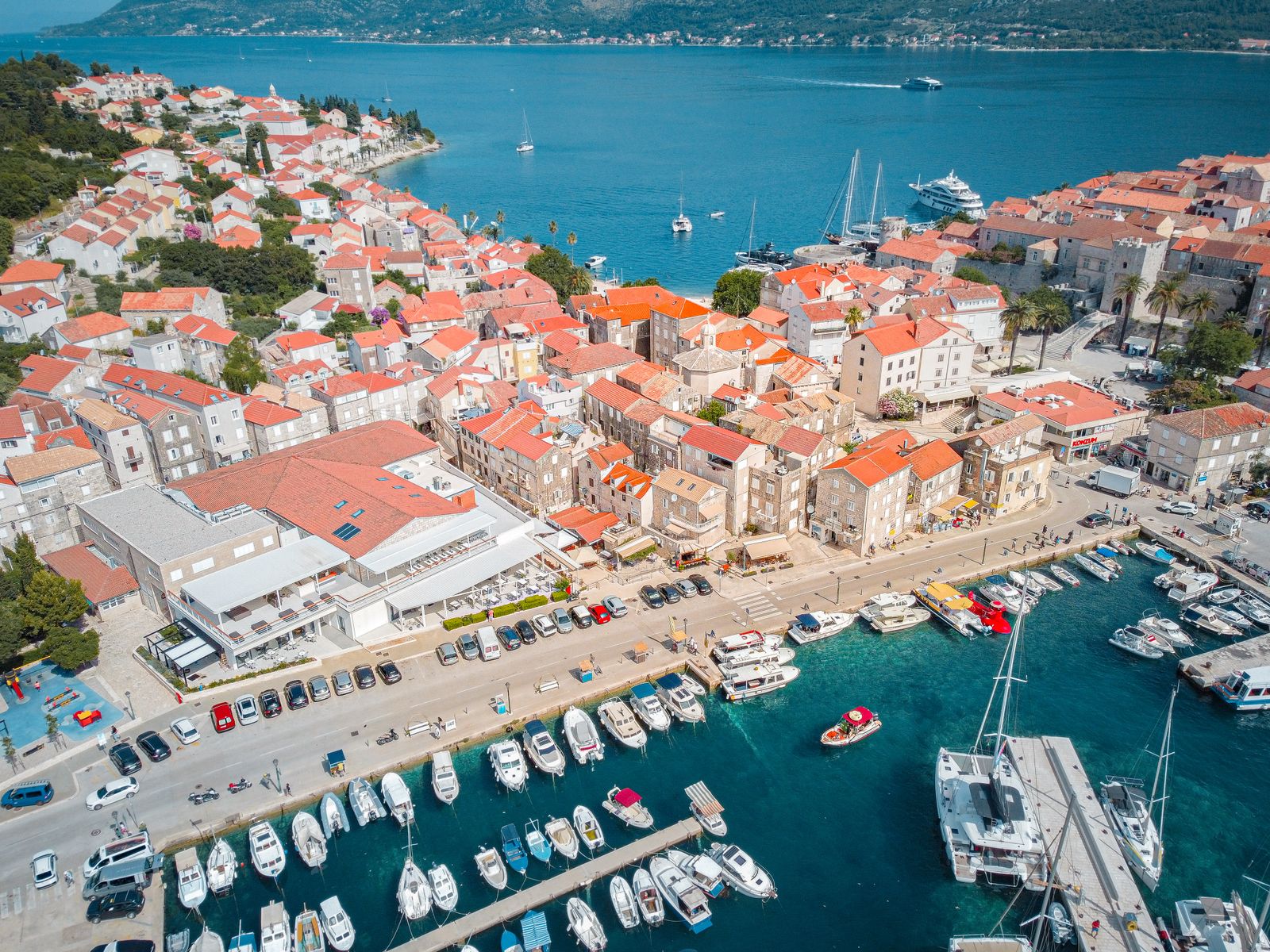
11. Take a trip to the islet of Proizd
At the very western tip of Korcula, not far from the large port town of Vela Luka, lies a little natural paradise. The uninhabited islet of Proizd was officially declared the best beach on the whole Croatian Adriatic back in 2007, and thankfully it has kept its wild, untouched face to this day.
Getting to the island is very quick and easy. In season, taxi boats sail here regularly from the port in Vela Luka and the easygoing journey across the sea takes around 20 minutes. Don’t be put off by the fact there are no big hotels, restaurants or busy promenades on the island. That’s precisely where its greatest charm lies.
Here you’ll find beautiful white pebble beaches lined with huge, smooth, flat rocks, perfect for sunbathing and relaxing. The water is so crystal clear and full of life that it’s one of the very best spots on the entire island for keen snorkellers.
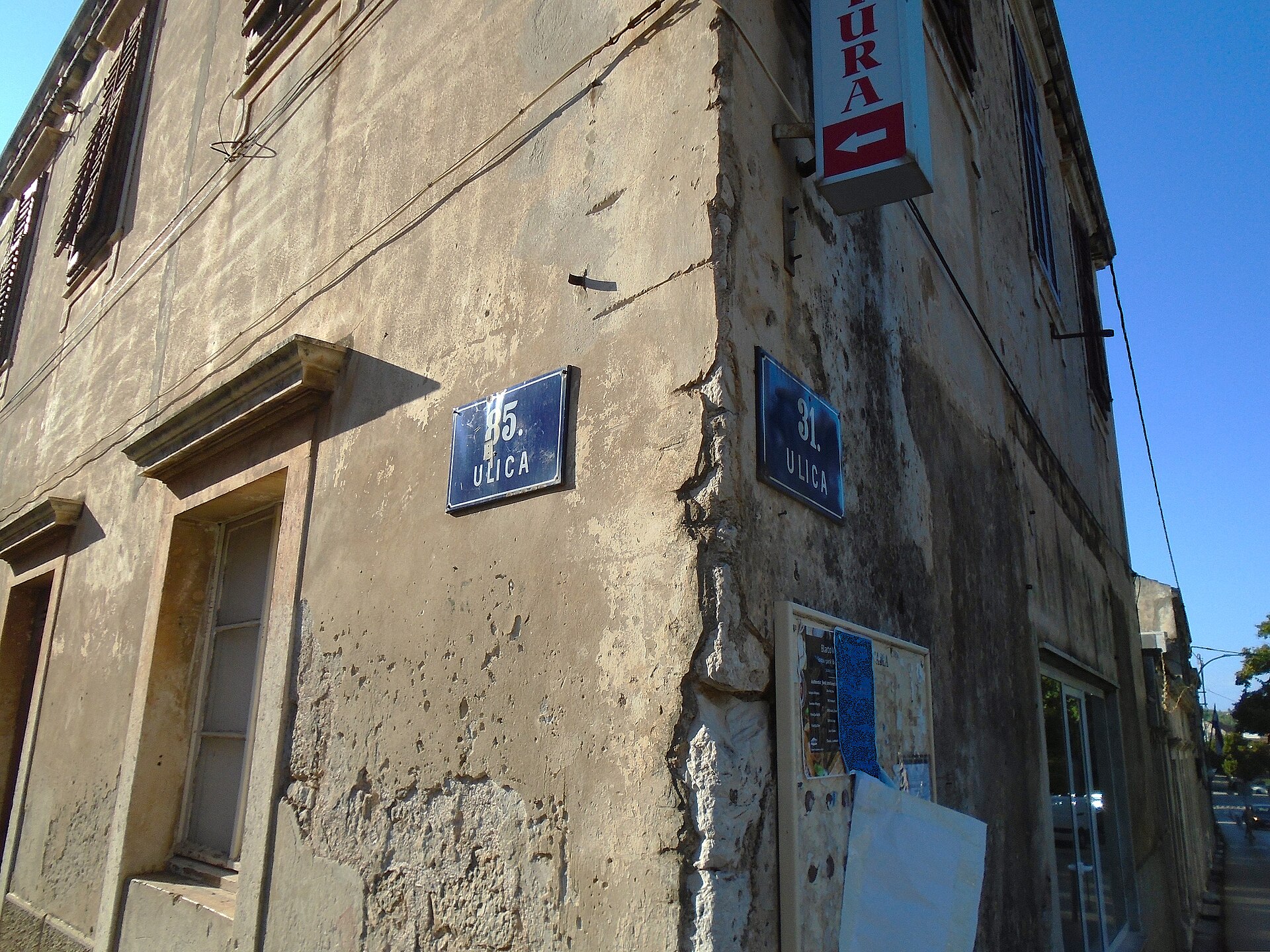
12. Lose yourself in the lime tree avenue in Blato
Most ordinary tourists stick exclusively to the sea coast during their holiday, but it would be a huge shame to miss the interesting inland town of Blato. Its main symbol is a stunning, perfectly straight kilometre-long avenue of mature lime trees, which in the hot Dalmatian summer provides absolutely perfect shade for a stroll.
Blato was historically the main economic centre of the whole island and has retained a wonderful, very peaceful old-world atmosphere to this day. In summer it also hosts the popular Blato Summer Festival, which includes the traditional sword dance Kumpanija. That’s a very close relative of the more famous Moreska from the main town.
The surroundings of this inland town are laced with old stone walls and endless olive groves. It’s therefore an absolutely ideal place for quiet evening walks or gentle cycling, far from the main tourist bustle and crowded beaches.
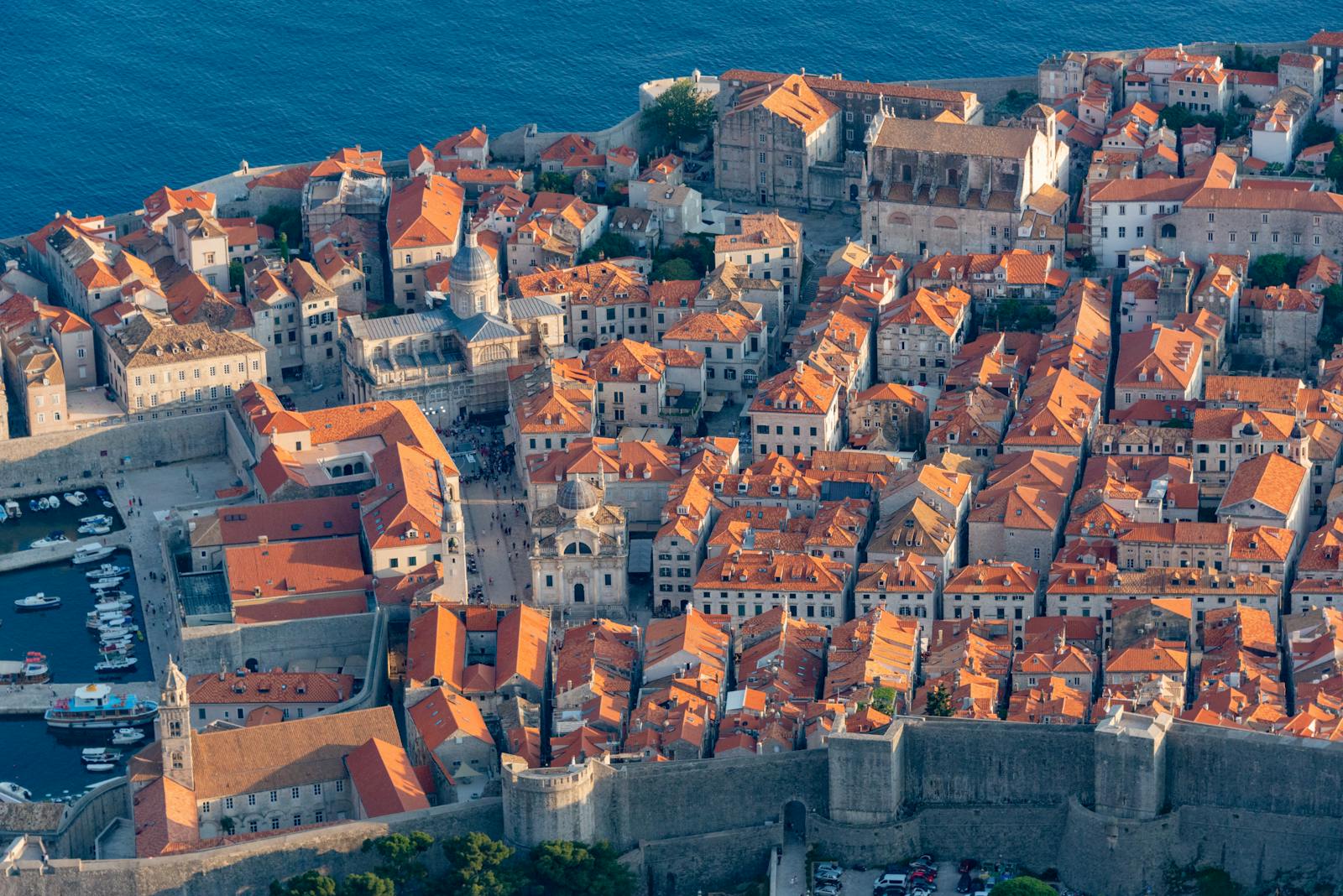
Map of points of interest for your phone
Where to go next from Korcula
If you’re spending several days on the island, definitely consider trips to the surrounding area. Korcula’s geographic position practically invites it.
- Peljesac peninsula: Just hop on the ferry from the town of Korcula and in 15 minutes you’re in Orebic. From there you can hike up to the Franciscan monastery for a gorgeous view, or head off for a tasting of the bold red wines Dingac and Postup.
- Mljet National Park: In under an hour the catamaran takes you to one of the greenest islands in the Adriatic. Two saltwater lakes and an ancient Benedictine monastery on a tiny islet in the middle of a lake await you.
- Read our general guide on where to go on holiday in Croatia.
- If you’d like to enjoy the sea from a different perspective, take a look at our article Croatia by boat.
- You can also stop off on the mainland — we’ve put together detailed tips on what to see in Dubrovnik.
- And don’t forget to browse our tips for lovely accommodation in Croatia.
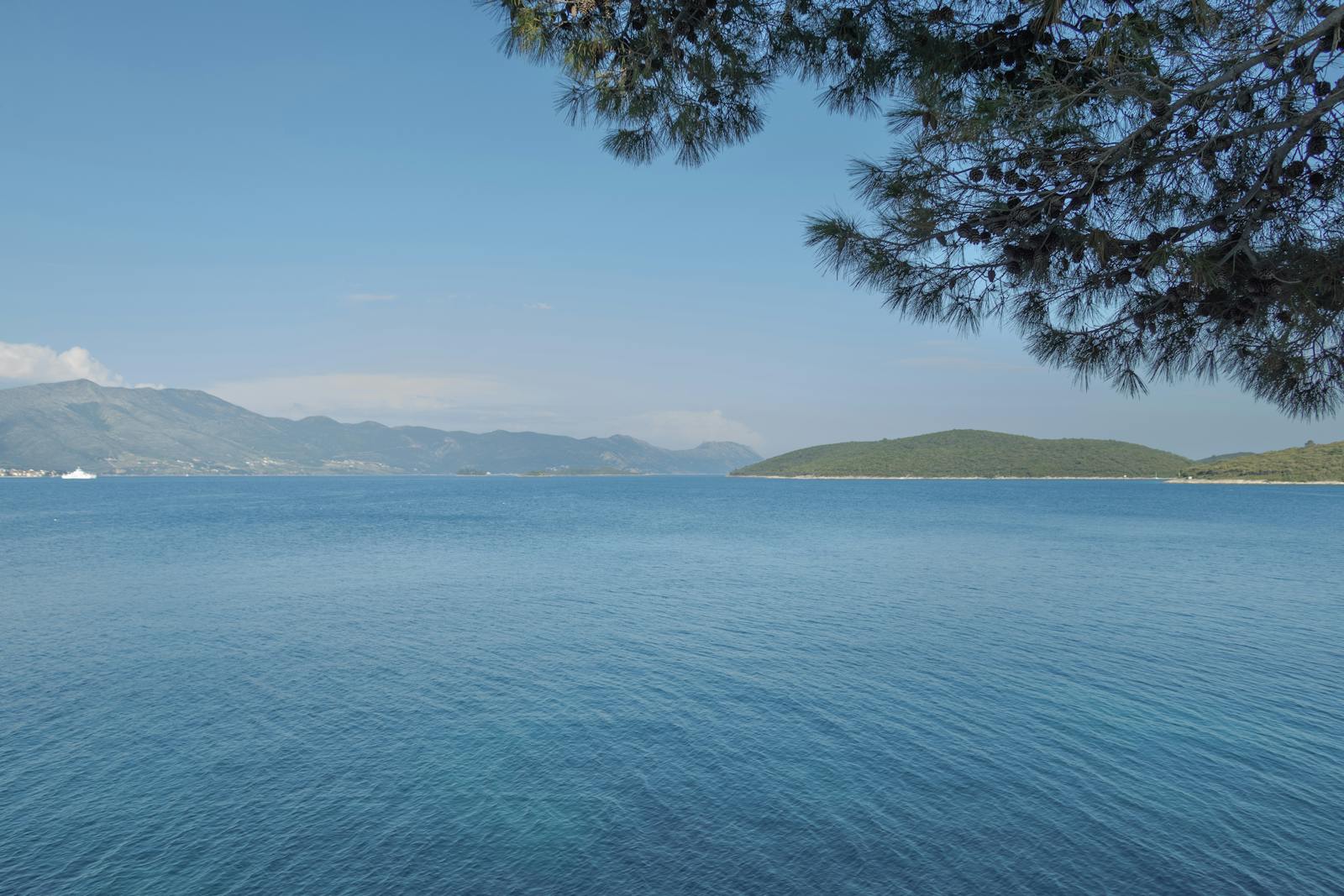
 🚗 Car rental on the road
Verified car rentals in Croatia
🚗 Car rental on the road
Verified car rentals in Croatia
Search with the DiscoverCars comparison engine — it compares prices from dozens of local and international rental companies, and most bookings come with free cancellation.
Compare car prices in Croatia →Frequently asked questions
How to best get to Korčula?
The fastest option for traveling by car is to drive via the mainland bridge to the Pelješac peninsula and from the town of Orebić take a short car ferry (Jadrolinija line) to the port of Dominče on Korčula. The boat journey takes just an amazing 15 minutes. From the airport or the city of Split, fast catamarans for foot passengers (approx. 3 hours) run directly to Korčula old town, or slower car ferries to the port of Vela Luka.
How much does the ferry to the island cost?
Prices vary according to season. For 2026, on the shortest route from Orebić you’ll pay around €10.40 for a car up to 5 meters outside the season and €16.20 during peak summer season. An adult foot passenger will pay €2.50 outside the season and €4.40 in summer. I recommend always buying tickets in advance online on the carriers’ official websites.
Do I need a car on the island?
It depends on where you’re staying. If you have accommodation in Korčula old town and arrive by passenger catamaran from Split or Dubrovnik, you won’t need a car at all. You can explore the town on foot and use boats for excursions. However, if you want to discover hidden beaches like Pupnatska Luka or inland wineries in Čara, a car is a huge advantage.
Where can I find sandy beaches on the island?
Korčula is one of the few Croatian islands with real sandy beaches. The best ones can be found around the small town of Lumbarda in the east of the island. The most famous is Vela Pržina beach, which has amazingly fine sand and a very gradual entry into the water, making it absolutely ideal for families with small children.
How many days do I need on the island?
To make your trip to southern Dalmatia really worthwhile and soak up the local atmosphere, I recommend setting aside at least 4 to 5 days for the island. During this time, you’ll be able to explore the old town at your leisure, taste exceptional wine in Lumbarda, swim at the most beautiful beaches, and take a boat trip to the unspoiled islet of Proizd.
What vegetarian food can I try?
Croatian cuisine is indeed full of meat and fish, but on Korčula you definitely won’t go hungry. Traditional hollow pasta žrnovski makaruni can be ordered with excellent homemade tomato sauce and cheese. Local cheeses are also great, roasted vegetables with homemade olive oil, and for dessert I recommend trying kotonjata, which is a traditional sweet quince cheese.
Was Marco Polo really born on Korčula?
Although you’ll encounter this bold claim literally at every turn on the island and can even visit his supposed birthplace, there’s no tangible historical proof. Most experts agree that this famous explorer was born in Venice, and the Korčula legend only emerged after World War I, primarily to boost tourism.
Tips and Tricks for Your Vacation
Don’t Overpay for Flights
Search for flights on Kayak. It’s our favorite search engine because it scans the websites of all airlines and always finds the cheapest connection.
Book Your Accommodation Smartly
The best experiences we’ve had when looking for accommodation (from Alaska to Morocco) are with Booking.com, where hotels, apartments, and entire houses are usually the cheapest and most widely available.
Don’t Forget Travel Insurance
Good travel insurance will protect you against illness, accidents, theft, or flight cancellations. We’ve had a few hospital visits abroad, so we know how important it is to have proper insurance arranged.
Where we insure ourselves: SafetyWing (simple monthly subscription) and TrueTraveller (for extra-long trips).
Find the Best Experiences
Get Your Guide is a huge online marketplace where you can book guided walks, trips, skip-the-line tickets, tours, and much more. We always find some extra fun there!