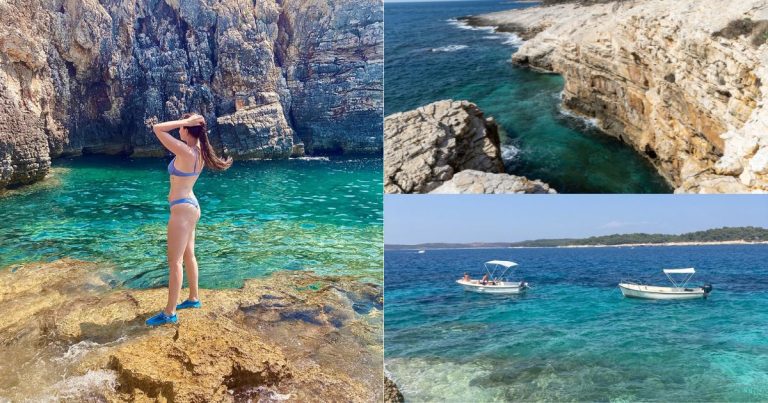
Do you know that feeling when you’re hunting for the perfect summer destination and just can’t decide between rich history, untouched nature and flawless swimming? Rab in Croatia, tucked away in the Kvarner Gulf, gives you a little of everything and throws in one huge bonus on top: soft sandy beaches everywhere you look. Sand is incredibly rare along the otherwise pebbly Croatian coast, which turns this place into an absolute paradise.
Add dense pine and oak forests to those sandy coves and you’ll understand why Rab is so often nicknamed the emerald or green island. You can look forward to more than 2,600 hours of sunshine a year, which all but guarantees gorgeous weather for your holiday. The north-eastern side of the island is fairly bare thanks to the strong bora wind, but as soon as you cross over to the south-west you’re surrounded by lush Mediterranean vegetation.
In this guide we’ll explore the most beautiful spots and the practical tips that make planning your trip a breeze. We’ll show you where to find the best beaches for families with children as well as the hidden coves for those craving peace and quiet. Get your notebooks ready, because Rab has plenty to offer and a single week might not even be enough to explore it all.
TL;DR
- Sandy paradise: Rab is unique for its many sandy beaches, crowned by the famous Paradise Beach in Lopar, which stretches for more than 1.5 kilometres.
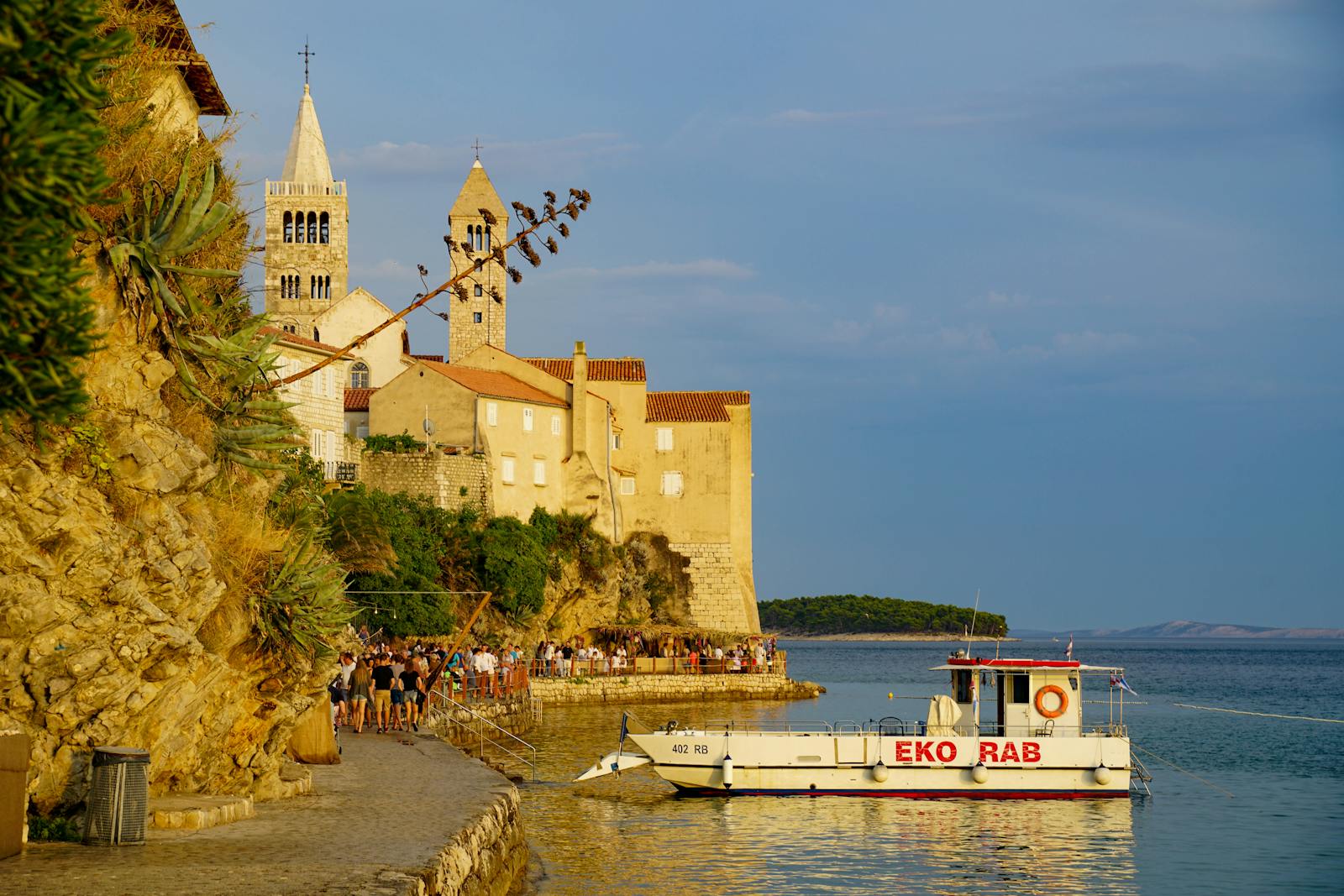
- Historic town: You’ll recognise the main town of Rab from afar thanks to its iconic silhouette of four ancient bell towers.
- Green island: You’ll find sprawling protected forests here, such as Komrčar park or Kalifront, offering blessed shade.
- Ferry travel: The quickest way to reach the island is by ferry from the mainland port of Stinica, or via the longer route from the island of Krk.
- Local cuisine: You absolutely must try the traditional Rab cake, a delicious dessert made from almonds and Maraschino liqueur.
- Active holiday: The island is criss-crossed by over 100 kilometres of marked cycling and hiking trails of varying difficulty.
- Cradle of naturism: Rab has a huge tradition of FKK (nudist) beaches, made famous here in the 1930s by a British king.
The full destination guide: Istria & Kvarner — guide and what to see
When to visit Rab in Croatia
If you want to enjoy carefree swimming in a warm sea, the best time to visit is from June to September. The island boasts more than 2,600 hours of sunshine a year, so you’re all but guaranteed glorious weather. During the peak summer months of July and August, air temperatures usually hover around 28 to 30 degrees Celsius and the sea sits at a pleasant 25 degrees. Just bear in mind that August brings the biggest crowds of tourists and accommodation prices peak.
For a noticeably calmer holiday, I’d recommend heading over at the turn of May and June or later on between September and early October. During this period the sea is still warm enough for swimming and the sun is strong, but the beaches and the historic lanes are practically empty. That way you can soak up the authentic atmosphere without queuing in restaurants and save a fair bit on accommodation. These months are also far more pleasant for exploring the local cycle paths and hiking trails.
Outside the main tourist season, especially from November to April, the island is very quiet and most services, restaurants and hotels close their doors. November also tends to be statistically the rainiest month of the year, so for a winter escape to warmth I’d opt for more exotic destinations instead. Throughout the year it’s also worth remembering that the north-eastern side of the island is exposed to the strong, cold bora wind, which leaves that part of the coast fairly bare. But if you’re after complete solitude for long walks along an empty shoreline on the sheltered south-western side, the spring months and their reawakening nature will certainly win you over.
Where to stay on Rab island
💡 Accommodation and experiences tip: We prefer searching for accommodation on Booking.com, which usually has the best cancellation terms. For tickets, tours and activities it pays to compare and book through GetYourGuide.
Choosing the right base for your stay depends mainly on the type of holiday you prefer and exactly who you’re travelling with. The historic town of Rab and its immediate surroundings are absolutely ideal for those of you who want excellent restaurants, cafés and romantic evening strolls through cobbled lanes right on your doorstep. A great choice here is, for example, the upmarket Imperial Valamar Collection Hotel, which sits right by the town’s Komrčar park and offers a perfect base for more demanding travellers.
If you’re travelling with small children and your main goal is sandy beaches and shallow sea, definitely look for accommodation in the resort of Lopar on the island’s northern tip. This is home to the famous Paradise Beach and a huge range of family attractions. Very popular in this area is the San Marino Resort, made up of several smaller hotels and located literally a few steps from the finest sand. It’s a vast, brilliantly equipped complex where you’ll find everything you need, from shops to a variety of sports facilities.
For lovers of complete peace, wild nature and the shade of mature trees, I’d recommend the Suha Punta area or the village of Kampor, where you’ll be surrounded by dense pine forests and small pebbly coves. A golden compromise could be the Banjol or Barbat area, dotted with countless smaller family-run apartments set among fertile gardens and vineyards. From these resorts it’s also just a short walk along the sea into the main town. Always book your accommodation well in advance through the popular Booking.com, because in the summer season the best and best-value places vanish at an incredible rate.
11 best things to see and do on Rab in Croatia
Let’s take a look together at the specific places and experiences you really shouldn’t miss during your holiday. The island offers a fascinating combination of medieval architecture and wild nature, so history lovers and dedicated beach loungers alike will find something to fall for.
1. The historic town of Rab and its iconic bell towers
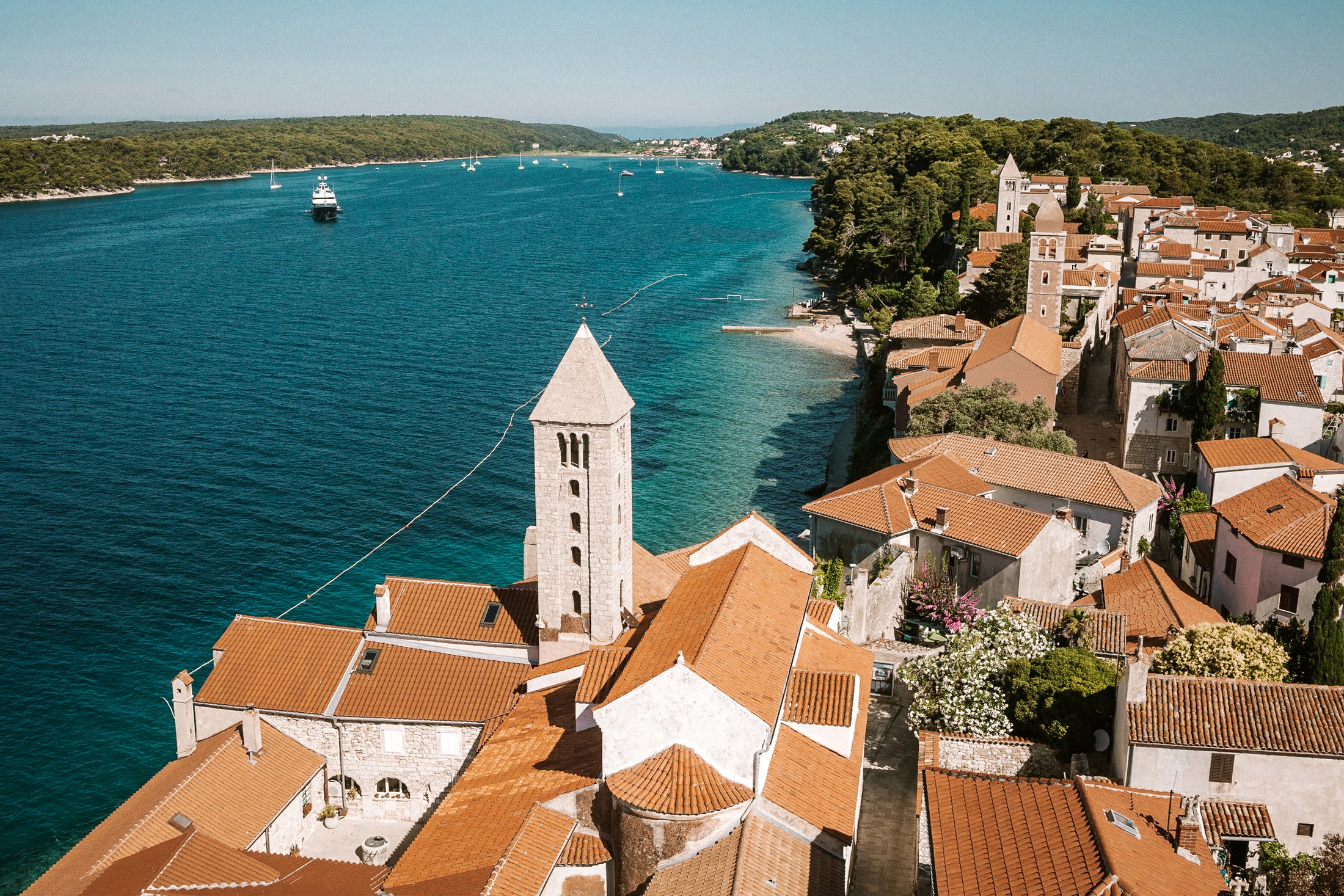
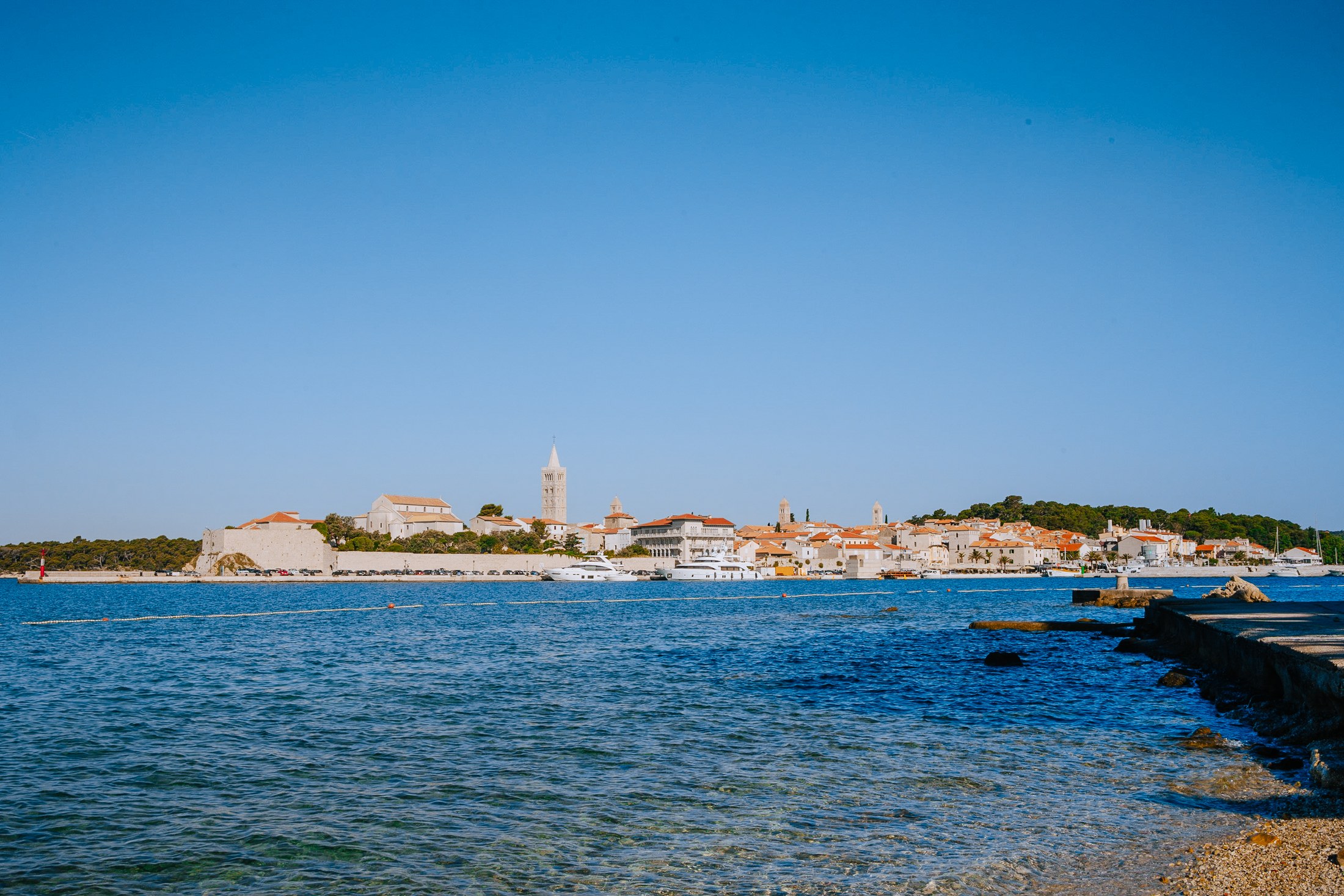
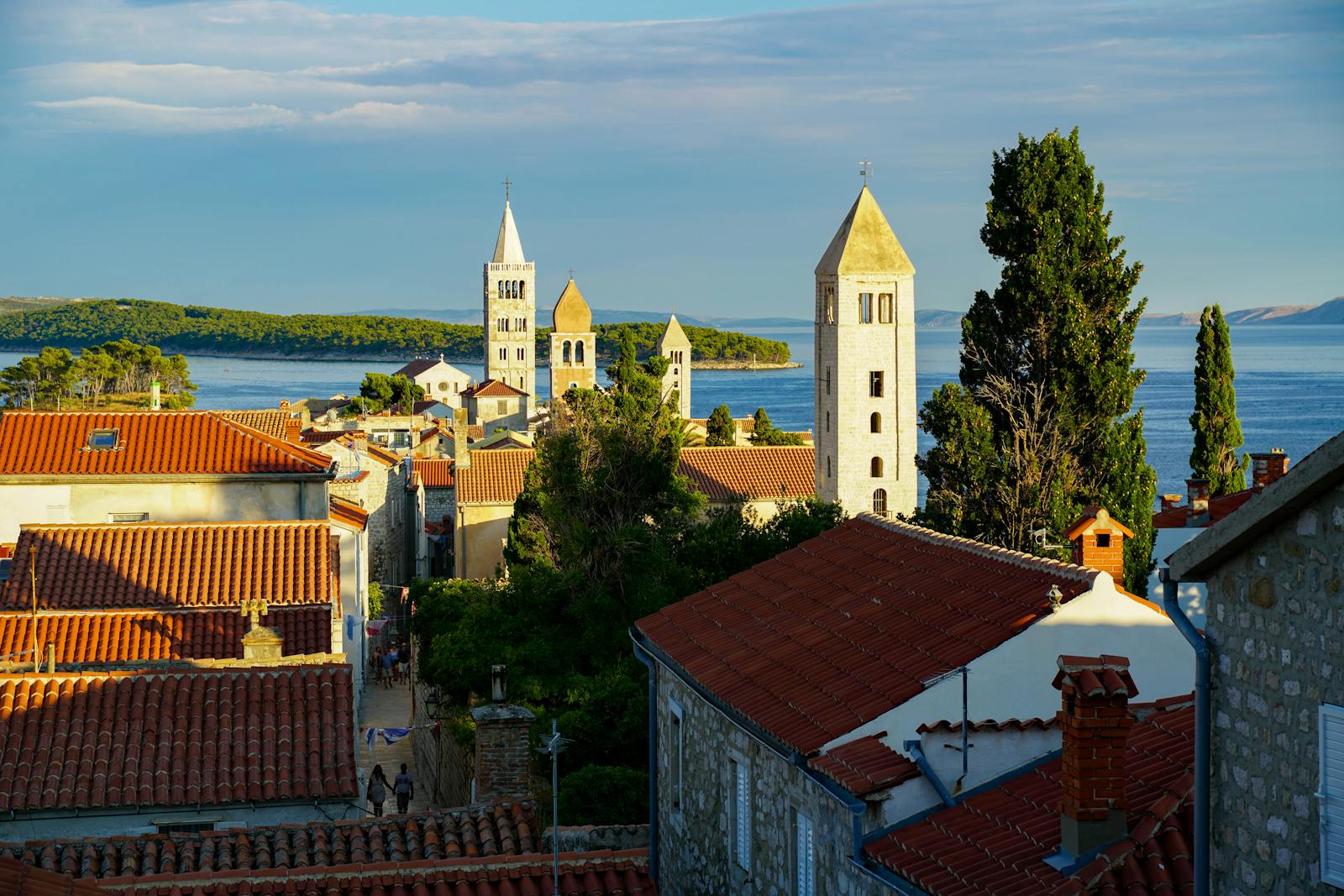
The island’s main town is a true architectural gem, spread across a narrow peninsula and, from a distance, resembling a huge sailing ship with four masts. Those masts are four ancient bell towers that form the town’s unmistakable silhouette and give it a romantic medieval character. Specifically, they belong to the Cathedral of St Mary the Great, the Church of St John the Evangelist, the Church of St Andrew and the Church of St Justine. Walking along the shore, you’ll come across the remains of mighty 12th- and 13th-century walls that reliably protected the town from seaborne raids.
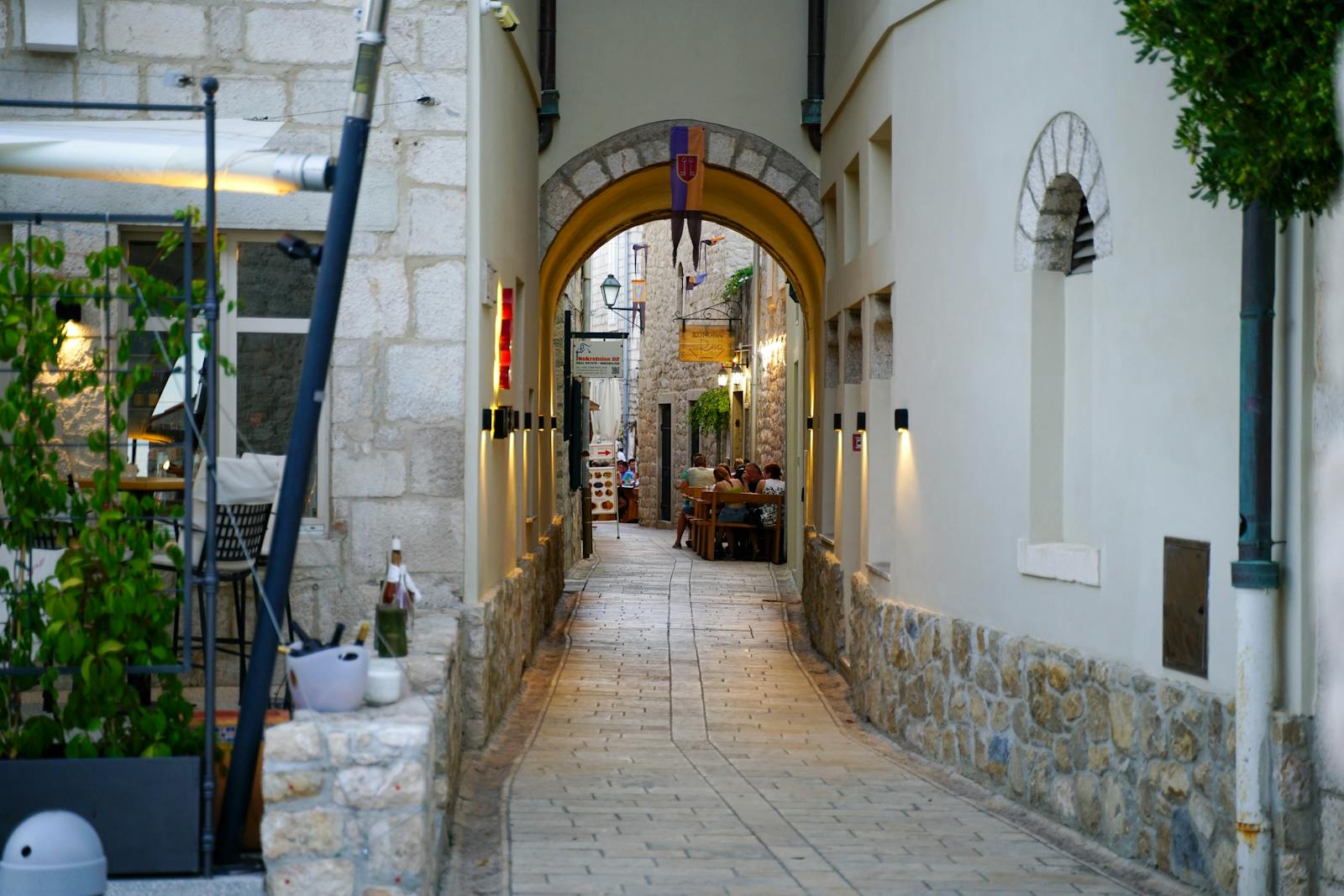
Be sure to head into the maze of narrow cobbled lanes that bear the historic names Donja, Srednja and Gornja ulica — that is, Lower, Middle and Upper Street. Beautifully preserved stone princely palaces, small monasteries and cosy little squares full of cafés rise up around them. Don’t forget to pass through the historic Sea Gate, which once served as the main, heavily guarded entrance to the town from the old harbour.
The centre itself is fairly small, so you can comfortably walk it in a single afternoon, but I’d recommend getting lost in it without a map and simply soaking up the local atmosphere. In the evening, when the sun sets and the period street lamps light up, the town takes on an incredibly romantic feel. You’ll best enjoy this magical spectacle with a glass of good local wine or a traditional herbal liqueur in one of the local taverns.
2. The Cathedral of the Assumption and a climb into the clouds
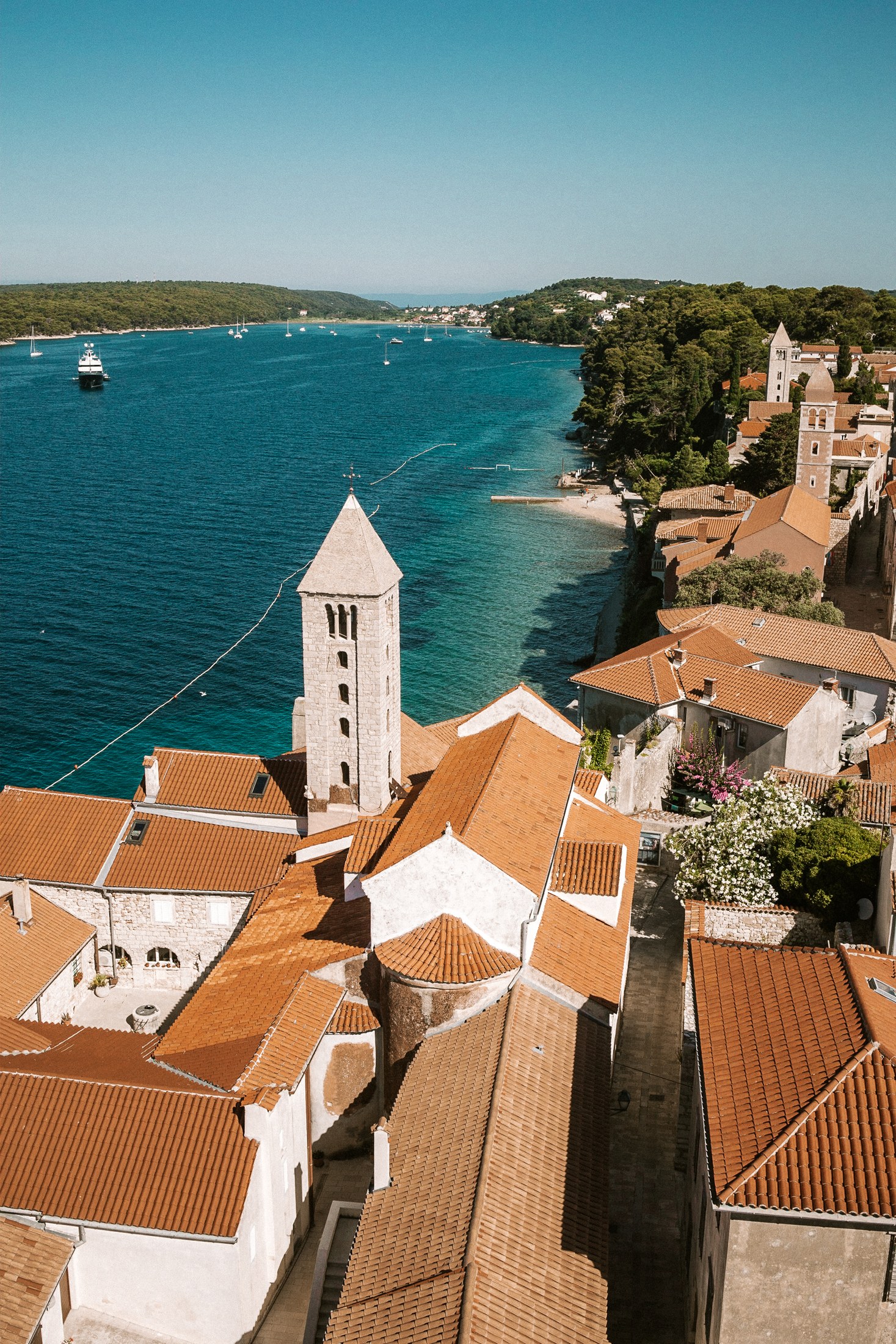
Right at the end of the narrow peninsula, directly above steep cliffs plunging into the waves, stands the beautiful Romanesque Cathedral of the Assumption of the Virgin Mary, known to locals more simply as the Church of St Mary the Great. According to surviving historical records, it was consecrated in 1177 by Pope Alexander III himself, who stopped on the island during his long voyage. At first glance its interior may seem fairly austere, but the fine details on the stone columns and the main altar are an absolute masterpiece of medieval island stonemasons.
Right next to the cathedral, its greatest pride rises majestically in the form of an octagonal Romanesque bell tower, or campanile. At a respectable 26 metres tall, it dominates the entire surrounding area and forms the highest point of the town’s skyline. Built back in the 12th century in the shape of a perfect octagonal pyramid, it rightly ranks among the most beautiful structures of its kind along the entire Adriatic coast. If you don’t suffer from vertigo, I’d definitely recommend climbing the steep wooden staircase all the way to the top.
The views from the campanile are absolutely breathtaking and richly reward you for every single step. You’ll see the bright red roofs of the historic townhouses, the endless blue of the Adriatic and, on a clear day, all the way across to the mainland. Admission and exact opening hours can change often during the summer season, so it’s always best to check the current details on the spot at the tourist information centre or at the tower entrance.
3. Paradise Beach in Lopar, made for families
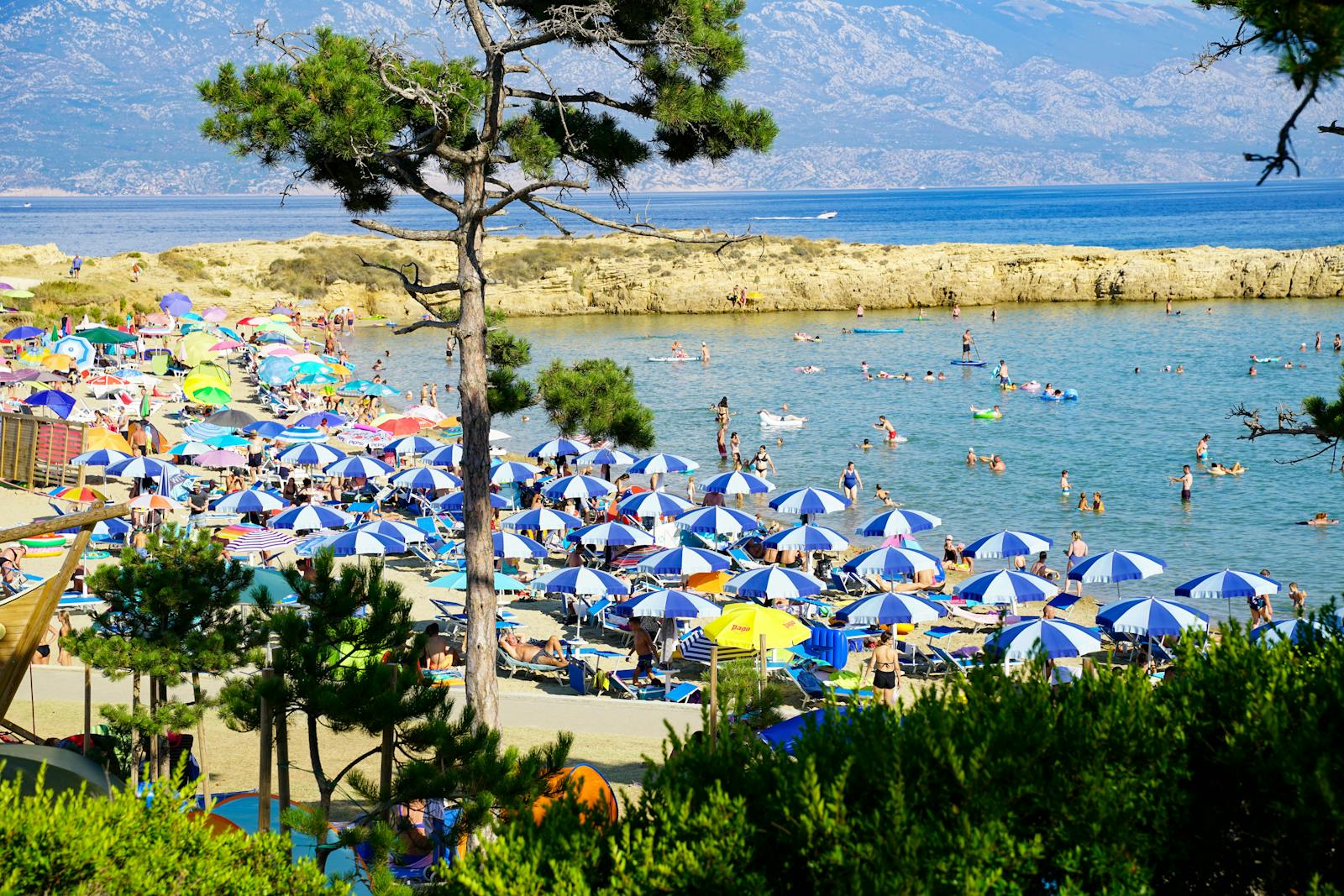
If there’s one particular spot that draws families with small children to Rab from all over Europe, it’s undoubtedly the famous Paradise Beach, known in Croatian as Rajska plaža. It lies in the northern part of the island near the popular resort of Lopar and boasts an incredible length of over 1.5 kilometres, which reliably makes it the longest sandy beach in all of Croatia. It has even earned the prestigious Blue Flag award for its exceptional water cleanliness, and years ago CNN ranked it among the world’s 100 best beaches.
The biggest advantage of Paradise Beach is its wonderfully fine sand and very shallow sea, which deepens only incredibly gradually. Even tens of metres from the shore the water will reach no higher than your knees, so you don’t need to worry about the safety of your smallest travellers, who can build sandcastles here completely carefree. Thanks to that minimal depth the water also warms up very quickly, so its temperature feels more like a pleasantly warm bath at home.
The facilities at this renowned beach are absolutely perfect and you’ll find everything you could possibly think of during a summer day. From small snack stalls to clean showers and toilets, and the option to hire comfortable sunbeds with parasols. For the more active there’s a large floating water park right out on the water, beach volleyball courts on the shore, or you can try adrenaline-pumping parasailing and pedal boats with a little slide.
4. Hidden sandy beaches and the tradition of naturism
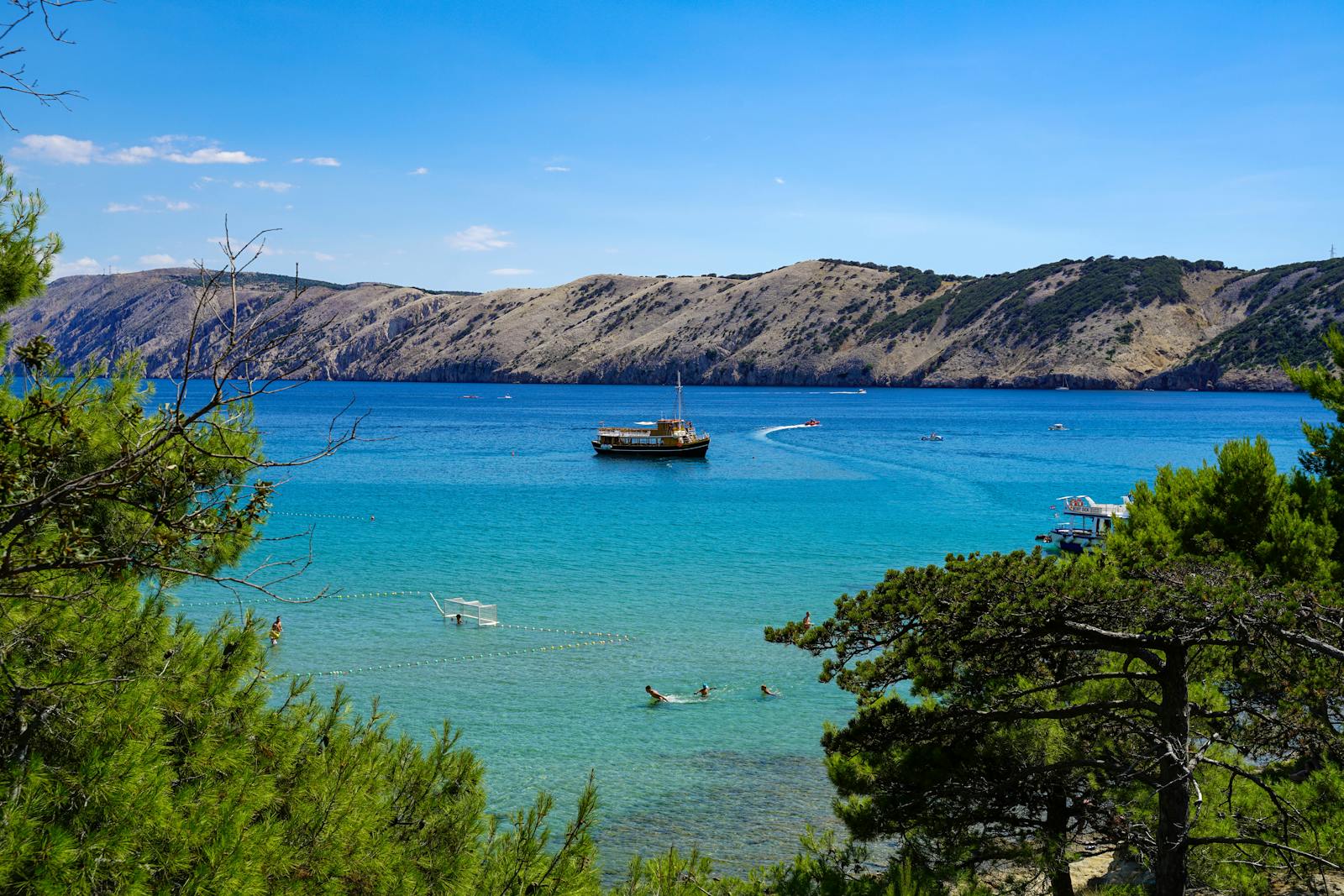
While the long Paradise Beach is by far the most famous, the resort of Lopar itself conceals around twenty-two more smaller sandy coves that offer considerably more privacy and the peace you’re after. If you want to avoid the very biggest crowds, head for the beautiful beaches of Livačina, Stolac or Mel, which share a similar sandy character but a much more intimate atmosphere. Many of these smaller beaches are only accessible on foot through fragrant pine forests, which makes them perfect hidden retreats for every romantic soul.
Rab is also very well known around the world as one of the main cradles of naturism on the entire Adriatic. This tradition dates back to August 1936, when the British King Edward VIII is said to have bathed completely naked in the secluded Kandarola bay with his controversial partner Wallis Simpson. Today, the most famous naturist beach is the gorgeous Sahara, which you have to reach on foot over a wooded hill, but your well-earned reward is complete peace and crystal-clear water.
If carefree FKK bathing appeals to you, besides the famous Sahara and historic Kandarola you can also head to the renowned Ciganka beach, which wonderfully combines fine sand with interesting rock formations. Respecting the rules of naturist beaches is taken for granted here, and the local authorities mark these designated zones very carefully, so there’s no danger of stumbling onto one by accident in your regular swimwear.
5. Refreshing shade in the Komrčar forest park
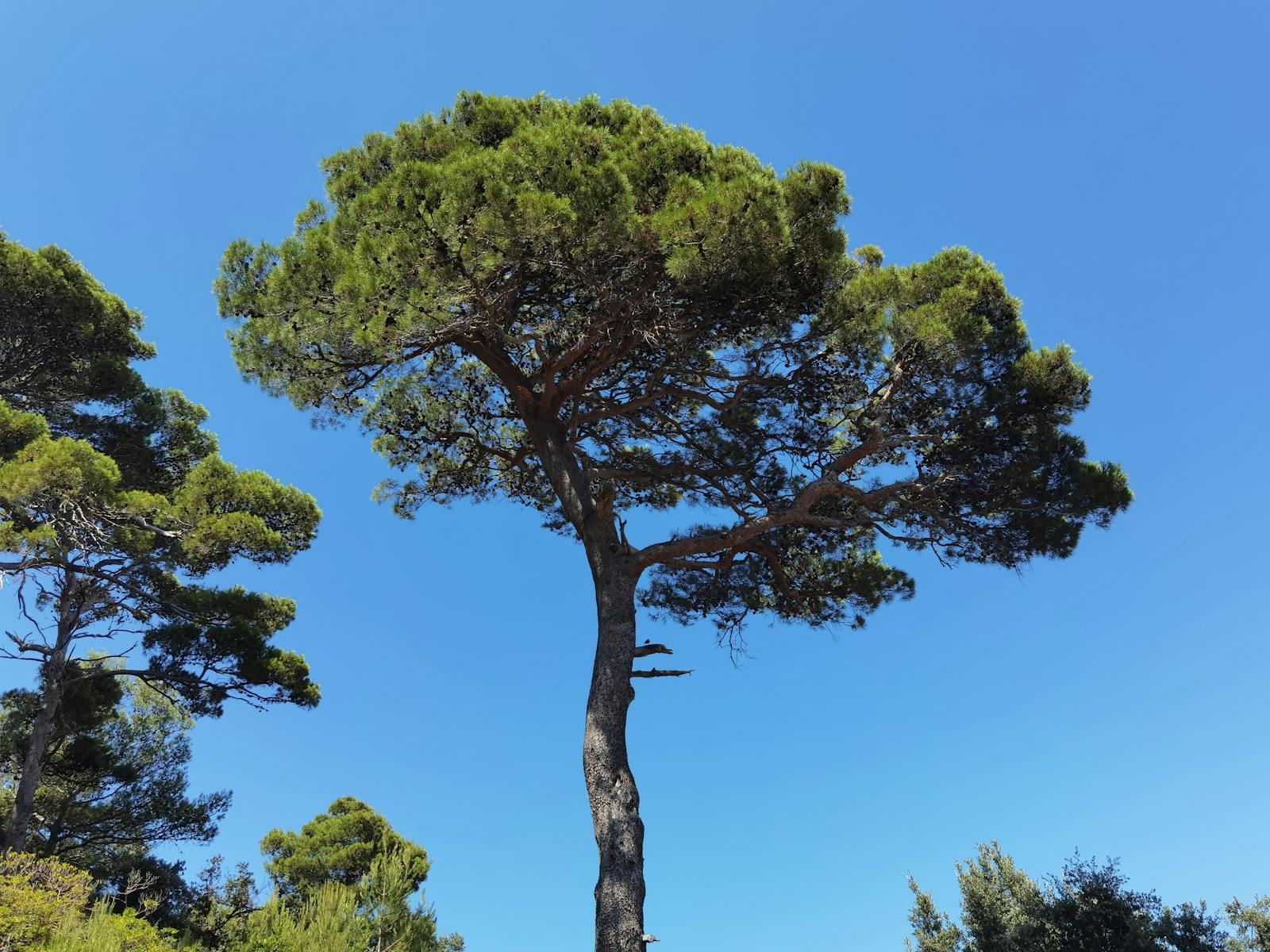
Just beyond the ancient walls of the main town stretches the beautiful wooded park of Komrčar, which in the summer months makes an absolutely perfect escape from the scorching sun. This sprawling park of roughly eight hectares didn’t appear on the island by chance — it was very carefully and deliberately planted at the end of the 19th century. Back then the enthusiastic local forester Pravdoje Belia decided to transform the original bare pastures into a lush green oasis. Today it’s one of the very most popular places for long, peaceful walks.
Strolling along the beautifully maintained, shady gravel paths you’ll marvel at the huge stone pines, centuries-old oaks, tall cypresses and spiny agaves, which mingle quite naturally here with Mediterranean palms and cacti. The air is incredibly clean and intensely infused with the soothing scent of pine needles and evaporating sea salt. Several winding trails run through the park, lined with dozens of well-kept benches inviting you to a pleasant rest with a good book in hand.
💡 Tip: From the highest upper section of the sprawling park you get lovely panoramic views over the old town, and if you follow the paths downhill you’ll come out right onto the landscaped seafront promenade with smaller beaches. It’s an absolutely ideal spot for a morning run or a romantic evening stroll, when the tall trees cast long shadows and the whole area takes on the magical golden glow of the setting sun.
6. A sweet finish in the form of Rab cake
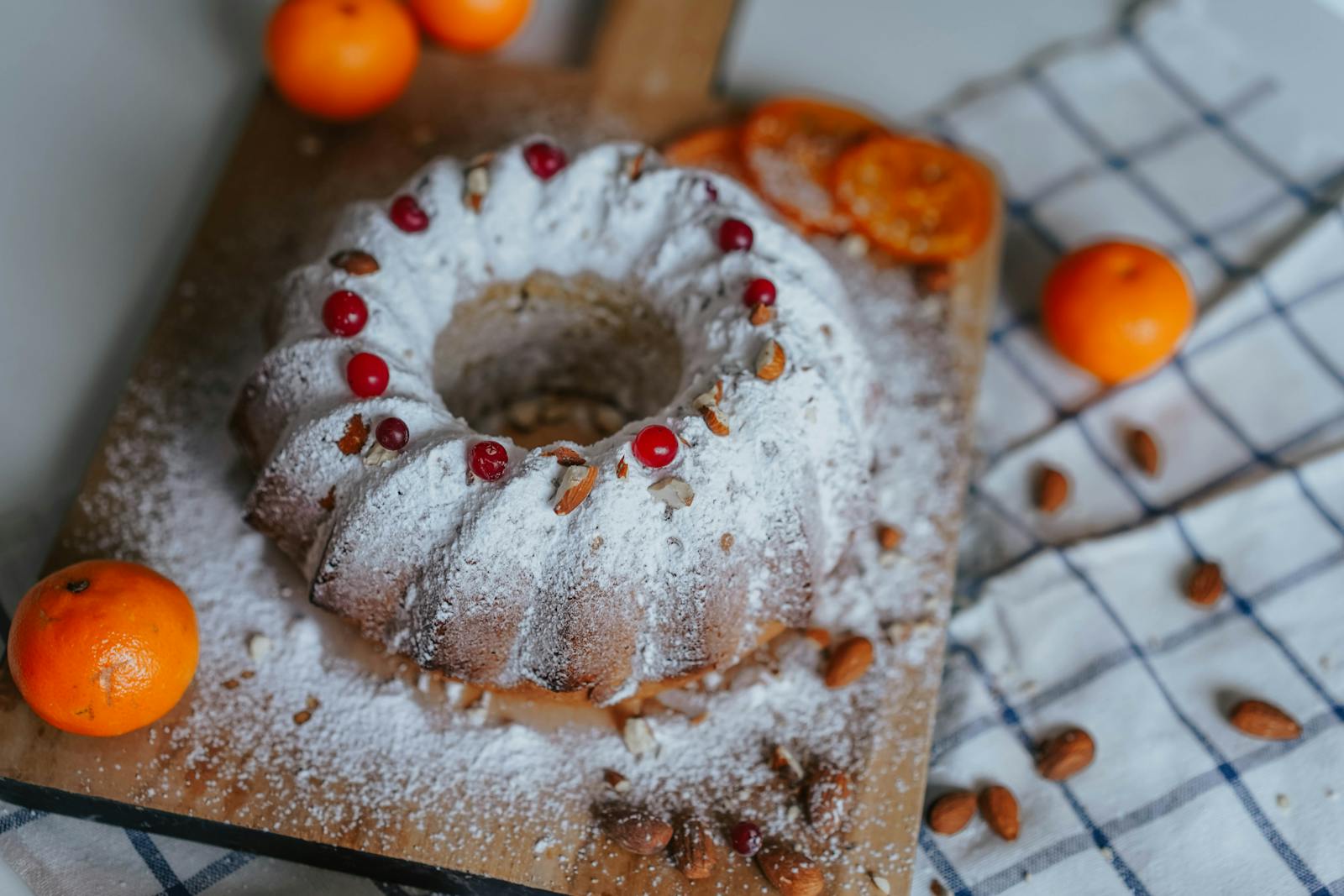
During your visit to the island it would be an absolute sin not to taste the local culinary wonder that is the traditional, world-renowned Rab cake. Don’t expect a classic soft sponge with fluffy cream, though — it’s more of an exceptionally delicious, crisp pastry coiled into the shape of a shell or spiral, with a rich history reaching back to the 12th century. An old legend has it that this unique dessert was baked by skilful local Benedictine nuns for none other than Pope Alexander III in 1177, and its original recipe was a strictly guarded island secret for centuries.
The base of this luxurious delicacy is quality peeled almonds, fresh eggs, sugar and, above all, strong Maraschino liqueur rounded off with grated citrus zest. The resulting flavour is quite reminiscent of good marzipan; the cake is generously dusted with icing sugar on top and crunches beautifully with every bite. Because it contains absolutely no meat or animal gelatine, it’s a perfect treat for all vegetarians, best enjoyed with an afternoon coffee.
If you want to see with your own eyes how this island speciality is made, stop by a shop called Kuća rabske torte right in the centre of the old town. As for other main dishes, fans of meat-free food are sure to be spoilt for choice in the local restaurants thanks to excellent Mediterranean salads, fresh grilled vegetables, local cheeses and great pasta or pizza. Traditional local restaurants and konobas naturally also serve popular Kvarner fish, octopus, fresh seafood and golden roast lamb, which forms the very backbone of Croatian island cuisine.
7. The tranquil fishing village of Kampor
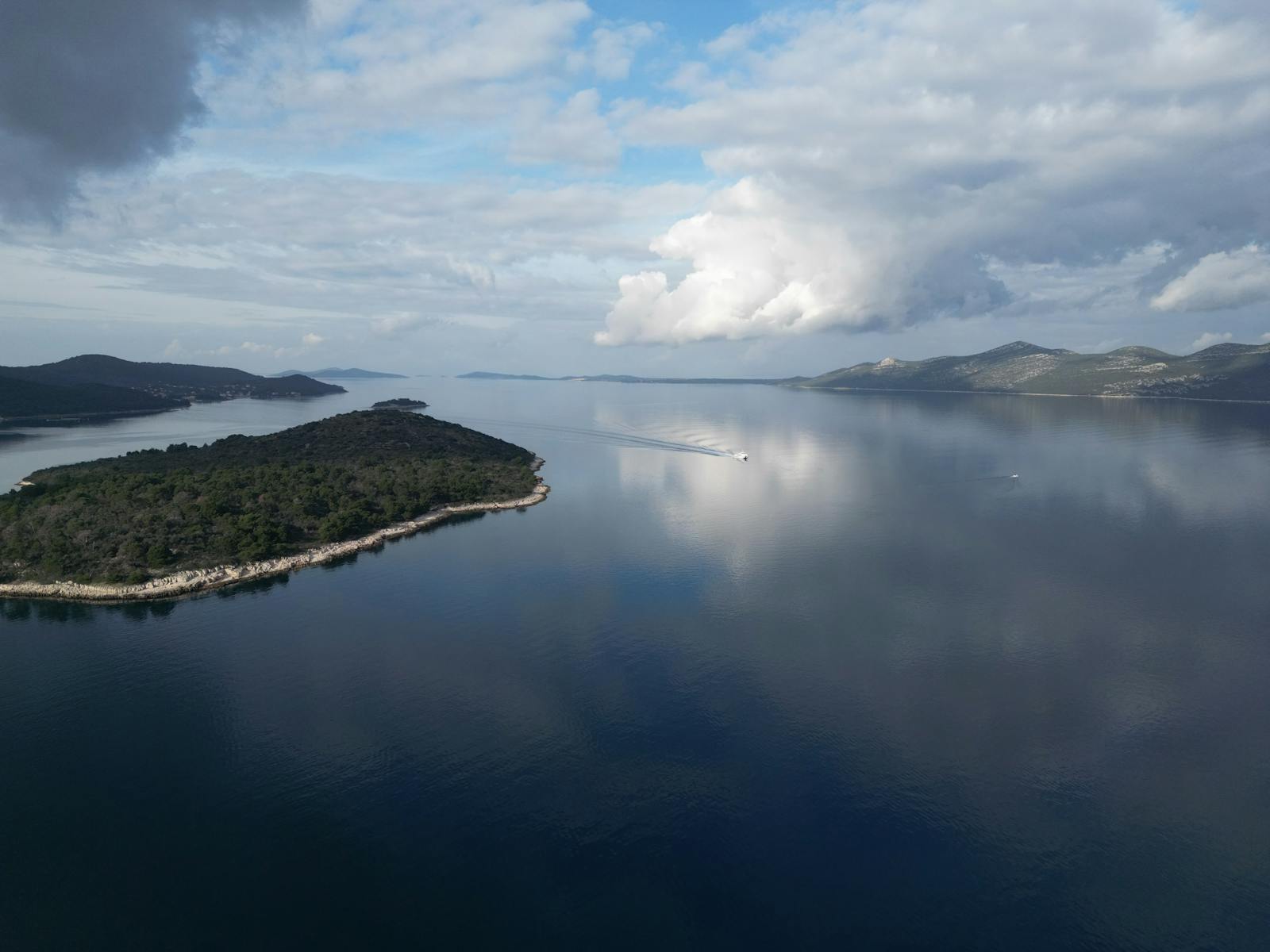
On the island’s north-western coast lies the picturesque Kampor, considered by locals and tourists alike to be the best-preserved traditional fishing village on all of Rab. The island atmosphere here is far slower, calmer and more authentic than in the bustling beach resorts, which you’re sure to appreciate especially at the height of summer. The village is surrounded on all sides by fertile fields, old olive groves and small vineyards that perfectly round off its unmistakable rural character.
Kampor’s main landmark and by far its most important monument is the ancient Franciscan monastery of St Euphemia, dating from the end of the 15th century. Its cool stone interior holds a rare library of historical manuscripts as well as a very interesting ethnographic collection that maps in detail the hard everyday life of the islanders in centuries past. Visiting this quiet monastery is an extremely pleasant cultural change of pace on hot summer days.
From Kampor it’s only a short hop to many beautiful natural beaches and hidden coves, and several superbly marked cycle paths start right here. You can enjoy a wonderfully peaceful afternoon, take a long walk along the rugged coastline, watch little fishing boats bobbing lazily on the waves and, come evening, drop into one of the local family-run taverns. These often feature live traditional music, serve great local wine and have a thoroughly relaxed, friendly mood.
8. On foot and by bike across the green island
Rab is by no means just a destination for all-day lounging on the beach — it also offers great conditions for an active break. The island is literally laced with more than a hundred kilometres of brilliantly marked hiking and cycling routes, with the total length of all the smaller trails exceeding an incredible 340 kilometres. The routes wind through deep pine forests, past hidden coves and over small hills, so there’s genuinely something for every recreational athlete and family with children.
One of the most popular, physically undemanding routes runs from the town of Rab along the rugged coast all the way to the village of Kampor and on to Dumići bay. It measures roughly 14 kilometres, comfortably passes the old monastery of St Euphemia along the way, and you can cool off in the sea whenever you like. For far more seasoned hikers I’d recommend the climb to the highest mountain ridge of Kamenjak, from which absolutely fantastic panoramic views open up over the whole of Kvarner and the mighty Velebit mountain range on the mainland.
If you don’t have your own bike, no problem at all, because there are plenty of quality rental shops in both the main town of Rab and the resort of Lopar, where you can easily get hold of classic mountain bikes as well as the ever more popular e-bikes. On a hired e-bike you can comfortably cover the whole island in a single day and even reach the most remote coves on the Kalifront peninsula, where no asphalt road leads and where finding a parking space by car would be a real struggle.
9. The wild nature of the Kalifront peninsula and Suha Punta
The Kalifront peninsula, on the western side of Rab, is by far the greenest and least populated part of the entire island. It’s a true paradise for everyone who loves untouched nature, because it’s home to the strictly protected Dundo forest. This unique woodland is one of the very last preserved forests of native holm oak in the whole Mediterranean, and a long walk beneath the mighty crowns of these ancient trees has an utterly unrepeatable, almost magical charm.
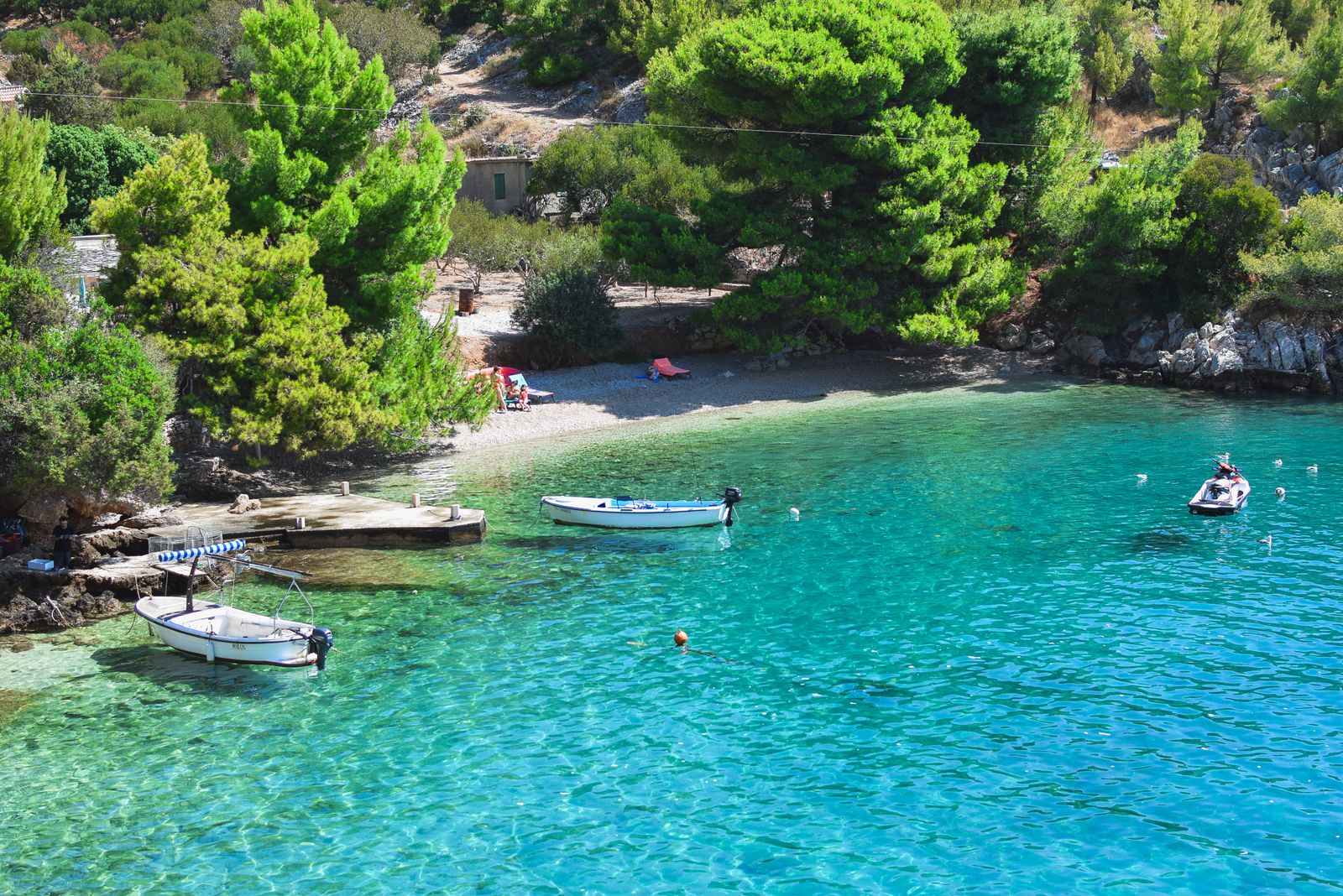
On the edge of this wooded peninsula lies the very popular tourist area of Suha Punta, which offers a completely different type of swimming from sandy Lopar in the north. Here you’ll find mostly small pebbly and romantic rocky beaches that slope very steeply into incredibly clean, crystal-clear water. Thanks to the rocky bottom and the absence of drifting sand, conditions here are absolutely ideal for snorkelling and for fascinating observation of the rich underwater life full of colourful fish and tiny crabs.
💡 Tip: Head along the narrow forest trails a little further from the main beach resorts and discover the small hidden coves, where you can have the sea all to yourself even in the middle of August. The whole Kalifront peninsula is also densely criss-crossed with a network of very well-kept gravel paths, making it the ideal terrain for a brisk mountain-bike ride in the full shade of mature oaks and pines, places you wouldn’t easily reach on a regular road bike.
10. How to get to Rab and travelling by ferry
Since Rab is a classic island with no direct bridge link to the mainland, your summer holiday inevitably begins with a romantic ferry crossing. The island is served exclusively by spacious car ferries; there are no fast passenger catamarans for foot travellers operating here as a rule. You have two main routes to choose from, and by far the quickest and most frequently used runs from the mainland port of Stinica, which sits right beneath the majestic Velebit massif, to the island port of Mišnjak in the south of Rab.
This busy line is run by the local company Rapska plovidba and the crossing across the strait takes only about 15 minutes. In the summer season the boats shuttle back and forth up to seventeen times a day, from early morning until half past eleven at night. The price for a car with driver during peak season ranges from around 18 to 27 euros, with an extra fee of about 4 euros per adult passenger. In the summer months, though, queues of several hours form here, so it’s hugely important to consider booking your tickets in advance on the official website ferryrab.com.
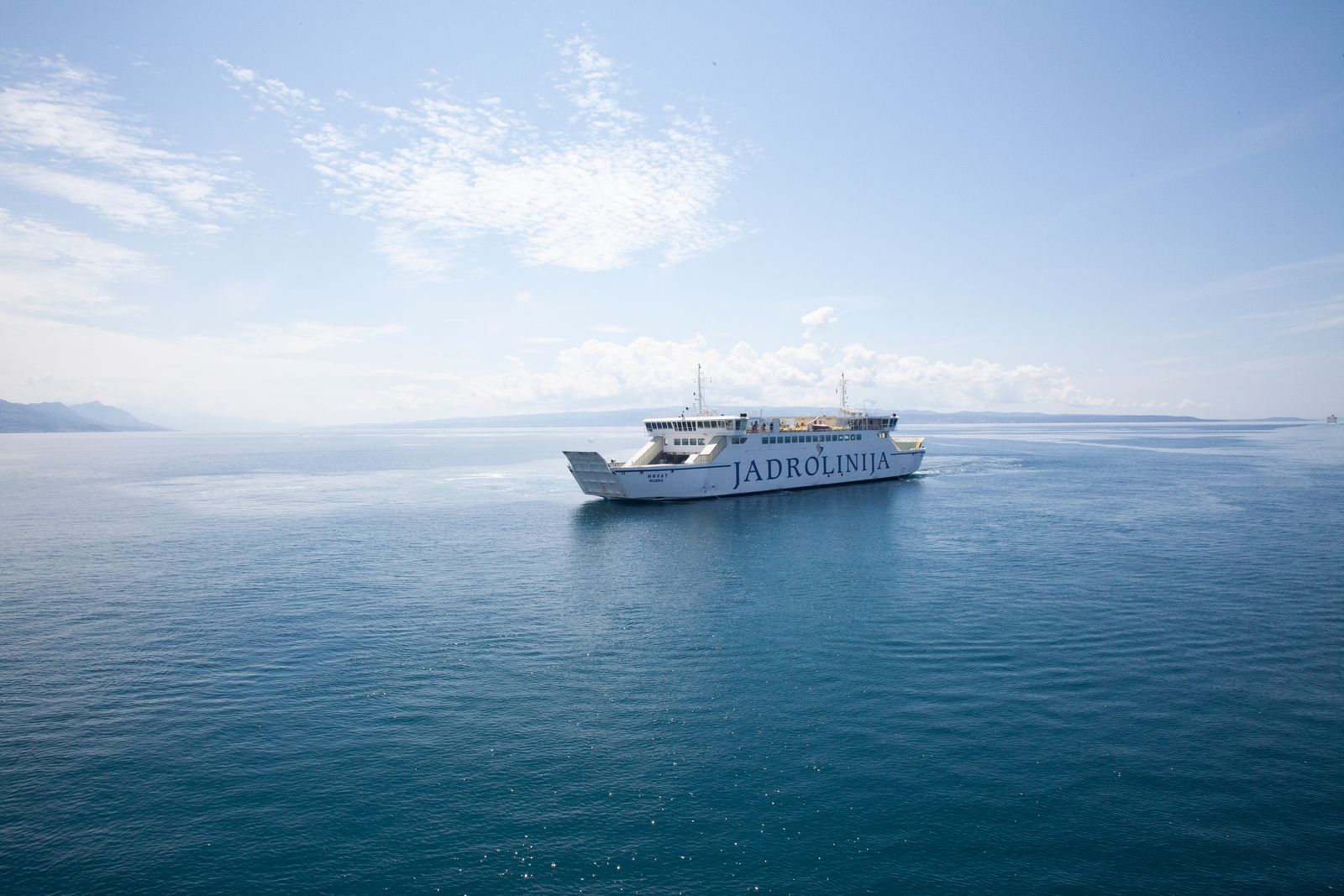
The second, noticeably longer option is the ferry from the port of Valbiska on the neighbouring island of Krk, which sails directly to the northern resort of Lopar. This line is operated by the state company Jadrolinija, the crossing takes roughly 80 minutes and is pricier — for a car with driver you’ll pay around 33 to 46 euros. This option, however, pays off enormously if you’re coming from the north and want to take the convenient route over the Krk bridge, saving yourself the long, tiring kilometres of driving along the winding coastal road.
💡 Travelling from the UK? The most practical way to reach the Kvarner region is to fly into nearby Rijeka, Pula or Zadar — there are seasonal flights from several UK airports — and then hire a car for the short drive to the Stinica ferry port. Alternatively, fly into Zagreb year-round and drive down towards the coast. Wherever you land, factor in time for that ferry queue at the height of summer.
11. Boat trips around the area and Kandarola bay
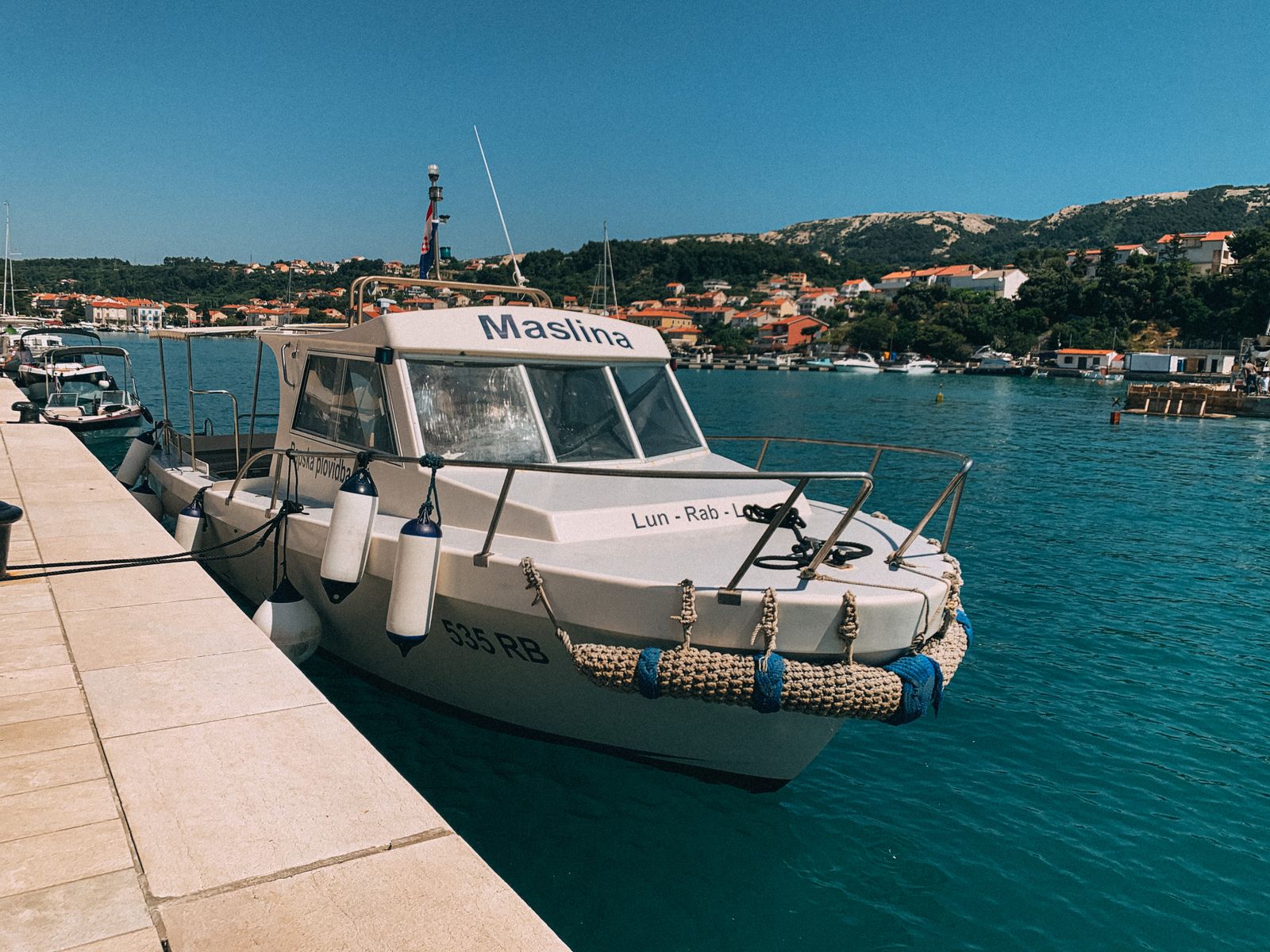
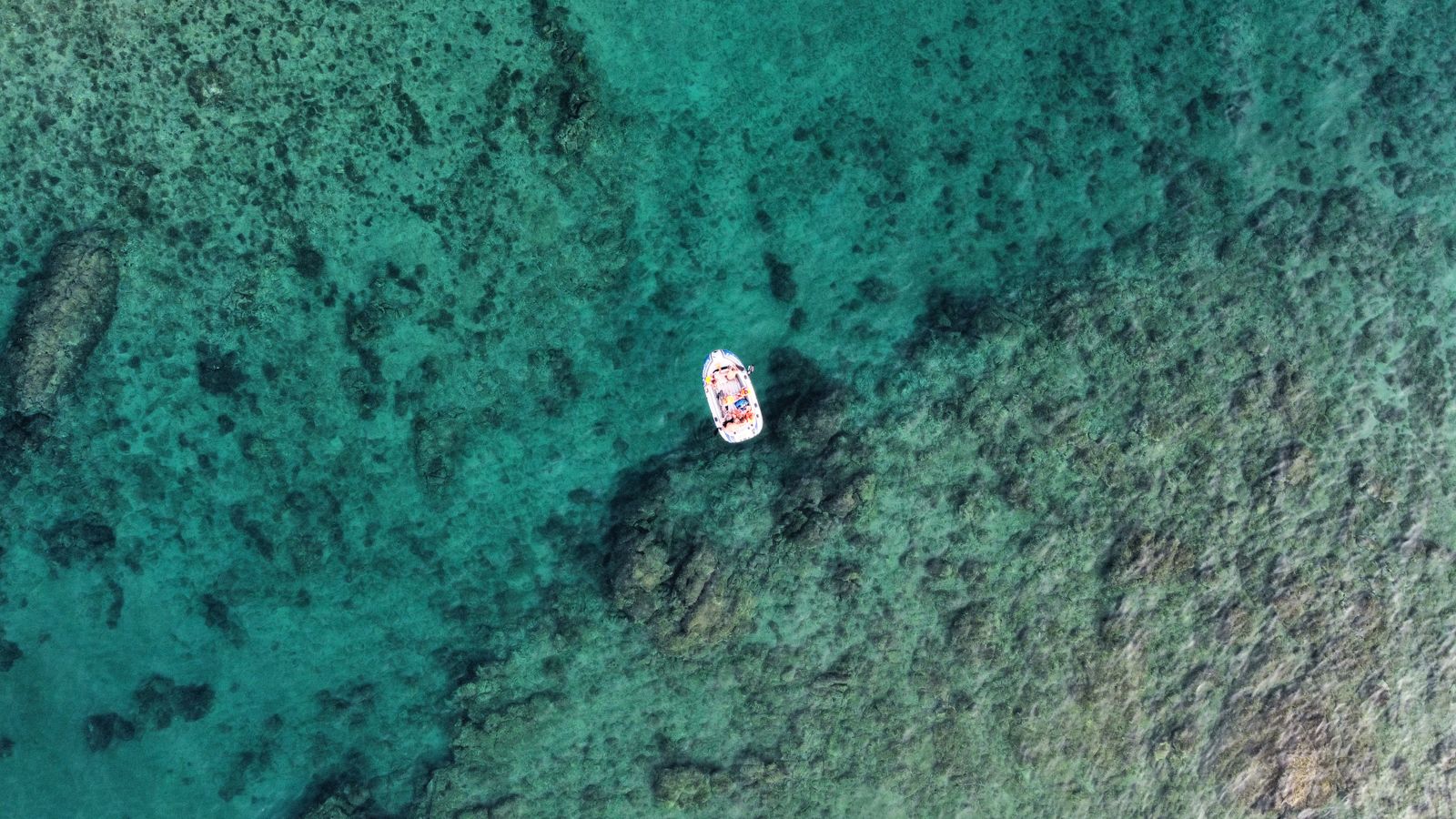
One of the very best ways to discover the true, untouched beauty of the Adriatic coast is the view from the deck of a boat. Right in the main harbour in Rab and in Lopar to the north, you’ll find dozens of tempting offers for half-day and full-day boat trips that reliably take you to the hardest-to-reach beaches. There are frequent sailings, for example, to the neighbouring islands of Goli otok or Sveti Grgur, which have a very dark history as former brutal political prisons but today offer interesting historical tours and beautiful swimming in crystal-clear water.
If you’d like to make a private trip at your own pace, you can hire a small motorboat — but only if you hold the relevant skipper’s licence. Otherwise I’d recommend using the so-called taxi boats that routinely moor in the harbours. For a small fee they’ll take you, for instance, to the well-known wooded peninsula of Frkanj, which lies just opposite the historic centre of the town of Rab. It’s on this quiet peninsula that you’ll find countless small, romantic coves with crystal-clear water.
The most famous bay on Frkanj is the historic Kandarola mentioned earlier, which to this day operates as a very popular naturist beach with excellent facilities including a small restaurant and beach bar. But even if you’re not exactly a fan of swimming without swimwear, the peninsula has plenty of regular textile beaches hidden in the shade of mighty pines. The boat ride itself from the town harbour takes only a few minutes and makes an extremely pleasant refreshment on a sweltering summer day.
Map of points of interest for your phone
Where to go next from Rab
If you have more time and enjoy hopping from place to place on holiday, the Kvarner region offers plenty of other options to set your sights on. A very popular choice is to combine your visit to Rab with the neighbouring island of Krk, easily reached by direct ferry from Lopar, where you can spend several more wonderful days discovering wine cellars and historic little towns.
If you’re interested in planning a trip south in general, be sure to read our comprehensive article full of tips on where to go on holiday in Croatia, where you’ll find a comparison of the best regions from Istria to Dubrovnik. To make finding a place to sleep easier, we’ve also put together a detailed guide to accommodation in Croatia, which will advise you on what to watch out for when booking. And if you dream of spending your whole holiday on the waves, don’t miss our piece on what it’s like to experience Croatia by boat.
Frequently asked questions
How to best get to the island of Rab from the Czech Republic?
The fastest and most popular car route from the Czech Republic leads classically through Austria and Slovenia towards the Croatian mainland port of Stinica, from where a regular and fast ferry runs to the port of Mišnjak in the south of the island. This crossing takes just 15 minutes. The second, albeit slightly more expensive option, is to cross the bridge to the island of Krk and take the approximately 80-minute ferry from the port of Valbiska directly to the resort of Lopar.
Are there really sandy beaches on the island of Rab?
Yes, and that’s actually the main reason why the island of Rab is so unique and sought-after among tourists. While most of Croatia offers mainly sharp pebbles or concrete platforms, on Rab – and especially around the northern resort of Lopar – you’ll find more than twenty natural sandy beaches. The absolutely largest and most famous is Paradise Beach with very fine sand and an exceptionally shallow seabed.
Is the island suitable for families with small children?
Rab Island is an absolutely ideal destination for families with small children, probably one of the very best islands in all of Croatia. The shallow sea at the famous Paradise Beach in Lopar slopes so incredibly gently that even the smallest children can swim and play completely safely in the warm water. Moreover, there is plenty of natural shade in many places thanks to the mature pine forests.
Do I need to book the ferry in advance?
Outside the main summer season, booking tickets in advance is definitely not necessary. However, if you’re traveling during the busy months of July or August, especially on holiday weekends, I strongly recommend buying your ferry tickets well in advance online through the official websites of Jadrolinija or Rapska plovidba. This will save you a lot of unnecessary stress and long hours waiting in car queues at the scorching hot port.
Where are the naturist beaches located on Rab?
Rab Island has a huge and long-standing tradition of naturism (FKK), dating back to the 1930s. Among the most famous naturist beaches are the beautiful sandy Sahara near the resort of Lopar, the historic Kandarola bay located on the forested Frkanj peninsula, and also the lovely Ciganka beach. These designated zones are always very well and visibly marked, so you don’t have to worry about stumbling upon them by accident.
How’s the drinking water situation on the island?
The tap water across the entire island of Rab is perfectly drinkable and hygienically safe, so you really don’t need to constantly buy expensive bottled water in single-use plastic bottles. The island is reliably connected to a large mainland water supply system, which ensures stable and trouble-free delivery of high-quality drinking water even during the driest summer months when the most tourists arrive.
Are there cycling paths on the island of Rab?
Yes, the island of Rab is incredibly cyclist-friendly for all fitness levels. You’ll find over 100 kilometers of excellently marked cycling trails of varying difficulty and surfaces. You can ride along flat asphalt paths along the coast, or head out with a mountain bike on more challenging gravel routes to the Kamenjak ridge or into the forests of the Kalifront peninsula. In the main resorts, there are plenty of well-equipped rental shops for both classic and modern electric bikes.
Tips and Tricks for Your Vacation
Don’t Overpay for Flights
Search for flights on Kayak. It’s our favorite search engine because it scans the websites of all airlines and always finds the cheapest connection.
Book Your Accommodation Smartly
The best experiences we’ve had when looking for accommodation (from Alaska to Morocco) are with Booking.com, where hotels, apartments, and entire houses are usually the cheapest and most widely available.
 🚗 Car rental on the roadVerified rental cars in Istria and Kvarner
Search with the DiscoverCars comparison engine — it compares prices from dozens of local and international rental companies, and most bookings come with free cancellation.
Compare car prices in Istria and Kvarner →Don’t Forget Travel Insurance
Good travel insurance will protect you against illness, accidents, theft, or flight cancellations. We’ve had a few hospital visits abroad, so we know how important it is to have proper insurance arranged.
Where we insure ourselves: SafetyWing (simple monthly subscription) and TrueTraveller (for extra-long trips).
Find the Best Experiences
Get Your Guide is a huge online marketplace where you can book guided walks, trips, skip-the-line tickets, tours, and much more. We always find some extra fun there!