The south of France isn’t just endless lavender fields and crowded Riviera beaches. Discover the Atlantic coast of the southwest, where the French themselves escape the summer heat and the tourist glitz. This corner of Arcachon in France will instantly win you over with its wild ocean breeze, the scent of pine forests and freshly shucked oysters.
Arcachon Bay is a unique little world in the form of a vast lagoon that breathes to the rhythm of its massive tides. On one side it’s protected by endless ocean beaches, while on the other a majestic landmark rises up: the largest sand dune in Europe. It’s a fascinating landscape that forces you to slow down at once.
Kick off your shoes, grab a chilled glass of local white wine and watch as the receding water reveals the traditional oyster farms. Although the bay is hugely popular with locals, foreign travellers often unfairly overlook it. That gives you the perfect chance to experience a completely authentic French holiday.
TL;DR
- Europe’s largest dune: The Dune du Pilat is an absolute must, but in summer be ready to climb it early in the morning or in the evening to avoid the scorching sand and the crowds.
- Traffic jams: In July and August the whole area grinds to a halt, so the best way to get around is by bike or by the boat ferries that cross the bay.
- A cyclist’s paradise: Hundreds of kilometres of perfectly flat, beautifully maintained cycle paths run around the entire bay, tucked into the shade of the pines.
- Two faces of the water: Inside the bay you’ll find calm, shallow water ideal for families, while on the outer side of the Cap Ferret peninsula the wild Atlantic roars, made for surfers.
- Oyster culture: Don’t go looking for fancy restaurants — the best oysters are served in simple wooden huts right by the water in the town of Gujan-Mestras.
- Train from Bordeaux: You can reach the town of Arcachon from the centre of Bordeaux very comfortably on a direct train in under an hour, saving you a lot of parking headaches.
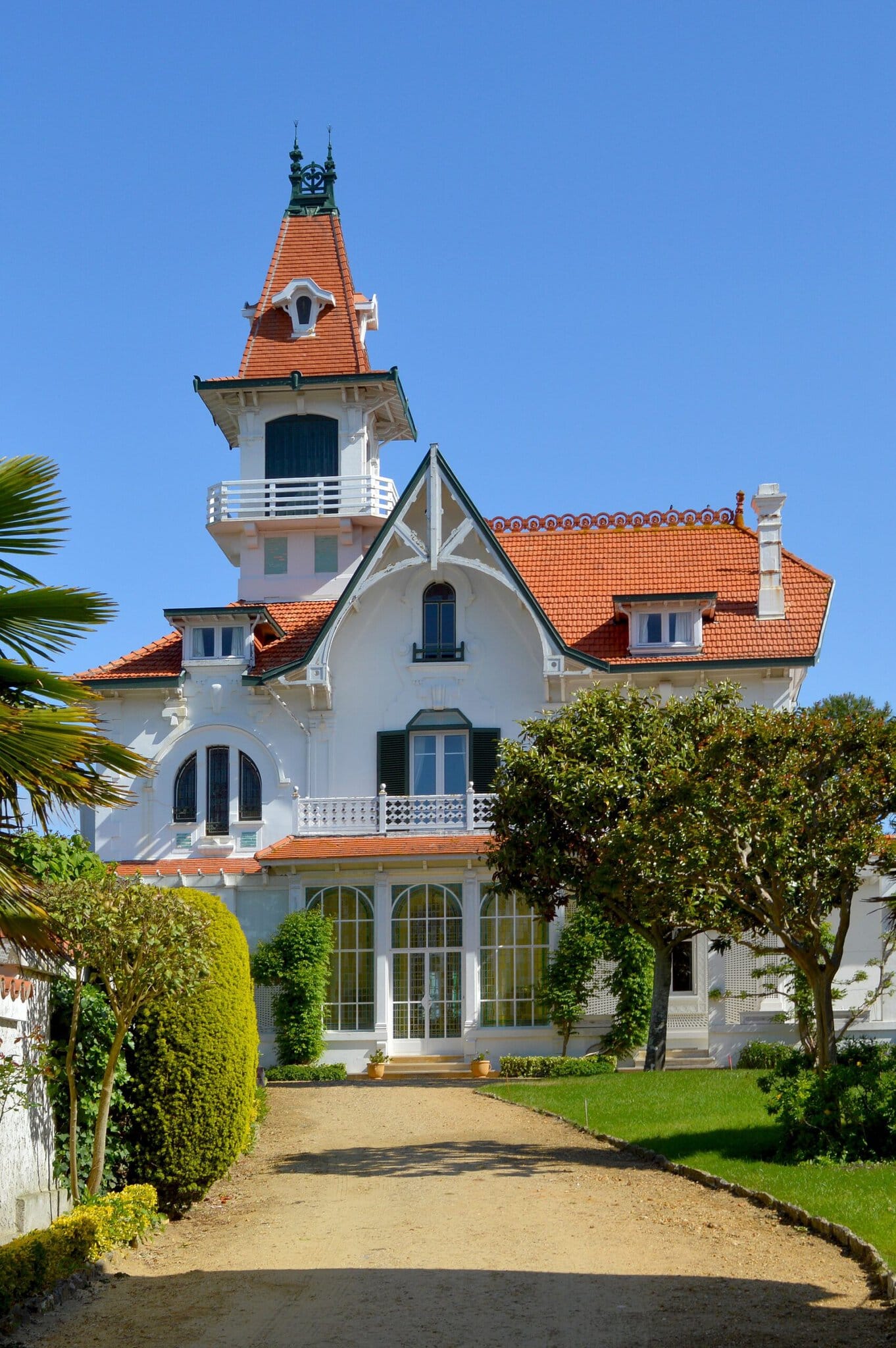
- Architecture: The town of Arcachon will captivate you with its Ville d’Hiver district, full of incredibly ornate nineteenth-century Belle Époque villas.
The full destination guide: Nouvelle-Aquitaine — guide and what to see
When to visit Arcachon Bay
This fascinating coast lives above all for summer, but that absolutely doesn’t make summer the best time to visit. The French school holidays typically begin in early July and last a long eight weeks. Around the first of August in particular, when the traditional changeover of holiday slots known as the chassé-croisé takes place, the area is bursting at the seams and the infrastructure is heading for collapse. Temperatures at this time of year climb well above thirty degrees and a trip up the sand dune turns into a genuine test of physical endurance. In summer Arcachon Bay becomes a refuge for the residents of nearby Bordeaux as well as wealthy Parisians, so accommodation prices shoot up and restaurant reservations are essential even several days in advance.
If you want the bay, the majestic dune and the authentic oyster farms all to yourself, plan your trip for May, June or September instead. The Atlantic water is admittedly a touch cooler in those months, but the sun already packs an enormous punch and the car parks at the main sights stand pleasantly empty. In the wooden cabanes of Gujan-Mestras you can also chat in complete peace with the local farmers, who have far more time outside the high season. Getting to the region itself is very easy: simply hop on a flight to nearby Bordeaux airport — easyJet and British Airways both fly there directly from London — and then continue on a comfortable direct TER train straight to the coast, avoiding the need to rent a car altogether.
Whenever you go, always keep a careful eye on the tide tables, as they fundamentally shape how the whole bay works. At low tide the water disappears entirely from the lagoon in many places, so instead of swimming you can walk hundreds of metres across the soft sand and watch the little crabs. Arcachon Bay simply isn’t a destination to whizz through in a single afternoon — it’s a place that asks for your time and a slow pace. One curious fact: by old tradition, the local oysters taste best in the months whose French names contain the letter R, which means roughly from September to April.
Where to stay in Arcachon and Cap Ferret
💡 Tip for accommodation and experiences: We like to look for places to stay on Booking.com, which usually has the best cancellation terms. For tickets, tours and activities it pays to compare and book through GetYourGuide.
Where exactly you lay your head on this coast will fundamentally shape your whole holiday. The entire area around the lagoon can be driven fairly easily, but because of those summer jams it’s far smarter to pick just one side of the bay as your strategic base and explore it thoroughly. Although accommodation across the region is fairly pricey and vanishes quickly in summer, you can choose from several very different locations depending on the kind of holiday you actually prefer.
Right in the historic town of Arcachon you’ll find the best infrastructure, plenty of shops and a direct rail link to Bordeaux. It’s the ideal spot if you’re travelling without a car and want everything within walking distance. For lovers of elegance and luxury, the historic Hôtel Ville d’Hiver is a perfect choice, set in one of the gorgeous Belle Époque buildings of the old quarter and offering a beautiful garden with a pool. A night for two here usually costs around €250 to €300, but if you’re after something more affordable, look for smaller family-run guesthouses in the flat area near the beach, which you can easily book through Booking.
If you’re drawn more to a rawer, more authentic atmosphere, stay in the heart of oyster country in Gujan-Mestras. Here you’ll have the best wooden cabanes literally around the corner and the evenings flow at a far slower pace. A lovely place to unwind is, for example, the peaceful La Guérinière hotel, hidden in a pine forest near the harbours and offering a wonderful escape from the summer bustle. The downside of this location is that you’re quite far from the big Atlantic beaches and have to travel to reach the wild ocean.
On the opposite side of the bay lies the Cap Ferret peninsula, synonymous with understated French luxury, a bohemian vibe and kilometres of endless beaches. Accommodation here is by far the most expensive in the whole region. A great choice for anyone who wants to soak up the local atmosphere in full is the iconic Hôtel des Dunes, which offers stylish rooms just a few steps from the roaring ocean. Just remember that Cap Ferret has only a single access road, the D106, so once you’ve made it here in summer it’s best to park the car for good and rely on a rented bike or the reliable boat ferries for the rest of your stay.
12 things to see and do in Arcachon and Cap Ferret
Let’s take a look together at the very best this fascinating Atlantic region has to offer. Get ready for an incredible contrast between endless sand dunes, deep pine forests and a churning ocean. Whether you decide to explore the whole lagoon by bike or prefer the comfortable boat cruises that you can often easily book in advance through popular sites like GetYourGuide, Arcachon Bay is guaranteed to win you over.
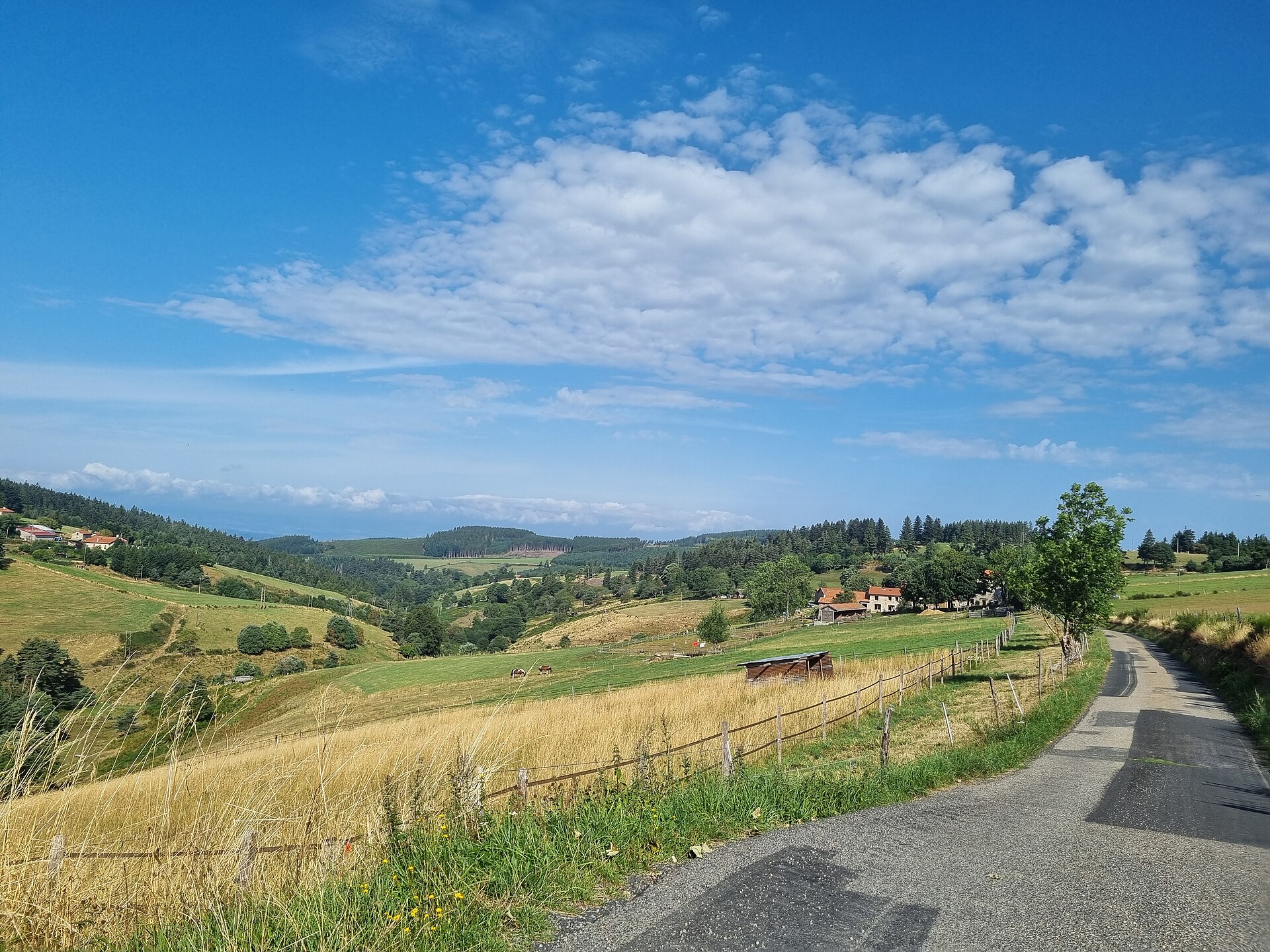
1. Conquering the giant sand wall of the Dune du Pilat
This place defies all logic and is guaranteed to take your breath away on your first visit. You’re driving through dense green pine forest, the smell of resin everywhere, and suddenly the trees just stop. In front of you rises a genuine golden wall over a hundred and ten metres tall, making it by a long way the largest sand dune in all of Europe. And it isn’t just some ordinary, motionless pile of sand — it’s a constantly moving, living organism that creeps slowly inland year after year, mercilessly swallowing the edges of the Landes forest.
The climb up will give you a proper workout, even though in peak summer the installed plastic steps make it easier. You’ll sink into the sand and your calves will start to burn for sure, but the moment you reach the ridge itself you’ll understand why millions of people come here every year. The view is utterly phenomenal: on one side you have the endless blue ocean with the sandy shallows of the lagoon below you, while on the other a dark green carpet of forest stretches as far as the eye can see. The contrast of these colours is so sharp that the whole scene looks more like a perfect photomontage than a real landscape.
💡 Tip: During July and August over ten thousand visitors arrive here every day, so the main paid car park is hopelessly full between 11am and 5pm. To save your nerves, leave the car for free near Petit Nice beach or along the Corniche road, from where you can walk to the dune through the forest. The sand also heats up so much during the day that it literally burns your soles, so plan your visit for early morning or late evening, when you’ll catch the most beautiful sunset with the sun’s disc disappearing into the Atlantic. If you’d like a detailed guide, read our separate article on the Dune du Pilat.
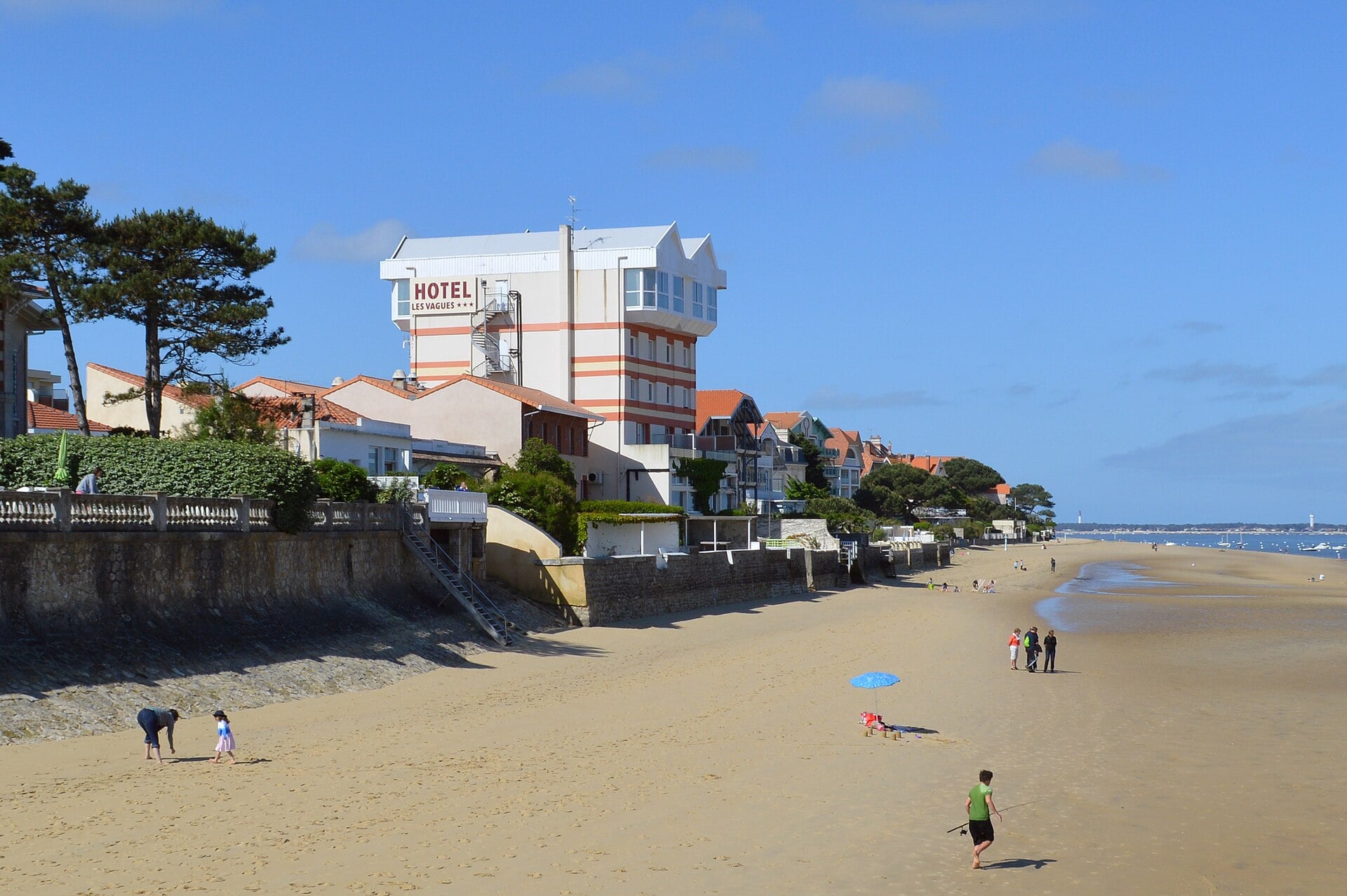
2. A stroll through the Ville d’Hiver district in Arcachon
The town of Arcachon itself is a captivating architectural gem, born in the nineteenth century as a luxury spa resort for the wealthy French elite. Its most striking part is without doubt the Ville d’Hiver district, the Winter Town, cleverly tucked away on a wooded hill above the coast. It was originally built for the well-to-do, who came here to treat tuberculosis and other respiratory ailments thanks to the beneficial combination of humid ocean air and fragrant pine oils said to have miraculous healing powers.
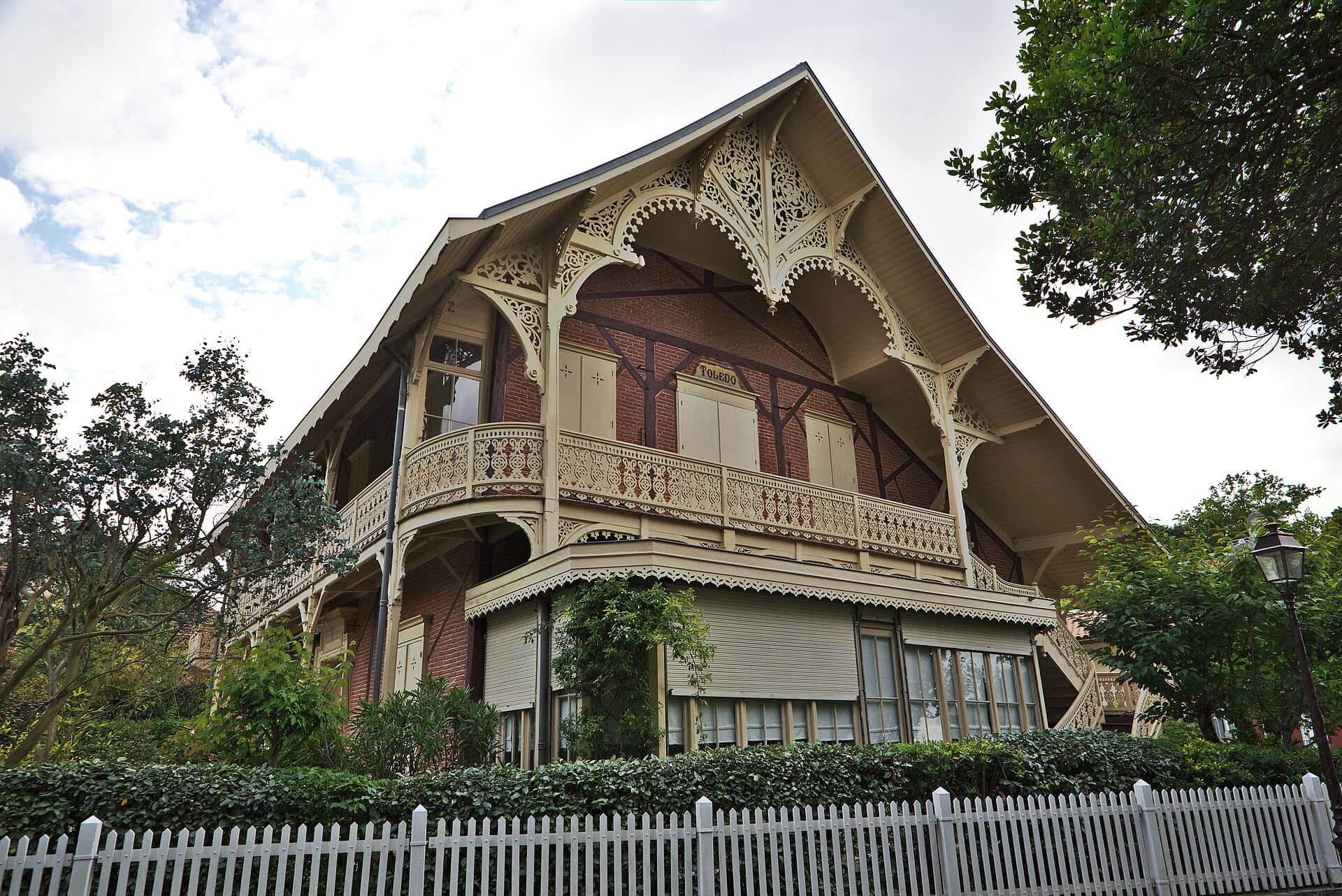
Here you’ll find more than three hundred stunning Belle Époque villas that compete with one another in eccentricity, size and lavishness of decoration. Each villa has its own name and a completely unique style, so houses inspired by Swiss chalets stand next to Moorish palaces and old English country manors with carved balconies and pointed turrets. Wandering these incredibly quiet, winding lanes feels like a literal journey back in time, to the days when ladies in elaborate gowns strolled the promenades with lace parasols.
💡 Tip: Don’t miss a visit to the beautiful Parc Mauresque, which sits right on top of the hill and is the perfect place for a short rest in the shade of the trees. From here a striking metal bridge leads to the Belvédère observatory, and if you climb this old lookout tower you’ll be treated to a breathtaking panoramic view over the whole town and the blue bay far below. You don’t even have to climb up to the Winter Town on foot — you can easily get there via the historic public lift straight from the centre.

3. A boat trip to the Île aux Oiseaux and the huts on stilts
Right in the middle of Arcachon Bay lies the mysterious Bird Island, in French the Île aux Oiseaux, which is an absolute phenomenon. Its size changes dramatically with the tides, so while at high water it looks like a small patch of green land, at low tide it transforms into a vast mudflat that attracts thousands of migratory birds searching for food. The island is a strictly protected nature reserve you can’t freely set foot on, so the best way to see it up close is from the deck of an excursion boat.
The absolutely iconic symbol of the whole bay, the one you’ll see on every other postcard in the souvenir shops, is the pair of wooden huts on tall stilts known as the Cabanes Tchanquées. These wonderfully photogenic structures stand right in the water near the island and originally served as watchtowers over the oyster farms, deterring thieves who stole the precious oysters under cover of darkness. Today they’re abandoned, but they still proudly withstand the waves and wind, looking incredibly romantic.
💡 Tip: From the main harbour in Arcachon and from the smaller jetties on the Cap Ferret peninsula, dozens of excursion boats set out every day to take you on a roughly two-hour loop around the island. During the trip the captain will explain in detail how the bay’s complex ecosystem works, and you’ll get to see both huts on stilts really close up. It’s best to plan the trip for the approaching high tide, when the boats can sail nearest to the wooden structures and the photos look their best.
4. Gujan-Mestras and the authentic “cabanes” culture
If you want to experience the true soul of the whole region, you absolutely must visit the small town of Gujan-Mestras on the southern shore of the lagoon. This is where the heart of the enormous oyster production beats, because the town boasts no fewer than seven small harbours strung like beads along the shore, with constant lively activity. Don’t expect any gleaming yachts or luxury restaurants with white tablecloths and silver cutlery here, though — the locals pride themselves on absolute simplicity.
The entire culture of the bay plays out in the so-called cabanes — simple, often very brightly coloured wooden shacks belonging to the local oyster farmers, the ostréiculteurs. Around them, old fishing nets, metal cages, heaps of empty shells and traditional flat-bottomed boats stranded in the mud at low tide lie everywhere. It’s an incredibly raw, authentic and beautiful setting where people sit on plain plastic chairs or rough wooden benches, chat with friends and enjoy the wonderfully relaxed atmosphere by the water.
💡 Tip: Take a slow walk around the best-known harbours such as Port de Larros or the quieter Port de la Canal. In the first of these, Port de Larros, you’ll also find the excellent Maison de l’Huître museum, where for around €6 you’ll learn absolutely everything about the demanding work of the farmers. You’ll discover just how complex the whole farming process is and how long it takes for a tiny larva to grow into a grown-up delicacy ready to be served.
5. Tasting oysters vs. vegetarian delights
A visit to the wooden cabanes in Gujan-Mestras and the bay’s other picturesque harbours is all about absolute culinary simplicity. The menu usually offers just one single thing: freshly pulled oysters from the local farms, served here without any fuss in plastic baskets. Seafood lovers reach an absolute gastronomic peak here, because thanks to the specific mixing of fresh water from the local rivers and salt water from the Atlantic, the seafood here has a completely unique, gently sweet and slightly nutty taste. A portion of half a dozen costs roughly €10 to €15 and is served entirely traditionally with just a wedge of lemon, a slice of rye bread with salted butter and a glass of chilled wine.
But if you don’t eat meat or seafood, don’t despair at all — you certainly won’t miss out on the amazing experience of sitting right by the water. The farmers in the cabanes usually don’t cook any elaborate hot dishes besides oysters and prawns, but they always have fantastic vegetarian alternatives up their sleeve. After all, France is the land of superb cheeses, so they’ll very happily put together a generous board of local specialities, offer a crusty fresh baguette, a bowl of marinated olives and, of course, the excellent local white Entre-Deux-Mers wine from the nearby Bordeaux wine region.
💡 Tip: Although oysters are eaten in the bay essentially year-round, the old French rule says they taste best in the months whose names contain the letter R — that is, from September to April. In the summer months they naturally reproduce and take on a so-called milky texture. For you as a visitor, though, the most important thing is to sit in a cabane at sunset, slice off some ripe Camembert and savour the true French art of living, for which you need no luxury whatsoever.
6. The Cap Ferret peninsula and its bohemian luxury
On the opposite side of the lagoon stretches the long, very narrow Cap Ferret peninsula, an absolute chapter all of its own. While the famous south of France often shouts with showy luxury, gigantic yachts and pricey boutiques, Cap Ferret has perfected the art of understated wealth. Famous French celebrities, artists and the rich Parisian set come here to unwind, but at first glance you probably wouldn’t even notice, because the atmosphere here is incredibly relaxed, almost bohemian.
Nobody wears expensive tailored suits or high heels here — everyone, without exception, prefers comfortable canvas trainers, loose linen shirts and straw hats. People don’t drive around in noisy supercars either; the main means of transport is the humble bicycle, ideally a little weathered and fitted with a practical wicker basket on the handlebars. The whole peninsula is gloriously scented with pine needles, and you’ll find charming oyster villages like L’Herbe, a labyrinth of narrow sandy lanes and little wooden houses sunk in dense greenery.
💡 Tip: Set aside a whole day to explore Cap Ferret. Hire a bike at one of the many rental shops as soon as you arrive and explore the extensive network of forest trails. Cycling through the shade of the fragrant pines, stopping occasionally for a coffee in a tiny tucked-away village and soaking up that wonderfully relaxed energy is exactly why people keep coming back. Renting a bike for the whole day costs roughly €18 to €20 and gives you complete freedom of movement.
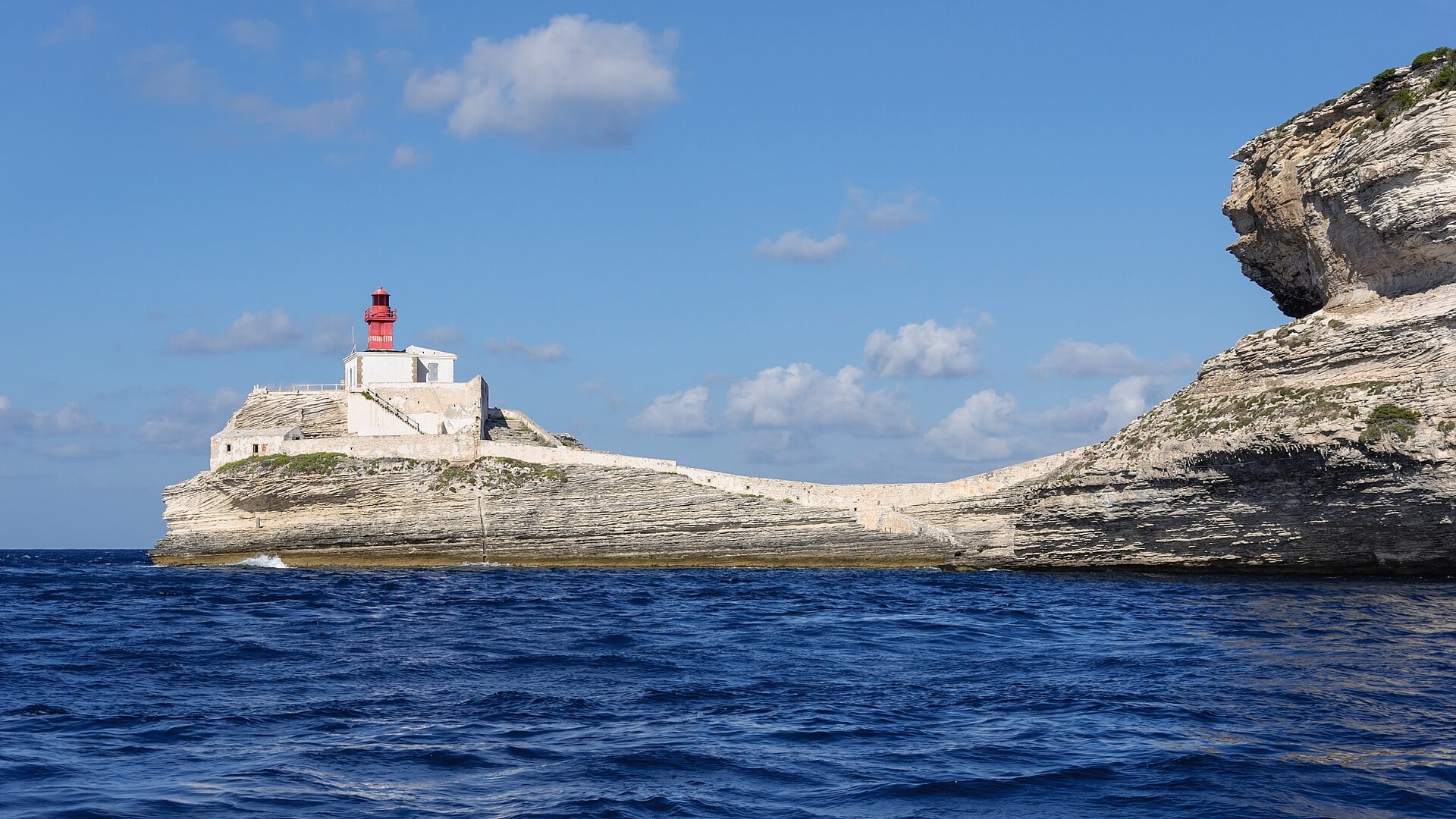
7. Views from the Phare du Cap Ferret lighthouse
The most prominent landmark of the whole peninsula, and a great point of orientation, is the beautiful Phare du Cap Ferret lighthouse. Its red-and-white tip proudly peeks high above the pine canopy and unerringly guides the ships passing through the treacherous mouth of the bay, where strong currents mingle. The current structure dates from 1947, because the original historic lighthouse was sadly completely destroyed by retreating German troops at the very end of the Second World War.
If you’ve got enough energy in your legs, by all means head inside and climb the exactly 258 spiral steps to the gallery itself. Your reward for the physical effort will be an absolutely breathtaking 360-degree view in every direction, showing you the region from a bird’s-eye perspective. You’ll see how the deep blue waters of the Atlantic dramatically mix and collide with the calmer currents from the bay, and directly opposite, in all its enormous golden glory, rises the monumental wall of the Dune du Pilat.
💡 Tip: Admission to the lighthouse tower costs an adult around €8, and in the summer months it’s open to visitors until late in the evening. On the ground floor you’ll also find a very nicely done little interactive exhibition that reveals the fascinating history of mapping the bay and the complex development of maritime navigation in this rather dangerous area full of constantly shifting sandbanks.
8. Wild ocean beaches vs. the calm waters of the bay
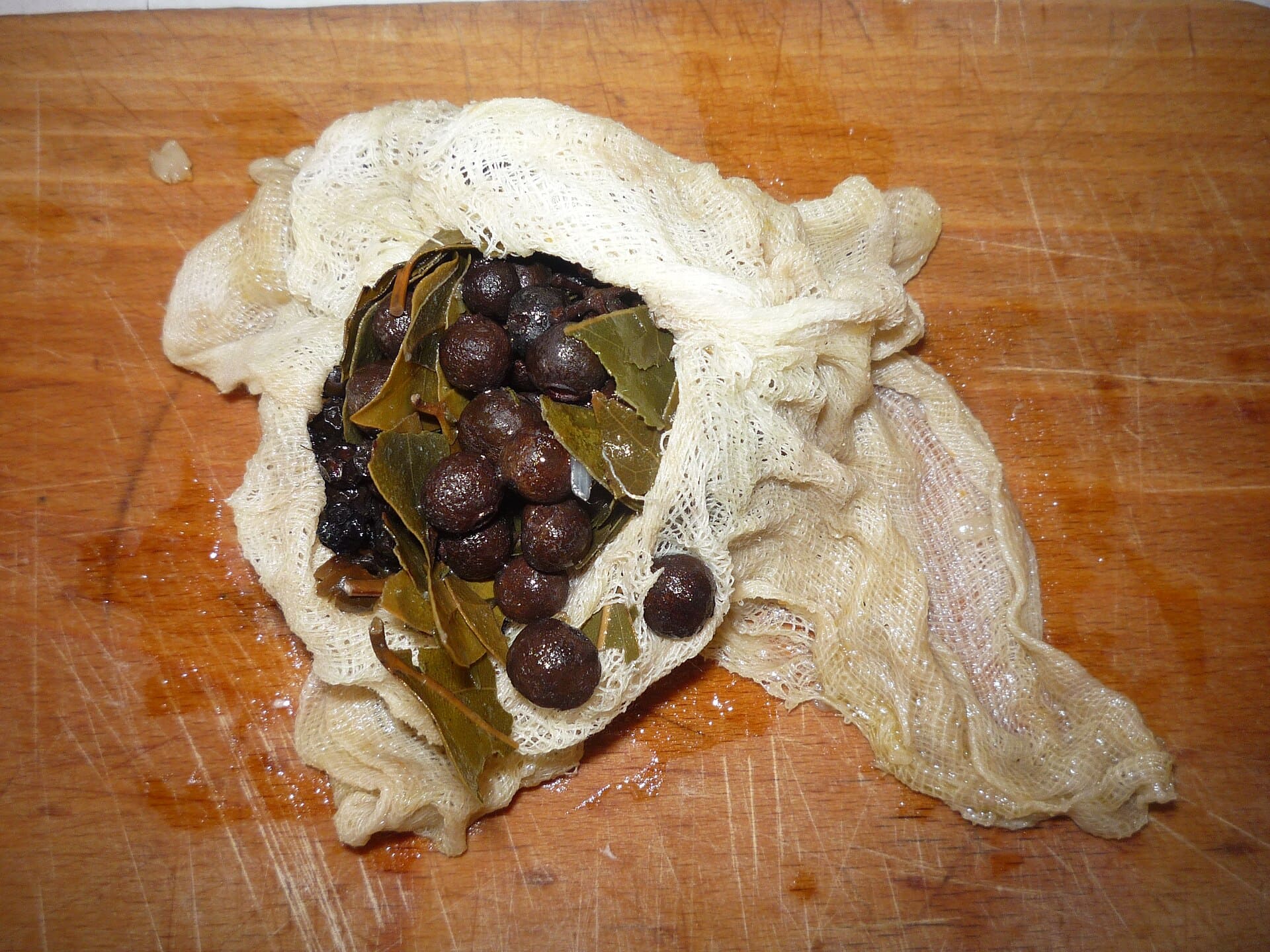
The Cap Ferret peninsula offers one huge, completely unique geographical advantage you won’t easily find anywhere else in France. In just ten minutes of walking or a short bike ride you can cross from one entirely different watery world into another. This wonderful duality makes the area an absolutely ideal destination for larger groups of friends or families with very different ideas of the perfect swim and how to spend their free time.
On the western side of the peninsula, facing directly towards the American coast, stretch kilometres of wild Atlantic beaches such as the popular Plage du Truc Vert or the sprawling Plage du Grand Crohot. Here huge waves crash with a deafening roar, a strong wind blows and these endless beaches are a paradise for experienced surfers and lovers of untamed nature. The water is noticeably colder and the currents can be treacherous. The eastern side facing the bay, by contrast, offers calm, quickly sun-warmed and shallow water that is perfectly safe even for small children.
💡 Tip: If you head out to swim at the ocean beaches, always strictly respect the lifeguards’ flag signals and swim only in the marked, supervised zones. The Atlantic currents known as “baïnes” are very specific, creating invisible channels that can easily and unexpectedly drag an inattentive swimmer away from the shore. For a calm beach day with a good book, always choose a sheltered cove on the eastern side instead.
9. Cycling the Vélodyssée trail
Arcachon Bay is an absolute, genuine paradise for all lovers of cycling, even for those who never normally ride a bike at home. This whole coastal area is laced with more than 200 kilometres of superbly maintained, completely safe cycle paths that are strictly separated from car traffic. The terrain is absolutely flat, so you won’t even break a sweat in the summer heat, and most routes run through the merciful shade of the fragrant pine forests, which provide wonderful coolness.
The famous European long-distance Vélodyssée cycle route also runs straight through the area, stretching along the entire French Atlantic coast from north to south. You can take a lovely full-day trip from the centre of Arcachon all the way to the foot of the sand dune, or slowly weave between the colourful oyster harbours in Gujan-Mestras. The bike simply gives you complete freedom and lets you stop at every hidden beach, viewpoint or café you happen to discover along the way.
💡 Tip: You’ll find literally dozens of bike rental shops in every smaller town, and besides classic town bikes with baskets they also offer popular e-bikes, special fat bikes for deep sand or trailers for younger children. Just watch out for the strong pine roots that sometimes dangerously lift the asphalt on older sections of the paths, and in peak summer respect basic courtesy, because the cycle paths can get genuinely extremely busy.
10. Across the bay by ferry, escaping the traffic jams
It all sounds like a perfect summer paradise, but the whole area has one huge weakness already mentioned in the introduction. The hugely popular Cap Ferret peninsula in particular is connected to the mainland by just a single main road, the D106. When French domestic demand goes wild in July and August and everyone heads for the coast, this narrow road turns into an endless and incredibly frustrating car park. A drive that would take forty minutes on a quiet spring day can stretch out to a gruelling three hours of crawling along in a queue during the summer peak, reliably ruining your mood.
Fortunately, there’s a brilliant — and very romantic — solution to avoid this problem entirely. Forget the car completely and use the system of boat ferries, the so-called navettes maritimes, reliably run by the local company UBA. These smaller boats constantly criss-cross the bay back and forth, connecting the town of Arcachon with the Cap Ferret peninsula in a pleasant thirty-minute crossing. It’s not only practical, but you also get a beautiful scenic cruise out in the fresh air.
💡 Tip: A standard one-way ferry ticket costs an adult roughly €9, and in the busy summer season the boats shuttle back and forth from early morning until late evening at regular intervals. For a small surcharge the crew will gladly take your rented bike on board, so you can easily combine cycling on both sides of the lagoon without having to sit behind the wheel and stress in the jams for even a second.
11. Ice cream and the promenade in Le Moulleau
If you’re exploring the southern side of the bay towards the majestic dune, be sure to stop, at least briefly, in the charming Le Moulleau district. It was originally a completely separate little fishing village that today forms the westernmost and at the same time most elegant suburb of Arcachon itself. It’s a very popular and chic spot where both locals and tourists love to come for evening walks, shopping in small independent boutiques and long sit-downs on the terraces of stylish bars.
The main architectural landmark of this district is the beautiful historic church of Notre-Dame des Passes, which stands proudly on top of the hill and looks down over the long promenade leading all the way to the wooden pier. From this pier, in good weather, you’ll get an absolutely wonderful and direct view across the water straight to the Phare du Cap Ferret lighthouse, which stands exactly on the opposite shore of the lagoon and blinks into the night.
💡 Tip: Your visit to Le Moulleau definitely wouldn’t be complete without a stop at the legendary ice-cream parlour Le Sorbet d’Amour. This famous local brand was founded right here in the bay back in 1935 and offers dozens of absolutely fantastic and very original fruit and cream flavours. In summer there are usually long queues of waiting customers, but the wait is well worth it for a big scoop of excellent, honest, artisanal sorbet.
12. Peace and birdwatching in the Prés Salés reserve
While the vast majority of visitors focus on conquering the dune or the peninsula’s beaches, the northern tip of the lagoon hides an absolute natural treasure where you’re guaranteed to find the peace you crave, even in the middle of the craziest summer season. The beautiful Prés Salés nature reserve lies between the villages of Arès and Lège and is a vast expanse of untouched salt marshes and bogs that floods regularly with salt water from the ocean twice a day.
It’s a fascinating, quiet landscape full of narrow channels, tall waving grass and little wooden bridges that at first glance feels almost harshly Nordic. The reserve serves as an enormous, protected refuge for a wide variety of bird species, making it a real paradise for keen birdwatchers and lovers of utter silence. As you walk along the well-marked dusty trails you can watch elegant herons, storks and tiny waders up close, patiently hunting for food in the shallow pools.
💡 Tip: Visit this picturesque reserve ideally early in the morning, when a light mist very often hangs over the salt marshes and the whole area has an utterly magical, photogenic atmosphere. Entry to the site is completely free and the marked routes are very easy, so this trip is perfect even for families with younger children who don’t mind a bit of slow walking on absolutely flat terrain, far from the crowds.
Map of points of interest for your phone
Where to go next from Arcachon and Cap Ferret
Although you can easily spend a whole week in the bay, the surrounding region offers more great places it would be a shame to miss. If you’re looking for a contrast to the wild nature, head inland and explore wonderful Bordeaux. This elegant city with its monumental architecture and the renowned Cité du Vin wine museum is just an hour away and offers an absolutely top-class gastronomic and cultural experience.
If, on the other hand, you’re drawn to the wild ocean and want to keep exploring the Atlantic coast south towards the Spanish border, you definitely can’t miss Biarritz. This once-royal resort has reinvented itself as the European capital of surfing, where majestic cliffs and historic palaces meet the laid-back culture of wetsuit-clad surfers. The atmosphere of the Basque coast is, once again, completely different from Arcachon Bay and well worth a separate trip.
 🚗 Car rental on the road
Verified rental cars in New Aquitaine
🚗 Car rental on the road
Verified rental cars in New Aquitaine
Search with the DiscoverCars comparison engine — it compares prices from dozens of local and international rental companies, and most bookings come with free cancellation.
Compare car prices in New Aquitaine →Frequently asked questions
How many days do I need to explore Arcachon Bay?
Reserve at least three full days for a basic exploration of both sides of the bay and climbing the dune. If you also want to enjoy relaxing on the beaches, bike rides, and leisurely tastings in the cabanes, it’s ideal to spend five to seven days in the area so you don’t have to rush anywhere.
Is the water in the lagoon suitable for swimming?
Yes, the water inside the bay is very shallow, protected from the large ocean waves, and thanks to this it warms up much faster in summer. It’s absolutely ideal and safe for families with small children. You just need to keep an eye on the tide tables, because at low tide the water completely disappears from many of the beaches in the lagoon.
How’s the ocean temperature at the outer beaches?
The Atlantic is quite refreshing even in the hot summer. On the beaches on the western side of the Cap Ferret peninsula or below the dune, the water temperature in July and August usually ranges between 19 and 21 degrees Celsius. Moreover, strong winds often blow here and there are large waves.
Can I bring a dog to Dune du Pilat?
Yes, dogs are allowed on the dune, but they must be kept on a leash at all times. However, keep in mind the intense summer heat. The sand gets so scorching hot during the day that it could seriously burn your dog’s paws, so only take your pets to the dune early in the morning or late in the evening.
Do I absolutely need a car in the area?
If you stay right in the town of Arcachon, you won’t need a car at all. You can get here by train from Bordeaux and move around the area on foot, by rental bike, on local buses, or by using the boat ferries across the bay. Without a car, you’ll even avoid the huge stress of traffic jams during the summer season.
When is the best season for oysters?
Although the Arcachon Bay is a summer destination, the traditional French rule says that oysters are best in months containing the letter “R” (from September to April). During summer (June to August), oysters reproduce and can be so-called “milky” with a different texture, though they are sold and consumed here year-round.
Are there mosquitoes in the area?
Unfortunately yes, especially due to the pine forests, marshes, and stagnant waters around the lagoon. During warm summer evenings, particularly in areas with less wind circulation, mosquitoes can be very annoying. Definitely pack a quality insect repellent in your suitcase and ideally look for accommodation with screens on the windows.
Tips and Tricks for Your Vacation
Don’t Overpay for Flights
Search for flights on Kayak. It’s our favorite search engine because it scans the websites of all airlines and always finds the cheapest connection.
Book Your Accommodation Smartly
The best experiences we’ve had when looking for accommodation (from Alaska to Morocco) are with Booking.com, where hotels, apartments, and entire houses are usually the cheapest and most widely available.
Don’t Forget Travel Insurance
Good travel insurance will protect you against illness, accidents, theft, or flight cancellations. We’ve had a few hospital visits abroad, so we know how important it is to have proper insurance arranged.
Where we insure ourselves: SafetyWing (simple monthly subscription) and TrueTraveller (for extra-long trips).
Find the Best Experiences
Get Your Guide is a huge online marketplace where you can book guided walks, trips, skip-the-line tickets, tours, and much more. We always find some extra fun there!