The southwestern tip of France is a unique world that pulls you straight into its raw atmosphere. In Biarritz, France you can catch waves on the wild Atlantic coast in the morning and spend the afternoon admiring traditional Basque architecture or huge waterfalls high up in the mountains. Get ready for a holiday where the rugged beauty of the cliffs and proud local culture replace the polished glamour of the Riviera.
In this article you’ll find exactly 13 tips for trips, things to see and do in Biarritz and its wider surroundings. That way you’ll squeeze the absolute maximum of unforgettable experiences out of this one-of-a-kind corner of France. I’ll also help you choose strategic accommodation and reveal how to prepare for the unpredictable local weather.
TL;DR
- The surfing capital of Europe: Biarritz offers the iconic Grande Plage and Côte des Basques beaches, where you’ll find the best conditions for beginners and advanced surfers alike.
- Basque culture and gastronomy: Towns like Bayonne and Saint-Jean-de-Luz will charm you with their traditional houses, colourful shutters, superb chocolate and the culture of sharing small dishes called pintxos.
- The village of spicy peppers: Inland Espelette is famous for its white façades, which in autumn are literally covered in drying red Piment d’Espelette peppers.
- The dramatic Pyrenees: Just two hours’ drive from the coast you’ll find the glacial cirque of Gavarnie, home to one of the highest waterfalls in Europe, and the Pic du Midi astronomical observatory.
- The spiritual centre of Lourdes: This world-famous pilgrimage site attracts millions of visitors, and the evening candlelight processions are a visually stunning experience for believers and non-believers alike.
- The best time to visit: For the best surfing conditions and fewer tourists head over in autumn, while summer is ideal for complete beginners and lovers of a warm ocean.
The full destination guide: Nouvelle-Aquitaine — guide and what to see
When to visit Biarritz and the Basque Country
Choosing the right time to visit the French Basque Country is absolutely crucial, because the local weather is strongly shaped by the wild Atlantic and the nearby high mountains. The summer months from June to August bring the highest air and water temperatures, making them ideal for beach loungers and complete surfing beginners. The ocean tends to be a little calmer at this time of year and temperatures usually hover around a pleasant 25 to 28 degrees Celsius. You do need to be prepared, though, for Biarritz bursting at the seams in summer, with the main coastal A63 motorway often clogged with cars heading to Spain. Finding a free parking spot takes an enormous amount of patience, and the local police hand out hefty fines for any bad parking with zero mercy.
If you’re after the best compromise between pleasant weather and a bearable number of tourists, aim for September and October. Experienced surfers often leave the town to ordinary holidaymakers in summer and come back in autumn for a reason. According to long-term meteorological data, the autumn months offer the best conditions and a so-called clean swell. In September and October the water still holds onto its lovely warmth from summer, the crowds gradually thin out and the Atlantic starts sending the right long waves towards the shore. On top of that, autumn is the season of busy harvests and various food festivals in the picturesque Basque hinterland.
The spring months from April to May are fantastic for exploring the Pyrenean countryside as it wakes up and bursts into colour. You do have to bear in mind, however, that snow often lingers in the higher reaches of the Pyrenees until June, which can complicate some mountain hikes. Spring weather on the coast can be very changeable, so a single day can throw a heavy downpour, strong wind and sharp sunshine at you in quick succession. A winter visit to the region is really reserved for lovers of complete tranquillity and wild storms, as many restaurants and tourist services close down entirely outside the main season.
Where to stay in Biarritz and the surrounding area
💡 Tip for accommodation and experiences: We like to look for places to stay on Booking.com, which usually has the best cancellation policies. As for tickets, tours and activities, it pays to compare and book through GetYourGuide.
Finding the ideal place to stay in this region depends mainly on the type of holiday you prefer and how much time you want to spend driving around. Given the long distances and occasional traffic jams, by far the best strategy is to split your stay into two parts and set up one base camp on the coast and a second one right in the mountains. That way you’ll save yourself hours of frustrating time behind the wheel.
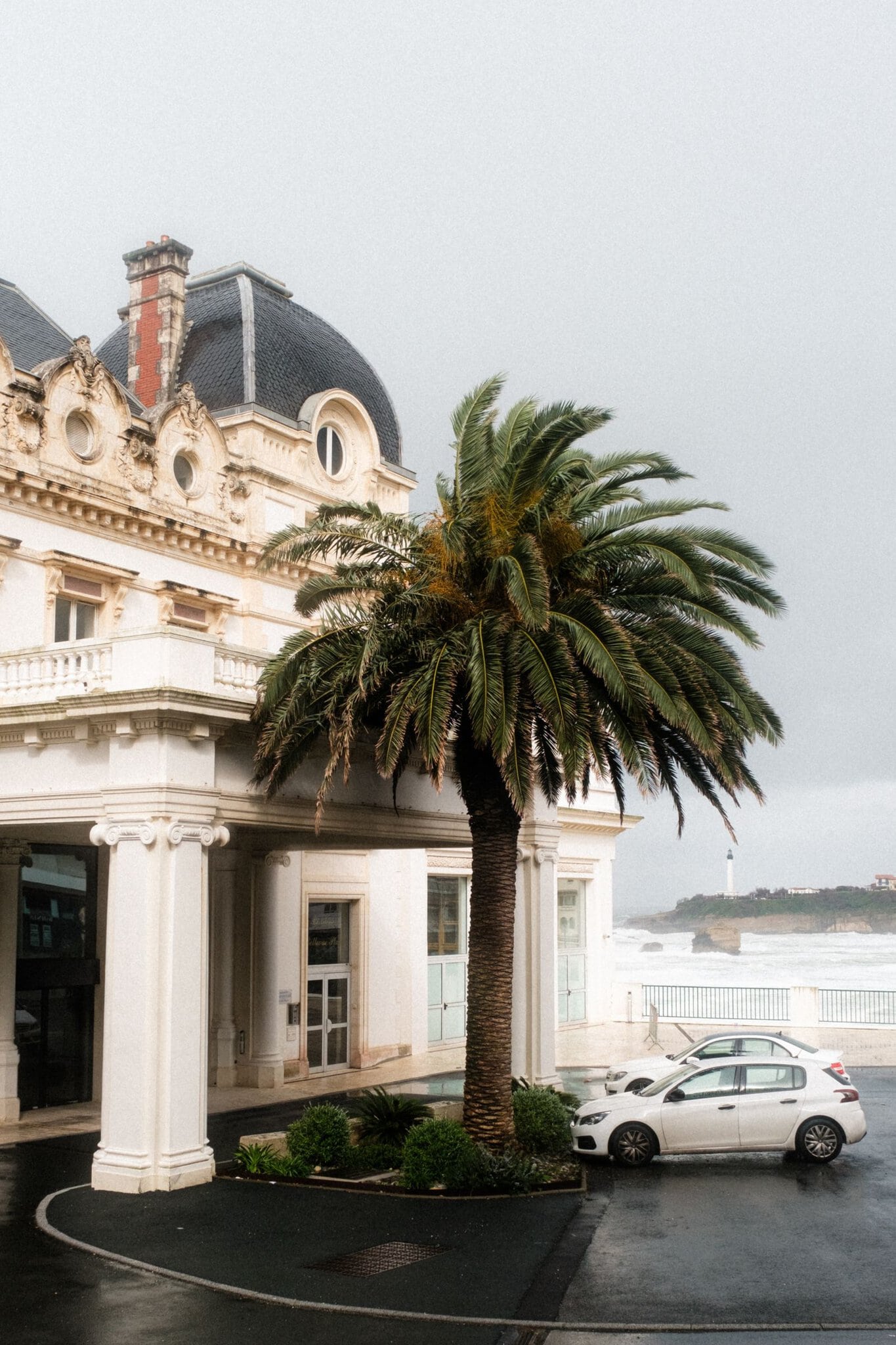
If your main goal is the ocean and you want to soak up a cosmopolitan vibe, Biarritz itself will be the best base for you. Staying right in the town centre means you can walk to the beaches, which is a huge advantage given the extremely expensive and complicated parking. For 2026, expect prices for a double room in a decent three-star hotel in central Biarritz to start at roughly 150 to 200 euros a night in high season. A great and slightly quieter alternative for the coastal part of your holiday is the historic little town of Saint-Jean-de-Luz, where life moves at a much slower pace and the ocean is friendlier thanks to a sheltered bay.
For the second part of your trip, focused on exploring the Pyrenees, I recommend moving to the town of Cauterets or Luz-Saint-Sauveur. These traditional mountain resorts sit in a strategic spot from which you’ll be just a short hop from the biggest natural attractions, like the glacial Gavarnie cirque or the Pic du Midi observatory. On the other hand, it’s better to avoid staying right in the town of Lourdes unless you’re specifically heading there on a pilgrimage. The hotels in Lourdes are primarily geared towards huge organised groups of pilgrims and they lack that genuinely cosy mountain atmosphere you’ll find just a few kilometres away.
13 things to see and do in Biarritz and the French Basque Country
Let’s take a look together at the most interesting things this varied region has to offer. You’ll find a perfect mix of relaxing on the beaches, sporting activities, historical landmarks and trips into pristine nature.
1. Grande Plage and the cradle of European surfing
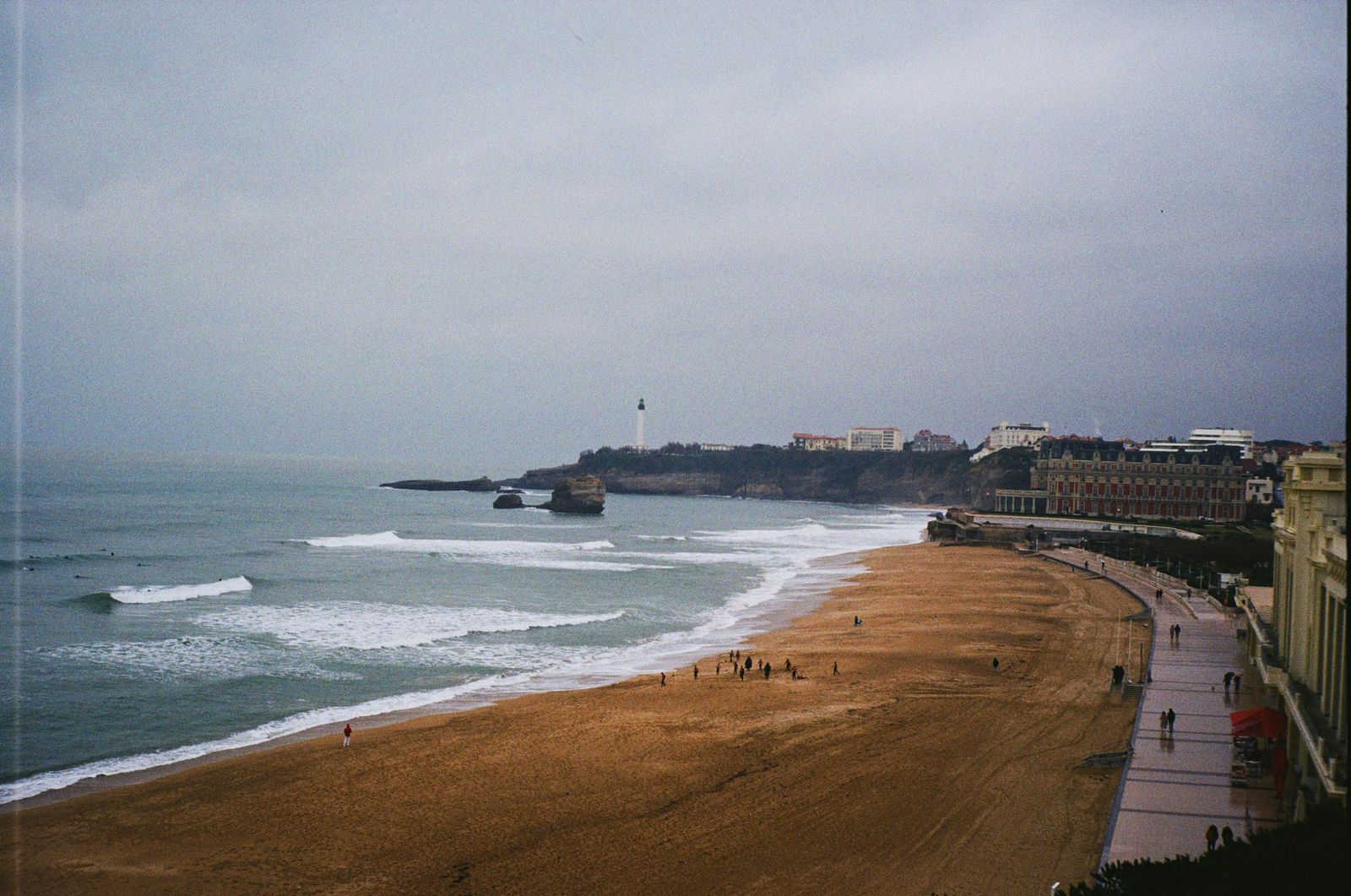
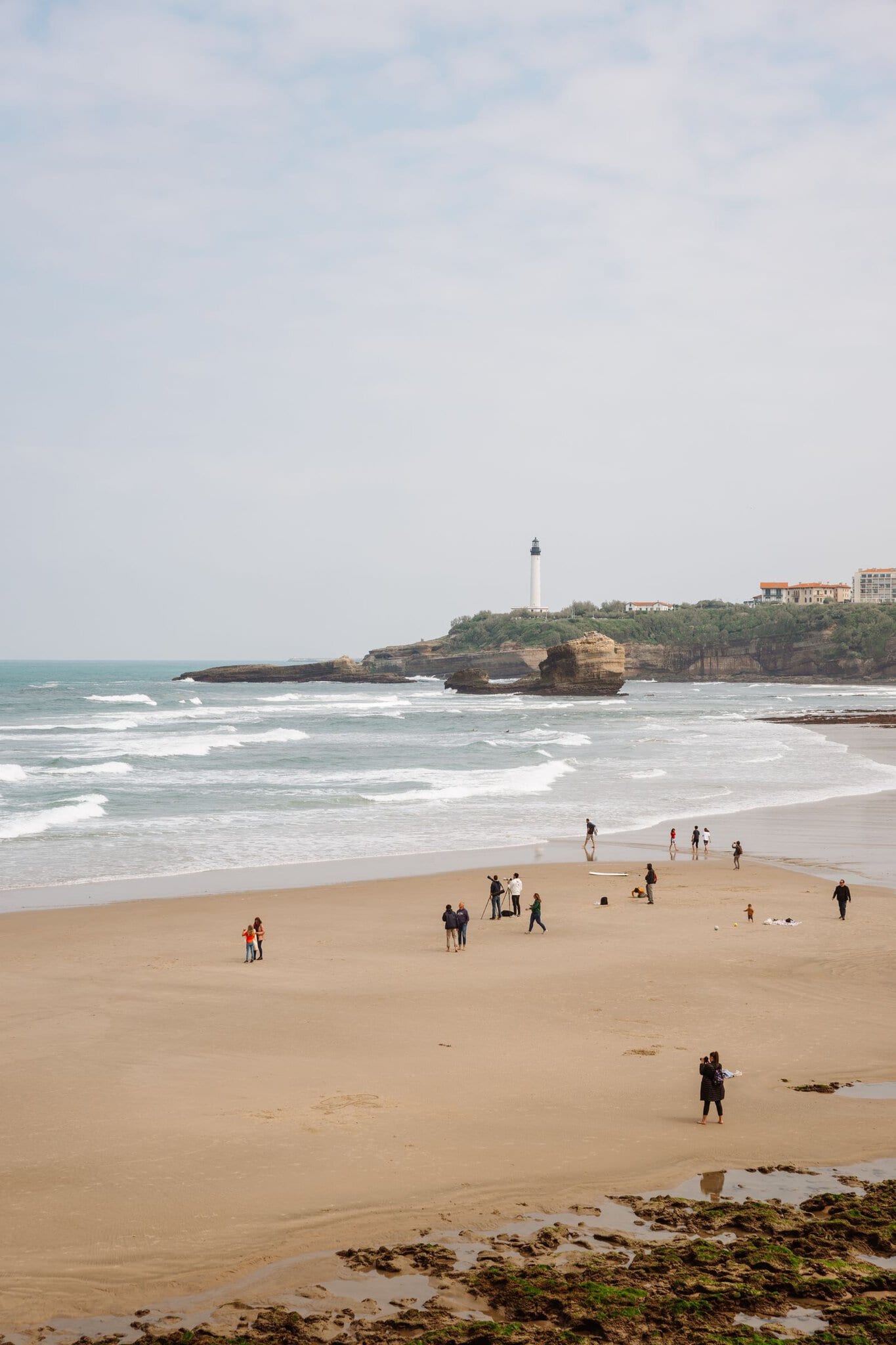
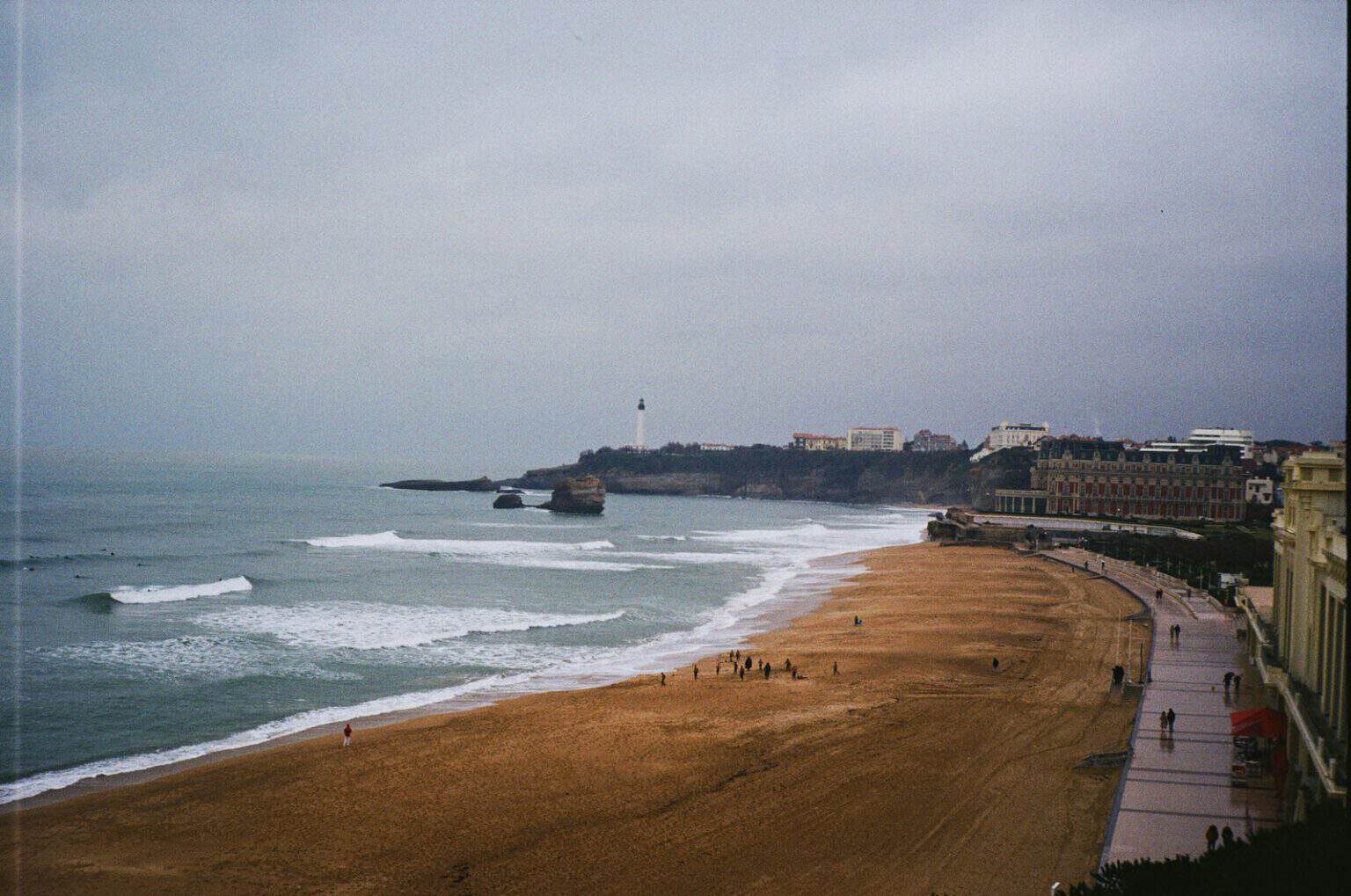
Grande Plage is the absolute showpiece of Biarritz and the spot made famous in the 19th century by Empress Eugénie herself. This wide sandy beach lies right in the very heart of town, framed by a beautiful promenade and the iconic colourful striped tents that give the place an unmistakable retro flair reminiscent of the golden era of French aristocracy. The waves here can be truly majestic, and watching dozens of surfers battling the ocean is fascinating even from the comfort of a bench on the shore.
If you’re planning a visit in the summer months, be ready for the beach to be packed to bursting, with a touch of mild chaos in the air. Finding a patch of free sand for your towel means arriving early in the morning, otherwise you’ll have to settle for a spot far from the water. The ocean is full of swimmers, which combined with manoeuvring surfers occasionally creates a pretty chaotic, adrenaline-fuelled environment. For advanced surfers it can be a bit frustrating, but to soak up that genuine summer energy a visit to Grande Plage is an absolute must.
💡 Tip: At the northern end of the beach you’ll find a gorgeous view of the gleaming white lighthouse, while to the south the grand Hôtel du Palais and the historic casino building rise majestically. The best time for a stroll along the promenade is just before sunset, when golden light bathes the whole coastline and the crowds slowly drift off to the surrounding restaurants for an evening drink.
2. Rocher de la Vierge and the coastal promenade
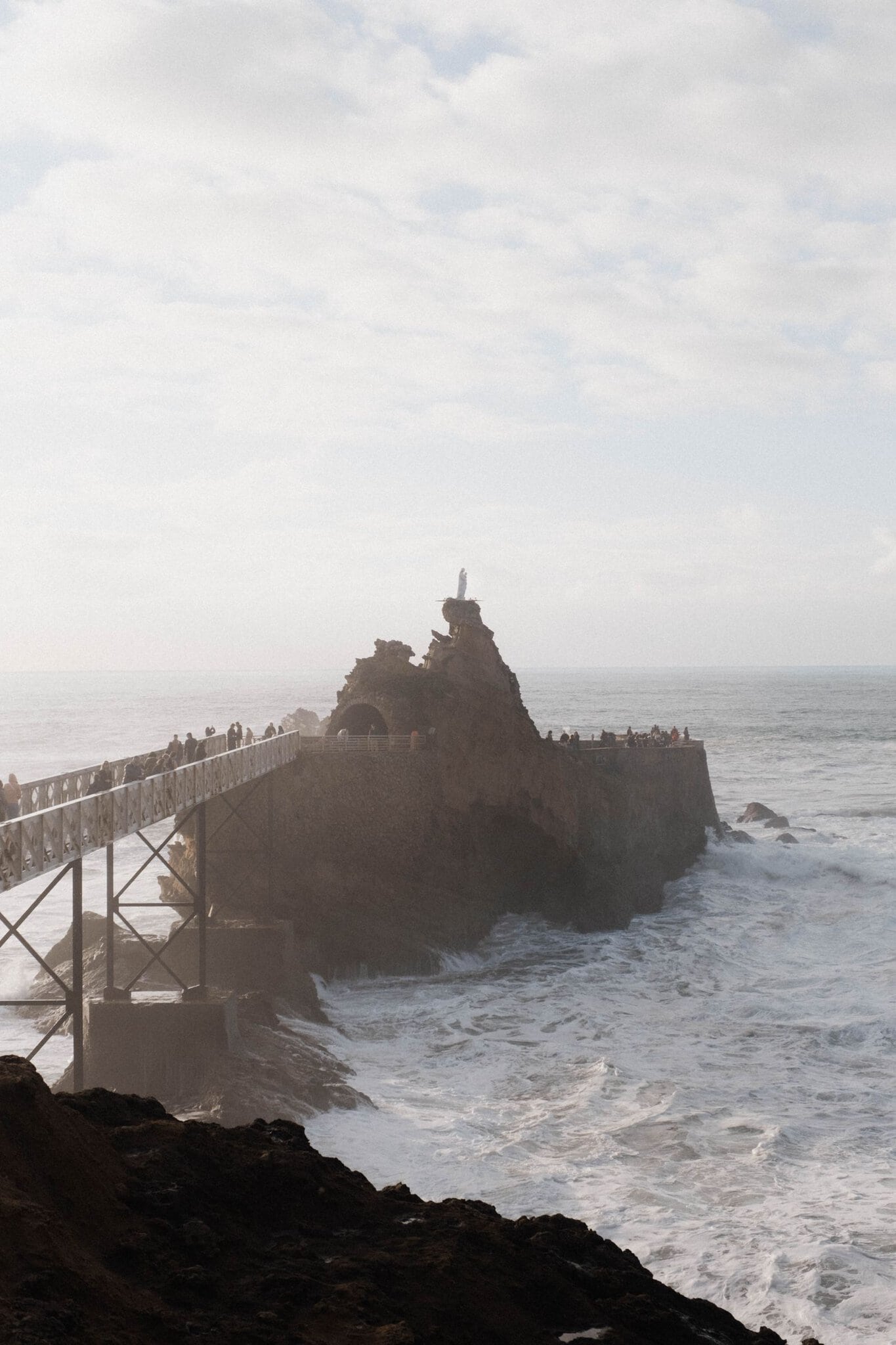
While exploring the rugged coastline you definitely shouldn’t miss the Rocher de la Vierge, a huge rocky outcrop rising straight out of the wild Atlantic waves. This rock is the most photographed symbol of all of Biarritz, and on its summit stands a white statue of the Virgin Mary which, according to an old local legend, protects whalers and fishermen from the whims of the unpredictable ocean.
You reach the rock via an elegant metal bridge designed in the 19th century by none other than the famous engineer Gustave Eiffel. Walking across this bridge is an incredibly powerful experience in itself, especially when the typical strong wind is blowing and the ocean waves crash with a deafening roar into the jagged rocks all around. It often happens that a fine sea spray refreshes you out of nowhere, even though you’re standing high above the churning water.
From the viewing platform on the rock itself you’ll be treated to a breathtaking panoramic view of the entire bay, taking in both the beaches to the north and the wild cliffs to the south. On a clear day you can even see all the way to the Spanish coast and the peaks of the Pyrenees. It’s probably the best place in the whole town for capturing dramatic holiday photos.
3. Côte des Basques and the best surf schools
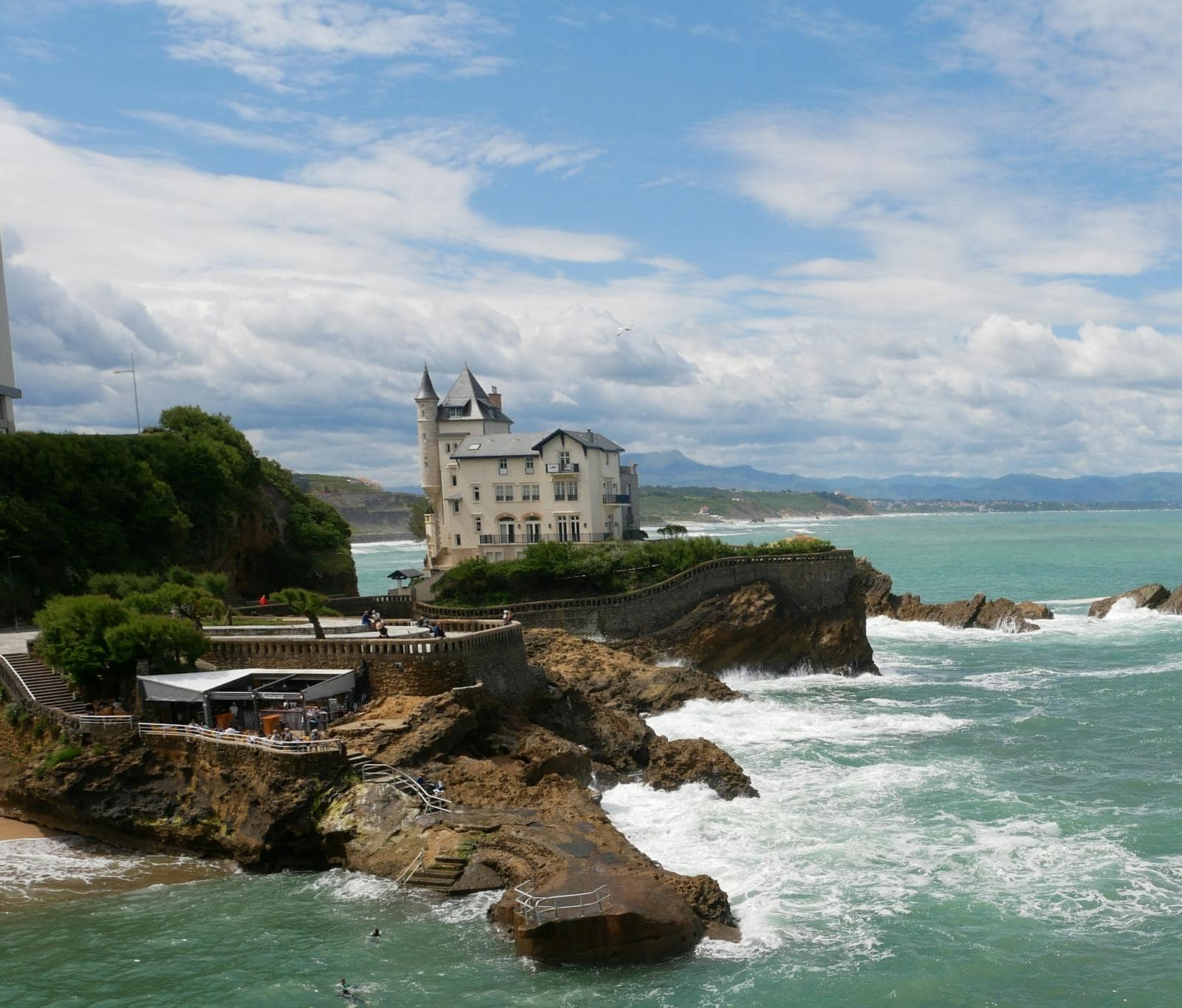
While the central Grande Plage is often very chaotic, the sprawling Côte des Basques beach offers a slightly more relaxed and far more sporty atmosphere. It’s hemmed in by steep green cliffs, and its standout feature is the mysterious Villa Belza, which perches on a sharp rocky promontory and looks like something straight out of a dark Gothic novel. It was right here that European surf culture was born in the 1950s, when American filmmakers brought along their first boards while shooting on location.
Thanks to the long, beautifully gentle waves, this place is an absolute paradise for beginners and lovers of graceful longboarding. On the cliffs above the beach and right on the sunny sand you’ll find a number of surf schools offering professional lessons for all skill levels. If you want to try riding the waves yourself, I recommend booking a lesson well in advance through platforms like GetYourGuide, where you can easily find instructors who speak perfect English.
You do have to be very careful of the unpredictable tide, though. At high tide the Côte des Basques beach disappears entirely beneath the ocean, with strong waves smashing directly into the stone sea wall below the cliff. At that time, entering the water is strictly forbidden and extremely dangerous for swimmers. Always check the local tide tables in advance so you don’t get an unpleasant surprise.
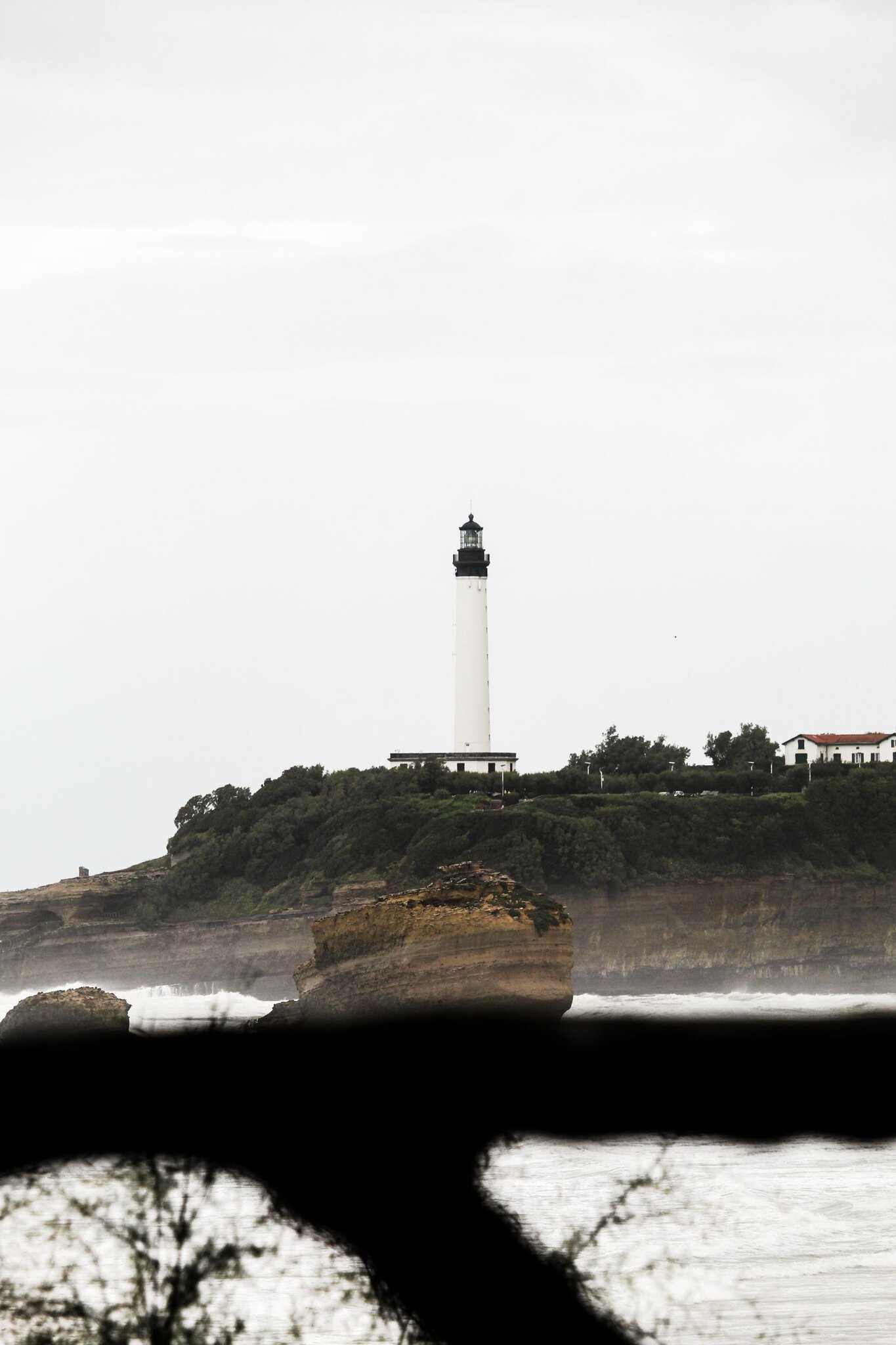
4. The Phare de Biarritz lighthouse and far-reaching views
On the northernmost tip of the town, atop the steep Pointe Saint-Martin cliff, rises the gleaming white Phare de Biarritz lighthouse. Built way back in 1834, it still serves to this day as an immensely important navigation point for ships passing through the treacherous Bay of Biscay. Its surroundings offer a lovely and unexpectedly peaceful park, perfect for an afternoon picnic with a romantic view of the endless ocean.
If you have enough energy and don’t suffer from vertigo, I definitely recommend climbing all 248 steps up to the narrow viewing gallery of the lighthouse. The climb is a little demanding and the spiralling stone staircase feels endless at times, but the reward at the top is absolutely worth it. Admission is around 5 euros and the view from an impressive 73 metres above sea level is utterly fantastic.
From one side you’ll see the endless straight line of sandy beaches stretching north towards the Bordeaux wine region, while from the other side you’ll get a view of the dramatically rugged Basque coast and the snow-capped peaks of the Pyrenees in the distance. It’s an absolutely ideal spot for understanding the geography of this whole fascinating and incredibly varied region.
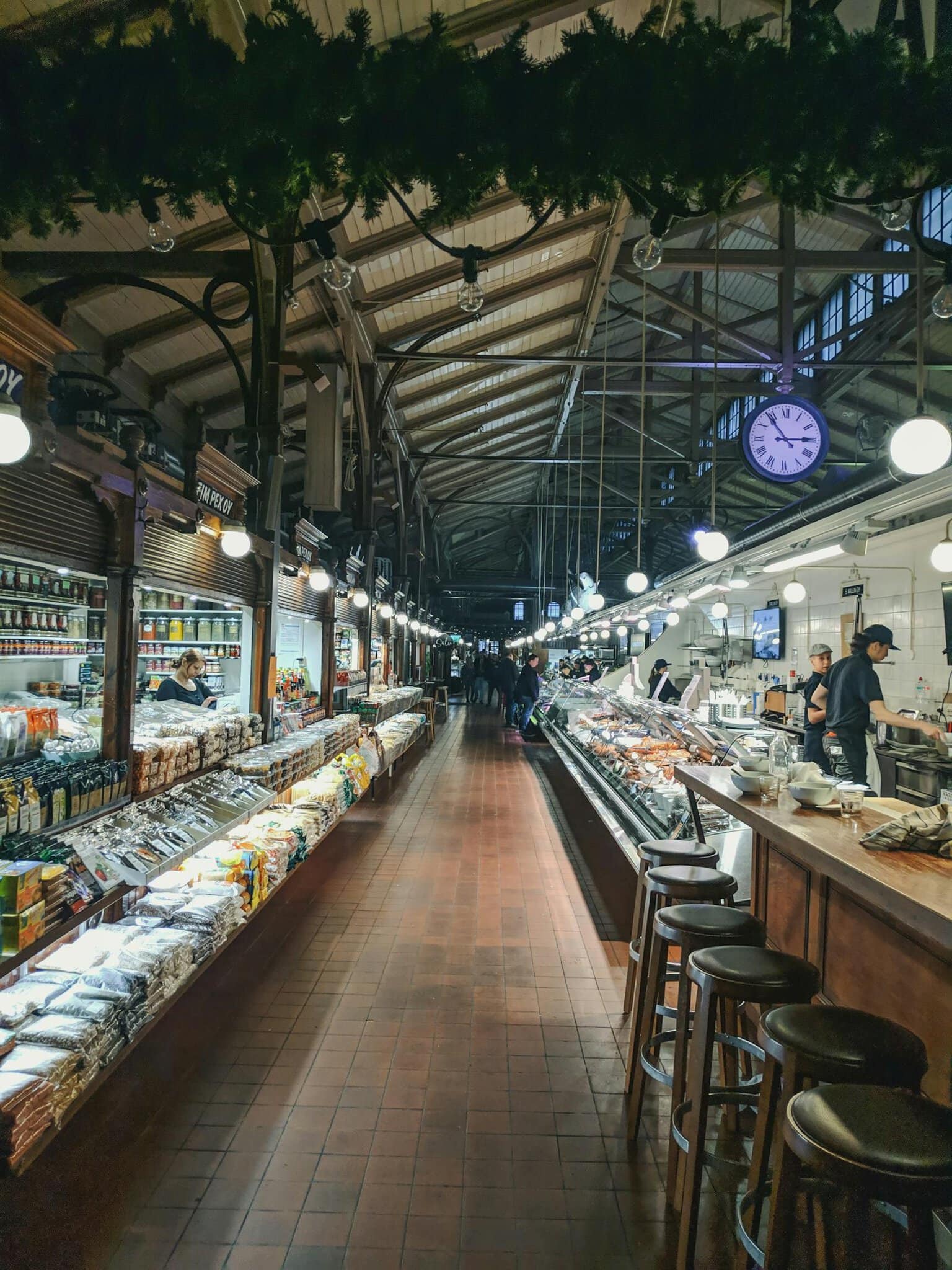
5. Les Halles market and Basque gastronomy
The Basque Country is rightly famous around the world for its exceptional gastronomy, and the best place to explore it in Biarritz is the historic central market, Les Halles. Every morning this beautiful building is full of rich colours, intense aromas and the loud haggling of locals. It’s the real beating heart of the town, where residents come not only to buy the freshest ingredients but also to catch up on the latest neighbourhood gossip.
As you wander the market aisles you’ll definitely notice the enormous quantity of cured Jambon de Bayonne hanging at almost every stall, a product utterly typical of this region. As a perfect meat-free alternative, though, be sure to buy some of the excellent hard sheep’s cheese Ossau-Iraty, traditionally served with dark cherry jam. This brilliant sweet-and-savoury combination is utterly addictive and pairs perfectly with a glass of chilled local white wine.
In the immediate vicinity of the market you’ll come across plenty of small, lively bars serving so-called pintxos. This is the original Basque version of Spanish tapas, most often little decorated pieces of baguette skewered with a long toothpick. You’ll find an incredible number of great vegetarian options here, from a classic fluffy potato tortilla and marinated mushrooms to sweet roasted peppers stuffed with cheese.
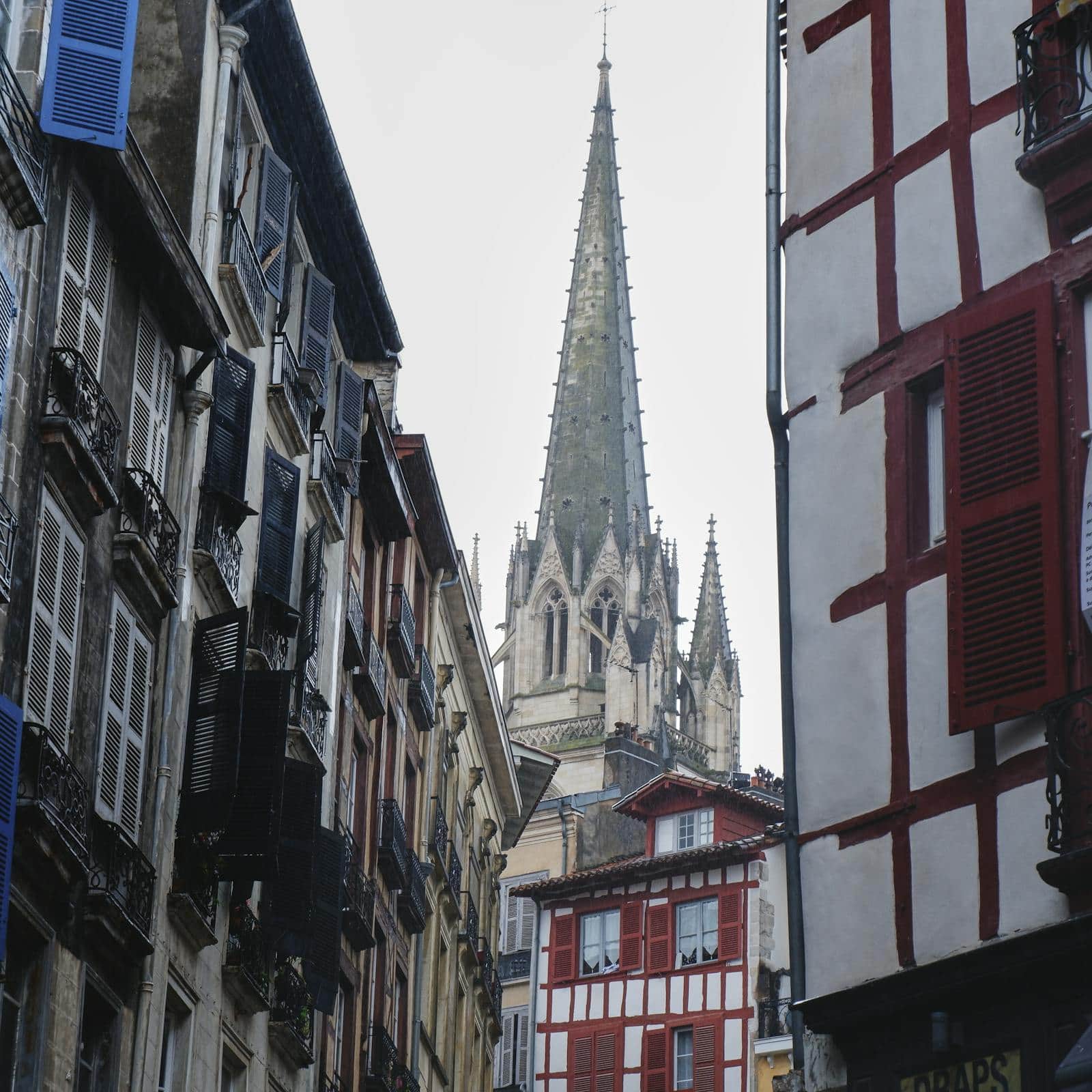
6. Bayonne, the Basque heart and its cathedral
While Biarritz is very cosmopolitan and heavily focused on laid-back beach life, the nearby town of Bayonne is the true cultural and historical heart of the French Basque Country. It sits at the wonderfully picturesque confluence of the Nive and Adour rivers and will instantly charm you with its narrow cobbled lanes and tall half-timbered houses adorned with their typical red or deep green shutters.
The landmark dominating the whole historic centre is the majestic Gothic cathedral of Sainte-Marie, quite rightly inscribed on the UNESCO World Heritage list. Its two tall, pointed towers rise high above the surrounding buildings, and the beautiful adjoining cloister offers a perfect oasis of calm in the middle of a busy town. Entry to the cathedral is free, and its huge stained-glass windows cast gorgeous coloured light into the dim interior.
Bayonne has also been synonymous with excellent, quality chocolate for centuries. It was the Jewish refugees from Spain and Portugal who brought the precious secret of processing cocoa beans here in the 17th century. Stop by one of the traditional family chocolate shops in the arcades by the river and order a thick, incredibly bitter hot chocolate that will reliably get you back on your feet even after a very long day of sightseeing.
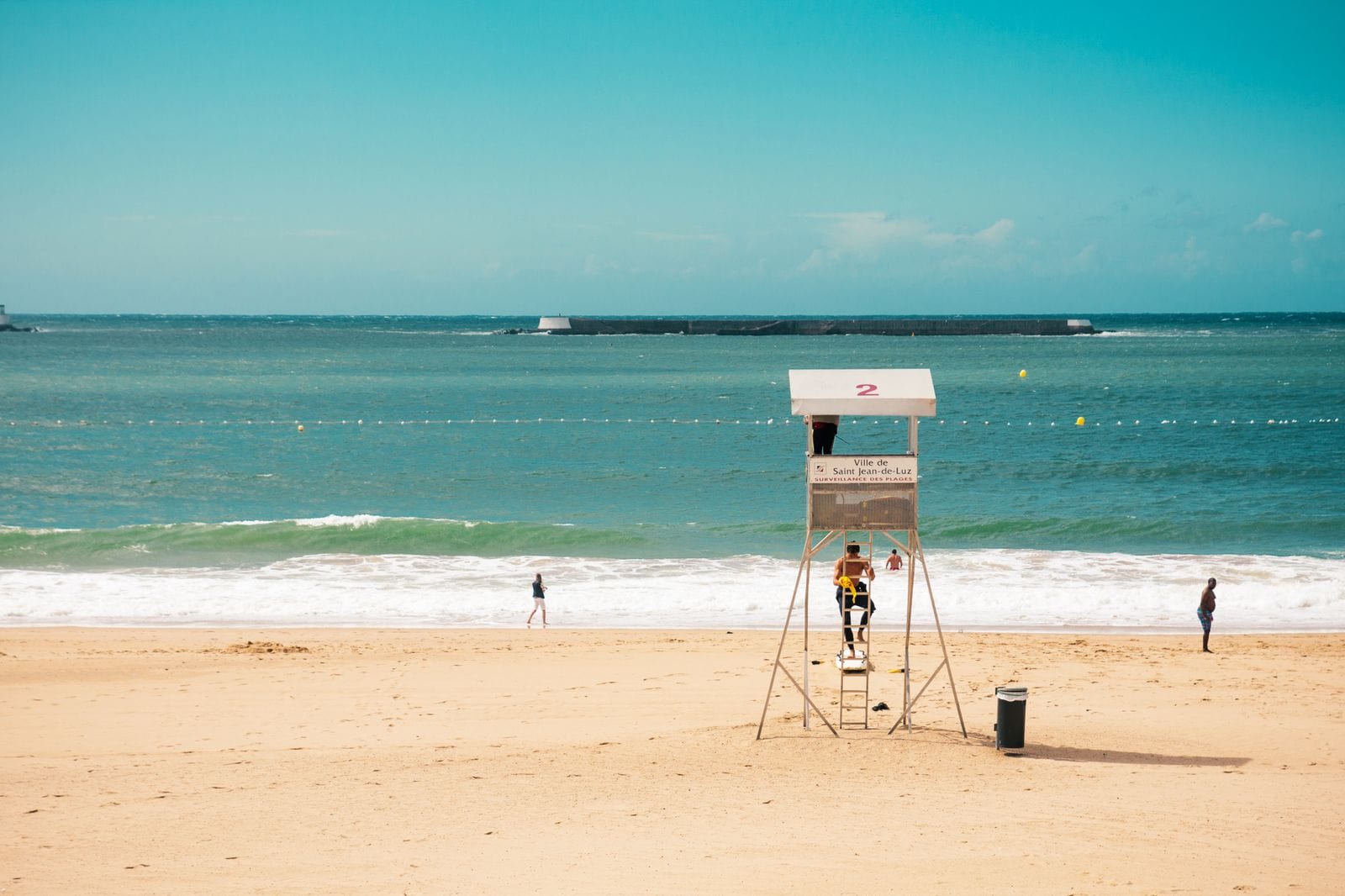
7. Saint-Jean-de-Luz, its harbour and calm beach
If you’re after a smaller seaside town that has managed to keep its authentic fishing soul and is nowhere near as hectic as Biarritz, definitely head to Saint-Jean-de-Luz. This wonderfully picturesque town lies in a beautiful sheltered bay, which makes it one of the few places on this coast where the ocean is genuinely calm and safe. The wide sandy beach is therefore absolutely ideal for families with children or for anyone who just wants a relaxed swim without constantly battling giant waves.
The town also has a very rich and somewhat wild maritime history. In the Middle Ages, feared Basque corsairs regularly set sail from here, boldly raiding wealthy Spanish and English ships with the official blessing of the French king. Their enormous accumulated wealth is still clearly visible today in the grand stone houses that elegantly line the harbour and the entire historic centre.
💡 Tip: The most famous event in the town’s entire history was the lavish wedding of the powerful King Louis XIV to the Spanish Infanta Maria Theresa in 1660. Be sure to make time to visit the charming church of Saint John the Baptist, where this closely watched ceremony took place. The church is utterly unique for its carved wooden galleries, which are very typical of Basque sacred architecture and which you won’t easily see anywhere else.


8. Espelette, the village of red peppers
Roughly thirty minutes of leisurely driving into the rolling green hinterland will bring you to the gorgeous village of Espelette. This unassuming little place at first glance gave its name to one of the most famous French ingredients, and for traditional Basque cuisine it means exactly the same as black pepper does for the rest of the culinary world. As soon as you arrive here in late summer or autumn, you’ll immediately understand with your own eyes why this place is so special.
The façades of the traditional white Basque houses are literally covered with thousands of carefully tied garlands of drying red peppers. This striking visual contrast of vivid red and pure white is absolutely captivating and makes for some of the most beautiful and typical photographic motifs in the whole region. The Piment d’Espelette pepper even has a prestigious protected designation of origin, and its flavour isn’t extremely hot but rather has a pleasantly warming, slightly smoky aftertaste.
If you cleverly plan your trip for the end of October, you can experience the famous and very lively pepper festival firsthand. The whole village comes alive with traditional music, energetic dancing and the ever-present, enticing aroma of this beloved spice. Stop by one of the many cosy local shops and buy a jar of freshly ground pepper or excellent pepper jelly to take home, which goes absolutely brilliantly with the local hard cheeses.
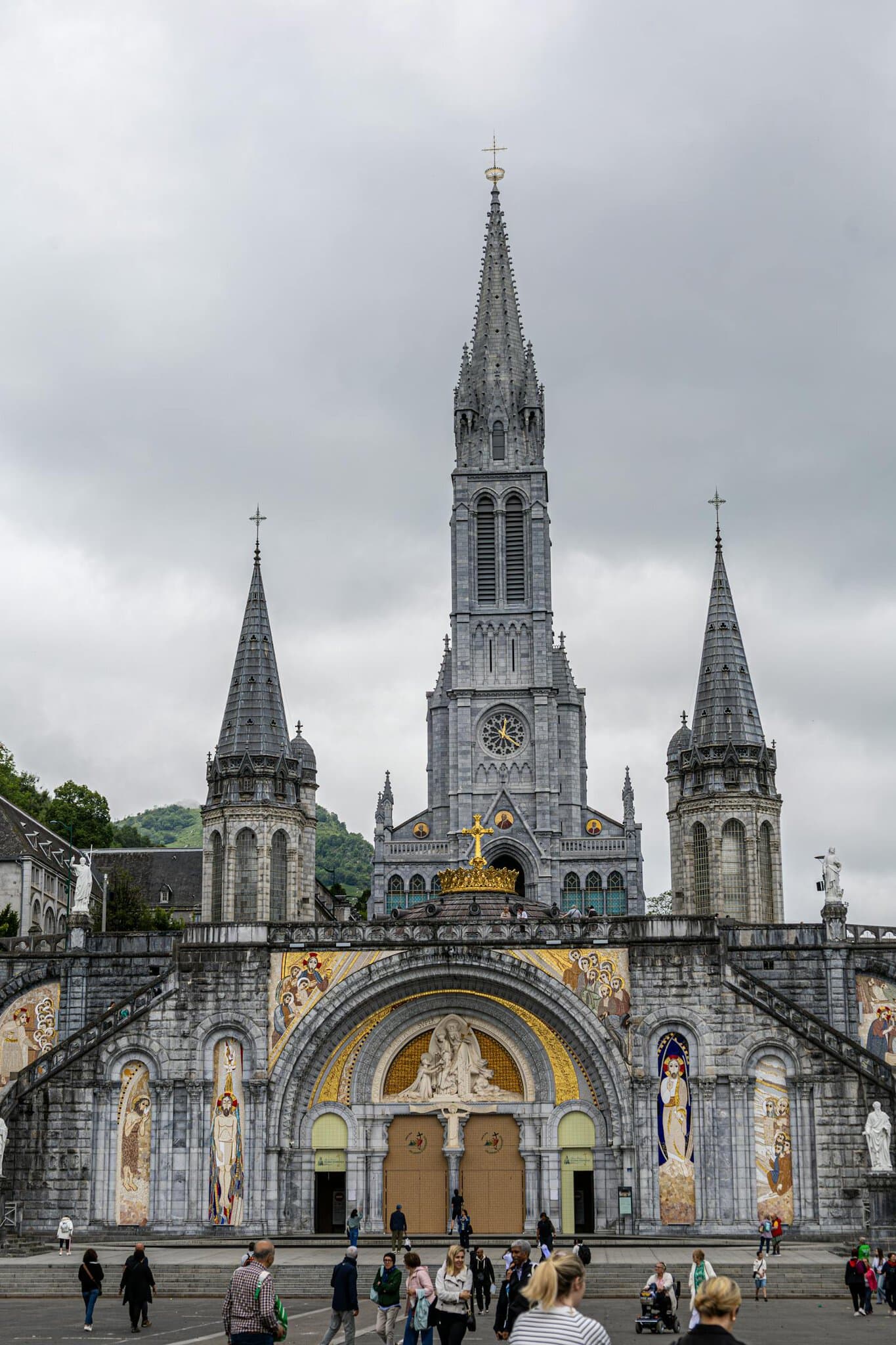
9. Lourdes and the evening candlelight procession
If you have a rental car at your disposal, definitely consider a full-day trip from the coast into the nearby Pyrenees, where the famous town of Lourdes lies. This is a place that defies any ordinary tourist description and draws an incredible 4 to 6 million visitors from all over the world each year. It all began in 1858 with an alleged apparition of the Virgin Mary to a fourteen-year-old girl, Bernadette Soubirous, in the Massabielle grotto, and today it’s one of the most important and most visited pilgrimage sites in the world.
The atmosphere in the town’s streets can initially be a little shocking to the ordinary tourist, thanks to the extreme commercialism and the hundreds of neon-lit shops selling glowing figurines and plastic bottles for holy water. But once you pass through the wrought-iron gates into the sacred sanctuary itself, the mood changes radically and very quickly. A deep sense of respect and calm reigns here, you’ll see crowds of devoted volunteers caring for the sick, and the power of shared hope takes on an almost tangible form.
The most powerful and emotionally moving experience awaits you just after dark. Every evening at exactly 9 p.m. there’s a beautiful Marian candlelight procession, when thousands of people walk across the vast esplanade in front of the basilica, singing and carrying lit candles in their hands. In 2026, Lourdes also enters a new three-year jubilee cycle dedicated to Saint Luke, so an even more massive turnout is expected. If you head here in August around the Feast of the Assumption or during the major national pilgrimages, expect absolutely extreme crowds and incredibly complicated logistics.
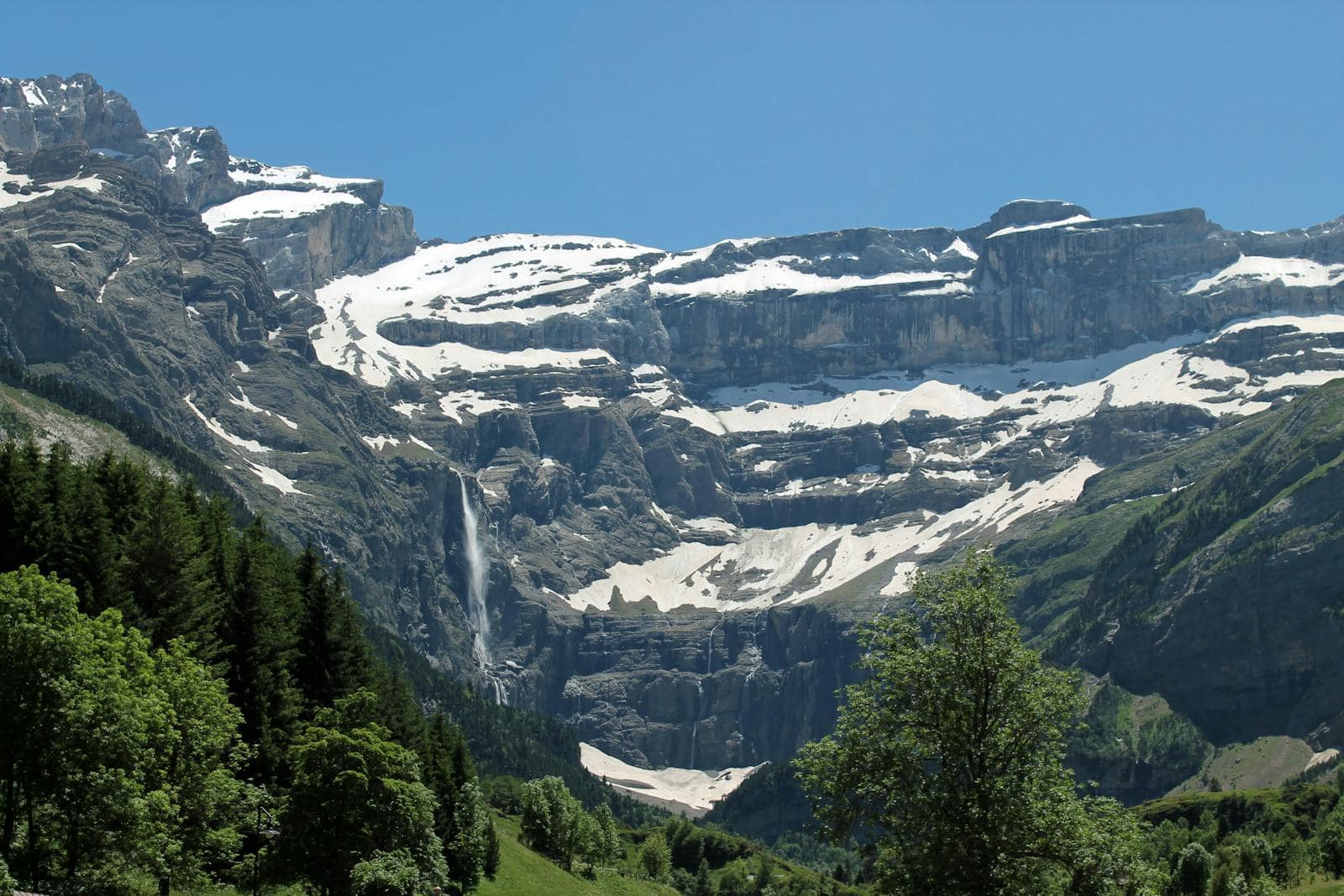
10. Cirque de Gavarnie: a natural amphitheatre in the Pyrenees
Once you’re based at the foot of the Pyrenees, it would be a huge shame not to head deeper into these majestic mountains. If you only have time to see a single natural landmark in this wild range, let it unequivocally be the enormous glacial cirque of Gavarnie. The famous French writer Victor Hugo once described it in awe as a monumental natural colosseum, and the moment you lay eyes on it you’ll immediately understand he wasn’t exaggerating in the slightest.
Picture an absolutely enormous wall of limestone and granite that forms a perfect stone semicircle and rises to an incredible height of over 1,500 metres above the surrounding terrain. Several waterfalls cascade down from this imposing natural rampart, the largest of which, the Grande Cascade, measures an impressive 422 metres and ranks among the highest in all of Europe. This whole visually stunning area is quite rightly inscribed on the UNESCO World Heritage list.
The hike to the main waterfall itself starts in the village of the same name and is surprisingly accessible. The walk to the bottom of the mighty cirque is fairly undemanding and even an averagely fit walker can manage it in roughly an hour and a half to two hours of slow walking. With every step the breathtaking scenery opens up more and more, and when you reach right up to the falling water you’ll feel a refreshing icy spray even hundreds of metres away. The experience of nature’s monumental, untamed power is absolutely perfect here, and the most experienced mountaineers can continue along steep trails all the way to the famous Brèche de Roland pass.
11. Pic du Midi de Bigorre: a night under the stars
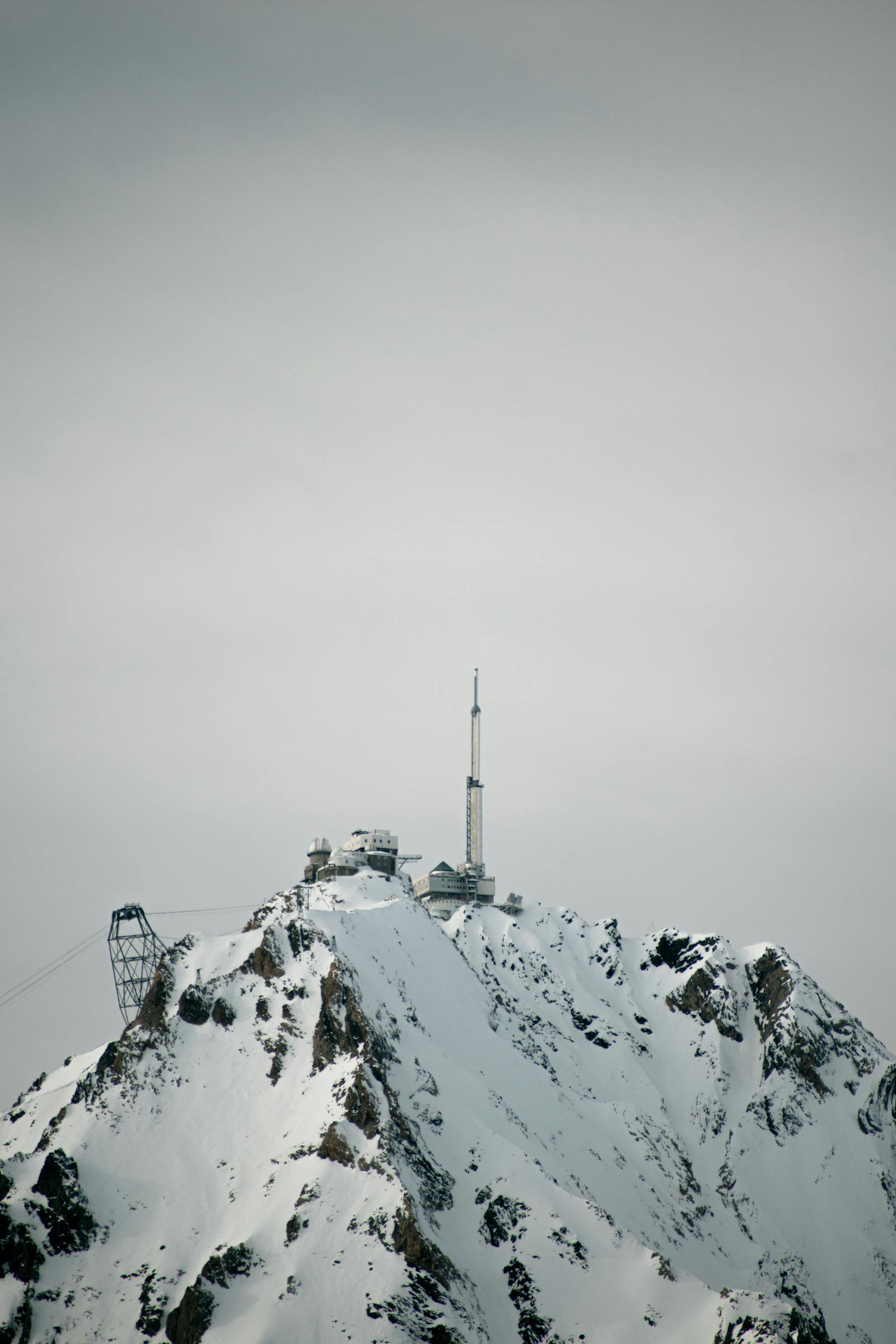
Not all of the Pyrenees’ fantastic summits inevitably demand a sweat-soaked shirt, heavy hiking boots and a full day’s strenuous climb. You can reach the stunning Pic du Midi de Bigorre, which rises majestically to 2,877 metres above sea level, very comfortably and unexpectedly quickly by modern cable car from the La Mongie ski resort. But it’s far from just an ordinary mountain peak with a bench and a view for weary tourists.
Since the end of the 19th century, a very significant and still active astronomical observatory has operated on this lonely summit. The exceptionally clean, thin mountain air combined with the complete absence of any disruptive light pollution make this one of the absolute best places for stargazing in all of Europe. On a clear day, from the spacious viewing terraces you can easily survey the entire mighty wall of the Pyrenees, stretching off in the distance from Spanish Catalonia all the way to the green Basque Country.
For a truly exclusive, once-in-a-lifetime experience, you can book a genuinely magical overnight stay here. Room capacity is understandably very limited and the comfortable beds tend to be hopelessly sold out several months ahead, but the chance to watch a blood-red sunset high above the clouds undisturbed, and then spend the evening in the pleasant company of professional astronomers at the big telescopes, is absolutely worth the considerable cost.
12. Cauterets and the Pont d’Espagne waterfalls
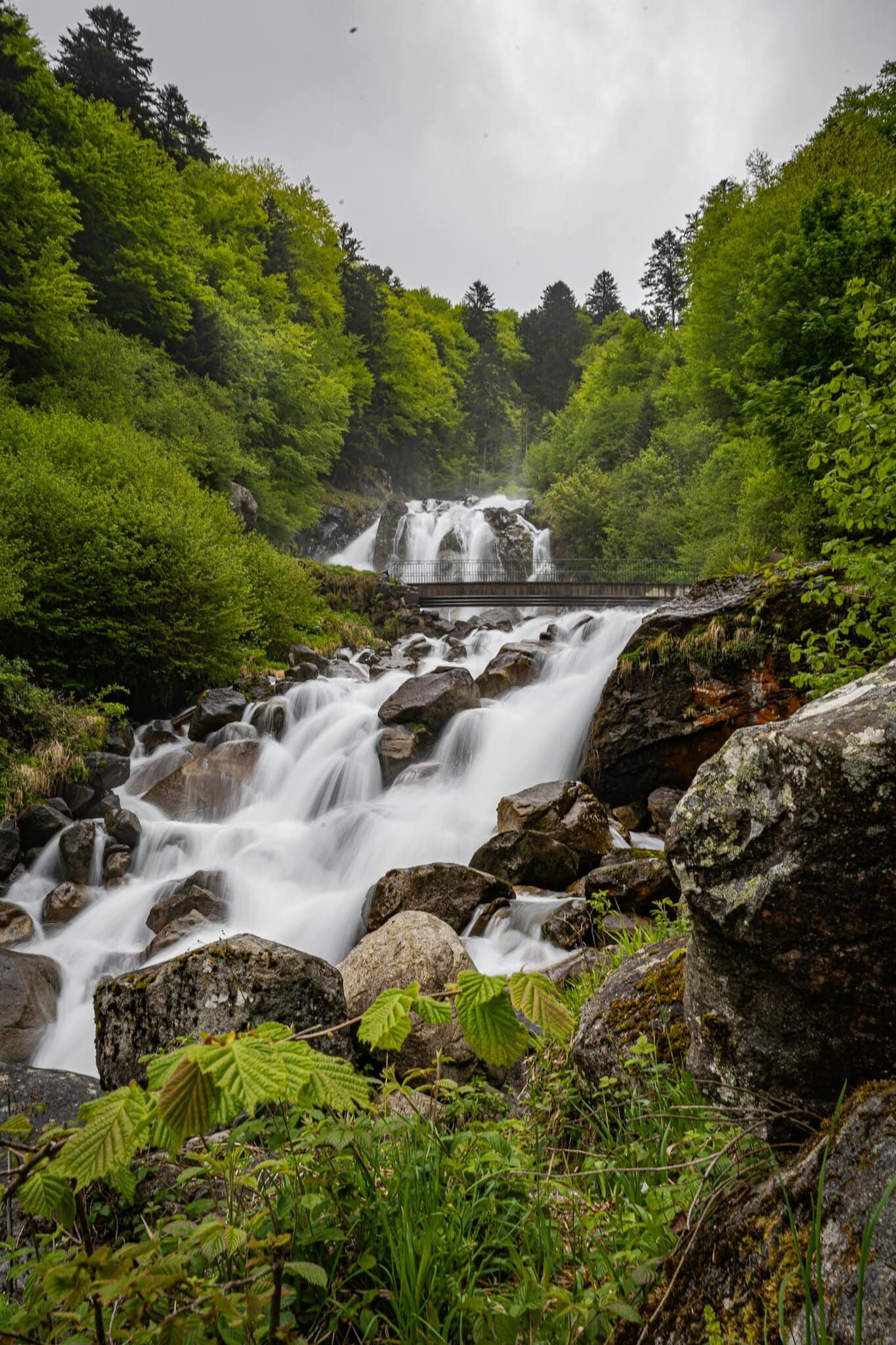
The picturesque little town of Cauterets is an absolutely classic example of elegant 19th-century Pyrenean architecture, made famous all across Europe by its healing thermal springs and the regular lengthy visits of the bored upper crust of the day. Today these beautiful historic buildings serve mainly as an excellent and very strategic base for summer trips into the national park and for winter skiing. The town itself has an unexpectedly pleasant and relaxed mountain atmosphere without any over-the-top luxury.
Straight from the centre of Cauterets, a narrow, winding mountain road leads to the breathtaking area known as Pont d’Espagne. This is a massive old stone bridge that elegantly arches over a deep, wild gorge full of rushing water and roaring cascading waterfalls. The thunder of the falling water is almost deafening at times, and the surrounding scenery looks perfectly cut from some thrilling adventure film. There’s a sufficiently large paid car park on site and a modern information centre with maps.
From the stone bridge you can eagerly set off on the very popular and fairly easy hike to the crystal-clear mountain lake Lac de Gaube. The walk through a beautiful, shady pine forest takes about an hour at a gentle pace, and at the very end you’re rewarded with an absolutely iconic view of the huge Vignemale massif, the very highest mountain of the French Pyrenees. It’s an absolutely ideal spot for a well-earned rest and a hearty snack in the soft grass right on the shore of the ice-cold lake.
13. A trip over to San Sebastián in Spain
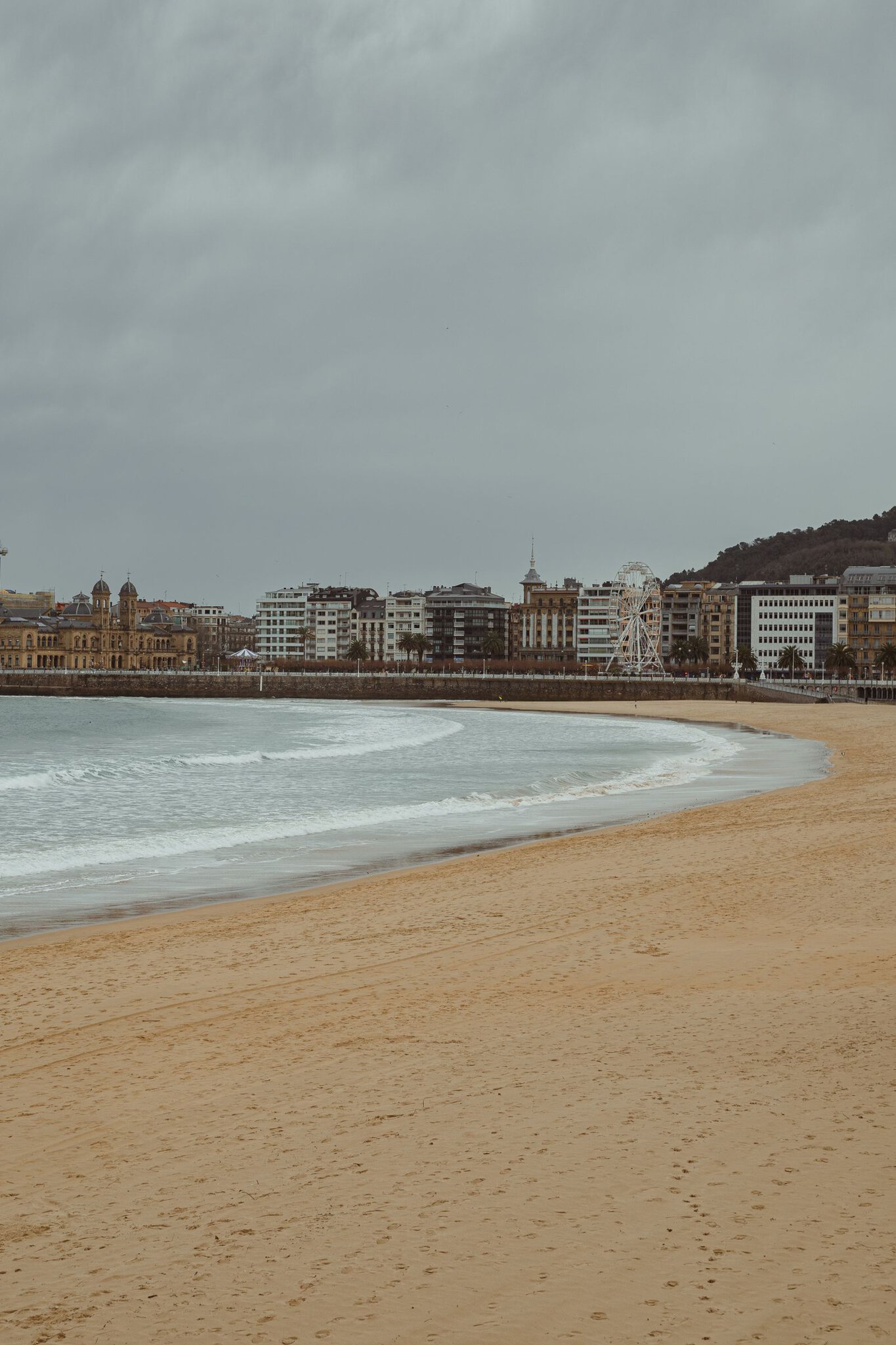
Being on holiday so incredibly close to the Spanish border and not making the most of it for at least a short trip would be a huge travel sin. The drive from French Biarritz to Spanish San Sebastián (called Donostia in the local Basque language) takes you just under an hour along the fast motorway, and suddenly you find yourself in a slightly different but still very proud Basque world. This town is renowned throughout the culinary world for its incredible gastronomic scene and its beautiful wide city beach.
The main daytime draw is the enchanting La Concha beach, which from the air has the shape of a perfect crescent moon and is considered by many guides to be one of the most beautiful city beaches in all of Europe. The elegant promenade lining the gleaming white sand is ideal for long romantic strolls and soaking up the lively Spanish atmosphere, which is noticeably noisier and far more spirited than the French side.
In the evening you absolutely and without hesitation have to lose yourself in the narrow, dimly lit lanes of the old town (Parte Vieja), which are literally crammed with fantastic, buzzing bars serving the very best traditional pintxos. The unique local eating culture is based on having just one or at most two small bites and a glass of the local lightly sparkling white wine txakoli with friends in each bar, and then immediately moving on to the next place for more fun. You’ll find dozens of amazing vegetarian creations here with roasted artichokes, melted goat’s cheese or delicious grilled mushrooms.
Map of points of interest for your phone
Where to go next from Biarritz
If you have more time to explore France and want to combine your Basque adventure with other interesting regions, there are several great options. The most geographically logical and comfortable continuation of your journey is heading north along the Atlantic coast.
Roughly two hours by car or high-speed train from Biarritz lies the wine capital of the world. A visit to this elegant city, with its neoclassical architecture, the modern La Cité du Vin wine museum and a fantastic gastronomic scene, makes a perfect contrast to the wild nature of the Basque Country. For a complete guide and tips on what to do there, be sure to read our article on Bordeaux. That way you can easily plan a comprehensive road trip linking the very best of southwestern France.
 🚗 Car rental on the road
Verified car rentals in New Aquitaine
🚗 Car rental on the road
Verified car rentals in New Aquitaine
Search with the DiscoverCars comparison engine — it compares prices from dozens of local and international rental companies, and most bookings come with free cancellation.
Compare car prices in New Aquitaine →Frequently asked questions
How to best get to Biarritz from the Czech Republic?
The fastest and most convenient option is to fly to nearby Bordeaux or Toulouse, which have fairly frequent direct flights (for example with Smartwings). From the airport you can easily rent a car and comfortably drive to the coast via the highway in just over two hours. While TGV high-speed trains connect Paris with Biarritz, a car is almost essential for exploring the entire region.
Do I need a car for traveling around the Basque Country and the Pyrenees?
If you’re planning to stay just in Biarritz and visit neighbouring Bayonne, you’ll manage perfectly fine with the excellent local bus service. However, once you want to explore smaller villages like Espelette, remote beaches, or head to the mountains in the Gavarnie area, renting a car is an absolute must. Distances here are quite large and public transport to the mountains is very limited outside of peak season and sometimes unreliable.
How much does a holiday in Biarritz cost approximately (2026 prices)?
Biarritz is one of those noticeably pricier French destinations. For 2026, expect that an average double room in a mid-range hotel will run you 150 to 250 euros per night. For one piece of pintxos in a bar you’ll pay around 3 to 5 euros, a main course in a restaurant will set you back 20 to 30 euros. A two-hour group surf lesson runs around 45 to 60 euros.
Is the ocean in Biarritz suitable for regular swimming?
The Atlantic here is very wild, cold and sometimes unpredictably powerful. At the main beaches like Grande Plage, there are often really big waves and strong undertows, so it’s essential to swim strictly only in marked zones under the supervision of lifeguards. For calmer and safer swimming, especially if you’re traveling with small children, I recommend heading to the sheltered bay in the nearby town of Saint-Jean-de-Luz.
Can I manage surfing even as a complete beginner?
Absolutely yes, you have nothing to worry about! Côte des Basques beach is absolutely ideal for beginners thanks to its safe sandy bottom and long, beautifully gentle waves. However, it’s absolutely essential to pay for at least a few lessons with a professional instructor from the local surf schools at the beginning. They’ll teach you the proper stance technique, safety rules, and most importantly, how to read the ocean correctly and avoid dangerous rip currents.
How far are the Pyrenees and Lourdes from the coast?
From Biarritz to the pilgrimage town of Lourdes, it’s approximately 150 kilometers via motorway, which will take you about an hour and a half of pure driving time, provided you don’t encounter any traffic jams. If you want to continue deeper into the mountains, for example to the Cirque de Gavarnie amphitheater, count on another hour and fifteen minutes of slow driving on winding mountain roads. A full-day trip from the coast to the mountains is therefore very much doable, but set off early in the morning.
Can I find vegetarian dishes in Basque cuisine?
Although the region is widely renowned for its cured ham and fresh seafood, vegetarians certainly won’t go hungry here. In pintxos bars you’ll always find excellent meatless options – classic potato tortilla, grilled vegetables, marinated mushrooms, or cheese croquettes. You definitely must also try the local excellent hard sheep’s cheese Ossau-Iraty, which is served as a wonderful delicacy with cherry jam.
Tips and Tricks for Your Vacation
Don’t Overpay for Flights
Search for flights on Kayak. It’s our favorite search engine because it scans the websites of all airlines and always finds the cheapest connection.
Book Your Accommodation Smartly
The best experiences we’ve had when looking for accommodation (from Alaska to Morocco) are with Booking.com, where hotels, apartments, and entire houses are usually the cheapest and most widely available.
Don’t Forget Travel Insurance
Good travel insurance will protect you against illness, accidents, theft, or flight cancellations. We’ve had a few hospital visits abroad, so we know how important it is to have proper insurance arranged.
Where we insure ourselves: SafetyWing (simple monthly subscription) and TrueTraveller (for extra-long trips).
Find the Best Experiences
Get Your Guide is a huge online marketplace where you can book guided walks, trips, skip-the-line tickets, tours, and much more. We always find some extra fun there!