Slovenia knocked me off my feet — literally. When Lukáš and I first stopped by the Soča River and I looked down from the bridge, my knees buckled so hard I had to grab the railing. That colour of water simply shouldn’t exist. You couldn’t dream up that shade of turquoise even in Photoshop, yet there it was, calmly flowing through Alpine valleys as if it were the most normal thing in the world. 😅
Slovenia is the kind of country where a single day can take you through Alpine scenery with snow-capped peaks, an emerald river buzzing with kayakers, a medieval town with a castle perched on a cliff — and by evening you’re eating fresh seafood on the Adriatic coast. All of this in a country smaller than Wales. Seriously.
I’ve put together a complete 7-day Slovenia road trip itinerary — from Ljubljana through legendary Bled and Bohinj, the wild Soča Valley and the Vršič Pass, all the way to Postojna Cave and the coastal gem of Piran. You’ll find specific tips on where to go, where to eat, where to stay and how much it’ll cost. Let’s dive in. ☺️
TL;DR
- Route: Ljubljana → Bled → Bohinj → Soča Valley (Bovec, Kobarid) → Vršič Pass → Postojna → Piran
- Best time to go: May–June or September — fewer tourists, pleasant temperatures, everything open
- A car is essential — you won’t manage this route by public transport in a week. Car hire starts from around €30/day.
- Budget for 7 days for two: roughly €1,000–1,600 (excluding flights) depending on accommodation standard
- Most beautiful day on the route: Day 4 — the Soča Valley, Vršič Pass and stops where you’ll want to pull over every 500 metres
- Biggest surprise: Kobarid and its surroundings — far fewer tourists than Bled, but scenery that’s every bit as stunning
- Watch out for: Slovenian motorway vignettes (e-vignette) — without one you risk a fine of €300–800
- Don’t miss: Vintgar Gorge, Lake Bohinj, Slap Kozjak, Predjama Castle, sunset in Piran
The full destination guide: Slovenia — guide and what to see
When to go and how to get to Slovenia
Slovenia is beautiful year-round, but for a road trip some months are significantly better than others. Peak season (July–August) means crowds at Bled, packed car parks at Bohinj and accommodation prices that’ll make your eyes water. On the other hand, outside the season many mountain roads are closed — especially the Vršič Pass, which is a key part of this itinerary.
Best time to visit
May to mid-June is, in my opinion, the ideal window. Nature is fresh, green and blooming, temperatures hover around 20–25 °C, the Vršič Pass is already open (usually from mid-May, but always check the current status) and tourists are a fraction of what you’d see in summer.
September is the second-best choice — it’s still warm enough for a swim in Piran, the autumn colours are starting to appear, and the crowds have headed back to school.
July and August work too, but expect crowds at Bled, higher prices and the need to book accommodation well in advance. If you’re travelling in summer, hit the popular spots early in the morning.
How to get to Slovenia
By plane: The nearest airport is Ljubljana (Jože Pučnik Airport). You can find direct flights from London with easyJet and Wizz Air, and there are also connections via other European hubs. Alternatively, you could fly into Trieste (Italy), Zagreb or Graz and drive from there — all within a couple of hours of Ljubljana.
Driving from the UK: If you fancy an epic drive, Ljubljana is roughly 14–15 hours from Calais via France, Germany and Austria. You’ll need motorway vignettes for Austria (digital vignette ~€10 for 10 days) and Slovenia (e-vignette). Driving your own car saves on rental costs and gives you flexibility with luggage.
Car hire and getting around
A car is absolutely essential for this road trip. Public transport in Slovenia does exist, but bus frequency outside the main routes is low and several stops on this itinerary are simply inaccessible without a car.
Lukáš and I have had consistently great experiences with DiscoverCars, which we use everywhere around the world. Prices for a compact car in Slovenia range from €30–50/day depending on the season. My recommendations:
- Go small — the narrow mountain roads on the Vršič Pass and in the Soča Valley will quickly convince you that an SUV isn’t necessary
- Full insurance — it’s worth the extra cost; mountain roads can be unforgiving
- Manual is cheaper, but if you’re not used to shifting gears on hairpin bends, consider an automatic
⚠️ Important: Slovenian e-vignette! Since 2022, Slovenia uses an electronic motorway vignette. A weekly one costs €15 and you can buy it online at evinjeta.dars.si. Without one, you risk a fine of €300–800. Just register your number plate and you’re done. Takes two minutes.
Petrol in Slovenia costs around €1.45–1.60/litre. For the entire 7-day road trip, budget roughly €120–160 for fuel.
Where to stay and how much a Slovenia road trip costs
Accommodation in Slovenia sits somewhere between Croatia and Austria price-wise — definitely cheaper than the Alps, but in peak season at Bled the prices can come as a surprise. As a general rule: the further from Bled, the better the value for money.
For this itinerary, I recommend 3–4 bases rather than moving every day:
1. Ljubljana (1–2 nights) — to kick things off 2. Bled or Bohinj (2 nights) — as a base for the lakes and surroundings 3. Bovec or Kobarid (2 nights) — Soča Valley 4. Piran or nearby (1–2 nights) — finish up by the sea
Budget for 7 days for two
| Category | Budget option | Mid-range | Comfort |
| Accommodation (7 nights) | €400 | €680 | €1,120 |
| Car + fuel + vignette | €280 | €360 | €480 |
| Food and drink | €200 | €320 | €520 |
| Entrance fees & activities | €80 | €160 | €280 |
| Total for two | €960 | €1,520 | €2,400 |
Restaurant prices: a main course at a regular restaurant costs €8–15, coffee €1.50–2.50, beer €3–4. Slovenia isn’t expensive for food — only at Bled and Piran do you pay a premium for the location.
💡 TIP to save money: Slovenian “gostilnas” (traditional inns) offer lunch menus for €8–12 including soup — and the portions are enormous. Look for signs saying “dnevno kosilo” or “malica”.
Here’s an overview of the entire route day by day. Want more time and to see eastern Slovenia too? Check out our 14-day road trip version.
| Day | Route & transfers | Where to sleep |
|---|---|---|
| 1 | Arrival, Ljubljana on foot | Ljubljana |
| 2 | Ljubljana → Bled (~50 min) | Bled |
| 3 | Bled → Bohinj (~25 min) | Bohinj |
| 4 | Bohinj → Kranjska Gora → Vršič Pass → Bovec (~3–4 hrs with stops) | Bovec |
| 5 | Soča Valley — rafting, Kobarid, Kozjak Waterfall | Bovec / Kobarid |
| 6 | Soča Valley → Postojna → Predjama → Piran (~3 hrs) | Piran |
| 7 | Piran and the Slovenian coast | Piran / homeward |
Day 1. Ljubljana — a small capital with a big soul
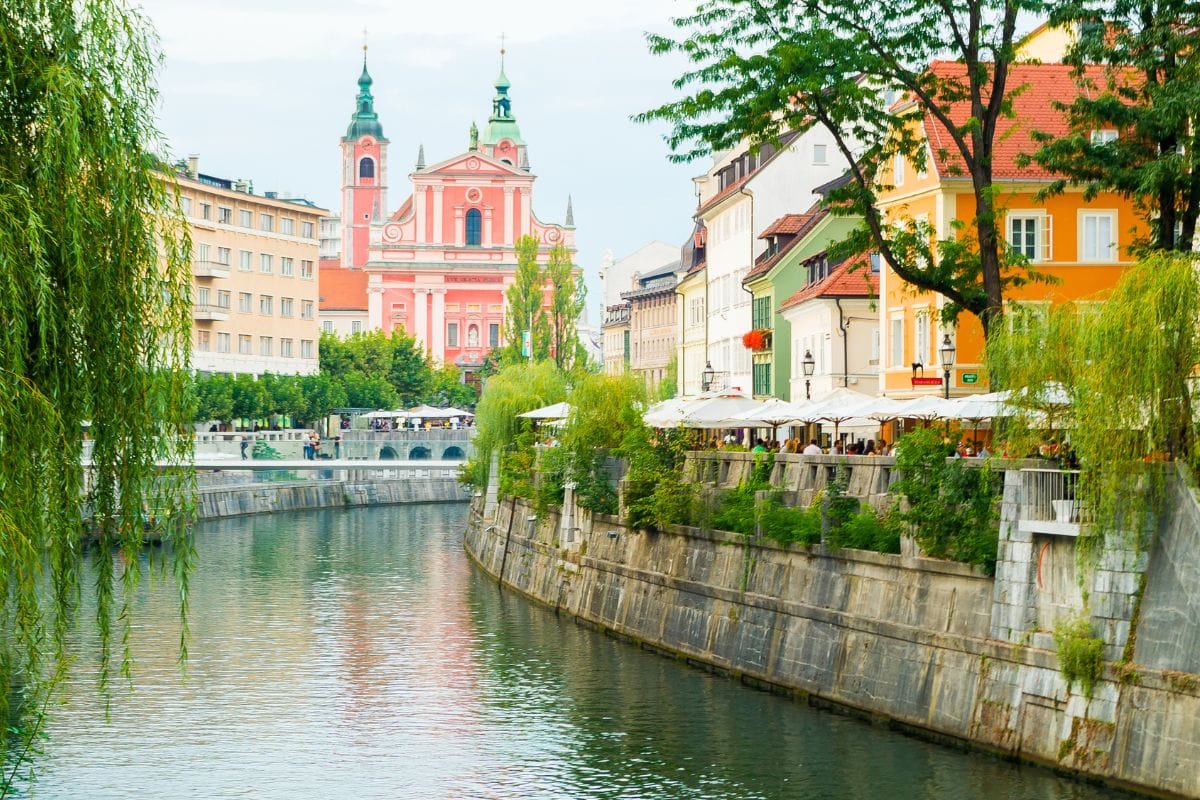
Dedicate your first day to Ljubljana, because this city deserves far more than being a mere transit stop. It’s so compact and walkable that you can cover it comfortably in a day — and still have time to linger over coffee by the river, visit the castle and discover a few hidden corners that guidebooks rarely mention.
What to see and do in Ljubljana
Start your day at Prešeren Square — it’s the heart of the city and from here you can easily reach anywhere. Cross the iconic Triple Bridge (Tromostovje), designed by Slovenian architect Jože Plečnik, and stroll along the Ljubljanica riverbank. In the morning it’s blissfully quiet — cafés are just waking up and the city has that early freshness where everything looks photogenic.
From there, head up to Ljubljana Castle (Ljubljanski grad). You can walk up in about 15 minutes via a steep path, or take the funicular for €6 return. The view from the tower is worth every step — the entire city spread below you with the Alps framing the horizon. Entry to the castle + tower + funicular costs €16 per person.
After coming down from the castle, weave through the alleys of the Old Town and don’t miss the Central Market (open Monday–Saturday until 14:00). Fresh fruit, cheeses, ham, olive oil — the perfect place to stock up on snacks for the days ahead. On Friday evenings there’s Open Kitchen (Odprta kuhna) — a street food festival right on the riverbank, where you can sample Slovenian, Italian and Asian cuisine. Dishes cost €5–10.
In the afternoon, wander through Metelkova — an alternative cultural quarter in former military barracks. Graffiti, galleries, bars — think a smaller, mellower version of Berlin’s Kreuzberg. In the evening, head back to the riverbank and settle into one of the restaurants with a view of the water.
Where to eat in Ljubljana
- Gostilna na Gradu — a restaurant right inside the castle, with surprisingly good food at reasonable prices. Try the beef tartare or štruklji (Slovenian rolled pastry).
- Druga Violina — a charming restaurant in the Old Town staffed by people with disabilities. Excellent traditional Slovenian food, huge portions, honest prices (mains €8–12).
- Čokl — the best café in town for speciality coffee lovers. They do a cracking flat white.
- Fany & Mary — if you’re in the mood for brunch, this is your spot.
Where to stay in Ljubljana
Ljubljana is compact, so stay in or right next to the centre — you can walk everywhere. Parking in the centre is tricky (and pricey), so look for accommodation with its own parking.
Our accommodation picks: City Hotel Ljubljana (modern hotel steps from Prešeren Square) or Center Ljubljana (apartments in a historic building right in the centre).
Day 2. Bled — yes, it’s as beautiful as the photos
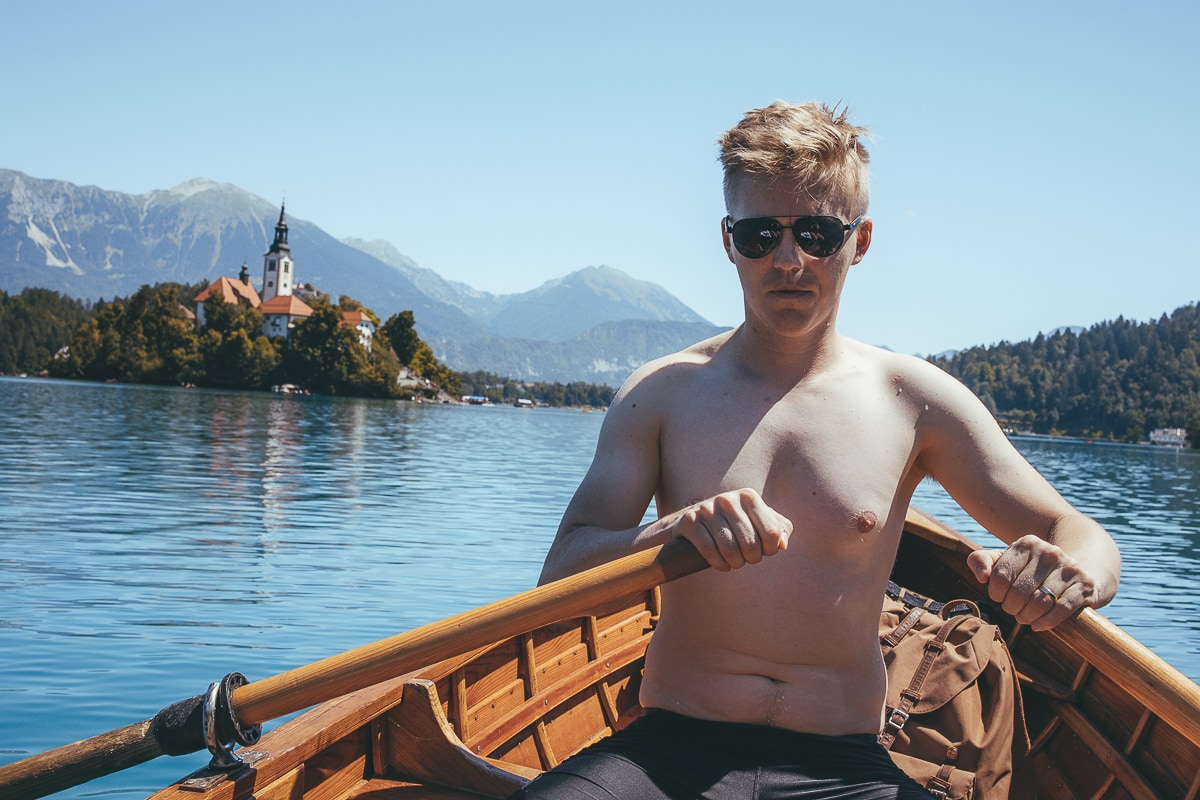
It’s just under an hour’s drive from Ljubljana to Bled. And when you round that first corner and see the lake with its island and little church in the middle… well, it’s exactly like it looks on Instagram. Only even more stunning, because you’ve got the Alps as a backdrop and you’re standing there barely believing your own eyes. 😁
What to see and do at Bled
Get there early. This is probably the single most important tip for Bled — at 8 AM it’s peaceful and calm; by 10 AM the coaches are rolling in. Walk or cycle around the lake (the loop is about 6 km, roughly an hour and a half at a leisurely pace with photo stops).
Pletna boat to the island — a traditional wooden boat that takes you to the tiny island in the middle of the lake. It costs €18 return and it’s a lovely experience. On the island there’s the Church of the Assumption, where you can ring the wishing bell (and wish for a parking space in summer 😅). Entry to the church is an additional €12 per person.
Bled Castle (Blejski grad) sits perched on a cliff above the lake, and the view from up there is the best panorama you’ll find at Bled. Entry €15. Inside there’s a small museum, a printing press and a wine cellar — but it’s really all about that view.
In the afternoon, head to Vintgar Gorge (Soteska Vintgar) — a narrow gorge with wooden walkways above a turquoise river, just 4 km from Bled. Entry €10. The gorge is 1.6 km long and ends at a waterfall. It’s extremely popular, so go early in the morning or late afternoon. In summer around midday it’s genuinely impossible to get in — the car park fills up and they limit entry numbers.
💡 TIP: If you want Bled without the crowds, hike up to the Ojstrica viewpoint — a short but steep climb (20 minutes) rewarded with the very best view of the lake and island. It’s free and you’ll encounter a fraction of the tourists compared to the castle.
The legendary Bled cream cake
You can’t leave Bled without trying kremšnita — the famous Bled cream cake. The most celebrated version is served at Kavarna Park right by the lake. A slice costs around €4.50 and it’s… well, it’s a generous slab of custard between two layers of puff pastry. Honestly? It’s good, but slightly overhyped. Try the version at Šmon Confectionery instead — a smaller place, better value, fewer tourists. 😉
Where to eat at Bled
- Gostilna Pri Planincu — traditional Slovenian cuisine a stone’s throw from the lake, popular with locals. Try the ričet (sausage) or štruklji.
- Finefood Bled — a modern bistro with local produce, a touch pricier but excellent.
- Oštarija Peglez’n — a romantic restaurant with a terrace, perfect for dinner.
Where to stay at Bled
Accommodation right at Bled is pricier, but convenient. An alternative is to base yourself at Lake Bohinj (20 minutes by car) — significantly cheaper and calmer. If you stay at Bled, look for accommodation with parking — in season it’s a battle in the centre.
Our accommodation picks: Penzion Berc (family-run guesthouse minutes from the lake) or Vila Prešeren (boutique guesthouse right on the lakeshore).
Day 3. Bohinj — Bled’s quieter, wilder sibling
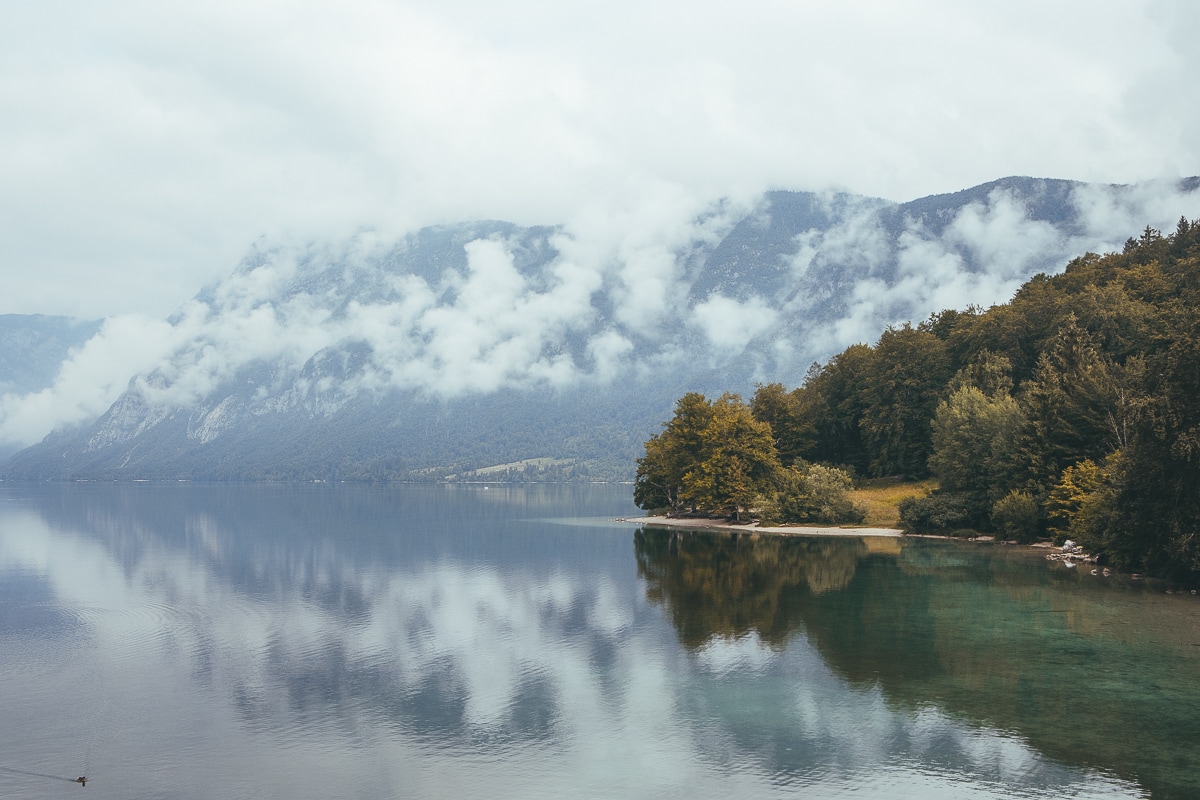
Day 3 belongs to Lake Bohinj, which in my opinion is more beautiful than Bled. Yes, I said it. 😅 Bohinj doesn’t have an island with a church or that Instagram-perfect panorama, but it has something that Bled has lost — tranquillity, wildness and the feeling of being immersed in genuine nature.
It’s a 25-minute drive from Bled. The lake is surrounded by the mountains of the Julian Alps, the water is clean enough for swimming (around 22 °C in summer) and the atmosphere is completely different — instead of crowds with selfie sticks, you’ll encounter local families having picnics and couples on paddleboards.
What to see and do in Bohinj
Start the day at the Church of St John the Baptist on the eastern shore of the lake — a stone church dating from the 13th century right by the water, almost painfully photogenic. Entry €5.
From there, head to Savica Waterfall (Slap Savica) — one of Slovenia’s most famous waterfalls. It’s about a 20-minute climb from the car park up 500+ steps (make sure you’ve got decent hiking boots). Entry €3, parking €5. The waterfall plunges 78 metres and it’s gorgeous, especially in spring when there’s plenty of water.
Vogel Cable Car — if you want bird’s-eye views of the entire lake and the Julian Alps, this is a must-do. The cable car takes you up to 1,535 m for €21 return. At the top there are viewpoints, a restaurant and easy hiking trails. On a clear day you can see Triglav — Slovenia’s highest peak (2,864 m). We spent nearly two hours up there because we simply couldn’t stop taking photos. 😁
In the afternoon, you could rent a paddleboard or kayak right on the lake (around €15–20/hour) or simply go for a swim. On the western end of the lake there’s a pebble beach that’s much less crowded.
Where to eat in Bohinj
- Strud’l — as the name suggests, strudels are the speciality, but they also do excellent soups and local dishes. Right by the lake.
- Gostilna Rupa — a traditional inn in Srednja Vas, with fantastic Bohinj trout soup and homemade žlikrofi (stuffed dumplings).
- Gostilna Mihovc — a local favourite, hearty cooking, fair prices.
Where to stay in Bohinj
If you spent the night at Bled, today’s the day to move on. Bohinj is also a great base for the next day (the drive to Soča). Stay somewhere near Ribčev Laz or Stara Fužina.
Our accommodation picks: Hotel Jezero (hotel right by the lake in Ribčev Laz) or Hotel Bohinj (design hotel in the centre of Ribčev Laz).
Day 4. Vršič Pass and the road to the Soča Valley
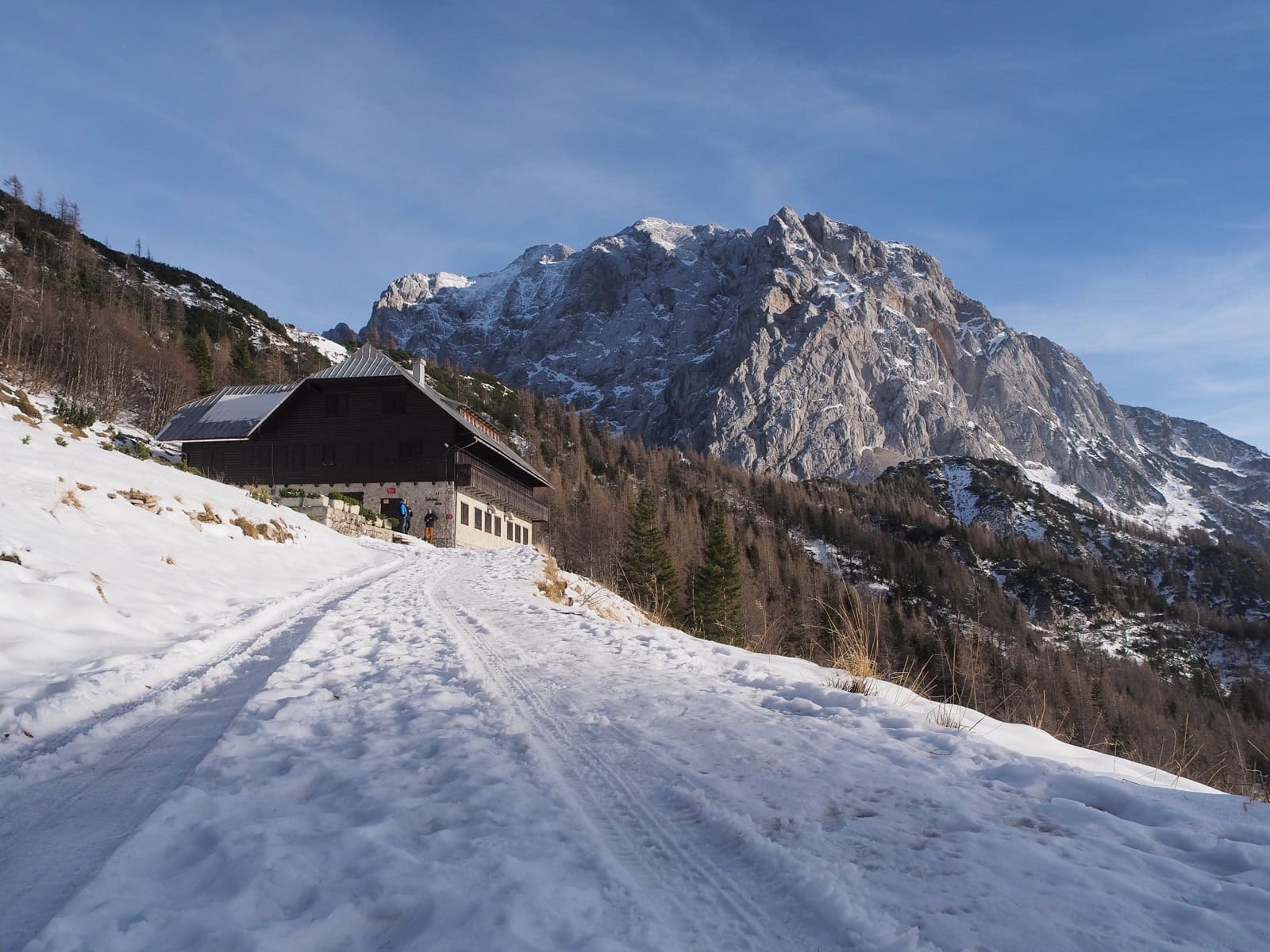
This is the day that makes the entire road trip worthwhile. The drive over the Vršič Pass (1,611 m) is one of the most beautiful Alpine roads in Europe — 50 hairpin bends (24 on one side, 26 on the other, all numbered), each with a view that begs you to stop. Expect 50 km to take 3–4 hours, because you simply won’t be able to resist pulling over.
Route from Bohinj via Vršič to Bovec
From Bohinj, drive via Kranjska Gora — that’s where the ascent to Vršič begins. The road is narrow but paved and well-maintained. ⚠️ Watch out for oncoming traffic on the bends — some stretches are single-lane. In peak season coaches also use this road, so patience is key.
Stops you absolutely cannot miss:
Russian Chapel (Ruska kapelica) — a small wooden chapel built by Russian prisoners of war during World War I in memory of those who perished while constructing the road and in an avalanche. It’s a moving and beautiful place, a short walk from the car park.
Viewpoint at the top of Vršič — right at the summit there’s a car park and viewpoint. The mountain hut Tičarjev dom stands here, where you can grab a bowl of soup or a sausage with a Julian Alps panorama. This is the moment when you think: “Right then, Slovenia — you’ve won me over.” ☺️
Izvir Soče (Source of the Soča) — a short descent from the summit towards Bovec and you’ll spot the sign for the source of the Soča River. Parking is €5, and from there it’s a 20-minute walk to the spring. And here it begins — that impossibly turquoise water that will accompany you for the next two days. Be prepared to stand there with your jaw on the floor.
From the source, continue down the switchbacks into the Trenta Valley and on to Bovec. Along the way you’ll pass one photogenic viewpoint after another — the valley opens up, the river winds below and you’ll wonder why you didn’t come here sooner.
You’ll arrive in Bovec in the afternoon. If you’ve still got energy, pop over to Slap Boka — the highest waterfall in Slovenia (106 m), visible right from the road. A short trail leads to a closer viewpoint (30 minutes round trip).
Where to eat en route / in Bovec
- Tičarjev dom on Vršič — mountain hut at the top of the pass, simple but honest cooking. Soup and a sausage for a few euros.
- Gostilna Sovdat in Bovec — popular restaurant with a terrace, great grilled meat and homemade desserts.
- Letni Vrt in Bovec — a pizzeria with surprisingly good pizzas at friendly prices. Ideal after a long day on the road.
Where to stay in Bovec
Bovec is the main base for the Soča Valley. There’s plenty of accommodation ranging from campsites to apartments and guesthouses. Book ahead — in summer it fills up fast.
Our accommodation picks: Hotel Soča (hotel with wellness in the centre of Bovec) or Hotel Sanje ob Soči (stylish design hotel by the river).
Day 5. Soča Valley — rafting, waterfalls and Kobarid
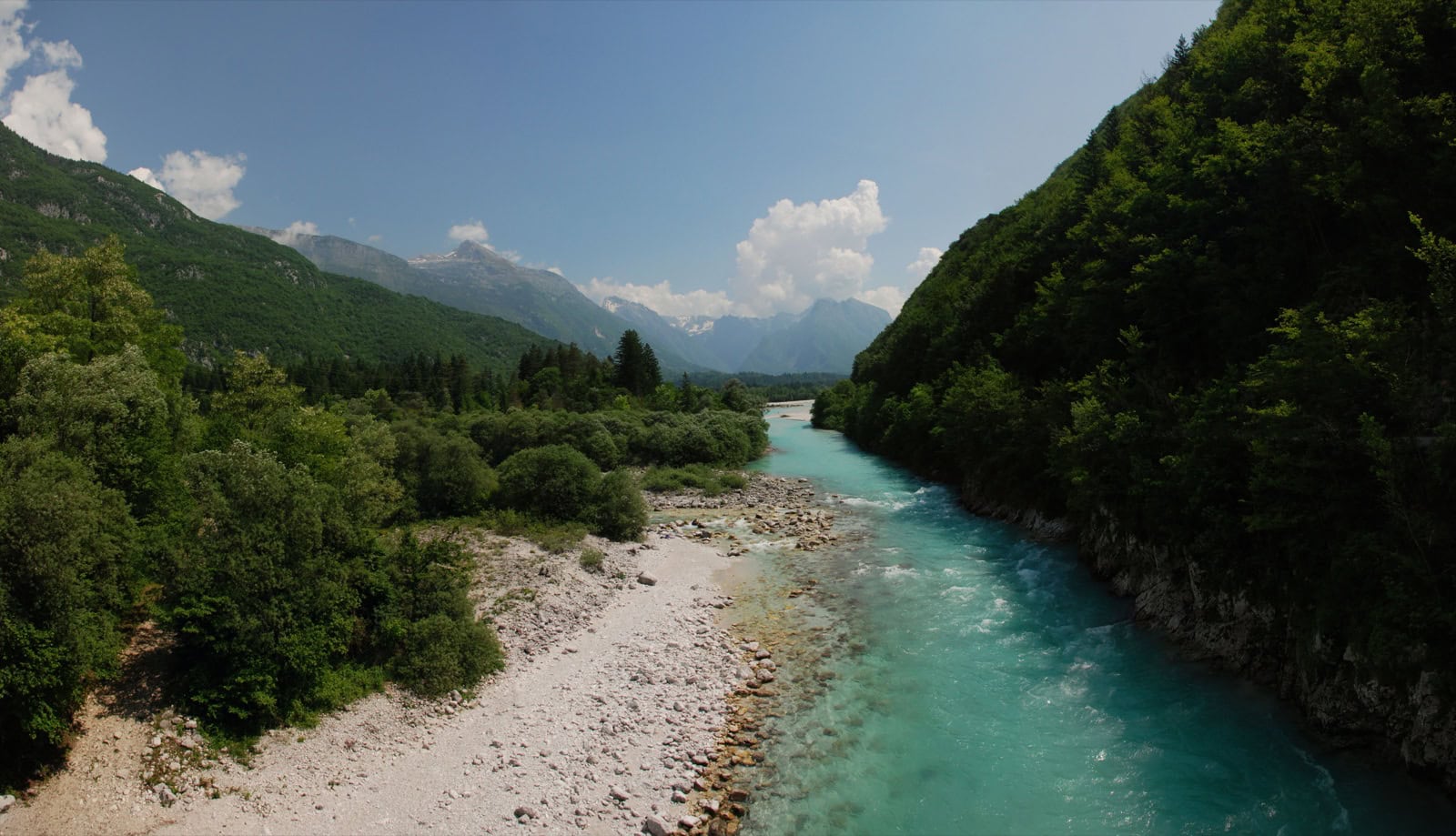
Today is the day for nature lovers and adrenaline seekers. The Soča Valley (Soška dolina) offers some of the most breathtaking natural scenery in all of Europe — and I’m not exaggerating.

Morning: Activities on the Soča River
If you’re even slightly adventurous, rafting or kayaking on the Soča is an absolute must-do on this road trip. The river is Grade II–III (Grade IV in some sections), so it’s thrilling but perfectly manageable for beginners with a guide.
Rafting costs €35–50 per person for a roughly 2–3 hour trip. I’d recommend Bovec Rafting Team or Soča Rafting — both agencies have excellent reviews and professional guides. Book in advance, especially in summer.
If rafting isn’t your cup of tea, there are alternatives: a zipline over the Soča Valley (one of the longest in Europe, €60), canyoning, or simply a peaceful walk along the river.
Afternoon: Kobarid and Kozjak Waterfall
After lunch, drive from Bovec to Kobarid (20 minutes). This little town is surprisingly interesting:
Slap Kozjak — a waterfall that plunges into a natural amphitheatre surrounded by moss-covered rocks. It looks like something out of a fairy tale. The path from the car park is easy, about 30 minutes through forest. Entry €6. Make sure you walk all the way to the waterfall — photos don’t do this place justice, but give it a go anyway. It’s one of the most beautiful waterfalls I’ve ever seen.
Kobarid Museum — a surprisingly excellent museum about the Battle of Caporetto from World War I (also described in Hemingway’s novel A Farewell to Arms). Entry €7. Even if you’re not a military history buff, the museum is so well done that it draws you in.
Napoleon Bridge — a beautiful stone bridge over the Soča, from which you can see that insane colour of the water. Stop here for a photo.
If you’ve got time, do the Kobarid Historical Trail — a loop around the town (about 5 km, 2–3 hours) that takes you past Italian trenches, a waterfall and viewpoints.
Where to eat in Kobarid
- Hiša Franko — heads up, this is a Michelin-starred restaurant by chef Ana Roš. The tasting menu runs around €200 per person. If you want to treat yourself to one exceptional meal on the entire road trip, this is the one. Book weeks ahead.
- Topli Val — more normal prices, excellent Soča trout and homemade pasta. Mains €10–18.
- Kotlar — a traditional inn with hearty portions and friendly service.
Where to stay in Kobarid
If you’d rather not drive back to Bovec, move to Kobarid for the night. It’s quieter and closer to tomorrow’s route.
Our accommodation picks: Rooms Pri Lovrižu (cosy rooms near Kobarid) or Hotel Hvala (family-run hotel with the renowned Topli Val restaurant).
Map of points of interest for your phone
Day 6. Postojna and Predjama — an underground world and a fairytale castle
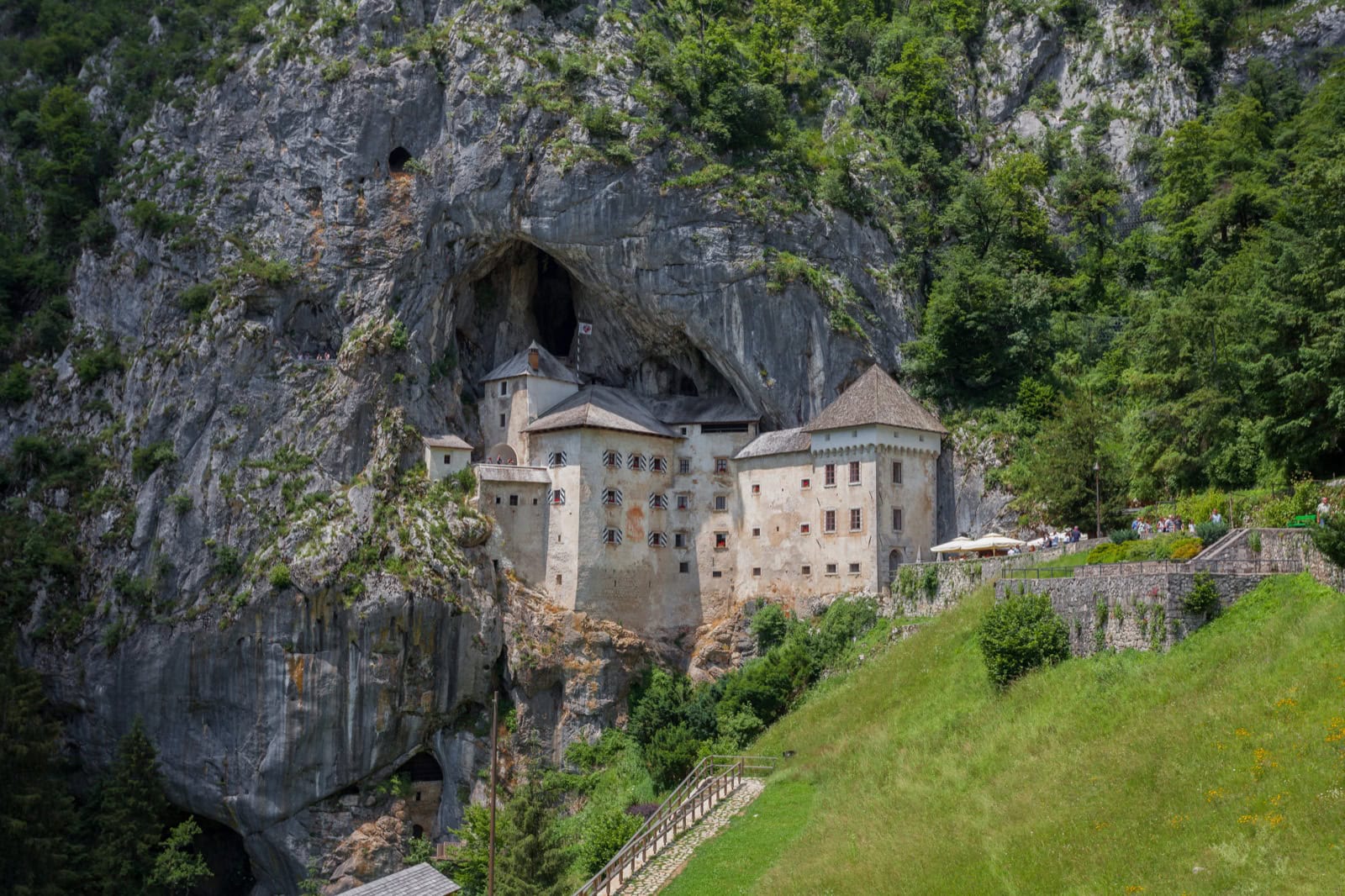
Today you’re making the transition from the mountains to the coast, with two stops along the way that are truly unique — not just for Slovenia, but for all of Europe. From Kobarid to Postojna it’s about a 2-hour drive via Nova Gorica and the motorway.
Postojna Cave (Postojnska jama)
The largest show cave in Europe and one of the most visited attractions in Slovenia. And I’ll admit — deservedly so. Even though I’m not normally the type to get excited about caves, this one blew me away. 😅
The tour lasts 1.5 hours and part of the route is covered by a miniature train that whisks you through the cave at a pace where cold air rushes past your ears (the cave is a constant 10 °C, so bring a jacket!). Then you continue on foot among stalactites and stalagmites that look like they belong on another planet.
Tickets: Cave only €27.90, combo cave + Predjama €35.90. Buy the combo — you’ll save money and both places are absolutely worth it. Book tickets online in advance, as they use timed slots and in season they sell out quickly.
💡 TIP: Tours run in various languages. English tours run frequently and are well done. An audioguide is also available for a small surcharge.
Predjama Castle (Predjamski grad)
Just 10 minutes from the cave stands a castle that looks as though someone wedged it into the mouth of an enormous cavern. Because that’s exactly what happened — this 13th-century castle is literally built into a cliff face, 123 metres above the ground. It’s one of the most photographed buildings in Slovenia and when you see it in person, you’ll understand why.
The castle tour takes roughly 45 minutes. Inside there’s a museum telling the tale of the robber knight Erasmus of Predjama, who allegedly hid here and withstood a siege thanks to a secret tunnel through the cave behind the castle. The story sounds like something out of a Hollywood film, but it’s real. 😁
Entry: Included in the combo with the cave €35.90 (see above).
Transfer to Piran
From Postojna to Piran it’s about an hour by car. You’ll arrive in the afternoon or evening — just in time for one of the most beautiful sunsets you’ll see in Slovenia.
Where to eat en route
- In Postojna: Gostilna Požar — traditional restaurant right near the cave, fair prices, good food (mains €10–15)
- Or have lunch in Kobarid/on the road and save your appetite for a proper seafood dinner by the sea in Piran
Where to stay in Piran
Parking in Piran is a nightmare — the town is essentially car-free. There’s a large car park at Fornače on the edge of town (about 15 min walk to the centre), where overnight parking costs around €20/night. Accommodation with its own parking is rare and expensive here.
Alternative: stay in Portorož or Izola (10–15 min by car), where parking is much easier, and pop into Piran for day trips.
Our accommodation picks: Hotel Piran (4-star hotel by the sea, steps from Tartini Square) or Old Town Rooms Piran (rooms in the heart of the Old Town).
Day 7. Piran — a Mediterranean gem to finish
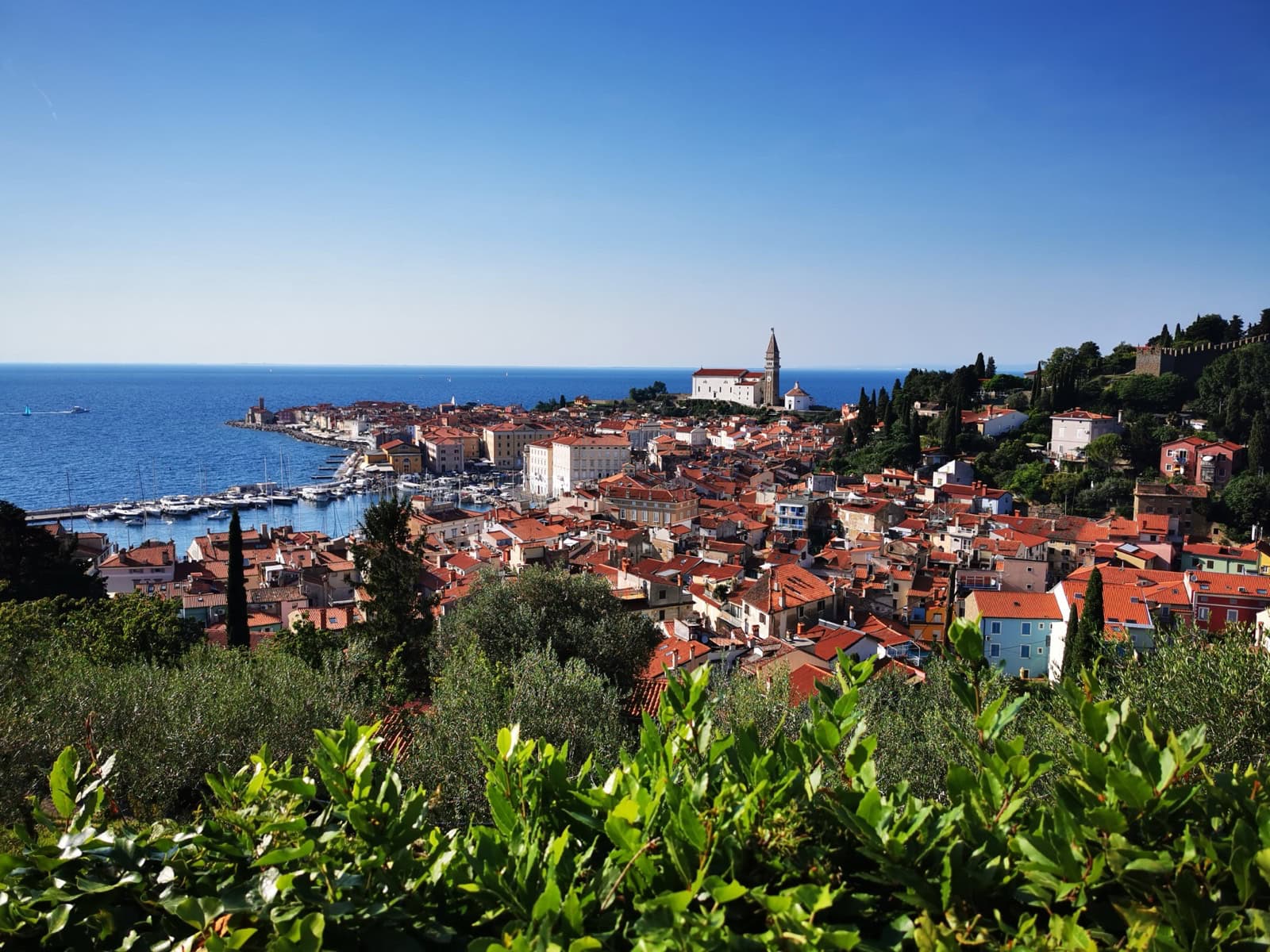
Your final day belongs to the Slovenian coast. And what a contrast it is! You’ve spent the whole week in the mountains, by lakes and rivers, and suddenly you’re standing on a square surrounded by Venetian townhouses, with the scent of sea, salt and grilled fish in the air. Piran is like a little piece of Italy that wandered into Slovenia — and they decided to keep it. ☺️
What to see and do in Piran
Tartini Square — the main square named after the famous violinist Giuseppe Tartini, who was born here. An elegant oval square surrounded by pastel-coloured houses. Start your day with a coffee and croissant at one of the cafés along the edge.
Town walls — well-preserved medieval walls that you can climb for free. The views over Piran’s red rooftops, the sea, and on a clear day all the way to the Italian and Croatian coast are spectacular. This is arguably the best free viewpoint in Slovenia.
Church of St George and bell tower — the town’s landmark on the hill above the square. You can climb the bell tower for €2 and the view is magnificent. It reminds me a bit of Dubrovnik, just without 500 other tourists per square metre.
Coastal walk — from Piran, stroll along the coast towards Fiesa or in the opposite direction to Strunjan, where you’ll find quieter beaches and a nature reserve with salt pans.
In the afternoon, just lose yourself in the alleys of the Old Town. Washing lines strung between buildings, cats on windowsills, grannies chatting from their windows — these are the moments that make travel worthwhile. 😊
Swimming
The Slovenian coast doesn’t have beaches like Croatia — it’s mostly concrete platforms and rocky shores. In Piran the main “beach” is a concrete terrace with ladders into the sea. If you want a proper beach, drive to Strunjan (10 min by car), which has one of the few sandy stretches on the Slovenian coast.
The sea here is beautifully clear and reaches around 24–26 °C in summer.
Where to eat in Piran
Piran is paradise for seafood lovers. Prices are a touch higher than inland, but still significantly cheaper than across the border in Italy.
- Fritolin pri Cantini — a casual bistro/stand with fresh fried fish and seafood. Order at the window and sit on a bench. Fish and chips for €8–12. A local classic.
- Pirat — a restaurant right by the sea with excellent seafood pasta. Mains €14–22.
- Riva Piran — slightly more upscale, with a beautiful terrace overlooking the harbour. They do a fantastic grilled sea bass (brancin) here.
- Pri Mari — a hidden gem tucked away in the alleys, homely atmosphere, superb black risotto with squid ink.
💡 TIP: Order the local wine — Slovenia has surprisingly good winemaking and in Piran you’ll find excellent Malvazija (white wine from the coast) for €3–4 a glass. The perfect match for seafood.
Sunset in Piran
Spend your last evening of the road trip on the town walls or on the pier by the lighthouse at the tip of the peninsula. Watching the sun set over the sea with the Italian Alps in the background is the perfect ending to a week in this incredible country.
Where to stay in Piran (if staying a second night)
See the recommendations under Day 6. If you’re heading home from Piran, set off in the morning — you can drive back to Ljubljana Airport in about 1.5 hours, or fly out from Trieste. If you’re driving back to the UK, it’s a long but scenic journey back via Austria and Germany.
Practical tips to finish
What to pack for a Slovenia road trip
- Good hiking boots — you’ll be walking through gorges, past waterfalls and along mountain trails. Check out our hiking boots guide.
- Light jacket/fleece — even in summer it’s chilly in the mountains and caves (Postojna = 10 °C!)
- Swimwear — Lake Bohinj, the Soča River, the sea in Piran
- Sunglasses and sun cream — the Slovenian sun in the mountains burns more than you’d expect
- If you want to travel with carry-on only, check our guide on how to pack into hand luggage
Internet and eSIM
Slovenia is in the EU, so if you have a UK mobile plan you’ll likely be on roaming charges. To avoid surprise bills — or if you’re also popping into Croatia or Italy — consider an eSIM from Holafly. It works brilliantly and saves you the hassle of hunting for local SIM cards.
Insurance
Even in Europe, things can go wrong — an injury on a mountain trail, a car accident on a switchback, a cancelled flight. Since the UK is no longer in the EU, travel insurance is particularly important. Take a look at our SafetyWing review, which we use for all our travels.
Where to find flights
Search for cheap flights to Ljubljana (or alternative airports like Trieste, Graz or Zagreb) on comparison sites like Skyscanner or Google Flights. easyJet and Wizz Air often have good deals from London, and you can sometimes find bargains flying into nearby Italian or Austrian airports.
Read next: more Slovenia articles
Want to explore Slovenia more thoroughly or extend your trip? Here are more ideas:
- 14-Day Slovenia Road Trip — a longer itinerary adding Piran, Ptuj, Maribor and the Logar Valley
- What to Do at Bled and Lake Bohinj — 15 tips for Slovenia’s two most beautiful lakes
- Through the Julian Alps to Zadar — a route through Slovenia and Croatia all the way to the sea
Frequently asked questions about a Slovenia road trip
Before you hit the road, here are answers to the questions our readers ask most about a 7-day Slovenia road trip.
Slovenia is a country that surprises you at every turn. It’s small but unbelievably diverse — in a single week you’ll experience Alpine peaks, emerald rivers, underground caves and a Mediterranean town. And as you sit on the pier in Piran on your last evening, watching the sunset and sipping Malvazija, you’ll be thinking about just one thing: when you’re coming back. ☺️
Tips and Tricks for Your Vacation
Don’t Overpay for Flights
Search for flights on Kayak. It’s our favorite search engine because it scans the websites of all airlines and always finds the cheapest connection.
Book Your Accommodation Smartly
The best experiences we’ve had when looking for accommodation (from Alaska to Morocco) are with Booking.com, where hotels, apartments, and entire houses are usually the cheapest and most widely available.
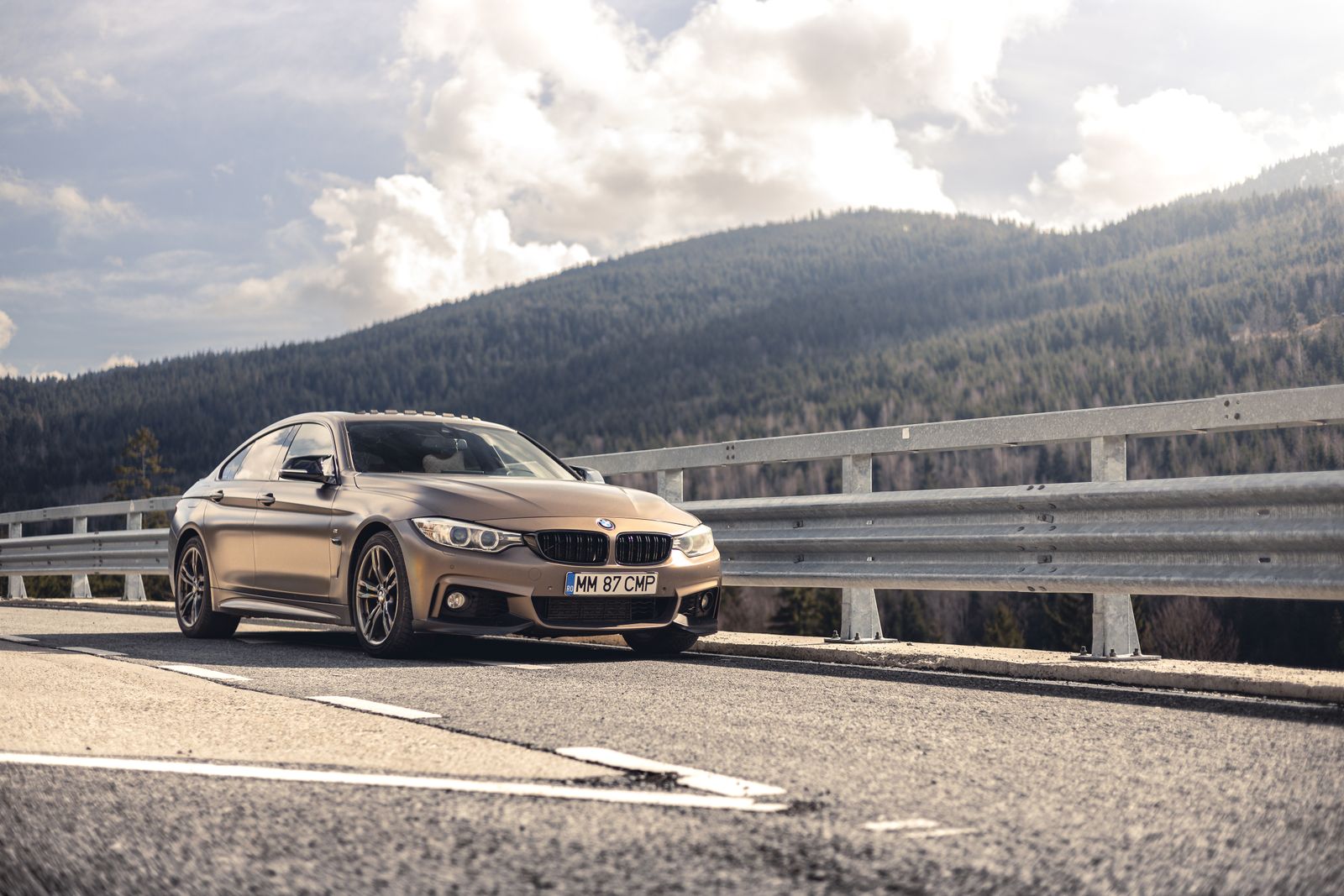 🚗 Car rental on the roadVerified rental cars in Slovenia
Search with the DiscoverCars comparison engine — it compares prices from dozens of local and international rental companies, and most bookings come with free cancellation.
Compare car prices in Slovenia →Don’t Forget Travel Insurance
Good travel insurance will protect you against illness, accidents, theft, or flight cancellations. We’ve had a few hospital visits abroad, so we know how important it is to have proper insurance arranged.
Where we insure ourselves: SafetyWing (simple monthly subscription) and TrueTraveller (for extra-long trips).
Find the Best Experiences
Get Your Guide is a huge online marketplace where you can book guided walks, trips, skip-the-line tickets, tours, and much more. We always find some extra fun there!