Imagine a place where the canvases of famous paintings come to life. Claude Monet’s garden in Giverny, France, a small village in Normandy, is exactly that kind of place — one that instantly transports you back to the golden age of Impressionism. The painter spent the second half of his life here and created his greatest masterpiece, one that wasn’t made with a brush on canvas, but with a hoe and a spade in the soil. Today, people travel here from all over the world to see the famous water lilies, the iconic Japanese bridge and the house with its pink façade with their own eyes.
In this article you’ll find 10 tips on what to see and do in Giverny and its immediate surroundings. You’ll get all the practical information about tickets, I’ll show you how to avoid the worst of the crowds, and you’ll learn why 2026 will be an absolutely landmark year for this place. You’ll also discover the best way to get here by train from Paris and where to stay if you want to enjoy the morning calm before the first tour buses arrive.
TL;DR
- Opening times: The grounds are open only from spring to autumn; in 2026 that will be from 1 April to 1 November.
- Main attractions: The Clos Normand flower garden in front of the house and the famous Water Garden with its pond and water lilies.
- Tickets: Buying online in advance is an absolute must — it lets you skip the endless queue at the ticket office.
- The year 2026: It marks exactly 100 years since Claude Monet’s death, so expect huge celebrations and a massive influx of tourists.
- Getting there from Paris: The fastest option is the train from Gare Saint-Lazare to the town of Vernon, from where shuttle buses run — or you can hire a bike.
- When to arrive: Ideally be at the gate right at 10:00 when it opens, or save your visit for late afternoon.
The full destination guide: Normandy — guide and what to see
When to Visit Giverny
The gardens in Giverny don’t slumber all year round — they open to the public only during the warmer months. In 2026 the gates open on 1 April and close on 1 November, and each month offers a completely different palette of colours and atmosphere. If you love tulips, daffodils and blossoming fruit trees, come in April or early May. May is also the month when the gorgeous purple wisteria bursts into bloom, climbing majestically over the famous Japanese bridge in the Water Garden and creating an absolutely perfect, photogenic backdrop.
The summer months from June to August are the absolute peak of the season. It’s in summer that the famous water lilies bloom in full on the pond — the very ones Monet painted so passionately on his enormous canvases. Bear in mind, though, that summer here can be sweltering and the crowds of tourists from around the world are at their thickest. September and October then bring warm autumn colours to the gardens, with dahlias and sunflowers in bloom, while the air turns pleasantly crisp and the crowds slowly thin as the cooler Normandy weather sets in. The grounds are open every day from 10:00 to 18:00.
You’ll want to pay special attention to 2026, because the whole region will be living in the shadow of a huge historical anniversary. It marks exactly 100 years since the death of Claude Monet, which means all of Normandy will be alive with the grand Normandie Impressionniste festival. As part of this centenary, more than a hundred special events, exhibitions and celebrations will take place, so interest in Giverny will be enormous from the first day of spring right through to autumn. I strongly recommend avoiding weekends and French public holidays, because on those days the village’s narrow lanes become unrecognisable. Elbowing your way through the crowds with a camera in hand simply isn’t the calm, romantic experience you’d expect from an Impressionist oasis. The ideal move is to time your visit either for exactly 10am, or for late afternoon, when most of the tour buses are already heading back to Paris.
Where to Stay in Giverny and Nearby
💡 Tip for accommodation and experiences: We like to look for places to stay on Booking.com, which usually has the best cancellation policies. Tickets, tours and activities are then worth comparing and booking through GetYourGuide.
If you want to enjoy the charm of the village without the hundreds of other tourists pouring out of the Paris buses, stay right in Giverny or in the neighbouring larger town of Vernon. If you spend the night, you can stroll the wonderfully empty lanes in the evening, soak up the authentic village atmosphere, and in the morning be the very first visitor standing at the garden gates. It’s by far the best way to enjoy this magical place in peace and avoid the stress of a hectic day trip. Accommodation in this popular area sells out very quickly, and for 2026 that goes double, so start searching on Booking ideally several months ahead.
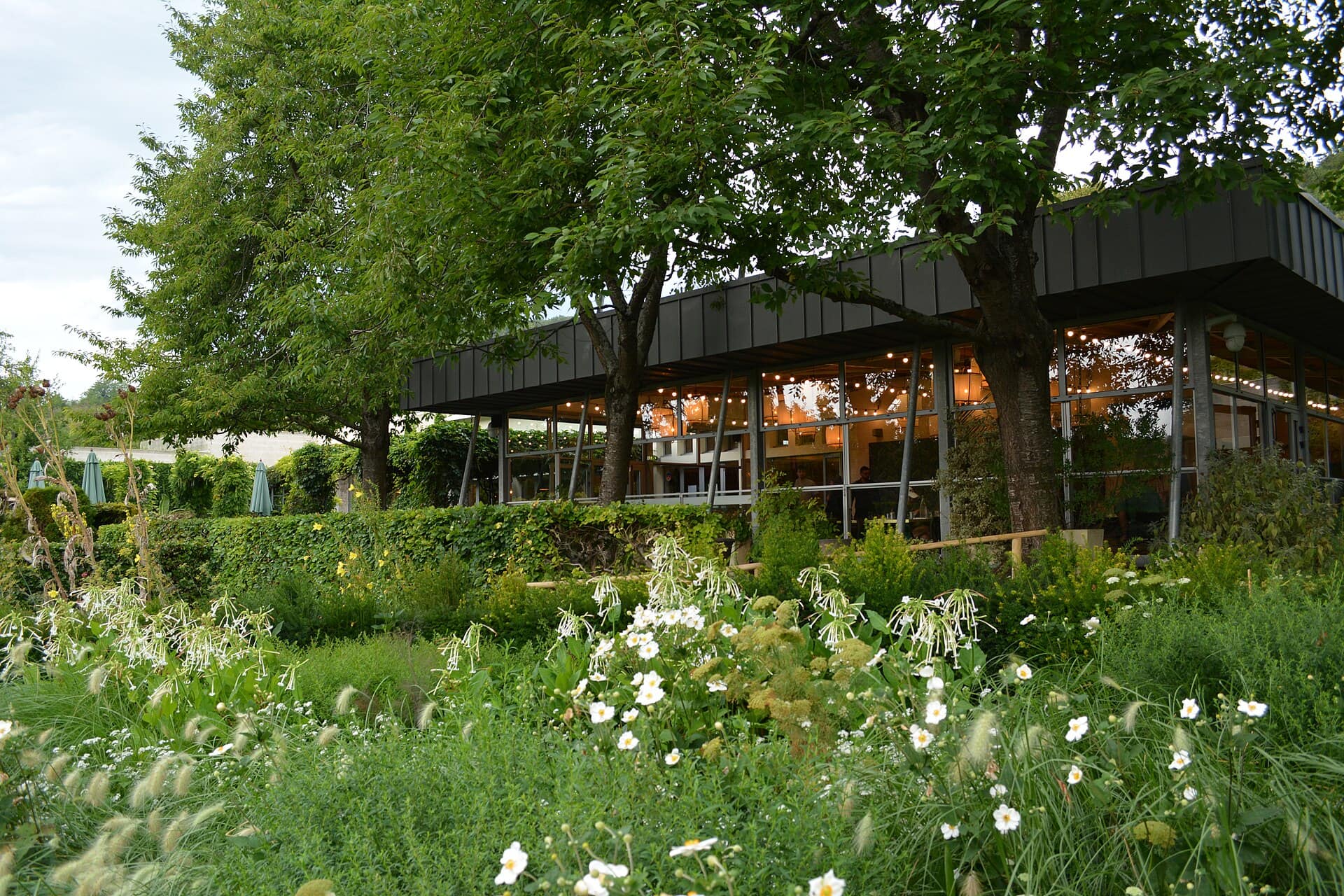
In Giverny itself you’ll find a handful of charming guesthouses and small hotels that carefully preserve their historic character and architecture. One great option is Hôtel La Musardière, which offers beautifully renovated rooms, an excellent restaurant and a location just a few minutes’ walk from Monet’s house itself. If you’re after something truly luxurious, take a look at the boutique hotel Le Jardin des Plumes, which is linked to a Michelin-starred restaurant and looks after you in beautiful surroundings with first-class service.
For cheaper and more practical accommodation, the neighbouring town of Vernon is the natural choice — direct trains from Paris arrive here and you’ll find a far wider range of shops and services. I recommend taking a look at the Hôtel Normandie right in Vernon’s historic centre, which is very close to both the train station and the local bike-hire shops. From Vernon you can reach Giverny in about twenty minutes along a beautiful, safe cycle path that runs beside the River Seine. Another excellent base for a longer stay is the historic city of Rouen, roughly an hour’s drive away. Here you’ll find the fantastic Notre-Dame cathedral, which Monet himself painted countless times, plus the superb Musée des Beaux-Arts, which boasts one of the best Impressionist collections in all of France after Paris.

10 Tips on What to Do in Giverny, France
Let’s take a closer look at the very best that the grounds in Giverny and its immediate surroundings have to offer. This place hides far more than just one photogenic pond, so set aside a good half a day for a relaxed visit.
1. The Colourful Clos Normand Garden
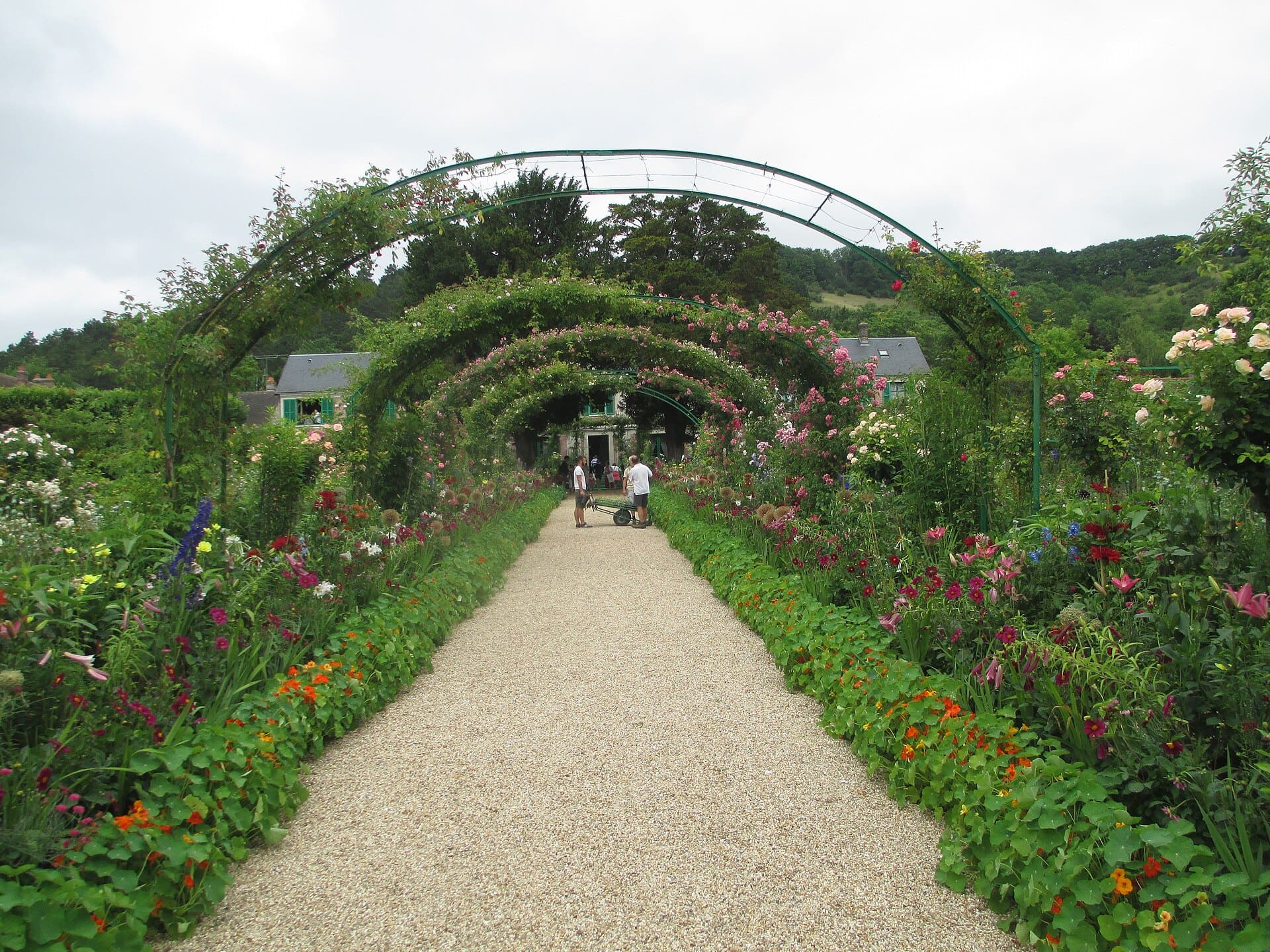
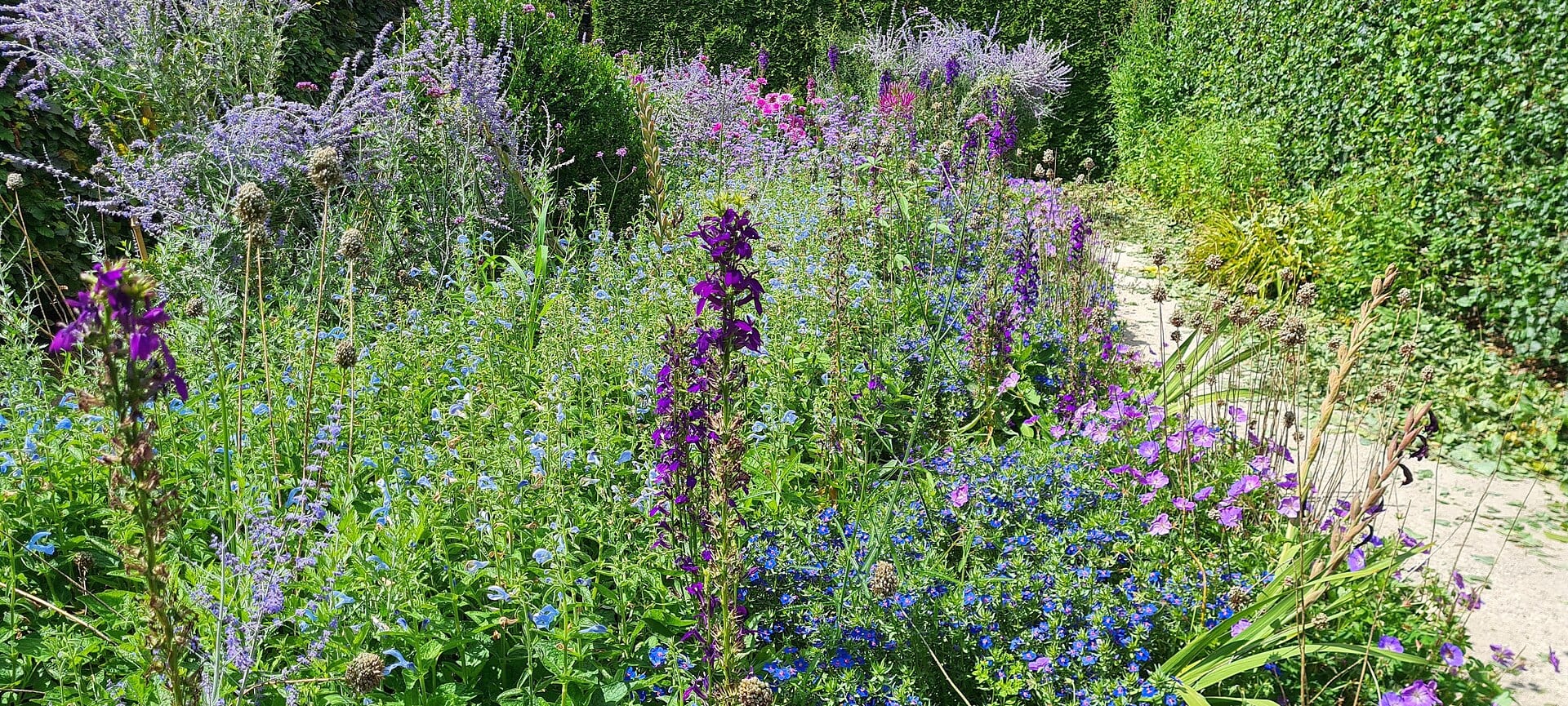
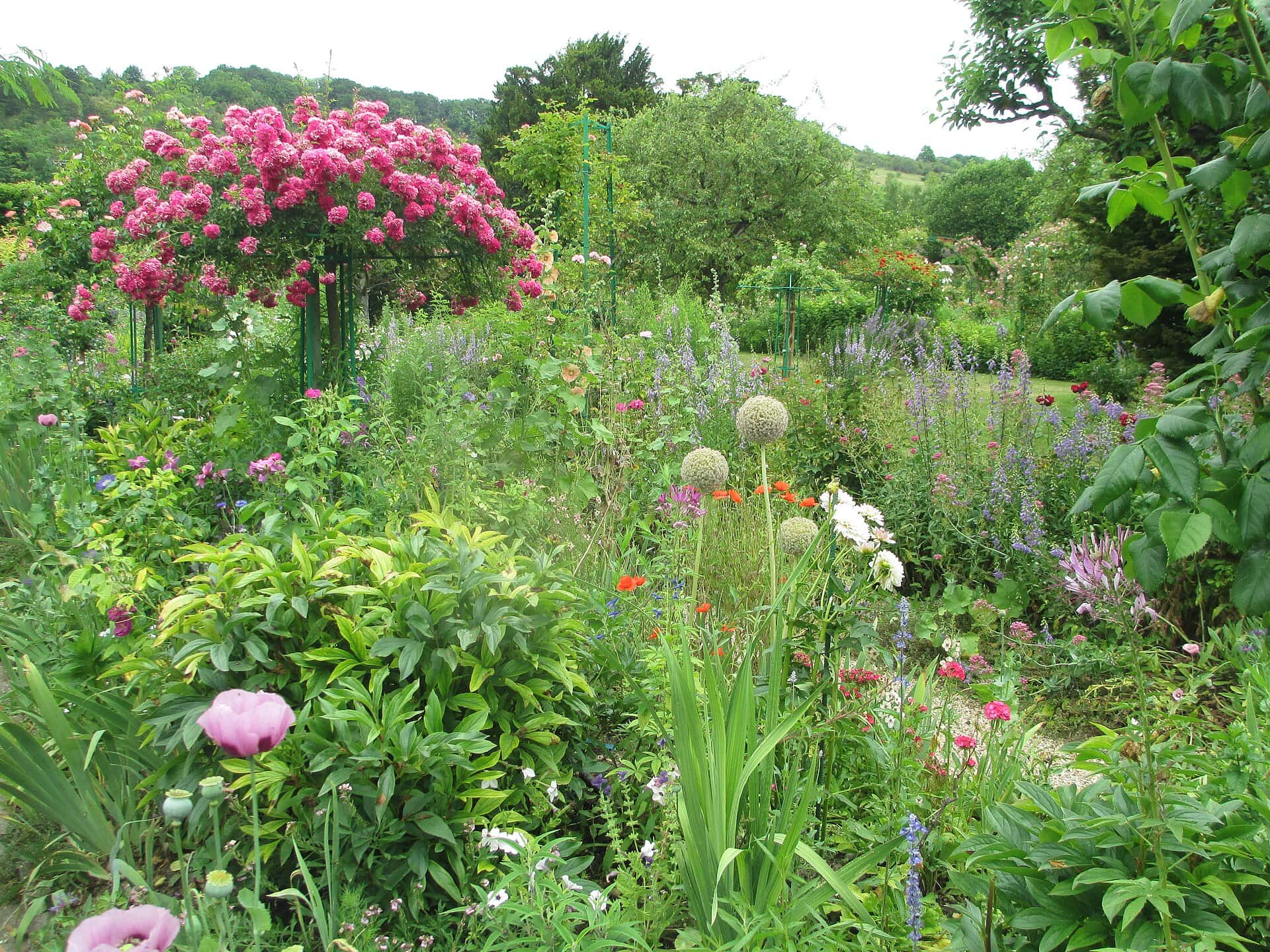
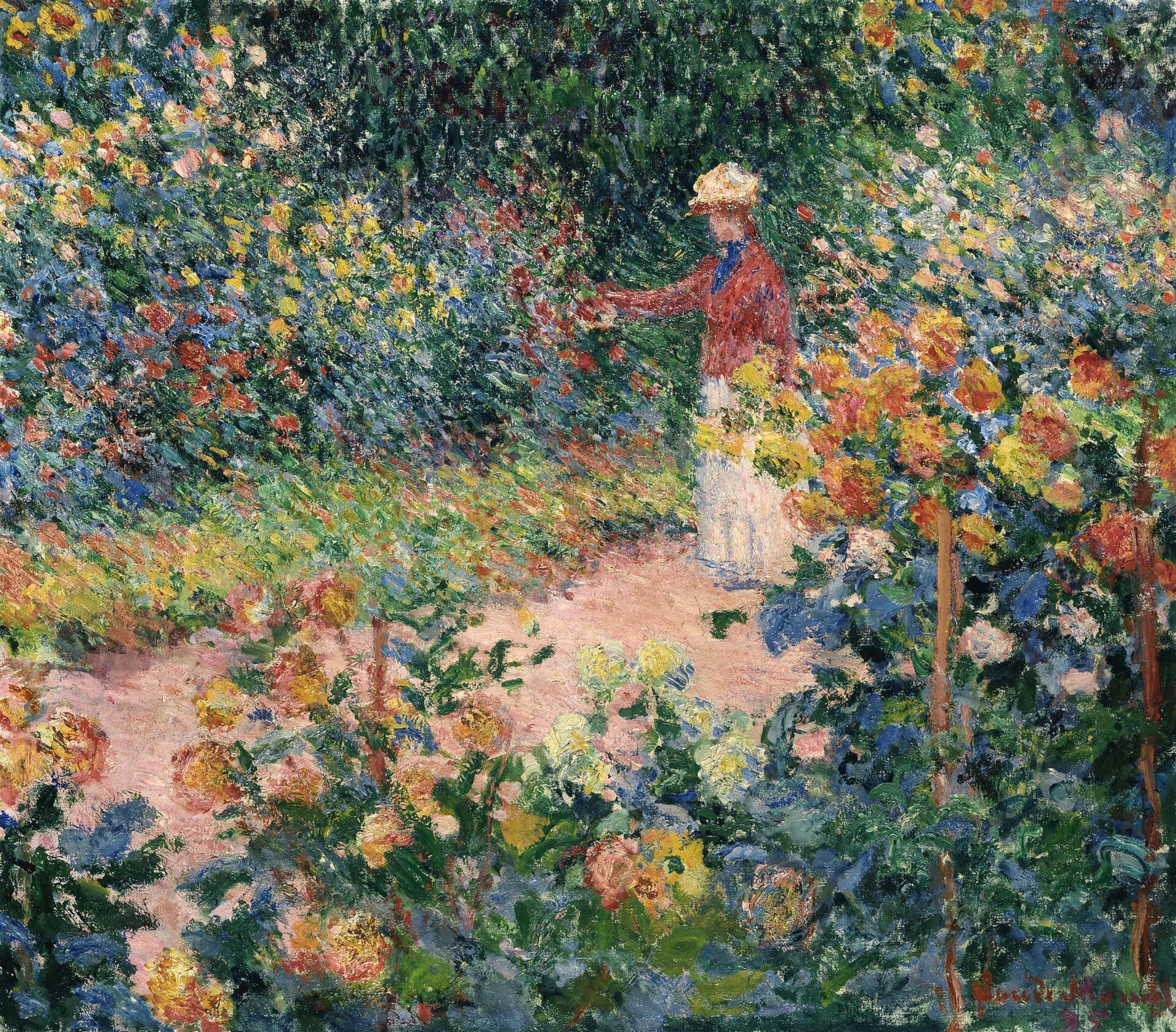
As soon as you pass through the entrance gate and step inside, you’ll be struck by the first part of the grounds, known as the Clos Normand. This is the original sprawling garden that lies right in front of Monet’s house, which the painter completely reshaped to his own artistic vision after he moved in. He had the old, shade-casting spruce trees cut down without compromise and replaced them with symmetrical beds that he genuinely saw as his vast painter’s palette under the open sky. He never planted flowers at random, but combined them very carefully by shade and height to create perfect optical illusions and a sense of depth.
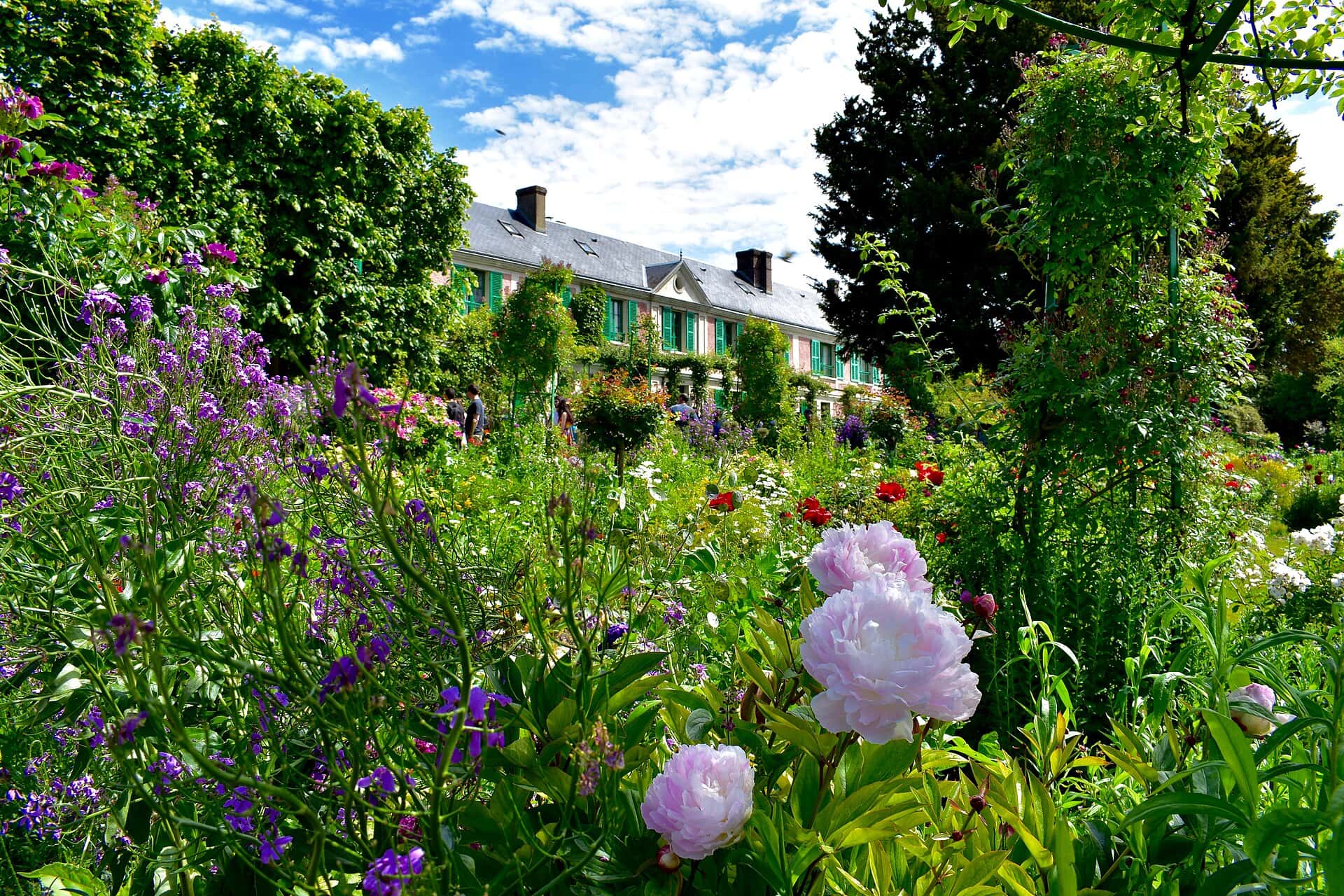
The centrepiece of this section is the broad central avenue, elegantly lined with iron arches densely covered in climbing roses. In spring you’ll find literally thousands of tulips, daffodils and irises in bloom here, while in the heat of summer the space is dominated by poppies, giant peonies and bright sunflowers. At first glance the garden looks a little wild and untamed, but it’s actually the result of incredibly meticulous work by a whole team of gardeners who to this day strictly follow Monet’s original sketches and planting plans.
💡 Tip: If you want to experience the garden in the most beautiful morning light, be at the entrance right at ten o’clock. The flowers will still be lightly dewed and you’ll avoid the biggest wave of tourists, who usually arrive from Paris around midday.
2. The Water Garden and the Inspiration Behind the Paintings
When you cross into the second part of the vast grounds through a discreet underpass beneath the local road, the whole atmosphere changes almost instantly. Monet built the Water Garden somewhat later on a newly purchased plot, once he had managed to get official permission to divert a small branch of the nearby River Epte. He wanted to create a perfect Asian oasis of calm that would inspire his next works — and with the help of hired gardeners, that’s exactly what he achieved. It was on the banks of this pond that the legendary series of enormous canvases titled Nymphéas (Water Lilies) was born, the very paintings that astonish visitors at the Orangerie museum in Paris today.
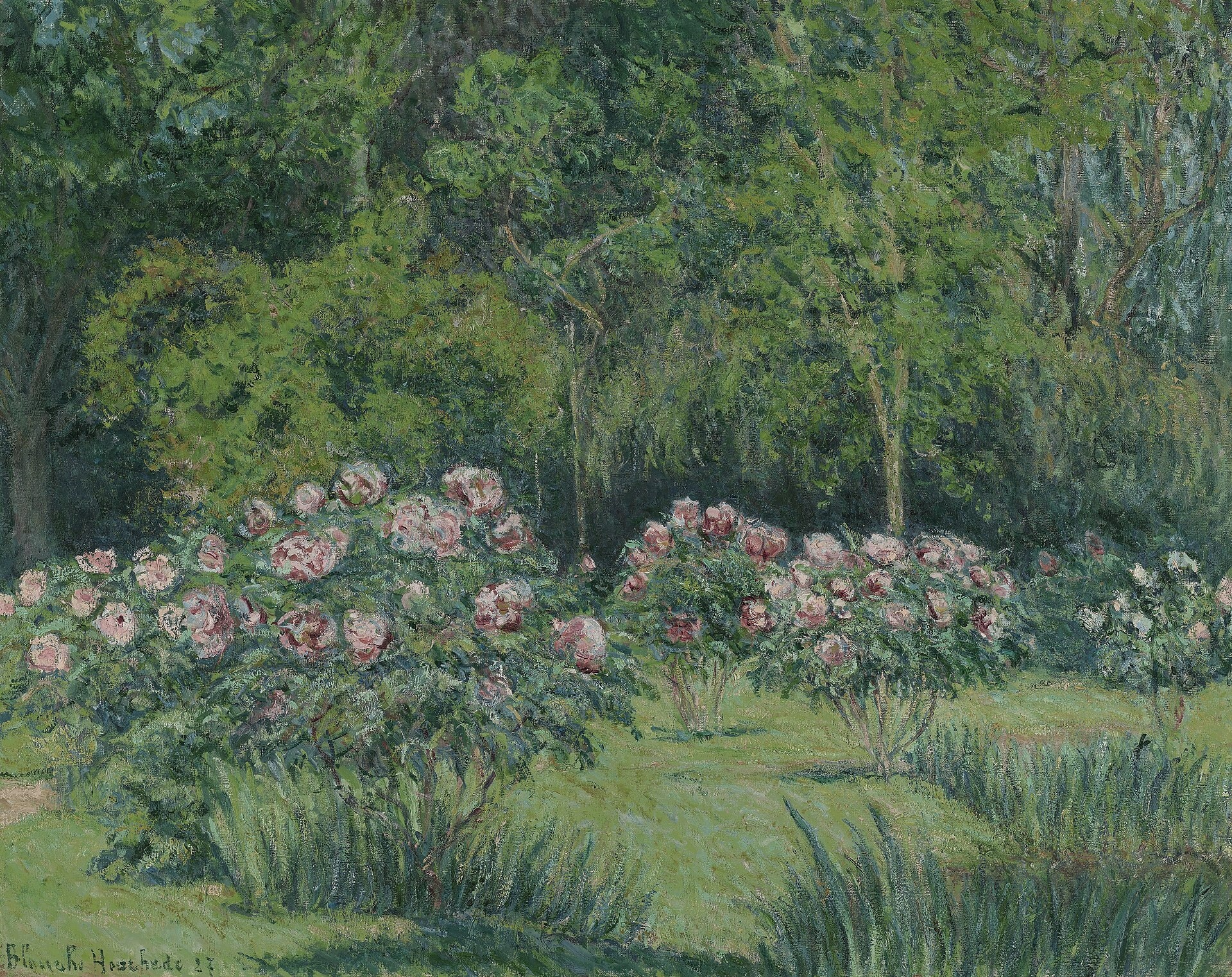
The pond itself is surrounded on all sides by ancient weeping willows, dense bamboo groves and ferns that reflect beautifully on the still surface of the water. From late June the surface is dotted with dozens of colourful water lilies, tended by today’s gardeners with the same care the master painter himself demanded. Historical records even tell us that the gardeners had to wash the dust off the lily pads by hand from small boats early each morning, so the blooms would shine in flawless purity and perfection on Monet’s canvas. A stroll along the narrow paths around the water is incredibly photogenic, but in summer it takes a little patience, as you’ll be sharing the best spots with plenty of other visitors.
3. The Iconic Japanese Bridge and Wisteria
By far the most famous and most-photographed feature of the entire Water Garden is undoubtedly the elegant wooden Japanese bridge that arches softly over the narrower part of the pond. Monet had it custom-built by a skilled local carpenter based on Japanese woodblock prints, which he passionately collected and admired his whole life. A fascinating detail is that the bridge is deliberately not painted the traditional bright red you’d probably expect in classic Japan, but a very specific shade of green. The painter mixed it himself so the bridge would blend completely naturally with the lush surrounding nature rather than create a jarring element. During your visit you’ll also notice several smaller bridges scattered around the grounds, but this main one is the absolute centrepiece of the garden.
💡 Tip: If you’re hoping to capture the perfect photo on the famous bridge without strangers in the shot, you really need to head here first thing in the morning after the gate opens. Throughout May, lush clusters of purple and white wisteria climb across the entire structure of the bridge — flowers Monet once planted himself and which are still cared for today. The floral sight is so magical and all-consuming that at times you genuinely won’t know whether you’re still standing in a real garden full of tourists or have somehow stepped inside a renowned Impressionist painting.
4. Monet’s Pink House and Studio
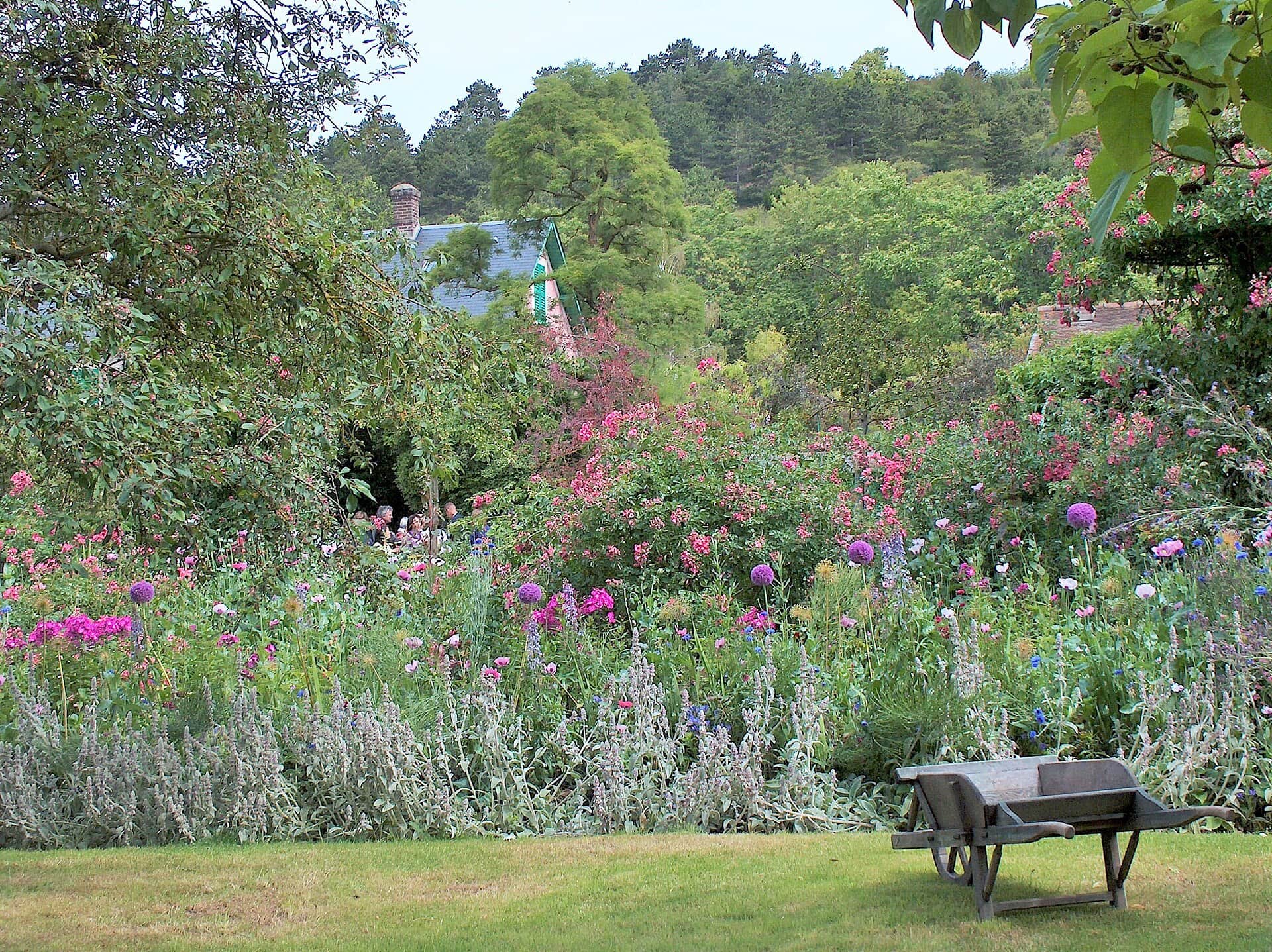
After a thorough look around both gardens, be sure to head into the central house itself, where Claude Monet lived happily with his large blended family for a full forty-three years. The whole façade glows with a very unusual pink colour, beautifully complemented by bright green wooden shutters, doors and an outdoor staircase. Inside, the house is surprisingly spacious and bright, and it has kept a wholly authentic late-nineteenth-century atmosphere. As you move through the rooms, you feel as though the famous painter has simply stepped out for a quick walk down to the River Epte and is due back any moment.
What will probably catch your eye most is the famous, richly decorated dining room. The entire room is painted from floor to ceiling in a vivid yellow, including the dining furniture and chairs — something utterly unheard of, and to many guests even shocking, in those buttoned-up times. Directly adjoining the dining room is a huge, airy kitchen completely tiled in blue Rouen tiles, where elaborate meals were cooked daily for the large family and famous visitors from Paris. Upstairs you can take your time exploring the painter’s personal bedroom, with large windows looking out directly onto the flowering garden, so he always had his works of art in view.
5. The Collection of Japanese Woodblock Prints
As you slowly tour the interior of the house, be sure to notice the many prints hanging on the walls of almost every single room and hallway. Monet was a lifelong passionate collector of traditional Japanese ukiyo-e art and gradually amassed an impressive private collection of more than two hundred original historic woodblock prints. This rare collection is still displayed in full inside the house and represents one of the very greatest and most valuable cultural treasures of the entire estate in Giverny.
On the walls you’ll find original masterpieces by the most famous Japanese artists, such as the legendary Hokusai, Hiroshige and Utamaro. These highly prized Japanese artists fundamentally shaped Monet’s perception of space, light and composition. They deliberately ignored traditional European perspective and chose very bold viewpoints, which later came through strongly in his own revolutionary canvases of water lilies and bridges. The influence of Asian art and natural motifs is utterly clear, especially in the first spacious studio, which today, incidentally, partly serves as a very tasteful shop selling souvenirs and books. Seeing these woodblock prints in person will hugely help you understand why the whole Water Garden looks exactly as Monet designed it more than a century ago.
6. The Museum of Impressionisms in Giverny
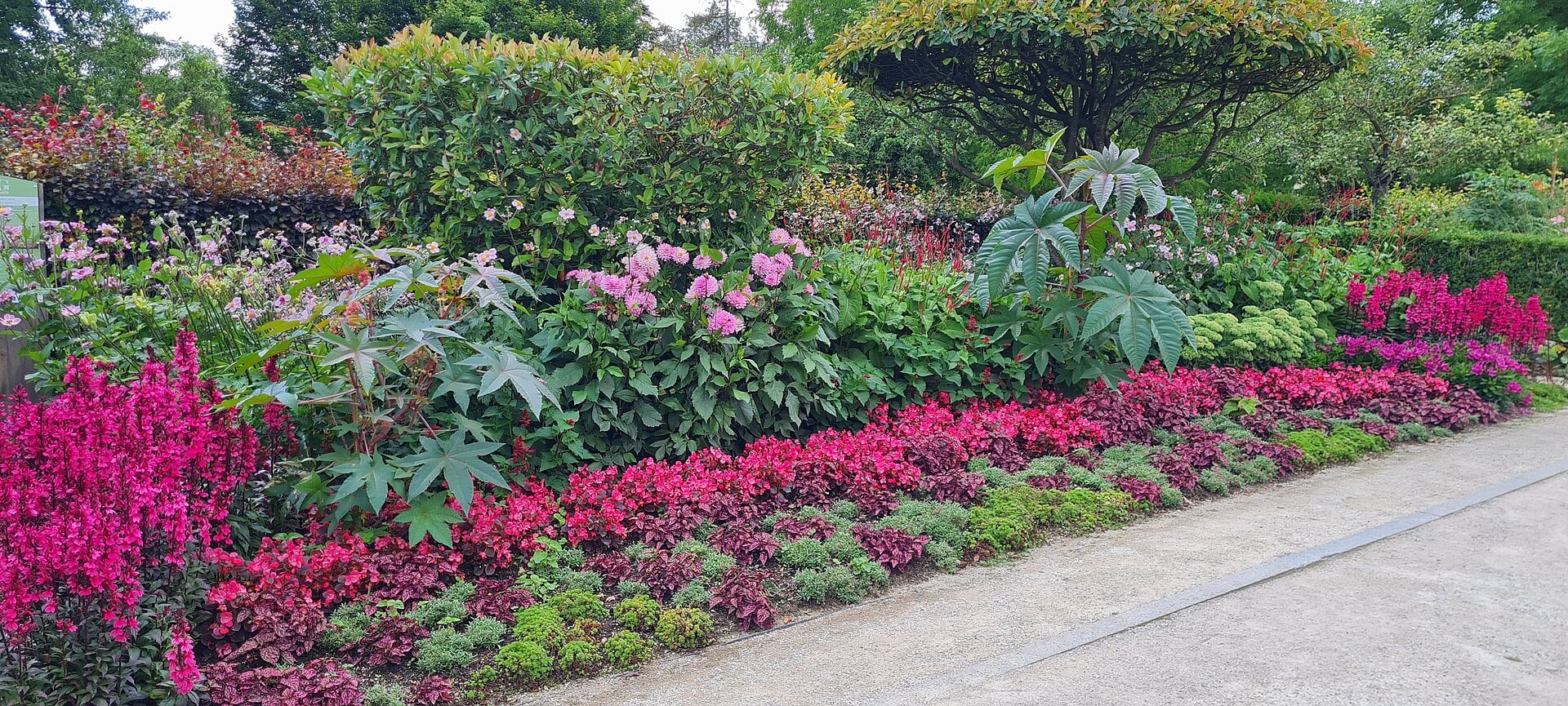
While you’re spending time in this picturesque village, it would be a huge shame to simply walk past the Musée des impressionnismes Giverny, which lies just a few dozen metres’ gentle stroll from Monet’s house. This beautiful modern museum doesn’t focus on one famous painter alone, but explores in depth the whole fascinating phenomenon of Impressionism, its tangled history and its enormous international influence on the generations of artists who followed all over the world. The building itself is also very sensitively set into the sloping terrain and surrounded by yet another beautifully kept garden full of modern floral arrangements.
Each year these generous spaces host two or three large temporary exhibitions, borrowing rare works from leading galleries and private collections around the world for the occasion. In 2026 especially, as part of the grand centenary, truly extraordinary exhibitions are expected here, seamlessly linking famous canvases on loan from the Musée d’Orsay in Paris with local Normandy works. The Normandie Impressionniste festival will bring the very best of French art here.
💡 Tip: The museum also has a very stylish, light-filled café with a terrace. Stop by for a while, rest after the art-filled tour over an excellent coffee, and try a traditional French dessert before you set off again.
7. How to Avoid the Crowds and Book Tickets in 2026
As I’ve pointed out several times, the tourist crowds in Giverny can sometimes be very draining and unpleasant, especially during the hot summer months around midday. The absolute golden rule for a relaxed, stress-free visit is to book your tickets online weeks in advance. If you take the risk and turn up without a ticket, you could easily spend two hours standing in the endless queue at the main ticket office in the direct sun. With a pre-bought online ticket, you head straight to the special side entrance for timed slots and you’re inside the grounds in a matter of minutes.
Be sure to secure your tickets for the extremely busy 2026 season as early as possible — ideally the moment sales officially open on the foundation’s website in spring. Standard adult admission is around a very reasonable €11, which for such a vast, well-rounded cultural experience really is a friendly price. With the huge Normandie Impressionniste festival and the centenary of Monet’s death, slots will vanish at lightning speed. If you’d rather not deal with the fiddly logistics of train travel and buying separate tickets, I recommend taking an organised day trip from Paris. These can be booked very easily and reliably through platforms like GetYourGuide, where you’ll often find great options with an English-speaking guide who shares plenty of historical context along the way.
8. Normandy Cuisine and Vegetarian Tips
After hours of wandering through the flowering gardens you’re bound to work up an appetite, and gastronomically speaking Normandy certainly has plenty to offer. This coastal region is world-famous for its apples and its fantastic mature cheeses, so even visitors who strictly prefer meat-free food will be well looked after here. In cosy local bistros you’ll commonly come across excellent vegetarian quiches filled with fresh spinach or creamy Camembert de Normandie, which is made here exclusively from raw milk and tastes completely different from the usual supermarket version. You absolutely must try the other local cheese legends too, like the bold square Pont-l’Évêque or the gentle heart-shaped Neufchâtel.
Stop for a leisurely lunch at one of the pleasant restaurants right on the main street, Rue Claude Monet. Just remember the unforgiving rule that French lunch is served strictly between 12:00 and 14:00 — any later and most kitchens will turn you away, leaving you with nothing but a cold baguette. Alongside the excellent cheese, don’t miss the traditional Normandy cidre, served in typical ceramic cups, with a choice between the sweeter doux and the drier brut. As the perfect after-dinner digestif, locals love the famous apple brandy Calvados, or its gentler, sweeter cousin Pommeau, served nicely chilled as an aperitif.
9. Getting There by Train and Bike from Paris
You can reach Giverny on a day trip from central Paris very easily and comfortably, with no need to hire an expensive car. By far the best option is to set off early in the morning by train from the historic Gare Saint-Lazare in Paris, from where regular, fast services run directly to the Normandy town of Vernon. The train journey takes just under fifty minutes, and I’d definitely recommend buying your tickets in advance via the official SNCF Connect app. That way you avoid needless stress, since the ticket machines at the station are often hopelessly besieged by confused tourists.
Once you’ve safely got off at the small station in Vernon, you have several options for covering the remaining five kilometres into the centre of Giverny. Right outside the station building, special shuttle buses called navettes wait regularly, their departures timed precisely to connect with the arrival of the main trains from Paris. A return ticket costs only a few euros and the journey takes around fifteen minutes. An even better, more authentic experience, though, is to hire a comfortable bike from one of the cafés right by the station and head into the village under your own steam. A genuinely beautiful, safe and completely flat cycle path follows the course of the River Seine. A morning ride will perfectly and calmly tune you in to the true Normandy countryside atmosphere before you’ve even glimpsed the first water lilies.
10. A Stroll Through the Village and Monet’s Grave
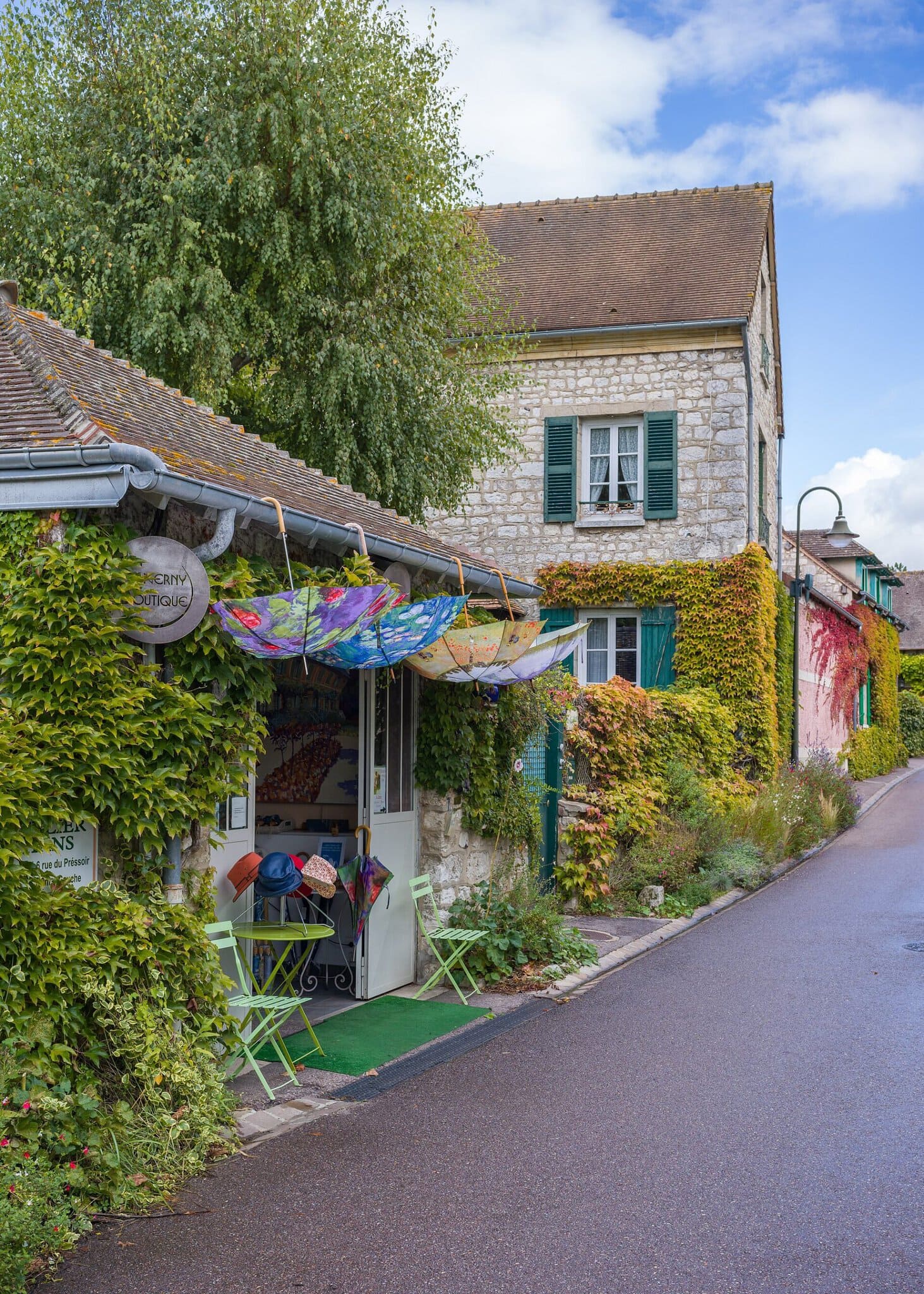
The picturesque village of Giverny itself is well worth a little of your precious time, even though the vast majority of rushing tourists focus solely on the main, paid gardens. The village’s main artery, Rue Claude Monet, is densely lined with dozens of small art galleries, independent boutiques and the open studios of local artists. With their brushes, they still try to capture the very same magical Normandy light that the famous Impressionists did more than a hundred years ago. Despite the larger numbers of visitors in the summer season, the overall atmosphere here is very relaxed, inspiring and downright inviting for slow strolls and discovering hidden cafés.
💡 Tip: As you leave the village in the evening towards the bus or your parked bike, take a small, calm detour to the old stone church of Sainte-Radegonde. It lies about ten minutes’ comfortable walk from the main gardens, and the crowds usually don’t make it that far. It’s in the small, modest churchyard here that you’ll find the family tomb where Claude Monet has been buried since 1926, beside his beloved family and wives. It’s an immensely quiet, reverent place that the noisy, phone-wielding tourists no longer flock to. It offers an utterly perfect, undisturbed space for a quiet moment of remembrance for one of the greatest painters in European history, before you leave Giverny for good.
Where to Go Next from Giverny
If you have a car and plan to explore northern France in more depth, Giverny works as a great gateway to the whole region. Keep going along the motorway towards the coast and head off to admire the stunning chalk cliffs in the town of Étretat. These dramatic white cliffs, contrasting with the emerald sea, fascinated Monet so much that he painted them on dozens of his canvases.
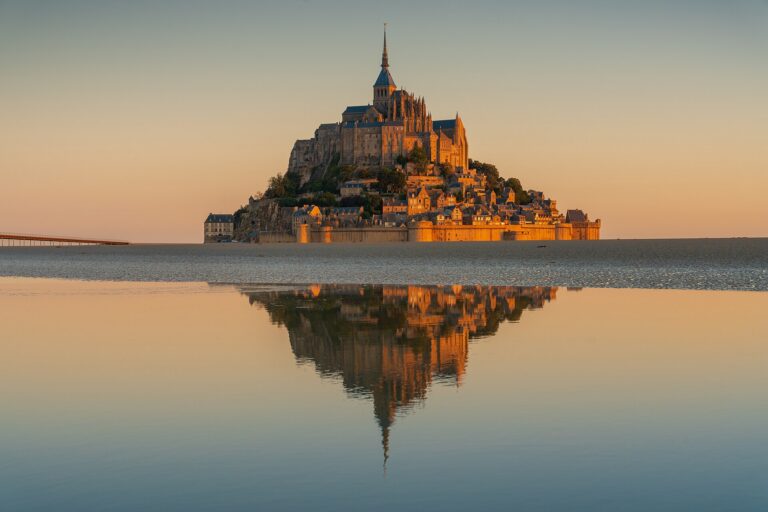
Another absolutely essential stop, if you venture further west, is the magical island monastery. Read our article on what’s hidden at Mont-Saint-Michel and discover why it’s nicknamed the eighth wonder of the world. The Gothic abbey, surrounded by a treacherous bay with the highest tides in Europe, is an experience you’ll never forget for the rest of your life — and it perfectly balances the gentle romance of the flower gardens with a touch of medieval ruggedness.
Frequently Asked Questions
How long does the trip from Paris to Giverny take?
By train from Gare Saint-Lazare station to Vernon, you’ll travel approximately 45 to 50 minutes. From Vernon, you’ll need to add another 15 minutes for the shuttle bus or 20 to 30 minutes for a pleasant ride on a rented bike along the cycle path beside the Seine River.
How much do tickets cost and where to buy them?
The basic admission for an adult to Monet’s House and Gardens costs approximately 11 euros in 2026, with students and children paying slightly less. Definitely buy your tickets exclusively online in advance on the foundation’s official website – you’ll save yourself several hours of waiting at the ticket office in direct sunlight.
When do water lilies bloom in gardens?
If your main goal is to see the famous water lilies, plan your trip for the summer months. They start blooming in late June and are most beautiful during July and August, when the pond is full of colorful flowers exactly as you know them from the renowned giant canvases.
How long does it take to tour the entire complex?
Set aside at least two hours for a leisurely visit to the flower garden Clos Normand, the water garden with its pond, and the interiors of Monet’s house. If you enjoy admiring the scenery, taking photos, and want to visit the nearby Museum of Impressionism as well, you’ll easily spend an entire afternoon in this picturesque village.
Is the complex open year-round?
No, the gardens are put to sleep for the winter and are completely closed to the public. The grounds open in spring, in 2026 it will be precisely from April 1st, and the season ends in autumn, usually November 1st. During the winter months, intensive maintenance and planting for the next year takes place.
Why will the year 2026 be so special in Giverny?
In 2026, exactly 100 years will have passed since the death of Claude Monet, who died in the winter of 1926. All of Normandy is preparing a huge festival called Normandie Impressionniste to mark the anniversary. Special exhibitions and celebrations will take place, so this year is expected to see the highest visitor numbers in history.
Can I bring my dog into the gardens?
Unfortunately, pets are strictly prohibited from entering the entire garden area and Monet’s house, with the exception of certified assistance and guide dogs. The paths around the pond are very narrow and crowded with people, so it wouldn’t be pleasant for you or your furry friend.
Is there parking in Giverny if I come by car?
Yes, right across from the main entrance to the gardens there’s a huge parking lot, which is even completely free for visitors. However, during the peak summer season and especially on busy weekends, despite its size, it fills up very quickly. That’s why I strongly recommend arriving either early in the morning before opening time, or alternatively parking in the more distant parking areas at the edge of the village and walking the short distance.
Tips and Tricks for Your Vacation
Don’t Overpay for Flights
Search for flights on Kayak. It’s our favorite search engine because it scans the websites of all airlines and always finds the cheapest connection.
Book Your Accommodation Smartly
The best experiences we’ve had when looking for accommodation (from Alaska to Morocco) are with Booking.com, where hotels, apartments, and entire houses are usually the cheapest and most widely available.
 🚗 Car rental on the roadVerified car rentals in Normandy
Search with the DiscoverCars comparison engine — it compares prices from dozens of local and international rental companies, and most bookings come with free cancellation.
Compare car prices in Normandy →Don’t Forget Travel Insurance
Good travel insurance will protect you against illness, accidents, theft, or flight cancellations. We’ve had a few hospital visits abroad, so we know how important it is to have proper insurance arranged.
Where we insure ourselves: SafetyWing (simple monthly subscription) and TrueTraveller (for extra-long trips).
Find the Best Experiences
Get Your Guide is a huge online marketplace where you can book guided walks, trips, skip-the-line tickets, tours, and much more. We always find some extra fun there!