Austria is a country we keep coming back to so often that I’ve honestly lost count of our visits. And yet — every single time we pull over at some mountain pass where the view opens up to snow-capped peaks and turquoise lakes, I stand there with my jaw on the floor like it’s the first time. 😅
Lukáš and I have criss-crossed Austria in every direction — from Viennese coffee houses to the rocky walls of the Grossglockner and the alleyways of Salzburg, where you feel like you’re on a film set (literally — they filmed The Sound of Music here). That’s exactly why we put together this Austria road trip itinerary that takes you through the very best the country has to offer. From big-city culture and romantic vineyards in the Wachau Valley to Alpine panoramas that will leave you breathless.
In this article, you’ll find a complete 7-day Austria road trip itinerary — day by day, with specific tips on where to grab coffee, where to stay, which roads not to miss, and what to skip. I’ve also included practical info on driving, motorway vignettes, budget, and the best time to go. Let’s get into it. ☺️
TL;DR
- Route: Vienna → Wachau → Salzburg → Hallstatt → Salzkammergut → Innsbruck → Grossglockner (approx. 850 km total)
- Best time to go: May to October; September is the sweet spot — fewer tourists, stable weather, autumn colours
- Budget for 7 days for two: Approx. €1,400–€2,000 (excluding flights), depending on accommodation type
- Car hire: From around €60/day; don’t forget the motorway vignette (1-day €8.60, 10-day €11.50)
- Grossglockner: The most stunning Alpine road in Europe — toll €41.50 per car, but worth every cent
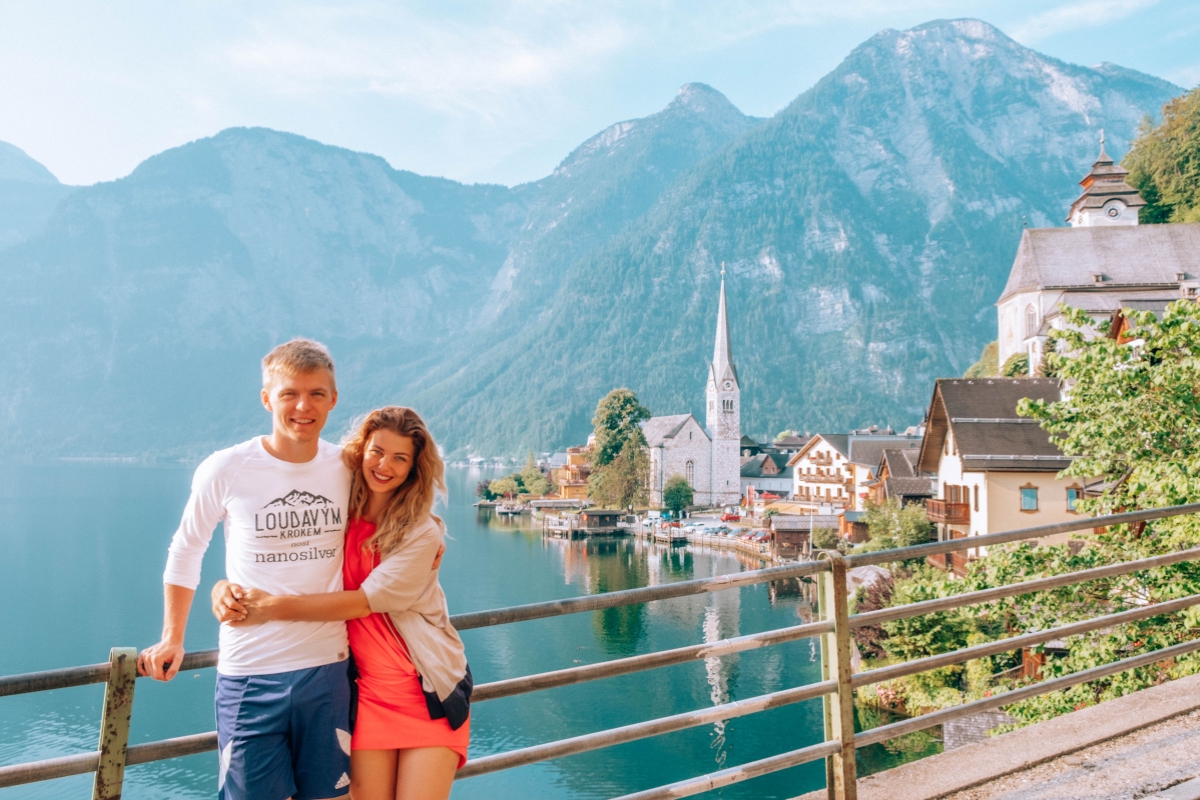
- Hallstatt: Gorgeous but extremely overcrowded — go early morning or outside peak season
- Accommodation: Most expensive in Hallstatt and Innsbruck; best value for money in Wachau and Salzkammergut
- Driving: Watch out for strict speeding fines, low-emission zones, and no-overtaking rules on Alpine roads
The full destination guide: Austria — guide and what to see
When to go on an Austria road trip and how to prepare
Austria is beautiful year-round, but for a road trip by car, the clear winner is May to October. And if you can choose, go for September — the weather is usually stable, temperatures sit at a pleasant 15–22 °C, the tourist crowds thin out, and the landscape starts putting on its autumn colours. We drove this route for the first time in September, and it was absolutely perfect.
July and August work too, but expect hordes of tourists (especially in Hallstatt and Salzburg) and higher accommodation prices. May and June are great for nature — everything’s in bloom, waterfalls are gushing from the spring melt, but some mountain roads (including the Grossglockner) don’t open until late May or early June depending on the snow.
What to avoid: November to March for this particular route. The Grossglockner is closed, many mountain restaurants and huts are shut, and the Salzkammergut without sunshine can feel rather bleak.
How to get to Austria and getting around
Flying from the UK: The easiest option is to fly into Vienna. British Airways, easyJet, Wizz Air and Ryanair all operate regular flights from London, Manchester, Edinburgh and other UK cities. Flight time is around 2–2.5 hours. From Vienna Airport, the city centre is just 20 minutes away, and car hire desks are right in the terminal.
Alternatively, you could fly into Salzburg or Innsbruck if you’d prefer to start your road trip from the west. These airports are smaller but well-connected with flights from the UK.
Motorway vignette (Vignette): You’ll need an Austrian motorway vignette to drive on the motorways. A 1-day vignette costs €8.60, a 10-day one €11.50. Buy it electronically on asfinag.at before your trip — the old paper windscreen stickers are no longer sold.
Car hire: Lukáš and I have had consistently great experiences with DiscoverCars, which we use everywhere around the world. For Austria, I’d recommend a smaller car — parking in Alpine towns is tricky and you’ll appreciate a compact vehicle on those narrow mountain roads. Expect to pay from around €60/day for a small car.
What to watch out for when driving in Austria
This is important, because the Austrians take their traffic rules seriously and the fines are steep:
- Speed limits: 130 km/h on motorways, 100 km/h outside built-up areas, 50 km/h in towns. Some motorway sections have a night-time limit of 110 km/h (22:00–05:00) due to noise — it’s signposted and enforced.
- Speeding fines: Start at €20 for minor offences, but 30 km/h over the limit can easily cost €150+. For extreme speeding, they can actually confiscate your car — yes, really.
- Daytime headlights: Unlike in some European countries, you’re NOT required to use headlights during the day in Austria, but it’s recommended.
- No overtaking in tunnels: Strictly enforced, and there are a lot of tunnels in the Alps.
- Alcohol: The limit is 0.5‰ (lower than the UK’s 0.8‰ limit), and for drivers with less than 2 years’ experience it’s just 0.1‰.
- Winter equipment: If you’re driving in spring or autumn, keep snow chains in the boot — they can be mandatory on mountain passes even in October.
- Grossglockner toll: €41.50 per car. Some other Alpine roads and tunnels have their own tolls on top of the motorway vignette.
Where to stay + how much an Austria road trip costs
Accommodation is by far the biggest expense. Austria isn’t a cheap country, but you can manage it sensibly if you’re not expecting luxury hotels in the centre of Hallstatt. 😅
Rough prices per night for two (double room):
- Vienna: €80–€160 (depends on location, cheaper outside the centre)
- Wachau: €60–€120 (guesthouses and wineries — excellent value)
- Salzburg: €100–€200 (expensive in the centre, look on the outskirts)
- Hallstatt: €120–€280 (one of the priciest spots — book well in advance)
- Salzkammergut: €60–€120 (smaller lakeside towns are much more reasonable)
- Innsbruck: €80–€180 (centre is pricey; alternatively stay in Hall in Tirol)
- Grossglockner/Heiligenblut: €70–€140 (mountain guesthouses)
Budget for a 7-day road trip for two
| Item | Budget |
| Accommodation (7 nights) | €560–€1,120 |
| Car hire (7 days) | €420–€560 |
| Fuel (approx. 850 km) | €100–€140 |
| Motorway vignette (10-day) | €11.50 |
| Grossglockner toll | €41.50 |
| Food and cafés | €280–€560 |
| Tickets and activities | €80–€200 |
| Total | approx. €1,500–€2,630 |
We didn’t scrimp on the road — we ate out in restaurants, had a proper breakfast every morning, and never said no to a coffee and cake in every town (which in Austria is practically a civic duty). If you want to save money, stock up at Billa or Spar supermarkets and stay at guesthouses outside town centres.

Day by day: 7-day Austria road trip
Here’s an overview of the full route day by day. Want more time and to see the Grossglockner, Graz and Wörthersee too? Check out our 14-day Austria road trip version.
| Day | Route and transfer | Where to sleep |
|---|---|---|
| 1 | Arrive in Vienna, city centre and coffee houses | Vienna |
| 2 | Vienna → Wachau Valley (~1.5 h) | Wachau |
| 3 | Wachau → Salzburg (~2.5 h) | Salzburg |
| 4 | Salzburg → Hallstatt (~1.5 h) | Hallstatt |
| 5 | Hallstatt → Salzkammergut — Alpine lakes | Salzkammergut |
| 6 | Salzkammergut → Innsbruck (~2.5 h) | Innsbruck |
| 7 | Innsbruck → Grossglockner High Alpine Road → return | Grossglockner |
Day 1. Vienna — imperial elegance and coffee houses where time stands still

The first day belongs to Vienna, and it’s a day full of walking, coffee, and that peculiar Viennese feeling where you could swear it’s still the 19th century. The city is wonderfully compact for a capital — you can walk past most of the major sights along the Ringstraße.
Start your morning at Café Central — yes, it’s a tourist classic, but for good reason. Vaulted ceilings, marble tables, Viennese strudel and Melange (Vienna’s answer to a cappuccino). Expect a queue at weekends; on a weekday morning it’s perfectly manageable. If you’d prefer a more local atmosphere without the tourist crowds, head to Café Sperl instead — it’s probably our favourite Viennese coffee house. Dark wood, newspapers on sticks, nobody in a rush.
After your coffee, head to St. Stephen’s Cathedral (Stephansdom) — entry to the nave is free, but climb the south tower (343 steps, about €6) for a stunning view over Vienna’s rooftops. It’s worth the burning calves, trust me. 😁 From there it’s a few minutes’ walk to the Hofburg — the enormous imperial palace complex where you could easily spend hours. If you’re short on time, at least visit the Imperial Treasury (Kaiserliche Schatzkammer) — coronation jewels and Habsburg treasures.
For lunch, I’d recommend Figlmüller for their schnitzel (supposedly the best in Austria, and honestly it really is excellent — it hangs over the edge of the plate and is perfectly crispy) or Zum Schwarzen Kameel for Viennese tapas and great wine. If you want something cheaper and more authentic, pop to the Bitzinger Würstelstand by the Albertina — a sausage in a roll and a beer, standing next to smartly dressed people who’ve just come out of the opera. That’s Vienna in a nutshell.
Spend the afternoon at Schönbrunn Palace — the Habsburgs’ summer residence with magnificent gardens (gardens are free, palace from €22). The grounds are vast; walk up to the Gloriette on the hill for a panoramic view over the whole estate and the city beyond. For sunset, head back to the Danube Canal where you’ll find street art, bars, and a relaxed vibe.
Where to stay in Vienna
For one night, I’d recommend the Neubau (7th district) or Josefstadt (8th district) — they’re close to the centre but more reasonably priced and full of cafés and restaurants. We’ve had excellent experiences with the Ruby Marie Hotel (stylish design, great location) or the Hotel & Palais Strudlhof (beautiful Art Nouveau building with a garden and pool).
Day 2. Wachau Valley — vineyards, monasteries and the most beautiful stretch of the Danube
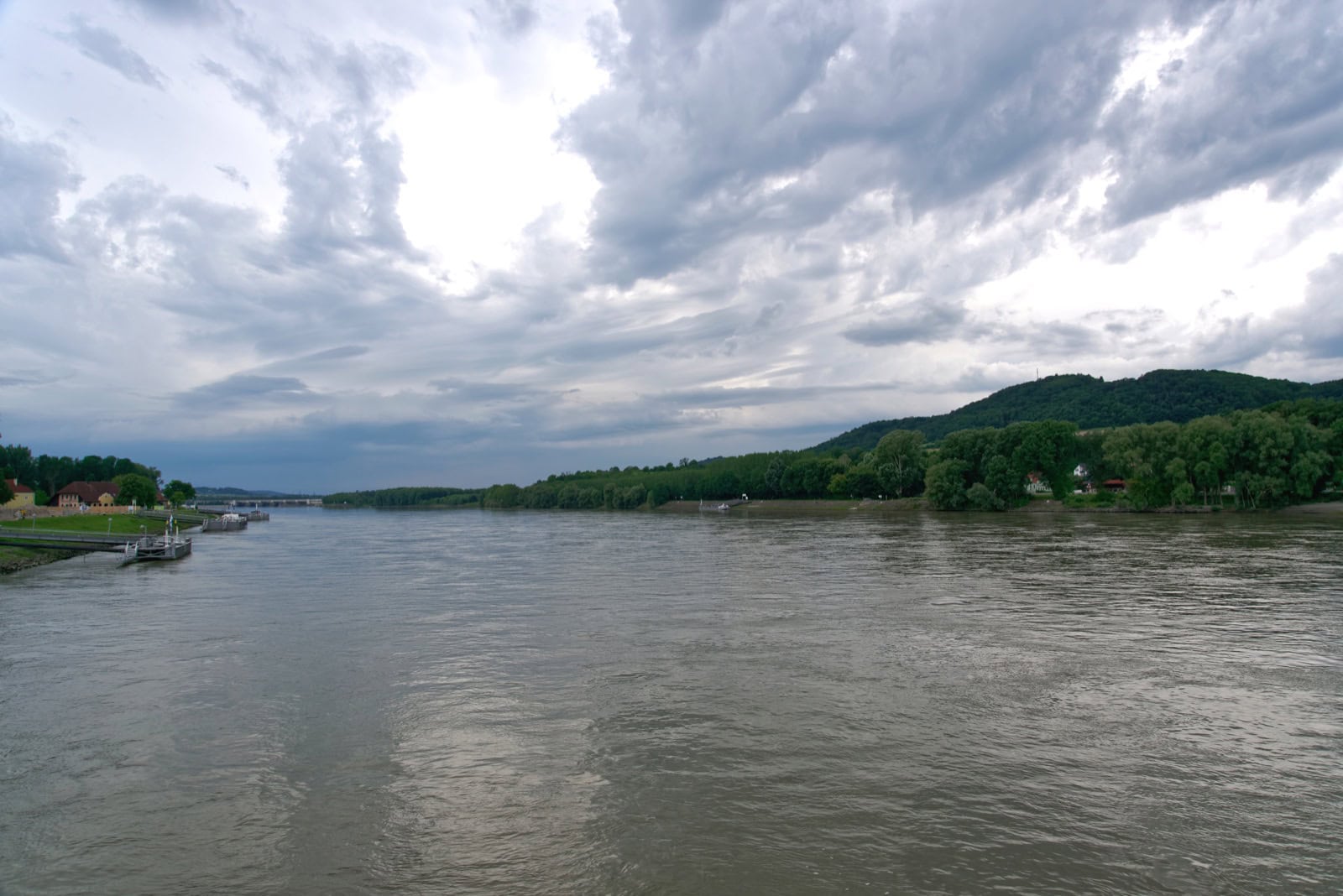
Head west out of Vienna in the morning — you’ve got about an hour and a quarter’s drive to the Wachau Valley, a UNESCO World Heritage Site and one of the most romantic corners of Austria. Picture this: vineyards tumbling down to the Danube, medieval towns with pastel-coloured houses, hilltop monasteries, and apricot trees as far as the eye can see. If you love wine, you’ll love this day. ☺️
First stop: Melk and its enormous Melk Abbey (Stift Melk) — a Baroque gem perched on a cliff above the Danube. The frescoed library is jaw-dropping (entry €15.50). The tour takes about 1.5 hours. The abbey gardens with views over the valley are postcard-perfect.
From Melk, continue along the B33 road along the Danube — this is one of the most beautiful drives in Austria. You’ll pass through vineyards, past castle ruins and picturesque villages. Stop in Spitz an der Donau — a small town overlooking the Danube where I’d recommend a wine tasting at Domäne Wachau or Weingut Prager. The local speciality is Grüner Veltliner — a crisp white wine that tastes exactly like the landscape around it looks.
For lunch, continue to Dürnstein — probably the most photographed town in the entire valley. The blue monastery tower, narrow streets lined with vineyards, and above the town the ruins of a castle where Richard the Lionheart was supposedly imprisoned. Walk up to the ruins (20 minutes, easy climb) — the view over the Danube and vineyards is fantastic. For lunch, I’d recommend Restaurant Loibnerhof (superb local cuisine, the apricot dumpling for dessert is a must) or Alter Klosterkeller right in the centre.
If you have time, stop in Krems as well — a university town with a gorgeous old centre where you’ll find excellent ice cream and the Kunsthalle Krems gallery for modern art lovers.
💡 TIP: Instead of driving, you can do the Melk–Krems stretch by boat along the Danube (DDSG Blue Danube, about 1.5 hours, from €29 one way). It’s slower, but the views from the deck are absolutely worth it. Leave the car in Melk and take the train back.
Where to stay in Wachau
Stay right in the valley — accommodation in guesthouses and wineries is surprisingly affordable and the atmosphere is unforgettable. I’d recommend Hotel & Restaurant Bacher in Spitz an der Donau (excellent restaurant with a Michelin recommendation) or Gartenhotel & Weingut Pfeffel in Dürnstein (right among the vineyards, with a pool and terrace overlooking the Danube).
Day 3. Salzburg — Mozart, The Sound of Music and the best dumplings in the Alps
It’s about 2.5 hours on the motorway from Wachau to Salzburg. I’d recommend leaving early so you have the whole day for Salzburg — and you’ll need it.
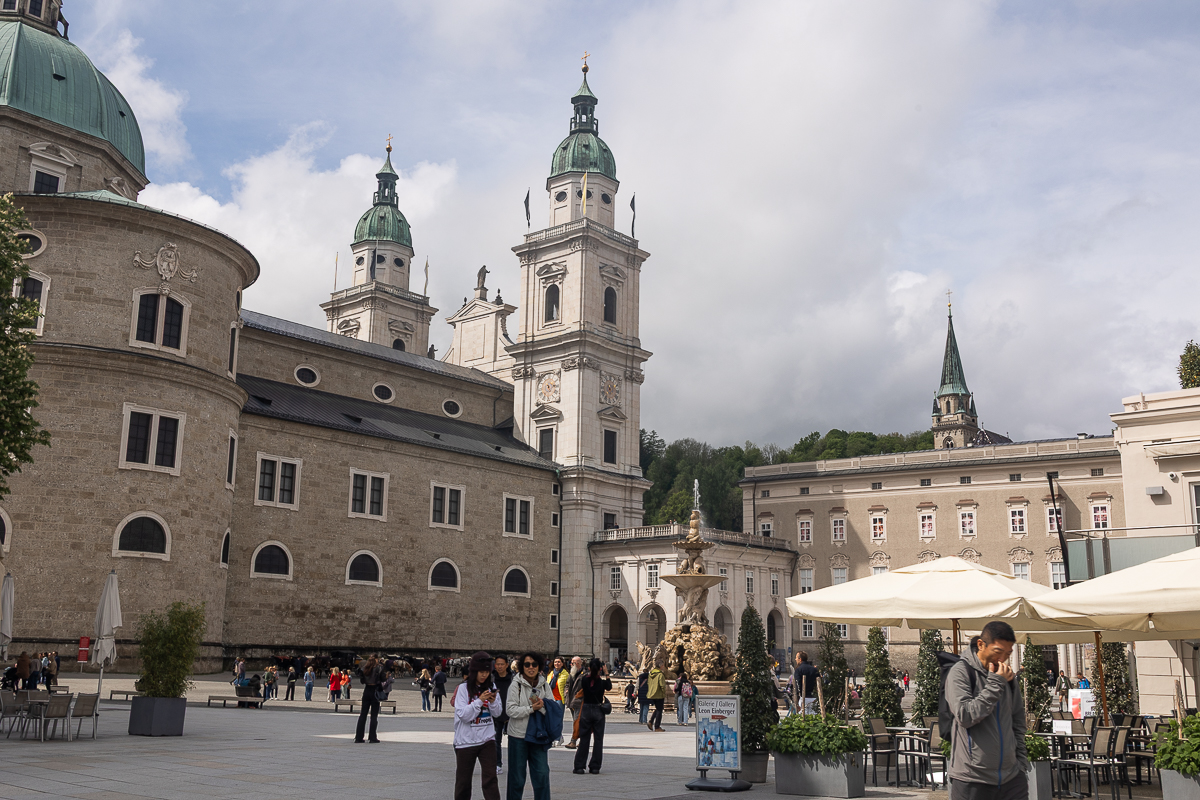
Salzburg is one of those cities where you can just feel that big things happened here. Baroque churches, a fortress on the hill, the Alps as a backdrop, and Mozart around every corner (sometimes literally — street musicians play his compositions non-stop). It’s a compact, walkable city with a unique atmosphere that’s half Italian, half Alpine.
Start on Getreidegasse — the main shopping street of the old town with its famous wrought-iron guild signs. Yes, Mozart’s birthplace is here too (entry €14), but honestly — unless you’re a huge Mozart fan, the interior isn’t really worth it. More interesting is exploring the side alleys — the passageways and courtyards leading off Getreidegasse are full of small shops and galleries.
Walk up (or take the funicular, €14 return) to Hohensalzburg Fortress — one of the largest medieval fortresses in Europe. The view over the city and the Alps from up here is absolutely breathtaking, especially on a clear day. There’s a museum inside, but the main draw is that view.
For lunch, head back down and visit Stiftsbäckerei St. Peter — the oldest bakery in Salzburg (running since 1160!), famous for its fantastic bread and pastries. For a proper meal, I’d recommend Triangel (excellent schnitzel and dumplings, local atmosphere, fair prices) or Zwettler’s on Kajetanerplatz (more upscale, superb Tafelspitz — boiled beef).
In the afternoon, cross to the right bank of the Salzach to Mirabell — the Mirabell Palace gardens are free and Sound of Music fans will recognise them from the “Do-Re-Mi” scene. Continue into the Linzergasse quarter — the less touristy side of Salzburg, full of little cafés and art shops. Climb Kapuzinerberg (the hill with the monastery) — the view of the old town and fortress from here is probably the best in all of Salzburg, and hardly any tourists make the effort.
For coffee and the famous Salzburger Nockerl (a sweet soufflé shaped like three Alpine peaks), head to Café Tomaselli on Alter Markt — the oldest coffee house in Austria. The portion is enormous — easily shareable between two.
If you’re into modern art, the Museum der Moderne on the Mönchsberg is worth a visit — the building itself is an architectural gem and the terrace view is a bonus.
For more Salzburg tips, check out our article Salzburg, Austria: What to See and Do.
Where to stay in Salzburg
Salzburg’s centre is pricey, but it’s worth being within walking distance of the old town. A good area is Neustadt (right bank) — more reasonably priced and just a few minutes’ walk from the main sights. I’d recommend Hotel am Mirabellplatz (excellent location by the Mirabell Gardens) or Arthotel Blaue Gans in the old town (design hotel in a historic building, a bit pricier but stunning). To save money, look for accommodation in Kasern or Aigen — quieter neighbourhoods with public transport links to the centre.
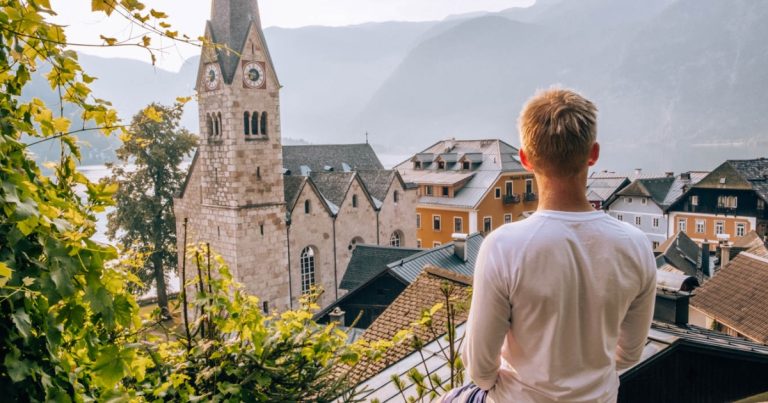
Day 4. Hallstatt and Lake Hallstätter See — a photogenic gem (and how to survive the crowds)
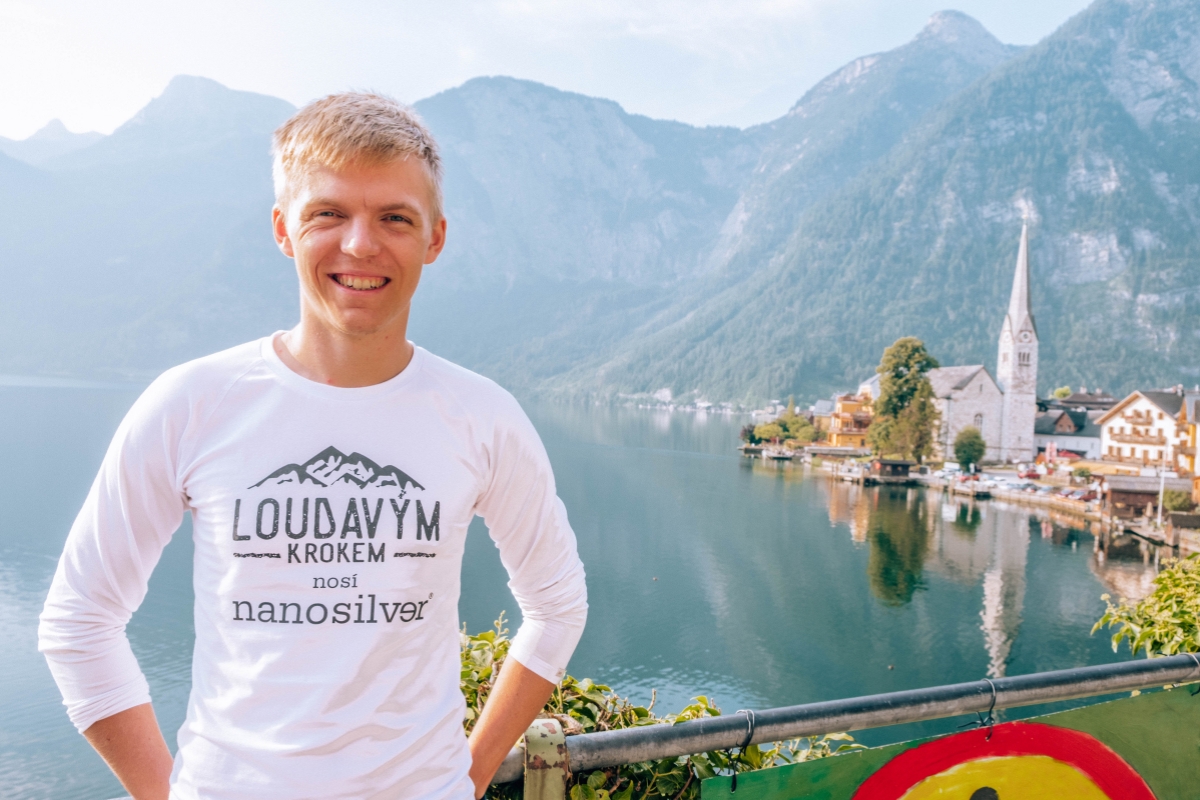
It’s about 1.5 hours from Salzburg to Hallstatt, and the drive is gorgeous — you pass lakes and Alpine meadows. Then you round a bend, the lake appears below, and there on its shore is that famous little town, and… well, you’ll understand why it’s one of the most photographed places on the planet.
BUT. I have to be honest: Hallstatt is a victim of its own beauty. In peak season, thousands of visitors pour in every day (especially in summer when entire coach loads arrive), the town is tiny, and the streets are so narrow that in places you can barely squeeze past each other. Since 2020 they’ve been limiting tourist coaches, but it’s still intense.
How to actually enjoy Hallstatt:
- Get there early — aim to arrive by 8:00 when the town is nearly empty and the morning mist over the lake creates a magical atmosphere
- Or go late afternoon — the coaches leave around 16:00–17:00 and the town empties out dramatically
- Outside peak season (September–October) is incomparably better
Stroll along the main lane by the lake, stop at the famous “postcard view” by the evangelical church (the one with the red roof you know from Instagram), and continue to the Beinhaus (charnel house) in the parish church — a collection of painted skulls, a bit morbid but fascinating (entry €2).
The main attraction (besides the town itself) is Salzwelten Hallstatt — the world’s oldest salt mine, where salt has been mined for over 7,000 years. The funicular ride up to the mine plus the tour takes about 2 hours (entry €40 including funicular). Inside there’s a wooden slide and an underground lake — sounds touristy, but it’s genuinely brilliant, even for adults.
For lunch, I’d recommend Restaurant zum Salzbaron (local cuisine, the lake trout is excellent) or grab a simple Leberkäse (a type of meatloaf) from one of the street stalls. For a more upscale experience, Seehotel Grüner Baum has a restaurant right on the water.
In the afternoon, drive around the lake (or part of it) and stop at the 5 Fingers viewing platform at the Krippenstein cable car (cable car approx. €38 return) — five steel fingers jutting out over the void with views of Hallstätter See and the Dachstein. The sight is genuinely breathtaking. 😅
💡 TIP: Parking in Hallstatt is limited and expensive. Park at car park P1 at the entrance to town (about €10/day) and walk to the centre (5 minutes).
Where to stay in Hallstatt and surroundings
Accommodation in Hallstatt itself is expensive and scarce — book at least 2–3 months in advance. If you want that magical early-morning Hallstatt atmosphere without the crowds, it’s worth staying overnight — I’d recommend Heritage Hotel Hallstatt (historic building right on the lake) or Brauhaus Hallstatt (stylish, with its own restaurant). A more affordable option is staying in Obertraun (5 minutes by car), where you’ll find lovely guesthouses at half the price.
Day 5. Salzkammergut — a lake paradise that doesn’t get enough attention
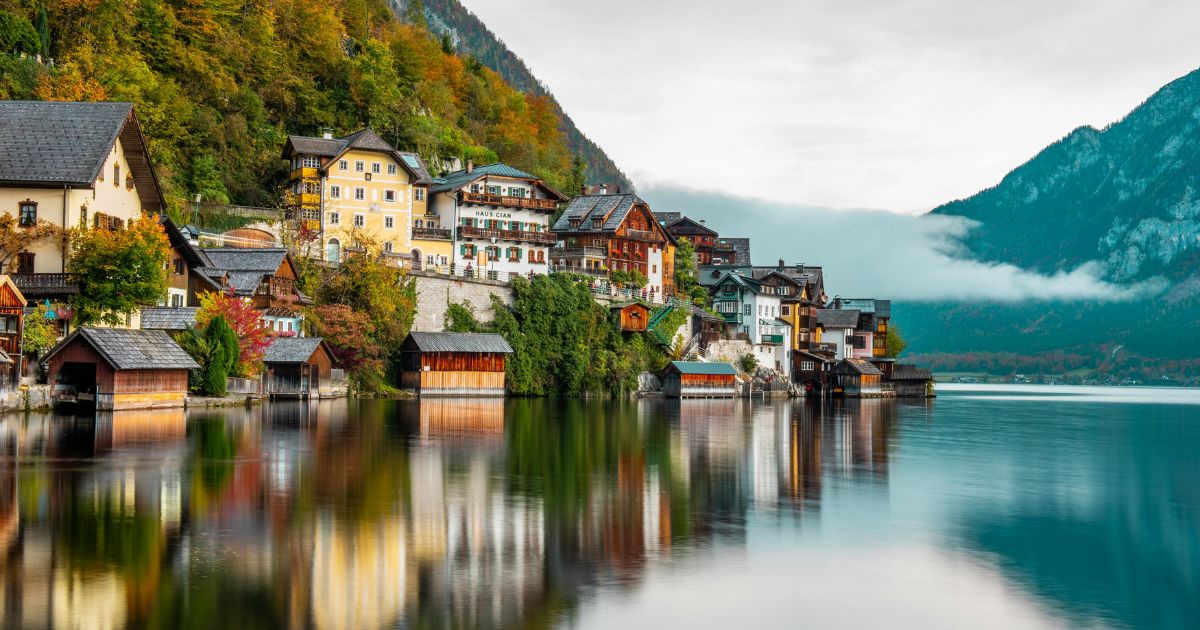
The Salzkammergut is probably our favourite region in all of Austria, and honestly — it deserves more than just one day. But even in a single day, you can get a taste of the magic. It’s a land of dozens of lakes, green mountains, family-run guesthouses with geraniums on the balconies, and absolute peace. This is where Austrians spend their own holidays, and that tells you something.
In the morning, head from Hallstatt to Lake Wolfgangsee (40 minutes). The town of St. Wolfgang is straight out of a postcard — a church by the lake, waterfront cafés, and the Schafbergbahn — a cog railway that takes you to the summit of Schafberg (1,783 m). The ride takes 40 minutes and the view from the top over seven Salzkammergut lakes is absolutely phenomenal (return ticket €48, runs May–October). I’d recommend catching the first morning service to avoid the queues.
From St. Wolfgang, continue to Lake Mondsee (30 minutes) — this is where the wedding scene from The Sound of Music was filmed in the local basilica. The lake is slightly warmer than the surrounding ones and has lovely swimming bays. For lunch, I’d suggest Restaurant Seecafé Mondsee (right on the lake, excellent fish) or Gasthof Drachenwand (traditional Austrian cuisine, homemade dumplings).
In the afternoon, stop at Lake Attersee — the largest lake in the Salzkammergut with crystal-clear turquoise water. Gustav Klimt painted here, and when you see the colour of the water, you’ll understand why. Stop in the towns of Unterach am Attersee or Nussdorf — swimming, a stroll along the shore, coffee with a view.
If you enjoy hiking, I’d recommend the trail around Lake Fuschlsee (9 km, about 2.5 hours) — a smaller, lesser-known lake with crystal-clear water and beautiful forests. Or a shorter hike up Zwölferhorn above St. Gilgen (cable car up, walk down, about 2 hours).
For more on Austrian lakes, check out our article Austrian Lakes: A Guide to the Most Beautiful Ones.
Where to stay in Salzkammergut
The Salzkammergut offers brilliant accommodation at fair prices, especially in the smaller towns. I’d recommend Landhotel Lackner in St. Wolfgang (family hotel with a pool and lake views) or Seehotel Billroth on the shores of Wolfgangsee (right on the water, with its own beach). For a budget option, look for guesthouses (Gasthöfe) around Mondsee or Attersee — double rooms from around €70 per night.
Day 6. Innsbruck — the capital of the Alps (and the best strudel in Tyrol)
It’s about 2.5 hours on the motorway from the Salzkammergut to Innsbruck, but the drive takes you through mountain passes and Alpine valleys — so boredom is definitely not on the cards.
Innsbruck surprised us more than we expected on our first visit. It’s a modern, lively university city, yet it feels like you’re standing right beneath the Alps — because you literally are. The mountains are so close they seem to tumble straight into the streets.
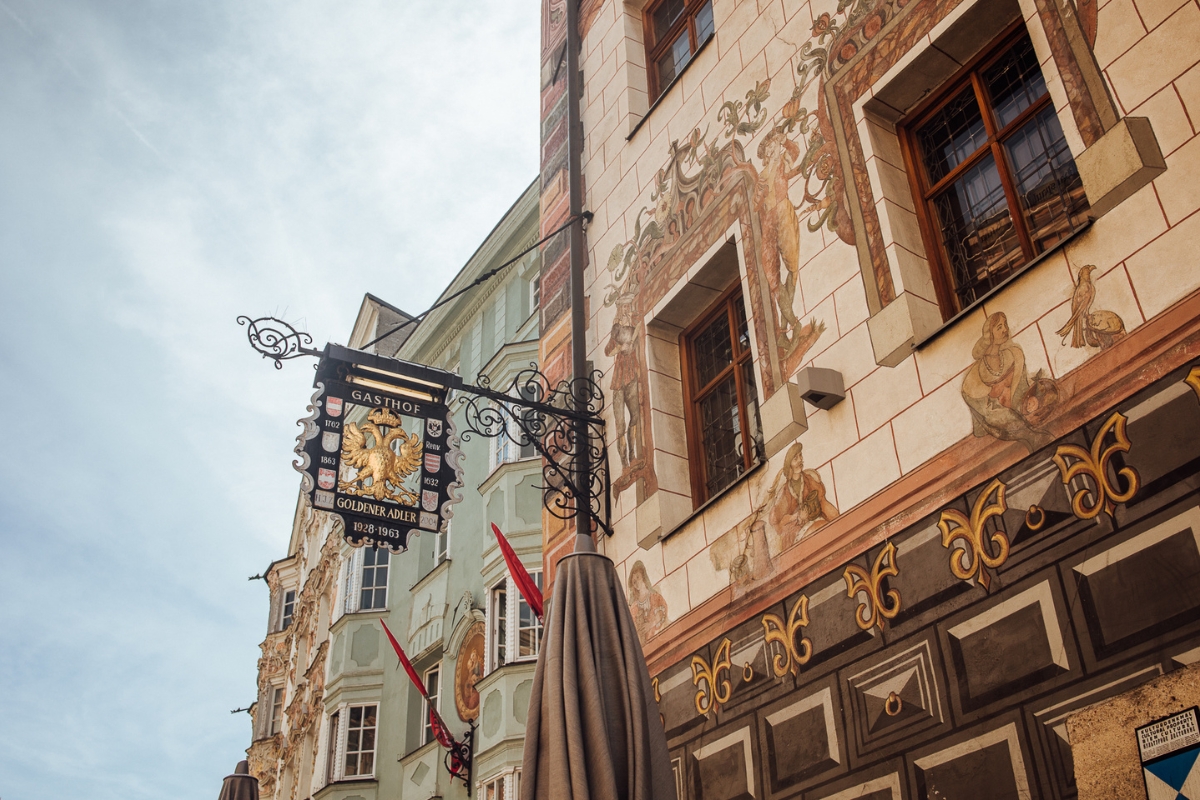
Start in the historic centre on Herzog-Friedrich-Straße — a narrow medieval street with arcades and the famous Golden Roof (Goldenes Dachl). It’s a small balcony covered with 2,657 gilded copper tiles and it’s the symbol of Innsbruck. Honestly — it’s smaller than you’d expect, but still lovely. 😅 The museum underneath (€5.50) isn’t really worth the visit.
The absolute must-do in Innsbruck is the Nordkette — the mountain ridge directly above the city, accessible by cable car from the centre. Three sections whisk you from 600 m to 2,300 m above sea level in 20 minutes (return €41, or €53 with the Innsbruck Card). At the top, the Hafelekar station offers views on one side over the city and on the other into the wild Karwendel range — mountains as far as the eye can see. We stood up there and couldn’t move. That’s a “wow moment” if ever there was one.
For lunch, head back down to town. I’d recommend Gasthaus Goldenes Dachl (traditional Tyrolean Tiroler Gröstl — a pan-fried dish with potatoes, meat and egg) or Stiftskeller (a monastery restaurant with a beautiful garden and excellent wine). For coffee and the best strudel in town, head to Strudel Café Kröll — they make it right in front of you, and it’s crispy, warm, with ice cream… 🤤
In the afternoon, walk along the banks of the River Inn — the colourful houses along the river (Mariahilf) are the most photographed scene in Innsbruck. If you have time, Ambras Castle is worth a visit (4 km from the centre, entry €16) — a Renaissance castle with a curiosity collection and beautiful gardens.
Where to stay in Innsbruck
Central Innsbruck is compact and accommodation is pricey. A great alternative is the town of Hall in Tirol (10 minutes by car) — a beautiful medieval centre, considerably cheaper accommodation, and arguably a nicer atmosphere than central Innsbruck. In the centre, I’d recommend Nala Individuell Hotel (design hotel, great location) or Hotel Weisses Kreuz (historic hotel right in the centre where Mozart allegedly slept — but then, who in Austria hasn’t? 😁). In Hall, the Parkhotel Hall is excellent.
Day 7. Grossglockner — the most beautiful road in the Alps (and a grand finale)
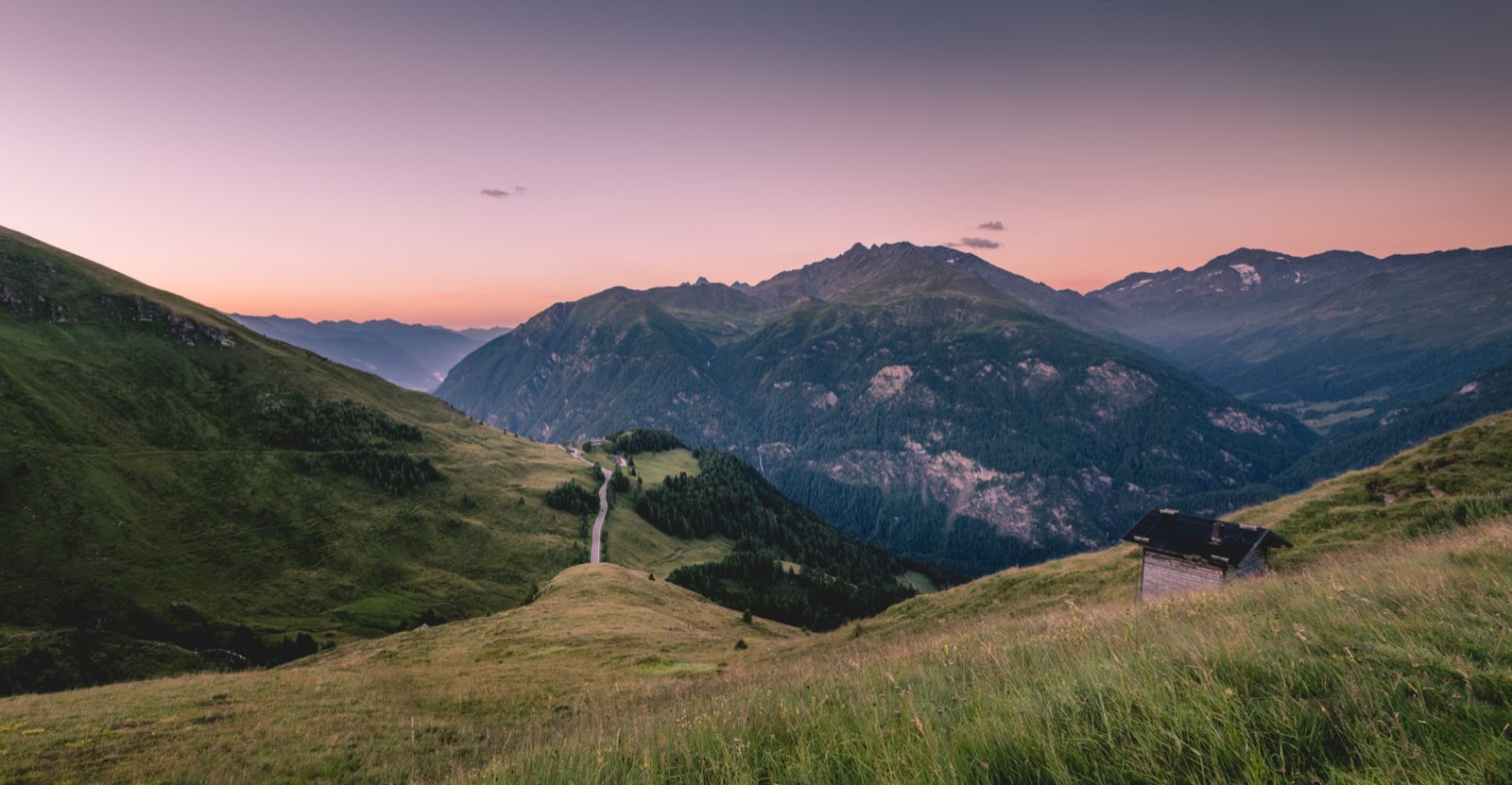
We saved the absolute best for last. The Grossglockner High Alpine Road (Hochalpenstraße) is probably the most beautiful road we’ve ever driven. And we’ve driven a fair few. It’s a 48 km Alpine road that climbs to 2,504 metres, weaving between glaciers and snow-capped peaks, offering views so stunning they almost hurt your eyes. I’m genuinely not exaggerating.
From Innsbruck to Heiligenblut (the southern entrance to the Grossglockner) is about 2.5 hours. Leave as early as possible — in season, queues build up on the road and the viewpoints at Edelweißspitze and Kaiser-Franz-Josefs-Höhe get packed.
Toll: €41.50 per car. Paid at the entrance, card payment accepted.
The road is open usually from early/mid-May to the end of October, depending on snow conditions. Check the current status at grossglockner.at.
Key stops along the route (from south):
Heiligenblut — a charming mountain village with an iconic church whose spire rises against the snowy peaks. Have breakfast here — Café-Restaurant National Park Lodge has a view that’ll make your coffee go cold because you can’t stop staring.
Kaiser-Franz-Josefs-Höhe (2,369 m) — the main viewing point with views of Pasterze, Austria’s largest glacier, and Grossglockner (3,798 m) itself — Austria’s highest peak. There’s a museum, a restaurant, and several short trails. Sadly, the glacier is retreating year after year — just a few years ago it extended hundreds of metres further. It’s sobering, but all the more reason to see it.
Edelweißspitze (2,571 m) — a short detour from the main road to the highest point you can drive to. A 360° view — on a clear day you can see over 30 peaks above 3,000 metres. This is the spot where Lukáš and I stood and couldn’t believe our own eyes. The wind in your face, snow and rock all around, and you feel like you’re on the roof of the world.
Hochtor (2,504 m) — the tunnel at the highest point of the main road. Stop at the car park before the tunnel — there’s a short trail with information boards about the road’s history and geology.
Fuscher Törl — a viewpoint with a chapel and gorgeous views into the valley. A good spot for a quick stop and photos.
You can comfortably drive the entire road from south to north (or vice versa) in 3–4 hours (including stops for views and photos), but I’d recommend setting aside the entire morning and afternoon — you’ll want to stop at every bend. If you enjoy hiking, from Kaiser-Franz-Josefs-Höhe there’s the Gamsgrubenweg — an easy trail through tunnels in the rock with views of the glacier (1 hour round trip).
In the afternoon, descend the northern side to Zell am See (about 45 minutes from Ferleiten), where you can end your road trip with a swim in the lake or a coffee on the promenade. Alternatively, continue to Salzburg (1.5 hours from Zell am See) to catch your flight home.
💡 TIP: If the weather is overcast or rainy, the Grossglockner isn’t worth it — the whole point is those views. Better to swap your days around or wait it out. Check high-altitude forecasts at zamg.ac.at.
Where to stay (if you need one more night)
If you’d like to split Day 7 into two parts (or have a flight the next day), stay in Heiligenblut — Chalet Hotel Senger is a gorgeous Alpine hotel with views of the Grossglockner, an excellent restaurant, and wellness facilities. Or in Zell am See — Hotel Neue Post right in the town centre by the lake.
Map of points of interest for your phone
Practical tips to finish
What to pack
For a summer Austria road trip, pack in layers — it can be 28 °C in the valleys and 5 °C with wind on the Grossglockner at 2,500 metres. Definitely bring a fleece, a windproof jacket, comfortable hiking shoes (check out our tried-and-tested recommendations in our article Hiking Boots) and a rain jacket. For the mountain lakes, pack swimwear — even in summer the water is bracing, but refreshing. 😅 And if you want to fit everything into hand luggage, have a look at our guide How to Pack in Carry-On Only.
Finding flights
For cheap flights from the UK to Austria, check Skyscanner or Google Flights. British Airways, easyJet, Wizz Air and Ryanair all fly to Vienna from various UK airports, often with fares from as little as £20 one way. Salzburg and Innsbruck are also well-connected options if you’d prefer to skip the Vienna leg.
Travel insurance
For a week-long road trip in Austria, standard travel insurance will do the job. For shorter European trips, we tend to use a basic policy, and for longer adventures we go with True Traveller — you can read our full review in the article SafetyWing Review. Make sure your policy covers activities like hiking at altitude if you’re planning mountain walks.
eSIM and internet
If you have a UK mobile plan, be aware that since Brexit, roaming charges may apply in Austria depending on your provider. Check your plan details before you go. If you need extra data or want a hassle-free option, have a look at our Holafly review — an eSIM that gives you unlimited data across Europe without worrying about roaming.
Download offline maps
💡 TIP: Download offline maps in Google Maps for the entire route — signal drops frequently in the mountains and tunnels. Before you leave, download the Vienna, Upper Austria, Salzburg and Tyrol regions.
Frequently asked questions about an Austria road trip
Before you set off, here are answers to the questions our readers ask most often about a 7-day Austria road trip.
When is the best time for an Austria road trip?
The best time is May to October. For the complete route including the Grossglockner, we’d recommend September — stable weather, fewer tourists, lower accommodation prices, and beautiful autumn colours. The Grossglockner High Alpine Road is usually open from mid-May to the end of October.
Where to go in Austria for nature?
Austria is a paradise for nature lovers. On this route, the best natural experiences are in the Salzkammergut (lakes, mountains, trails), on the Grossglockner (Alpine panoramas, glaciers), and around Innsbruck (Nordkette, Karwendel). For day hikes, I’d recommend climbing the Schafberg in St. Wolfgang, the 5 Fingers viewpoint above Hallstatt, or the Gamsgrubenweg at the Pasterze glacier.
What to watch out for when driving in Austria?
Mainly the strict enforcement of speed limits — fines are hefty and speed cameras are common. Don’t forget the electronic motorway vignette (Vignette), which you should buy online in advance. Drive slowly and carefully on Alpine roads, and overtaking in tunnels is strictly forbidden. Some mountain roads (including the Grossglockner) have separate tolls on top of the motorway vignette.
What should I know before travelling to Austria?
Beyond the driving rules, keep in mind: restaurant prices are higher than you might expect (main courses €15–€25), tipping 5–10% is customary, most shops are closed on Sundays (stock up on Saturday!), and popular spots like Hallstatt have very limited parking — arrive early in the morning.
How much does a 7-day Austria road trip cost for two?
A realistic budget for two is €1,500–€2,630 excluding flights. The biggest expense is accommodation (€560–€1,120 for 7 nights) and car hire (€420–€560 for 7 days). You can save on food and activities by shopping at supermarkets and choosing free viewpoints and hiking trails.
Is 7 days enough for an Austria road trip?
Seven days is a good minimum for this route, but honestly — 10 days would be ideal. With 7 days, the pace is fairly brisk and you’ll wish you had more time at some stops (especially the Salzkammergut). If you only have 7 days, consider cutting one stop (for example Wachau) and giving yourself more time for the rest.
Do I need a car in Austria, or are trains enough?
For the cities (Vienna, Salzburg, Innsbruck), trains work brilliantly — Austria’s ÖBB network is reliable and comfortable. But for Hallstatt, the Salzkammergut, Wachau, and especially the Grossglockner, a car is practically essential. Without one, you’d miss the most beautiful parts of the route — mountain roads, viewpoints, and spontaneous stops by the lakes. For this particular itinerary, we’d definitely recommend hiring a car.
Tips and Tricks for Your Vacation
Don’t Overpay for Flights
Search for flights on Kayak. It’s our favorite search engine because it scans the websites of all airlines and always finds the cheapest connection.
Book Your Accommodation Smartly
The best experiences we’ve had when looking for accommodation (from Alaska to Morocco) are with Booking.com, where hotels, apartments, and entire houses are usually the cheapest and most widely available.
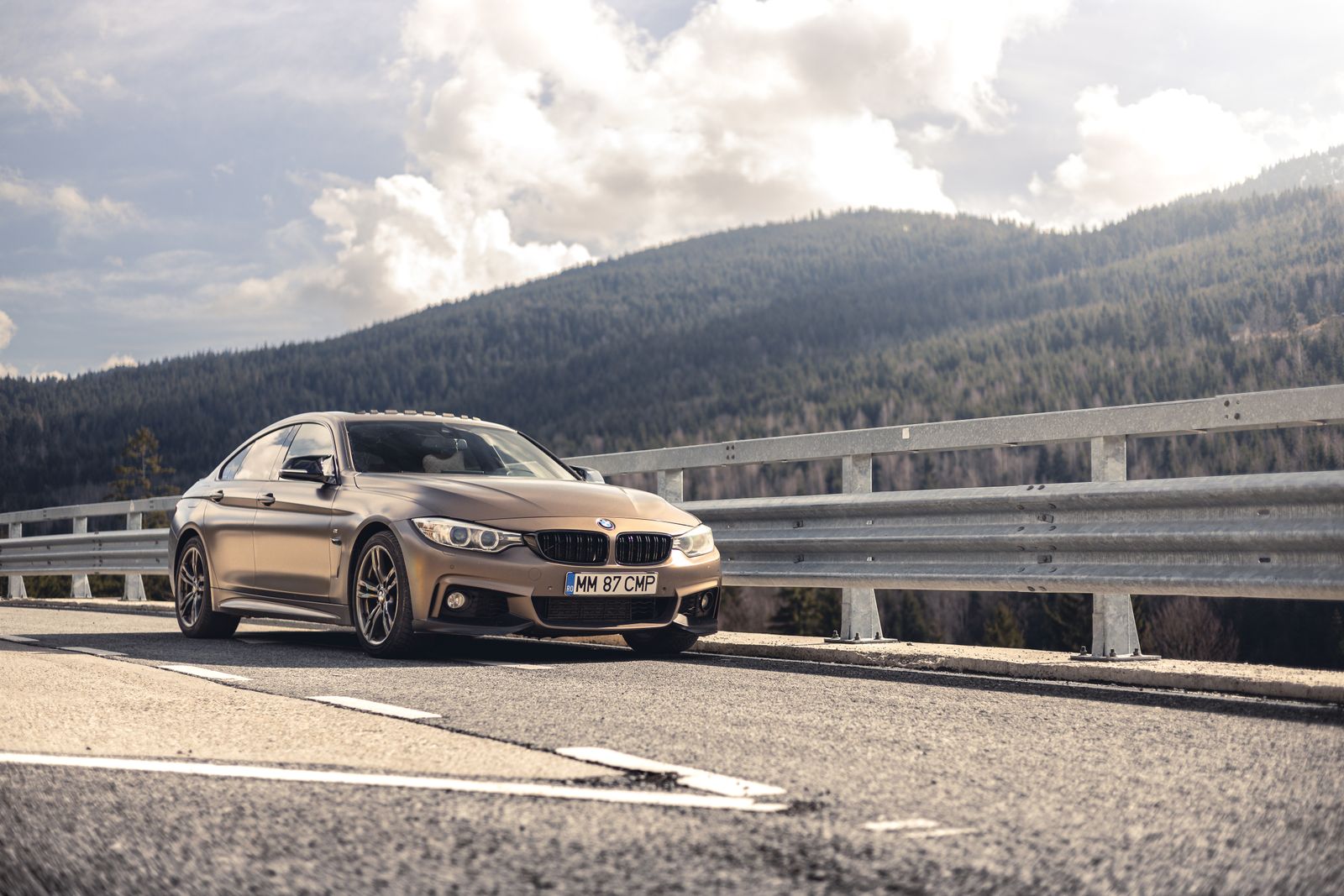 🚗 Car rental on the roadVerified rental cars in Austria
Search with the DiscoverCars comparison engine — it compares prices from dozens of local and international rental companies, and most bookings come with free cancellation.
Compare car prices in Austria →Don’t Forget Travel Insurance
Good travel insurance will protect you against illness, accidents, theft, or flight cancellations. We’ve had a few hospital visits abroad, so we know how important it is to have proper insurance arranged.
Where we insure ourselves: SafetyWing (simple monthly subscription) and TrueTraveller (for extra-long trips).
Find the Best Experiences
Get Your Guide is a huge online marketplace where you can book guided walks, trips, skip-the-line tickets, tours, and much more. We always find some extra fun there!