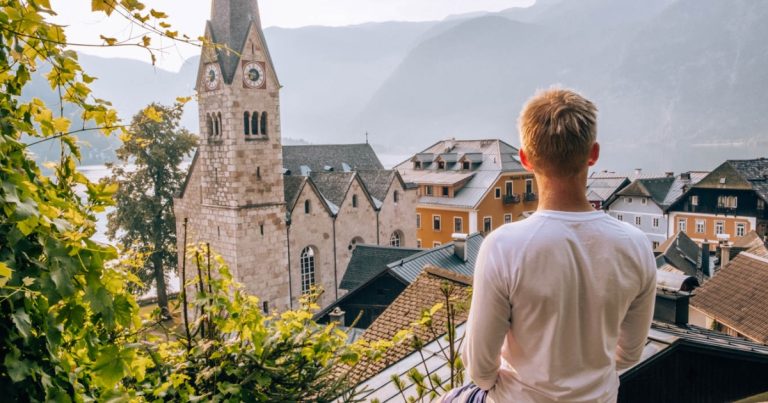
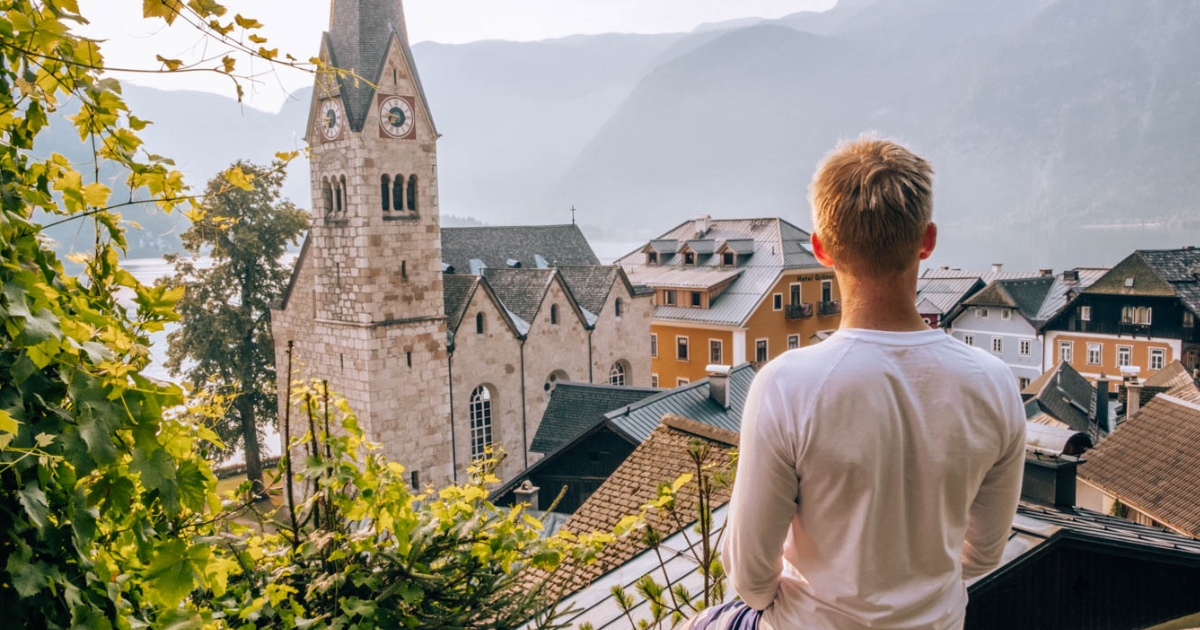
I still remember the moment when Lukáš and I finally dismounted our bikes after a long ride along the lakeshore and this famous Austrian village appeared before us. Hallstatt Austria has a peculiar magic about it that instantly pulls you into a fairy tale — only to snap you right back to reality with hordes of tourists clutching their phones. The quaint wooden houses cling to a narrow strip of land between steep mountains and the dark water surface, and this stunning contrast of rugged Alpine nature and romantic architecture works its charm on absolutely every visitor. When we later tucked into a huge plate of delicious cheesy Käsespätzle at one of the local pubs and watched the bustle outside, I realised just how much this place is at the mercy of the elements — and understanding the Hallstatt Austria weather is key to planning the perfect trip.
We discovered that the weather in Hallstatt can be remarkably unpredictable, and the month you choose for your visit makes a huge difference. Tucking into a hot apple strudel while mysterious fog descends over the lake is incredibly romantic, but getting caught in a summer downpour dampens the excitement somewhat 😅. If you’re planning your dream trip and wondering when to visit Hallstatt so you can enjoy those picturesque lanes at their best while dodging the worst of the crowds, I’m happy to share what I’ve learned first-hand. Let’s take a look at what each season brings, what to pack, and why you should seriously consider staying overnight.
TL;DR
- The best months for a slightly quieter visit are May and September — the weather is pleasant and the crowds are noticeably thinner than in the height of summer.
- The local mountain climate is surprisingly rainy, so a waterproof jacket will come in handy even in the middle of July.
- To dodge the biggest crowds, hit the lanes early in the morning before 9 a.m. or stroll along the waterfront in the late afternoon once the tour coaches have left.
- A white winter wonderland is by no means guaranteed in the village — snow at this altitude often melts quickly, and there may be none on the ground during Advent.
- Swimming in the glacial lake is strictly for the hardy, although water temperatures can creep up to a more bearable 20 °C in July and August.
- Definitely steer well clear of summer weekends around midday, when the tiny village is bursting at the seams with day-trippers.
The full destination guide: Austria — guide and what to see
Hallstatt Austria Weather by Month: Temperatures, Rainfall and Snow
Before you start packing your bags, it’s worth knowing exactly what the Hallstatt weather has in store for you. The local climate is typically Alpine, with an annual average of just 4.6 °C — quite different from what you’d experience in most of the UK. The table below gives you a clear overview of the monthly averages so you can gauge whether you’ll be greeted by warm sunshine or frosty mountain mornings.
| Month | Day max °C | Night min °C | Rainfall / rainy days | Sun h/day | Snow |
| January | -1 | -9 | 117 mm / 15 days | 4 | Snow season, often white |
| February | 0 | -8 | 106 mm / 13 days | 5 | Most days with snowfall |
| March | 4 | -5 | 110 mm / 12 days | 5 | Snow melting, still present |
| April | 8 | -1 | 120 mm / 12 days | 6 | Occasional |
| May | 12 | 3 | 150 mm / 16 days | 6 | No |
| June | 18 | 7 | 210 mm / 16 days | 6 | No |
| July | 19 | 9 | 190 mm / 17 days | 6 | No |
| August | 20 | 9 | 175 mm / 14 days | 6 | No |
| September | 15 | 5 | 130 mm / 11 days | 5 | No |
| October | 11 | 2 | 110 mm / 9 days | 4 | Rarely |
| November | 5 | -2 | 100 mm / 9 days | 3 | First snow possible |
| December | 0 | -6 | 115 mm / 13 days | 2 | Frequent snowfall |
Look a little more closely at the numbers and you’ll probably be surprised by just how rainy this famous village really is. Around 1,800 mm of precipitation falls here each year — roughly three times as much as London — and paradoxically it’s the summer months, particularly June, that tend to be the wettest. Even if you visit in the middle of summer, don’t expect sweltering heat: daily highs in July and August hover around a pleasant 19–20 °C. It’s essentially the perfect Alpine climate for anyone who can’t stand oppressive summer heat, but it does mean you need to be prepared for unexpected rain showers at any time.
Another characteristic phenomenon — and one I personally love watching while travelling — is the thick morning mist that lazily rolls over the lake surface. These mists appear mainly in autumn and winter, creating an absolutely dreamlike atmosphere for your photos, although they can hide the surrounding majestic peaks for several hours. The coldest period is undoubtedly January, when daytime temperatures barely scrape above zero and nights can plunge to minus nine, so seriously warm clothing is an absolute must.
When to Visit Hallstatt by Trip Type
Everyone looks for something slightly different when they travel, so the ideal time to visit Hallstatt largely depends on your personal preferences and planned activities. Some people crave perfect crowd-free photos, while others want a proper mountain hike or to explore the dark caves in the surrounding limestone massifs.
Best Time for Photos and Crowd-Free Strolls
If you want to fully soak up the authentic, undisturbed atmosphere, I’d recommend planning your trip for the quieter off-season — think November, January, February, or early March. During these months the narrow lanes are beautifully deserted and you can admire the carved wooden balconies of the old houses in complete peace, without having to dodge someone at every step. May and September offer an excellent compromise: the weather is pleasant enough for longer spells outdoors, yet you still largely avoid the extreme crowds that the peak summer season inevitably brings.
Best Time for Hiking and Mountain Excursions
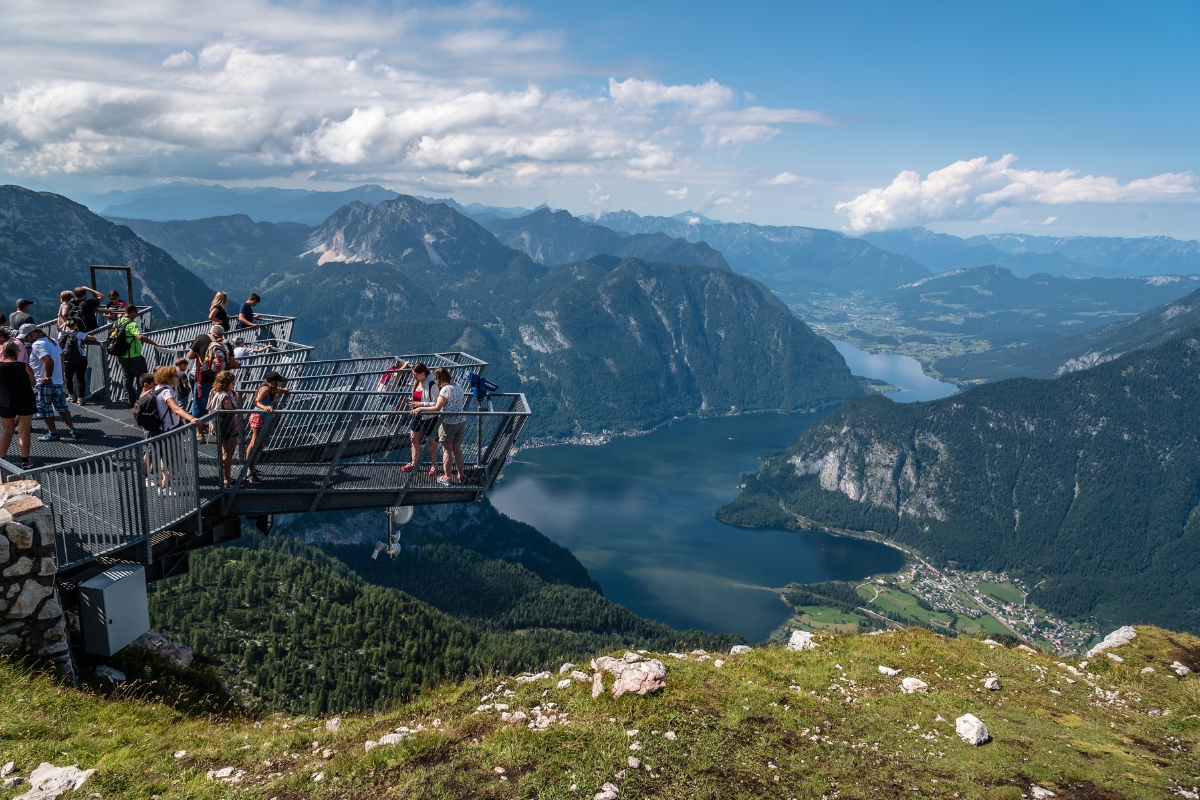
Tackling the surrounding mountain trails and discovering the breathtaking natural beauty of the Salzkammergut region is best enjoyed from late May through to September. During this period all local attractions are fully operational, including cable cars and viewing platforms, so you can easily get high above the village and take in spectacular panoramic views. Just always bear in mind that mountain weather can change in a matter of minutes — carry spare dry layers even on days when there isn’t a single cloud in the morning sky.
Winter and Advent in Hallstatt
The winter months have their own unique, unmistakable charm — especially when Christmas is approaching and the streets are filled with the scent of hot punch and freshly baked treats. The busiest Advent day tends to be 8 December, an Austrian public holiday, when a popular Christmas market takes over the village and the whole area turns into one big festive gathering. I do need to warn you about one common misconception, though: a thick blanket of Hallstatt snow by the lake is far from guaranteed. Snow does fall, but at an altitude of around 508 metres it often melts quickly, so those picture-perfect snowy scenes are somewhat down to luck ☺️. If you’re after proper winter sports and want to go skiing, head to nearby Dachstein Krippenstein in Obertraun, just across the lake — home to the longest ski run in all of Austria — since Hallstatt itself isn’t a ski resort.
What to Avoid
I would wholeheartedly advise you to avoid weekends in the middle of July and August, especially between roughly 10 a.m. and 4 p.m. During this window, the tiny Marktplatz square and the main lane become a genuine human traffic jam — at peak times up to ten thousand visitors descend on the village each day, a large proportion of them on organised coach tours stopping for a quick photo. This massive tourism boom is partly fuelled by the popular belief that the fairy-tale village was the inspiration for the kingdom of Arendelle in Disney’s Frozen, which draws endless families and enthusiastic fans from around the world — even though the filmmakers never officially confirmed it.

How to Avoid Crowds in Hallstatt
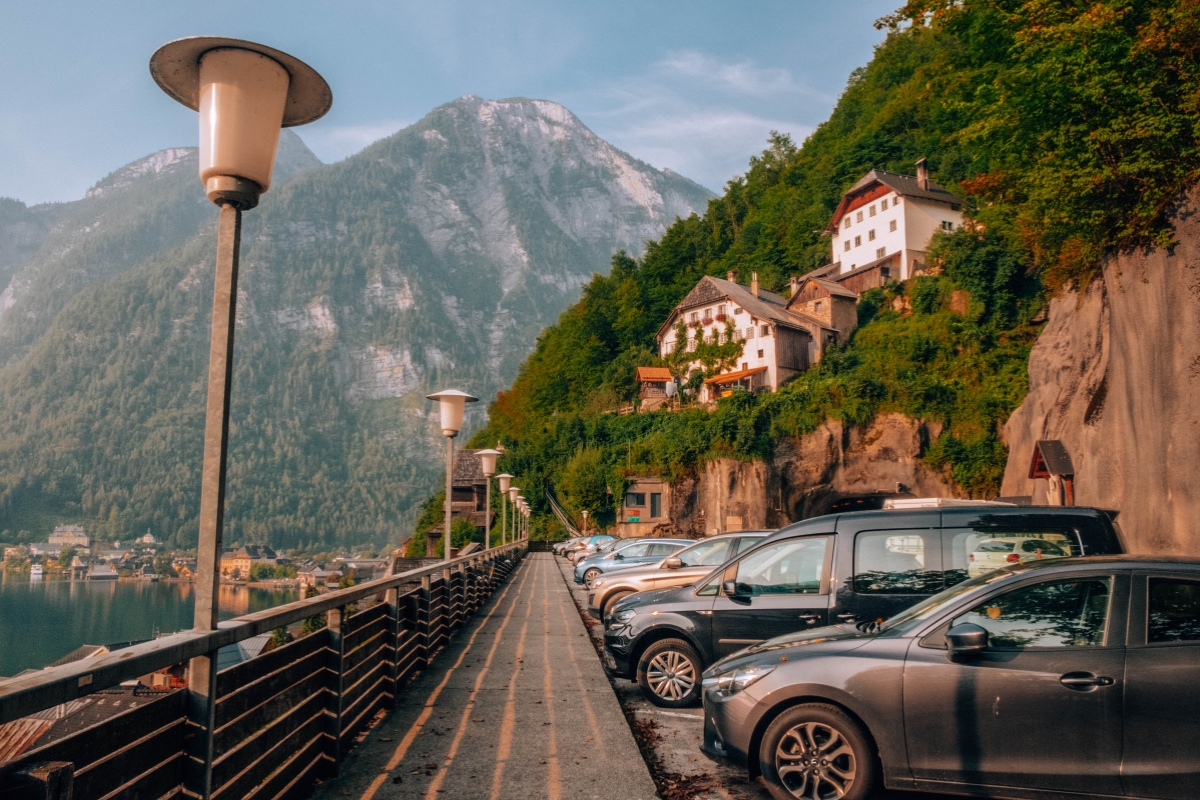
Once you’ve decided to visit this absolutely gorgeous place, there are several reliable tricks for enjoying it in relative peace, even during the busier months. The single best strategy is simply to get up early and head out for a long walk before 9 or at the very latest 10 in the morning. At that hour the morning sunshine is just creeping over the majestic peaks, swans glide lazily across the water, and you feel as though the sleepy village belongs entirely to you. As soon as the first huge tour coaches start pulling into the nearby car park, it’s time to retreat — perhaps on a longer hike into the hills, or to a tucked-away restaurant away from the centre for some excellent apricot dumplings.
Your second great chance for quieter lanes is late afternoon, roughly after 4 or 5 p.m., when most organised groups pack up and head off to their next destination. The absolute best option, though — and one Lukáš and I warmly recommend from personal experience — is to book cosy accommodation right in the village and stay overnight. Morning and evening, the place takes on a completely different, incredibly enchanting and peaceful atmosphere that day-trippers simply never get to experience. Weekdays also tend to offer much more breathing room than busy weekends.
Can You Swim in Lake Hallstätter See?
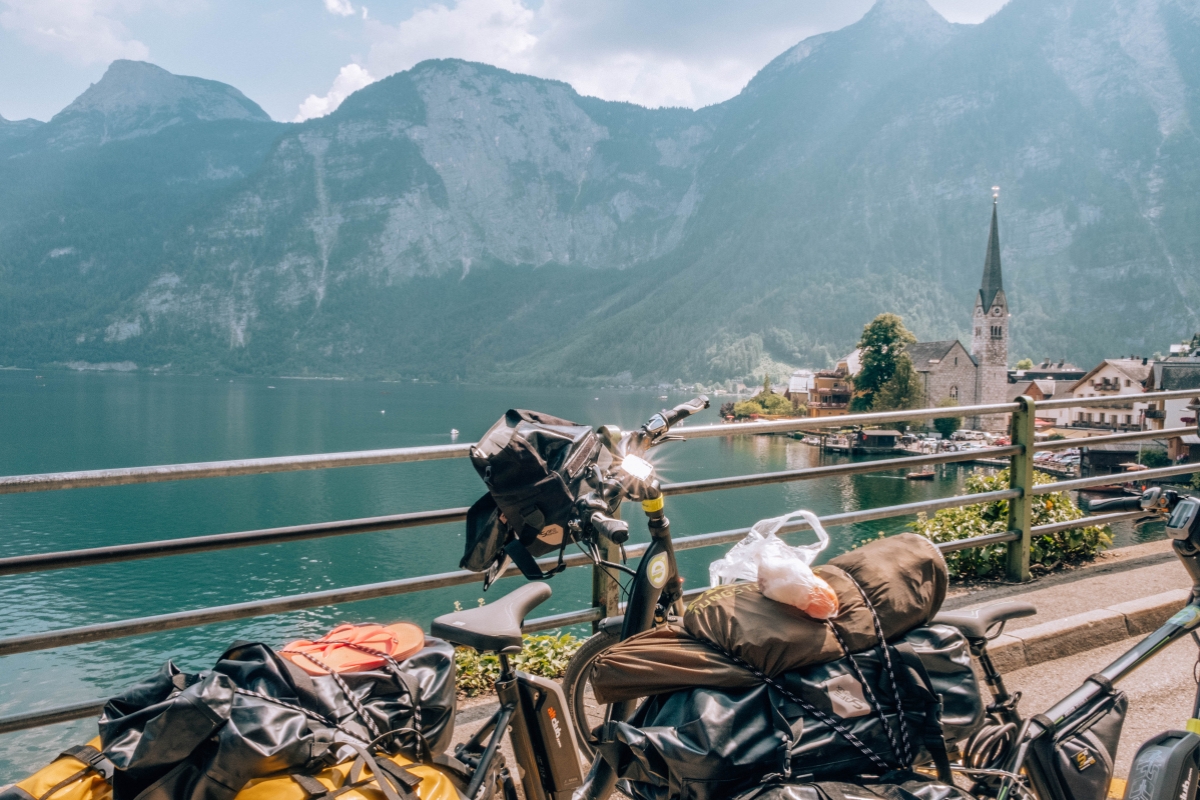
The sight of the crystal-clear turquoise water practically begs you to jump right in, but I should warn you straight away: Lake Hallstätter See is one of the coldest lakes in the entire Alps. It’s constantly fed by meltwater from the Dachstein glacier, so even on the hottest summer days a dip is more of an exhilarating shock than a leisurely swim. Realistically, you can only swim here at the very peak of summer — July and August — when the water temperature may, with a bit of luck, climb to 20–23 °C. Outside these two months the water is so icy that only trained cold-water enthusiasts venture in willingly. The rest of us are better off hiring a wooden boat and admiring the stacked wooden houses from the comfort of the deck, perfectly dry 😁.
What to Pack for Hallstatt
Given that the local Alpine climate is prone to rapid and unexpected shifts, smart layering is the absolute key to a comfortable trip — clothing you can easily peel off and put back on throughout the day. A quality waterproof jacket or poncho should never be missing from your bag, because rainy days are the norm rather than the exception, and getting drenched right at the start of a carefully planned outing would be a real shame. Equally important are sturdy, comfortable shoes: while you can stroll around the village itself in ordinary trainers, any hike into the surrounding countryside or up to the waterfalls demands proper trekking soles. If you’re visiting in the depths of winter, pack seriously warm layers — a thick jumper, gloves, and a hat — because the damp cold rising off the water combined with frosty mountain air has a way of cutting right through you.
When you’re mapping out your daily itinerary, always double-check the current opening hours of popular local attractions, as many of them operate only seasonally. For example, the stunning Dachstein Ice Caves in nearby Obertraun are open to visitors only during the summer season, roughly from May to November, and remain closed throughout the winter months. The same applies to Salzwelten Hallstatt — the historic salt mine with the popular Skywalk viewpoint — so definitely check online before you go. On the other hand, the charming little ferry, the Stefanie, which takes you from the opposite train station directly to the historic centre in just fifteen minutes, runs year-round and connects neatly with train arrivals and departures. Getting to Hallstatt from the UK is easiest by flying into Salzburg (just over an hour’s drive away) — airlines such as easyJet and British Airways operate regular routes from London and other major UK airports.
Where to Stay in Hallstatt
As I mentioned earlier, staying overnight in the village is hands-down the best way to enjoy the most romantic morning and evening hours in complete tranquillity, once the rush of day-trippers has subsided. A beautiful and truly authentic experience awaits at Heritage Hotel Hallstatt, which occupies carefully restored historic buildings and oozes the atmosphere of times gone by. If you’d prefer a quieter retreat with stunning views directly over the dark waters, consider the popular Seehotel Grüner Baum, where you’ll wake each morning to the gentle lapping of the water. You can also browse more Hallstatt Austria hotels on Booking.com to find something that fits your budget and style.
Where to Go Next
Once you’ve explored every nook and cranny of this picturesque village and you’re wondering where to head next, Austria offers a wealth of stunning destinations right on the doorstep. Lukáš and I love uncovering further hidden corners of the Salzkammergut region, where the mountain scenery is, if anything, even more generous with jaw-dropping vistas — you definitely won’t have a dull moment.
- Hallstatt: what to see and do – Our complete guide to all the sights and attractions you really shouldn’t miss on your visit.
- Austrian lakes – A big dose of inspiration for further trips to the most beautiful Alpine lakes, where you can truly unwind.
- Salzburg – Personal tips for visiting nearby Mozart’s city, which will instantly charm you with its baroque architecture and outstanding coffee.
Frequently Asked Questions
When is the best time to visit Hallstatt?
The ideal choice for most travellers are the months of May and September, because the weather in Hallstatt is already quite pleasant for longer walks while you elegantly avoid the biggest summer crowds. If you’re mainly after beautiful photos without throngs of strangers, definitely head out early in the morning, when the village has by far the prettiest and most peaceful atmosphere of any part of the day.
Does Hallstatt get snow and when?
You’ll have the best chance of snowy fun during January and February, when winter precipitation most often falls in white form, but you need to expect that consistent snow cover right by the lake is quite irregular. During the popular December Advent season, snow is more of a very uncertain bonus, so you can never count on that perfect snowy fairy tale like in the movies.
What’s the weather like in December?
In December, daytime temperatures typically hover between zero and three degrees Celsius, and on clear nights it can easily freeze down to minus nine degrees, so you really need to dress warmly and properly. This month unfortunately offers the least sunshine, just two hours per day, and while the first snow is realistically possible, it doesn’t automatically mean you’ll experience a white Christmas.
Can you swim in the lake?
Yes, you can definitely swim here, but you have to keep in mind at all times that it’s a cold glacial lake that warms up to only about 20 to 23 °C even in the height of summer. You can get into the water without wild teeth-chattering only at the very peak of summer in July and August, while in the remaining months swimming is more suited to very keen and well-trained cold-water enthusiasts.
How can I avoid the crowds?
The most reliable method is simply to time your visit for early morning before 9 AM, or alternatively wait until late afternoon after 4 PM when the huge tour buses finally leave. It also helps a lot if you come on a weekday instead of the weekend, or plan your trip during the significantly quieter off-season and decide to stay overnight.
What’s the weather like in summer?
Summer days here are fairly mild and immensely pleasant, with maximum temperatures hovering around 19 to 20 °C, so you won’t face any muggy, tropical heat in the lanes to needlessly wear you out as you walk. At the same time, though, the summer weather is surprisingly rainy, with the most rainfall of the whole year falling in June, so definitely don’t take the rain jacket out of your backpack.
Is a winter/Advent visit worth it?
A winter visit undoubtedly has tremendous and special charm thanks to its cosy, romantic atmosphere, especially during the traditional Christmas markets scented with mulled wine and sweet baked treats. But you have to come to terms in advance with the fact that many of the local natural attractions, including the popular caves, are closed in winter, and, as I said, that real hallstatt snow can take a long time to arrive.
Tips and Tricks for Your Vacation
Don’t Overpay for Flights
Search for flights on Kayak. It’s our favorite search engine because it scans the websites of all airlines and always finds the cheapest connection.
Book Your Accommodation Smartly
The best experiences we’ve had when looking for accommodation (from Alaska to Morocco) are with Booking.com, where hotels, apartments, and entire houses are usually the cheapest and most widely available.
 🚗 Car rental on the roadVerified rental cars in Austria
Search with the DiscoverCars comparison engine — it compares prices from dozens of local and international rental companies, and most bookings come with free cancellation.
Compare car prices in Austria →Don’t Forget Travel Insurance
Good travel insurance will protect you against illness, accidents, theft, or flight cancellations. We’ve had a few hospital visits abroad, so we know how important it is to have proper insurance arranged.
Where we insure ourselves: SafetyWing (simple monthly subscription) and TrueTraveller (for extra-long trips).
Find the Best Experiences
Get Your Guide is a huge online marketplace where you can book guided walks, trips, skip-the-line tickets, tours, and much more. We always find some extra fun there!