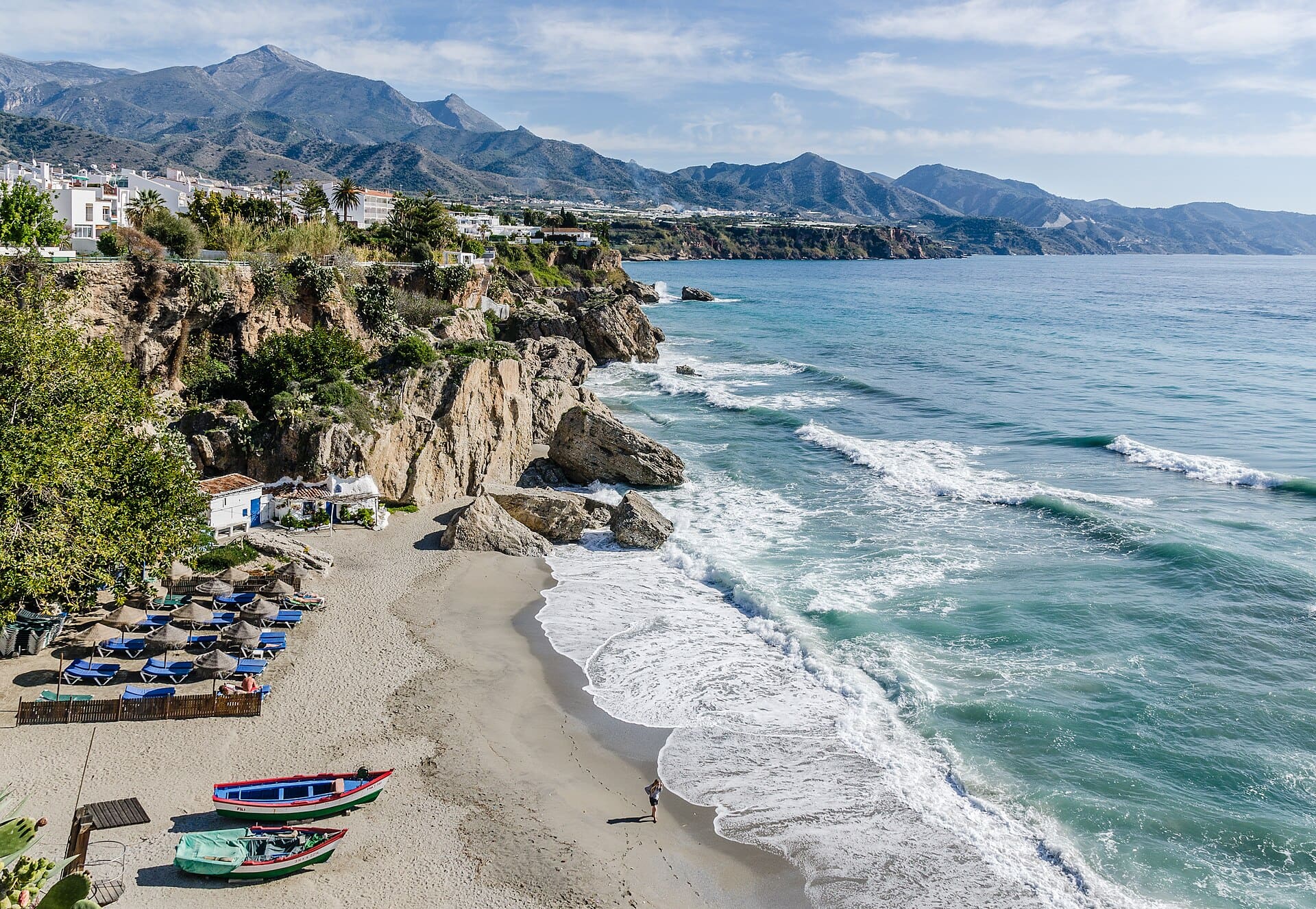
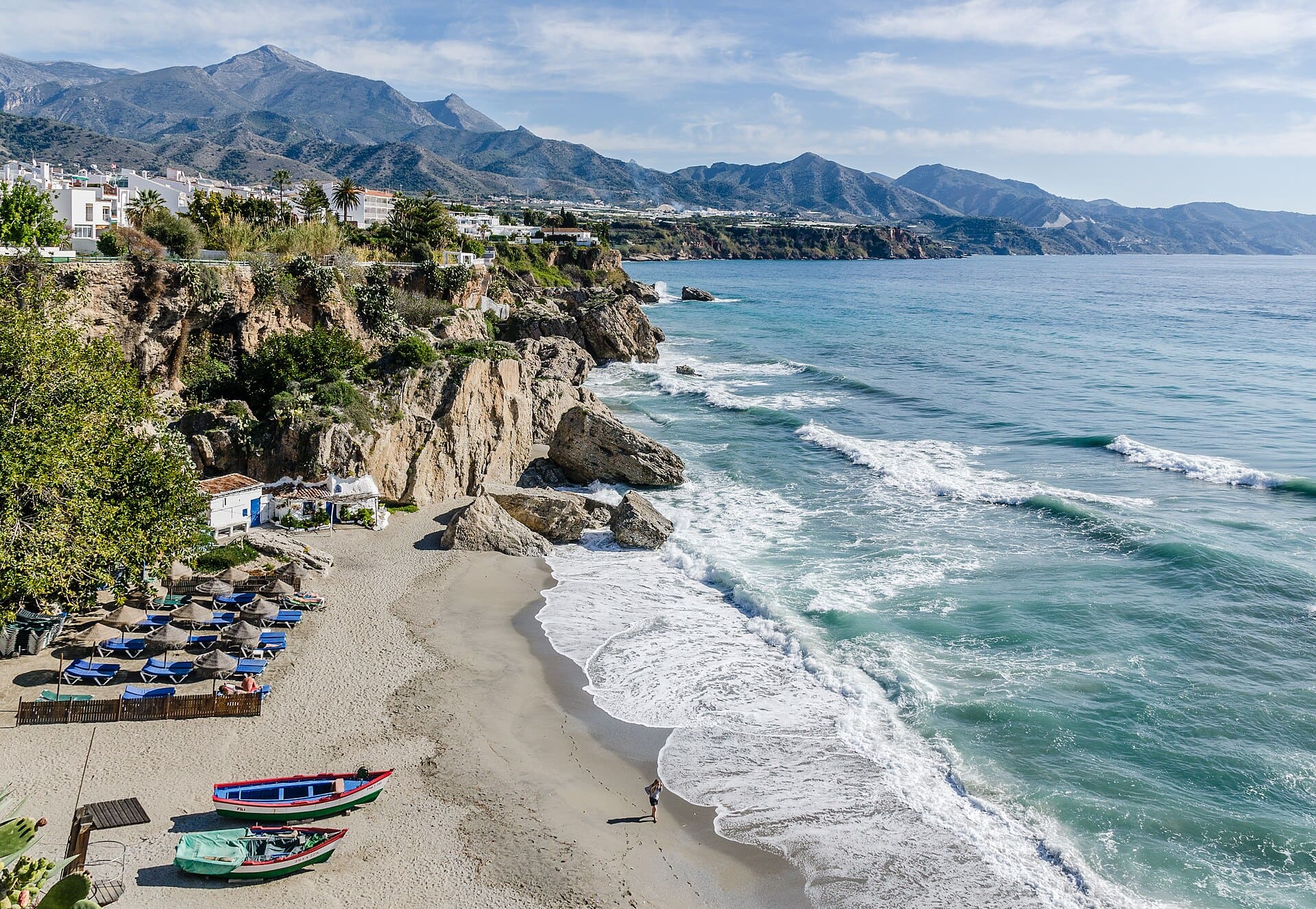
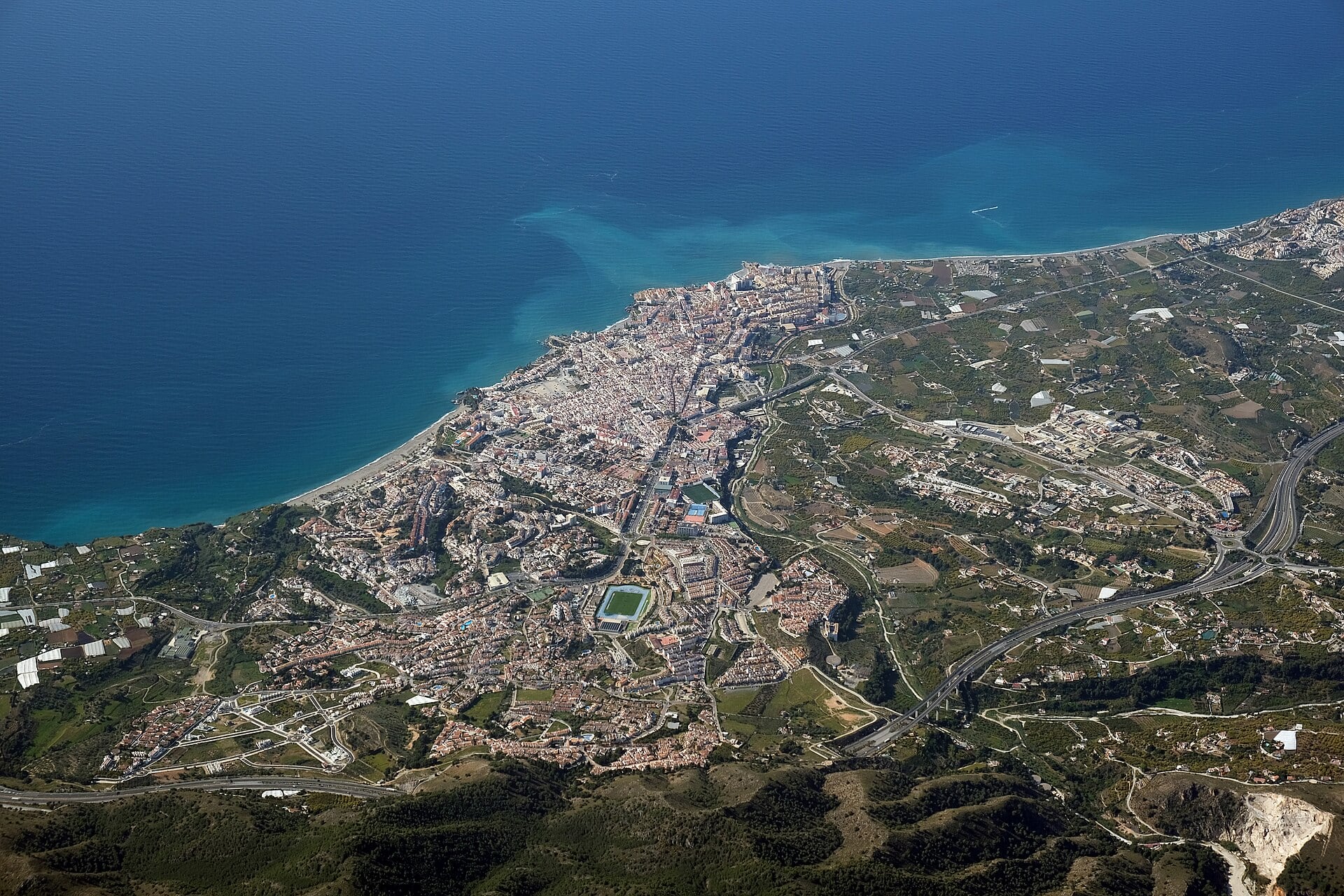
When people hear Costa del Sol, many immediately picture endless strips of concrete hotels, overcrowded beaches and noisy nightclubs. The Sun Coast is certainly a land of extremes, but if you head east from Málaga, you’ll discover a completely different world. Nerja, Spain is a former fishing village that has managed to preserve its undeniable Andalusian charm despite growing popularity — largely thanks to a strict ban on high-rise construction. Here you’ll find breathtaking views of the Mediterranean Sea, majestic mountains rising right behind the town, and lanes lined with snow-white houses. If you’re looking for a place where romance meets stunning nature and superb food, I’d highly recommend adding this little town to your travel plans. In this article, we’ll take a detailed look at everything Nerja and its surroundings have to offer.
TL;DR
- Best viewpoint: Balcón de Europa is the absolute heart of town, offering the most stunning views of the cliffs and sea.
- Natural wonder: The Caves of Nerja house some of the largest stalactites in the world and provide the perfect escape from the summer heat.
- Swimming: Burriana Beach is the biggest and best-equipped, while Maro Beach offers wilder scenery and great conditions for kayaking.
- Charming surroundings: Just a stone’s throw from town lies Frigiliana, which regularly wins awards for the most beautiful white village in all of Spain.
- When to go: The ideal months to visit are May, June, September and October, when you’ll avoid the extreme Andalusian heat.
- Getting there: From Málaga, you can easily get here by rental car or local bus in just under an hour.
The full destination guide: Andalusia — guide and what to see
When to Visit Nerja and How Long to Stay
Choosing the right time to visit southern Andalusia is absolutely crucial, as the summer months can be truly unforgiving. During the Andalusian summer, temperatures regularly exceed 35 °C, and recent years have brought extreme heatwaves — so if you struggle with the heat, give August a wide berth. The coast is slightly more bearable than inland areas thanks to the sea breeze, but humidity is high and the town is bursting at the seams with tourists.
The ideal time for a visit is May to June and then September to October. During these months, the sea is still beautifully warm for swimming, air temperatures hover around a pleasant 25–28 °C, and you’ll avoid the biggest crowds. Winter from January to March is popular with digital nomads and travellers from northern Europe who come for the mild climate. Temperatures in winter sit around 15–18 °C — a bit brisk for swimming, but absolutely perfect for sightseeing and long walks.
For Nerja itself, two to three days will be enough if you simply want to stroll through the centre, visit the caves and enjoy an afternoon on the beach. However, if you’re planning to explore the surrounding white villages, hike in the mountains or take a day trip to Málaga, I’d recommend setting aside five days to a full week.

Where to Stay in Nerja
💡 Accommodation & experience tip: We love searching for accommodation on Booking.com, which tends to have the best cancellation policies. For tickets, tours and activities, it’s worth comparing and booking through GetYourGuide.
Nerja offers a huge range of accommodation, but since it’s an incredibly popular destination, I’d recommend booking hotels via Booking well in advance. Definitely don’t leave your accommodation search to the last minute, especially if you’re planning a trip during the spring or autumn months when the season is in full swing.
The best choice for romance lovers and evening strollers is the historic centre around the Balcón de Europa, where you’ll have all the little cafés and tapas bars just steps from your room. If, on the other hand, you’re mainly after the sea and want a view of the waves from your window, focus on accommodation near Burriana Beach.
- Hotel Balcón de Europa: A luxury hotel built right into the cliff face next to the famous viewpoint. It offers absolutely jaw-dropping sea views, private access to a small beach and impeccable service — ideal for a special holiday.
- Parador de Nerja: Paradores are Spain’s state-run hotel chain, often set in historic or unique buildings. This one sits on a cliff above Burriana Beach and features a gorgeous garden with a swimming pool, from where you can take in views of the Sierra de Almijara mountains.
- MB Hostal Premium: An excellent choice for travellers seeking modern, spotless accommodation at a more reasonable price. This small boutique guesthouse is located just off the centre and offers a very friendly atmosphere and a lovely rooftop terrace.
14 Things to See and Do in Nerja, Spain
Let’s take a look at the very best this enchanting Andalusian town and its immediate surroundings have to offer — from historic landmarks and natural wonders to the most beautiful beaches.
1. Balcón de Europa Viewpoint
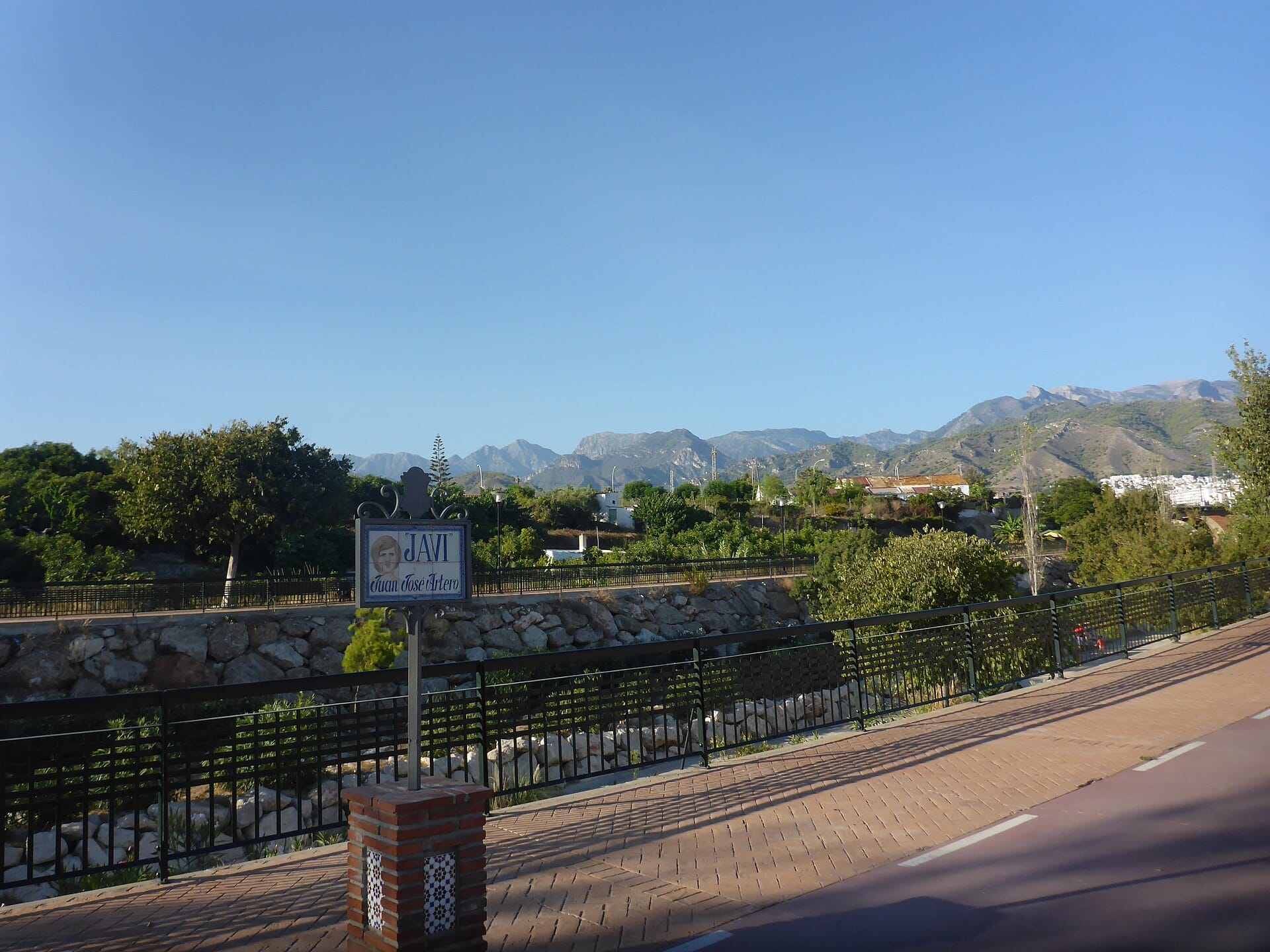
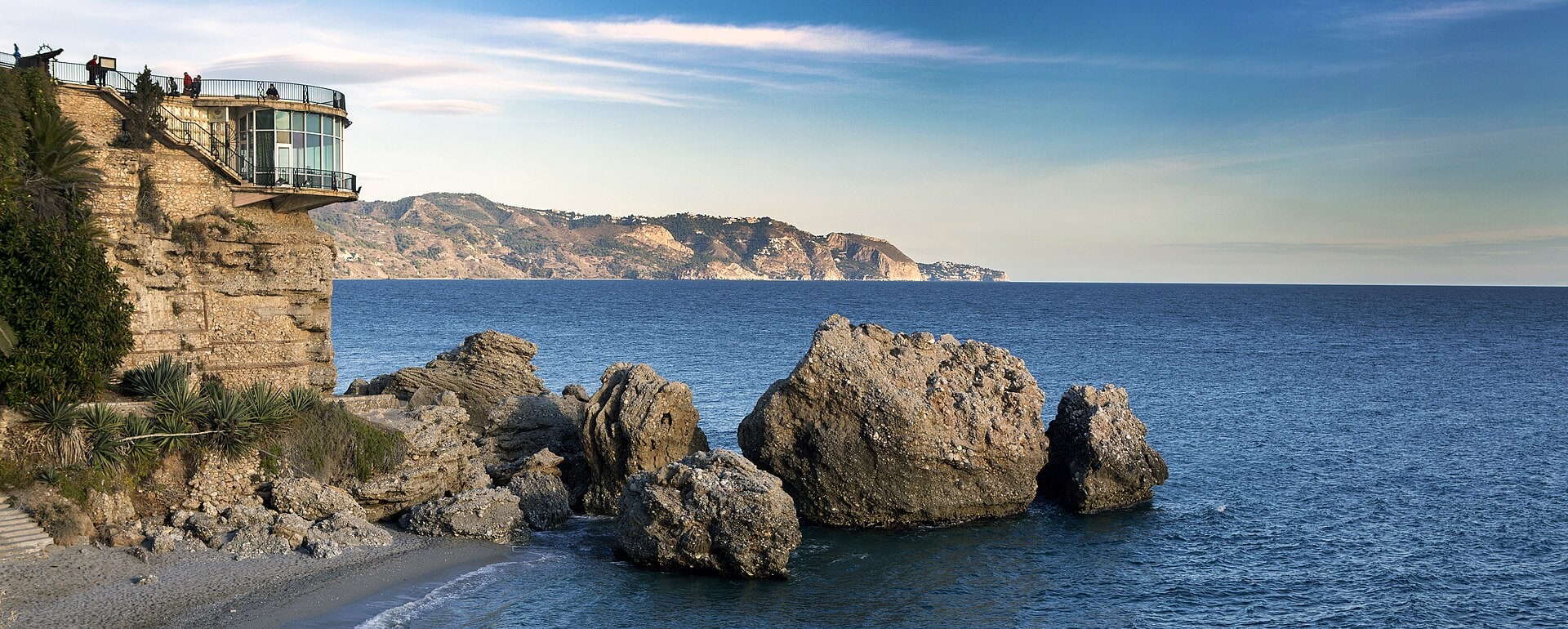
The absolute crown jewel of the town and its undisputed centre of activity is the Balcón de Europa. This circular viewing terrace is built on a sheer cliff directly above the sea and offers the most photogenic views of the jagged coastline. An old Arab fortress and later an artillery battery once stood on this spot, protecting the town from pirates.
Today, it’s the ultimate spot for an evening promenade. From one side you’ll see the endless blue of the Mediterranean; from the other, the majestic peaks of the Sierra de Almijara tower above the town. I’d recommend timing your stroll along the palm-lined promenade just before sunset, when the entire sky turns gorgeous pastel shades and the square comes alive with street performers and musicians.
2. The Fascinating Caves of Nerja (Cueva de Nerja)
About five kilometres from the town centre lies a genuine natural wonder you absolutely shouldn’t miss. This enormous cave system was discovered entirely by accident in 1959 by a group of local boys who were hunting for bats. Today the caves are open to the public and contain some of the largest and oldest stalactites in the world, with one measuring an incredible 32 metres.
The caves also provide the perfect refuge from the Andalusian summer heat, as they maintain a constant temperature of around 19 °C. The vast underground chambers have such perfect acoustics that classical music and flamenco concerts are regularly held here in summer. During peak season, booking tickets online several days in advance is absolutely essential — otherwise you’ll find hopelessly sold-out time slots.
3. Swimming at Burriana Beach
If you’re looking for the perfect spot for a full day of relaxation by the water, Burriana Beach (Playa Burriana) is your best bet. It’s the largest and best-equipped beach in all of Nerja, boasting fine golden sand and very clean water with a gentle slope into the sea. You’ll find every conceivable amenity here, from sun lounger and parasol hire to showers and beach volleyball courts.
A lively promenade lined with little shops, cafés and traditional restaurants stretches along the entire beach. This is where you’ll come across the local culinary speciality known as espeto — five or six sardines skewered on a bamboo stick, grilled right on the beach over hot coals, often in old fishing boats filled with sand. It’s a wonderfully traditional experience that visitors absolutely love.
4. Photogenic Calahonda Beach
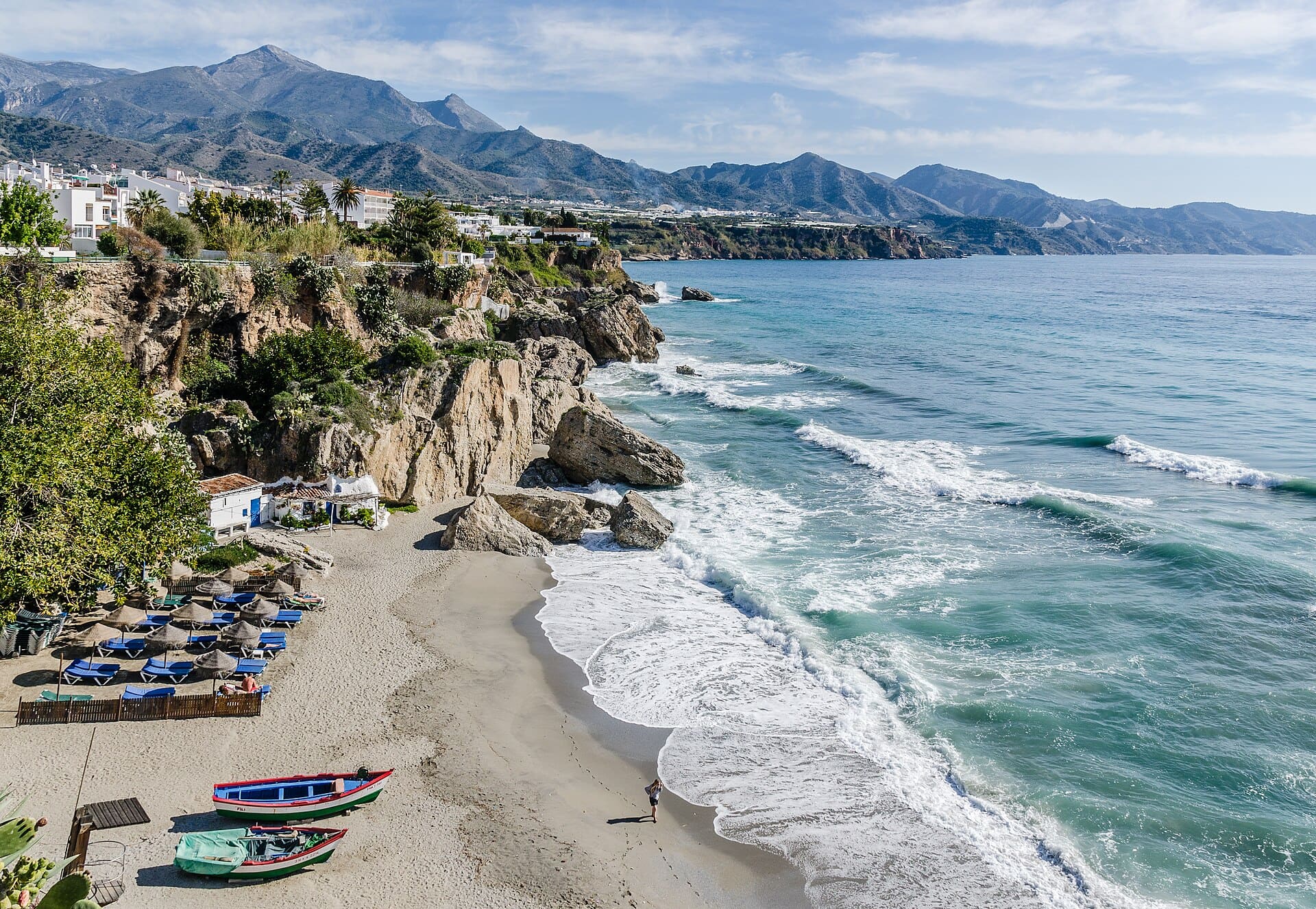
Tucked directly beneath the famous Balcón de Europa is a small but incredibly picturesque cove — Playa de Calahonda. You reach the beach via winding white steps that start right next to the viewpoint. It’s one of the most photographed beaches in all of Spain, framed by steep cliffs and old fishermen’s cottages built right into the rock face.
The beach is fairly small and fills up very quickly in summer, so I’d recommend heading down first thing in the morning. The water is a gorgeous shade of turquoise and, thanks to the surrounding rocks, the cove is sheltered from stronger winds. Even if you don’t stay all day, it’s well worth a short stop for that iconic photo with the cliffs in the background.
5. Wild Nature at Maro Beach
If you prefer quieter spots without sun loungers and noisy bars, drive just a few kilometres east to the village of Maro. The cliffs of Acantilados de Maro-Cerro Gordo form a protected nature reserve, hiding beautiful wild beaches surrounded by lush vegetation. The water here is absolutely crystal clear, making it a paradise for snorkelling enthusiasts.
Maro Beach is made up of a mix of coarse sand and pebbles, and the access is a little steeper — but it’s well worth the effort. Right from the beach, you can hire a kayak or paddleboard and set off to explore the surrounding sea caves and hidden waterfalls that cascade from the steep cliffs directly into the waves.

6. Wandering Through the Historic Town Centre
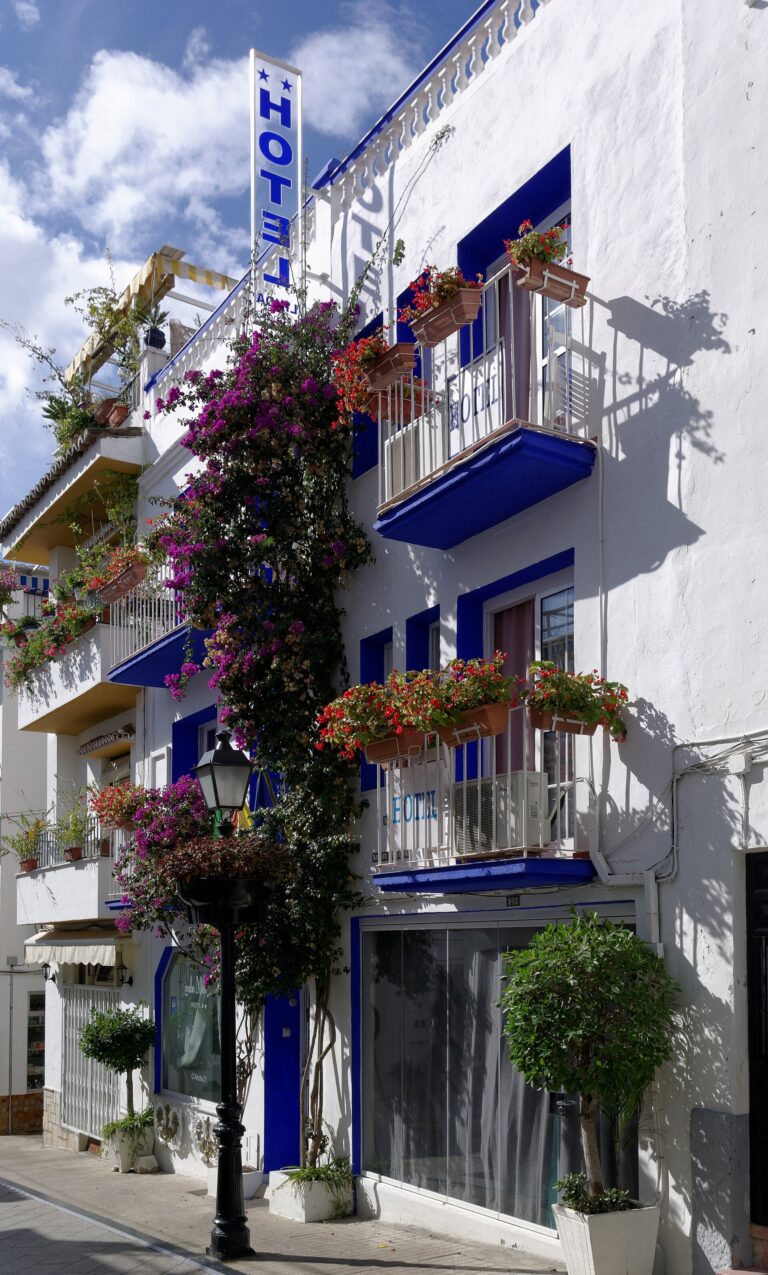
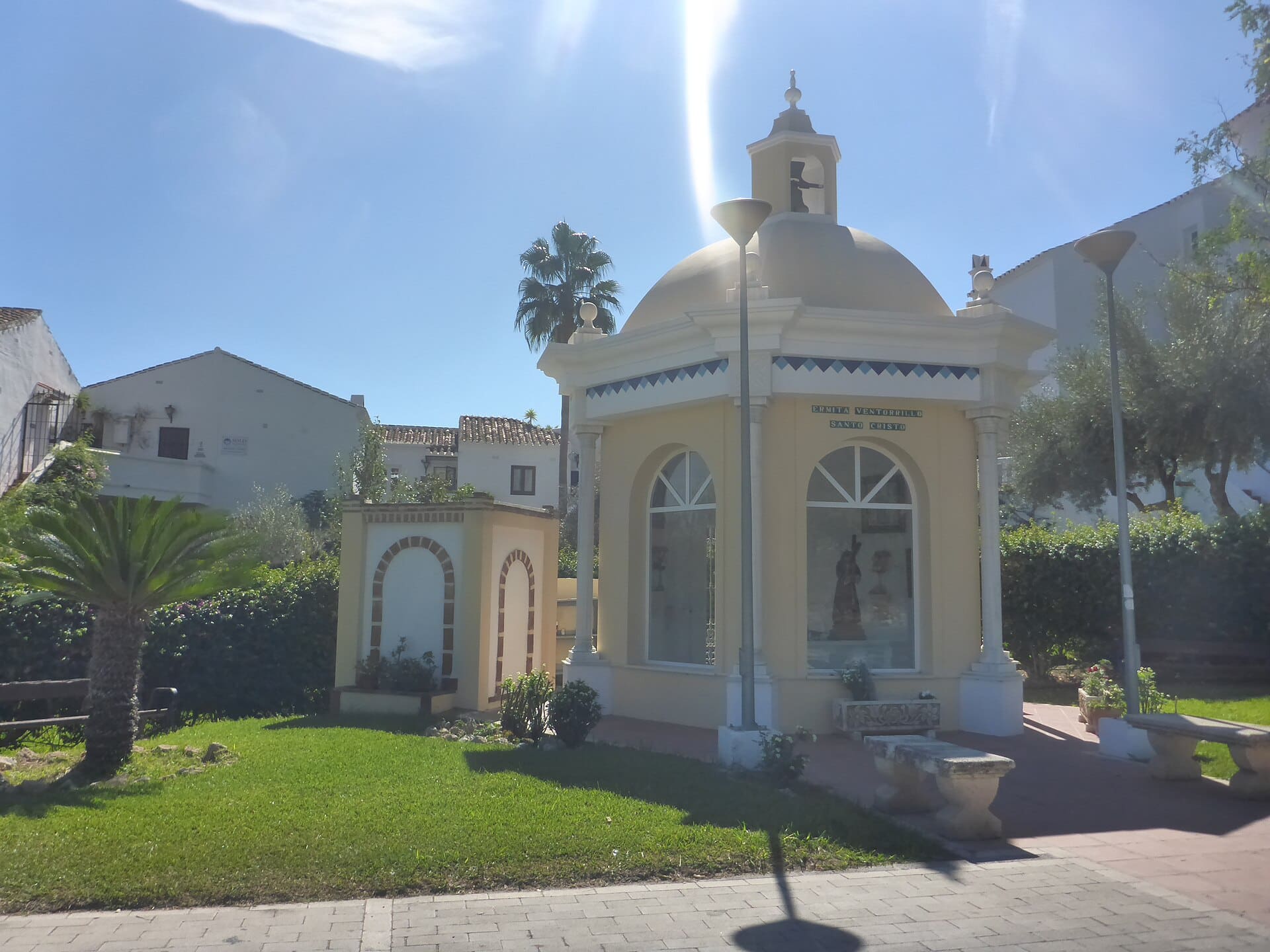
Unlike many other resorts along the western Costa del Sol, Nerja has kept its historic soul. The centre is largely pedestrianised, threaded with shady lanes paved in marble and lined with snow-white houses. At every turn, you’ll spot balconies overflowing with colourful geraniums and bougainvillea.
As you stroll through the centre, you can’t miss the El Salvador Church, which stands directly opposite the Balcón de Europa. The town is full of small artisan shops and boutiques where you can pick up beautiful ceramics, leather goods or traditional Andalusian fans. Lose yourself for a while in the maze of alleys and soak up that quintessentially slow, southern Spanish atmosphere.
7. The Historic El Águila Aqueduct
On the way to the Caves of Nerja, you’ll stumble upon a rather unexpected piece of industrial heritage. The El Águila Aqueduct (Eagle Aqueduct) was built in the 19th century and used to channel water to a local sugar cane processing factory, which was the main source of income for the entire region at the time.
This imposing structure spans a deep gorge and consists of four tiers of brick arches in the Mudéjar style. At the very top, you can spot a weather vane in the shape of an eagle, which gave the aqueduct its name. It’s a great spot for a quick stop and a few lovely photos, and it’s right on the main road.
8. Day Trip to the White Village of Frigiliana
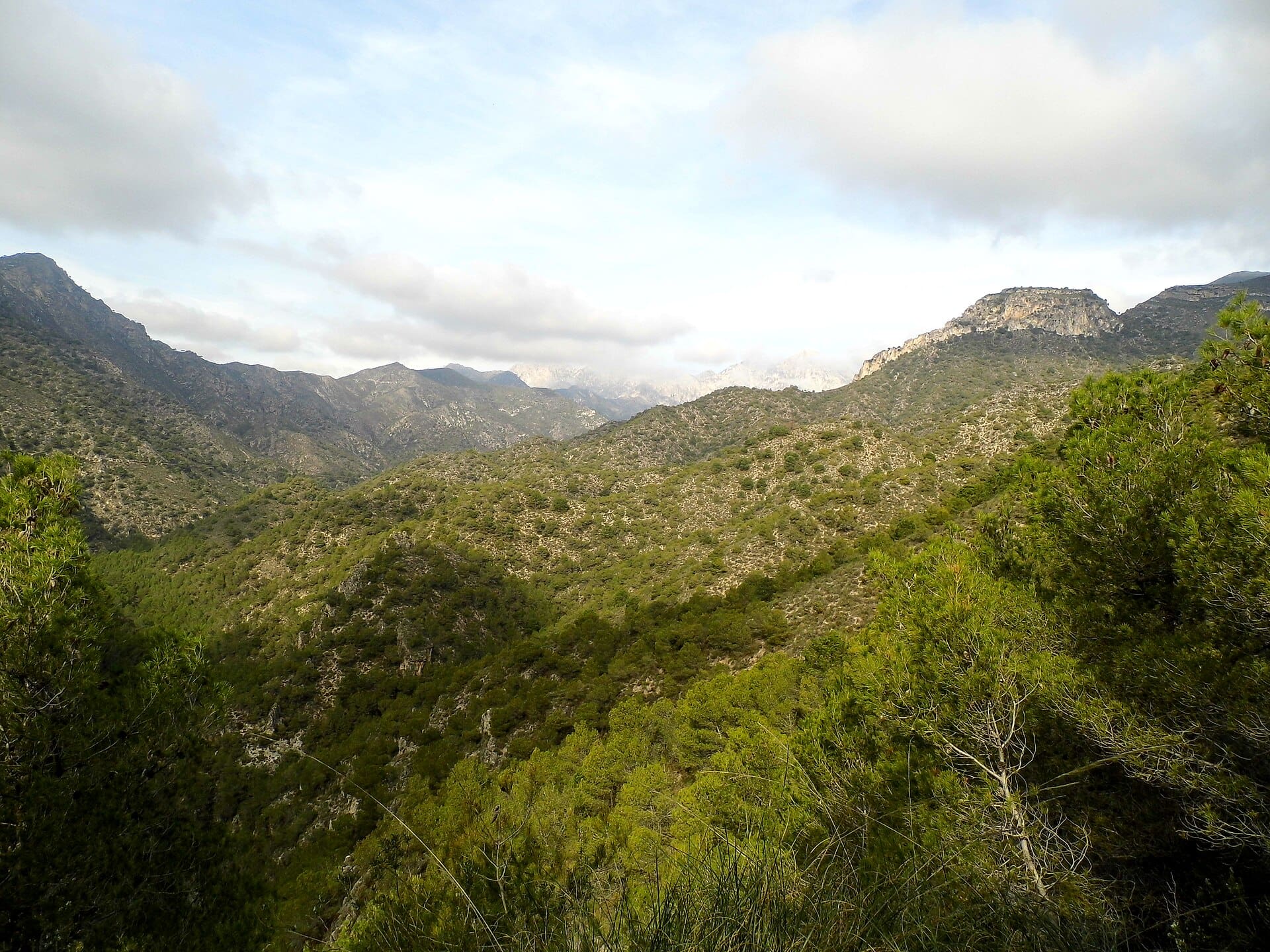
Just about ten minutes by bus from Nerja into the hills lies a place you simply have to see. Frigiliana is a traditional Andalusian pueblo blanco (white village) that clings to the mountainside and has repeatedly won awards for the most beautiful village in all of Spain. It’s literally a labyrinth of steep, narrow alleyways, staircases and tiny plazas.
Every house here is dazzlingly white, while doors and shutters are painted in vivid pastel colours. Everywhere you look, you’ll see hundreds of blue flower pots bursting with blooms. Climb all the way to the very top of the village for a breathtaking panoramic view stretching across green valleys down to the glistening sea.
9. A Day Trip to Málaga
For years, Málaga served tourists as little more than a transit hub and arrival hall, but today it’s a confident cultural metropolis. From Nerja, you can get there comfortably by bus in about an hour. Málaga’s historic heart is compact, and towering above it is the Moorish Alcazaba fortress from the 11th century. While more intimate than the famous Alhambra in Granada, it offers fantastic views over the port.
Be sure to check out the Cathedral of Nuestra Señora de la Encarnación. Locals affectionately call it “La Manquita” (The One-Armed Lady), because its south tower was never completed due to a lack of funds. The main draw of modern Málaga, however, remains the Museo Picasso, housed in a beautiful palace and displaying over two hundred works by this famous native son.
10. Visiting the Nerja Museum
If you’d like to learn more about the region’s history, pop into the Museo de Nerja, located right in the town centre on Plaza de España. The exhibition takes you through the area’s story from prehistoric times right up to the huge tourism boom of the 1960s.
The museum works closely with the foundation that manages the local caves, so you’ll find many fascinating archaeological artefacts discovered in the underground chambers. Interactive panels are part of the exhibition, making the visit genuinely engaging — it’ll even keep older children entertained for a while.
11. Water Sports and Boat Trips
The coastline around Nerja and Maro is so rugged and dramatic that it would be a real shame to admire it only from land. The best way to explore the hidden coves and towering cliffs is from the deck of a boat or a kayak. The Acantilados de Maro-Cerro Gordo nature reserve in particular is absolutely made for water sports.
💡 Top tip: Kayak tours are among the most popular activities in the region. I’d recommend using GetYourGuide, where you can easily book a guided trip that takes you into the most spectacular sea caves and shows you waterfalls tumbling into the ocean. These tours sell out fast in summer, so booking ahead is a must.
12. Shopping at the Local Markets (Mercadillo)
If you fancy a taste of authentic local buzz, head to the traditional markets known in Spain as mercadillo. In Nerja, the market takes place every Tuesday morning in the northern part of town, and you’ll find absolutely everything — from fresh fruit and vegetables to fragrant spices, olives, cheeses, clothing and ceramics.
If you’re in town at the weekend, a popular flea market is held on Sundays at the same spot. You can rummage through antiques, books, old coins and all sorts of curiosities. It’s a brilliant opportunity to find a truly original holiday souvenir while practising your haggling skills with the local sellers.
13. Exploring the Eastern Costa del Sol
West of Málaga lies the iconic coastline packed with resorts like Torremolinos and Marbella — essentially one huge conurbation devoted to mass tourism. By contrast, the Costa del Sol east of Málaga (which includes Nerja) offers a far calmer and more authentic side of Andalusia.
If you’ve hired a car, definitely explore the smaller coastal villages heading east towards Granada province. The road winds high above the sea and serves up endless views of wild cliffs and deserted beaches where you can find a bit of privacy even in peak season. Stop off in the little town of La Herradura, which is renowned for its superb scuba diving conditions.
14. Sampling the Local Andalusian Cuisine
Spanish food is a world unto itself, and in Andalusia that goes double. Coastal gastronomy here is straightforward and makes the most of the freshest ingredients. If you’re vegetarian, be sure to try the traditional cold soups — they’re the perfect refreshment in the summer heat. Beyond the classic gazpacho, try salmorejo, a thicker and creamier version hailing from nearby Córdoba.
From the tapas menu, don’t miss the superb Spanish omelette tortilla de patatas, fried pimientos de Padrón peppers sprinkled with coarse salt, or spicy patatas bravas. For seafood lovers, the regional speciality is pescaíto frito (an assortment of small fried fish). But remember one important thing: the Spanish eat very late. If you turn up for dinner at six in the evening, authentic restaurants will still be shut. They don’t start filling up until around half nine at night.
Map of points of interest for your phone
Where to Go from Nerja
Andalusia is vast and offers so many gorgeous places that you could spend months here and still have plenty left to discover. If you have more time and are wondering where to head next from the coast, we’ve prepared loads of further inspiration.
From Nerja, you could head off to explore the stunning Granada with its famous Alhambra, or venture a little further and check out Córdoba and its 15 must-see sights. If you love adventure, about an hour and a half’s drive away is the famous Caminito del Rey trail, once considered the most dangerous walkway in the world.
For comprehensive planning, have a look at our itinerary and map of the 20 most beautiful places in Andalusia. And if you’re drawn more to city vibes, we can help you plan a holiday in Málaga or discover everything the passionate city of Seville has to offer.
Frequently Asked Questions
What’s the best way to get from Málaga to Nerja?
The easiest and quickest option is definitely renting a car at Málaga airport – the drive along the motorway takes about 45 minutes. If you’d rather not drive, direct ALSA buses run very frequently from central Málaga (from the main bus station). The journey takes just under an hour and tickets cost only a few euros.
Is the sea warm enough for swimming?
The Mediterranean in this area is warmer than the Atlantic near Cádiz, but it can still be quite refreshing. The best swimming conditions are from late June to early October, when water temperatures typically reach a pleasant 24 to 26°C. During winter months, the sea temperature drops to around 15°C.
Can you do a day trip to Gibraltar from Nerja?
Technically yes, but be prepared for a really long day. The drive from Nerja to Gibraltar takes over two hours each way. Crucially, remember that Gibraltar isn’t part of the Schengen Area, so you’ll need a valid passport to cross the border – an ID card may not be sufficient.
Do I need to book cave tickets in advance?
Absolutely. The Nerja Caves are one of Andalusia’s biggest tourist attractions. During summer months and Spanish holidays, tickets often sell out several days ahead. If you don’t buy tickets online in advance, you risk not getting in at all.
Can I get by with English in town?
Nerja is hugely popular with British tourists and expats, so English proficiency here is significantly better than inland Spain. You’ll have no trouble communicating in English at hotels, restaurants in the centre, and tourist attractions. That said, a few basic Spanish phrases (hola, gracias) will always open doors and get you a warmer welcome.
Is tap water safe to drink?
Yes, tap water in Spain is generally safe and drinkable. However, in coastal areas of Andalusia, the water can have a strong chlorine taste or be quite hard, which some people find off-putting. Many tourists and locals therefore prefer to buy bottled water in large containers.
How many days do I need to explore the area?
If you only want to see the town itself, the Balcony of Europe, and the caves, two days will suffice. But if you want to head up into the mountains to the village of Frigiliana, rent kayaks at Maro beach, and enjoy some relaxing days by the sea without rushing, I’d recommend planning a stay of at least five days.
Tips and Tricks for Your Vacation
Don’t Overpay for Flights
Search for flights on Kayak. It’s our favorite search engine because it scans the websites of all airlines and always finds the cheapest connection.
Book Your Accommodation Smartly
The best experiences we’ve had when looking for accommodation (from Alaska to Morocco) are with Booking.com, where hotels, apartments, and entire houses are usually the cheapest and most widely available.
 🚗 Car rental on the roadVerified rental cars in Andalusia
Search with the DiscoverCars comparison engine — it compares prices from dozens of local and international rental companies, and most bookings come with free cancellation.
Compare car prices in Andalusia →Don’t Forget Travel Insurance
Good travel insurance will protect you against illness, accidents, theft, or flight cancellations. We’ve had a few hospital visits abroad, so we know how important it is to have proper insurance arranged.
Where we insure ourselves: SafetyWing (simple monthly subscription) and TrueTraveller (for extra-long trips).
Find the Best Experiences
Get Your Guide is a huge online marketplace where you can book guided walks, trips, skip-the-line tickets, tours, and much more. We always find some extra fun there!