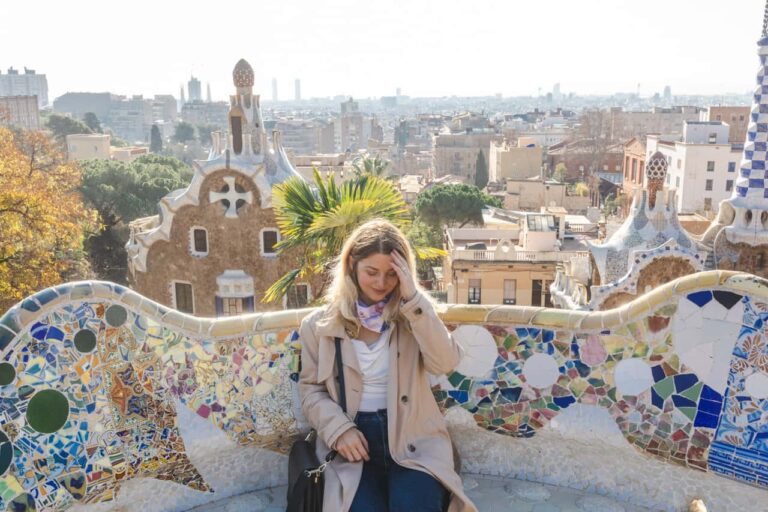
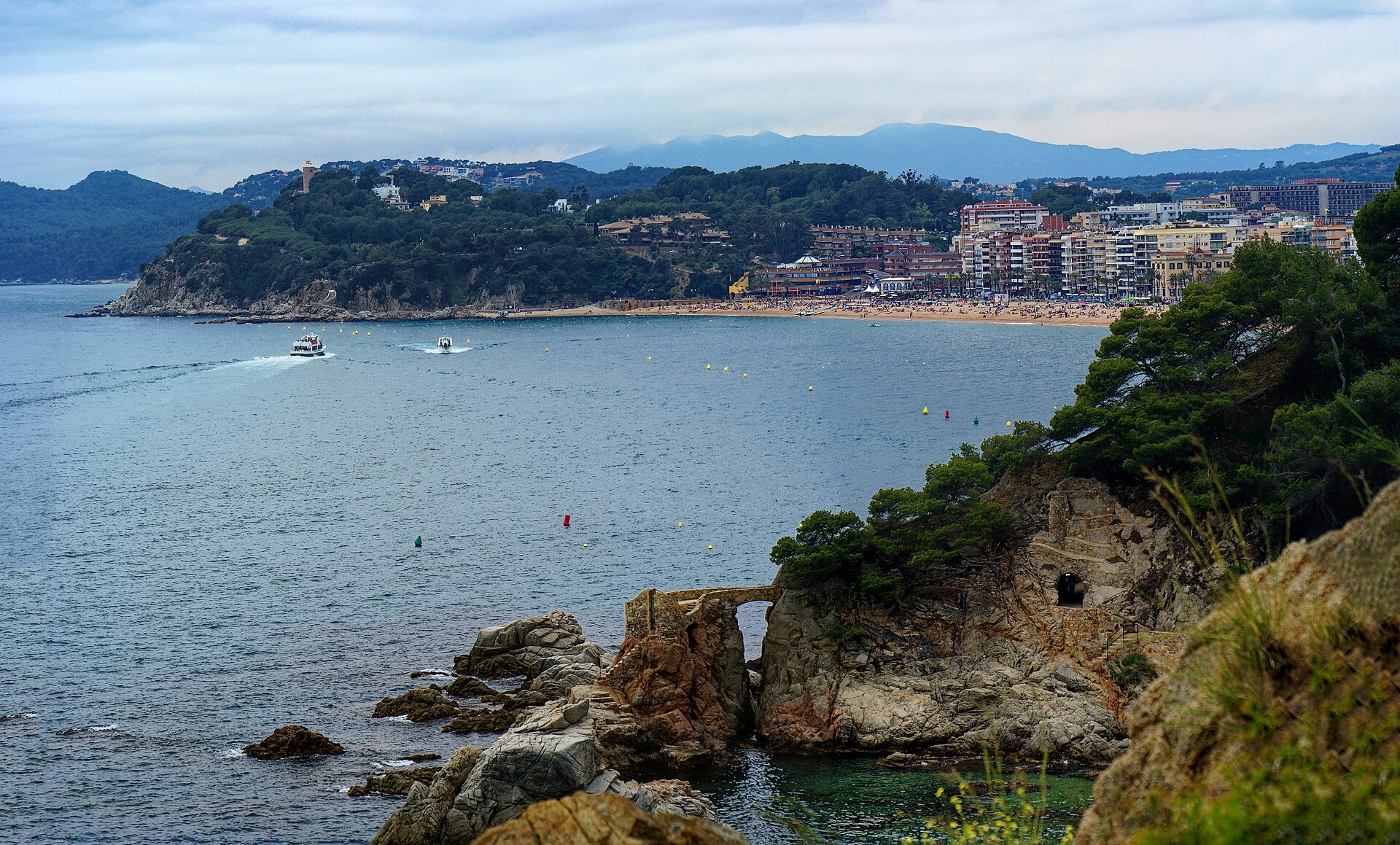
When people hear Costa Brava, many picture endless concrete hotel complexes and overcrowded beaches — but don’t let those stereotypes fool you. Once you leave the main tourist resorts behind, you’ll discover a region of surprising contrasts that you’ll fall in love with at first sight. In the north, wild waves crash against jagged cliffs, while inland, stunning medieval stone towns brimming with history rise from the landscape.
Exploring this corner of Spain means understanding why locals so fiercely guard their identity and culture. You’ll find hidden coves with turquoise water, pine groves sloping right down to the sea, and the surreal legacy of the genius Salvador Dalí. Let’s take a look at how to plan the perfect holiday in this area and which places absolutely deserve a spot on your itinerary.
TL;DR
- Renting a car is essential: If you want to explore remote coves and small villages like Cadaqués, getting around the coast without a car is incredibly difficult.
- Follow in Dalí’s footsteps: Don’t miss the so-called Dalí Triangle, which includes the museum in Figueres and his house in the bay of Port Lligat.
- History and romance: Stop by medieval towns like Begur and Pals, or the gorgeous historic city of Girona.
- Coastal hiking: The Camí de Ronda trail connects the most beautiful beaches and offers breathtaking cliff-top views.
- Watch out for drought: Catalonia has been dealing with extreme drought, so expect water restrictions at beaches during summer.
- Catalan gastronomy: Sample local specialities starting with the crispy bread pa amb tomàquet and the dessert crema catalana.
The full destination guide: Catalonia — guide and what to see
When to Visit Costa Brava
When planning a trip to the Catalan coast, keep in mind that the summer months can be scorching hot and extremely busy with tourists. July and August attract hordes of visitors from all over Europe, accommodation prices skyrocket, and on the prettiest small beaches you’ll often struggle to find space for your towel.
Beyond the crowds, there’s an even more serious factor to consider: the Costa Brava weather. Catalonia has been battling extreme heatwaves and historic drought in recent years. During summer, strict water restrictions may be in force, which in practice means bans on filling hotel pools and beach showers being switched off.
The ideal time to visit the coast is therefore late May to early June, or alternatively all of September and early October. During these months, the sea is already warm enough for swimming and there’s plenty of sunshine, but you’ll avoid the worst extremes. For a sightseeing-focused holiday centred on monuments and hiking, you can happily visit in spring too, when temperatures regularly climb to a pleasant twenty degrees.
Where to Stay on the Costa Brava
💡 Accommodation & experiences tip: We usually search for places to stay on Booking.com, which tends to have the best cancellation policies. For tickets, tours, and activities, it’s worth comparing options on GetYourGuide.
Your choice of accommodation largely depends on whether you want to spend your holiday in one spot by the beach, or plan to actively drive around. If you’re road-tripping, I’d recommend splitting your stay into two bases so you don’t spend hours behind the wheel. Set one base in the south and the other closer to the French border.
For the southern stretch of the coastline, romantic Tossa de Mar is an ideal choice, offering beautiful beaches right beneath medieval walls. A great option here is the popular Hotel Delfín, which sits just steps from the sea and has fantastic reviews. For exploring the middle section of the coast and its gorgeous coves, base yourself strategically in the town of Begur, where you’ll find the charming boutique Hotel Aiguaclara.
If you want to soak up the bohemian atmosphere of the north, choose the whitewashed village of Cadaqués as your base. Here you can stay at the lovely Boutique Hotel Villa Gala, which offers views across the entire bay. We typically search for accommodation on Booking.com, where you’ll find the widest selection of apartments and hotels with free cancellation — always handy when planning a road trip.
18 Best Places to See on the Costa Brava
This wild coastline has so many beautiful spots that you could spend a month here and still have more to discover. I’ve put together a selection of the most enchanting coves, historic towns, and cultural landmarks that you absolutely shouldn’t miss.
1. Whitewashed Cadaqués
Right at the northern tip of the coast lies the picturesque fishing village of Cadaqués, which looks like it could have been plucked from a Greek island. Its isolated location behind the mountains means it has preserved an incredibly authentic character, full of white houses and narrow cobblestone lanes.
The road here winds through steep hills and is quite an adventure for less experienced drivers, but the reward is absolutely worth it. This is the town that captivated many artists, including Picasso and Miró, who came here to draw inspiration from the unique local light.
Make sure to take your time for a leisurely stroll along the waterfront promenade, wander over to the beautiful church of Santa Maria, and soak up the relaxed atmosphere at one of the local cafés. Although it does get fairly busy in summer, Cadaqués still holds onto its unmistakable bohemian soul.
2. Casa Salvador Dalí in Port Lligat
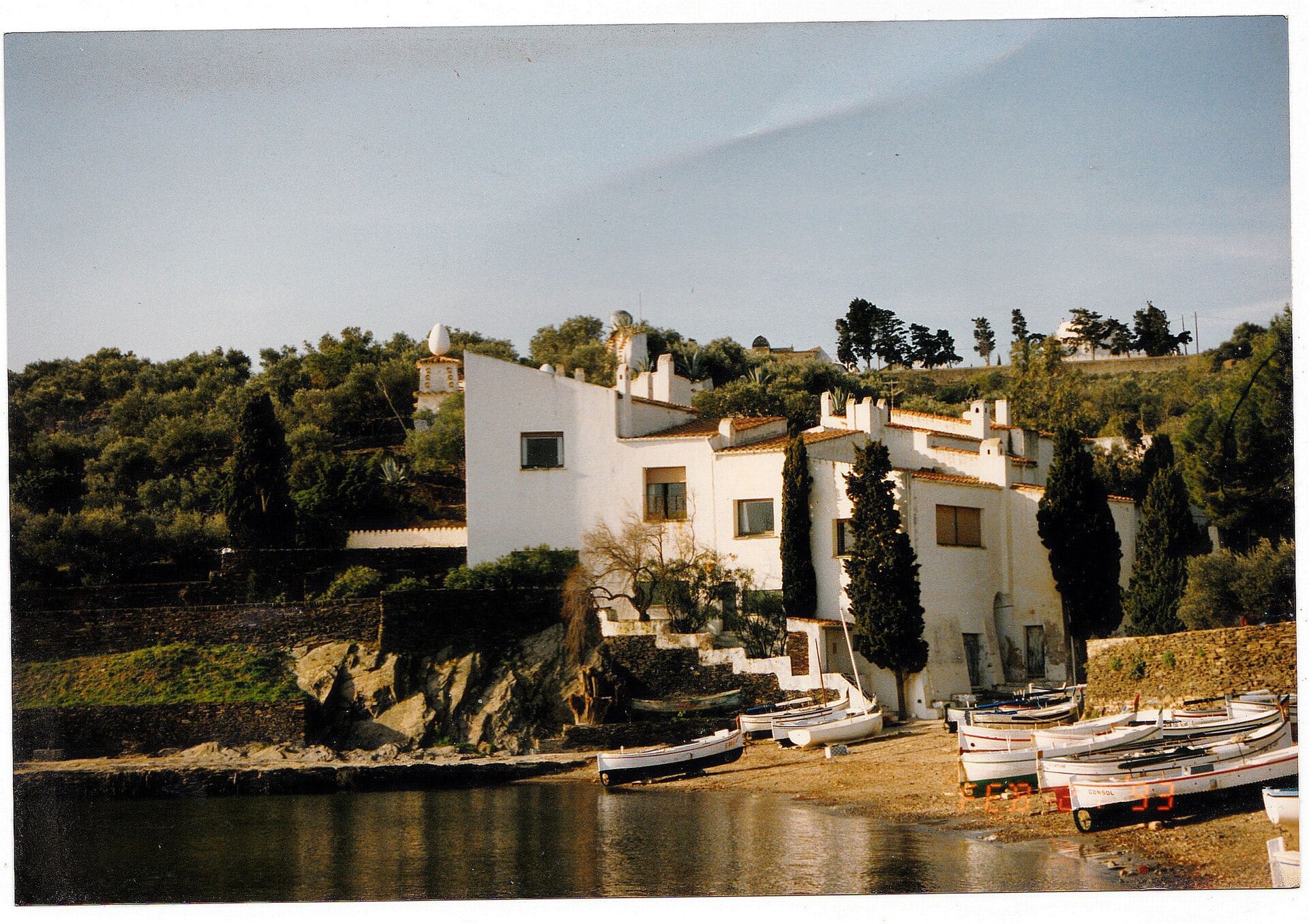
Just a short walk from Cadaqués lies the unassuming bay of Port Lligat. This is where Salvador Dalí built his eccentric home, which today serves as a fascinating museum and a window into his extraordinarily creative mind.
The house was created by gradually connecting several old fishermen’s huts, and each room has its own distinctive shape and utterly unique atmosphere. You’ll see the artist’s studio, living spaces filled with bizarre decorations, and a garden with the iconic swimming pool and giant eggs perched on the roof.
💡 Insider tip: You absolutely must book your tickets well in advance online, as tour capacity is very strictly limited due to the cramped spaces. On-the-day tickets are almost never available.
3. Wild Cap de Creus
If you’re in Cadaqués, you simply cannot skip the trip to the nearby headland of Cap de Creus — the easternmost point of the entire Iberian Peninsula. This natural park will blow you away with its harsh, lunar landscape where wind and sea have sculpted the rocks into utterly bizarre shapes.
The terrain here is completely barren, treeless — just rocks plunging steeply into the deep blue sea. You can set off on several hiking trails that lead to deserted coves where, with a bit of luck, you’ll have the sea entirely to yourself.
At the very top of the cliffs stands a lighthouse, next to which there’s a superb restaurant with panoramic views. The vistas from the terrace stretching endlessly over the open sea rank among the most unforgettable experiences you can take home from Catalonia.
4. Tossa de Mar and Its Fortress Walls
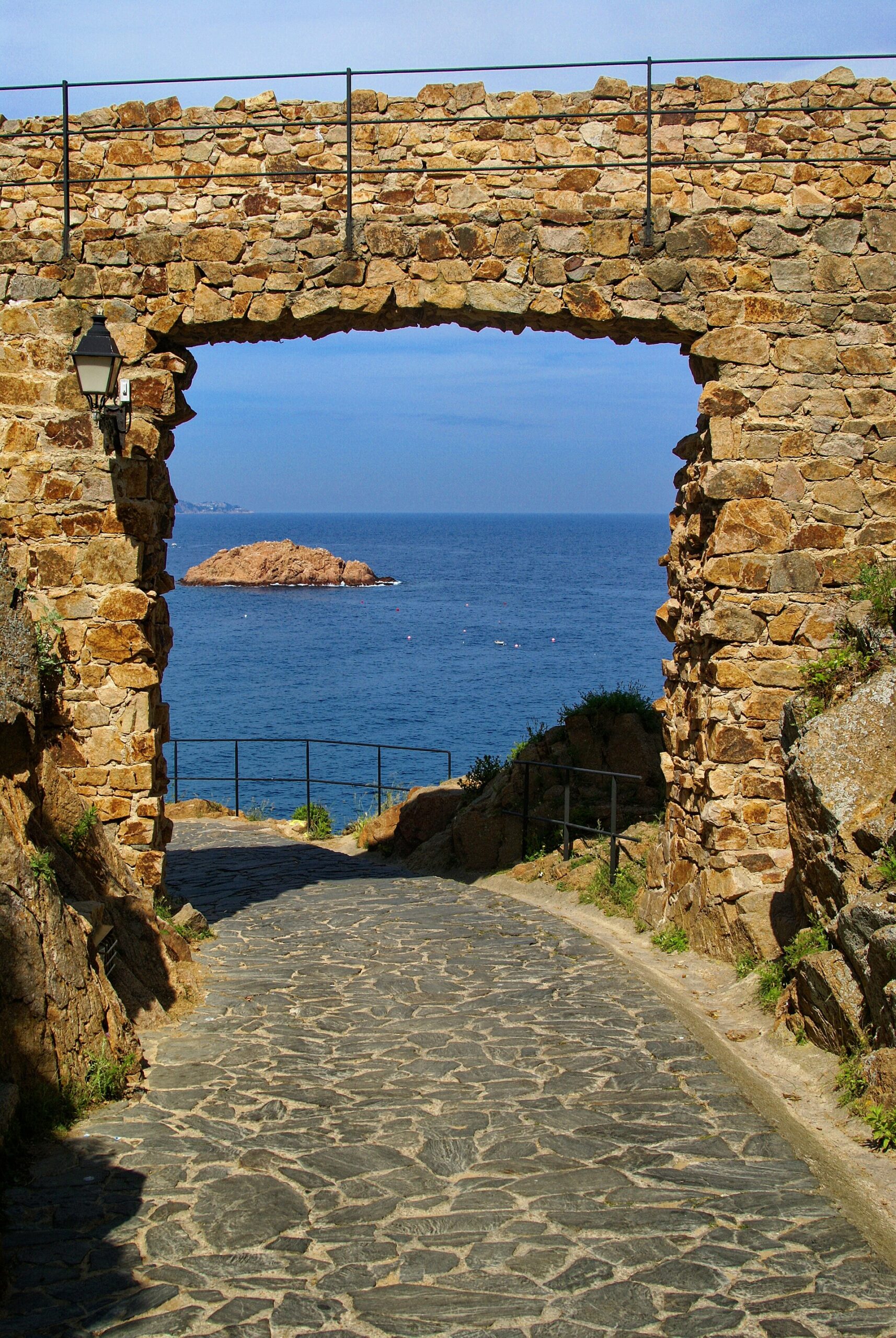
Tossa de Mar is an absolute gem of the southern coast and the only fortified coastal town in all of Catalonia. Its crowning glory is the beautifully preserved historic quarter of Vila Vella, dating from the 13th century, which proudly rises on a cliff directly above the main sandy beach.
Inside the walls hides a maze of narrow stone lanes, old houses, and remnants of the original castle. Walking up to the lighthouse at the very top rewards you with fantastic views across the bay, and at sunset the ancient stones take on a stunning golden glow.
Despite its popularity, Tossa de Mar has maintained a wonderfully pleasant, family-friendly atmosphere. Below the walls you’ll find excellent restaurants where you can sample local specialities, or simply sit on the beach and gaze up at the towering towers.
5. Camí de Ronda Coastal Trail
One of the best ways to experience the true beauty of this wild coastline is to lace up your boots and hike the Camí de Ronda trail. This historic route was originally used by coastal guards to watch for smugglers, but today it connects the most beautiful beaches and coves across the entire region.
You don’t have to walk the whole thing — just pick a stretch of a few kilometres. Among the most popular and photogenic sections is the path between the towns of Calella de Palafrugell and Llafranc, or the slightly more challenging cliff-hugging stretch near Begur.
The trail often runs high above the sea through fragrant pine groves and offers an endless procession of viewpoints. Don’t forget to wear comfortable shoes and pack your swimsuit, because you’ll pass plenty of small beaches that practically beg you to jump in.
6. Colonial Begur
The hilltop town of Begur, perched a short distance from the sea, has an entirely different vibe to the typical fishing villages. It’s known for its magnificent colonial mansions, built in the 19th century by the so-called Indianos — locals who made their fortune in Cuba and returned home.
Every September, the town hosts the spectacular Fira d’Indians festival, when the entire place dresses in white, Cuban music fills the streets, and mojitos flow freely. But even outside the festival, Begur will charm you with its elegant lanes and excellent cafés.
Above the town stand the ruins of an 11th-century medieval castle. The walk up from the centre takes just about ten minutes, and from the top you’ll be treated to a stunning panoramic view across the entire coastline and the inland plains.
7. Turquoise Cala Aiguablava
If you’re looking for a beach that feels more Caribbean than Mediterranean, head straight to Cala Aiguablava. Its name literally translates to “blue water,” which perfectly captures the incredible colour of the sea here.
The cove is sheltered from the wind by surrounding pine-clad rocks, and thanks to its soft sand and gentle slope into the water, it’s ideal even for less confident swimmers. The natural scenery contrasting with the turquoise surface is simply breathtaking.
💡 Insider tip: During the summer months, parking is a real headache here and the beach fills up fast. It’s worth arriving first thing in the morning, or alternatively later in the afternoon when the crowds start to thin out.
8. Hidden Coves: Sa Tuna and Sa Riera
Not far from Begur, you’ll find two more enchanting coves that rank among the very best on the Costa Brava. Cala Sa Tuna is a small pebble beach lined with old fishermen’s cottages with colourful doors, preserving an incredibly authentic and peaceful atmosphere.
A little further along lies the larger beach of Sa Riera, which offers softer sand and more space to relax. While it’s slightly more commercial than Sa Tuna, it still retains its original charm — you won’t find any garish mega-hotels here, just small villas tucked into the hillsides.
Both coves are also linked by the Camí de Ronda coastal trail, so you can enjoy a lovely walk from one beach to the other. The route takes roughly an hour and treats you to absolutely spectacular views of the rugged coastline.

9. Romantic Calella de Palafrugell
Of all the coastal villages, Calella de Palafrugell perhaps has the greatest old-world charm. There are no high-rise buildings here — just original white houses with arched arcades, huddled right beside small sandy coves where colourful fishing boats still bob at anchor.
The town is famous for its Havaneres — traditional seafaring songs brought here by sailors returning from the Caribbean. Every summer, a big festival takes place where bands perform right on the beach and the atmosphere is absolutely magical.
Wander along the colonnade, settle into one of the seafront restaurants, and savour that quintessential Mediterranean pace of life. This is exactly the kind of place where time slows down and you forget about all the worries of everyday life.
10. Llafranc and the Sant Sebastià Lighthouse
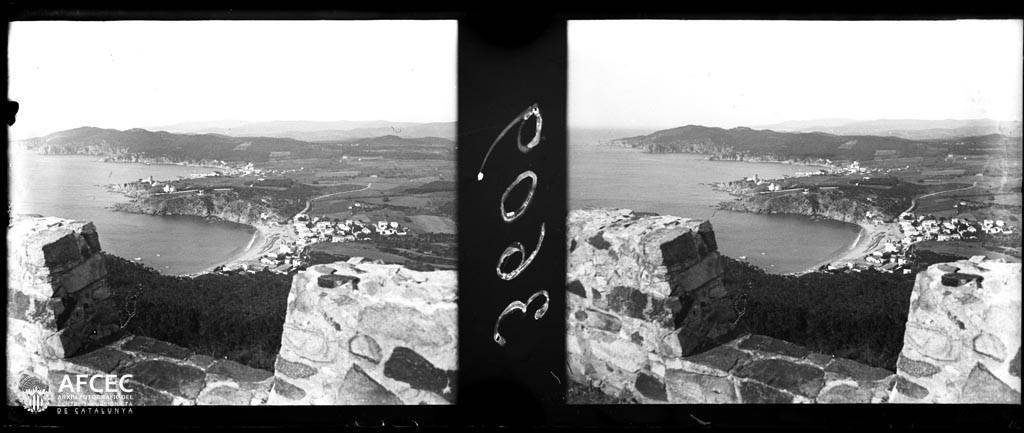
Right next to Calella sits the slightly smaller but equally gorgeous Llafranc. The bay is fringed by a lovely sandy beach, along which runs an elegant tree-shaded promenade lined with excellent restaurants and cafés with outdoor terraces.
From Llafranc, definitely make the hike up to the Far de Sant Sebastià lighthouse, which perches on a high cliff above the town. The climb is a bit steep, but it only takes about half an hour, and the path winds through pleasant shade beneath the pine trees.
Right by the lighthouse you’ll find an archaeological site of an ancient Iberian settlement, as well as a fantastic viewing terrace. From here, the whole area of Calella de Palafrugell and Llafranc is laid out before you, and on a clear day you can see the coastline stretching for dozens of kilometres.
11. Greco-Roman Ruins of Empúries
Interested in ancient history? Then the ruins of Empúries will absolutely captivate you. This is the only archaeological site on the entire Iberian Peninsula where the remains of both an ancient Greek city and a later Roman town sit side by side.
The site is set in a stunning location right by the sea, so you can enjoy your stroll among ancient columns and mosaics with waves crashing in the background. You’ll see the foundations of old temples, a Roman forum, and well-preserved floor mosaics in original patrician villas.
The entire complex is huge, so set aside at least two hours for your visit. The entry ticket usually includes an audio guide that does a brilliant job of bringing to life how this important trading hub functioned more than two thousand years ago.
12. Teatre-Museu Dalí in Figueres
Although Figueres doesn’t sit directly on the coast, visiting the Dalí Museum is an absolute must for every visitor to the region. It’s a bizarre and mesmerising space filled with optical illusions, dreamlike installations, and incredible ideas that the artist himself designed — and beneath whose dome he is also buried.
The museum is housed in a former municipal theatre, and the facade alone, adorned with giant eggs and golden statues, will hint that something truly extraordinary awaits inside. Highlights include the famous Mae West room and the rainy Cadillac in the courtyard.
While the remote coves are only reachable by car, Figueres is well served by reliable trains, making it easily accessible even for those travelling by public transport. Once again, make sure to buy your tickets well in advance online.
13. Girona: Medieval Labyrinth and Jewish Quarter
Girona draws you in immediately. Its iconic skyline is formed by pastel-coloured houses balancing right above the River Onyar, best photographed from one of the many bridges — including one designed by the famous Gustave Eiffel.
The real treasure, however, lies hidden behind those facades. The historic core with its superbly preserved Jewish Quarter (El Call) is a fascinating labyrinth of narrow cobbled alleyways, steep staircases, and hidden squares where you can practically feel the atmosphere of the distant Middle Ages.
The high-speed train from Barcelona gets you here in under an hour, but it’s definitely worth staying overnight. Once the afternoon tour buses depart, the streets empty out and you can enjoy a glass of wine in peace on one of the quiet squares, blissfully free of crowds.
14. Girona: Game of Thrones Filming Locations
Girona’s raw medieval aesthetic quite naturally attracted the makers of the hit series Game of Thrones. If you’re a fan, the city will feel uncannily familiar, as dozens of key scenes from Season 6 were filmed here.
The monumental Baroque staircase leading to Girona Cathedral served as the backdrop for the famous Great Sept of Baelor in King’s Landing. The Sant Pere de Galligants monastery and the Passeig Arqueològic promenade came to life as the dark alleyways of the free city of Braavos, where Arya Stark trained.
Fans of the show will be thrilled to know that the vast majority of these are ordinary public streets and squares that you can visit completely free of charge. Just pick up a special map from the tourist office marking the filming locations and off you go, following in your favourite characters’ footsteps.
15. Cap Roig Botanical Garden
Between the towns of Calella de Palafrugell and Mont-ras, perched on cliffs above the sea, lies the fantastic Cap Roig Botanical Garden. It’s one of the most beautiful Mediterranean gardens in Europe, where terraces packed with exotic plants alternate with stunning views over the blue water.
The garden was founded in the 1920s by a Russian colonel and his English wife. Today it’s home to more than a thousand plant species from around the world, masterfully integrated into the terrain and complemented by modern sculptures.
During the summer months, the outdoor stage here transforms into the venue for the prestigious Cap Roig music festival. Experiencing a concert under the starry sky with the scent of pine trees and the sound of the sea in the background is a truly unforgettable experience.
16. Medieval Village of Pals
When you fancy a break from the beaches, drive a few kilometres inland to the village of Pals. This meticulously restored medieval settlement on a hilltop is a stunning showcase of historic Catalan architecture, complete with stone houses, archways, and ancient wells.
The village’s landmark is the Torre de les Hores (Tower of the Hours), a remnant of the original castle. From the Josep Pla viewing terrace on the edge of the historic centre, you’ll enjoy a gorgeous view over the surrounding rice paddies, and on a clear day you can see all the way to the Medes Islands.
A walk through the narrow streets full of small galleries and ceramic shops is wonderfully calming. Pop into a local restaurant and try the traditional dish Arròs de Pals — a delicious rice dish prepared with a local variety that has been grown in the area since the 15th century.
17. Stone Beauty of Peratallada
Just a stone’s throw from Pals lies another medieval gem — the tiny village of Peratallada. Its name literally means “carved stone,” which makes perfect sense once you see the deep defensive moats that were cut directly into the solid rock surrounding the village.
Peratallada is often considered one of the best-preserved medieval villages in all of Spain. Houses draped in ivy and bougainvillea create a perfectly romantic setting where you’ll feel as though you’ve stepped back several centuries in time.
Unlike some of the busier spots, absolute tranquillity reigns here. On the main square, Plaça de les Voltes, with its characteristic arcades, you can sit in a little café and simply watch time drift lazily by in this architectural treasure.
18. Savouring Catalan Gastronomy
Catalan gastronomy proudly stands apart from the usual Spanish stereotypes, ingeniously combining the bounty of the sea with the fruits of the mountains. At the heart of everything is the brilliantly simple pa amb tomàquet — crusty rustic bread rubbed with ripe tomatoes, drizzled generously with olive oil, and sprinkled with salt.
If you visit in spring, absolutely try the phenomenon known as calçots. These are sweet spring onions roasted over an open flame until charred, then peeled and dipped into a thick almond-garlic romesco sauce. Seafood lovers should seek out Suquet de peix, a traditional fisherman’s stew fragrant with saffron and a cherished local speciality.
For the sweet finale, you must try the famous crema catalana — Catalonia’s answer to French crème brûlée. It’s a luscious egg-yolk dessert flavoured with cinnamon and lemon zest, topped with a satisfying crackly layer of caramelised sugar. And don’t forget to wash it all down with a glass of superb sparkling Cava.
Map of points of interest for your phone
Where to Go Next from Costa Brava
If you have a car and extra time, Catalonia and the rest of Spain offer an inexhaustible wealth of amazing destinations. From the coast, it’s just a short hop to the buzzing city of Barcelona, where you can marvel at Gaudí’s architecture and soak up the big-city vibe. Getting from the Costa Brava to Barcelona is easy by train or car — it’s roughly 100 km from Girona.
If you’re tempted by other Spanish destinations, consider heading south to the dynamic city of Valencia, or even flying over to the party island of Ibiza. For those who want to experience a completely different yet equally beautiful side of Spain, I’d recommend planning a trip further south to explore the 20 most beautiful places in Andalusia. And to make sure you know what to order in other regions, check out our guide to typical Spanish food.
Frequently Asked Questions
How do I get from Barcelona to Costa Brava?
It depends on exactly where you’re heading. High-speed trains run from Barcelona to Girona and Figueres, making the journey in under an hour. However, if you’re going directly to the coast to small resorts like Tossa de Mar or Begur, you’ll need to take buses that run from both Barcelona airport and the city center, or rent a car.
Do I need a car on Costa Brava?
A car is a huge advantage for exploring the most interesting spots. Public transport along the coast is often infrequent and time-consuming. With a car, you can easily reach hidden coves, the mountains, and remote Cadaqués. However, if you’re just planning to lounge on the beach in one place, you won’t need a car.
How many days should I set aside for a visit?
For a quick taste of the most famous places (Tossa de Mar, Girona, the Dalí museum), 3 to 4 days will suffice. For a leisurely exploration of the entire coast, discovering empty beaches, and hiking along the Camí de Ronda, I’d recommend setting aside at least 7 to 10 days.
Are the beaches on Costa Brava sandy?
You’ll find a bit of everything. Large resorts like Tossa de Mar have beautiful wide beaches with coarse sand. Small coves (calas) around Begur are often pebbly or lined with rocks, while in the north near Cap de Creus, rocky access to the water predominates.
What’s the situation with drinking water and drought in Catalonia?
The region has long struggled with lack of rainfall. During summer months, water conservation measures are often in place, which means beach showers are turned off or private pools can’t be filled. Tap water is generally safe to drink, but due to chlorine, many people prefer bottled water.
Where exactly does Costa Brava start and end?
The Costa Brava coastline (Wild Coast) begins roughly 60 kilometers north of Barcelona in the town of Blanes and stretches for more than 200 kilometers north to the French border at the town of Portbou.
Is the sea warm enough on the northern coast?
The water on Costa Brava is generally a bit cooler than in southern Spain or the Balearic Islands. It reaches a pleasant swimming temperature (around 23–25°C / 73–77°F) typically from mid-June through the end of September. In May or October, swimming is more suitable for hardier souls.
Tips and Tricks for Your Vacation
Don’t Overpay for Flights
Search for flights on Kayak. It’s our favorite search engine because it scans the websites of all airlines and always finds the cheapest connection.
Book Your Accommodation Smartly
The best experiences we’ve had when looking for accommodation (from Alaska to Morocco) are with Booking.com, where hotels, apartments, and entire houses are usually the cheapest and most widely available.
 🚗 Car rental on the roadVerified rental cars in Catalonia
Search with the DiscoverCars comparison engine — it compares prices from dozens of local and international rental companies, and most bookings come with free cancellation.
Compare car prices in Catalonia →Don’t Forget Travel Insurance
Good travel insurance will protect you against illness, accidents, theft, or flight cancellations. We’ve had a few hospital visits abroad, so we know how important it is to have proper insurance arranged.
Where we insure ourselves: SafetyWing (simple monthly subscription) and TrueTraveller (for extra-long trips).
Find the Best Experiences
Get Your Guide is a huge online marketplace where you can book guided walks, trips, skip-the-line tickets, tours, and much more. We always find some extra fun there!