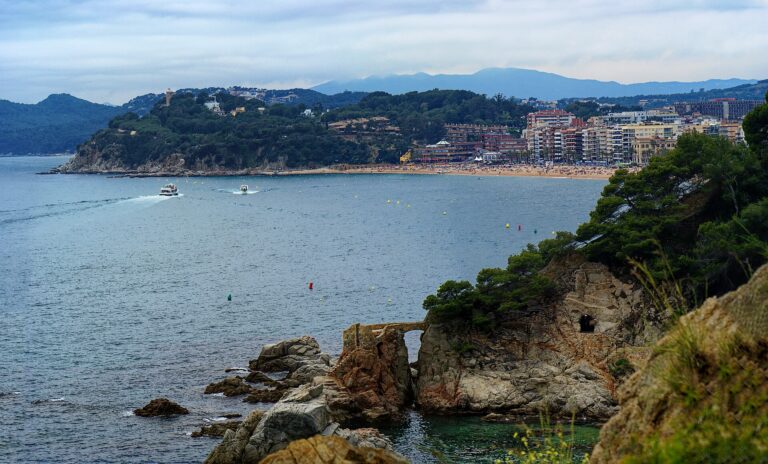
If you’re looking for the perfect escape from crowded Barcelona and craving a place steeped in ancient history, Tarragona Spain is your best bet. This fascinating Catalan city, perched right on the Mediterranean coast, offers a truly unique blend of ancient Roman monuments and a laid-back beach vibe. While hordes of tourists flood Barcelona’s Sagrada Família, in Tarragona you can enjoy a peaceful stroll along two-thousand-year-old city walls or lose yourself in the narrow lanes of the medieval old town.
Tarragona, known in antiquity as Tárraco, was once one of the most important cities of the Roman Empire on the entire Iberian Peninsula. Today, its remarkable archaeological ensemble is proudly inscribed on the UNESCO World Heritage List and offers sights that are guaranteed to leave you speechless. I’ve put together a comprehensive guide with all the essential information for your trip — from the most beautiful places to visit to practical tips on transport and accommodation.
TL;DR
- Perfect day trip: Tarragona is easily accessible by high-speed train from Barcelona — the journey takes under an hour, and you can cover the main sights in one packed day.
- Roman heritage: The star attraction is the ancient amphitheatre, dramatically perched on a cliff overlooking the sea with stunning views.
- Aqueduct outside town: Don’t miss the Devil’s Bridge (Pont del Diable) — you can actually walk across the top of it, and it’s just a short ride from the city centre in a nature park.
- Beaches without crowds: Unlike the packed resorts, you’ll find gorgeous golden-sand beaches here, with Cala Fonda bay feeling like an untouched paradise.
- Catalan culture: The city is famous for its castells tradition — human towers built by teams of people in a thrilling, adrenaline-fuelled spectacle that’s central to local identity.
- Watch out for summer heat: In recent years, Catalonia has been hit by extreme droughts, so spring or autumn are the best times to visit when temperatures are more comfortable.
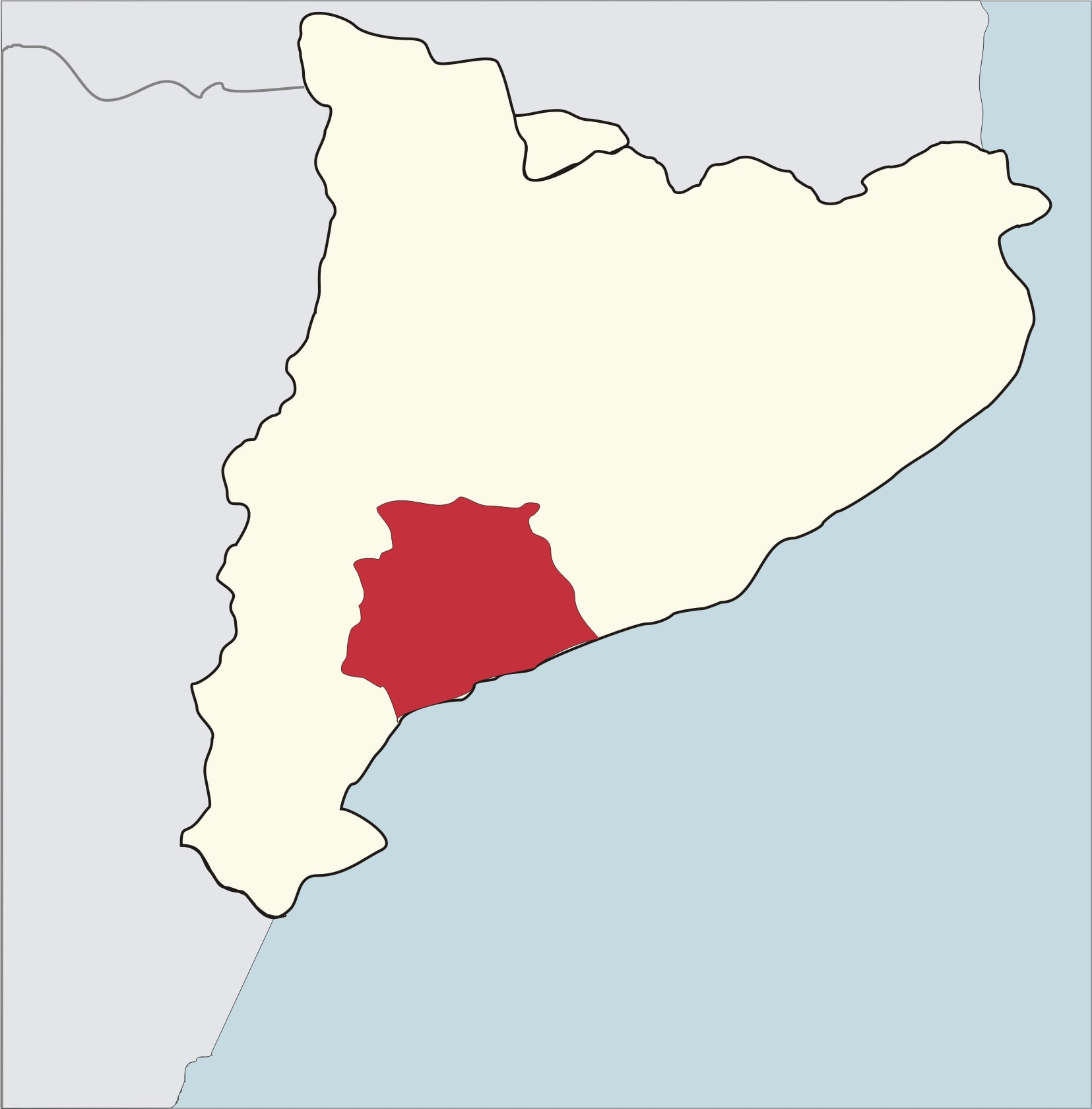
The full destination guide: Catalonia — guide and what to see
When to Visit Tarragona and How Much Time to Spend
Choosing the right time to visit Catalonia has become absolutely crucial in recent years. The best time to travel to Tarragona is from April to mid-June, or alternatively during September and October. During these months, you’ll enjoy pleasant temperatures hovering around 20°C, which is ideal for exploring monuments and lingering at outdoor terraces. The spring months also bring beautifully blooming landscapes around the city.
On the other hand, I’d recommend avoiding the summer months if at all possible. Catalonia has been battling extreme heatwaves and historic drought, which peaks during summer. In July and August, temperatures can soar well above 30°C, turning the sun-baked stone lanes of the old town into something almost unbearable. Due to water shortages, strict restrictions may also be in place, including limits on beach showers and bans on filling public swimming pools.
As for how long to spend, Tarragona works brilliantly as a day trip from Barcelona. High-speed trains whisk you here in no time, and the historic centre is wonderfully compact — easily walkable on foot. However, if you’d rather enjoy the city at a leisurely pace, savour the evening atmosphere in tapas bars, and spend some time on the beach, it’s well worth planning at least one or two nights here.
Where to Stay in Tarragona
💡 Accommodation & experiences tip: We love searching for stays on Booking.com, which usually offers the best cancellation policies. For tickets, tours, and activities, it’s worth comparing options on GetYourGuide.
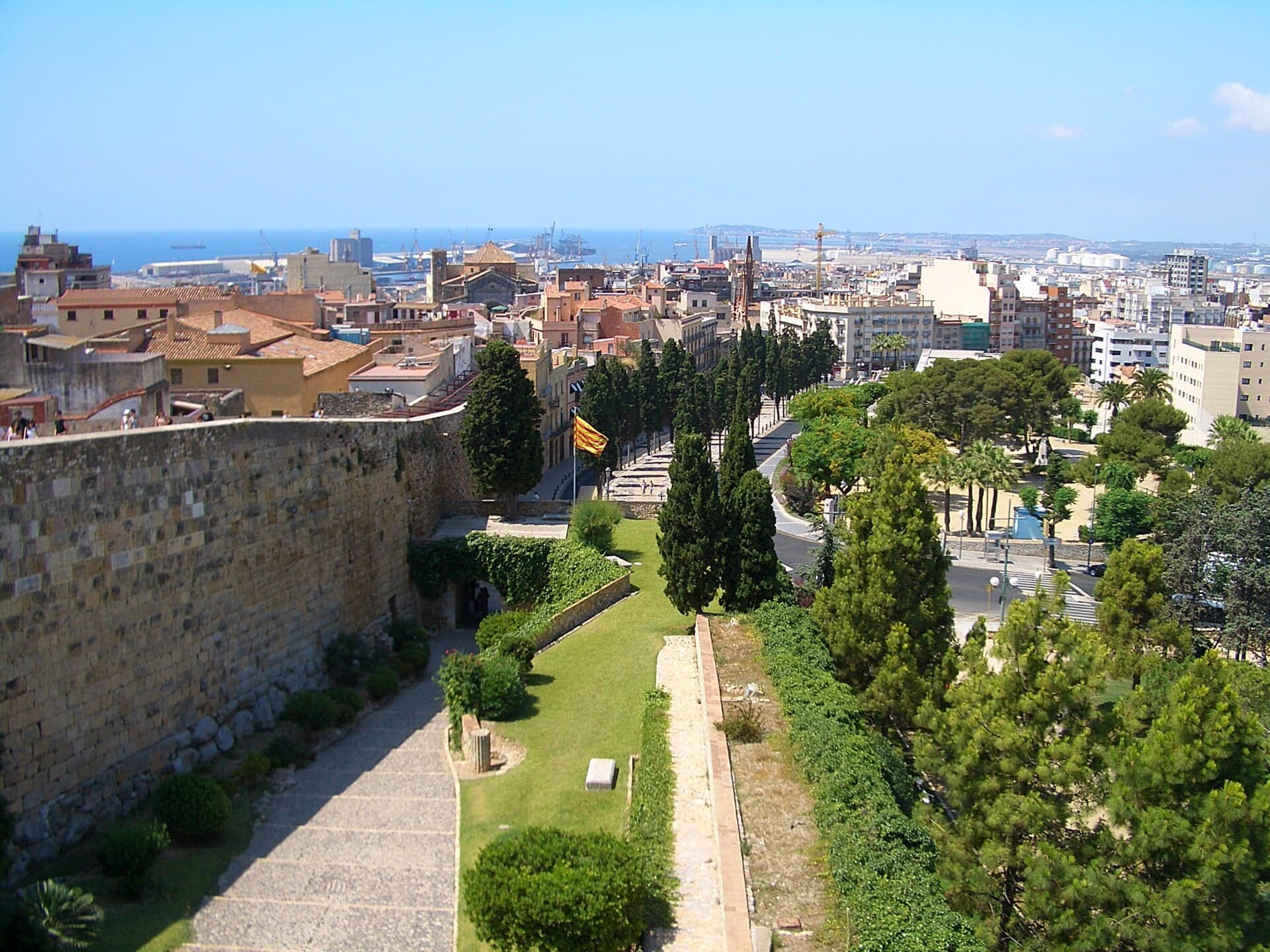
If you decide to stay overnight in Tarragona, the most atmospheric area is the Part Alta quarter — the historic heart of the city enclosed by ancient walls. You’ll be right next to the Gothic cathedral and Roman ruins, and in the evening you simply stroll down to the square and pick one of the many cosy cafés. Another excellent choice is the area around the main boulevard Rambla Nova, which puts you within easy reach of the monuments, the beach, and the train station.
For those seeking a touch of luxury and breathtaking sea views, H10 Imperial Tarraco is a superb option — it sits right beside the Roman amphitheatre. This hotel boasts a gorgeous rooftop pool with panoramic views over the city and the coastline. If you prefer something smaller and more budget-friendly right in the heart of the old town, check Booking for charming guesthouses tucked into the lanes of Part Alta, where you’ll often find beautifully restored historic houses with original stone vaults.
14 Things to Do in Tarragona
Let’s dive into the best that this enchanting city has to offer. Tarragona is quite literally an open-air museum, where you stumble upon a piece of history at every turn, yet it still manages to feel vibrant and authentic. Here are fourteen must-see places and experiences that deserve a spot on your itinerary.
1. Roman Amphitheatre Overlooking the Sea
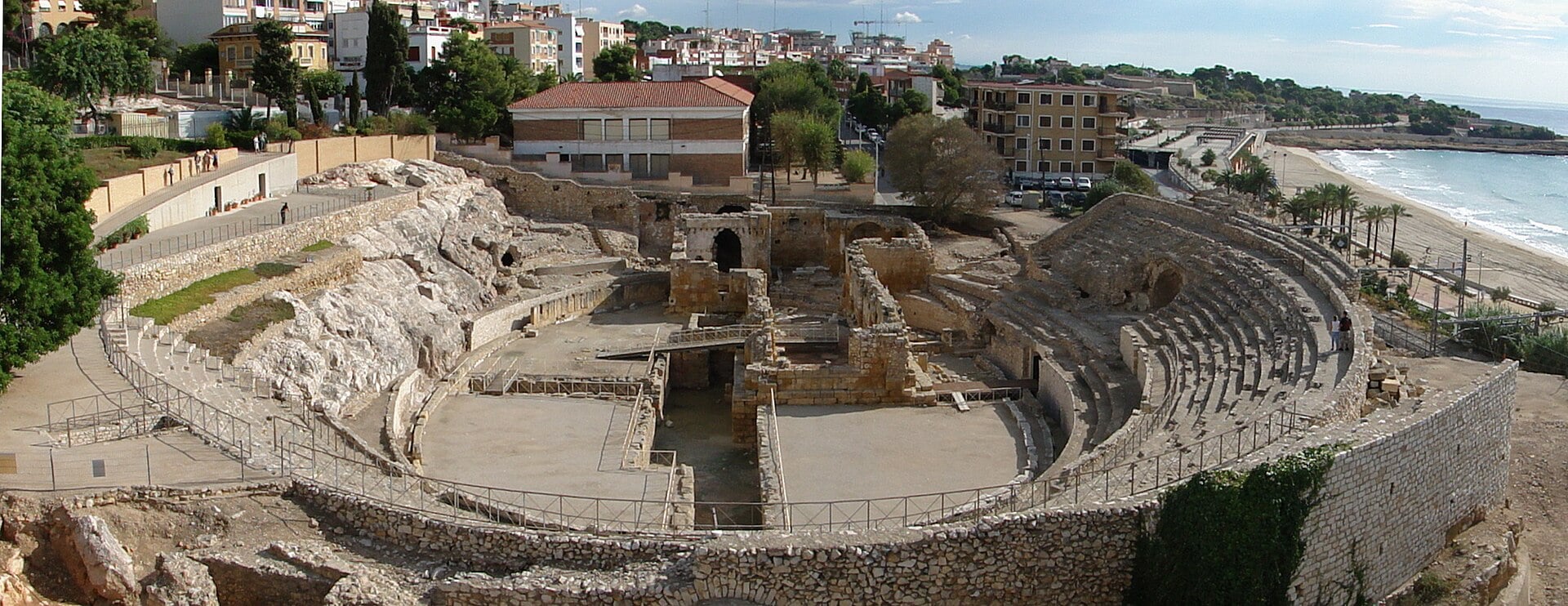
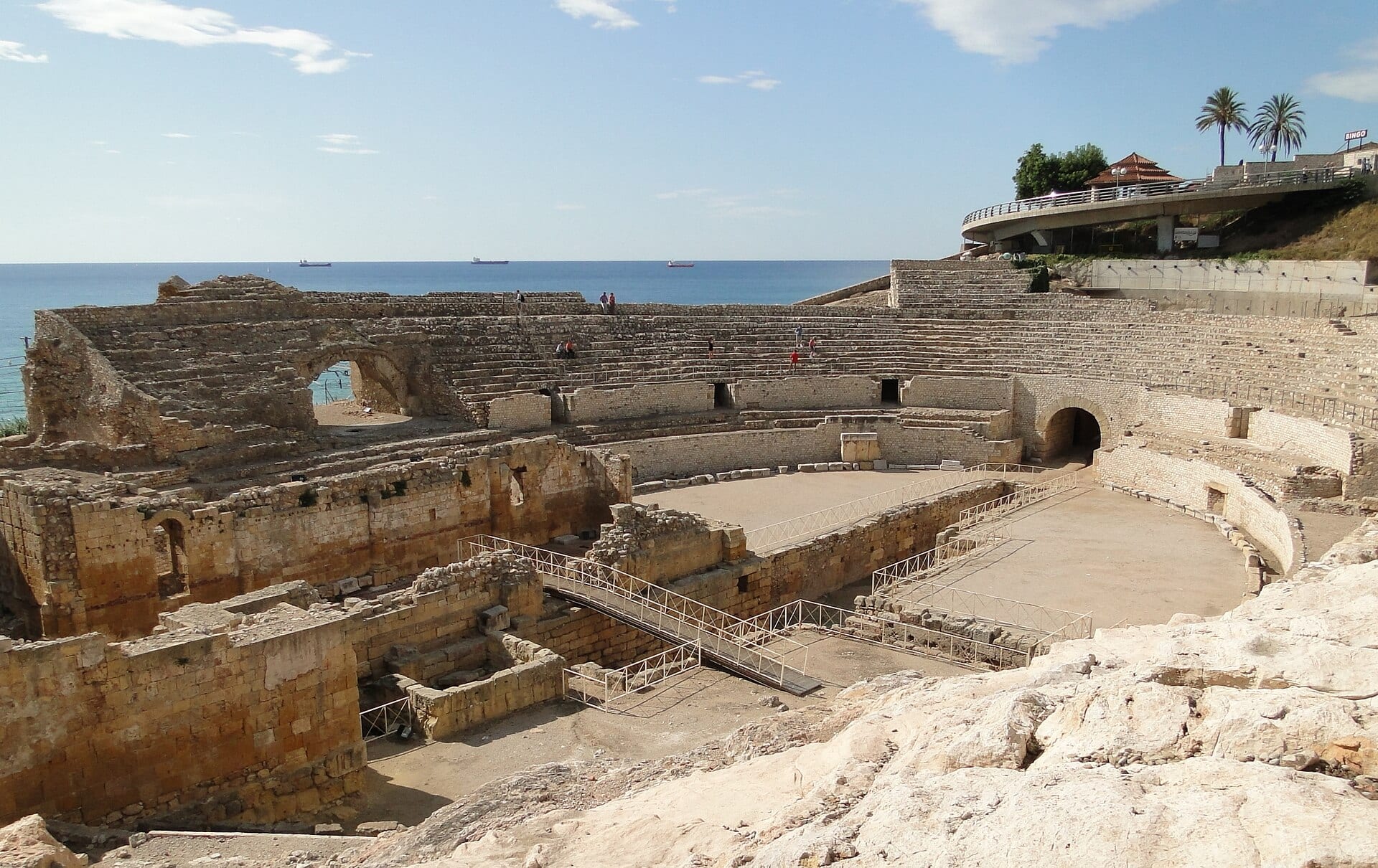
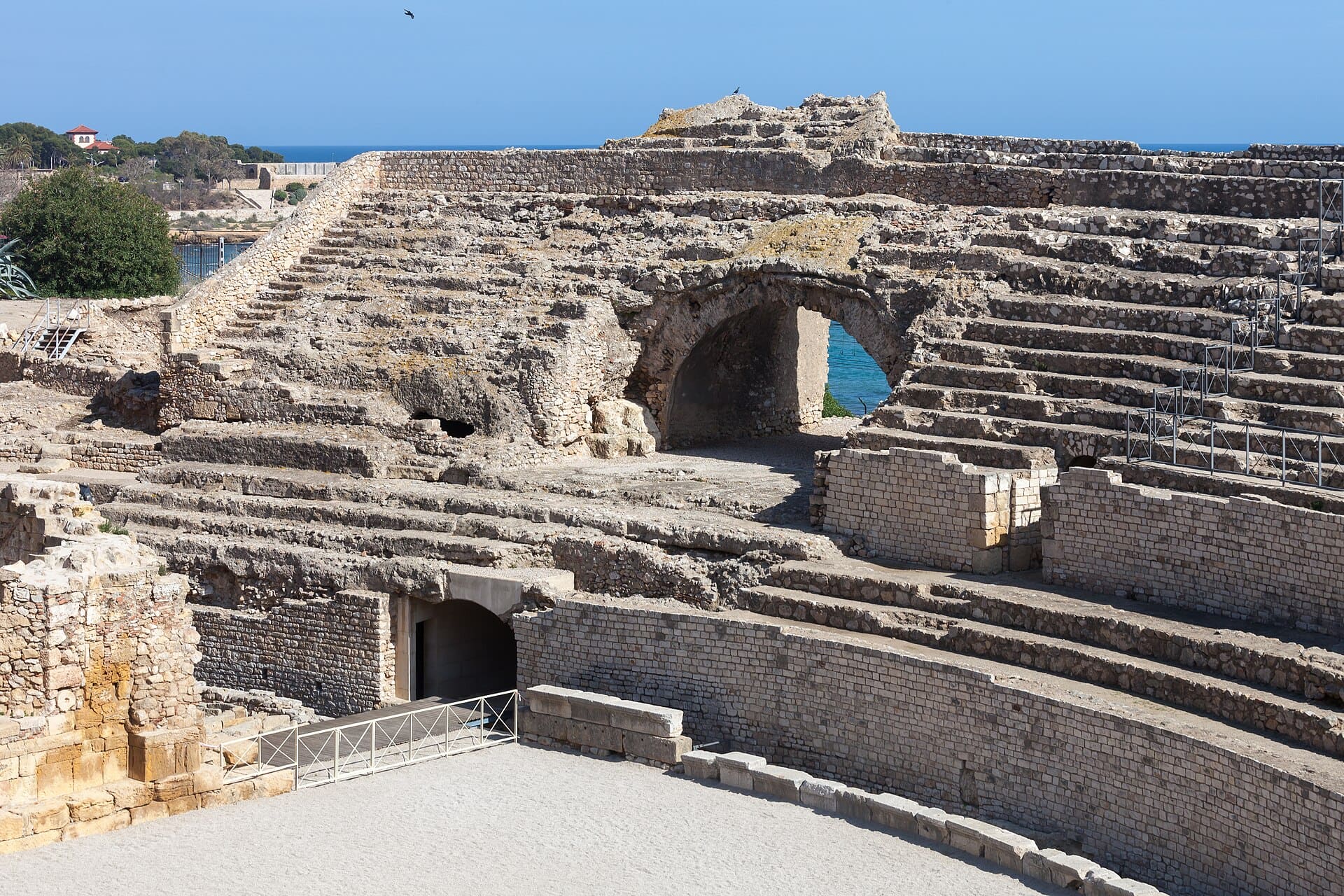
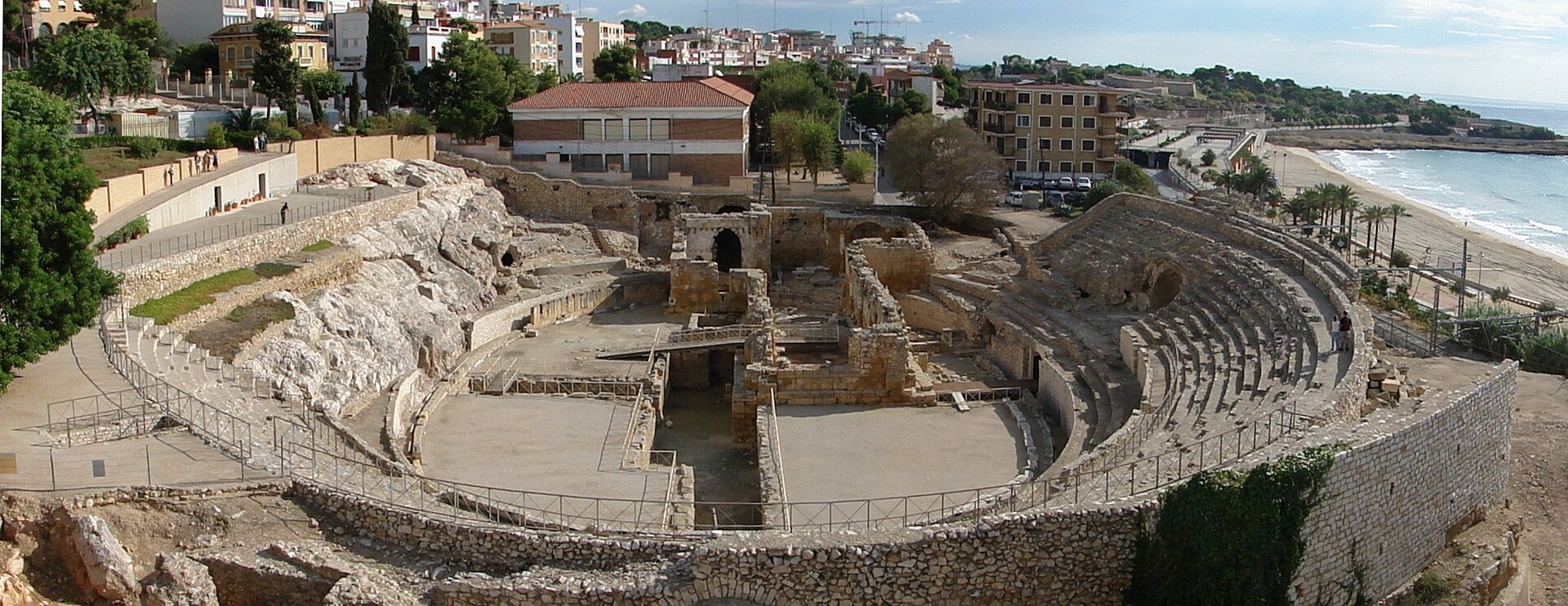
The most famous and truly iconic landmark in Tarragona is the ancient amphitheatre (Amfiteatre de Tarragona), dating back to the 2nd century AD. Its location is absolutely unique — carved into the hillside directly above the Mediterranean Sea. Brutal gladiator fights and public executions once took place here, watched by up to fourteen thousand spectators. The contrast between those bloody events and today’s calm, sparkling sea is remarkably powerful.
As you explore the arena, you’ll notice that the remains of a Visigothic basilica and a Romanesque church stand right in the centre, built in later centuries. Admission costs just a few euros and it’s well worth walking through the interior to soak up the authentic historical atmosphere. If you want to save time or money, though, you can get a brilliant view of the entire structure from the park above, which is also the best spot for photos.
💡 Insider tip: The most beautiful light for photographing the amphitheatre is early morning, when the sun rises directly over the sea and bathes the ancient stones in golden hues — and you’ll dodge the main tourist crowds too.
2. Pont del Diable Aqueduct (Devil’s Bridge)
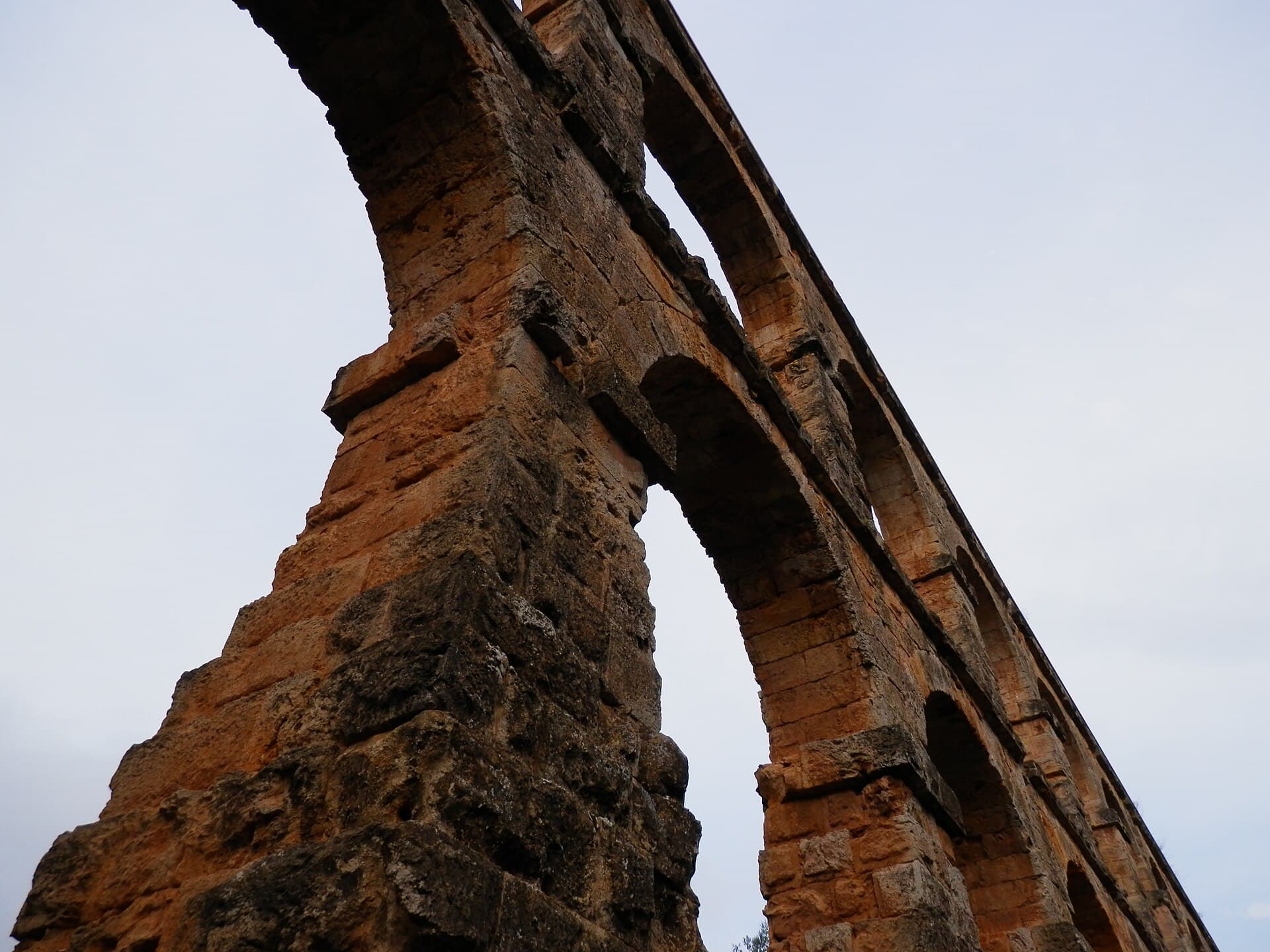
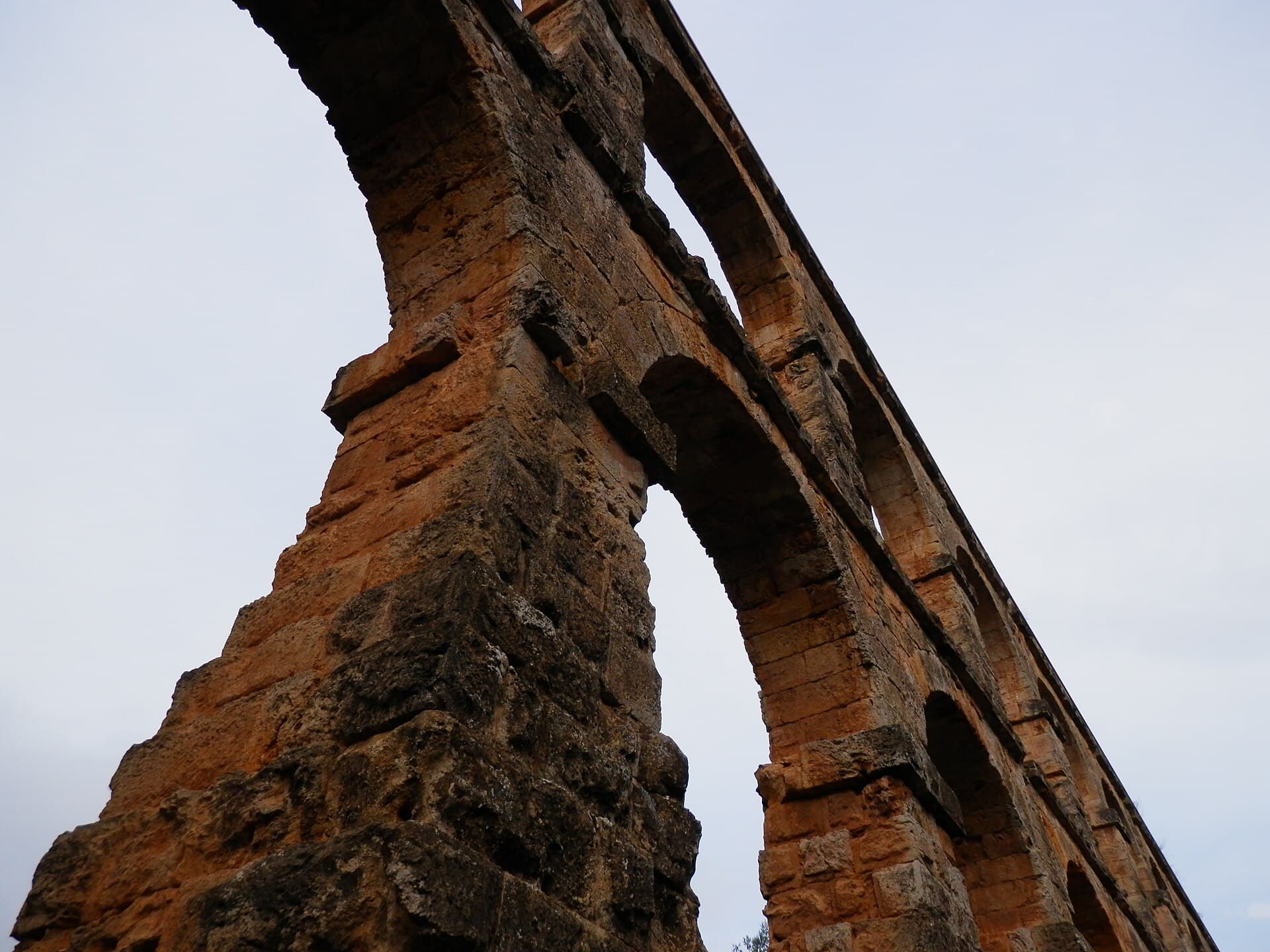
About four kilometres outside the city hides one of the best-preserved Roman structures in all of Spain — the monumental Les Ferreres aqueduct, known locally as Pont del Diable (Devil’s Bridge). This imposing structure once supplied the ancient city with water from a nearby river, its two tiers of arches soaring nearly thirty metres above a wooded valley. It’s fascinating to see how the Romans managed to build such a masterpiece of engineering without mortar, relying solely on perfectly fitted stone blocks.
The huge advantage of this site is that entry is completely free, and you can not only photograph the aqueduct but actually walk across the top of it. Strolling along the narrow water channel at the very summit, with pine forests stretching out below, is a truly unforgettable experience — though those with a fear of heights might find it a bit nerve-wracking. You can easily reach the aqueduct by city bus number 5 or 85 from the centre of Tarragona — the ride takes just about fifteen minutes.
💡 Insider tip: Bring comfortable shoes and a snack — the aqueduct is surrounded by a lovely eco-park with plenty of walking trails that are perfect for an afternoon picnic in nature.
3. Walking the Roman Walls (Passeig Arqueològic)
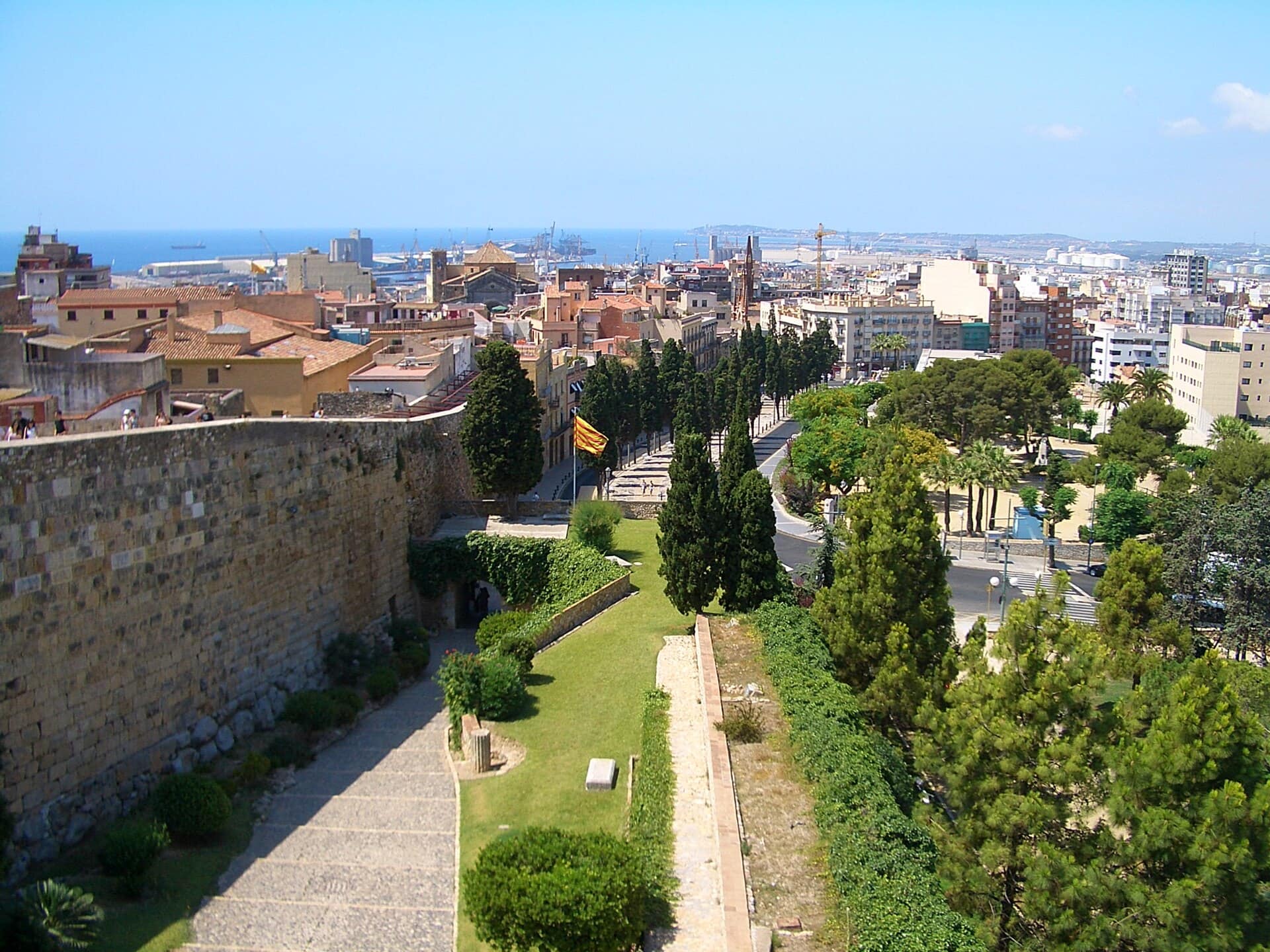
To truly appreciate the original scale of the city, you need to walk the Passeig Arqueològic archaeological promenade. This path follows the well-preserved Roman walls — the oldest Roman construction on the Iberian Peninsula surviving outside Italy. Built in the 3rd century BC, the massive stone blocks still bear mysterious mason’s marks that command immense respect.
The promenade is beautifully maintained, lined with cypresses, fragrant flowers, and historic cannons from later periods. Along the way, you’ll encounter a statue of Emperor Augustus, who once resided in Tárraco and governed the entire empire from here. There’s a small admission fee, but the views over the city and the serene garden atmosphere are absolutely worth it, especially on hot days when you’ll find welcome shade.
💡 Insider tip: Combine a visit to the walls with a tour of the entire Part Alta old town — the entrance to the promenade is right on the edge of the historic centre, so you can seamlessly continue to other sights.
4. Balcony of the Mediterranean (Balcó del Mediterrani)
At the very end of the main boulevard Rambla Nova, you’ll find a terrace with arguably the most beautiful viewpoint in the city — the Balcó del Mediterrani. This viewing platform sits atop a cliff roughly forty metres above the sea, offering breathtaking panoramas of the harbour, El Miracle beach, and the endless blue horizon. It’s a favourite gathering spot for locals, who come here for Sunday afternoon strolls or to watch the sunset.
There’s a charming local tradition associated with this spot called “tocar ferro” (touch the iron). The entire viewpoint is encircled by a beautiful 19th-century wrought-iron railing, and legend has it that anyone who touches the iron will be blessed with good luck and is guaranteed to return to Tarragona one day. Don’t forget to snap a photo with the amphitheatre below — it’s perfectly framed from up here.
💡 Insider tip: The cafés right next to the viewpoint tend to be rather overpriced — walk a short way back along Rambla Nova instead, where you’ll find much more authentic and affordable spots with excellent coffee.
5. Cathedral of Santa Tecla (Catedral de Tarragona)
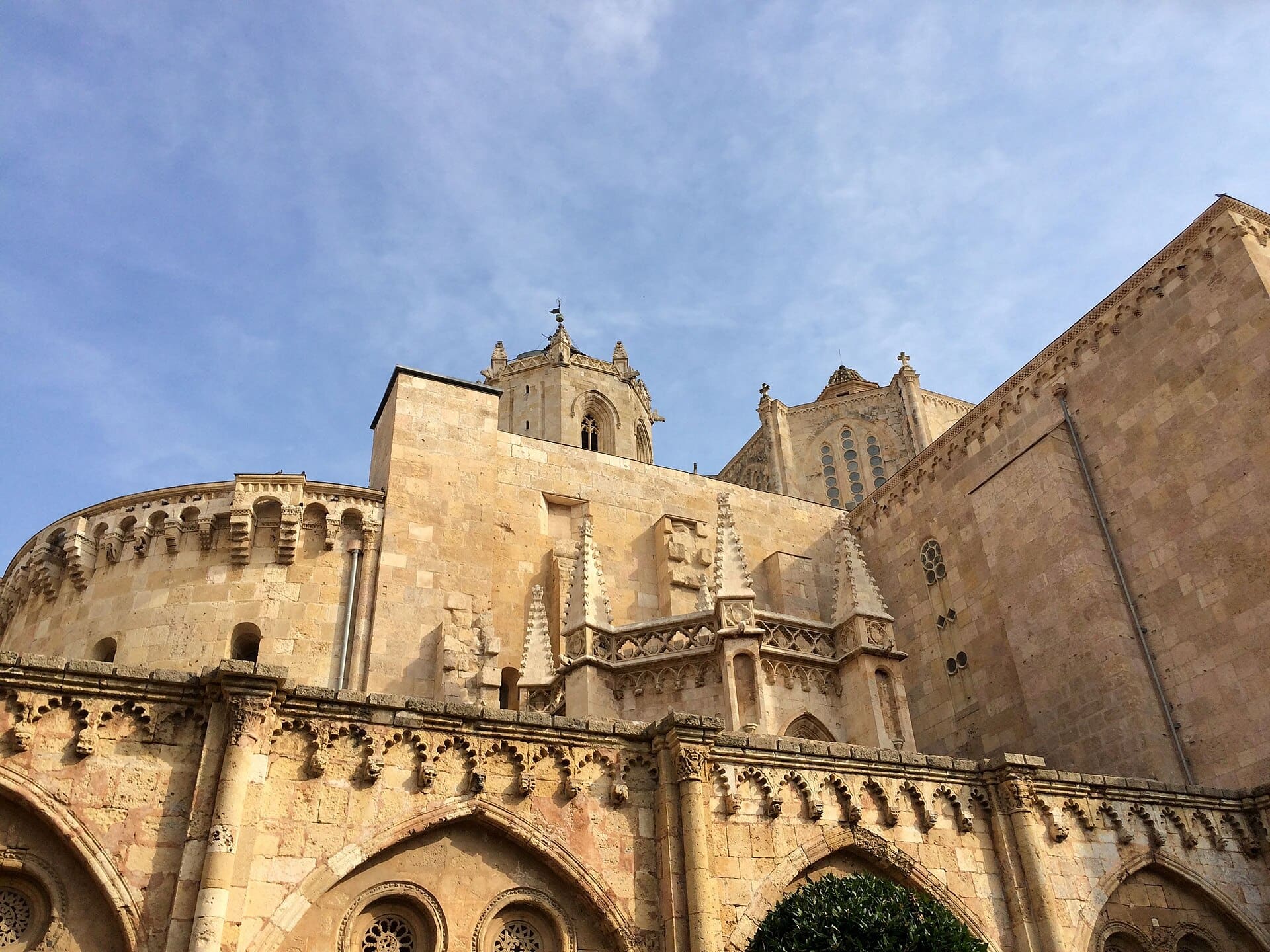
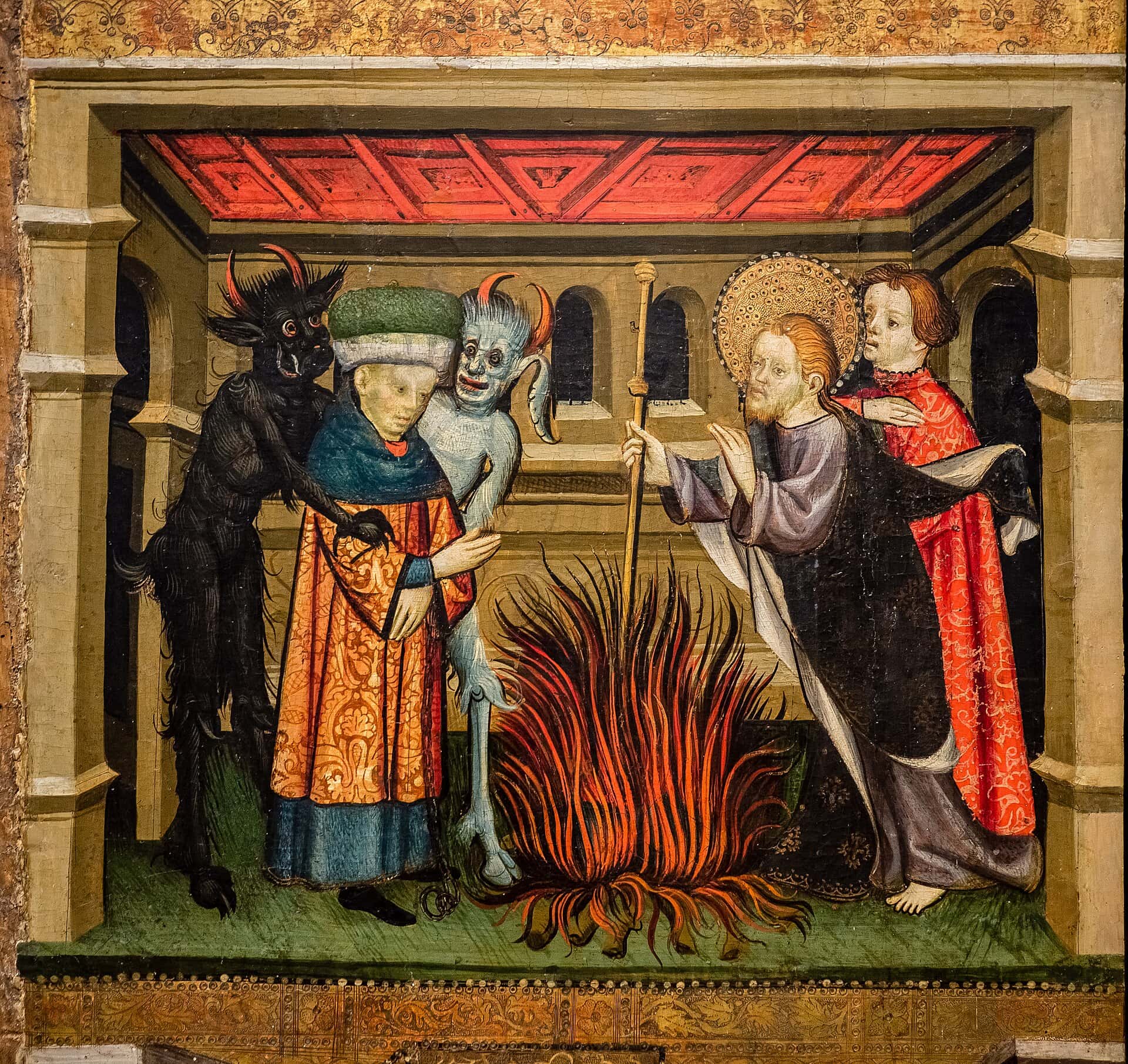
At the highest point of the historic centre rises the imposing Gothic cathedral dedicated to Santa Tecla, the city’s patron saint. Construction began in the 12th century on the site of a former Romanesque basilica, which itself stood on the ruins of an ancient temple to Jupiter. This constant layering of history is quintessentially Tarragona — if you look closely at the cathedral walls, you can spot Roman stones and inscriptions that the medieval builders simply recycled.
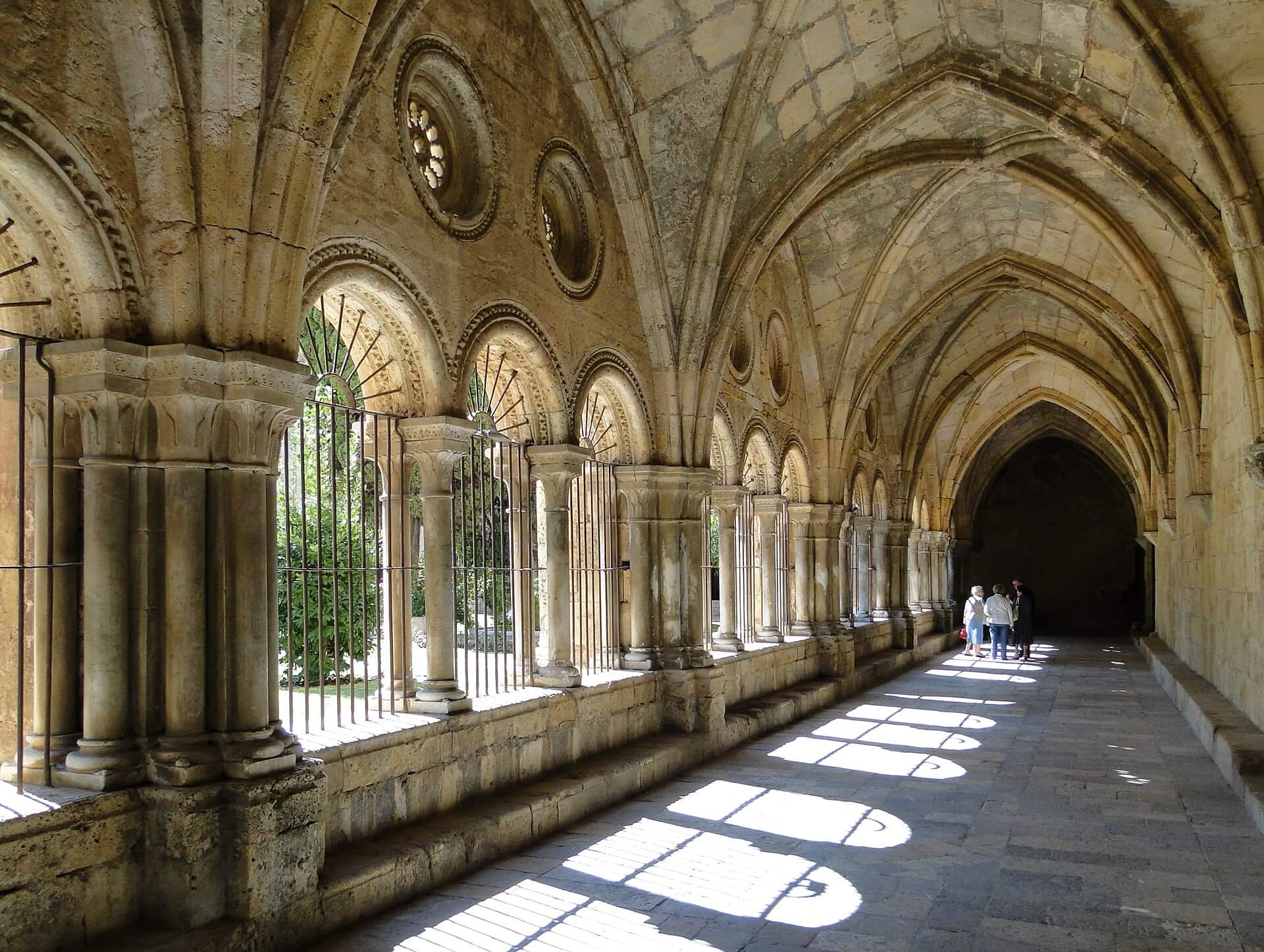
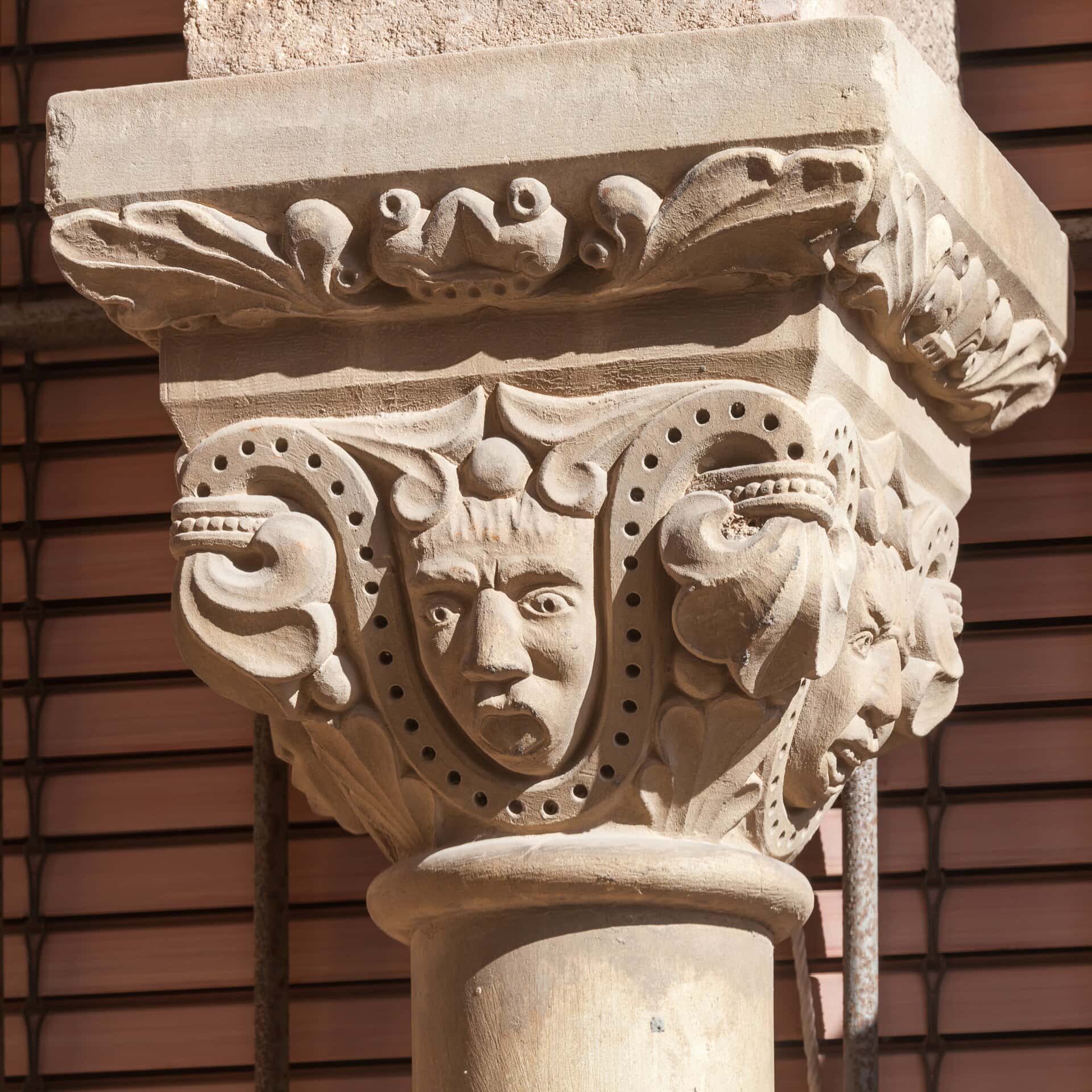
The crown jewel of the complex is the stunning cloister — a tranquil courtyard surrounded by ornately decorated arcades — that radiates an incredible sense of peace. A fountain murmurs at its centre, orange trees grow here, and you could spend ages simply admiring the intricately carved biblical scenes on the columns. Admission to the cathedral is ticketed, but your ticket also includes the diocesan museum, which houses precious tapestries and religious artefacts.
💡 Insider tip: For something a bit quirky, look for the column in the cloister with a relief of rats carrying a cat — it’s a witty medieval reference to a fable that the guides love to tell you about.
6. Plaça del Fòrum and the Provincial Forum
As you wander through the narrow lanes of Part Alta, sooner or later you’ll stumble upon the charming Plaça del Fòrum. As the name suggests, this was once the heart of the Roman Provincial Forum, where the political and administrative power of the entire province was concentrated. Today, ancient ruins literally merge with medieval and modern buildings, creating a uniquely photogenic setting you’d be hard-pressed to find anywhere else in the world.
The square is now a lively hub filled with small cafés and tapas bars with outdoor terraces that come alive with locals in the evening. It’s the perfect spot to rest weary feet, order a glass of chilled Cava sparkling wine, and soak up the buzz. Try the traditional Pa amb tomàquet — crispy bread rubbed with ripe tomatoes and drizzled generously with olive oil — a brilliant, simple snack that showcases Catalan flavours at their best.
💡 Insider tip: Avoid peak lunch and dinner times, when it gets packed — the best atmosphere here is in the late afternoon, when the stone walls glow in warm tones and there’s a blissful calm.

7. Roman Circus (Circ Romà) and Praetori Tower
While the amphitheatre hosted gladiator fights, the Roman Circus was built specifically for chariot racing. Tarragona’s circus ranks among the best-preserved in all of Europe — and paradoxically, that’s because the medieval city was built right on top of it. Much of the original corridors and vaults survived as the foundations of later buildings, and today you can walk through them.
The circus visit also includes entry to the imposing Torre del Pretori, which originally connected the circus to the upper forum and later served as a royal palace and even a prison. From its rooftop, you’ll enjoy a fantastic 360-degree view over the whole of Tarragona, the old town, and the coastline. Exploring these dark underground passages is also a great way to escape the summer sun, as they stay pleasantly cool all year round.
💡 Insider tip: Buy the combined ticket for the Roman monuments, which covers the circus, amphitheatre, and walls — you’ll save a good chunk of money, and the ticket is valid for the entire year, so there’s no rush.
8. Tarragona Beaches and Cala Fonda Bay
When you’ve had your fill of history, just walk down a few steps and you’ll find yourself on gorgeous sandy beaches — the pride of the Costa Dorada (Golden Coast) region. Directly below the city lies the wide Playa del Milagro (Platja del Miracle), which is easy to reach and has all the amenities you’d expect — from showers to beach bars. The sand is soft and the sea has a very gentle slope, making it ideal for a relaxed day by the water.
If you prefer something wilder, definitely head a short way north to Cala Fonda bay, often nicknamed Waikiki. It’s a stunning, unspoilt beach flanked by steep cliffs and pine forests, and you can’t get there by car. You’ll need to walk about twenty minutes along a forest trail from Platja Llarga, but the reward is crystal-clear water and perfect tranquillity far from commercial resorts — just bear in mind that it’s popular with nudists.
💡 Insider tip: Bring plenty of your own food and drink to Waikiki beach — there are absolutely no kiosks, toilets, or sunbed hire, it’s completely wild nature, so carry everything you need on your back.
9. The Fascinating Tradition of Human Towers (Castells)
One of the most awe-inspiring things you can witness in Catalonia is the building of traditional human towers known as castells. This tradition, inscribed on UNESCO’s Intangible Cultural Heritage list, has very deep roots in Tarragona, and the local teams (colles) are among the best in the world. It’s an utterly incredible spectacle — dozens of people literally climb on top of one another to form towers reaching up to ten storeys high.
If you visit in late summer or autumn, there’s a great chance you’ll see these performances live during local festivals, especially the September celebrations of Santa Tecla. The atmosphere in the square, as hundreds of people hold their breath while a small child (the enxaneta) scrambles to the very top of the tower, is absolutely electric. If there’s no performance happening during your visit, pop by the Monument als Castellers on the main boulevard Rambla Nova, which celebrates this daring and beautiful tradition.
💡 Insider tip: Try to find out if any of the local teams have an open practice session — they often train in the evenings in squares or in their practice halls, and spectators are warmly welcome.
10. El Serrallo Fishing Quarter
For a genuine taste of seaside life, head to the traditional fishing quarter of El Serrallo, located near the main harbour. This area still retains its authentic working-port atmosphere, where fish auctions take place every afternoon and nets dry out on the quayside. The colourful house facades and moored fishing boats create a wonderfully picturesque setting for an evening wander well off the main tourist trail.
This quarter is renowned for its restaurants, where locals flock for the freshest seafood around. The signature local dish is the rich fisherman’s stew Suquet de peix, fragrant with saffron and almonds. If you prefer a meat-free diet, you’ll find excellent vegetarian tapas here too — think fried Pimientos de Padrón peppers, cheese croquettes, or simply a glass of wine with views of bobbing boats and the setting sun.
💡 Insider tip: Walk along the harbour all the way to the modern Far de la Banya lighthouse — there’s a lovely view of all the port activity, and you’ll often find a quieter spot here than on the restaurant-lined promenade.
11. PortAventura World Theme Park
If you’re travelling with friends and love a bit of adrenaline, one of Europe’s largest theme parks sits just ten minutes by train from Tarragona — PortAventura World. This massive complex is divided into several themed zones, from the Wild West to Polynesia and China, and offers world-class rides. It’s the perfect way to mix things up if you fancy a break from history and want a day of pure, unadulterated fun.
The biggest draws are the extreme roller coasters, such as the legendary Shambhala and Dragon Khan, which will satisfy even the most hardcore thrill-seekers. The resort also includes Caribe Aquatic Park and the standalone Ferrari Land, home to the fastest roller coaster in Europe. I strongly recommend buying tickets well in advance online — you’ll skip the exhausting queues at the ticket offices, which can be horrendous during peak season.
💡 Insider tip: Set aside a full day for PortAventura and arrive right at opening time — the park is enormous, and if you want to hit the main rides without hour-long queues, the early morning is absolutely key.
12. National Archaeological Museum (MNAT)
For those of you who want to dig deeper and understand everyday life in ancient Tárraco, the National Archaeological Museum of Tarragona is an absolute must. The museum houses an incredible collection of artefacts uncovered during excavations across the city and its surroundings. You’ll find everything from delicate jewellery and coins to everyday tools and enormous decorated sarcophagi.
The true pride of the collection are the beautifully preserved Roman mosaics, particularly the famous Medusa Head mosaic, which astonishes with its vivid colours and exquisite detail. The museum is very modern in its approach, with visualisations that help you imagine what the city looked like at the height of its glory. Pair your museum visit with a look at the nearby Roman Forum for a complete picture of life in a Roman province.
💡 Insider tip: The museum is often free on Sunday afternoons — check the current opening hours on their website, and you can save money to spend on an excellent Spanish coffee instead.
13. Central Market (Mercat Central)
To soak up the true, unfiltered atmosphere of a Catalan city, you absolutely must visit the Mercat Central building on Plaça Corsini. This beautiful Art Nouveau building from 1915 recently underwent an extensive renovation and is now the beating heart of the city. The architecture alone — with its typical Modernista details, cast-iron columns, and glass roof — is worth seeing and makes a lovely complement to the ancient monuments.
Inside, you’ll find a symphony of colours and aromas across dozens of stalls selling fresh fruit, vegetables, cheeses, and local specialities. It’s the ideal place to pick up supplies for a picnic on the beach or by the aqueduct. Make sure you stop at the olive and nut stalls, sample different varieties, and grab something sweet — perhaps traditional Catalan confections sold by weight.
💡 Insider tip: In front of the market building, local pensioners gather every morning for a chat, and the square itself often hosts small clothing and antiques markets, adding to the wonderful local atmosphere.
14. Strolling Down Rambla Nova and Parc del Miracle
Your exploration of the city wouldn’t be complete without a leisurely stroll down the main artery — the broad boulevard of Rambla Nova. This street divides the city in two and is lined with shops, cafés, shady benches beneath mature trees, and interesting sculptures. It starts at the imposing Castellers (human tower) monument and stretches over a kilometre to the Balcony of the Mediterranean viewpoint.
After you’ve drunk in the views from the terrace, you can descend the steps or take the lift down to the sea and into Parc del Miracle. This park cleverly connects the city to the beach and offers shady spots to rest right next to the ancient amphitheatre. It’s the perfect place to round off a full day of history — sit on a bench, listen to the murmur of the waves, and take in all the impressions this enchanting city has left on you.
💡 Insider tip: Grab a scoop of excellent ice cream on the main boulevard, slowly make your way down to the park, and wait for the sunset — the colours over the Mediterranean are simply indescribable.
Map of points of interest for your phone
Where to Go from Tarragona
Thanks to its location and excellent rail connections, Tarragona is an ideal base for exploring more of Spain. Here are a few ideas for where to head next:
- Back to the big city: The most obvious next step is to explore the nearby Catalan capital — check out our guide on what to see in Barcelona.
- South along the coast: Hop on a high-speed train heading south and in a few hours you’ll arrive in another gorgeous city — get inspired by our guide on what to see in Valencia.
- To the capital: Spain’s superfast AVE trains make it easy and comfortable to reach the heart of the country — read our tips for Madrid.
- Island getaway: From nearby Reus airport or from Barcelona, budget airlines fly to the Balearic Islands — explore with us what Ibiza has to offer.
- Andalusian adventure: If you’re planning a longer road trip through Spain, make sure to check out our detailed Andalusia itinerary.
Frequently Asked Questions
How do I get from Barcelona to Tarragona?
The fastest and most comfortable way is to take the regional express trains that depart from Barcelona Sants station. The journey takes just under an hour and the trains run really frequently. You don’t need to buy tickets far in advance, you can get them right at the station from the machines, and the price for a one-way trip is around ten euros.
Is one day enough for Tarragona?
Yes, if you’re short on time, you can manage all the main Roman monuments and a stroll through the centre in one full day. The historic centre is very compact and the monuments are close together. But if you also want to visit the beaches, head out to the aqueduct, or check out PortAventura, I’d recommend setting aside at least two to three days.
Are the beaches in Tarragona sandy?
Absolutely, the town lies on the so-called Golden Coast (Costa Dorada), so all the local beaches are covered in beautiful, fine golden sand. The entry into the sea is usually very gentle and the water is clean, making it an ideal destination even for families with younger children who want a break from sightseeing.
Can you drink the tap water in Catalonia?
The tap water is officially drinkable and safe, but due to heavy chlorination it often doesn’t taste all that good, which is why locals prefer bottled water. Also bear in mind the current drought problems, so definitely don’t waste water and try to save it wherever you can.
Where do I park if I’m travelling by car?
Parking right in the historic Part Alta centre is very difficult and often impossible for non-residents. The best option is to use the large paid underground car parks along the Rambla Nova avenue or by the hospital, or you can try to find free spots further from the centre near El Miracle beach and walk the rest of the way.
What are these castells and when can I see them?
Castells are traditional Catalan human towers, and watching them being built is an amazing experience, both thrilling and cultural. Your best chance to see them live is on weekends from June to November, with the peak of the season being the September Santa Tecla festival, when thousands of enthusiastic spectators gather in the squares.
Is a visit to PortAventura worth it?
If you love roller coasters and theme parks, then absolutely yes, it’s one of the best parks in Europe. Just be prepared for higher ticket prices and big crowds during the summer months, so it’s ideal to set aside a whole day for it and buy your tickets in advance online.
Tips and Tricks for Your Vacation
Don’t Overpay for Flights
Search for flights on Kayak. It’s our favorite search engine because it scans the websites of all airlines and always finds the cheapest connection.
Book Your Accommodation Smartly
The best experiences we’ve had when looking for accommodation (from Alaska to Morocco) are with Booking.com, where hotels, apartments, and entire houses are usually the cheapest and most widely available.
 🚗 Car rental on the roadVerified rental cars in Catalonia
Search with the DiscoverCars comparison engine — it compares prices from dozens of local and international rental companies, and most bookings come with free cancellation.
Compare car prices in Catalonia →Don’t Forget Travel Insurance
Good travel insurance will protect you against illness, accidents, theft, or flight cancellations. We’ve had a few hospital visits abroad, so we know how important it is to have proper insurance arranged.
Where we insure ourselves: SafetyWing (simple monthly subscription) and TrueTraveller (for extra-long trips).
Find the Best Experiences
Get Your Guide is a huge online marketplace where you can book guided walks, trips, skip-the-line tickets, tours, and much more. We always find some extra fun there!