

Northern Spain is a world away from that sun-baked Costa del Sol postcard — think green hills, mist drifting over the ocean, Basque pintxos bars and pilgrims walking the Camino. But how do you actually plan it all? Are you wondering how much it costs, when to go and whether you can do it yourself or should book a tour? That’s exactly why we put together this hub.
You’ll find three things here: up-to-date tour and flight prices that we refresh every morning; our own tips from travelling through the Basque Country, Asturias and Galicia, plus links to specific articles; and a clear plan for when and what to book so you don’t overpay.

What to see and do in Northern Spain
Northern Spain stretches from the Basque Country through Cantabria and Asturias all the way to Galicia, and every stretch has its own mood. We love it precisely for that blend of ocean, mountains and food — in a single day you can have breakfast by the sea and stand beneath 2,000-metre peaks by the afternoon.
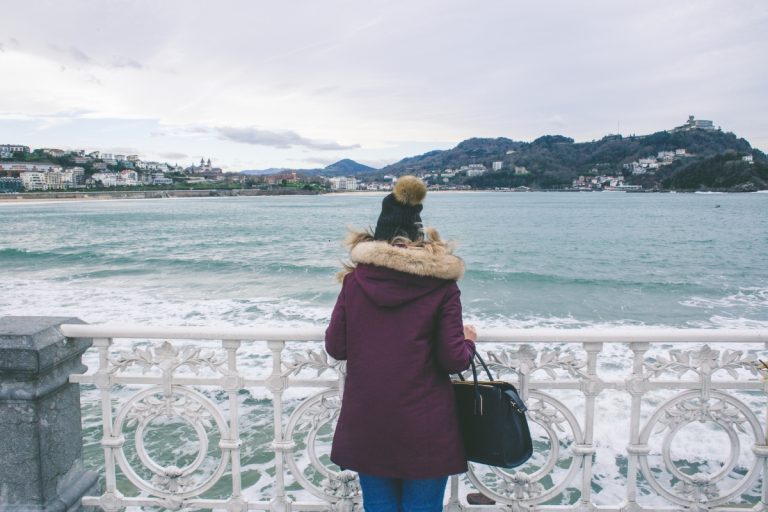
- San Sebastián — arguably the prettiest city beach in Europe (La Concha) and the pintxos-bar capital, where overeating becomes a sport.
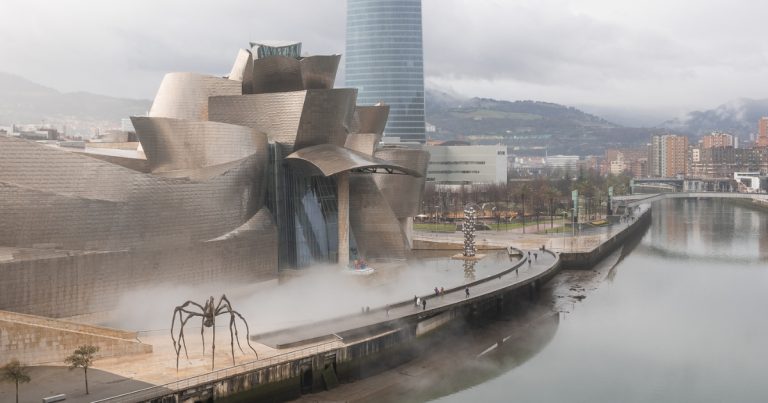
- Bilbao — the Guggenheim Museum and modern architecture in a city that has transformed beyond recognition from industrial grey.
- Pamplona — the San Fermín festival with the running of the bulls, but also a peaceful old town out of season.
- Santander — Cantabria’s elegant spa town with beaches and the Magdalena peninsula.
- Oviedo and Asturias — green Spain, pre-Romanesque churches, cider and a wild coastline.
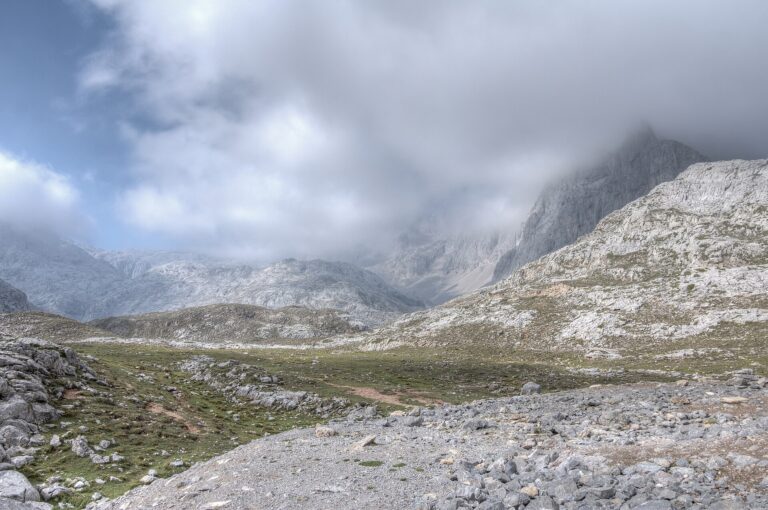
- Picos de Europa — a breathtaking national park with limestone peaks just a few kilometres from the ocean.
- Santiago de Compostela — the pilgrimage destination with its monumental cathedral and unmistakable Galician atmosphere.
- Vigo and the gateway to the Cíes Islands, with beaches straight out of the Caribbean.
And running across the whole north is the Camino de Santiago — the Way of St James, which you can walk in full or cherry-pick just a few of the loveliest stages. It’s not only for the religious; it’s a way to take the north slowly and on foot.

When to visit Northern Spain
Northern Spain is green precisely because it rains here — the Atlantic climate is wetter and cooler than the south. The best balance of weather and calm comes in May, June and September: it’s warm, the days are long, the sea is still (or already) bearable, and there are fewer crowds than in peak season.
July and August are the warmest and liveliest, but also the priciest and busiest — Spaniards themselves head here in summer to escape the inland heat. If you’re aiming for San Fermín in Pamplona, count on the first half of July and book your accommodation a year ahead if you can.
The Camino can be walked from spring to autumn, but in summer the hostels (albergues) tend to be packed. Spring and autumn are ideal for the trails — fewer people, comfortable temperatures. In winter the north is cold and rainy; it’s good for cities and museums, not for beaches.

How to get to Northern Spain
From the Czech Republic, you’ll usually reach northern Spain with one connection — direct flights to the region are essentially non-existent. The main gateway tends to be Bilbao, which puts both the Basque Country and Cantabria within easy reach; flights here go via Madrid, Barcelona or one of the big European hubs. Regional airports in Santander, Asturias (Oviedo) and Santiago de Compostela also do the job. From Prague, a realistic journey with a connection takes around 5–8 hours depending on the route.
By car from the Czech Republic via France it’s roughly 1,800–2,000 km — a long haul, but it makes sense if you want to roam the north under your own steam and carry plenty of luggage. An alternative is the ferry from England (Portsmouth/Plymouth) to Bilbao or Santander, mainly used by travellers coming from Britain. For most of us, the most practical option is to fly and rent a car once you arrive.
Renting a car
A car is worth it in northern Spain if you’re after villages, hidden coastal corners and mountains like Picos de Europa, where public transport is patchy. In the big cities (Bilbao, San Sebastián, Santiago), on the other hand, a car is more of a hindrance — parking is expensive and the centres are walkable. The ideal is a mix: reach the cities by train or plane and rent a car only for the rural part of the trip.
- Book through a comparison site in advance — in season prices rise and cars run out, and it’s usually pricier on the spot.
- Watch the insurance and deposit — basic cover often comes with a high excess, so extra insurance frequently pays off.
- Budget for tolls (peajes) on the motorways and paid parking in the cities.
- Pick the car up away from the airport if you can — airport surcharges can really add up.
Where to stay in Northern Spain
Where to rest your head depends a lot on your travel style. If you want one base city with day trips around it, Bilbao or San Sebastián in the Basque Country are great choices, or Santander for Cantabria. For the mountains, head to the villages around Picos de Europa; for the Camino, to the hostels along the route.
- Albergues (pilgrim hostels) — the cheapest option on the Camino, often just a few euros a bed.
- Hostels and guesthouses in the cities — good value and location for couples and solo travellers alike.
- Apartments — worth it for longer stays and families, especially in the bigger cities.
- Rural casas rurales in Asturias and Galicia — authentic peace and greenery for reasonable money.
- Beachfront hotels — lovely in Santander or San Sebastián, but in summer book early and expect to pay.
Package tour or independent travel?
Northern Spain works well either way — it comes down to what you want from the trip. Here’s our honest comparison:
A tour is worth it when…
- you want transport, accommodation and the programme sorted with no hassle;
- it’s your first time and you’d rather not plan the logistics;
- you don’t want to deal with renting a car and hopping between regions;
- you’re travelling on limited time and want to see as much as possible.
Go it alone when…
- you want your own pace, pintxos bars and stops on a whim;
- you’re walking part of the Camino, where planning it yourself feels natural;
- you don’t mind sorting out flights, a car and accommodation yourself;
- you want to tailor the trip to your budget and save.
The two of us love roaming the north on our own with a rental car — the freedom to stop at every beach and bar makes it worth it. But if this is your first big trip to Spain or you’d rather not deal with the logistics, a tour is a perfectly legitimate choice for enjoying the north stress-free.
Budget: daily costs in Northern Spain
Northern Spain is pricier than the south but cheaper than northern Europe. Here’s a rough daily budget per person (excluding flights):
| Level | Accommodation | Food | Transport & activities | Total/day |
|---|---|---|---|---|
| Backpacker | 20 €–30 € (hostel/albergue) | 12 €–18 € | 8 €–14 € | approx. 40 €–65 € |
| Standard | 45 €–80 € (guesthouse/apartment) | 25 €–35 € | 16 €–30 € | approx. 85 €–140 € |
| Comfort | 100 €–180 € (hotel) | 45 €–70 € | 30 €–60 € | approx. 180 €–310 € |
These prices are approximate and swing a lot with the season — in July and August and during San Fermín, expect significantly pricier accommodation.
How to save when planning
- Buy flights 2–4 months ahead — that’s usually the best balance of price and choice; last-minute prices climb as the season approaches. Search for flights in our finder.
- Avoid July and August and the San Fermín dates if you can — May, June and September will save you mainly on accommodation. Take a look at our accommodation tips.
- Book accommodation early in season, even 3–6 months ahead; out of season it pays to wait for deals.
- Take a tour as a first minute deal to lock in your dates, or last minute if you’re flexible and want to save — keep an eye on the current tours on this page.
- Popular activities and the boats to the Cíes Islands should be booked in advance, as they sell out in season — see what to book first in the what to book early section.
Practical information
- Language: Spanish, with Basque and Galician in places. You’ll manage with English in cities and tourist spots, less so in the countryside.
- Payments: you can pay by card almost everywhere, but keep some euro cash for small bars, markets and albergues.
- Connectivity: coverage is good; the most convenient option is an eSIM you activate before you fly so you don’t have to worry about roaming.
- Safety: the north is calm and safe; ordinary care with your wallet in the cities is plenty.
- A tip on the rhythm of the day: Spaniards dine late — restaurants come alive around 9 pm, and the afternoon is siesta time.


