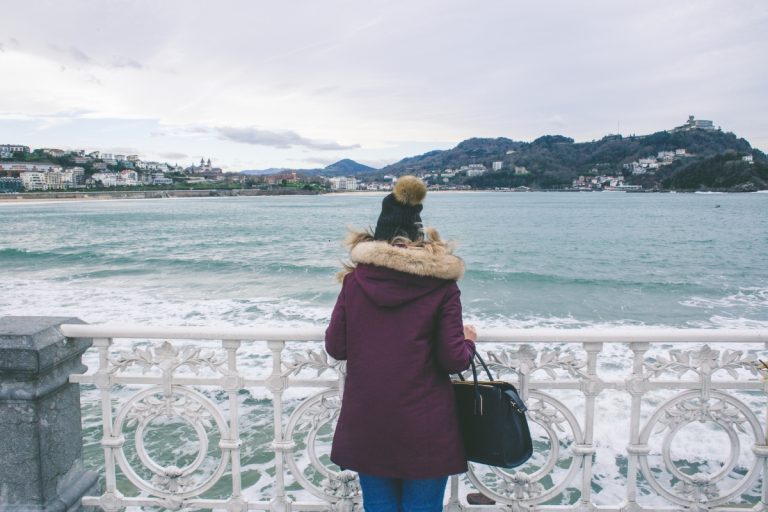
The green northwest of Spain is deceptively unexpected — instead of sun-scorched plains, you’re greeted by a landscape more reminiscent of wild Ireland or Scotland. Mist drifts lazily from eucalyptus forests, the cold Atlantic crashes against jagged cliffs, and bagpipes echo through local taverns on long evenings. Galicia is a fiercely independent world with Celtic roots, yet for millions of people it represents one ultimate destination. This is where the famous Camino de Santiago ends — the legendary pilgrimage that criss-crosses Europe and converges at a monumental cathedral. Whether you’re craving adventure, a digital detox, or simply need to clear your head, exploring the different Camino de Santiago routes might just be the life-changing experience you’re looking for.
TL;DR
- When to go: The best conditions are from May to October, but avoid the extremely overcrowded Holy Year (the next one is 2027).
- The 100 km rule: To earn the official Latin certificate, you must walk at least the final 100 kilometres on foot.
- Pilgrim passport: The Credencial is an absolute essential — you collect stamps along the way from hostels, cafés, and churches.
- Accommodation: Pilgrims sleep in special hostels called albergues, which are primarily for walkers and very affordable.
- Budget: The Camino is one of the cheapest ways to travel across Europe — around €50 per day covers both food and accommodation.
- Routes: You don’t have to walk the most famous Camino Francés — the Portuguese or Northern route are excellent, quieter alternatives.
The full destination guide: Northern Spain — guide and what to see
When to Visit Santiago and Walk the Camino
The climate in northwestern Spain is dictated by the Atlantic, so you’ll need to be prepared for highly changeable weather. Winters are relatively mild but extremely rainy, which means the only reliably dry and warm window opens from May through to the end of October. If you’d like to enjoy a refreshing dip in the ocean along the way, aim for the summer months from June to September.
When planning your pilgrimage, the calendar plays an absolutely crucial role — and it’s something you need to pay close attention to. The year 2027 is a so-called Holy Year (Año Xacobeo), which occurs whenever the feast of Saint James falls on a Sunday. During this jubilee, the Holy Door of the cathedral is opened, and the number of pilgrims surges by 50 to 80%, leaving the trails bursting at the seams.
If you want to enjoy a more authentic and peaceful atmosphere, 2026 is shaping up to be the ideal window for your visit. You’ll experience Galician nature and historic towns just before the extreme crowds that come with the anniversary year. Spring and autumn also guarantee pleasant walking temperatures, so you won’t be battling the scorching summer sun on open plains.
Where to Stay in Santiago de Compostela
💡 Tip for accommodation and experiences: We usually search for places to stay on Booking.com, which tends to have the best cancellation policies. For tickets, tours, and activities, it’s worth comparing options and booking through GetYourGuide.
After days or weeks of walking, you’ll finally reach the finish line — and you’ll want to savour the city and give your body some well-earned rest. I’d recommend looking for accommodation right in the historic centre (Casco Histórico), which is a UNESCO World Heritage Site and a labyrinth of narrow granite alleyways. You’ll have all the landmarks, excellent restaurants, and the cathedral itself just steps from your bed.
If you’re after affordable yet comfortable digs, an excellent choice is Hotel Praza Quintana, located right next to the famous square with stunning views. For those of you who fancy treating yourselves to a bit of post-pilgrimage luxury, there’s the legendary Parador de Santiago (Hostal dos Reis Católicos). This 15th-century building originally served as a royal hospital for pilgrims and is now one of the most prestigious hotels in all of Spain.
A wonderfully atmospheric middle ground is Hospedería San Martín Pinario, a vast monastic complex just a stone’s throw from the cathedral. Whichever hotel you choose, make sure to book well in advance via Booking, because Santiago de Compostela sells out from spring through autumn, and banking on finding a room when you arrive simply isn’t worth the risk.
14 Tips for Preparing for the Camino de Santiago
Choosing the right route, buying gear, and getting your head around the pilgrim rules can all feel a bit overwhelming at first. I’ve put together a comprehensive overview of everything you need to know before your first Camino walk to Santiago.
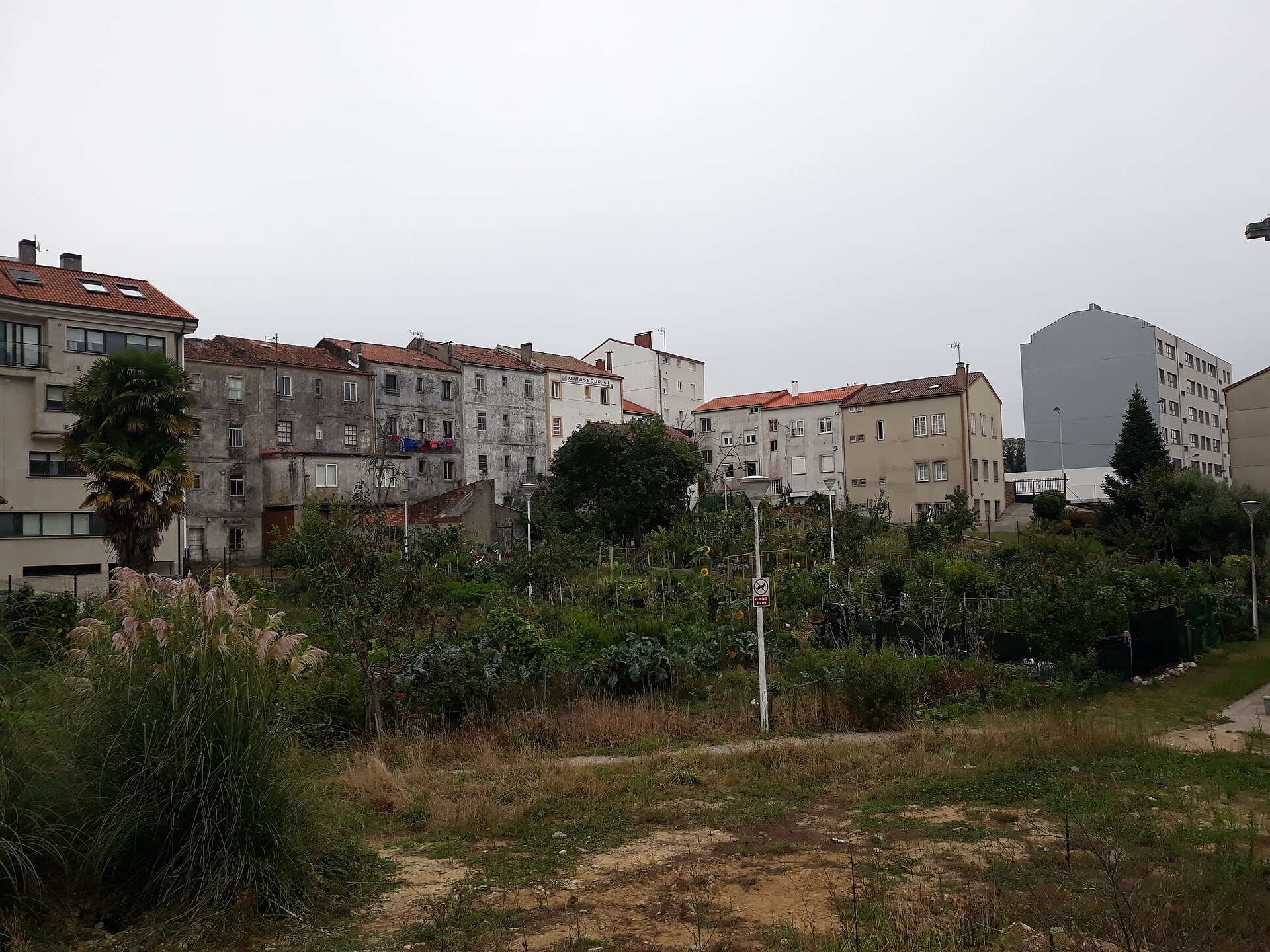
1. Camino Francés – The Most Famous Classic Route
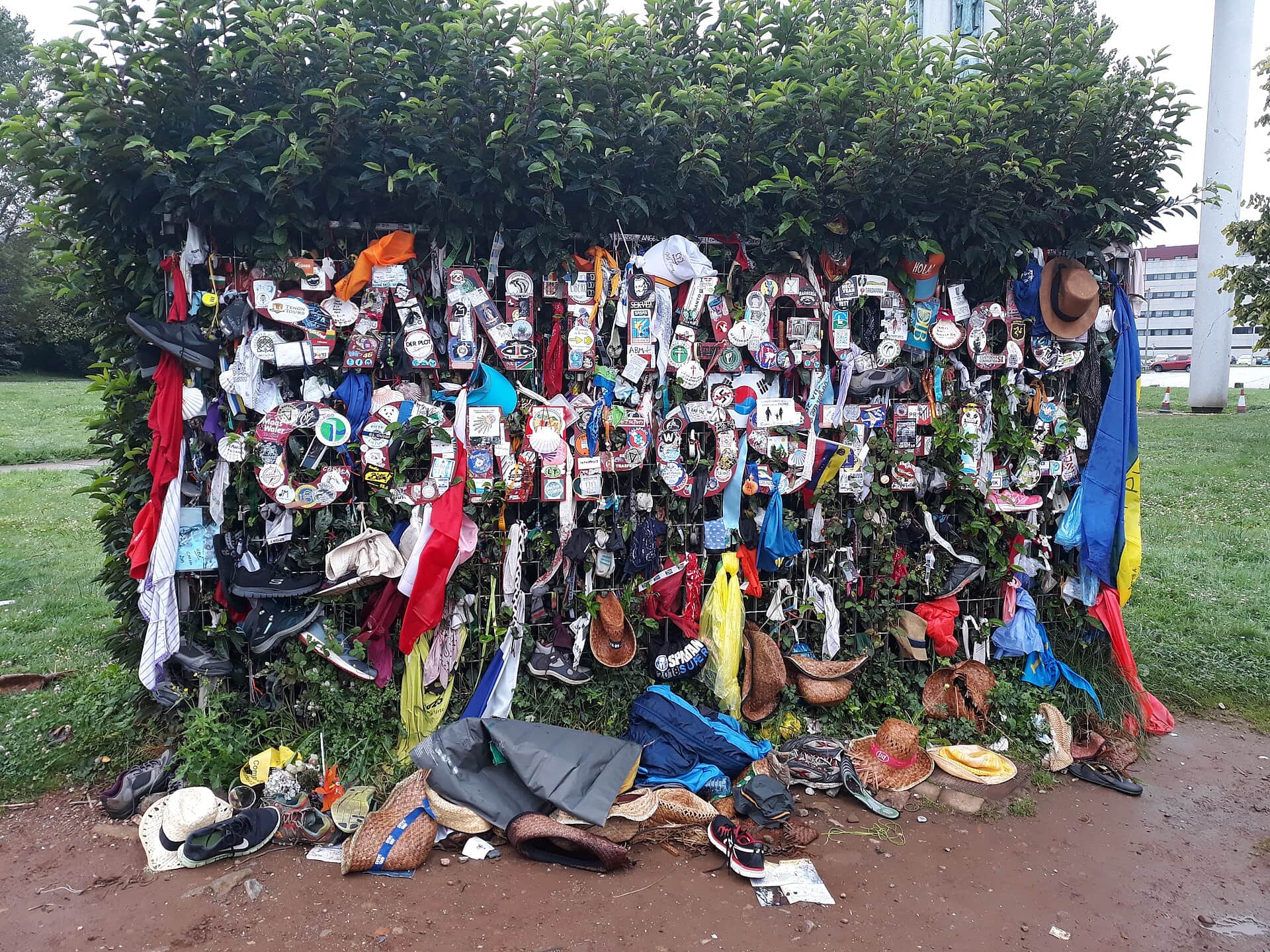
When people think of the Camino de Santiago, they almost always picture the Camino Francés — hands down the most popular route of them all. The full trail stretches roughly 800 kilometres, starting in the French town of Saint-Jean-Pied-de-Port and crossing the Pyrenees before heading across northern Spain. It boasts absolutely flawless infrastructure, from impeccable waymarking to countless hostels and cafés at every turn.
A huge advantage of the French route is its incredible social dimension — you’ll meet pilgrims from all over the world every single day and easily make lasting friendships. The flip side of this popularity, however, is the significant crowds, particularly during the summer months when the stretch from Sarria (the final 100 km) is absolutely heaving. A staggering 30.5% of all pilgrims start in Sarria to meet the minimum distance requirement for the Compostela certificate.
💡 Insider tip: If you want to walk the Camino Francés but dread the crowds, set off in April or towards the end of October. The weather will be cooler, but you’ll dodge the peak summer rush.
2. Camino Portugués – Perfect for a Relaxed First Pilgrimage
The second most popular of the Camino de Santiago routes is the Camino Portugués, which makes an ideal choice for complete beginners. Most pilgrims start either from Porto (240 km) or from the border town of Tui (115 km), where roughly 7.8% of all registered walkers begin. Compared to the French route, it has a significantly gentler elevation profile, so your knees won’t take nearly as much of a beating on steep descents.
The trail takes you through gorgeous green countryside, dense forests, and picturesque Portuguese and Spanish vineyards. The atmosphere is noticeably calmer than on the Camino Francés, yet the pilgrim infrastructure remains at a very high standard. If you want to soak up a romantic landscape and not stress about extreme physical challenges, the Portuguese route definitely won’t let you down.
3. Del Norte and Primitivo – For Experienced Hikers
If you’re a seasoned walker craving a real challenge and some solitude, the Camino del Norte or Camino Primitivo are calling your name. The Northern route (del Norte) starts in the border town of Irún and hugs the stunning Atlantic coastline, rewarding you with breathtaking ocean views. Be warned though — it’s physically very demanding thanks to the relentless ups and downs through countless valleys.
The Camino Primitivo is the oldest documented route to Santiago, starting in Oviedo and stretching approximately 320 kilometres. It cuts through the rugged mountains of Asturias and Galicia, so be prepared for serious elevation gains and unpredictable mountain weather. Your reward, however, is utterly untouched nature and blissful peace, as only a tiny fraction of total pilgrims venture this way.
4. The 100 Kilometre Rule and the Compostela Certificate
For your pilgrimage to be officially recognised and to receive the traditional Latin certificate known as the Compostela, you need to meet clearly defined rules. The basic requirement is to walk the final 100 kilometres to Santiago on foot, or cycle or ride on horseback for at least 200 kilometres. That’s precisely why so many people start their journey in towns like Sarria (Camino Francés), Tui (Camino Portugués), or Ferrol (Camino Inglés).
The certificate is issued by the Pilgrim’s Office (Oficina de Acogida al Peregrino) in Santiago upon presentation of your pilgrim passport. It’s not just a religious document either — people from every corner of the globe receive it today regardless of their faith, whether they walked for sporting, spiritual, or purely personal reasons. It’s a beautiful memento of pushing your own limits.
5. The Pilgrim Passport and Collecting Stamps (Credencial)
The key to the whole system on the Camino de Santiago pilgrimage is the so-called Credencial — the official pilgrim passport. This small foldable document serves as your ticket into the network of pilgrim hostels and doubles as proof of the route you’ve walked. You can pick one up for a few euros at your starting point, at larger churches, or at tourist information centres along the trail.
As you walk, you gradually collect stamps (sellos) from hostels, churches, and even local cafés and town halls. The rules are strict: over the final 100 kilometres you need to collect at least two stamps per day to prove in Santiago that you genuinely walked the route. The stamps themselves often feature beautiful designs, and by the end of your journey they form a gorgeous visual diary of your pilgrimage.
6. How Albergues (Pilgrim Hostels) Work
The backbone of practical life on the Camino are the pilgrim hostels known as albergues, which come in two flavours: municipal and private. Municipal albergues are very cheap, typically costing around €8 to €12 per night, but they operate on a strict first-come, first-served basis. You can’t book them in advance, and they offer basic bunk beds in large shared dormitories.
Private albergues cost a bit more, usually between €15 and €20, but offer the option to book ahead through various apps. They often provide noticeably better comfort — cleaner showers, washing machines, and smaller rooms. I’d recommend alternating between both types: the municipal ones give you that raw, authentic pilgrim atmosphere, while the private ones let you recharge properly.

7. Daily Distance and How to Plan Your Stages
A typical daily stage on the Camino de Santiago covers around 20 to 25 kilometres, which translates to roughly five to six hours of walking. Most pilgrims get up very early — often around six in the morning — to escape the midday sun and make sure they bag a free bed in a municipal albergue come afternoon. The rest of the day is then spent doing laundry, resting, and quietly exploring the local villages.
There’s no point pushing yourself to the limit from day one — your body needs time to adjust to the strain. For the first few days, plan shorter stages of around 15 kilometres and gradually increase the distance. Don’t forget to build rest days into your itinerary either — days when you walk minimal kilometres or stay in the same place for two nights to give your aching muscles a break.
8. Budget and Costs for the Camino de Santiago
One of the biggest perks of the Camino is that the budget for this trip is among the very lowest in all of Western Europe. While a typical budget traveller in Spain spends around €75 to €85 per day, a frugal pilgrim can get their daily costs down to under €50. That figure covers accommodation in an albergue as well as basic meals throughout the day.
You’ll save a fortune thanks to the so-called pilgrim’s menu (menú del peregrino), the Camino equivalent of a classic Spanish menú del día. For roughly €10 to €15, you get a hearty three-course lunch or dinner, complete with a bottle of wine and bread. Even better news: tap water across northern Spain is perfectly safe and drinkable, so simply refill your own bottle as you go and you’ll save even more.
9. What to Pack in Your Backpack (Less Is More)
Packing for the Camino is a discipline in itself, and there’s one golden rule to live by: your backpack should weigh no more than 10% of your body weight. Every extra gram will make itself felt in your knees and shoulders after hundreds of kilometres. The ideal pack size is between 30 and 40 litres — you really don’t need anything bigger, because you’ll be doing laundry regularly at albergues along the way.
Bring a maximum of three technical t-shirts, two pairs of shorts, a lightweight fleece, and a good-quality waterproof jacket — it rains in Galicia. A lot. A lightweight sleeping bag is essential since municipal albergues don’t provide bedding, along with a quick-dry travel towel. Decant toiletries into small travel bottles, and whatever you do, don’t forget earplugs — they’ll save you from the symphony of snoring in shared dormitories.
💡 Insider tip: Trekking poles aren’t just a fashion accessory — they’re an absolute necessity. They reduce the strain on your knees by up to 30% on steep descents.
10. Quality Footwear and Foot Care Are Non-Negotiable
Your feet are your most important mode of transport, so choosing the right footwear will make or break your experience. The days of heavy leather ankle boots are long gone. Most modern pilgrims opt for lightweight trail running shoes, which are breathable, dry quickly, and offer enough cushioning on hard surfaces like tarmac and cobblestones.
Equally important are quality trekking socks made from merino wool, which wick away moisture and reduce friction. Many pilgrims religiously apply petroleum jelly or specialist balm to their feet every morning to prevent blisters forming. If you do get one, make sure your first-aid kit includes blister-specific hydrocolloid plasters (like Compeed) and a sterilised needle with thread for safely draining and drying them out overnight.
11. Eating on the Trail and Galician Gastronomy
Food on the Camino is a massive part of the experience, and you’ll quickly fall in love with the ritual of communal evening meals with fellow pilgrims. Typical Spanish fare is readily available and affordable — besides the pilgrim’s menu, you can easily fuel up during the day with a hearty Spanish omelette (tortilla de patatas), available in every bar along the route for just a few euros and packed with energy. You can read more about the local cuisine in our guide to traditional Spanish food.
Galicia is a culinary paradise in its own right, and the undisputed local legend is pulpo a la gallega. This octopus is slowly simmered in a copper pot until tender, then served with smoked paprika. Another coastal speciality is percebes (goose barnacles), eye-wateringly expensive crustaceans that taste of pure ocean. If you’re vegetarian, there’s absolutely no need to worry — the local kitchen offers superb cheeses, olives, and pan-fried pimientos de Padrón peppers, which are utterly divine with a cold beer.
12. Don’t Miss the End of the World at Cape Finisterre
For many pilgrims, arriving in Santiago de Compostela is far from the end of the road. Hundreds of them press on for another roughly three-day walk to the Atlantic coast, to the famous Cape Finisterre (Camino Finisterre). The name itself, from the Latin Finis Terrae, literally means “the end of the world” — and that’s exactly what the ancient Romans called this wild, windswept spot before Columbus discovered the Americas.
This extension adds another 90 kilometres and leads you to cliffs battered by fierce ocean winds. At the iconic lighthouse on the cape, pilgrims traditionally gather to watch the sunset sinking into the endless Atlantic waters. It’s here, at the zero-kilometre marker, that the real, quiet, and deeply emotional conclusion of the entire pilgrimage takes place — one that stays with you forever.
13. Arriving in Santiago and the Monumental Cathedral
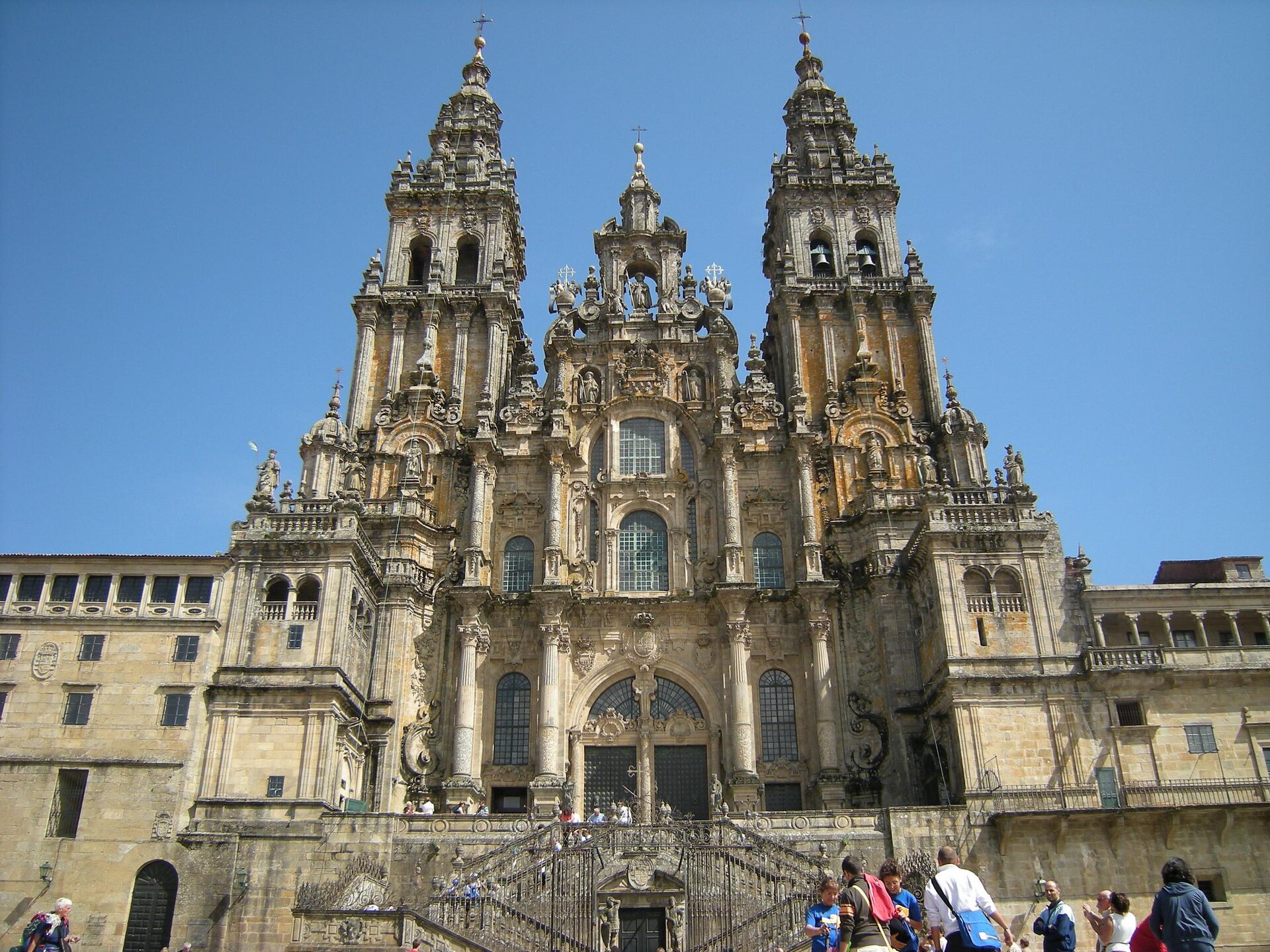
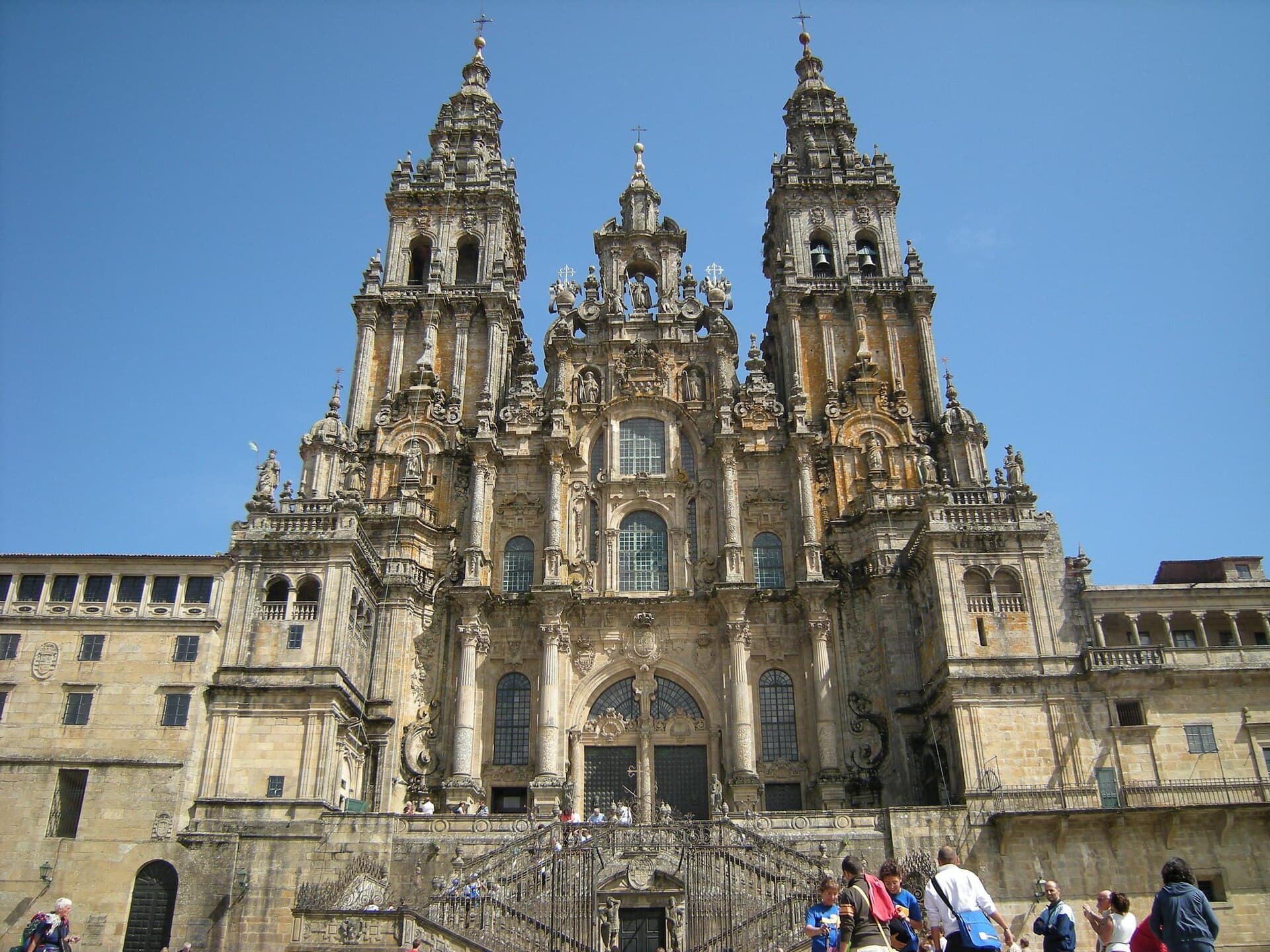
Stepping into Santiago de Compostela and taking your first steps onto the Praza do Obradoiro is one of the most powerful moments you can experience on any journey. This is where, right in front of the monumental Baroque façade of the cathedral, hundreds of exhausted pilgrims arrive every single day. You’ll see clusters of people sitting on the ground with dusty boots, leaning on their trekking poles, and often openly shedding tears of joy at having made it.
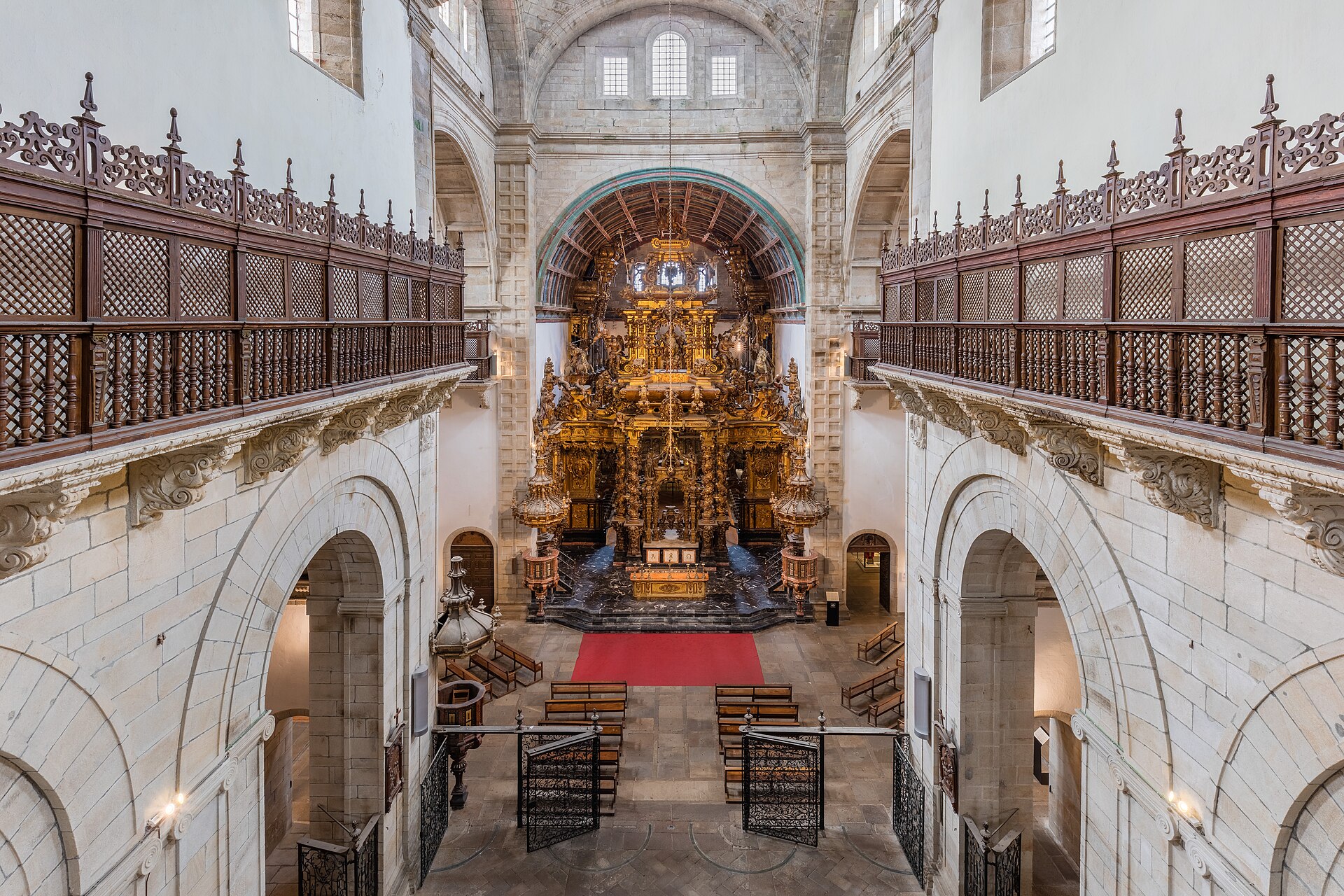
The cathedral itself hides breathtaking architecture and centuries of history within its walls. According to legend, the crypt beneath the high altar contains the remains of the Apostle Saint James, making this one of the three most important Christian pilgrimage sites in the world. I’d recommend visiting the cathedral early in the morning or towards evening, when the wet granite on the square glistens beautifully in the glow of the street lamps, creating a truly magical atmosphere.
14. Botafumeiro: The Magical Giant Incense Ritual
The absolute highlight of visiting Santiago de Compostela’s cathedral is witnessing the botafumeiro in action. This is a giant silver incense burner weighing over 50 kilograms that swings across the main nave of the church during selected services. The ritual originally served a very practical purpose — to mask the powerful stench of hundreds of unwashed pilgrims who slept in the cathedral during medieval times.
Today, the censer soars above the heads of worshippers and tourists alike, reaching speeds of up to 68 kilometres per hour. It takes eight specially trained men called tiraboleiros to set it in motion. Unfortunately, the botafumeiro isn’t used at every Mass — its deployment must be paid for in advance or occurs only on major feast days. If you’re lucky enough to witness this awe-inspiring ritual with your own eyes, you’ll carry the memory for life.
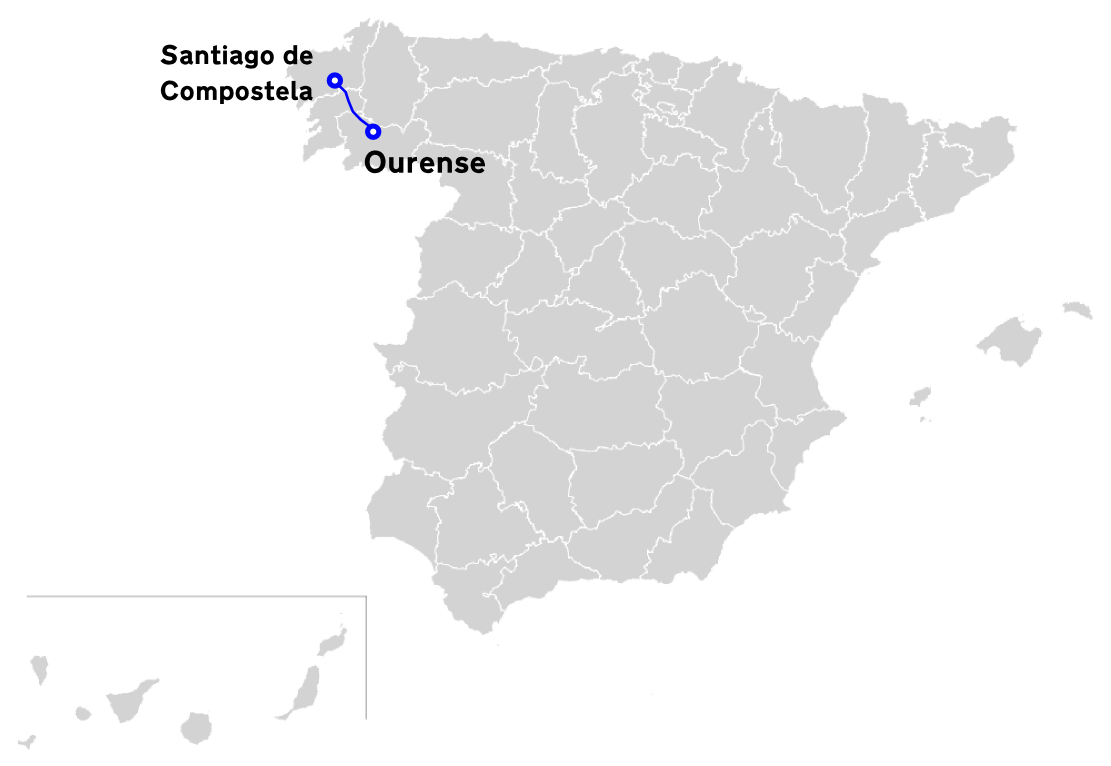
Map of points of interest for your phone
Where to Go Next from Santiago and Galicia
Once you’ve rested up and soaked in the atmosphere of Santiago, Spain offers countless options for continuing your travels. If the north stole your heart and you have a car or flights at your disposal, definitely explore the nearby Basque Country, famous for its world-class gastronomy. Top picks include the charming coastal city of San Sebastián, packed with pintxos bars, and the industrial-chic Bilbao with its iconic Guggenheim Museum.
If you’re craving warmer weather, head to the heart of the country or further south. The capital, Madrid, will charm you with its art galleries and parks, while cosmopolitan Barcelona serves up Gaudí’s unique architecture. Getting from Santiago to these cities is straightforward — budget airlines like easyJet and Ryanair operate regular flights, or you can take the high-speed AVE train.
If you’re dreaming of proper southern sunshine, Moorish palaces, and passionate flamenco, Andalusia is the way to go. Check out our comprehensive Andalusia guide with a full itinerary. You could start in stunning Seville, continue to the Alhambra via our Granada guide, and not miss the famous Mosque-Cathedral in Córdoba. For adrenaline junkies, I’d highly recommend the jaw-dropping Caminito Del Rey walkway near sunny Málaga. And if you fancy some island vibes and beaches, you can easily hop on a flight from the mainland to Ibiza in the Balearics.
Frequently Asked Questions
What is the Camino de Santiago?
The Camino de Santiago is an extensive network of historic pilgrimage routes that crisscross Europe. All these routes converge at a single point: the Spanish city of Santiago de Compostela, where the tomb of the Apostle Saint James the Greater is located. Originally a purely religious pilgrimage, today it’s a global sporting, cultural, and spiritual phenomenon.
How long does it take to walk the Camino?
The duration depends entirely on which route you choose and where you start. The longest complete route, the Camino Francés (approximately 800 km), takes an average of 30 to 35 days. However, if you decide to walk just the required final 100 kilometers from Sarria, you can comfortably complete it in 4 to 5 days of leisurely walking.
Is it safe to walk the Camino alone?
Yes, the Camino de Santiago is considered one of the safest routes in the world, even for solo female travelers. Especially on the more popular routes like the Camino Francés or Portugués, you’ll constantly meet other pilgrims, and locals are very helpful and accustomed to assisting walkers.
Do I need to be religious to walk the Camino?
Absolutely not. Today, deeply religious pilgrims make up only a fraction of the total number of people on the trail. Most people from around the world set out seeking adventure, to clear their heads after a difficult life event, or purely for athletic reasons and the desire for a digital detox.
Where can I get a pilgrim’s passport (Credencial)?
You can purchase a pilgrim’s passport, or Credencial, for a few euros right at the start of your journey. They’re commonly sold at tourist information centers, large churches at starting points, or official pilgrim offices. Without one, you won’t be allowed to stay in the special budget hostels called albergues.
Can I do the Camino by bike?
Yes, the Camino de Santiago can officially be completed by bicycle or even on horseback. However, to receive the Compostela certificate, cyclists must cover at least 200 kilometers, while walkers only need to complete 100 kilometers. Most routes are well-suited for mountain bikes.
Is tap water safe to drink along the way?
Yes, throughout northern Spain and Galicia, tap water is drinkable and completely safe. Along the route, you’ll also find plenty of public stone fountains (fuentes) where you can refill your bottle continuously and completely free of charge. There’s no need to buy bottled water in plastic.
What is a Holy Year (Ano Xacobeo)?
A Holy Year, or Ano Xacobeo, occurs whenever the feast day of Saint James (July 25th) falls on a Sunday. During this year, a special Holy Door opens in the cathedral, and pilgrims receive absolution of their sins. The next Holy Year will take place in 2027, and an extreme surge in visitor numbers is expected.
Tips and Tricks for Your Vacation
Don’t Overpay for Flights
Search for flights on Kayak. It’s our favorite search engine because it scans the websites of all airlines and always finds the cheapest connection.
Book Your Accommodation Smartly
The best experiences we’ve had when looking for accommodation (from Alaska to Morocco) are with Booking.com, where hotels, apartments, and entire houses are usually the cheapest and most widely available.
 🚗 Car rental on the roadVerified rental cars in northern Spain
Search with the DiscoverCars comparison engine — it compares prices from dozens of local and international rental companies, and most bookings come with free cancellation.
Compare car prices in northern Spain →Don’t Forget Travel Insurance
Good travel insurance will protect you against illness, accidents, theft, or flight cancellations. We’ve had a few hospital visits abroad, so we know how important it is to have proper insurance arranged.
Where we insure ourselves: SafetyWing (simple monthly subscription) and TrueTraveller (for extra-long trips).
Find the Best Experiences
Get Your Guide is a huge online marketplace where you can book guided walks, trips, skip-the-line tickets, tours, and much more. We always find some extra fun there!