If you’re thinking about a trip to Spain and picturing nothing but parched landscapes, scorching heat, and sangria on overcrowded beaches, the northern coast might completely catch you off guard. Green Spain, or España Verde, is an entirely different world — one that feels more like Ireland, only with far better food and dramatic mountains on the horizon. Right in the heart of this region, in the province of Cantabria, lies the elegant port city of Santander Spain. It’s a place where aristocratic history blends with laid-back surf culture, where you can admire modern art in the morning and hike along clifftops above a crashing ocean in the afternoon.
The city stretches around one of the most beautiful bays in the world, and its atmosphere is wonderfully refreshing. Although a devastating fire swept through the centre in 1941, Santander rose from the ashes and today offers a fascinating mix of historic palaces and cutting-edge modern architecture. You’ll find gorgeous wide sandy beaches, superb gastronomy focused on local produce, and a perfect base for exploring the entire green north. I’ve put together this detailed guide to help you plan the perfect trip to this slightly overlooked but utterly enchanting corner of the Iberian Peninsula.
TL;DR
- Top attractions: The Magdalena Peninsula and Palace, the ultra-modern Centro Botín, the stunning sandy beaches of El Sardinero, and the beautifully restored cathedral.
- Best time to visit: The driest and sunniest weather runs from June to September, with pleasant temperatures hovering around 24 °C.
- Getting there: You can reach Santander by train or bus from Bilbao or Madrid, and there’s even a direct ferry from Plymouth or Portsmouth with Brittany Ferries. For exploring the surrounding countryside and hidden beaches, however, hiring a car is essential.
- Day trips: Don’t miss the Cabárceno Nature Park, the medieval village of Santillana del Mar, or the modernist gem of Comillas.
- Food: Northern Spain is a foodie’s paradise, with a thriving pintxos culture and the local lightly sparkling txakoli wine.
- How long to stay: Two full days are enough for the city itself, but if you want to explore Cantabria and the nearby mountains, allow five to seven days.
The full destination guide: Northern Spain — guide and what to see
When to Visit Santander
Unlike southern Andalusia, where summer heatwaves can make sightseeing genuinely unbearable, northern Spain has an entirely different — and far more comfortable — rhythm. The climate here is strongly influenced by the Atlantic Ocean, which means the air is more humid, cooler, and considerably wetter. It’s precisely all that rain that makes Cantabria so dazzlingly green and full of lush pastures.
The only reliable window of relatively dry, sunny weather in Santander Spain stretches roughly from mid-June to the end of September. Even on the hottest August days, temperatures hover around a very pleasant 22 to 26 °C, creating ideal conditions for combining sightseeing with beach time. The water in the Bay of Biscay never gets as warm as the Mediterranean, but by late summer it’s perfectly refreshing for a swim.
If you’re considering a trip in spring or autumn, be prepared for the sky to cloud over at any moment and for heavy showers to roll in. The rest of the year, the north is dominated by rain and strong winds. That said, for lovers of dramatic scenery, stormy seas, and deserted surf beaches, autumn in Cantabria has its own unmistakable and slightly melancholic charm.
Where to Stay in Santander
💡 Accommodation & experiences tip: We usually search for accommodation on Booking.com, which tends to have the best cancellation policies. For tickets, tours, and activities, it’s worth comparing options on GetYourGuide.
Choosing where to stay in Santander largely depends on what kind of holiday you’re after. The city essentially splits into two main areas that visitors tend to gravitate towards. The first is the historic centre and the area around the harbour (Puertochico), which is ideal if you want to be close to the sights, modern art, and an endless supply of evening tapas bars.
The second — and arguably more appealing option for summer — is the El Sardinero neighbourhood, which stretches along the famous beaches of the same name. This area still breathes the elegance of a bygone era when Spanish aristocracy flocked here, and it’s where you’ll find the most refined hotels with ocean views. From El Sardinero, you can reach the centre via a pleasant coastal walk or a quick hop on a city bus.
- Luxury with a view: If you fancy a touch of real elegance, check out the Eurostars Hotel Real, which sits on a hillside with a fantastic panorama over the bay and ranks among the most iconic buildings in the city.
- Great value by the beach: An excellent mid-range choice is the Gran Hotel Victoria, just steps from the El Sardinero beaches, offering comfortable rooms with balconies.
- Right in the thick of it: For those who love city buzz, I’d recommend Vincci Puertochico, a design hotel right by the harbour, within easy reach of the best restaurants and the Centro Botín museum.
I’d recommend booking well in advance via Booking.com, especially if you’re planning a trip in July or August, when Spaniards from the sweltering interior flock to Cantabria to escape the heat. Nightly rates at a decent hotel for two during peak season typically range between €100 and €160, while off-season prices can drop by a third or more.
16 Best Things to See and Do in Santander
Let’s dive into the best that this Cantabrian gem has to offer — from strolling through royal gardens to sampling local cheeses at a bustling market. The city is surprisingly spread out, so don’t hesitate to hop on local public transport or rent a bike from time to time.
1. Palacio de la Magdalena: The Royal Summer Residence
At the turn of the 20th century, city officials decided to build a summer palace for the Spanish royal family to boost tourism. The result was the majestic Palacio de la Magdalena, completed in 1912, which became a favourite retreat for King Alfonso XIII and his wife Victoria Eugenie of Battenberg. The architecture is a fascinating blend of English, French, and traditional Cantabrian elements.
You can visit the palace interior, but be sure to check the opening hours, as the building now partly serves as a conference centre and summer university venue. Guided tours cost just €3 and take you through the grand reception halls, the royal dining room, and the private chambers, all of which offer breathtaking views straight out to the ocean and the surrounding cliffs.
2. Walking the Magdalena Peninsula
The palace itself sits on the sprawling Península de la Magdalena, which today functions as a huge public park. It’s probably the locals’ favourite spot for weekend strolls and picnics. You can walk the entire perimeter along a paved path that’s roughly three kilometres long and offers views across every angle of the bay.
Along the way, you’ll stumble upon several points of interest, including a small open-air marine park where you can spot penguins and seals from the cliffs, as well as an exhibition of replica historical ships. 💡 Local tip: The most stunning views of the cliffs and crashing waves are on the northern side of the peninsula early in the morning, when you’ll barely encounter anyone other than a handful of joggers.
3. El Sardinero Beaches: Sand and Belle Époque
Once you’ve had your fill of royal history, head a little north to the El Sardinero district, famous for its stunning beaches. They’re divided into Primera Playa (First Beach) and Segunda Playa (Second Beach), both connected by a long and very elegant promenade. Fine golden sand and clean bay waters draw thousands of visitors in summer.
Looming directly above the beaches is the iconic Gran Casino del Sardinero building from 1916, lending the whole area a wonderful Belle Époque feel. Even if you’ve no plans to play roulette, the building is worth admiring for its majestic façade alone. If you prefer more active relaxation, the beaches in Santander are a renowned surfing paradise, and there are dozens of schools nearby where you can hire a board and wetsuit.
4. Centro Botín: Architecture That Floats
While El Sardinero breathes history, the harbour area recently received an injection of cutting-edge modern architecture. Centro Botín, designed by the celebrated Italian architect Renzo Piano, opened in 2017 and instantly became a new symbol of the city. The building, composed of two rounded blocks clad in ceramic discs, looks as though it’s hovering right above the surface of the bay.
Inside this cultural centre, you’ll find rotating exhibitions of modern art and various cultural events. Even if contemporary art isn’t really your thing, I’d definitely recommend taking the lift up to the rooftop terrace, which is free to access. It offers one of the finest panoramic views in the entire city — across the sea, the rooftops, and the distant mountains inland.
5. Cathedral of the Assumption of the Virgin Mary
Santander’s cathedral is architecturally unique because it’s essentially two churches stacked on top of each other. The lower part, the 12th-century Crypt of El Cristo, is dark, atmospheric, and through its glass floor you can still admire the remains of the original Roman settlement. The upper, much more spacious section was added later in the Gothic style.
The building has had a rough time through the centuries. In 1893, it was severely damaged by a massive ship explosion in the harbour, and in 1941 it was nearly destroyed in the great fire that engulfed the entire city. Its present appearance is largely the result of a meticulous mid-20th-century restoration, yet the interior — with its mighty pillars and peaceful cloister — still retains a deeply spiritual atmosphere.
6. Paseo de Pereda and the Bay
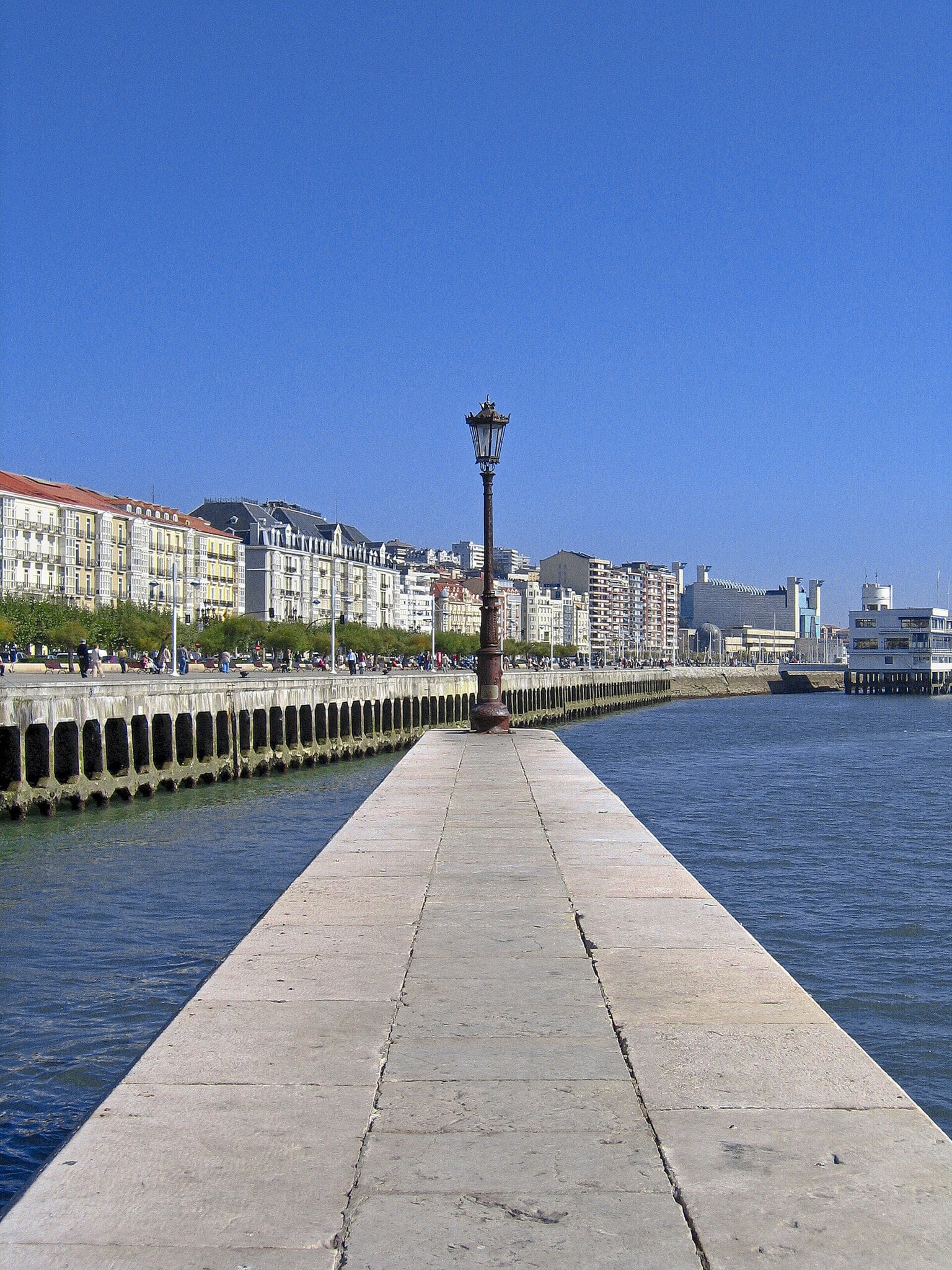
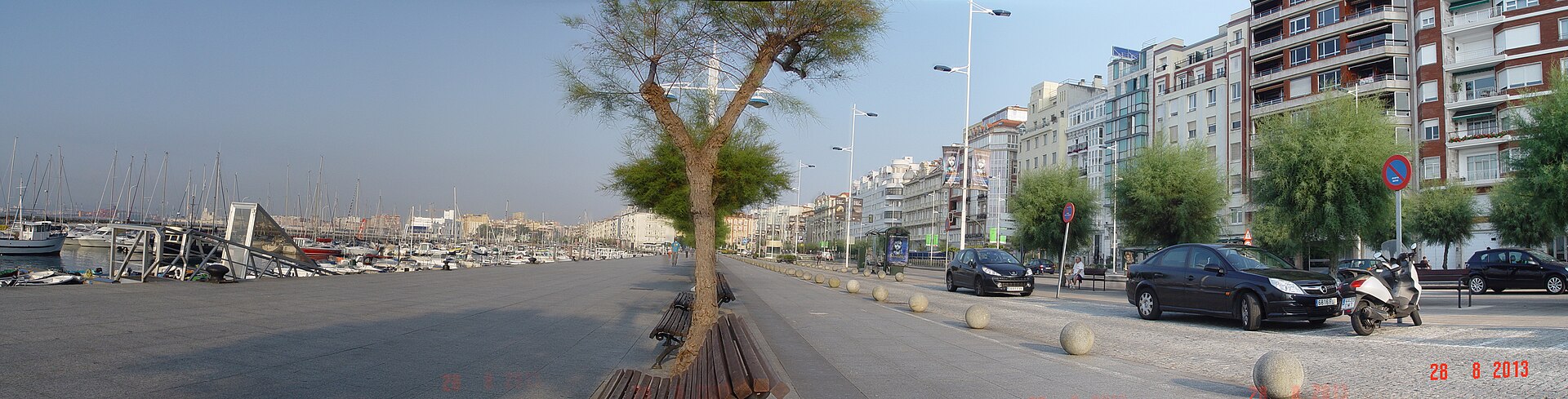
No matter where you’re headed, your steps will sooner or later cross the Paseo de Pereda. This broad seafront promenade lined with historic buildings featuring glazed balconies (known as galerías) is one of the most beautiful sights in the city. These buildings miraculously survived the devastating 1941 fire and offer a glimpse of what Santander looked like in its golden age.
The promenade takes you past the lovely Jardines de Pereda gardens all the way to the harbour. Along the way, you can sit on a bench, watch the ferries departing for England, or grab a coffee at one of the many pavement cafés. It’s the perfect spot for a lazy afternoon when you don’t feel like rushing between sights and just want to soak up the maritime atmosphere.
7. Mercado de la Esperanza: A Foodie’s Paradise
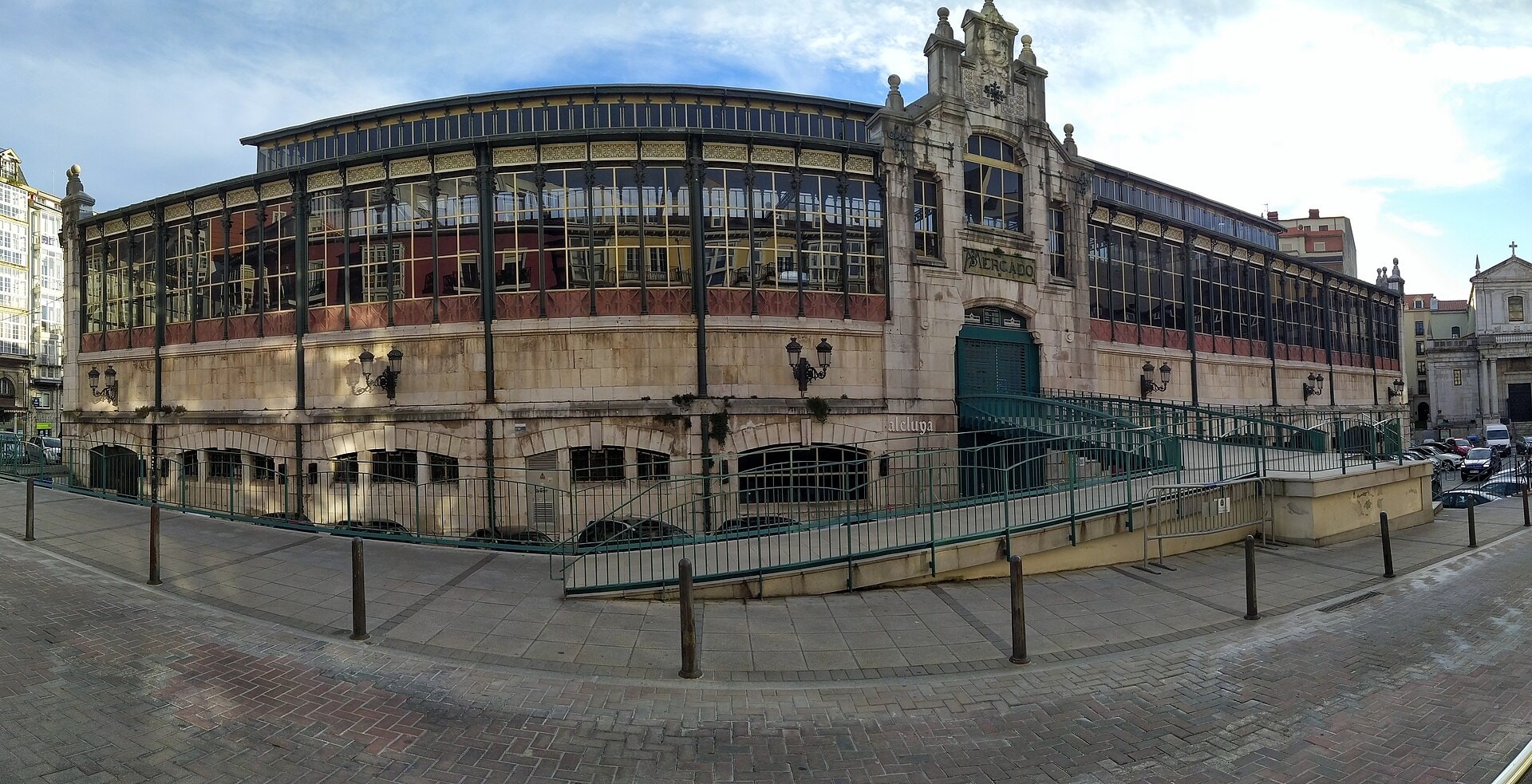
No visit to a Spanish city is complete without exploring the local market, and in Santander it’s even better because the Mercado de la Esperanza is housed in a gorgeous iron-and-glass modernist building dating from 1904. It’s a gloriously authentic place full of noise, colour, and aromas, where locals come every morning to buy their fresh produce.
The ground floor is legendary for its seafood counters, stocked with fish caught that very day in the Bay of Biscay. The upper floor is dedicated to cheese, fruit, vegetables, and bread. As vegetarians, we found an incredible selection of local cheeses — definitely look for the subtly smoked Idiazábal sheep’s cheese from nearby Basque Country or the creamy Cantabrian varieties — plus fresh olives, nuts, and superb artisan bread.

8. Puertochico and the Pintxos Culture
The old fishing quarter of Puertochico has gradually transformed into the city’s main gastronomic hub. Its narrow streets are absolutely packed with small bars and taverns where locals head in the evenings for pintxos. The custom is simple: you don’t sit down at one table for three hours — instead, you hop from one bar to the next, having a glass of wine and one or two small dishes displayed on the counter at each stop.
Unlike southern tapas, pintxos are often elaborate little culinary creations served atop a slice of baguette and held together with a cocktail stick. 💡 Local tip: Vegetarians will find plenty of brilliant options here, from the classic Spanish potato omelette (tortilla de patatas) and fried Padrón peppers with salt, to wild mushrooms in garlic or grilled goat’s cheese with jam. Don’t forget to order a glass of refreshing txakoli — a local, lightly sparkling white wine that’s traditionally poured from a height.
9. Plaza Porticada and the Underground Ruins
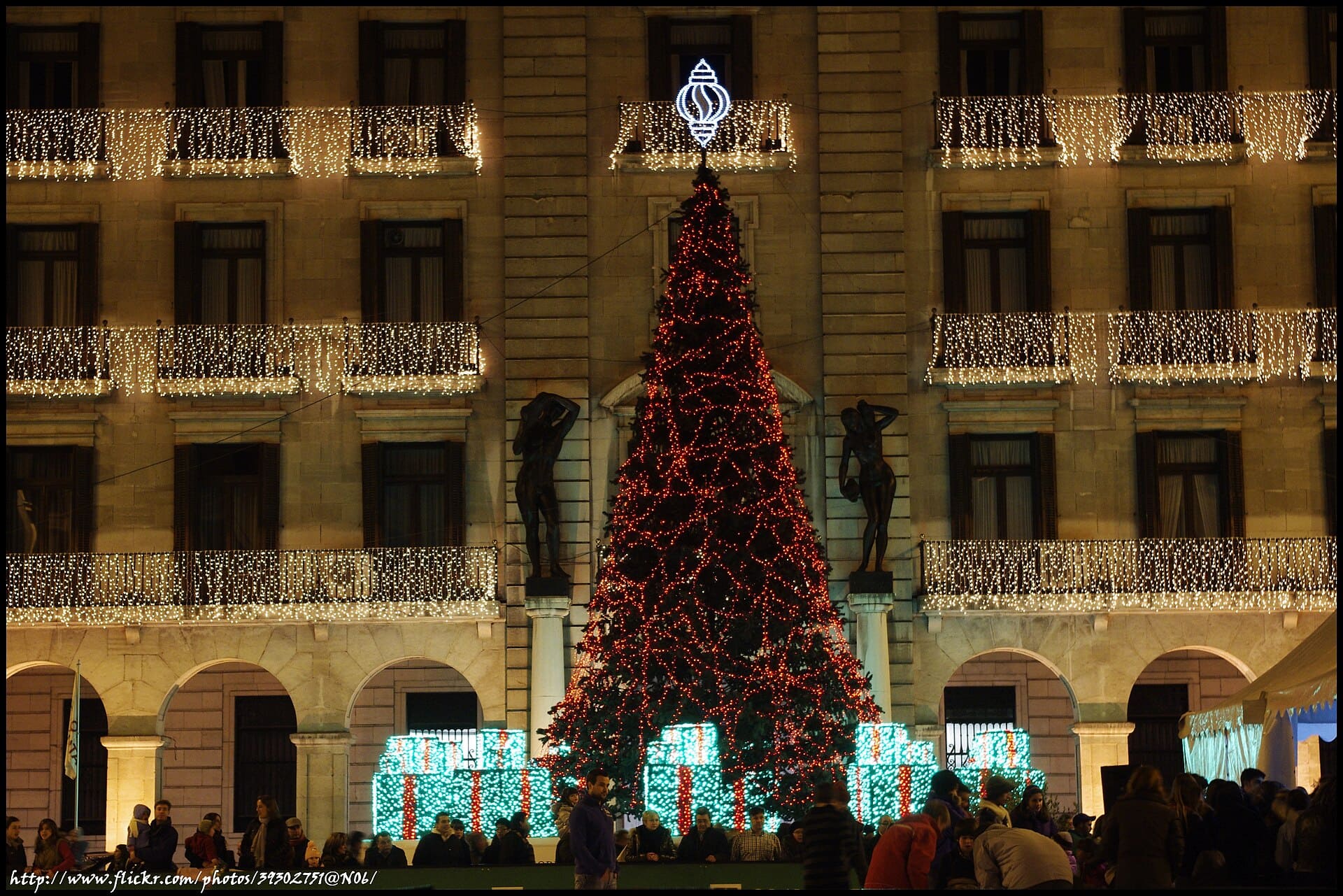
The Plaza Porticada, officially known as Plaza de Velarde, was created in the 1950s as a direct response to the devastating city fire. It was designed in a neoclassical style to serve as the new civic centrepiece of Santander. The square is framed by elegant colonnades and regularly hosts markets, concerts, and cultural festivals.
The real treasure, however, lies beneath its paving stones. During renovations in 1998, workers uncovered an extensive archaeological site. Today you can visit the Centro Arqueológico de la Muralla Medieval, where you’ll walk among the remains of the original medieval city walls and old cobblestone streets, giving you a vivid sense of what the city looked like centuries ago. Admission is nominal and a visit takes about half an hour.
10. Maritime Museum of Cantabria
Northern Spain is deeply intertwined with the ocean, and nowhere will you understand that better than at the Museo Marítimo del Cantábrico. The museum sits near Los Peligros beach and offers an extensive and engaging exhibition on humanity’s relationship with the sea. You’ll find everything from the history of whaling to scale models of old ships and maritime instruments.
The biggest draws for visitors tend to be the enormous whale skeletons suspended from the ceiling and the large aquariums on the lower floor, showcasing the diverse marine life of the nearby Bay of Biscay. It’s an excellent stop, particularly if you hit a typical Cantabrian rainy day and need somewhere to shelter for a few hours. Admission is around €8.
11. Funicular del Río de la Pila
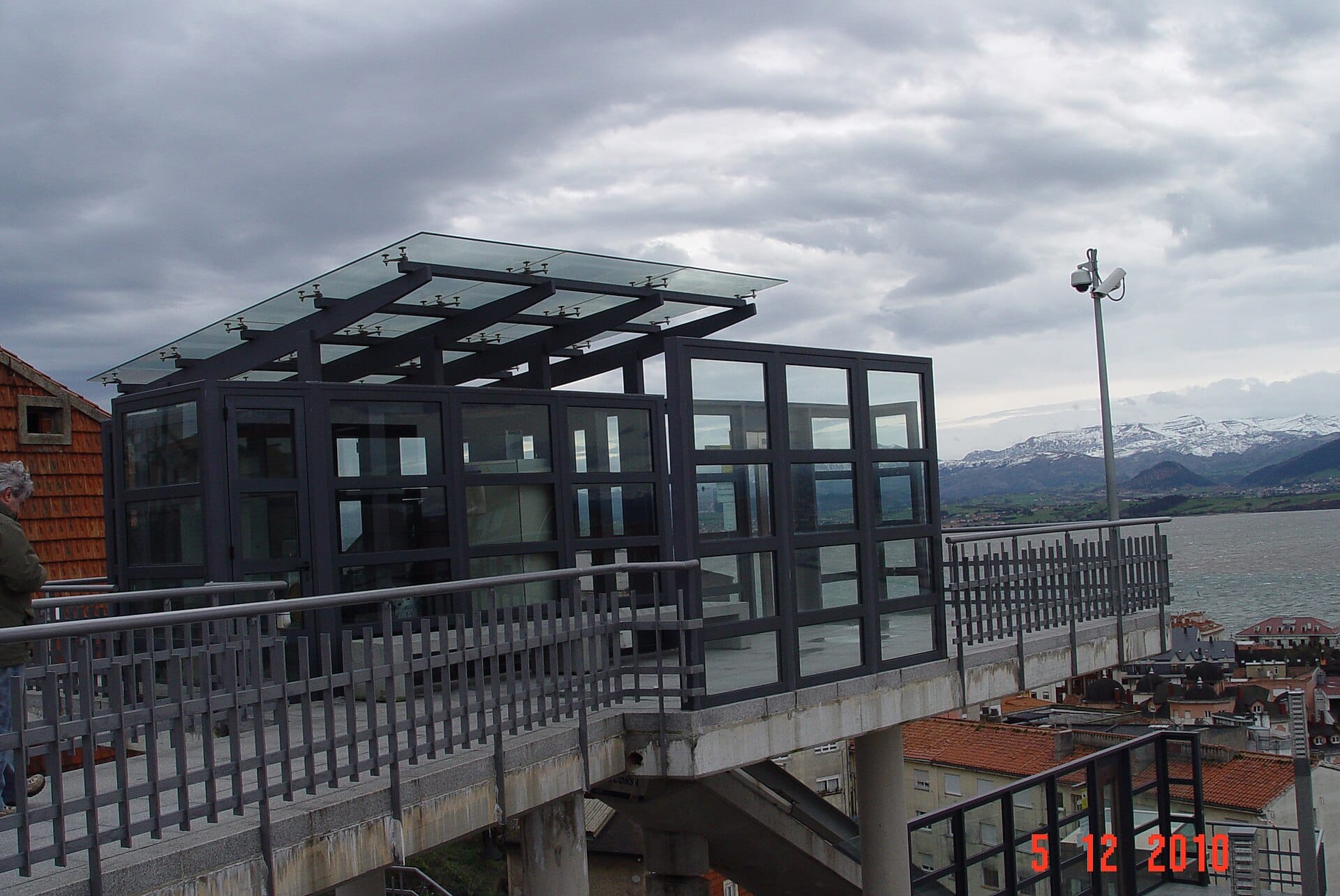
Santander is built across several steep hills, and constantly walking up and down can be quite tiring. The city solved this problem elegantly by installing public escalators in various spots. Even more interesting, though, is the ground-level funicular on Río de la Pila street, which locals use as everyday transport and which makes for a fun attraction for visitors.
Riding this glass-enclosed funicular is completely free and it whisks you up to the Mirador del Río de la Pila viewing platform. From the top station, you’re treated to a gorgeous view over the rooftops of the old town and the calm waters of the bay. I’d suggest heading up just before sunset, when the city and ocean take on a beautiful golden glow.
12. Cabo Mayor and Its Lighthouse
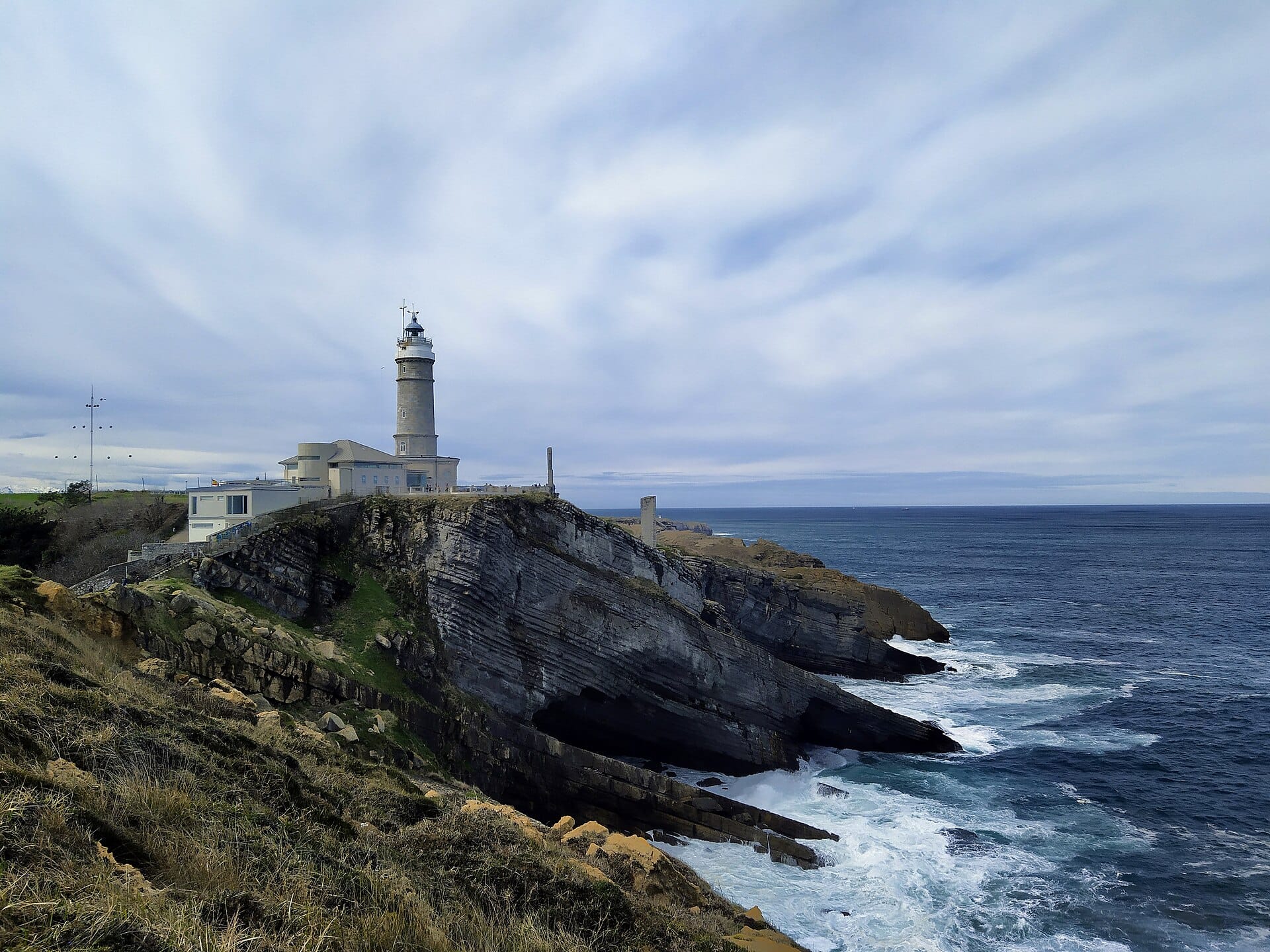
If you love wild nature and wave-lashed cliffs, definitely make time for a walk out to the Faro de Cabo Mayor lighthouse. You’ll find it on the northern edge of the city, roughly half an hour’s walk from the El Sardinero beaches. This 30-metre lighthouse has been guarding the entrance to the bay since 1839 and is surrounded by rugged, green landscapes that feel rather reminiscent of the Irish coast.
At the base of the lighthouse, there’s now an interesting art gallery (Centro de Arte Faro de Cabo Mayor) exhibiting works inspired by the sea and maritime themes. But the best thing to do here is simply sit on the grass above the cliffs, listen to the thundering waves, and watch the gulls circling over the churning water. It can get incredibly windy on the clifftops, so don’t forget to pack a windproof jacket.
13. Day Trip: Parque de la Naturaleza de Cabárceno
This is emphatically not your ordinary zoo. The Cabárceno Nature Park, just about twenty kilometres south of Santander, was created by reclaiming a vast open-pit iron ore mine. The result is an absolutely jaw-dropping, almost otherworldly landscape of red rocks and valleys where animals from around the globe roam freely across 750 hectares.
The enclosures are so enormous that the park is set up as a drive-through safari — you take your own car along thirty-five kilometres of tarmac roads. You can watch elephants, bears, rhinos, and gorillas in surroundings that give them genuine space and freedom. The admission ticket also includes a ride on a long gondola cable car that carries you high above the entire park, offering unforgettable views of this unique reclaimed landscape.
14. Day Trip: Modernist Comillas
Fifty kilometres west of Santander lies the small town of Comillas, which absolutely deserves a place on your itinerary. At the end of the 19th century, it became a favourite summer retreat for the Spanish aristocracy and earned the nickname “town of archbishops”. You’ll find remarkably rich architecture here, including the neo-Gothic Sobrellano Palace and the Pontifical University building.
The main draw, however, is El Capricho — one of the few buildings that the legendary Catalan architect Antoni Gaudí designed outside his native Catalonia. This fairy-tale villa with a minaret-like tower is lavishly decorated on the outside with sunflower-motif ceramics, perfectly showcasing Gaudí’s genius for detail and playfulness. Admission is around €7, and during the summer season I’d recommend buying tickets online in advance.
15. Day Trip: Santillana del Mar and Altamira Cave
Just a short drive from Comillas lies Santillana del Mar, famously known across Spain as “the town of three lies” — because it’s neither holy (santa), nor flat (llana), nor on the sea (del mar). In reality, it’s a perfectly preserved medieval village full of stone houses bearing coats of arms, wrought-iron balconies, and narrow cobblestone lanes where time seems to have stood still for centuries.
Beyond the charming village itself, visitors also flock here for the renowned Altamira Cave, home to some of the most important prehistoric paintings in the world. The original cave is closed to the general public to protect its microclimate, but right next door is a superb museum housing the so-called Neocueva (New Cave) — a flawless, three-dimensional replica of the original space where you can marvel at the famous bison paintings dating back fifteen thousand years.
16. Exploring Green Cantabria
Santander is the perfect springboard for exploring the wider northern coast. Green Spain is a region that richly rewards travellers willing to trade guaranteed blue skies for raw authenticity and nature. Hire a car and set off to discover hidden beaches tucked beneath cliffs, tiny fishing villages, or venture deeper inland to taste Cantabrian cheeses straight from the farm.
The motorways here are mostly toll-free and the roads very well maintained. Driving westward towards the neighbouring Principality of Asturias, you’ll pass dozens of spots where you’ll want to pull over and simply drink in the views of the wild Atlantic. This is Spain for the adventurous — and its rugged beauty will utterly captivate you.
Map of points of interest for your phone
Where to Go From Santander
If you have more time on your hands, northwestern Spain offers plenty of other fascinating destinations to explore. The great thing about Cantabria is that everywhere is relatively close, and you can easily combine mountains, coast, and historic cities.
- Bilbao: Just an hour’s drive east, you’ll find the Basque city made famous by the titanium Guggenheim Museum and a brilliant pintxos culture in the old town.
- San Sebastián: Continue deeper into the Basque Country to a city boasting arguably the most beautiful urban beach in Europe and the highest concentration of Michelin stars anywhere.
- Picos de Europa: Just over an hour’s drive from Santander, these dramatic limestone mountains offer cable car rides at Fuente Dé and treks around glacial lakes.
- Oviedo and Asturias: Head into the neighbouring region to explore pre-Romanesque architecture and sample the legendary Asturian cider.
- Santiago de Compostela: If a longer road trip tempts you, drive the entire northern coastline all the way to Galicia and the final destination of the famous pilgrimage route.
- Madrid: Santander has a direct and comfortable train connection to the Spanish capital, so you can easily combine the coast with the bustling art-filled metropolis.
Frequently Asked Questions
Is Santander worth visiting?
Absolutely. It’s an ideal destination for those seeking a combination of an elegant city, beautiful beaches, and excellent cuisine, without having to fight through the massive crowds that plague resorts in southern Spain. The city has a very pleasant, relaxed atmosphere.
How many days do I need in Santander?
For the city itself, exploring the Magdalena peninsula, Centro Botín, and relaxing on the beaches, two full days will comfortably suffice. However, I highly recommend using the city as a base for 5 to 7 days and exploring the surrounding Cantabria region, such as Cabárceno park or the mountains.
Do I need a car in northern Spain?
In the city itself, you can get by on foot and with city buses. Trains run between major cities like Bilbao and Santander, but for truly exploring the region, hidden beaches, villages like Comillas, and the Picos de Europa mountains, a car is absolutely essential. Without one, you won’t reach the most beautiful spots.
What’s the weather like in summer?
Unlike the south, don’t expect sweltering 40-degree heat. In July and August, temperatures typically hover around a pleasant 23 to 26°C (73-79°F). However, the northern coast is known for its variability, so even in midsummer it can cloud over and rain showers can roll in. A windbreaker or light sweater always comes in handy here.
What happened during the great fire of 1941?
In February 1941, a devastating fire swept through the city center, fueled by strong winds from the ocean. Over two days, almost the entire historic part of the city burned down, including many old winding streets. Santander had to be largely rebuilt, which is why the center today has a more modern character with wider streets.
What should I try if I don’t eat meat?
While the northwest is famous for seafood and beef, vegetarians definitely won’t go hungry here. In tapas bars, you can always get Spanish potato tortilla, excellent fried Padrón peppers with salt, garlic mushrooms, plenty of local cheeses (especially Idiazábal), and fresh olives.
Are the beaches in Santander sandy?
Yes, and they’re among the most beautiful in all of northern Spain. The beaches in the El Sardinero district feature very fine, light-colored sand, are incredibly wide (especially at low tide), and offer excellent conditions not only for swimming but also for surfing.
What’s the best way to get to Santander?
While Santander has its own small airport, Seve Ballesteros, flights from the Czech Republic often involve connections and can be pricey. The most practical option is often to fly into nearby Bilbao, which has more airline options, and then take a bus or rental car from there (the journey takes about an hour and fifteen minutes).
Tips and Tricks for Your Vacation
Don’t Overpay for Flights
Search for flights on Kayak. It’s our favorite search engine because it scans the websites of all airlines and always finds the cheapest connection.
Book Your Accommodation Smartly
The best experiences we’ve had when looking for accommodation (from Alaska to Morocco) are with Booking.com, where hotels, apartments, and entire houses are usually the cheapest and most widely available.
 🚗 Car rental on the roadVerified rental cars in northern Spain
Search with the DiscoverCars comparison engine — it compares prices from dozens of local and international rental companies, and most bookings come with free cancellation.
Compare car prices in northern Spain →Don’t Forget Travel Insurance
Good travel insurance will protect you against illness, accidents, theft, or flight cancellations. We’ve had a few hospital visits abroad, so we know how important it is to have proper insurance arranged.
Where we insure ourselves: SafetyWing (simple monthly subscription) and TrueTraveller (for extra-long trips).
Find the Best Experiences
Get Your Guide is a huge online marketplace where you can book guided walks, trips, skip-the-line tickets, tours, and much more. We always find some extra fun there!