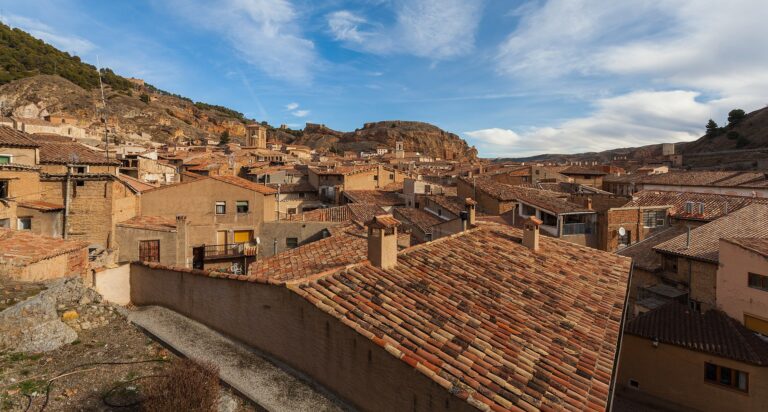
If you’re looking for authentic Spain without the endless crowds of tourists, the northwestern interior will absolutely enchant you. León, Spain is exactly the kind of city you might overlook in the guidebooks at first glance, but the moment you step inside, it wins you over with its incredible atmosphere. The historic centre breathes the Middle Ages, at every turn you meet pilgrims heading towards Santiago de Compostela, and the local food scene with its tradition of free tapas is simply phenomenal.
In this guide, we’ll go through all the practical information you need to plan the perfect trip. I’ll help you choose where to stay, talk you through the ideal time of year to visit, and most importantly, walk you through a complete list of the very best things this Castilian gem has to offer. You’ll discover that you don’t need the sea or crowded beaches at all to have a perfect Spanish holiday.
TL;DR
- The Gothic Cathedral in León boasts some of the most beautiful and extensive stained glass windows in the world, letting in breathtaking coloured light.
- The city is famous for the Barrio Húmedo district, where every drink you buy comes with a generous portion of tapas completely free of charge.
- Worth seeing is Casa Botines, one of only three buildings outside Catalonia designed by the genius architect Antoni Gaudí.
- The Royal Pantheon in the Basilica of San Isidoro hides perfectly preserved Romanesque frescoes, nicknamed the Sistine Chapel of Romanesque Art.
- León is a major stop on the Camino de Santiago, so you’ll meet plenty of pilgrims and soak up a unique international atmosphere.
- For a day trip nearby, don’t miss Las Médulas, the fascinating ancient Roman gold mines listed by UNESCO.
- The best time to visit is from May to October, when you avoid the harsh Castilian winters and enjoy pleasant temperatures.
The full destination guide: Castile and central Spain — guide and what to see
When to Visit León
The climate in the province of Castile and León, Spain is distinctly continental, which means very cold winters and, conversely, hot summers. The best time to visit is spring and autumn, specifically the months of May, June and September, when temperatures sit at very pleasant levels and the city comes beautifully to life. During these months you can comfortably explore the sights on foot without having to hide from the scorching midday sun that’s typical of July and August.
If you decide to come in the middle of summer, be prepared for afternoon temperatures that regularly top thirty degrees. In that case, the best thing to do is adopt the local rhythm of life: have a proper siesta in the shade after lunch and only head out into the streets in the early evening, when the heat drops and the squares fill with people. Winter in León tends to be fairly harsh, with temperatures often dipping below freezing, and thanks to the higher altitude, snow isn’t unusual either. It gives the city a romantic touch, but it’s not exactly ideal for long walks.
It’s also worth tailoring your travel plans to the calendar of the Camino de Santiago, since León lies on the main Camino Francés route. 2027 will be a so-called Holy Year, which means a huge surge in the number of pilgrims, so if you’re after a quieter atmosphere, 2026 is an absolutely ideal window for a visit. During Easter, or Semana Santa, the city also turns into the stage for fascinating processions, but at that time you’ll need to factor in significantly higher prices and the need to book accommodation well in advance.
Where to Stay in León
💡 Tip for accommodation and experiences: We prefer to look for accommodation on Booking.com, which usually has the best cancellation terms. It pays to compare tickets, tours and activities on GetYourGuide.
Choosing the right location is key to enjoying the city exactly the way you want, because each district offers a completely different atmosphere. The absolute heart of the action is Barrio Húmedo, which you’ll appreciate especially if you want the best tapas bars literally a few steps from your bed. Just bear in mind that this is a very noisy district where the nightlife only winds down in the small hours, so if you’re a light sleeper, it’s better to avoid this area when booking a place to stay.
A much quieter, yet still very central, alternative is the charming Barrio Romántico, which lies just a short walk from the main sights and offers plenty of greenery and great restaurants with a more laid-back vibe. Another excellent choice is the area around Plaza de San Marcos, which feels very elegant, sits within walking distance of the historic core, and offers peaceful nights with a view over the beautiful promenade along the Bernesga river.
When searching for the ideal place to sleep, it’s definitely worth exploring the offers on Booking, where you’ll find everything from modest pilgrim hostels to luxury hotels in historic palaces. A real one-off is the Parador de San Marcos, a five-star hotel set in a stunning Renaissance monastery that offers a once-in-a-lifetime experience and, despite the higher price, is worth at least one night. If you’re looking for the golden middle ground with modern facilities, a great choice is the NH Collection León Plaza Mayor, located right on the main square with the perfect base for exploring the city. For lovers of smaller, more characterful spaces, I recommend the Hotel Camarote Romántico, tucked away in a quieter part of the historic centre and boasting a gorgeous rooftop terrace with views of the cathedral.
15 Best Things to See and Do in León
Let’s take a look at the most interesting things this Castilian city has to offer, from breathtaking Gothic architecture to endless evenings in tapas bars. You’ll find that León is incredibly compact, so you can comfortably walk to most of these spots.
1. Santa María de Regla Cathedral
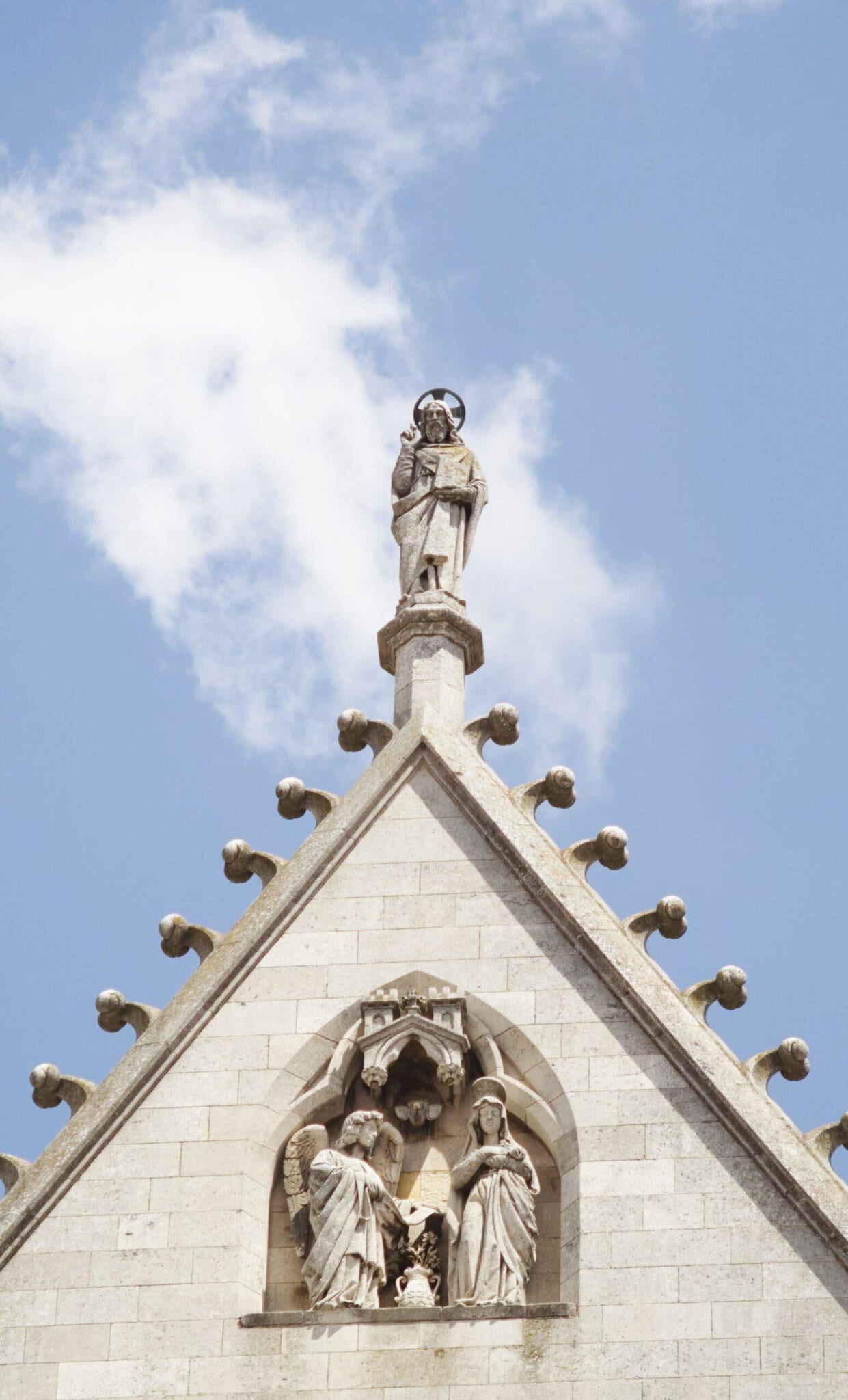
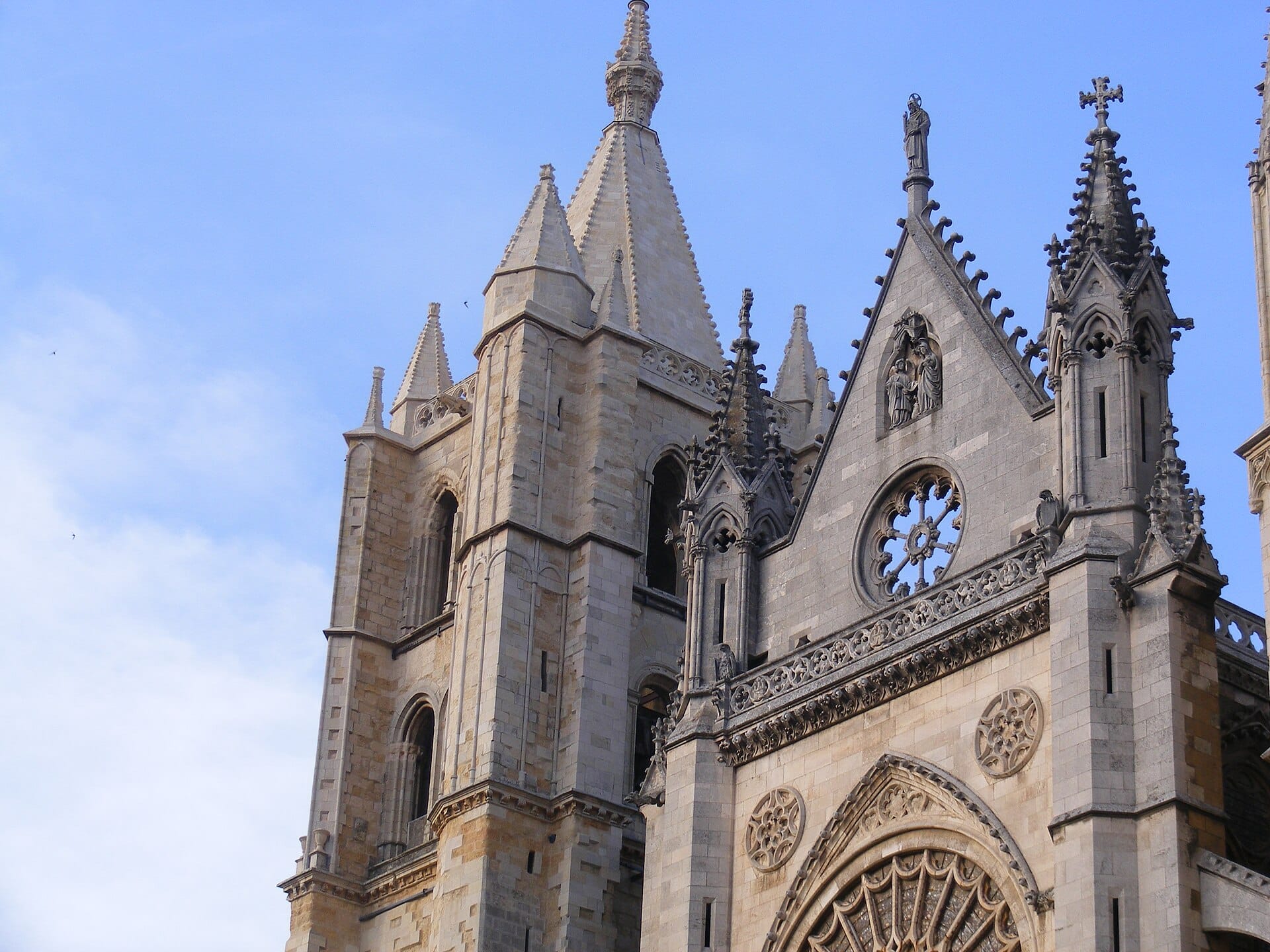
The Gothic Cathedral in León, often nicknamed Pulchra Leonina (the Beauty of León), is without doubt the city’s biggest draw and a masterpiece of French Gothic on Spanish soil. Its greatest pride is nearly 1,800 square metres of medieval stained glass, which lets in a flood of coloured light and creates an utterly mystical atmosphere. When you step into the main nave on a sunny day, you’ll feel as though you’re standing inside an enormous gemstone, because the walls seem to be made entirely of glass and light.
Construction of this architectural pearl began in the thirteenth century, and its builders pushed right to the very limits of structural possibility to achieve maximum light inside. It’s definitely worth buying a ticket for the cloister and the adjoining museum too, where you’ll find wonderful examples of sacred art and woodcarving. Admission to the cathedral itself costs around seven euros, but the experience of watching the light refract on the ancient stone columns is absolutely priceless.
💡 Tip: The best time to visit is late afternoon, ideally an hour before sunset. The low sun rays passing through the western rose window paint the whole interior in incredible shades of red and blue.
2. Basilica of San Isidoro and the Royal Pantheon
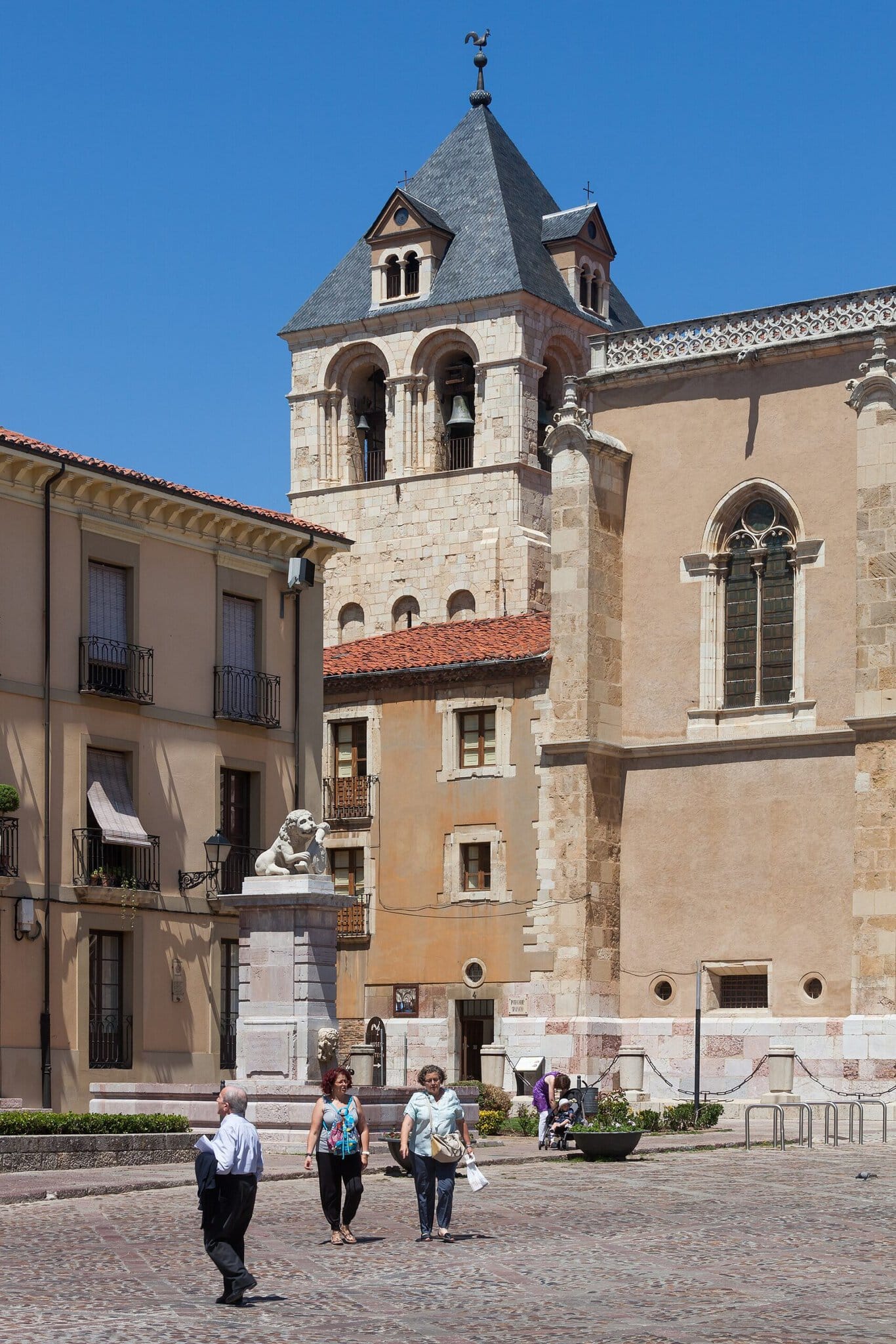
At first glance, this unassuming Romanesque building might not seem as grand as the Gothic cathedral, but inside it hides one of the greatest historical treasures in all of Spain. The Royal Pantheon holds the tombs of more than twenty kings and queens of León, making it one of the most important burial sites of medieval Europe. The eleventh-century basilica itself is a beautiful example of massive Romanesque architecture that instantly transports you a thousand years back in time.
The real reason to visit, though, is the perfectly preserved twelfth-century frescoes that adorn the vaults of the pantheon, and which have rightfully earned this place the nickname the Sistine Chapel of Romanesque Art. The paintings depict not only biblical scenes and the life of Christ, but also a unique calendar of agricultural work, showing in detail the everyday life of the peasants of the time. After centuries, the colours are still incredibly vivid, and the detailed rendering of faces and animals will absolutely amaze you.
To protect these precious paintings, access to the pantheon is only possible as part of a guided tour, which in high season is best booked at least a day in advance. The tour usually also includes the fascinating monastery museum, where you can see richly decorated medieval reliquaries and chalices, including the famous Chalice of Doña Urraca, which some historians believe could be the legendary Holy Grail.
3. Casa Botines and Gaudí’s Legacy
As you stroll through the historic centre, you’ll come across a building that stands completely apart from its surroundings, looking more like a fairy-tale neo-Gothic castle than an ordinary town house. Casa Botines is one of just three rare works by Antoni Gaudí located outside Catalonia, and it’s a fascinating example of his early work from the end of the nineteenth century. The building was originally commissioned by local textile merchants as their headquarters and warehouse, but Gaudí gave it an unmistakable character full of symbolism, turrets and elegant lines.
If you look more closely at the main façade, you’ll spot a statue of Saint George slaying the dragon, beneath which the architect hid a lead box with the original building plans, only discovered several decades later. Today the interior functions as a museum, where you’ll learn plenty of details not only about the building itself and Gaudí’s innovative techniques, but also see a fine collection of nineteenth and twentieth-century Spanish art.
Admission costs around eight euros, and I definitely recommend climbing up to the attic spaces, where Gaudí’s characteristic work with wood and light comes beautifully into its own. Right in front of the building, on Plaza de San Marcelo, you’ll also find a bronze statue of the architect himself sitting on a bench, practically begging for a souvenir photo.
4. Barrio Húmedo and the Free Tapas Culture
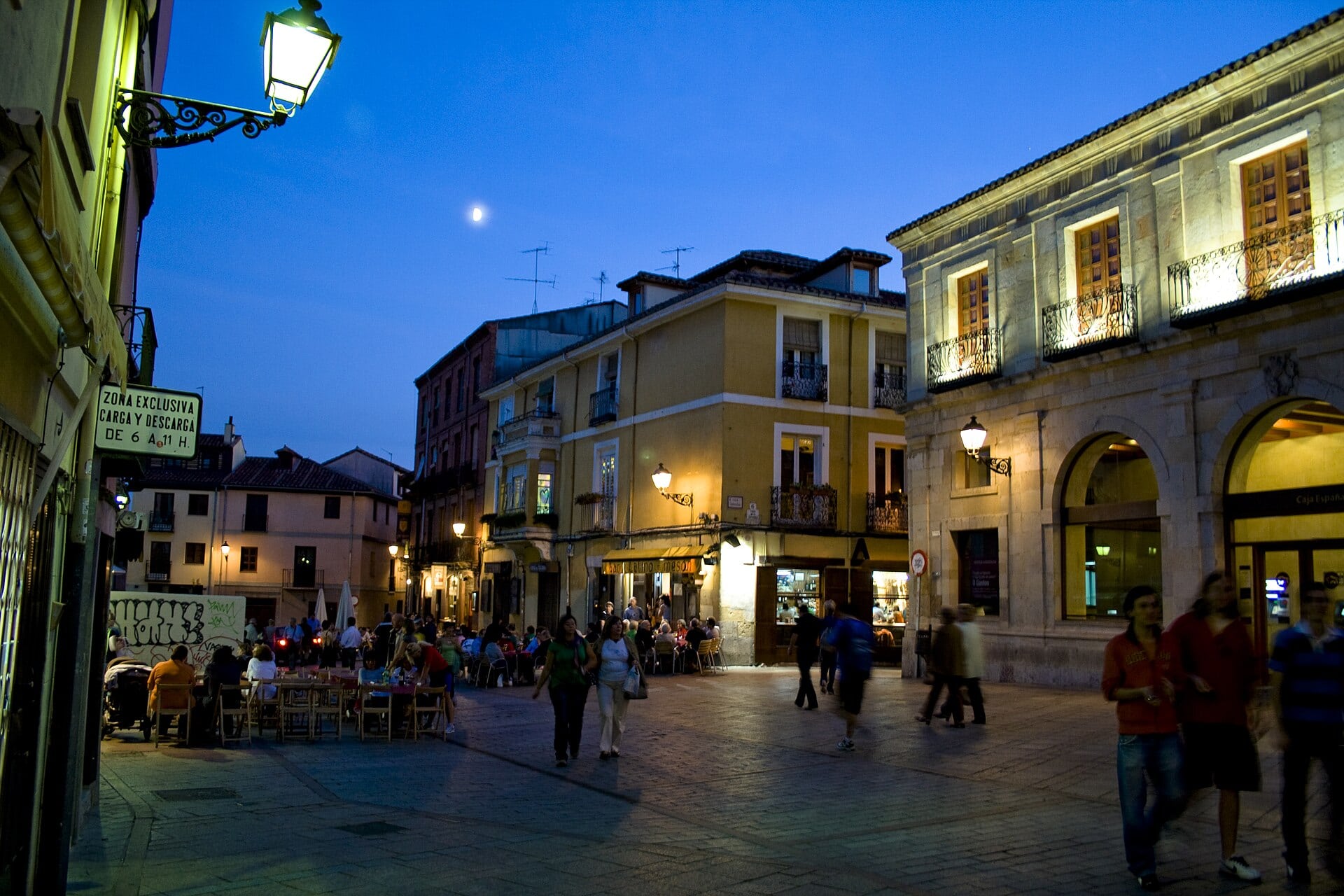
If there’s one thing that makes León an absolute paradise for lovers of food and good times, it’s without doubt the Barrio Húmedo district, which translates as the Wet Quarter. This maze of narrow medieval streets is literally dotted with hundreds of small bars, all of which uphold one wonderful and increasingly rare Spanish tradition. With every drink you buy, whether it’s a glass of local wine or a small beer, you get a generous portion of tapas completely free.
And we’re not talking about ordinary nuts or olives here, each bar specialises in something different and proudly serves up its signature delicacies. You can try everything from spicy patatas bravas, through delicious mushroom croquettes, to a tasty potato tortilla or grilled mushrooms. A local speciality you’ll see on every corner in León is cecina (traditional cured beef) or morcilla (a particular kind of blood sausage), which locals love to enjoy with heavier red wines.
💡 Tip: The secret to proper tapeo lies in constant movement. Stop at one bar for a drink and one tapas, then move straight on to the next place. That way you’ll spend the evening discovering different flavours and soaking up the lively atmosphere, which peaks around ten o’clock at night.
5. The Monastery and Plaza de San Marcos
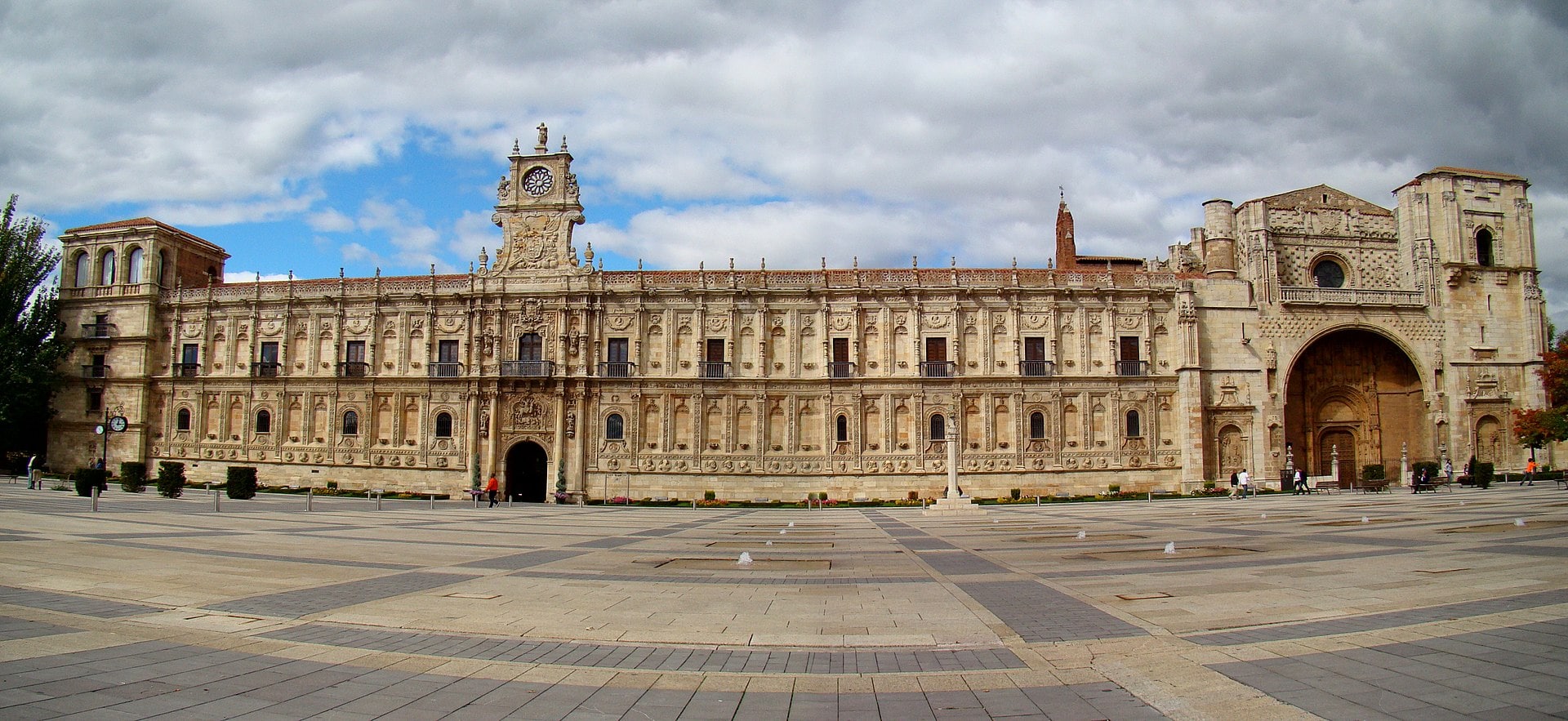
When you reach the edge of the historic centre by the Bernesga river, a sprawling square opens up before you, complete with one of the most remarkable façades in Spain. The former San Marcos monastery is a masterpiece of the Plateresque style, a specific Spanish Renaissance movement characterised by incredibly fine and lavish stone decoration reminiscent of a goldsmith’s work. The building originally served as a hospital and shelter for pilgrims heading to Santiago, so it has deep historical roots tied to the Camino de Santiago.
Over the centuries, this monumental complex has been through many dark periods, and during the Spanish Civil War it even served as one of the harshest concentration camps. Today the building functions partly as the luxury Parador hotel and partly as a museum open to the public. Even if you’re not staying at the hotel, you can peek into the beautiful cloister and visit the adjoining church with its impressive choir of carved walnut wood.
Sunset on the square in front of the monastery is one of the most beautiful moments you can experience in León. The light falling on the ornate façade incredibly highlights all the carved details, and you can sit calmly on a bench, watch the passing pilgrims and admire the skill of the medieval stonemasons.
6. The Atmosphere of the Camino de Santiago
León is one of the most important and beautiful stops on the Camino Francés route, which gives the whole city a very distinctive, cosmopolitan atmosphere. Roughly a third of all pilgrims pass through this very city, so the streets are constantly full of people with backpacks and the typical scallop shells dangling from their straps. The entire historic centre is laced with yellow arrows and brass shells set right into the paving, unerringly pointing the way to the coveted destination in Galicia.
If the phenomenon of the Camino de Santiago appeals to you, you can pick up a credencial, the official pilgrim’s passport, at local churches or tourist offices. During the Holy Year, which falls in 2027, the number of pilgrims traditionally rises by fifty to eighty percent, so the city turns into one giant international festival of walking. The Pilgrim’s Office regularly reports growing popularity, and these days you’ll routinely meet people from all corners of the world along the route, coming to clear their heads and enjoy a digital detox.
Even if you’re not about to walk hundreds of kilometres, it’s worth spending a while near one of the historic hostels and watching the constant cycle of farewells and welcomes. The evening Mass with a blessing for pilgrims in the Basilica of San Isidoro has enormous power, and the emotion in the eyes of people who already have hundreds of kilometres in their legs from the French border is utterly contagious.

7. Barrio Romántico and Greenery in the Centre
While Barrio Húmedo is synonymous with wild parties and noisy tapas bars, the neighbouring Barrio Romántico offers a much calmer and more elegant alternative. This district stretches north of Calle Ancha and is full of beautiful, well-kept parks, old trees and small cafés with outdoor seating. It’s an ideal place for a slow afternoon with a good coffee and a book, far from the heaviest tourist bustle.
The heart of this district is the spacious Parque del Cid, which offers welcome shade on hot summer days, and where you’ll even find the remains of an ancient Roman aqueduct. The standard of food in this area is very high, and the bars here focus more on a modern, sophisticated take on tapas rather than on quantity. You’ll definitely find plenty of places offering creative vegetarian bites using local cheeses, grilled vegetables and fresh herbs.
💡 Tip: Take a walk along Calle Cervantes, where you’ll come across the best independent cafés serving speciality coffee in the whole city. It’s a great refuge for a morning breakfast before you set off on your round of the sights and dive into the history.
8. Plaza del Grano
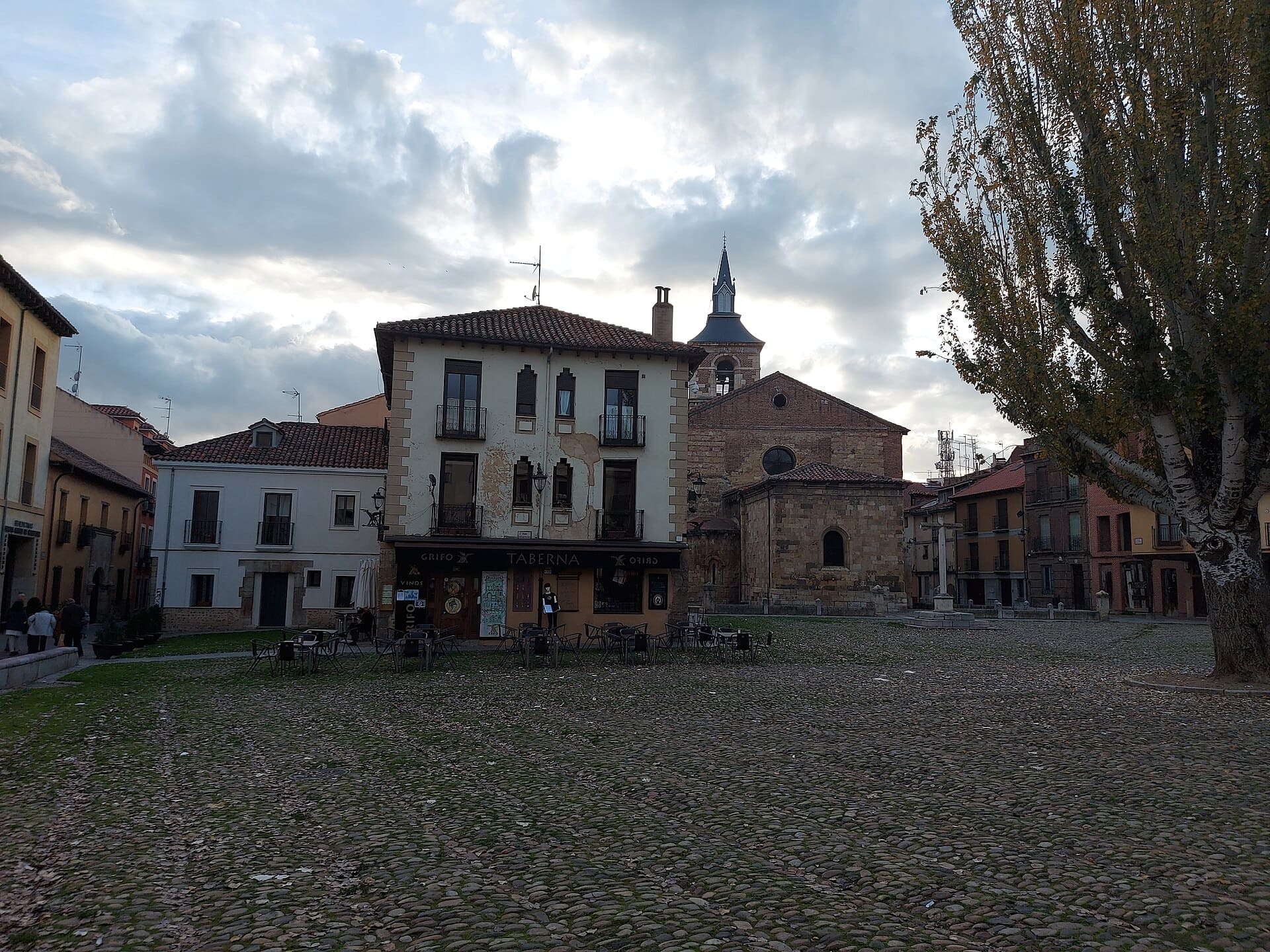
If you’re after the absolute most photogenic and authentic spot in all of León, your steps must lead to Plaza del Grano. This picturesque square is the only one to have kept its original medieval paving of rounded river stones, which aren’t exactly the easiest to walk on, but which give the whole space an incredible charm. Traditional grain markets used to be held here, which is how the square got its name.
In the middle of the square stands a stone cross and a beautiful fountain representing the confluence of the local rivers, where you can take a great rest after a long day. The atmosphere is completed by old houses with wooden arcades and the lovely church of Santa María del Camino that dominates the square. In the early evening, the little café terraces here fill with locals and you’ll experience that genuine Castilian ease, far from the noisy tourist crowds.
9. The Roman Walls (Murallas de León)
The city’s history reaches all the way back to ancient Rome, when the famous Seventh Legion (Legio VII Gemina) was based here, and to this day you’ll find fascinating remnants from that period. Mighty stone walls line a large part of the historic centre and in many places have survived in absolutely stunning condition. They were originally over three kilometres long and protected the Roman military camp against attacks from the north.
The best stretch for a walk is along Avenida de los Cubos, where mighty semicircular bastions rise up, still looking very impregnable to this day. At night, the whole walls are beautifully illuminated, creating a great contrast between the ancient stone and the modern life pulsing in the surrounding streets. Stop by Puerta Castillo too, the only one of the city’s original entrance gates to survive to the present day.
10. Plaza Mayor and Traditional Markets
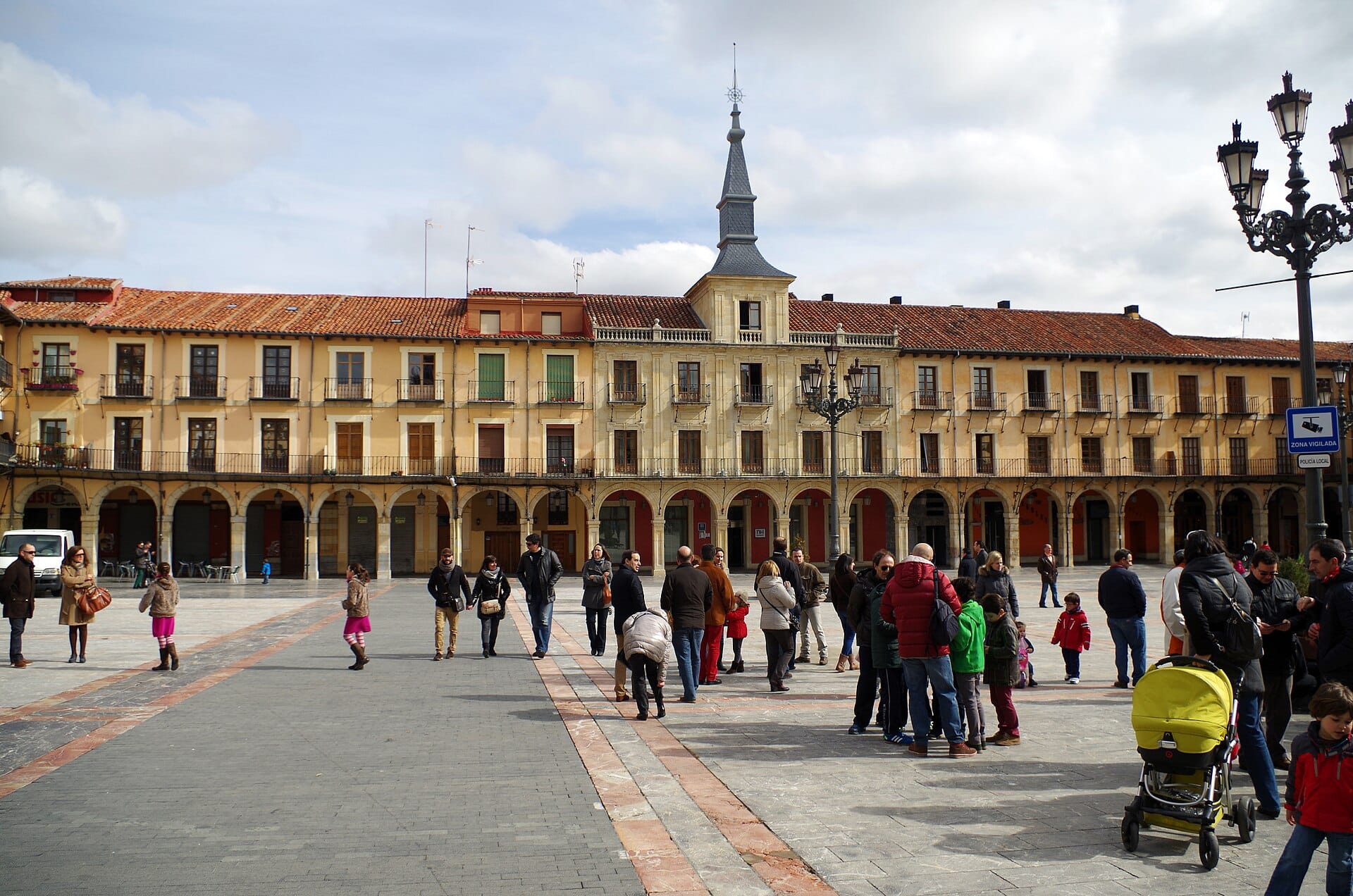
Every proper Spanish city has its main square, and León is certainly no exception. Its Plaza Mayor will immediately catch your eye with its Baroque architecture and beautiful arcades that line the whole perimeter of the square and provide welcome shade in the hot summer months. The main landmark is the old town hall building (Consistorio Viejo) with its characteristic turrets and clock, which once served for watching bullfights and major celebrations.
If you want to experience the square at its very best, plan your visit for a Wednesday or Saturday morning, when traditional fresh-food markets are held here. Local farmers bring in the best cheeses, enormous tomatoes, fresh vegetables and fragrant spices, so you can stock up beautifully on local produce. You’ll also find excellent homemade bread and great vegetarian empanadas filled with peppers and tomatoes.
11. A Trip to Las Médulas (UNESCO)
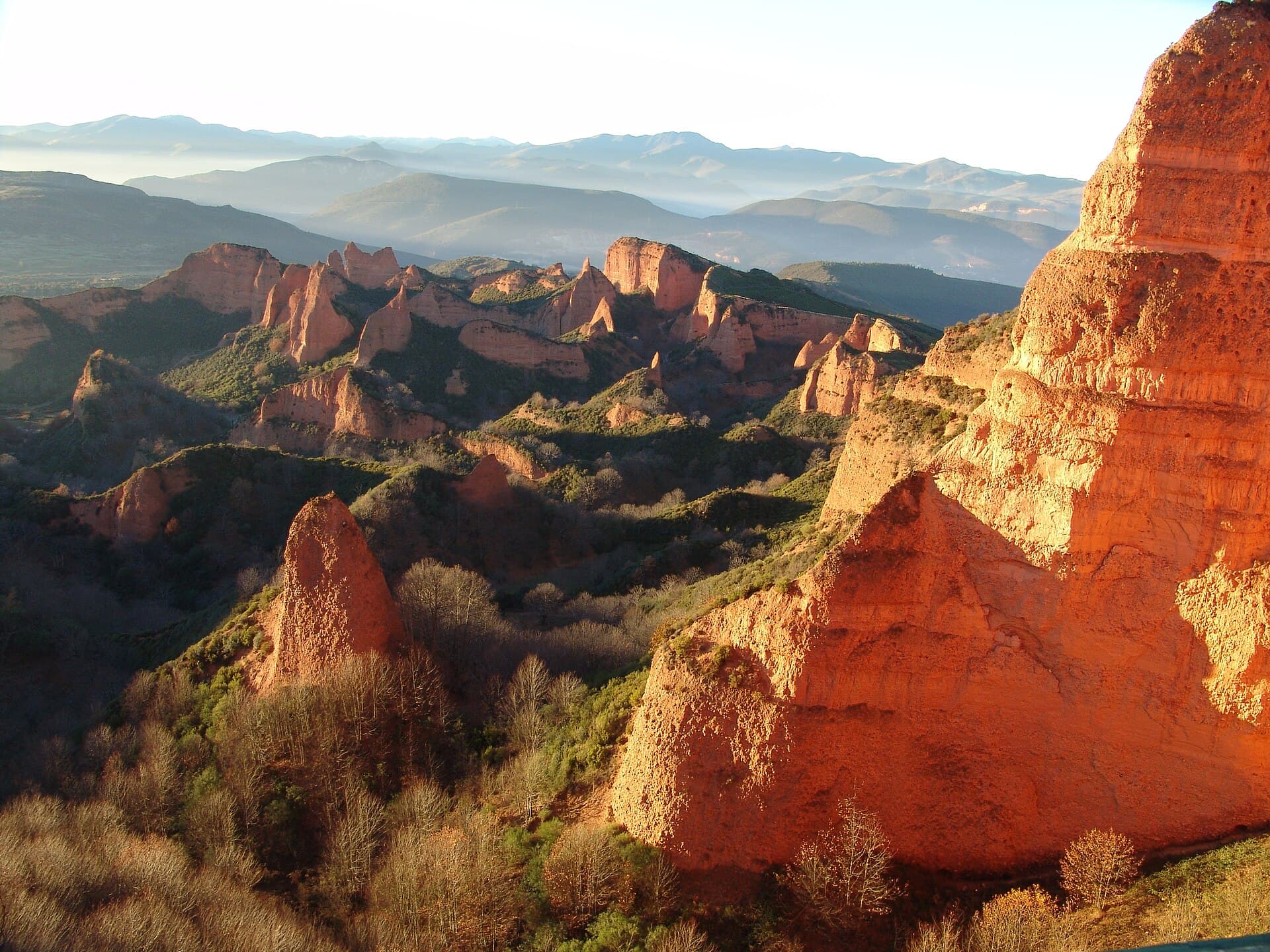
If you have a car available in León, you absolutely mustn’t miss a full-day trip to the Las Médulas area, which lies roughly an hour and a half’s drive to the west. This fascinating natural and historical wonder, listed by UNESCO, is the remains of the largest open-cast gold mine in the entire Roman Empire. Using an ingenious system of water channels and controlled collapses, the Romans literally tore the mountains apart to get at the precious metal.
Today the area looks like something out of a sci-fi film, because sharp towers of red sand rise out of the green chestnut and oak forests. Several superbly marked walking trails of varying difficulty run through the area, taking you right into the heart of the ancient tunnels and caves. Don’t forget to climb up to the Mirador de Orellán viewpoint, which gives you the absolute best panoramic view over the whole mining area bathed in afternoon sun.
12. MUSAC (Museum of Contemporary Art)
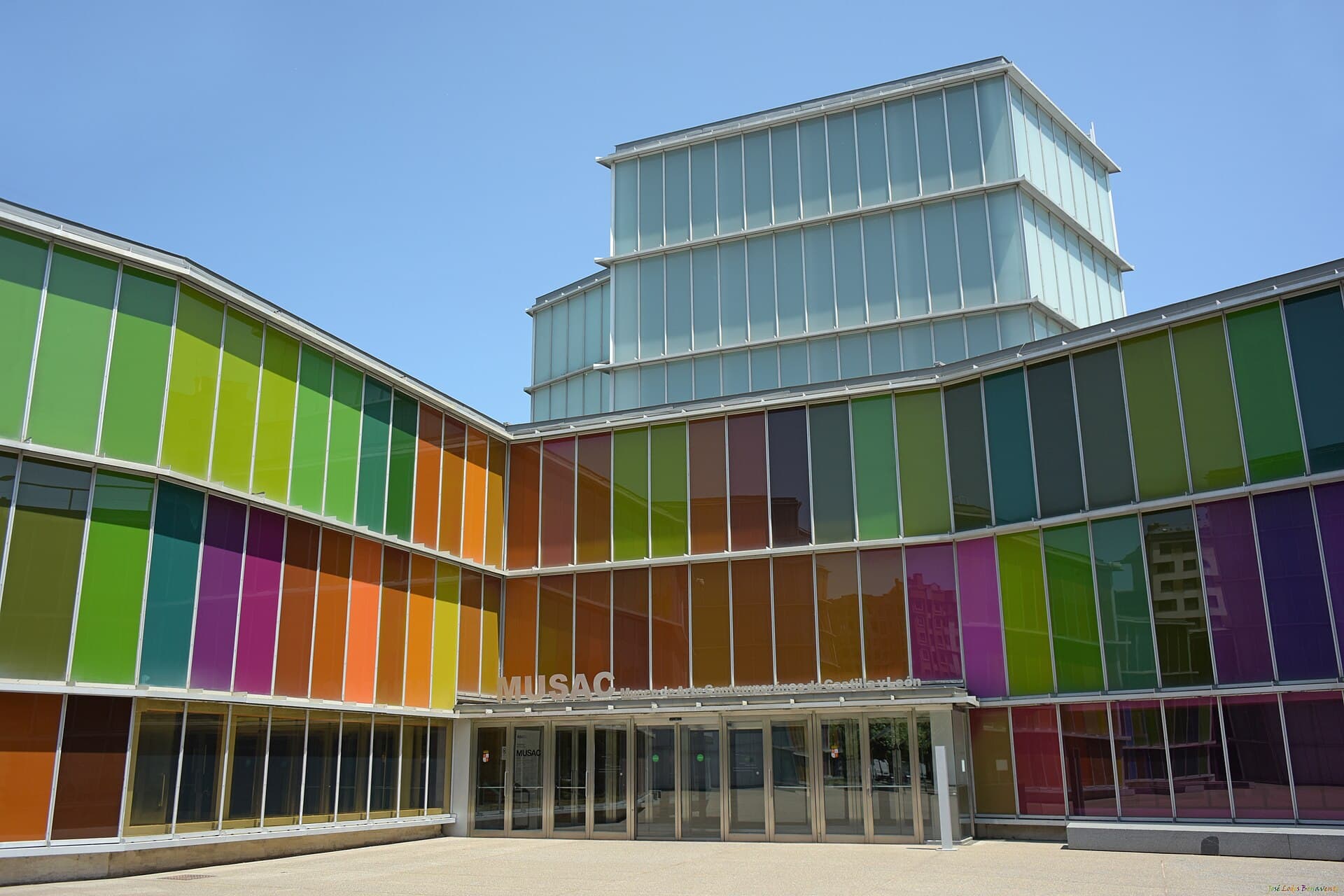
Lovers of modern architecture will be in their element in León with a visit to the Museum of Contemporary Art of Castile and León, located about a twenty-minute walk from the historic core. The museum building itself is an architectural gem, its main façade made up of thousands of coloured glass panels. In designing it, the architects drew direct inspiration from the colour palette of one of the oldest stained glass windows in León’s Gothic cathedral, ingeniously linking history with the present.
Inside, you’ll find vast, light-filled spaces that host top-class temporary exhibitions by Spanish and international artists. The museum focuses mainly on works created after 1992 and places great emphasis on connecting art with current social themes. Admission is very reasonable (around three euros), and on Sunday afternoons entry is even completely free, which is a great chance to discover modern culture.
13. Palacio de los Guzmanes
Right opposite Gaudí’s famous Casa Botines stands a majestic Renaissance palace, built in the sixteenth century by one of the wealthiest and most influential families in the entire region. The Palacio de los Guzmanes stands out with its austere, elegant façade, decorated with richly carved balconies and a corner portal. Today the building houses the provincial government, but a large part of the spaces is regularly open to the public on guided tours.
The true jewel of the palace, though, is its inner courtyard, surrounded by two-storey glazed arcades and a beautiful stone well. On the tour of the interiors, you’ll peek into richly decorated council chambers with original wooden ceilings and learn plenty of interesting facts about the power struggles that shaped the history of all of Castile. It’s a great and often overlooked stop that will take you around an hour.
14. The Calle Ancha Pedestrian Artery
If you want to get your bearings quickly in the historic centre, all you need to remember is Calle Ancha. This wide pedestrian zone forms the main spine of the entire old town and naturally separates the lively Barrio Húmedo from the calmer Barrio Romántico. The street starts at the Palacio de los Guzmanes and climbs gently uphill right up to the magnificent façade of the Gothic cathedral.
During the day, the street is constantly full of people, street musicians and the buzz from dozens of shops and traditional bakeries. Be sure to stop at one of the local patisseries and try mantecadas, traditional buttery cakes baked here to recipes that go back centuries. Calle Ancha is also the ideal place for buying souvenirs and local delicacies that you can take home as a reminder of Castilian gastronomy.
15. Casona de Puerta Castillo and the Roman Trail
On the very edge of the historic centre, right next to the only surviving Roman gate, you’ll find an excellent interpretation centre dedicated to the city’s earliest history. The exhibition at the Casona de Puerta Castillo guides you in a very interactive way through the life of the Roman legionaries who founded a military camp here two thousand years ago. You’ll learn plenty of details about the military tactics of the time, the soldiers’ daily routine, and how the military base gradually grew into a prosperous city.
The tour also includes access to the adjoining archaeological site and the chance to climb a small preserved stretch of the walls, from where there’s a nice view of the northern part of the city. Entry to this museum is also completely free, which makes it a perfect and very educational stop if you’re interested in ancient history and want to understand the very foundations on which today’s León stands.
Map of points of interest for your phone
Where to Go Next from León
Its location in northwestern Spain makes León an absolutely ideal base for further exploration of the Iberian Peninsula. If rugged nature and high mountains appeal to you, head north and explore the breathtaking Picos de Europa national park, which offers some of the best mountain treks in all of Europe. Just beyond the mountains lies Asturias with its capital Oviedo, where you can taste traditional apple cider and admire pre-Romanesque architecture.
If you want to follow in the footsteps of thousands of pilgrims, head west into Galicia and end your journey at the magnificent cathedral in Santiago de Compostela. Along the way you can stop in the elegant port city of Santander, which will charm you with its beaches and royal palace.
Heading south, on the other hand, the old Roman road Via de la Plata takes you to the university city of Salamanca, whose sandstone buildings turn beautiful golden shades at sunset. And if you have more time and want to experience the contrast between the peaceful north and the fiery south, you can hop on a high-speed train and travel via Madrid to discover the Moorish monuments of Andalusian Granada or the stunning Seville.
Frequently Asked Questions
How many days do I need to explore León?
For the historic center itself and the main sights, two full days will be more than enough. The city is very compact and you can easily walk everywhere. However, if you also want to take a trip to the Las Médulas gold mines or the nearby mountains, I recommend setting aside at least three to four days so you can enjoy the area at a relaxed pace without rushing.
Are tapas with drinks in León really free?
Yes (and it’s absolutely brilliant). In the Barrio Húmedo and Barrio Romántico neighborhoods, you’ll get a generous portion of food completely free with every glass of wine or beer you order. Each bar has its own specialty (from croquettes to potato tortillas) and the price of the drink doesn’t climb to dizzying heights—you’ll usually pay around two to three euros.
Is tap water in León drinkable?
Absolutely yes, tap water throughout northern Spain is completely safe and very high quality. What’s more, there’s a law in Spain that requires every restaurant or bar to bring you a jug of free tap water upon request, so you don’t have to constantly buy overpriced bottled water.
When is the best time to set out on the Camino de Santiago from León?
The ideal window for walking opens from May through the end of October. Spring and early autumn offer pleasant temperatures for all-day hiking. Avoid the winter months, when it regularly snows in the mountains beyond León and many pilgrim hostels (albergues) remain closed.
Is the city safe for solo travelers?
León is among the safest cities in all of Spain and solo travelers have nothing to worry about. Thanks to its strong pilgrim tradition, the city is accustomed to people traveling on their own and locals are very welcoming. Even at night in the crowded streets of Barrio Húmedo, there’s a friendly and relaxed atmosphere.
What’s the parking situation like in the historic center?
Driving directly into the historic core is very complicated and completely prohibited in many places. Your best option is to use the underground paid car parks on the edges of the center (for example, near Plaza Mayor or the San Marcos monastery), or find accommodation that offers its own dedicated parking for guests.
How far are the Las Médulas gold mines?
The ancient Roman mines of Las Médulas are located in the western part of the province near the town of Ponferrada, and the drive from León takes about an hour and a half on the motorway. You definitely can’t get there easily by public transport, so having your own rental car is essential for this trip.
Tips and Tricks for Your Vacation
Don’t Overpay for Flights
Search for flights on Kayak. It’s our favorite search engine because it scans the websites of all airlines and always finds the cheapest connection.
Book Your Accommodation Smartly
The best experiences we’ve had when looking for accommodation (from Alaska to Morocco) are with Booking.com, where hotels, apartments, and entire houses are usually the cheapest and most widely available.
 🚗 Car rental on the roadVerified car rentals in Castile
Search with the DiscoverCars comparison engine — it compares prices from dozens of local and international rental companies, and most bookings come with free cancellation.
Compare car prices in Castile →Don’t Forget Travel Insurance
Good travel insurance will protect you against illness, accidents, theft, or flight cancellations. We’ve had a few hospital visits abroad, so we know how important it is to have proper insurance arranged.
Where we insure ourselves: SafetyWing (simple monthly subscription) and TrueTraveller (for extra-long trips).
Find the Best Experiences
Get Your Guide is a huge online marketplace where you can book guided walks, trips, skip-the-line tickets, tours, and much more. We always find some extra fun there!