

If you’re craving a sun-drenched escape to Catalonia and want to leave the crowds swarming the Sagrada Família behind, Sitges Spain is an absolute winner. This charming seaside town offers the perfect cocktail of historic architecture and laid-back beach vibes. You’ll find yourself in a place where time pleasantly slows down the moment you step off the train. Get ready for whitewashed alleys bursting with flowers, the scent of sea salt, and an energy that sweeps you up instantly.
Catalonia stretches far beyond the boundaries of Barcelona’s suburbs, and this region is full of surprising contrasts. Exploring the coastal corners of Spain means understanding why the locals so fiercely guard their unique identity and culture. You’ll discover that Sitges hides an enormous wealth of experiences, whether you’re after art, endless parties, or simply a quiet spot on the beach with a good book. In this article, you’ll find fourteen carefully selected things to see and do in Sitges so you can take home the very best memories.
TL;DR
- Easy to reach: Sitges is just thirty-five minutes by comfortable train directly from central Barcelona.
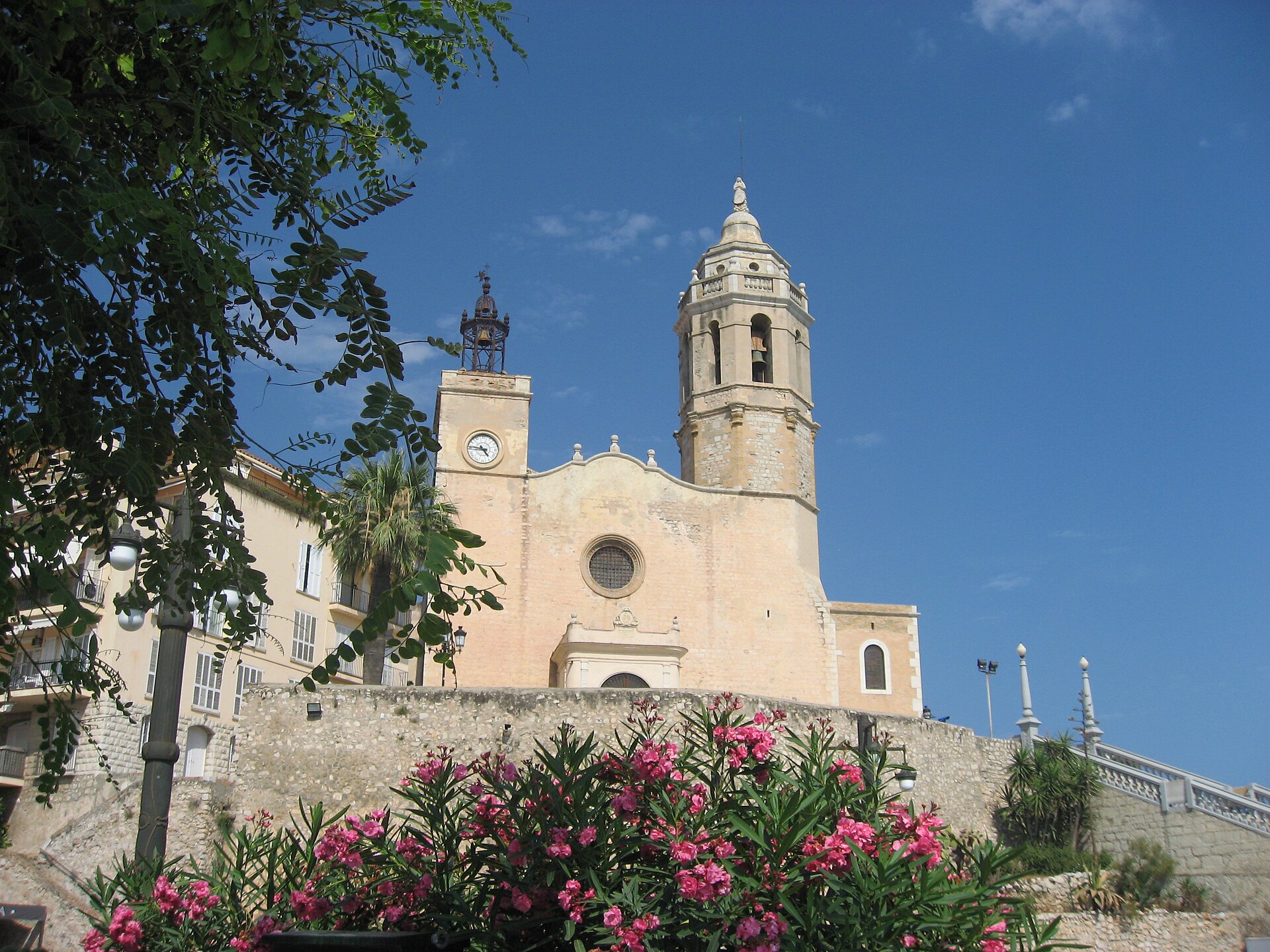
- Iconic landmark: The town’s crowning jewel is the stunning Sant Bartomeu church, perched on a rocky cliff above the waves.
- Beach paradise: More than seventeen diverse beaches await you, with fine sand and gentle slopes into the sea.
- Artistic soul: The town is a cradle of Catalan modernism, home to breathtaking museums like Cau Ferrat.
- World-class festivals: The local film festival and February carnival draw hundreds of thousands of enthusiastic visitors from around the globe.
- Open atmosphere: The town is globally renowned as one of the most welcoming LGBT destinations in Europe.
- Superb gastronomy: You absolutely must try the traditional toasted bread with tomato and the famous Crema Catalana dessert.
The full destination guide: Catalonia — guide and what to see
When to Visit Sitges
The ideal time to visit depends entirely on what you’re hoping to get out of your holiday. If swimming and sunbathing top your list, the best conditions run from June through mid-September. Do bear in mind, though, that the town gets packed with tourists during peak summer and accommodation prices soar to their highest. Temperatures in July and August regularly exceed thirty degrees, practically begging you to spend the entire day in the water.
Catalonia has unfortunately been grappling with extreme heatwaves and historic drought in recent years. During the height of summer, strict water restrictions may be in force, leading to limitations on beach showers or bans on filling public pools. That’s why late May to early June makes a brilliant alternative, as does September, when the sea is still beautifully warm and the streets are far less crowded.
For culture lovers and party-goers, it makes perfect sense to visit outside the main summer season. October belongs to the famous film festival, which cloaks the town in a delightfully spooky and thoroughly entertaining atmosphere. Late February or early March is carnival time, when the streets come alive with colour and music well into the small hours. Winters here are mild, so even a January stroll along the empty promenade has its own unmistakable charm.
Where to Stay in Sitges
💡 Tip for accommodation and experiences: We like to search for places to stay on Booking.com, which tends to have the best cancellation policies. For tickets, tours, and activities, it’s worth comparing options on GetYourGuide.
Choosing the right neighbourhood will make or break your entire experience. If you want to be in the thick of things with every restaurant within arm’s reach, look for accommodation right in the old town, known as the Casc Antic. The boutique hotels here ooze charm, but expect a livelier nightlife scene, particularly around the so-called Street of Sin.
For families with children and those who love peace and quiet, the Vinyet neighbourhood is absolutely ideal. It’s just a short walk west of the centre, the streets are lined with mature trees, and everything feels wonderfully relaxed. If you’d rather be surrounded by luxury yachts and sea views, head for the area around Port Aiguadolç, where you’ll find excellent seafood restaurants and gorgeous scenery. I’d recommend booking your Sitges Spain hotel well in advance, as the best options disappear remarkably fast.
Among the most popular hotels is the stylish ME Sitges Terramar, located at the quieter end of the promenade with a stunning beach club. Also worth mentioning is the Hotel Platjador in the very heart of town, from which the sea is literally just a few steps away. For those seeking a good balance between price and quality, the mid-sized Hotel Galeón offers excellent service, lovely breakfasts, and a beautiful indoor pool.
14 Best Things to See and Do in Sitges Spain
Let’s dive into the details and explore the very best this Catalan gem has to offer. Here are fourteen specific places and experiences that deserve a spot on your holiday itinerary. You’ll discover that the town offers so much more than just sunbathing, and you’ll come away with a wealth of cultural and culinary memories.
1. Sant Bartomeu i Santa Tecla Church
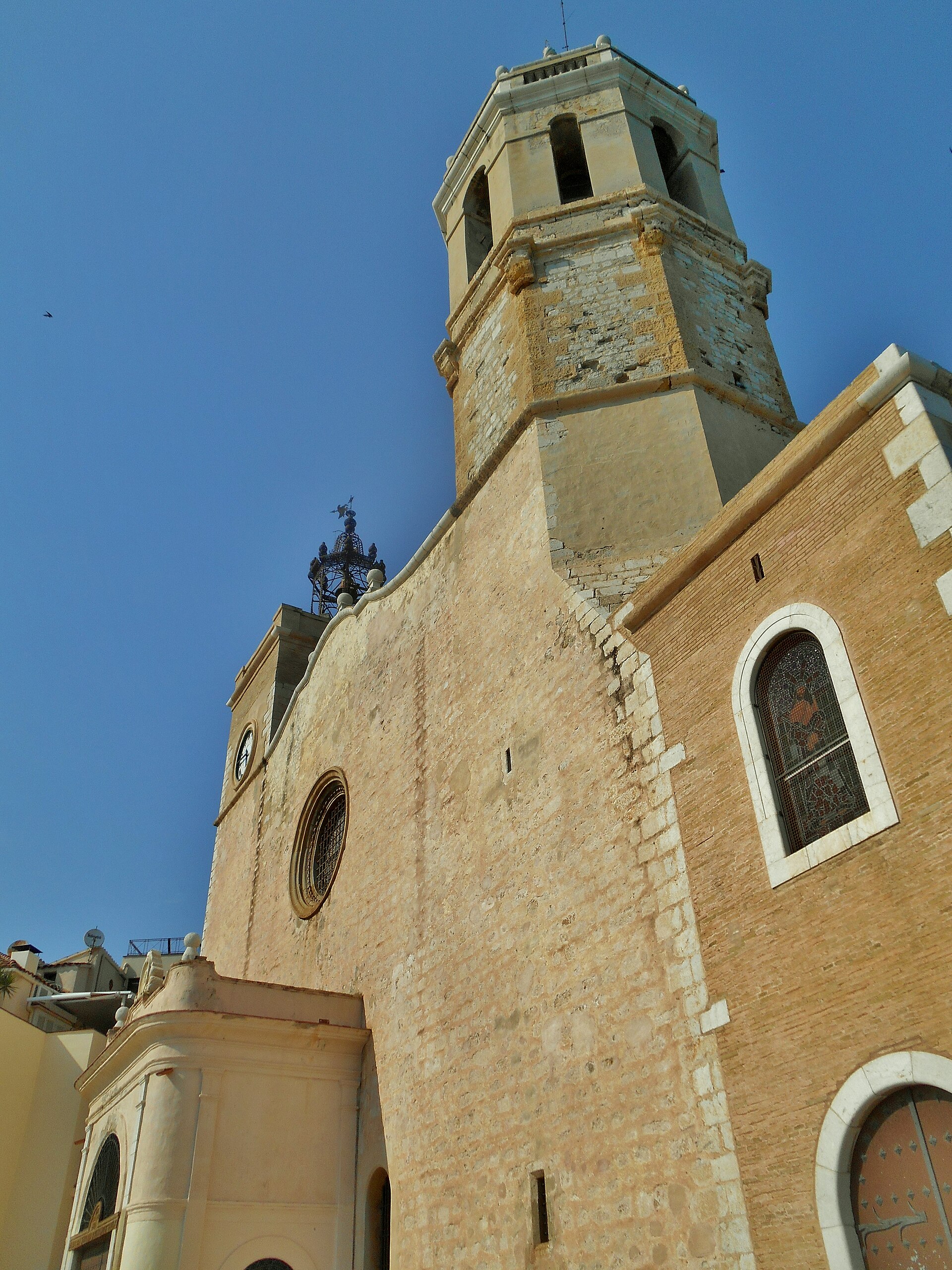
This asymmetrical church perched on the rocky headland known as La Punta is the undisputed symbol of the entire town. Its silhouette separates the main town beach from Platja de Sant Sebastià, creating a panorama you’ll spot on every other postcard. A broad staircase leads up to the church, and you absolutely must walk all the way to the main entrance, where a fantastic view of the open sea unfolds before you.
Inside the seventeenth-century church, you’ll find beautiful baroque altarpieces that stand in striking contrast to the rather austere exterior. Pause for a moment by the organ and soak up the peaceful atmosphere of this sacred space. You’ll notice that even at high noon it’s pleasantly cool inside, making the church a perfect refuge from the summer sun.
💡 Local tip: The most stunning photos of the church are captured at sunset from the breakwater near Platja de la Fragata. The golden hour bathes the stone walls in deep orange hues, giving you a shot worthy of a professional photographer.
2. A Stroll Along the Passeig Marítim Promenade
This nearly three-kilometre promenade lined with towering palms ranks among the most beautiful in all of Spain. It stretches from the Sant Bartomeu church all the way to the luxury Hotel Terramar, offering the ideal setting for a morning jog or an evening promenade. Along the way, you’ll pass dozens of stunning colonial villas built here at the turn of the nineteenth and twentieth centuries by wealthy returnees from Cuba and Puerto Rico.
The entire route is immaculately maintained and dotted with plenty of benches and beach bars known as chiringuitos. These little wooden shacks right on the sand serve chilled drinks and light snacks, so you can stop for a break whenever you fancy. The promenade is also fully accessible, which is a bonus not just for families with pushchairs but also for inline skaters and cyclists.
💡 Local tip: Hire a pedal-powered quadricycle for an hour — you’ll find several rental spots along the promenade. It’s an incredibly fun way to cruise the entire coastline from end to end without getting sore feet.
3. Discovering the Diverse Beaches
Sitges boasts more than seventeen different beaches, so there truly is something for everyone. Right in the centre beneath the church lies the popular Platja de la Ribera, which tends to be the busiest and offers every comfort imaginable, including sunbed hire. Slightly quieter is the picturesque Platja de Sant Sebastià on the eastern side of the headland, surrounded by cosy restaurants with outdoor terraces.
The Mediterranean waters in this area are surprisingly clean, with a very gentle slope into the sea, making it paradise for non-swimmers and small children. Most of the town’s beaches regularly earn Blue Flag awards for cleanliness and quality of services. If you wander further from the centre, you’ll come across nudist beaches and hidden coves offering much greater privacy.
💡 Local tip: Head to the secluded Platja de l’Home Mort if you’re after absolute tranquility and don’t mind a short hike. This cove tucked behind the cliffs offers crystal-clear water and a true escape from the central crowds.
4. Getting Lost in the Old Town Alleys
The historic centre known as the Casc Antic is a genuine labyrinth of whitewashed lanes winding their way up the hill behind the main church. The houses here have characteristically white façades accented with blue window frames and plenty of blooming geraniums on the balconies. I’d suggest putting the map away and simply wandering without any particular destination, because a lovely surprise awaits around every corner.
As you stroll, you’ll stumble upon old fishermen’s cottages alongside grand palaces, testifying to the town’s rich history. Don’t forget to look down as well as around — you’ll often spot beautiful ceramic tiles underfoot. Hidden within the narrow, shaded lanes are some of the best independent boutiques, where you can pick up original handmade souvenirs, linen clothing, and locally crafted ceramics.
💡 Local tip: Pop into Carrer d’en Bosc, the oldest surviving street in the entire town. Its rough stone walls and remnants of the old town fortifications will instantly transport you several centuries back in time.
5. The Cau Ferrat Art Museum
This unique museum is an absolute must for every art lover. It was originally the home and studio of the celebrated artist and writer Santiago Rusiñol, who brought a wave of Catalan modernism to the town. The interior has been preserved almost exactly as Rusiñol left it, and it feels incredibly authentic.
Inside, you’ll find a fascinating collection of paintings, ceramics, and wrought ironwork that Rusiñol passionately amassed throughout his life. On the walls hang not only his own canvases but also early works by Pablo Picasso and paintings by El Greco. Your eyes will dart between the blue-painted walls crowded with rare artefacts, which together create a truly mesmerising visual experience.
💡 Local tip: Buy a combined ticket that covers both the Cau Ferrat museum and the neighbouring Maricel museum. You’ll save a few euros, and the two institutions are connected, making the transition between them wonderfully seamless.
6. The Architectural Gem of Palau de Maricel
The Maricel Palace is one of the most beautiful buildings on the entire coast, and visiting it will genuinely take your breath away. It was commissioned by American millionaire and art collector Charles Deering in the early twentieth century, with the help of architect Miquel Utrillo. You’ll find that the building masterfully blends different historical styles, from Gothic through Renaissance to then-modern elements.
The most striking part of the palace is the so-called Golden Hall and the stunning blue courtyard, which opens onto panoramic views of the churning sea. The entire complex served as a luxury residence for hosting distinguished guests and displaying art collections. Today, it’s frequently used for wedding ceremonies and prestigious cultural events, further underscoring the exclusivity of this place.
💡 Local tip: Check the guided tour schedule in advance, as the palace isn’t open to the public at all times. Tours run only on certain days, and slots tend to sell out quickly during the peak season.
7. Museu Maricel and Its Collections
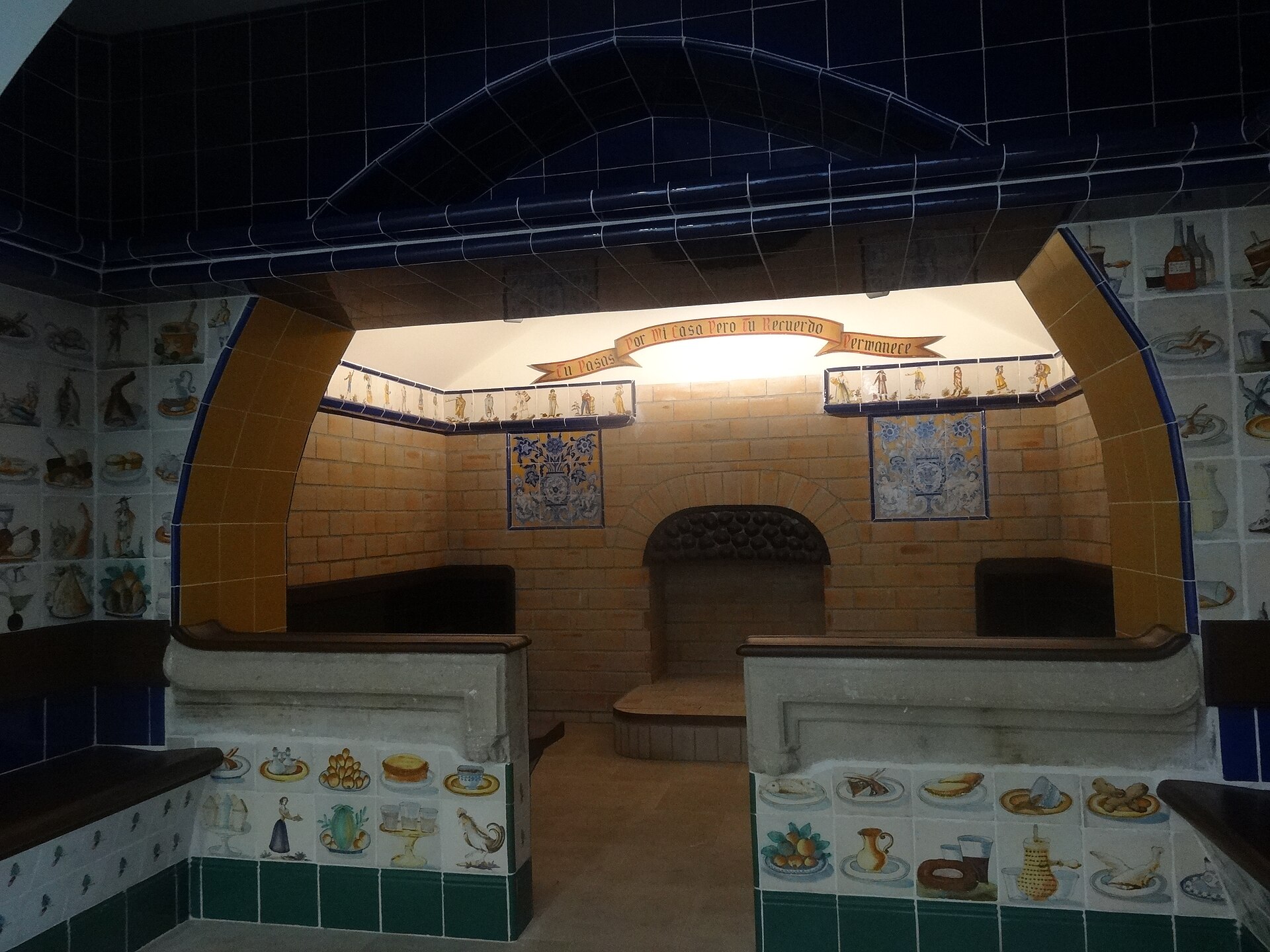
Right across from the palace sits the museum of the same name, which traces the evolution of Catalan art from the medieval period to the present day. The museum spaces underwent extensive renovation a few years ago and now offer top-notch exhibition halls with perfect lighting. The displays take you chronologically through Romanesque frescoes, Gothic altarpieces, and captivating maritime paintings that reflect the region’s history.
Beyond the artworks themselves, you’ll be enchanted by the architecture of the building, which stands right on the clifftop above the sea. Some halls have enormous windows overlooking the waves, giving the impression that the ocean is part of the exhibition itself. There’s also a superb section dedicated to realist sculpture, dominated by works from local nineteenth-century masters.
💡 Local tip: Set aside an entire morning for both museums so you can take in the exhibits at a leisurely pace. Afterwards, I’d recommend sitting down for a coffee at the nearby little square and letting all those artistic impressions settle in.

8. Casa Bacardí and the Story of the Famous Rum
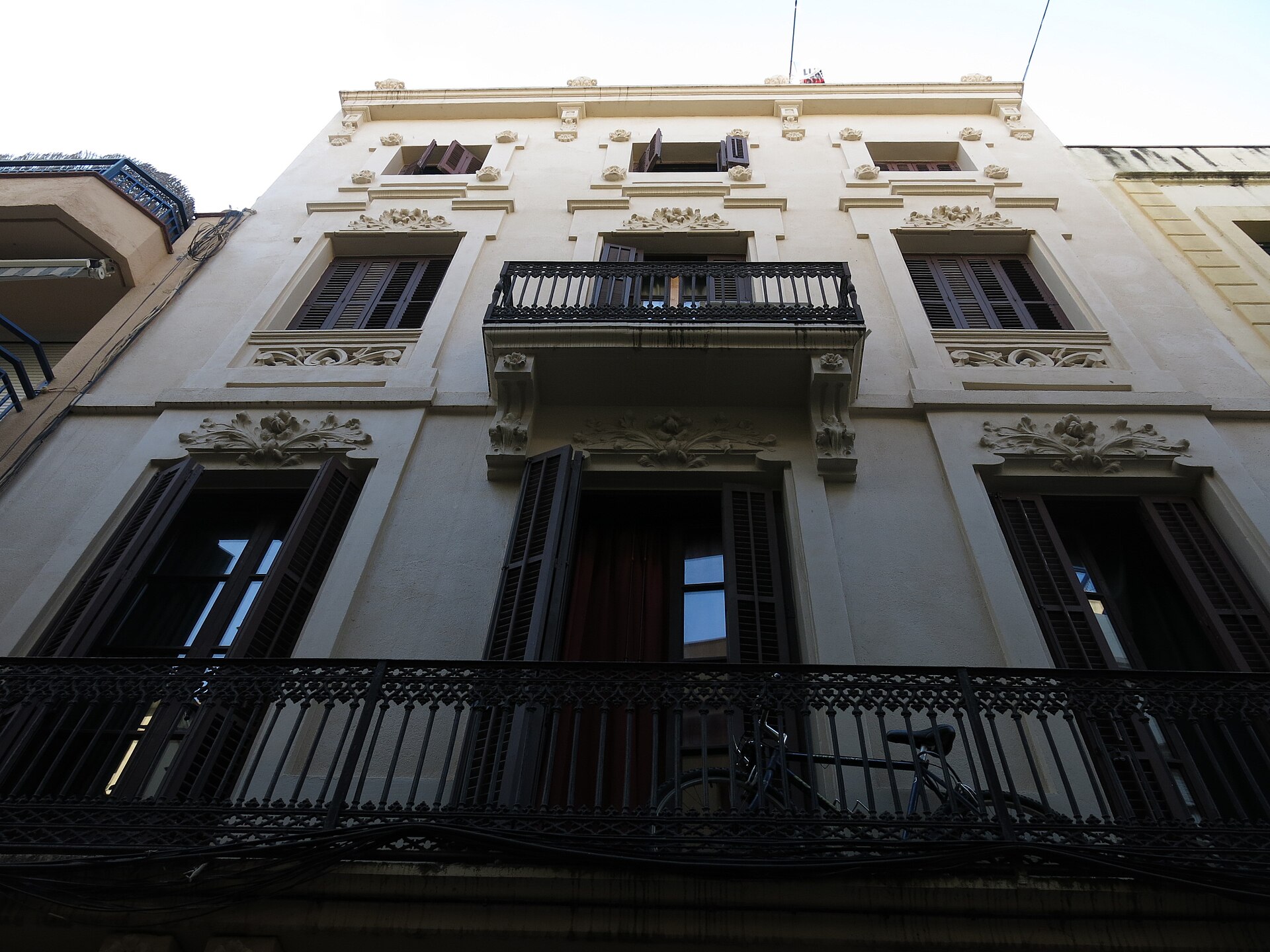
It might surprise you, but the founder of the world-famous rum brand, Facundo Bacardí Massó, was born right here. The historic building of the old Mercat Vell market now houses a visitor centre that engagingly tells the story of his life and journey to Cuba. You’ll learn how a young emigrant worked his way up from nothing and created a drink that conquered the world.
During the interactive tour, you’ll pick up all sorts of fascinating facts about the rum-making process and the significance of the iconic bat logo. Bats lived under the roof of the first distillery in Cuba, and Mrs Bacardí considered them a symbol of good luck. The tour wraps up with a fun cocktail-making workshop where, under the guidance of a professional bartender, you’ll mix your very own perfect Mojito.
💡 Local tip: Book the tour well in advance online, as groups are small and slots fill up fast. Don’t forget to bring photo ID — the tasting is, naturally, only available to adults.
9. The Welcoming Atmosphere of an LGBT-Friendly Destination
The town is globally celebrated as one of the safest and most welcoming LGBT destinations in Europe. This tradition of tolerance dates back to the 1960s, when artists and bohemians fled here seeking freedom in an otherwise conservative Spain. Today, the atmosphere is completely relaxed and inclusive, where everyone can feel free to be themselves regardless of orientation.
The heart of the nightlife is the famous Carrer 1er de Maig, colloquially known as the Street of Sin, or Calle del Pecado. You’ll find dozens of buzzing bars, clubs, and cafés here where the fun kicks off at sundown and doesn’t stop until dawn. During summer, a fantastic Pride festival takes over the streets, bringing colourful parades, outdoor concerts, and an enormous dose of positive energy.
💡 Local tip: Pop into one of the local clubs for a drag queen show, even if you’re not part of the LGBT community. These shows are packed with razor-sharp humour, fabulous costumes, and guarantee an unforgettable night of laughter.
10. The Sitges Film Festival — Full of Thrills

Every October, the town transforms into the world capital of fantasy and horror cinema. The prestigious Festival Internacional de Cinema Fantàstic de Catalunya attracts film stars, directors, and thousands of devoted fans from all over the globe. If you visit during this period, you’ll experience the town in an entirely different light, filled with movie posters and themed decorations.
The biggest attraction on the fringe programme is the legendary Zombie Walk, where hundreds of people dress up as the undead and stumble through the streets. Films are screened in several gorgeous cinemas, including the historic Cine Prado. You’ll find that the festival atmosphere is impossibly infectious, and even a simple walk through town becomes a cultural experience.
💡 Local tip: Buy tickets for the main evening screenings the moment they go on sale — they literally vanish within minutes. If you miss out, don’t despair: plenty of smaller screenings and outdoor events are completely free.
11. The Wild February Carnival
While the rest of Europe shivers in February, Sitges enjoys the hottest days of the year thanks to its famous carnival. This event ranks among the biggest and most outrageous in Spain, attracting up to three hundred thousand visitors every year. You’ll find that for one whole week all inhibitions are thrown to the wind and the streets flood with thousands of people in extraordinarily elaborate costumes.
The highlight of the entire week is two grand parades of allegorical floats, known as the Rua de la Disbauxa and the Rua de l’Extermini. Music blasts from the floats, dancers perform fantastic choreographies, and confetti fills the air. The whole town turns into one enormous dance floor, where local families, tourists, and pensioners in the most extravagant outfits all celebrate together.
💡 Local tip: If you’re planning to come for carnival, book your hotel up to six months ahead. The town’s capacity is stretched to breaking point during this week, and securing a train ticket back to Barcelona in the early hours requires sharp elbows.
12. A Day Trip by Train to Barcelona
Thanks to excellent rail connections, a day trip to Gaudí’s city is an obvious choice. Commuter trains on the R2S line depart from the main station roughly every twenty minutes, and the journey to Barcelona’s Sants or Passeig de Gràcia stations takes just thirty-five minutes. You’ll find that travelling by Spanish trains is clean, reliable, and very affordable, so you can happily leave the car behind.
In Barcelona, you can marvel at the unfinished Sagrada Família, stroll down the bustling La Rambla, or lose yourself in the Gothic Quarter. The beauty of basing yourself in Sitges is that you get to enjoy the buzz of the big city by day, but return to a peaceful seaside town in the evening, far from the tourist hordes and the noise of city traffic.
💡 Local tip: Get a Zone 3 ticket, which covers the return journey. If you’re planning to travel multiple times or in a group, it’s worth buying an integrated T-Casual card for ten trips, which significantly cuts the price per journey.
13. An Escape into Nature at Garraf Park
Just behind the town rise the limestone hills of Parc del Garraf natural park, forming a dramatic backdrop to the entire coastline. This dry, rocky landscape is crisscrossed with dozens of kilometres of hiking trails and cycling routes of varying difficulty. Be prepared for the fact that the views from the hilltops across the endless Mediterranean are absolutely breathtaking and worth every drop of sweat.
Hidden in the heart of the park lies a massive surprise in the form of the Sakya Tashi Ling Buddhist monastery, housed in a gorgeous modernist mansion. The contrast of Asian spirituality and Catalan architecture in the middle of rugged wilderness is utterly fascinating. The monastery offers guided tours, and you can even join meditation workshops that will beautifully calm your mind.
💡 Local tip: Head into the hills first thing in the morning, especially during the summer months. The limestone rocks fiercely reflect the sun’s rays during the day, shade is scarce, and temperatures can climb to dangerous levels.
14. Tasting Catalan Gastronomy
Catalan cuisine proudly stands apart from the usual Spanish stereotypes and delivers fantastic culinary experiences for everyone. The cornerstone is the iconic Pa amb tomàquet — crusty rustic bread rubbed with the flesh of ripe tomatoes, generously drizzled with premium olive oil, and sprinkled with sea salt. You’ll find that this simple delicacy is utterly addictive, and you’ll get it as a starter in virtually every local restaurant.
If you visit in spring, be sure not to miss the phenomenon known as Calçots. These are sweet spring onions grilled over an open flame, peeled by hand, and dipped into a thick romesco sauce made from almonds, hazelnuts, and garlic. Local fishermen love to prepare a rich fish stew called Suquet de Peix, fragrant with saffron, though you’ll also find plenty of superb vegetarian tapas. For a sweet finale, there’s the traditional Crema Catalana, an egg custard dessert with cinnamon and a crisp caramelised crust, best paired with a glass of local sparkling Cava wine.
💡 Local tip: At lunchtime, seek out restaurants offering the Menú del Día, or daily set menu. For a fraction of the evening price, you’ll typically get a three-course meal including a drink and coffee — not only economical but also a wonderfully authentic experience.
Map of points of interest for your phone
Where to Go Next from Sitges
If you have more time in Spain, this region offers endless possibilities for further excursions. The obvious first step is a thorough exploration of Barcelona, whose Gaudí masterpieces you simply must see with your own eyes at least once in a lifetime. If you prefer smaller historic towns with a cinematic atmosphere, hop on the high-speed train to Girona, whose medieval lanes served as filming locations for Game of Thrones.
Lovers of wild nature and hidden coves should head further north to the Costa Brava, where pine forests tumble steeply into turquoise waters. In the opposite direction, just south of Sitges, lies the ancient city of Tarragona with its breathtaking Roman amphitheatre right on the beach. If you’re curious about what to fill your stomach with on your travels, check out our article on typical Spanish food. For those planning a longer road trip along the coast, consider continuing south to sun-drenched Valencia or all the way to the resort town of Alicante.
Frequently Asked Questions
How do I get from Barcelona airport to Sitges?
The easiest option is to take the MonBus airport bus, which runs directly from Terminal 1 and takes about thirty minutes. If you arrive at Terminal 2, you can take the train to the El Prat de Llobregat station and conveniently change there onto the R2S line, which will take you all the way to your destination.
Is Sitges an expensive destination?
Compared to the smaller villages in southern Spain, it ranks among the slightly pricier resorts, as it benefits from its proximity to Barcelona and its exclusive reputation. Accommodation in the summer season tends to be costly, but food prices in ordinary restaurants and supermarket shopping stay at a standard European level.
Do I need a car in town?
You definitely don’t need a car for a stay in the town itself, and it would more likely just get in your way. The historic centre is a pure pedestrian zone, the beaches are within walking distance, and parking is very expensive and complicated everywhere. For day trips around the area, the trains will serve you perfectly reliably.
Is the town suitable for families with children?
Even though the destination is known for its nightlife, it’s absolutely ideal and very safe for families with children. You’ll find kilometres of flat promenades perfect for pushchairs, and in most places the sea has a very gentle and safe entry, guaranteeing carefree swimming even for the littlest ones.
What language do they speak here?
The official languages are Catalan and Spanish, with locals switching fluently between them. But thanks to the strong international tourism, you’ll have absolutely no trouble getting by in English, even in smaller shops and restaurants.
Are the local beaches sandy or pebbly?
All the town beaches are covered in beautiful, very fine golden sand that’s perfect for walking barefoot. Most of them are regularly cleaned and maintained, so you definitely won’t need water shoes here, unless you’re planning to explore the rocky coves outside the town.
Are there any restrictions in summer due to drought?
Yes, Catalonia occasionally faces a shortage of rainfall, and during the hot summer months the authorities may introduce water-saving measures. In practice, for tourists this most often means that the showers and foot rinses on the beaches may be switched off as a precaution, which is worth bearing in mind in advance.
Is the tap water drinkable?
The mains water is completely safe and you can drink it without worry. However, it does have a fairly strong chlorine and mineral content, so its taste may not suit everyone, which is why many tourists and locals prefer to buy bottled water.
Tips and Tricks for Your Vacation
Don’t Overpay for Flights
Search for flights on Kayak. It’s our favorite search engine because it scans the websites of all airlines and always finds the cheapest connection.
Book Your Accommodation Smartly
The best experiences we’ve had when looking for accommodation (from Alaska to Morocco) are with Booking.com, where hotels, apartments, and entire houses are usually the cheapest and most widely available.
 🚗 Car rental on the roadVerified rental cars in Catalonia
Search with the DiscoverCars comparison engine — it compares prices from dozens of local and international rental companies, and most bookings come with free cancellation.
Compare car prices in Catalonia →Don’t Forget Travel Insurance
Good travel insurance will protect you against illness, accidents, theft, or flight cancellations. We’ve had a few hospital visits abroad, so we know how important it is to have proper insurance arranged.
Where we insure ourselves: SafetyWing (simple monthly subscription) and TrueTraveller (for extra-long trips).
Find the Best Experiences
Get Your Guide is a huge online marketplace where you can book guided walks, trips, skip-the-line tickets, tours, and much more. We always find some extra fun there!
More from Catalonia
Full guide →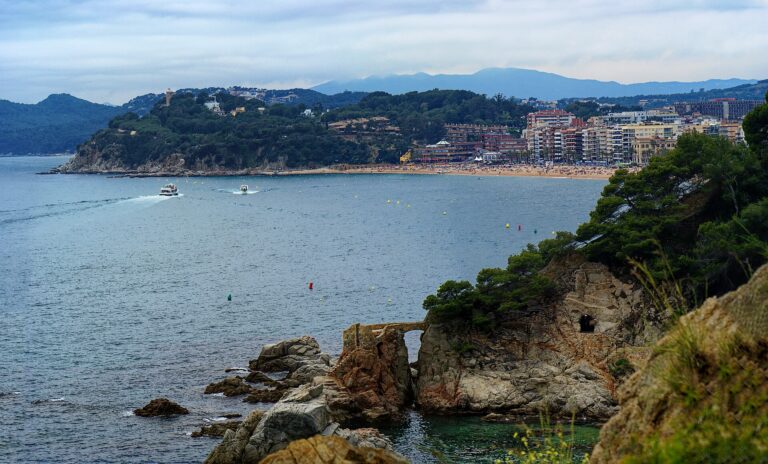 BeachesCosta Brava: 18 Best Places to See – Stunning Beaches & Charming Towns
 Day tripsDay Trips from Barcelona: 12 Ideas for a Perfect Day Out in 2026
 What to seeBest Viewpoints in Barcelona: 12 Spots for 2026
 Where to stayWhere to Stay in Barcelona, Spain: 10 Neighborhoods & the “Cheap by the Beach” Trap 2026
 Day tripsMontserrat Spain: A Day Trip from Barcelona to the Monastery in the Mountains


