If you’re spending your holiday in Catalonia, sooner or later you’ll start wondering where to go beyond the famous metropolis of Barcelona. Try leaving the crowds streaming toward the Sagrada Família behind you and discover a region full of surprising medieval contrasts. Girona, Spain pulls you into its story instantly and offers a completely unique atmosphere that the locals guard rather jealously. A real treasure hides around every corner here, and it absolutely deserves your attention.
This is a city that looks as if time stopped somewhere deep in the Middle Ages. The historic core is a fascinating labyrinth of narrow cobbled lanes, steep stone staircases, and hidden, picturesque little squares. Its raw medieval aesthetic naturally attracted the creators of the hit series Game of Thrones, so you’ll feel as though you’re walking through a real film set. The vast majority of these are ordinary public streets and squares, which you can wander entirely for free.
One huge advantage is the excellent transport links from every direction. The AVE high-speed train from Barcelona arrives here in just 38 minutes, so you can easily pop over even for a short day trip. You’ll manage to tick off the main sights in a single afternoon, but I’d strongly recommend lingering longer and ideally spending the night in town. The magic of the historic centre only truly comes alive after dark, when the tour buses leave and the lanes pleasantly empty out.
TL;DR
- Getting here from Barcelona: The AVE high-speed train whisks you from the centre of the Catalan capital in under 45 minutes.
- Best sights: The Cathedral of Saint Mary, the El Call Jewish quarter, and the iconic colourful houses rising right above the River Onyar.
- Game of Thrones: The city stood in for the free city of Braavos and the Great Sept of Baelor.
- When to visit: The best weather without scorching heat comes in spring or early autumn.
- Where to stay: The historic Barri Vell quarter is ideal, or the more modern Mercadal for a slightly quieter night’s sleep.
- Day trips: The city is a great base for exploring the cliffs of the Costa Brava and the surreal museums of Salvador Dalí.
- Tickets: For popular attractions like the Arab baths or the museums, it’s best to buy tickets online in advance via GetYourGuide.
The full destination guide: Catalonia — guide and what to see
When to visit Girona
Getting the timing right is absolutely key for a trip to Catalonia. The loveliest time to visit is undoubtedly spring and autumn, when temperatures sit at very pleasant levels. During April and May everything bursts into bloom and the city comes alive with local festivals. September and October bring beautiful sunny days, perfect for long walks along the walls and exploring the narrow lanes without breaking a sweat.
Summer, by contrast, can be very demanding and exhausting in this area. In recent years Catalonia has battled extreme heatwaves and historic drought. During the summer months strict water-use restrictions can even come into force, including bans on filling pools or limits on beach showers along the nearby coast. If you’re heading here in July or August, prepare for temperatures climbing well above 30 °C and crowds of tourists.
Winter, on the other hand, is very mild here and offers a completely different view of the city. Temperatures mostly hover around 10 to 15 °C, which is still very comfortable for sightseeing. The big advantage of the winter months is the half-empty lanes and significantly lower accommodation prices. Just don’t forget to pack a warmer jacket, because evenings can get rather chilly thanks to the damp coming off the river.
For the historic core alone, one packed day will do. But if you want to soak up the real evening atmosphere, it pays to stay at least two nights. The city also works as an absolutely perfect base for exploring all of northern Catalonia. From here you can comfortably make day trips out to the sea or into the mountains, so a week-long stay flies by in no time.
Where to stay in Girona
💡 Tip for accommodation and experiences: We love searching for places to stay on Booking.com, where the cancellation policies tend to be the best. Tickets, tours, and activities are worth comparing on GetYourGuide.
Choosing the right neighbourhood can make your whole visit immensely more enjoyable. The most enchanting part to stay in is undoubtedly the historic Barri Vell quarter, where you’ll have every sight literally around the corner. Accommodation here offers the unrepeatable atmosphere of old stone houses and romantic views. Just bear in mind that cars often can’t drive in, so you’ll be hauling heavy suitcases a little way across the cobbles.
If you prefer slightly more modern facilities and easier access by car, focus on the Mercadal district on the other bank of the river. This part is much flatter, full of great cafés, and you can reach the historic centre on a comfortable five-minute walk across one of the bridges. It’s the ideal compromise between accessibility, price, and proximity to all the main sights.
Accommodation prices vary a lot depending on the season and the exact location. I’d recommend sorting your reservation well in advance via Booking.com, especially if you’re coming during the spring festivals or summer holidays. A lovely experience is offered, for example, by the popular Hotel Històric right in the heart of the old town, which breathes history. In the more modern part you could try the elegant Nord 1901 with its lovely indoor pool.
For families with children or longer stays, renting an apartment in the Eixample district makes sense. This area is very quiet, full of greenery and local shops, where you can buy fresh groceries at normal prices. You’ll also find plenty of parking spaces here, which you’ll especially appreciate if you plan to rent a car and head out on trips to the Costa Brava.
16 best things to do in Girona, Spain
Let’s take a look together at the most beautiful sights and experiences this Catalan city has to offer. Get your comfy shoes ready, because the historic centre is full of stairs and uneven stone lanes. Your reward will be views and an atmosphere you won’t forget in a hurry.
1. The Cathedral of Saint Mary and its famous staircase
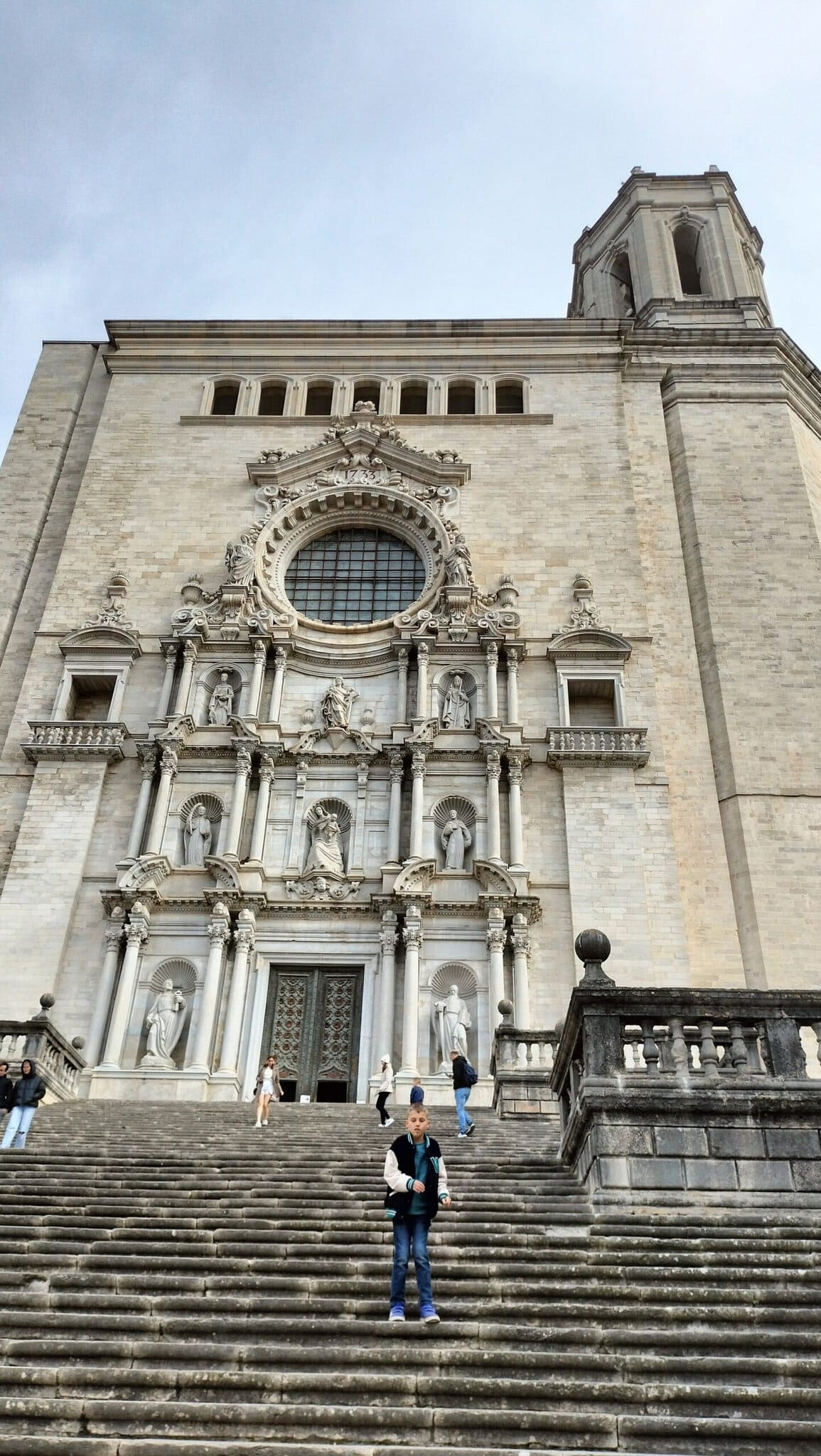
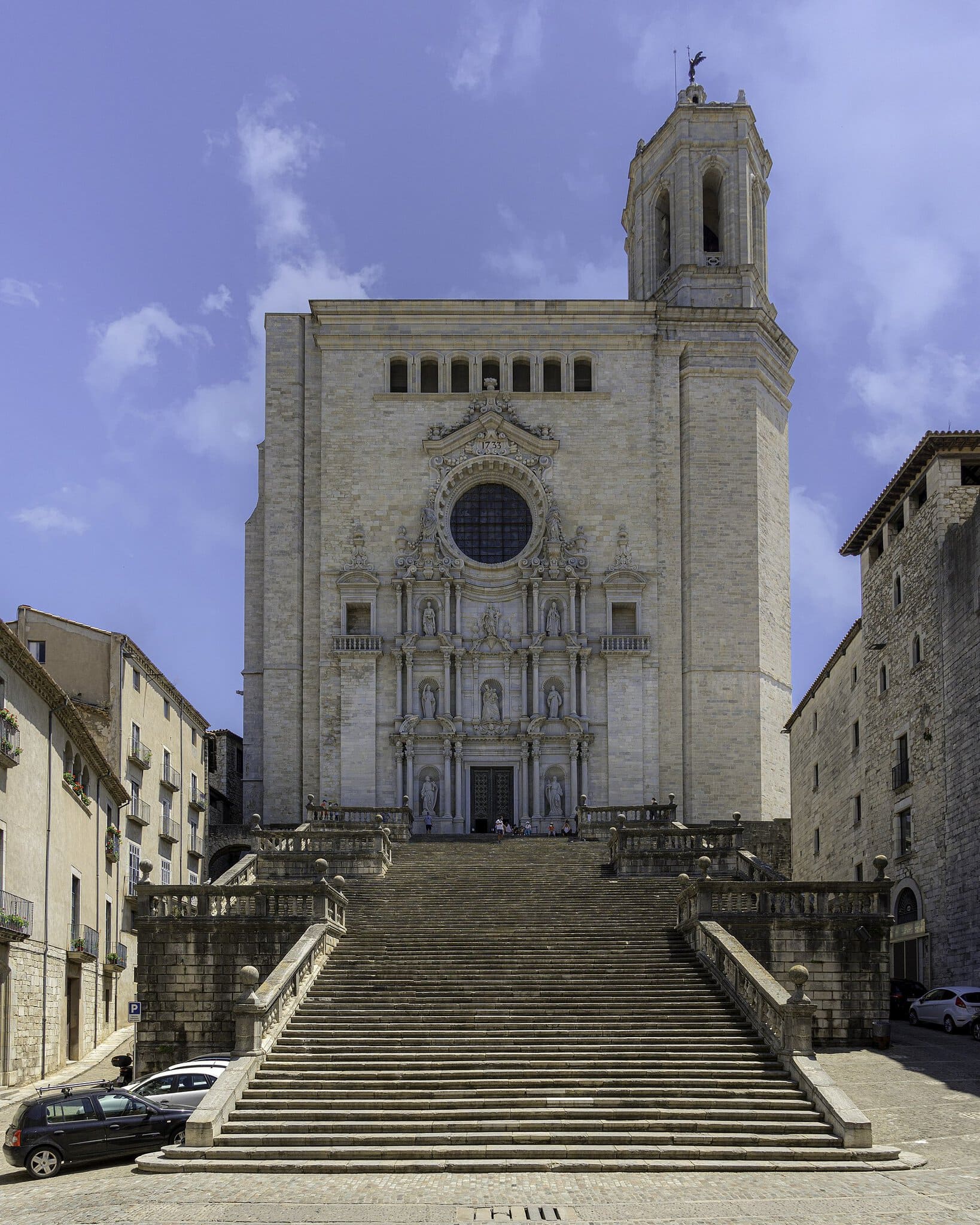
The undisputed landmark of the entire city is the Cathedral of Saint Mary (Catedral de Girona), which towers majestically over the whole historic centre. This monumental building will amaze you at first glance, thanks to the incredibly photogenic Baroque staircase of ninety steps leading up to it. This very spot served filmmakers as the perfect set for the Great Sept of Baelor in the famous series Game of Thrones. Conquering all those steps takes a bit of effort, but the feeling at the top makes it worthwhile.
Inside the cathedral, a huge architectural surprise awaits — one you might not expect from the outside. It boasts the widest Gothic nave in the world, measuring an incredible 23 metres across. It’s actually the second-widest church nave of any kind, right after St Peter’s in Rome. The sense of vast, uninterrupted space inside completely absorbs you and makes you quietly marvel at the astonishing craft of those medieval builders.
Part of the complex is also a beautiful Romanesque cloister, which offers a quiet, peaceful refuge from the bustle outside. You can stroll beneath its vaults and admire the finely carved capitals depicting all sorts of biblical scenes. You can buy tickets on the spot or online, and the price often includes an audio guide that explains the rich history of this magical place in detail.
💡 Tip: If you want to photograph the staircase without the crowds, set an early alarm and arrive first thing in the morning. Around eight o’clock it’s usually completely peaceful here, and the rising sun beautifully lights up the whole ornate façade.
2. The El Call Jewish quarter
Right below the cathedral spreads the Jewish quarter known as El Call, one of the best-preserved in all of Europe. It’s an incredibly intricate maze of stone lanes that twist and climb up the hillside like some medieval labyrinth. The history of the local Jewish community reaches back to the twelfth century, and for a long time this was one of the most important centres of Kabbalah and Jewish learning on the entire Iberian Peninsula.
As you walk these lanes, genuine history breathes from every stone. The houses are crammed tightly together and the lanes are in places so narrow that two people can barely pass side by side. Notice the small details on the façades, the ancient wooden doors, and the little windows behind which a lively community once thrived. It’s exactly the kind of place where it pays to put away the map and simply let yourself get lost.
The atmosphere is especially captivating on autumn evenings, when mist settles over the old town and the lanes are lit only by old lanterns. Definitely don’t miss Carrer de la Força, which formed the main artery of the quarter back then and is now lined with interesting shops and small galleries. It’s right here that you’ll best appreciate just how enormously important this quarter was to the development of the whole city.
3. The colourful houses over the River Onyar
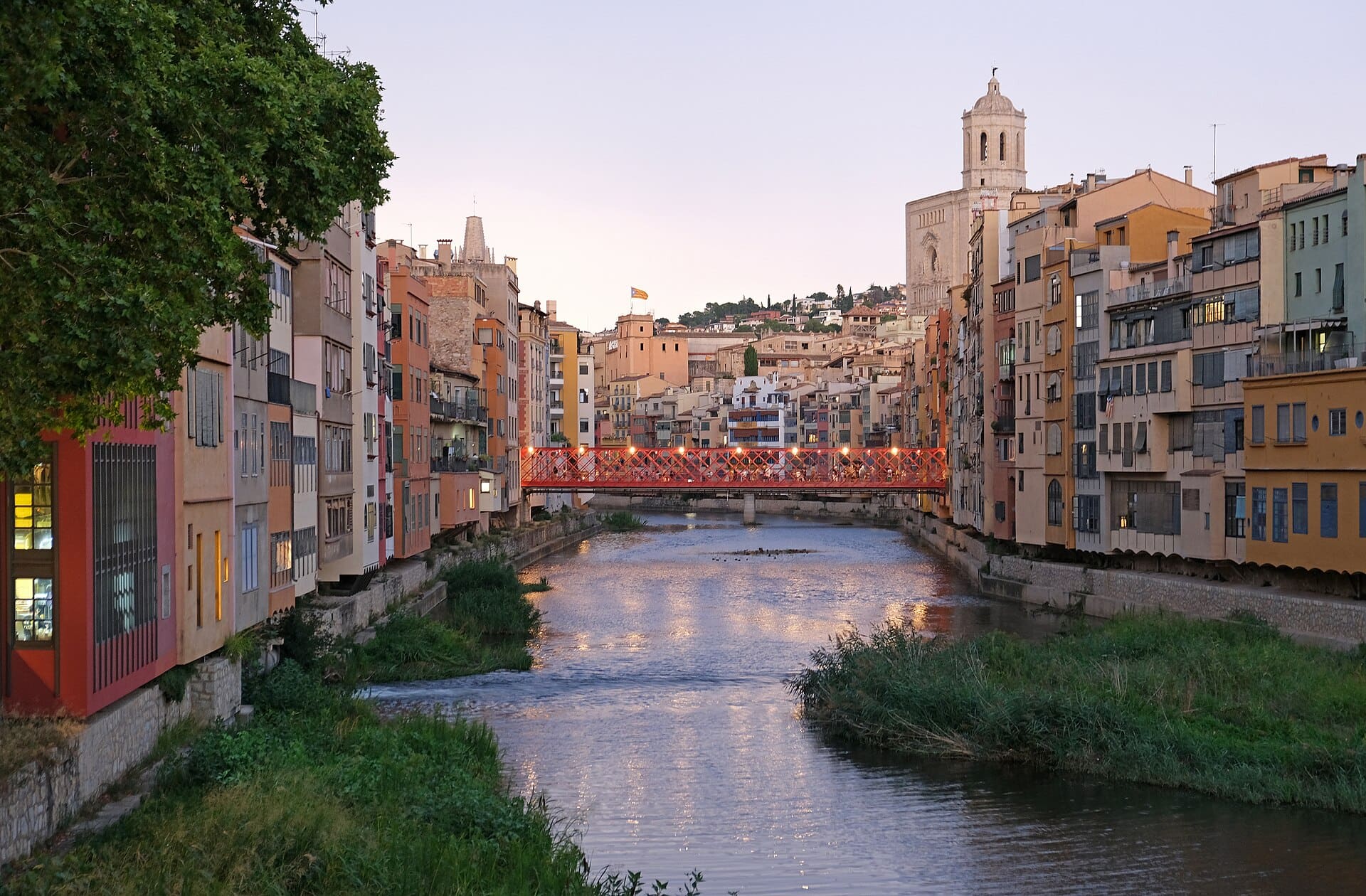
The city’s iconic skyline is made up of pastel-coloured houses that literally balance right above the bed of the River Onyar. These colourful façades in shades of yellow, ochre, and red form the city’s unmistakable calling card, and you’ll find them on every postcard. The houses mostly date from the late Middle Ages and were originally built directly on the remains of the old city walls that protected the town on this side.
The most beautiful view of this colourful splendour opens up from one of the bridges crossing the river. When the water is calm, the houses reflect beautifully in it and create the perfect composition for your photos. The palette of the façades is no accident either — the city has precise rules on which shades owners may use during renovations, in order to keep the riverfront looking unified and harmonious.
Although the houses look very uniform from the outside, inside they hide a labyrinth of corridors and extensions. One of them, Casa Masó, is even open to the public and offers a unique glimpse into early twentieth-century middle-class interiors. Visiting this house lets you see the river and city from a completely new perspective — specifically from the charming wooden balconies suspended over the water.
4. The Gustave Eiffel bridge (Pont de les Peixateries Velles)
Among the many bridges connecting the two banks of the Onyar, one stands out as truly unique. The red iron Pont de les Peixateries Velles was designed by Gustave Eiffel himself — and several years before he built his famous tower in Paris, no less. Its bold red structure sharply contrasts with the pastel colours of the surrounding houses, creating an interesting industrial touch in the middle of the medieval streetscape.
The bridge was built in 1877 and replaced the original wooden footbridges that spring floods often swept away. Thanks to its ingenious lattice design, the bridge is incredibly light yet strong, a hallmark of Eiffel’s engineering firm. A stroll across its wooden planks offers one of the very best views of the colourful houses along the river and the bed below you.
Interestingly, the bridge is for pedestrians only and to this day serves as one of the main arteries linking the historic centre with the newer part of town. During the afternoon rush hour it gets lively here, as locals head home from work and tourists stop for the perfect shot. Be sure to drop by after dark too, when the bridge is beautifully lit and the whole steel structure feels incredibly romantic.
5. The Arab baths (Banys Àrabs)
Just behind the cathedral you’ll come across the fascinating complex known as the Arab Baths. Don’t be fooled by the name, though — they actually date from the twelfth century and were built in a purely Romanesque style by the city’s Christian inhabitants. Their architecture was simply heavily inspired by North African and Moorish traditions, which gives them a thoroughly exotic and singular appearance.
The most beautiful part of the whole baths is undoubtedly the central changing room, or apodyterium. In the middle of this room sits a lovely octagonal pool surrounded by ornate columns, over which rises an impressive star-shaped dome. It’s through this star-shaped opening that sunlight pours in, creating a magical play of shadows and reflections on the water and the stone walls.
The whole complex is fairly small but incredibly well-preserved and finely detailed. You can walk through the individual rooms of varying temperatures, from cold through tepid to a hot steam bath, just as was customary back then. This place was also a favourite with filmmakers, so lovers of history and cinema will definitely get their money’s worth. Admission is very modest and the visit takes about half an hour.
6. The city walls (Passeig de la Muralla)
If you’re after the best panoramic views over the whole city, you have to head up to the city walls. The Passeig de la Muralla is a beautiful promenade running right along the top of the ancient fortifications that encircle a substantial part of the historic centre. These walls grew over time from Roman days through the Middle Ages and today rank among the city’s most popular attractions.
The walk along the walls is roughly three kilometres long and offers countless breathtaking views in every direction. On one side you have the jumble of old-town rooftops and the cathedral tower laid out below you, while on the other a view opens up over green hills and the distant peaks of the Pyrenees. Along the way you’ll come across several watchtowers you can climb for the best bird’s-eye photos.
Access to the walls is completely free, and you can get up there from several different points in the historic centre. The best time for this walk is late afternoon, when the sun slowly sinks toward the horizon and bathes the whole city in golden tones. In the summer months, however, avoid the midday heat, because there’s practically no shade on the walls and the stones can radiate enormous warmth.
💡 Tip: Start the walk at the Arab Baths and head south toward the university. This direction is far more pleasant, because you’ll avoid the steepest steps right at the start and the route will tend to slope gently downhill.
7. The Sant Pere de Galligants monastery
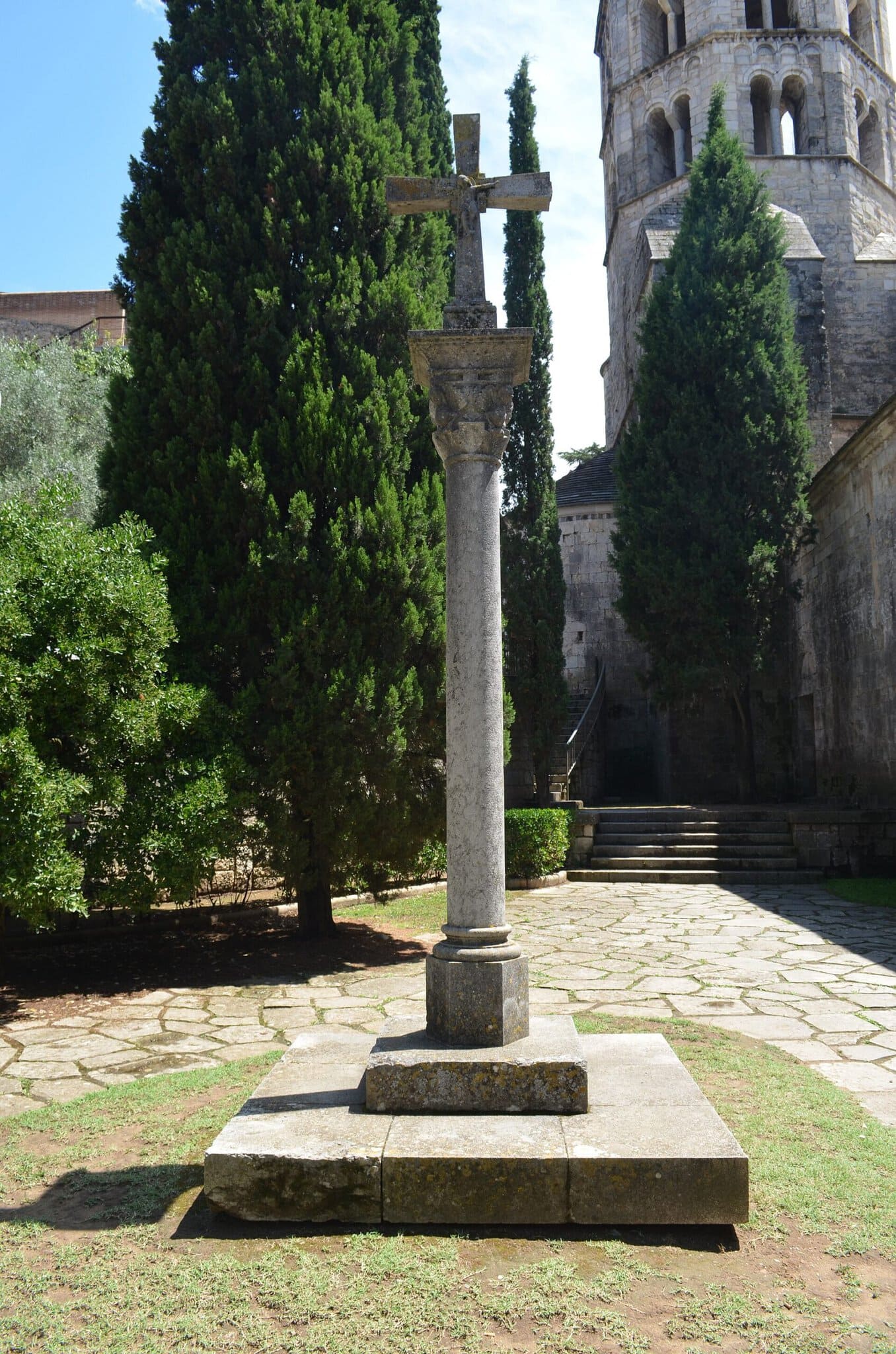
Right next to the walls and the Arab Baths hides the beautiful Benedictine monastery of Sant Pere de Galligants. This building is one of the most significant examples of Catalan Romanesque architecture, and its massive octagonal bell tower forms an unmissable landmark. The monastery was founded back in the tenth century, and its austere stone beauty instantly transports you a thousand years back in time.
This place, too, belongs firmly on the map of Game of Thrones locations. The monastery’s beautiful interior played the role of the Citadel in Oldtown, where Samwell Tarly came to train as a maester. The moment you step inside and see those mighty stone columns and the perfect symmetry of the space, you’ll instantly recognise those famous scenes. Today the monastery houses an archaeological museum that’s definitely worth a look.
Besides the church itself, don’t forget to admire the adjoining cloister. It may be smaller than the one at the cathedral, but it shines with incredibly detailed sculptural decoration on the column capitals, where you’ll find various mythological creatures and plant motifs carved in stone. The whole place feels incredibly calm and meditative, far from the worst of the tourist bustle on the main streets.
8. The Sant Feliu basilica
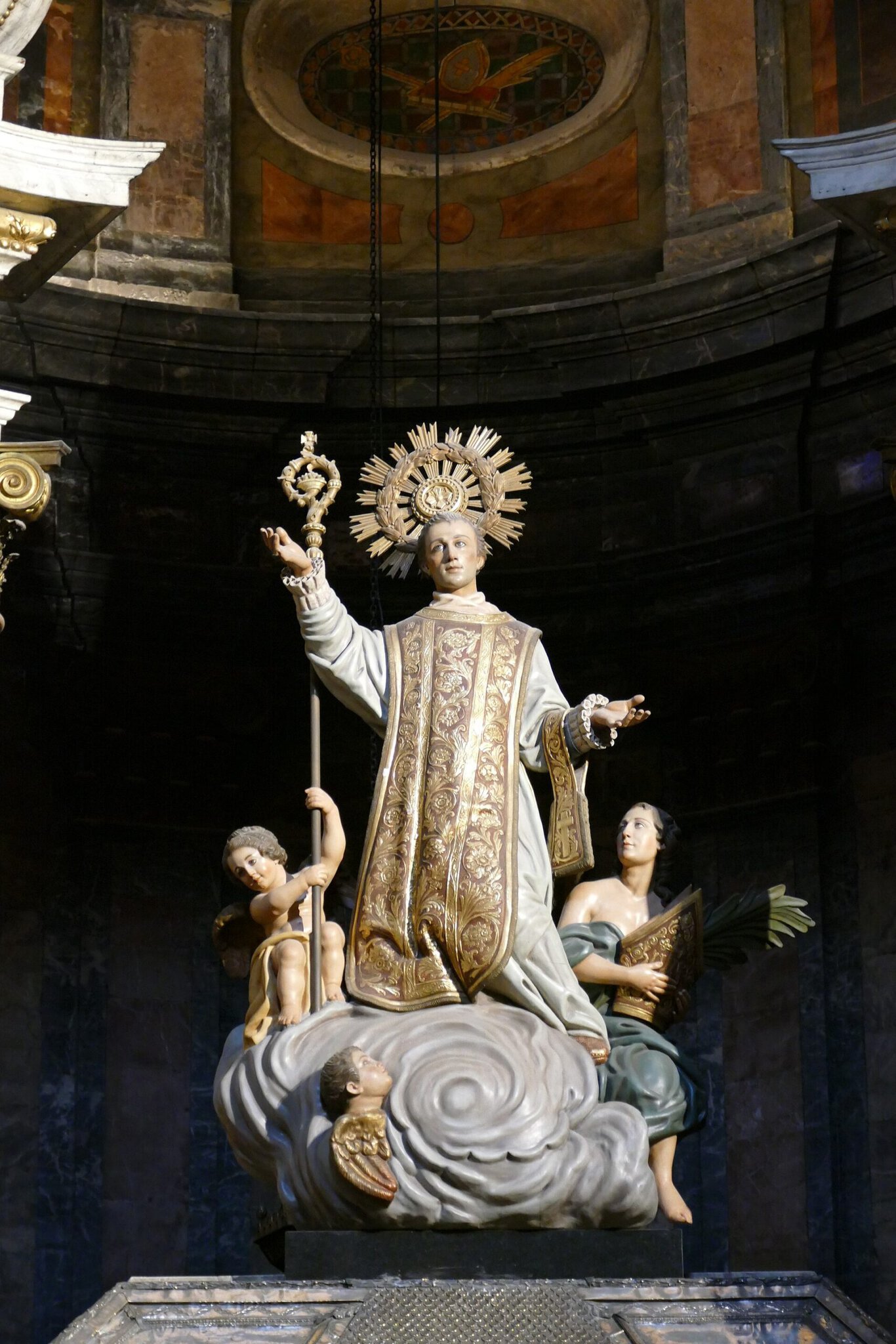
Before today’s vast cathedral was built, the Sant Feliu basilica served as the city’s main church. Its slender bell tower with its sheared-off spire is utterly unmissable and, together with the cathedral, forms the city’s signature silhouette from most viewpoints. The basilica was built outside the walls of the original Roman town, exactly where, according to legend, the city’s first Christian patrons were martyred.
Stepping inside, you’ll be surprised by an interesting mix of architectural styles. While the floor plan is purely Romanesque, the vaults are Gothic and the main façade Baroque, which beautifully illustrates how the church was gradually added to and altered over the long centuries. This historic blend gives the whole interior a very unusual and intriguing character that’s a pleasure to explore.
The basilica’s greatest treasure is a set of eight early Christian sarcophagi from the third and fourth centuries. These rare marble coffins were discovered during construction work and are now built directly into the walls of the presbytery. They’re carved with beautiful, highly detailed biblical scenes that are a genuine rarity within all of Spain and are admired by historians from around the world.
9. Plaça de la Independència square
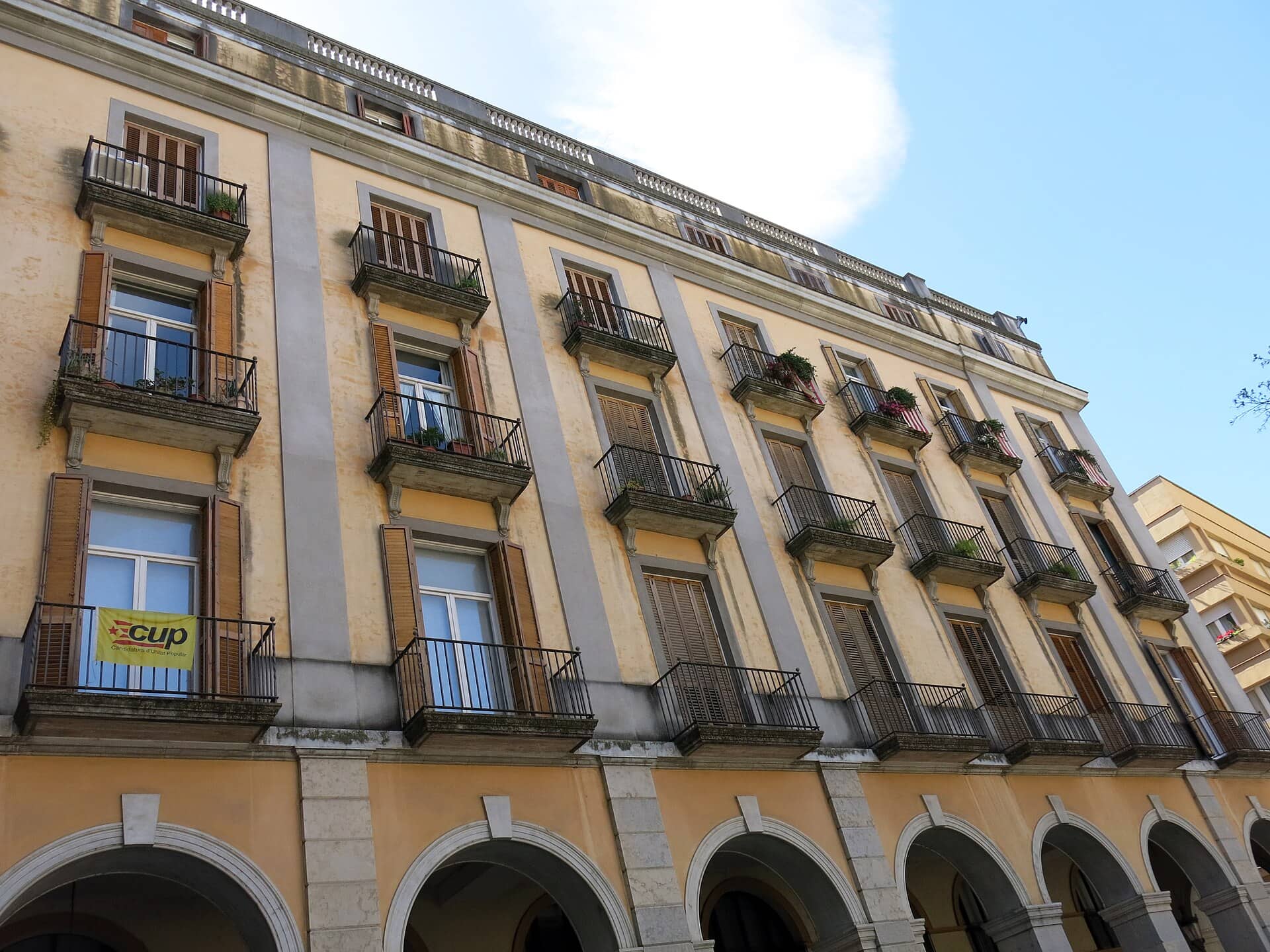
When you cross the River Onyar into the newer part of town, your steps will surely lead you to Plaça de la Independència. This huge neoclassical square is lined with regular arcades and forms the true social heart of the whole city. It was built in the nineteenth century on the site of a former monastery and is named today in honour of the city’s defenders during the Napoleonic Wars.
Beneath the arcades you’ll find countless excellent restaurants, tapas bars, and traditional cafés. It’s the perfect place to sit down on an outdoor terrace, order a glass of good wine, and watch the lively local scene. The atmosphere comes alive especially in the early evening, when the square fills with families, street musicians, and friends gathering for dinner together.
If you get hungry, be sure to try the typical local specialities here. Among the vegetarian options, I’d recommend the excellent patatas bravas (fried potatoes with a spicy sauce) or pimientos de padrón (sautéed green peppers with salt). If you come in early spring, don’t miss the seasonal calçots — sweet spring onions roasted over a fire and served with a wonderful romesco nut sauce.
10. The Girona lioness (El Cul de la Lleona)
Every self-respecting historic town has its legend, and Girona is no exception. On Carrer de Calderers you’ll find a small stone column topped with a statue of a lioness, tied to a very specific and rather amusing ritual. The statue dates from the twelfth century, and according to an old legend every visitor must kiss the lioness’s backside if they ever wish to return to the city in the future.
This tradition is incredibly popular among tourists. To make the kissing easier, the city has even built small metal steps up to the statue, which you can comfortably climb. The original statue is now kept in the art museum for safety and conservation reasons, so on the street you’ll be planting kisses on a very faithful, detailed copy. Even so, it makes for a fun stop during your stroll.
Clusters of laughing tourists often gather around the lioness, photographing each other in this unusual act. It’s a very picturesque little corner in its own right, located just a short walk from the Sant Feliu basilica. And even if you don’t believe in such superstitions at all, it’s a nice tradition that’s simply an inseparable part of visiting this city.
11. Parc de la Devesa
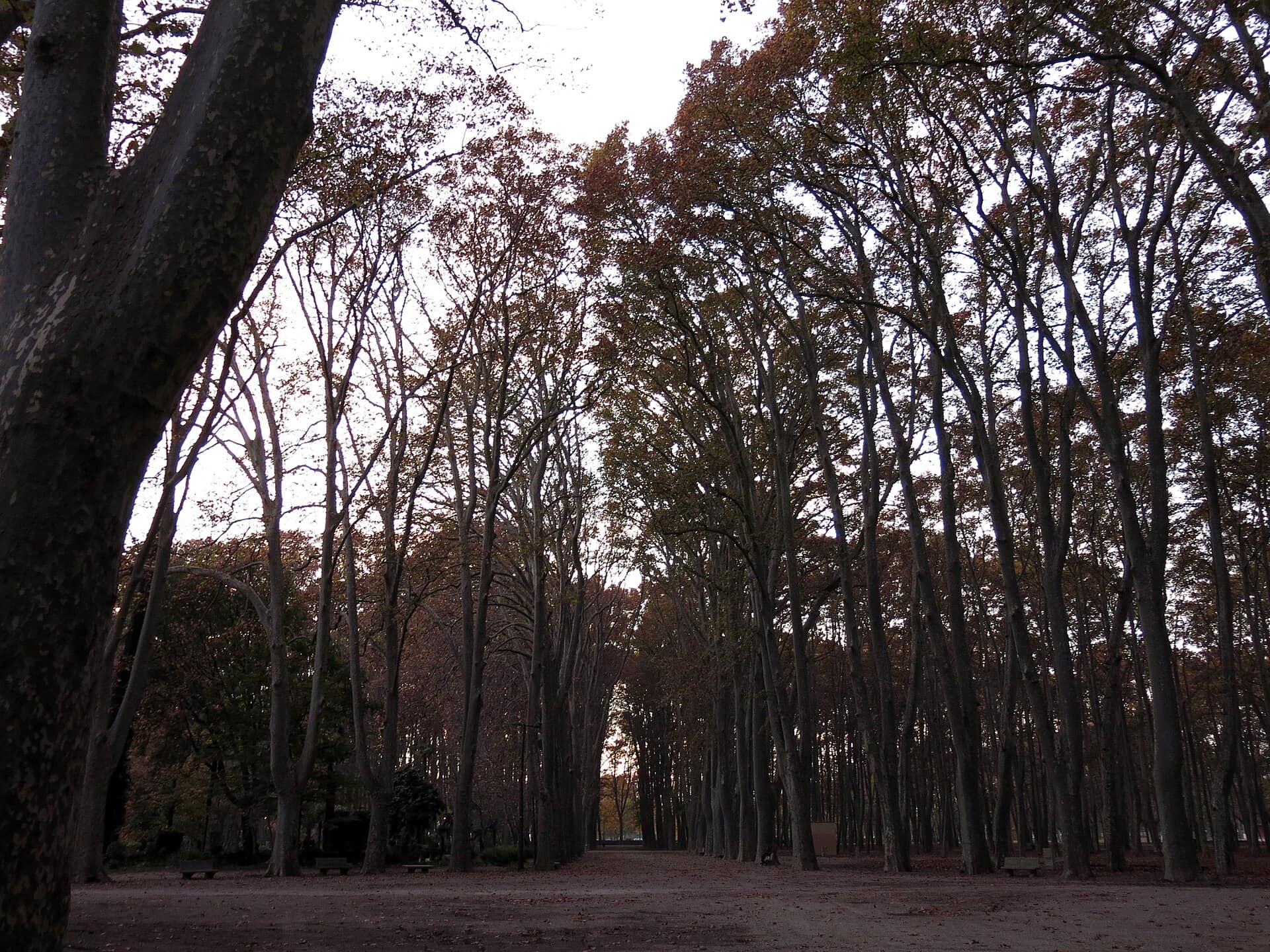
If you need a break from the sun-baked stone lanes for a while, head to the huge Devesa park. This green island of forty hectares is the largest urban park in all of Catalonia and offers a perfect escape into nature. The park is famous for its majestic plane trees, of which more than two and a half thousand grow here, some reaching a staggering height of up to sixty metres.
These enormous trees were planted back in the nineteenth century and today create a beautiful green canopy that provides pleasant, cooling shade even on the hottest summer days. Locals come here to jog, picnic, or simply rest on the benches with a good book. The park is criss-crossed by wide sandy paths, ideal for long, romantic walks beneath the trees.
What’s more, huge open-air markets are held here every week. If you come on a Tuesday or Saturday morning, you’ll experience incredible bustle, as farmers from all around arrive to sell fresh fruit, vegetables, cheeses, and local crafts. It’s a great chance to buy authentic produce and experience genuine Catalan atmosphere among the locals.
12. The Art Museum (Museu d’Art de Girona)
Lovers of art and history definitely shouldn’t skip the local Art Museum. It’s housed in the magnificent rooms of the former Bishop’s Palace right next to the cathedral, which in itself promises a grand experience. The palace, with its majestic courtyard and beautiful halls, makes the perfect backdrop for one of the most important art collections in the entire region.
The museum’s collection takes you through art from the pre-Romanesque period right up to the early twentieth century. The greatest jewels are undoubtedly the vast collections of Romanesque and Gothic art, which include beautiful wooden altars, detailed sculptures, and old liturgical objects. Many of these artefacts were rescued from abandoned monasteries and churches in the surrounding Pyrenean valleys, which lends them enormous historical value.
Besides the exhibits themselves, the well-preserved palace interiors will amaze you too. During the visit you’ll see an old eighteenth-century pharmacy, an ancient palace prison, and a lavish throne room where the bishops received important guests. The exhibition is very well labelled and logically arranged, so even if you’re not exactly a die-hard art expert, you’ll spend a very pleasant and enlightening hour here.
13. Pujada de Sant Domènec
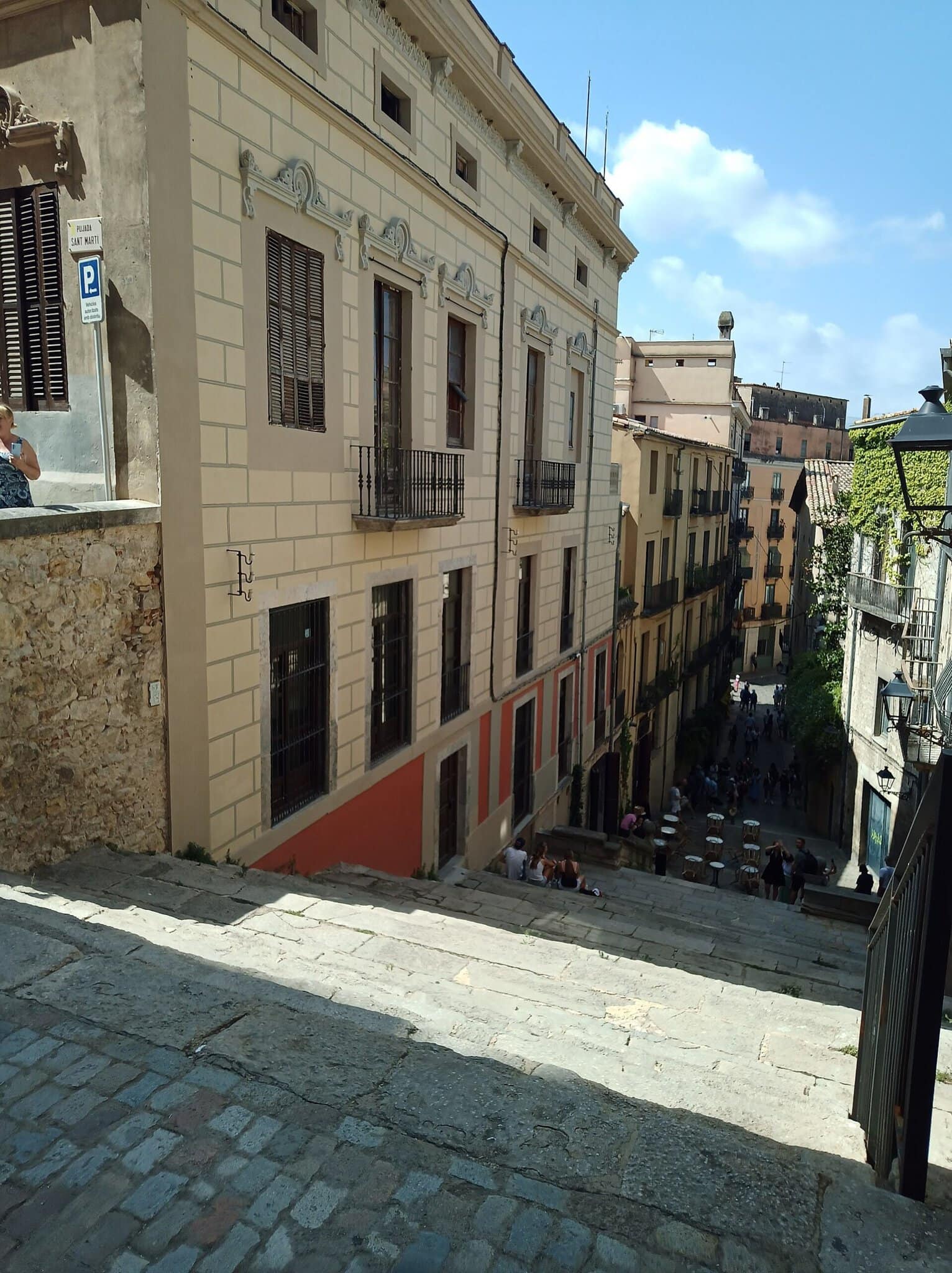
While exploring the historic centre, sooner or later you’ll come across the Pujada de Sant Domènec staircase. This cascade of stone steps is considered one of the most romantic spots in the city and regularly appears on the front pages of travel guides. The staircase is lined with old stone houses, and at its top stands the beautiful Baroque church of Sant Martí with its elaborately decorated portal.
What makes this place so special is the small arch that spans the steps and connects two houses on opposite sides. Right on the steps beneath this arch sits the terrace of the iconic Le Bistrot café, one of the most popular spots in town. Sitting down here for a coffee or an evening glass of wine and watching the comings and goings on the steps is an experience you really shouldn’t miss.
The whole staircase is also a very popular location for filmmakers and photographers. It featured, for example, in the hit film Perfume: The Story of a Murderer, and of course in the aforementioned Game of Thrones. During the May flower festival (Temps de Flors), the entire staircase transforms into a huge floral installation bursting with colour, drawing thousands of admirers from around the world.
14. The Museum of Jewish History (Museu d’Història dels Jueus)
For a deeper understanding of the importance of the Jewish community in this region, a visit to this museum is an absolute must. The museum sits right in the heart of the El Call Jewish quarter, on the site of what was once the last medieval synagogue before the expulsion of the Jews from Spain in the late fifteenth century. The location alone lends all the exhibits enormous authenticity and depth.
The exhibition guides you through the everyday life, traditions, and culture of the local Jewish community. You’ll see a unique collection of medieval Hebrew tombstones discovered on the nearby hill of Montjuïc (Jewish Mountain). The museum sensitively explains the significance of Kabbalah, the role of Jewish doctors and scholars, and also the difficult period of the Inquisition and the final exodus from the Iberian Peninsula.
The visit also includes access to a beautiful inner courtyard, where the ritual mikveh baths once stood. An audio guide is available in several world languages and is genuinely excellent, so I warmly recommend picking one up at the entrance. It will help you connect the historical facts with the specific places you walked through earlier in the quarter’s narrow lanes.
15. The Sant Daniel valley (Vall de Sant Daniel)
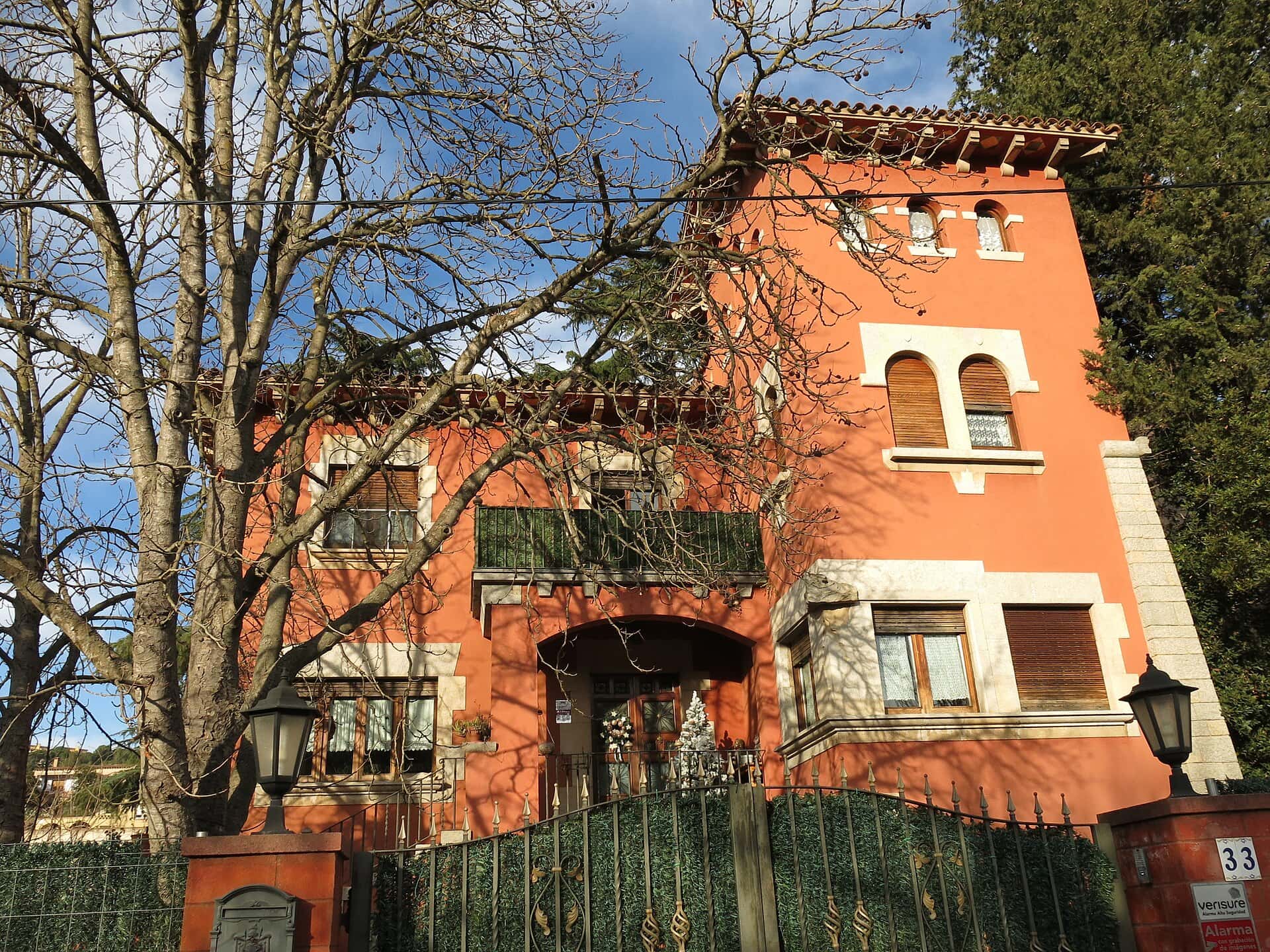
If you have more time in the city and want a break from the cobblestones, head just beyond the walls into the green Sant Daniel valley. This picturesque valley begins just a few hundred metres past the Sant Pere de Galligants monastery and is an absolute oasis of calm that tourists generally don’t reach at all. It’s a favourite outing for locals, who come here for weekend walks with their dogs or a jog.
The little River Galligants flows through the valley, with pleasant shady trails winding alongside it, lined with trees and small fields. The main goal of the walk is usually the namesake Sant Daniel monastery, which has operated continuously since the eleventh century and is still home to a community of nuns today. The monastery itself hides a beautiful Romanesque-Gothic cloister you can visit during set hours.
The route through the valley is very easy and flat, so even families with small children will manage it with ease. You can bring along picnic things and spend a peaceful afternoon in nature, all while feeling miles away from civilisation, even though the city centre lies literally around the corner. To return to town you can then take a slightly higher path, which offers lovely views over the surrounding hills.
16. Plaça del Vi square and the town hall
We’ll end our tour of the city on one of its most important historic squares, Plaça del Vi (Wine Square). This intimate, very elegant square surrounded by ancient palaces served for centuries as the main marketplace and centre of the wine trade — hence its name. Today you’ll find a beautiful arcade here with several pleasant cafés and shops.
The most significant building on the square is the Gothic town hall (Ajuntament), next to which stands the lovely city theatre. Notice the interesting details on the façades of the surrounding houses, from wrought-iron balconies to old coats of arms carved into the stone. It’s right here that all manner of civic celebrations are often held, human towers (castells) are built, and during festivals the atmosphere is incredibly lively and joyful.
Several important shopping streets branch off the square, where you’ll find both well-known brands and small local boutiques. It’s a great starting point for buying souvenirs, from traditional ceramics to excellent local cheeses and wine. End the day here with a great coffee, watch the passers-by, and let all your impressions of this beautiful medieval city sink in.
Map of points of interest for your phone
Where to go next from Girona
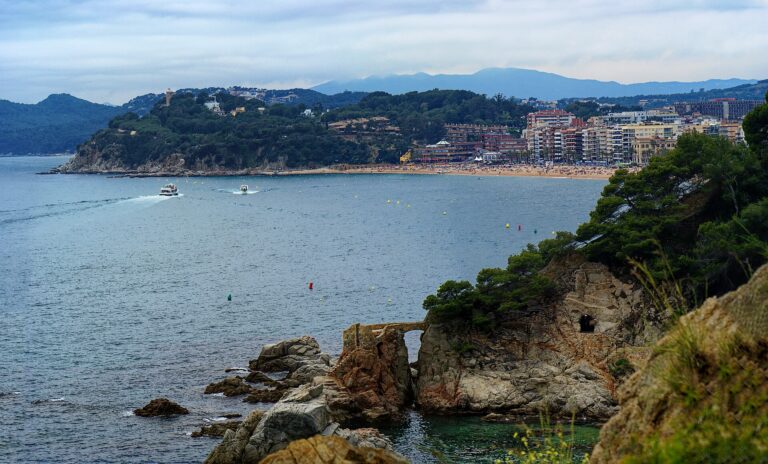
Girona is an absolutely ideal springboard for exploring other parts of Catalonia and Spain as a whole. If you have a car, I’d definitely recommend heading to the stunning Costa Brava coast, which lies just a little over half an hour’s drive to the east. Here you’ll find pine groves sloping down to the sea and hidden coves of turquoise water. Some of the loveliest stretches are around the town of Begur or the whitewashed fishing village of Cadaqués.
Art lovers really shouldn’t miss a trip to the nearby town of Figueres, home to the fascinating Salvador Dalí museum. It’s an utterly bizarre, dream-like building full of optical illusions, designed by the surrealist genius himself. If, on the other hand, the mountains call to you, head for the jagged peaks of the Montserrat massif, where the famous monastery with its Black Madonna hides and from where the views over the countryside are simply breathtaking.
Among the big cities, there’s of course the direct high-speed train to Barcelona, which you shouldn’t skip when visiting this region. If ancient history interests you, take the train south to Tarragona, where you’ll find a beautiful Roman amphitheatre right on the seafront. And if you’re planning a longer journey through Spain, you can take inspiration from our itinerary of the most beautiful places in Andalusia and explore Madrid or wonderful Valencia. Have a look too at typical Spanish food, so you know exactly what to order in the restaurants.
Frequently asked questions
Can Girona be done as a day trip from Barcelona?
Yes, absolutely no problem. Thanks to the AVE high-speed trains, you can get from central Barcelona to Girona in just 38 minutes. The historic center is quite compact, so you can comfortably see the main sights like the cathedral, city walls, Jewish quarter, and colorful houses along the river in one afternoon.
Which landmarks were featured in Game of Thrones?
The city served as the backdrop for several important locations in the sixth season. The most famous is the baroque staircase at the cathedral (the Great Sept of Baelor), the Arab Baths, and the monastery of Sant Pere de Galligants, which represented the free city of Braavos. All these sites are located close to each other in the historic center.
Is Girona expensive?
Compared to nearby Barcelona, prices here are noticeably more affordable, both for accommodation and in restaurants. Museum tickets usually range around five to seven euros, and walking along the city walls is completely free. Excellent tapas and wine at Plaça de la Independència can be found for very reasonable prices.
Where’s the best place to park if I come by car?
Entry into the historic quarter of Barri Vell is prohibited or heavily restricted for non-residents. Your best bet is to leave your car at the large free park-and-ride lot near Parc de la Devesa, from where you can walk to the center in about ten minutes. Alternatively, you can use the paid underground garages in the Mercadal district.
What do you recommend for vegetarians to try?
Definitely don’t miss the classic pa amb tomàquet (rustic bread with tomatoes and olive oil), excellent patatas bravas, or pimientos de padrón. While suquet de peix is a typical delicacy (but usually with meat or fish), treat yourself instead to the wonderful crema catalana for dessert, which is the local version of crème brûlée.
How many days should I set aside for northern Catalonia?
If you want to see not only the city but also explore the wild Costa Brava coastline, visit the Dalí Museum, and take a trip to the mountains, three to four days is ideal. Renting a car will save you a lot of time on such a trip, as public transport between smaller coastal villages can be quite time-consuming.
Is the city suitable for families with small children?
Yes, but keep in mind that the historic center is full of steep stairs and uneven cobblestones, so getting around with a stroller can be a bit challenging. However, children will be thrilled by the walk along the city walls with views or the huge Devesa park, where they have plenty of space to run around safely.
Tips and Tricks for Your Vacation
Don’t Overpay for Flights
Search for flights on Kayak. It’s our favorite search engine because it scans the websites of all airlines and always finds the cheapest connection.
Book Your Accommodation Smartly
The best experiences we’ve had when looking for accommodation (from Alaska to Morocco) are with Booking.com, where hotels, apartments, and entire houses are usually the cheapest and most widely available.
 🚗 Car rental on the roadVerified rental cars in Catalonia
Search with the DiscoverCars comparison engine — it compares prices from dozens of local and international rental companies, and most bookings come with free cancellation.
Compare car prices in Catalonia →Don’t Forget Travel Insurance
Good travel insurance will protect you against illness, accidents, theft, or flight cancellations. We’ve had a few hospital visits abroad, so we know how important it is to have proper insurance arranged.
Where we insure ourselves: SafetyWing (simple monthly subscription) and TrueTraveller (for extra-long trips).
Find the Best Experiences
Get Your Guide is a huge online marketplace where you can book guided walks, trips, skip-the-line tickets, tours, and much more. We always find some extra fun there!