If you’re dreaming of a Spanish getaway filled with sunshine and looking for the ideal combination of stunning beaches, rich history, and incredible food, Alicante Spain and the surrounding Costa Blanca coastline are guaranteed to win you over. This region on the southeastern coast of the Iberian Peninsula boasts the mildest climate in the entire country, making it a perfect destination for year-round travel. Today, I’m bringing you a detailed guide with exactly twenty tips on spectacular places and experiences.
I’ll show you how to easily get around between the charming towns dotted along the coast, where to find the most breathtaking viewpoints, and which hidden alleys are worth exploring. You’ll also discover why the local gastronomy is so celebrated and how to enjoy your holiday without unnecessary stress or battling through tourist crowds. Let’s dive into the secrets of the White Coast and start planning your next unforgettable trip.
TL;DR
- Santa Bárbara Castle: The iconic landmark of Alicante, offering the best panoramic views over the entire city and the open sea.
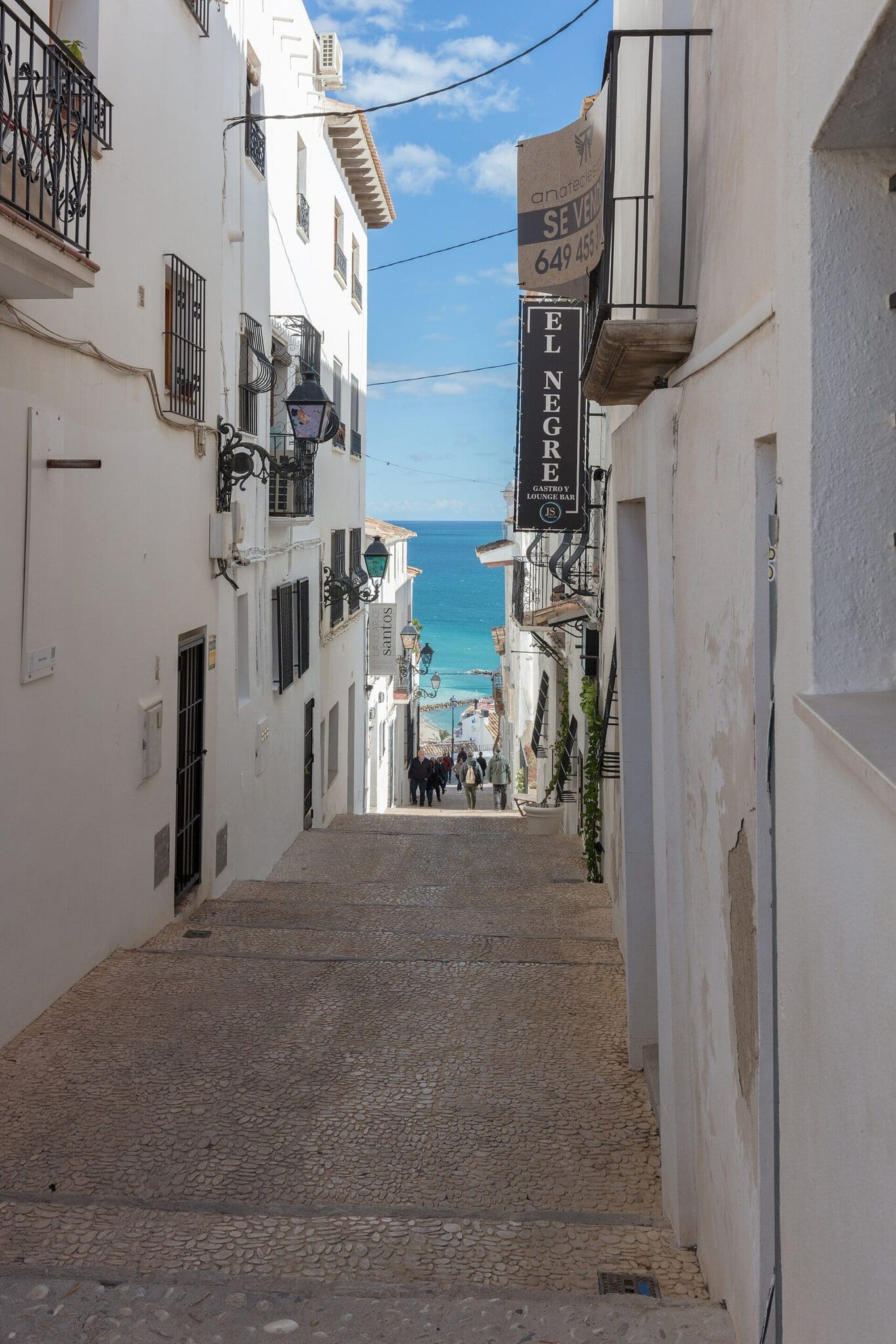
- Barrio Santa Cruz: A picturesque historic quarter full of narrow stairways, whitewashed houses, and colourful flower pots.
- TRAM coastal railway: The most comfortable and scenic way to travel, connecting Alicante with resorts like Benidorm, Altea, and Calpe.
- Costa Blanca gems: Don’t miss the hike up the Peñón de Ifach rock in Calpe or a romantic wander through artistic Altea.
- Tabarca Island: A former pirate hideout and now a protected marine reserve, easily reached by boat from the harbour.
- Mountain village of Guadalest: A fascinating castle complex perched high among the rocks with views over a turquoise reservoir.
- When to go: For sightseeing and hiking, choose spring or autumn; for a pure beach holiday, late June to early July is ideal.
The full destination guide: Spain — guide and what to see
When to Visit Alicante and Costa Blanca
The Costa Blanca coastline sits in a unique microclimatic bubble, shielded from the interior by a range of mountains. Thanks to this, the area enjoys more than three hundred days of sunshine a year, and winters here are incredibly mild and pleasant. It’s no wonder this spot acts as a huge magnet for digital nomads and Northern Europeans who flock here to escape the cold months.
If swimming and soaking up the sun on the beach is your main goal, the best conditions are from mid-June to the end of September, when the sea is beautifully warm. August is traditionally the hottest month and by far the busiest, so if you’re not keen on overcrowded beaches and inflated prices, it’s best to avoid it. Summer temperatures regularly climb above 30°C, which can be quite exhausting for a full day of sightseeing.
For an active holiday focused on hiking, exploring towns, and mountain excursions, spring (April and May) or autumn (October and November) is absolutely ideal. Temperatures hover around a pleasant 20–25°C, the tourist crowds thin out, and you can fully soak up the authentic atmosphere of the entire region.
Where to Stay in Alicante and the Surrounding Area
💡 Accommodation and experience tip: We love searching for accommodation on Booking.com, which tends to have the best cancellation policies. For tickets, tours, and activities, it’s worth comparing options on GetYourGuide.
When planning your trip, it’s key to think about what type of holiday you’re after. For a first visit and easy day-tripping around the area, the city of Alicante itself makes the best base, as it offers excellent connections to the airport and train station. I’d recommend looking for accommodation right in the centre or near Postiguet beach so that all the main sights and restaurants are within walking distance. You can conveniently book your stay through Booking, where you’ll find a wide range from small guesthouses to luxury sea-view hotels.
If you’re travelling with kids or looking for a buzzing nightlife scene, head to nearby Benidorm, which offers enormous resorts with pools and water parks. This city is famous for its superb tourist infrastructure and endless sandy beaches, though you’ll struggle to find an authentic Spanish atmosphere here. Benidorm is all about carefree fun and maximum comfort.
For peace-seekers and romantics, the clear winner is the little town of Altea with its winding alleys and boutique hotels. Accommodation here often comes with gorgeous clifftop views and a personal touch, which is especially lovely when travelling as a couple. Another excellent choice for slow tourism is Jávea, which tempts visitors with stays near some of the most beautiful hidden coves on the entire coast.
20 Best Things to See and Do in Alicante and Costa Blanca
Now let’s take a closer look at the most interesting places that absolutely deserve a spot on your itinerary. This list combines the best of history, nature, and modern entertainment, so there’s truly something for everyone.
1. Santa Bárbara Castle
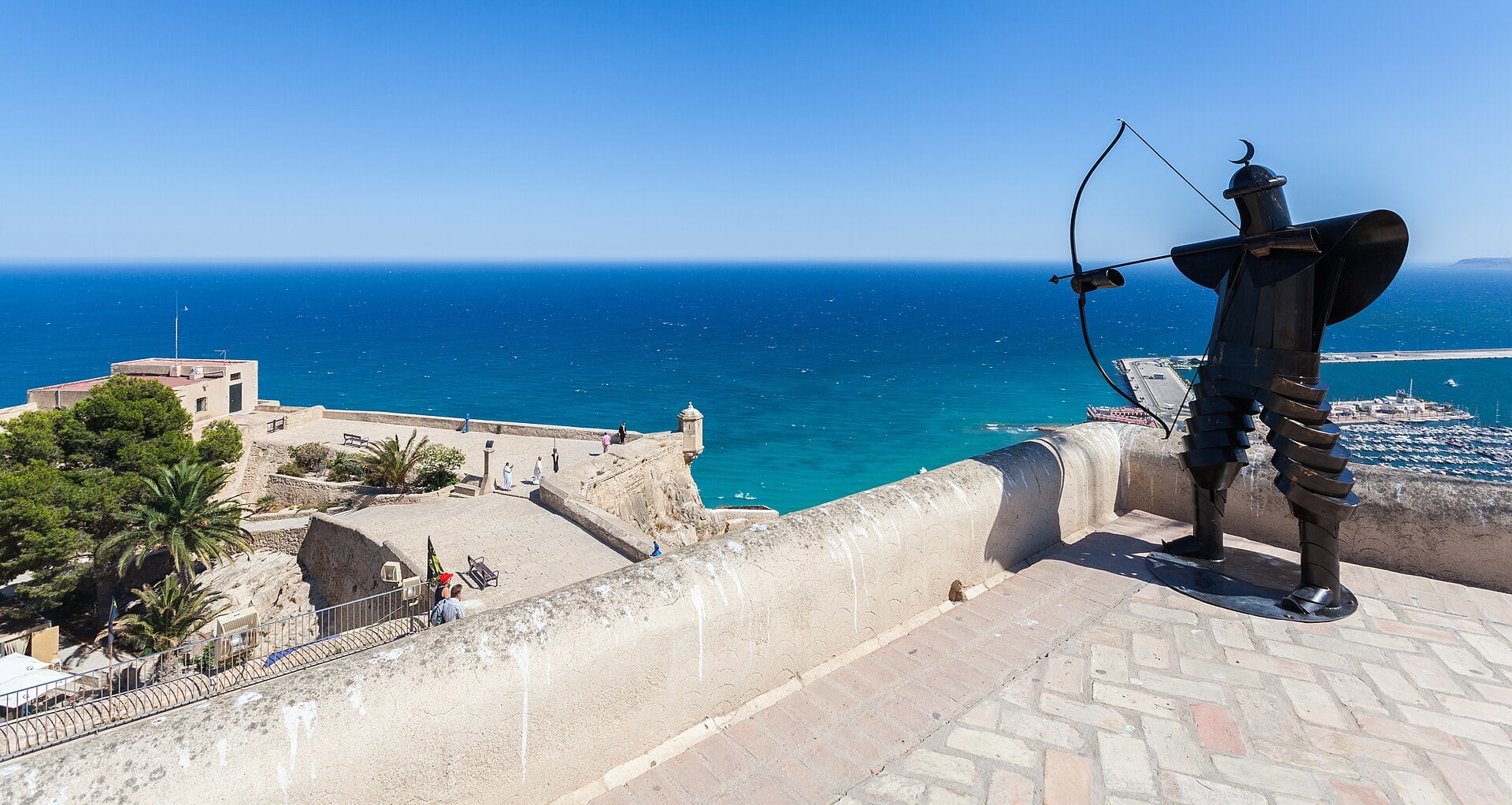
This majestic fortress perched atop Mount Benacantil at 166 metres above sea level forms the unmistakable silhouette of the city. Santa Bárbara Castle is one of the largest medieval fortresses in Spain, and its history stretches back to the ninth century when it was founded by the Moors. Over the centuries it has undergone numerous renovations and today offers a fascinating cross-section of military architecture from different eras.
You can make your way up either on foot along winding paths through a pine forest, or take the convenient lift carved directly into the rock, located opposite Postiguet beach. Entry to the castle itself is completely free — you only pay a small fee for the lift. At the top, you’ll find sprawling courtyards, old dungeons, and remnants of artillery batteries that you can freely explore.
The main reason people come here, though, is the jaw-dropping panoramas. From the ramparts, you get a perfect 360-degree view over all of Alicante, the endless blue sea, and the distant mountain peaks in the interior.
💡 Local tip: Head up to the castle about an hour before sunset, when the sky turns incredible shades of pink and orange — it’s the perfect time for the most stunning photographs.
2. Barrio Santa Cruz Old Town
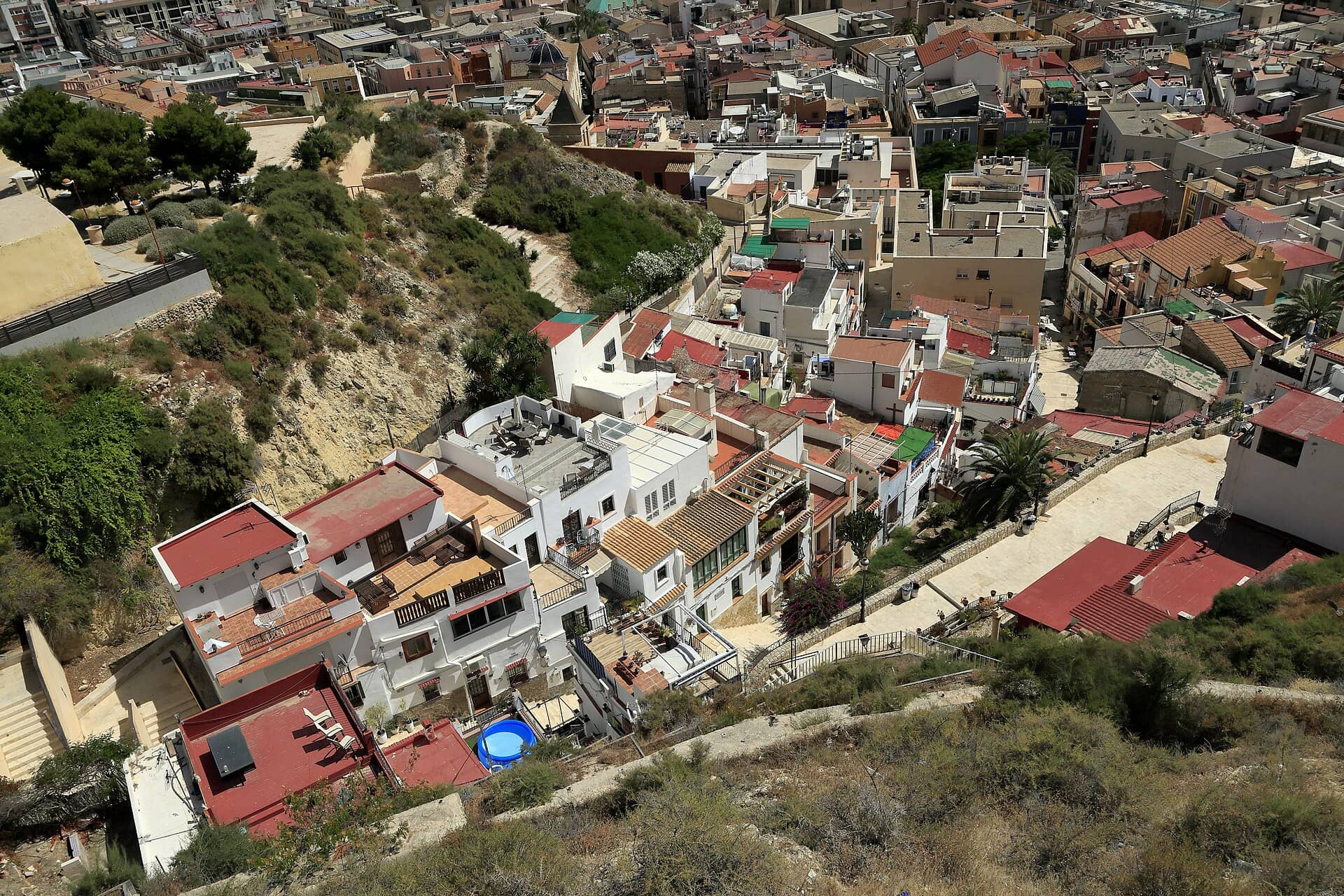
Sprawling just below the castle is the oldest and arguably most charming quarter in all of Alicante. Barrio Santa Cruz is a labyrinth of steep alleys and hundreds of steps, completely car-free, so you can enjoy total peace and quiet away from the hustle and bustle. It’s a place where time seems to have stood still — and while you might feel an almost Andalusian vibe, you’re actually in the Valencia region.
The locals lovingly tend to their homes, which is why all the façades are a brilliant white, decorated with hundreds of colourful ceramic flower pots bursting with geraniums and climbing plants. Every door and shutter has its own distinctive shade of blue or green, creating the perfect backdrop for your holiday snaps. During your wander, you’ll also come across the small chapel Ermita de Santa Cruz, which offers yet another gorgeous view of the harbour.
Make sure to set aside plenty of time to explore this quarter, and wear comfortable shoes, because all those stairs can be quite tiring in the summer heat. After a challenging climb, you can reward yourself at one of the small authentic cafés tucked away in the lower part of the neighbourhood, enjoying an iced coffee or a refreshing lemonade.
3. Explanada de España Promenade
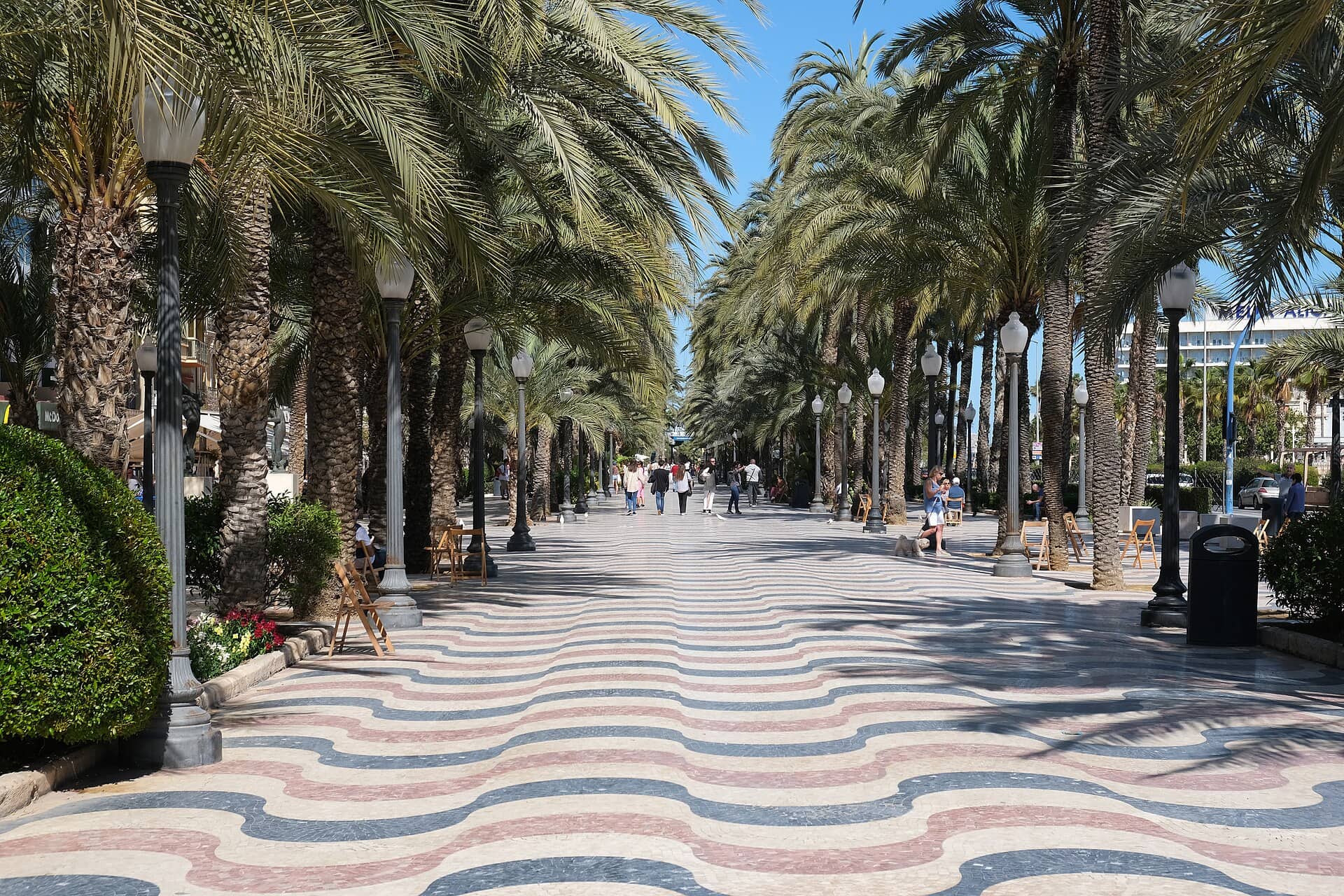
The heart of social life in Alicante beats along this iconic seafront promenade, which runs parallel to the harbour. Explanada de España is famous for its unique mosaic pavement, made up of an incredible six and a half million marble tiles in three colours. The wave pattern in red, white, and blue creates an optical illusion that’ll delight you with every step.
The promenade is lined with four rows of towering date palms that provide much-needed shade during the hot summer days and create a pleasant cool spot for resting on the benches. During the day, you’ll encounter plenty of street performers, painters, and stall-holders selling local handmade crafts — perfect for picking up some original souvenirs.
The Explanada is at its most magical after dark, when it comes alive with the traditional evening stroll. Local families and tourists alike come here for the so-called paseo — an evening walk combined with chatting and breathing in the sea air. On both sides of the promenade, you’ll find countless restaurants and bars where you can settle in with a glass of fine wine and watch the wonderful buzz all around you.
4. Playa del Postiguet City Beach
Right in the city centre, just a few steps from the promenade and under the watchful gaze of Santa Bárbara Castle, lies the main city beach. Playa del Postiguet offers nearly a kilometre of fine golden sand and a very gentle slope into the water, making it an ideal spot for families with small children and less confident swimmers.
Thanks to its strategic location, the beach is incredibly easy to reach — there’s no need for a lengthy journey, and you can pop in for a quick dip right after exploring the city. The beach holds a Blue Flag for cleanliness and quality of services, so you’ll find excellent facilities including showers, toilets, lifeguards, and sun lounger and parasol hire.
In the summer season, Postiguet understandably gets very busy, so I’d recommend heading here first thing in the morning when the sea is at its calmest and you can easily grab the best spot by the water. Along the beach, there’s another promenade packed with chiringuitos — typical Spanish beach bars — where you can cool down with a chilled drink or enjoy a light lunch with a view of the waves.
5. Mercado Central Market
If you want to experience the true soul of a Spanish city, always head to its main market. Mercado Central in Alicante is an architectural gem from the early twentieth century that blends Modernist and Art Deco elements, offering an incredible spectacle of colours, aromas, and bustling life. The building itself boasts a huge dome and a monumental staircase that leads you into a gastronomic paradise spread across two floors.
On both floors, you’ll find nearly three hundred stalls overflowing with fresh local produce. It’s the ideal place to pick up the finest ingredients for a beach picnic — whether that’s enormous fleshy tomatoes, fresh olives, aged cheeses, or fragrant bread. Vegetarians will be spoilt for choice with the fresh fruit and veg from local farmers, which taste nothing like what you’d find in a supermarket.
💡 Local tip: Don’t just come here to shop — make it a social occasion. Around midday, locals gather at the small tapas bars inside the market and in the surrounding streets, where they have their first glass of beer or vermouth accompanied by patatas bravas or a traditional Spanish omelette (tortilla).
6. Marina Harbour and Volvo Ocean Race Museum
Alicante has a strong maritime tradition and the modern harbour is a shining example of that. The Marina is an elegant zone full of luxury yachts, wide wooden piers, and modern leisure complexes where you can easily spend a pleasant afternoon. It’s a great spot for a leisurely stroll while admiring the moored boats and enjoying the refreshing sea breeze.
Right in the harbour, you’ll come across one very unique attraction — the museum dedicated to the toughest and most famous round-the-world yacht race, the Volvo Ocean Race. Alicante proudly serves as the starting port for this extreme competition. Entry to the museum is free and you’ll learn fascinating details about life as a sailor on the open ocean, try interactive simulators, and explore the insides of a real racing yacht.
In the evening, the harbour transforms into one of the nightlife hotspots. In the modern Panoramis complex and along the piers, dozens of stylish bars and clubs throw open their doors, with music playing into the small hours. Even if you’re not into wild parties, it’s well worth coming here for an evening cocktail and soaking up the gorgeous view of the illuminated Santa Bárbara Castle reflected on the water.
7. St. Nicholas Co-Cathedral (Concatedral de San Nicolás)
While wandering through the historic centre, you’ll come across an unassuming building that you might initially walk right past. St. Nicholas Co-Cathedral has a rather austere and simple Renaissance façade that deliberately conceals the riches within, so don’t be put off by the plain exterior — make sure you step inside.
Once you cross the threshold, you’ll be blown away by the stunning interior with a magnificent dome soaring to forty-five metres, which lets in soft natural light. The cathedral was built in the seventeenth century on the remains of an old mosque, and its most precious section is the Holy Communion Chapel — a masterpiece of Spanish Baroque brimming with ornate details.
Entry to the cathedral is free, but do keep an eye on opening times, as it typically closes for several hours over midday for the traditional Spanish siesta. The cathedral also shares its title as the main church of the diocese with the cathedral in neighbouring Orihuela, which is why it’s officially called a co-cathedral.
8. Basilica of Santa María (Basílica de Santa María)
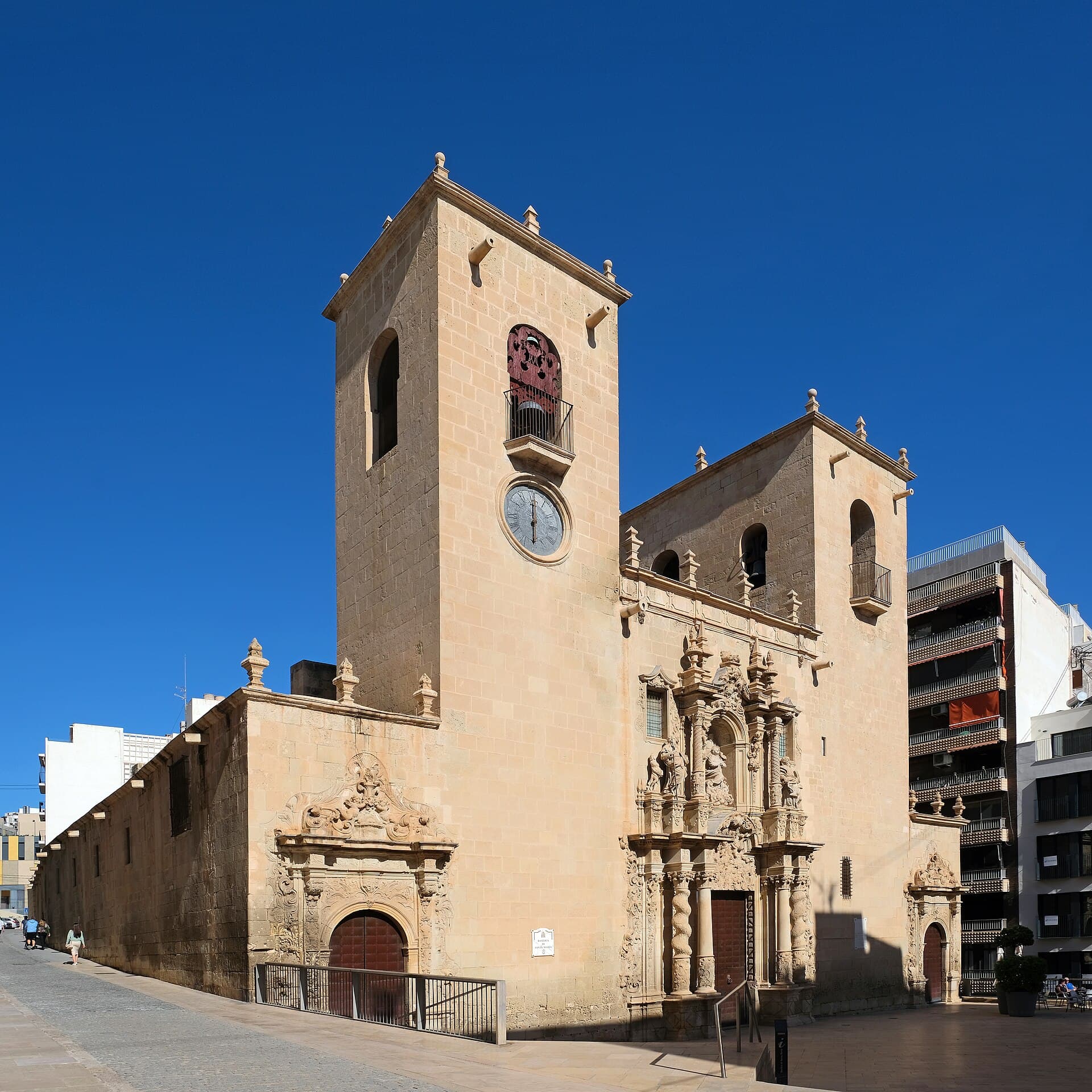
Just a stone’s throw from Postiguet beach stands the oldest surviving church in all of Alicante. The Basilica of Santa María was built in the fourteenth century on the foundations of the city’s largest Islamic mosque, beautifully illustrating the turbulent history of cultural shifts on the Iberian Peninsula. Originally Gothic, the building was gradually modified and extended, so today you’ll find traces of various architectural styles.
The most striking feature of the basilica is its richly decorated Baroque portal, which resembles a sculptural work of art more than a typical church entrance. Inside, you can admire a beautiful golden Rococo altarpiece and imposing sixteenth-century organ. The whole space feels deeply intimate and mystical, especially if you visit outside peak tourist hours.
The area in front of the basilica also forms a small, quiet square that makes an excellent starting point for the subsequent climb into the alleys of Barrio Santa Cruz. The surrounding narrow streets are full of traditional cafés where you can enjoy an excellent coffee and soak up the local atmosphere far from the busiest tourist drags.
9. MARQ Archaeological Museum
If you think archaeological museums are just boring collections of dusty shards in glass cases, MARQ will quickly change your mind. This museum has won the prestigious European Museum of the Year award and offers an incredibly modern, interactive approach to the region’s history — entertaining even those who don’t usually have much time for history.
The exhibitions are divided into several themed halls spanning prehistory, Iberian and Roman cultures, and the Middle Ages. Thanks to brilliant audiovisual effects, holographic projections, and elaborate set designs, you’ll feel like you’ve genuinely stepped right into historical events. The underwater archaeology section is particularly impressive — you walk across a glass floor above ancient shipwrecks.
💡 Local tip: The museum often has free or reduced entry on Sundays and public holidays, so it’s worth planning your visit accordingly. While some labels are in Spanish, you can borrow an audio guide in several languages at the entrance, which will comfortably walk you through all the exhibits.
10. Playa de San Juan Beach
While the city beach at Postiguet is great for a quick dip, the real beach paradise lies just north of the centre. Playa de San Juan is a stunning stretch of fine light sand that extends an incredible seven kilometres all the way to the neighbouring town of El Campello. It’s one of the most beautiful and highest-rated beaches in all of Spain.
Thanks to its enormous size, you’ll never feel cramped here — there’s always plenty of personal space for your parasol and beach towel. The beach is flanked by a long promenade, perfect for a morning jog or an evening rollerblade. Facilities are absolutely top-notch, from numerous beach volleyball courts to a wealth of excellent restaurants and cafés.
Getting here couldn’t be easier — from the centre of Alicante, you can comfortably ride the coastal tram (lines 1, 3, or 4) in around twenty-five minutes. This means you can easily base yourself in the centre with all the cultural action and commute to this fantastic beach with its open sea and crystal-clear water during the day.

11. Boat Trip to Tabarca Island
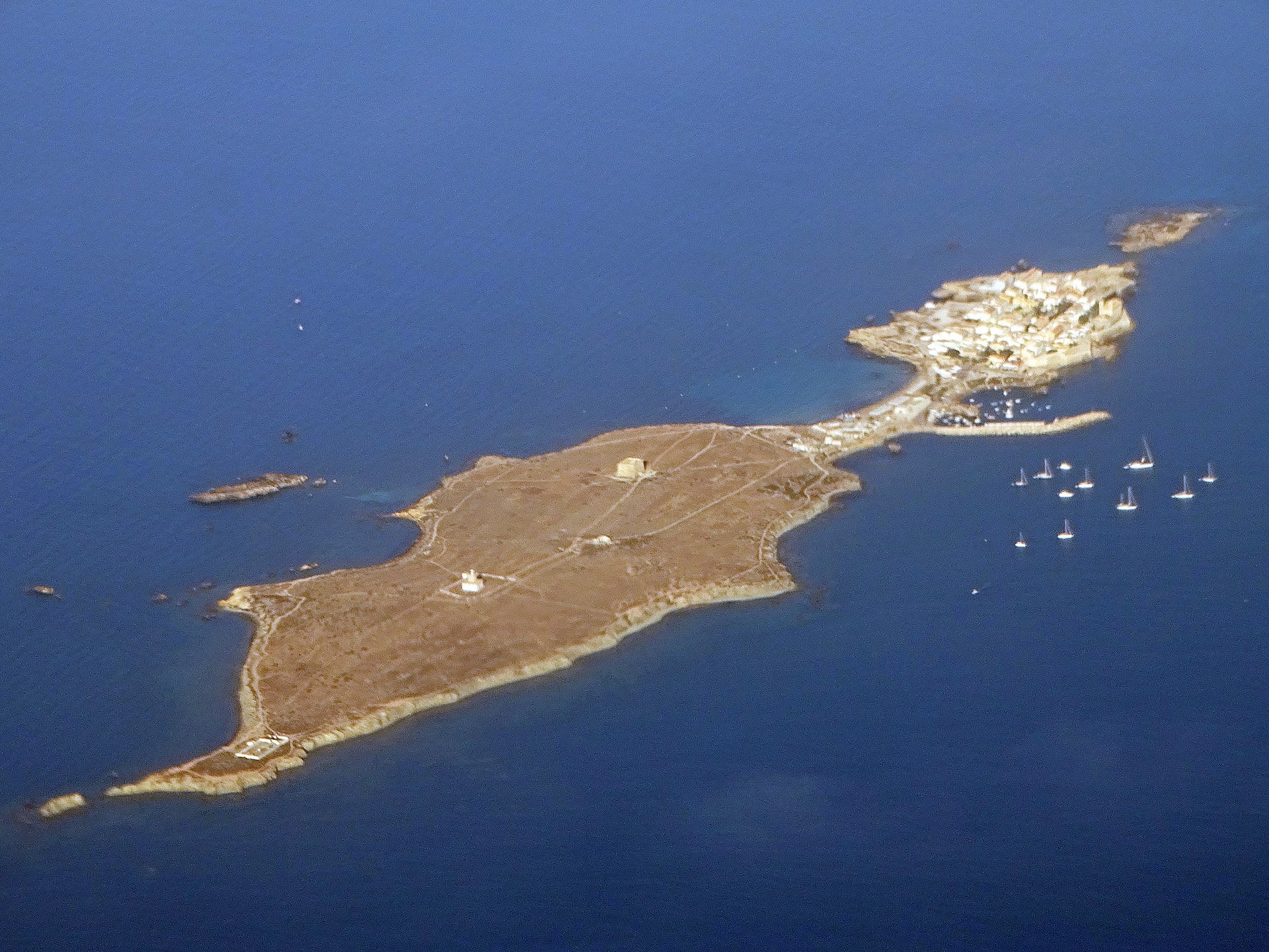
One of the absolute best experiences you can treat yourself to on the Costa Blanca is a full-day trip to the tiny island of Nueva Tabarca. This island was once a feared hideout for Barbary pirates and is now a celebrated marine reserve with crystal-clear water, offering the finest snorkelling conditions in the entire area.
You can reach the island on regular boat services directly from the harbour in Alicante — the journey takes about an hour and the sail along the coast is an experience in itself. The island is very small, barely two kilometres long, and there are no cars, so you can easily explore it on foot. You’ll find well-preserved fortifications, a picturesque village of white houses, and an old lighthouse surrounded by untamed nature.
Make sure to pack your snorkelling gear, because thanks to its reserve status, the marine life around Tabarca is incredibly rich and full of colourful fish. For lunch, you can head to one of the local tavernas for a traditional caldero — a one-pot rice dish — or enjoy superb vegetarian tapas overlooking the waves crashing against the cliffs.
12. El Palmeral Park
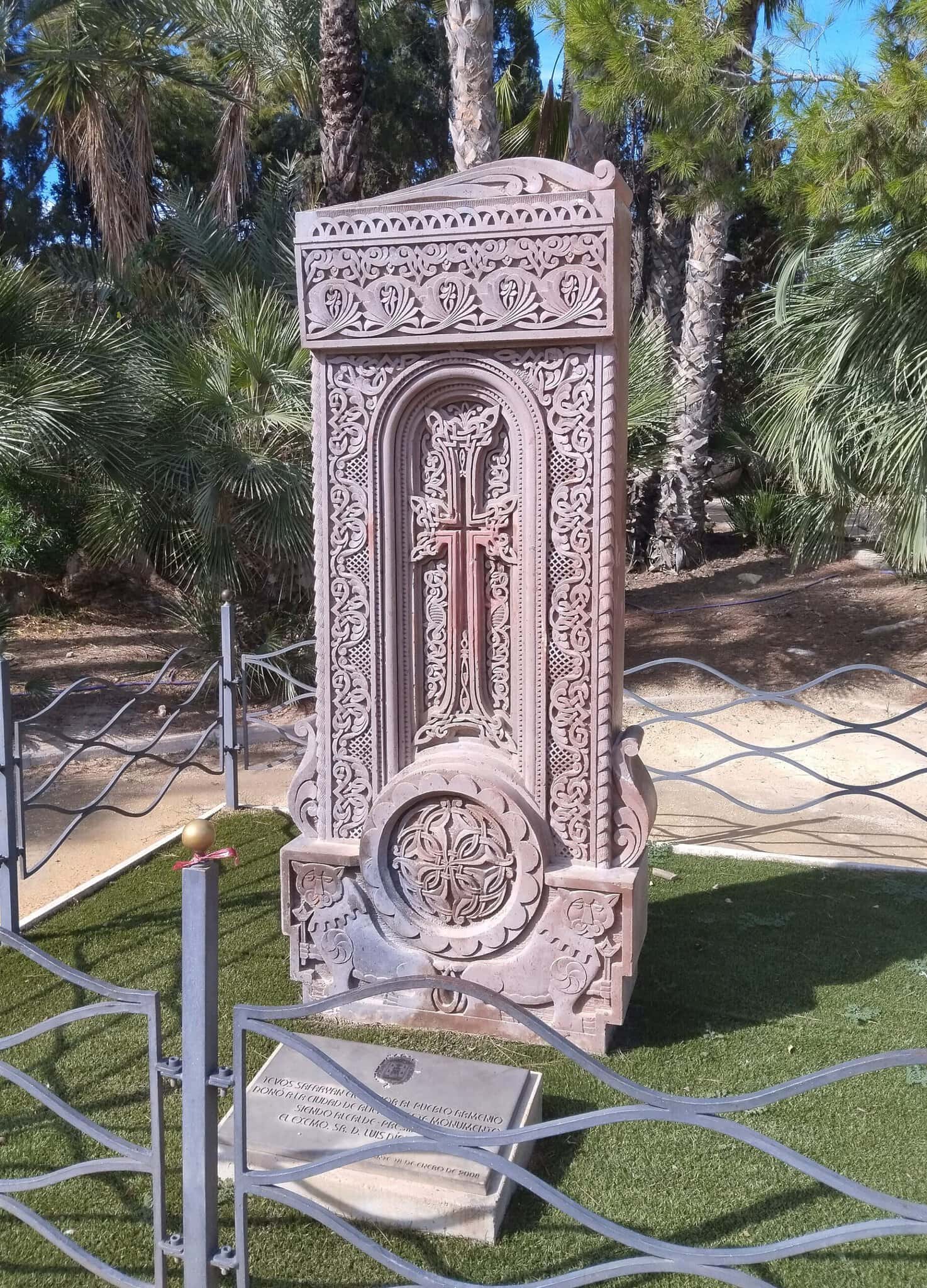
When you need a break from the sun-baked streets and the city buzz, head to this oasis-like park on the southern edge of Alicante. Parque El Palmeral is a vast area filled with hundreds of towering palm trees, trickling waterfalls, and ornamental ponds, offering much-needed shade and cool during the sweltering afternoons.
The park was designed for maximum relaxation — you can hire a small boat and paddle around the lake, or simply stretch out with a book on one of the many well-kept lawns. It’s also an absolutely ideal spot for families with children, as the grounds include several excellent playgrounds, a BMX track, and plenty of space for kids to run around safely.
You can easily reach the park by city bus or tram (San Gabriel stop) from the centre in just ten minutes. Entry to the entire grounds is completely free, and you’ll find plenty of picnic tables, so you can bring along fresh goodies bought at Mercado Central and enjoy a lovely picnic under the palms.
13. TRAM d’Alacant Coastal Railway
Getting around the Costa Blanca isn’t just a necessity — thanks to this special railway, it’s a full-blown experience. The TRAM d’Alacant network is a modern transport system somewhere between a tram and a commuter train, connecting Alicante with the resorts to the north and offering absolutely stunning views of the sea and cliffs throughout the journey.
While in the centre of Alicante the tram runs underground like a regular metro, once it leaves the city it transforms into a scenic sightseeing ride, with the tracks winding right along the coastline and threading through mountain tunnels. Line 1 will reliably take you to Benidorm, from where you can transfer to line 9, which continues north to towns like Altea and Calpe, all the way to Dénia.
💡 Local tip: Buy a day pass and turn the tram into your own hop-on-hop-off sightseeing bus. The journey takes a bit longer than driving along the motorway, but you’ll skip the stress of finding parking in narrow old-town streets — and the views you’ll get as a reward are ones you’d otherwise have to hike to a viewpoint to see.
14. Calpe and the Peñón de Ifach Rock Hike
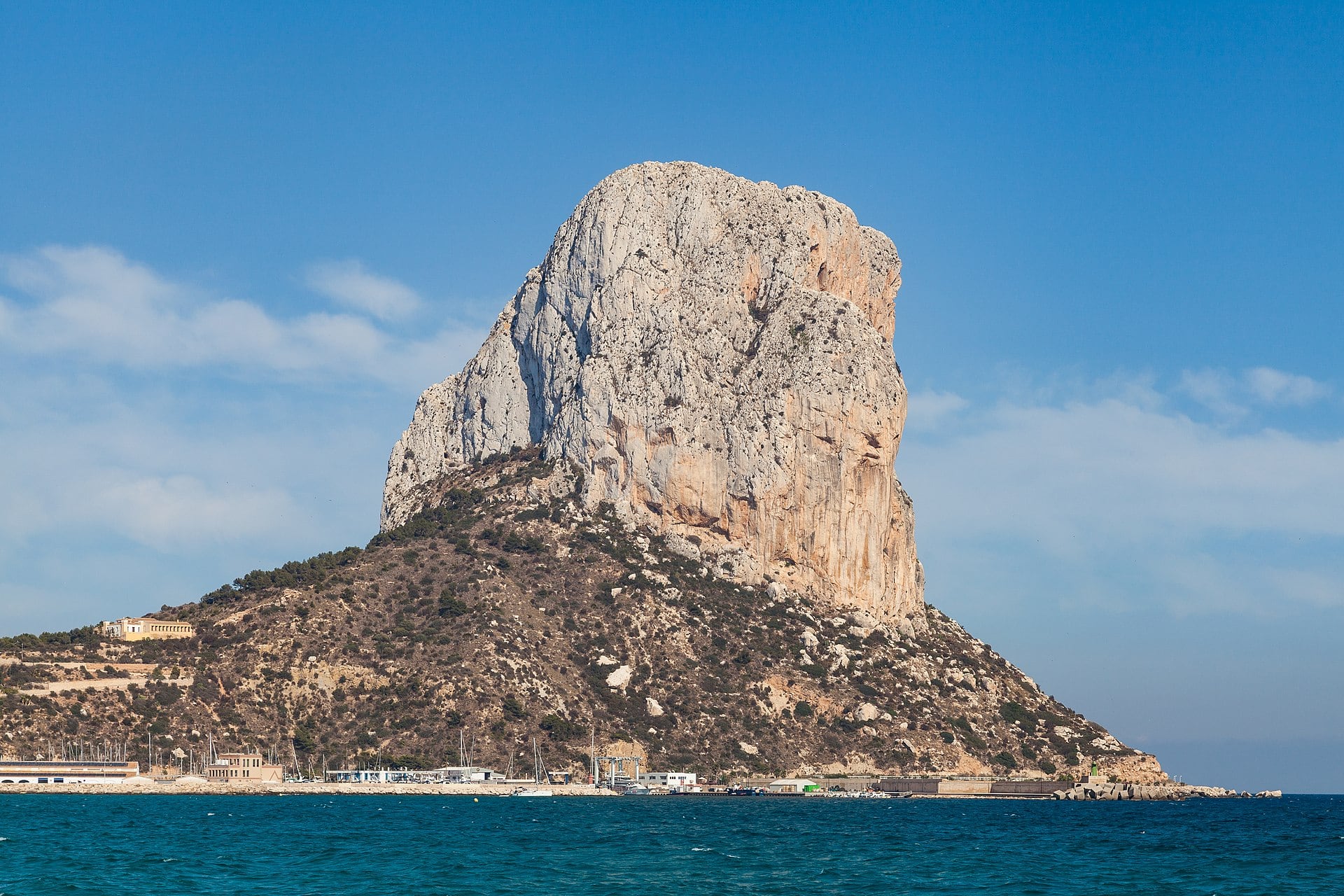
The town of Calpe, lying north of Benidorm, is best known for one of the most impressive natural landmarks on the entire coast. The Peñón de Ifach is a massive limestone rock towering 332 metres straight up from the sea, serving as a kind of beacon for the whole Costa Blanca and forming an incredibly photogenic landmark.
The entire rock and its immediate surroundings are designated a natural park, and if you’re reasonably fit and don’t suffer from vertigo, you can hike the trail all the way to the very summit. The route is split into two sections — the first follows a wide path to a tunnel blasted through the rock and is manageable even for families with children; the second section beyond the tunnel is more demanding, requiring sturdy footwear and caution as the path is narrow and secured with chains.
Your reward for the tough climb will be absolutely spectacular views over the entire coastline, both sandy beaches in Calpe, and on a clear day, you might even spot the island of Ibiza in the distance. Beyond the rock, Calpe also has the beautiful Las Salinas lagoon right in the heart of the town, where you can watch flocks of pink flamingos in the wild.
15. Altea: The Artistic Soul of the Coast
If there’s one place that consistently wins polls for the most beautiful town on the Costa Blanca, it’s undoubtedly Altea. This picturesque little town is renowned for its historic centre full of cascading whitewashed houses, crowned by a church with iconic blue-tiled domes that have become one of the symbols of the entire region.
Despite the tourist footfall, Altea has managed to preserve its bohemian soul and laid-back atmosphere. Its narrow cobbled streets are home to many painters, ceramicists, and artisans, so during your wander you’ll stumble upon dozens of small art galleries and independent boutiques. It’s the perfect place to pick up original handmade jewellery or beautiful ceramics.
The beaches here aren’t sandy but consist of smooth white pebbles, which means the sea water in Altea is absolutely crystal clear and ideal for diving and paddleboarding. In the evening, I’d recommend heading to Plaza de la Iglesia at the very top of the hill, where locals and visitors gather for dinner al fresco with views of the glittering sea below.
16. Mountain Village of Guadalest
About twenty-five kilometres inland from the coast hides one of Spain’s greatest historical treasures. El Castell de Guadalest is a tiny village dramatically perched among rock towers high in the mountains, instantly transporting you several centuries back in time. The only way to reach the old part of the village is through a unique pedestrian tunnel carved directly into the massive rock.
The main draw is the Castle of San José itself, which towers on the highest rocky pinnacle. From the ramparts and viewpoints, you’ll see an absolutely breathtaking panorama of the surrounding mountains and, below them, a reservoir with water tinted an incredibly vivid turquoise — a sight you won’t easily forget.
Another fascinating thing about Guadalest is its unusual concentration of quirky micro-museums. In such a tiny space, you’ll find a museum of miniatures where you can see the Statue of Liberty in the eye of a needle, a museum of salt and pepper shakers, and a museum of historic vehicles. Although it’s a very popular day-trip destination, just arrive early in the morning and you’ll have the winding streets practically to yourself.
17. Jávea (Xàbia) and Cala Granadella Beach
For those who embrace slow tourism and want to escape the high-rises, Jávea is an absolute revelation. This town is divided into three distinct parts: the historic centre inland, the harbour quarter, and the beach zone of Arenal, offering something for everyone while maintaining a wonderfully authentic and relaxed character without any mega hotel complexes.
The real treasure of Jávea, though, is its rugged coastline full of hidden coves surrounded by pine forests. Cala Granadella regularly wins votes as the most beautiful beach in all of Spain, offering a perfect combination of dramatic cliffs, pebbles, and crystal-clear water that practically begs you to go snorkelling or hire a kayak.
Beyond the beaches, it’s worth exploring the Ruta de los Miradores. This is a series of fifteen viewpoints along the coast, reachable by car, offering mesmerising views of jagged cliffs and the wild sea. It makes a brilliant afternoon activity when the sun eases off a little and you can take in the natural beauty with the wind in your hair.
18. Villajoyosa: The City of Chocolate and Colour
On the tram ride north from Alicante, the first town to catch your eye has a name that fittingly translates to “The Joyful Town.” Villajoyosa is famous for its iconic waterfront promenade lined with rows of brightly painted fishermen’s houses, which originally helped sailors navigate their way home from the sea. Each house is a different, incredibly vibrant colour, creating an absolutely fairy-tale setting for your photos.
The beach here is wide and sandy, and considerably quieter compared to neighbouring Benidorm. The town retains its deeply Spanish character and is an ideal place to enjoy traditional tapas in tucked-away streets and soak up the local atmosphere without hordes of international tourists. The local market also offers superb produce for lovers of quality vegetables and cheeses.
But Villajoyosa has another sweet secret — it’s the capital of Spanish chocolate. The famous Valor chocolate factory is based here and offers tours with tastings completely free of charge, giving you a peek into the history and present-day production of this treat — plus the chance to take home the best edible souvenir imaginable.
19. Benidorm: Entertainment and Skyscrapers
Neighbouring Benidorm is a phenomenon that reliably divides opinion, but it’s definitely worth seeing with your own eyes. With its unique skyline packed with high-rise buildings, it’s been nicknamed the European Manhattan and boasts the highest concentration of skyscrapers per capita in the world, creating a fascinating contrast with the surrounding mountains.
If you’re after top-notch infrastructure and entertainment, Benidorm won’t disappoint. It offers two enormous, immaculately maintained sandy beaches — Levante and Poniente — separated by a rocky headland with the Balcón del Mediterráneo viewpoint, which gives a stunning view in both directions across the bay. The city is packed with theme parks like Terra Mítica, water parks, and huge cabaret shows.
While you’ll struggle to find traditional Spanish culture here, for families with children or groups of friends seeking non-stop nightlife and a carefree holiday with guaranteed sunshine, it’s an absolutely perfect base. And if you bag a room on one of the upper floors of the skyscrapers, you’ll have a view that very few places can match.
20. Fuentes del Algar Waterfalls and Springs
The final tip takes us a little further from the coast, to a place where you’ll find the refreshment you’ve been craving during the hot summer months. The Fuentes del Algar nature reserve is located just outside the town of Callosa d’en Sarrià and offers a gorgeous setting of cascading waterfalls and natural pools filled with crystal-clear but fairly chilly mountain water.
A well-maintained wooden boardwalk and hiking trail guide you through the entire site. Along the way, you can swim in the crystal-clear pools beneath the waterfalls at several designated spots — an absolutely priceless experience in the scorching Valencian summer. The water hovers around eighteen degrees, but after the initial shock, it’s a fantastic way to cool off.
💡 Local tip: A trip to the Algar waterfalls pairs perfectly with a visit to the mountain village of Guadalest, as both are right next to each other. Head out in the morning to explore the castle, then swing by the waterfalls in the afternoon to cool down — creating the ideal full-day itinerary.
Map of points of interest for your phone
Where to Go from Alicante
If you have time left over or you’re planning a longer road trip around Spain, Alicante is a brilliant springboard for further adventures. Thanks to excellent high-speed AVE train connections, you can reach the capital in under two and a half hours, making Madrid an ideal destination for a long weekend. You can also head north to explore the nearby city of Valencia, or hop on a short flight to marvel at Gaudí’s architecture in the breathtaking Barcelona.
Many travellers combine a Costa Blanca visit with exploring the south of the country. If you’re drawn to the fiery south, dive into our guide to the 20 Most Beautiful Places in Andalusia. A little further along the coast, the laid-back Holiday in Malaga awaits, from where you can tackle the adrenaline-pumping Caminito del Rey trail or visit the famous clifftop city of Ronda. While exploring the south, don’t miss our Seville Guide to Andalusia, the Moorish treasures hidden in Granada, and the stunning mosque we write about in Cordoba: 15 Things to See.
Frequently Asked Questions
How do I get from the airport to the centre of Alicante?
Getting from Alicante-Elche Airport (ALC) to the city centre is very easy and quick thanks to bus line C-6, which runs roughly every twenty minutes all day long. The journey takes about twenty minutes, the bus stops at strategic spots such as the train station or Postiguet beach, and the ticket costs you just under four euros.
How many days do I need to visit Alicante and the surrounding area?
For the city of Alicante itself, two full days will be plenty, during which you can take in the castle, the historic centre, and time on the beach. But if you also want to explore the surrounding towns like Altea and Guadalest, or take a boat trip to the island of Tabarca, I recommend setting aside at least four to five days.
What is traditional paella and where should I try it?
Traditional Valencian paella has strict rules and is originally a rural dish that in its original recipe is made with rice, chicken and rabbit meat, and green beans, not seafood. In Alicante and the surrounding area, though, you’ll find plenty of excellent variations in the restaurants, and for vegetarians there’s usually a delicious vegetable paella or wonderful local tapas full of fresh vegetables and cheeses available.
Can you get around the Costa Blanca without a car?
Absolutely, the Costa Blanca coast is one of the best places in Spain for travelling without a car thanks to the excellent TRAM d’Alacant tram network. These tram-trains will take you comfortably, cheaply, and with gorgeous views from Alicante to most of the popular towns along the coast all the way north.
Is the tap water in Alicante safe to drink?
Yes, the tap water along the entire Costa Blanca coast is hygienically safe and drinkable, but due to the high mineral content and the specific process of desalinating seawater, it can have an odd, slightly chlorinated taste. Many locals therefore prefer bottled water in jugs, but you can use tap water without any worries for brushing your teeth or cooking.
Is Alicante expensive?
Compared to big cities like Madrid or to the Balearic Islands, Alicante is still a very affordable destination where you can get great food and accommodation for reasonable money. If you avoid the busiest tourist restaurants right on the promenade and slip into the side streets, you’ll come across excellent daily menus (menú del día) for a fraction of the price.
When is Alicante busiest with tourists?
The absolute peak of the tourist season falls in August, when not only foreign tourists flock to the area but also the Spanish themselves from inland, fleeing the heat of Madrid. During this period the beaches are maximally crowded and accommodation prices hit their peak, so it’s better to choose the turn of June and July or September for your trip.
Tips and Tricks for Your Vacation
Don’t Overpay for Flights
Search for flights on Kayak. It’s our favorite search engine because it scans the websites of all airlines and always finds the cheapest connection.
Book Your Accommodation Smartly
The best experiences we’ve had when looking for accommodation (from Alaska to Morocco) are with Booking.com, where hotels, apartments, and entire houses are usually the cheapest and most widely available.
 🚗 Car rental on the roadVerified rental cars in Spain
Search with the DiscoverCars comparison engine — it compares prices from dozens of local and international rental companies, and most bookings come with free cancellation.
Compare car prices in Spain →Don’t Forget Travel Insurance
Good travel insurance will protect you against illness, accidents, theft, or flight cancellations. We’ve had a few hospital visits abroad, so we know how important it is to have proper insurance arranged.
Where we insure ourselves: SafetyWing (simple monthly subscription) and TrueTraveller (for extra-long trips).
Find the Best Experiences
Get Your Guide is a huge online marketplace where you can book guided walks, trips, skip-the-line tickets, tours, and much more. We always find some extra fun there!