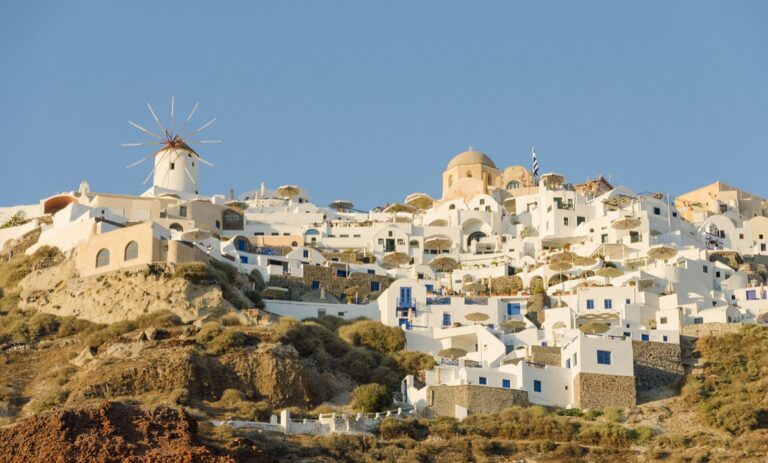
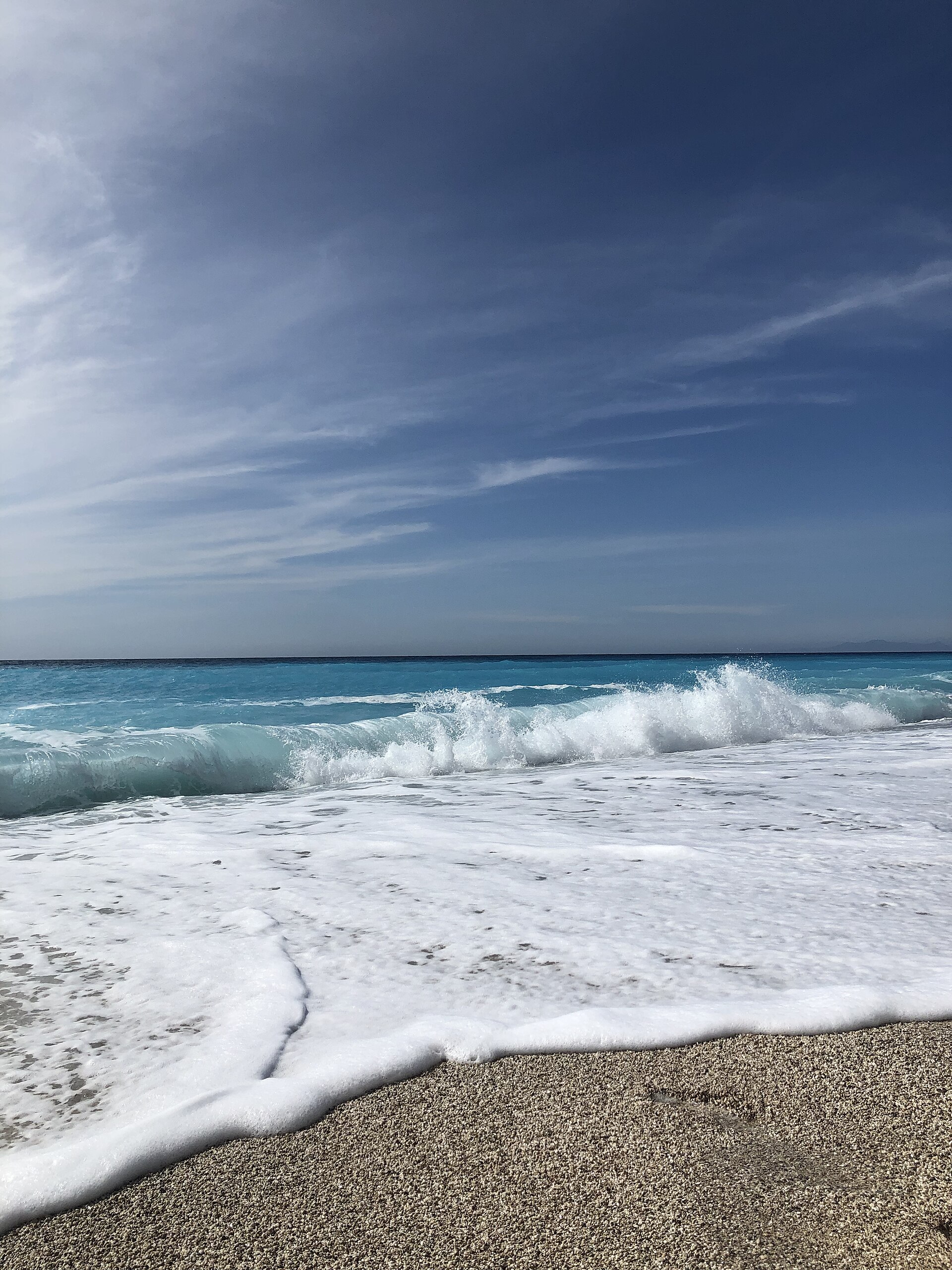
If you’re dreaming of Lefkada, Greece and looking for a Greek island with Caribbean-blue water — but without the endless crowds you’d find on Santorini — you’re going to absolutely love it here. It’s a little slice of paradise with one huge, genuinely game-changing advantage: it’s the only Greek island you can reach by car without a ferry. The Ionian Sea shimmers in every shade of turquoise, limestone cliffs plunge dramatically into the water, and tucked away inland you’ll find sleepy mountain villages where time has simply stood still. ☺️
The western coastline is home to the most dramatic and photogenic beaches in all of Greece, while the eastern shore offers calm, sheltered bays that are perfect for families with young children. Whether you’re into lounging on the beach, adrenaline-fuelled windsurfing, or simply wandering old alleyways with an iced frappé in hand, Lefkada has something for everyone. We’ve put together this detailed travel guide so you don’t miss a thing — read on!
TL;DR
- Most famous beach: Porto Katsiki is an absolute must, but arrive by 10:30am at the latest — otherwise you won’t find parking and you’ll be fighting the crowds.
- Watch out for Egremni: One of the most beautiful beaches on the island has had its land access officially closed since 2025 due to landslides — the only way to get there is by boat trip from Nidri or Vassiliki.
- Getting there: You fly into Preveza (Aktio) Airport on the mainland, from where you can reach the island by car or bus in about half an hour via the free floating bridge.
- Hire a car: Without a car or scooter you’ll barely scratch the surface of the island, as public transport is fairly unreliable and won’t get you to the most beautiful remote beaches.
- Boat trips: From the resort of Nidri, boats depart daily for the nearby islets of Meganisi and Skorpios — a perfect full-day activity when you fancy a break from driving.
- Wind for surfers: If you love windsurfing, head straight south to Vassiliki Bay, where the famous thermal wind known as Eric blows reliably every afternoon.
The full destination guide: Ionian Islands — guide and what to see
When to Visit Lefkada, Greece
When is the best time to go to Lefkada? It’s a more important question than it might seem, because the Ionian Islands are surprisingly green and lush compared to the parched Cyclades, and the climate here plays a bigger role than you’d expect. Hands down, the best months to visit are June and September — you’ll dodge the biggest crowds, enjoy relatively quiet roads, and find much friendlier accommodation prices. The sea reaches a lovely 24–26°C, which makes for ideal all-day swimming conditions. A huge bonus of the Ionian Sea is that the dreaded Meltemi wind that plagues the eastern Aegean islands — whipping up sand on beaches and disrupting boat trips — simply doesn’t blow here. 😉
If you have to travel during peak season in July or August, be prepared for temperatures that regularly hit 35°C, and the surrounding forests mean humidity can be noticeably high. Car parks at the most popular beaches fill up well before midday, but on the flip side the sea reaches a glorious 27°C in August — you’ll struggle to drag yourself out of the water. Spring months like April and May are ideal for hiking, cycling and exploring the interior, when the island bursts into bloom and the waterfalls run at full force. The sea in May is only around 18–21°C though, which only the hardiest swimmers will truly appreciate. October is a golden compromise — the odd shower aside, the sea stays beautifully warm from the summer.
Where to Stay in Lefkada, Greece
💡 Accommodation & activities tip: We always search for accommodation on Booking.com, which usually offers the best cancellation policies. For tours, experiences and tickets, it’s worth comparing and booking through GetYourGuide.
Choosing the right base in Lefkada depends a lot on what you want from your holiday, because the eastern and western coasts are radically different from one another. The eastern coast around the resort of Nidri is ideal for families with children — the sea is calmer and shallower, there are plenty of excellent tavernas, and it’s the main hub for all boat trips. Check out the popular Cosmopol Studios, which has a lovely pool and is just five minutes from the action, or the more upmarket Anatoli Villas near the village of Nikiana, where you’ll wake up to stunning sea views.
If you’re coming primarily for those wild, Caribbean-coloured beaches on the western coast, I’d recommend basing yourself in the charming fishing village of Agios Nikitas. It’s a wonderfully peaceful spot with a car-free centre, within easy reach of the famous Kathisma beach and the hidden Milos beach — the traditional family-run Nefeli Hotel is a great option here. Water sports enthusiasts and those after a more cosmopolitan vibe should head to the southern bay of Vassiliki, where you’ll find the excellent Grand Nefeli Hotel sitting right on the surfers’ beach. And if you’d rather skip the typical resort feel altogether and soak up the atmosphere of a lively, year-round town, Lefkada Town itself makes an excellent base. One word of advice: book early. The best apartments and villas in popular spots can sell out as early as February, so don’t hang around when it comes to reserving on Booking.com.
Where to Eat in Lefkada
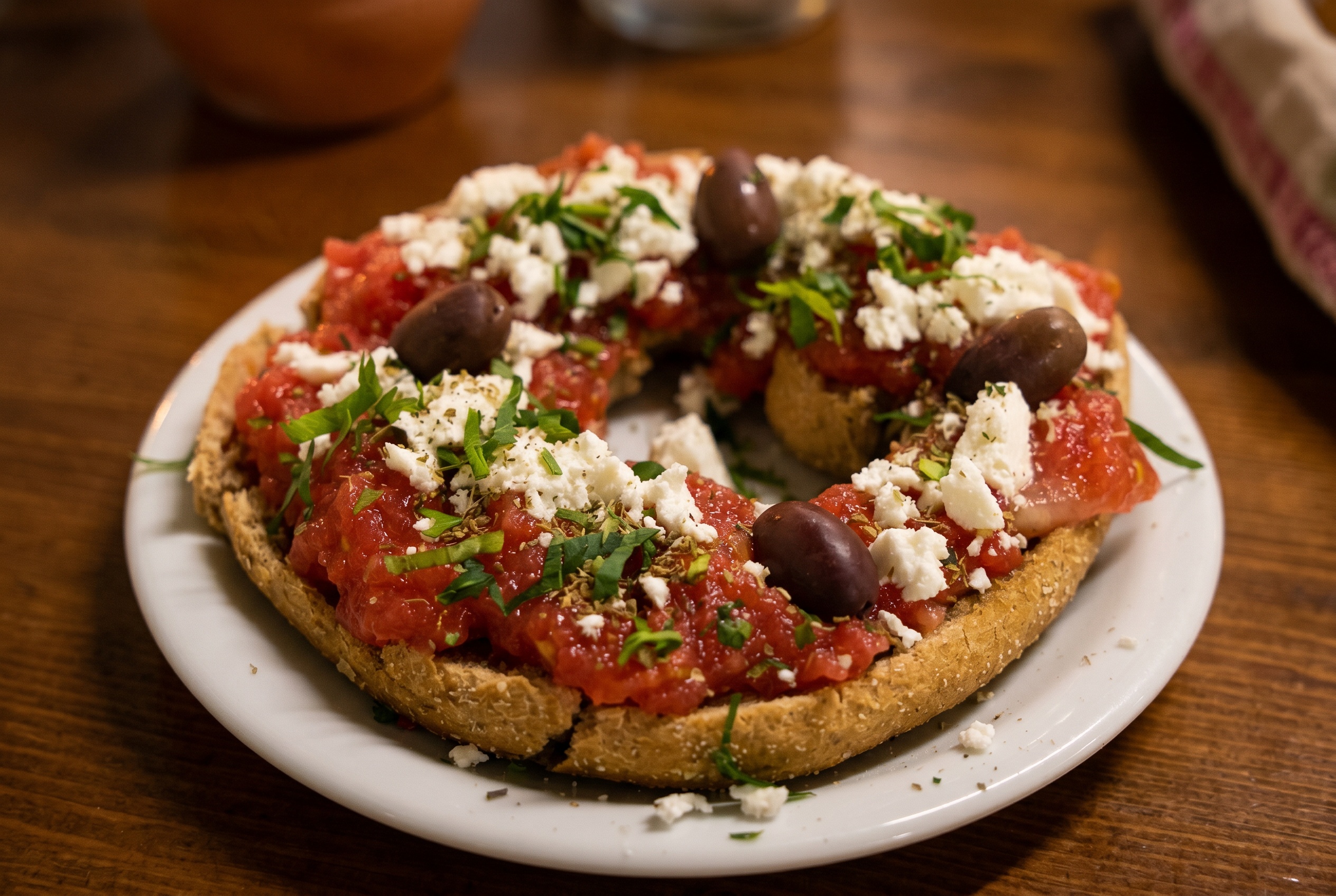
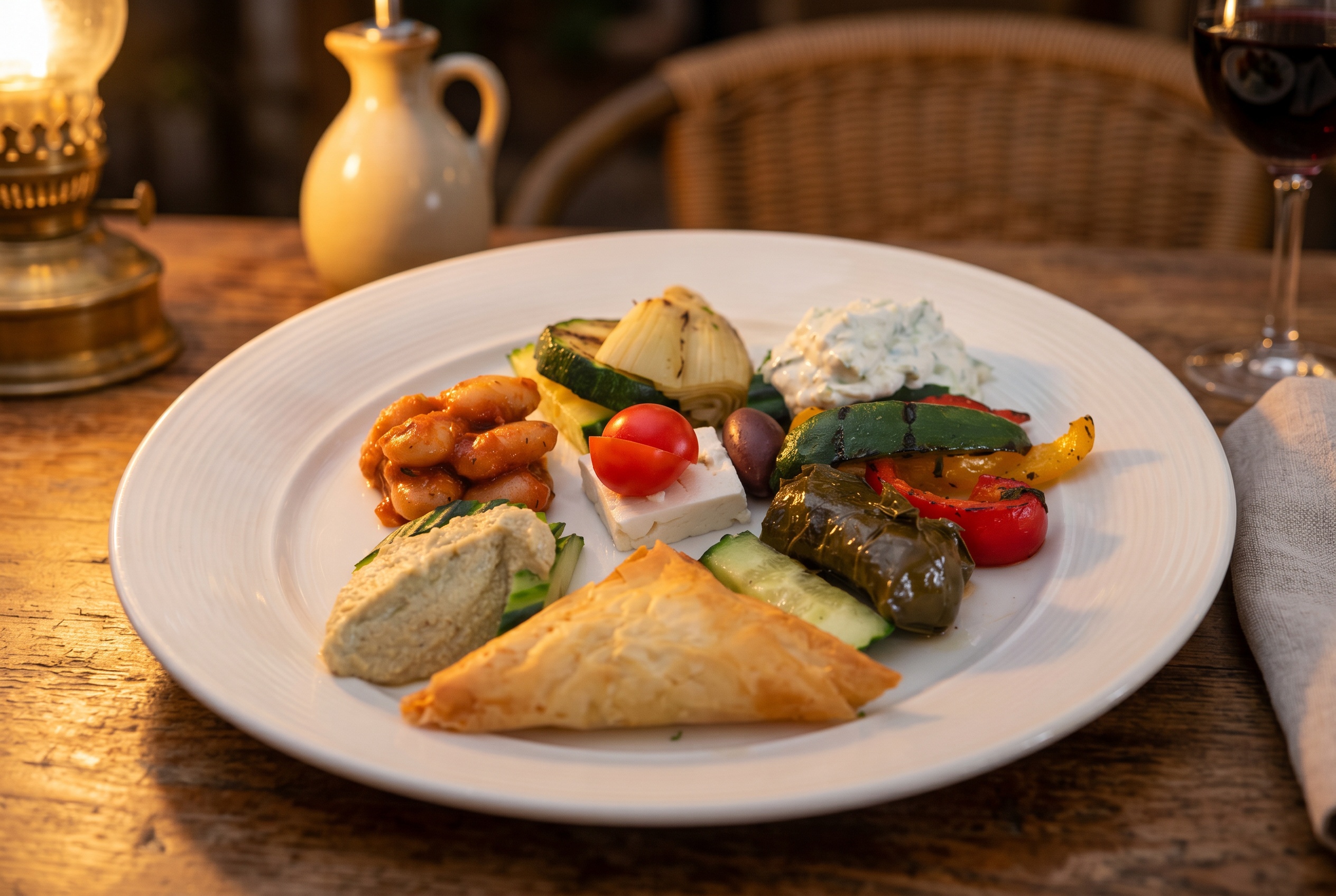
Being in Greece and not trying the local specialities would be an absolute crime. Lefkadian cuisine carries a strong Venetian influence, so alongside classic moussaka you’ll come across wonderful meat ragùs and an abundance of fresh seafood. The food here simply tastes of sunshine and good vibes.
The Best Tavernas Worth Seeking Out
If you’re spending time on the eastern coast, make a stop at Taverna Elena by the harbour in Nidri. The freshly caught fish and tzatziki with just the right kick are absolutely spot on. On the western side, perched above Kathisma beach, we’d recommend Rachi restaurant in the village of Exanthia. It gets busy, but the panoramic sunset views paired with excellent lamb on the plate are absolutely worth the wait. And if you fancy something a little different up in the mountains, head to the village of Eglouvi and seek out Taverna To Steki, where they serve the most celebrated lentil dish on the entire island.
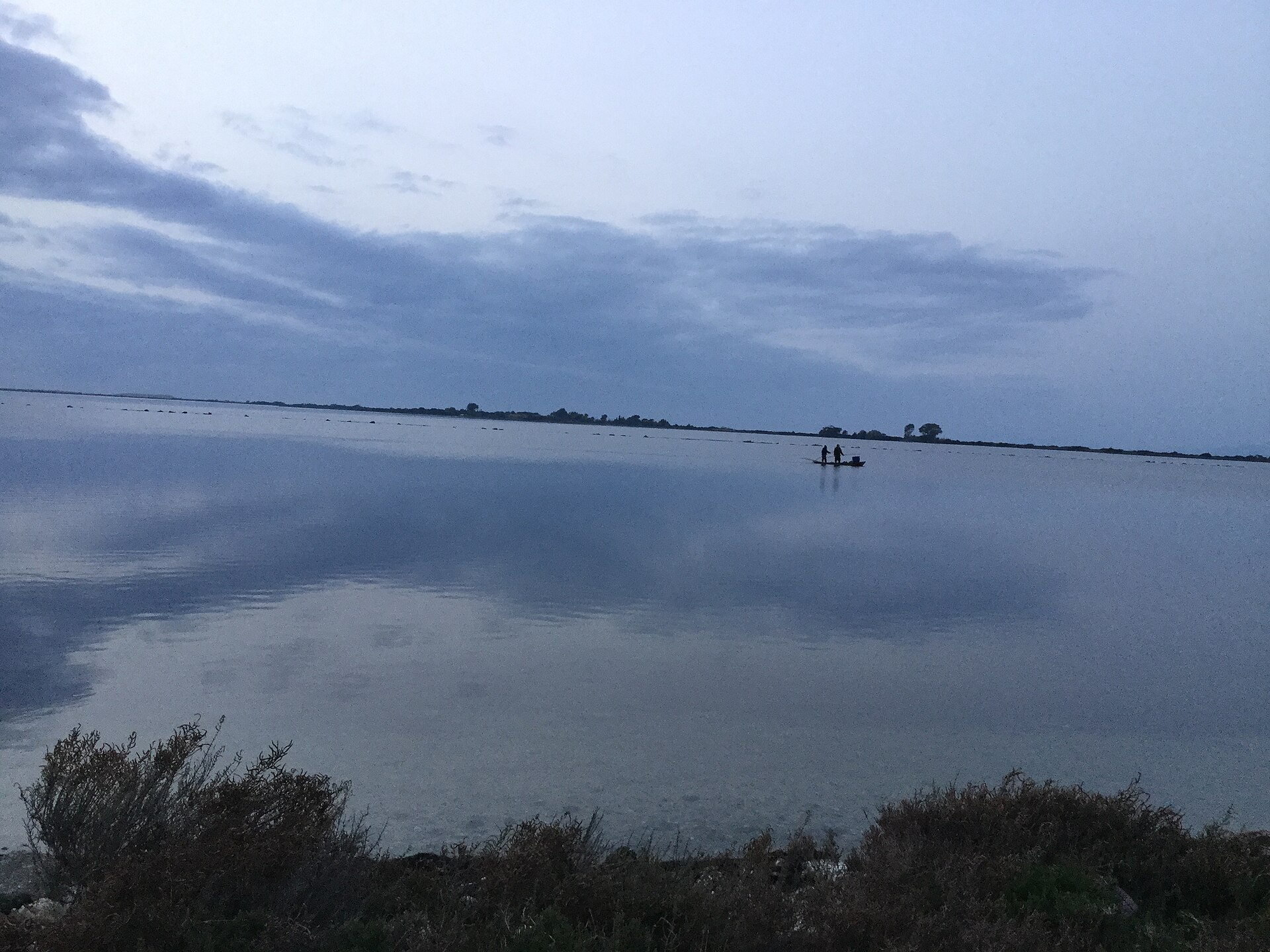
15 Best Things to See and Do in Lefkada, Greece
So what’s in store? Quite a lot, as it turns out — from jaw-dropping limestone cliffs to mountain villages frozen in time, where they serve the best lentils in all of Greece.
1. Porto Katsiki — The King of All Beaches
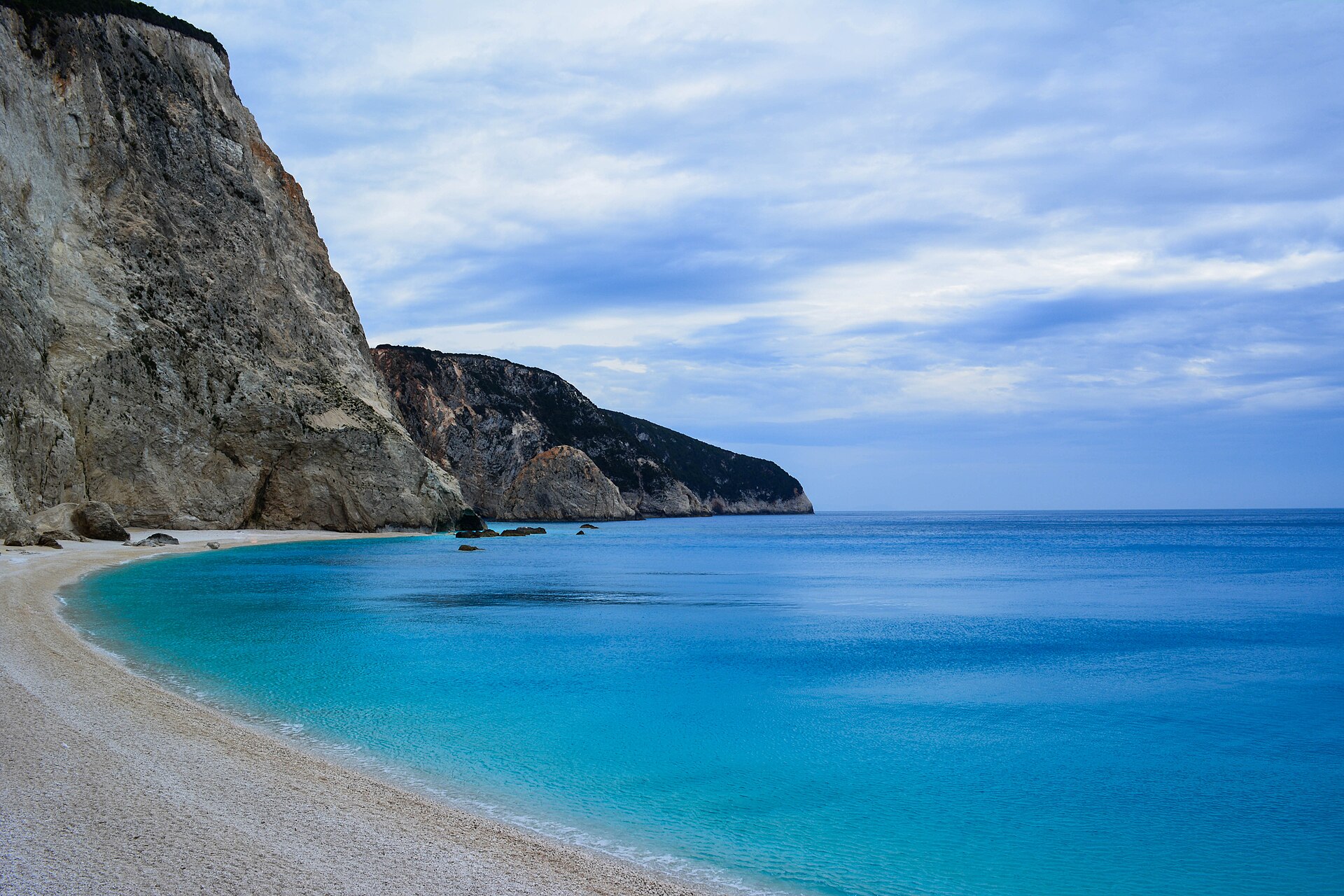
This is exactly the place you’ve seen on the cover of every holiday brochure, and in real life it takes your breath away completely. Dazzling white limestone cliffs tower directly above the shimmering turquoise sea, cradling a beautiful crescent of fine sand and pebbles. You get down to the water from the car park via just under a hundred concrete steps — a surprisingly manageable descent that families with children and older travellers handle without any trouble. The entry into the water is quite steep and there are often stronger currents, so keep a close eye on young children near the water’s edge.
Make sure you bring your own umbrella and plenty of water. Sun loungers aren’t rented here at all due to the risk of falling rocks, and shade from the cliff only arrives in the afternoon. There are small cafés at the top of the car park serving refreshments with breathtaking views, though prices are on the higher side. If you want to enjoy the beach in peace and get those stunning photos without hundreds of other people in the frame, arrive early — ideally before 10:30am, as the car park fills up relentlessly after that.
💡 Local tip: Parking at the top of the cliff is paid and costs between 5 and 10 € per car depending on the time of day. Morning slots cost 10 €, while the price drops to 5 € after 3pm. For the richest turquoise colour in your photos, the best light is roughly between noon and 2pm.
2. Egremni Beach and Its Tricky Access
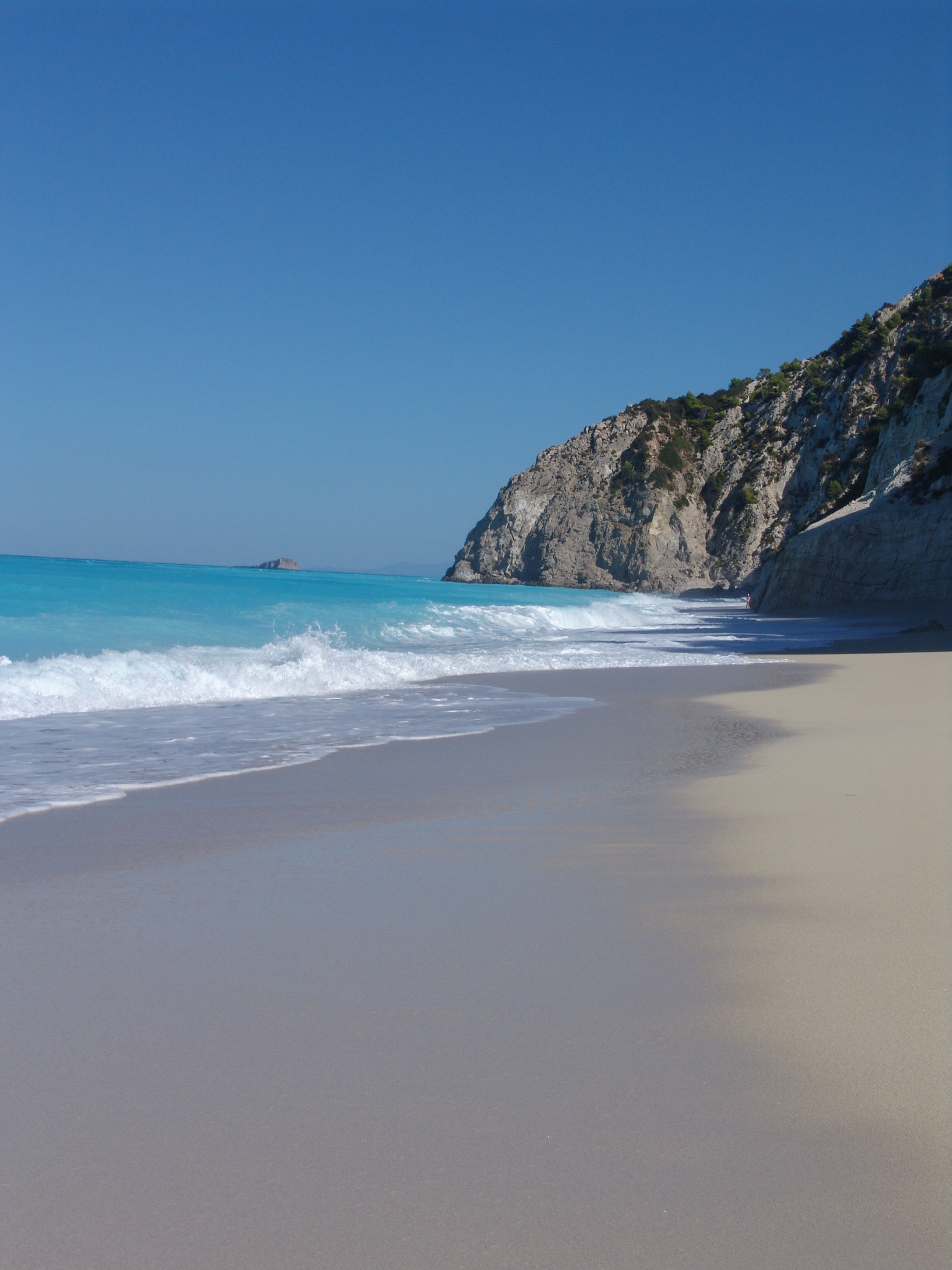
Egremni beach stretches for an impressive two and a half kilometres, boasting incredibly golden sand that many consider even more beautiful and majestic than the more famous Porto Katsiki. And the story of getting there? It reads like a dramatic saga with multiple series: earthquake, then new steps, then landslides, then closed again. Although a brand-new metal staircase of over four hundred steps was built in 2021, in June 2025 the beach was once again officially closed to land access due to significant ground movement and the ongoing risk of landslides.
Don’t despair, though — the most comfortable and currently the safest option is to take a boat trip. Dozens of smaller and larger excursion boats depart daily from the harbours in Nidri and from the southern resort of Vassiliki, taking you directly to this stunning beach. You get a few hours swimming in the clearest water imaginable, and you’re spared that dreaded four-hundred-step slog back up the hill in the afternoon heat. 😅
💡 Local tip: Before heading to Lefkada, always check the latest status of land access to Egremni, as the situation changes constantly depending on geological surveys and winter rainfall. A boat trip is the reliable option that will never let you down — and it saves you a lot of stress behind the wheel.
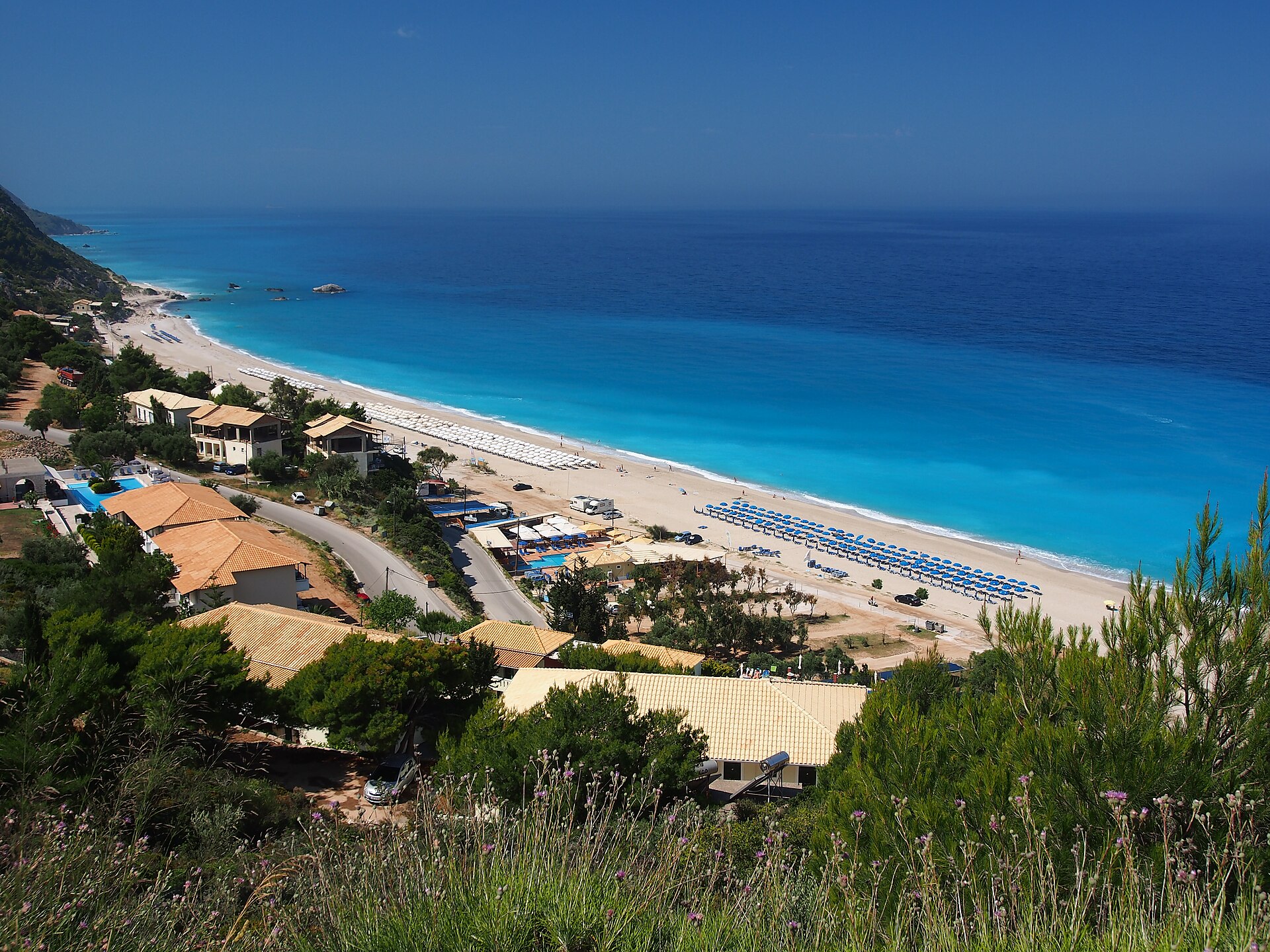
3. Kathisma Beach — The Comfortable Choice
If you’re after that Caribbean-blue water of the western coast but don’t fancy climbing dozens of steps with all your beach gear, Kathisma will be your obvious choice. It’s the best-equipped and most accessible beach on the entire western side, easily reachable by car along a wide road with parking just a few metres from the sea — there’s even free parking directly opposite the beach. You’ll find a long stretch of coarser sand mixed with small pebbles, lined with modern beach bars serving excellent cocktails and playing great music.
You can rent comfortable sun loungers with an umbrella for between 10 and 25 € per day, which you’ll absolutely appreciate in the summer heat. Kathisma has a fantastic, slightly more party-oriented vibe with afternoon DJ sets, and when the wind picks up just right, the waves roll in beautifully — perfect for bodysurfing. For the adrenaline seekers, this is also the main paragliding hub on the island, where gliders soar from the surrounding hills and land right in front of the sunbathers below.
💡 Local tip: Stick around until early evening, because sunsets at Kathisma are absolutely magical. Order an iced frappé, settle into one of the beachside bars and watch the sun slowly sink into the endless Ionian Sea.
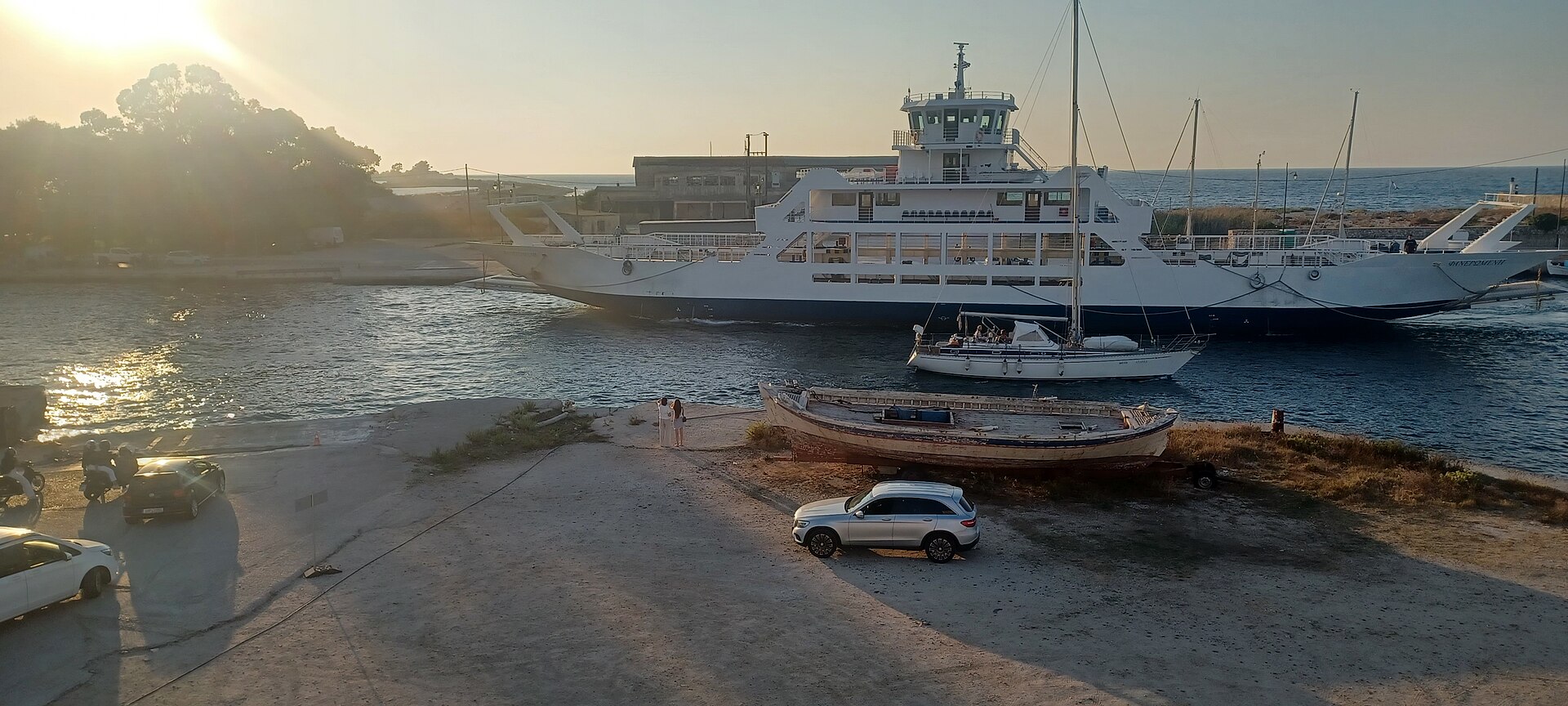
4. Charming Agios Nikitas and Milos Beach
Agios Nikitas is the only village that sits directly on the sea along the wild western coastline, and it has retained an incredibly authentic fishing-village character. The entire centre operates as a strict pedestrian zone, so you can wander freely through narrow cobbled lanes bursting with bougainvillea in bloom, duck into a family-run taverna and enjoy a proper Greek salad without a car in sight. You’ll need to leave your vehicle in the lay-bys along the main road above the village, which requires a healthy dose of patience and luck during the peak summer months.
From the village, you can also reach one of the island’s most beautiful hidden beaches — Milos Beach. You have two options: a roughly twenty-minute walk over a forested hill with about seventy metres of elevation gain, or the more relaxed alternative. From the main beach in Agios Nikitas, a small water taxi departs regularly and will take you there for 3–5 €, arriving in under ten minutes at this utterly unspoilt stretch of coastline.
💡 Local tip: Milos Beach has absolutely no facilities — no bars, no sun loungers, nothing — so make sure you bring plenty of drinks and something to eat. Above the beach stand the ruins of an old windmill that gave it its name, and even in the height of summer the place has a wonderful sense of calm.
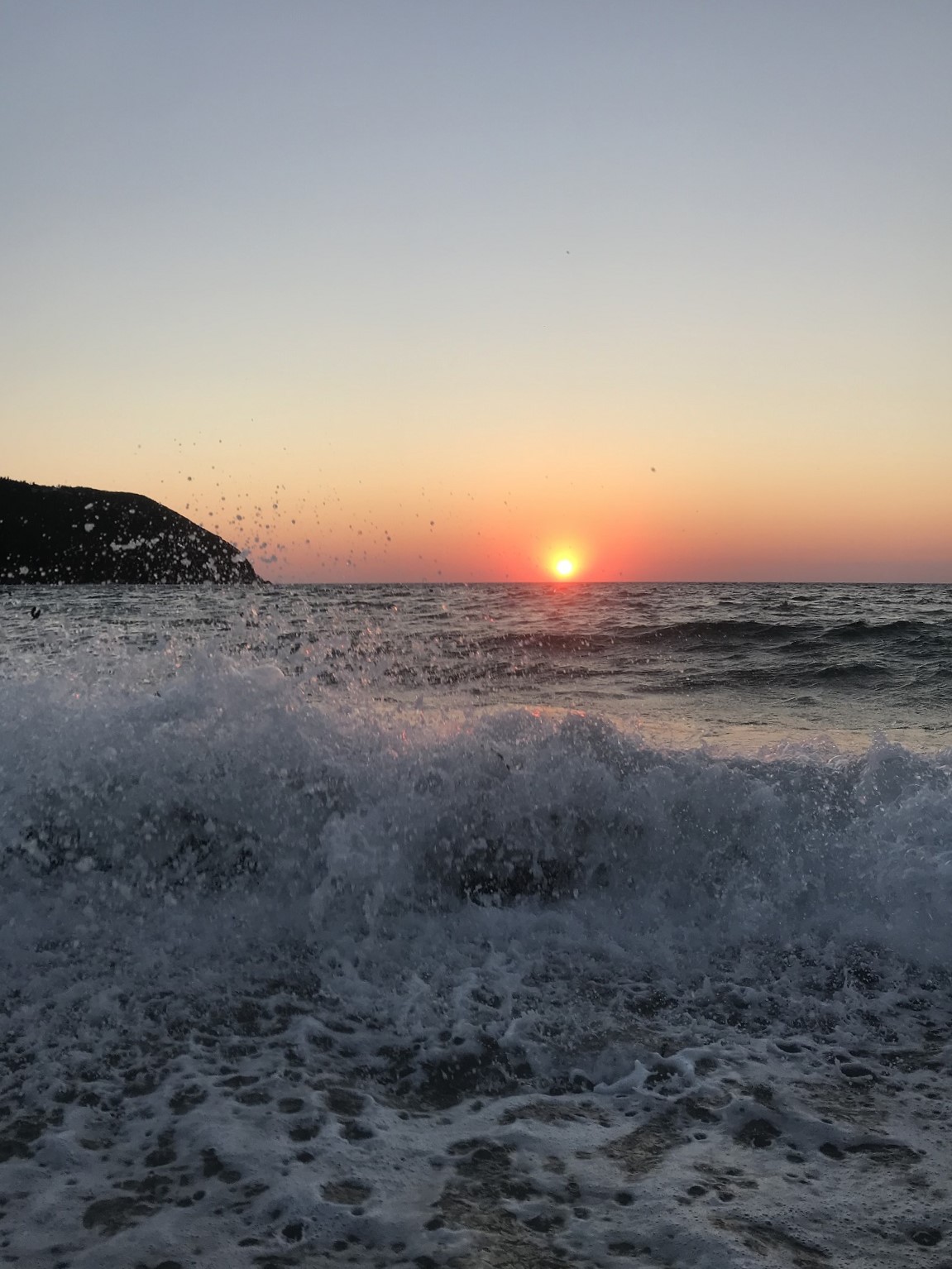
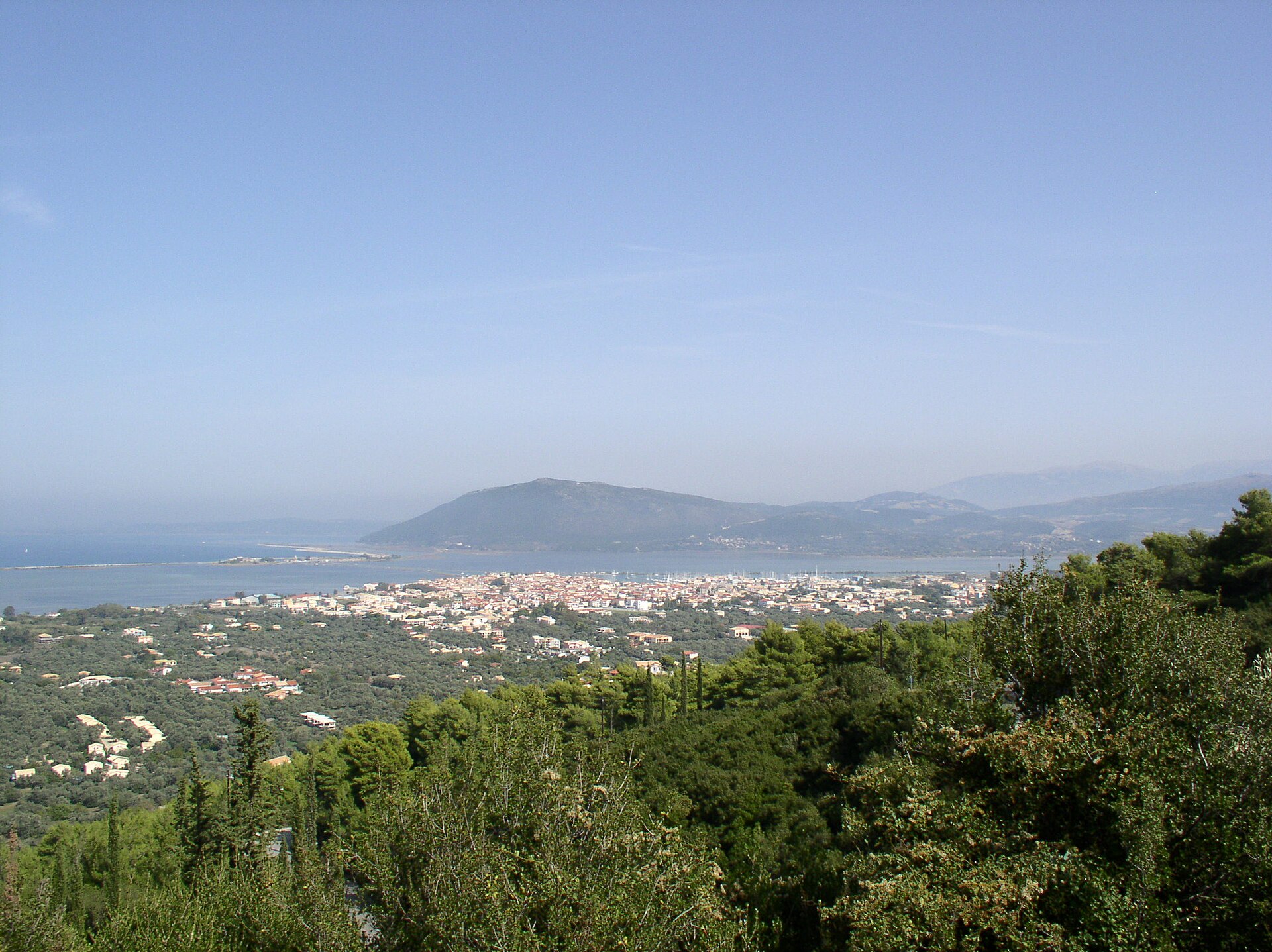
5. Lefkada Town and Its Colourful Architecture
As soon as you cross the free floating bridge from the mainland onto the island, Lefkada Town welcomes you — and it definitely deserves more than a quick drive-through. The town has a very distinctive architecture with a strong Venetian influence, but after a series of devastating earthquakes the locals began cladding the upper floors of their buildings in corrugated metal sheeting, painted in vivid pastel colours. It looks wonderfully cheerful — a symbol of defiance against the forces of nature. It creates a unique labyrinth of narrow streets that are brilliant for picking up local souvenirs, lace or locally produced honey.
In the evenings the town truly comes alive, with the main promenade around the marina filling with locals and visitors strolling past luxury yachts. Make sure you walk across the iconic wooden bridge over the lagoon and explore one of the many cafés along the main shopping street, Ioannou Mela. You’ll also find several excellent traditional bakeries where you can grab a fresh spinach spanakopita or a cheese-filled tiropita for the next day’s beach trip.
💡 Local tip: Right at the entrance to the town, just before the bridge, stands the medieval Agia Mavra Castle, which once defended the island against pirates. Entry costs just 2–3 € and a walk around the well-preserved old ramparts, with beautiful views over the entire lagoon, is absolutely worth it.
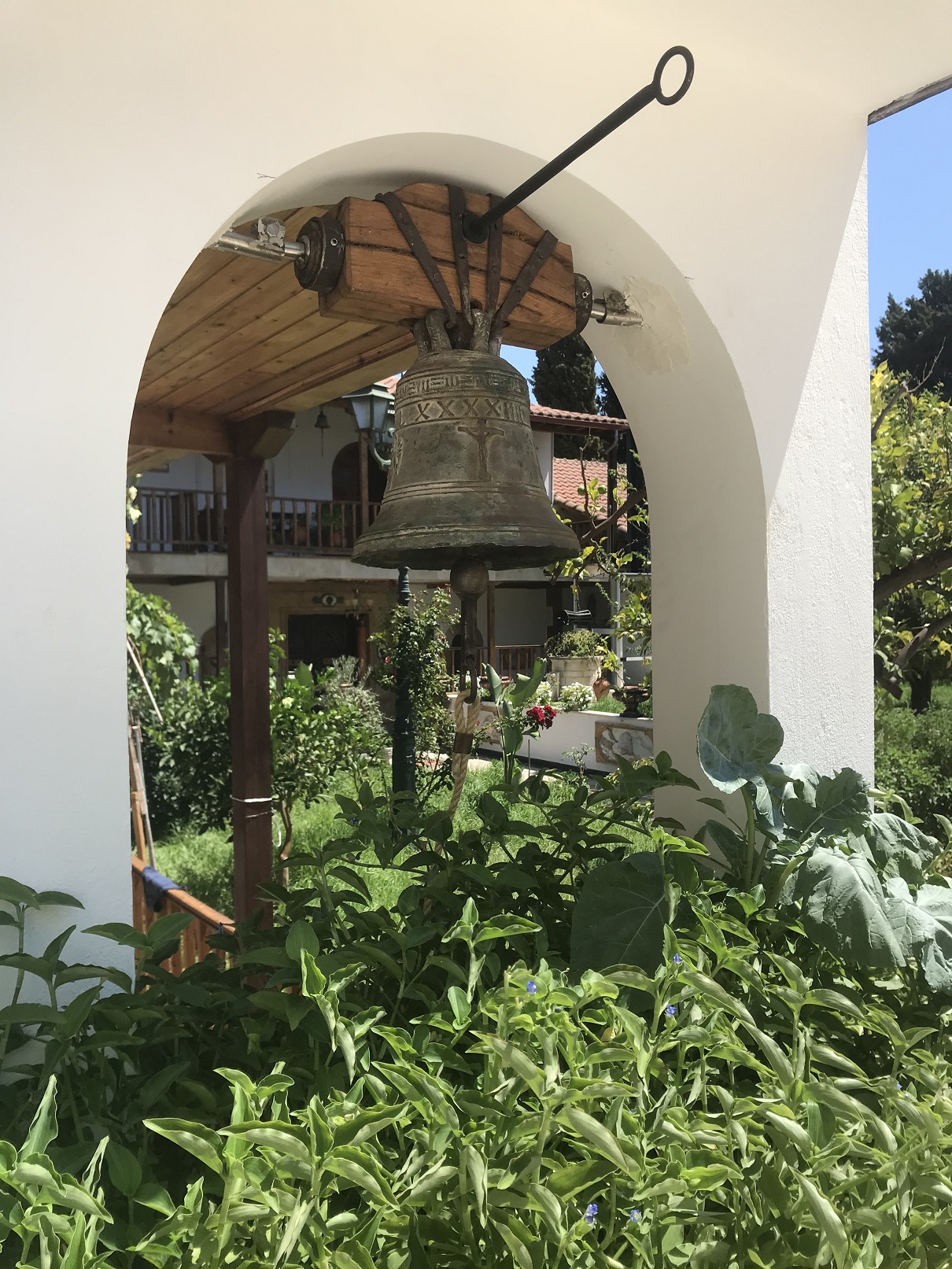
6. Dimosari Waterfalls near Nidri
When you’ve had your fill of salt water and blazing sun, head inland to cool off at the Dimosari Waterfalls, just about three kilometres from the busy eastern resort of Nidri. From the car park, you follow a pleasant half-kilometre walk through a shaded canyon alongside a babbling stream. The trail is well marked, you’re in the shade of tall trees the entire way, and children manage it easily — though I’d recommend proper footwear rather than flip-flops, as the worn rocks can be quite slippery.
At the end of the gorge, a roughly fifteen-metre waterfall tumbles into a small natural pool. The water is beautifully clear but genuinely freezing — rarely above 18°C — which in the summer heat feels like the most refreshing thing in the world. You can absolutely swim here, just brace yourself for quite a shock. 😁 Entry to the whole area is completely free, and right by the car park there’s a very pleasant café shaded by plane trees.
💡 Local tip: If you visit during the peak summer months of July and August, be aware that the water flow drops dramatically and the waterfall can sometimes be almost dry. The most impressive cascade and the best overall experience can be found in spring and early June.

7. Boat Trips to Meganisi and Skorpios Islands
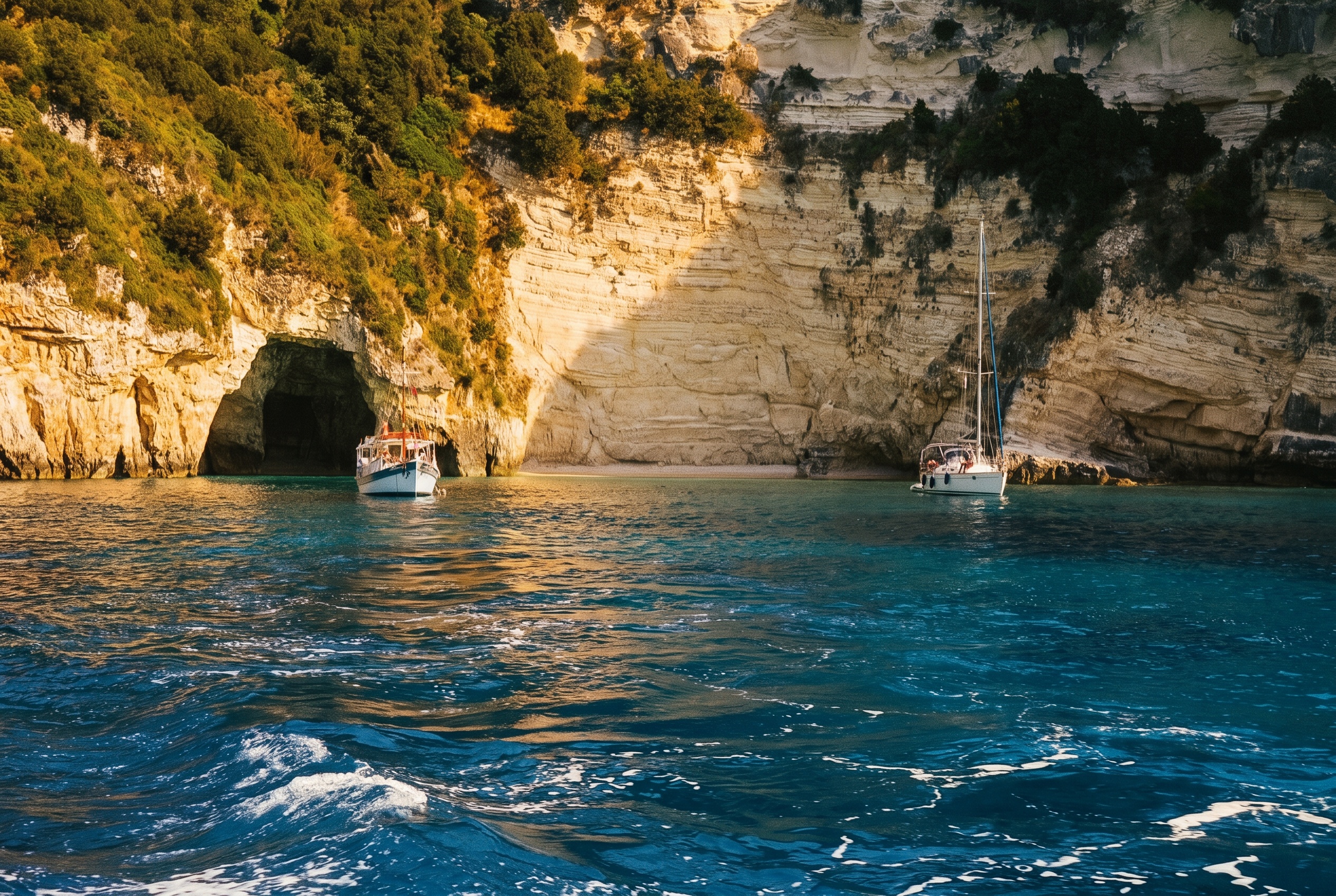
The harbour in Nidri is the main hub for all boat trips, and skipping a full-day sail around the nearby islands would be a real shame. The most popular route heads to Skorpios, the island made famous by Greek shipping magnate Aristotle Onassis, who married Jackie Kennedy — widow of the American president — right here. The island itself is strictly off limits as it’s privately owned, but the boats cruise past it at close range and often anchor for a swim directly off the iconic little beach where the famous couple used to bathe.
Another highlight is the enchanting island of Meganisi, where boats sail into the vast Papanikolis sea cave — a cavern that served as a secret hiding place for a Greek submarine during the Second World War. On Meganisi you’ll have free time to explore the traditional fishing village of Vathi, grab a great lunch or simply wander between the old stone houses. These full-day excursions typically cost between 25 and 40 € per person on larger boats; if you prefer a smaller boat with around twenty people, expect to pay roughly 60–70 €.
💡 Local tip: In peak season the boats fill up fast and the best departure times go quickly, so book your trip a few days in advance. It’s easy to sort from home online — a reliable platform like GetYourGuide is a great option.
8. Vassiliki and the Famous Surfing Wind Eric
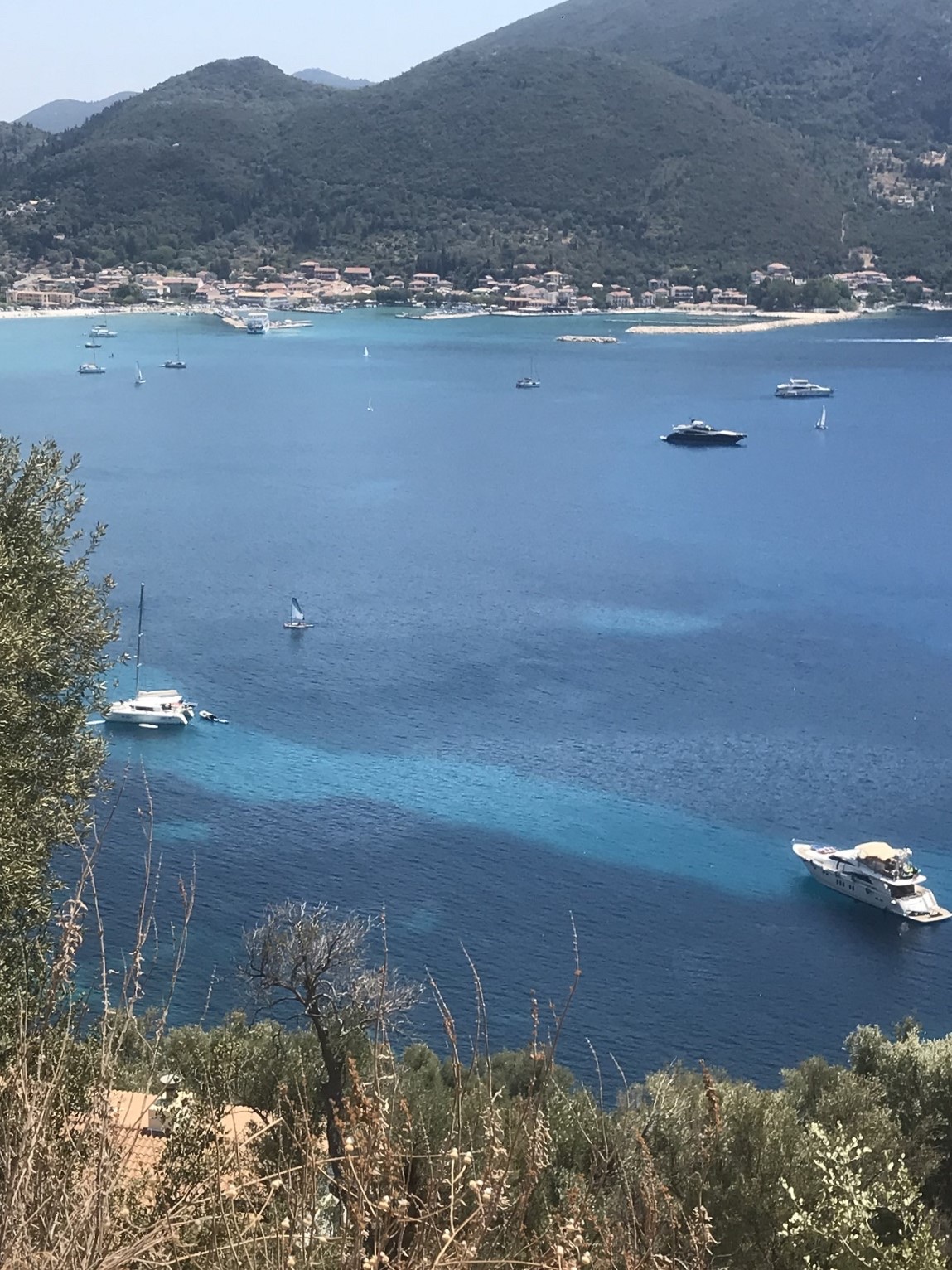
At the very southern tip of the island lies the wide bay of Vassiliki, which proudly holds the title of one of the best windsurfing destinations in the whole of Europe — it was even considered as a venue for the 2004 Olympic sailing events. In the mornings the sea here is completely flat and mirror-calm, making it perfect for families with children, beginners on paddleboards, or those learning the basics of sailing. The water stays shallow for a long stretch and, sheltered by the bay, gets wonderfully warm — great for swimming.
Everything changes dramatically at around 2pm, when the famous thermal wind the locals affectionately call Eric sweeps in over the surrounding mountains. Within minutes the bay comes alive, the wind builds to 15–25 knots, and hundreds of colourful sails belonging to experienced windsurfers shoot out across the water. The atmosphere in Vassiliki, thanks to the international sporting community centred around the legendary Club Vass, is entirely its own: relaxed, international, and lively in the harbour tavernas come evening.
💡 Local tip: Even if windsurfing holds zero appeal and nothing would get you on a board, pulling up a chair in a beachside bar in the afternoon and simply watching the incredible spectacle on the water is a genuinely great experience. There are plenty of professional schools here too, so if you’re feeling brave, this is a brilliant place to give it a go safely.
9. Kitesurfing and Windmills at Agios Ioannis
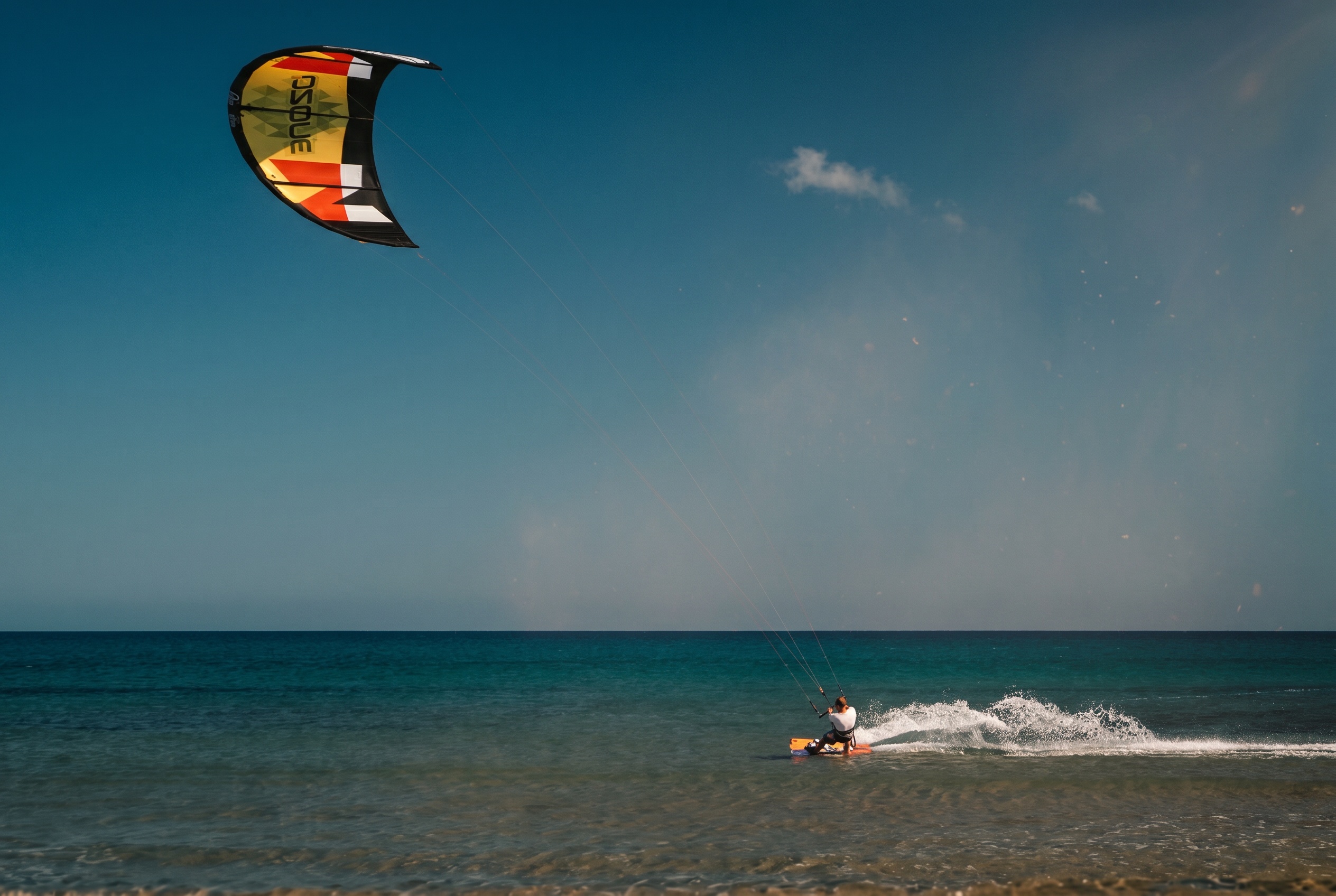
While the south of the island is completely ruled by windsurfing, the northern coastline just a short drive from Lefkada Town is the spiritual home of kitesurfing. The long, open beach at Agios Ioannis is truly iconic, framed by three old historic windmills that give the whole place a wonderfully romantic quality. Kiters use these stone mills as landmarks when heading out to water, and they create a stunning backdrop for photographs.
It’s an exposed beach with coarser sand and pebbles, hit full-on by northern winds that blow reliably every day from May to September between 2pm and 8pm. If you love the thrill of being hauled across the water by a kite and launching into huge jumps, you’ll be in seventh heaven here. And even for the average visitor, it’s a wonderful spot for an afternoon stroll — dozens of brightly coloured kites dancing above the deep blue sea make for a genuinely spectacular scene.
💡 Local tip: The water here drops to depth very quickly, there are strong currents, and the waves can be deceptively powerful — so I really wouldn’t recommend this beach for a relaxed family swim with children. Leave it to the athletes and head to the much calmer eastern coastline with the kids instead.
10. Cape Lefkatas and the Legend of Sappho’s Leap
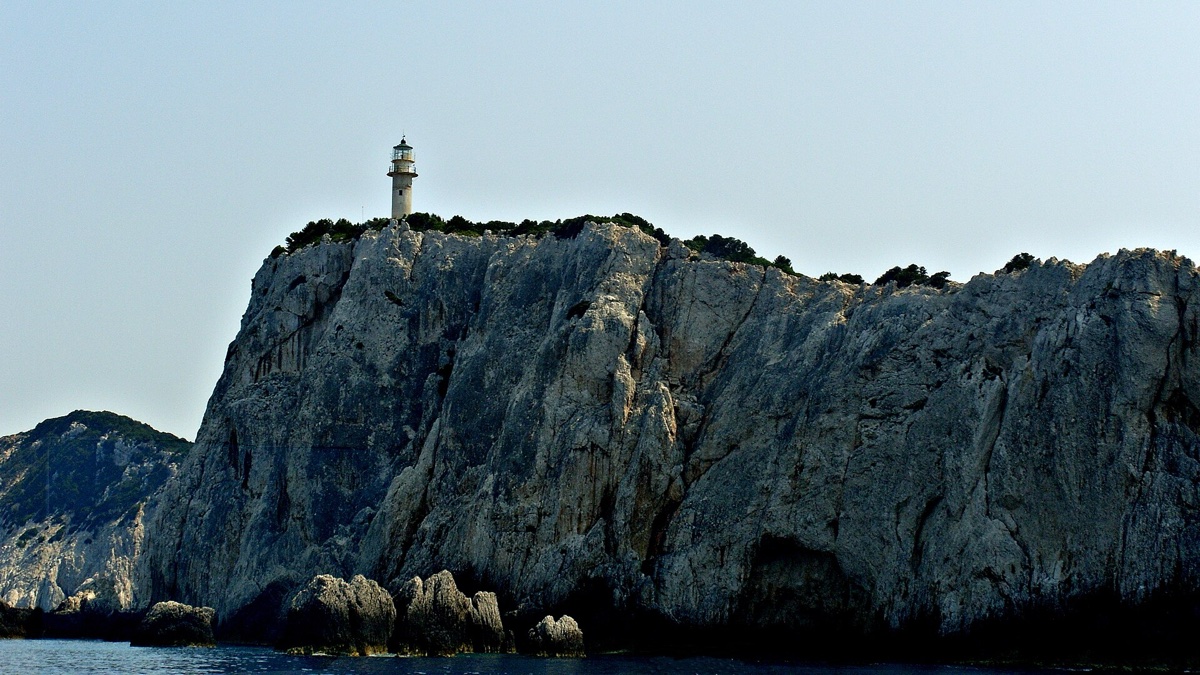
If you love dramatic landscapes steeped in legend and ancient history, you absolutely must make the journey to the far south-western tip of the island — Cape Lefkatas, also known as Cape Doukato. Here, enormous white cliffs drop sheer into the churning sea below, and right at the edge stands a beautiful old lighthouse from 1890 with a focal height of sixty metres. The road here winds up from the village of Athani along narrow tracks high above sheer drops — it’s stunning, but I’d recommend keeping both hands on the wheel and resisting the urge to pretend it’s nothing.
This place carries an incredibly powerful energy. In antiquity, a temple to Apollo stood here, and according to famous legend, this is where the ancient Greek poet Sappho leapt into the waves, heartbroken over her unrequited love for a ferryman named Phaon. That’s why this spot is still known to this day as Sappho’s Leap. You can’t get inside the lighthouse itself, but you can walk the well-maintained paths around the headland and take in the views over the endless deep blue sea.
💡 Local tip: Plan your route along the western coast so that you arrive at the lighthouse just before sunset. It’s arguably the most romantic spot on the entire island, and watching the sun drop into the Ionian Sea from this height is simply breathtaking.
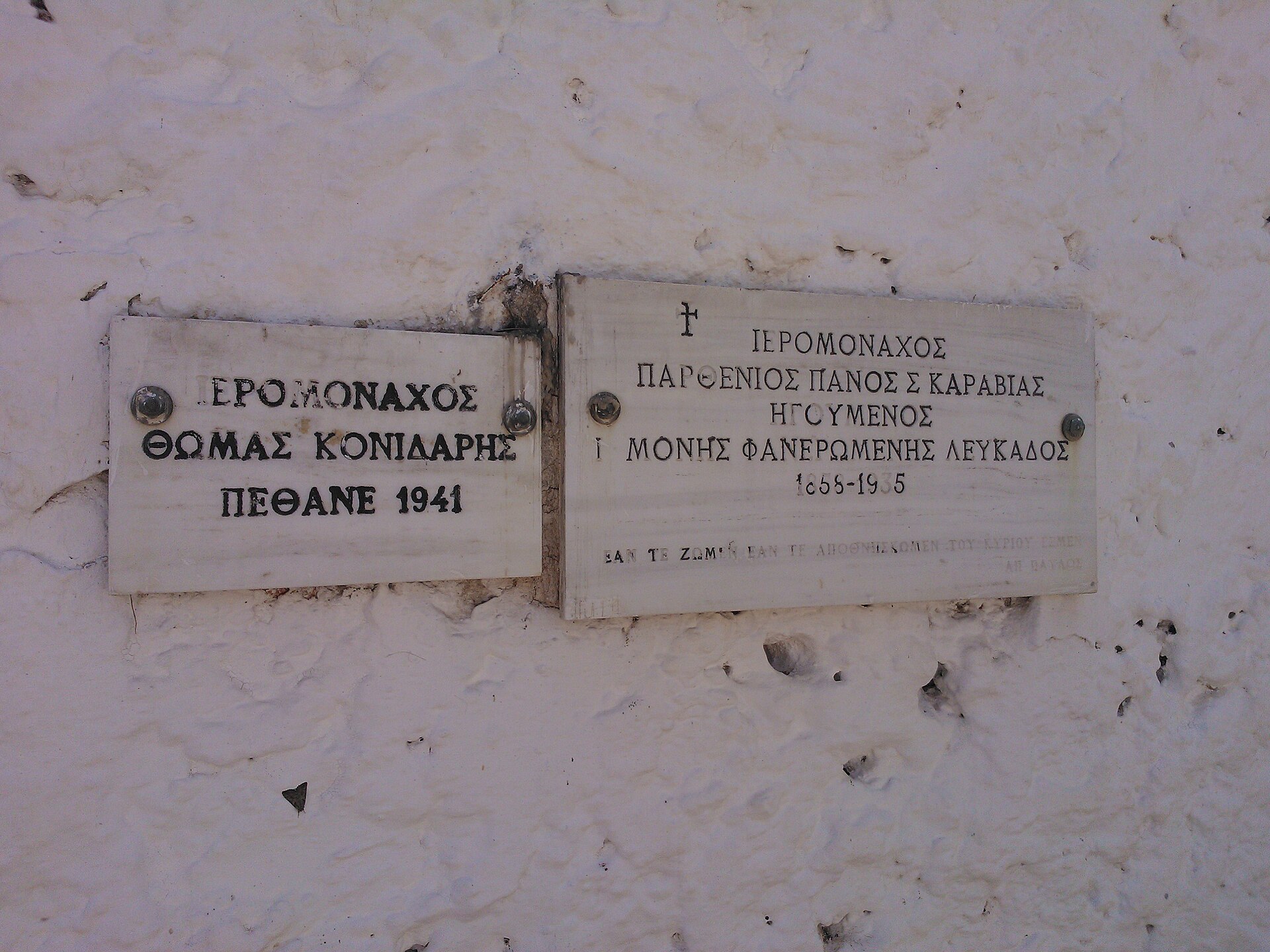
11. Faneromeni Monastery with Lagoon Views
The Panagia Faneromeni Monastery is the most important religious site on the island and serves as the spiritual guardian of Lefkada as a whole. It sits on a wooded hillside just four kilometres from the main town and is the only still-functioning monastery on the island. Even the drive up is worth it — panoramic views of Agios Ioannis beach, the lagoon and the old windmills all unfold before you at once.
The monastery grounds are beautifully maintained, filled with mature trees and flowers, and there’s even a small zoo with birds, peacocks and deer — a guaranteed hit with children. Inside, you can take in the beautiful church with its sacred icon of the Virgin Mary, a museum of old manuscripts, and precious liturgical objects. The whole place has a wonderful sense of peace and stillness that makes a very pleasant contrast to the noise and bustle of the beaches. Entry to both the grounds and the museum is completely free.
💡 Local tip: As with any Orthodox monastery, shoulders and knees must be covered. If you turn up in beach clothes or shorts, don’t worry — the monks will happily and freely lend you long skirts and scarves at the entrance so you can still go inside.
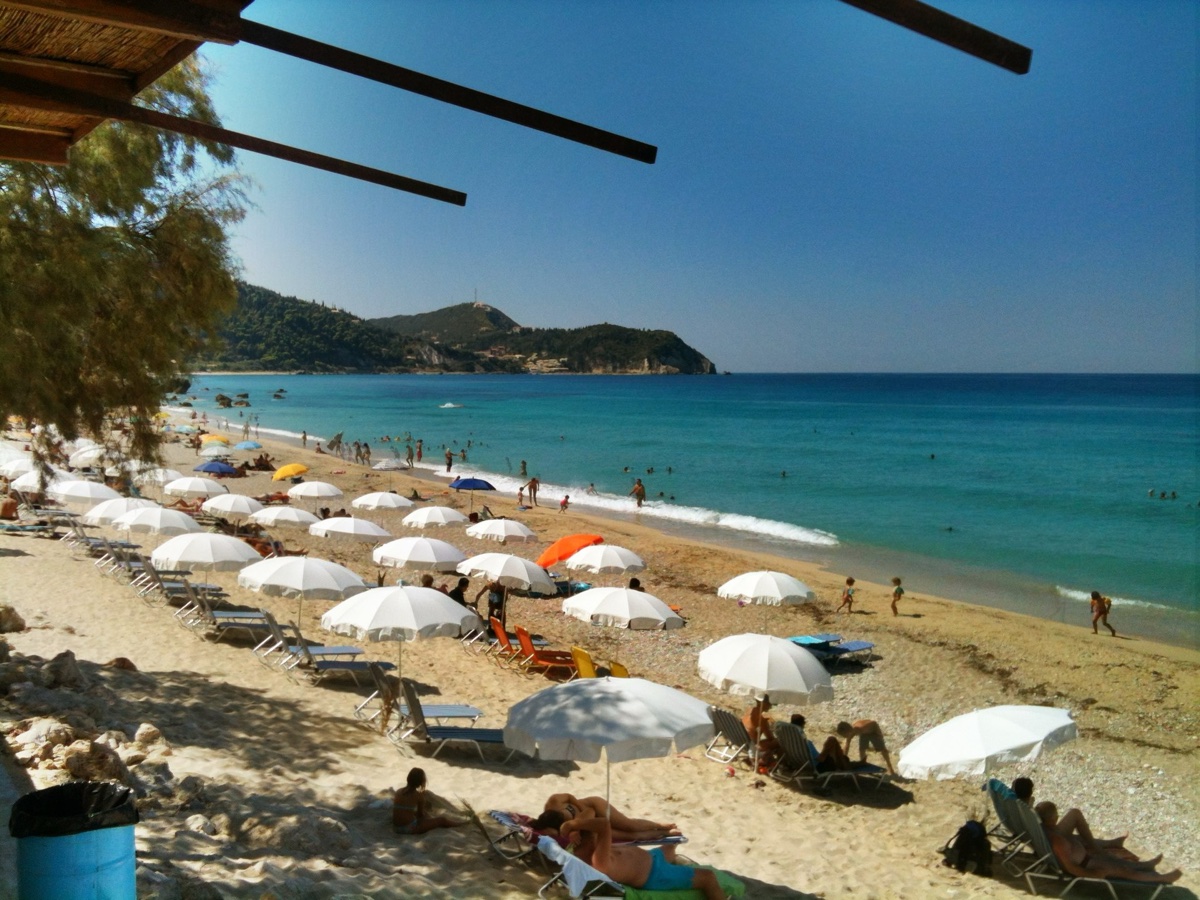
12. Mountain Villages: Karya and Eglouvi
When the beach heat gets a bit much, jump in the car and head up into the central mountain range, where the temperature is always a few degrees cooler. The heart of the interior is the village of Karya, perched at 500 metres above sea level and famous for its traditional Lefkadian embroidery and a special needlework technique called the Karsaniko stitch. You can visit the small folk museum, and on the main square beneath ancient plane trees, sip an excellent coffee and soak up the genuine village atmosphere.
Even higher up, at 700 metres, sits the village of Eglouvi, renowned for growing the finest lentils in all of Greece. The surrounding plateau is so unique it’s actually listed as a protected area by the FAO. Make sure you order the traditional thick lentil soup (fakes) or a lentil salad in one of the local tavernas. It sounds simple, but the flavour will genuinely surprise you. If you happen to be visiting in early August — specifically around the 6th — you might even catch the big lentil festival, complete with live music and food. 😉
💡 Local tip: Alongside the lentils, make sure you try the traditional sweet called ladopita — a delicious cake made with olive oil, almonds, sesame and cinnamon. Lefkada is also well known for its air-dried salami with a subtle garlic flavour, which locals traditionally enjoy with an evening glass of wine.
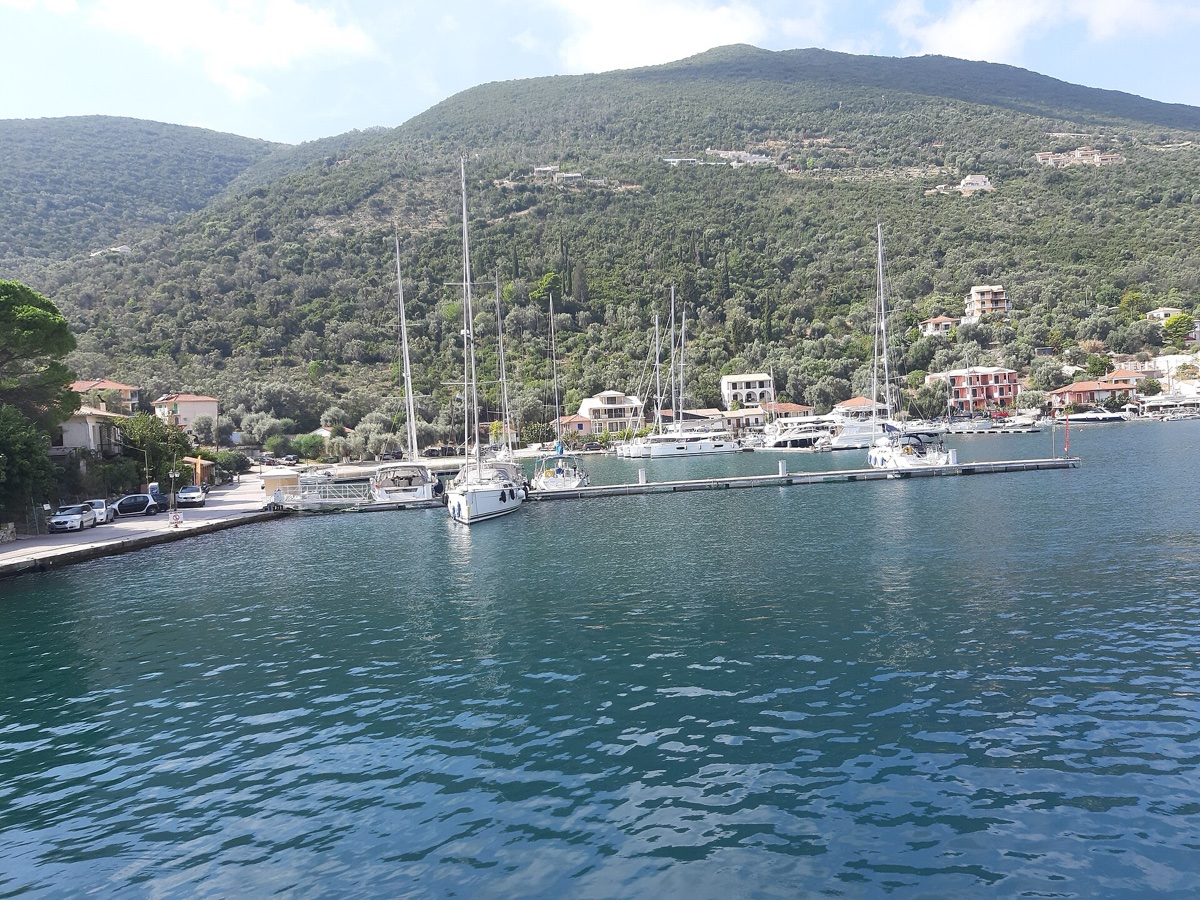
13. Sivota Bay and Hiring a Boat
Sivota Bay looks as though someone accidentally transplanted a Norwegian fjord to Greece: it’s narrow, deep and surrounded by green hills — you’d never guess you were on a Greek island. The slopes tumble directly into the blue water, and the harbour is packed with luxury sailing boats and yachts, as this is one of the best-protected natural anchorages in the entire Ionian Sea. The whole promenade is lined with excellent tavernas where sailors from around the world gather for dinner in the evenings.
If you want to experience the sea from a completely different angle and discover small deserted beaches that are simply unreachable by car, Sivota is the perfect place to hire a small motorboat. Under Greek maritime law, you can actually pilot a boat with an engine up to 30 horsepower without any kind of skipper’s licence. Hiring a small family boat for four to five people here costs roughly 50–90 € for the whole day, with fuel charged separately based on actual usage.
💡 Local tip: The hire company will give you a thorough briefing before you set off and show you everything you need to know. Pack a cool box with drinks, load up the snorkelling gear and head off to explore the hidden coves and caves along the southern coastline — it’s an absolutely brilliant experience and the feeling of freedom is second to none!
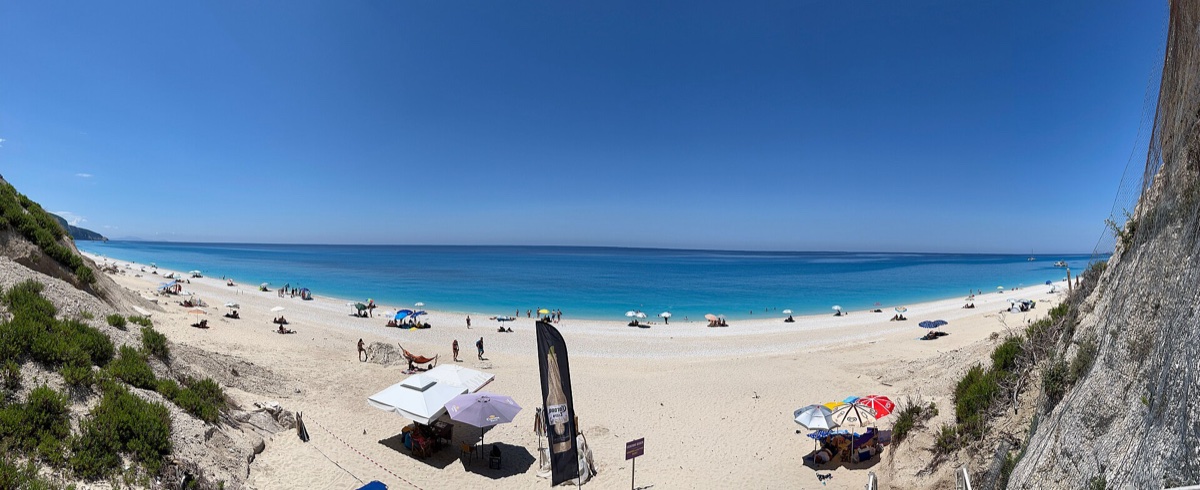
14. Hidden Beaches: Gialos, Pefkoulia and Agiofili
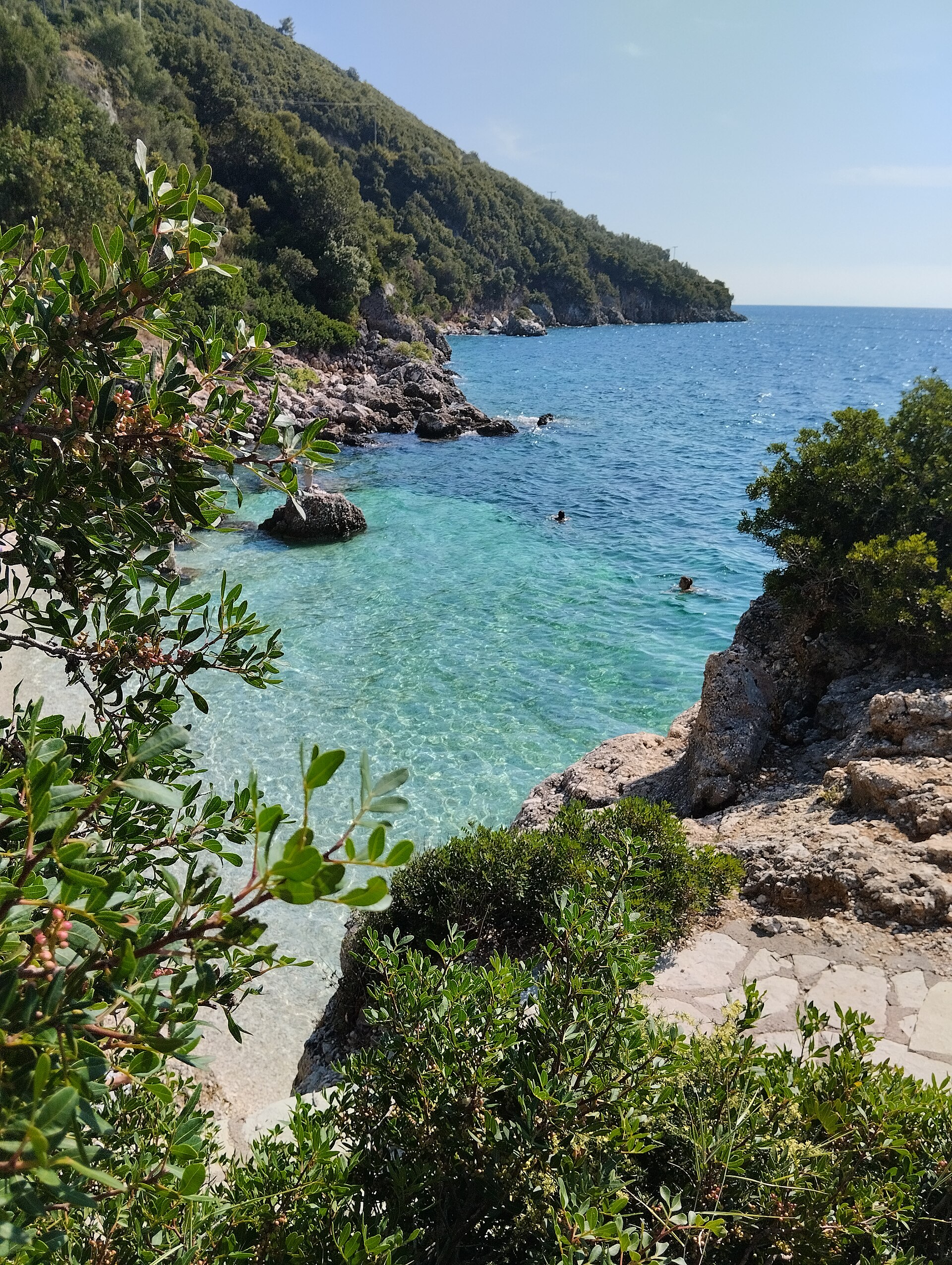
If the crowds at Porto Katsiki don’t appeal, Lefkada hides plenty of lesser-known beaches that are no less beautiful. In the north-west lies the vast Pefkoulia beach, where fragrant pine trees lean down towards the turquoise water — you’ll find an organised section with sun loungers as well as a huge wild stretch where you can have total privacy. Down on the southern coast hides the gorgeous pebble cove of Agiofili, which you can reach either along a dirt track (with a 10 € parking charge) or very comfortably by water taxi from the resort of Vassiliki.
My secret favourite is the wild Gialos beach in the south-west, reached via a road with twelve tight hairpin bends. It’s a long, open stretch of sand and smooth pebbles that stays genuinely quiet even in August — there’s one friendly little taverna here, and it’s an absolutely outstanding spot for snorkelling away from the tourist masses.
💡 Local tip: Be very careful on the road down to the wild beach at Megali Petra near the village of Kalamitsi. The road is in terrible condition, extremely narrow and very steep — hire companies regularly warn customers about the risk of overheating engines and brake failure in scooters and quad bikes. This route is genuinely only for very experienced drivers, and entirely at your own risk.
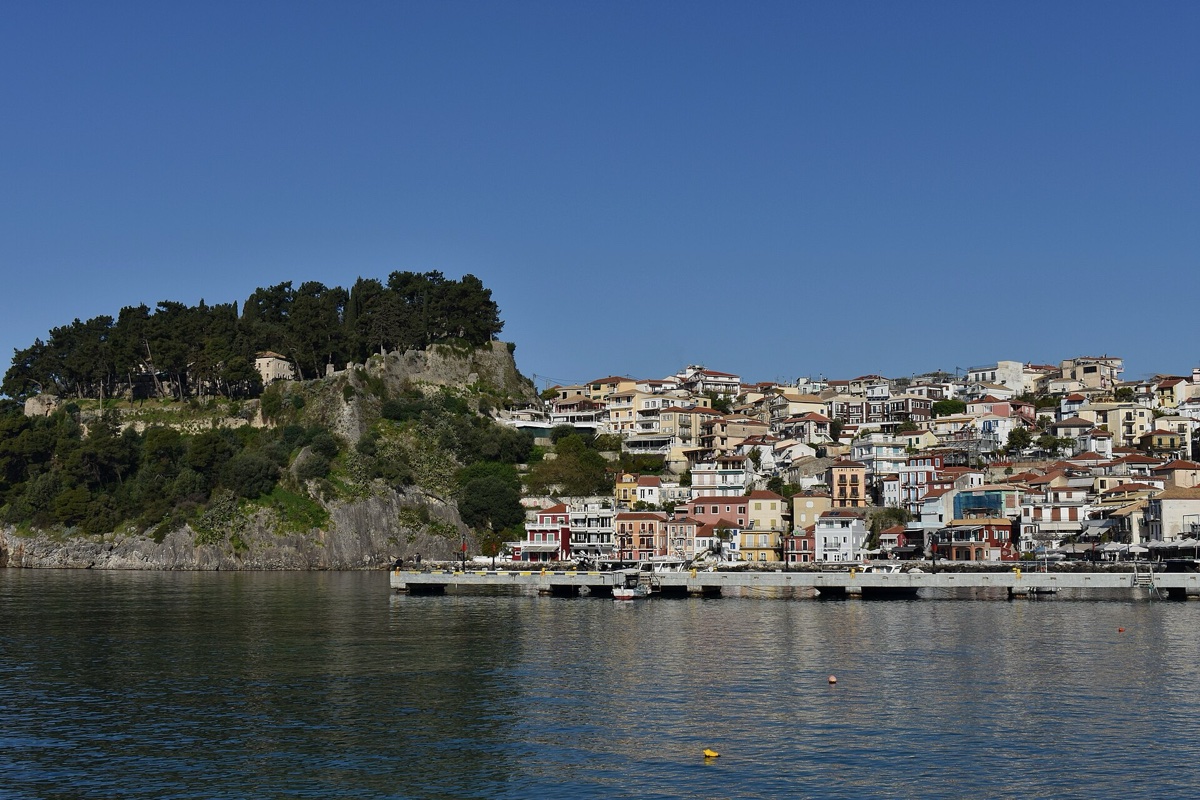
15. Road Trip to the Mainland: Parga and the River Acheron
Not many people realise this, but the bridge connecting Lefkada to the mainland opens up a fantastic opportunity: a proper road trip through north-western Greece without a single ferry. Set aside a full day and head north to the picturesque coastal town of Parga, just about an hour’s drive from the island. Parga will captivate you immediately with its colourful houses built up into the hillside, an old Venetian fortress and romantic narrow alleyways that feel more like the Italian Riviera than Greece.
On the way back, make sure you stop at the mystical springs of the River Acheron — the river that ancient Greek mythology described as the waterway of the dead leading directly to the Underworld. Today it’s a beautiful nature reserve where you can wade through ice-cold crystal-clear water through a deep shaded gorge, which is an incredibly refreshing and unique experience in the summer heat. You can also hire rafts here or ride on horseback directly through the riverbed.
💡 Local tip: Consider also visiting the nearby Amvrakikos Gulf near the town of Preveza — a vast protected wetland area where a boat trip will very often bring you face to face with wild dolphins and huge flocks of rare pelicans in their natural habitat.
Map of points of interest for your phone
Where to Go Next from Lefkada
Thanks to the mainland bridge, Lefkada is an ideal starting point for a broader road trip through north-western Greece. If you have your own or a hire car and enough time, after exploring the island you could push on into the interior — the monumental cliff-top monasteries of Meteora make for a longer drive but are absolutely worth every kilometre. If you’re still weighing up which Greek island is right for you, have a read of our article Where to Go on Holiday in Greece, which has a great breakdown of the options.
Fancy some island hopping? From Lefkada you can easily drive across to nearby Kefalonia, which offers a completely different, far more mountainous feel. For inspiration, take a look at our picks of the Most Beautiful Greek Islands, or read more about the neighbouring Ionian Islands in our guides to Zakynthos and Corfu. And before you start packing your bags, don’t forget to check out our practical tips on What to Pack for a Holiday in Greece so nothing important gets left behind.
Frequently Asked Questions
Still have some questions before your trip? Here’s a summary of the most common things people ask us about Lefkada, Greece.
What is there to see on Lefkada?
The biggest draw is the wild beaches on the west coast like Porto Katsiki, Egremni and Kathisma, which have Caribbean-blue water. The main town with its colourful houses is also worth a visit, along with the Faneromeni Monastery, the Dimosari Waterfalls near Nidri and the traditional mountain village of Eglouvi. For surfers, the bay of Vassiliki on the south of the island is an absolute must.
How long is the flight to Lefkada?
A direct charter flight from Prague to Preveza/Aktio airport (PVK) takes around 2 hours. From the airport you can then reach the island by car or bus in about 30 to 35 minutes, crossing a free floating bridge. Flights mostly run from June to September.
What is the sea like on Lefkada?
The west coast of Lefkada is washed by the Ionian Sea, which is famous here for its brilliant turquoise to milky colour caused by the white limestone seabed. The water here is beautifully clear, but the west coast often has waves and the sea drops away quickly. The east coast, by contrast, has a much calmer and shallower sea.
Which airport do you fly to for Lefkada?
Lefkada doesn’t have its own airport on the island itself. You fly into the mainland airport of Preveza, which you’ll find under the code Aktio (PVK). It’s just under 25 kilometres from the island’s main town, so the transfer across the free bridge is very quick and hassle-free.
Where are the white sand beaches?
You’ll find the most famous sandy beaches mixed with small white pebbles exclusively on the west coast of the island. They include the iconic Porto Katsiki, the harder-to-reach Egremni beach, the well-equipped Kathisma, and the hidden Milos beach near the little village of Agios Nikitas.
When is the best time to visit Lefkada?
The absolute best time to visit is the months of June and September. At this time the sea is already beautifully warm (around 24–26 °C), but you’ll avoid the most scorching heat that hits in July and August. On top of that, the beaches are much emptier and accommodation tends to be noticeably cheaper. EXCERPT: Set out to discover the only Greek island you can reach by car, and let yourself be enchanted by Caribbean-turquoise water, white cliffs and the peace of its mountain villages.
Tips and Tricks for Your Vacation
Don’t Overpay for Flights
Search for flights on Kayak. It’s our favorite search engine because it scans the websites of all airlines and always finds the cheapest connection.
Book Your Accommodation Smartly
The best experiences we’ve had when looking for accommodation (from Alaska to Morocco) are with Booking.com, where hotels, apartments, and entire houses are usually the cheapest and most widely available.
 🚗 Car rental on the roadVerified rental cars in the Ionian Islands
Search with the DiscoverCars comparison engine — it compares prices from dozens of local and international rental companies, and most bookings come with free cancellation.
Compare car prices in the Ionian Islands →Don’t Forget Travel Insurance
Good travel insurance will protect you against illness, accidents, theft, or flight cancellations. We’ve had a few hospital visits abroad, so we know how important it is to have proper insurance arranged.
Where we insure ourselves: SafetyWing (simple monthly subscription) and TrueTraveller (for extra-long trips).
Find the Best Experiences
Get Your Guide is a huge online marketplace where you can book guided walks, trips, skip-the-line tickets, tours, and much more. We always find some extra fun there!