

You probably picture the Cyclades as that classic postcard – whitewashed houses, blue domes and a sea that goes on forever. We get it; we’ve spent plenty of days here ourselves. But then come the practical questions: how much does it all cost, when should you actually go to dodge the crowds and the punishing heat, and should you do it yourself or just book a package and switch off? We were stuck on exactly the same dilemma.
Here you’ll find three things in one place: up-to-date package and flight prices that we refresh every morning; our own tips from the road and from our articles on each island; and a plan for when and what to book so you don’t overpay for nothing.

What to see and do in Cyclades
The Cyclades aren’t a single island but a whole archipelago, and every piece has its own mood. What’s worked for us is not cramming in too many islands at once – better to do two or three properly than five in a rush.
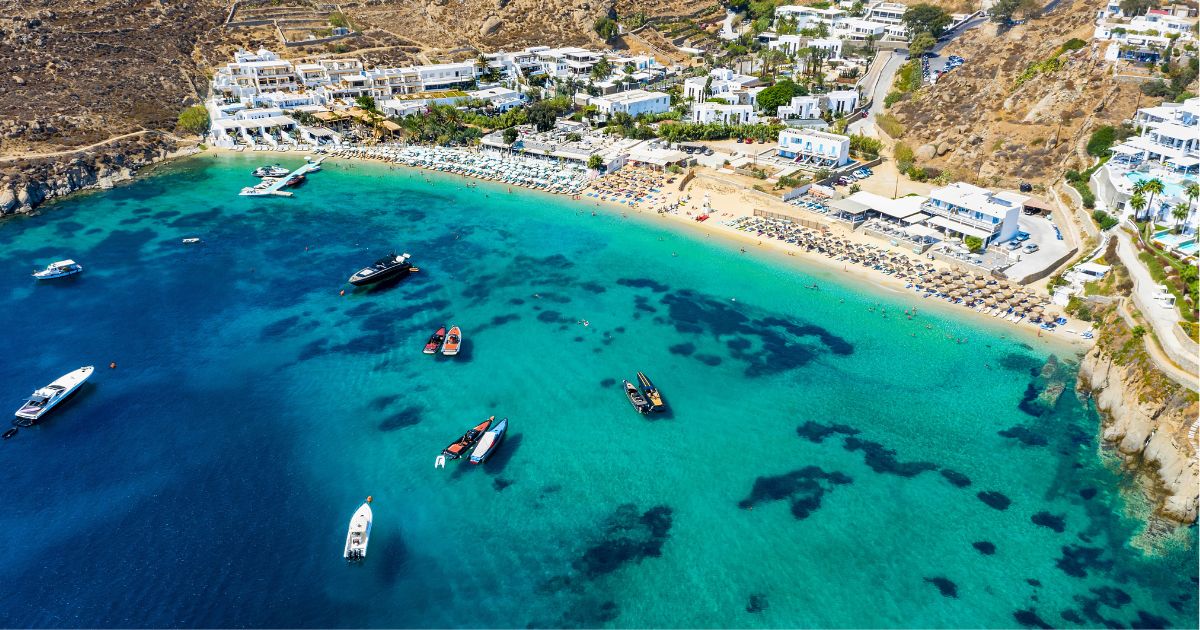
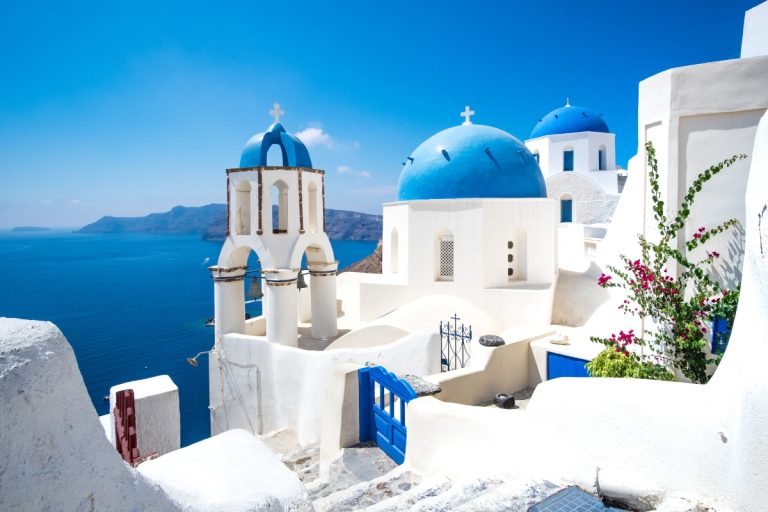
- Santorini – the famous caldera, sunsets in Oia and the most photographed panorama in Greece. Beautiful, but expect crowds and higher prices.
- Mykonos – white alleyways, windmills and, above all, the nightlife. An island for those who want to see and be seen and party till dawn.
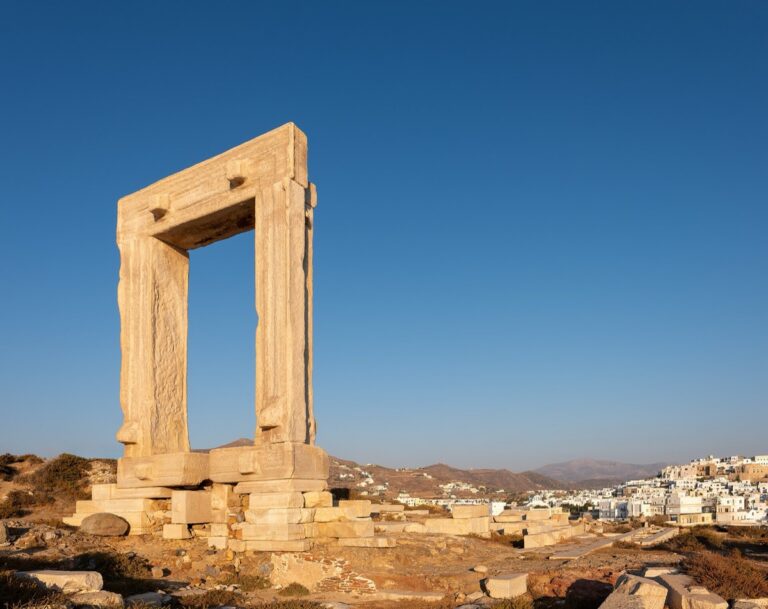
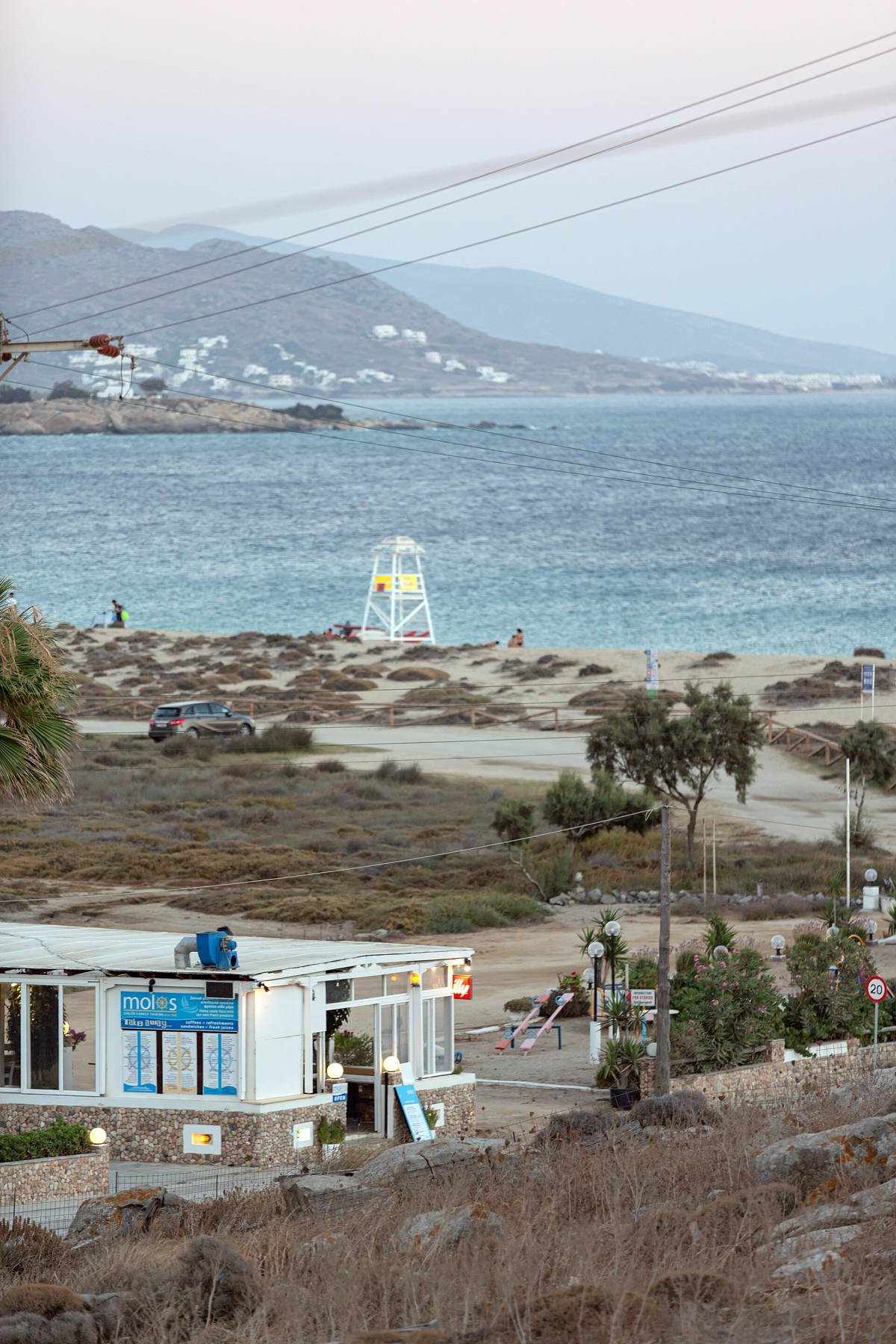
- Naxos – our pick for families and longer stays: the longest beaches in the Cyclades, mountains inland and more reasonable prices than Santorini.
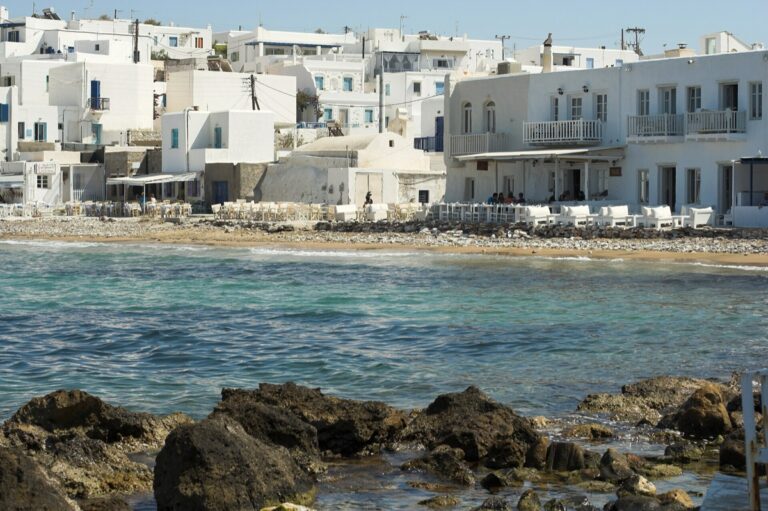
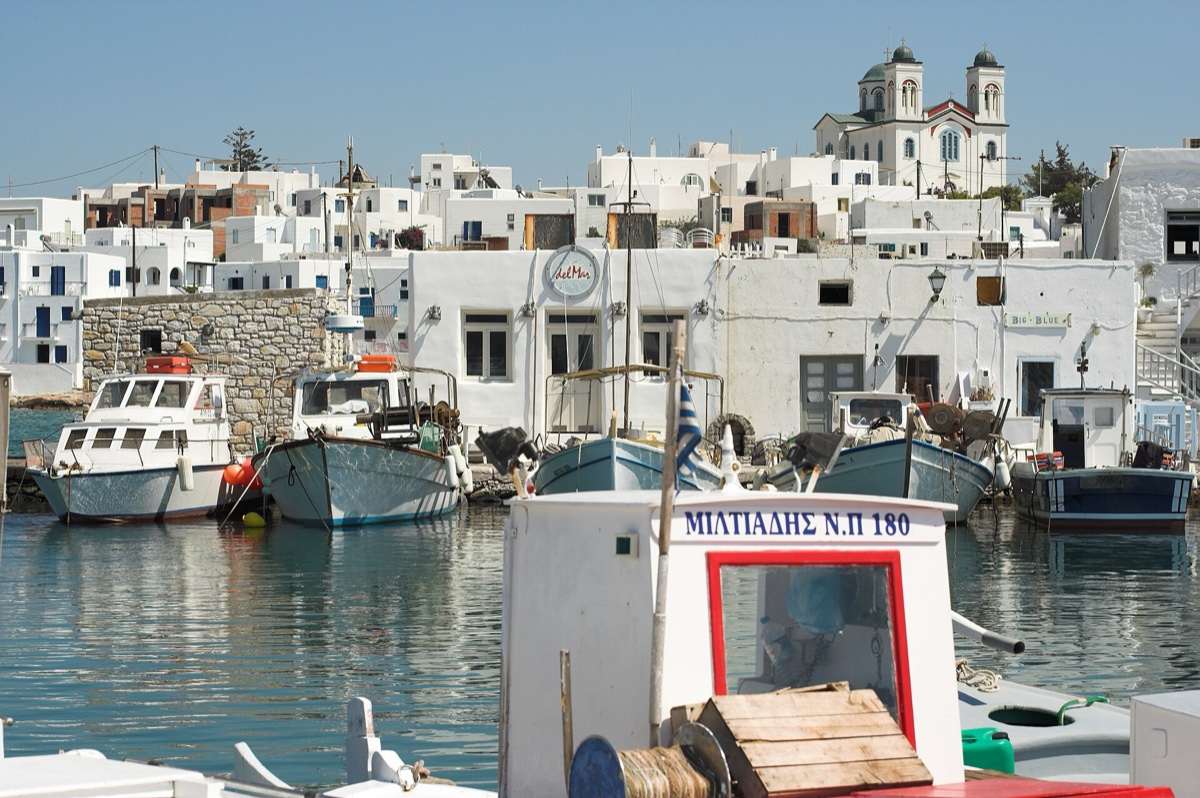
- Paros – a pleasant middle ground between calm and buzz, the charming town of Naoussa and good ferry connections.
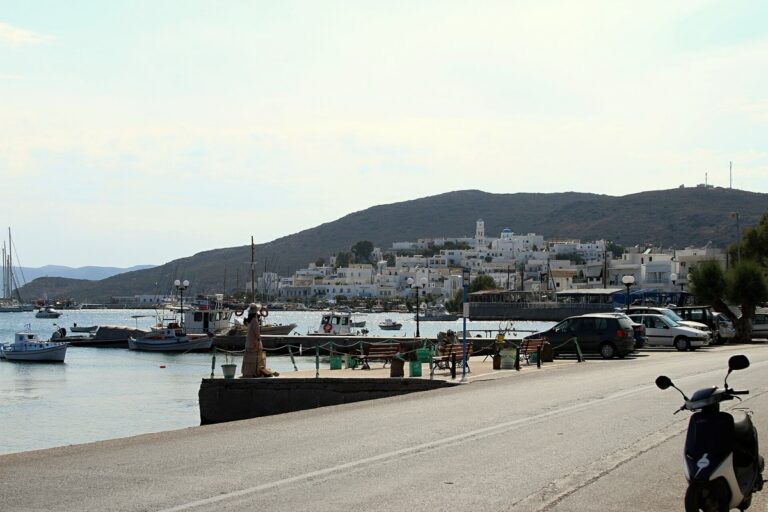
- Milos – a volcanic coastline and the lunar landscape of Sarakiniko, dozens of coves and, for now, a few less tourists.
When to visit Cyclades
The main season in the Cyclades runs roughly from May to October. The hottest and busiest months are July and August – the sea is at its best for swimming then, but prices shoot up, accommodation sells out, and Santorini and Mykonos get seriously packed.
Personally, what suits us most is late May into June and then September. The weather is settled, the sea is pleasantly warm after summer, the crowds are thinner and prices are gentler. Watch out for the meltemi – a strong northerly wind that tends to blow in summer, mainly around Mykonos and Paros, and can occasionally play havoc with the ferries.
Out of season (November–April) the islands are quiet, but plenty of hotels, tavernas and ferry connections run on a reduced schedule. It’s not the ideal time for a relaxed beach holiday.
How to get to Cyclades
From Czechia, the most common way to reach the Cyclades is by air via Athens, and from there either a connecting domestic flight to an island with an airport (Santorini, Mykonos, Naxos, Paros, Milos) or a ferry from the port of Piraeus. In season there are also seasonal direct flights to Santorini and Mykonos. The flight from Prague to Athens takes around 2.5–3 hours, plus time for the transfer and onward transport.
You travel between the islands by ferry – from fast catamarans to slower big ships. In high season they run often; out of season they thin out. Bringing a car from home isn’t worth it: the journey is long and you can easily rent a vehicle on the spot. You’ll find practical details on connections in our articles on each island, too.
Renting a car
A car is worth it in the Cyclades mainly on the bigger islands like Naxos, Paros or Milos, where the beaches and villages are spread out and public transport is sparse. On a small, easy-to-navigate island, or if you’re just planning to lie on the beach, you can often manage with a bus, taxi or scooter – in that case a car is a needless expense.
- Book in advance through rental comparison sites, especially in high season – on the spot the cars are often sold out and pricier.
- Insurance and deposit: check the excess and the hold on your card; topping up to zero excess often pays off.
- Watch out for narrow roads and parking in the villages – a smaller car is more practical here.
- Your car won’t ride between islands for free – transporting a vehicle by ferry is expensive, so it’s better to rent a fresh car on each island.
Where to stay in Cyclades
Where to stay depends a lot on the island and the kind of holiday you want. On Santorini you mostly pay for the caldera view (Oia, Imerovigli, Fira) – it’s stunning, but also the priciest option; the inland villages and beaches on the east coast are quieter and cheaper. On Mykonos, decide whether you want to be at the heart of the action (Chora) or somewhere peaceful by the beach.
- Studios and apartments – the best value for money, ideal if you’re travelling independently and want to cook for yourself now and then.
- Boutique hotels with a view – mainly Santorini; an experience, but be ready for significantly higher prices.
- Family-run guesthouses and traditional houses – Naxos, Paros, Milos; a warm welcome and reasonable prices.
- Staying near the port vs. by the beach – near the port works for island hopping, by the beach for a relaxed holiday.
Package tour or independent travel?
A package is worth it when:
- you want the flight, transfer and hotel sorted in one go and no stress over onward transport,
- you’re flying to one island and mainly want to relax on the beach,
- it’s your first time in Greece and you want the reassurance and support of a rep.
Go it alone when:
- you want to link several islands by ferry and plan your own route,
- you enjoy hunting down accommodation, tavernas and spots off the tourist trail,
- you’re flexible on dates and want more control over the budget.
The two of us most love exploring the Cyclades independently – for the freedom of hopping between islands. But if you just want to unwind in one place and forget about planning, a package to Santorini or Mykonos is an absolutely fine choice.
Budget: daily costs in Cyclades
| Level | Accommodation | Food | Transport & activities | Total/day |
|---|---|---|---|---|
| Backpacker | 30 €–45 € | 16 €–25 € | 12 €–20 € | 55 €–85 € |
| Standard | 60 €–110 € | 30 €–45 € | 25 €–40 € | 110 €–195 € |
| Comfort | 160 €+ | 45 €–80 € | 45 €+ | 250 €+ |
These prices are indicative, calculated per person per day in high season. Santorini and Mykonos work out noticeably more expensive than Naxos, Paros or Milos, so your choice of island has the biggest impact on the budget.
How to save when planning
- Book high-season flights 2–4 months ahead; they’re usually most expensive in the final weeks before departure. Search for flights in our search engine.
- Book July and August accommodation early – the best value-for-money places are the first to go. Take a look at our accommodation tips.
- A package to the Cyclades is worth tracking in two windows: early-bird over winter for a lower price and a guaranteed spot, or last-minute if you’re flexible and don’t mind a narrower choice – keep an eye on the current packages on this page.
- Choose a cheaper island as your base – Naxos, Paros or Milos instead of Santorini saves the most on both accommodation and food.
- Book popular excursions and boat trips in advance so you don’t pay inflated prices on the spot – see what to book early.
Practical information
- Language and communication: Greek, but you’ll get by perfectly well with English in tourist areas.
- Payments: you can pay by card in most hotels, restaurants and shops; cash comes in handy for small tavernas, markets and inland.
- Connectivity: we recommend an eSIM – activate it before you leave home and you’re online the moment you arrive, with no hunting for a local SIM.
- Safety: the Cyclades are a very safe destination; the main things to watch out for are the strong wind and sun – high-factor sunscreen and a hat are essentials.
- Currency: the euro.


