You know that feeling when it’s freezing outside, an icy wind is howling, and you’re sitting at your computer with a cup of tea dreaming of pristine white beaches, Mayan pyramids and an endless supply of fresh guacamole? Trust me, when it comes to Mexico travel, this is exactly the destination that will make every one of those dreams come true. And although a journey halfway across the world might seem like a massive logistical challenge, with the right plan you’ll pull it off without breaking a sweat.
If you’ve already spent your nights googling flights to Mexico and wondering how to organise the whole thing, you’re in the right place. We’ve put together the ultimate practical guide that will walk you through the entire process — from buying your flights through the pitfalls of US airports all the way to withdrawing cash from local ATMs without getting fleeced by ridiculous fees.
In this guide you’ll find everything you need to handle the trip to Mexico completely stress-free. We’ll look at the sneaky trap called ESTA, explain why the insurance that comes free with your credit card probably won’t be enough, and share insider transport tips that will save you a heap of money and nerves.

TL;DR
- Flights: There’s no direct flight from the UK. You can fly via Europe (no visa headaches) or via the USA (often cheaper, but it comes with American bureaucracy).
- The ESTA trap: If you fly via the USA (even for just an hour on a layover), you absolutely need an approved ESTA registration.
- Entering the country: Luckily, Mexico doesn’t require a tourist visa from UK travellers. All you need is a passport valid for another 6 months and you’ll get a stay of up to 180 days. The tourist card (FMM) is now mostly fully digital.
- Money: You pay in Mexican pesos (MXN). The exchange rate hovers around 0.045 € per peso. Always decline the unfavourable DCC conversion at ATMs and keep some cash on you for markets and small purchases.
- Insurance: An absolute must. Private clinics in Mexico charge American prices, and a basic UK travel card won’t get you far there.
- Internet: The most reliable and convenient option is to get an eSIM before you fly, so you’re online the moment you land.
- Transport: ADO buses are incredibly luxurious and reliable. For shorter distances, the brilliant shared vans called colectivos do the job perfectly.
The full destination guide: Mexico — guide and what to see
How to get to Mexico from the UK (layovers, what it costs and when to book)
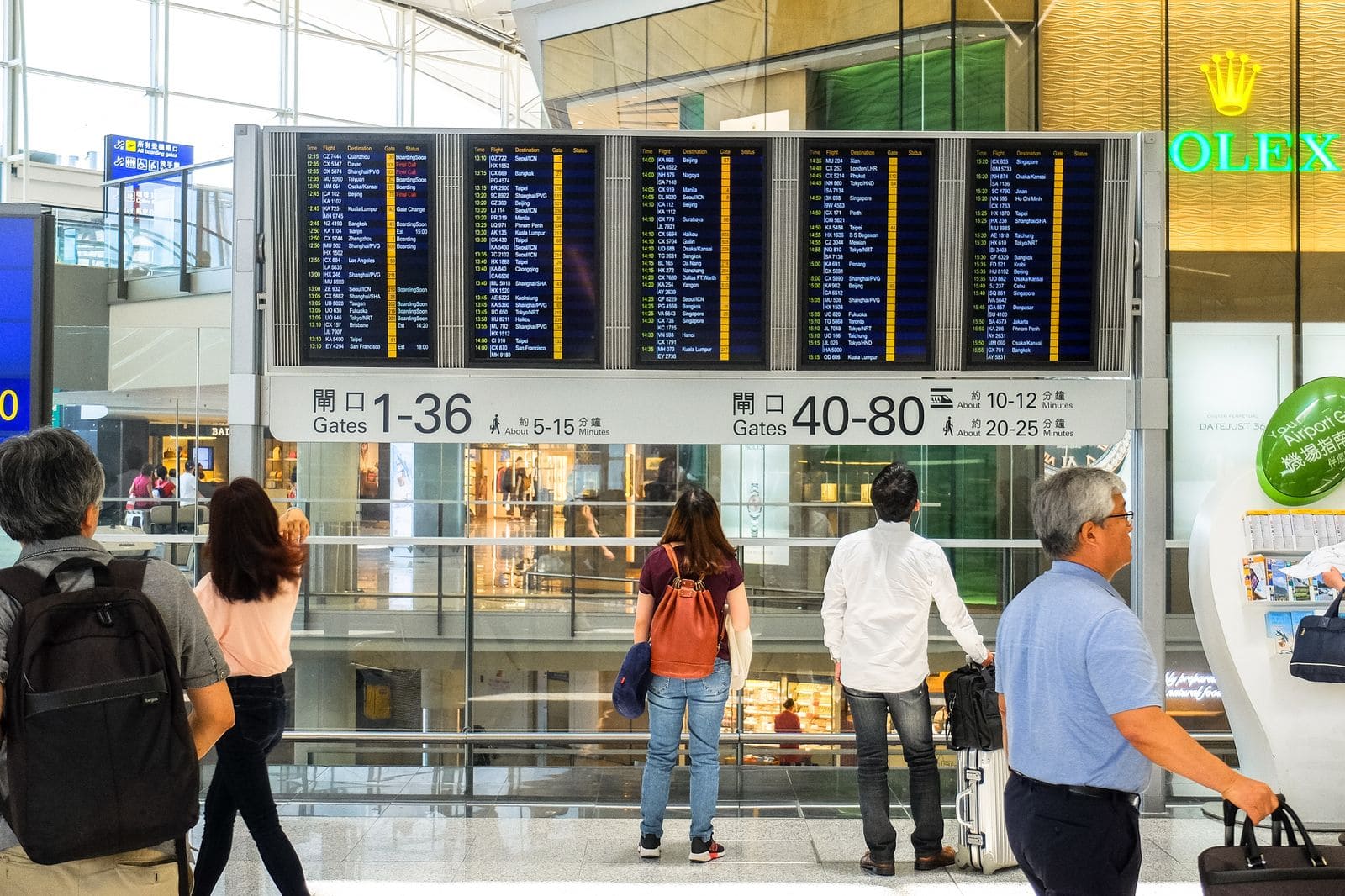
Planning your trip starts with the most important thing of all: the flights. There are some direct flights from London to Cancún and Mexico City (with the likes of British Airways and TUI), but they tend to be pricey and seasonal, so most travellers end up with at least one — and more often two — layovers. It’s nothing to be scared of, though. You just need to choose your route carefully so your dream holiday doesn’t turn into a bureaucratic purgatory before it even begins.
The basic decision you’ll face is choosing between a layover in Europe and one in the United States. A route purely through European airports (most commonly via Madrid with Iberia, via Paris with Air France, or via Amsterdam with KLM) is by far the most hassle-free. You don’t have to deal with any transit visas — you simply walk from one plane to another. These flights do tend to be a bit pricier, though. Flights with a layover at big American hubs like Atlanta, Miami or Dallas, on the other hand, are often very attractively priced, but they come with the need to sort out American paperwork, which we’ll cover in detail in the next chapter. If you’re hunting for flights to Mexico, definitely compare both options and weigh up whether saving a couple of hundred pounds is worth the extra stress.
Flight prices from London typically range between £650 and £900 depending on the season. If you head off in high season (which runs from November to April, when the weather in Mexico is at its best), prices logically climb. The absolute worst time to book is around American Spring Break in March, when prices shoot into the stratosphere and resorts are bursting at the seams. On the flip side, if you book your flights well in advance (ideally 2 to 4 months ahead), you can snag some lovely deals.
💡 Tip: As tempting as it is to hunt for flights through various comparison sites and dodgy agencies, always end up booking directly on the official website of the airline. If your flight gets cancelled or delayed, dealing with the airline directly is a thousand times easier than trying to get through to a third-party reseller’s customer line.
⚠️ The ESTA trap: watch out for US layovers (even transit needs authorisation)
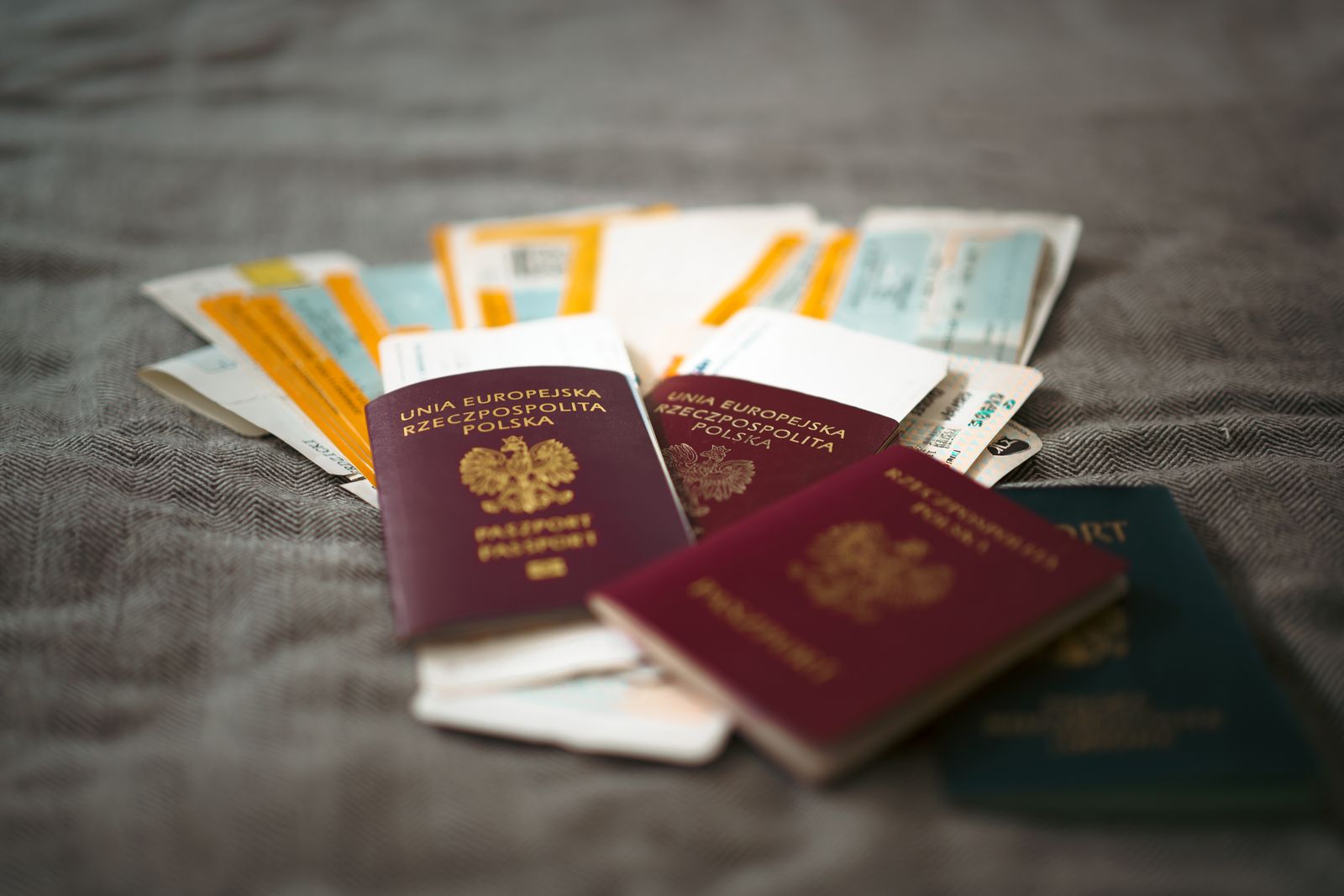
And now we come to the point where more than a few holidays come crashing down every year. Travelling to Mexico via American airports is hugely popular, but it hides an enormous trap. Loads of travellers assume that if they’re only transiting through the USA — never leaving the transit zone and flying on a few hours later — the American authorities won’t care one bit. That’s a massive misconception that could cost you your entire holiday.
The United States simply doesn’t have the classic airport transit concept the way we understand it in Europe. Even if you’re just walking through the airport to your next gate, as far as the US authorities are concerned you are officially entering US territory. That means you must have either a valid US visa or an approved ESTA electronic registration. You need to sort this out online well in advance on the official government ESTA website. It costs 21 dollars (around £17) and in the box for a US address you simply write the word “transit”. Be very careful to fill in the registration only on this official government site, because the internet is full of scam websites that will happily charge you triple for the same form.
Another huge complication arises if you’ve previously visited certain countries the USA considers high-risk. If your passport has a stamp from Iran, Iraq, Syria, Sudan, Yemen or Cuba after January 2021, the system will automatically reject or cancel your ESTA. In that case you’ll have to apply for a regular B2 tourist visa at the US embassy in London, which means an in-person interview and a wait of several months. So if you’re flying via the USA, “ESTA before a Mexico layover” is a phrase you need to drill into your memory.
💡 Tip: When you transit through the USA, you always have to collect your checked luggage, take it through customs, and then hand it straight back onto the belt for your connecting flights. This process can take a while, so always allow at least 3 — ideally more like 4 hours — for a layover in America.
Visa and entry into Mexico (FMM and the tourist card)
After all that American faff, here’s some good news at last. Mexico doesn’t require a visa from UK tourists. If you’re heading there for tourism, all you need is a valid passport. It must be valid for at least 6 months beyond your planned return home.
As European tourists we’re entitled to a stay of up to 180 days, which is an absolutely luxurious amount of time to explore the whole country. In the past you used to fill in a little slip of paper on the plane called the Forma Migratoria Múltiple (FMM), whose second half you had to carefully keep for the entire stay and hand over on departure. Losing that slip meant a hefty fine and unnecessary stress at the airport.
Today Mexico has switched to a fully digital system at most international airports (including Cancún, Mexico City and the new airport in Tulum with the code TQO). You walk up to the immigration officer, they scan your passport, stamp it, and you’re done. Even so, it sometimes happens that for some reason an officer doesn’t give you the full 180 days, but only a limited number of days based on your return ticket.
💡 Tip: As soon as you get your stamped passport back in your hand, check the number the officer has written in pen. That’s the number of days you can legally stay in the country. If you see fewer days than you need for your trip, speak up immediately — it’s very tricky to sort out later.
 🚗 Car rental on the roadVerified rental cars in Mexico
Search with the DiscoverCars comparison engine — it compares prices from dozens of local and international rental companies, and most bookings come with free cancellation.
Compare car prices in Mexico →Travel insurance (why a basic card won’t save you)
Travel insurance is one thing it absolutely doesn’t pay to skimp on, and that goes double for Latin America. Forget about your EHIC/GHIC card bailing you out — it’s worthless beyond Europe. Relying solely on the insurance that comes free with your everyday bank card is also a huge risk, because the medical expense limits on these basic products tend to be hopelessly low.
Healthcare in Mexico is split into public and private. Public hospitals are cheap, but often overcrowded and you won’t always find English-speaking staff. As a tourist you’ll most likely head to a private clinic, where the care is absolutely top-notch but the prices are comparable to those in the United States. A simple consultation with a doctor over an upset stomach can set you back hundreds of dollars, and any serious injury can climb into the tens of thousands of pounds.
If you’re planning an active holiday, definitely check exactly what your insurance covers. Diving in the magical underground caves (cenotes), surfing on the Pacific coast or longer treks in the mountains often fall into the extreme sports category and you’ll need to pay extra for them. There’s a whole range of insurers on the market — popular options for longer and more adventurous trips include True Traveller and AXA with their premium packages.
💡 Tip: If you’re only hit by the usual traveller’s woes like mild stomach trouble or a cold, you don’t need to call an ambulance straight away. All across Mexico there are pharmacy chains (such as Farmacia del Ahorro or Farmacia Similares) that have a small doctor’s surgery right next to the shop. A consultation there costs literally a few pesos, and the doctor will prescribe and sell you the medicine you need on the spot.
Money: pesos, tricky cards and why ATMs want to rip you off
Money in Mexico is a chapter all of its own, and it’s worth being prepared for it so you don’t needlessly throw away hundreds on fees. The official currency is the Mexican peso (MXN). For easy mental maths, you can lock in roughly that 1 peso is about £0.04. So as a rough guide, just multiply Mexican prices by around four to get the pence figure and you’re sorted. Occasionally (mainly in touristy areas) you’ll come across prices in US dollars, but paying in them is usually a bad deal because of the poor exchange rate the vendor offers.
Cards are accepted perfectly normally in better restaurants, supermarkets and hotels. But you always need to carry enough cash. The authentic street stalls with the best cheesy quesadillas, local markets, little cafés, colectivo rides and motorway tolls are strictly cash-only zones.
The biggest tourist trap is waiting at ATMs and it’s called DCC (Dynamic Currency Conversion). When you put your UK card (say Revolut or Wise) into a Mexican ATM, the screen will triumphantly offer to convert the money straight into your home currency so you “know exactly how much you’re paying”. Never do it. That guaranteed rate hides a sneaky markup of 8 to 9%. Always decline this offer (you often have to tap “Decline Conversion” or “Without Conversion”) and let the ATM debit the amount in Mexican pesos. Your bank will convert it at a far better mid-market rate.
Another important rule is to only withdraw money from ATMs physically located inside the branches of big banks (such as Santander, HSBC, BBVA, Banorte). Never withdraw from random machines on the street or in bars — gangs with skimming devices often operate there. The banks themselves charge a withdrawal fee ranging from 36 pesos (Santander) up to 81 pesos (HSBC). The maximum limit per withdrawal is usually around 5,000 to 10,000 pesos.
And what about your budget? It depends on your travel style. A frugal backpacker can get by on around £35 to £55 a day (hostel accommodation, street food). A comfortable mid-range standard with nice hotels and dinners out in restaurants comes to roughly £70 to £110 per person per day. If you’re after luxury and resorts, set aside at least £180 a day. As for tipping, in restaurants it’s normal to leave 10 to 15%, for housekeeping you leave around 25 to 50 pesos a day, and at the petrol station you give the attendant about 10 pesos for cleaning your windscreen and filling up.
💡 Tip: When you’re paying in big supermarkets, you’ll notice older people packing your shopping into bags at the checkout. They don’t get any wage from the shop and live solely off what customers give them. It’s good manners to leave them a coin worth 10 to 20 pesos.
eSIM and internet (how to be online the moment you land)
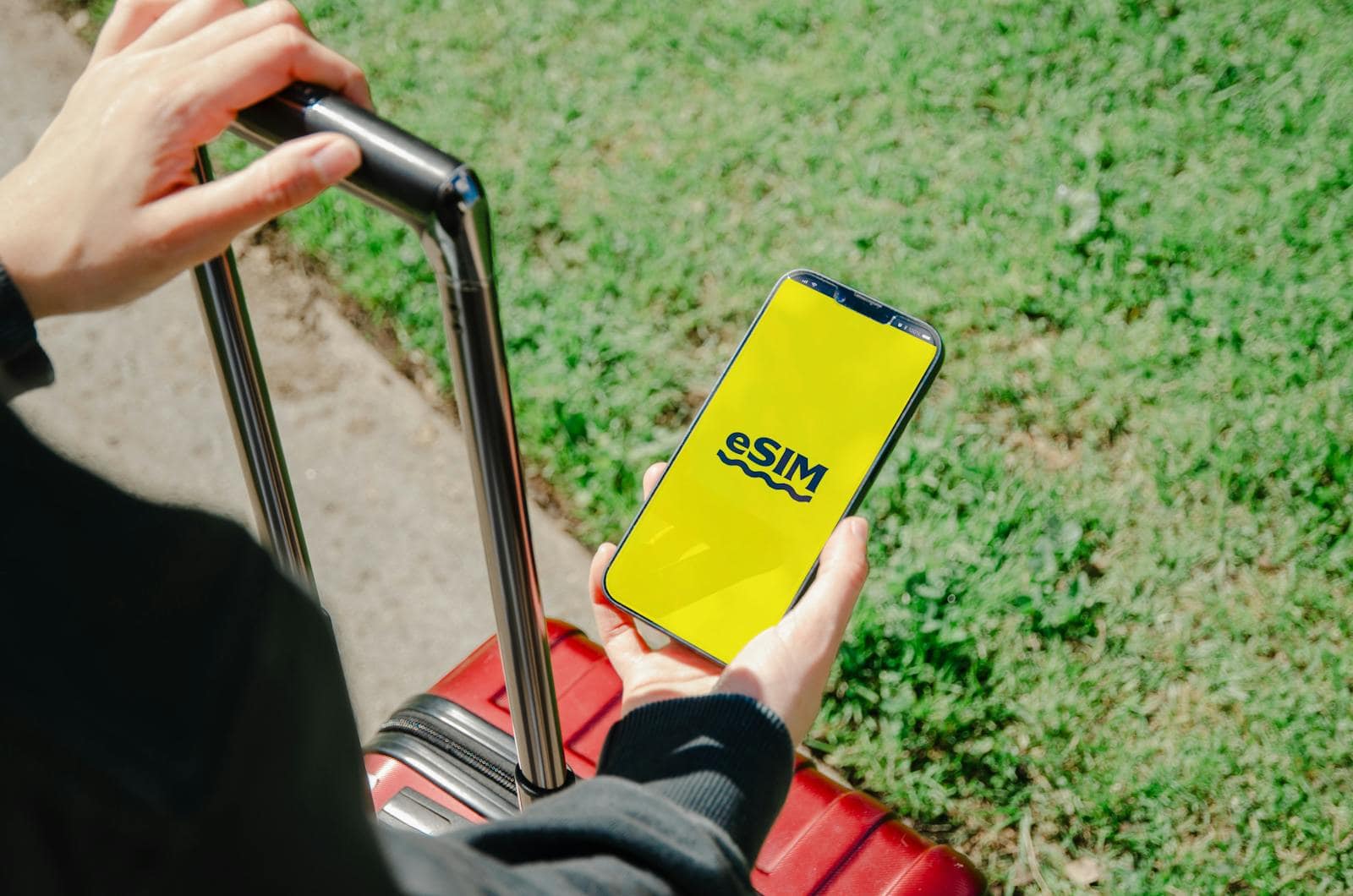
Going without internet these days is pretty much unthinkable for most of us. Not just for sharing photos, but mainly for navigation, looking up restaurant reviews or ordering a ride. If you used your UK plan, you’d pay a fortune for a few megabytes. Classic roaming outside the EU is simply financial suicide.
Luckily, things are much simpler these days thanks to eSIMs. If you have a newer phone that supports this technology, nothing could be easier than downloading an app like Holafly or Yesim before you fly and buying a data package for Mexico (it often uses the best local network, Telcel). A 5 GB data package costs around 13 dollars and activates automatically the moment your plane touches down on the runway.
If you have an older phone, your only option is to get a physical SIM card. You can buy one on literally every corner at the ubiquitous Oxxo convenience stores. Just ask for a “chip Telcel” and top it up with a data package (the so-called paquete amigo).
💡 Tip: Before you even board the plane in Europe, go into your phone settings and switch off data roaming on your UK SIM card. That way you’ll stop your phone from accidentally connecting to the Mexican network for a few seconds before you’ve had a chance to switch on your local eSIM.
Getting around Mexico (ADO buses, vans and the car-rental catch)

Getting around Mexico is surprisingly easy, varied and — most importantly — safe, as long as you follow a few basic rules. The country is huge, so it pays to combine several modes of transport.
ADO buses For travelling between bigger towns (for example from Cancún to Playa del Carmen or Tulum), the long-distance buses run by ADO are an absolute number one. If you’re used to your average National Express coach, your jaw will hit the floor here. They’re incredibly spacious, clean, with huge seats, air conditioning (which is often as cold as Siberia, so bring a jumper!) and they run bang on time. A ticket from Playa del Carmen to Cancún costs about 10 dollars, and I’d recommend buying it in advance through their app.
Colectivos (shared vans) For shorter distances and exploring the smaller cenotes along the highway, colectivos are absolutely genius. They’re white vans that shuttle along the main routes. They don’t have fixed stops — you simply stand by the road, wave them down, and if they have space, they’ll pick you up. A ride costs a few dozen pesos (e.g. 45 MXN) and you pay the driver when you get off. When you want to get off, just shout “Baja!” out loud. It’s a bit punk, but an incredibly authentic experience.
Domestic flights If you’re covering vast distances (e.g. from the Yucatán to Mexico City), use local low-cost carriers like Volaris or VivaAerobus. The flights are cheap, but watch out big time for hidden baggage fees. It often pays to just buy the slightly pricier fare that already includes a cabin bag. One word of warning: Mexico City recently opened a new airport called AIFA (code NLU), which is really far from the city centre, so when booking, double-check which of the two airports you’re flying into.
Renting a car and the insurance trap If you want complete freedom, renting a car is a great choice, especially in the safe Yucatán. The roads are in good condition; you just have to get used to the ubiquitous speed bumps called “topes”. These are often not marked in any way, and if you hit one at speed you’ll rip your undercarriage off. The golden rule is: never, and I mean never, drive at night.
The biggest problem when renting a car, though, is the insurance. Booking portals will lure you in with rentals for a ridiculous 5 dollars a day. The catch is that in Mexico third-party liability insurance (TPL/PLI) is required by law, and no credit-card insurance covers it. So when you turn up at the counter, the rental company will force you to buy this insurance and the rental price suddenly triples (they’ll happily add another 20 to 30 dollars a day). Factor it in upfront so you’re not caught out.
💡 Tip: In tourist hubs like Cancún and Tulum, a fierce war is raging between traditional taxi drivers and Uber drivers. In Tulum, Uber doesn’t work at all, and at Mexico City airport the National Guard has banned it from picking up passengers right at the terminal as of March 2026. So always play it safe and book your airport transfers to the hotel in advance through official companies.
Where to next
If you’ve got the logistics down to a fine art, it’s time to start planning the fun bit — the trip itself! We’ve prepared more articles to help you out:
- What to see in Mexico — the most beautiful beaches, mysterious Mayan ruins and hidden cenotes that would be a huge shame to miss.
- When to go to Mexico — a detailed weather guide that’ll tell you which months to avoid because of the rains and when the seaweed (sargassum) on the beaches is at its worst.
- Is Mexico safe? — an honest look at the security situation. Which states to give a wide berth and why the Yucatán is considered the safest area.
Frequently asked questions
What currency is used in Mexico and can I use dollars?
The official currency is the Mexican peso (MXN), which you can use to pay everywhere. While US dollars are sometimes accepted in tourist areas, the exchange rate the vendor will offer you will be very unfavorable, so it’s better to avoid them and pay in pesos.
Do I need a visa to visit Mexico?
If you’re traveling for tourism purposes and you’re a citizen of the Czech Republic, Mexico doesn’t require a visa. All you need is a passport valid for at least 6 months, and you’ll get a permit to stay for up to 180 days at the border.
Do you need to get any special vaccinations for Mexico?
No vaccination is officially required. However, doctors strongly recommend that all travelers have valid vaccinations against hepatitis A and typhoid fever, as hygiene at street food stalls is not always one hundred percent reliable.
Can I drink tap water in Mexico?
In no case, tap water in Mexico is not drinkable even for locals and is only used for washing. Always buy bottled water (agua purificada), and if you’re having a drink with ice, look for ice with a hole in the middle, which means it’s from a factory and made from safe water.
What electrical outlets are used in Mexico?
You’ll find the same outlets and voltage in Mexico as in the United States (type A and B with two flat pins). You absolutely must pack a travel adapter, otherwise you won’t even be able to charge your phone.
Do I have to leave a tip in Mexico?
Yes, the tipping culture is very strong here, service staff have miserable wages and rely on it. In restaurants, it’s common to leave 10 to 15% of the bill, for hotel housekeeping around 25 to 50 pesos per day.
Why did the system reject my ESTA registration for a layover in the US?
The most common reason for ESTA denial among Czech tourists is a previous visit to Cuba (after January 2021) or other high-risk countries such as Iran or Syria. In such cases, you can’t transit through the USA on ESTA and you’ll need to go through the complicated process of applying for a US B2 visa.
Tips and Tricks for Your Vacation
Don’t Overpay for Flights
Search for flights on Kayak. It’s our favorite search engine because it scans the websites of all airlines and always finds the cheapest connection.
Book Your Accommodation Smartly
The best experiences we’ve had when looking for accommodation (from Alaska to Morocco) are with Booking.com, where hotels, apartments, and entire houses are usually the cheapest and most widely available.
Don’t Forget Travel Insurance
Good travel insurance will protect you against illness, accidents, theft, or flight cancellations. We’ve had a few hospital visits abroad, so we know how important it is to have proper insurance arranged.
Where we insure ourselves: SafetyWing (simple monthly subscription) and TrueTraveller (for extra-long trips).
Find the Best Experiences
Get Your Guide is a huge online marketplace where you can book guided walks, trips, skip-the-line tickets, tours, and much more. We always find some extra fun there!