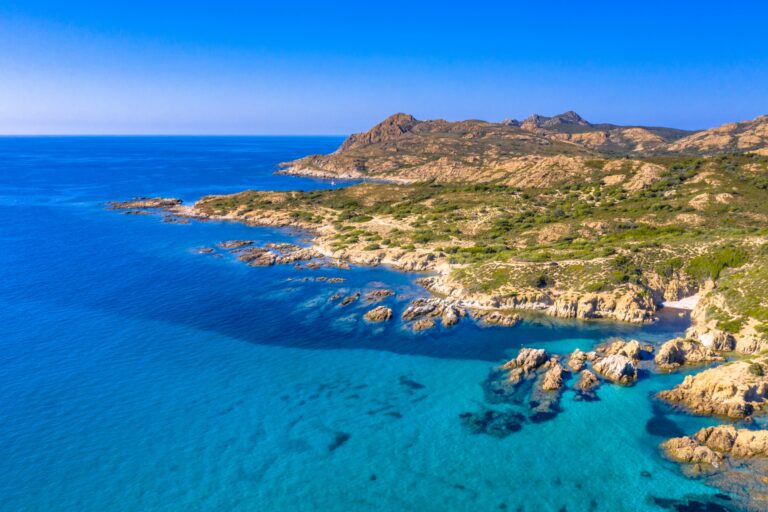
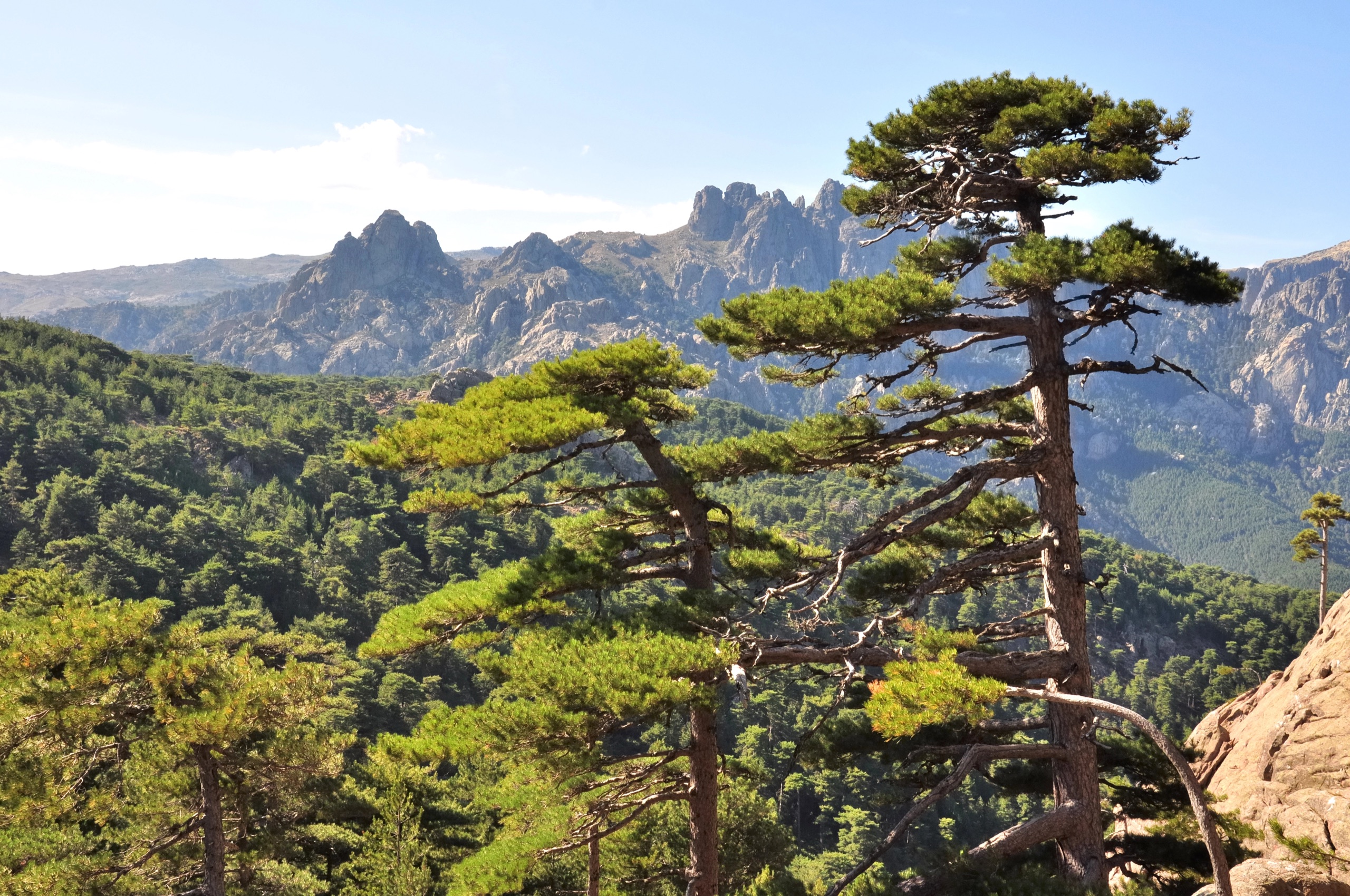
The moment you step off the ferry and take your first deep breath, you’ll feel it instantly. A blend of wild thyme, rosemary, myrtle and sun-baked earth creates the scent the Corsicans call maquis. But this green island in the middle of the Mediterranean is far more than romantic beaches and lazy days. It’s a proper mountain range that someone seems to have picked up and dropped into the sea, with the highest peaks forming the backdrop for one of Europe’s greatest adventures — and for the legendary Corsica trek known as the GR20.
If you’re after a trek that will wring you out physically, test your nerve and reward you with some of the most stunning mountain scenery imaginable, you’re in exactly the right place. Corsica is rugged, proud, and the mountains here don’t forgive mistakes. The legendary GR20 route stretches across the entire island and promises an experience you’ll still be talking about in retirement.
Let’s take a look together at everything you need to know before you lace up your boots. I’ll walk you through how to plan the whole expedition, where you can shorten the stages, and what to watch out for most in the mountains.
TL;DR
- Distance and elevation: The route is roughly 180 kilometres long with a brutal total elevation gain of 12,000 metres.
- Time required: For most hikers, crossing the entire island takes 15 to 16 days.
- Accommodation on the trail: Wild camping is strictly forbidden — you must sleep only at mountain huts (refuges).
- Booking: For 2026 it’s absolutely essential to reserve hut beds or tent pitches many months in advance.
- Best time to go: Conditions are ideal from mid-June to early July, or again throughout September.
- Difficulty: This isn’t ordinary hiking — expect technical scrambling over rock and hanging onto chains.
- Splitting the route: The northern half is noticeably harder and rockier, while the south is greener and gentler.
The full destination guide: Corsica — guide and what to see
When to visit Corsica and head into the mountains
Timing your trip right is absolutely key to finishing the trek. Most mountain huts open from late May or early June until the start of October. Set off any earlier and you risk dangerous amounts of snow still lingering in the highest passes, plus you’ll be missing the safety net the huts provide. The best months for the crossing are without doubt June and September. In June the days are at their longest, nature is waking up, and mountain temperatures are far more bearable for a full day of physical effort with a heavy pack. September brings slightly shorter days, but the weather tends to be more stable — and once you’re back down you can reward yourself with a swim in a sea that’s beautifully warm after summer.
The month you should avoid at all costs is, without question, August. Not only are there two to three times more tourists on Corsica than in other months, but the extreme heat turns those steep climbs into pure torture. On top of that, dangerous and fast-moving heat thunderstorms form in the mountains nearly every August afternoon. August also brings a huge spike in the cost of all transport. While off-season a ferry crossing costs a reasonable amount, in August a return ticket for two people with a car can land anywhere between €250 and €1,000.
From the UK the simplest approach is to fly to mainland France or Italy and pick up a Corsica Ferries crossing, as the boats sail from several French ports. The quickest route is Nice to Bastia, taking around six to seven hours. From Toulon expect eight to ten hours at sea, while the crossing from Marseille is the longest at up to fourteen hours. There are also direct seasonal flights from various UK airports to Bastia, Calvi and Ajaccio with carriers like easyJet, which saves a lot of time if you’d rather skip the ferry. In high summer the roads turn into one giant car park and the best beaches are hopelessly packed. The ideal plan is to travel outside the main French and Italian school holidays, when you can enjoy the island in peace.
Where to stay before and after the trek
💡 Tip for accommodation and experiences: We prefer to look for places to stay on Booking.com, which usually has the best cancellation terms. For tickets, tours and activities, it pays to compare and book through GetYourGuide.
Before you set off and after you finish, you’ll absolutely need a comfortable base to recharge. The northern start point sits in the little village of Calenzana, while the southern one is in the village of Conca. I recommend booking accommodation at these points well in advance through Booking, as capacity sells out fast in season. If you’re starting in the north, Calenzana itself or the nearby coastal town of Calvi make ideal bases. In Calvi you can stroll around the enormous historic citadel that towers on a rocky headland above the sea and soak up the atmosphere in the cobbled lanes.
Right in Calenzana, Hotel A Flatta offers a great rest before the off, set in peaceful surroundings with mountain views. A cheaper option for backpackers is the local Gîte d’étape, where you’ll meet plenty of fellow enthusiasts gearing up for the same journey. After finishing the trek in the south at Conca, most exhausted hikers head to the nearby resort of Porto-Vecchio. Here, after two weeks of going without, you can treat yourself to some well-earned luxury and visit the island’s most beautiful beaches. A firm favourite is the Hotel Costa Salina, set right by the harbour with a huge pool for your wrecked muscles. For a quieter stay close to the beaches, try the cosy Le Goéland.
From here you can easily head to the famous Palombaggia beach, fringed by umbrella pines with photogenic red porphyry rocks poking out of the water here and there. Also worth a visit is Santa Giulia bay, shaped into a perfect horseshoe forming a shallow natural lagoon. Another great choice is Rondinara beach, which is shaped like a seashell and even made it into the TOP 10 best beaches in the world back in 2019. If you have a car, be sure to drive over to nearby Bonifacio. The houses here balance on the edge of dazzling white cliffs, and you can climb the legendary 187 steps of the Escalier d’Aragon, carved straight into the sheer rock face below the citadel.
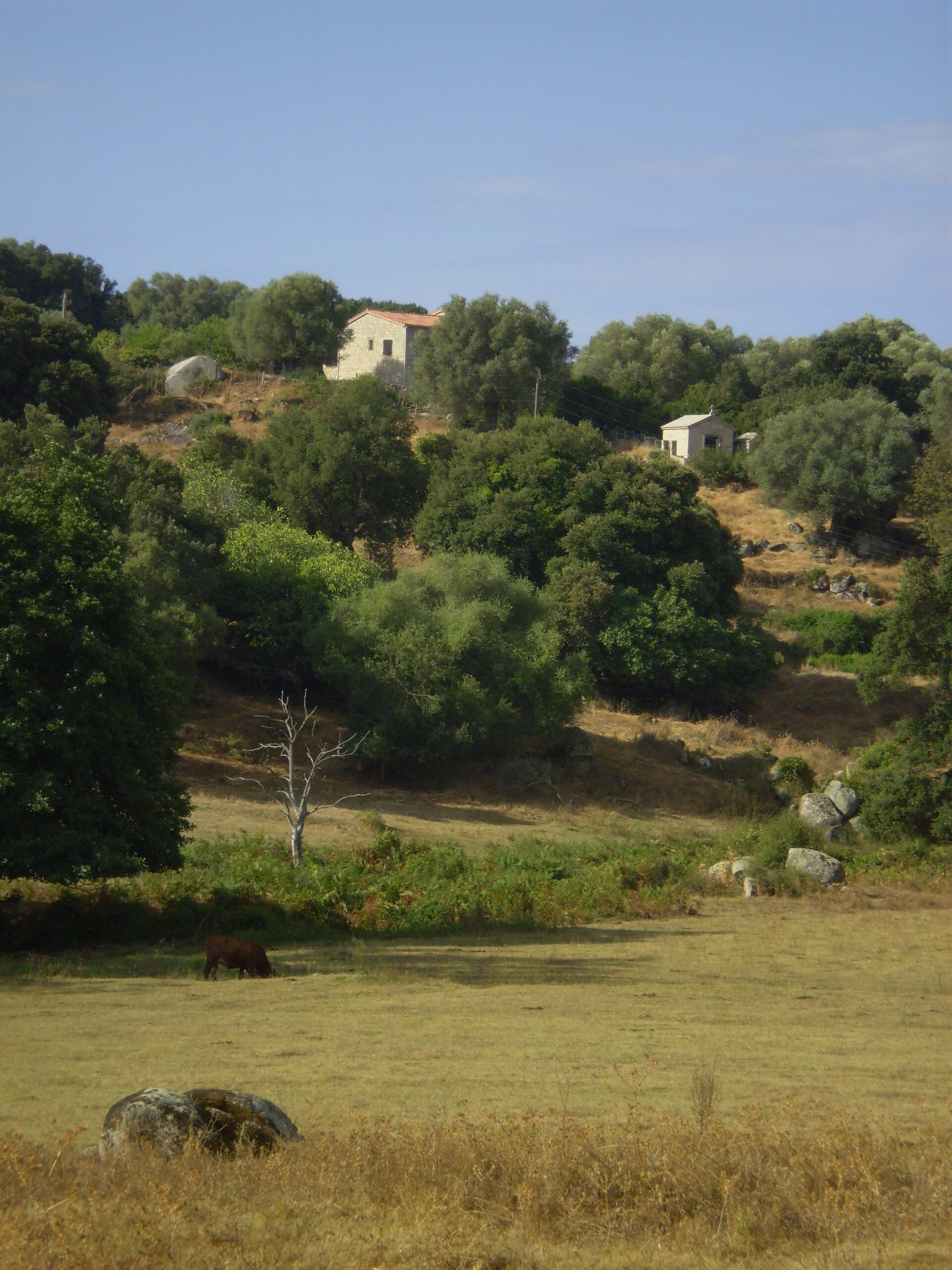
11 tips to know before the GR20 in Corsica
Let’s get into the concrete tips and advice that will help you prepare for Europe’s toughest trek. From logistics through physical preparation to life in the mountains themselves.
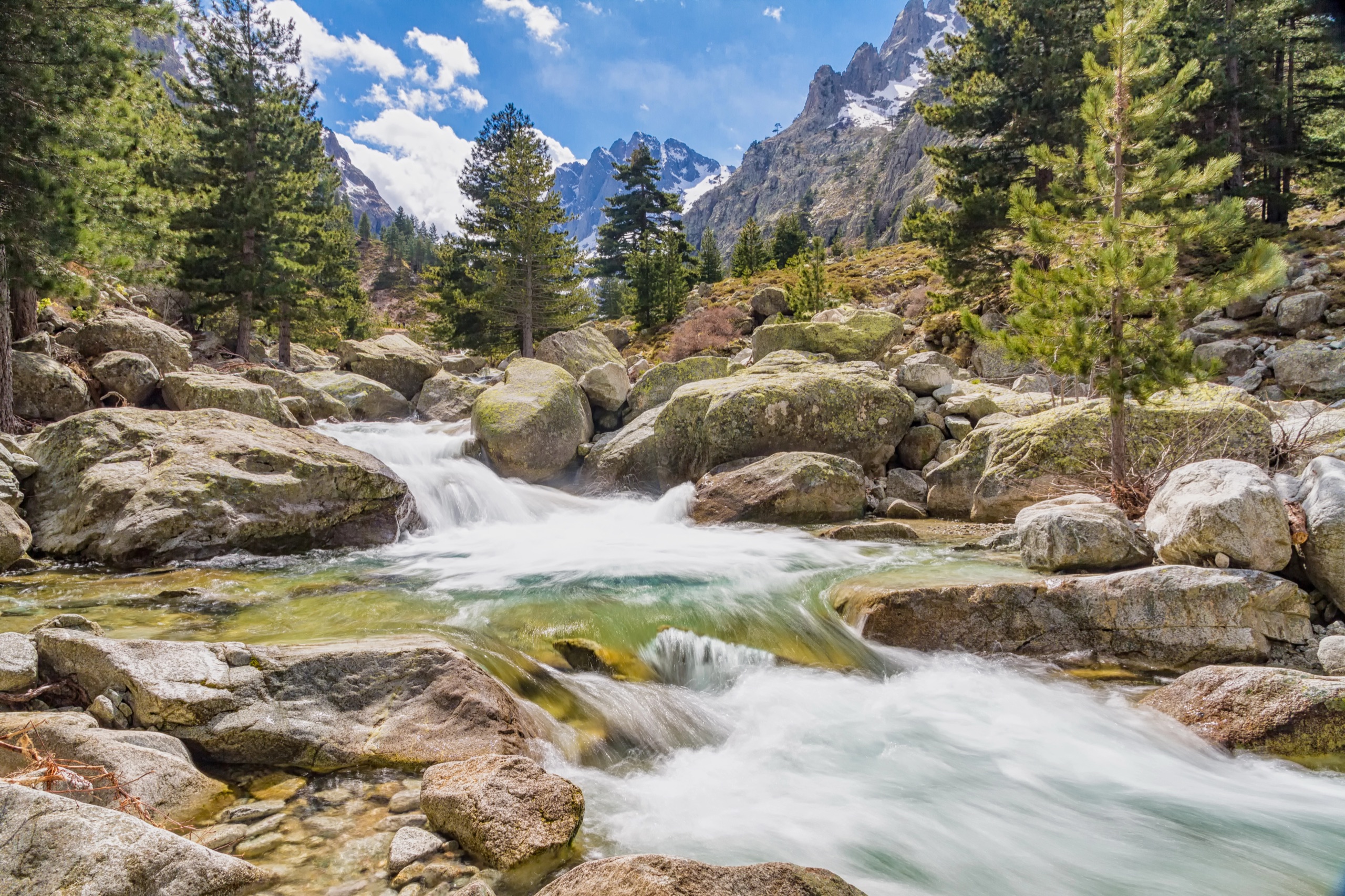
1. Why the GR20 corsica difficulty is the toughest in Europe
When people hear a route is the hardest in Europe, most picture an enormous distance. The reality of the GR20 is a little different — and far more treacherous. The whole route is around 180 kilometres in total, which a fit walker on flat ground would knock out in a few easy days. The main reason people give up so often is the extreme profile and brutal elevation gain. Across the recommended 16 stages you’ll climb an incredible 12,000 vertical metres, and you’ll feel every one of them in every muscle.
That’s roughly the same as climbing from sea level to the summit of Mount Everest and then halfway up again. Every day brings steep ascents into mountain passes followed by sharp descents that are often far worse on your knees than the climb up. The terrain is certainly nothing like soft forest paths or nicely maintained trails. Most of the time you’ll be hopping across giant granite boulders, picking your way through scree and searching for grip on smooth rock slabs.
This isn’t classic hiking but much more often so-called scrambling — technical climbing at grade three to four. You’ll regularly need to use your hands, haul yourself up on steel chains and constantly balance on tricky terrain. It’s not just plain walking, it’s relentless full-body work and absolute focus on every single step.
💡 Tip: Progress here isn’t measured in kilometres but purely in hours. You’ll often spend more than two full hours covering a section just three kilometres long, so always leave yourself a big time buffer.
2. Northern vs. southern part of the route
The trek splits very naturally into two halves, divided by the small railway station in the village of Vizzavona. The northern half is generally considered significantly harder, far more technical and an altogether more rugged experience. This is where you’ll find the steepest stages, where you’ll constantly use your hands to climb and hang onto steel chains. The landscape in the north resembles a high-mountain wilderness full of sharp granite peaks and deep chasms that will test your nerve.
If you start in Calenzana, the island shows its merciless face within the very first three days. Many hikers end their adventure right at this early stage simply because they misjudge their strength and the technical difficulty of the terrain. The southern half, from Vizzavona down to the finish in Conca, is by contrast somewhat gentler and noticeably greener. You’ll pass through fragrant pine forests, grassy plains and come across far more water sources overall.
Heading south you’ll also be amazed by the Aiguilles de Bavella region — fascinating jagged granite towers rising above the forests. This area is, incidentally, also a huge paradise for climbers and canyoning lovers. It still isn’t a Sunday stroll in the park, mind you, as the south has its steep passes and sharp descents too. But there are noticeably fewer pure climbing sections and the going is a little smoother.
💡 Tip: If you’re unsure of your fitness, you can do just the southern part to start with — it’s a bit kinder on the body and doesn’t demand the same climbing skills.
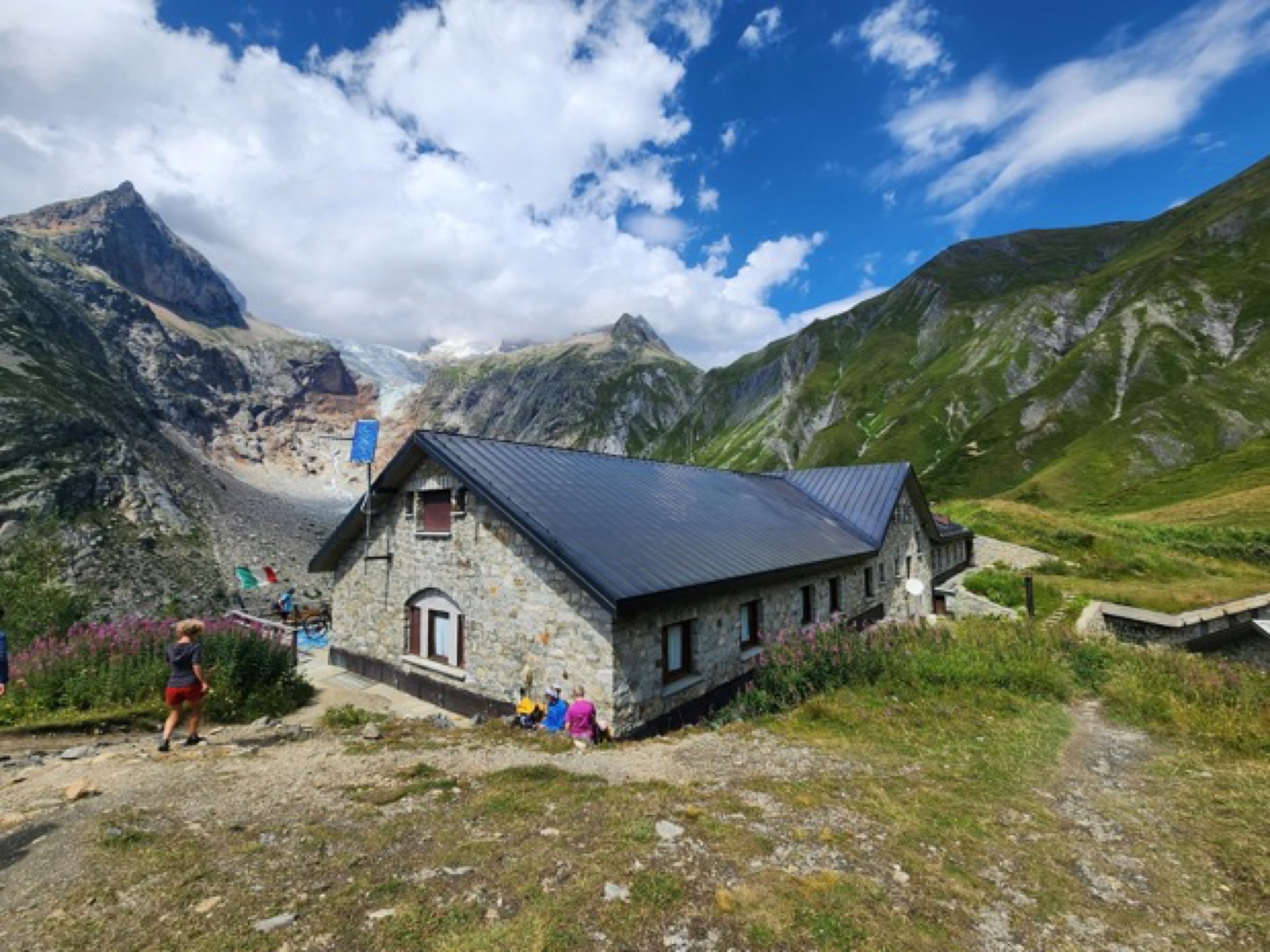
3. GR20 corsica how many days: stages and mountain huts (refuges)
The whole route is officially divided into 16 very demanding stages that will test your stamina. Most printed guidebooks recommend sticking to a pace of one stage per day so you don’t overload your body. That means roughly six to eight hours of pure walking every day, and that doesn’t even count rest and food breaks. Super-fit individuals occasionally combine two stages into one, but that requires truly elite fitness and getting up before dawn in pitch darkness.
At the end of each stage a mountain hut awaits, known on Corsica as a refuge. These huts are managed by the Corsican national park and really are only very basically equipped. Don’t expect any Austrian or Swiss standard with a heated dining room and a soft bed. You sleep on simple bunks in cramped dormitories, the showers often have only cold water, and the toilets are usually the classic squat type.
Thankfully, at each hut you can buy a basic hot meal to top up those vital calories. Most commonly served are plain pasta, hearty lentil soup and excellent local sheep’s cheeses. After a tough day, even a simple bowl of hot soup or the famous Corsican chestnut beer Pietra will feel like the greatest luxury in the world. Supplies are often brought to the huts by helicopter or on mules, so expect a fitting high-mountain markup.
💡 Tip: Always carry plenty of small euro notes in cash — card payments are absolutely not accepted in the mountains and you won’t find an ATM anywhere.
4. How and when to book accommodation for 2026
This is an absolutely crucial part of your preparation that you mustn’t underestimate. Wild camping outside the designated areas by the huts is strictly forbidden on Corsica and policed with heavy fines. Given the trek’s huge popularity right across Europe, the logistics and planning are now often more complicated than the walking itself. For the coming seasons there’s an uncompromising rule: you must book your spots online many months in advance.
The Corsican national park’s booking system usually opens at the start of the calendar year, and available places vanish at lightning speed. You can reserve either a bed inside the hut, the rental of a fixed tent pitched outside, or just a pitch for your own tent. If you set off without a valid reservation, you risk huge problems on the very first day. The park wardens can flatly refuse to let you stay and send you back down to the valley.
In the mountains, where there’s nowhere else to go, this represents a real danger and the immediate end of your trip. Even if you carry your own tent and rely on yourself, you must have a pre-booked and paid-for pitch where you’re allowed to set it up for the night. This is how the national park tries to manage the enormous influx of tourists and protect the fragile mountain environment from destruction.
💡 Tip: Always print out your booking confirmation on paper. There’s often no signal at all in the mountains, and phones drain very quickly in the cold.
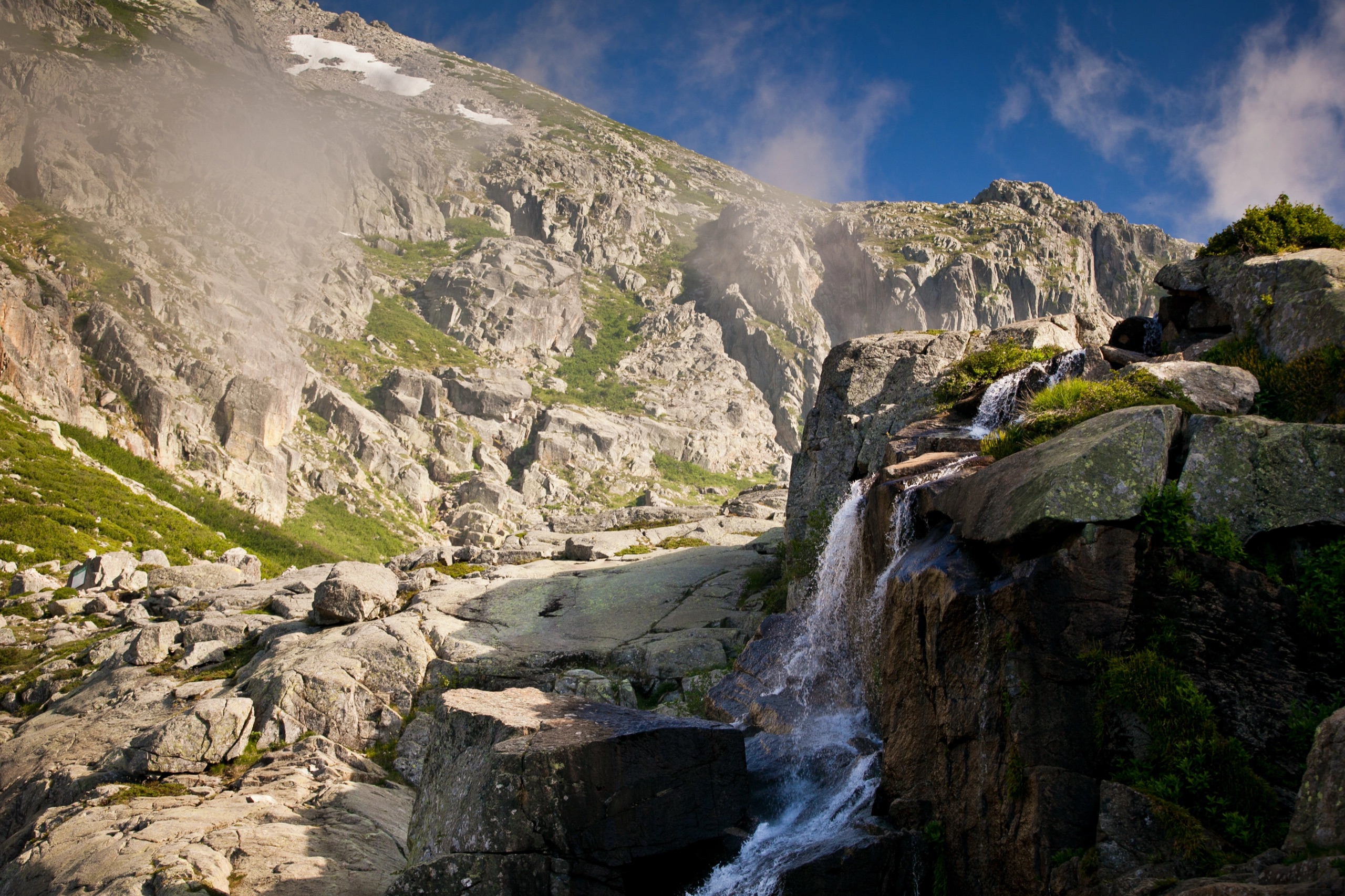
5. Legendary sections and the Cirque de la Solitude
For years the greatest bogeyman and legend of the whole trek was the section known as the Cirque de la Solitude. This dark and very steep rock cauldron required descending vertical chains and iron ladders directly above a deep abyss. It was without doubt the hardest and most exposed part of the entire GR20. But in 2015 a terrible tragedy struck here, when a massive landslide following a violent storm buried several hikers.
Since then the original route through the Cirque de la Solitude has been officially and permanently closed. It was replaced by an entirely new variant, but don’t for a moment think the new path is in any way easy. The new route runs over the demanding Pointe des Éboulis pass and climbs to an impressive height of over 2,600 metres above sea level. You’ll find yourself just a short way below the summit of the island’s highest mountain, the majestic Monte Cinto.
It’s an extremely brutal, never-ending climb over unstable, sliding scree that will sap the very last of your physical strength. You’ll have to focus constantly on exactly where you’re treading so a rock doesn’t slip out from under you. But the magnificent views from the top over the surrounding rocky peaks will, in the end, more than repay every drop of sweat you leave on the slope.
💡 Tip: Set off on this particular stage really early in the morning — afternoon thunderstorms are extremely dangerous at this altitude and you do not want to be caught in one on a ridge.
6. Physical preparation and experience
You don’t need to be a professional climber with full kit to tackle the GR20, but you must be in absolutely excellent physical condition. What matters above all is sure-footedness on exposed terrain and the ability to function at altitude with a heavy pack on your back for many days on end. You really mustn’t underestimate the preparation before you leave, or you’ll be saying goodbye to the trek very quickly.
Ordinary running on the flat around your local park really won’t help you tackle steep rock. You need to actively train walking up steep hills, ideally already carrying a pack that weighs exactly what you plan to bring to the island. Your body has to gradually get used to the daily load, and your knees must be thoroughly prepared for the endless pounding of sharp descents into deep valleys.
If you suffer from even the slightest fear of heights, this trek probably isn’t for you at all. You’ll regularly cross spots where the path is just one foot wide and a hundred-metre drop opens up directly below you. Steady legs, perfect balance and a cool head are absolutely essential here, because panic on a slippery rock slab can have very serious consequences.
💡 Tip: In your training, focus mainly on the endless descents — they tend to be far more painful and destructive for untrained legs than the climbs themselves.
7. What to pack in your backpack
One very simple and merciless rule applies on the whole trek. Remember that every gram you carry on your back you’ll soon come to hate. Your main goal should be to pack so that your base pack weight, without water and food, doesn’t exceed 10 to 12 kilograms. Once your pack tips over that magic threshold, you’ll very quickly lose the balance you so badly need on the technical rocky sections.
The key to success is clever layering of quality merino wool clothing, which doesn’t smell even after several days of intensive wear. Evenings in the mountains can be surprisingly cold after sunset, so a good down jacket and a light but sufficiently warm sleeping bag are absolute essentials. Even if you sleep inside the huts on a bed, your own sleeping bag is compulsory on the island for hygiene reasons.
Don’t forget top-quality, sturdy trekking boots that you’ve already broken in perfectly at home. Under no circumstances bring brand-new boots — painful blisters would ruthlessly take you out of action by day three. Also pack a reliable water filter or purification tablets, a good first-aid kit with plenty of plasters, and a powerful head torch for those early morning starts.
💡 Tip: Trekking poles aren’t just an optional hiking accessory — on the GR20 they will literally save your knees from total destruction on the endless steep descents.

8. How to get to the start
Getting to the start of the trek takes a bit of logistical planning, but it’s nothing you can’t handle. Corsica has four international airports, and from the UK the easiest option is often a seasonal direct flight to Bastia, Calvi or Ajaccio. Many travellers, however, choose the more leisurely ferry route from mainland France or Italy as part of a road trip. Corsica Ferries boats most commonly sail from the French cities of Nice, Toulon or Marseille.
From Nice the crossing takes around six to seven hours, while from Marseille you can be sailing for up to fourteen hours. From Italy, on the other hand, a popular route runs from the port of Livorno to the Corsican towns of Bastia or Île Rousse, which has historically been the most budget-friendly option of all. Once you’re on the island and starting traditionally in the north, your main target is the gateway village of Calenzana.
The easiest way there is via the port town of Calvi, from which regular local buses run to Calenzana during the peak summer season. Alternatively, you can grab a taxi for those last few kilometres. If you decide to do the trek in the opposite direction, from south to north, you’ll begin your journey in the village of Conca. The best way to get there is by bus from the well-known resort of Porto-Vecchio. At both ends of the trek you’ll find small shops for buying your last supplies.
💡 Tip: If you’re driving and leaving the car at one end of the trek, you’ll have to use the more complicated bus network to get back after finishing the route — which takes the best part of a whole day.
9. Safety and waymarking on the route
Getting lost on the GR20 in good weather is fairly difficult, as long as you pay attention and don’t rush. The whole route is very carefully marked with red-and-white stripes painted on rocks, large stones and trees. The moment you’ve walked more than twenty minutes without seeing another marker, you’ve probably wandered off the path, so carefully retrace your steps to the last one straight away.
The biggest danger on the route, surprisingly, isn’t wild animals or getting lost, but the unpredictable and very aggressive mountain weather. Afternoon thunderstorms arrive on Corsica with incredible speed and enormous force. Smooth granite rock turns into a dangerous ice rink within minutes of rain, and a lightning strike on exposed ridges is a real and frequent threat.
The golden rule of all experienced mountain folk is therefore to set off on each stage at first light, ideally around five in the morning. The aim is to have the highest and most exposed passes safely behind you before midday, before the typical heavy storm clouds start to build. By the afternoon you should ideally be resting safely back at the hut.
💡 Tip: Each evening at the hut, check the latest weather forecast directly with the warden — the locals know the quirks of the Corsican mountains best and can spot approaching danger.
10. Shorter options for those who don’t have 16 days
Sadly not everyone can take more than two weeks off work in one go to complete the entire route. The good news, though, is that the trek can be elegantly and logically split into two shorter parts. Thanks to the old narrow-gauge railway that cuts across the island exactly in the middle, there’s a great logistical solution for shorter mountain trips you can manage in just a week.
Vizzavona railway station sits at the notional halfway point of the whole route. If you only have limited time, you can tackle just the harder northern part from Calenzana to Vizzavona. Once you’ve finished it, simply hop on the charming little mountain train and ride comfortably back to civilisation towards the major towns of Bastia or Ajaccio, where you’ll catch your flight or ferry.
Equally, you can do it the other way round and arrive in Vizzavona by train and walk just the southern half down to the finishing village of Conca. This second option is absolutely brilliant for those who want to experience the unique atmosphere of the famous trek but don’t fancy the most extreme northern sections full of technical climbing and steel chains.
💡 Tip: Even half of the GR20 is a huge sporting achievement that you certainly needn’t be shy about in front of other hikers — and it’ll give you unforgettable memories.
11. Corsica alternatives for the less fit and for families
If, after weighing up your strength, you realise the GR20 is simply beyond you, Corsica thankfully offers beautiful long-distance routes with a far gentler profile. You don’t have to give up your dream of a wonderful mountain crossing at all — you just need to pick a more suitable and safer alternative. A great choice is the popular Mare e Monti (From sea to mountains) route, which winds picturesquely along the island’s rugged west coast. Walking it takes around ten days, the total elevation gain is perfectly manageable, and you’ll sleep in lovely old Corsican villages. There you can treat yourself to a hot shower in a guesthouse each evening and, after a full day, enjoy great vegetarian food in local family-run restaurants, such as delicious pasta with fresh brocciu sheep’s cheese or honest vegetable soups.
For families with older children or for occasional hikers, the absolutely superb option is the Mare a Mare (From sea to sea) route, which crosses the entire island from west to east. The pace here is far more relaxed, the trails are wider and the whole feel of the trek is noticeably less stressful. It’s more about leisurely discovery of Corsica’s hidden interior, the deep chestnut forests of the Castagniccia region and refreshing dips in clean mountain rivers, where you’ll reliably avoid the big crowds.
💡 Tip: On these easier routes, unlike the uncompromising GR20, you can also make use of very popular luggage-transfer services between accommodations, so you can walk the whole way with just a light daypack on your back.
Map of points of interest for your phone
Where to go next from Corsica
If you’ve got a few days to spare after the trek, definitely explore the rest of the island. Hire a car and head for the gorgeous turquoise beaches in the south around Porto-Vecchio, or discover the fascinating cliffs at the historic town of Bonifacio. You’ll find a complete guide for an island road trip and plenty more practical tips in our extensive article Corsica.
And if these long mountain crossings have captured your heart and you’re looking for another European challenge that comes with slightly better infrastructure and epic views of real glaciers, I definitely recommend taking a look at our big guide to Chamonix and Mont Blanc. There you’ll find all the information you need for the famous Tour du Mont Blanc circuit, which is a touch more forgiving but perhaps even more breathtaking to the eye.
Frequently asked questions
How long does it take to complete the GR20?
For regular hikers with good physical fitness, the entire route typically takes 15 to 16 days, which corresponds to a healthy pace of one stage per day. Experienced mountain folk who easily handle enormous elevation gains and occasionally combine two stages into one can manage it in 10 to 12 days. Extreme runners, or skyrunners, can indeed complete the entire route in less than 40 hours, but that’s absolutely unimaginable for an ordinary mortal with a heavy backpack and borders on unnecessary recklessness.
Is there enough drinking water along the route?
At absolutely every mountain hut or refuge you’ll find a reliable source of drinking water where you can and must refill your supplies for the next day. During the stages themselves, particularly in the dry and rocky north, natural water sources are very scarce and often dry up completely in the sweltering summer. You must therefore always carry at least 2 to 3 litres of water per person from early morning onwards to avoid dangerous dehydration in the scorching sun.
Can I do the trek in the opposite direction (from south to north)?
Yes, the entire trek can be done without problems in both directions. Most people traditionally start in the north in the village of Calenzana, so they have the toughest and steepest sections behind them while they’re still full of energy and initial motivation. The big advantage of going in the opposite direction from south to north, on the other hand, is that you don’t have the unpleasant sun shining directly in your eyes for most of the day, you gradually get used to the difficulty of the terrain, and you’ll encounter slightly fewer crowds on the trail.
Can you pay by card at the mountain huts?
Absolutely not, forget about payment cards in the mountains altogether. Throughout the entire Corsican interior, many places lack a stable signal, so payment terminals logically don’t work here at all. For the entire duration of the trek, you therefore need to carry a sufficient supply of cash in euros. You’ll need money to pay for accommodation, any hot meals, morning coffee, and small purchases of necessary supplies at the mountain huts, where, logically, a high-altitude surcharge is added for the complicated helicopter transport of supplies.
Can I bring my dog?
Although it’s not legally prohibited across the entire length of the trail, taking your dog on the extreme northern section of the GR20 is strongly and emphatically discouraged. Technical sections with steep ladders, smooth slabs, and steel chains would not be safely manageable for any dog. You would have to awkwardly carry them in a special climbing harness above deep drops, which is extremely stressful and very dangerous both for the animal itself and for your own balance on the rock.
Can you hike GR20 solo?
Yes, many experienced hikers do this challenging route completely solo. During the main tourist season from June to September, you’ll never be completely alone on the trail anyway. During the day you’ll meet plenty of other enthusiasts, and in the evening at the huts you’ll always gather with the same group of people, who you’ll very quickly become friends with. For safety reasons though, it’s absolutely crucial to regularly inform your family about your plans and to have a charged phone with you in case of emergency.
Do I need a guide for the trek?
For navigation in the terrain itself, you don’t need a mountain guide, as the entire route is very well and densely marked with red-and-white stripes. However, if you’re not confident in your abilities in exposed rocky terrain, lack experience with high-mountain hiking, or simply don’t want to deal with the very complex logistics and refuge reservations, you can use the services of organized groups. These operate either through popular platforms like GetYourGuide, or directly through local Corsican mountain agencies.
Does mobile signal work in the mountains?
The mobile signal in the Corsican interior is very irregular and generally unreliable. At the highest peaks or in open mountain passes, you’ll often connect to the network and sometimes even pick up an Italian operator from neighboring Sardinia, but as soon as you descend into the deep valleys to the refuges themselves, the signal usually disappears completely. Therefore, it’s better to expect that you’ll be completely offline for several days, and download all necessary offline maps and reservation confirmations in advance.
Tips and Tricks for Your Vacation
Don’t Overpay for Flights
Search for flights on Kayak. It’s our favorite search engine because it scans the websites of all airlines and always finds the cheapest connection.
Book Your Accommodation Smartly
The best experiences we’ve had when looking for accommodation (from Alaska to Morocco) are with Booking.com, where hotels, apartments, and entire houses are usually the cheapest and most widely available.
 🚗 Car rental on the roadVerified rental cars in Corsica
Search with the DiscoverCars comparison engine — it compares prices from dozens of local and international rental companies, and most bookings come with free cancellation.
Compare car prices in Corsica →Don’t Forget Travel Insurance
Good travel insurance will protect you against illness, accidents, theft, or flight cancellations. We’ve had a few hospital visits abroad, so we know how important it is to have proper insurance arranged.
Where we insure ourselves: SafetyWing (simple monthly subscription) and TrueTraveller (for extra-long trips).
Find the Best Experiences
Get Your Guide is a huge online marketplace where you can book guided walks, trips, skip-the-line tickets, tours, and much more. We always find some extra fun there!