

Normandy is one of those dreams that’s all too easy to put off – hauntingly beautiful chalk cliffs, an abbey rising straight out of the sea, the D-Day landing beaches, apple cider and that salty Atlantic wind. But then the practical doubts kick in: what does it actually cost, when is it worth going, and does it make sense to book a package tour or can you pull the whole thing off on your own? These are exactly the decisions we want to make easier for you.
You’ll find three things here: up-to-date tour and flight prices that we refresh every morning, so you see real figures rather than last year’s promises; hands-on tips from our own trips and articles, where we don’t hold back the honest criticism; and a plan for when and what to book so you don’t overpay for nothing. No filler – just the things we wished we’d known before we set off.

What to see and do in Normandy
You could rush through Normandy in a weekend, but really it deserves at least a week. The distances are short, but there are so many places where you’ll want to stop. Here are the ones people come for:
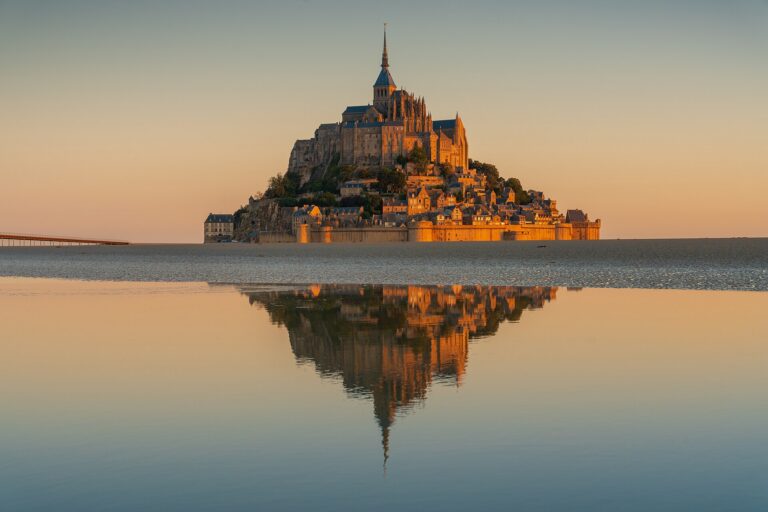
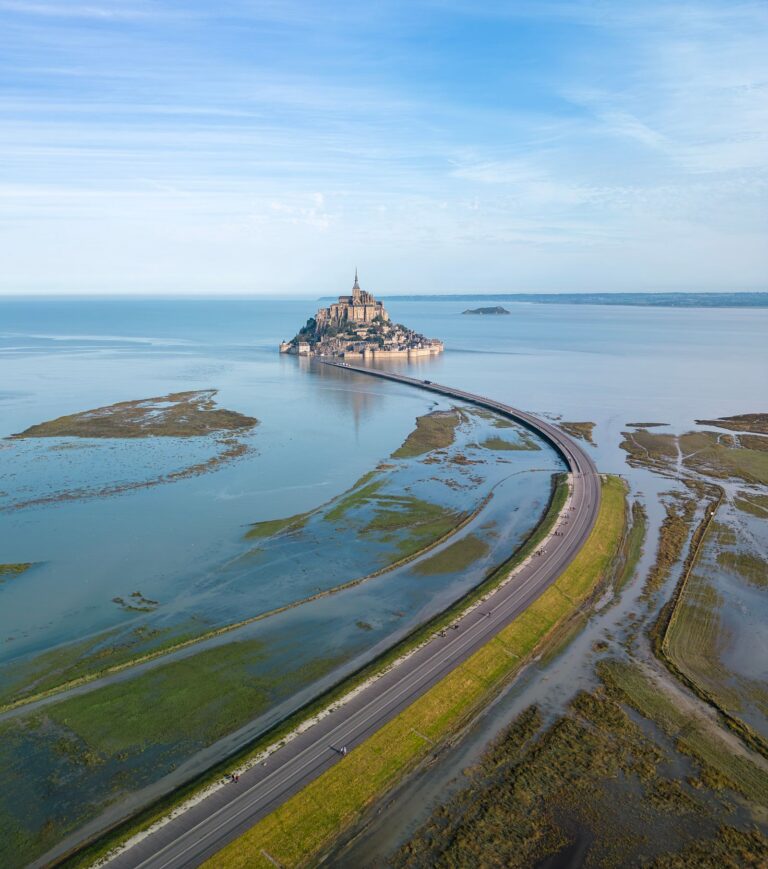
- Mont-Saint-Michel – an abbey perched on a rock in the middle of a bay with the highest tides in Europe. You have to see Normandy’s icon early in the morning or in the evening, before the crowds arrive.
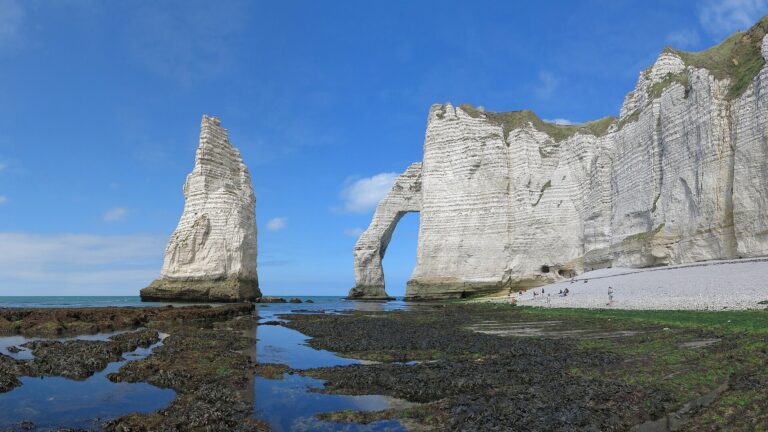
- Étretat – white chalk cliffs with natural arches and a needle rising from the sea. The best thing to do is walk the ridge above the cliffs at low tide.
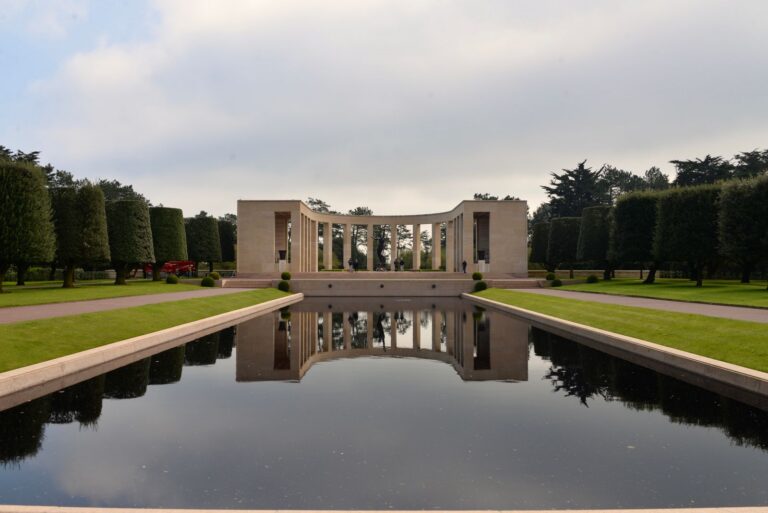
- The D-Day landing beaches in Normandy – Omaha Beach, the American cemetery at Colleville, Pointe du Hoc and the museums. Places where the history of 6 June 1944 becomes tangible.
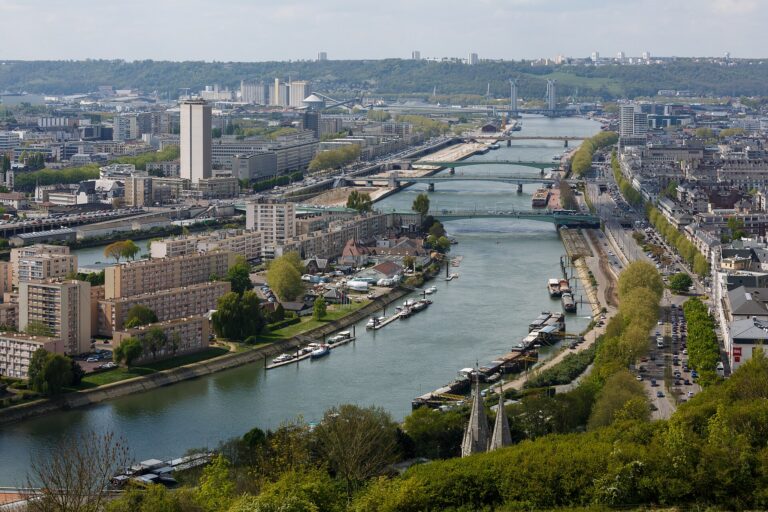
- Rouen – the region’s medieval capital, with the cathedral Monet painted and rows of half-timbered houses. This is where Joan of Arc was burned at the stake.
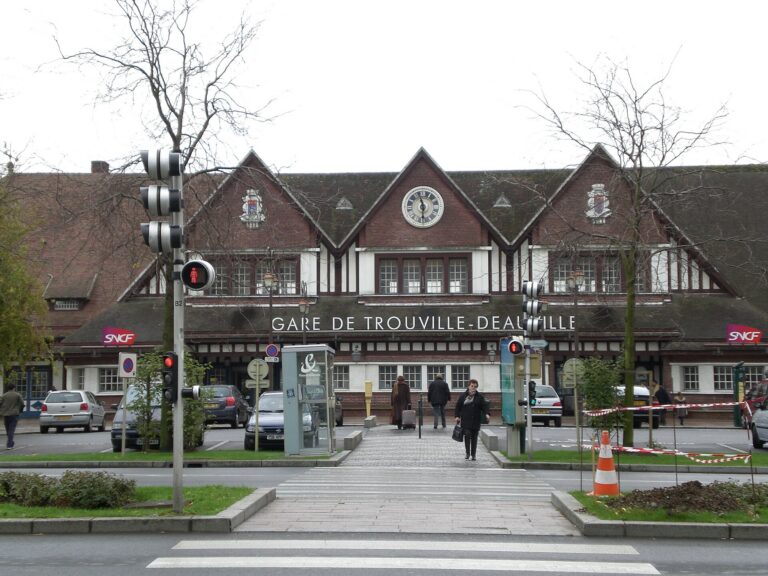
- Deauville and Trouville – elegant seaside resorts with wooden boardwalks, beach parasols and a refined belle époque atmosphere.
- Saint-Malo – a fortified corsair town in neighbouring Brittany. It makes perfect sense to visit alongside Mont-Saint-Michel. The ramparts stand right above the ocean.
If you want one clear starting point, have a look at our big Normandy guide with 15 tips. There we’ve put together a route that actually works time-wise too.
When to visit Normandy
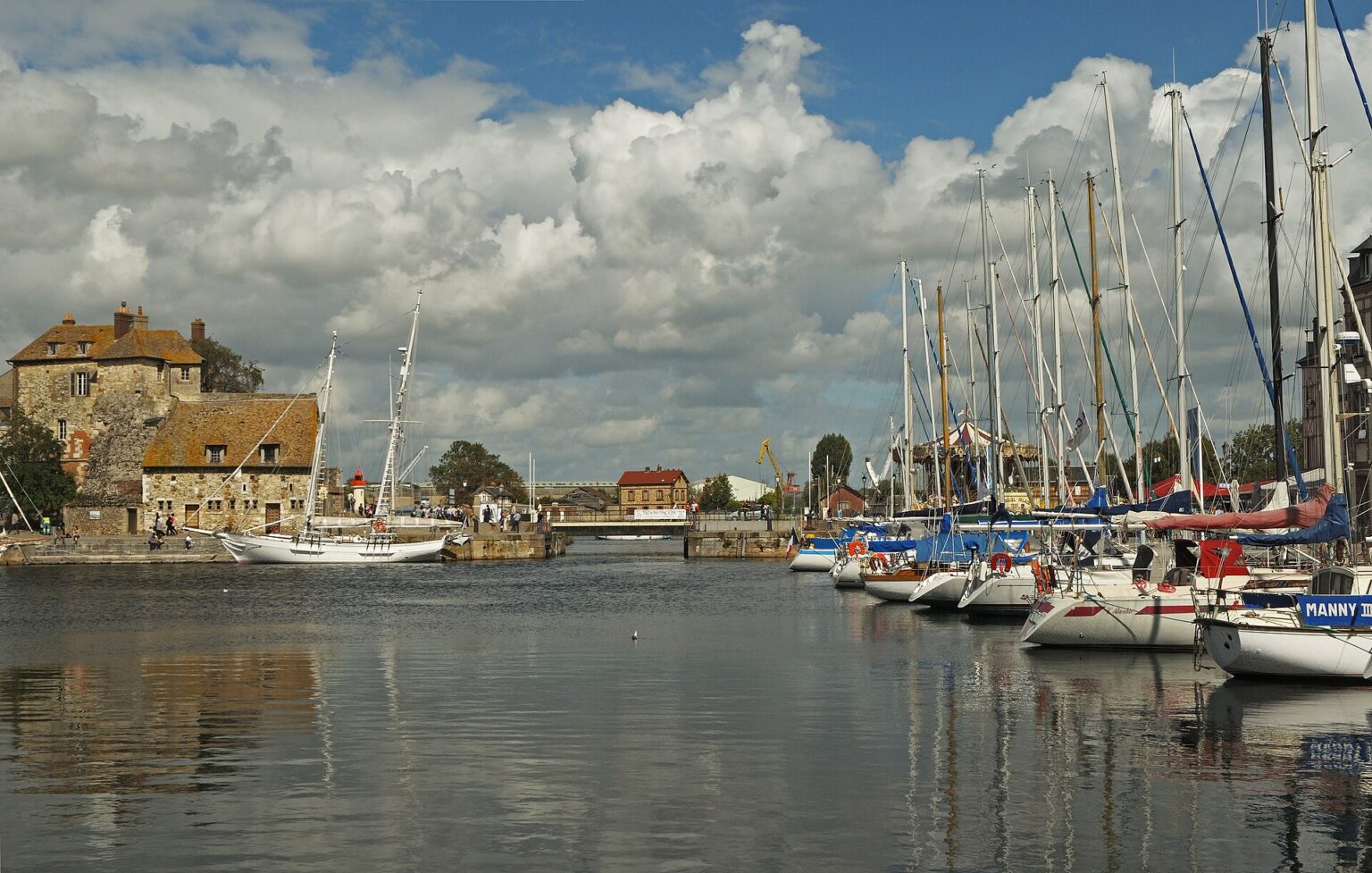
The best time for Normandy is from May to September. In this window you get the longest days, the warmest sea and everything open – museums, coastal restaurants and boat trips alike. The peak is July and August, but that’s when Mont-Saint-Michel and Étretat get truly packed and accommodation gets pricier.
Our favourites are May, June and September – the weather is still (or already) holding, there are fewer crowds and prices are more reasonable. Just bear in mind that Normandy is Atlantic and the weather changes from hour to hour, even in summer. A rain jacket and layers are a must all year round.
Out of season (November–March) there’s a raw, melancholy beauty here and barely a soul about. But the days are short, the wind is cold and some services are shut. It’s only worth it if you don’t mind the chill and want the cliffs all to yourself. On 6 June the D-Day anniversary commemorations take place. They’re beautiful, but book your accommodation well in advance.
How to get to Normandy
From Czechia, the most common way to reach Normandy is to fly to Paris (Charles de Gaulle or Orly airport) and continue from there by train or car. From Paris it’s under 1.5 hours to Rouen and around 3.5–4 hours to Mont-Saint-Michel. There are essentially no flights from Czechia to airports within Normandy itself (Caen, Deauville), so Paris is your gateway.
The second popular option is driving – it’s roughly 1,200 km from Prague. It’s a long but manageable journey through Germany and France (budget for tolls and motorway charges). A car really pays off in Normandy, because the prettiest places are scattered well away from the train lines. If you’d rather not drive the whole way, you can combine a cheap flight to Paris with a hire car once you’re there.
Renting a car
In Normandy a car almost always pays off. The prettiest places (the landing beaches, the cliffs, small villages, Mont-Saint-Michel) are scattered away from the train lines, and on public transport you’d spend half your holiday at stops. You can get by without a car only if you’re heading for a single town (Rouen, say) with a good train link from Paris, or if you’re on an organised loop.
- Where to hire one: through rental comparison sites, ideally booked online in advance – it’s usually pricier on the spot and can sell out in season. Picking up right at Paris airport is the most practical.
- Insurance: read the cover carefully and consider full insurance with no excess. Repairs in France aren’t cheap.
- Deposit: rental firms often block tens of thousands of € on a credit card, so be ready for that and bring a credit card, not a debit card.
- Tolls: French motorways are tolled (péage). You pay by card or cash – add a few hundred € to your budget for longer drives.
Where to stay in Normandy
Choose where to stay in Normandy based on what you want to focus on. The region is large and there’s no point basing yourself in one spot and then driving for hours. We usually pick one base in the west (around Mont-Saint-Michel) and one closer to Rouen or the Alabaster Coast.
- Bayeux – the ideal base for the landing beaches. A charming little town with a cathedral and its famous tapestry.
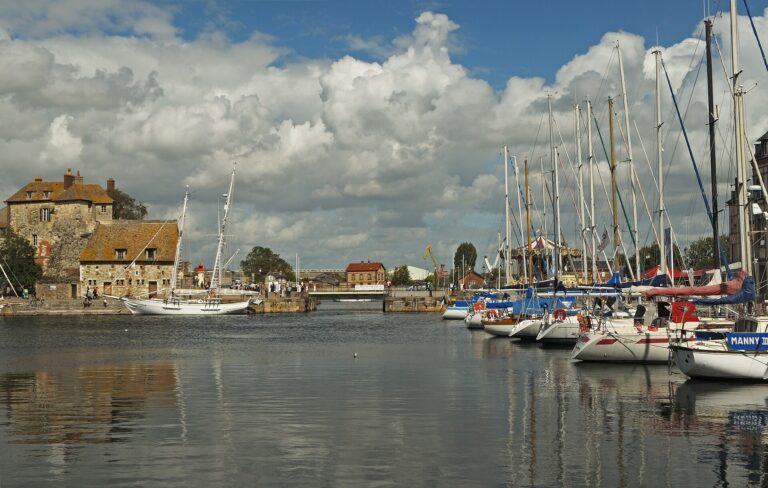
- Honfleur or Deauville – for the Côte Fleurie coast, romantic harbours and elegance.
- Rouen – for the eastern part and pairing with Étretat. It also has good train links from Paris.
- Around Mont-Saint-Michel – guesthouses and hotels in Pontorson or right by the causeway, so you can get there early in the morning before the crowds.
- Gîtes and chambres d’hôtes (rural cottages and rooms in family homes) are wonderful in Normandy and often cheaper than hotels.
In high season, book everything at least 2–3 months ahead, especially at Mont-Saint-Michel and Étretat, where capacity is small and prices climb quickly.
Package tour or independent travel?
A package tour pays off when:
- you don’t want to deal with transport, accommodation or the route and prefer everything arranged in advance,
- it’s your first visit and you’d value a guide – especially on the landing beaches, where the commentary makes a huge difference,
- you’d rather not drive on the right in France and pay for tolls and parking,
- you’re travelling solo and want to share the costs and the company.
Go independently when:
- you want the freedom to stop wherever you fancy and stay wherever you like,
- you don’t like the pace of a group and want to be at Mont-Saint-Michel early in the morning before the crowds,
- you’re travelling as a couple or more and can split the car and accommodation,
- you enjoy planning and want to save – for Normandy, going on your own is usually cheaper.
The two of us travel Normandy independently. The region is safe, well signposted and a breeze with a car, so for us it’s clearly a go-it-alone destination. The exception is the landing beaches, where even we recommend at least one tour with a local guide. The context and stories aren’t something you’ll read on your own.
Budget: daily costs in Normandy
| Level | Accommodation | Food | Transport & activities | Total/day |
|---|---|---|---|---|
| Backpacker | 30 €–45 € (hostel, cheap gîte, shared room) | 12 €–20 € (supermarket, baguettes, bakery) | 12 €–25 € (train/shared car, free entries) | ~60 €–85 € |
| Standard | 60 €–100 € (guesthouse, 3* hotel, chambre d’hôtes) | 25 €–40 € (lunch in a bistro, dinner in a restaurant) | 25 €–45 € (hire car, entries, boat trip) | ~120 €–180 € |
| Comfort | 120 €–200 €+ (boutique hotel, 4* by the sea) | 45 €–80 € (fine dining, seafood, cider) | 45 €–100 € (car, guide, premium entries) | ~220 €–360 € |
These prices are rough estimates per person per day and reflect France’s real cost of living — Normandy isn’t the most expensive part of the country, but like any seaside and tourist destination it can get pricey in summer. You’ll save the most on food (bakeries and supermarkets instead of restaurants) and on accommodation outside the high season.
How to save when planning
- Buy flights 2–4 months ahead. Plenty of carriers fly to Paris, so prices fluctuate – track them for a while and buy when the price drops to your target. Last-minute flights to Paris usually aren’t worth it. Search for flights in our finder.
- Book accommodation 2–3 months ahead, especially at Mont-Saint-Michel and Étretat. Capacity there is small and the first to go in summer. Out of high season, prices can drop by tens of percent. Take a look at our accommodation tips.
- You’ll overpay most on food at the top attractions – the restaurants right below Mont-Saint-Michel are expensive and average. Eat a little further out in the village or grab something from a bakery.
- Parking at the iconic sights is paid and full in season. Arrive early in the morning and you’ll save yourself the hassle and the time. Book boat trips and guided tours in advance – they tend to sell out on the day.
- If you’re considering an organised trip, compare it with the cost of going independently in the current tours section. For Normandy it’s often cheaper and more flexible to go on your own.
Practical information
- Language: French. You’ll manage in English at hotels and tourist spots, but in the countryside and smaller bistros a few French phrases go a long way – even a simple “bonjour” opens doors.
- Payments: you can pay by card almost everywhere, contactless. A little cash is handy for small bakeries, markets and parking machines. The currency is the euro.
- Connectivity: Normandy is in the EU, so your Czech plan works with roaming at no extra charge. If you have a small data allowance, an eSIM with plenty of data is worth it for navigation and searching on the go.
- Safety: the region is calm and safe. Just watch the tides – at Mont-Saint-Michel and on the beaches the sea comes in surprisingly fast. Keep an eye on the tide times.
- Driving: motorways are tolled (péage booths), so factor that into your budget. Parking at the top sights (Mont-Saint-Michel, Étretat) is usually paid and full in season.


