Say the word France and most people instantly picture lavender fields in Provence, lazy afternoons with a glass of rosé, or romantic Paris. But Saint-Malo, France is a completely different world. You’re in the rugged northwest, on the very edge of the continent, where the land wages an eternal battle with the Atlantic. Brittany isn’t polished — it’s a land of granite, salt, fierce wind, and an incredibly proud Celtic heritage.
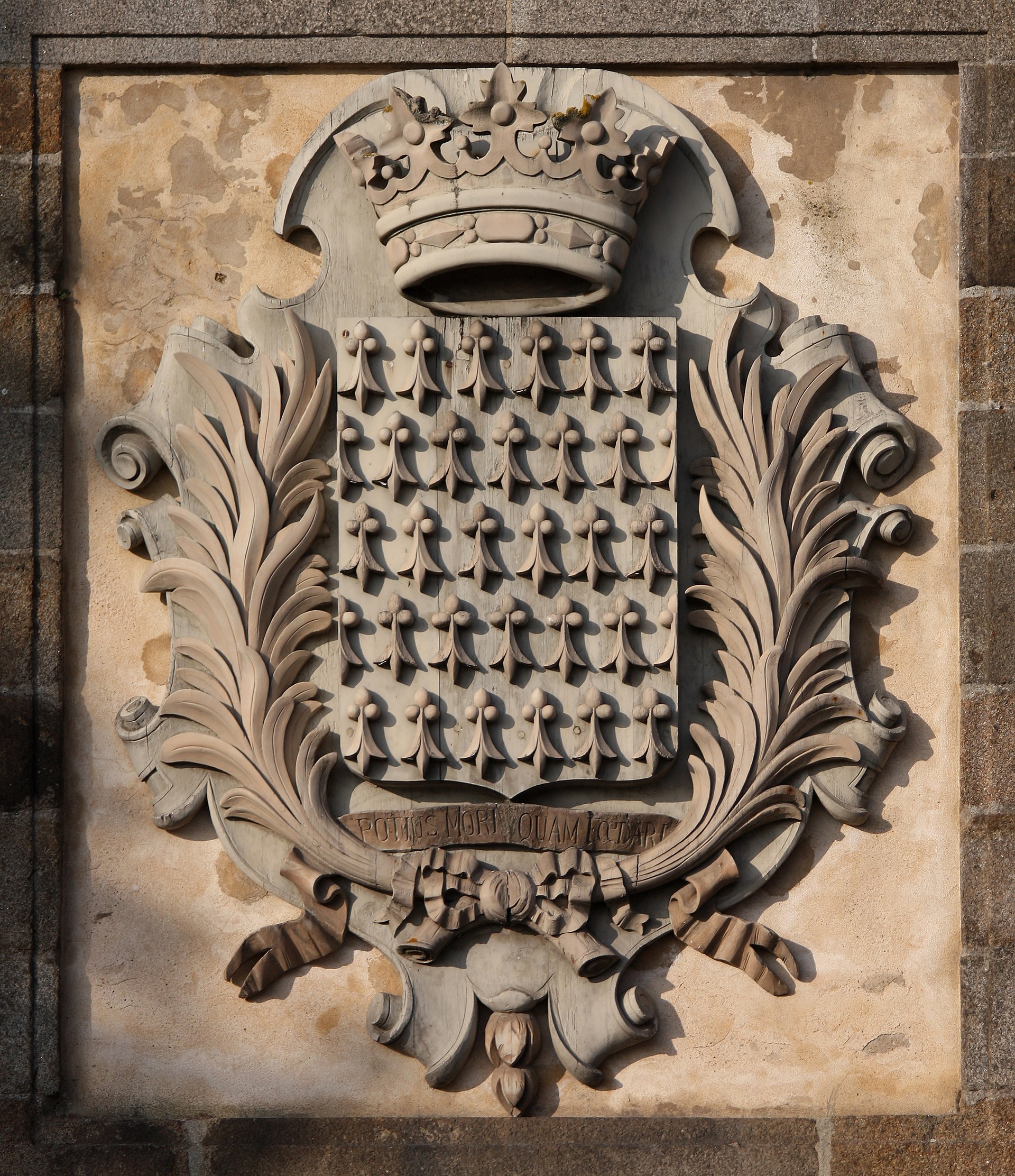
Locals often feel they’re Bretons first and French second. They have their own language, the ever-present black-and-white Gwenn-ha-du flag, and a slightly different take on what life should look like. You don’t come to Saint-Malo to sunbathe on a lounger — you come for raw nature, breathtaking cliffs, and the incredible history of fearless corsairs.
In this article we’ll take a look together at 12 things to see and do in Saint-Malo, so you can get the most out of this fascinating corner of France. I’ll tell you how to avoid the crowds, where to find the best accommodation, and how the area’s extreme tides work — tides that catch out many an unprepared traveller. Grab your waterproof jacket, you’re going to need it.

TL;DR
- The Intra-Muros walls are the heart of it: The historic centre is encircled by mighty ramparts you can walk all the way around.
- Watch out for the tides: The bay near Saint-Malo has some of the biggest differences between high and low tide in Europe, and the water rises extremely fast.
- City of corsairs: You’ll discover the local heroes weren’t ordinary pirates, but state-paid corsairs who raided foreign ships.
- The weather is unpredictable: Even in August a strong Atlantic gale can take you by surprise, so good layered clothing is an absolute must.
- A paradise for vegetarians and seafood lovers alike: The local diet is built on savoury buckwheat galettes, litres of dry cider, and — for the brave — the famous oysters from nearby Cancale.
- Perfect day trips nearby: Don’t miss medieval Dinan, elegant Dinard, or the wild headland of Pointe du Grouin.
The full destination guide: Normandy — guide and what to see
When to visit Saint-Malo and how to get there
Brittany never gives you anything entirely for free, and its biggest hurdle tends to be the weather. There’s a local joke that in Brittany you get beautiful weather several times a day. Conditions here are extremely changeable, so heavy clouds can appear out of nowhere on a clear blue sky and a strong, rainy wind can start lashing you even in the middle of August. Leave the ordinary umbrella at home in the drawer — the Atlantic gale would turn it into a useless tangle of bent spokes within a minute. A good waterproof jacket, known here as a ciré, will serve you far better. Get the traditional yellow version and you’ll blend in perfectly with the locals — plus you’ll look great against the grey granite in photos.
Despite the weather’s whims, a summer visit has a huge upside. While the south of France bakes in 40°C heat in July and August and chokes under the weight of tourists, Brittany offers breathable air and a refreshing cool. Summer is also when the so-called Fest-Noz take place — traditional night festivals full of live Celtic music, dancing in circles, and cider. The ideal compromise for a crowd-free trip is June or September, when the sea is still cold but the days are still pleasantly long.
Getting to Saint-Malo is fairly straightforward. The easiest option from the UK is to fly to Rennes, Dinard, or Nantes (with connections from London and other major airports), or to catch the Eurostar to Paris and continue on the high-speed TGV, which whisks you to Saint-Malo in just under three hours. That’s a fantastic time for those who only want to explore the town itself and its immediate surroundings. But if you’re planning to discover the wild cliffs, remote lighthouses, and picturesque coastal villages, you’ll definitely need your own car or a hire car. Public transport outside the big towns runs only sporadically in Brittany, and you simply won’t reach the most beautiful out-of-the-way spots by bus.
Where to stay in Saint-Malo
💡 Tip for accommodation and experiences: We like to look for places to stay on Booking.com, which usually has the best cancellation terms. For tickets, tours, and activities, it pays to compare and book through GetYourGuide.
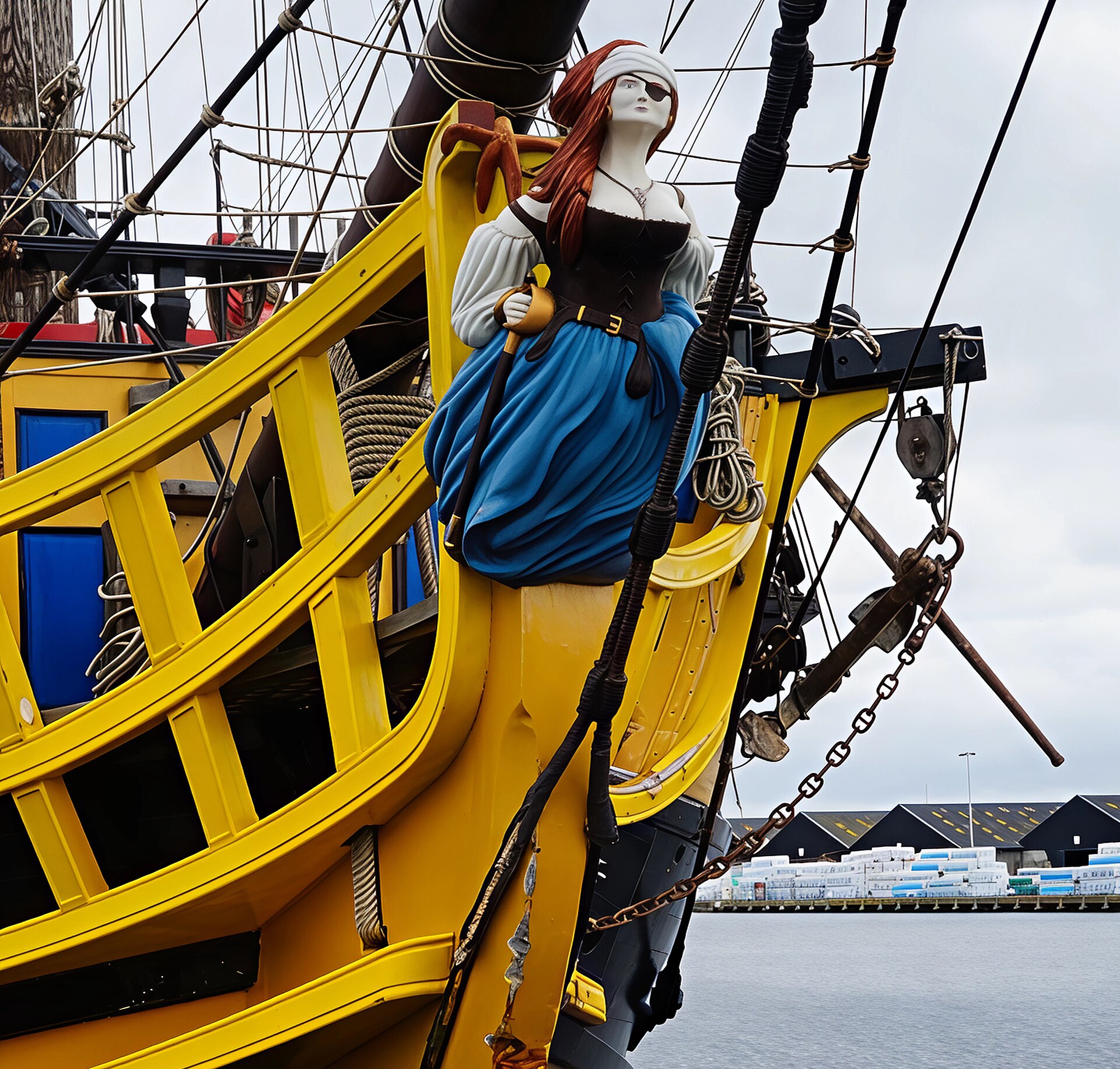
When choosing your strategic base you essentially have two main options that differ dramatically in both atmosphere and price. The greatest experience is, of course, staying right inside Intra-Muros, the old walled town. You’ll sleep among narrow stone alleys, nip to the nearest bakery in your dressing gown for fresh pastries in the morning, and stroll the empty ramparts by the light of the street lamps in the evening. The price for this romance, though, is higher rates and a massive parking problem — getting into the historic centre by car is very difficult and parking spaces are practically non-existent.
The second option, often more practical for drivers, is the district along Sillon beach or the quieter Saint-Servan. The hotels here offer gorgeous views straight out over the open ocean and often have their own parking or at least easier on-street parking. From here it’s just a pleasant twenty-minute walk along the paved seafront into the historic centre. You might also consider staying in nearby medieval Dinan, which makes a great and slightly calmer base for exploring the whole region. For 2026, expect a good double room in season to cost roughly €120 to €180 per night.
I warmly recommend you don’t dawdle with accommodation and book everything through Booking.com several months ahead. Among the specific hotels worth mentioning is the luxurious Hôtel Le Nouveau Monde, right by the beach with unforgettable sea views and a great hotel spa to warm up after windy walks. If you’re after something right in the heart of the ramparts, Hôtel de la Cité has a magical atmosphere and puts you just a few steps from the historic sights. For travellers on a tighter budget, an excellent choice is the Ibis Styles Saint Malo Port, a short walk from the harbour, offering great value for money including a generous breakfast.
12 things to see and do in Saint-Malo
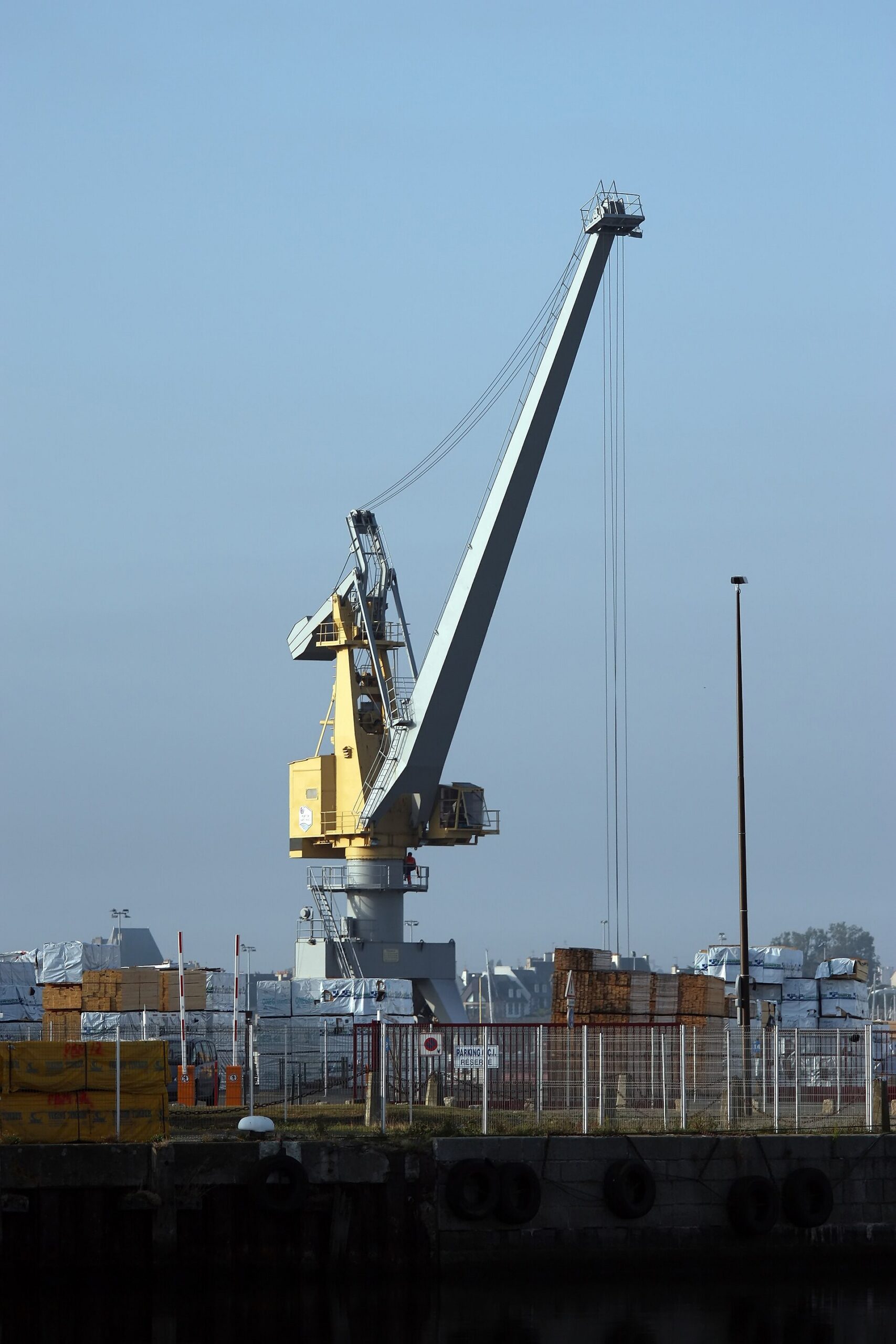
Saint-Malo is a proud town that has bowed for centuries to the sea alone and its untamed rhythm. I’ve put together twelve specific places and experiences you definitely shouldn’t miss during your visit.
1. A walk along the majestic Intra-Muros ramparts
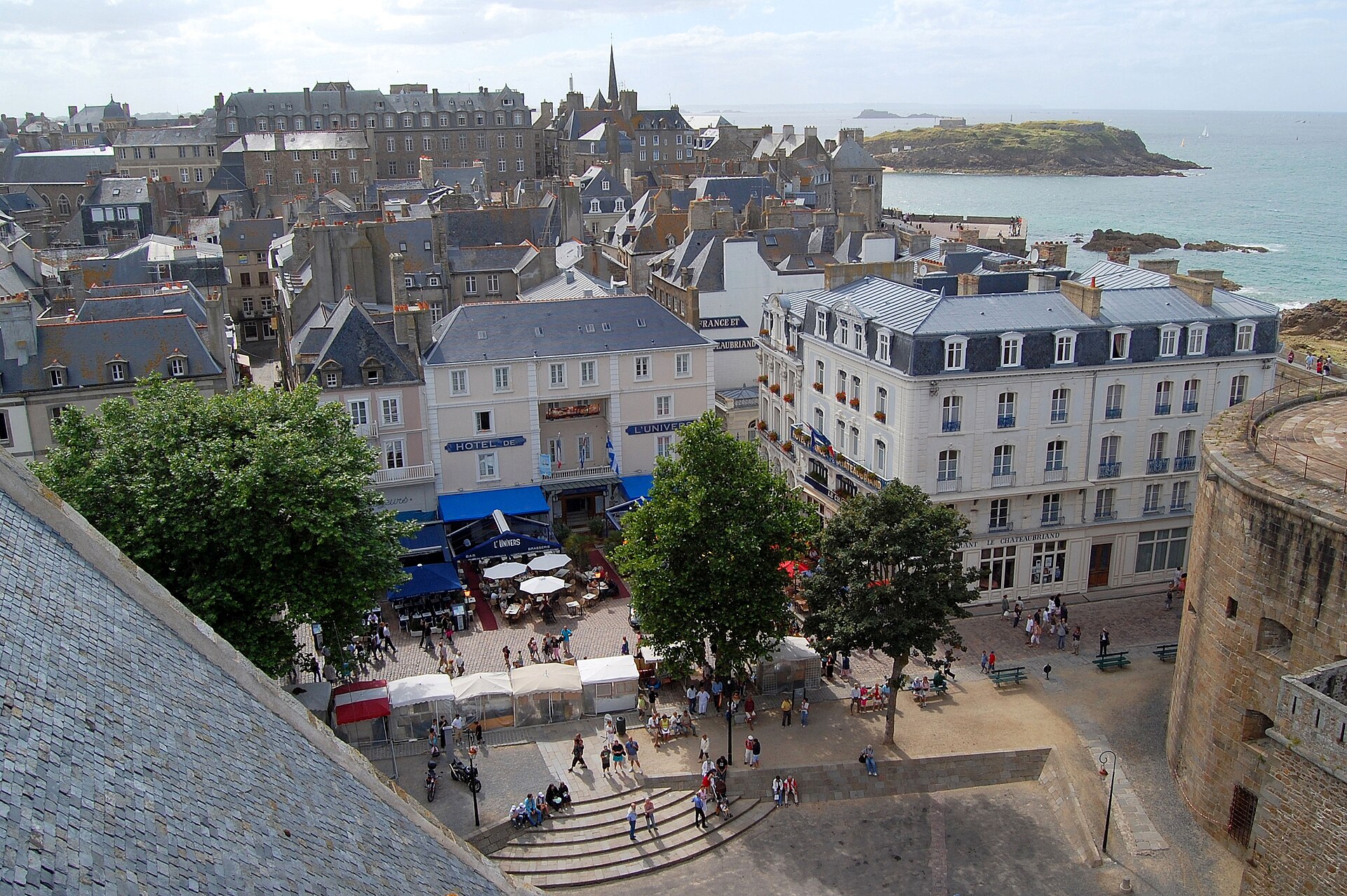
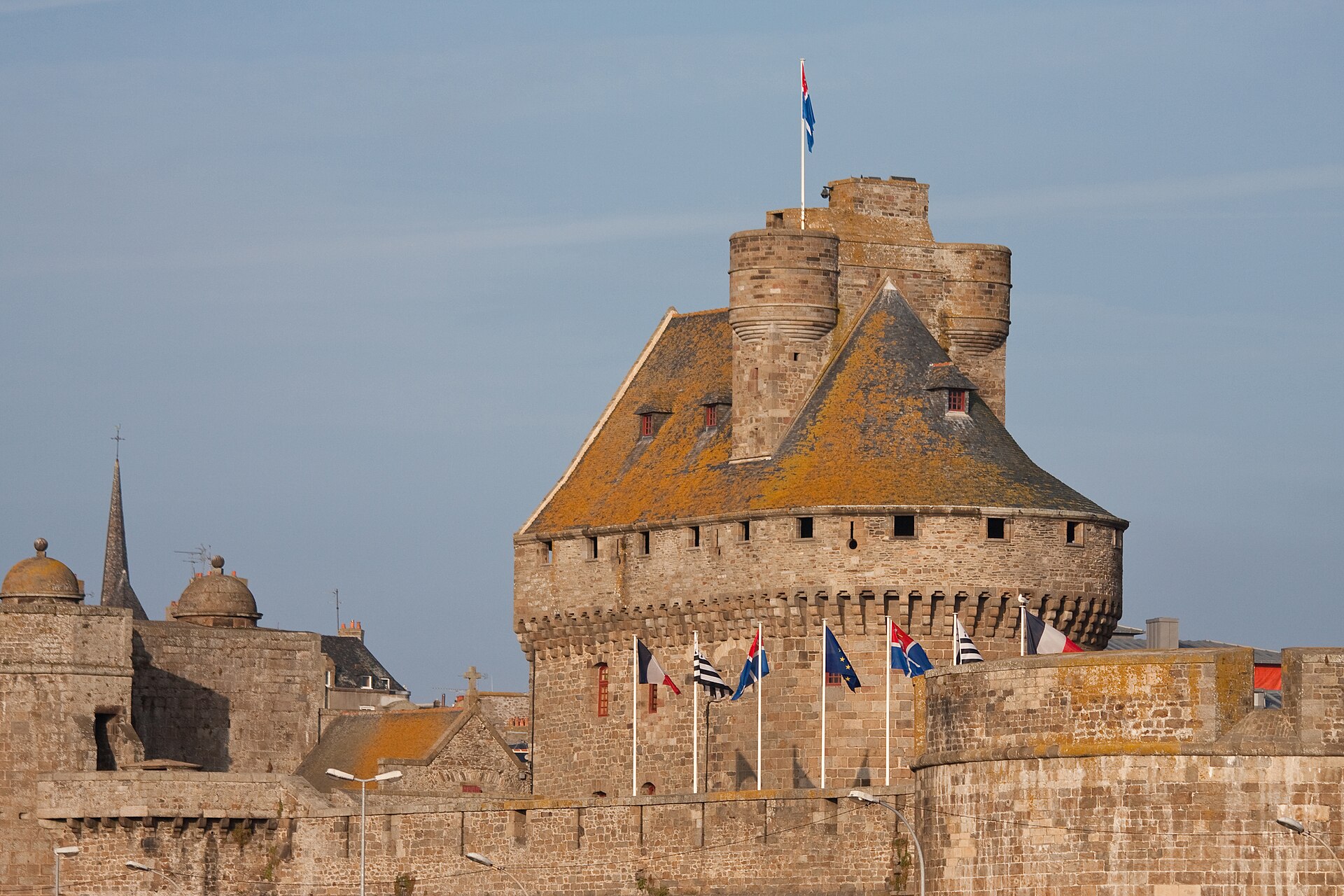
The stone walls encircling the historic centre are an absolute icon of the town and the first place your steps should lead. The full loop is just under two kilometres and offers the very best panoramic views over the town and the bay. On one side you’ll look down into a maze of narrow cobbled streets full of cosy crêperies, while on the other the endless horizon of the Atlantic opens up before you, scattered with islets and fortresses. As you walk you’ll definitely notice the ever-present black-and-white Breton flag, the Gwenn-ha-du, fluttering proudly on every corner and recalling the strong Celtic identity of the locals.
You can climb up to the ramparts by several discreet stone staircases, with the most popular entrance found by the main gate, Porte Saint-Vincent. This is exactly where the true atmosphere of the old harbour begins. I recommend planning your walk for late afternoon or early evening, when the sinking sun starts to paint the stark granite in warm tones and the sea wind usually loses a little of its edge. Along the way you’ll pass plenty of small alcoves, watchtowers, and bronze cannons still pointing out to the open sea.
💡 Tip: If you want the best photos without hundreds of other tourists, head to the ramparts early in the morning. Most day-trippers are still having breakfast, so you’ll have the entire stone promenade and the views of the waking sea almost to yourself.
2. Cité Corsaire and the fascinating history of pirates
Saint-Malo wasn’t just any old French port — it was the feared home of the corsairs. Unlike ordinary pirates, corsairs were state-sanctioned sailors who had official permission from the French king to raid enemy merchant ships (chiefly English ones) and seize their rich cargo. The most famous of them was Robert Surcouf, whose large bronze statue today proudly points a finger straight towards England, recalling an age when local sailors feared no one at all. The whole town still breathes this rebellious atmosphere, and you’ll find the corsair legacy in the names of streets and restaurants.
As you wander the winding lanes of the Cité Corsaire, it’s hard to believe that during the Second World War the town was almost razed to the ground. In August 1944 it was destroyed by heavy American bombardment and the fires that followed, leaving only around twenty percent of the original buildings standing. But the French showed incredible determination and rebuilt the town literally stone by stone according to the original historic plans, so today it looks utterly authentic.
💡 Tip: Stop by Saint-Vincent Cathedral in the very heart of the old town. Its beautiful stained-glass windows may be modern post-war work, but they lend the dark stone interior an incredibly mystical, colourful atmosphere.
3. The phenomenon of giant tides
The bay between Brittany and Normandy hides a fascinating natural phenomenon that draws people from all over the world. The difference between high and low tide here is among the largest in Europe, with the water level rising and falling by an incredible 12 metres. At low tide the sea retreats for kilometres, revealing vast sand flats full of all kinds of shells, tiny crabs, and the remains of old rusted wrecks stranded here many years ago. The spectacle is captivating, but it also hides an enormous and often underestimated danger.
The water returns towards the shore with tremendous force and speed. Local warning signs like to point out that the sea advances at the speed of a galloping horse. Every year the coastguard has to rescue dozens of careless tourists who ventured too far out and couldn’t make it back to land before the rising water. The most dramatic events (the so-called grandes marées) occur regularly around the spring and autumn equinoxes, when waves crash directly against the protective breakwaters and splash all the way up onto the road.
💡 Tip: Always check the tide tables (horaires des marées) in advance — you’ll find them posted at every beach or in tourist apps. If you’re planning a longer walk across the exposed seabed, keep the land in sight at all times and watch the clock carefully.
4. The island of Grand Bé and the tomb of a famous writer
When the sea retreats at low tide, a dry and slightly slippery path opens up to the small rocky islet of Grand Bé. This unassuming chunk of rock hides the tomb of François-René de Chateaubriand, the famous French writer and proud native of Saint-Malo. In his will he wished to be buried right here, so he could forever listen to the sound of the wild Atlantic waves he loved so much in life. The route to the island runs along a paved causeway visible only a few hours a day, forming a magical bridge between the town and the ocean.
An interesting detail is that, at the writer’s express wish, the tomb itself is very plain, without any name or grand inscription. It sounds a touch sombre, but from the top of the island you get a gorgeous view of the whole walled town from a completely different perspective. It’s especially beautiful here just before sunset, when the sky turns purple.
💡 Tip: Before heading to Grand Bé, check the information boards for exactly when safe access ends. If you linger on the island too long and the water floods the path, you’ll be stranded there for another six hours — and you certainly won’t escape a hefty fine for a rescue operation.
5. The impregnable Fort National
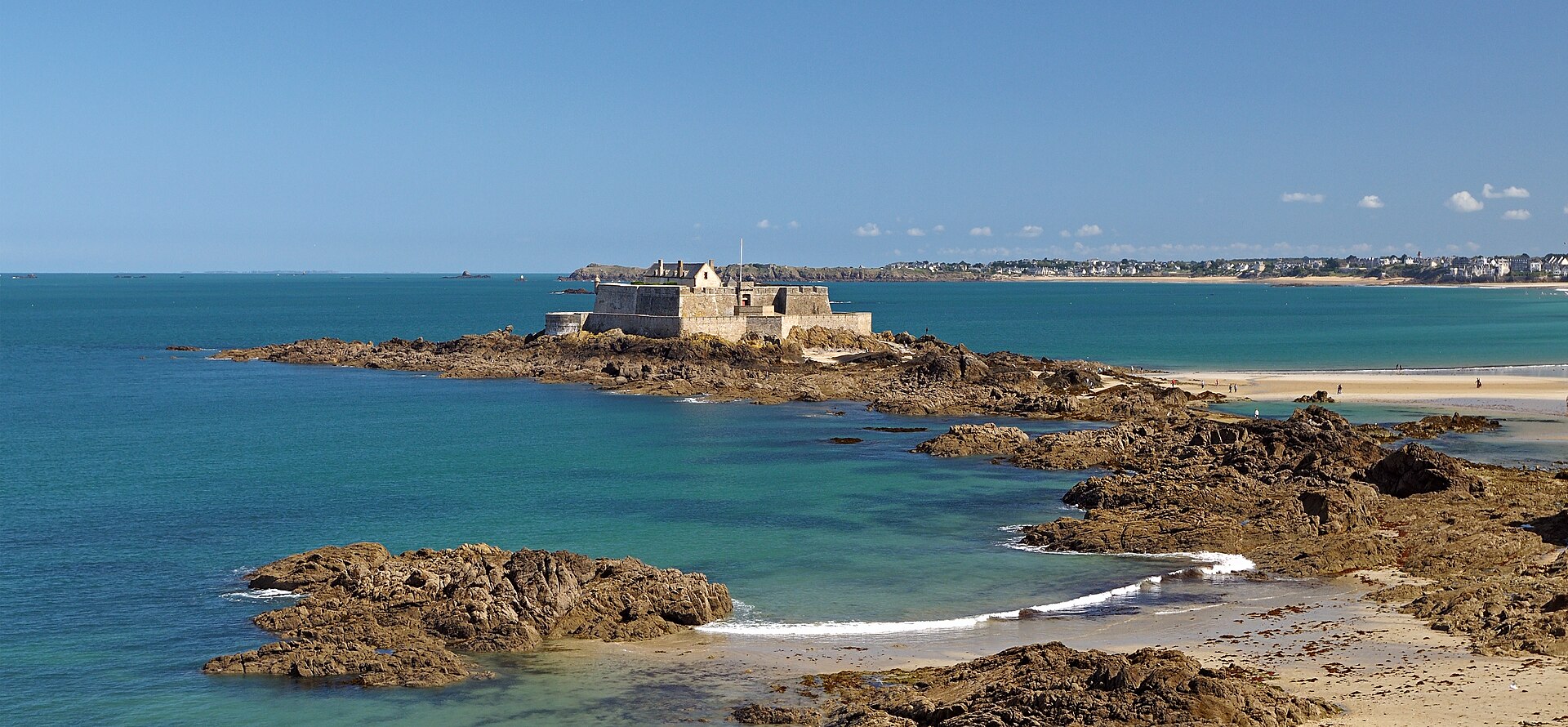
Another island gem that emerges from the sea only at low tide is the majestic Fort National. This impregnable fortress was built in 1689 by the famous military architect Vauban on the direct orders of King Louis XIV. Its main task was to protect the harbour from the constant English attacks — and it must be said it carried out that strategic goal reliably for centuries. The fortress silhouette rises above the surrounding sand like a giant stone ship, completing the town’s signature panorama.
Today this imposing fortress is open to the public, though only at precisely set times dictated solely by the mood of the sea. An adult ticket costs roughly €8, and for that you get to explore the old ramparts, dark munitions stores, and take in views of the town through the barrels of the old cannons. The French flag flies on the highest tower, giving the place the right historical flavour and serving as a great landmark.
💡 Tip: If you’d rather not pay the entry fee or can’t make the official opening hours, walking around the fortress walls across the exposed seabed is completely free and offers great angles for photographing the granite blocks.
6. Sandy beaches and the iconic seawater pool
Although Saint-Malo is definitely not a typical beach destination for sun-worshippers, the local stretches of sand have their own unmistakable, slightly rugged charm. The best known is the huge Plage du Sillon, which stretches almost three kilometres and is lined with fascinating wooden posts called brise-lames. These massive oak trunks are driven deep into the sand and have protected the seafront for decades from the crushing force of the winter waves, which can cause enormous damage here.
Right below the town walls you’ll find the noticeably smaller and more sheltered Plage de Bon-Secours. Its biggest draw is the unique seawater pool (piscine d’eau de mer), built back in the 1930s. When the tide goes out and the sea retreats into the distance, water stays trapped in the stone pool and warms up pleasantly in the summer sun. This allows for safe swimming even when the actual ocean is hundreds of metres away.
💡 Tip: The seawater in Brittany really is very refreshing and rarely exceeds 18°C even in the middle of summer. If you’re not a hardened cold-water swimmer, pack a thin wetsuit — you certainly won’t be the only one wearing one on the beach.
7. Escaping the rain at the Grand Aquarium
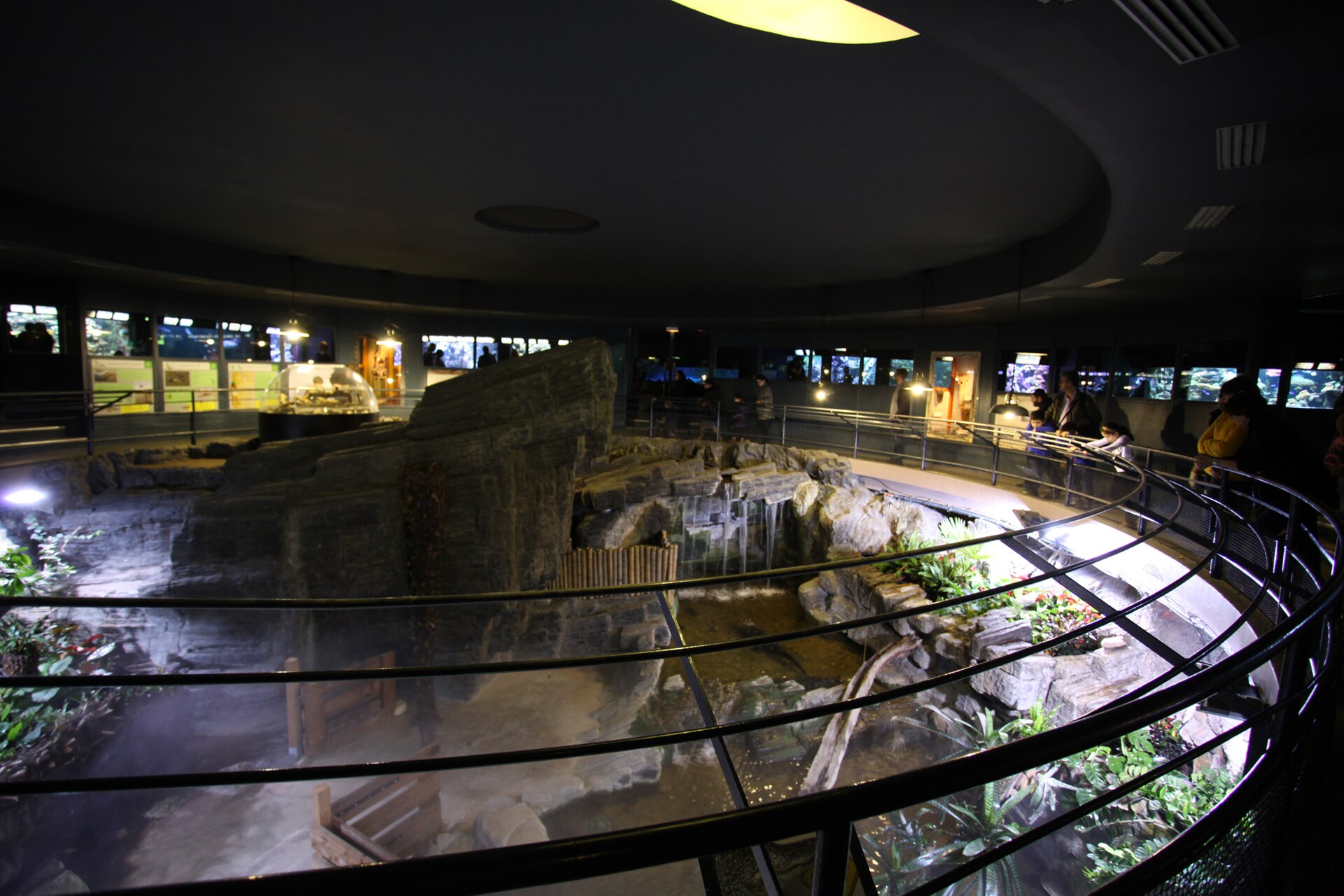
When the unpredictable Breton weather does let you down and sets in for steady rain (which happens fairly often here), the ideal refuge for the whole family is the local Grand Aquarium. It’s one of the very best and most modern in France and offers a fascinating dive into the depths of the world’s oceans. You can look forward to dozens of giant tanks full of colourful tropical fish, smaller sharks, sea turtles, and the curious creatures of the cold Atlantic waters that surround the Breton coast.
By far the biggest highlight is the so-called Anneau des Mers. It’s a huge circular tank with 360-degree views, where you find yourself right in the middle of the underwater world while large sharks and graceful rays glide majestically overhead. The aquarium lies just outside the town itself, so you’re best off getting there by car or the local bus line. You can conveniently buy tickets online or look up good-value packages through GetYourGuide.
💡 Tip: On rainy summer days, roughly half the tourists in the whole region have this same escape plan. I’d definitely recommend buying your tickets in advance for a specific time slot, so you don’t have to queue at the ticket desks, where waits can stretch to an hour.

8. A short boat trip to elegant Dinard
Right across from Saint-Malo, over the wide mouth of the River Rance, lies the picturesque resort of Dinard. While Saint-Malo is rugged, stony, and piratical, Dinard is the absolute embodiment of Belle Époque elegance. At the turn of the 19th and 20th centuries, wealthy Britons and influential Parisians built lavish holiday villas here right on the steep cliffs above the sea. The place has kept its gorgeous atmosphere of the good old days to this day, perfectly complemented by the iconic blue-and-white striped beach tents and elegant promenades.
The most beautiful way to Dinard isn’t along the long-winded road, but straight across the water. A little water bus (Bus de Mer) sails regularly from Saint-Malo harbour and carries you to the other side of the bay in just ten minutes. During this short crossing you’ll also enjoy fantastic panoramic views of both towns and spare yourself the tedious drive around the entire bay in the summer traffic jams.
💡 Tip: In Dinard, be sure to make time for a stroll along the renowned coastal path, the Promenade au Clair de Lune. It winds right beneath the rocky cliffs and serves up luxurious views of the opulent historic villas and the shimmering sea itself.
9. The Rance Valley and the medieval gem of Dinan
If you fancy a little change of scenery and want to leave the windy ocean behind for a while, head a short way inland. The town of Dinan is probably the most beautiful and best-preserved medieval settlement in all of Brittany. Unlike the coastal towns, it didn’t suffer such catastrophic damage during the war, so the original half-timbered houses, mighty stone walls, and narrow winding lanes survive here in full glory, breathing deep history.
The most famous spot in town is undoubtedly the steep Rue du Jerzual, which drops sharply from the historic centre down to the River Rance. Lining this street are traditional craft workshops, art galleries, and little cafés housed in fairytale buildings from the 15th and 16th centuries. Walking down it feels like a genuine journey through a time machine to the days of the wealthy Breton merchants — just be careful to wear comfortable shoes, as the cobblestones here are very treacherous.
💡 Tip: Don’t miss a relaxed lunch or an afternoon coffee right down at the Port de Dinan. While the upper town is full of steep hills, the harbour offers a flat promenade along the calm river with lovely views of the old stone viaduct.
10. Cancale and its famous oysters (not just for the brave)
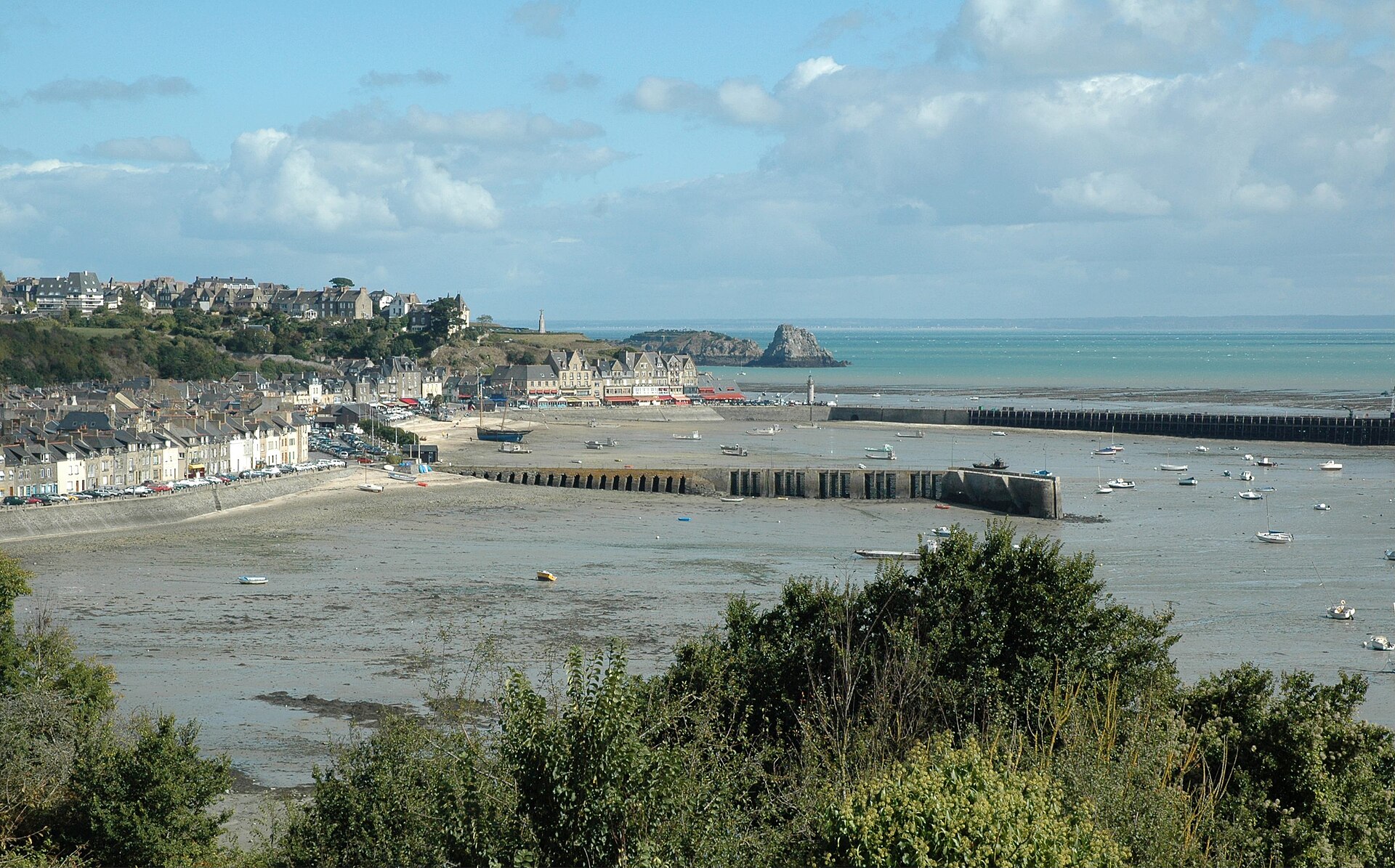
Seafood lovers flock with delight to the nearby port of Cancale, which has rightly earned the title of oyster capital. This small and at first glance unassuming town produces an incredible 15,000 tonnes of them a year, and oyster farming here has a deep, centuries-old tradition. The local harvest was reportedly shipped to Paris in bulk for King Louis XIV himself, who swore by their quality.
The most authentic experience isn’t in a posh air-conditioned restaurant, but right at the lively quayside market (Marché aux Huîtres). People here commonly buy plastic plates of freshly caught oysters for a few euros, the vendors shuck them on the spot in a flash, and add a wedge of lemon. Customers then sit on the stone wall, gaze out at the sea, and simply toss the empty shells over their shoulder down onto the beach, where millions of other old shells already lie. It’s brutally simple and utterly fascinating to watch, even if you don’t try the oysters yourself.
💡 Tip: Even if you don’t eat seafood for whatever reason, a walk along the quayside in Cancale is well worth it. On a clear day, the magical and unmistakable silhouette of the famous abbey of Mont-Saint-Michel appears across the bay in the distance.
11. Breton cuisine for vegetarians: galettes and cider
Forget the classic crunchy French baguettes for a moment — Brittany runs on completely different gastronomic frequencies. The cornerstone of the local diet is excellent salted butter and dark buckwheat flour. From the latter come the famous savoury pancakes called galettes — naturally dark, beautifully crisp, with a slightly earthy flavour. They’re an absolutely brilliant choice for vegetarians, since you can have them filled with excellent local cheeses, fresh spinach, egg, or perhaps goat’s cheese with nuts and honey. (Locals love the classic “complète” with ham, but every crêperie has an endless array of meat-free options.)
Galette is washed down exclusively with the local cidre — a lightly alcoholic fermented apple juice served in brut (dry) or doux (sweeter) varieties. You’ll never get it in a regular glass; it’s drunk from traditional ceramic bowls called bolées, which adds just the right rustic touch to the whole experience. To finish your meal, don’t skip a sweet wheat pancake (crêpe) with thick homemade salted caramel (caramel au beurre salé) or the dense far breton dessert with prunes.
💡 Tip: If you have a weakness for sweets and aren’t afraid of the calories, seek out the traditional Kouign-amann cake at a bakery. It’s a devilishly good affair made of layers of dough, a mountain of butter, and caramelised sugar. Eaten warm, it will completely disarm you.
12. The wild headland of Pointe du Grouin
Just beyond the town of Cancale lies a place where the wind goes to sleep and where you’ll feel the full power of nature. Pointe du Grouin is a stunning rocky promontory that cuts unusually sharply into the sea swell. The nature here is utterly untamed, scented with salt, blooming heather, and iodine. From the cliffs you get a fantastic panoramic view over the whole sweeping bay of Mont-Saint-Michel and the nearby uninhabited Île des Landes, which serves as a very important and protected bird sanctuary.
Well-marked walking trails take you right along the edges of the cliffs, where you can spend hours marvelling at the raging ocean and the circling cormorants. The wind here can be so strong you can literally lean into it, and the sense of absolute freedom is palpable in every breath. This is exactly the wild corner of Brittany that draws people all the way here from across the world.
💡 Tip: Take sturdy closed shoes and a reliable windproof jacket out to the cliffs, even if it seems perfectly calm back at the parked car. The weather at the very tip of the headland is always several degrees harsher and more unpredictable than inland.
Map of points of interest for your phone
Where to go next from Saint-Malo
If the Breton atmosphere has won you over, you’ve got plenty of options for where to head next. All of Brittany is laced with wild cliffs, lighthouses, and mysterious menhirs waiting to be discovered. Start by exploring the northern Pink Granite Coast, or head south to the mystical stones at Carnac.
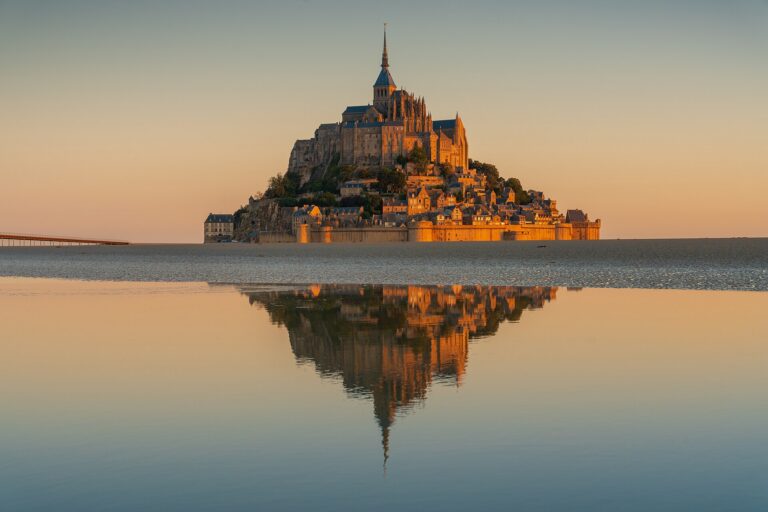
You definitely shouldn’t miss the journey east either, where one of the most visited places in all of France lies. The majestic Mont-Saint-Michel is less than an hour’s drive from Saint-Malo, and the sight of this fortified abbey on an island, surrounded by quicksand, will leave you absolutely breathless.
Frequently asked questions
Kolik dní potřebuji na návštěvu Saint-Malo?
Pro samotné historické město a procházku po hradbách vám s přehledem postačí jeden celý den. Pokud ale chcete prozkoumat i okolní místa jako Dinard, Dinan, vyrazit na mys Pointe du Grouin a užít si jedinečnou atmosféru bez spěchu, vyhraďte si alespoň tři plné dny. Saint-Malo totiž funguje jako naprosto skvělá strategická základna pro severní pobřeží.
Kde je nejlepší parkovat?
Parkování v centru (Intra-Muros) je velmi drahé a místa jsou chronicky obsazená. Nejlepší volbou je obří záchytné parkoviště Paul Féval (v roce 2026 stojí celodenní stání kolem 15 eur). Z parkoviště jezdí pravidelně zdarma kyvadlový autobus přímo k historickým hradbám, takže si ušetříte spoustu stresu v úzkých jednosměrných uličkách.
Kdy je nejlepší doba na pozorování obřích přílivů?
K těm vůbec největším a nejdramatičtějším přílivům (takzvaným grandes marées) dochází pravidelně během jarní a podzimní rovnodennosti, tedy koncem března a koncem září. Voda v těchto dnech stoupá extrémně vysoko a často se s ohlušujícím rachotem přelévá přímo přes ochranné vlnolamy na nábřeží.
Je Saint-Malo drahá destinace?
Saint-Malo patří v rámci Bretaně k těm o něco dražším lokalitám, zejména pokud jde o ubytování v hlavní letní sezóně. Za oběd v podobě kvalitní galette zaplatíte kolem 12 až 15 eur, což je velmi přijatelné, ale večeře v luxusnější restauraci uvnitř hradeb s výhledem na moře může vaši peněženku provětrat podstatně více.
Co dělat ve městě, když prší?
Kromě návštěvy obřího Grand Aquarium se můžete schovat v některé z mnoha útulných palačinkáren a popíjet teplý čaj nebo tradiční cidre. Za návštěvu stojí také zajímavé muzeum v hlavní hradní věži (Musée d’Histoire de la Ville), kde se dozvíte vše podstatné o slavné korzárské minulosti a námořních objevech regionu.
Jak se bezpečně dostat na ostrov Grand Bé?
Přístupová kamenná cesta na ostrov se otevírá zhruba hodinu a půl před maximálním odlivem a zavírá se zhruba hodinu a půl po něm. Přesný časový rozpis najdete vždy vyvěšený na tabuli přímo u vstupu na pláž Bon-Secours. Nikdy se nesnažte přecházet, pokud už mořská voda začala zalévat dlážděnou stezku.
Dá se v Saint-Malo vykoupat v moři?
Koupat se tu dá na několika hezkých písečných plážích, ale teplota Atlantiku je poměrně nekompromisní. Voda zřídkakdy překročí hranici 18 až 19 stupňů, a to i v tom nejteplejším srpnu. Pokud preferujete klidnější a o něco teplejší vodu, vyzkoušejte mořský bazén na pláži Bon-Secours, kde se voda na slunci ohřeje mnohem rychleji.
Tips and Tricks for Your Vacation
Don’t Overpay for Flights
Search for flights on Kayak. It’s our favorite search engine because it scans the websites of all airlines and always finds the cheapest connection.
Book Your Accommodation Smartly
The best experiences we’ve had when looking for accommodation (from Alaska to Morocco) are with Booking.com, where hotels, apartments, and entire houses are usually the cheapest and most widely available.
 🚗 Car rental on the roadVerified car rentals in Normandy
Search with the DiscoverCars comparison engine — it compares prices from dozens of local and international rental companies, and most bookings come with free cancellation.
Compare car prices in Normandy →Don’t Forget Travel Insurance
Good travel insurance will protect you against illness, accidents, theft, or flight cancellations. We’ve had a few hospital visits abroad, so we know how important it is to have proper insurance arranged.
Where we insure ourselves: SafetyWing (simple monthly subscription) and TrueTraveller (for extra-long trips).
Find the Best Experiences
Get Your Guide is a huge online marketplace where you can book guided walks, trips, skip-the-line tickets, tours, and much more. We always find some extra fun there!