

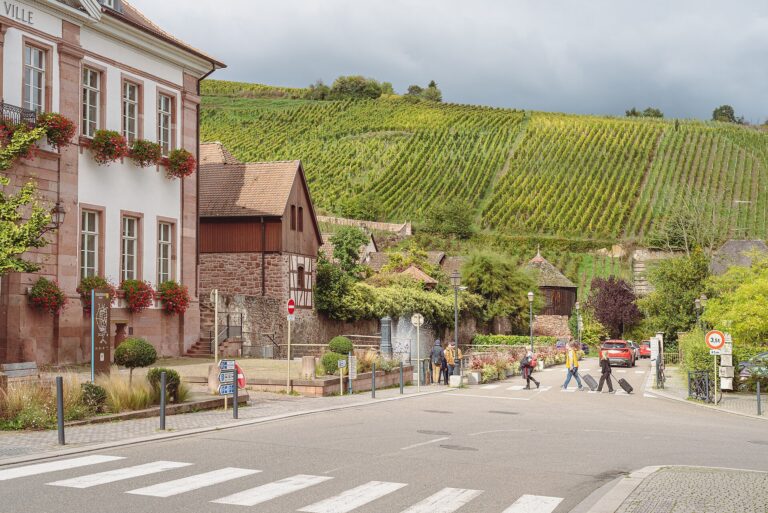
Alsace and Burgundy are the part of France you daydream about slowly – half-timbered houses, vineyards stretching to the horizon, cellars full of Burgundy wine and, come winter, beautifully decorated markets. But then reality kicks in: when should you actually go to avoid both empty streets and crowds, how much does the whole thing cost, and should you tackle it yourself by car or join a tour instead? We once asked ourselves the very same questions, so we drove the region and wrote it all down ☺️
You’ll find three things here. Up-to-date tour and flight prices, which we refresh every morning, so you see real numbers rather than guesses. Our concrete tips from our own trips and articles – where to go and what to skip. And a plan for when and what to book so you don’t overpay for nothing.

What to see and do in Alsace and Burgundy
The region splits nicely into two moods. In the east, Alsace near the German border with its fairytale towns; in the west and south, Burgundy with its wine and gentler pace. You can easily combine them into a single road trip – you’ll find our favourite format in our article on the wine road trip through France.
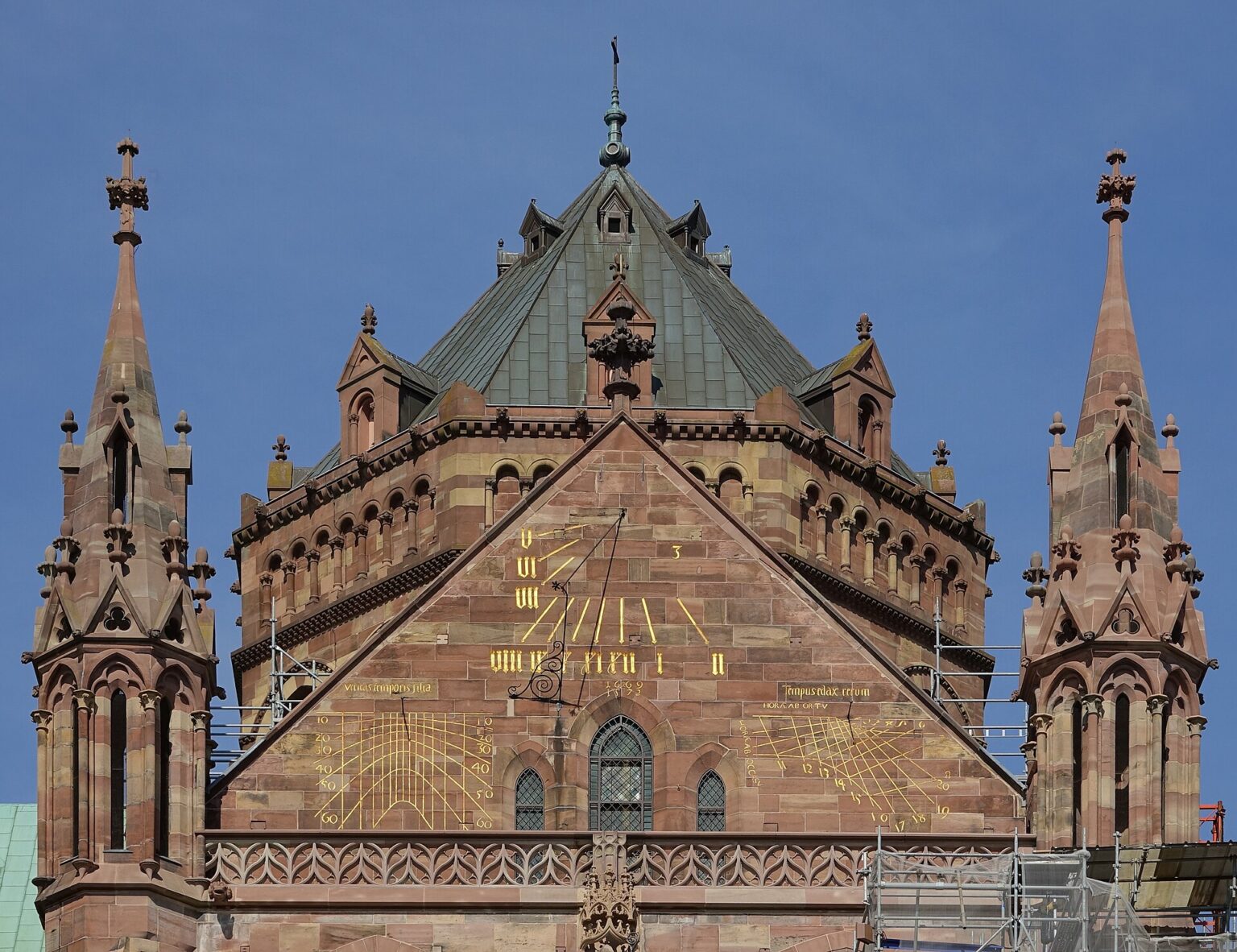
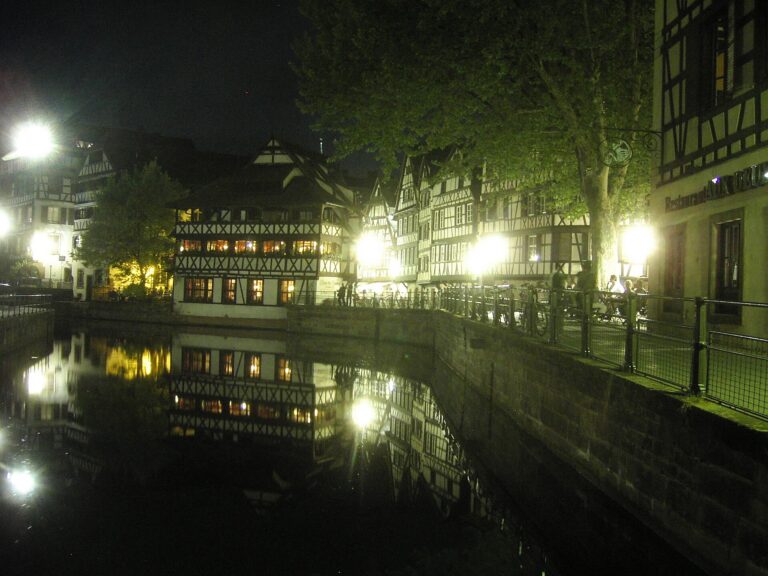
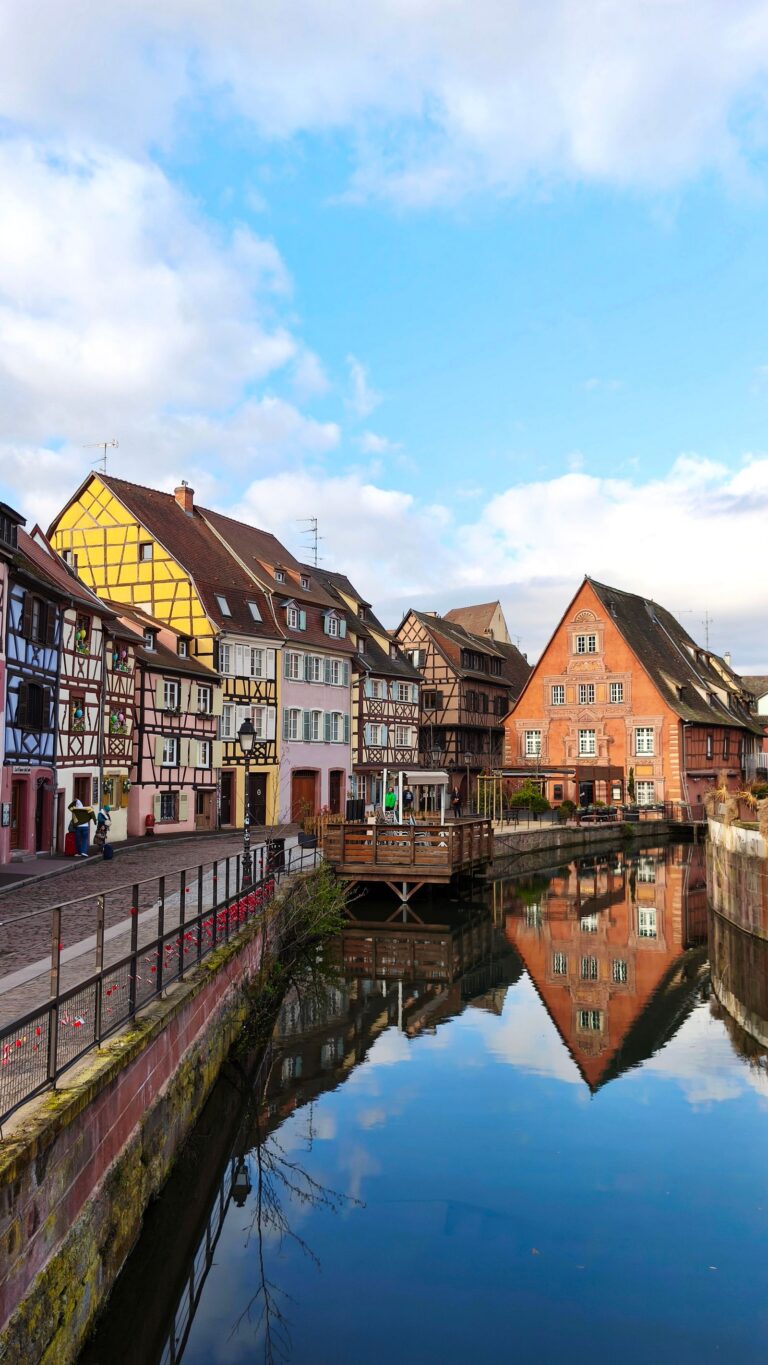
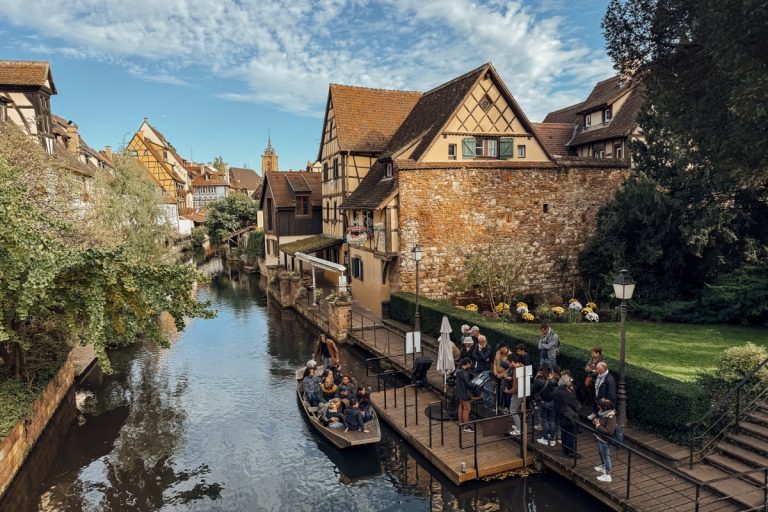
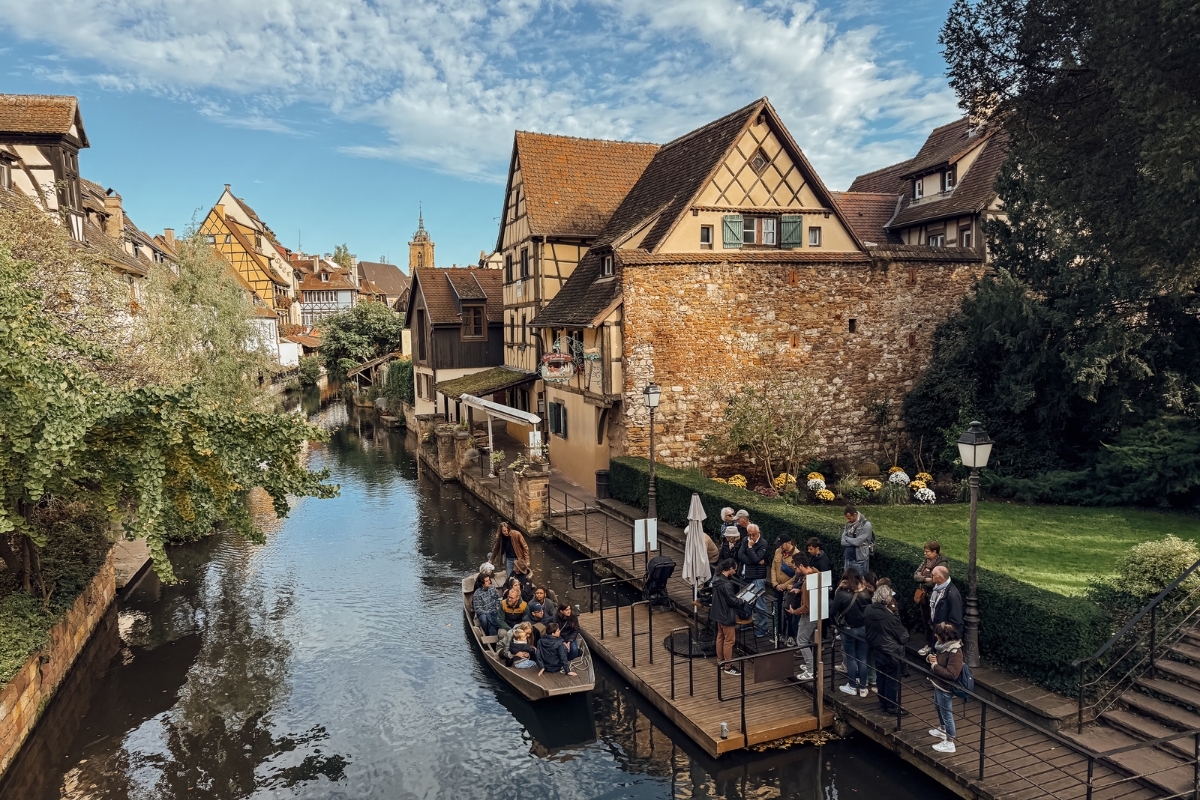
- Wandering the half-timbered lanes and along the canals in Colmar, which isn’t called the Venice of France for nothing.
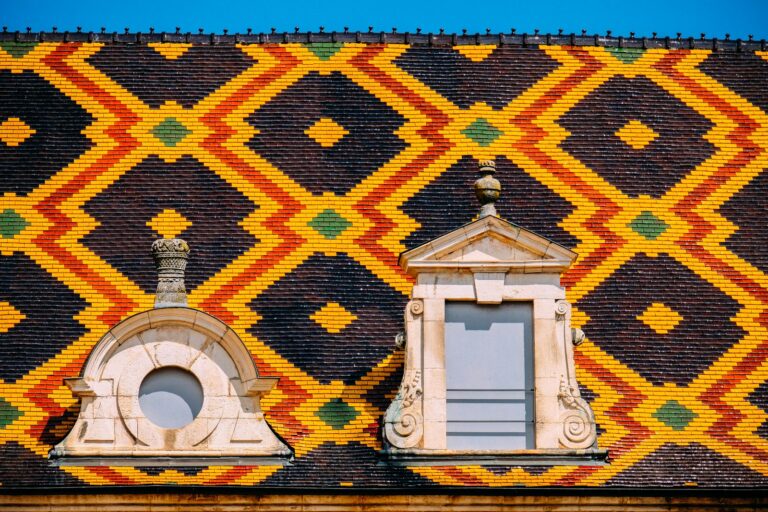
- The mustard capital and ducal past in Dijon – the ideal base for Burgundy.
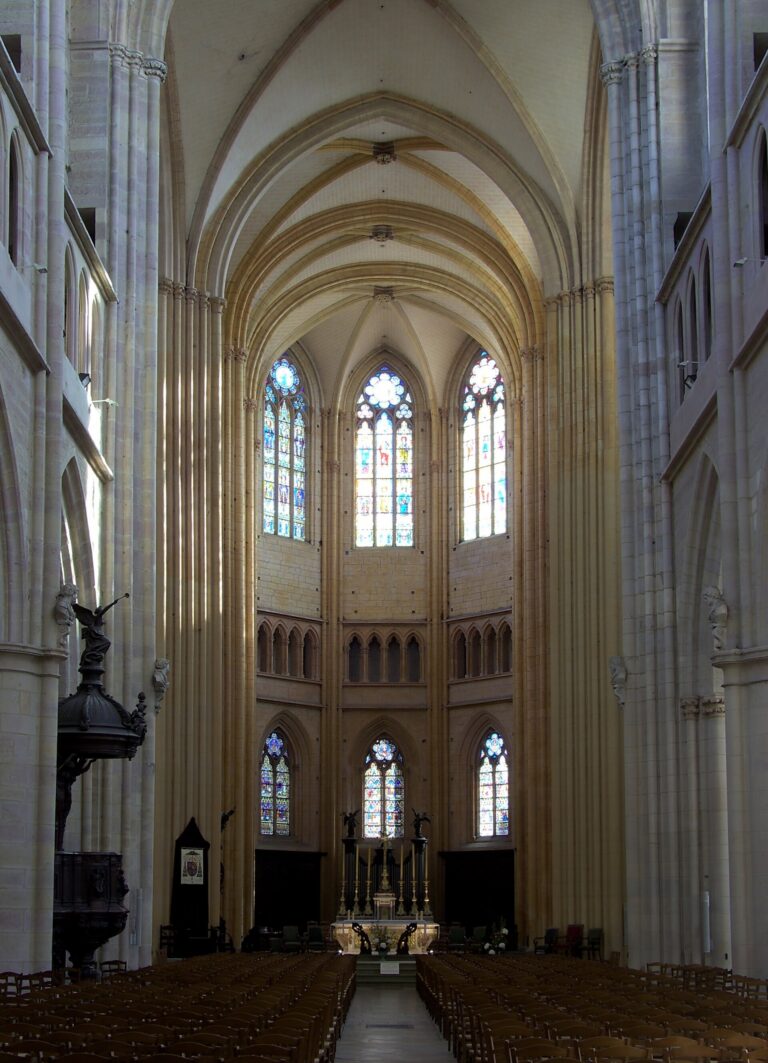
- Cellar tastings and driving the wine route through Burgundy, home to some of the most famous wines in the world.
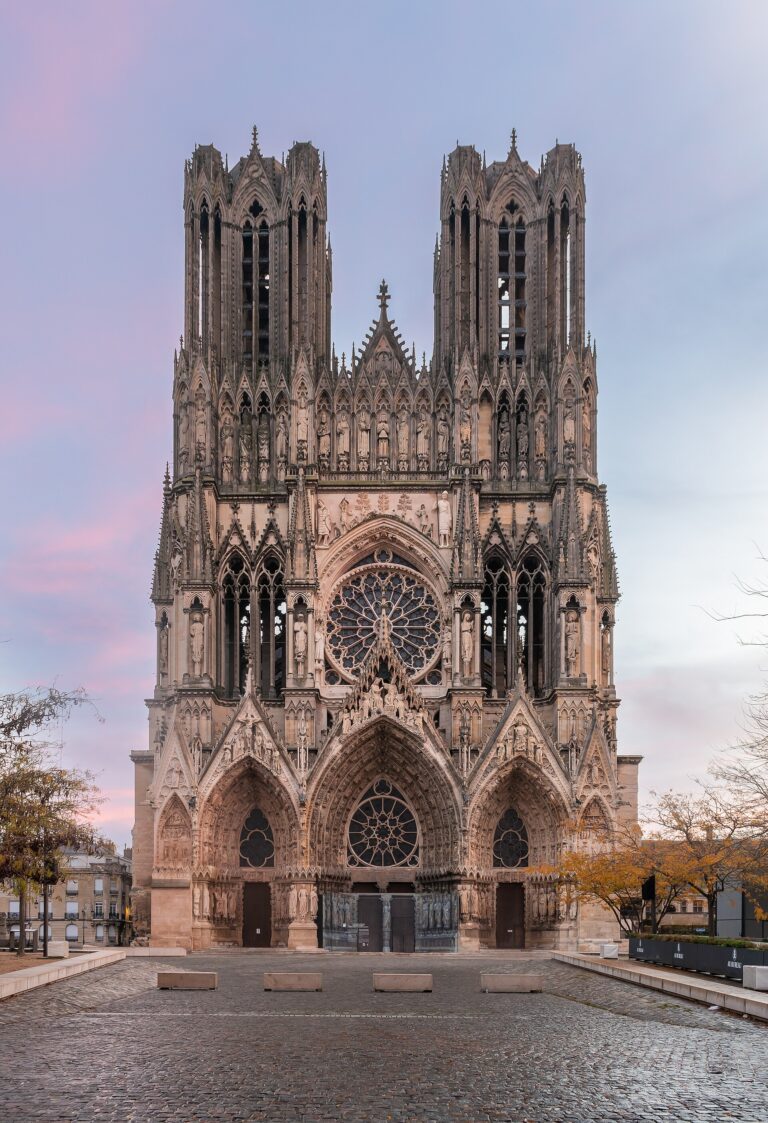
- A hop across the regional border for some bubbles in Champagne – Reims and Épernay.
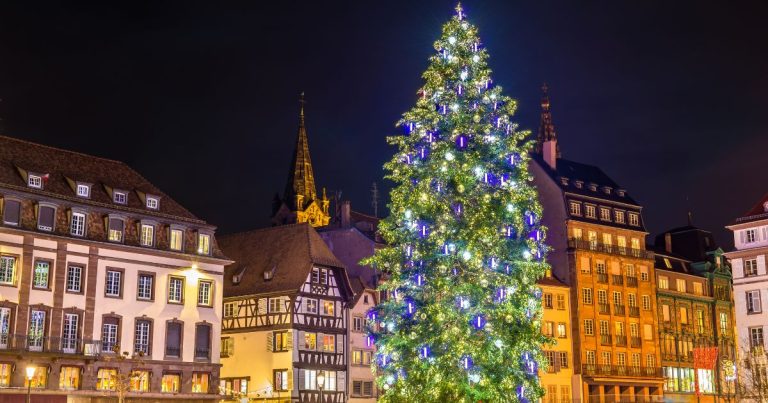
- In December, the legendary Christmas markets in Strasbourg, among the oldest in Europe.
When to visit Alsace and Burgundy
Our absolute favourite is September and early October – the grape harvest, vineyards turning golden, the weather still holding and the tourist crowds thinning out. Burgundy’s cellars are buzzing at this time of year and the wine route is a joy to drive.
May and June are great too: lush and green, pleasant temperatures around 20 °C and gardens in full bloom in Colmar. Summer (July–August) is the warmest and liveliest, but the towns get busy and accommodation pricier. That’s why we rate spring and autumn as the best value for money.
A completely different chapter is December. If the festive atmosphere appeals to you, head for the Christmas markets in Strasbourg and Colmar – just pack warm clothes and book your accommodation well ahead, because demand for these dates is enormous.
How to get to Alsace and Burgundy
From Czechia it’s actually pretty close. By car you’ll reach Strasbourg from Prague in roughly 7–8 hours (around 650 km), and Dijon a little longer. For a wine road trip, the car is the obvious choice – you’d struggle to reach the vineyards and little towns any other way. The route runs through Germany on good motorways, so factor in the German and French toll realities (details below under car hire).
By air, the most common route is a connecting flight to Strasbourg, Basel (EuroAirport) or Lyon, from where Burgundy is just a short hop. Direct connections from Prague to these regional airports tend to be limited, so you’ll usually change at a major European hub. For a shorter trip to just Alsace or Burgundy, flying plus a hire car on arrival is a decent compromise.
Renting a car
For Alsace and Burgundy a car is almost essential if you want to chase the wine and reach the little villages along the wine route. Public transport links the big towns (Strasbourg, Dijon, Colmar), but getting out to the vineyards and remote spots is tricky. On the flip side, if you’re only planning a city stay in Dijon or Strasbourg, a car is more of a burden thanks to expensive, limited parking.
- Book ahead through a comparison site for hire firms – it works out cheaper than on the spot and guarantees you a vehicle.
- Watch the insurance and deposit – basic cover often isn’t enough, so additional excess insurance is worth it.
- Factor in tolls on both French and German motorways, plus the German vignette (cars are exempt for now, but fuel prices apply all the same).
- Fill up at supermarkets – it’s usually cheaper than at the motorway services.
Where to stay in Alsace and Burgundy
Where to rest your head depends on whether you’re here for the wine or the towns. For Alsace, the ideal base is Colmar or Strasbourg – from here you can do the wine route as well as the fairytale villages. For Burgundy, we recommend Dijon or Beaune, putting vineyards and cellars within easy reach.
- Hostels and cheaper guesthouses – in the bigger towns (Strasbourg, Dijon), the cheapest option for backpackers.
- Guesthouses and B&Bs in the villages – our favourite, often right by the vineyards and with a home-cooked breakfast.
- Apartments – great if you want to cook and save on food, ideal for a longer stay.
- Wine estates and château hotels – the comfortable choice for a touch of romance, especially in Burgundy.
Package tour or independent travel?
A tour is worth it when:
- you don’t want to deal with transport, accommodation or the route and want it all sorted;
- it’s your first time and you’d value a guide to take you to the best of it;
- you’re travelling for a shorter time and want to see the most without the planning.
Go it alone when:
- you want your own pace, stopping at vineyards and changing plans on the fly;
- a road trip suits you and you don’t mind driving;
- you want to save money and pick your own accommodation and tastings.
The two of us go self-guided by car every time – the region is perfect for it and the freedom to stop at every cellar is well worth it. A tour does make sense, though, if you’d rather not deal with the logistics or it’s your first visit and you want the reassurance.
Budget: daily costs in Alsace and Burgundy
| Level | Accommodation | Food | Transport and activities | Total/day |
|---|---|---|---|---|
| Backpacker | 30 €–40 € (hostel, apartment with cooking) | 16 €–25 € | 16 €–30 € | approx. 60 €–90 € |
| Standard | 60 €–100 € (guesthouse, B&B) | 30 €–45 € | 30 €–45 € (tastings, parking, entry fees) | approx. 120 €–195 € |
| Comfort | 140 € and up (hotel, wine estate) | 60 € and up | 60 € and up | approx. 260 € and up |
Prices are indicative, per person per day, and assume you’re travelling as a pair. France isn’t the cheapest, but cooking with local market produce and an apartment can bring the budget down a lot. You’ll spend the most during Advent, when accommodation in Alsace gets pricier.
How to save when planning
- Buy flights roughly 2–4 months ahead and steer clear of Advent and summer, when prices climb the most. Search for flights in our finder.
- Book accommodation early, especially for December – during the Christmas markets the good rooms vanish within weeks and the rest get pricier. Our accommodation tips.
- Don’t overpay for food in the centre – a few streets off the square, prices and quality are both better, and an apartment with cooking saves the most.
- Book tastings and popular cellars in advance, as they fill up on the day. What to book early.
- If you’re considering a tour, keep an eye on the deals – both early-bird and last-minute can save you a fair bit. Current tours.
Practical information
- Language: French, though in Alsace near the border you’ll get by in German too. You’ll manage with English in tourist spots, but a few French pleasantries always go down well.
- Payments: you can pay by card almost everywhere, with cash handy only at small markets and with some winemakers. The currency is the euro.
- Connectivity: coverage is excellent. The easiest option is an eSIM for the whole trip – no roaming hassles and no hunting for a physical SIM.
- Safety: the region is calm and safe; the usual caution in crowds (markets, stations) is enough.
- Parking: in historic town centres it’s limited and paid – plan on parking on the outskirts and walking in.


