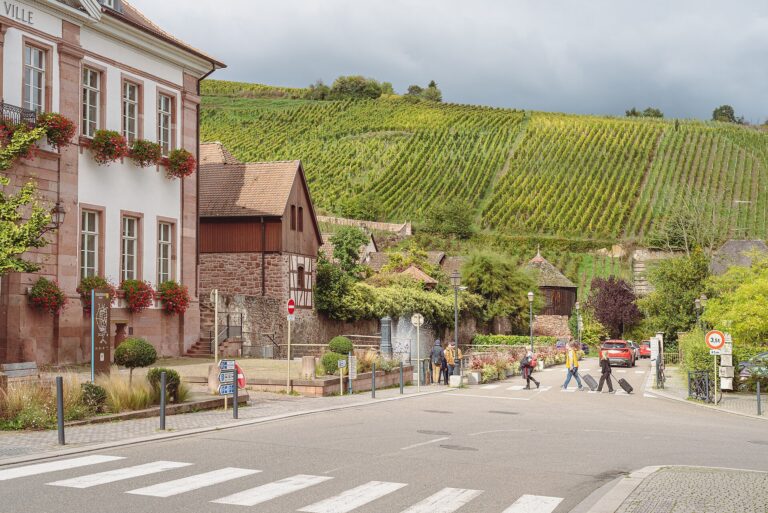
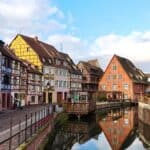
If French wine is on your travel bucket list, you’ll soon discover that Bordeaux is a little too flat and Provence is often unbearably hot in summer. The real heart of France’s wine heritage lies to the east. Burgundy, France is the very essence of the French countryside, where time is measured in vintages and where the rarest wines on the planet are born. But it’s not just about the alcohol, because this region offers deep historic cellars, majestic abbeys and proud villages steeped in ducal history.
In this article you’ll find exactly 13 tips on what to see and do in Burgundy. I’ll show you how to plan a trip along the famous Route des Grands Crus wine trail, why you should stop in Dijon for the mustard, and where to admire those iconic glazed roofs in Beaune. You’ll also learn detailed information about when is the best time to go, how to avoid frustration when booking tastings, and roughly how much the whole trip costs.
TL;DR
- Beaune is the heart of the region: This small town hides the famous medieval hospital of the Hospices de Beaune and miles of cellars right beneath the historic centre.
- The wine trail: The Route des Grands Crus runs for 60 kilometres and links the most famous vineyards in the world, from Dijon to Santenay.
- Booking ahead is a must: If you want to taste wine straight from the producers, in 2026 simply knocking on the door no longer works — everything has to be booked online weeks in advance.
- Dijon is more than mustard: The former seat of the powerful Dukes of Burgundy offers a magnificent palace and charming alleys full of history.
- Watch out with your car in 2026: To enter big cities like Dijon you need a Crit’Air environmental sticker, or you risk a hefty fine.
- Travelling without a car: Regular local TER trains run between Dijon and Beaune, and the journey takes just 20 minutes.
The full destination guide: Alsace and Burgundy — guide and what to see
When to visit the Burgundy wine region in France and how to get there
The ideal time to visit the Burgundy wine region of France is, without a doubt, May, June or September. In September you’ll also experience the authentic bustle of the grape harvest, when tractors block the narrow roads, the smell of fermenting must hangs everywhere and the region shows its most natural face. The exact harvest date is announced each year depending on how ripe the grapes are, but it usually falls in the first half of the month. On the other hand, give August a wide berth — the French take their mass holidays then and the main A6 motorway sees the so-called black days, full of enormous traffic jams. Paradoxically, many small family wineries are actually closed during this summer month, so you could end up rather disappointed by the lack of tastings. The Advent season here is fairly chilly but draws big crowds heading for the Christmas markets in neighbouring Alsace, which unfortunately tends to push up hotel prices in Burgundy itself too.
From the UK, this strip of eastern France is most conveniently reached by flying. The nearest practical airport is Lyon–Saint-Exupéry, served by easyJet and British Airways from London, with Dijon roughly a 1.5-hour drive away. Alternatively, you can take the Eurostar from London to Paris and then hop on a TGV. If you drive over from the UK via the Channel Tunnel or ferry, French motorways are tolled at the péage gates, where you should budget around €9.50 for every 100 kilometres. Pay close attention to the modern Free-Flow system on stretches such as the A79 or A13. Here you’ll no longer find the classic barriers — cameras scan your number plate and you then have to pay the toll online within 72 hours. If you forget, the fine will reliably catch up with you.
A major change for drivers in 2026 is the strict enforcement of low-emission zones (ZFE) in cities with over 150,000 inhabitants. To enter Dijon you absolutely need a Crit’Air environmental sticker, which also applies to UK-registered cars. I recommend ordering it well in advance online from the official French website for €5.11, because without it you risk a fine ranging from €68 up to €375. If you’d rather leave the car behind, TGV high-speed trains get you from Paris to Dijon in an hour and a half, but buy your tickets as early as possible, because they work much like plane tickets and gradually get more expensive. Burgundy itself is hard to explore without a car, but you’ll be saved by the regional TER trains, which connect Dijon with Beaune in just 20 minutes for an affordable €8.
Where to stay in Burgundy
💡 Tip for accommodation and experiences: We like to look for places to stay on Booking.com, which usually has the best cancellation terms. Tickets, day trips and activities are then worth comparing and buying through GetYourGuide.
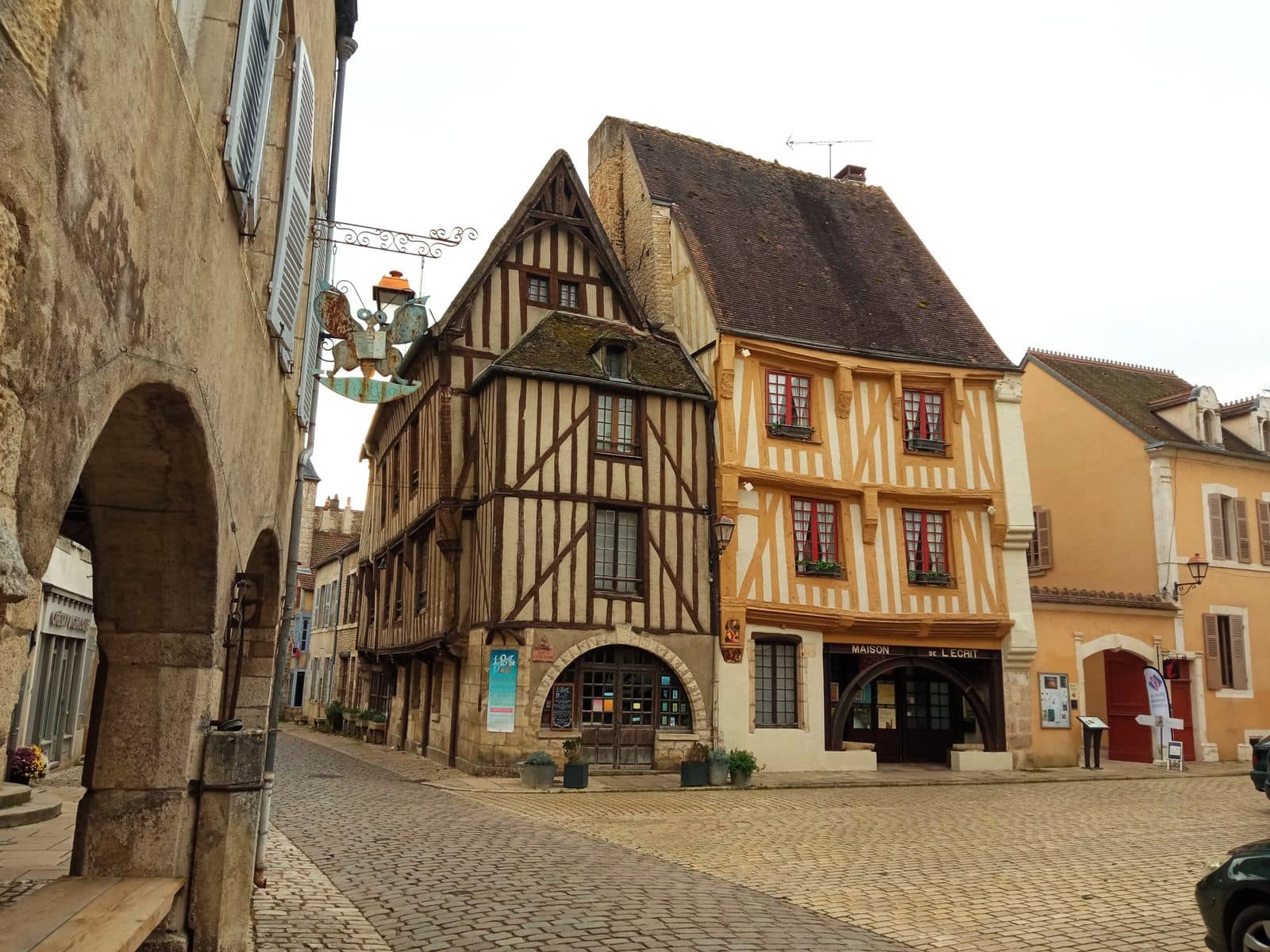
Choosing the right base camp is absolutely crucial for comfortably exploring the whole region. Most often travellers decide between two main hubs — the historic towns of Dijon and Beaune. Each offers a completely different atmosphere and suits a slightly different style of travel, so it really comes down to your own preferences and whether you arrive by car or prefer to use the comfortable French trains.
Dijon is a classic big city with excellent TGV high-speed rail connections, a lively evening scene and a huge number of cultural landmarks. It’s an absolutely ideal choice if you want to have dozens of restaurants and bars to choose from in the evening without having to travel anywhere. You could stay, for example, at the more upmarket Grand Hotel La Cloche, or opt for more affordable apartments right in the historic centre. Bear in mind, though, that Dijon can sometimes feel more like a busy metropolis than a romantic wine-country village. Parking in the centre’s winding lanes tends to be quite pricey, and don’t forget that you absolutely need a Crit’Air environmental sticker to drive here.
Beaune, by contrast, is the absolute epicentre of Burgundy wine and offers a much more intimate, deeply authentic experience. The town has an incredibly compact centre where you can walk everywhere, and it sits literally in the middle of the most famous vineyards. A great choice for the perfect relaxation after a day full of tastings is, for example, Hostellerie Cèdre & Spa, which even has a beautiful garden. But I have to give you a firm warning — Beaune tends to sell out very quickly during the main summer season and the autumn wine auctions, and accommodation prices shoot sharply upwards. If you’re planning to come in November, book your room a full year in advance.
An interesting and very unconventional alternative for true romantics is renting a houseboat on the Burgundy canals, which is an experience in itself. You don’t need any captain’s licence at all. After a short briefing, all you have to do is slowly drift through the old locks and, in the evening, simply moor the boat by the bank right next to some picturesque village pub, where you can enjoy a glass of local wine and a fresh baguette with cheese.
13 things to do in Burgundy, France
Let’s take a look together at the very best this fascinating region has to offer. From world-famous vineyards through Gothic palaces to inconspicuous villages that wrote the history of France.
1. Beaune and the hospital with the glazed roof
The heart of wine-growing Burgundy isn’t a big city but the intimate little town of Beaune, utterly steeped in wine. Beneath the cobbled streets of its historic centre lie miles of old interconnected cellars full of ageing oak barrels. They give the whole town a distinctive earthy aroma you’ll notice the moment you step off the train or out of the car. Everything here simply revolves around top-class gastronomy and a deep wine culture.
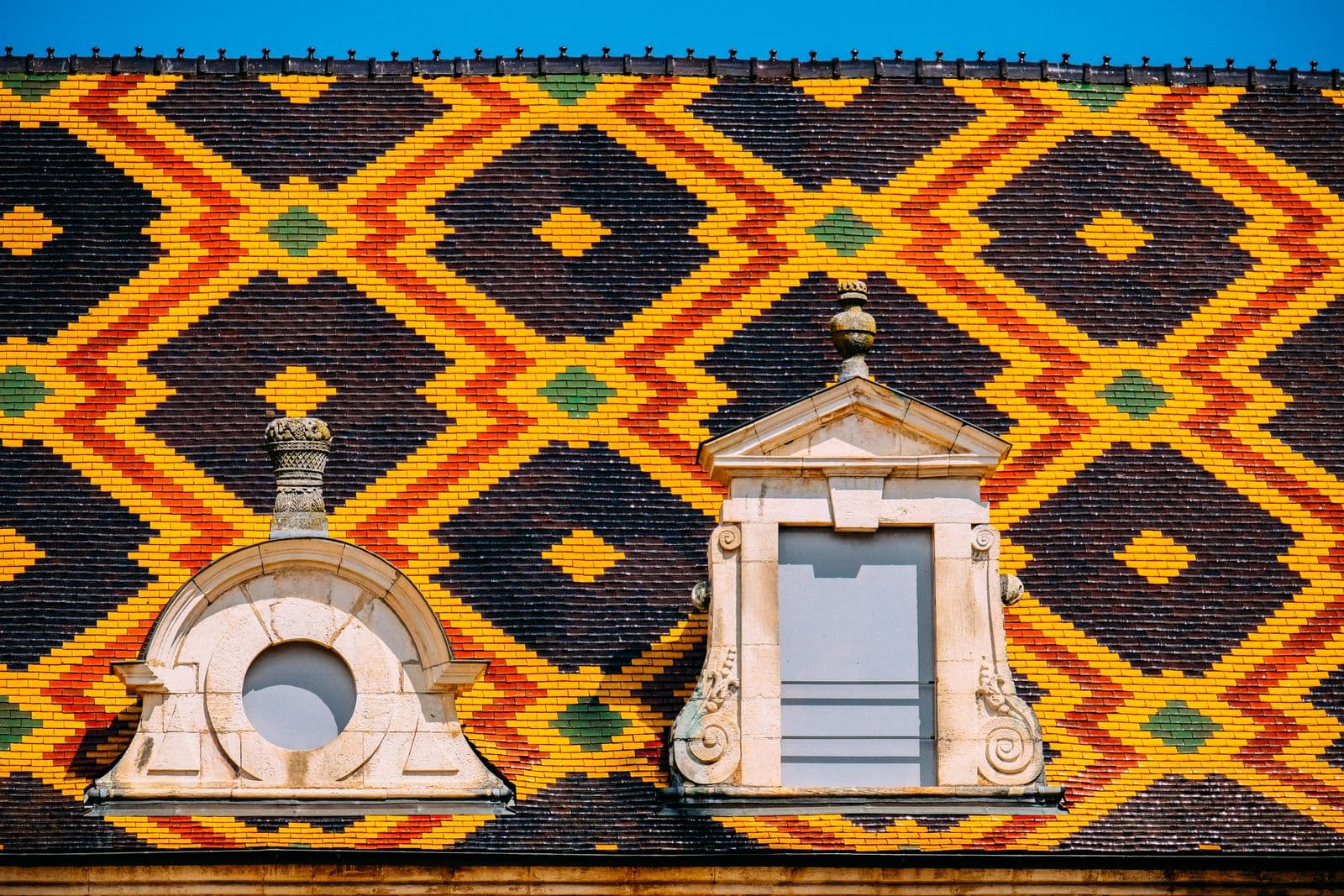
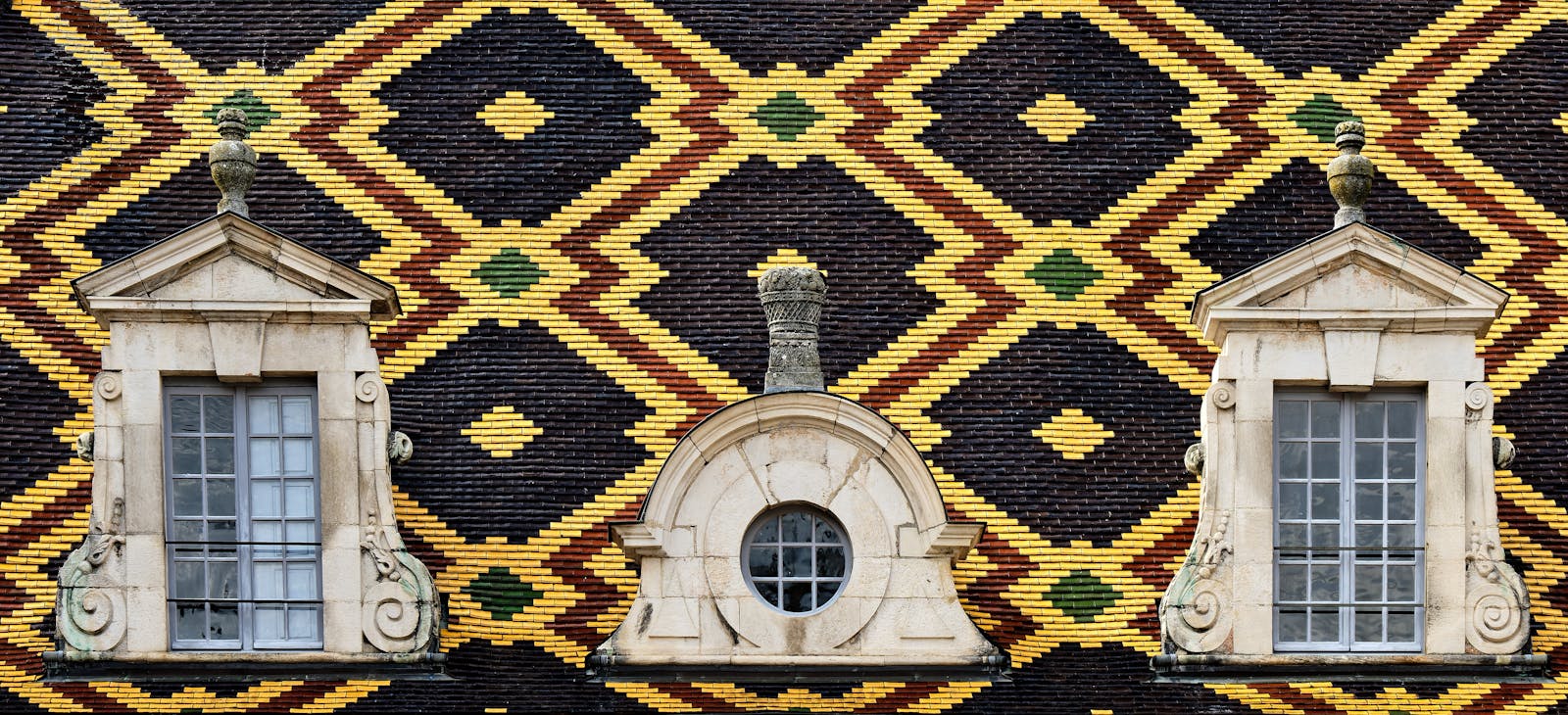
The town’s main magnet, however, is the Hospices de Beaune, a magnificent medieval almshouse from the 15th century. This majestic building (also known as the Hôtel-Dieu) immediately catches your eye with its roof, which is covered in intricate geometric patterns of brightly coloured glazed tiles. It’s this striking visual feature that has become the absolutely iconic image of the whole of Burgundy, and you’ll find it on most local postcards and souvenirs.
Inside the complex you’ll find a breathtaking ward for the sick with original beds lined with red canopies, where the order’s nuns lovingly cared for the poorest patients. The tour also includes a stunning masterpiece of the Northern Renaissance — the polyptych of the Last Judgement by the famous painter Rogier van der Weyden. The intricate detail of this altarpiece will literally root you to the spot.
💡 Tip: In high season, buy your tickets for the Hospices online several days in advance, because the queues on site can eat up more than an hour of your precious time.
2. The famous wine auction in Beaune
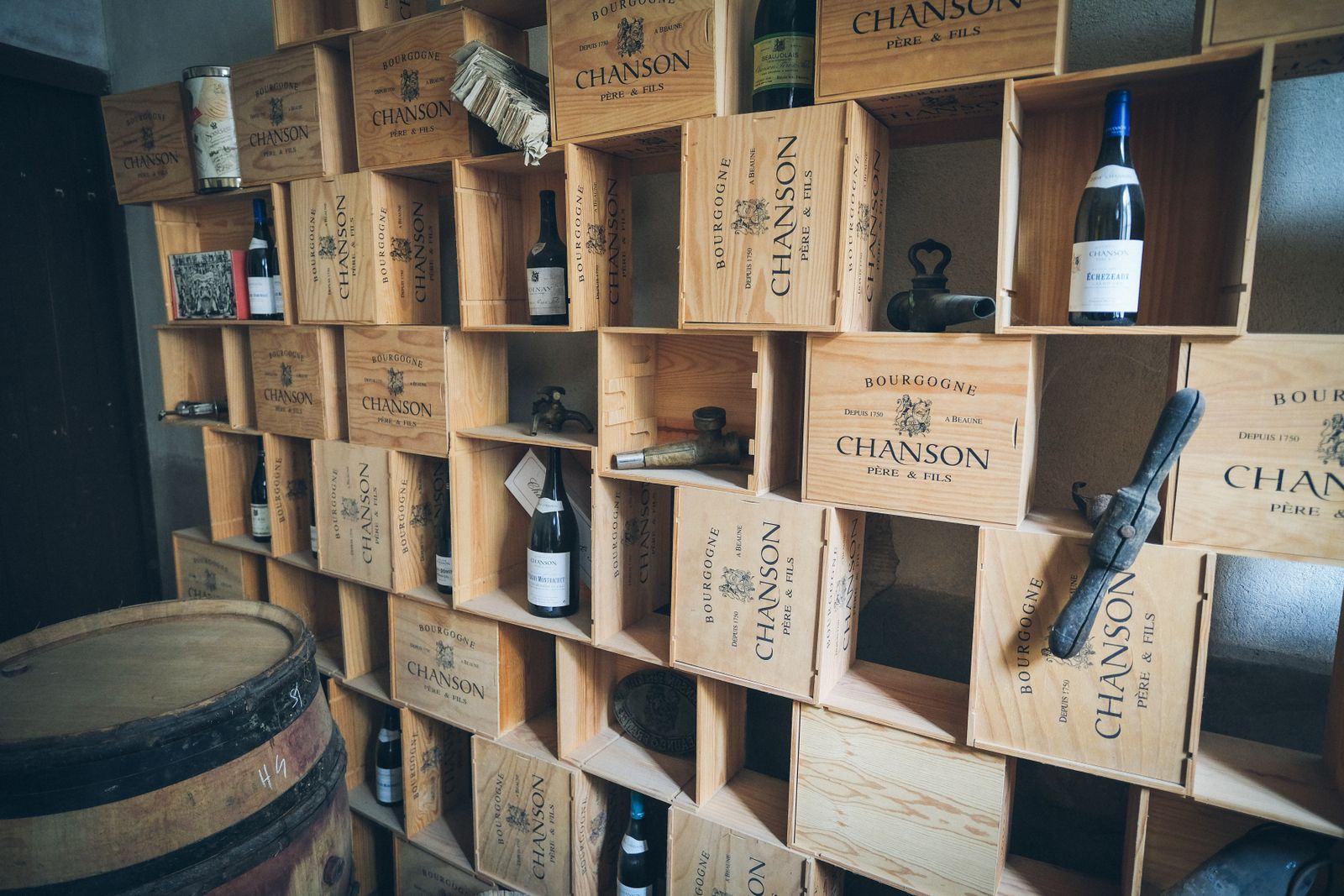
The Hospices de Beaune isn’t just a beautiful museum with a rich history — for centuries it has also owned top-tier vineyards. They were gradually bequeathed to it by wealthy patients as an expression of deep gratitude for the care they received. These exceptionally rare grapes are turned into wine that is auctioned each year at the most famous charity wine auction in the world. It’s a huge social event that draws wealthy buyers from across the planet.
In 2026 the exact date of this famous auction falls on Sunday 15 November. It’s the absolute climax of the whole festive weekend known as the Trois Glorieuses, or Three Glorious Days. At that moment Beaune is literally bursting at the seams — the packed streets ring with non-stop tasting and singing, while global buyers bid on barrels of young wine for astronomical sums. Every euro spent then goes to support modern hospitals and medical research.
If you’d like to experience this incredible, pulsating atmosphere for yourself, you have to plan the whole trip a very long way ahead. Accommodation in Beaune and the wider area for this particular November weekend sells out a full year in advance. The prices of the last remaining hotel rooms shoot sharply upwards, so a spontaneous last-minute trip really doesn’t pay off here.
3. Dijon and the Palace of the Dukes of Burgundy
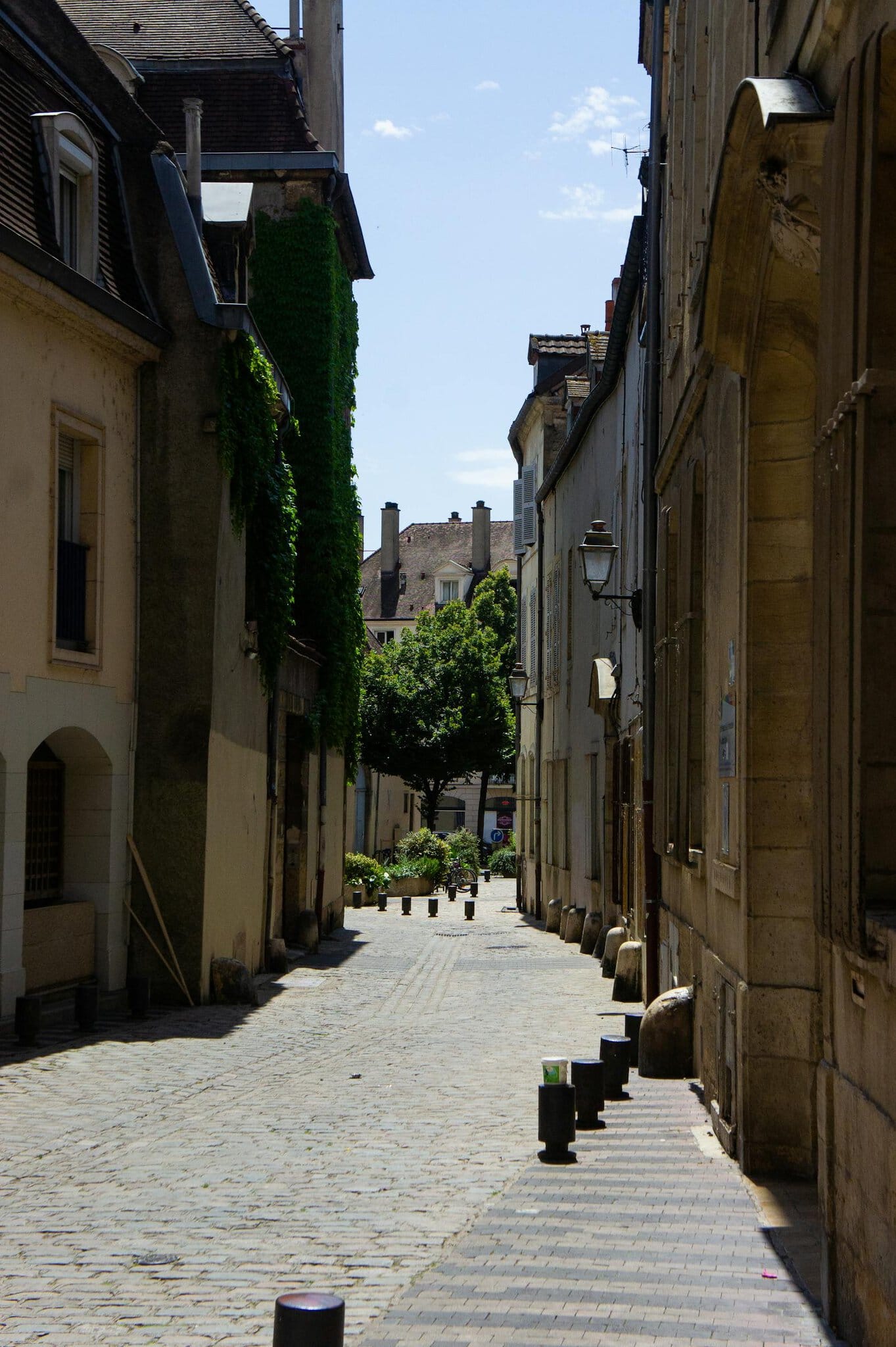
At the northern end of the famous wine trail lies Dijon, a large and vibrant city that was once the proud seat of the powerful Dukes of Burgundy. In the 14th and 15th centuries these ambitious rulers controlled a vast territory stretching as far as today’s Netherlands. With their immense wealth and influence they often reliably overshadowed even the kings of France themselves, something still very tangible in the city’s elegant streets today.
The centre of all the action is the imposing Palace of the Dukes of Burgundy, which today serves partly as a majestic town hall and partly as an excellent art museum. I definitely recommend visiting the Musée des Beaux-Arts, which recently underwent an extensive and costly renovation. It offers a fascinating glimpse into the old ducal tombs of Philip the Bold and John the Fearless, with incredibly detailed alabaster statues of mourning monks.
While strolling through the old town, don’t forget to watch your step and look out for the small brass owls set into the pavement. The owl is the city’s historic symbol and will safely guide you to the original little stone carving on the outer wall of the Notre-Dame church. Don’t forget to stroke it for luck with your left hand only, exactly as the local centuries-old tradition demands.
4. Real Dijon mustard, no compromises
Say “Dijon” and most people around the world immediately picture its renowned sharp mustard. Although a large share of the global production under this name is now made in giant factories elsewhere — and, surprisingly often, from Canadian seeds — right in the city you’ll still find authentic places keeping the original craft alive. Real Dijon mustard is a gastronomic experience you simply can’t buy in an ordinary supermarket.
Stop by the family-run Moutarderie Fallot, one of the last traditional producers in the whole region. They still proudly use ancient stone mills, which prevent the seeds from heating up unintentionally during grinding. This gentle process preserves the mustard’s characteristically sharp and perfectly clean flavour. You can take a very interesting tour here and discover the incredibly complex process hidden behind this iconic yellow paste.
In their fragrant boutique you can then taste and buy varieties you probably never even dreamed of. Mustard with fresh tarragon, blackcurrant, delicate honey or crunchy nuts will completely change the way you think about what you usually spread on your bread. It’s also an absolutely perfect and very affordable souvenir to bring home for your friends.
5. Route des Grands Crus: the wine highway
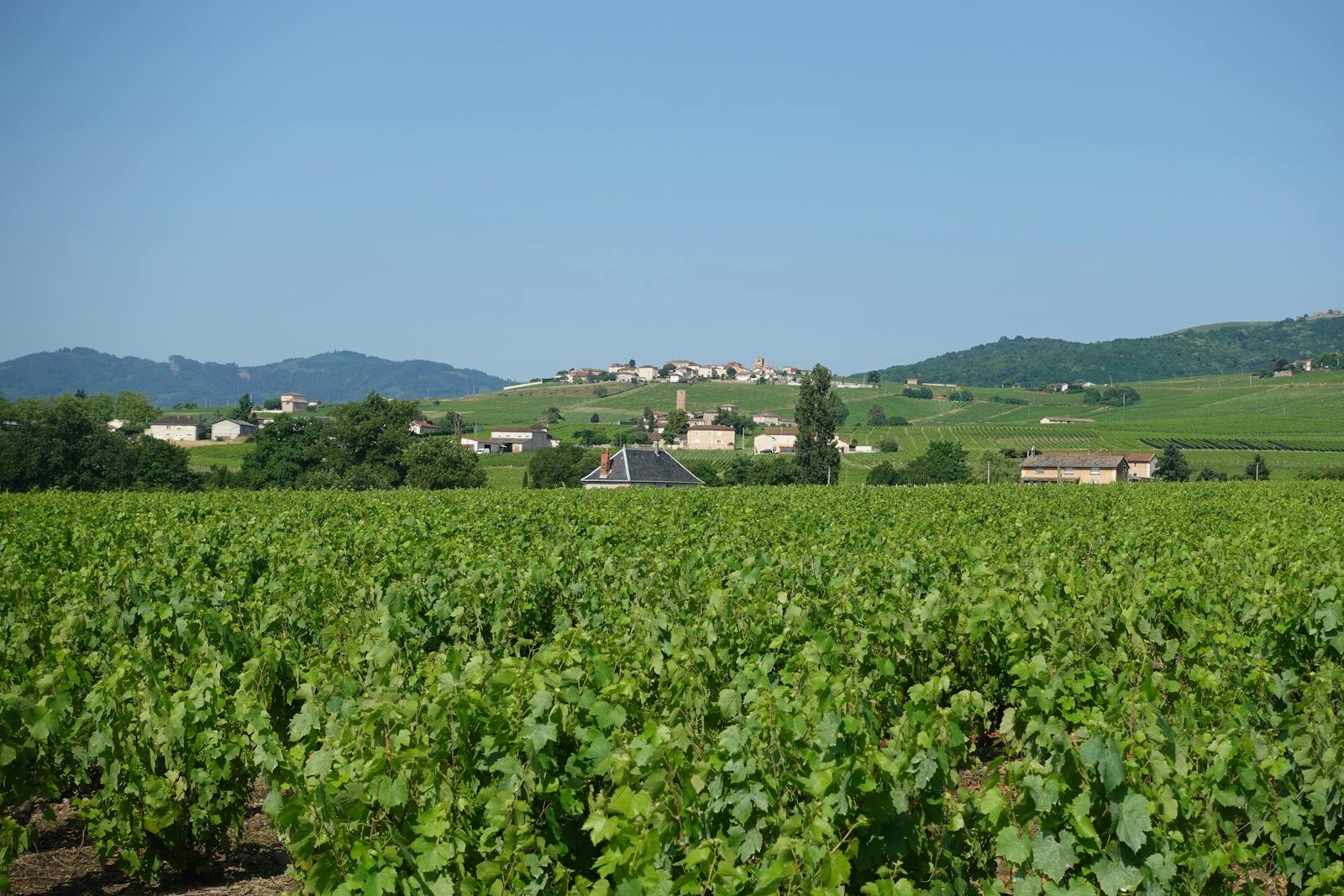
The best possible way to truly understand Burgundy and soak up its unmistakable atmosphere is to drive the famous Route des Grands Crus. This iconic wine trail, sometimes grandly nicknamed the Champs-Élysées of Burgundy, was marked out back in 1937. It’s only 60 kilometres long, yet it concentrates the absolute most precious things French winemaking has ever given the world.
It runs from Dijon in the north all the way down to Santenay in the south, passing through exactly 37 wonderfully picturesque villages. This is where the most expensive and rarest wines on our planet are born. Driving slowly by car, you’ll pass old stone walls and inconspicuous historic gateways bearing the names of famous estates that quite literally take a wine lover’s breath away and that sommeliers study all over the world.
💡 Tip: Driving is nice, but it’s far better to rent a bike and head out along the cycle path called the Voie des Vignes. It runs a fine 23 kilometres and winds right between the perfectly trimmed rows of vines. That way you’ll be far enough from the busy car traffic and can enjoy the landscape in complete peace.
6. Côte de Nuits: the kingdom of Pinot Noir
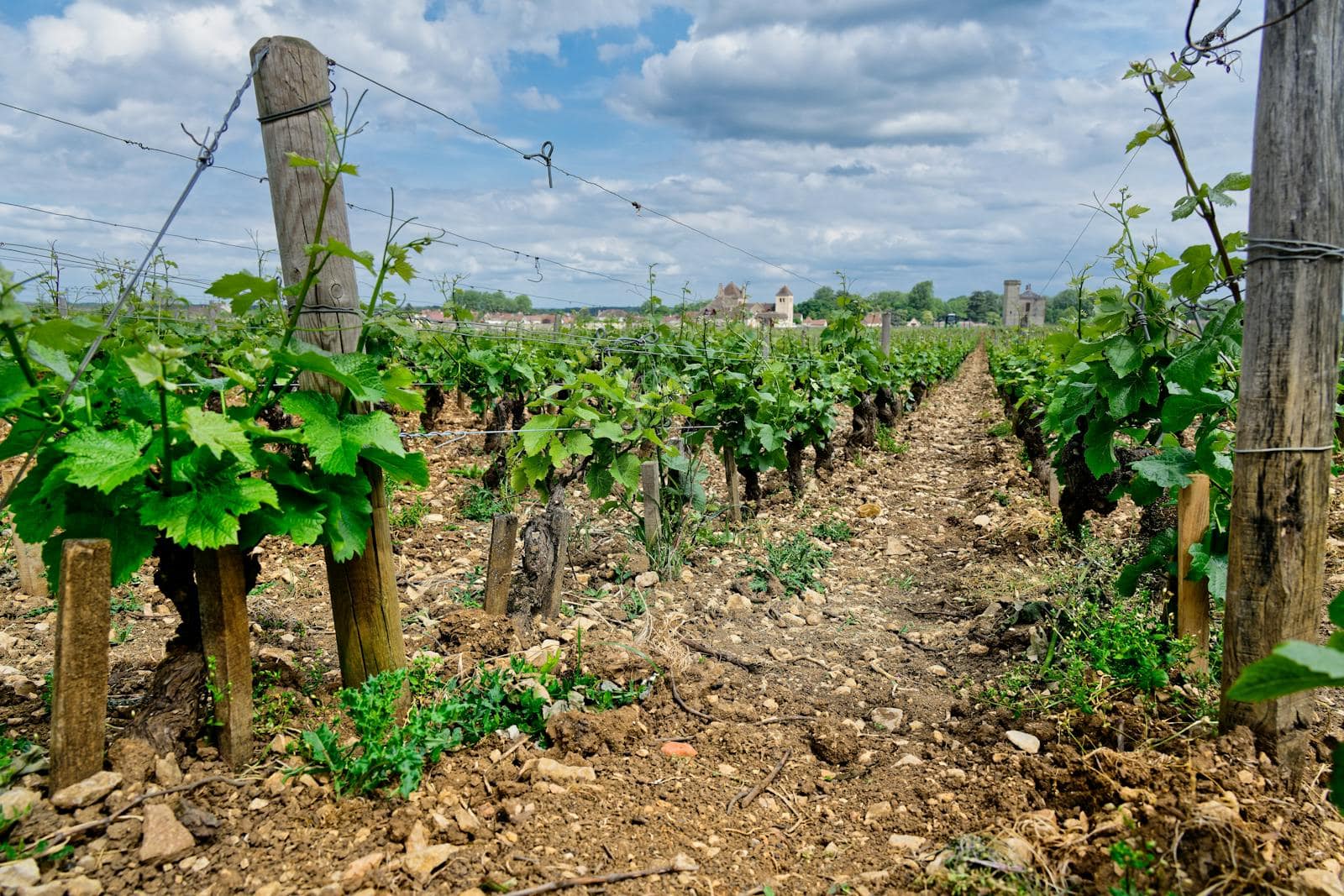
The northern half of the famous Route des Grands Crus bears the resonant name Côte de Nuits and is the uncrowned kingdom of red wine. If you love the Pinot Noir grape, this is its absolute homeland and epicentre. The local slopes, which the locals fondly call climats, sit on a distinctive limestone bedrock. This gives the red wines incredible elegance and admirable longevity.
Driving through famous villages like Gevrey-Chambertin or Nuits-Saint-Georges, you’ll come across vineyards often only a few dozen square metres in size. Yet their names are spoken with reverence by the entire wine world. The local terroir is so utterly unique and historically valuable that it rightly earned its own listing on the prestigious UNESCO cultural heritage list.
The most famous stop here is undoubtedly the unassuming stone wall surrounding the sacred Romanée-Conti vineyard. From this small patch of soil comes the most expensive wine in the world, where the price of a single bottle routinely runs into tens of thousands of euros. An ordinary mortal won’t get to taste it, but the simple walk past these legendary vines has its own enormous, almost mystical charm.

7. Côte de Beaune: home of perfect Chardonnay
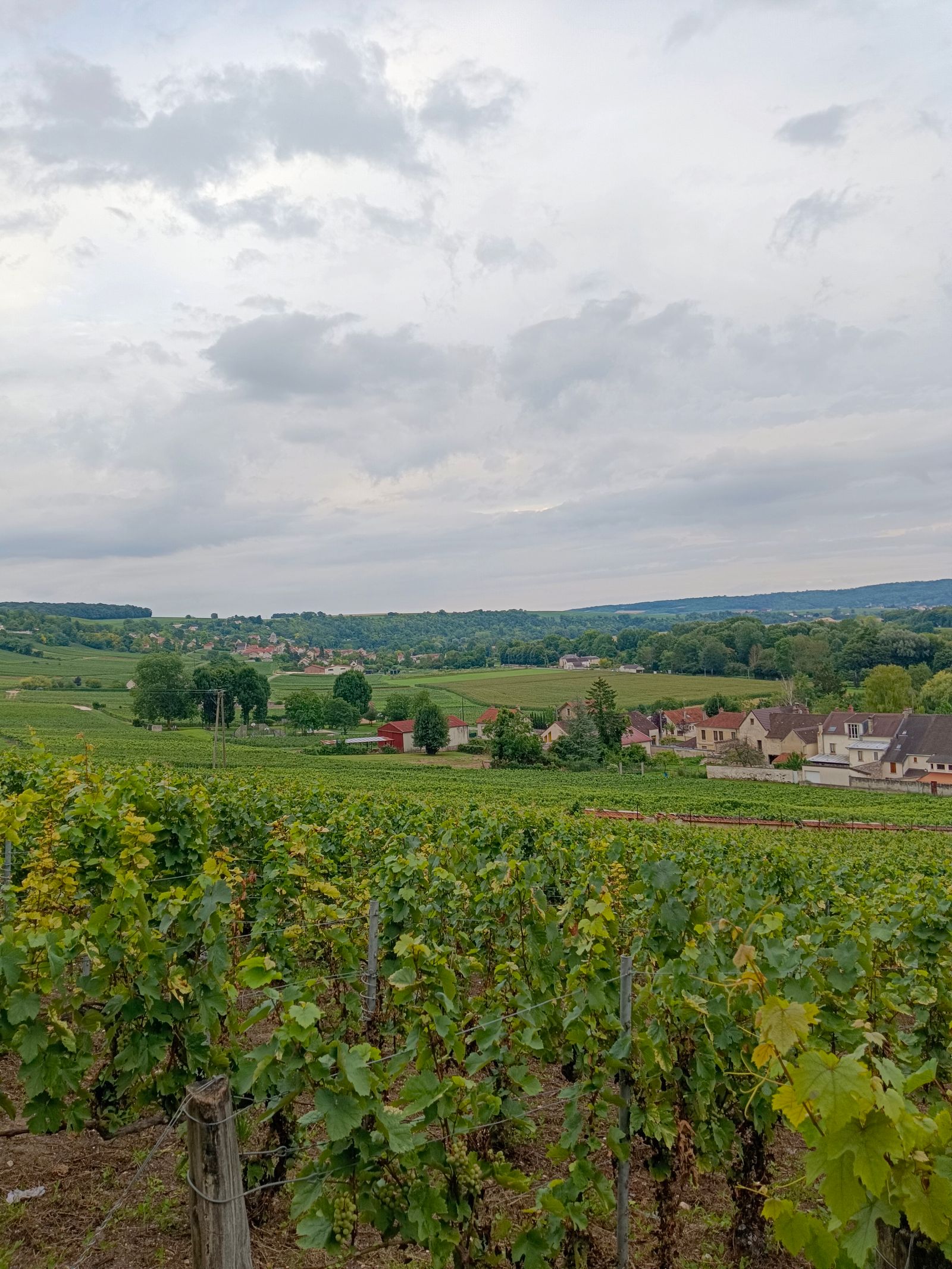
As soon as you pass the town of Beaune and head further south, the landscape changes slightly and you smoothly enter the area known as the Côte de Beaune. Although excellent reds are made here too, this sun-drenched area is world-famous above all for its white wines, here ruled entirely and unreservedly by the beloved Chardonnay grape.
The local whites from prestigious villages such as Meursault, Puligny-Montrachet or Chassagne-Montrachet define the world standard for how top-class Chardonnay should actually taste. They are rich, very often with characteristic notes of melted butter, nuts and delicate vanilla thanks to careful ageing in oak barrels. Wines from these sunny slopes tend to be fuller and more complex in flavour than those from the cooler areas further north.
The villages in this southern part are perhaps even more picturesque and sleepy than in the north. I definitely recommend stopping in the village of Pommard or Volnay, parking your car somewhere on the edge and setting off on foot along the dusty tracks straight up the steep slopes. From here you’ll be treated to gorgeous views over the flat valley of the river Saône and you’ll clear your head completely.
8. Château du Clos de Vougeot
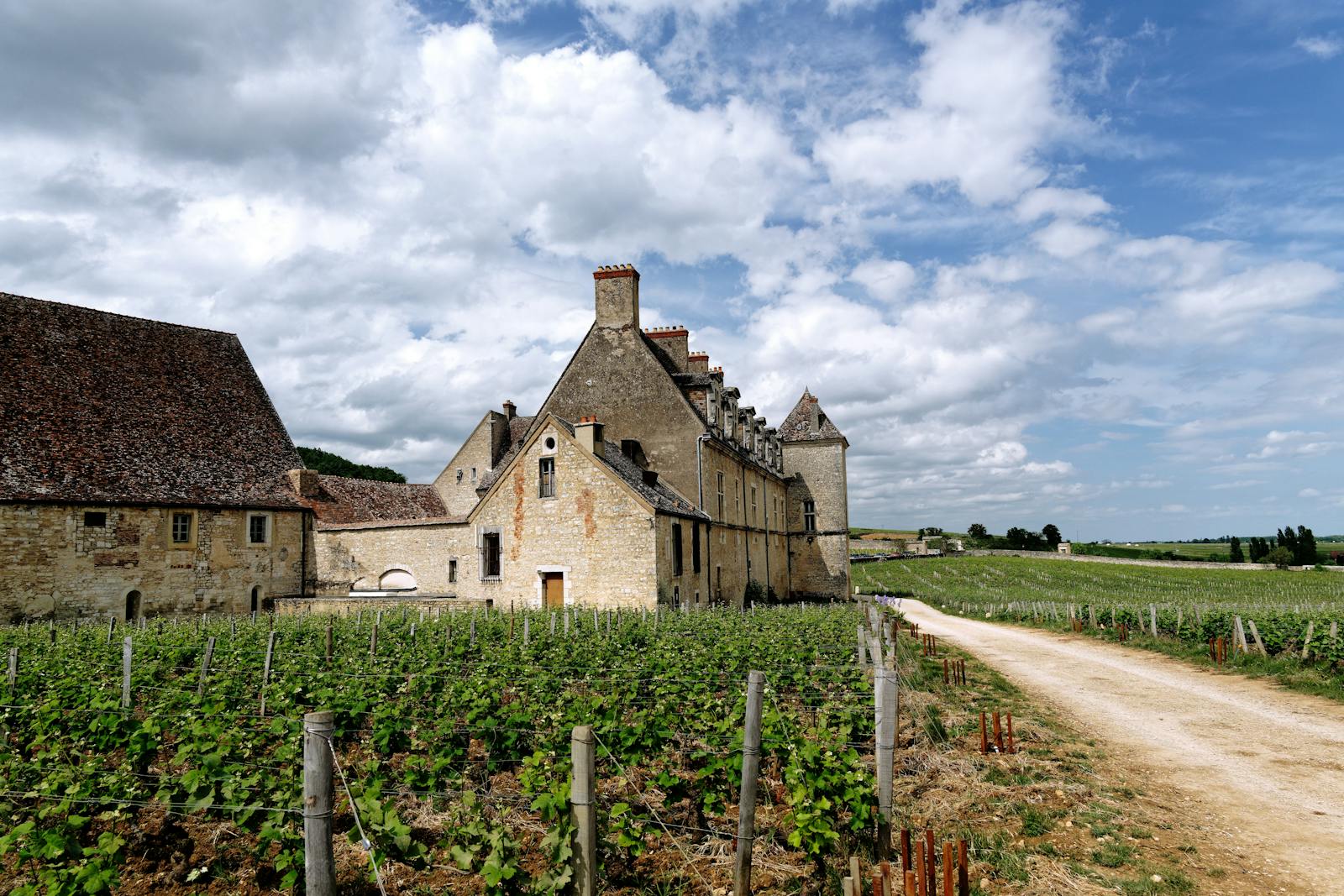
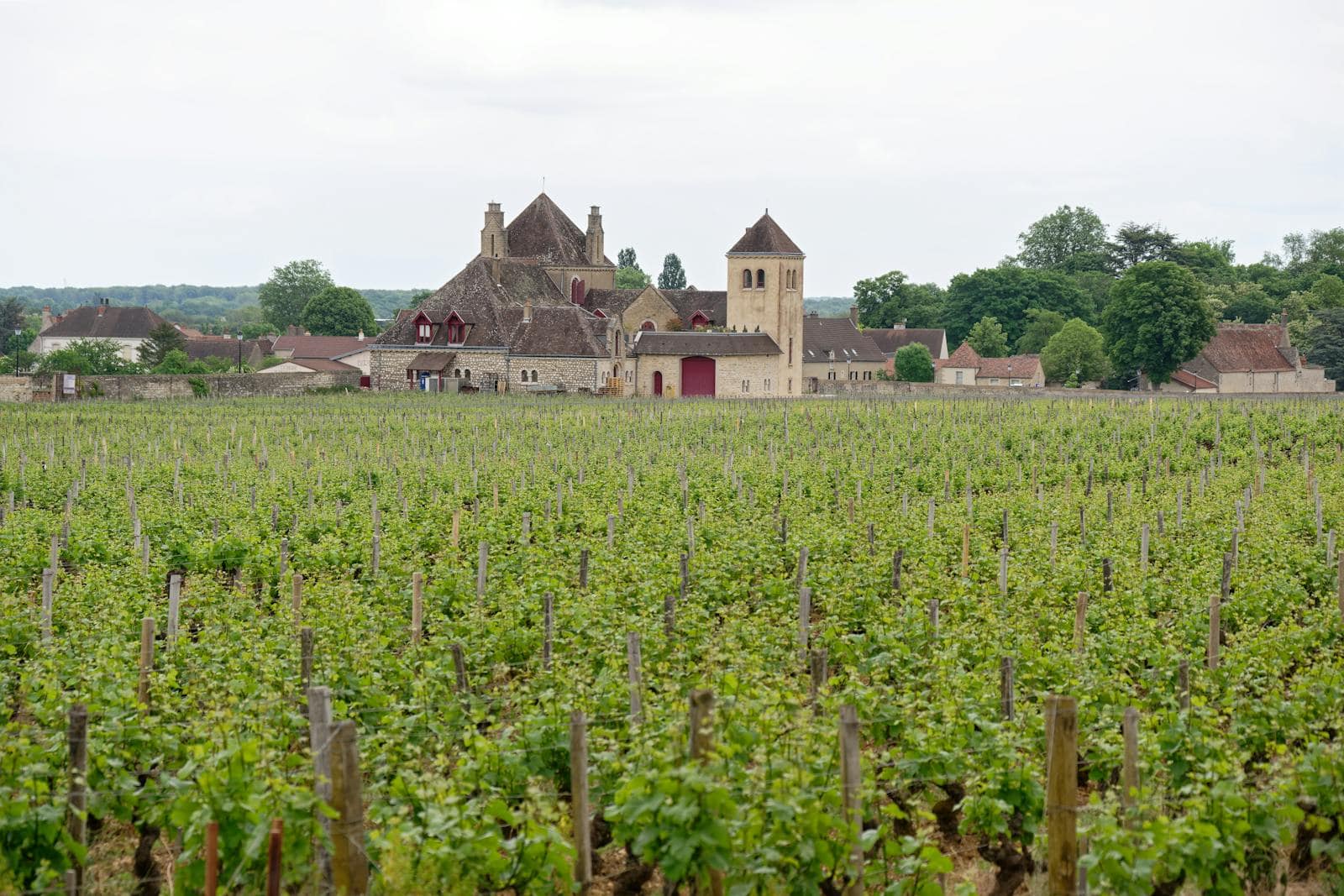
On your journey along the Burgundy wine trail you absolutely mustn’t miss the Château du Clos de Vougeot. This mighty Renaissance château, exceptionally picturesquely surrounded by an endless sea of vineyards, represents an absolutely pivotal historic milestone for the whole region. It was founded by the immensely hard-working Cistercian monks back in the 12th century, and they laid the very foundations of modern French winemaking here.
It was precisely these meticulous monks who had enough time and endless patience to become the first to systematically study the diversity of the soil. They figured out why grapes from the slope taste completely different from those from the valley. It was they who mapped the Burgundy slopes in detail and precisely defined the complex concept of terroir, on which the entire French wine philosophy and classification system still firmly rests today.
Today the château no longer makes its own wine, but it serves as a fascinating museum open to the general public. Inside you can see the huge historic wine presses, terrifying in their dimensions, and the original cold cellar spaces where the monks toiled for centuries. It’s a very photogenic place that perfectly bridges ancient history with a living wine tradition.
9. Tasting without the frustration: how to do the cellars
If you naively imagine that in Burgundy you’ll simply roll into a village, knock on a winemaker’s wooden door and he’ll instantly invite you into the cellar with a smile, you’re probably in for a rude awakening. The romantic notion of permanently open doors is long gone. Everything here runs on a strict system, and booking your tastings is an absolute and unavoidable necessity in 2026.
Local family wineries are often hopelessly booked out weeks in advance and tastings are strictly paid. Prices typically range between €15 and €30 per person at smaller producers, while at the famous, renowned houses you could easily pay €50 or more. If you want to save yourself the stress and the tricky negotiating in French, use booking websites or find organised tours, which can be very easily reserved through GetYourGuide.
💡 Tip: If you buy at least a few bottles of wine to take home from a small family producer at the end of the tour, they’ll very often kindly deduct the tasting fee from your bill. At the big commercial houses in Épernay or Beaune, though, don’t count on this generous gesture at all — there the rules are strictly fixed.
10. Vézelay and the Basilica of Mary Magdalene
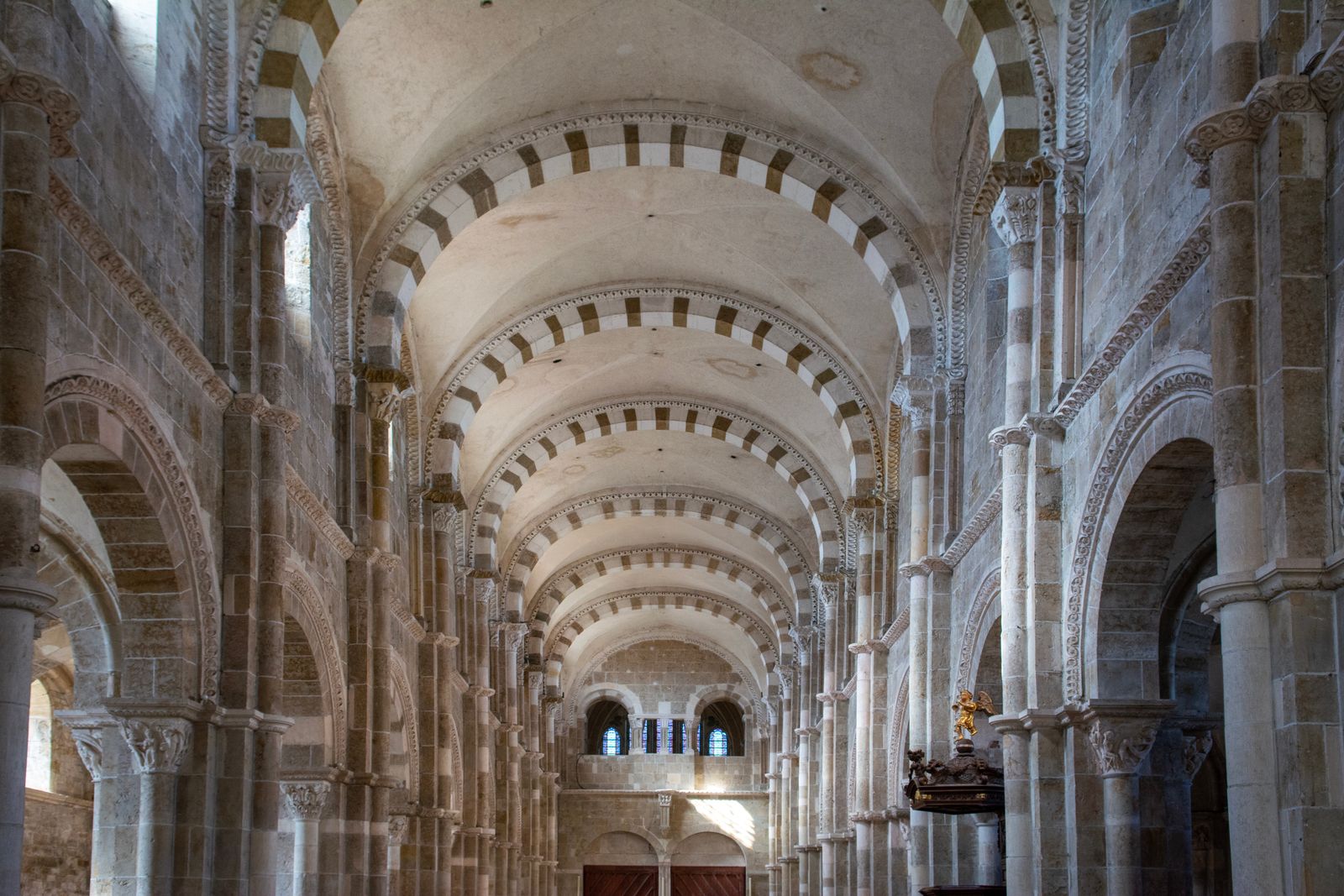
Burgundy is enormously vast and certainly doesn’t offer only the main wine axis around Dijon. About an hour and a half’s drive west, on a lonely hill, lies the beautiful village of Vézelay. Its unmissable landmark is the Basilica of Sainte-Marie-Madeleine, a stunning masterpiece of Romanesque architecture on the UNESCO list.
In the Middle Ages it was one of the most important and busiest places of pilgrimage in all of Europe. The precious relics of Mary Magdalene are said to be kept here, and it was from here, among other things, that the Crusades set off in great pomp. One of the main French routes to Santiago de Compostela in Spain also began here. The atmosphere within the old stone walls is still very mystical and quiet to this day.
The greatest curiosity is an architectural wonder linked to the movement of the sun. The light that pours into the basilica’s main nave precisely on the day of the summer solstice creates a perfect line of light spots down the middle of the floor, leading straight to the main altar. The village around the basilica is also full of small romantic cafés and art galleries where you can take a wonderful rest.
11. Monastic life and the powerful Abbey of Cluny
Besides the ever-present wine, the history of Burgundy was also shaped by immense church power. In the very south of the region you’ll come across the stunning remains of Cluny Abbey, which in its golden age was the very largest and most influential church in the entire Christian world. It proudly held this distinction for several centuries, until it was eventually surpassed architecturally by the enormous Basilica of St Peter in the Vatican.
Sadly, a large part of this amazing monastery was irreversibly destroyed during the turbulent French Revolution, when the complex sadly served as an ordinary quarry. Yet even the little that has survived to this day commands enormous respect for the original dimensions of the entire breathtaking structure. The tour is now cleverly enhanced with modern augmented-reality technology. On special screens you’ll see exactly how majestically the complex looked at the height of its glory.
A stop at Cluny will reliably help you understand that medieval Burgundy wasn’t run only by the wealthy dukes of Dijon. Enormous political and economic power was firmly held here by the monks. It was they who owned the best land and shaped the character of the local landscape into the form we admire today.
12. Chablis and Mâcon: gems on the edges
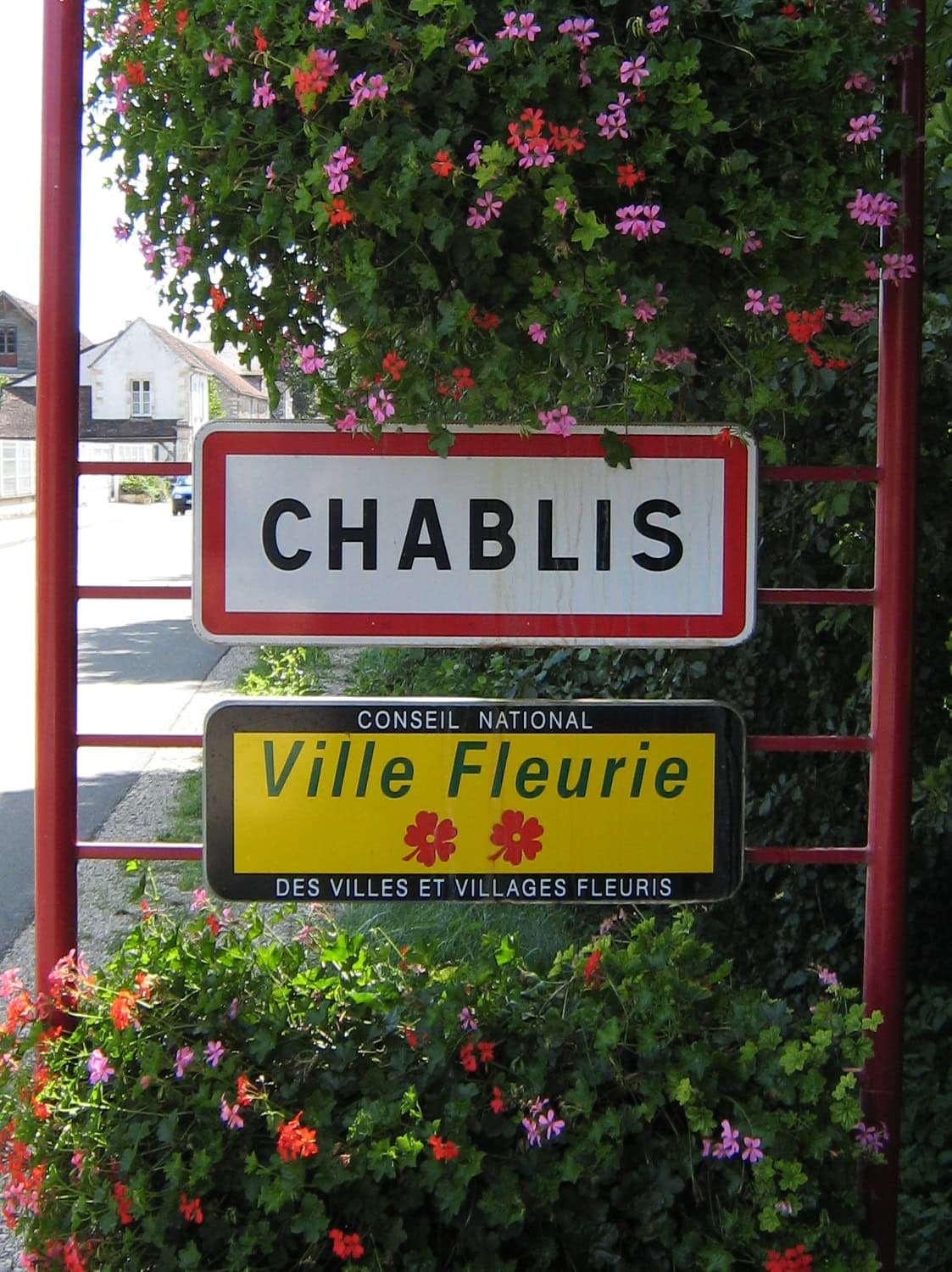
If you’re a keen white-wine lover, you definitely shouldn’t overlook two regions that lie a little off to the side, on the edges of Burgundy’s main territory. Right in the northwest sits the well-known Chablis area. The local Chardonnay grows on a distinctive Kimmeridgian soil full of prehistoric fossils of marine creatures, which gives the wine a unique steely, mineral flavour with a very sharp acidity.
In the deep south of Burgundy, by contrast, lies the sunny Mâconnais area. The local microclimate already takes on a slightly southern feel and the sun bakes here noticeably stronger than in the north. Wines from Mâcon, likewise built on the dominant Chardonnay grape, are therefore rounder, full of ripe fruit and far kinder to the wallet than the famous and often overpriced bottles from the prestigious Côte de Beaune.
Both of these picturesque areas offer an absolutely brilliant alternative for travellers who want to escape the biggest crowds on the main route. The landscape around Chablis is gently hilly and beautifully calm, while around Mâcon you can already feel that warm breath of the approaching Mediterranean south and a more relaxed atmosphere.
13. Burgundian gastronomy and cheeses
France is synonymous around the world with great food, and Burgundy is right at the very top in this respect. The traditional cuisine here is admittedly very rich and hearty. The local icon is beef Burgundy style, or boeuf bourguignon, slowly braised in red wine — but if you’re looking for vegetarian alternatives, this fertile region definitely won’t leave you hungry.
An absolute must-taste are the famous gougères. These small, incredibly fluffy buns of choux pastry, generously mixed with Gruyère or Comté cheese, are served here with practically every glass of wine. Also wonderful are the traditional sauces based on sharp Dijon mustard, which in their meat-free version go superbly with roast potatoes or fresh seasonal vegetables from the local markets.
And you definitely mustn’t skip the lavish cheese counters either. The true king of Burgundian cheeses is Époisses, an incredibly aromatic washed-rind cheese that is aged for a long time in the local grape-pomace spirit known as marc. Especially when it’s fully ripe, its creamy consistency literally oozes onto the plate. With a fresh, crusty French baguette it makes for an absolutely unforgettable gastronomic experience you’ll want to come back for.
Map of points of interest for your phone
Where to go next from Burgundy
If you have more time for your trip and want to explore other corners of eastern France, several great options present themselves. Burgundy borders directly on the Jura region, where you can taste a wholly distinctive yellow wine.
But if you fancy slightly different architecture and a different style of wine, head northeast. About three hours’ drive from Beaune lies the picturesque town of Colmar, which looks like something straight out of a fairytale. From there you can then set off to explore the famous Alsace Wine Route, which, unlike Burgundy, focuses on fragrant white wines such as Riesling and Gewürztraminer.
Frequently asked questions
How much does the toll cost on the way to Burgundy?
When traveling by car from Czechia through Germany and on to France, expect French motorway tolls. These are paid via toll gates and in 2026 they come to roughly €9.50 per 100 kilometers driven. Don’t forget to carefully watch for sections with the modern Free-Flow system (for example, motorways A79 and A13), where you pay online within 72 hours of passing through, as you won’t find traditional barriers there.
Do I need an environmental sticker for Burgundy?
Yes, the Crit’Air ecological sticker is mandatory for large cities like Dijon. You’re not allowed to enter the ZFE zone without it and you risk a fine from €68 to €375. The sticker costs exactly €5.11 and I recommend ordering it online on the official website well in advance, as it will be sent by post to your Czech address. It’s then valid for the entire lifetime of the vehicle.
Can you travel Burgundy without a car?
Getting around completely without a car is tricky, but the railway reliably connects the key points. Regular TER regional trains run between Dijon and Beaune, the journey takes just 20 minutes and costs a reasonable €8. To explore the smaller villages right on the wine trail, you can easily rent a bike and head out on the beautiful Voie des Vignes cycle path, which stretches for 23 kilometers.
What exactly does the word terroir mean?
Terroir is a French winemaking concept that encompasses all the natural influences affecting a vineyard. It includes soil composition, altitude, slope gradient, sun exposure, and microclimate. It’s precisely the terroir that makes Burgundy wines so unique, because each parcel tastes completely different, even when planted with the same grape variety.
How much does a regular wine tasting cost?
The days of free tastings are mostly gone in France. At smaller wineries you’ll pay 15 to 30 € for a tasting, while big and famous houses easily charge 50 € or more, and advance booking is absolutely essential these days. However, if you end up buying a few bottles to take home, small winemakers will very often kindly waive the tasting fee.
When is the best time to see the grape harvest?
The exact date of the wine harvest is determined anew each year based on the current ripeness of the grapes, but it usually falls in the first half of September. During this time, the region is absolutely at its liveliest, the smell of fermenting must is everywhere, and you’ll encounter tractors carrying grapes on the roads. At the same time, however, it’s very crowded everywhere and you need to sort out accommodation well in advance.
Will I eat well in Burgundy even without meat?
Although the local cuisine is famous for meat dishes like beef bourguignon, vegetarians definitely won’t go hungry here. French gastronomy offers great cheese specialties, cheese puffs gougères, vegetable quiche, onion soup in vegetable broth, or excellent desserts like apple tarte tatin.
What is the auction at Hospices de Beaune?
This is the world’s most famous charity wine auction, held every year during the so-called Three Glorious Days. Barrels of young wine from vineyards belonging to the historic hospice are auctioned off, with proceeds going to charity and hospital support. In 2026, this huge social event falls precisely on Sunday, November 15th.
Tips and Tricks for Your Vacation
Don’t Overpay for Flights
Search for flights on Kayak. It’s our favorite search engine because it scans the websites of all airlines and always finds the cheapest connection.
Book Your Accommodation Smartly
The best experiences we’ve had when looking for accommodation (from Alaska to Morocco) are with Booking.com, where hotels, apartments, and entire houses are usually the cheapest and most widely available.
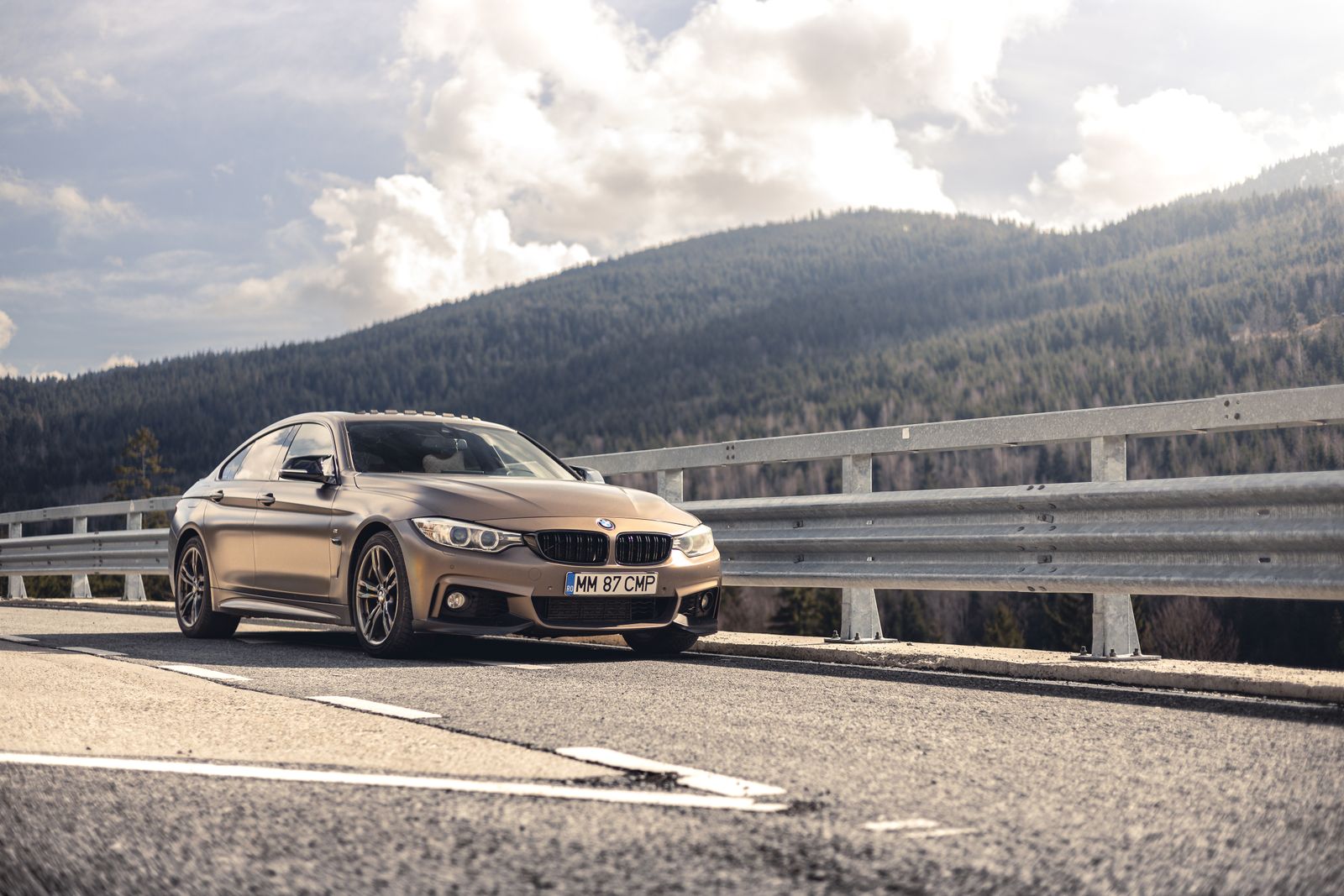 🚗 Car rental on the roadVerified rental cars in Alsace and Burgundy
Search with the DiscoverCars comparison engine — it compares prices from dozens of local and international rental companies, and most bookings come with free cancellation.
Compare car prices in Alsace and Burgundy →Don’t Forget Travel Insurance
Good travel insurance will protect you against illness, accidents, theft, or flight cancellations. We’ve had a few hospital visits abroad, so we know how important it is to have proper insurance arranged.
Where we insure ourselves: SafetyWing (simple monthly subscription) and TrueTraveller (for extra-long trips).
Find the Best Experiences
Get Your Guide is a huge online marketplace where you can book guided walks, trips, skip-the-line tickets, tours, and much more. We always find some extra fun there!