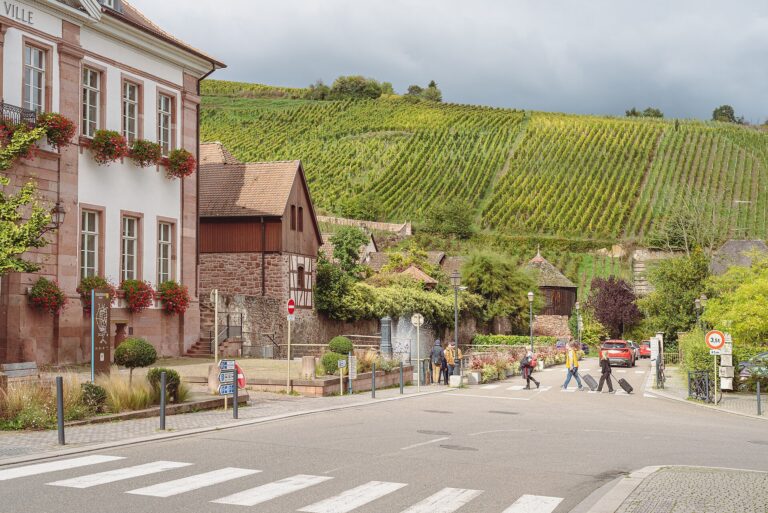
If you love the French countryside, history that seems to breathe out of every stone, and top-class gastronomy, then Dijon in France will absolutely win you over. This city was once the seat of the powerful Dukes of Burgundy, who, with their wealth and influence, easily outshone even the kings of France themselves. Today it’s an incredibly elegant, compact and laid-back destination that offers the perfect mix of medieval lanes, modern museums and the aroma of world-famous mustard. You’ll quickly discover that Burgundy is far from being just about endless vineyards — it’s also about stunning architecture.
A stroll through the centre of Dijon feels like a journey back in time, because the historic core is a UNESCO World Heritage Site and ranks among the best preserved in France. It’s easy to find your way around, you can reach everything on foot, and on every corner a gorgeous little café or bakery peeks out at you. I’ve put together a detailed guide to help you plan your trip. You’ll find tips on the most interesting places, practical information about transport, and advice on where to rest your head.
TL;DR
- Main landmark to follow: Keep an eye on the brass owl arrows set into the pavement, which guide you through the entire historic centre without ever needing to look at a map.
- Biggest sight: The Palace of the Dukes of Burgundy, which today houses one of the finest art museums in the country.
- What you absolutely must do: Stroke the little stone owl on the Notre-Dame church with your left hand to bring yourself good luck.
- Foodie tip: Pop into the traditional Maille or Fallot boutiques and taste real Dijon mustard in unusual flavours.
- Ideal day trip: Hop on a local train and head to the nearby town of Beaune along the famous Route des Grands Crus wine trail.
- Driving in 2026: If you’re travelling by car, don’t forget to sort out the Crit’Air environmental sticker — without it you can’t enter the city.
The full destination guide: Alsace and Burgundy — guide and what to see
When to Visit Dijon
The best time to visit Dijon and the wider Burgundy region is without a doubt spring or early autumn. May and June bring pleasant temperatures that are ideal for full days of wandering around the city, and the surrounding countryside is beautifully green. September is downright magical, because the whole region kicks off the grape harvest and announces the so-called Ban des vendanges, the official start date of the picking season. The days are still warmed by the sun, the scent of fermenting must fills the air, and the city hums with a very relaxed atmosphere. On top of that, the autumn vineyards turn gorgeous shades of gold and red.
If you can, avoid travelling in August, when the French take their mass summer holidays and the motorways heading south experience the so-called “black days” packed with traffic jams. You’ll also quickly find that plenty of small family businesses, bakeries and little shops in Dijon are simply closed because the owners have headed off to the coast. July is a touch better, but be prepared for inland temperatures climbing fairly high and streets full of tourists from all over the world. If you fly in, there are good connections from London to nearby hubs such as Paris (Charles de Gaulle) or Lyon, from where Dijon is just a short, scenic train ride away. Should you decide to drive over from the UK, factor in the Channel crossing plus the French motorway tolls, where you’ll pay roughly €9.50 per hundred kilometres, and keep a close eye on the new Free-Flow system on some stretches, where the barriers are gone and you have to pay the toll online within 72 hours.
The winter months have their own charm too, even if the weather tends to be raw and chilly. November and December draw visitors mainly for the Christmas markets and the festive lights, which suit the historic buildings beautifully. Do watch out for mid-November, though, because nearby Beaune hosts the famous charity wine auction in the historic Hospices de Beaune. In 2026, for example, this event falls on 15 November as part of the weekend known as Les Trois Glorieuses. The whole region bursts at the seams at that time, buyers descend on the area from around the globe, and accommodation prices shoot up sharply even in Dijon itself. Whenever you come, always remember that the traditional lunch menu is served in French restaurants strictly between noon and 2 p.m., so if you turn up later you’ll be lucky to get a dry baguette.
Where to Stay in Dijon
💡 Tip for accommodation and experiences: We like to look for places to stay on Booking.com, where the cancellation terms tend to be the best. For tickets, tours and activities, it pays to compare and book through GetYourGuide.
When choosing where to stay, I recommend looking for hotels right in the historic centre or very close to the train station. Dijon isn’t huge, and if you base yourself inside the imaginary ring formed by the main boulevards, you won’t have to deal with public transport at all. All the main sights, restaurants and the market hall will be within walking distance, which is a massive plus after an evening glass of Burgundy wine. If you’re travelling without a car, you’ll appreciate being near the station, where the TGV high-speed train from Paris Gare de Lyon gets you there in just an hour and a half.
If you’re driving, pick a hotel with its own parking, because street parking is very expensive and complicated. Don’t forget either that Dijon falls within a strict low-emission zone (ZFE), so to drive in you’ll absolutely need the French Crit’Air environmental sticker. This requirement applies to UK-registered cars too, and you have to order the sticker online several weeks in advance for around €5 — otherwise you risk an unpleasant fine of up to €375.
The easiest way to find great accommodation is to use Booking.com, where you’ll discover hundreds of options from luxury palaces to cosy apartments. If you’re after something truly special, take a look at the Grand Hotel La Cloche Dijon. This five-star hotel sits in a beautiful historic building right by Darcy Park and offers complete comfort, a gorgeous wellness area and flawless service that you’ll appreciate after a long day spent exploring the city.
For a happy middle ground that won’t cost the earth and still delivers great quality, go for the popular Hôtel des Ducs. It’s just a few steps from the Palace of the Dukes of Burgundy, the rooms are modernly furnished, and the staff will happily help you book tables at local spots. If you prefer self-catering and a bit more space, you’ll definitely appreciate the Aparthotel Adagio Access Dijon République. It lies just a short walk from the historic centre, offers excellent value for money, and there’s a tram stop nearby, making it an ideal base for further trips around the city.

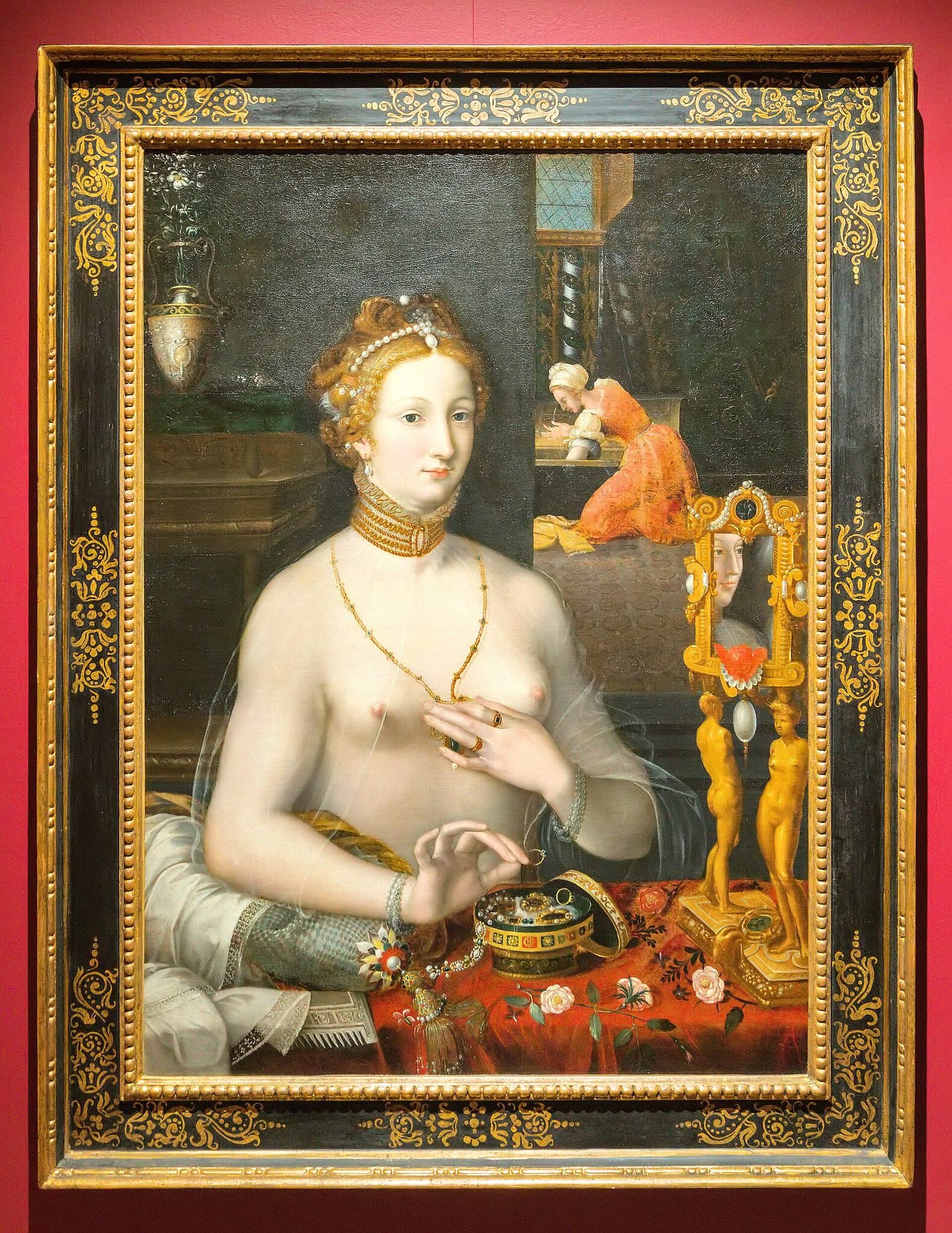
12 Things to See and Do in Dijon, France
Let’s take a look together at the most interesting things this ducal city has to offer. From majestic palaces and tucked-away medieval lanes to the culinary experiences that draw gourmets from all over the world.
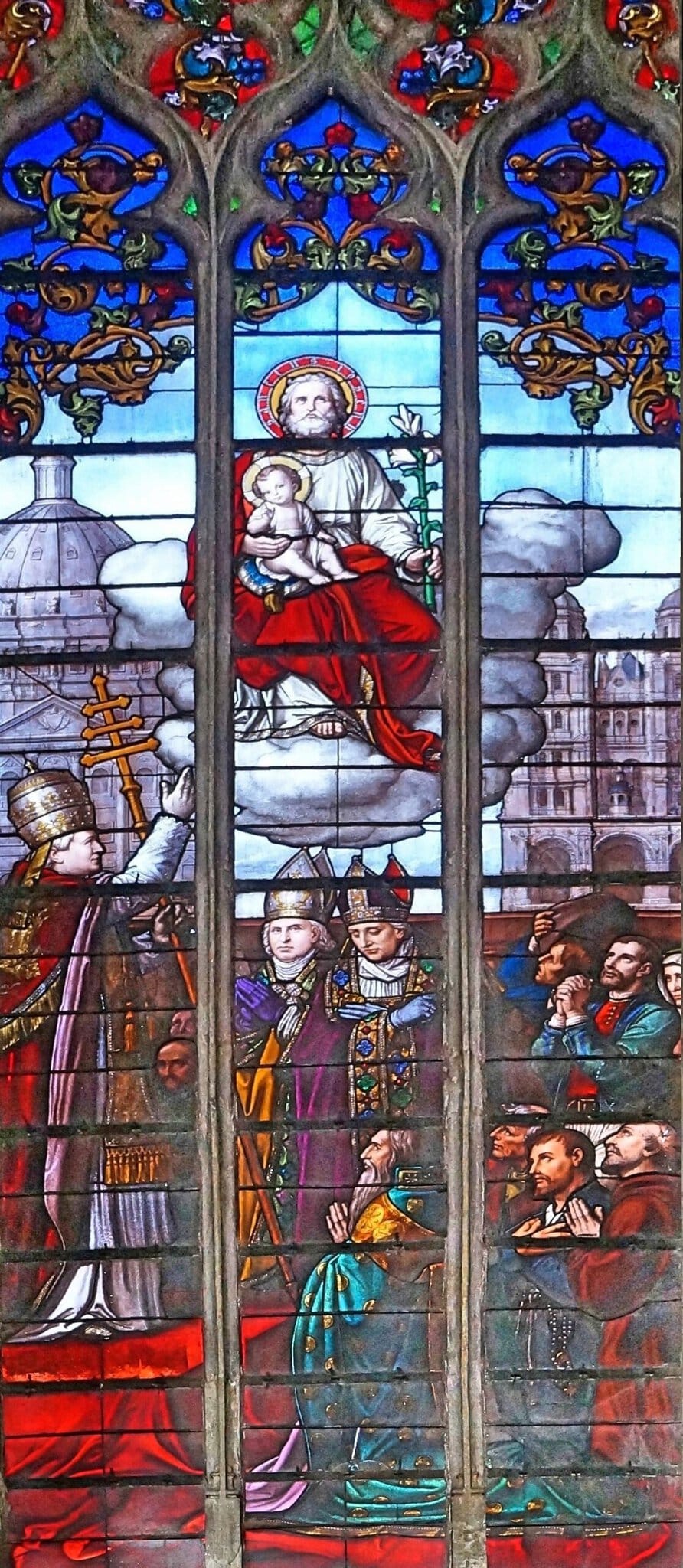
1. Palace of the Dukes of Burgundy
The heart of all Dijon is the stunning Palais des Ducs et des États de Bourgogne, which captivates you at first glance with its sheer size. This sprawling complex of buildings was once the power base of the Dukes of Burgundy, who in the fourteenth and fifteenth centuries ruled over a vast territory stretching all the way to present-day Netherlands. Dukes such as Philip the Bold or Charles the Bold were often richer and more influential than the French monarch himself, something that’s absolutely obvious from the grandeur of this building and the whole adjoining square. They managed to build an empire that set the tone for European politics and art of the time.
As you stand on the square in front of the palace, notice how the building seamlessly blends different architectural styles from completely different eras. The oldest Gothic parts, such as the tall tower and the old kitchens hidden in the back wings, date right back to those most famous dukes, while the rest of the enormous façade was rebuilt in an elegant Neoclassical style several centuries later. Today the palace houses Dijon’s town hall and, above all, a wonderful art museum that ranks among the most important in France and is something you absolutely shouldn’t miss during your visit. The interiors are genuinely vast and exude an incredible sense of history that shaped the entire country.
💡 Tip: Walk through the palace courtyard in the evening too, after a good dinner. The building is beautifully and very thoughtfully lit, the whole area feels incredibly romantic and peaceful, and you can soak up the atmosphere of old Burgundy without the disruptive crowds of tourists.
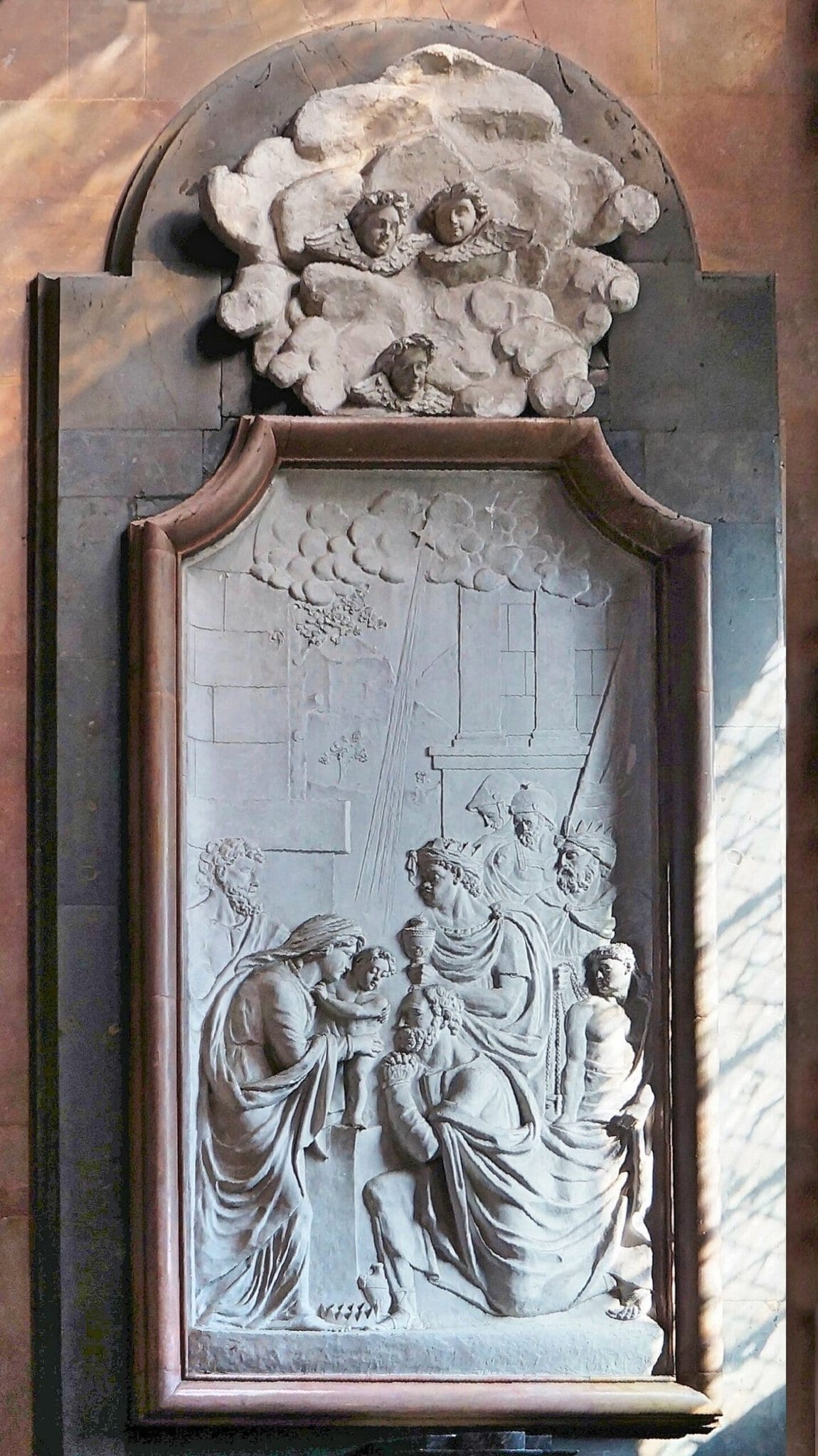
2. Museum of Fine Arts (Musée des Beaux-Arts)
The museum tucked away inside the breathtaking halls of the ducal palace recently underwent a major and very costly renovation. Today it ranks among the best institutions of its kind in all of France and easily holds its own against the great Paris galleries. Even if you’re not exactly a passionate art lover, this space will completely absorb you with its majestic architecture alone. What’s more, admission to the permanent collections is entirely free all year round, which is a very pleasant and utterly unexpected bonus for collections this significant and extensive.
The biggest draw of the whole museum is the vast Guard Room with the monumental tombs of the Dukes of Burgundy, which represent the absolute pinnacle of medieval sculpture. The tombs of Philip the Bold and John the Fearless are masterpieces with no equal in Europe. Around the sarcophagi themselves you’ll see dozens of small, incredibly detailed alabaster figurines of mourners. Each of these figures has a completely different facial expression and a different fold in its heavy cloak — a truly fascinating sight that will keep you standing for tens of minutes as you keep spotting new details.
💡 Tip: Set aside at least two to three hours for the museum, because the exhibitions take you chronologically from ancient Egypt through medieval art all the way to twentieth-century painting.
3. Place de la Libération
Right in front of the ducal palace stretches the vast semicircular Place de la Libération, the social hub of the entire city. In the seventeenth century it was designed by the famous architect Jules Hardouin-Mansart, the same man who designed the magnificent Palace of Versailles for the Sun King. The square is laid out precisely to let the majesty of the palace shine and to underline the absolute power of the rulers of the time. Today it serves as the main meeting point for locals and tourists from all over the world who come here to relax.
This whole broad, light-filled space is pedestrian-only and in the summer months it turns into one enormous, buzzing terrace. Dozens of neighbouring cafés and restaurants set out their tables here, and you can enjoy an excellent coffee or an afternoon glass of chilled Burgundy wine with a view of the gushing fountains. With your wine, be sure to order a board with a selection of local cheeses from the nearby Jura mountains, which is an absolute gastronomic paradise for vegetarians. Just remember that if you want a hot lunch, you’ll need to make it within the strict window between noon and 2 p.m., because after that French chefs won’t cook you anything.
💡 Tip: If you’re travelling to Dijon with kids, the water jets built straight into the pale paving of the square will keep them happily entertained for ages on hot summer days, while you relax at your table.
4. The Owl’s Trail (Parcours de la Chouette)
Dijon came up with an absolutely brilliant way to guide tourists through the city so they don’t miss any important sight and don’t get lost in the maze of old streets. There’s no need to keep staring at maps on your phone or puzzle over a thick paper guidebook — you just carefully follow the brass triangles bearing the owl symbol, set right into the historic paving. This cleverly marked trail safely leads you through all the winding lanes and hidden little squares you’d otherwise probably walk straight past.
The basic route is logically divided into 22 main stops and takes you about an hour and a half at a leisurely pace. At each important historic site, whether it’s an old church or a notable palace, you’ll find a larger brass square with a number where you can stop and learn more. It’s an enormously fun and easy-going way to get to know the city — a bit like a children’s treasure hunt that entertains adults just as much as the youngest travellers 😅. The owl has been the city’s official symbol for centuries and has become its unofficial mascot.
💡 Tip: At the tourist information centre you can buy a little booklet in English for a few euros, which reveals very interesting historical details for each stop. Alternatively, download the official audio app to your phone and listen to an engaging commentary as you walk.
5. Notre-Dame Church and the Lucky Owl
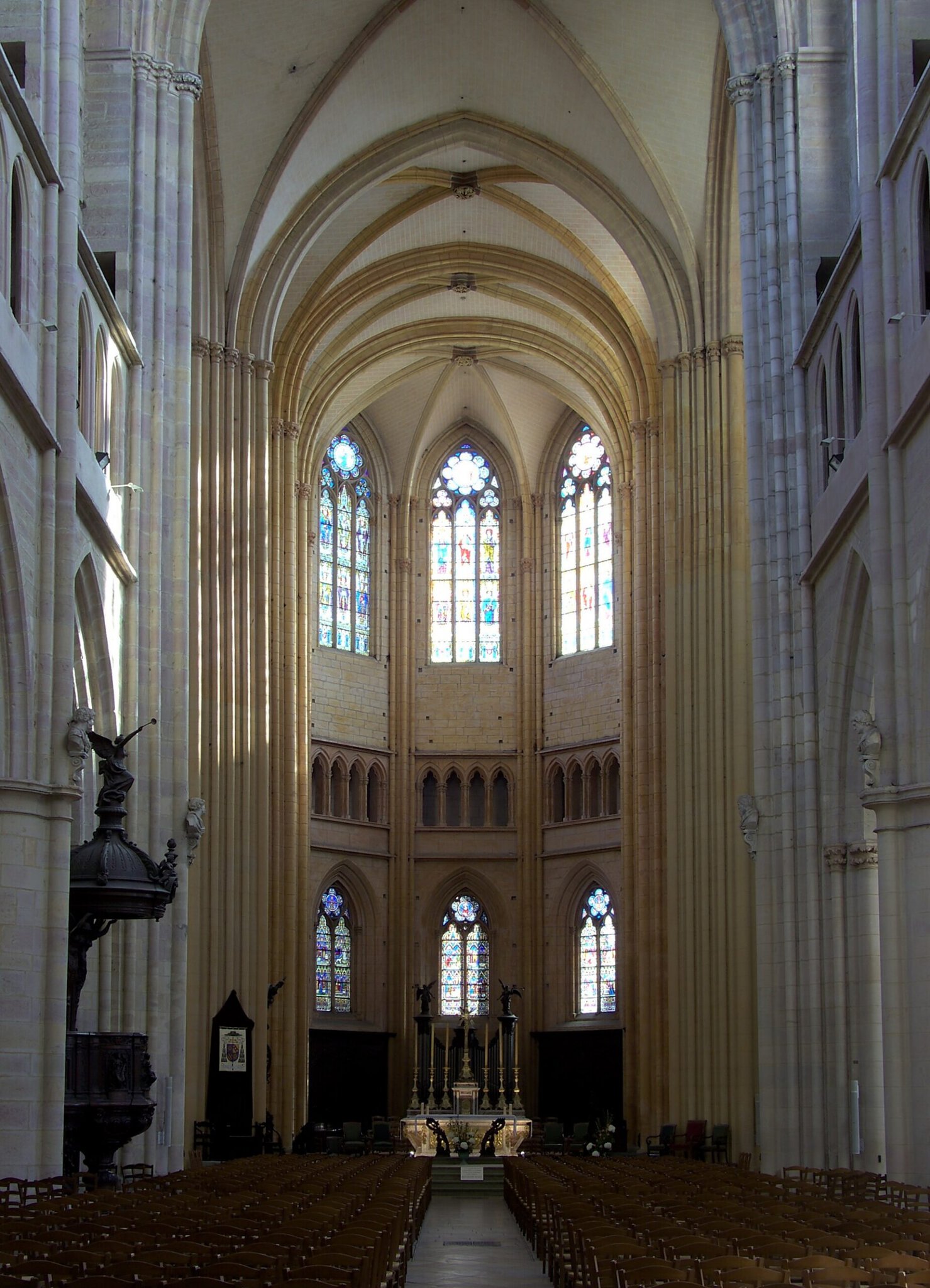
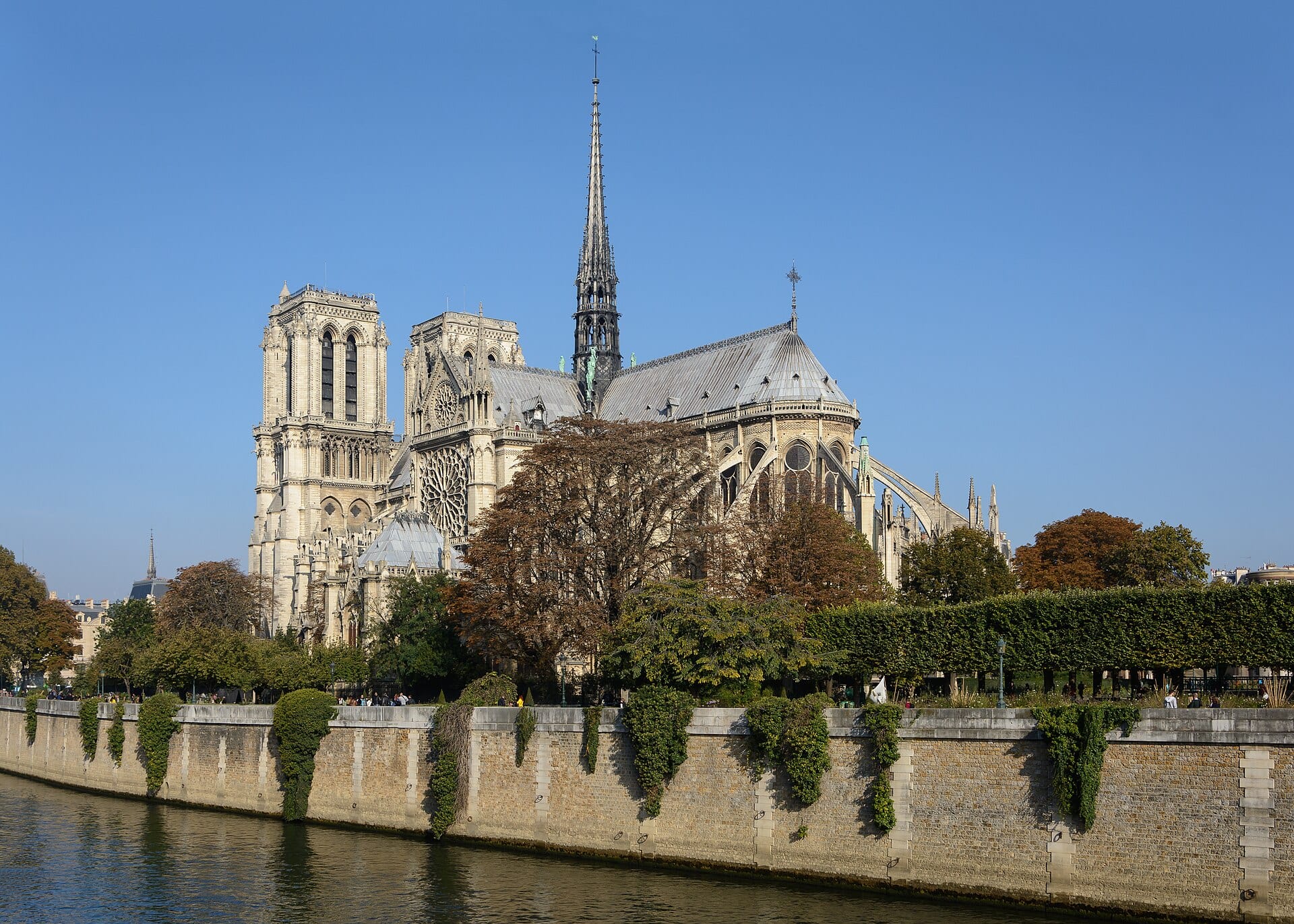
One of the most important stops on this trail is the majestic Notre-Dame church, rightly regarded by experts as an absolute masterpiece of thirteenth-century Burgundian Gothic. Its main façade is utterly unique, decorated with three rows of mysterious false gargoyles that gaze down on you from above, lending the building a slightly eerie, mystical air. On the church roof stands the famous Jacquemart clock with its mechanical figures, which Duke Philip the Bold gave to the city in 1382 as valuable war booty from the conquered Flanders.
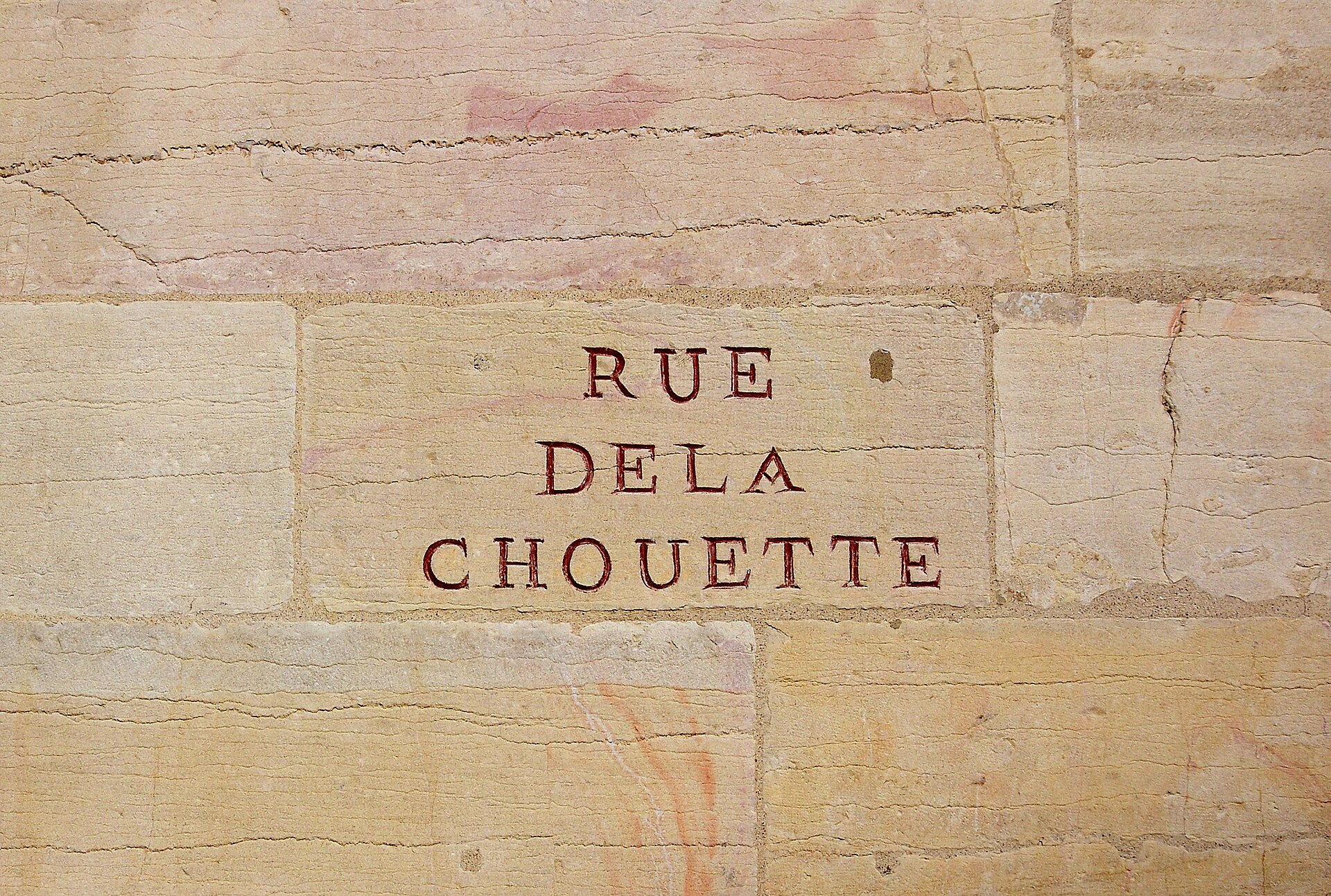
For many visitors, though, the most important thing is hidden outside on the church’s north wall, right in the narrow cobbled Rue de la Chouette. Here you’ll find a small owl carved into the stone, with crowds of people streaming towards it. Over the centuries it has been completely smoothed by the hands of passers-by, losing its original bird-like features until it resembles little more than a smooth stone. Legend has it that if you stroke it with your left hand — the one nearer your heart — and make a sincere wish, your secret wish is guaranteed to come true.
💡 Tip: Be very careful not to have a phone, camera or heavy bag in your right hand while stroking the owl. According to local superstition, you’d be passing your luck on to those lifeless objects instead of yourself!
6. The Half-Timbered House District and Rue des Forges
Just behind the apse of the Notre-Dame church lies the most picturesque and photogenic part of Dijon, where the authentic atmosphere of the late Middle Ages hits you immediately. Narrow lanes such as Rue Verrerie or Rue des Forges are lined with old half-timbered houses with crooked wooden beams that often date back to the turbulent fifteenth century. These buildings look as if they’ve stepped out of a historical film, and their colourful façades make the perfect backdrop for evening strolls.
In these cobbled lanes you’ll find the best little boutiques, antique shops and traditional craft stores, where you can pick up original local souvenirs. As you walk, be sure to look up and study the careful details on the houses’ gables. Many of them have beautifully carved wooden portals full of floral motifs, or small hidden inner courtyards you can sometimes discreetly glimpse through half-open, massive oak gates.
💡 Tip: On Rue des Forges you’ll find the Hôtel Chambellan, a stunning old town palace that once belonged to a wealthy merchant family. Its inner courtyard hides a beautiful spiral stone staircase with a vault resembling a blossoming palm. Entry to the courtyard is free to the public.
7. Les Halles Market
If you want to experience the everyday life of the French and soak up the aromas of the finest local produce, you have to head to the central Les Halles market first thing in the morning. This huge, airy building of glass and cast iron might well remind you of typical late-nineteenth-century Parisian architecture — and that’s a perfectly justified impression. Its design involved the company of the famous engineer Gustave Eiffel, who, as it happens, was born right here in Dijon and left his unmistakable mark on the city.
The market is an absolute paradise for all lovers of good food and honest ingredients. You’ll find dozens of carefully arranged stalls with local vegetables, freshly baked crusty baguettes and, above all, an endless array of cheeses that leave you spoilt for choice. As a vegetarian, I can guarantee you that the local cheese production is absolutely top-tier. Be sure to buy some matured hard Comté cheese, which comes from the nearby Jura mountains, or the famous creamy Époisses with its unmistakable aroma. Add some traditional gougères — cheese puffs made from choux pastry — and you’ve got the perfect picnic for the park.
💡 Tip: The market is in full swing only on Tuesday, Thursday, Friday and Saturday mornings. Ideally head there around nine in the morning, when the counters are still full, the traders are in great spirits and the overall atmosphere is at its liveliest.
8. Mustard and the Maille and Fallot Boutiques
Being in Dijon and not trying the local mustard would be a huge culinary sin the French would never forgive you for. What surprises many people is that the term “Dijon mustard” today doesn’t denote a protected designation of origin, but rather a traditional recipe in which the juice of unripe grapes — known as verjus — or quality white wine is used instead of ordinary vinegar. Even so, Dijon remains the undisputed capital of this tangy delicacy, which has conquered the world.
Right in the centre, on Rue de la Liberté, you’ll find the historic boutique of the famous Maille brand, which has stood here continuously since 1747. You can have fresh mustard poured from elegant ceramic taps straight into beautiful stoneware pots. An even more authentic experience, though, is offered by the Moutarderie Fallot boutique behind the Notre-Dame church. It’s one of the last traditional producers in all of Burgundy, where they still use old stone mills to process the mustard seeds. Their mustards with tarragon, walnuts or local blackcurrant will completely change the way you think about what you can add to your summer salad dressing.
💡 Tip: At the Fallot boutique you can also arrange a special tasting at the so-called mustard bar, where experienced staff guide you through the different varieties and unusual flavours. Book this experience online a few days in advance — it’s very popular.
9. Tower of Philip the Good (Tour Philippe le Bon)
If you’re not afraid of heights, don’t suffer from vertigo and can handle a bit of physical effort, definitely add the climb up the Tower of Philip the Good to your itinerary. This magnificent 46-metre-tall medieval tower rises right above the ducal palace and embodies the power of the Burgundian rulers of the time. Today it offers the absolute best panoramic view over the entire historic city centre, its winding lanes and the wider green surroundings.
There’s no convenient lift to the top, so a solid 316 spiral stone steps await you, but that initial effort is absolutely worth it. From the viewing terrace at the very top you’ll see not only a stunning sea of multicoloured Burgundian rooftops and all the city’s Gothic churches, but on clear days you can spot the green slopes of the nearby vineyards. In the distance, in good visibility, you can even make out the dark outlines of the forested Jura mountains and the snow-capped peaks of the distant Alps — a view you won’t forget in a hurry.
💡 Tip: For safety reasons, the climb up the tower is only possible with a guide as part of organised small groups, and the number of places is fairly strictly limited. So buy your tickets first thing in the morning at the tourist centre, or conveniently secure them online through platforms such as GetYourGuide.
10. The Botanical Garden and Parc de l’Arquebuse
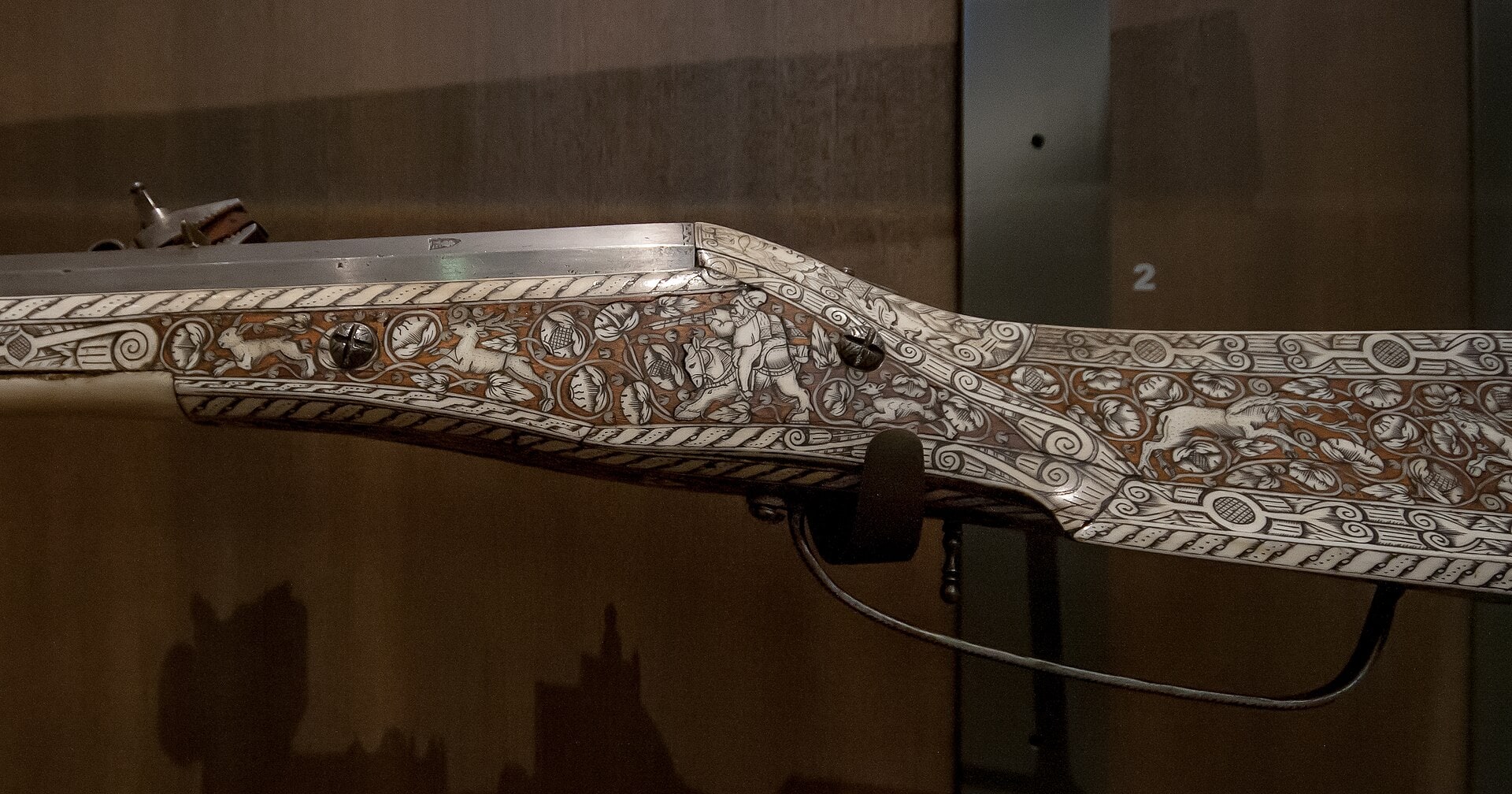
When you want to take a break after a demanding day away from the baking cobbled streets and tours of historic buildings, head to the western edge of the centre towards the train station. There you’ll find the beautiful and expansive Parc de l’Arquebuse complex, which hides a meticulously maintained botanical garden, a wonderfully rich arboretum and also a very interesting natural history museum that delights more than just the kids.
This park is a true green oasis of calm and an absolutely ideal spot for afternoon relaxation. You can simply stroll slowly among hundreds of species of blooming flowers, sit on a bench with a good book, or admire the towering centuries-old trees. A little stream runs through the garden, and you’ll find several strategically placed benches cleverly tucked away in deep shade. You’ll appreciate this enormously during the hot summer months, when temperatures in the city centre often climb very high and you’ll be looking for a cool refuge.
💡 Tip: Take a walk through the smaller nearby Darcy Park, near the square of the same name. Right at the entrance you’ll be greeted by an iconic life-sized statue of a polar bear, created by the famous sculptor François Pompon, which has become one of the city’s modern and much-loved symbols.
11. Cité Internationale de la Gastronomie et du Vin
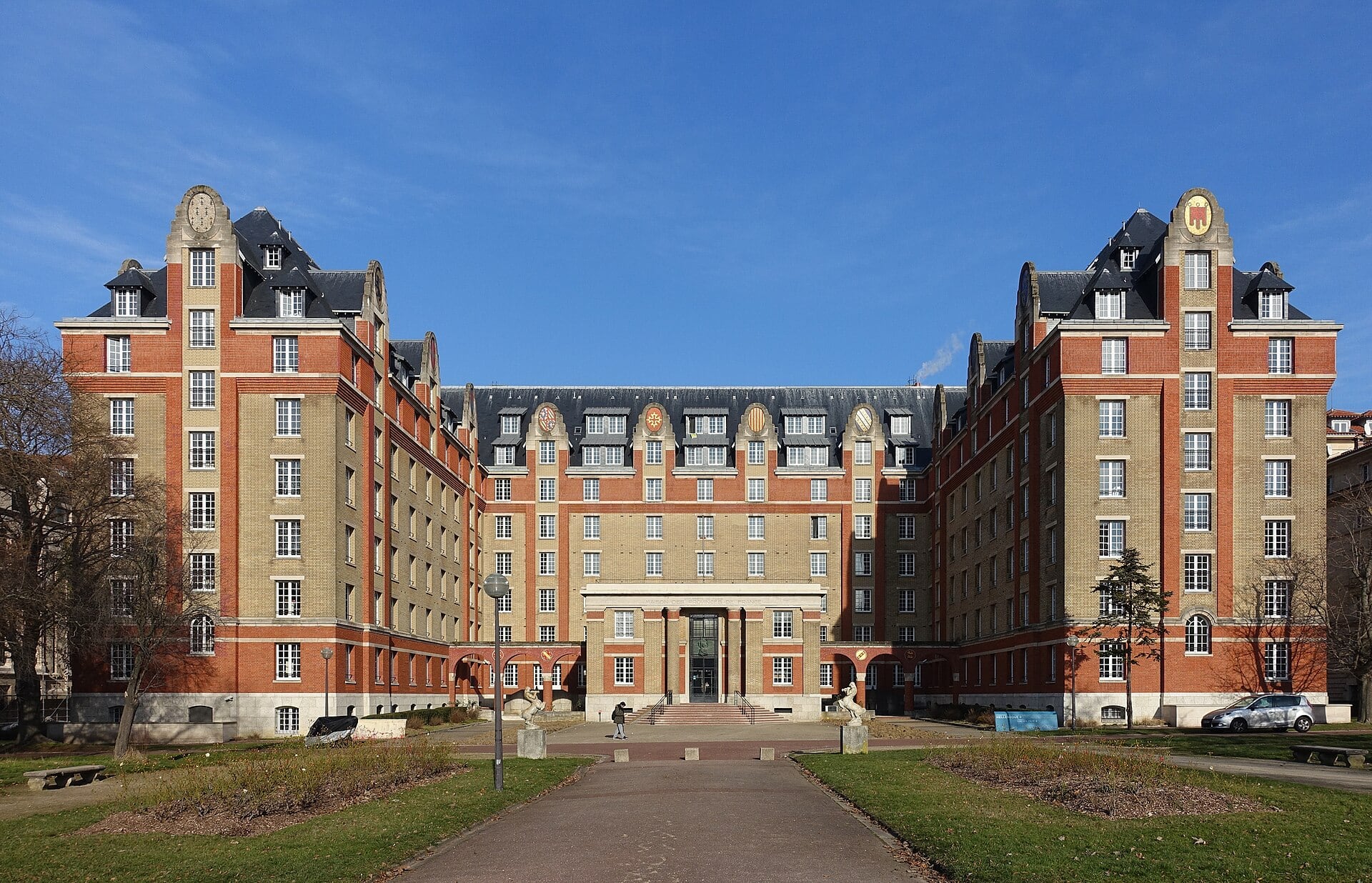
In 2022, Dijon gained a huge new attraction that celebrates, on a grand scale, the very best of the French art of living and savouring food to the full. The Cité Internationale de la Gastronomie et du Vin is an enormous modern complex built in the sensitively restored premises of a former historic hospital, which gives it a wonderful genius loci. This whole ambitious project is fully dedicated to the French gastronomic meal, which incidentally is inscribed on the UNESCO list of intangible world heritage, and of course to the famous Burgundy wines.
Here you’ll find beautiful interactive exhibitions about the history of food, a professional culinary school, top-class restaurants and a fantastic modern wine cellar. In the spacious cellars you can buy a special tasting card, load any amount of credit onto it, and then simply wander between clever dispensers with your own glass, which pour you sample portions of the finest Burgundy wines. It’s an incredibly fun and educational experience even for those who don’t yet quite know their way around the complex world of wine and are only just starting to explore it.
💡 Tip: The complex also includes the so-called Gastro Village, a row of luxury shops focused narrowly on top-quality local ingredients. You’ll find the finest French cheeses from the region, excellent artisan bread, fragrant spices and amazing chocolate shops where you can buy great edible gifts to take home.
12. Day Trips on the Route des Grands Crus
Dijon is the figurative northern gateway to one of the most famous wine routes in the entire world: the Route des Grands Crus. This prestigious trail runs for roughly 60 kilometres, stretching southwards and crossing a total of 37 picturesque wine villages that form the heart of the whole region. It’s right here, on a narrow strip of limestone slopes, that the most expensive and rarest wines on the planet are born, primarily from two main grape varieties: the red Pinot Noir and white Chardonnay.
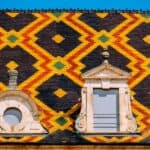
Even if you don’t arrive in France in your own car, a trip along this famous route is very easy and surprisingly cheap to pull off. Regular and comfortable regional TER trains run from Dijon station and take you to the very heart of Burgundian winemaking — the nearby town of Beaune — in just twenty minutes, with a ticket costing only around eight euros. In Beaune you can then admire the famous fifteenth-century medieval Hospices de Beaune, with its iconic multicoloured glazed roof, beds with red canopies, and the masterful polyptych of the Last Judgement by Rogier van der Weyden.
💡 Tip: If you want to experience the endless vineyards really up close, rent a bike in Beaune or Dijon and set off along the Voie des Vignes cycle path. It winds for over 23 kilometres directly between the rows of vines and old stone walls, and it’s an absolutely unforgettable experience.
Map of points of interest for your phone
Where to Go Next from Dijon
If you have more time in the region, definitely don’t stay just in the city. Burgundy has so much more to offer, and it would be a real shame not to explore its surroundings.
- Read our comprehensive Burgundy guide, where we describe in detail other beautiful towns such as Vézelay with its stunning Romanesque basilica listed by UNESCO, or the remains of the famous Cluny Abbey.
- More interested in wine and keen to drive through the whole area? Take a look at our wine country road trip, where you’ll learn how to plan the best route through the vineyards and where it’s worth stopping for a tasting.
- Head a little further east into the wilder Jura mountains, which tourists haven’t really discovered yet. There you’ll taste the utterly unique yellow wine known as vin jaune, and in the charming little town of Arbois you’ll pair it with the finest Comté cheese.
 🚗 Car rental on the road
Verified rental cars in Alsace and Burgundy
🚗 Car rental on the road
Verified rental cars in Alsace and Burgundy
Search with the DiscoverCars comparison engine — it compares prices from dozens of local and international rental companies, and most bookings come with free cancellation.
Compare car prices in Alsace and Burgundy →Frequently Asked Questions
How to best get to Dijon?
If you’re not driving your own car, the best option is the TGV high-speed train from Paris. The journey from Paris’s Gare de Lyon station takes just an hour and a half. Book your tickets well in advance, even two months ahead, because they work similarly to plane tickets and can be extremely expensive close to departure. From Dijon, you can then easily get to surrounding towns using TER regional trains – for example, you’ll reach Beaune in twenty minutes.
Do I need an eco sticker to drive into the city in 2026?
Yes, absolutely! France is fully implementing low-emission zones (ZFE) and Dijon falls under this strict system. You need a so-called Crit’Air sticker, which also applies to Czech cars. It costs around €5.11 and you must order it online well in advance, several weeks ahead. Without it, you risk a pretty hefty fine that can climb up to €375.
How many days do I need to explore the city?
For the historic center of Dijon itself, walking the owl trail and visiting museums, two full days will comfortably suffice. However, if you’re planning trips to the surrounding area, cycling along the wine route Route des Grands Crus or heading by train to historic Beaune, I recommend setting aside three to four days for the entire region.
Where’s the best place to park in the center?
Parking directly on the streets of the old town is tricky, most spots are reserved for residents or parking is very expensive. I recommend using underground car parks, for example Parking Darcy or Parking Trémouille, which are located on the edge of the pedestrian zone. They’re completely safe and from there it’s a comfortable five-minute walk to the centre.
What will vegetarians fall in love with in Dijon?
Burgundy is indeed famous for its beef, but you definitely won’t suffer without meat here. An amazing local specialty is the so-called gougères, which are small, incredibly airy puffs made from choux pastry filled with Gruyère or Comté cheese. Have them with a crispy fresh baguette, local aged cheeses like Époisses, and of course anything with real Dijon mustard.
Is the owl trail paid?
The brass arrows themselves embedded in the street pavement are of course free and you can follow them completely freely without any fees. However, if you want to know exactly what you’re looking at and what the history of the place is, you’ll pay a few euros for a nice paper brochure at the tourist information center or for downloading the official audio app to your smartphone.
Is it worth buying mustard directly in Dijon?
Definitely yes! Even though you can buy regular Dijon mustard in any supermarket back home, in the traditional Dijon boutiques Fallot or Maille you’ll find flavors that aren’t exported anywhere, for example with tarragon, walnuts or blackcurrant. Moreover, freshly tapped mustard from old stone mills has a much more intense and complex flavor than the industrially produced one.
Tips and Tricks for Your Vacation
Don’t Overpay for Flights
Search for flights on Kayak. It’s our favorite search engine because it scans the websites of all airlines and always finds the cheapest connection.
Book Your Accommodation Smartly
The best experiences we’ve had when looking for accommodation (from Alaska to Morocco) are with Booking.com, where hotels, apartments, and entire houses are usually the cheapest and most widely available.
Don’t Forget Travel Insurance
Good travel insurance will protect you against illness, accidents, theft, or flight cancellations. We’ve had a few hospital visits abroad, so we know how important it is to have proper insurance arranged.
Where we insure ourselves: SafetyWing (simple monthly subscription) and TrueTraveller (for extra-long trips).
Find the Best Experiences
Get Your Guide is a huge online marketplace where you can book guided walks, trips, skip-the-line tickets, tours, and much more. We always find some extra fun there!