The sun here burns with such intensity that by midday the colours lose their edges and fade to white. The air smells of pine resin, salt water and thyme, while the soundtrack is provided by the relentless rattle of cicadas. The Calanques National Park and the neighbouring town of Cassis in France are no ordinary stop on the French Riviera. This is a physical experience, a rugged corner of limestone cliffs and turquoise coves that you simply have to feel for yourself.
Picture the Norwegian fjords, but bathed in scorching Mediterranean sun and fringed with vineyards. Cassis is an elegant, pastel-coloured harbour that stands in complete contrast to wild, raw and nearby Marseille. In this article I bring you a complete guide on how to enjoy this gem of southern France without any unnecessary stress. I’ll tell you where to head for the most beautiful views, where to swim, and how to gracefully dodge the biggest summer crowds.
TL;DR
- Sturdy shoes are essential: You won’t reach the coves (calanques) in flip-flops — the terrain is full of sharp rocks and slippery roots.
- The water is freezing: Even in August, coves like En-Vau often sit at just around 18 degrees, because the sun only reaches them for a few hours a day.
- New rules for 2026: The Sugiton cove is only accessible in summer with a free online reservation, which you must arrange in advance.
- Boat trips as an alternative: If you don’t fancy hiking in the heat, or the trails are closed due to fire risk, buy a ticket for a sightseeing boat from the harbour.
- Wine you must taste: Cassis has its own AOC appellation and its dry white wine is world famous.
- Marseille and the car: From 2026 a strict low-emission zone applies in Marseille — without a Crit’Air sticker you risk a hefty fine.
The full destination guide: Provence — guide and what to see
When to visit Cassis and the Calanques
The ideal months to visit this corner of France are definitely May, June and September. The weather in Cassis is very pleasant at this time, the days are long, and the crowds of tourists in the narrow streets are easy to handle. The sea is usually warm enough for swimming, though in the national park’s coves themselves you should always expect a far icier refreshment. By September the sea has had the whole summer to warm up, and the morning mists give the coast a wonderful atmosphere.
July and August, on the other hand, are an absolute extreme that I’d recommend avoiding. Temperatures in the south regularly hit 35 to 43 °C, which turns any hike across the scorched white rocks into a little purgatory 😅. On top of that, the French summer holidays run for roughly eight weeks from the start of July, and the whole country migrates south. Giant traffic jams form on the motorways — locals call them “black days”. The A6 and A7 main routes are especially clogged at the turn of July and August.
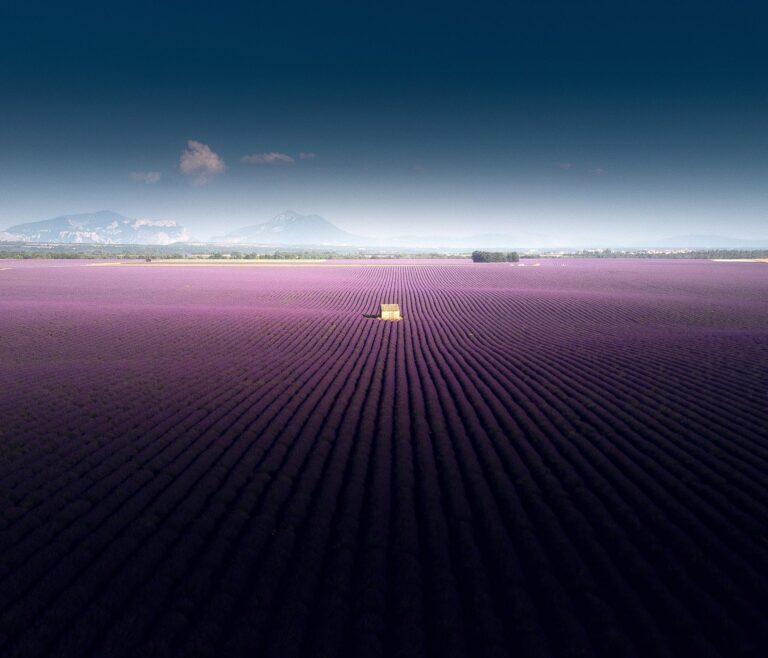
A truly crucial factor for a summer visit is also the risk of wildfires and the strong mistral wind. The authorities often close the entire Calanques National Park to hikers from one day to the next, with no exceptions. So always check the latest information in the park’s official app. If you’re also heading to Provence for the blooming lavender, you’ll need to time your trip carefully. The endless fields on the Valensole plateau are at their most vivid purple at the turn of June and July, while by August you’ll only see mown brown bushes. A later bloom is only on offer in the higher Sault area, where the lavender lasts until mid-August.
If you decide to make the trip from the UK, the most comfortable option by far is to fly. Budget airlines such as easyJet and Ryanair fly directly from London to Marseille, while British Airways and easyJet serve nearby Nice — and you can simply pick up a rental car at the airport. If you’re driving down through France, be aware that French motorways are excellent but charge tolls at toll gates rather than via a vignette. Budget around €9.50 per hundred kilometres.
Where to stay in Cassis
💡 Accommodation and experiences tip: We like to search for accommodation on Booking.com, which usually has the best cancellation conditions. For tickets, tours and activities, it pays to compare and book through GetYourGuide.
Cassis is a small, exclusive and frankly very expensive destination. If you want to stay right in town so you can stroll down to the harbour for an evening glass of wine, prepare a fairly generous budget. I’d recommend booking your accommodation a long way in advance — half a year is not overkill — because capacity in this tiny town vanishes at lightning speed and prices rocket as summer approaches. Parking in town is also a huge problem, so always check beforehand whether your hotel offers a dedicated parking space.
If you’re after absolute luxury with a truly breathtaking view, take a look at the historic Hôtel Les Roches Blanches. This five-star hotel from the 1920s sits just outside the centre, towards the coves, and offers perfect elegance plus private access to the sea. Price-wise it’s a serious splurge, but for a special occasion or a romantic weekend it’s an absolute dream you won’t forget.
Right in the heart of the action by the harbour you’ll find the more affordable Hôtel Le Cassitel. All the restaurants and markets are within arm’s reach, the rooms are clean and modern, you just have to accept that the evening buzz from the streets sometimes drifts in. A great alternative for a smaller budget is to stay in Marseille itself and commute to Cassis on the local TER train. The journey takes just twenty minutes, and the money you save is better spent on excellent Provençal food and local wine. But if you choose to stay in Marseille and have your own or a rental car, watch out for the new ZFE-m low-emission zone. It bans vehicles without a Crit’Air environmental sticker, which you must arrange online in advance, or you risk a fine of up to €375.
11 things to see and do in Cassis and the Calanques
Let’s take a look at the best this sun-drenched area has to offer. Expect challenging climbs, perfect views from steep cliffs and wanders through picturesque streets. The national park and its surroundings hide so much raw beauty that you can easily spend a long weekend or a whole week here.
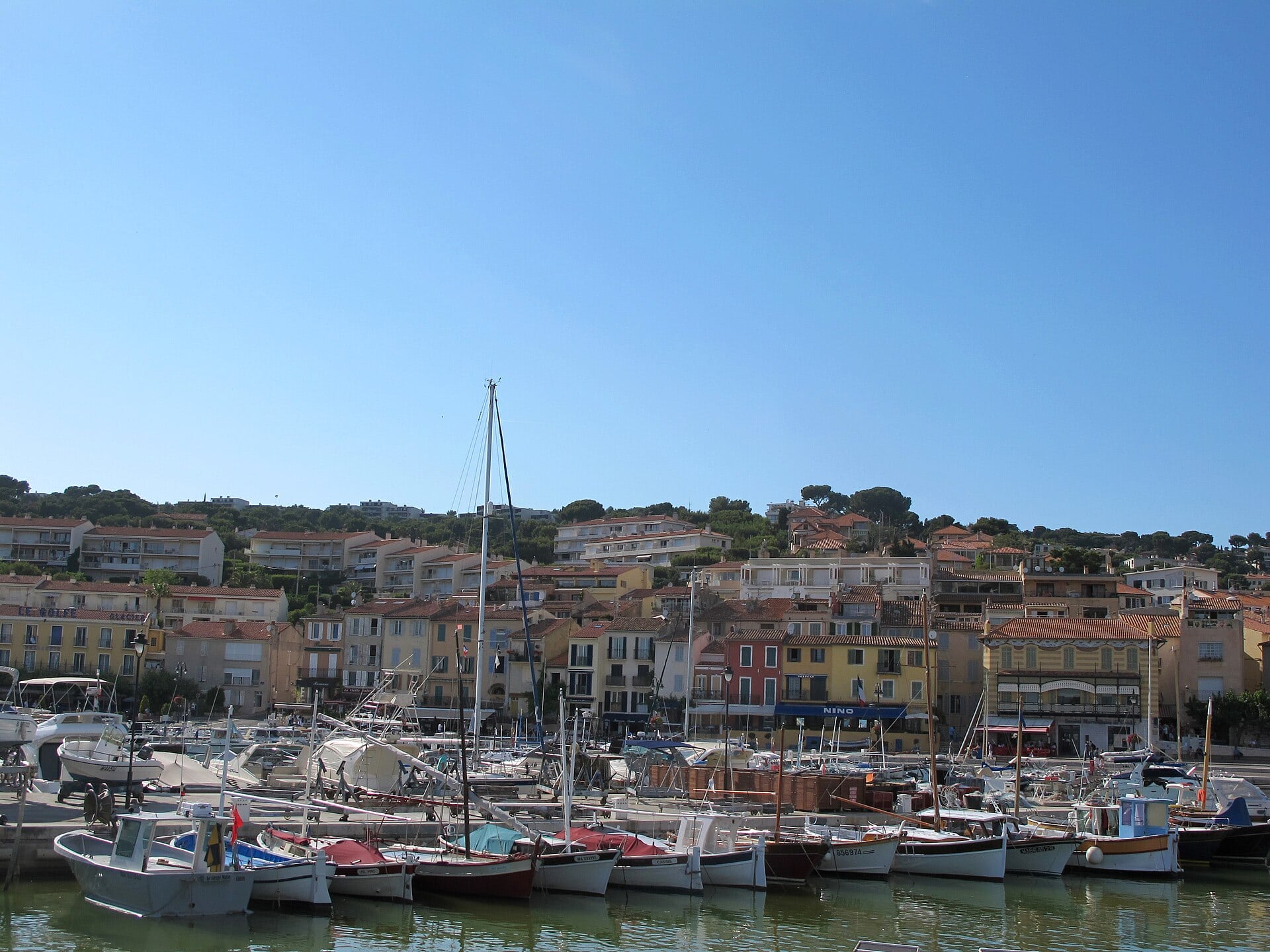
1. The harbour and town of Cassis
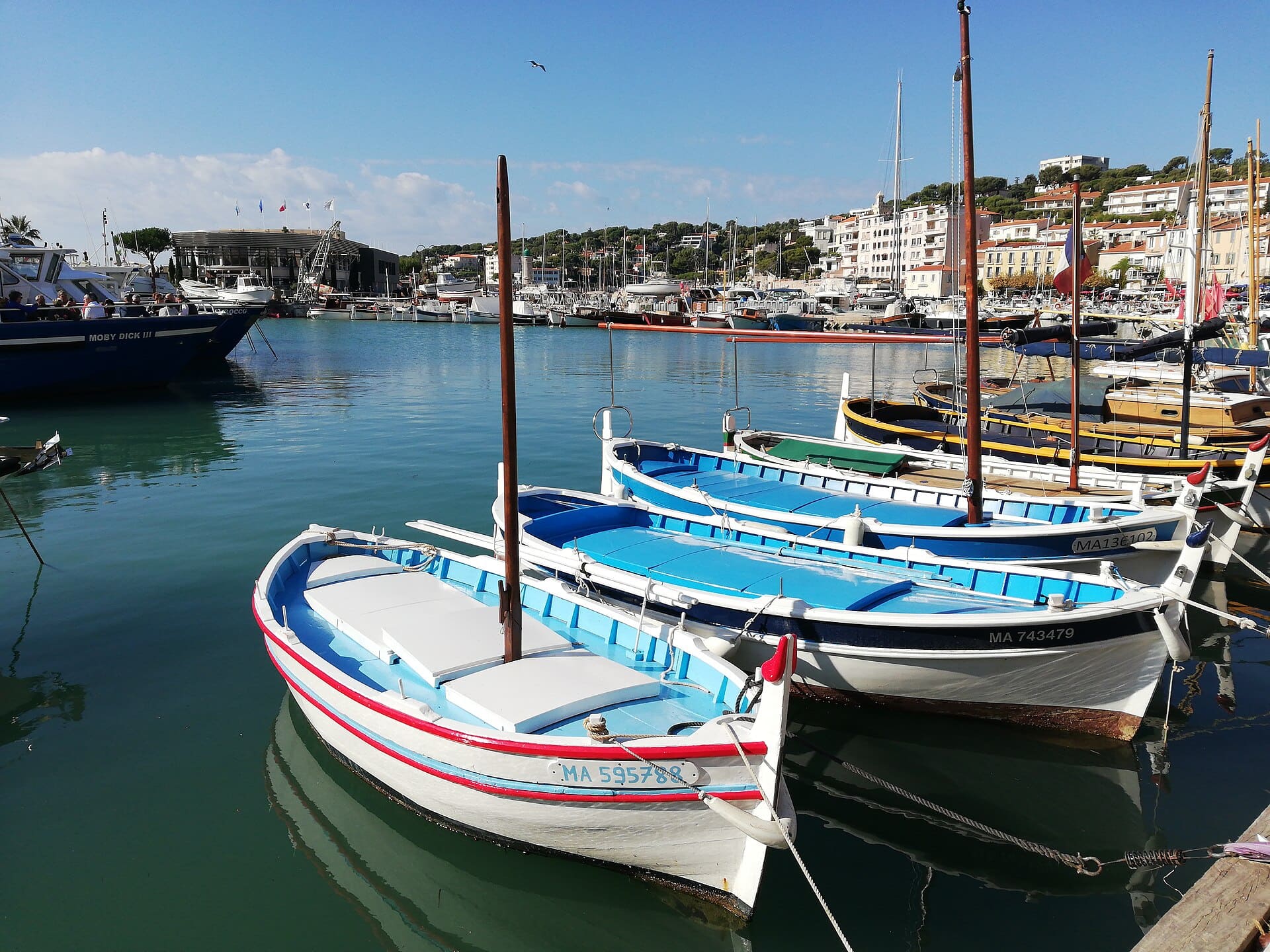
The heart of everything is the picturesque harbour. You’ll find dozens of traditional fishing boats called pointus, bobbing gently on the waves right beside luxury yachts. A promenade lined with pastel houses stretches along the water, hiding cafés, boutiques and restaurants serving excellent Provençal specialities. The atmosphere here is relaxed, elegant and incredibly photogenic.
Lose yourself in the narrow streets of the old town, which climb gently uphill from the sea. In the morning you’ll stumble upon traditional markets full of olives, cheeses, fresh fruit and lavender soaps. If you fancy a meal here, remember the strict French rules. Lunch is served precisely between noon and two in the afternoon. Turn up at three and the kitchen will be closed, leaving you with a coffee and nuts at best. A classic three-course lunch menu costs roughly €15 to €25, while dinner will run you between €20 and €35. In France a 15% service charge is automatically included in the price, but for good service it’s customary to leave a euro or two in cash on the table.
💡 Tip: Grab a fresh baguette in the morning, sit on a bench right by the water and watch the town wake up. And don’t forget the local etiquette. Always start a conversation with a smile and a clear “Bonjour”, and only then ask about English. This small show of respect for the language turns scowling waiters into willing hosts.
2. The Calanques National Park by boat
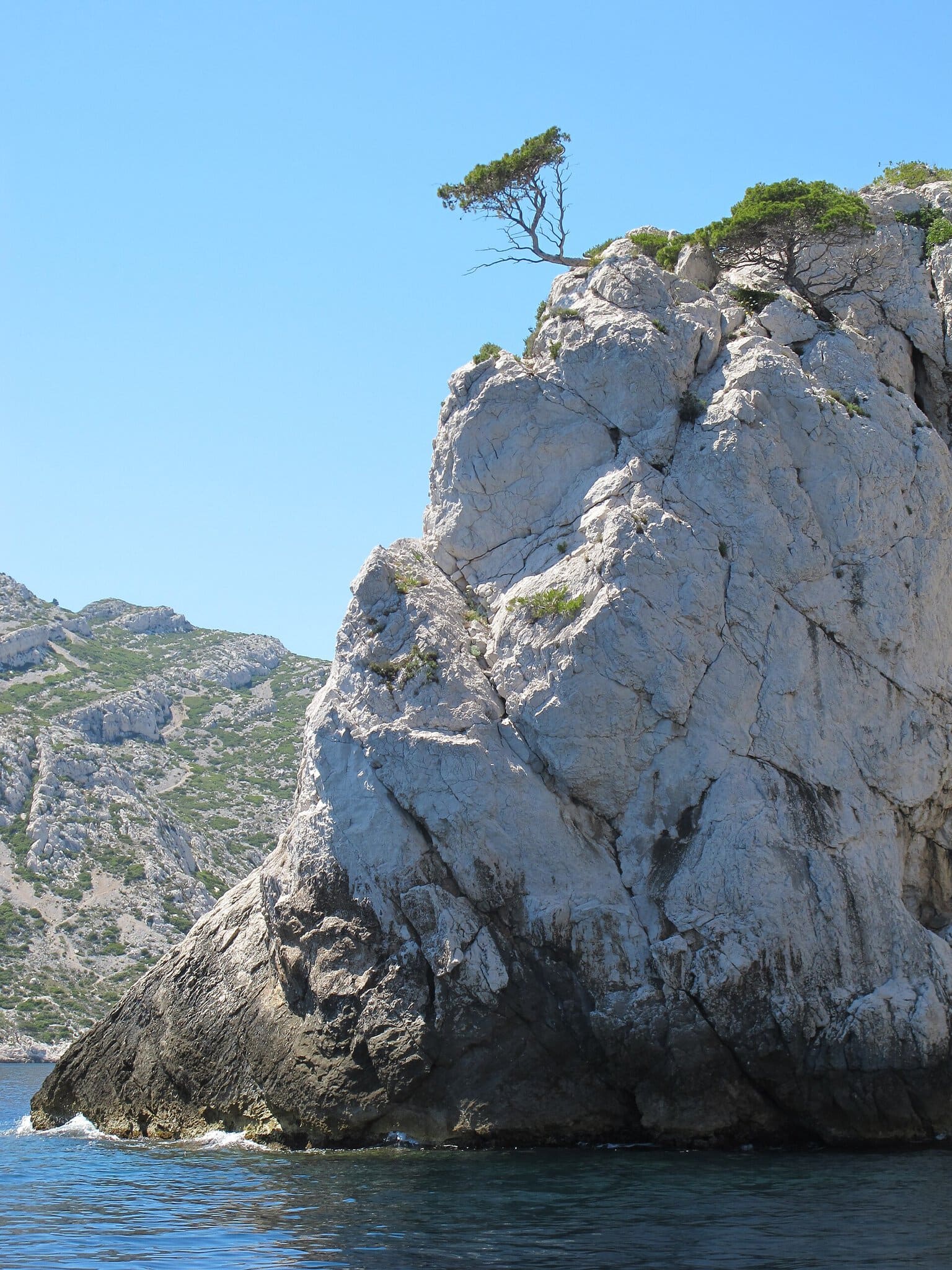
If you’re not fit enough for demanding hikes across the rocks, you certainly won’t miss out on the best of it. Dozens of sightseeing boats set off from the harbour in Cassis every single day, taking you on a tour of the most famous coves from the water. It’s the perfect solution for families with small children, or for days when the park is closed to hikers because of fire risk. I’d recommend checking the closure information every morning in the park’s official app.
You can choose from several set routes, with the usual options covering three, five or eight coves. From the deck you’ll see enormous limestone walls dropping vertically into the sea from a completely unique perspective you simply can’t get on land. Most of these mass cruises sadly don’t allow swimming — they’re purely a sightseeing ride — but even so the visual show is worth every euro you spend.
💡 Tip: In the peak summer season, secure your tickets well in advance. Booking through platforms like GetYourGuide works brilliantly, and you’ll often find smaller catamarans for a more intimate experience. That way you avoid being squeezed onto big decks with dozens of other tourists and enjoy the cruise in far greater peace and privacy.
3. Hike from Port-Miou to Port-Pin
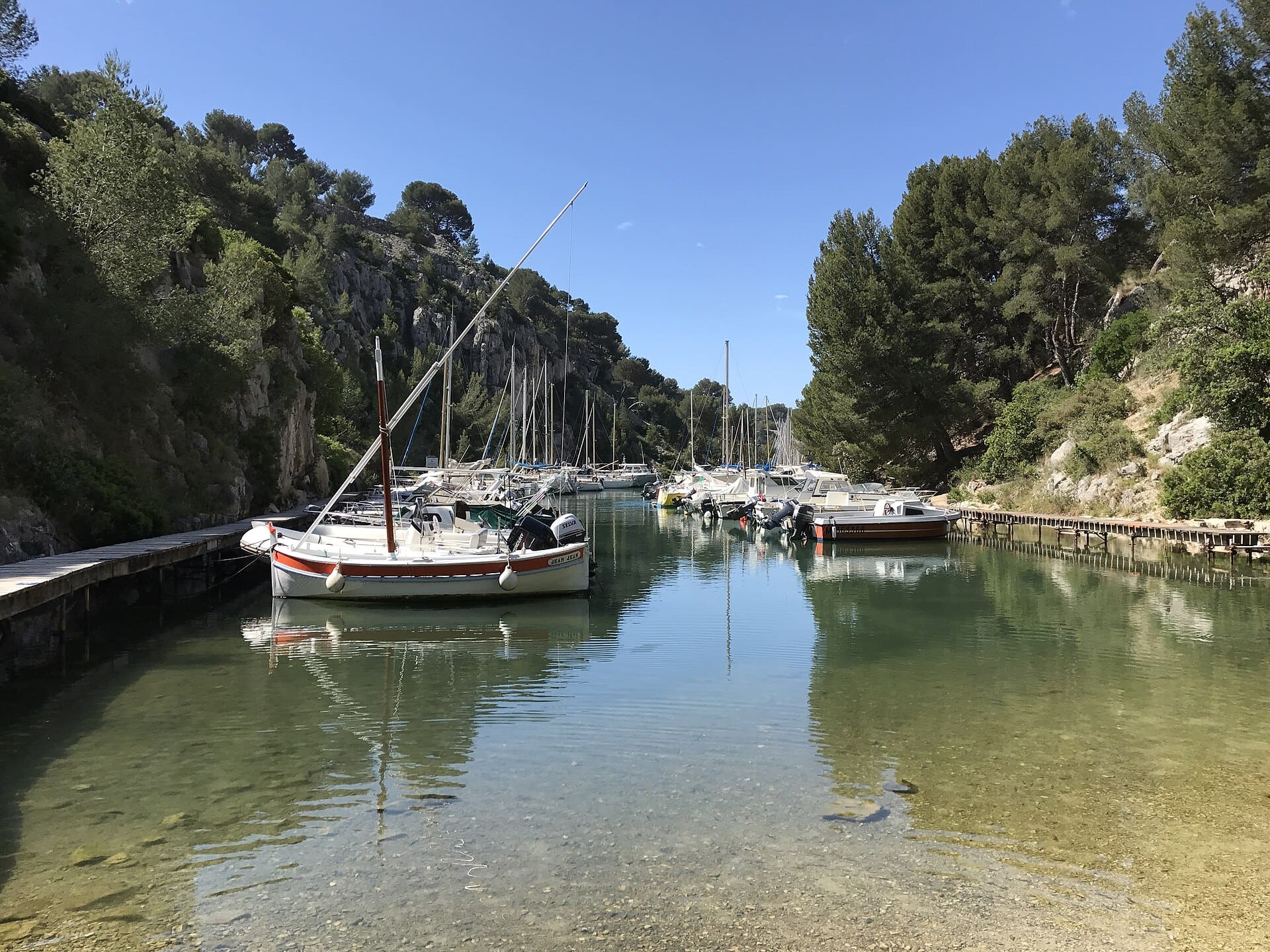
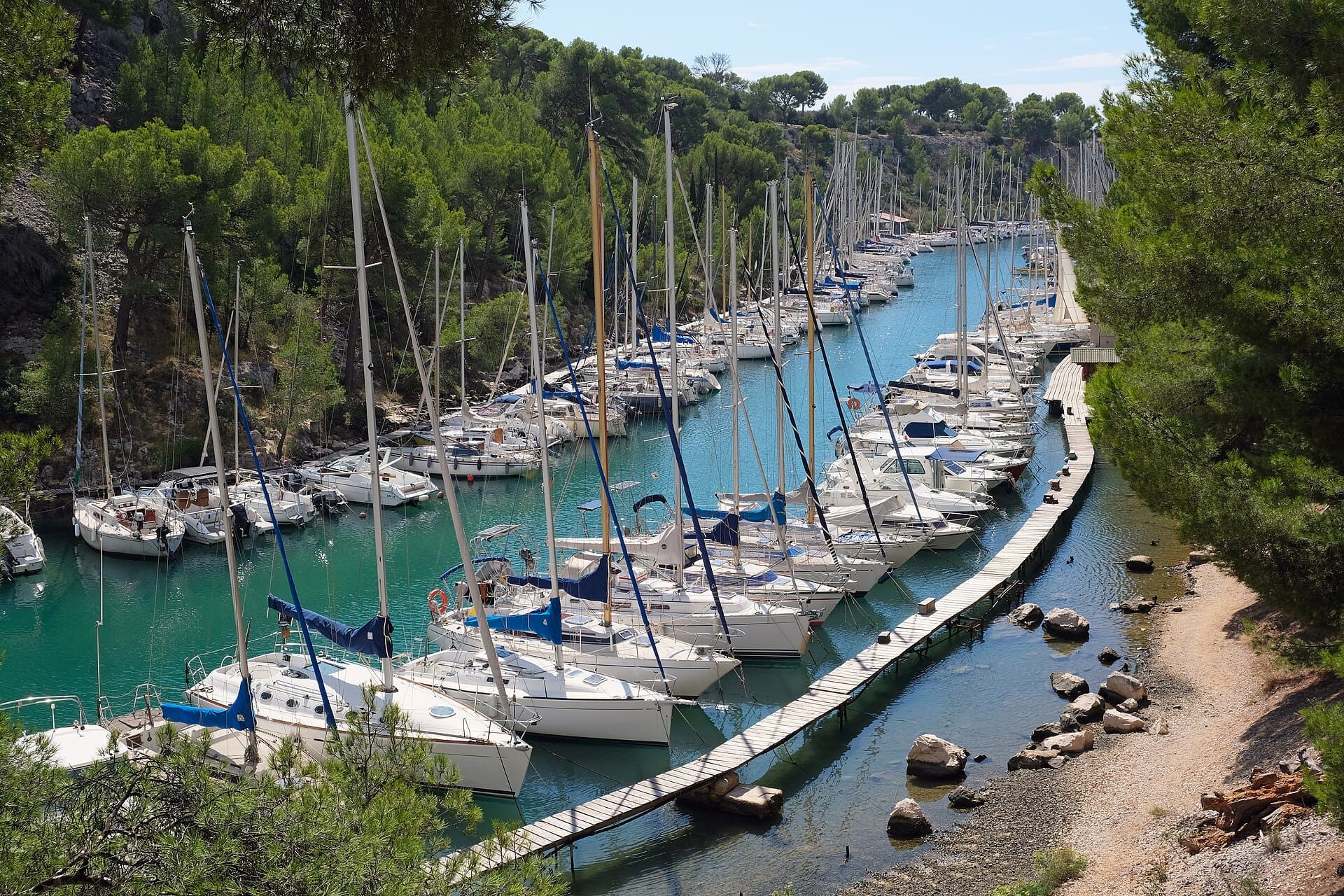
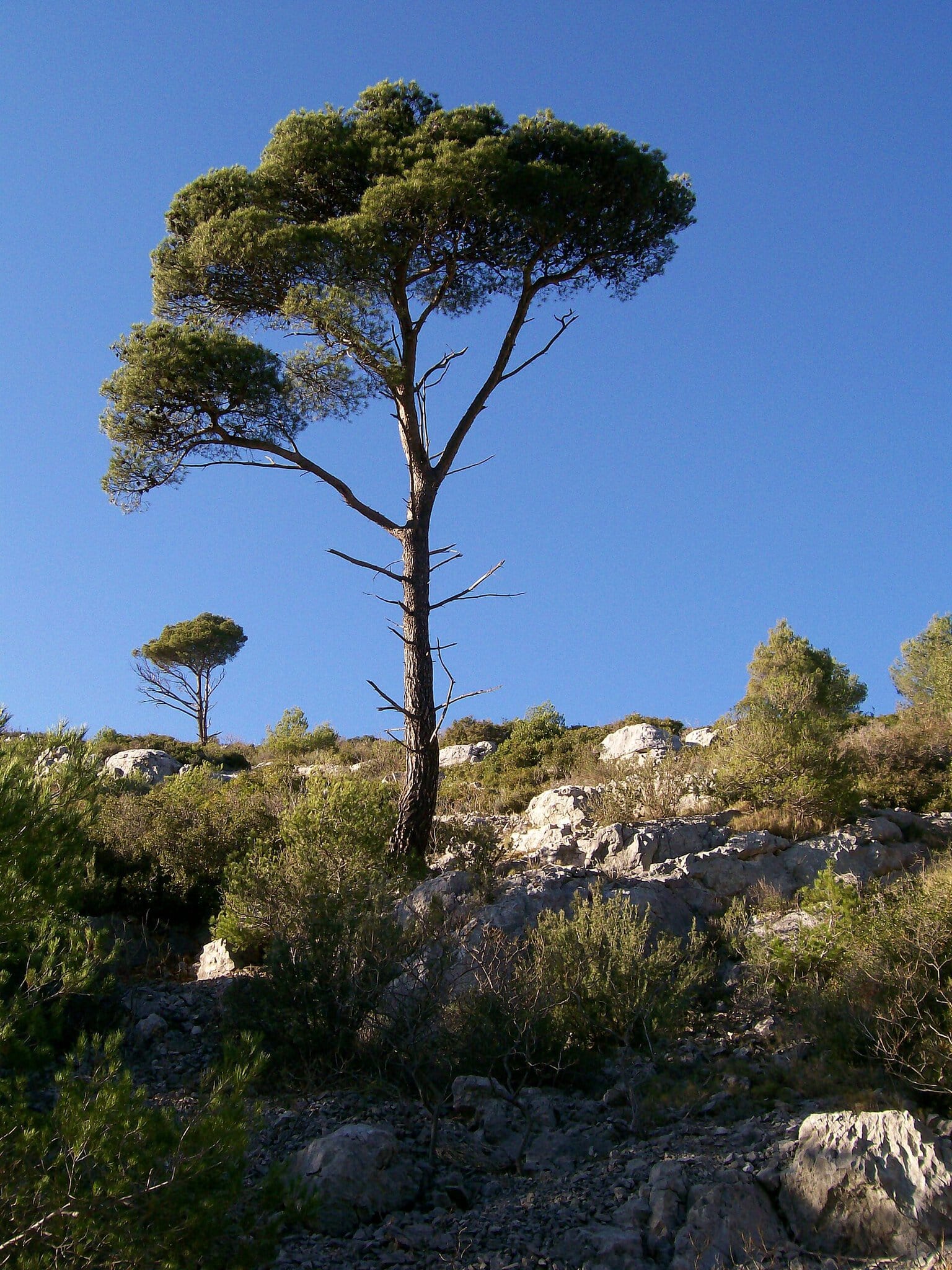
The most famous walking route starts just outside town at the Port-Miou calanque. This cove is very long and narrow and serves as a giant natural harbour for hundreds of gleaming-white sailing boats and yachts. From here you set off along a marked trail across the limestone massif, which after about forty minutes of brisk walking brings you to the first truly natural cove. The path runs over sharp rocks and slippery roots, so forget about flip-flops or sandals right away.
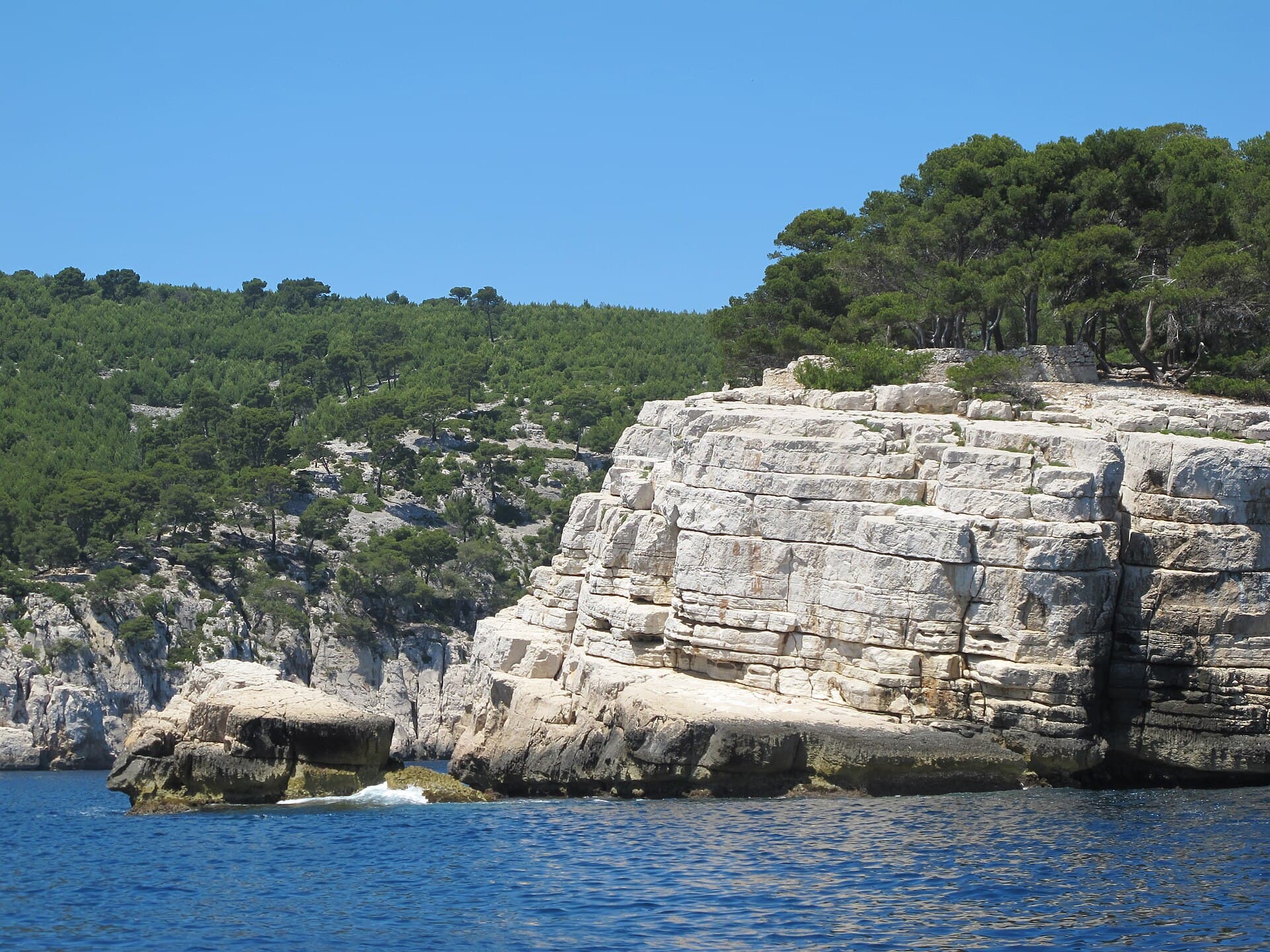
The first stop is Port-Pin, a gorgeous cove lined with fragrant pines that ultimately gave it its name. The route here is stony and steep in places, but with good shoes even an average hiker can manage it. You’ll find a small pebble beach and the water has an absolutely incredible turquoise colour that, in the summer heat, practically begs for an instant dip.
💡 Tip: Set off on the hike really early, ideally around eight in the morning. Not only will you avoid the scorching midday heat, but you’ll have a chance of finding a comfortable spot for your towel on the rather small Port-Pin beach. By around ten it’s already shoulder to shoulder here. If you’re driving, park at the free Les Gorguettes park-and-ride above the town and take the shuttle bus down.
4. The stunning Calanque d’En-Vau
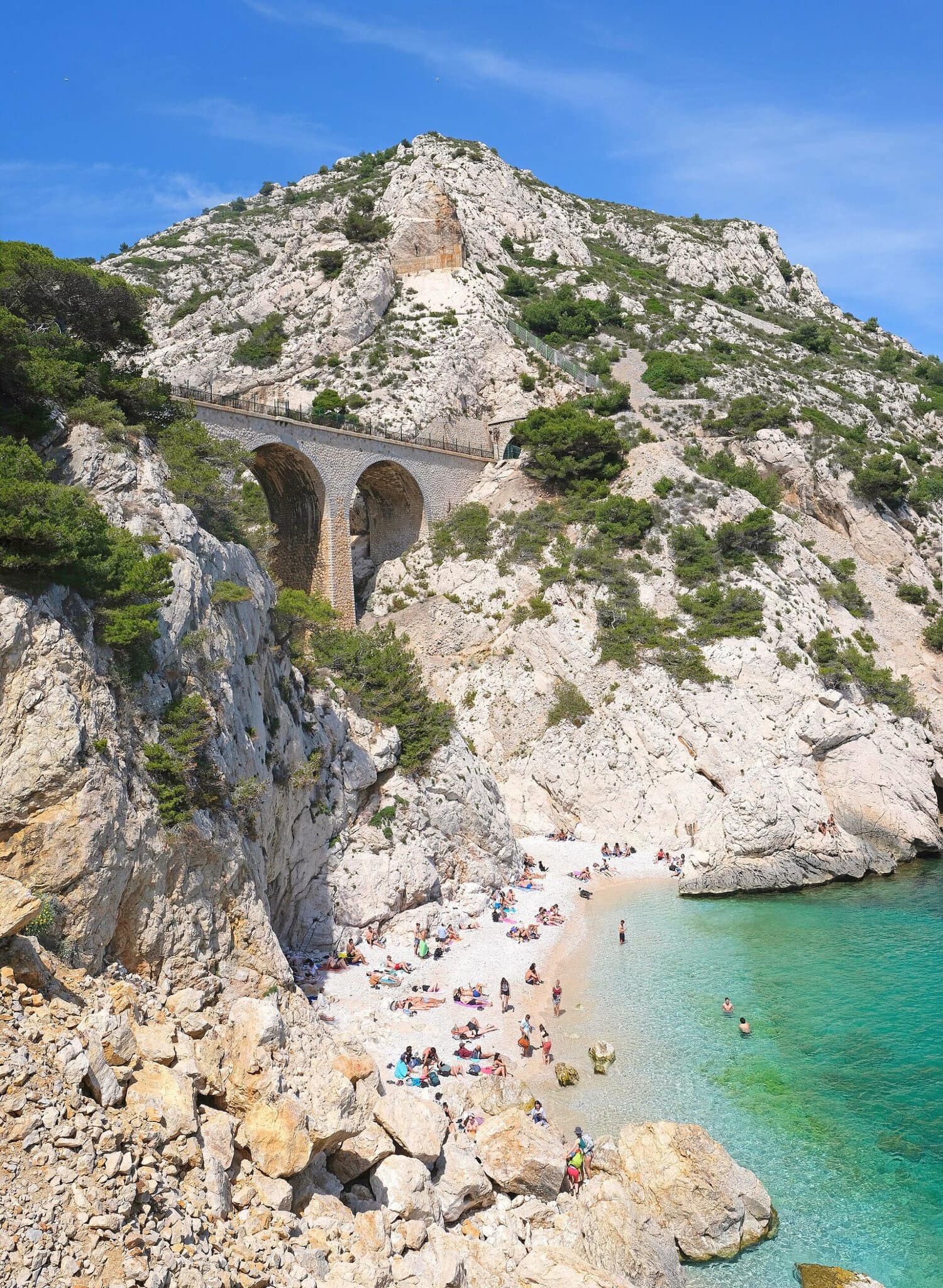
This is the absolute jewel of the whole national park and probably the most photographed cove in all of France. From Port-Pin you have to continue further inland and then steeply downhill. The route from Port-Pin takes another hour and a quarter or so and is already physically very demanding. In places you’ll need to use your hands, and the descent into the cove itself will really put your knees through it on the slippery rocks.
The reward for your sweat-soaked shirt is magnificent, though. En-Vau is a deep gash in the rocks, where enormous vertical cliffs popular with climbers tower above a pebble beach. The water is so incredible that even from a height of twenty metres you can see every pebble on the bottom. But brace yourself for a real shock, because the water here is truly freezing. The cove is so narrow and deep that the sun only reaches it for a few short hours a day.
💡 Tip: Throughout the national park there is absolutely no way to refill drinking water or buy any kind of snack. There are no toilets or bins either. You have to carry in huge supplies of liquids and carry all your rubbish back out to civilisation on your back.
5. The Cap Canaille viewpoint
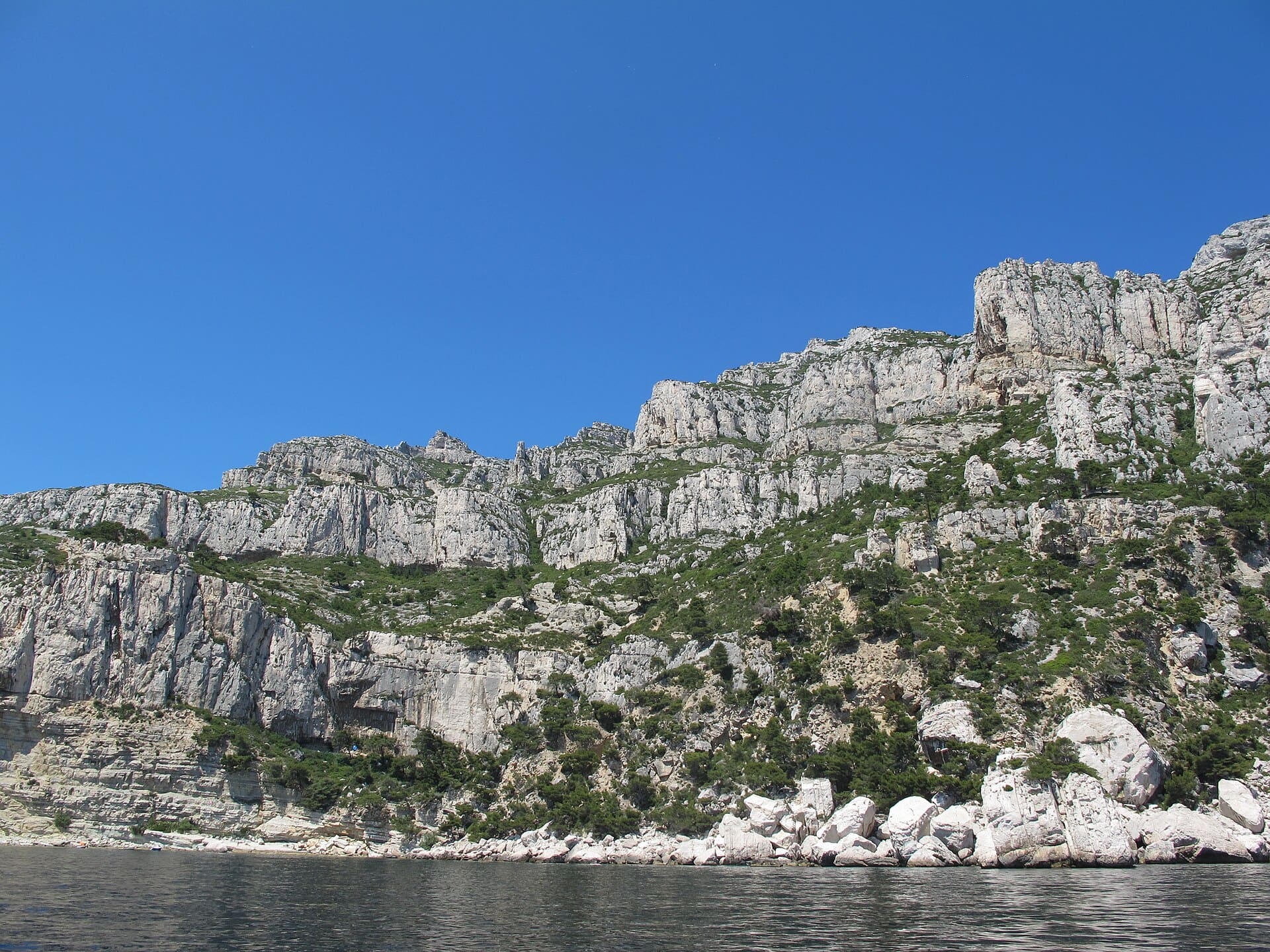
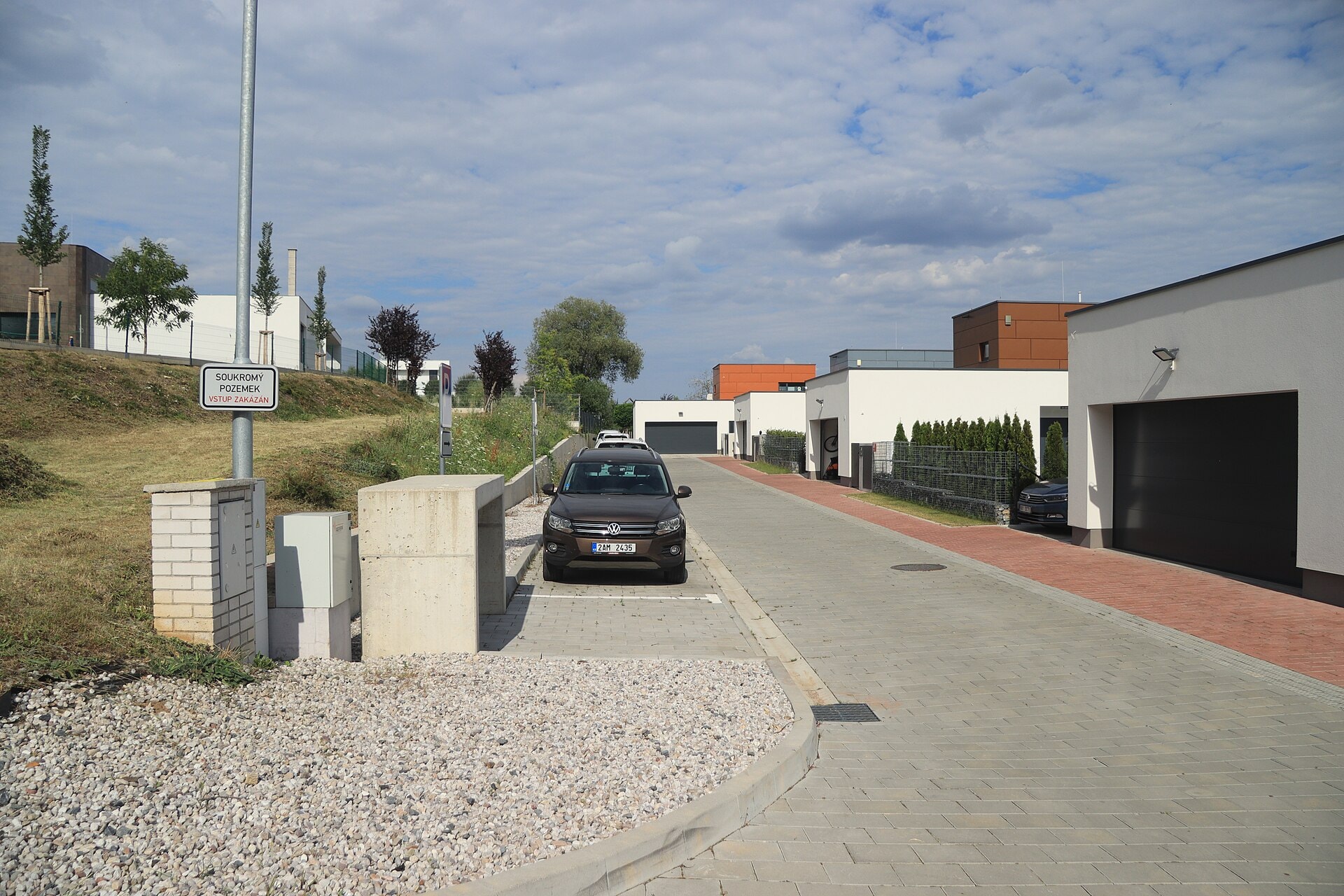
When you look east from the harbour in Cassis, you’ll see an enormous reddish cliff rising majestically above the sea. This is Cap Canaille, one of the highest sea cliffs in Europe, reaching a respectable 394 metres. The colour of the rugged rock shifts with the sun from golden to deep ochre, creating a beautiful visual contrast with the dark blue surface of the sea.
You don’t have to climb it on foot and sweat blood. The panoramic Route des Crêtes road runs across it, connecting Cassis with the neighbouring port town of La Ciotat. It’s a wonderful little road trip full of tight hairpins with plenty of safe lay-bys. There you can pull over, get out of the car and soak up a view that will literally make your head spin.
💡 Tip: Come here at sunset if you can. In the evening light the stone walls take on an unbelievably rich shade of orange and red. The view of the jagged white coastline of the Calanques National Park in the distance is a magical moment you’ll carry away from Provence deep in your memory.
6. Swimming and snorkelling in the coves
If you’re looking forward to long lounging in warm water like somewhere in Greece or Croatia, I have to disappoint you a little. The sea in the deep Calanques coves is very cold even in the middle of August, which makes it more of a place for a quick, shock refreshment after a tough hike than for an hour of floating on an inflatable mattress. The water temperature here often stays at just around eighteen degrees.
For lovers of underwater life, though, it’s an absolute paradise. Definitely bring a snorkel and mask, because thanks to the rocky bottom and the absence of stirred-up sand, visibility underwater is utterly phenomenal. You’ll see shoals of colourful fish, sea urchins, and with a bit of luck even octopuses hiding in rocky crevices just below the surface.
💡 Tip: None of these wild coves in the national park has the slightest facilities for tourists. There are no toilets, showers, changing rooms, coffee stalls or sun lounger rentals. You’re entirely on your own and reliant on whatever you can carry in the backpack on your shoulders.

7. Tasting Cassis AOC wine
Cassis is far from just white rocks and sea — it’s also a very specific wine region. The small Cassis AOC appellation was created back in 1936 and is an absolute rarity within France. The vineyards stretch across steep slopes right above the cliffs, which gives the grapes a unique saltiness and subtle minerality you won’t find anywhere else in France.
The local winemakers specialise overwhelmingly in top-quality dry white wines, which pair perfectly with warm summer evenings, Provençal cheeses and light vegetable salads. Around the town you’ll find twelve traditional wineries, or domaines. Many of them offer tours and guided tastings where you’ll learn all about the area’s unique terroir and the history of growing the vine.
💡 Tip: Make a reservation for a tasting at the prestigious Clos Sainte Magdeleine winery. Their green vineyards end literally at the very edge of the cliff above the sea, and a tasting with a view of the majestic Cap Canaille is one of the best and most beautiful experiences you can treat yourself to after a demanding day.
8. Relaxing on the beaches in Cassis, France
When you’re not in the mood for mountain hiking and packing full backpacks, you can stay right in town. Cassis has two main town beaches, which are admittedly pretty packed with tourists and locals in summer, but unlike the wild countryside they offer every conceivable comfort you’ll miss out on in the national park’s coves.
The main beach, Plage de la Grande Mer, lies right in the centre by the buzzing harbour. It’s sandy with small pebbles, and you’ll find handy showers, cafés right by the water and rentals of small boats or popular pedalos. A little further towards the national park sits the smaller and quieter Plage du Bestouan, which is pebbly but offers an absolutely iconic, uninterrupted view of the red Cap Canaille massif from your towel.
💡 Tip: When the strong and unpredictable mistral wind is blowing, the town beaches are often the only safe place to swim. They’re protected by artificial breakwaters and there’s none of the danger of strong currents you’d face on the open sea by the wild cliffs.
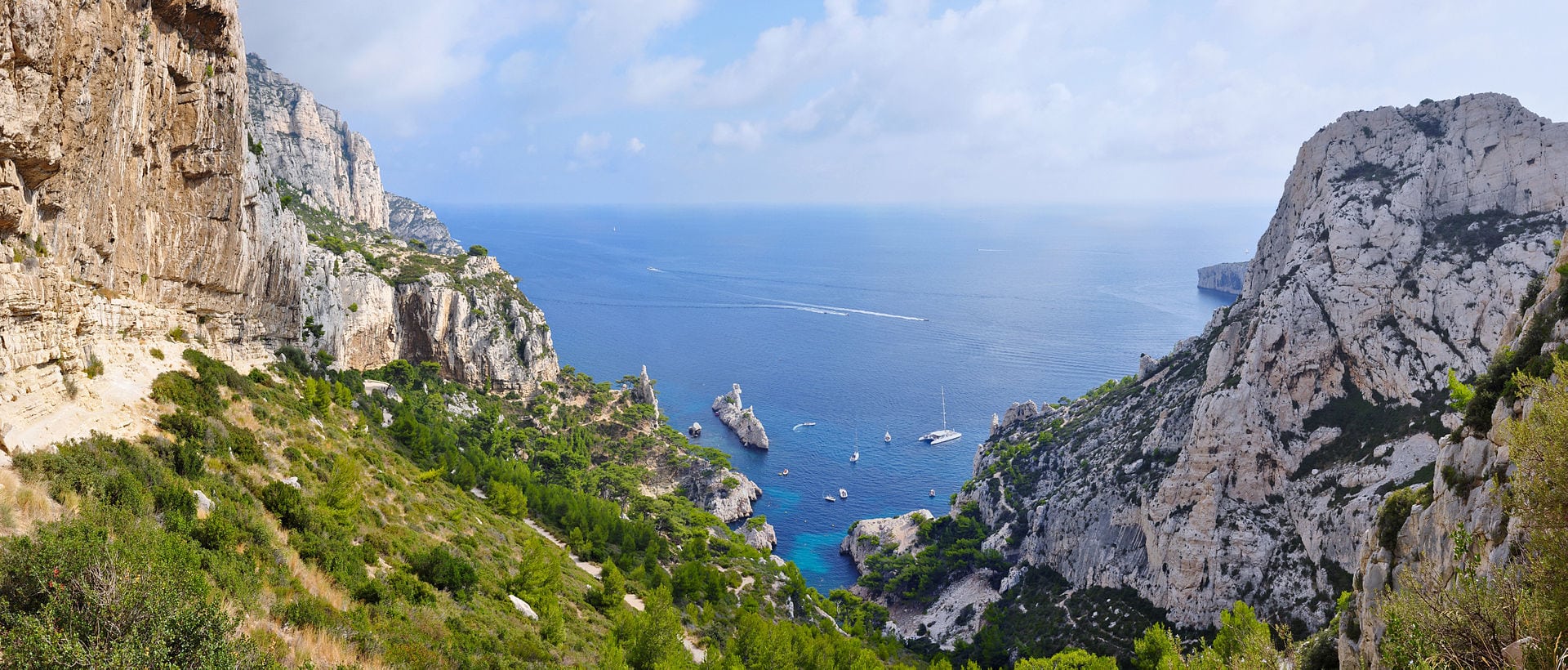
9. How to avoid the crowds and the Sugiton reservation 2026
Overtourism has hit this whole area hard and the park authority has had to take a drastic step. One of the most beautiful coves, the Calanque de Sugiton, which is more accessible from the edge of Marseille, has introduced a strict reservation system for the summer months. In 2026 a free online reservation is mandatory from roughly mid-June to mid-September.
The system opens precisely on 11 June 2026 at 9:00 in the morning, and the free slots disappear at an incredible pace. After a successful reservation you receive a special QR code that the park rangers will let you through with. The reservation is limited to a maximum of five people per code, and without it you simply won’t get to Sugiton — the checks on the access paths are completely uncompromising and won’t let anyone through without a code.
💡 Tip: Even for the other, freely accessible coves like En-Vau or Port-Pin, a simple rule applies: first come, first swims. If you arrive at the car park after nine in the morning in July, you probably won’t park and will spend an hour just inching along in a traffic jam.
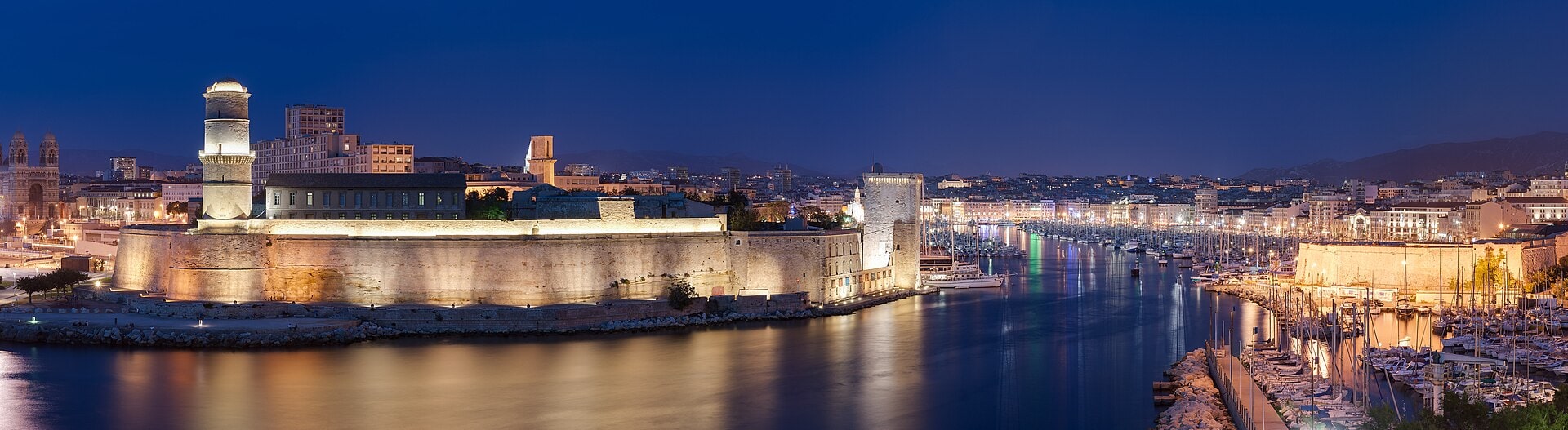
10. Wandering the streets of Le Panier in Marseille
Since Marseille is the logical gateway to the whole region, it would be a huge mistake to just blow past it on the motorway. Forget the needless prejudices about a dangerous city. Head straight to the Vieux-Port harbour in the morning, where fishermen sell their overnight catch directly from their boats, and check out the ultra-modern MuCEM museum with its stunning concrete lacework. From there flow smoothly into Le Panier, the oldest historic quarter with an absolutely wonderful atmosphere.
Once a feared den of sailors, today it’s the city’s vibrant artistic heart and a very safe zone for tourists. It’s a labyrinth of narrow, steep streets full of colourful street art, small independent galleries and cosy bistros where you can grab an excellent vegetarian lunch. Stop at a local café, order an espresso and just soak up that slightly weathered but all the more authentic southern charm. In the afternoon, take a stroll along the five-kilometre La Corniche promenade right by the sea.
💡 Tip: In central Marseille, watch out for pickpockets, just like in Rome or Barcelona. Avoid the northern suburbs, where you as a tourist have no reason to go, and after dark be cautious in the Noailles and Belsunce districts and around the main Saint-Charles station.
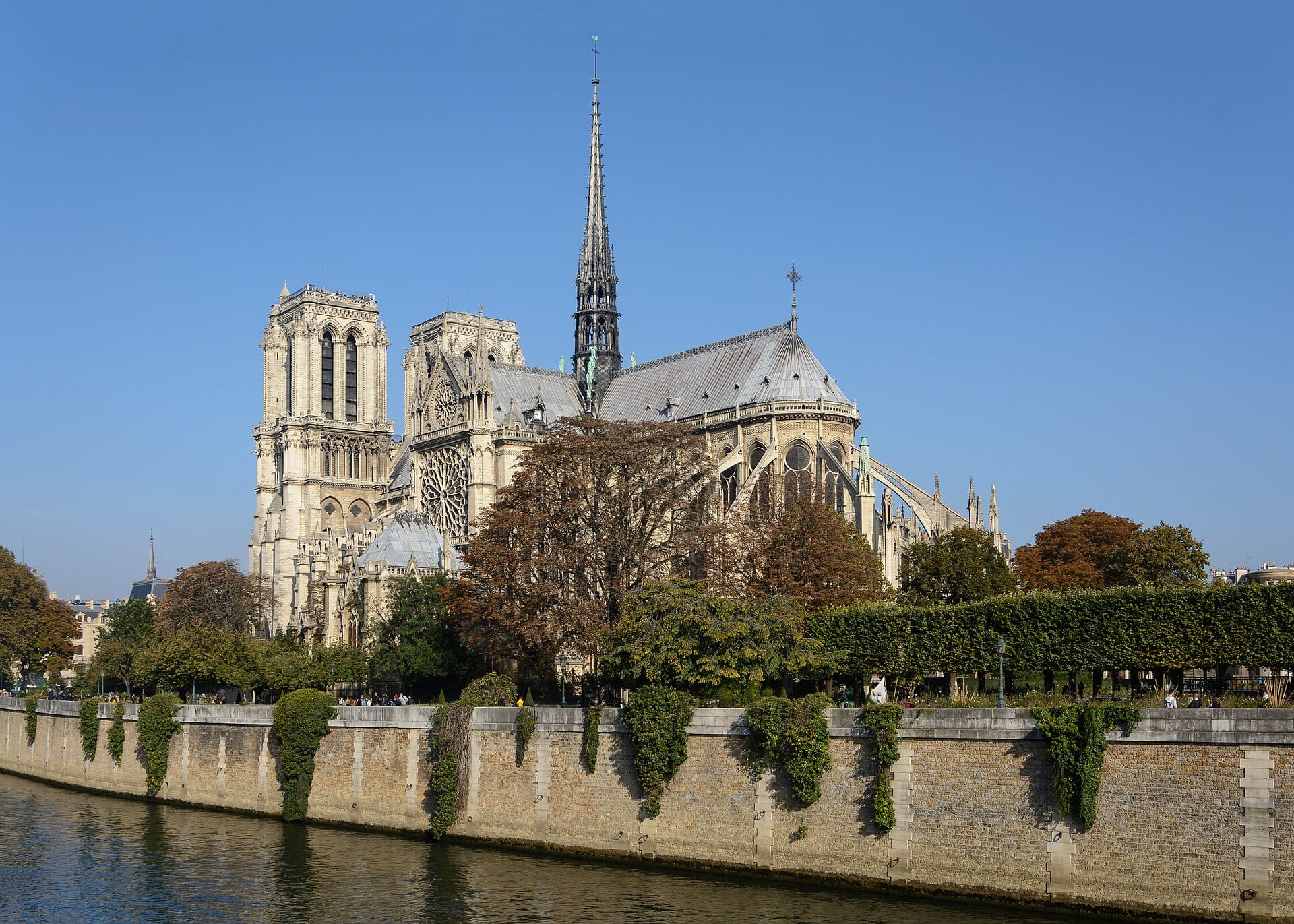
11. Sunset at the Notre-Dame de la Garde basilica
The best way to grasp the enormous scale and energy of Marseille is to look at it from above. The imposing Notre-Dame de la Garde basilica sits on a steep limestone hill a hundred and fifty metres above the sea, and its iconic golden statue of the Virgin Mary on the bell tower acts as a symbolic beacon for the whole city and the ships arriving below.
The climb up from the harbour will give you a bit of a workout in the summer heat, but you can also use the tourist train or a comfortable city bus. That 360-degree panoramic view of the sea, the surrounding islands and the endless city beneath you is simply breathtaking, especially as the sun starts to dip towards the horizon and paint the whole city a deep gold.
💡 Tip: If you’re driving into Marseille, remember the strict rules. The city has an established ZFE-m low-emission zone, which was significantly tightened in 2026. Cars with a Crit’Air 4 or 5 sticker are banned twenty-four hours a day, including foreign vehicles. You must buy the sticker online in advance for around five euros, or you risk a fine of €68 to €375.
Map of points of interest for your phone
Where to go next from Cassis
Once you’ve explored all the coves and tasted all the wine, the region offers an endless array of further destinations. I’d recommend diving deeper inland and discovering the magic of the whole Provence region. There you’ll find gorgeous stone hilltop villages like Gordes or Roussillon, and in the summer months of course the iconic purple fields full of blooming lavender, which people travel to see on the Valensole plateau.
If you crave more urban buzz, history and culture, set aside at least a day or two for a proper exploration of Marseille. From the modern MuCEM museum to the stunning old Vieux-Port harbour, this city will win you over with its raw energy. Elegant Aix-en-Provence, full of tree-lined avenues and ochre façades, is another lovely stop.
 🚗 Car rental on the road
Verified car rentals in Provence
🚗 Car rental on the road
Verified car rentals in Provence
Search with the DiscoverCars comparison engine — it compares prices from dozens of local and international rental companies, and most bookings come with free cancellation.
Compare car prices in Provence →Frequently asked questions
How to get from Marseille to Cassis?
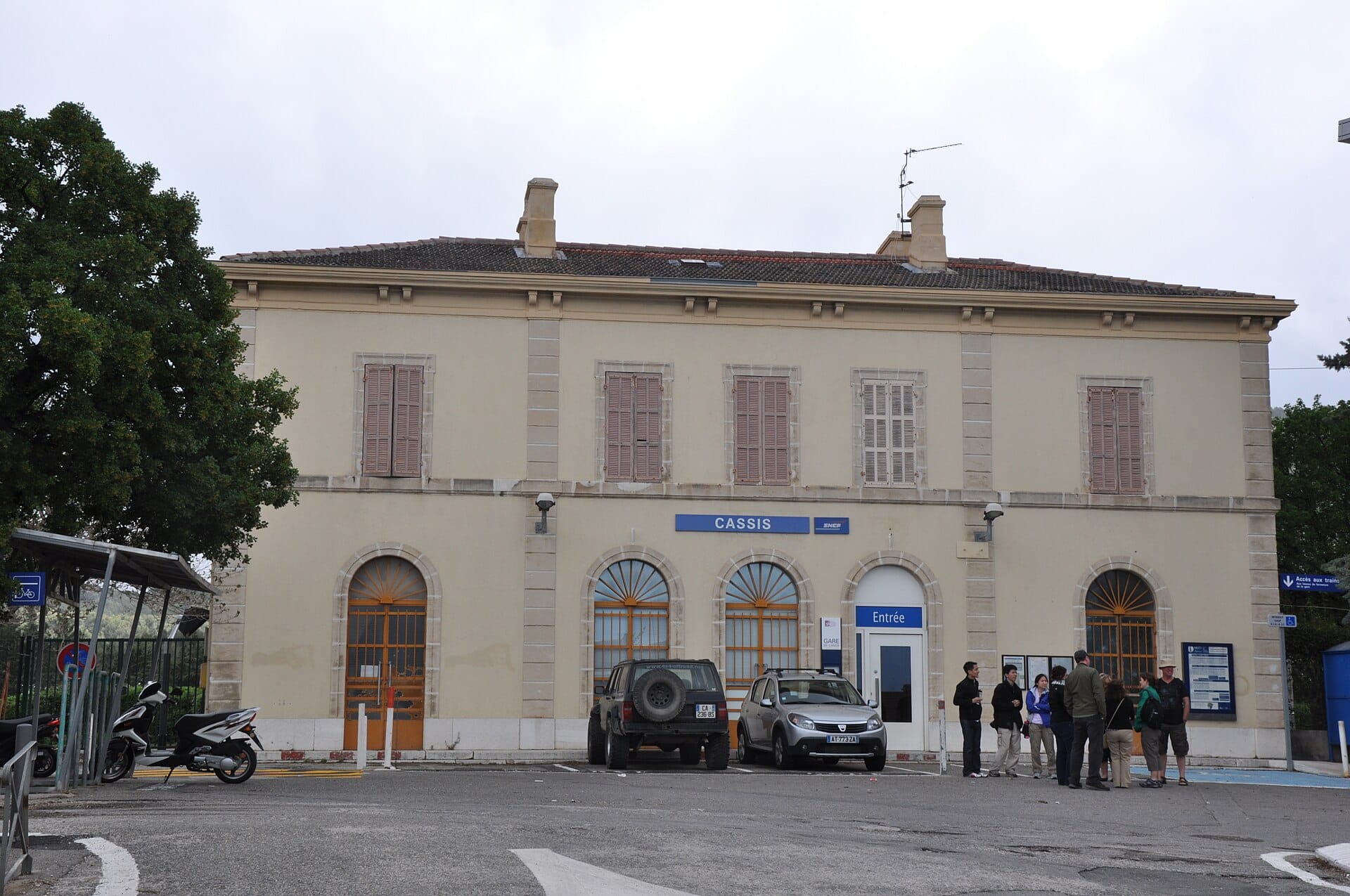
The easiest and fastest way is by train (TER). The journey from the main Saint-Charles station in Marseille to Cassis station takes only about 20 minutes and trains run very frequently and reliably. However, the station in Cassis is about 3 kilometers from the center and the port, so you’ll need to walk or use the local bus line (shuttle). If you’re driving, use the Park & Ride Les Gorguettes.
Do I need a car for Cassis?
Directly in Cassis, a car is more of a hindrance; the town is tiny and you can easily walk everywhere. If you’re planning trips to the inland areas, you’ll appreciate having a car. Just keep in mind that if you drive from the Czech Republic, you’ll pay about €9.50 in tolls for every 100 kilometers. A cheaper option might be flying with Ryanair to Marseille and renting a car on site.
What is the ZFE-m zone in Marseille?
It’s a low-emission zone that was significantly tightened in 2026. It applies to the entire wider center of Marseille and prohibits entry to all vehicles with Crit’Air 4 and 5 environmental stickers. The ban is in effect 24 hours a day, including for foreign cars. You must obtain the sticker in advance online, it costs around €5. Without it, you risk a very hefty fine ranging from €68 to €375.
Can I manage the hike to Calanques with kids?
The hike to the first cove, Port-Pin, is relatively easy and older, experienced children will manage it without problems if they have good footwear. However, the route to En-Vau is already a challenging trek with significant elevation gain and slippery rocks, which I definitely wouldn’t recommend for small children. As a family alternative, always consider an organized boat trip from the harbour instead, which is completely effortless and you’ll see the best sights from it.
Can I bring a dog to the national park?
Yes, dogs are allowed in Calanques National Park, but they must be kept strictly on a leash at all times. However, keep in mind that for animals, moving across hot, sharp limestone rocks without any shade during the summer months is extremely exhausting and dangerous. Don’t forget to bring plenty of drinking water for them as well, since you won’t find any water sources along the way.
Where to park when visiting the coves?
The nearest parking lot for a trip to Port-Pin and En-Vau is on the Presqu’île peninsula right above Port-Miou bay. It’s paid and during the peak summer season it’s usually full before nine o’clock in the morning. A great and much quieter alternative is to leave your car at the free park-and-ride lot Les Gorguettes above the town and take a special shuttle bus to the port or to the trailhead.
When exactly does lavender bloom in Provence?
Lavender doesn’t wait for your August holiday. The main season on the Valensole plateau lasts roughly from mid-June to mid-July. Be careful with lavender festivals, which often celebrate the harvest itself. If you’re heading to Provence in August, your only chance for purple fields is the higher-altitude plateau around the village of Sault, where lavender blooms a bit longer.
Tips and Tricks for Your Vacation
Don’t Overpay for Flights
Search for flights on Kayak. It’s our favorite search engine because it scans the websites of all airlines and always finds the cheapest connection.
Book Your Accommodation Smartly
The best experiences we’ve had when looking for accommodation (from Alaska to Morocco) are with Booking.com, where hotels, apartments, and entire houses are usually the cheapest and most widely available.
Don’t Forget Travel Insurance
Good travel insurance will protect you against illness, accidents, theft, or flight cancellations. We’ve had a few hospital visits abroad, so we know how important it is to have proper insurance arranged.
Where we insure ourselves: SafetyWing (simple monthly subscription) and TrueTraveller (for extra-long trips).
Find the Best Experiences
Get Your Guide is a huge online marketplace where you can book guided walks, trips, skip-the-line tickets, tours, and much more. We always find some extra fun there!