

Provence lives in almost everyone’s imagination as a dream – endless purple lavender fields stretching to the horizon, the scent of wild herbs, sun-baked little squares and a carafe of rosé. But the moment you start planning, the questions pile up: how much will it all cost, exactly when should you go for the lavender to actually be in bloom, and is it worth booking a package or sorting it out yourself? The two of us have crisscrossed Provence from end to end, and this page pulls it all together in one place.
You’ll find three things here: up-to-date package and flight prices, which we refresh every morning so you see real numbers rather than guesses; our tips from our own trips and articles – from Marseille to the hidden coves of the Calanques; and a plan for when and what to book, so you don’t overpay for flights or accommodation.

What to see and do in Provence
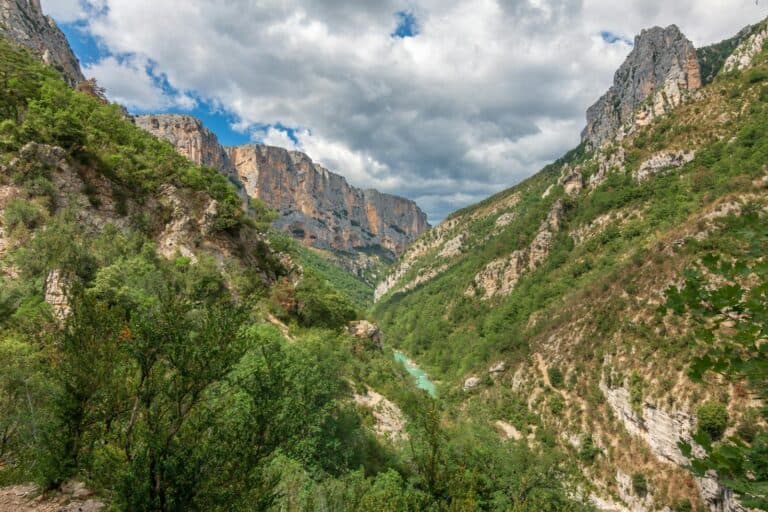
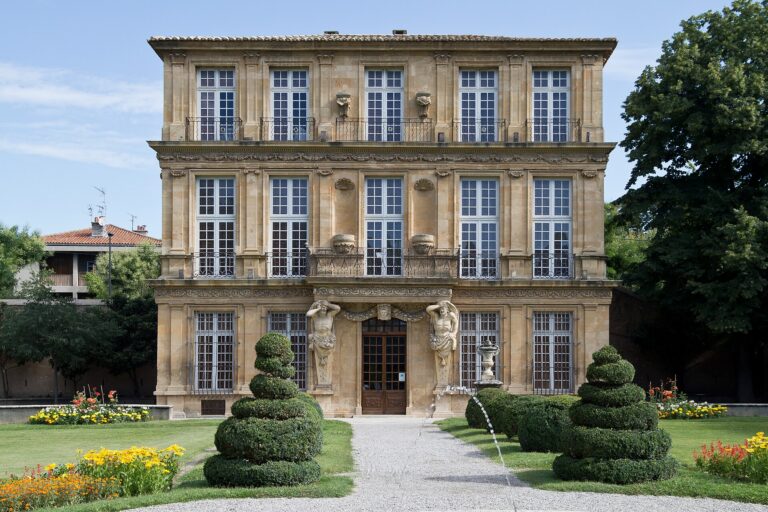
Provence isn’t a single spot but an entire region full of contrasts – from a buzzing port to quiet inland villages. Here are the places that make it worth the trip:
- Lavender fields – the icon of Provence, but they only bloom for a few weeks a year. The Valensole plateau and the area around Sénanque Abbey are the most photogenic, but it all comes down to timing.
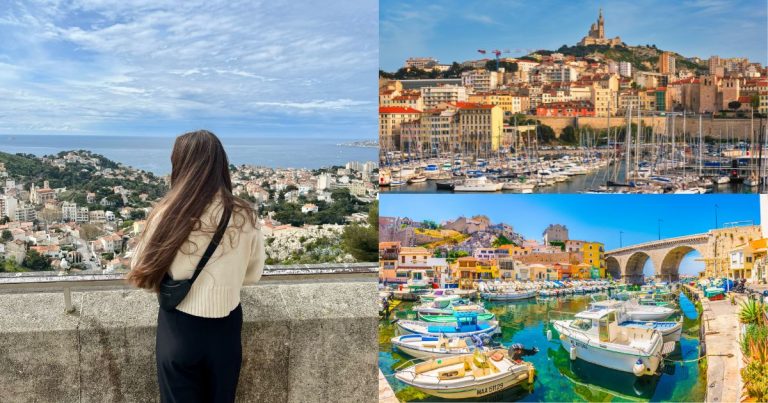
- Marseille – the region’s biggest and liveliest city, raw and beautiful at the same time. The Old Port, the Notre-Dame de la Garde basilica, the Le Panier quarter and the best bouillabaisse.
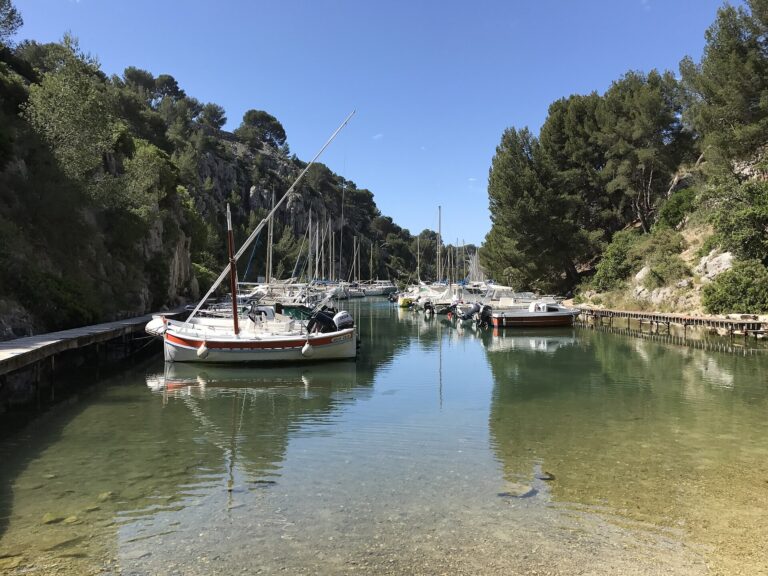
- Cassis and the Calanques – a picturesque port town and limestone coves with turquoise water you reach on foot or by boat. Our favourite for a full day by the sea.
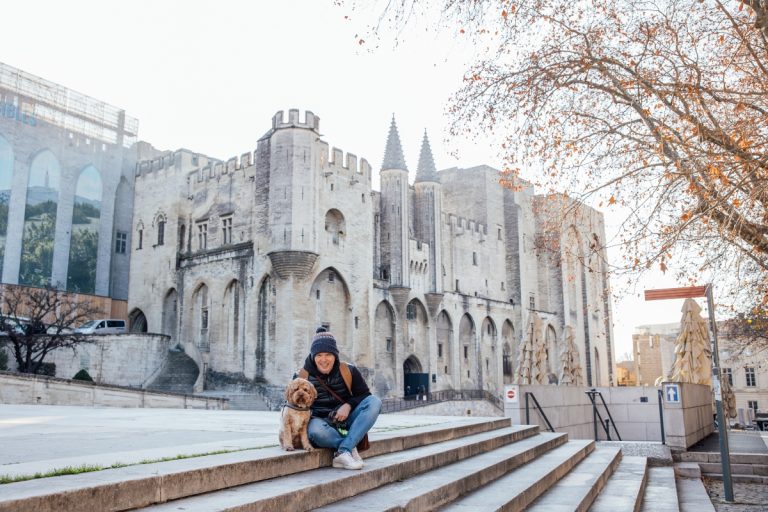
- Avignon – the city of the popes, with its mighty Palace of the Popes and famous bridge. A great base for exploring the inland.
- The villages of the Luberon (Gordes, Roussillon, Ménerbes) – stone cottages, ochre cliffs and markets exactly as you picture them under the words “Provençal idyll”.
We’ve put together a complete overview of everything you can fit into the region in our Provence guide with 14 tips – a good springboard if you’re still piecing your route together.

When to visit Provence
The key question with Provence is: are you coming mainly for the lavender, or for everything else? Lavender blooms roughly from mid-June to mid-July, and on the higher Valensole plateau often right through to the end of July. If that sea of purple is your main goal, plan your trip precisely within this window – you’ll find more in our article on the lavender fields.
Otherwise, the most pleasant time to visit is May, June and September – warm enough for swimming and walks, but without the punishing heat and the biggest crowds. July and August are the hottest (easily over 30 °C), the beaches and Calanques are bursting at the seams, and accommodation prices shoot up. Spring and autumn reward you with calm and lower prices, though the sea in April and October tends to be a bit chilly for swimming.
In winter Provence is quiet and cheap; many smaller businesses and village hotels close, but both Marseille and Avignon run year-round and have their own charm off-season too. Bear in mind the mistral as well – a cold northerly wind that can be seriously unpleasant even outside peak season.


How to get to Provence
The quickest way into Provence is by air. The main gateway is Marseille (MRS) airport, with Nice and Nîmes also nearby. Direct connections from Prague tend to be seasonal, so you’ll most often have a layover (typically via Paris). From the airport it’s an easy ride into central Marseille and on into the region by bus or train.
By car it’s roughly 1,200–1,300 km from the Czech Republic, so 12–14 hours of actual driving via Germany and Switzerland (don’t forget the motorway vignette and the Swiss toll) or via Italy. A car is handy if you want to tour the Luberon villages and the lavender fields, where public transport barely runs. If you’re mainly aiming for the cities, you can manage by train and bus and just rent a car for a couple of days.
Renting a car
A car pays off in Provence if you want to tour the lavender fields and the Luberon villages – where public transport barely runs or only sporadically. For a trip focused on Marseille, Avignon or Cassis, on the other hand, a car often just slows you down: parking in the cities is expensive and complicated, and trains between the big cities run well. A practical compromise is to rent a car only for the days you plan to explore the countryside.
- Book ahead via rental comparison sites – on the spot it’s pricier in season and may be sold out.
- Watch the insurance and deposit: the base price often doesn’t include full coverage, and the deposit hold on your card can be high.
- Tolls (péage): French motorways are tolled, so factor that into your budget.
- Airport pickup tends to cost more due to an airport surcharge – compare it with a city branch.
Where to stay in Provence
Where to lay your head depends on what you want to see. For cities and culture, the ideal base is Avignon (great connections across the region) or Marseille (sea, buzz, gastronomy). For nature and village charm, stay right in the Luberon; for the sea, in Cassis.
- Guesthouses and apartments in the villages – the best balance of atmosphere and price, but you’ll need a car.
- Hotels in Avignon and Marseille – practical, well connected, open year-round.
- Provençal “chambres d’hôtes” (something like a bed and breakfast) – a personal touch, often with a pool and garden.
- Campsites and mobile homes along the coast – a cheaper option in summer, but book well ahead in season.
Package tour or independent travel?
Provence works both ways – it comes down to how much you want to handle yourself and what you expect from the trip.
- A package pays off when you don’t want to deal with transport and routing, you’re going for the first time and want to see the highlights in a few days, the language barrier bothers you, or you’re travelling without a car but still want to reach the lavender and the villages.
- Go independent when you want your own pace and a flexible route, you’re up for driving, you’re planning a longer stay in one place, or you want to target the lavender season precisely and shoot at dawn without the crowds.
The two of us love the freedom of going independent – with the villages, markets and early mornings in the fields, an organised programme would feel too tight for us. But honestly: if you’re going for the first time, for a short trip and without a car, a well-put-together package will save you a lot of planning and stress. Judge for yourself and compare the current offers below.
Budget: daily costs in Provence
| Level | Accommodation | Food | Transport & activities | Total/day |
|---|---|---|---|---|
| Backpacker | 30 €–45 € (hostel, campsite) | 14 €–20 € (markets, bakeries, self-catering) | 10 €–20 € (public transport, train, entry fees) | approx. 50 €–85 € |
| Mid-range | 60 €–110 € (guesthouse, apartment) | 30 €–45 € (set lunch menu, dinner in a bistro) | 30 €–45 € (car, boat trips, entry fees) | approx. 115 €–200 € |
| Comfort | 140 €+ (hotel, chambres d’hôtes with pool) | 60 €+ (restaurants, wine) | 60 €+ (own car, tours, tastings) | approx. 260 €+ |
Prices are approximate and based on one person. Travelling as a couple, you’ll always save on accommodation and the car. The biggest difference comes down to the season — in July and August accommodation prices can be tens of percent higher than in spring and autumn.
How to save when planning
- Buy flights 2–4 months ahead. For summer, and especially the lavender season (June–July), prices climb the closer you get to your dates. Keep an eye on connecting flights via Paris too – they’re often cheaper than seasonal direct ones. Search for flights in our search engine.
- Book accommodation early in season – village and seaside guesthouses and apartments fill up fast in summer, and the last spots left are usually the priciest. Off-season, by contrast, you can happily wait. Check out our accommodation tips.
- Book activities and Calanques boat trips ahead, especially in July and August – on the spot they’re often sold out or you’ll hit long queues. See what to book in advance.
- Where you overpay: restaurants right on the Old Port in Marseille and in the most touristy villages. Walk a street further or shop at the market – you’ll save money and get more out of it.
- If you’re considering an organised package, compare both early-bird deals (cheaper, guaranteed dates) and last-minute offers in the current packages section on this page.
Practical information
- Language and payments: the language is French, and you’ll get by in English in cities and tourist spots, though less easily than elsewhere. The currency is the euro, and you can pay by card almost everywhere, but keep some cash for markets and small villages.
- Connectivity: the simplest option is an eSIM – activate it before you fly and you’ll have data the moment you land for navigation, maps and finding restaurants. In a region of scattered villages, that pays off twice over.
- Safety: Provence is fine; just watch out for pickpockets around the Marseille station and in tourist crowds. Never leave valuables in plain sight in the car.
- Practical tips: village markets are usually in the morning – arrive early. Many shops have a lunch break (roughly 12–2 pm). In summer the Calanques can have access restrictions due to fire risk, so check ahead.


