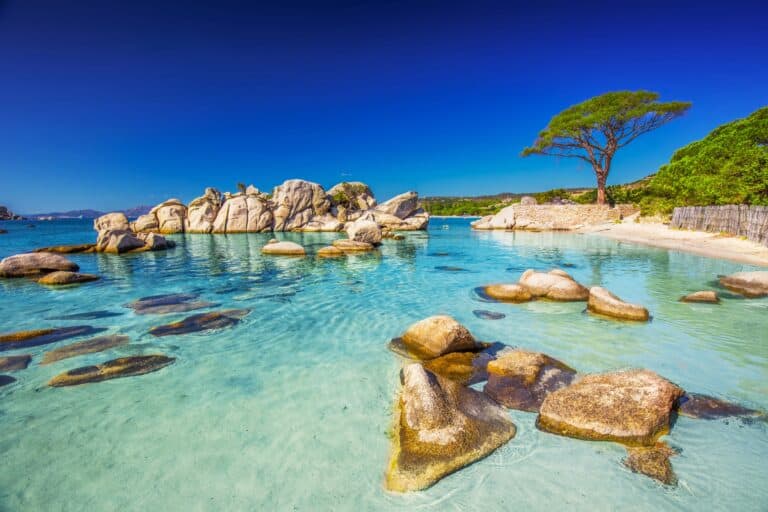
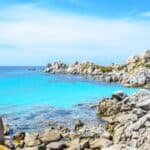
If you’re after a destination where you can scramble around ancient fortresses in the morning and swim in picture-perfect coves in the afternoon, Bastia, Corsica and the wild north of the island will absolutely win you over. The moment you step off the ferry and take your first deep breath, you’ll catch the unmistakable scent of wild thyme, rosemary and sun-baked earth. Locals call this wild vegetation maquis, and the story goes that Napoleon Bonaparte could have recognised his home island blindfolded, purely by this unique aroma.
Don’t expect a polished French Riviera with flawless promenades, though — Corsica is wilder, rougher and prouder than that. The roads here twist high above sheer drops, and the sea is often the kind of colour you’d usually associate with brochures of the distant Caribbean. In this article we’ll explore the port city of Bastia and the rugged Cap Corse peninsula, which on the map looks like a raised finger pointing towards Genoa in Italy. I’ll tell you which places not to miss, where to base yourself, and what to watch out for when planning your trip.
TL;DR
- You’ll need a car: Public transport on the island is very unreliable, so a car is absolutely essential for exploring the north.
- Avoid August: In August the island is bursting at the seams, prices skyrocket and the roads turn into car parks.
- Bastia’s Old Port: The most charming part of the city, with tall colourful houses and plenty of great restaurants.
- The Cap Corse loop: A breathtaking road trip along narrow cliffside roads — I recommend driving anti-clockwise.
- The village of Nonza: A dramatic cliffside village with an iconic black beach created from a nearby quarry.
- The Patrimonio wine region: A paradise for wine lovers with the finest Corsican varieties.
The full destination guide: Corsica — guide and what to see
When to visit Bastia and Cap Corse
The basic rule for planning your trip couldn’t be clearer: skip August altogether if you can. It’s the month when the French and Italians descend on the island en masse, with two to three times more people than in July. The roads around Cap Corse turn into impassable traffic jams, accommodation prices climb to absurd heights, and the best little coves are hopelessly packed. For a relaxed holiday full of discovery, it really isn’t the best time.
The ideal months to visit are without a doubt May, June and September. In autumn the sea is still beautifully warm from the summer, and the narrow mountain roads are far easier to breathe on and navigate safely. The spring months, on the other hand, bring nature in full bloom, and the island is intoxicating with the scent of wild maquis herbs. Spring temperatures hover around a pleasant 20 to 25 degrees, which is absolutely perfect for hiking and wandering through the towns, even if the sea may still feel a touch refreshing.
As for getting there, without a car you’re completely stuck in Corsica, because public transport here is very unreliable and often non-existent. From the UK, the easiest option is to fly into Bastia–Poretta Airport — there are seasonal direct flights to Bastia, Corsica from London and other UK airports, and you can pick up a hire car right at the airport. Alternatively, many travellers reach the island with their own car via one of the big ferries operated by companies like Corsica Ferries from the French mainland. Ticket prices vary a lot depending on the season and how far in advance you book. Expect a return ticket for two people with a car to cost anywhere between €250 and €1,000. The quickest crossing runs from Nice straight to Bastia and takes roughly 6 to 7 hours. From Toulon, allow 8 to 10 hours, and from Marseille the journey stretches to a long 11 to 14 hours.
Where to stay in Bastia and the surrounding area
💡 Tip for accommodation and experiences: We love searching for places to stay on Booking.com, which tends to have the best cancellation policies. For tickets, tours and activities, it’s worth comparing and booking through GetYourGuide.
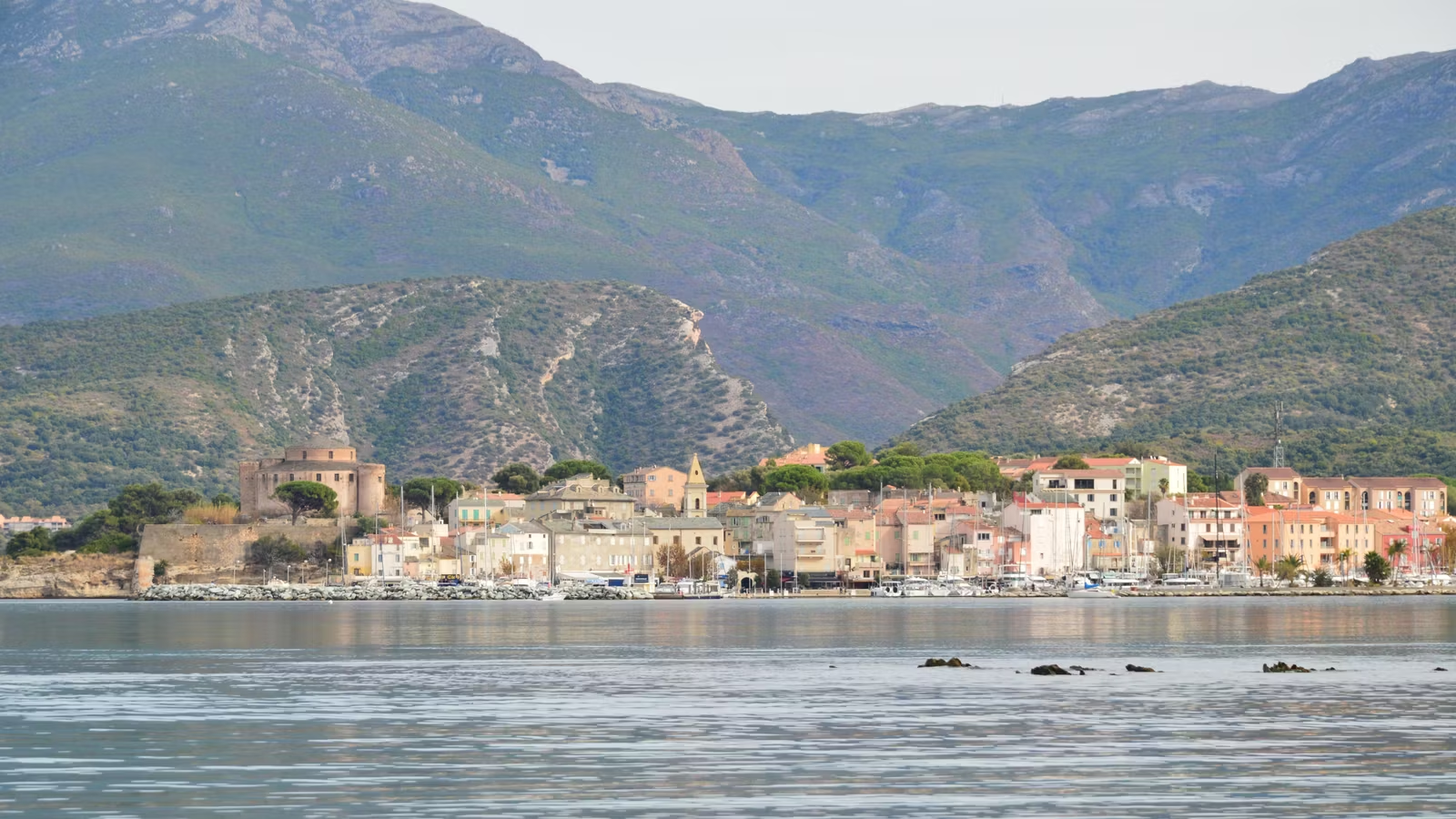
Bastia is the perfect base for exploring the north, and I’d recommend spending at least two or three nights here. The city isn’t huge, but it has a wonderful, slightly faded atmosphere that you’ll soak up best early in the morning or late in the evening, once the crowds from the cruise ships have left. The best area to stay is around the old port or close to the sprawling Place Saint-Nicolas, from where all the sights are just a few steps away. Parking in the historic centre is quite a headache, so it’s handy to use the huge underground car park right beneath the square, where you’ll pay around €20 per day.
For a truly unforgettable stay, take a look at the Hôtel Des Gouverneurs, set right inside the historic Terra Nova citadel. It offers stunning sea views, an indoor pool and elegant rooms that make you feel like you’ve stepped into a fairy tale. In season, prices here start at around €180 per night. If you’re after something more budget-friendly right in the centre, the very popular Hôtel Port Toga is a great shout. It has a fantastic location a stone’s throw from the ferry terminal, modern facilities and a lovely rooftop terrace where you can enjoy an evening drink, all for around €110 per night.
If you’d rather escape the busy city for some real peace and quiet, the Cap Corse peninsula offers some charming places to stay in tiny fishing villages. A gorgeous choice is the Hôtel Castel Brando in the village of Erbalunga, set in a 19th-century noble residence with a beautiful shady garden and a pool. I’d strongly recommend booking your Corsica accommodation well in advance through Booking, because the best small hotels and guesthouses are usually hopelessly sold out for the main summer season as early as the start of spring.
11 things to do in Bastia and Cap Corse
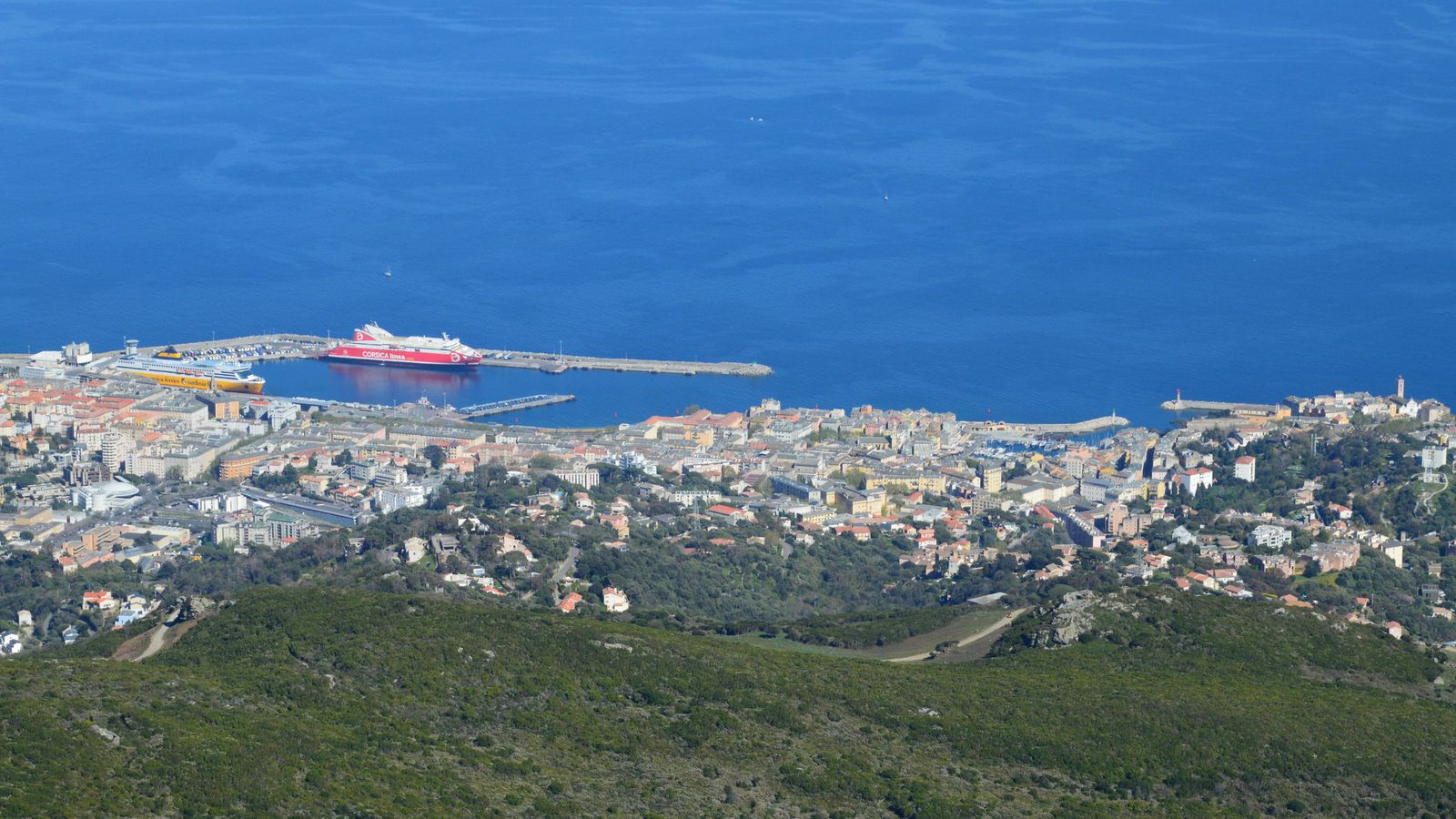
Compared with other Corsican towns, Bastia is far more authentic, a little more weathered and rougher around the edges. The narrow lanes here smell of the sea, freshly baked bread and local cheeses. The Cap Corse peninsula, meanwhile, is like Corsica in miniature, packing mountains, cliffs, watchtowers and hidden beaches into a small space. Let’s take a look at the places that definitely shouldn’t be missing from your itinerary. You can also conveniently book activities and boat trips in advance through GetYourGuide.
1. Place Saint-Nicolas and a morning coffee
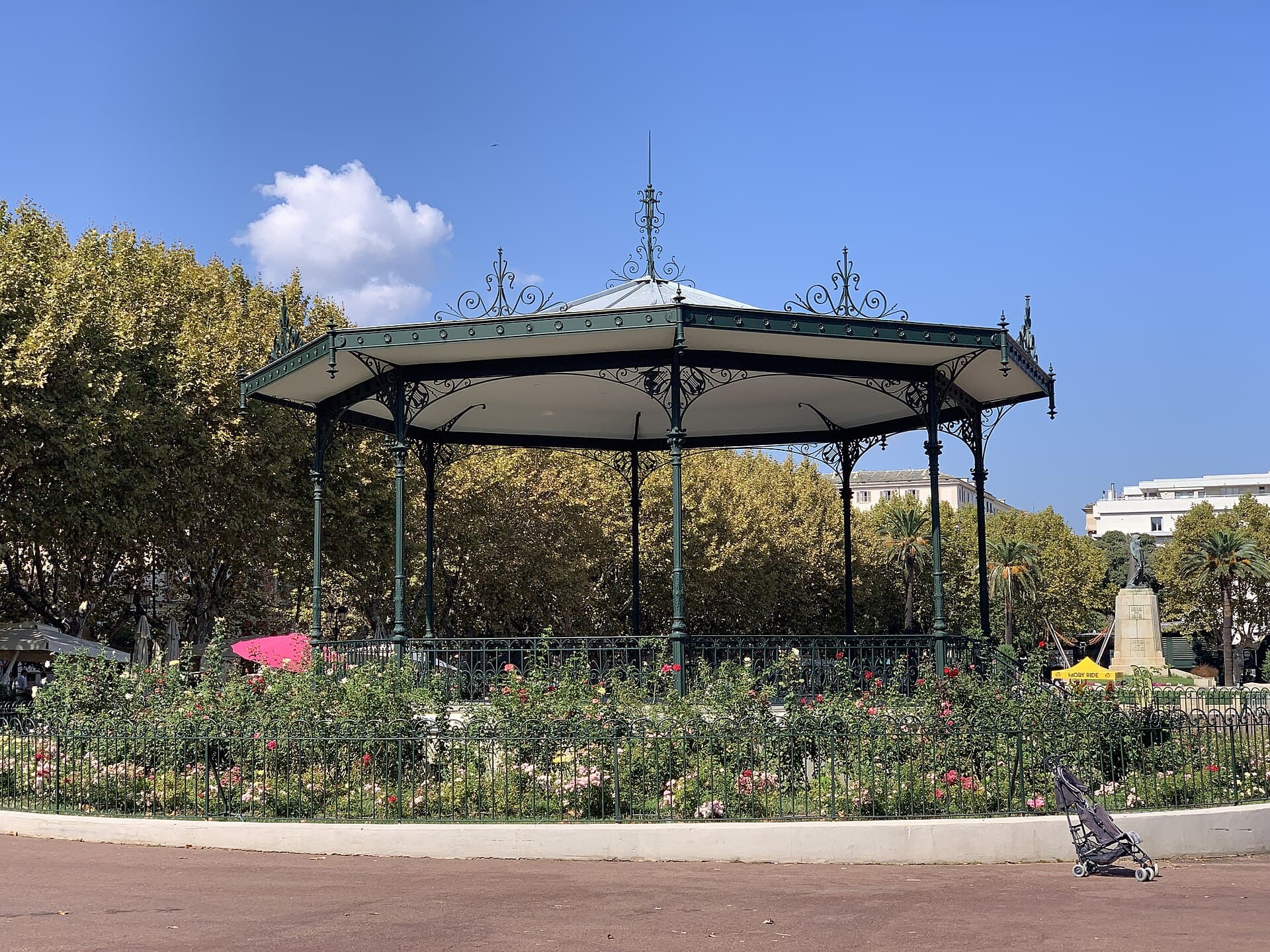
Your tour of the city should begin at the enormous Place Saint-Nicolas, which forms the true heart of Bastia. At nearly 300 metres long, this square is one of the largest in all of France, lined along its entire length with towering palms and centuries-old plane trees. In the hot summer months these provide much-needed shade and create the perfect promenade. It’s exactly the kind of place where locals come to read the paper, chat with neighbours and watch the huge yellow Corsica Ferries vessels that arrive at the nearby port every so often.
Settle into one of the many pleasant café terraces, order a strong morning espresso and a fresh, crisp croissant. The atmosphere here is wonderfully lazy and nobody’s in any hurry. On the square you’ll also find a majestic statue of Napoleon Bonaparte, depicted in a Roman toga. Locals tend to have rather lukewarm feelings about him, though, as his home town of Ajaccio lies on the opposite side of the island and there’s a long-standing historical rivalry between the two.
💡 Tip: In the afternoon, I’d recommend swapping the coffee for a great local beer, Pietra, brewed from a blend of malt and chestnut flour. It has a completely distinctive, slightly sweet and full-bodied flavour. Every Sunday morning the square also hosts a popular flea market full of antiques and local treats.
2. The Old Port (Vieux Port)
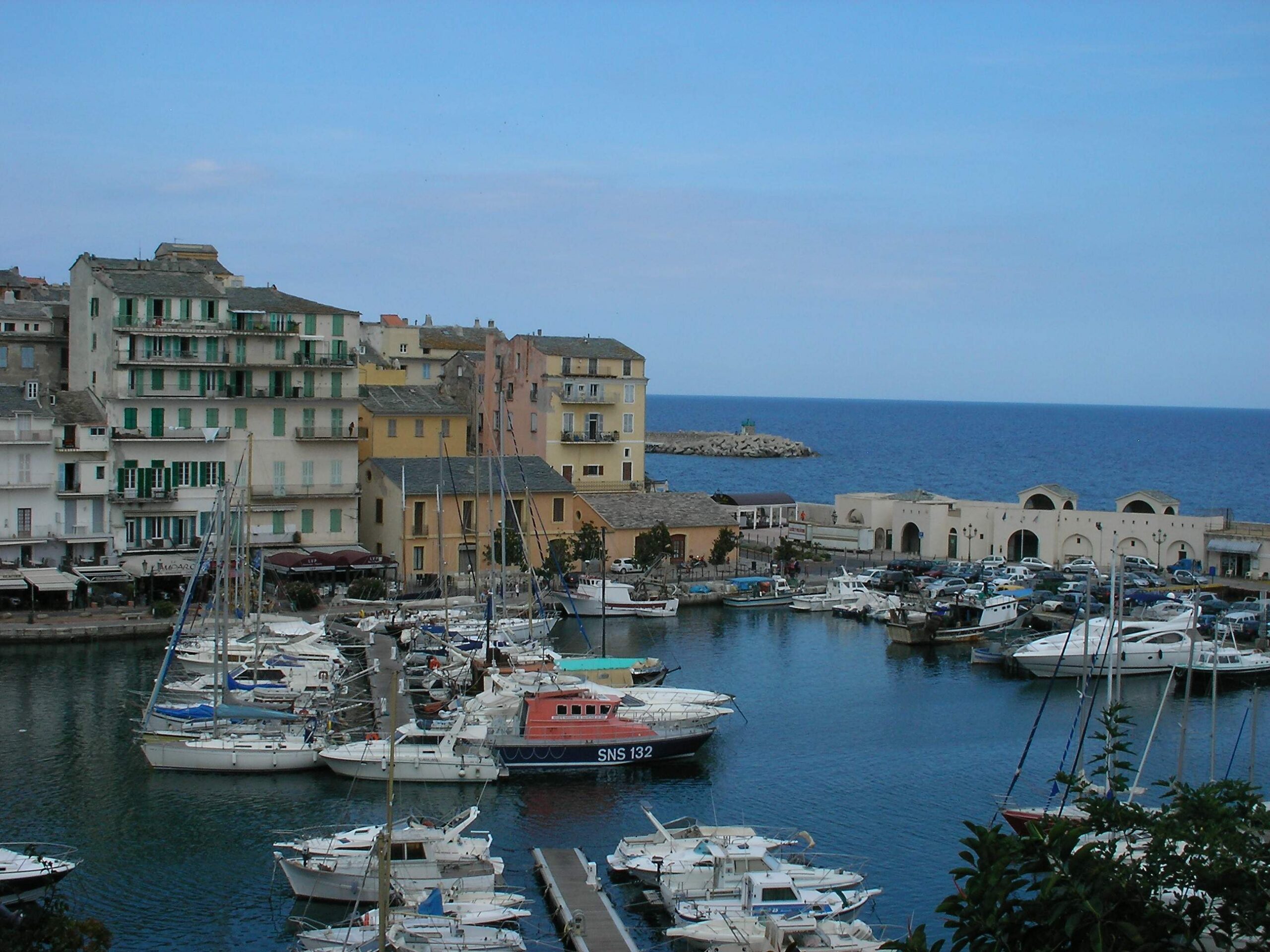
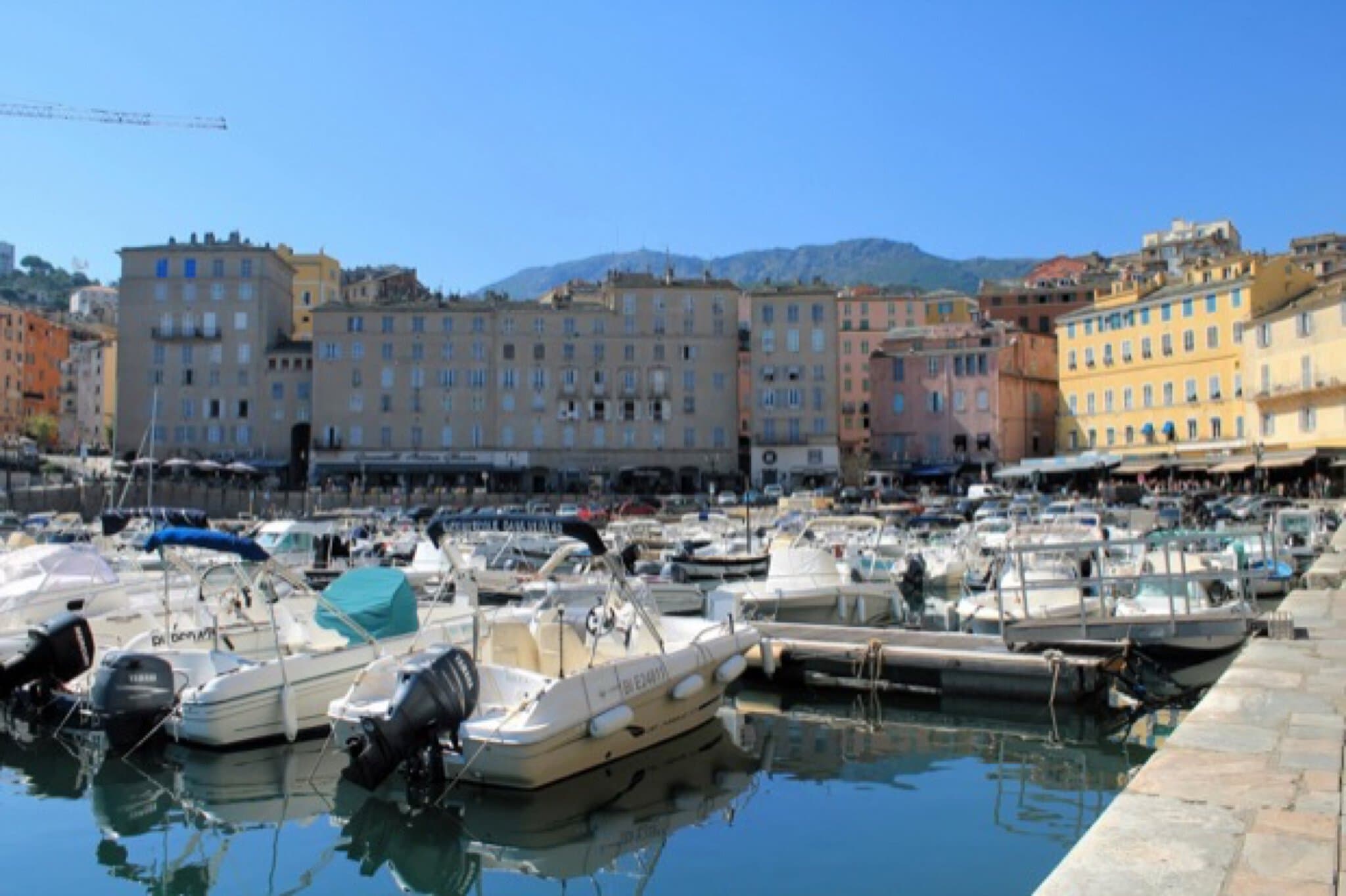
From the big square it’s just a few steps to the old port, which is without doubt the most photogenic part of the whole city. The horseshoe-shaped bay is full of small wooden fishing boats and more modern yachts, gently bobbing on the waves to create the perfect Mediterranean backdrop. The port is hemmed in on all sides by incredibly tall, slightly crumbling houses with pastel-coloured shutters, exuding that genuine, unspoilt Corsican atmosphere.
It’s right here on the waterfront that you’ll find the best restaurants and little traditional cafés, from which you can watch the bustle by the water. Try grabbing lunch here and sampling the excellent local vegetarian specialities. The delicious pasta filled with fresh Corsican brocciu cheese is an absolute must, as is the traditional hearty chestnut-flour polenta, which is guaranteed to fuel you up for more exploring. In the evening the whole port lights up beautifully with the yellow glow of the lamps and becomes the main hub of the nightlife, with the bars buzzing well into the small hours.
💡 Tip: The waterfront gets very busy around lunchtime. Try slipping into the narrow lanes just behind the first row of houses, where you’ll find smaller family bistros cooking for the locals at considerably friendlier prices.
3. The Church of St John the Baptist
As you stand in the old port and look around, your gaze will inevitably be drawn to the monumental Church of St John the Baptist (Église Saint-Jean-Baptiste). Its two strikingly tall bell towers form the city’s most iconic landmark and appear on just about every postcard you can take home from Bastia. It’s the largest church on the whole of Corsica, and its majestic late-16th-century neoclassical façade looks truly grand and imposing when viewed from the sea.
I’d definitely recommend popping inside too, as the interior is richly decorated in an opulent Baroque style, with beautiful marble altars, rare frescoes and a huge organ. The church itself is tucked into the maze of narrow lanes in the old working-class quarter of Terra Vecchia. In this part of the city you can simply wander without a map, discovering hidden little squares and soaking up the laid-back atmosphere of the old town. More often than not, freshly washed laundry will be hanging overhead, strung between the windows, which only adds to the authenticity of the place.
💡 Tip: For the best photos of the church and the old port, I’d recommend heading out for a stroll just before sunset, when the whole bay takes on an incredibly golden, warm glow.
4. The Terra Nova citadel and views over the city
High above the old port stands the proud historic Terra Nova citadel, built by the Genoese rulers in the 14th and 15th centuries as their seat of power. The best way up is a pleasant walk through the terraced Romieu gardens, full of greenery, flowering shrubs and very welcome shade. The climb uphill can be a bit of a slog on a hot summer’s day, but those fantastic panoramic views over the entire city and the sweeping bay are well worth the effort.
Within the mighty stone walls hides a self-contained little town of narrow cobbled lanes and picturesque pastel houses, once home exclusively to the Genoese elite. You’ll also find the restored Governor’s Palace, which today houses an interesting museum charting the rich history of Bastia and the whole island. The atmosphere in the citadel is noticeably calmer and more refined than down in the noisy port, making it the perfect spot for a romantic early-evening stroll, once the day-trippers have left the streets.
💡 Tip: The winding lanes of the citadel hide several excellent little bistros with cosy outdoor seating, where they bake absolutely fantastic vegetarian pizza and serve it with excellent local wine from the nearby Cap Corse vineyards.
5. A road trip around the Cap Corse peninsula
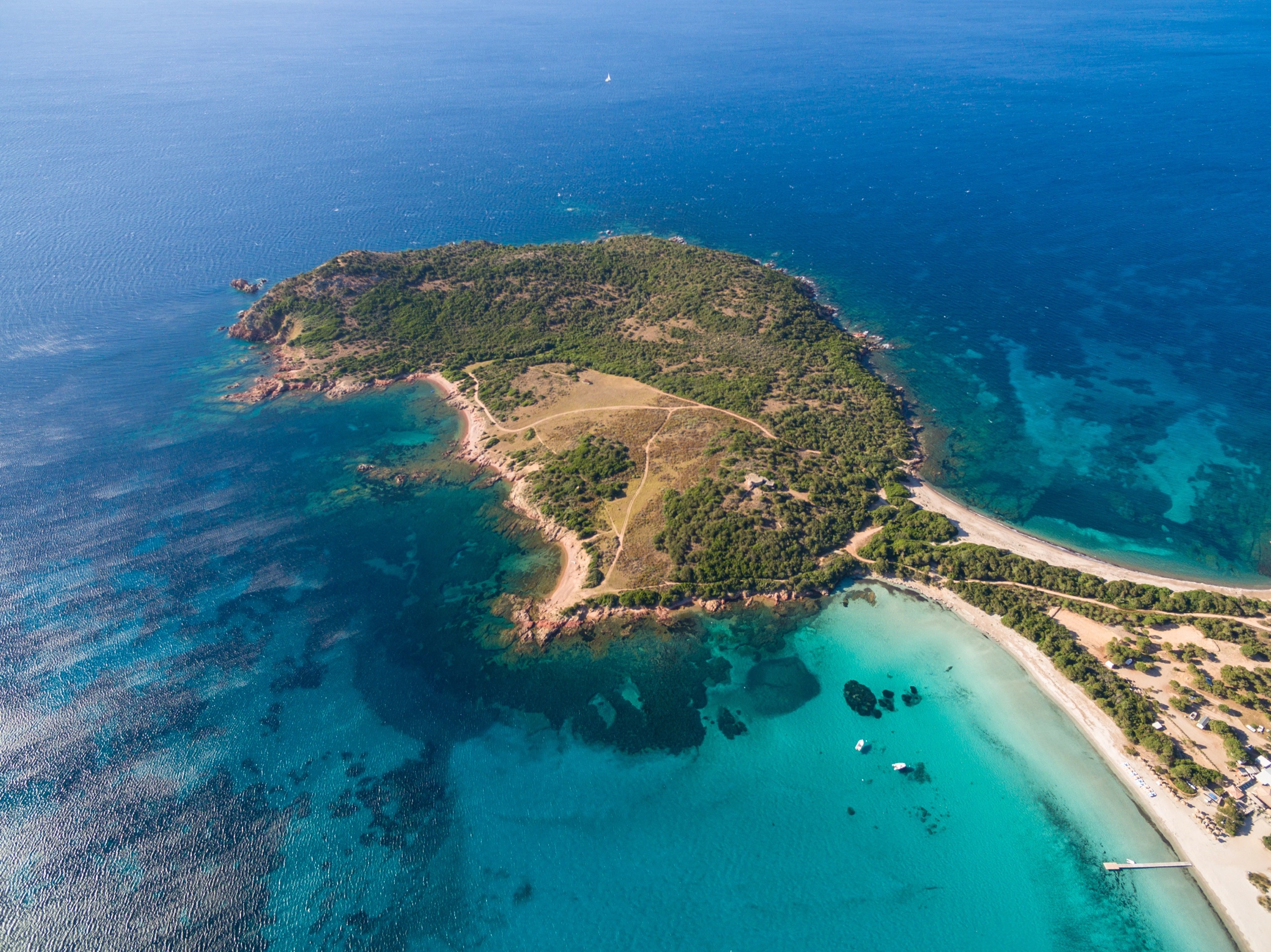
Once you’ve explored every nook and cranny of Bastia, it’s time to head straight north and drive the legendary Cap Corse peninsula. This roughly thirty-kilometre-long and fifteen-kilometre-wide spit of land offers some of the most beautiful coastal scenery in all of Europe. The narrow D80 road twists wildly high above the sea, cutting straight into the steep rock, and around absolutely every bend a new, breathtaking view of the crashing waves and old watchtowers awaits.
The key piece of advice for this road trip is clear, so do remember it: always drive anti-clockwise. That means setting off from Bastia up the east coast heading north, and returning down the west coast back south. This way you’ll stay in the lane nearer the sea the whole time, guaranteeing the best possible views and far easier stops at the clifftop viewpoints. The roads here are genuinely extremely narrow, passing oncoming buses takes nerves of steel, and you’ll routinely come across free-roaming cows or goats, so definitely don’t rush.
💡 Tip: Set aside at least a full day for the whole loop. The drive itself takes around 3 to 4 hours of actual driving time, but you’ll want to stop constantly to take photos and soak up the picturesque villages.
6. The fishing village of Erbalunga
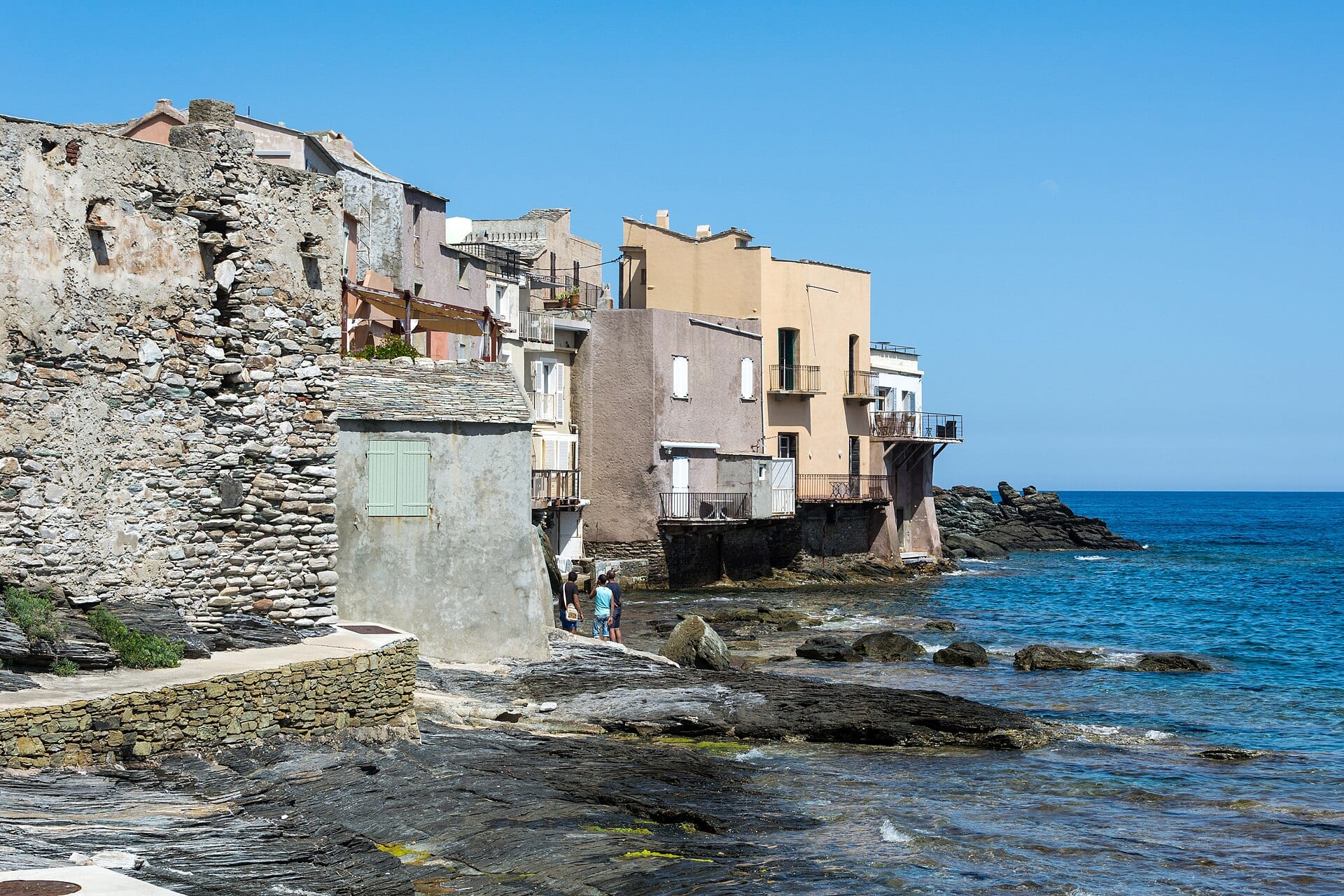
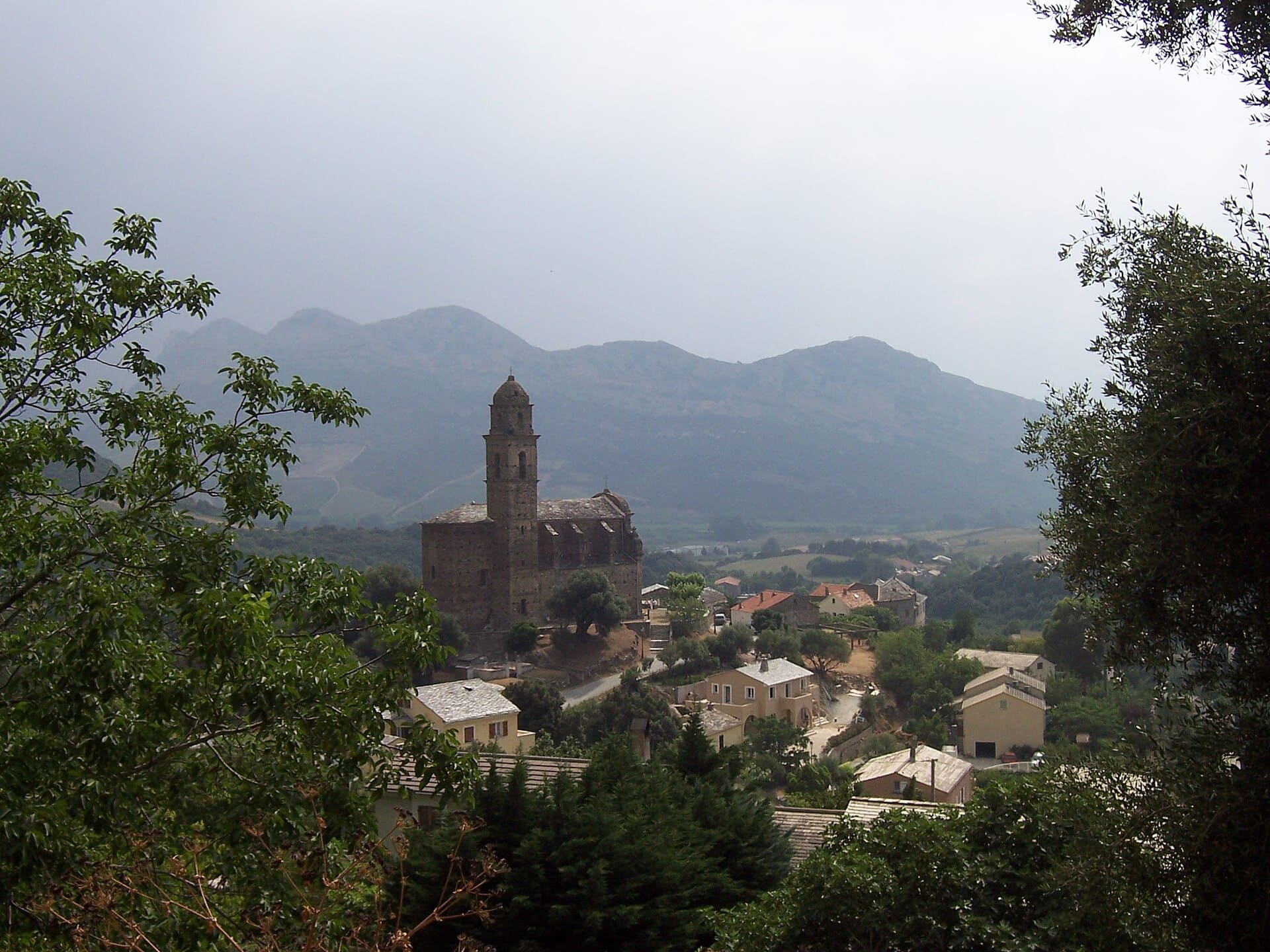
The first major stop on the east coast of the peninsula should be the charming fishing village of Erbalunga, which lies just ten kilometres north of Bastia. The entire historic part of the village is strictly closed to car traffic, so you’ll have to leave your car in the paid car park by the main road and continue on foot. The narrow lanes are paved with rough stone and lined with old stone houses topped with slate roofs, which in many places look as if they’re literally growing straight out of the waves.
On a small rocky outcrop at the very end of the village stand the photogenic ruins of an old 16th-century Genoese watchtower, against which the sea waves break dramatically. You’ll see dozens of similar towers along Corsica’s rugged coastline — they once served as an ingenious early-warning system against devastating pirate raids. Erbalunga has a wonderfully calm and inspiring atmosphere, and it’s no surprise that in the past it drew a whole host of French and Corsican painters in search of inspiration.
💡 Tip: On the small shady square right by the harbour you’ll find several great family-run restaurants, where you can enjoy a wonderful chestnut-flour dessert with a perfect view of the sea and the bobbing boats.
7. The Patrimonio wine region
As you leave the Cap Corse peninsula along its steep western side, you’ll reach the famous, sun-drenched Patrimonio wine region. Green vineyards roll over gentle hills here, stretching from the inland down to the coast itself and creating an absolutely gorgeous colour contrast with the deep blue of the nearby Gulf of Saint-Florent. It was the very first region on all of Corsica to be awarded the prestigious AOC designation of origin, back in 1968 — a clear testament to the exceptional quality and tradition of the wines here.
I’d definitely recommend stopping off, even briefly, at one of the dozens of local family wineries for a guided tasting. Above all, try the wines from the traditional Corsican Nielluccio grape, which produces very full-bodied reds and excellent, refreshing rosés. If you prefer white varieties, the fresh and pleasantly mineral Vermentino is sure to win you over. Most of the local winemakers are very friendly and will proudly show you their old cellars and tell you about the quirks of the local soil.
💡 Tip: Buying wine directly from the producers in Patrimonio is often significantly cheaper than at supermarkets or wine shops in Bastia. Plus, you’ll be supporting local farmers directly and taking home the best possible souvenir.
8. The dramatic village of Nonza and its black beach
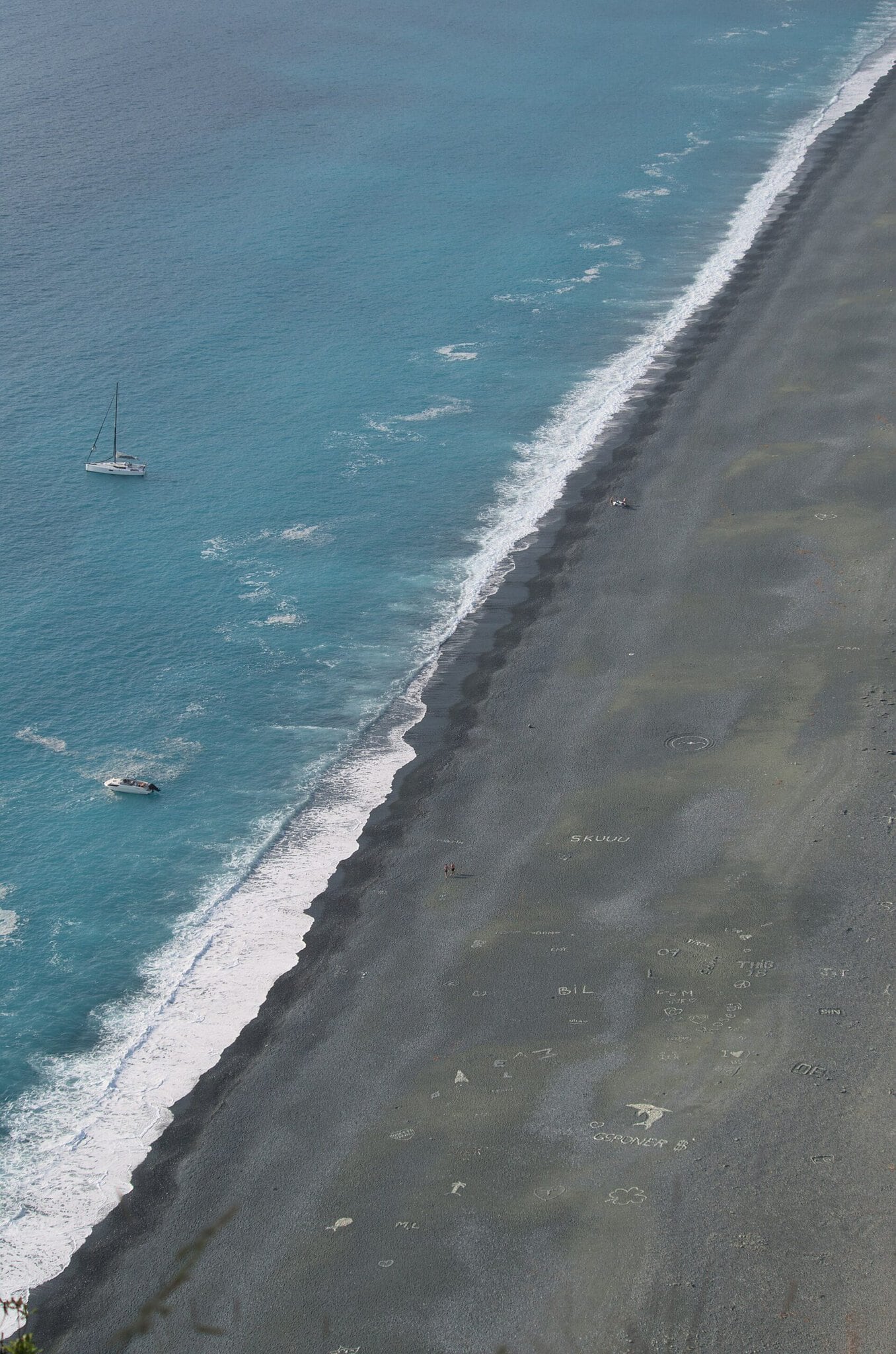
On the steep west coast of Cap Corse you’ll find a place you’ll remember forever — the incredibly dramatic village of Nonza. It’s literally clinging to a steep rocky cliff high above the sea, and from a distance it looks utterly impregnable. The village’s landmark is the well-preserved old Tour Paoline, an 18th-century tower reached by a short climb from the church, from where an absolutely fantastic, completely unobstructed view opens up over the entire west coast.
Far below the village’s cliffs lies an enormous, wide beach of dark grey to black sand, creating a stunning visual contrast with the turquoise sea. Surprisingly, though, the colour of the sand isn’t volcanic in origin. It comes from an old asbestos quarry that once operated a little further north and was finally closed in 1965. Today the whole area is carefully monitored by the authorities and swimming here is perfectly safe. The beach is often empty, because the only way down is via very long, steep steps straight from the village.
💡 Tip: The climb back from the beach up to the village is hard work in the afternoon sun. Don’t forget to bring sturdy footwear and plenty of drinking water, as there’s no shade or refreshments at all on the beach.
9. The Customs Officers’ Path (Sentier des Douaniers)
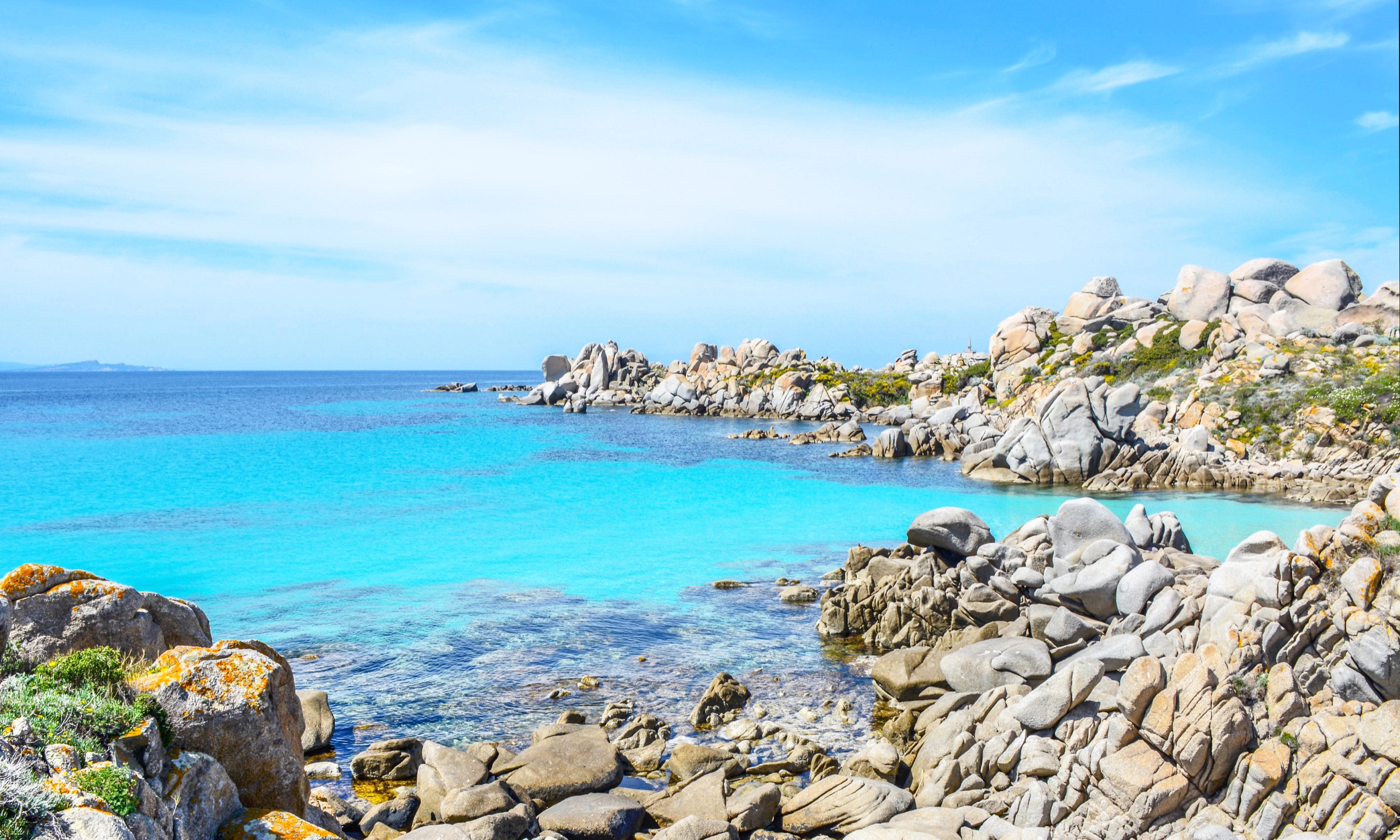
At the very northern tip of the peninsula, near the little port town of Macinaggio, begins the famous Customs Officers’ Path, the Sentier des Douaniers in French. This popular hiking trail follows the island’s northernmost coast exactly and takes you to wild spots you’d have absolutely no chance of reaching by car. The path is beautifully lined with fragrant maquis shrubs and rare protected plants, and offers incredible views of hidden turquoise coves and small islets.
The whole route from Macinaggio to the picturesque fishing village of Centuri takes around 8 hours of solid walking, but you can of course just walk a shorter, less demanding stretch and then retrace your steps. The trail isn’t extremely physically demanding, but it runs mostly over rocky, uneven terrain, so good sturdy shoes are an absolute must for safe footing. Don’t forget to bring plenty of drinking water and a packed lunch for the day, as you won’t come across a single shop along the way.
💡 Tip: If you set off on the trail in the hot summer months, start really early, right at sunrise. There’s practically no shade on the path, and the midday sun on the open coast is utterly merciless and dangerous.
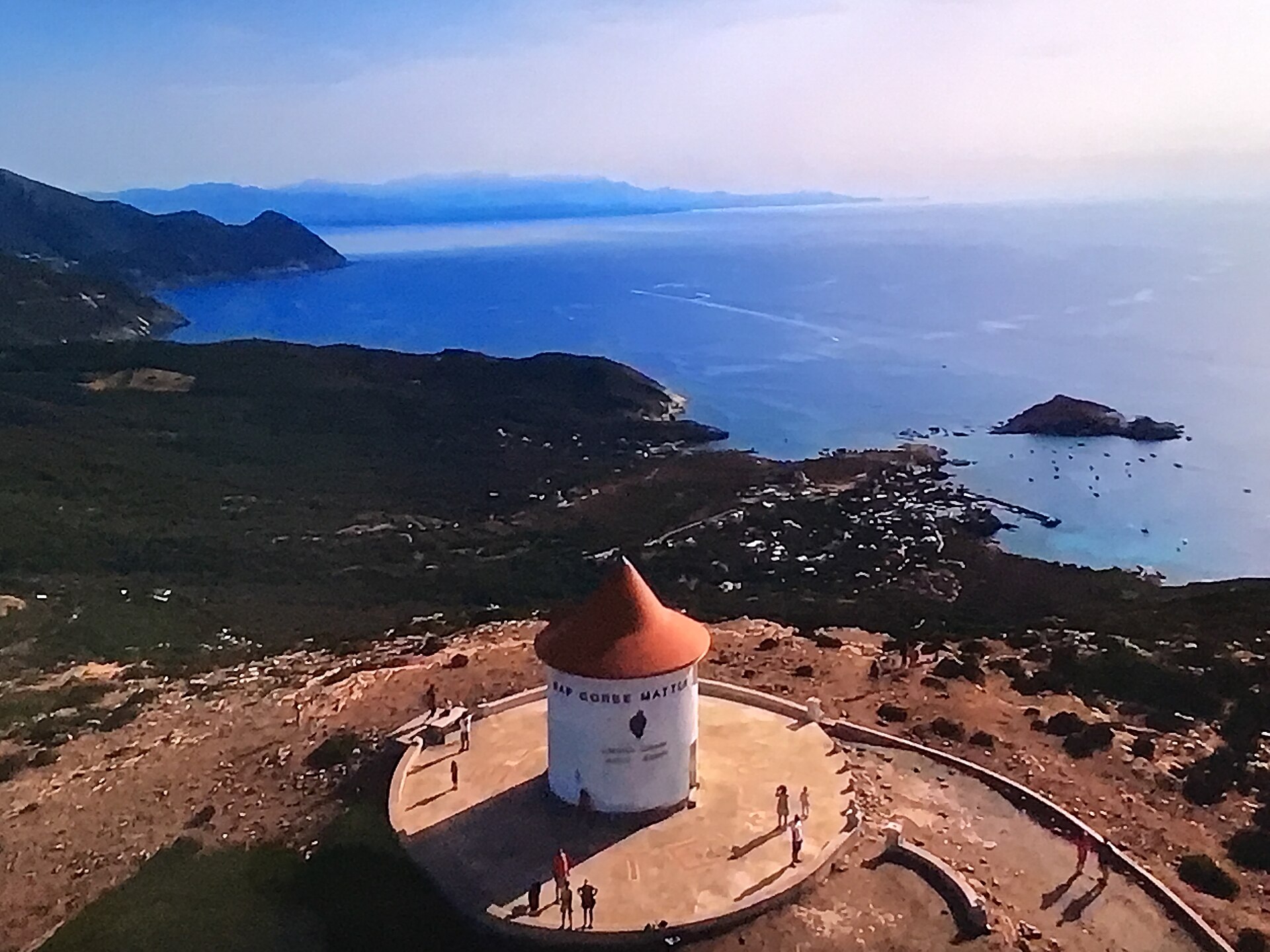
10. The Moulin Mattei windmill viewpoint
As you cross from the northern tip from the eastern side to the western one, you’ll pass through the Col de la Serra mountain pass, where at 365 metres above sea level you’ll find the beautifully restored white Moulin Mattei windmill. From the small parking area by the main road, it’s about a ten-minute easy walk uphill to the windmill itself. Along the way you’ll very likely be accompanied by the curious glances of free-roaming Corsican cows, which often wander here in search of food.
From the top by the windmill you get one of the very best panoramic views of the whole of Cap Corse. You can see both sides of the peninsula at once, from the dramatic, steep western cliffs plunging into the sea to the slightly gentler east coast. On a very clear day you can even make out the outlines of mainland Italy and the neighbouring island of Capraia on the distant horizon. It’s an absolutely ideal spot for a short rest stop.
💡 Tip: At the top by the windmill there’s almost always a very strong wind, regardless of the weather down by the sea. Be sure to pack a light jacket or jumper so you don’t get cold up here.
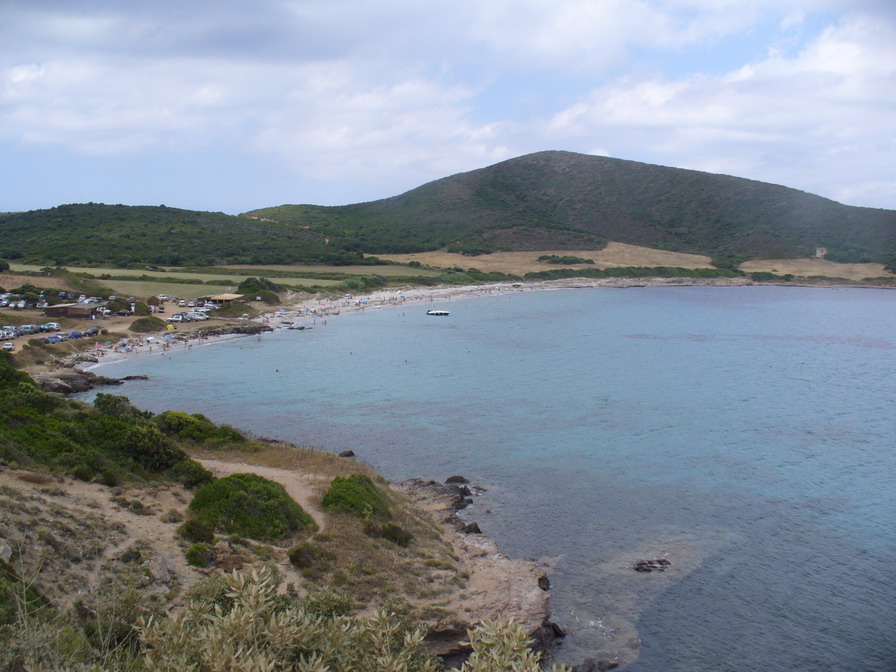
11. The hidden Tamarone beach
If, after a full day of travelling, you’re looking for the perfect spot to relax by the water, head to the beautiful and slightly hidden Tamarone beach. It lies a little north of Macinaggio, and you can reach it either on foot along the opening section of the Customs Officers’ Path mentioned above, or by car along a fairly dusty, bumpy unpaved track. It’s precisely thanks to this slightly trickier access that you’ll never find the same unpleasant crush of people here as on the famous beaches in the south of the island around Porto-Vecchio.
Unlike most of the pebble beaches in the north, Tamarone beach has fine, light sand, and the water here is beautifully shallow and crystal clear. That makes it an absolutely ideal and safe spot for families with younger children, or for anyone who just wants to laze about in the shallows. In the peak summer season there’s also a small wooden beach bar where you can buy chilled drinks, coffee and simple vegetarian snacks like salads. The bay is very well sheltered from the strong wind, so the sea surface here is usually lovely and calm on most days, perfect for swimming.
Map of points of interest for your phone
Where to go next from Bastia
Once you’ve explored the north, Corsica offers countless more options for where to head next. If you’re craving mountains and wilder scenery, drive to the inland town of Corte, surrounded by high peaks and deep chestnut forests. For more detailed planning of your whole trip, be sure to read our big Corsica guide, where you’ll find plenty more useful tips.
If you decide to continue down the west coast heading south, you’ll come across the stunning red rocks of the Calanques de Piana, and later reach the island’s capital. Take a look at our article on what to see in Ajaccio, the birthplace of Napoleon himself, where the atmosphere is noticeably more relaxed, with an almost quintessentially French café culture.
 🚗 Car rental on the road
Verified rental cars in Corsica
🚗 Car rental on the road
Verified rental cars in Corsica
Search with the DiscoverCars comparison engine — it compares prices from dozens of local and international rental companies, and most bookings come with free cancellation.
Compare car prices in Corsica →Frequently asked questions
How long does it take to drive around Cap Corse?
The drive itself around the Cap Corse circuit takes roughly 3 to 4 hours of pure driving time. However, I recommend setting aside a full day for the trip, so you have plenty of time for stops in the villages, taking photos at the old Genoese towers, short hikes to viewpoints, and a pleasant lunch somewhere by the sea overlooking the cliffs.
Is driving in Corsica dangerous?
Driving requires full concentration and a great deal of patience, but it’s not outright dangerous if you drive carefully and don’t rush. Roads are often very narrow and full of sharp bends, guardrails are frequently missing, and you’ll commonly encounter freely grazing cows, goats, or wild boars on the road. Definitely avoid driving at night.
What’s the typical food in the north?
Corsican cuisine is very hearty and rustic. Be sure to taste everything containing the local fresh cheese brocciu, whether it’s stuffed pasta, savory pies, or desserts. Also very popular are filling dishes made from chestnut flour, which makes excellent polenta, and for drinks try the refreshing chestnut beer Pietra.
Are there sandy beaches on Cap Corse?
Most beaches on the peninsula are rather pebbly or rocky, but this guarantees beautifully clean and crystal-clear water ideal for snorkeling. You’ll find a beautiful sandy beach with shallow water in the north at Tamarone Bay, or a bit further along the eastern coast near the quiet village of Pietracorbara.
Can Kids Handle the Customs Officers’ Path?
Yes, shorter sections of the Customs Officers’ Path are relatively easy and can be easily managed even by active families with older children. The initial route from Macinaggio to Tamarone beach takes only about 45 minutes and follows more even terrain. However, definitely don’t come here with a stroller – the path is very rocky and dusty.
How is parking in Bastia?
Parking directly in the historic center and narrow streets is quite a challenge and there are very few spots for non-residents. The best option is to use the huge underground car park beneath Place Saint-Nicolas square, which is paid (around 20 euros per day), but you’re guaranteed to park safely right in the heart of the action.
Is the black beach in Nonza safe for swimming?
Yes, swimming at the black beach is completely safe. Although the sand comes from a nearby asbestos quarry, which was permanently closed in 1965, authorities regularly and very strictly test the area. The quality of both the water and the sand itself has long met all the strictest health and environmental standards.
Tips and Tricks for Your Vacation
Don’t Overpay for Flights
Search for flights on Kayak. It’s our favorite search engine because it scans the websites of all airlines and always finds the cheapest connection.
Book Your Accommodation Smartly
The best experiences we’ve had when looking for accommodation (from Alaska to Morocco) are with Booking.com, where hotels, apartments, and entire houses are usually the cheapest and most widely available.
Don’t Forget Travel Insurance
Good travel insurance will protect you against illness, accidents, theft, or flight cancellations. We’ve had a few hospital visits abroad, so we know how important it is to have proper insurance arranged.
Where we insure ourselves: SafetyWing (simple monthly subscription) and TrueTraveller (for extra-long trips).
Find the Best Experiences
Get Your Guide is a huge online marketplace where you can book guided walks, trips, skip-the-line tickets, tours, and much more. We always find some extra fun there!