

Building a Paris itinerary for 3 days so you can soak up the city from the moment it wakes early in the morning — when the smell of freshly baked butter starts to mingle with the cool air — is exactly the reason this trip is worth making. You’re sitting at a little tin table on the pavement, sipping a strong espresso, a toddler dozing contentedly in the pram beside you, watching the owner of the café across the street roll up the shutters. This city has enormous power. It can wear you down with endless metro stairs and the blunt honesty of the locals, but once you play by its rules, it wraps you right around its finger.
The year 2026 is a genuine turning point for the French capital in many ways. After the Olympic Games, the city took a deep breath and began a massive transformation. Notre-Dame Cathedral finally gleams like new and its doors are wide open once again. The famous Centre Pompidou, on the other hand, has closed for years due to a huge renovation. In summer, after a hundred years, people will officially be able to swim directly in the River Seine again. And for me, as a vegetarian, the news of the year came from the legendary three-Michelin-star restaurant Arpège, which switched to a fully plant-based menu. Paris is simply greener, and its pedestrian zones keep expanding.
Planning a meaningful three-day trip takes a bit of strategy. Especially if you’ve got a small traveller with you who has a completely different opinion on how fast you should move between sights. Forget the encyclopaedic ticking-off of twenty places a day — that’s a surefire route to evening tears (and not just the toddler’s). The golden rule: a maximum of two major sights per day, and the rest of the time spent wandering, eating well and soaking up the atmosphere.
Our itinerary is realistic and tested in practice, including the most important test of all — surviving with two-year-old Jonáš. You’ll find variations for a long weekend as well as plans for families, couples and die-hard foodies. Plus a list of traps to give a wide berth. 😉
TL;DR
- Notre-Dame is open again: In 2026 the cathedral is back up and running after its restoration. Entry is free but requires a mandatory online time-slot booking.
- Centre Pompidou is closed: Due to asbestos removal, the building is fully shut until 2030 — forget about it this year.
- The Louvre only with a ticket in advance: You can only get in with a ticket bought for a specific time slot. Skip the glass pyramid and use the Porte des Lions entrance.
- Travelling with kids? The Cité des Enfants section (for ages 2 to 7) in La Villette park is closed for renovation until 9 June 2026.
- The best view of the city: It’s not from the Eiffel Tower, but from the rooftop of the Galeries Lafayette department store, or from the Tour Montparnasse skyscraper.
- Always start with Bonjour: Every time you walk into a shop, bakery or restaurant, you have to start with a greeting. Without it, Parisians will simply ignore you.
- The metro is hell for prams: The Paris metro is full of stairs. The only fully step-free line with lifts is line number 14.
- Watch out for tourist traps: Don’t eat on Place du Tertre in Montmartre — it’s an overpriced tourist trap. Head to the Marais or the 11th arrondissement instead.
- Beware of pickpockets: At the airport and near the main sights, ignore anyone with petitions and anyone who drops a gold ring on the ground in front of you. These are organised gangs.
The full destination guide: Paris — guide and what to see
When to Visit Paris: Weather, Crowds and the 2026 Calendar
Choosing the right month sets the mood for your whole trip. The city shifts from a romantic backdrop to a scorching concrete jungle and back again. Lukáš and I love the months when you can sit on a terrace in a light jumper and drink wine without having to fight the crowds for a seat.
The Best Months for a 3-Day Itinerary
Spring and autumn are an absolute safe bet. I think May is the most beautiful month of the whole year. The trees are in blossom, the days stretch out pleasantly, and you can finally lay out a picnic blanket in the parks in peace. September and October are just as wonderful. The period known as la rentrée (the return after the holidays) brings fresh energy to the streets. New exhibitions open in the museums, and the trees in the Luxembourg Gardens start to take on gorgeous golden hues. A windbreaker or a light trench coat will always come in handy during these months.
💡 Tip: If you’re planning to visit museums, go in October or November. Waiting times drop dramatically and you can finally breathe freely in the galleries.
When to Stay Home Instead
If you possibly can, avoid August. This is the month when Parisians flee en masse to the seaside. The city may seem emptier, but on plenty of the best independent bistros, cafés and bakeries you’ll find a sign reading fermeture annuelle (annual holiday). That leaves you mostly at the mercy of the tourist traps. On top of that, the tarmac melts unpleasantly under the heatwave. Also watch out for the weeks at the turn of February and March, when the famous Fashion Week takes place. Accommodation prices shoot up to astronomical heights then.
💡 Tip: August has one upside. Thanks to the Paris Plages event, the banks of the Seine turn into artificial beaches with sand and sun loungers, which kids absolutely adore.
Key Dates and Events in 2026
This year’s calendar is packed with events that will either greatly enrich your plans or complicate the logistics a little. If you’re travelling in spring, mark 12 April 2026 in your diary — that’s when the Paris Marathon is run. Traffic in the centre collapses and many streets are closed, so with a pram it’ll be a bit of a logistical adventure. All the more beautiful, then, is 6 June, when the whole city holds Nuit Blanche (White Night) and art installations glow until the early hours.
For lovers of Impressionism, Monet’s Gardens in Giverny open after winter on 1 April. But be extremely careful in autumn. On the weekend of 19 and 20 September 2026, European Heritage Days (Journées du Patrimoine) take place, and the gardens in Giverny are strictly closed on those two days.
💡 Tip: If you’re in Paris on 21 June, you’ll experience Fête de la Musique. In every little square, in the streets and outside the cafés, bands play completely free of charge. It’s the best evening for wandering the city.
Where to Stay in Paris: Safety, Prams and Budget
Paris isn’t a tidy grid like Barcelona — it’s a snail shell, spiralling out from the historic centre clockwise, and I’ve got lost in it more than once myself. Each of the twenty arrondissements works like its own little city, with its own town hall and a completely different mood. With a toddler in a pram, you’re after a compromise between safety, wide pavements and good coffee round the corner.
6th Arrondissement (Saint-Germain): The Holy Grail for Families
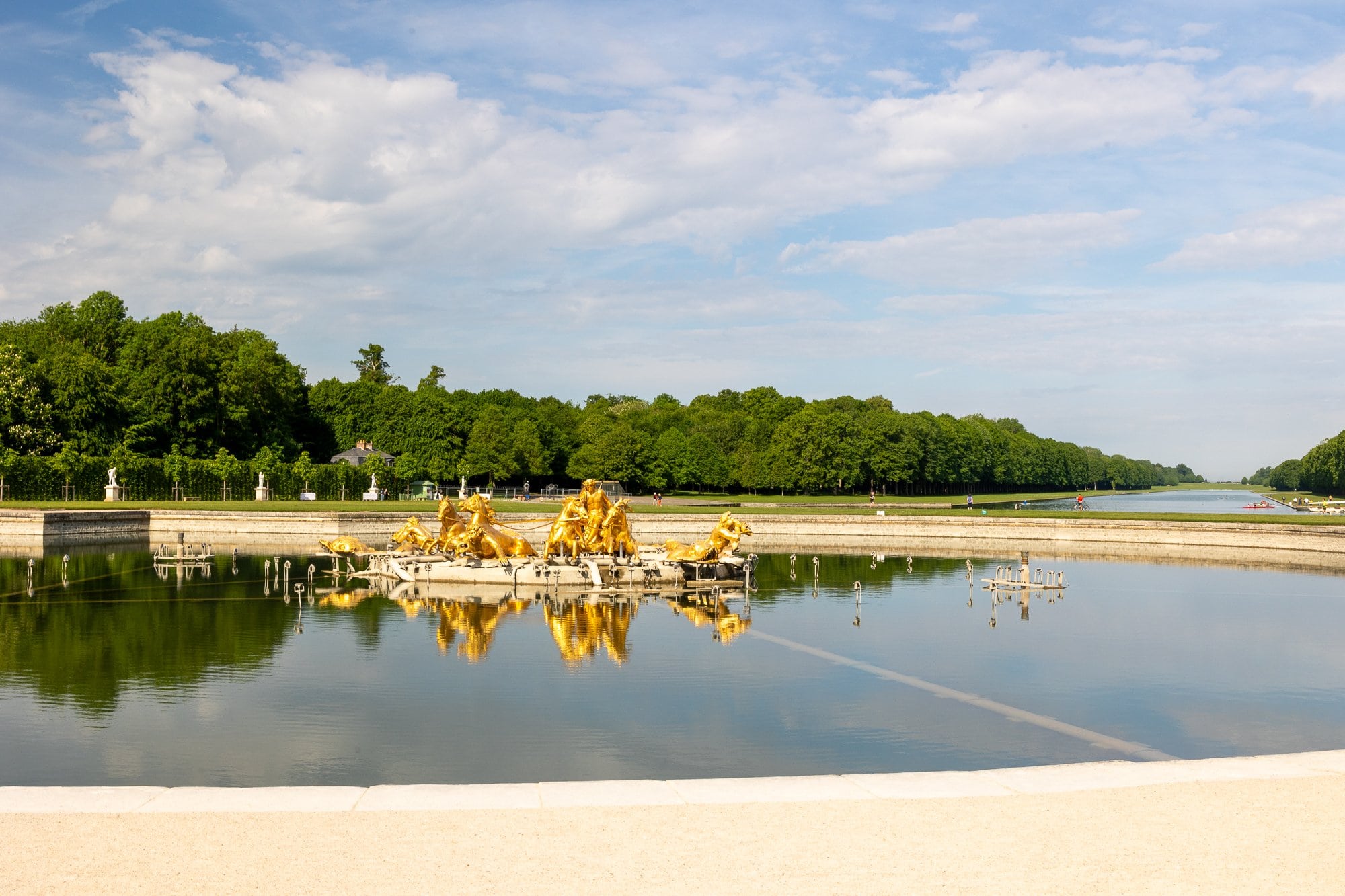
This is the essence of Parisian elegance on the Left Bank. It’s completely safe, the pavements are generous, and you’ve got the gorgeous Jardin du Luxembourg right under your nose, with its puppet theatre and big playgrounds. We spend loads of time here with the pram. It’s a pricier area, but the peace and quiet is worth it.
- Hôtel des Saints Pères (4 stars): A beautiful historic hotel on a quiet street. They offer more spacious rooms (by Parisian standards) and will happily set up a cot for you. A double room costs around €280 a night.
- Hôtel Clément (2 stars): A great budget choice right by the Saint-Germain market. They have a lift and very welcoming staff. A night comes to roughly €150.
💡 Tip: The cafés on Boulevard Saint-Germain are expensive. Duck into the side streets towards the river instead, where you’ll find quieter and cheaper bistros.
3rd Arrondissement (Northern Marais): Hipster and Quiet Zone
While the southern part of the Marais is bursting at the seams at weekends, the northern part (Haut Marais) is quiet, trendy and dotted with independent boutiques and cafés. The streets are wider here and the atmosphere far more neighbourly. You’ll find the best falafel in the city here, along with the fantastic covered market Marché des Enfants Rouges.
- Hôtel Les Bains Paris (5 stars): If you’re after luxury and design, this is it. A former famous bathhouse and nightclub turned hotel. Prices from €400 a night.
- Hôtel du Petit Moulin (4 stars): A boutique hotel with interiors designed by Christian Lacroix. The façade looks like an old bakery. A night runs around €250. They have a lift, which is key for a pram.
💡 Tip: This neighbourhood is full of vegan and vegetarian spots. Try the excellent burgers at Hank Restaurant.
7th Arrondissement (Invalides / Eiffel): Pure Residential Calm
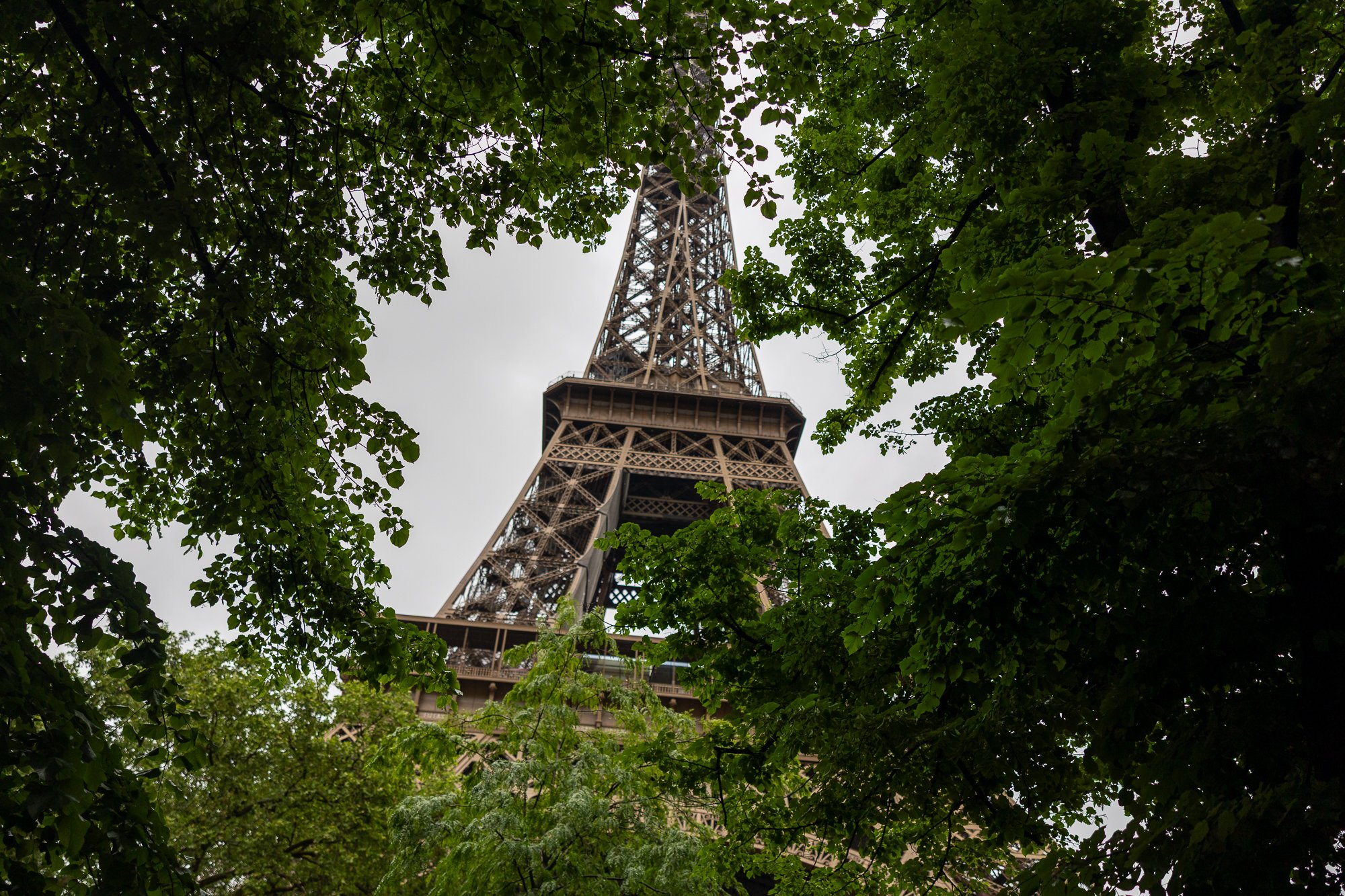
An extremely quiet and safe neighbourhood. If you want the Eiffel Tower right round the corner and to have an evening picnic on the lawns of the Champ de Mars with the kids, this is the ideal choice. But the venues close early in the evening here — for nightlife you’ll have to go elsewhere.
- Hôtel Muguet (3 stars): A family hotel with extremely friendly staff and Eiffel Tower views from some rooms. They offer family rooms. Around €200 a night.
- Hôtel de l’Empereur (3 stars): Views straight onto Les Invalides, great access to the river and very quiet nights. A night costs around €180.
Where Definitely Not to Stay
Not every part of Paris is romantic. With a family, give a wide berth to the northern part of the 10th arrondissement around Gare du Nord and Gare de l’Est. It’s a notorious haven for organised pickpockets and it doesn’t feel particularly safe there at night.
I also don’t recommend staying right on the boulevards below the Montmartre hill (around the Pigalle and Barbès-Rochechouart stations). Night-time chaos reigns there, the noise is enormous, and it’s really not the right atmosphere for evening strolls with a pram.

During a short weekend, what you mainly need is an efficient base from which you can easily reach the main sights and your planned day trip out of town. For us, the location of Hôbou worked brilliantly thanks to its proximity to metro line 10 for trips into the centre and a direct bus to Versailles. I describe how it all came together logistically in my review of the stay, and you can check current availability here.
Where to Eat: Bistros, Bakeries and Morning Coffee
Finding good food in Paris isn’t all that hard — what’s harder is finding the kind that won’t ruin your family budget and where they won’t pull a face when you turn up with a pram. Over the years, Lukáš and I have found a few sure things here that we love to go back to. You really can’t go wrong by avoiding the big boulevards and ducking a couple of streets further in.
Our Tried-and-Tested Tips for Any Time of Day
It all starts with a good breakfast. I recommend finding the nearest local boulangerie (bakery) and grabbing a fresh croissant or pain au chocolat to go. Have your coffee at a more modern café, because traditional Parisian coffee in an ordinary bistro is often quite bitter and over-roasted.
For lunch we always look out for signs reading Formule Midi, a great-value two-course lunch menu. We then love to spend our dinners over good wine at one of our favourite bistros in the Marais or in the 11th arrondissement. But don’t forget that plenty of well-known Parisian restaurants require booking ahead — otherwise you won’t get a table in the evening, no chance.
Ground Rules for Your Paris 3-Day Itinerary
Before you throw yourself into the whirl of the city, let’s set some realistic expectations. Paris is enormous, and trying to squeeze everything into three days is a reliable recipe for exhaustion and tears (and not just the toddler’s).
The Myth That You’ll See It All
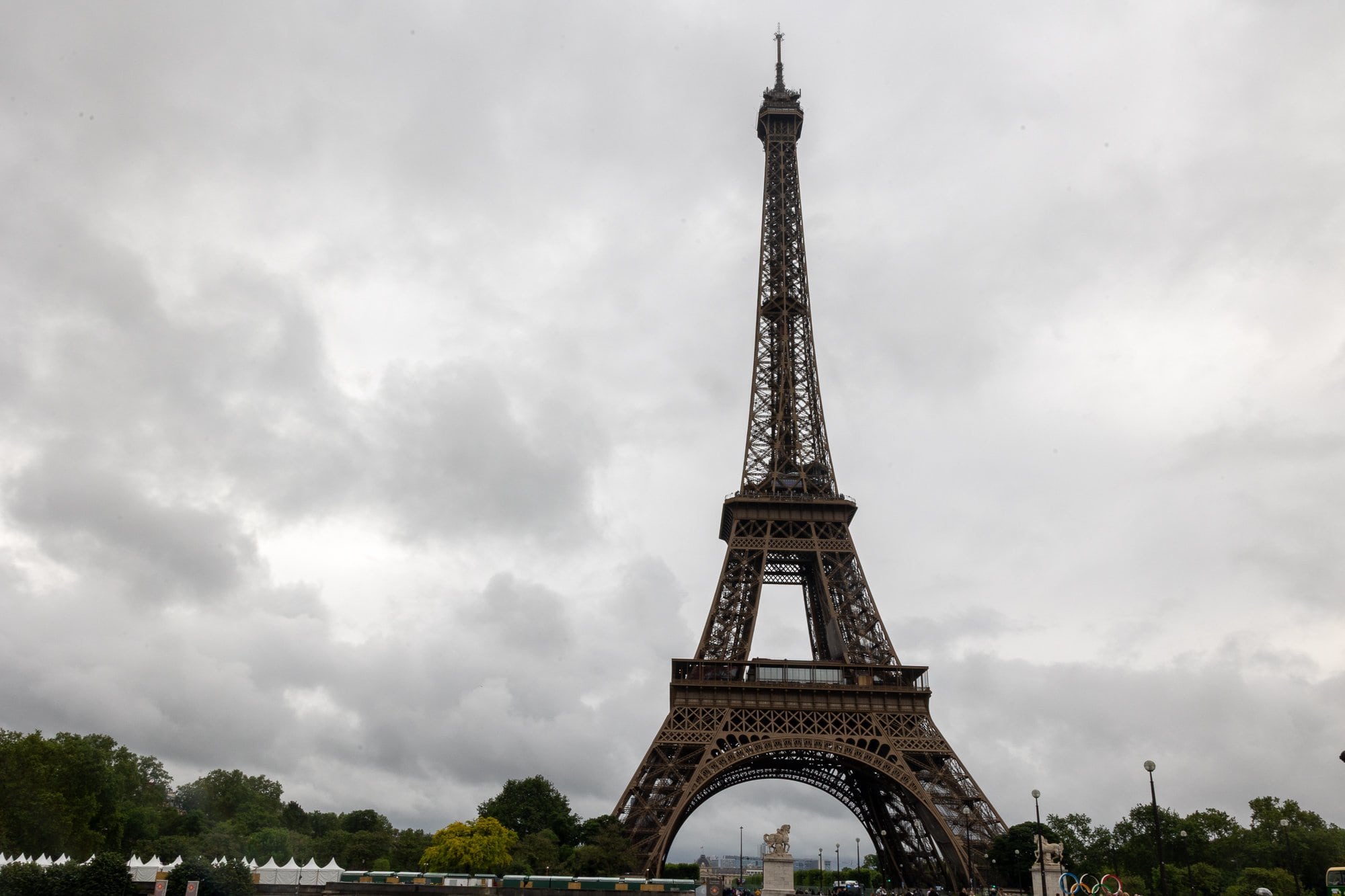
Big museums like the Louvre or Orsay swallow time by the hour. With a two-year-old you can’t afford eight-hour art marathons. Split your day into two main blocks. Devote the morning, when the toddler has the most energy, to one major sight. Then comes lunch, a break in the park or a nap in the pram, and leave the afternoon just for leisurely wandering around a neighbourhood.
💡 Tip: Don’t plan metro journeys from one end of the city to the other more than twice a day. Always focus on one specific neighbourhood and explore it on foot.
Transport and Navigo Cards (2026)
The Paris metro is a historic gem, but for families with prams it’s pure hell. Only 20% of stations have step-free access. The holy grail is line 14, which is fully automated and one hundred percent step-free.
Paper tickets have all but disappeared. Buy a plastic Navigo Easy card (it costs €5) and top it up with what’s called a carnet (a pack of 10 journeys for roughly €17.35). If you arrive on a Monday and plan trips to Versailles or the airport, the weekly Navigo Découverte for €32.40 is worth it. But it runs strictly from Monday to Sunday, so for a long weekend starting on a Thursday it’s no longer worthwhile.
💡 Tip: Download the Bonjour RATP app. It has a built-in Accessibility Mode that will route you only through stations with working lifts.
The Golden Rule of Bonjour and Etiquette
This is the single most important thing in the whole article. Every interaction in France has to begin with the greeting Bonjour (after 6pm, Bonsoir). Walking into a bakery? Bonjour. Getting into a taxi? Bonjour. If you skip this magic word and go straight to ordering a coffee, the French take it as a sign of absolute arrogance. They’ll start ignoring you and you’ll be handed the worst table in the house.
💡 Tip: In a restaurant, never cut bread (the baguette) with a knife. Always break it with your hands. And don’t hide your hands in your lap under the table — keep them resting on the table at the wrist.
Day 1: The Great Classics and Getting to Know the City
On the first day we tackle the biggest icons. The ones you know from postcards and the very reason people come to Paris in the first place. But we’ll do it cleverly, to dodge the worst of the crowds.
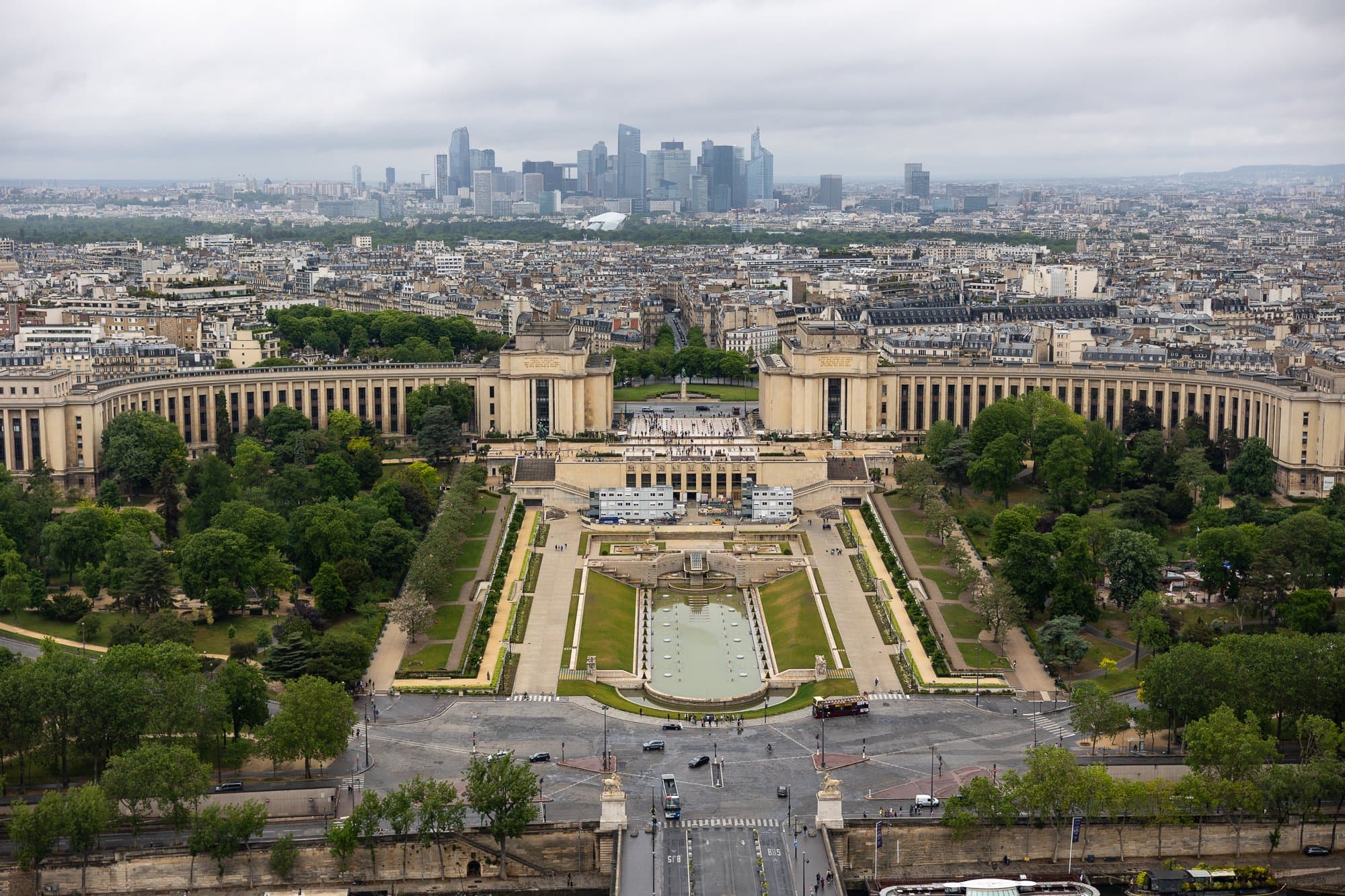
Morning at the Eiffel Tower (from Trocadéro)
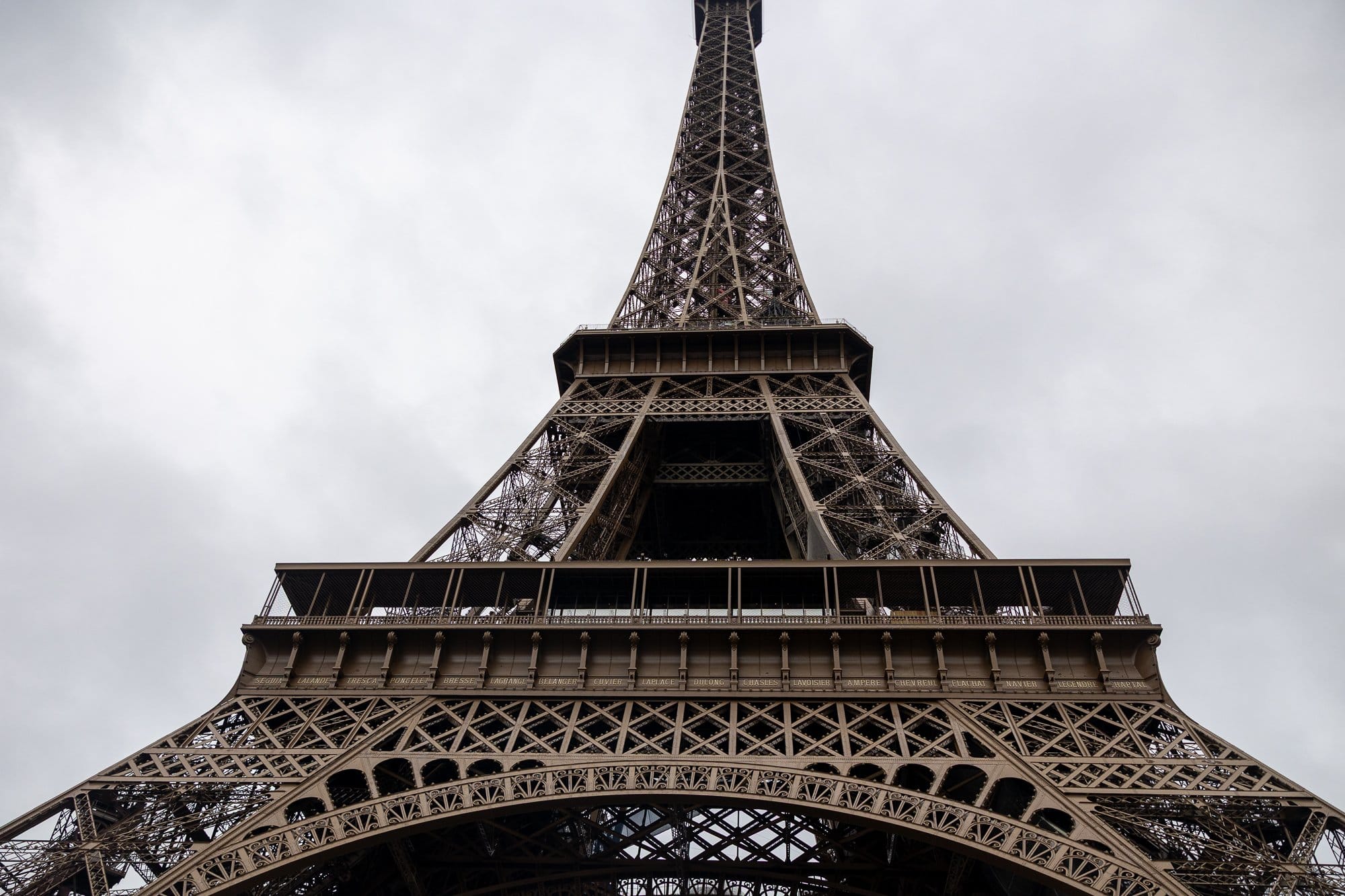
The Iron Lady works like a giant magnet. But you can skip the lift to the top with a clear conscience. There are huge queues, the tickets (€14.80 to €36.70) have to be hunted down 60 days in advance, and on top of that you won’t see the main attraction from up there — namely the Eiffel Tower itself.
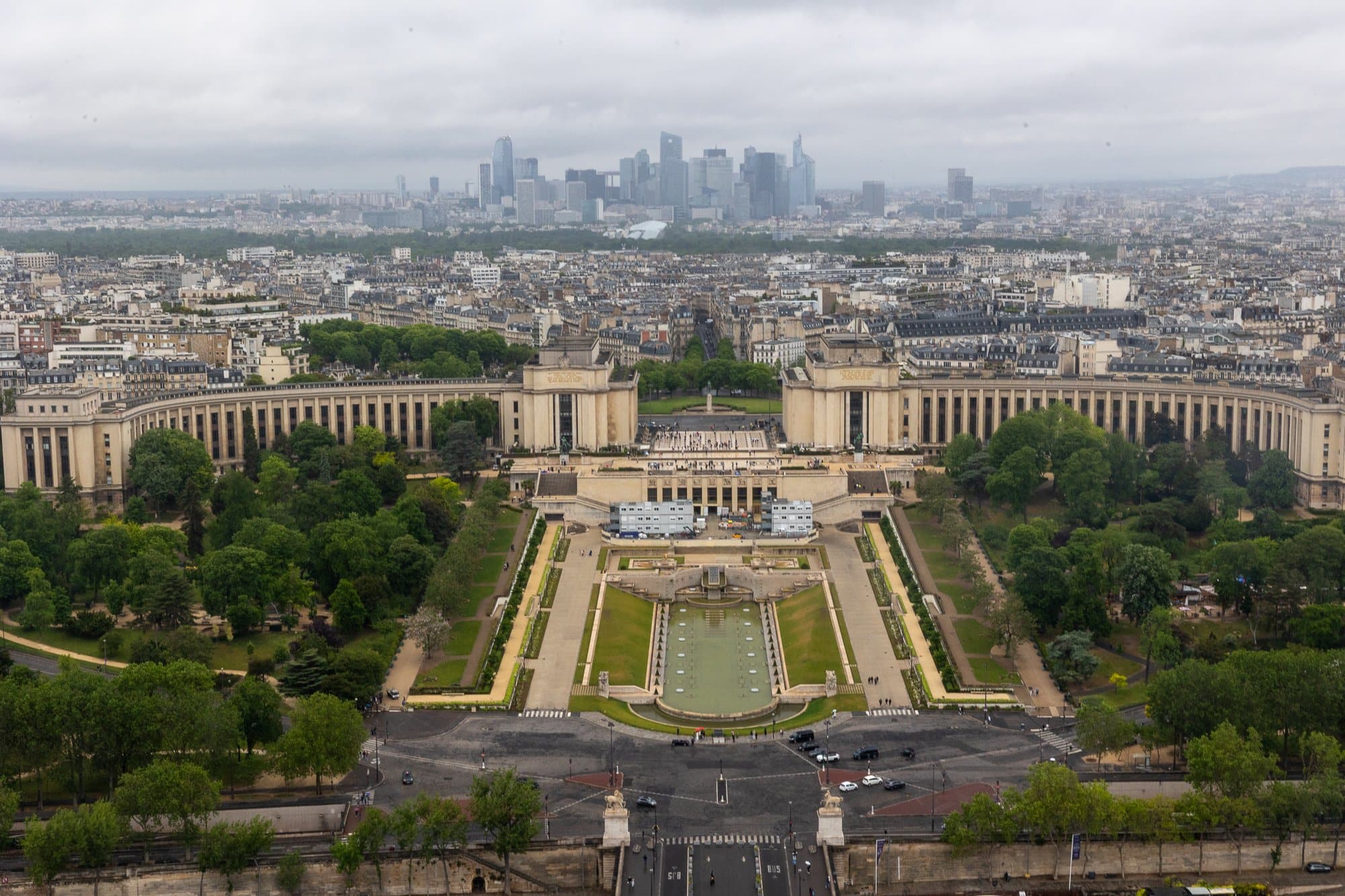
Instead, get off the metro at Trocadéro station right after breakfast. Around eight in the morning you’ll practically have the place to yourself. The view across the esplanade and fountains straight onto the tower is absolutely breathtaking. From here, walk down to the river, cross the bridge and let your child run around for a while on the lawns of the Champ de Mars.
💡 Tip: For the most iconic photo without the crowds, head to the dead-end Avenue de Camoens in the 16th arrondissement. Beautiful old buildings and trees frame the shot.
Late Morning at the Musée d’Orsay
While everyone else rushes to the Louvre, head to the Musée d’Orsay (entry €16). This former railway station holds the finest collection of Impressionism in the world. In 2026 the museum celebrates its 40th anniversary, and the atmosphere beneath the glass vault is far airier than at the Louvre. It’s also much easier to navigate with a pram. Don’t miss Monet’s paintings, Van Gogh’s self-portrait and the giant station clock, through which you can see the Montmartre hill.
💡 Tip: If you have your child in a carrier, leave the pram in the cloakroom (vestiaire) free of charge. The wooden floors in the galleries can handle the wheels, but you’ll be far nimbler in the crowd in front of Van Gogh.
Lunch in the 7th Arrondissement
The 7th arrondissement offers plenty of quiet bistros. Look for signs reading Formule Midi. This is a lunch menu where you get a starter and a main for a great-value €18 to €28. There’s always at least one meat-free option for vegetarians, often an excellent creamy risotto or a quiche.
💡 Tip: If you want to experience absolute plant-based luxury and budget is no object, the legendary Arpège restaurant by chef Alain Passard, just nearby, has switched to a fully vegan menu. Lunch here, though, will set you back €260.
Afternoon: Sainte-Chapelle and a Reborn Notre-Dame
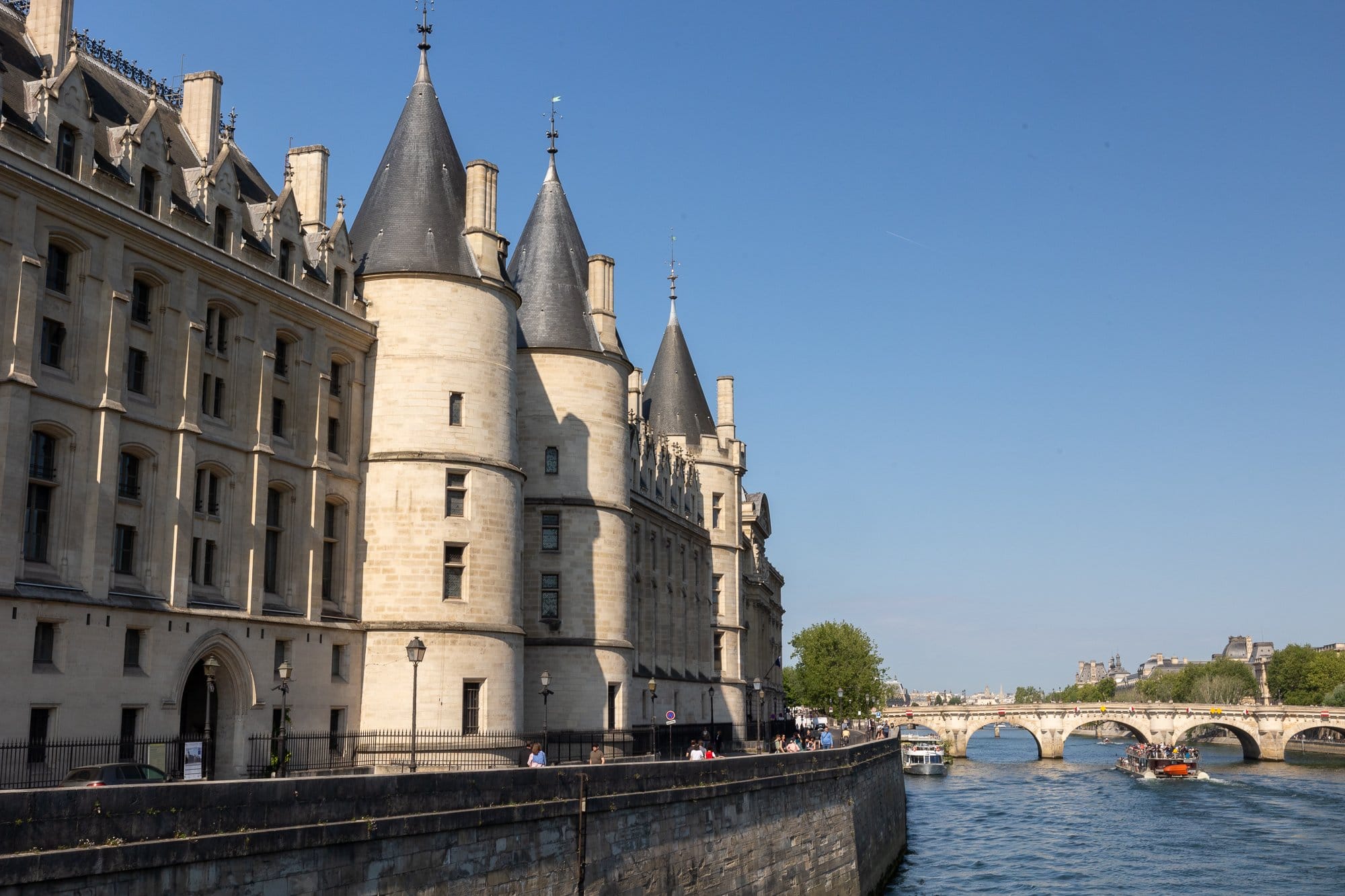
Cross over to the Île de la Cité island. Start at Sainte-Chapelle (entry €13). This 13th-century Gothic chapel has almost no walls, just enormous stained-glass windows. When the afternoon sun shines through them, you’ll feel like you’re inside a giant kaleidoscope.
From here it’s just a few steps to Notre-Dame Cathedral. After the devastating fire it has reopened, and the stone inside is incredibly light and clean. Entry to the nave is free, but you have to reserve a time slot through the official Notre-Dame de Paris app.
💡 Tip: Ignore all the sellers on the street trying to push skip-the-line tickets to Notre-Dame on you. They’re scammers — entry really is free.
Evening Wandering in the Marais
End the day in the 4th and 3rd arrondissements, in the Marais. The narrow medieval streets survived the great rebuilding of the city, and today they’re full of independent boutiques, bakeries and Jewish history. Stop on Rue des Rosiers at L’As du Fallafel. They make the best falafel in Europe here. A pita stuffed with hot balls and fried aubergine won’t be turned down even by die-hard carnivores.
💡 Tip: On Saturdays L’As du Fallafel is closed for Shabbat. If you’re here at the weekend, pop straight across the road for excellent food at Mi-Va-Mi.
Day 2: Art, Arcades and Romance Above the City
On the second day we head to the Right Bank (Rive Droite). It’ll be a day full of art, historic shopping arcades and views from above.
Morning: The Louvre, Done Strategically and Queue-Free
Walking the entire Louvre in one day is madness — Lukáš tried it once and swore he’d never do it again. We set aside about three hours for it; our legs won’t take more anyway. For 2026 there’s a strict rule: entry is only possible with an online booking through the official Louvre website for a specific time (around €22). Anyone who turns up blind will spend hours in the queue.
Avoid the main glass pyramid. Head to the inconspicuous Porte des Lions entrance in the southern Denon wing. Queues here tend to be minimal and it spits you out right next to the Mona Lisa. Go straight to her first, before an impenetrable cluster of people with phones forms in front of her.
💡 Tip: If you want to experience the Louvre with a magical atmosphere and half the crowds, buy a ticket for the extended Wednesday or Friday opening hours (it stays open until 9.45pm).
Late Morning: Covered Arcades and the Opéra Garnier
From here, head north on foot. Paris hides a network of historic 19th-century covered arcades with glass roofs and mosaic floors. They’re completely free and a dream to push a pram through. Walk through the gorgeous Galerie Vivienne (2nd arrondissement), full of old bookshops and little cafés.
Carry on as far as the Opéra Garnier. Even if you’re not going to a performance, pay for the daytime tour (€14). The grand marble staircase and the gilded foyer will take your breath away.
💡 Tip: If you love hot chocolate, the famous Angelina tearoom is just a short walk from the Louvre. Their thick l’Africain chocolate is legendary, but be prepared for a queue.
Lunch: Les Halles or Rue Montorgueil
Stop for lunch around Rue Montorgueil. This pedestrian zone is one big food paradise. You’ll find dozens of cheese shops, bakeries and bistros here. Pop into Paris’s oldest patisserie, Stohrer (dating from 1730), and grab a fantastic éclair for the road.
💡 Tip: If you need water, ask the restaurant for une carafe d’eau. It’s a jug of tap water and it’s always free.
Afternoon: Montmartre and Sacré-Cœur Without the Sweat
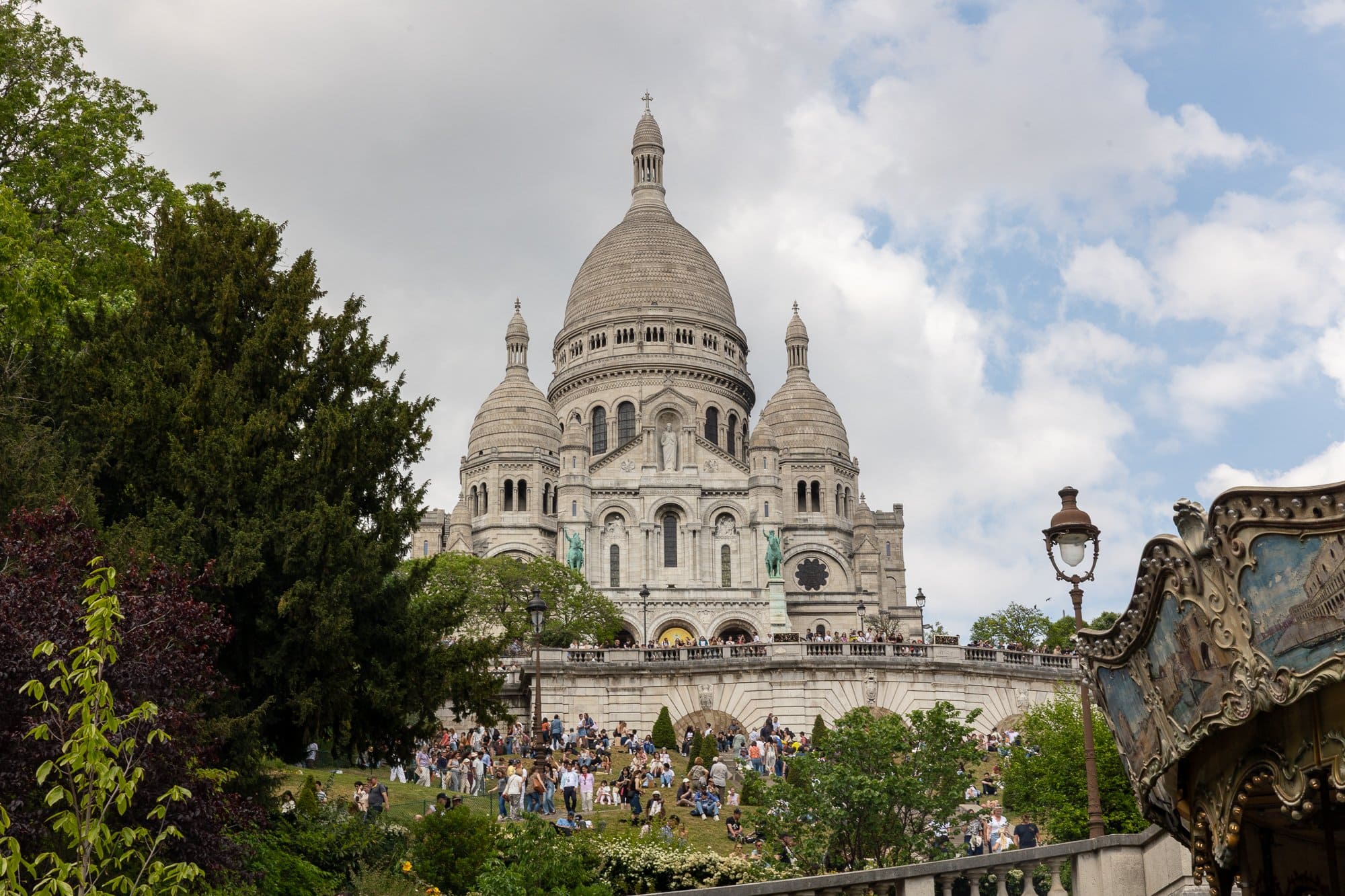
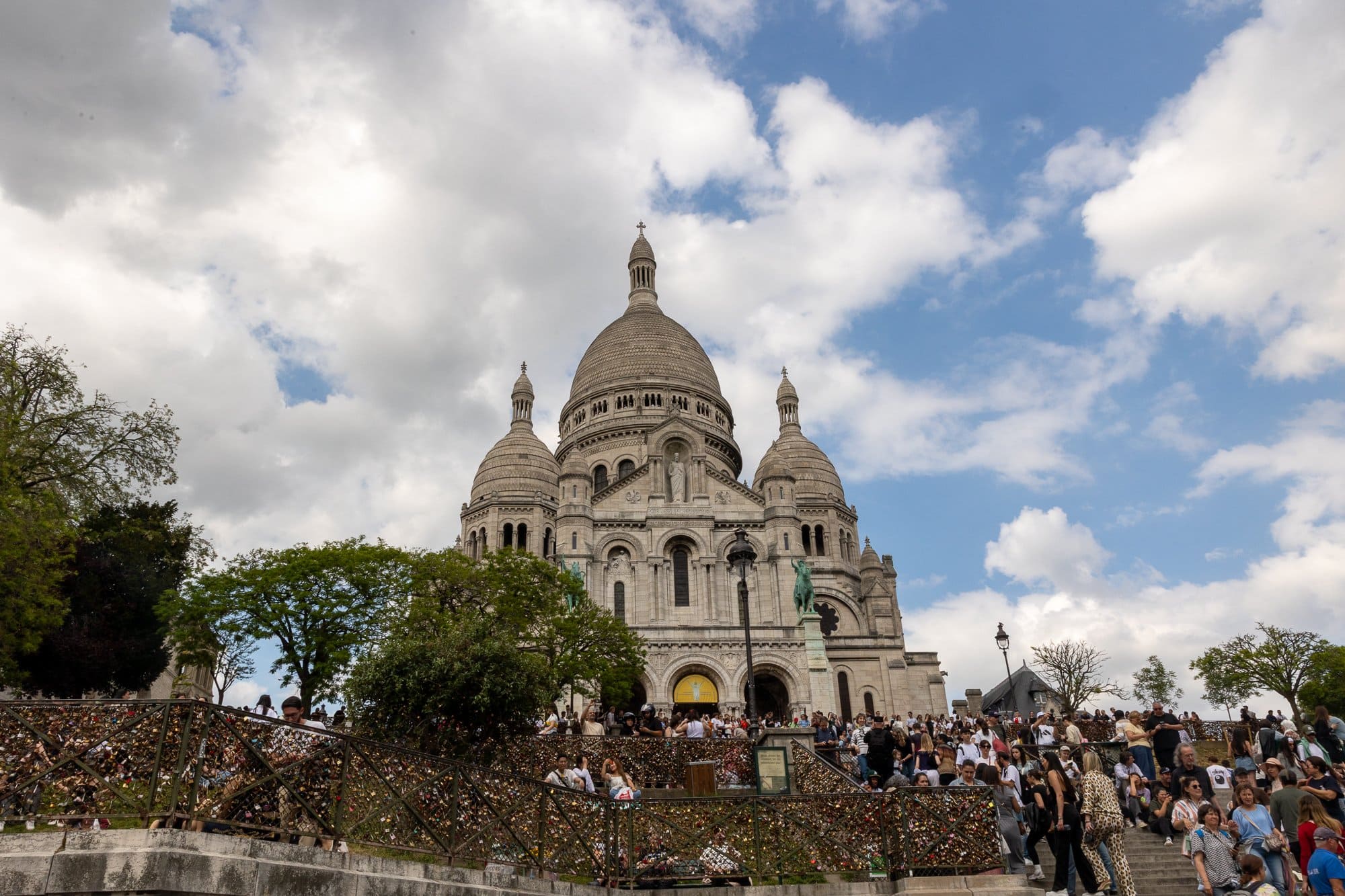
In the afternoon, take the metro to Montmartre (18th arrondissement). It’s a hill full of stairs and cobblestones, so with a pram it’ll be a bit of a bumpy ride. Avoid the main three hundred steps below the Sacré-Cœur basilica and hop on the Funicular. An ordinary metro ticket works on it.
The basilica itself, made of snow-white travertine, has free entry. Afterwards, stroll along Rue de l’Abreuvoir with its pastel-coloured houses and snap a photo of the famous pink house, La Maison Rose.
💡 Tip: Ignore the restaurants on Place du Tertre. They’re pure tourist traps with mediocre food and inflated prices. Head down the hill to eat instead.
Evening: Sunset from the Galeries Lafayette Rooftop
Once you’ve come down from Montmartre, head back to the 9th arrondissement and the department stores. The Galeries Lafayette Haussmann has a huge rooftop terrace on the top floor. Entry is completely free. Buy a coffee downstairs, take the lift up and wait for the sunset. From here you’ll see all of Paris, including the sparkling Eiffel Tower.
💡 Tip: The neighbouring department store Printemps has a terrace called 7e Ciel. There tend to be slightly fewer people there and the view is just as stunning.
Day 3: Hidden Paris and Parks
On the third day we slow down. We’ll wander around the Left Bank, soak up the intellectual atmosphere and enjoy the parks that kids love so much.
Morning: The Latin Quarter and the Panthéon
Start in the 5th arrondissement, in the Latin Quarter. The Sorbonne students once ruled here; today the lanes smell of crêpes. Walk all the way to the majestic Panthéon (entry €13). Beneath its enormous dome rest the greatest figures of French history, from Victor Hugo to Marie Curie. The space is vast and step-free.
💡 Tip: If you’re a fan of the series Emily in Paris, just a short walk from the Panthéon you’ll find the picturesque little square Place de l’Estrapade, where the fictional Emily has her flat.
Late Morning: Jardin du Luxembourg
From here it’s just a hop to the Luxembourg Gardens (6th arrondissement). For a two-year-old it’s an absolute paradise. While you admire the palace and the flower beds, the children can sail little wooden sailboats across the central fountain.
💡 Tip: In the middle of the park is the famous puppet theatre, Théâtre des Marionnettes. A show with the classic Guignol costs just €2.70 and runs on Wednesdays and at weekends.
Lunch: Marché des Enfants Rouges
For lunch we move back to the Right Bank, to the 3rd arrondissement. Marché des Enfants Rouges is the oldest covered market in Paris. It works like a wonderful open-air food court. You’ll find stalls with Japanese bento, Lebanese salads and fantastic Moroccan vegetable tagines. You take your food over to the wooden tables. With a toddler it’s ideal, because it’s noisy and nobody minds children running around.
💡 Tip: Grab a sandwich from the Chez Alain Miam Miam stall. Alain is a local celebrity and his vegetarian galettes stuffed with cheese and vegetables are phenomenal.
Afternoon: Musée Rodin and Relaxation
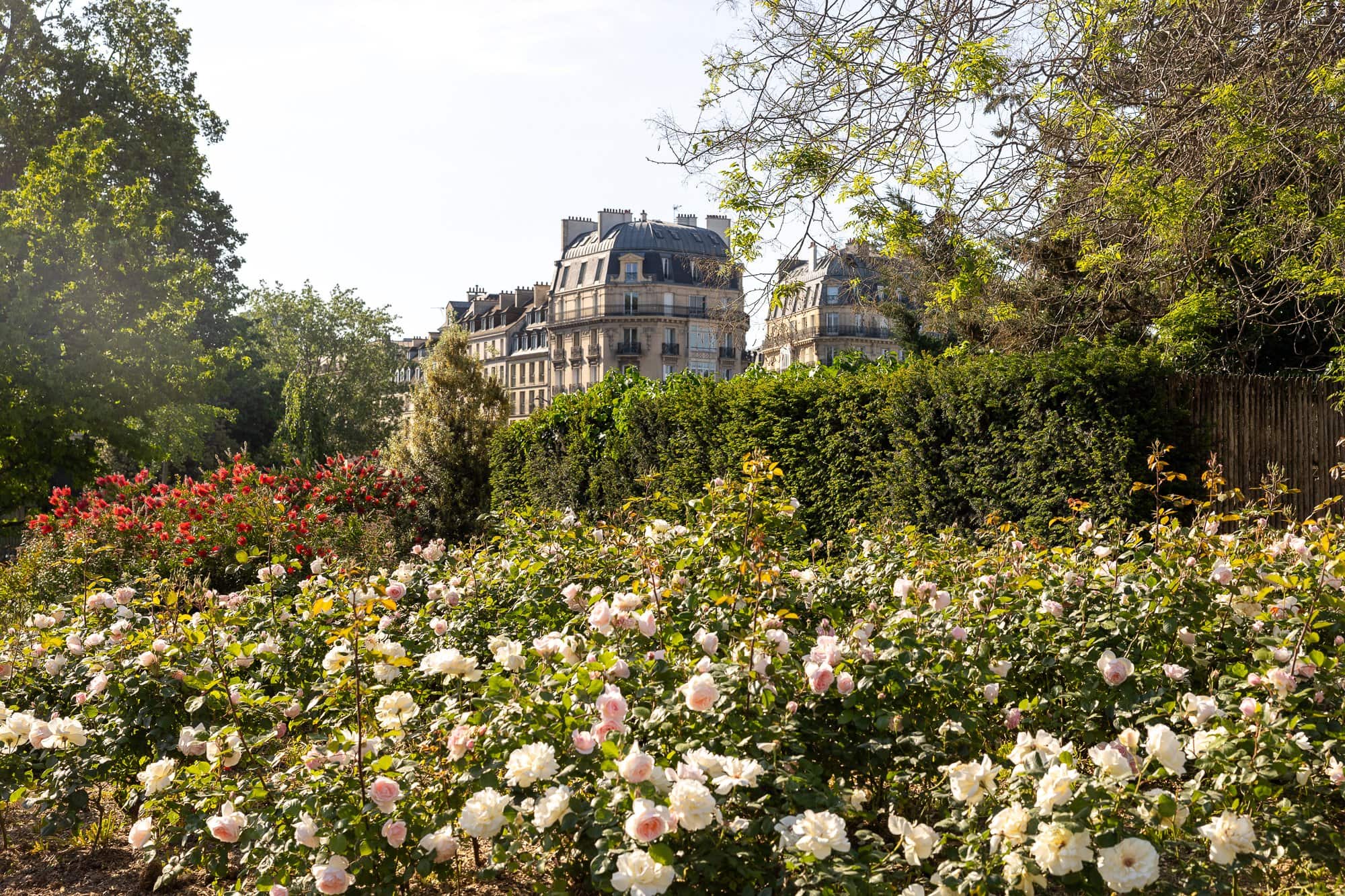
Spend the afternoon at the Musée Rodin in the 7th arrondissement (entry around €14). It’s my favourite museum for families. The collection of sculptures is housed inside a beautiful mansion, but the main attraction is outside. The garden is dotted with sculptures, including the famous Thinker. You can let your toddler toddle along the wide sandy paths between the roses while you calmly admire the bronze muscles.
💡 Tip: You can buy a ticket for the garden only (it costs roughly €4). It’s one of the cheapest and most beautiful escapes in all of Paris.
Evening: A Walk Along the Seine and Natural Wine
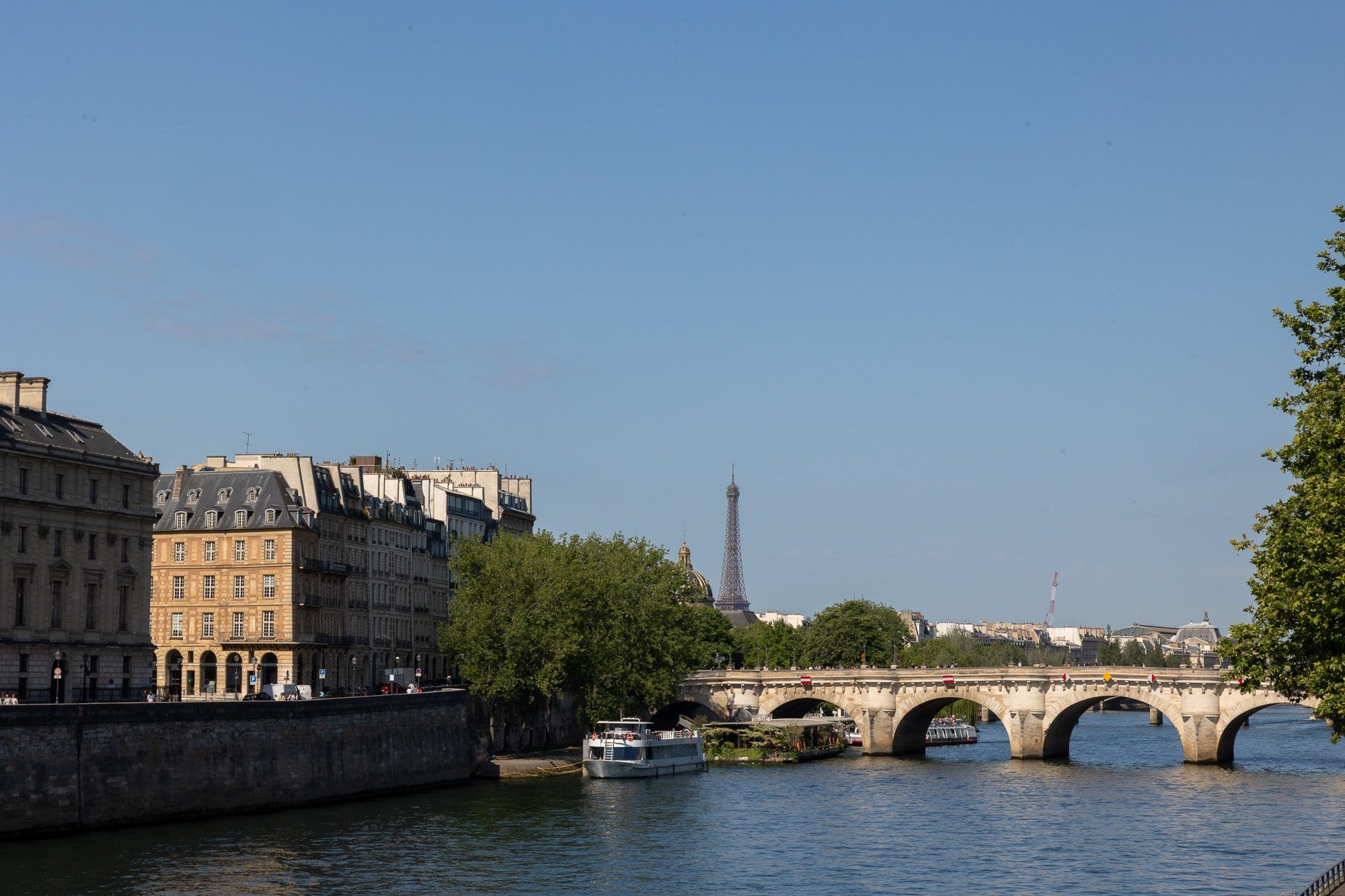
In the evening, head down to the River Seine. A walk along the riverside (for example Parc Rives de Seine) is car-free and completely safe. Stop at one of the wine bars (cave à manger) in the 10th or 11th arrondissement. Natural wine (vin nature) is a huge phenomenon here. Try Septime La Cave, for example.
💡 Tip: Parisians love the time known as apéro (between 5pm and 8pm). If you head out for a drink at this hour, having children on the terraces is perfectly normal and tolerated.
Variation for Couples: 3 Days of Romance
If you’re lucky enough to have sorted out childcare and you’re flying to Paris just as a couple, the city offers a completely different pace.
Sunsets and Speakeasy Bars
Devote your evenings to discovering secret bars. Parisian mixology is among the best in the world. Head to Little Red Door in the Marais, which regularly scores in the rankings of the 50 best bars in the world. If you’re after a bit of fun, find the Lavomatic bar in the 10th arrondissement. You walk into an ordinary public launderette, and a secret door behind one of the washing machines lets you up into a buzzing venue.
💡 Tip: Enjoy the sunset from the Tour Montparnasse skyscraper (entry around €20). Unlike the Eiffel Tower, you won’t face such long queues here, and best of all, you’ve got the tower itself right in the frame.
Jazz Evenings on Rue des Lombards
Paris and jazz have gone together since the First World War. Head to Rue des Lombards in the 1st arrondissement. You’ll find the clubs Le Duc des Lombards (elegant, serious jazz) and Sunset/Sunside (great acoustics in an underground cellar).
💡 Tip: For an authentic experience, go to Caveau de la Huchette in the Latin Quarter. A medieval cellar where scenes from the film La La Land were shot and where people genuinely dance the swing.
Variation for Families with Kids: Paris with a Toddler
Paris can be incredibly family-friendly — you just need to know the right places where a child can safely let off steam.
Playgrounds, Puppets and the Jardin d’Acclimatation
Besides the Luxembourg Gardens, the Jardin d’Acclimatation in the Bois de Boulogne (16th arrondissement) is an absolute must. It’s the oldest amusement park in Paris. Entry costs €7 and you’ll find a little Normandy farm with animals, pony rides, a water playground and plenty of attractions tailor-made for the very smallest visitors.
💡 Tip: ⚠️ Watch out in 2026! The popular children’s section Cité des Enfants (for kids aged 2 to 7) in La Villette park is CLOSED for a huge renovation until 9 June 2026.
Atelier des Lumières Instead of Dull Museums
Classic museums will bore toddlers to tears, reliably. Take them to the Atelier des Lumières (11th arrondissement, entry €14.50) instead. A former foundry transformed into a giant digital canvas. The paintings of famous masters come to life here, flowing across the walls and floors to the accompaniment of music. It’s dimly lit, children can roam freely and chase the patches of light on the ground.
💡 Tip: In spring 2026 there’ll be a dinosaur exhibition here (Planète Préhistorique). If your child is going through a dinosaur phase, this will absolutely blow their mind.
Variation for Foodies: 3 Days Full of Flavour
French gastronomy is going through a revolution. The epicentre of so-called bistronomy (a combination of fine cooking in an informal setting) is the 11th and 10th arrondissements.
From Michelin Stars to Street Food
If you manage to snag a reservation a month in advance, go to the restaurant Septime (11th arrondissement). Chef Bertrand Grébaut holds a Michelin star here, but the casual feel of the place puts you at ease right at the door — no stiff atmosphere, just great food. For fantastic savoury buckwheat crêpes (galettes), head to the Breizh Café chain.
And if you want to save money and experience the huge noise and bustle of a traditional French canteen, queue up for Bouillon Chartier (9th arrondissement). You can get a classic meal here for just a few euros.
💡 Tip: Being a vegetarian in Paris is no longer a problem. Head to 42 Degrés (11th arrondissement), the only raw food bistro in France. Nothing is cooked above 42°C here, but the presentation rivals haute cuisine.
A Sweet Finish at Cédric Grolet’s
Parisian patisseries look like jewellers’ shops. Cédric Grolet is currently the world’s biggest pastry rockstar. He makes desserts that look exactly like real fruit (trompe-l’œil). You can’t tell his lemon apart from the real thing by sight, but inside it hides a fluffy mousse.
💡 Tip: Have your ice cream at the legendary Berthillon on the Île Saint-Louis. Their dark chocolate sorbet is superb. But they’re closed on Mondays and Tuesdays!
What to Do If You Have 2 Days or 5 Days Instead
The itinerary can easily be expanded or, conversely, brutally trimmed depending on how much time you have at your disposal.
A Quick Weekend (2 Days)
If you only have 48 hours, stick strictly to the centre. Devote the first day to the axis between the Eiffel Tower, the Musée d’Orsay and Les Invalides. On the second day, combine the Louvre (just for 2 hours), Notre-Dame and head up to Montmartre in the afternoon. Drop everything else with a clear conscience.
💡 Tip: For the weekend transfer from Charles de Gaulle airport (CDG), watch out for the RER B train. It’s a notorious hotspot for pickpocket gangs. Wear your backpack on the front and don’t take your eyes off the zips.
5-Day Itinerary: Versailles and Giverny
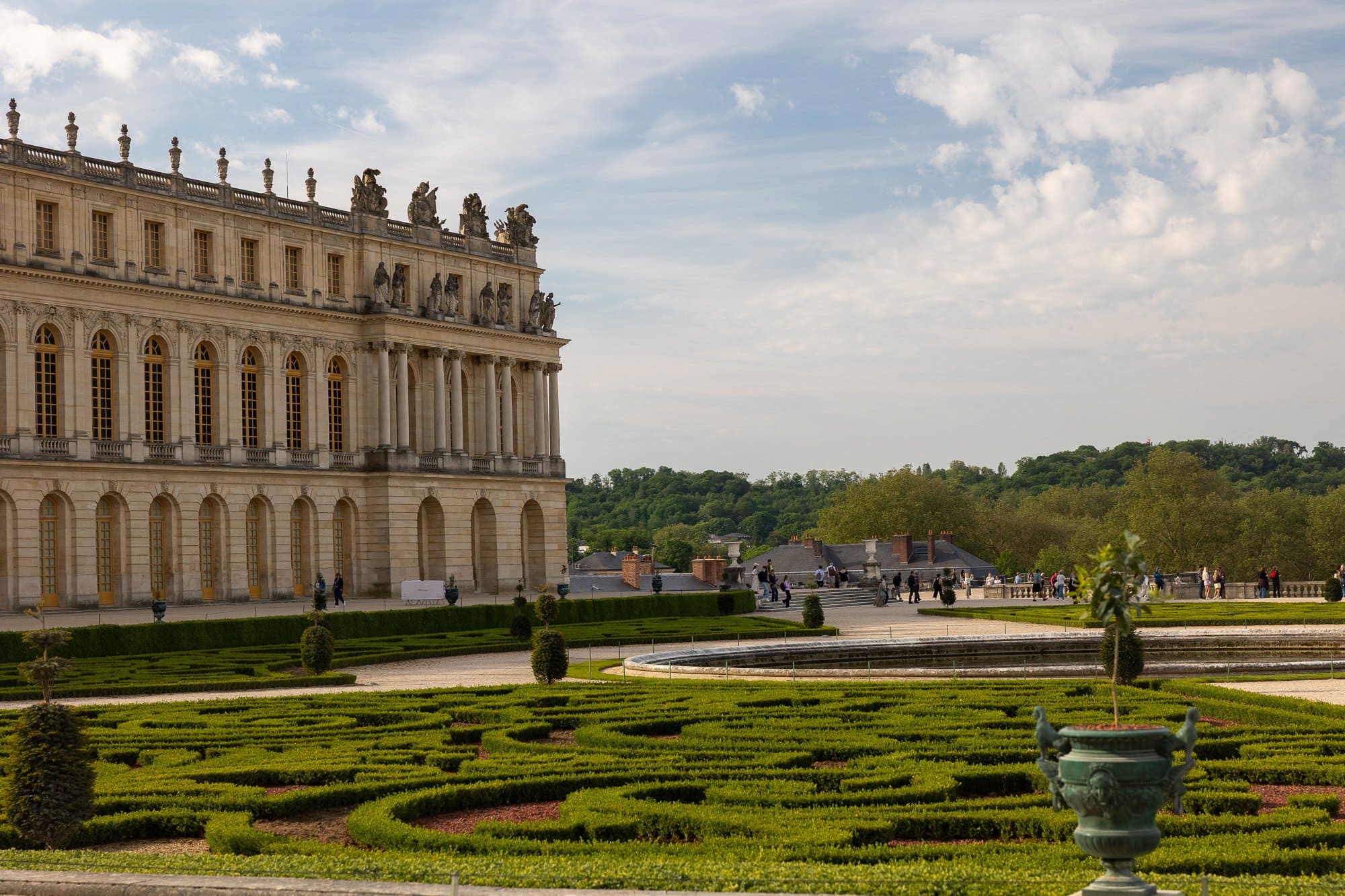
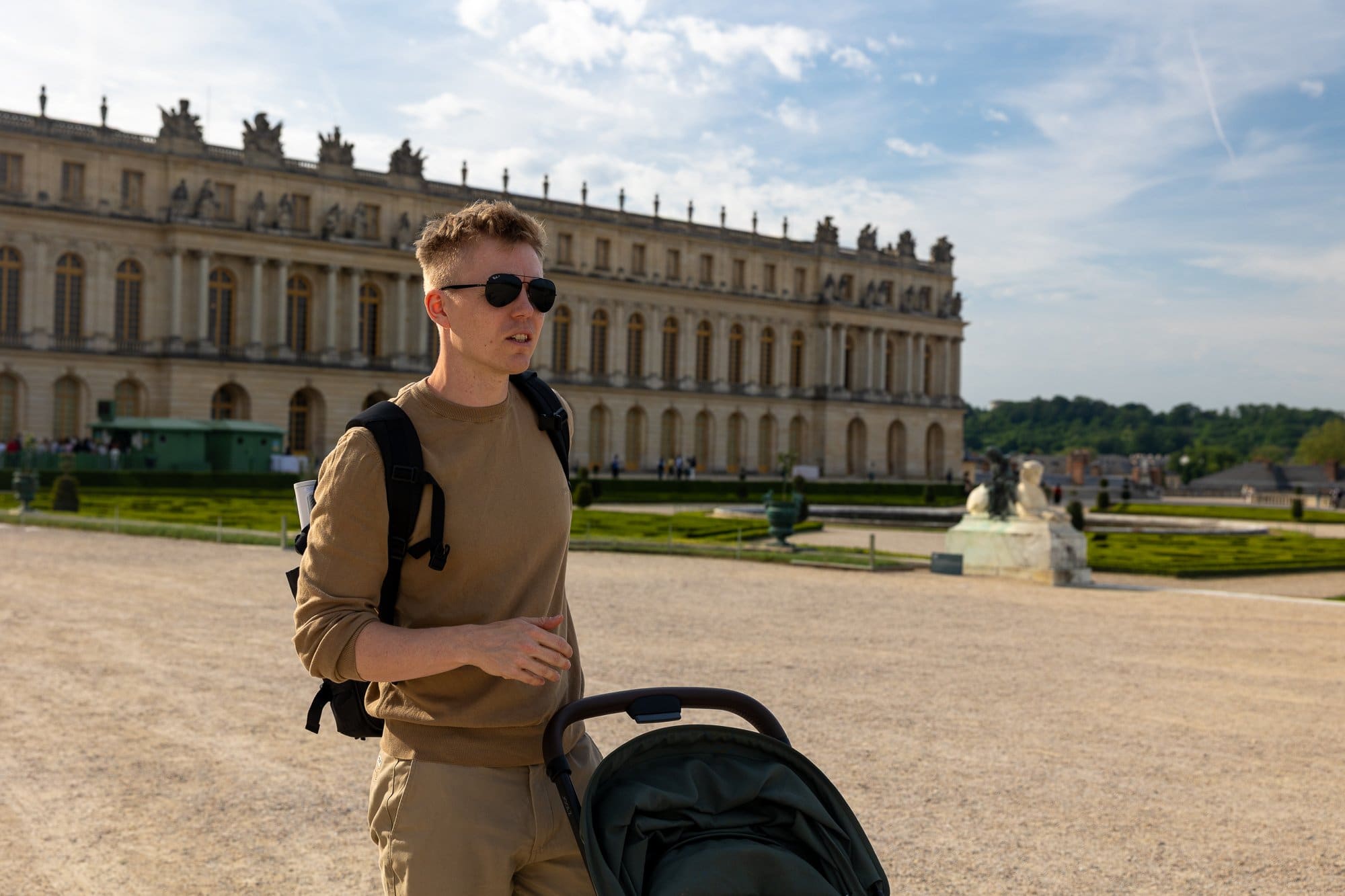
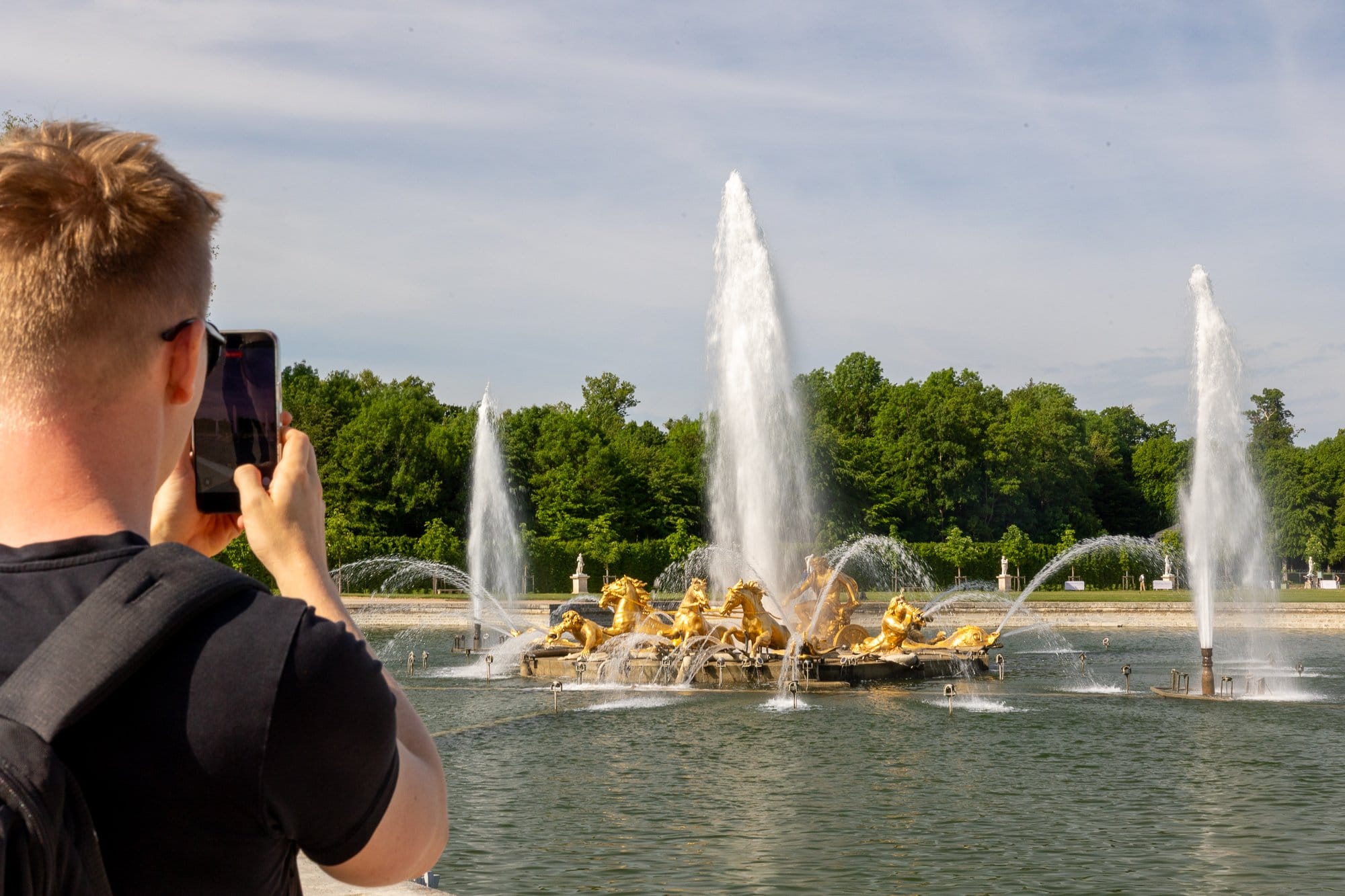
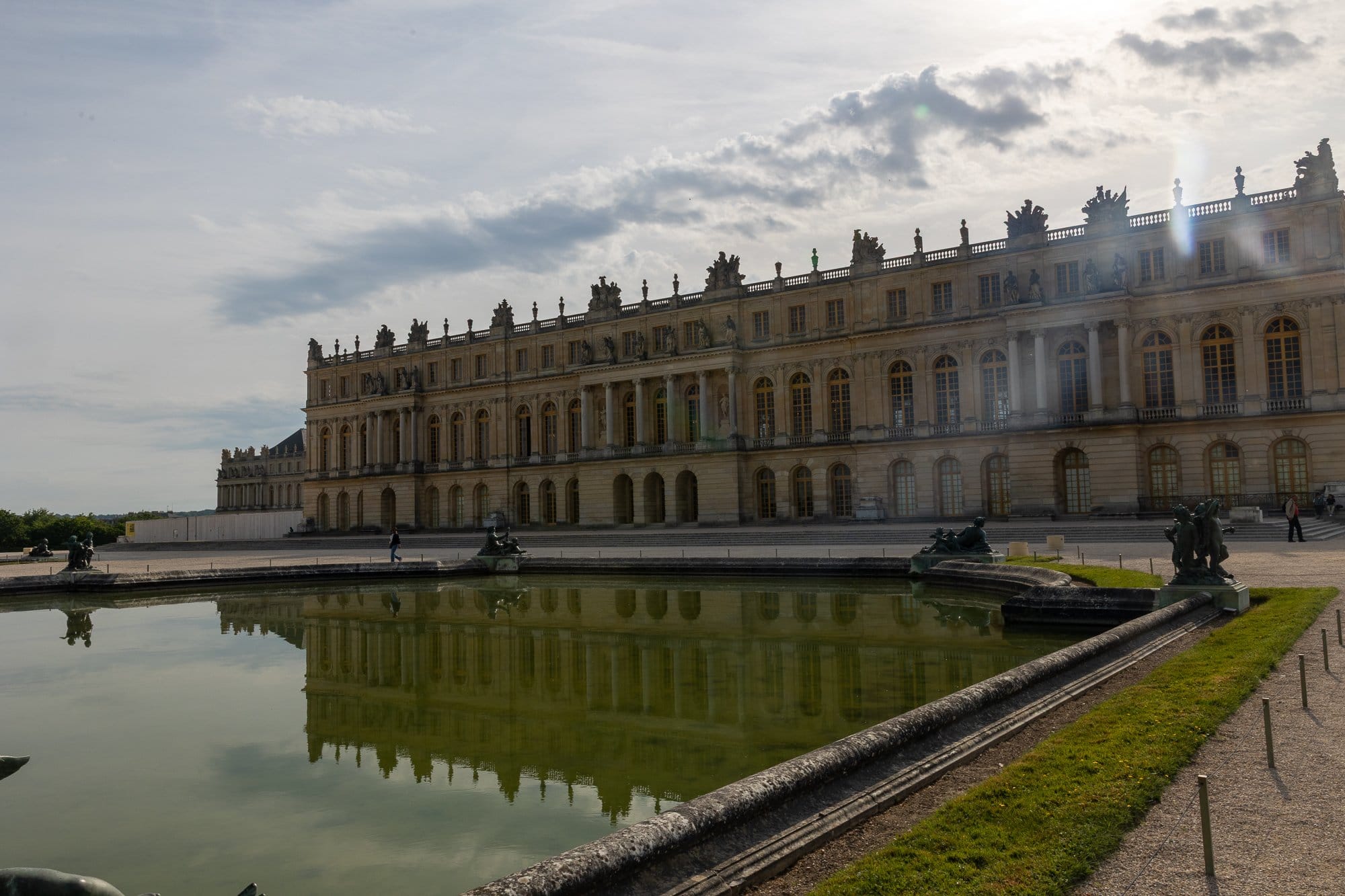
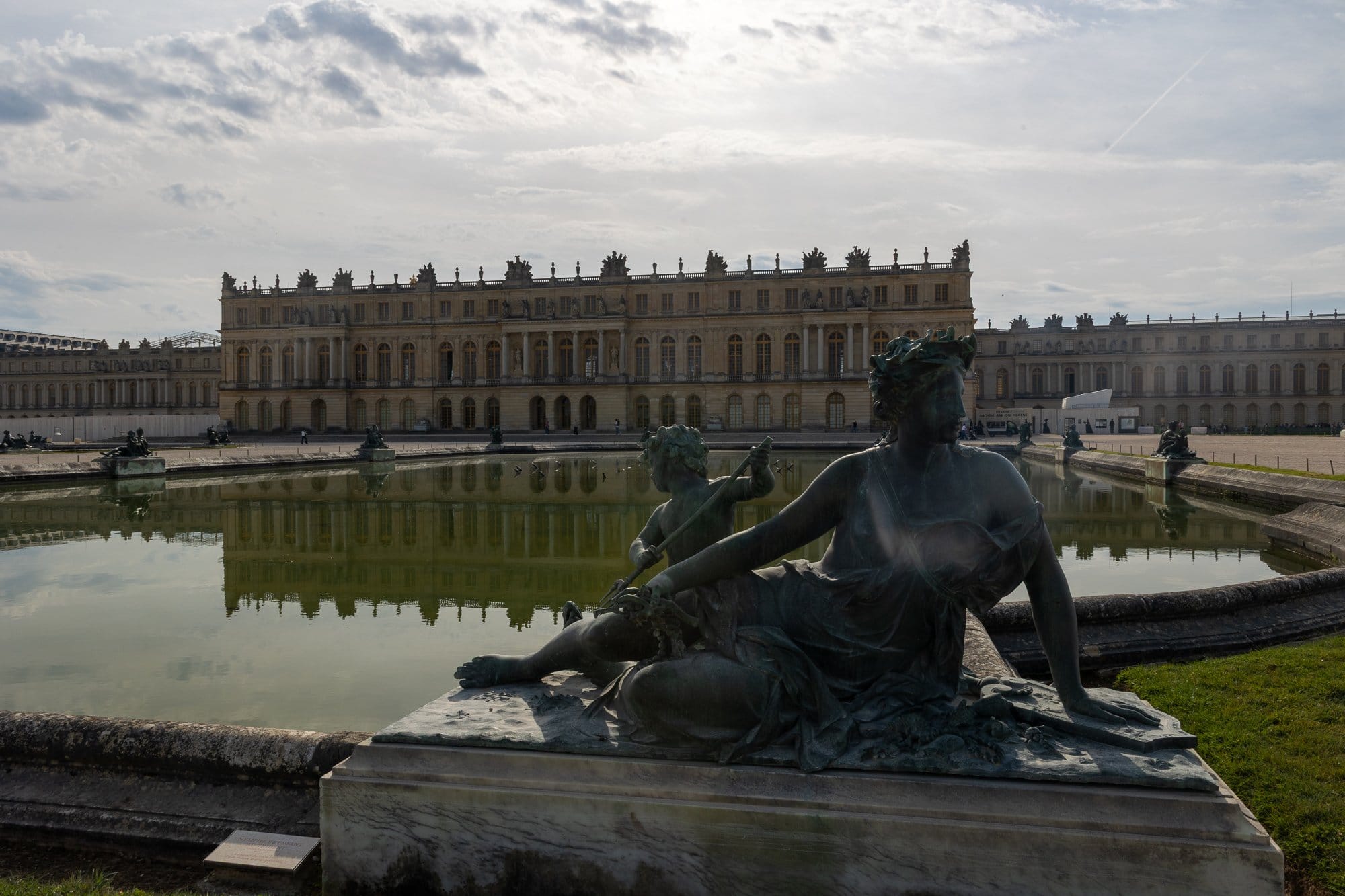
Got some extra days? Head out of town. Devote the fourth day to the Palace of Versailles. Buy timed tickets online. With a pram, the best option is to take the line N train from Gare Montparnasse (not the commonly recommended RER C line). Get off at Versailles Chantiers station — it’s quieter.
On the fifth day, take a trip by train to the village of Giverny in Normandy. Monet’s Gardens with their iconic Japanese bridge and water lilies are a dream come true for every art lover.
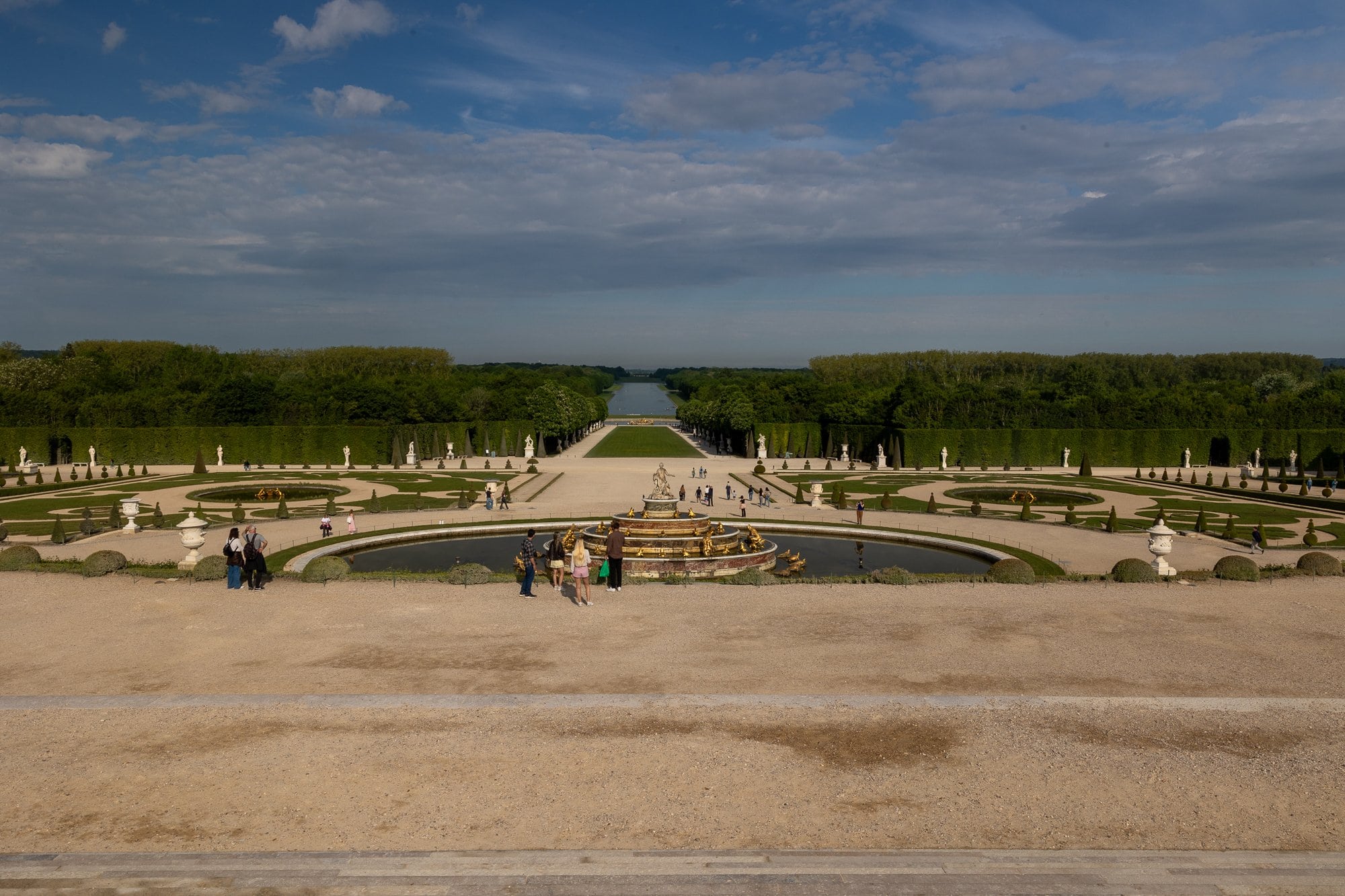
💡 Tip: At Versailles, do things in reverse. Go to the gardens by the Grand Canal first, where your child can run off some energy. Save the palace itself for later in the afternoon.
Rescue Plan: What to Do in Paris When It Rains
Parisian rain can be persistent. When it catches you out, take cover under a roof, but don’t waste time at the hotel.
Take Cover Underground and in the Arcades
This is exactly the moment to explore the covered arcades in the 2nd and 9th arrondissements (Passage Jouffroy, Passage des Panoramas and Galerie Vivienne). If you have older children or a toddler sleeping in a carrier, book tickets for the Paris Catacombs in the 14th arrondissement. In the tunnels twenty metres below ground lie the neatly arranged bones of millions of Parisians, and the atmosphere down there is utterly indescribable.
💡 Tip: Tickets for the Catacombs open exactly 7 days in advance and vanish in a flash. They won’t let you down with a pram — a carrier is mandatory.
What NOT to Do in Paris (And Scam Warnings)
Read this one twice. Paris is gorgeous, but it can be ruthless with unprepared tourists.
The Most Common Tourist Traps
- Don’t take the lift up the Eiffel Tower: You’ll spend hours in the queue, pay a fortune, and see the city without its biggest landmark — namely the Eiffel Tower itself. Go to the Tour Montparnasse instead.
- Don’t buy coffee on the main boulevards: A coffee on the Champs-Élysées will cost €8 and taste like over-roasted water. Duck a couple of streets further in.
- Don’t go to the Centre Pompidou: As I wrote in the introduction, it’s completely closed until 2030 for asbestos removal.
💡 Tip: If you want to see the Arc de Triomphe, never dash across that insane roundabout full of cars to get to it. Use the safe pedestrian underpass, Passage du Souvenir.
Pickpockets and Street Scams
Parisian pickpockets are highly organised professionals. They most often operate on metro line 1 and line 6 (when tourists are staring out of the window at the Eiffel Tower).
- The gold ring trick: Someone picks up a ring on the street in front of you, asks if it’s yours, then forces it on you as a gift and starts aggressively demanding money. Just ignore them and walk on.
- Bracelets on Montmartre: Below the steps to Sacré-Cœur, men will try to quickly tie a string around your wrist and then demand payment. Keep your hands in your pockets and say “Non” firmly.
- Fake petitions: Deaf-mute girls (often only pretending) shove clipboards at you for a signature under the bridges by the Seine. While you read, their other hand is going through your pockets.
💡 Tip: If someone offers you “skip-the-line” tickets in front of the Louvre or Notre-Dame, they’re fake tickets, 100%.
Practical Info
Travelling around Paris with a family mainly requires good logistics and a financial cushion.
Money, Prices and Budget
In 2026 you can pay by card (Apple Pay / Google Pay) practically everywhere. Even for a single baguette in the bakery for €1.30. But always carry around €20 to €50 in small change for purchases at the markets (e.g. Marché d’Aligre) or for tips.
How much will it cost (a 3-day budget for two adults):
- Low-cost / Student: Around €400. This is how we used to travel before Jonáš and it was great fun 😅 Accommodation further from the centre, buying baguettes and cheese at bakeries, getting around on foot and free sights.
- Comfortable middle (our style): Roughly €1,000 to €1,400. A lovely hotel in the 6th or 3rd arrondissement, lunch formules at bistros, a few paid museums and coffee at specialty roasters.
- Luxury: Unlimited. Dinner alone at a Michelin restaurant will set you back €300 to €500 per person.
💡 Tip: Coming from the UK, check your roaming plan before you go. To be safe and avoid surprise charges, an eSIM like Holafly or Yesim gives you reliable data the moment you land — no faffing about with local SIM cards.
Where to Next
If Paris has stolen your heart, take a look at our other articles from the French capital:
- What to See in Paris: a more detailed breakdown of the individual neighbourhoods and sights.
- The Best Museums in Paris: where to head for art once you’ve ticked off the Louvre.
- What to Eat in Paris: a guide to French gastronomy, from snails to the very best baguettes.
Frequently Asked Questions
Before your trip to Paris, we’ve put together answers to the most common questions you might have. I hope it makes planning easier and saves you a few wrinkles on your forehead.
Is Paris manageable with a stroller?
Yes, but it requires planning. Avoid the metro with the exception of line 14 and rely rather on buses, which have low floors. For Montmartre or Versailles, better bring along an ergonomic baby carrier.
Is it worth buying the Paris Museum Pass for 3 days?
It depends on your pace. It costs quite a bit of money and only pays off if you’re planning to tackle at least 3 major attractions per day (Louvre, Orsay, Sainte-Chapelle, etc.). With a toddler, when you can manage two things a day at most, the pass usually doesn’t pay for itself financially.
Where can I find the best free view in Paris?
Head to the rooftop of the Galeries Lafayette department store (9th arrondissement) or to the nearby Printemps. There’s also a great view from the rooftop of the Institut du Monde Arabe in the Latin Quarter or from Parc de Belleville park in the 20th arrondissement.
Is tap water drinkable in Paris?
Yes, perfectly safe and very tasty. In restaurants, always ask for “une carafe d’eau” (a jug of tap water), which is free by law. Around the city, you’ll also find green Wallace fountains where you can refill your own bottle.
Which day is best for visiting the Louvre?
The worst day is Saturday. The best time, on the other hand, is Wednesday or Friday afternoon and evening, because the museum has extended opening hours until 9:45 PM. After 6 PM, the crowds at the Mona Lisa drop to a tolerable minimum. The Louvre is closed on Tuesdays!
Do I need reservations for restaurants in Paris?
For well-known bistros, Michelin-starred restaurants (like Septime), and Italian viral hits (Pink Mamma), reservations are absolutely essential, even a month in advance. For regular cafés and traditional lunch menus (formule midi) on a weekday, you can easily walk in from the street without any problem.
Is it safe to travel by metro at night?
In the central districts (1st to 8th arrondissement), the metro is safe even late in the evening. Take extra care on Line 1 and Line 6 due to pickpockets. Avoid nighttime journeys on the outer northern lines and around the Gare du Nord and Gare de l’Est stations.
Tips and Tricks for Your Vacation
Don’t Overpay for Flights
Search for flights on Kayak. It’s our favorite search engine because it scans the websites of all airlines and always finds the cheapest connection.
Book Your Accommodation Smartly
The best experiences we’ve had when looking for accommodation (from Alaska to Morocco) are with Booking.com, where hotels, apartments, and entire houses are usually the cheapest and most widely available.
 🚗 Car rental on the roadVerified car rentals in Paris
Search with the DiscoverCars comparison engine — it compares prices from dozens of local and international rental companies, and most bookings come with free cancellation.
Compare car prices in Paris →Don’t Forget Travel Insurance
Good travel insurance will protect you against illness, accidents, theft, or flight cancellations. We’ve had a few hospital visits abroad, so we know how important it is to have proper insurance arranged.
Where we insure ourselves: SafetyWing (simple monthly subscription) and TrueTraveller (for extra-long trips).
Find the Best Experiences
Get Your Guide is a huge online marketplace where you can book guided walks, trips, skip-the-line tickets, tours, and much more. We always find some extra fun there!
More from Paris
Full guide → Where to stay · most readParis Arrondissements: Where to Stay in Paris (and Where Not To)
 What to seeBest Paris Museums 2026: From the Louvre to Hidden Gems (Art Scene Guide)
 Day tripsDay Trips from Paris: Versailles, Giverny, Chantilly & Fontainebleau
 Travel storyParis Myths and Legends: From Paris Syndrome to the Phantom of the Opera
 What to seeParis Nightlife: Jazz, Speakeasy Bars, Rooftops & Opera (Complete Guide)


