Forget for a moment the overheated French Riviera, where in summer you fight for every free square inch of sand. La Rochelle, France, and the western Atlantic coast play in a completely different league and offer a radically different experience. This is a region where the tides set the rhythm of your day, where the air constantly smells of salt, and where you’ll relax in a far more active way.
You’ll get the chance to discover an authentic and incredibly photogenic France that lives life at its own, slightly slower pace. Instead of lying on the beach, you’ll be pedalling along perfect island cycle paths, strolling beside historic ramparts and exploring mysterious green wetlands. And if you head a little inland, parks await that completely shatter your idea of what entertainment should look like.
While this part of France doesn’t suffer from global overtourism on the same crushing scale as the south, you certainly won’t be alone on the coast in August. But if you choose May, June or September for your trip, you’ll be rewarded with half-empty lanes, pleasant temperatures and total calm. Let’s take a look together at the very best this area has to offer.
TL;DR
- Main base: La Rochelle is the ideal port city for exploring the region. It sits right on the ocean and you can comfortably reach it by TGV high-speed train from Paris.
- Best attractions in the city: Don’t miss the giant La Rochelle Aquarium and the three historic defensive towers in the old harbour.
- Island paradise: Neighbouring Île de Ré is a perfectly flat island of white houses, best explored on a rented bike (141 km of cycle paths available).
- Watch out in 2026: Île de Ré is introducing extensive pedestrian zones, and parking in the town centres will be practically impossible for non-residents.
- Local curiosities: You’ll see donkeys dressed in striped trousers, glide through green wetlands and spot the famous Fort Boyard fortress in the distance.
- Entertainment inland: The region hides Puy du Fou, a truly unique park full of giant historical shows where you won’t find a single roller coaster.
- Gastronomy: While the locals love fresh oysters, vegetarians will fall for the superb local cheeses, crispy baguettes and salted butter from the markets.
The full destination guide: Nouvelle-Aquitaine — guide and what to see
When to visit La Rochelle and the surrounding area
The Atlantic coast has its own special charm in every season, but the best compromise is June or the first half of September. During these months the weather in La Rochelle, France, is already very pleasant and sunny, yet you still avoid the wildest crowds of domestic tourists. The French traditionally head off on holiday in August, and that’s when the whole country quite literally gets moving. If you plan your trip cleverly outside the main holidays, you’ll be rewarded with pleasantly half-empty historic lanes and very bearable hotel prices.
If you’re planning to drive here from the UK, expect a long journey, and don’t forget you’ll be crossing the Channel first — either via the Eurotunnel from Folkestone or a ferry from Dover. Be sure to add the hefty French motorway tolls to your budget, known as péages. A far more comfortable and faster option is therefore to fly into Paris and hop on the French TGV high-speed train, which whisks you to La Rochelle in just three hours. There are also direct flights to La Rochelle from several UK airports during the summer season.
July and August mean sold-out campsites and endless queues of cars on the bridges linking the mainland to the islands. If you have no other choice and must travel during the holidays, arm yourself with patience and book everything well in advance. Fortunately, the ocean pleasantly cools the air here, so you’ll safely avoid the oppressive heatwaves that regularly plague southern Europe.
The winter months on the Atlantic coast are very windy and damp, and plenty of restaurants and smaller hotels on the islands are completely closed. But if you’re planning to visit the inland theme parks, remember that the season at the best park, Puy du Fou, begins on 4 April 2026 and ends in the first days of January 2027. A huge advantage of this park is that, thanks to its massive grandstands, it handles the summer rush of tourists far better than classic fairgrounds with roller coasters.
Where to stay in La Rochelle and the region
💡 Accommodation and experiences tip: We love searching for accommodation on Booking.com, which usually has the best cancellation terms. Tickets, tours and activities are then worth comparing and buying through GetYourGuide.
For exploring the entire coast, the city of La Rochelle itself is the perfect strategic base. Ideally, stay somewhere within walking distance of the old harbour (Vieux-Port), so that all the evening restaurants, cosy little cafés and morning markets are right on your doorstep. Smaller boutique hotels are a great choice, such as the popular Hôtel La Monnaie with its artistic atmosphere, or the slightly quieter Hôtel Les Brises, which offers a fantastic view straight out over the ocean. In short, it’s the ideal spot for couples, history lovers and foodies who want everything conveniently at hand.
If you’re after pure romance and don’t mind a slightly higher budget, stay on Île de Ré itself. Prices here are noticeably higher, but the evening atmosphere once the day-trippers have left is utterly magical. Try looking for accommodation around the town of Saint-Martin-de-Ré, where you’ll find beautiful guesthouses tucked away behind white walls. Booking also offers plenty of private apartments here with secure bike storage. ⚠️ But be very careful about parking, because in 2026 the island is massively expanding its pedestrian zones and driving into the centres will be practically impossible for non-residents.
If you’re planning to visit the giant historical park Puy du Fou, stay inland in the town of Les Epesses or in the nearby larger town of Cholet. Driving back and forth from the Atlantic coast would cost you far too much time and energy, especially after the demanding night show that doesn’t finish until late evening. Accommodation in the immediate vicinity of the park disappears extremely fast, so I’d recommend booking your room a good six months ahead. A wonderful alternative is to sleep in one of the themed hotels inside the park itself, where you can choose a night in a Roman villa or in Merovingian tents — a huge experience, and not just for families with children.

13 things to see and do in La Rochelle, France, and on Île de Ré
Let’s take a look together at 13 specific tips for what to do in this beautiful region. You’ll discover historic port towns, cycle across sun-drenched islands, and I’ll show you how to get the absolute most out of your trip.
1. The old harbour and three iconic towers
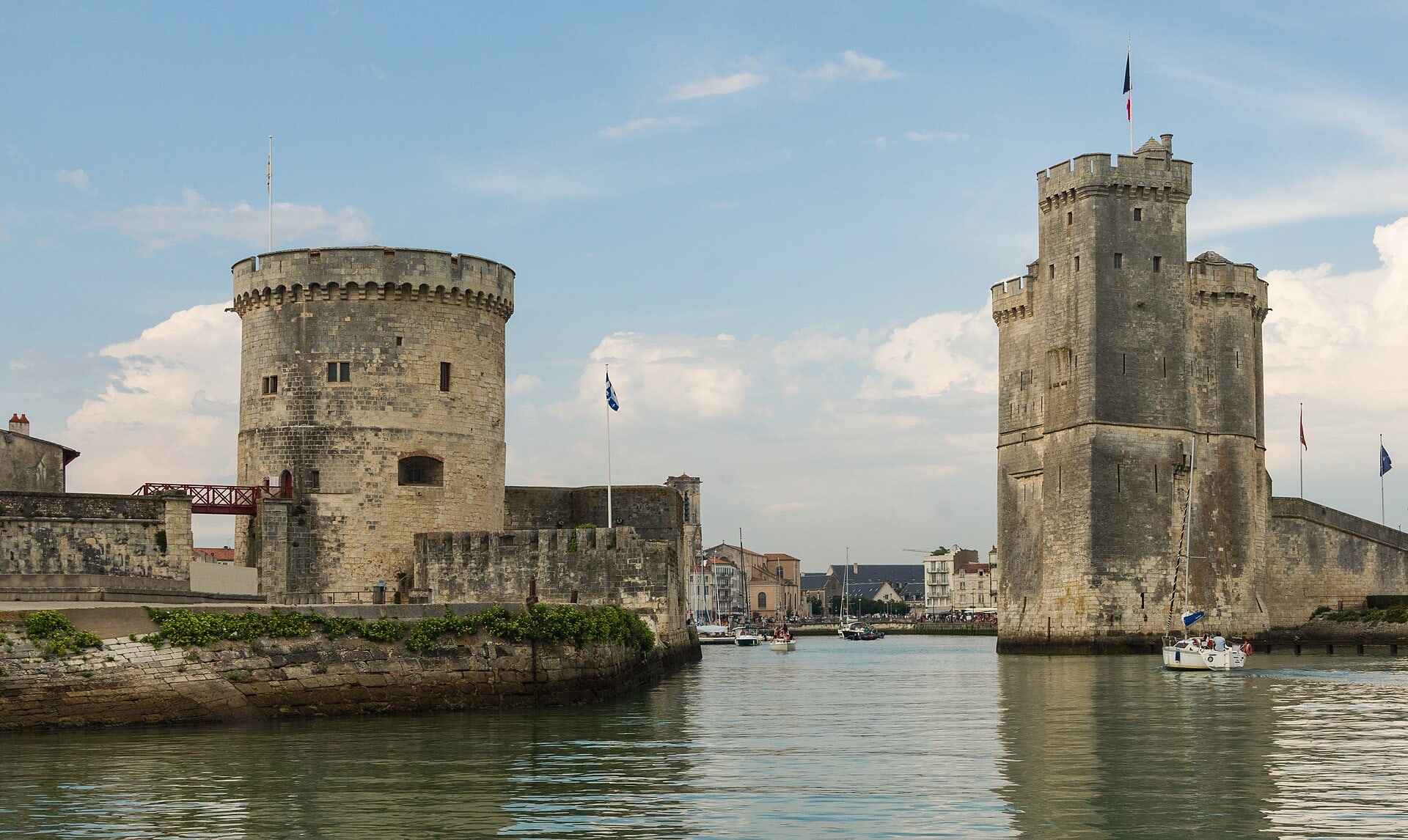
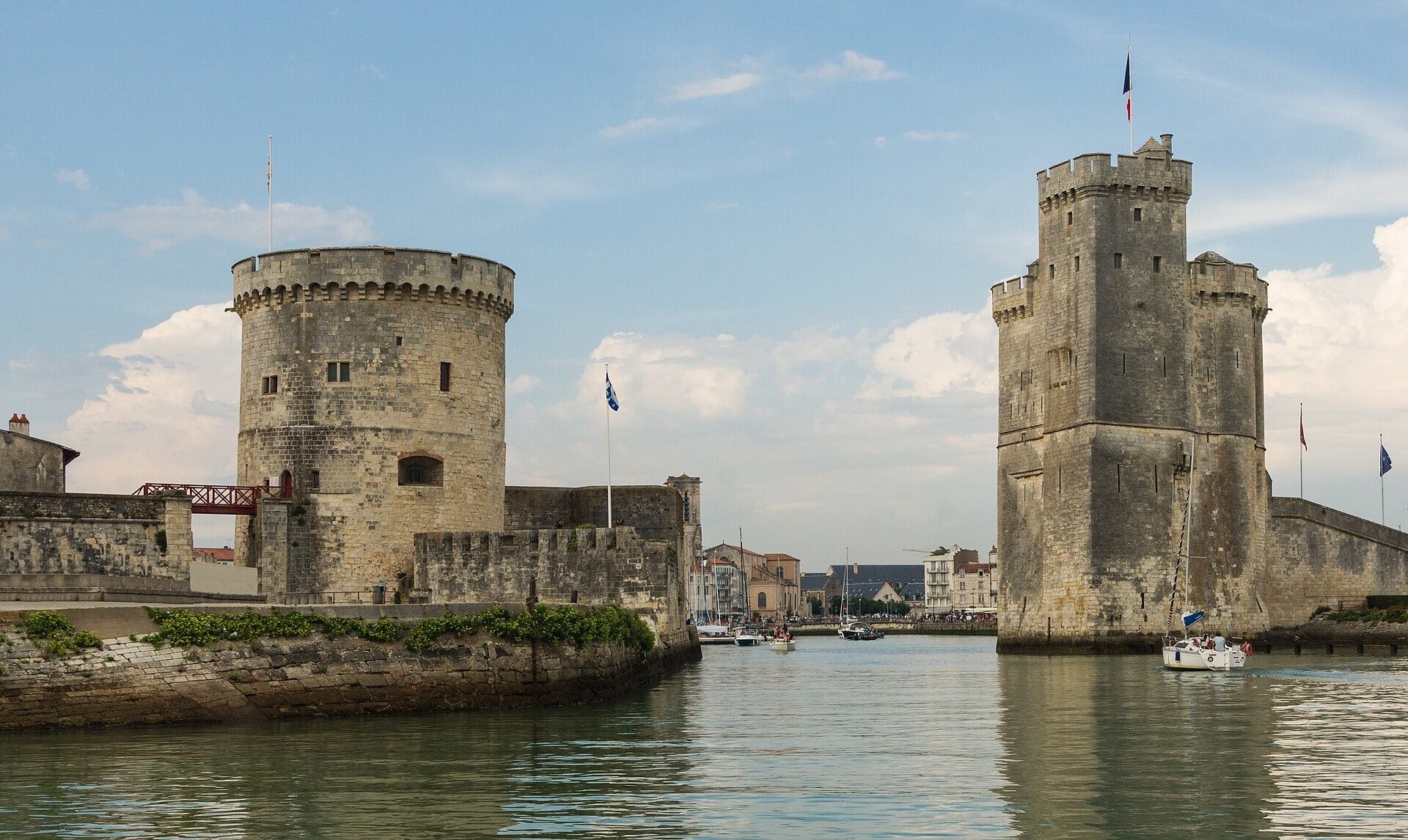
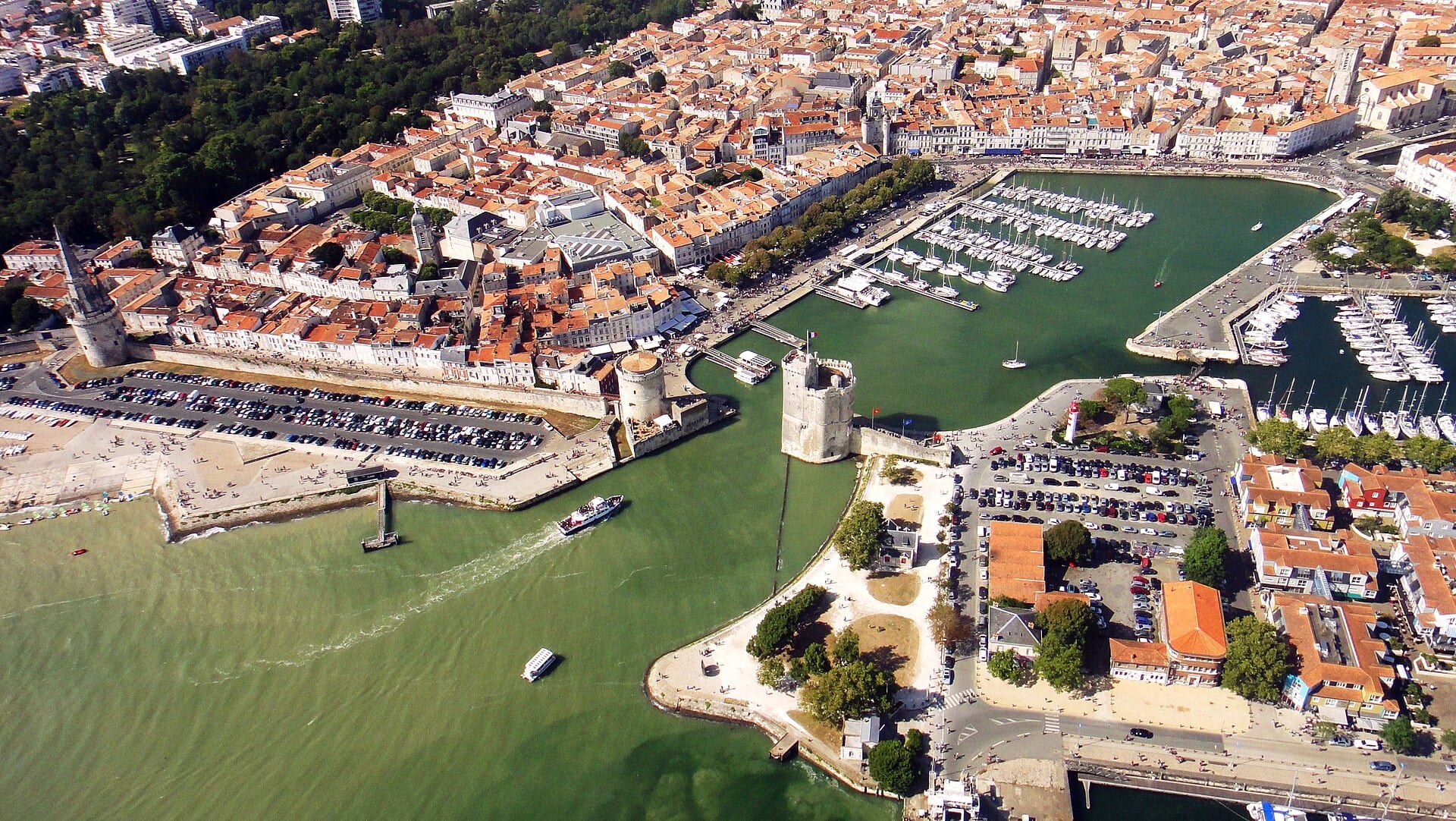
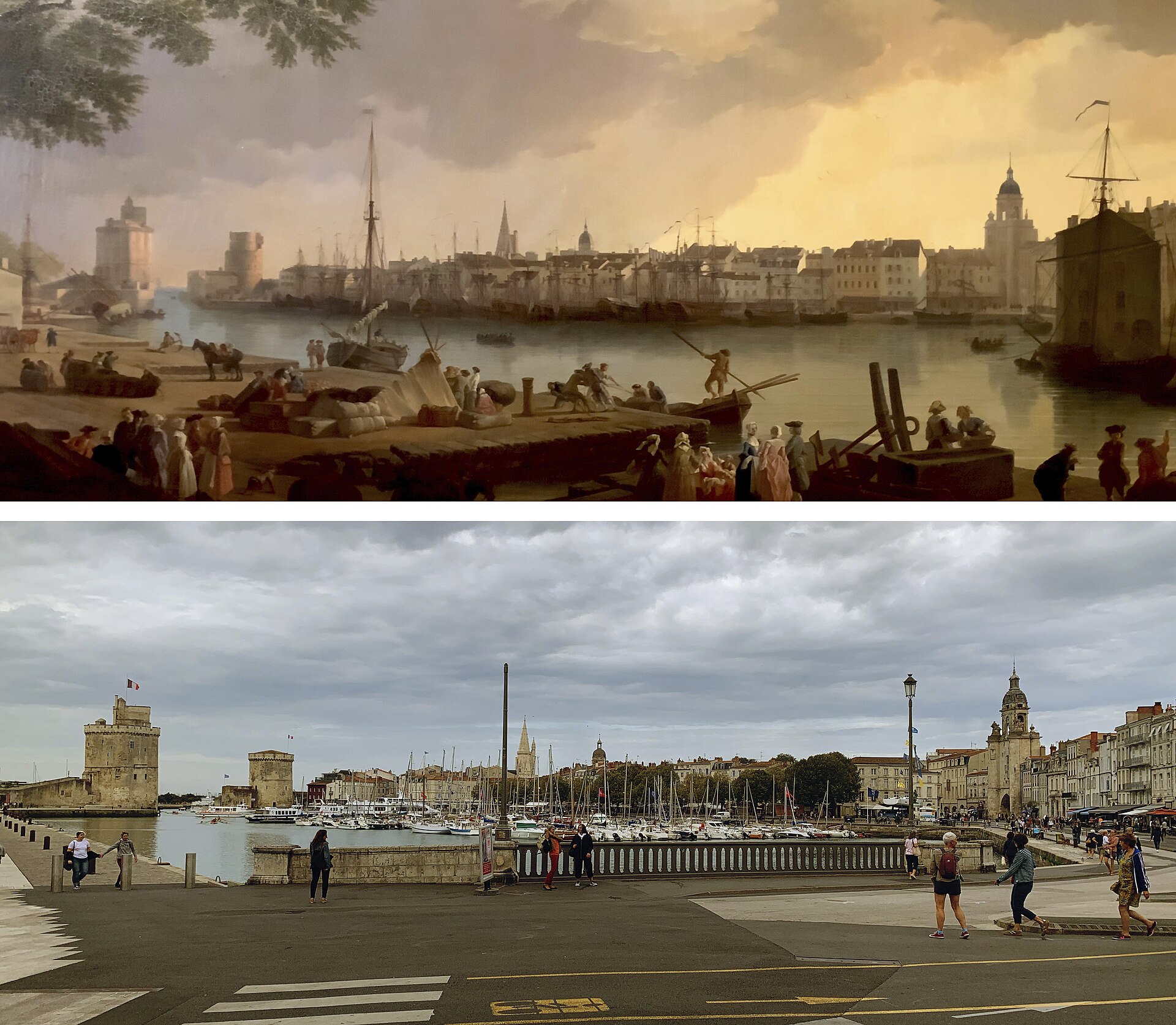
The heart of all La Rochelle is undoubtedly the Vieux-Port, the old harbour. This is where the true maritime history hits you, and you’ll understand why the city was so immensely rich and influential in the days of the Huguenots and the famous overseas explorers. Hundreds of elegant sailing boats are moored around the water, and the promenade is lined with cosy cafés from which, coffee in hand, you can watch the morning bustle on the quayside undisturbed.
The entrance to the harbour itself is majestically guarded by three massive stone towers that still serve as the main symbol of the whole city. Two of them, the Tour Saint-Nicolas and the Tour de la Chaîne, once formed an absolutely perfect defensive system. At night an enormous iron chain was stretched between them, reliably preventing any enemy ships from entering from the open sea.
The third historic structure, standing a little further along, is the Tour de la Lanterne, which originally served as a lighthouse and later as a dreaded prison. Climbing these towers will cost you a bit of sweat and you’ll be out of breath on the steep spiral staircases, but it’s well worth the effort. From the top you’ll be treated to a gorgeous view over the whole sweeping bay and the bright white limestone houses of the historic centre.
💡 Tip: If you want the best view of the harbour without the crowds, head here early in the morning, when only the gulls and the first bakers delivering fresh baguettes are waking up on the quayside.
2. The fascinating La Rochelle Aquarium
If there’s one place that draws families from all over Europe to La Rochelle, it’s the local aquarium. Don’t expect just a few sad fish in small tanks — this is one of the most important institutions of its kind on the continent. An incredible eight hundred thousand visitors come here every year, and the tour itself can easily take up a whole afternoon.
Three million litres of seawater are home to around twelve thousand animals from oceans all over the world. You’ll walk through long glass tunnels with sharks majestically circling right above your head, and explore vibrant coral reefs up close. The separate jellyfish exhibition, lit in near-darkness, feels more like a hypnotic work of art that you simply can’t tear yourself away from.
In 2026, expect admission of €19.50 for an adult and €14 for younger children. A huge advantage of this underwater world is that it’s open 365 days a year, including all public holidays. That makes it the perfect lifesaver for days when dark clouds unexpectedly gather over the Atlantic and the rain starts to pour.
💡 Tip: Be sure to buy your tickets online in advance on the official website. That way you’ll avoid the unpleasant queues at the ticket desks, which form mainly during the summer months and on rainy weekends.
3. Stone arcades and the central market hall
Once you’ve had your fill of the ocean air, head deeper into the historic centre of La Rochelle. A typical feature of the whole city is its beautiful stone arcades, which line the main shopping streets and create a fantastic atmosphere. Historically, they were built to protect local merchants’ precious goods from the frequent Atlantic rain, and today you’ll find plenty of charming boutiques, ceramics shops and little cafés beneath them.
But your steps should lead mainly to the stunning central market hall, housed in a historic 19th-century building. French markets are an absolute paradise for anyone who loves honest food. The stalls here literally overflow with fresh local produce, fragrant crispy bread and specialities you won’t find anywhere else in the world in such quality.
While the locals love buying fresh seafood here, vegetarians will be in their element at the stalls full of fantastic cheeses. Be sure to buy a fresh baguette still warm from the oven, a piece of mature cheese, local salted butter — typical of this area — and plenty of fresh vegetables. It all makes the perfect base for an afternoon picnic, which you can enjoy at leisure somewhere in a park or on a bench overlooking the harbour.
4. Crossing the ocean by bridge to Île de Ré
Just a short way from La Rochelle lies the beautiful island of Île de Ré, which you reach from the mainland via a magnificent three-kilometre bridge. The crossing high above the ocean is a huge experience in itself, as the bridge curves elegantly and offers incredibly beautiful views of the receding mainland and the approaching white shores of the island.
But here comes the first important practical test of your trip, one that can cost you quite a bit of money. The toll for the island is only paid on the way there, while the journey back to the mainland is free for all vehicles. Off-season, the fee for a car is €8, but at peak summer time — specifically from 20 June to 11 September — the price climbs mercilessly to a full €16.
💡 Tip: If you want to save your euros and do something good for your health at the same time, cross the bridge on a rented bike or walk it. In that case, access to the bridge is completely free, and you’ll also elegantly avoid the long tailbacks at the toll booths that regularly form here in summer.
5. A cycling paradise in shades of brilliant white
On Île de Ré itself you don’t actually need a car at all, and to be honest, it would only get in the way in the narrow lanes. The island is absolutely flat and threaded with 141 kilometres of perfect cycle paths. Cycling here is practically a religion, you’ll find rental shops on every corner, and from the saddle you can comfortably reach the salt pans, ride through fragrant vineyards and roll all the way to the most beautiful Atlantic beaches.
This stretch of land is often nicknamed the Parisian Riviera, because the wealthiest French people from the capital buy their summer homes here. Extremely strict building rules apply, anxiously protecting the overall character of the place. Every house on the island must be painted brilliant white, and the wooden shutters are only allowed in clearly prescribed shades of green or grey.
When you cycle through the narrow lanes in the heat of summer, you’ll see huge colourful hollyhocks blooming in front of every house, where they thrive incredibly well. It’s all so aesthetically perfect, polished and tidy that at times it feels more like a carefully arranged film set than a real place for everyday life.
6. The capital Saint-Martin-de-Ré and the Vauban ramparts
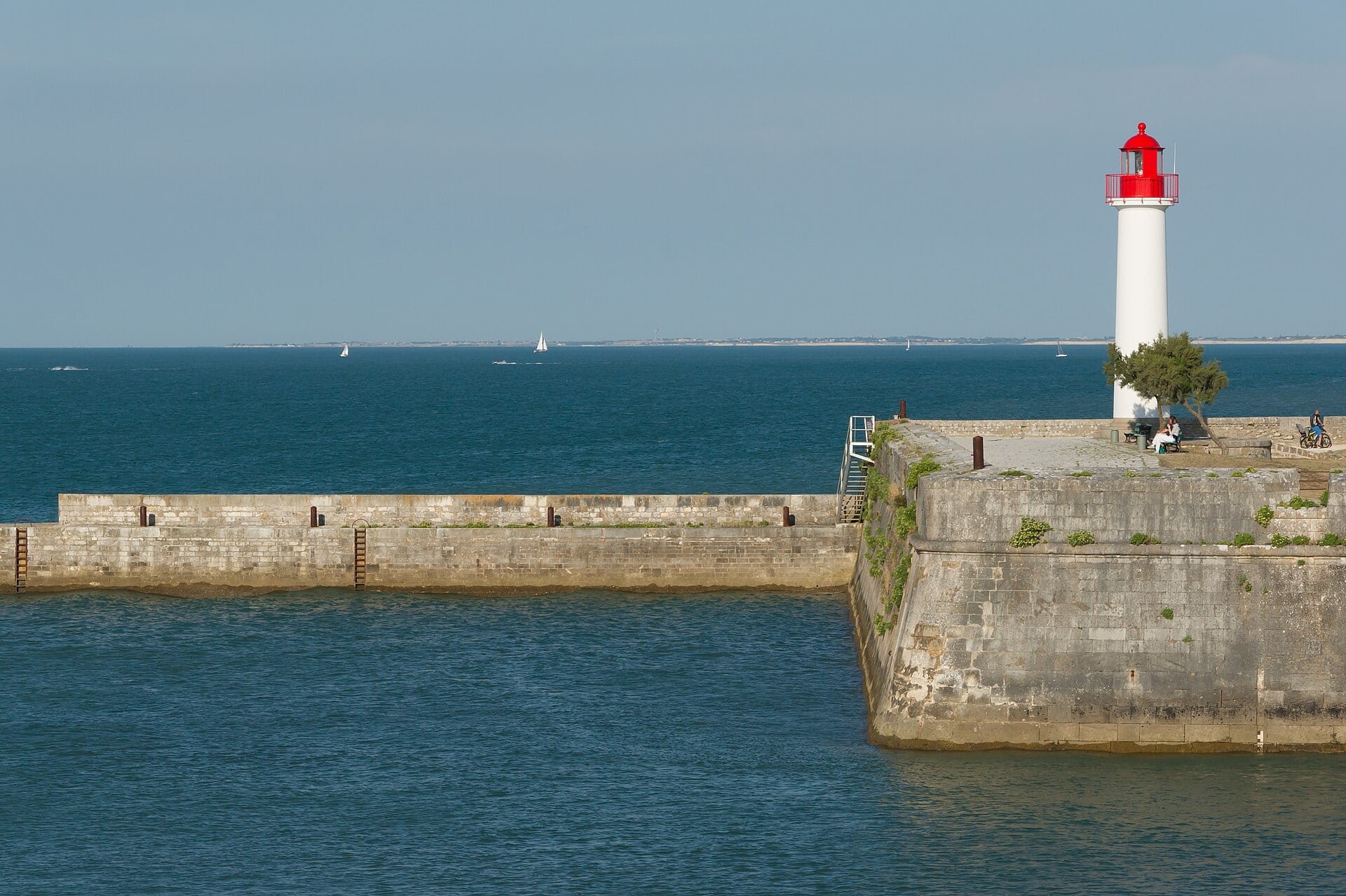
The main hub of the whole island is the immensely picturesque town of Saint-Martin-de-Ré. Its most striking feature is the massive star-shaped fortifications, designed in the 17th century by the legendary military engineer Vauban. These mighty ramparts are so unique and superbly preserved that they were rightly inscribed on the UNESCO World Heritage list, and they offer wonderful opportunities for long walks.
After exploring the ramparts, be sure to head down straight to the harbour, which is surrounded by excellent restaurants and charming ceramics shops. Definitely buy a scoop of delicious artisan ice cream and sit on a stone wall near the water. Watching the bobbing sailing boats and the elegant people strolling by is a very popular early-evening pastime here.
⚠️ Important warning: Take great care with logistics in 2026. Saint-Martin-de-Ré and the neighbouring popular town of La Flotte are introducing extensive year-round pedestrian zones. Driving into the centre itself will be practically impossible for non-residents, and you’ll have to use the new park-and-ride car parks on the outskirts of the villages. The rest of the way to your hotel must then, like it or not, be done on foot or on a rented bike — so it’s best not to bring overly heavy suitcases.
7. The salt pans and the legendary donkeys in trousers
When you cycle deeper into the heart of the island, you’ll come across vast salt pans that create a fascinating geometric landscape. Sea-salt harvesting has a huge tradition on Île de Ré, and the salt is still produced today using the old artisanal method of slow evaporation in the summer sun. Be sure to take home a small bag of the local coarse salt — it’s a great, authentic and, above all, practical kitchen souvenir.
Linked to the salt fields is one big island curiosity that children in particular will love. If you’re lucky, you’ll see the local animal mascots in the form of donkeys dressed in striped trousers. It sounds like a great joke for tourists, but it actually has a deep historical reason.
In the past, these donkeys worked hard in the marshy salt fields, which swarmed with aggressive mosquitoes and biting insects. So the locals sewed special canvas trousers for their legs to protect them from the painful bites. These days the donkeys no longer haul salt and are enjoying a well-earned retirement, but their iconic trousers have remained as a very endearing tourist attraction.
8. Wild beaches and the Phare des Baleines lighthouse
At the westernmost tip of the island you’ll come across a completely different, far rougher landscape. While the eastern coast is a sheltered, calm paradise, here the raw, wild power of the vast Atlantic Ocean is on full display. You’ll find some of the most beautiful, incredibly wide sandy beaches, which flow seamlessly into romantic dunes covered with marram grass.
The absolute landmark of this remote area is the historic Phare des Baleines, or the Lighthouse of the Whales. It didn’t get its name by chance — in the past large whales often became stranded in these shallow waters, unable to gauge the treacherous tides. The lighthouse itself dates from the mid-19th century and to this day safely guides passing ships through these dangerous waters.
Climbing to the very top of the lighthouse will cost you €4.80 and will reliably test your fitness. You have to conquer more than 250 steep spiral steps, but a fantastic visual reward awaits you at the top. You’ll be treated to an absolutely breathtaking panoramic view over the whole green island and, above all, over that magical spot where the blue sky dramatically merges with the deep-blue ocean.
9. A boat trip to the iconic Fort Boyard fortress
You may know it from the famous TV game show full of tarantulas, fiendish riddles and the old keeper Père Fouras — fans of the British version of Fort Boyard will recognise it instantly. That very show has been filmed for decades at the famous Fort Boyard fortress, which juts out of the sea alone, not far from the coast. This massive oval stone colossus was originally built to defend the whole bay militarily, later served as a feared prison, and today is an absolute global television icon.
Unfortunately, as an ordinary tourist you can’t get inside the fortress, as the whole building is used exclusively for TV productions and filming. But you can pay for a great sightseeing boat trip that takes you right up close. Only from the deck of the boat do you get the real sense of just how enormous and majestic this structure is, standing amid the restless waves. From the boat you’ll also take wonderful photos and, with a bit of luck, even spot part of the TV crew in the distance.
💡 Tip: Boat trips to the fortress regularly depart both from the harbour in La Rochelle and from the neighbouring island of Oléron. These trips sell out very quickly in the summer season, so I recommend booking your tickets well in advance online — you’ll find plenty of great options through the trusted platform GetYourGuide.
10. Neighbouring Île d’Oléron and oyster culture
While Île de Ré is carefully polished and luxurious, the neighbouring island of Île d’Oléron is much wilder, more laid-back and more connected to nature. It’s the second-largest French island, right after mountainous Corsica, and unlike its wealthier sibling, the crossing over the massive bridge to Oléron is completely free, which makes it a favourite destination for families travelling by campervan.
The western coast of the island faces the full force of the ocean, offers huge waves and acts as a perfect magnet for surfers from all over Europe. The eastern coast, by contrast, is very calm and full of colourful wooden huts that picturesquely line the water channels. These huts belong to the local farmers who make their living raising the famous local oysters.
The Marennes-Oléron area is renowned worldwide for cultivating premium oysters. The locals routinely sit down on rough wooden benches in front of the huts and have a dozen fresh oysters served to them for a fraction of Parisian prices. If oysters aren’t your thing and you prefer plant-based food, you can at least enjoy a glass of chilled white wine, nibble on a fresh baguette with salted butter and soak up the perfect view of the setting sun.
11. The Green Venice of the Marais Poitevin wetlands
When you grow tired of the salty Atlantic wind, head a little deeper inland. There you’ll come across the magical region of the Marais Poitevin, which is the second-largest wetland in all of France, right after the famous Camargue. This fascinating network of quiet canals, shallow rivers and marshes covers almost 970 square kilometres, and its most beautiful eastern part is, quite rightly and romantically, nicknamed the Green Venice.
The water in the canals flows so incredibly slowly that it’s often completely covered in bright-green duckweed. As you silently glide along it in a boat, it looks as though you’re sliding over a solid green carpet. The trees on the banks also form a dense canopy, so it stays very pleasantly cool here even in the height of summer.
The best way to experience the wetlands is to rent a traditional flat-bottomed boat called a barque in the villages of Coulon or Arçais. Hire a local boatman to go with it — someone who knows the safe route through the maze of canals and will show you the favourite marsh-gas trick. He plunges a long pole deep into the mud, releases a pocket of methane and unexpectedly, very dramatically, sets the gas alight on the surface — a huge surprise for visitors. After the quiet ride you can sit down in one of the cosy local cafés and taste the superb regional cheeses, while you watch other little boats from the bank, silently gliding across the green water.
12. Maritime Rochefort and the angels’ share in Cognac
Travelling further south, you’ll come across historic Rochefort, a town built in the 17th century by the Sun King Louis XIV himself as France’s largest military arsenal. The main draw here is the imposing Corderie Royale, once the longest building in all of Europe. It measures a respectable 374 metres and had to be this extremely long so that massive ropes for sailing ships could be made in one piece, without any joining.
Rochefort is also the home port of strong>the famous replica of the historic frigate Hermione. ⚠️ Before visiting in 2026, however, be sure to carefully check its current status on the official website. The ship has been undergoing a very complex hull repair in a dry dock and may not be open to the public at all, or it may be in a completely different harbour.
A little further inland, along a lazy river, lies the famous town of Cognac. As soon as you arrive in the centre, you’ll surely notice that the walls of many buildings are conspicuously blackened. The culprit is a special microscopic fungus that feeds on the alcohol vapours escaping from the barrels of maturing cognac. These lost vapours are very poetically called “the angels’ share” here. If you’re interested in the whole production process, book a tour well in advance at the big houses such as Hennessy or Martell, where they’ll take you by little boat straight into the dark maturing cellars.
13. Theme parks of the future and the past
This region hides two of the very best theme parks in all of Europe, the kind that leaves the rest of the continent shaking its head in disbelief. The first, the famous Puy du Fou, recently passed the three-million-visitor mark, and yet you won’t find a single roller coaster in it. The whole stunning concept is built on giant historical shows with the production value of the most expensive Hollywood films.
Here you’ll see full-scale gladiator fights, genuine battles with real Viking ships emerging from the water and a fantastic show with hundreds of circling birds of prey. To understand the performances perfectly, download the Puy du Fou France app to your phone, which delivers live English narration straight to your headphones. In 2026 there are also 28 dates for the giant night show Cinéscénie, but you have to grab tickets months in advance, on the very day sales open.
If you’re drawn more to modern technology, head a little further on towards the city of Poitiers, to the Futuroscope park. Here, immersive technologies, amazing 4D cinemas and giant projections await. The park recently underwent massive investment, opened a brand-new water world called Aquascope and is preparing entirely new exhibits. Admission in 2026 starts at €46 when bought online, and because the park has its own TGV high-speed train stop, you can get here incredibly easily and quickly straight from Paris.
Map of points of interest for your phone
Where to go next from La Rochelle and the surrounding area
If you have time left after exploring the Atlantic coast and the inland parks, this corner of France offers plenty of other options for where to head next. You can move further south for wine, or instead dive deeper into the French interior for culture.
- South for wine: Hop on a train or into the car and head roughly two hours south to the world capital of wine. The local architecture, the fantastic La Cité du Vin museum and the excellent food make it well worth it. Read more in our guide to what to see and do in Bordeaux.
- More time for history: If the unique concept of historical performances caught your eye and you want to learn more details about the logistics and tips for visiting Europe’s best park, take a look at our separate article devoted directly to Puy du Fou park.
- Watch out for Angoulême in 2026: The town of Angoulême is famous for its international comics festival and its many museums. ⚠️ Bear in mind, though, that the official 2026 edition of the famous festival was cancelled due to a boycott by authors protesting against working conditions. A replacement programme full of free events is planned instead, so the atmosphere here will be quite different this year from the usual standard.
Frequently asked questions
How much does the toll cost for the bridge to Île de Ré?
In 2026, you’ll pay €8 for a passenger car crossing in the off-season. During the summer peak season, which runs from June 20th to September 11th, the fee increases to €16. You only pay for one direction to the island, the return trip to the mainland is free for everyone. Pedestrians and cyclists have completely free access to the bridge structure, which is a great reason to rent a bike for your trip.
Do I need a car on Île de Ré?
Definitely not, on the contrary it would rather get in your way when parking or driving through narrow streets. The island is absolutely flat and crisscrossed with 141 kilometers of excellently maintained cycling paths that will get you absolutely everywhere. Moreover, in 2026 the main towns are introducing very strict pedestrian zones, so you won’t be able to reach your accommodation in the historic center by car anyway and you’ll have to use the park-and-ride facilities.
Are the beaches on the Atlantic coast suitable for swimming?
Yes, but you need to choose wisely based on what exactly you expect from swimming. The eastern sides of the islands facing the mainland have shallow, warm and very calm beaches, which are absolutely ideal for families with small children. The western coast facing the open Atlantic, on the other hand, tends to have huge waves and strong currents, making it popular mainly among experienced surfers and lovers of wild nature.
How to best get to La Rochelle?
If you’re traveling from the Czech Republic, the fastest and most comfortable option is to fly to Paris and catch the French high-speed train TGV directly at the airport or in the city center. The train journey from Paris to La Rochelle takes just 3 hours. If you decide to drive your own car from Prague, count on at least 14 hours of pure driving time and prepare a substantial budget for motorway tolls.
Is the La Rochelle Aquarium suitable for younger children too?
Absolutely! It’s one of the very best family attractions in this entire region and kids will be thrilled by it. The corridors are very spacious and stroller-friendly, the glass tunnels with sharks absolutely fascinate children, and the jellyfish exhibits are visually very captivating. However, I recommend heading there first thing in the morning right when it opens, so you can elegantly avoid the biggest afternoon crowds.
Can I look inside Fort Boyard fortress?
Unfortunately, regular tourists can’t get inside the famous TV fortress at all, the facility serves exclusively for filming television competitions and entry is strictly forbidden. However, you can pay for a great excursion catamaran or boat that will take you to the immediate vicinity of the structure, so you can perfectly view it from the outside and take amazing photos from the deck.
Can I find good vegetarian food in this coastal region?
Although the entire region is famous for seafood and fresh oysters, vegetarians definitely won’t go hungry here. French local markets are full of fantastic ripening cheeses, fresh vegetables, salted butter, and perfect crispy pastries. In restaurants, you’ll always find excellent meatless salads, traditional cheese quiche, or delicious pasta.
How much do tickets to Puy du Fou cost in 2026?
Basic daily admission when purchased online in advance starts at 47 €. At the ticket office on site, a ticket would cost you 59 €, so definitely buy through the internet, you’ll save both time and money. If you want to see the giant night show Cinéscénie, the ticket is purchased completely separately, costs between 60 and 100 €, and is usually hopelessly sold out even several months in advance.
Tips and Tricks for Your Vacation
Don’t Overpay for Flights
Search for flights on Kayak. It’s our favorite search engine because it scans the websites of all airlines and always finds the cheapest connection.
Book Your Accommodation Smartly
The best experiences we’ve had when looking for accommodation (from Alaska to Morocco) are with Booking.com, where hotels, apartments, and entire houses are usually the cheapest and most widely available.
 🚗 Car rental on the roadVerified rental cars in New Aquitaine
Search with the DiscoverCars comparison engine — it compares prices from dozens of local and international rental companies, and most bookings come with free cancellation.
Compare car prices in New Aquitaine →Don’t Forget Travel Insurance
Good travel insurance will protect you against illness, accidents, theft, or flight cancellations. We’ve had a few hospital visits abroad, so we know how important it is to have proper insurance arranged.
Where we insure ourselves: SafetyWing (simple monthly subscription) and TrueTraveller (for extra-long trips).
Find the Best Experiences
Get Your Guide is a huge online marketplace where you can book guided walks, trips, skip-the-line tickets, tours, and much more. We always find some extra fun there!