Southwest France hides a metropolis that doesn’t bother with the cool stone elegance of Paris or the snobbish glamour of the Côte d’Azur. Toulouse, France glows in shades of terracotta and dusty pink, lives at its own relaxed pace, and smells of hearty food and red wine. But don’t let that slightly sleepy café vibe fool you, because this city literally has its head in the stars. While you admire centuries-old brick walls in the historic centre, the most modern airliners in the world are being assembled on the outskirts and technologies for missions to Mars are being researched.
If you’re after a destination that combines hi-tech industry, charming medieval lanes, and endless waterways, you’ve come to exactly the right place. Toulouse doesn’t need the sea to win you over instantly, because right beyond its gates begins an engineering marvel in the shape of the shady Canal du Midi. Let’s take a look together at everything the Pink City has to offer in 2026 and how to enjoy it to the fullest without any unnecessary stress. ☺️
TL;DR
- The Pink City: Toulouse is nicknamed La Ville Rose thanks to its local fired bricks, which change colour incredibly throughout the day, from peachy to deep purple.
- The space capital: Here you’ll find the interactive Cité de l’espace park and the giant Airbus factory, where real airliners are put together.
- Book in advance: For the Airbus assembly line tour you must buy tickets at least 3 weeks ahead, otherwise they simply won’t let you in.
- Canal du Midi: This historic canal lined with plane trees is ideal for a multi-day houseboat cruise with no licence required, or for easy-going cycling.
- Gastronomy: The local legend is the extremely hearty cassoulet, washed down with strong local wine and guaranteed to send you straight to a nap for the rest of the afternoon. 😅
- Easy to reach: Getting to Toulouse from the UK is simple, with direct flights from London on easyJet and British Airways, and the airport sits just a short hop from the centre.
The full destination guide: Occitania — guide and what to see
When to visit Toulouse and how much time to set aside
Toulouse works as an absolutely ideal base for exploring the whole of southwest France, and it’s nowhere near as overrun with tourists as the popular Provence or the showy Côte d’Azur. From the UK you can get here without any hassle and in just a couple of hours, as both easyJet and British Airways run handy direct flights from London. That finally spares you the long, tiring connections at Paris Charles de Gaulle or busy Amsterdam Schiphol, which used to drag out the journey to the south of France and bump up the price.
The loveliest time to visit is without doubt spring, namely May and June, or the autumn months of September and October. The weather in Toulouse, France at this time of year sits at very pleasant levels, making perfect conditions for wandering the monuments and for long cycling trips along the shady canals. In July and August, by contrast, temperatures in the south of France routinely flirt with an extreme 35 to 43 °C. When the sharp midday sun beats down and heats up all those ever-present bricks in the city centre, even an ordinary stroll can become physically exhausting and you’ll be grateful for every air-conditioned café or cool church interior.
For the historic centre alone, two relaxed days are plenty to soak up the real atmosphere of the old town and explore the main sights. But if you’re travelling with kids, or you’re even slightly into modern technology and space, definitely set aside another day or two for the outskirts. A visit to the sprawling space park and the aviation museums will easily eat up a whole afternoon, and by the evening you won’t have the energy for anything else. You can then dedicate the remaining days to day trips around the region with a clear conscience, since the reliable regional TER trains will get you almost everywhere and you can completely forget about an expensive hire car for this holiday.
Where to stay in Toulouse and indicative prices for 2026
💡 Tip for accommodation and experiences: We love searching for places to stay on Booking.com, where the cancellation terms tend to be the best. For tickets, tours, and activities it pays to compare and book through GetYourGuide.
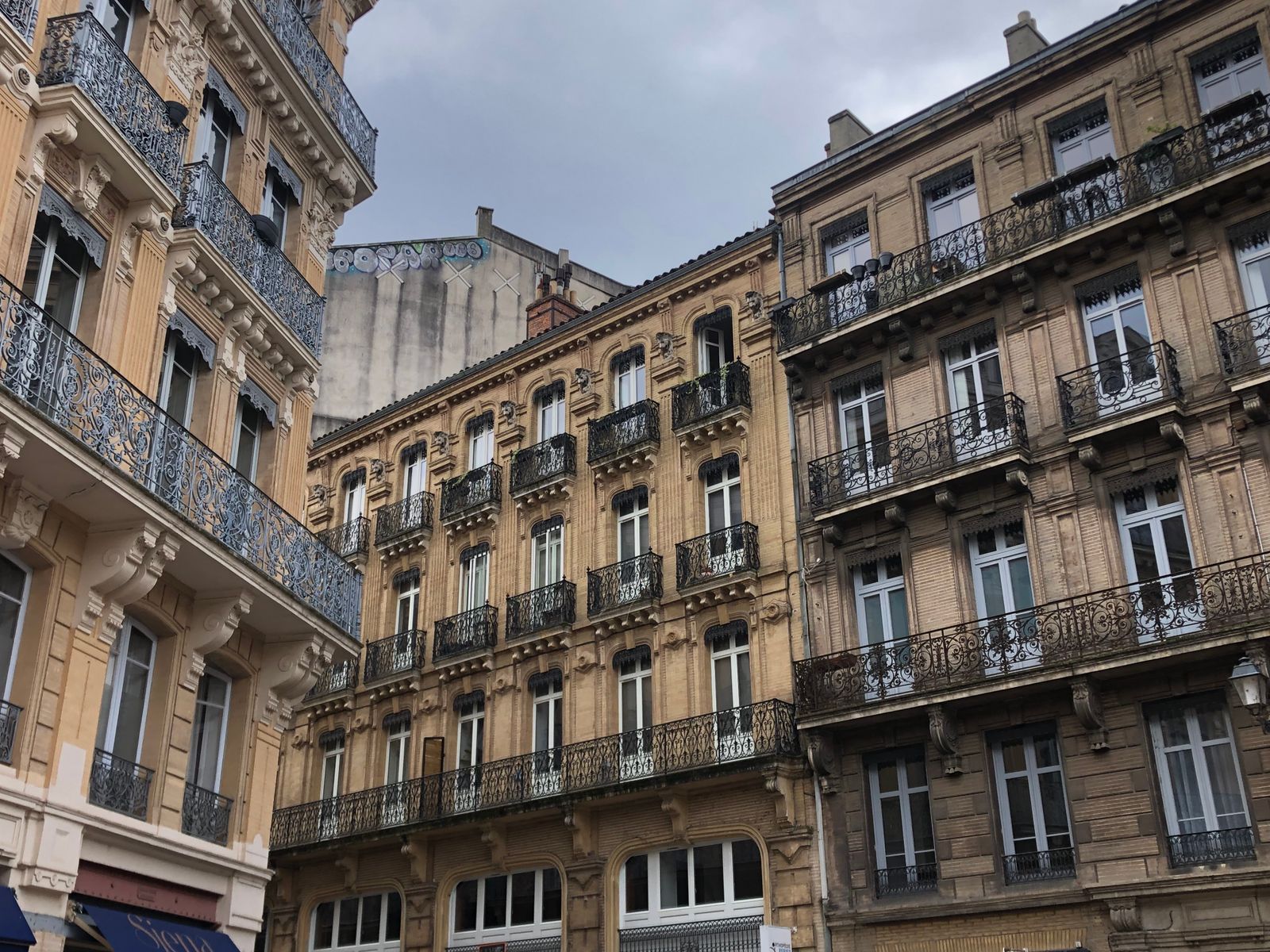
The historic centre is fairly compact and flat, so if you find a room right in the middle of it, you’ll easily reach all the main sights on foot without needing public transport at all. That said, the city’s metro and bus network runs brilliantly and is very reliable, so don’t be put off by the more modern hotels that sit a little further from the heart of the action. You’ll get to the centre from them in just a few minutes, and often for a fraction of what you’d pay right by the town hall.
The most prestigious and, naturally, the priciest location is the immediate area around the main square, Place du Capitole, where you’ll have the best restaurants, historic landmarks, and stylish cafés literally under your window. A lovely and somewhat quieter alternative is the more southerly Carmes district, which has kept an almost village-like feel and is full of small independent boutiques, hidden courtyards, and authentic bistros. If you’re planning frequent train trips around the region, strategically base yourself near the main railway station, Matabiau, from where services run every day in all conceivable directions, including to fairy-tale Carcassonne.
- Boutique Hotel Soclo: A gorgeous, very stylish hotel a short walk from the main square, offering an incredibly peaceful garden with a small pool. You’ll appreciate this green oasis one hundred percent on hot summer days after wandering the sun-baked streets. The price for an elegant double room in 2026 sits at around €180 to €220 per night.
- Hôtel des Arts: A very cosy and noticeably more affordable little hotel set right in the historic centre, with that typically relaxed French atmosphere and wonderfully friendly staff. A night in these romantic surroundings will cost you roughly €110 to €140, and everything important is within easy reach.
- Ibis Styles Toulouse Centre Gare: A great, practical choice for anyone after a clean, modern standard who wants to be practically next door to the train station for early-morning day trips. Rooms here start from a very pleasant €90 per night, but book through Booking.com well in advance, as this hotel is often sold out.
13 things to do in Toulouse, France
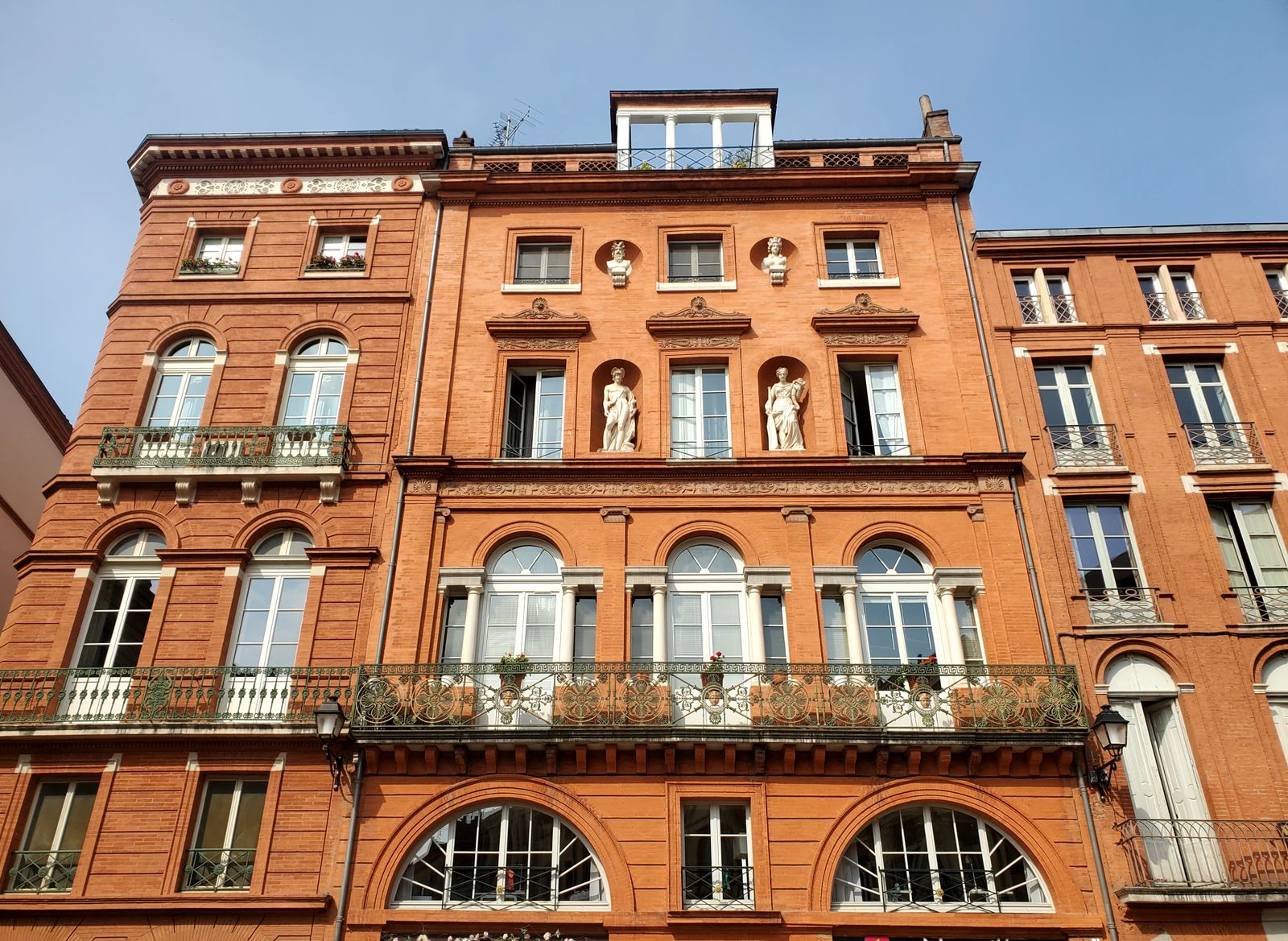
Let’s take a look together at the most interesting things the Pink City currently has on offer. Expect monumental brick buildings, romantic riverbanks, and fascinating glimpses into the future of humanity.
1. Place du Capitole and the magnificent town hall
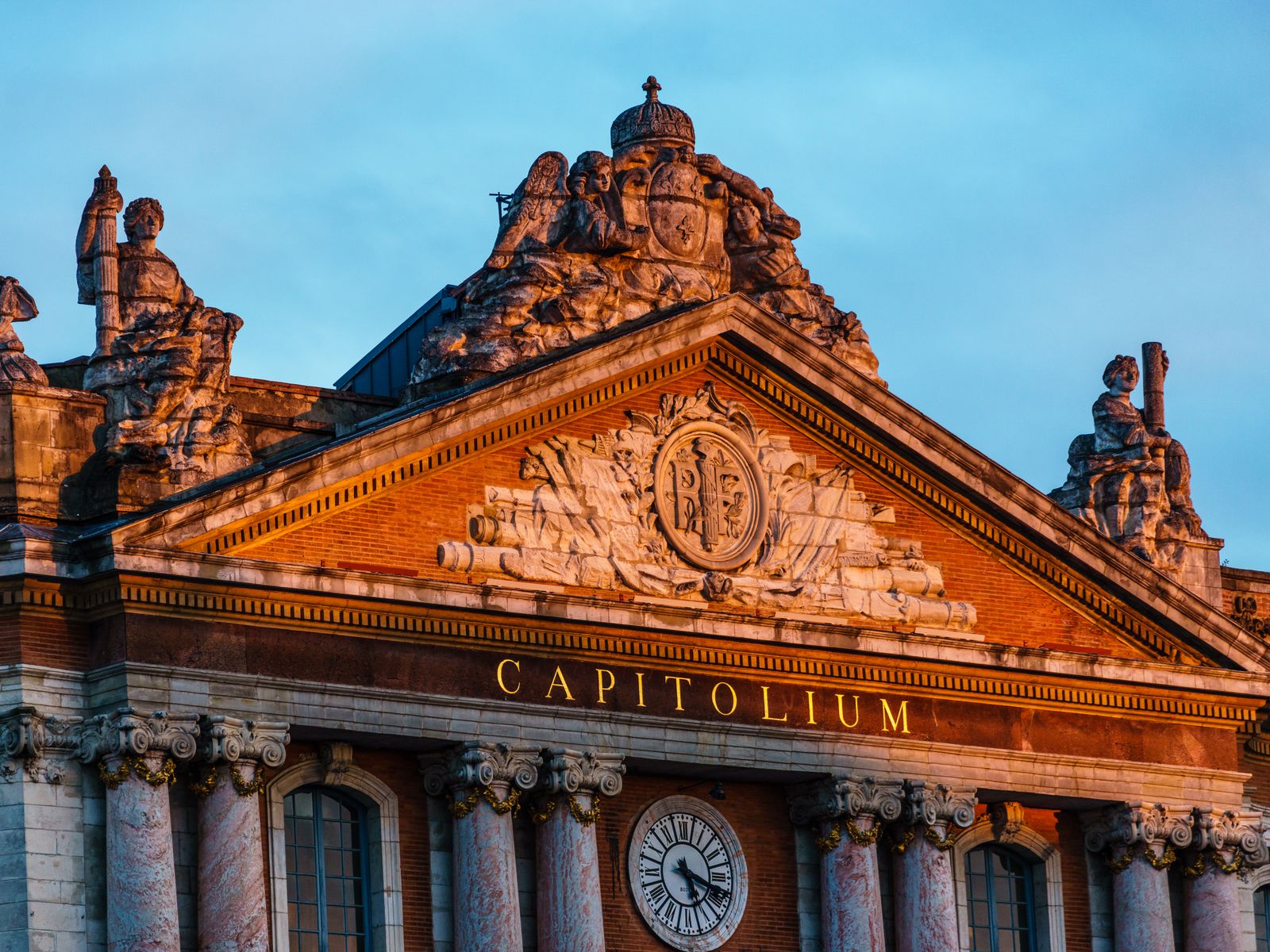
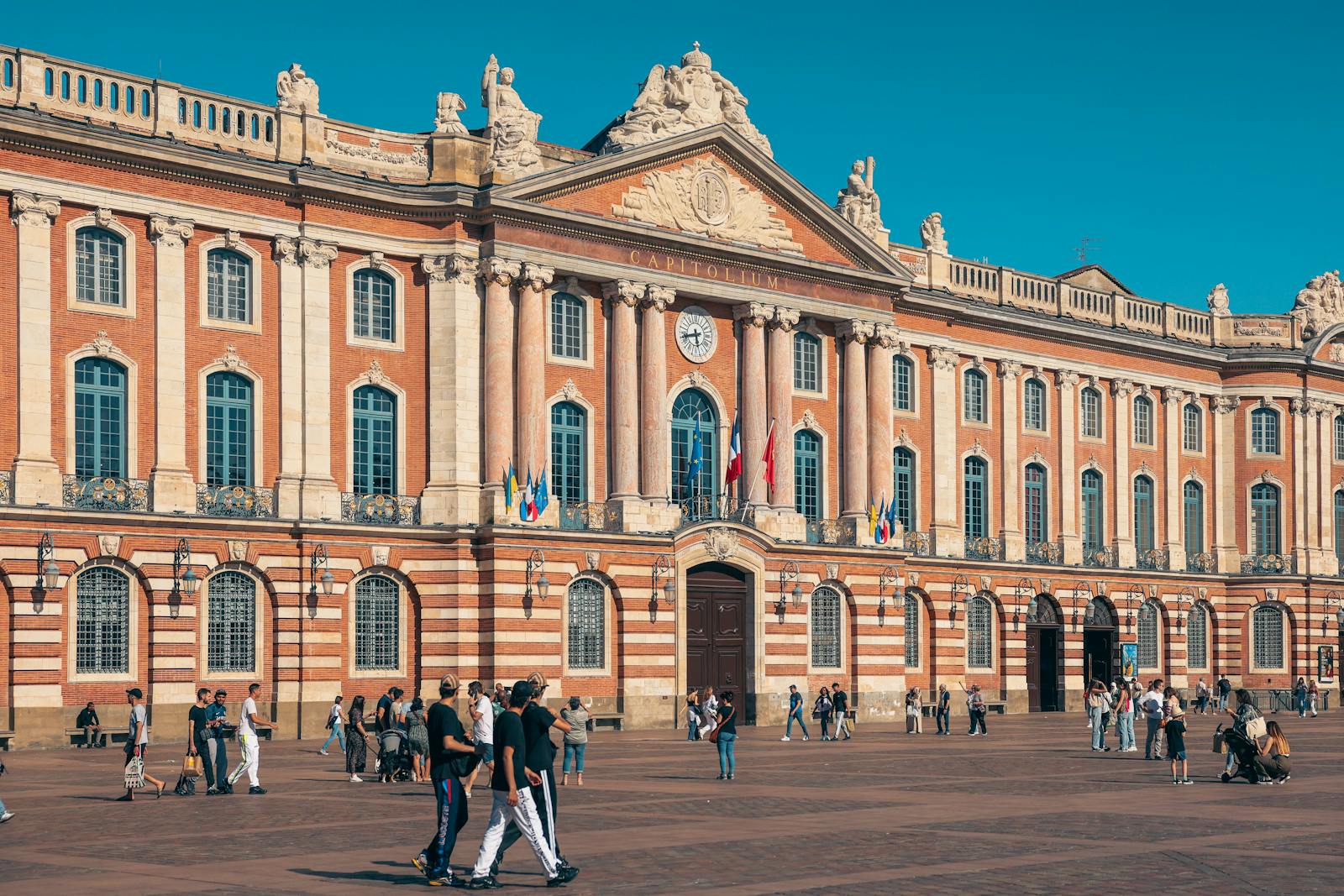
The heart of all the action in Toulouse is the enormous Place du Capitole, dominated by the majestic eighteenth-century neoclassical town hall building. This is exactly the iconic spot where you’ll sit down in the morning for a coffee and a sweet croissant, watching the city wake up while the sun slowly tints the surrounding facades into warmer pastel shades. It’s here that you’ll fully grasp why the city is nicknamed La Ville Rose. The local fired bricks change colour incredibly throughout the day, from a soft morning peach to a sharp midday orange and a deep purple at sunset.
Right in the middle of the square’s vast paving, be sure to spot the huge brass Occitan cross, which proudly nods to the deep historical roots of the entire southwestern region of Occitania. You can also step inside the town hall completely free of charge, which you really shouldn’t miss. The beautifully decorated historic halls, full of frescoes and paintings, are open to visitors and feel more like the interiors of a luxurious royal palace than an ordinary council office, plus they offer perfect shade on scorching summer days.
💡 Tip: The most beautiful light for photographing the town hall is in the late afternoon, when the sun shines directly onto its long brick facade, bringing out all the fine architectural details and golden ornaments on the building.
2. Saint-Sernin Basilica and a flood of pink brick
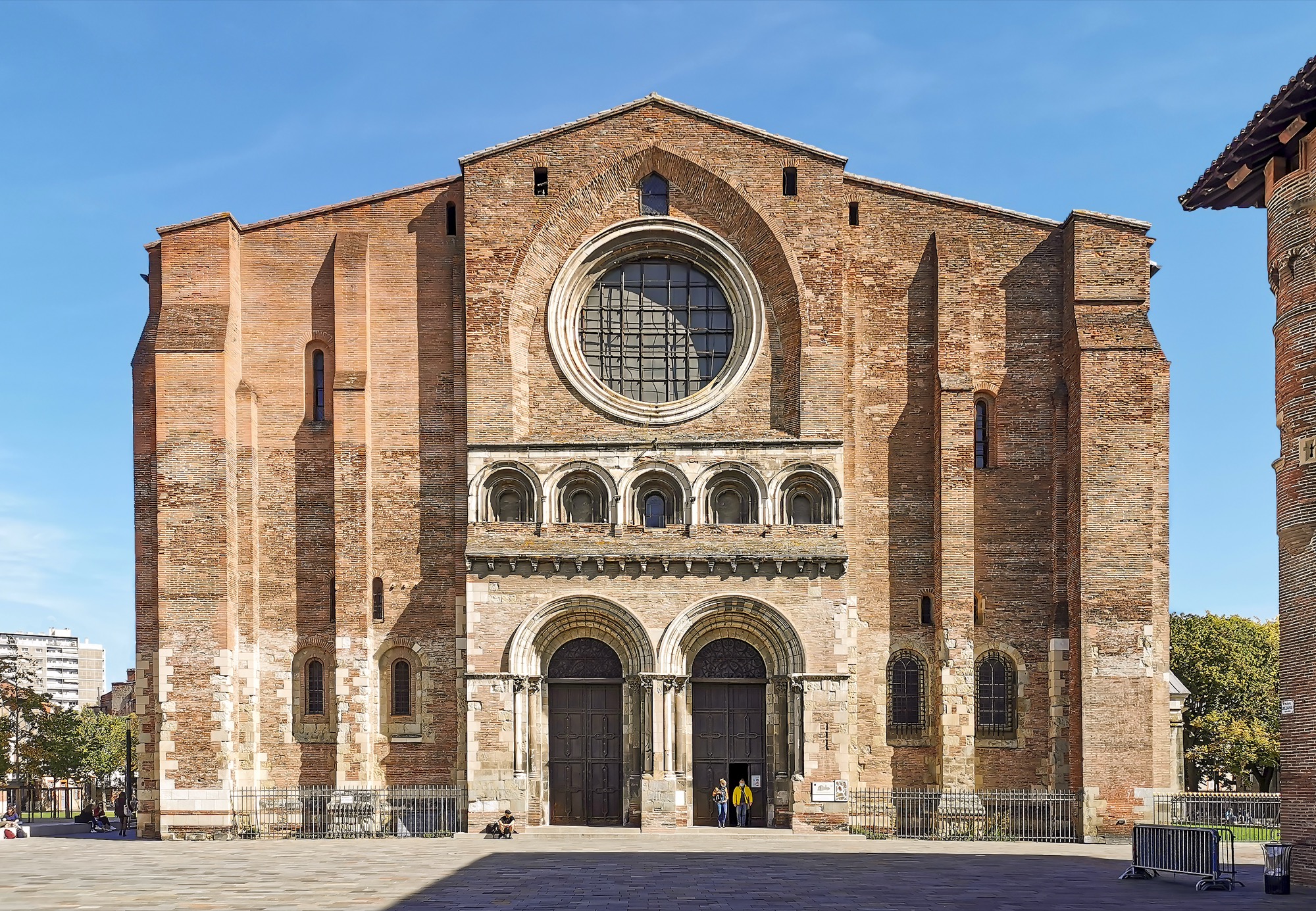
Once you’ve wound your way through the narrow, shady lanes from the main square heading north, you’ll come upon the breathtaking Saint-Sernin Basilica, which is one of the largest and most important surviving Romanesque buildings in all of Europe. It was built back in the eleventh century and for many centuries served as an absolutely crucial stop for thousands of weary pilgrims on the famous route to Santiago de Compostela in Spain, where they sought safe shelter and spiritual comfort.
Its massive octagonal bell tower forms an unmistakable landmark for the whole city and is a perfect example of why Toulouse is so proud of its brick architecture. The combination of the typical fired bricks and bright white stone looks incredibly elegant, especially when you consider how enormous, complex, and heavy this building actually is, and with what precision it had to be designed back in the Middle Ages.
Inside, you’ll be immediately struck by the vast and surprisingly austere space, which lets the perfect stone vaulting and the huge columns lining the nave really shine. For a small fee you can also visit the mysterious underground crypt, where precious religious relics and historical artefacts from the days of early Christianity are kept, carefully gathered here over the centuries.
3. The Jacobins Convent and the tomb of St Thomas Aquinas
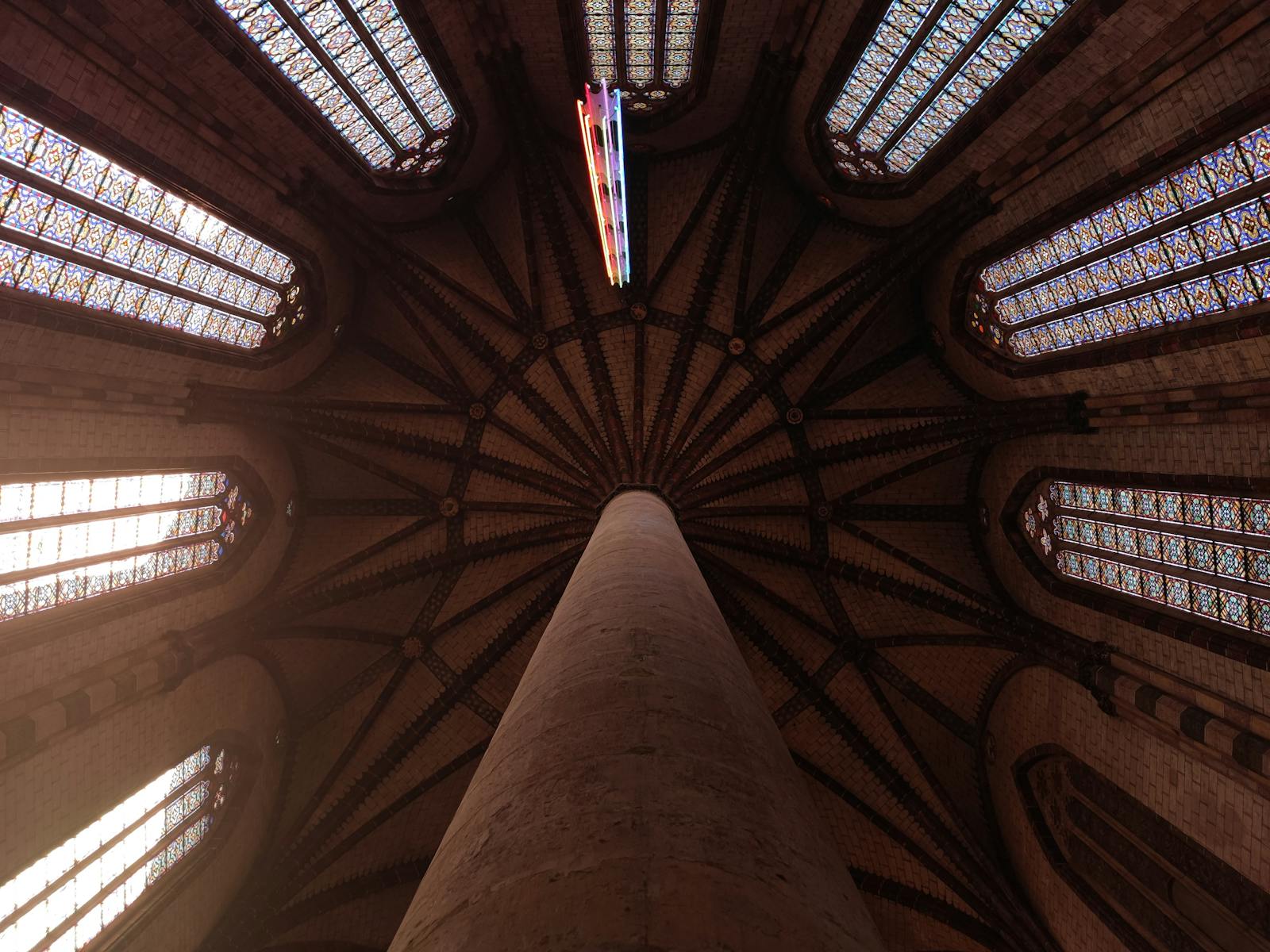
From the outside, the whole Couvent des Jacobins complex looks like an austere, impregnable brick fortress, but the moment you step through the main gate, a huge architectural surprise awaits you. This thirteenth-century Gothic gem hides a unique structural feature in the form of a giant stone palm tree, from which an incredible twenty-two vault ribs fan out in all directions, supporting the entire enormous ceiling of the church. It’s a masterpiece of medieval engineering that will leave you shaking your head in disbelief.
During the day, the space is bathed in wonderfully colourful light thanks to the modern stained-glass windows, and despite the bustle of the streets outside, there’s an utter, soothing calm in here. It’s right here, directly beneath the majestic altar of polished stone, that the tomb of one of the most important medieval philosophers, Saint Thomas Aquinas, can be found, whose precious remains were ceremonially moved here in the fourteenth century and still draw visitors from around the world.
Don’t forget to pay the symbolic admission to the adjacent cloister, where you can sit in the pleasant shade of the colonnade and quietly contemplate the beauty of the historic architecture. It’s a perfect green oasis in the middle of a busy city, and especially in the summer months it often hosts small, atmospheric classical music concerts that lend the whole place an even more magical air.
4. The banks of the Garonne and the historic Pont Neuf
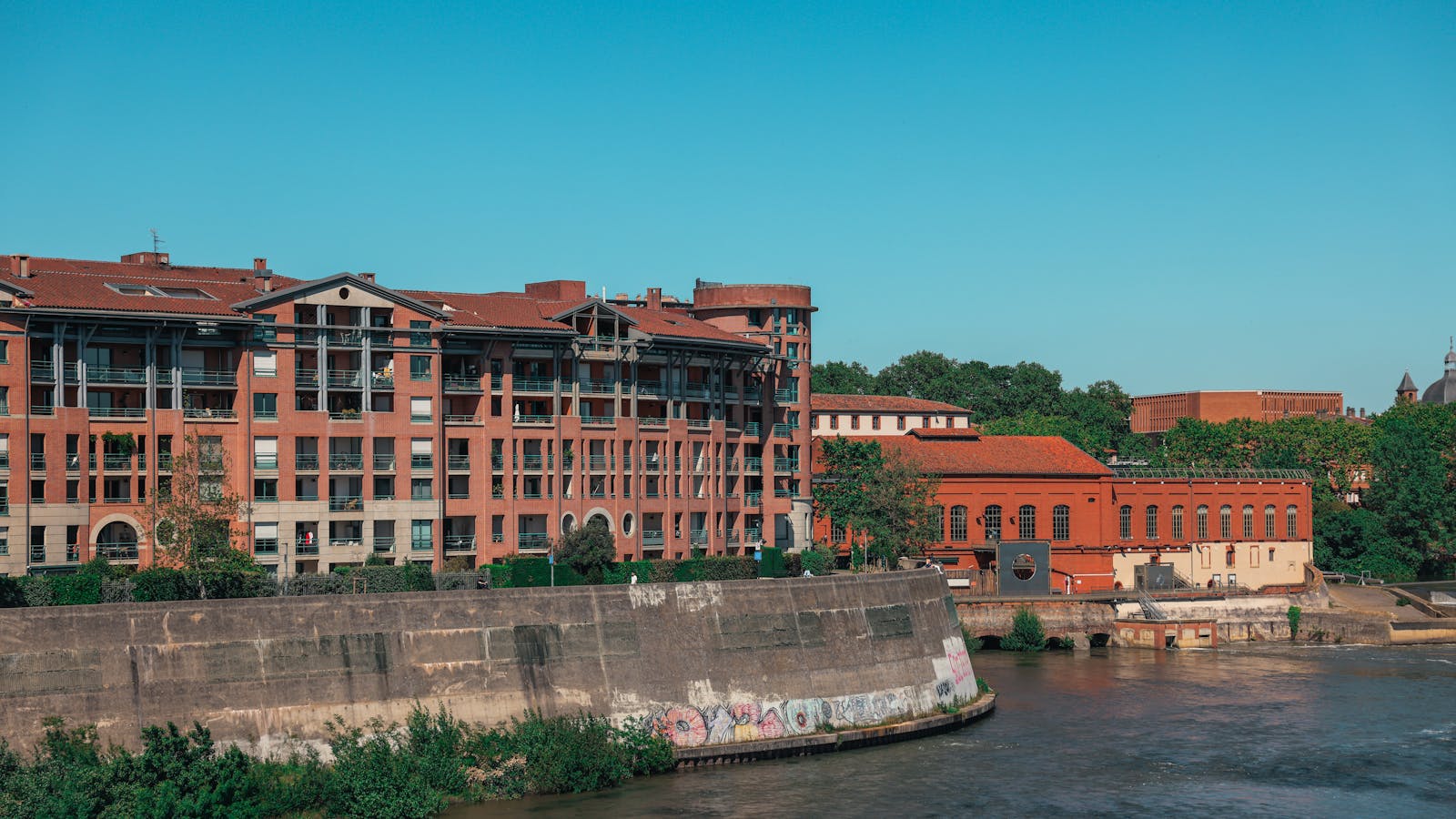
The wide Garonne river gives the whole city much-needed breathing space, and its carefully maintained banks act as one big open-air living room for the locals. The brick Promenade Henri-Martin is generously lined with trees, and in the warm spring and summer months, groups of students settle in from early afternoon with a bottle of wine, play guitar, hold picnics, and chat happily into the small hours.
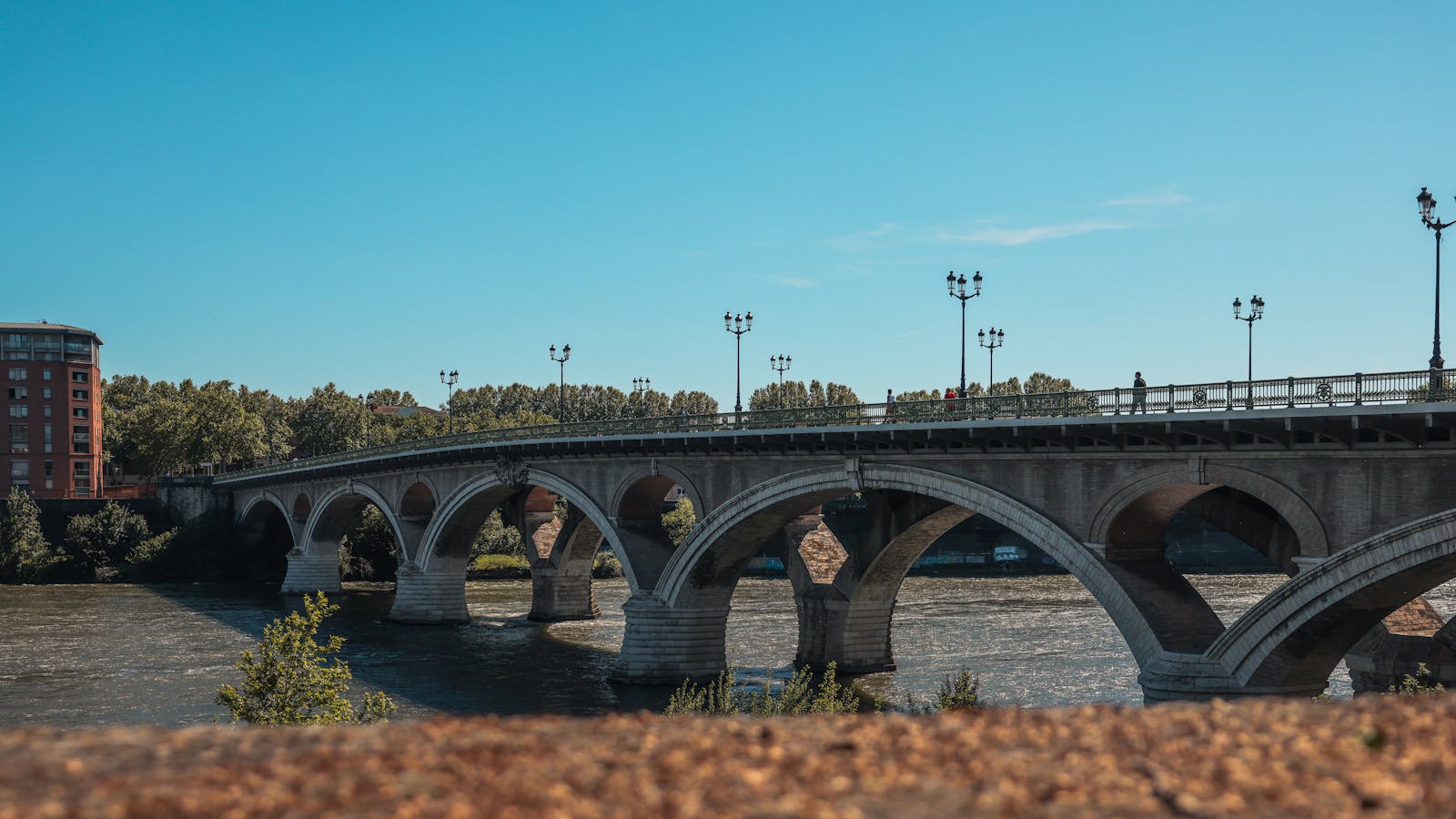
The oldest and by far the most photogenic bridge in the city is the iconic Pont Neuf, even though its name paradoxically translates as “New Bridge”. It was ceremonially completed in the seventeenth century and is the only one of all the bridges to have survived every devastating flood, largely thanks to its cleverly designed asymmetrical arches and the special circular openings in the piers, which safely channel high water and prevent the massive structure from collapsing.
💡 Tip: Head down to the river just before sunset and sit on the stone steps by the lively Place Saint-Pierre. The sight of the flowing river and the historic bridge slowly turning a rich orange and deep purple is hands down the best visual experience in all of Toulouse, and it doesn’t cost a penny.
5. Cité de l’espace: Touch the cosmos
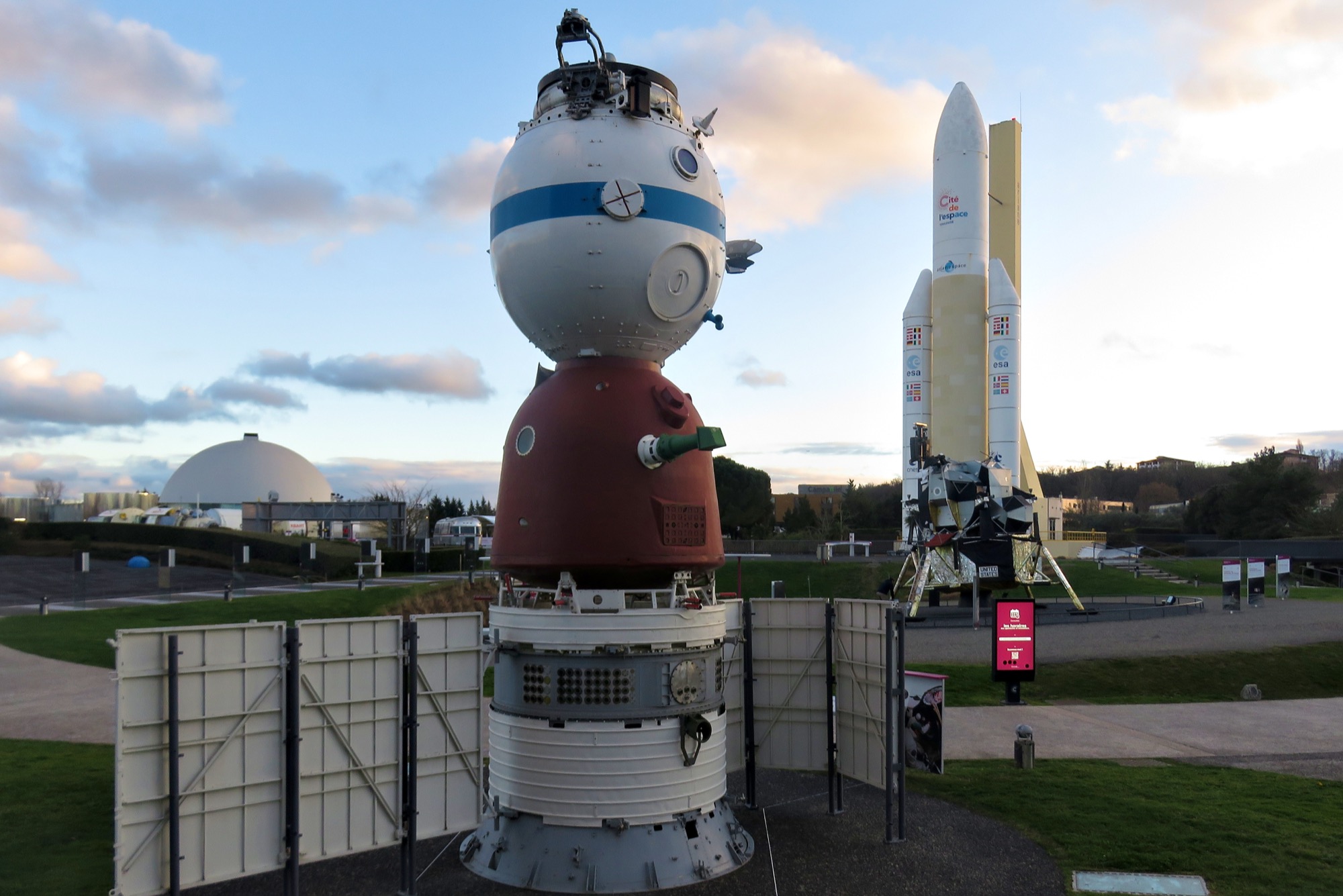
If you’re even slightly into science and modern technology, set aside ideally a whole day for the eastern edge of the city, home to the enormous interactive Cité de l’espace park. This is no dull museum with quiet, dusty display cases, but a fascinating and very hands-on celebration of humankind’s exploration of space that’s guaranteed to thrill adults and curious little ones alike.
From a distance you’ll be struck by the full-scale replica of the Ariane 5 launch rocket, which stands a respectable fifty-three metres tall and rises high above the surrounding trees like a towering beacon of progress. You can walk through real cramped modules of the famous Mir space station, try out special weightlessness simulators, or fully immerse yourself in incredible projections in the top-class IMAX cinema and modern planetarium, which will take you on a journey to the stars.
For 2026, the park has also prepared a brand-new and very extensive exhibition dedicated to the exploration of Mars, reflecting the latest findings from current space missions and the movement of robotic rovers across the red planet in clear, accessible detail. Best of all, you can get here from the city centre very easily and cheaply on ordinary public transport, so there’s no fiddly commute to worry about.
6. Aeroscopia and a peek into the world of aviation
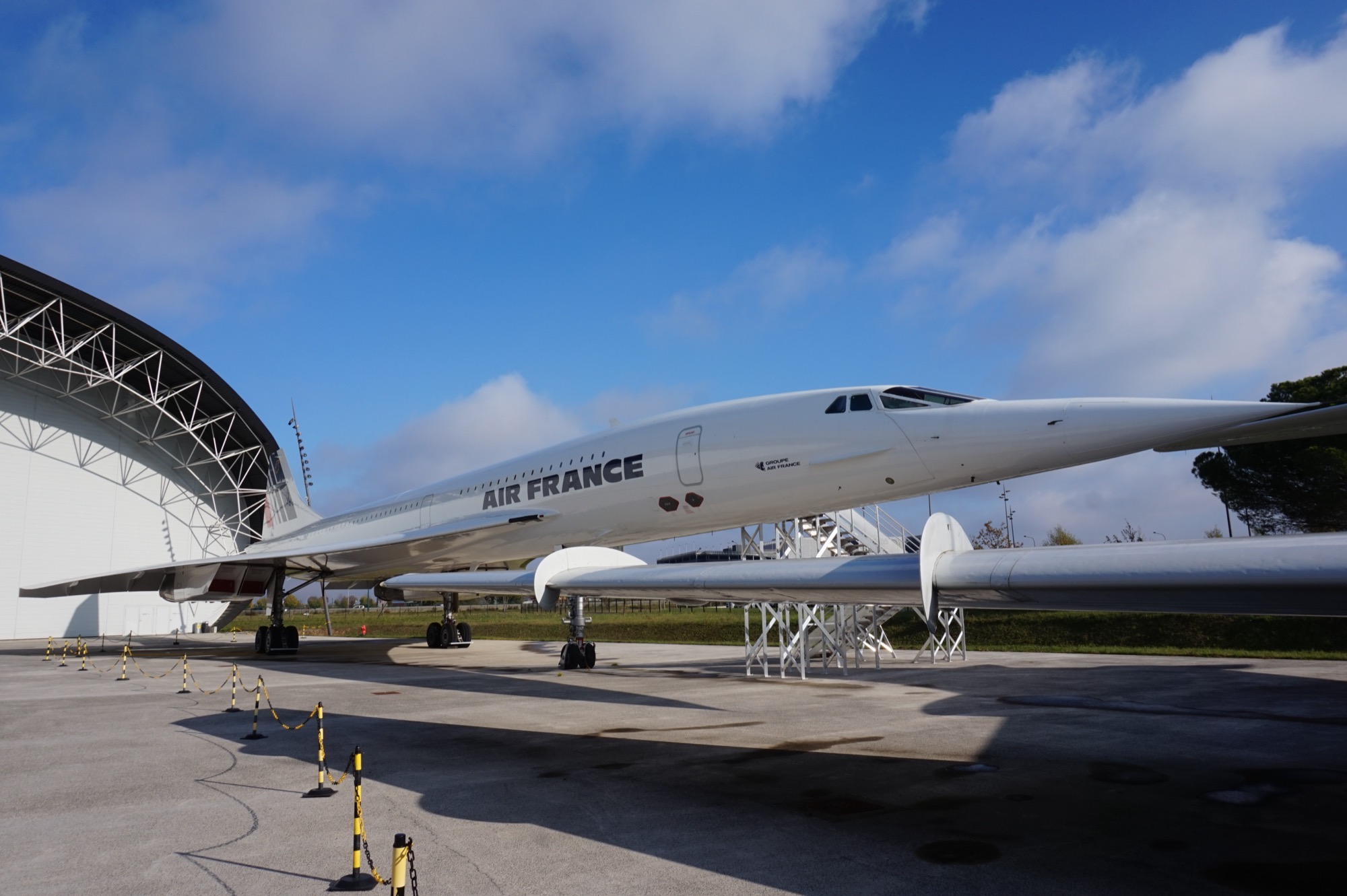
On the complete opposite side of the city, right next to Blagnac international airport, lies another technological gem you really shouldn’t miss. The Aeroscopia museum is essentially a huge modern hangar packed with the most legendary flying machines that literally wrote the history of world aviation, gradually pushing the limits of engineering up to today’s modern standards.
The biggest draw for most visitors is, of course, the chance to walk through the cabin of the famous supersonic Concorde, whose cramped luxury interior looks surprisingly modest and out of place by today’s standards, even though it once represented the absolute pinnacle of travel for the elite. But you’ll also peer inside giant military transport aircraft, rescue helicopters, and early historic machines dating back to the very beginnings of flight.
Unlike the active Airbus factory next door, you thankfully don’t need a complicated booking made far in advance here, so you can fit a visit to this sprawling museum into a much more flexible travel itinerary fairly easily and spontaneously, without the stress of sold-out tickets.

7. The Airbus factory: Where aviation giants are born
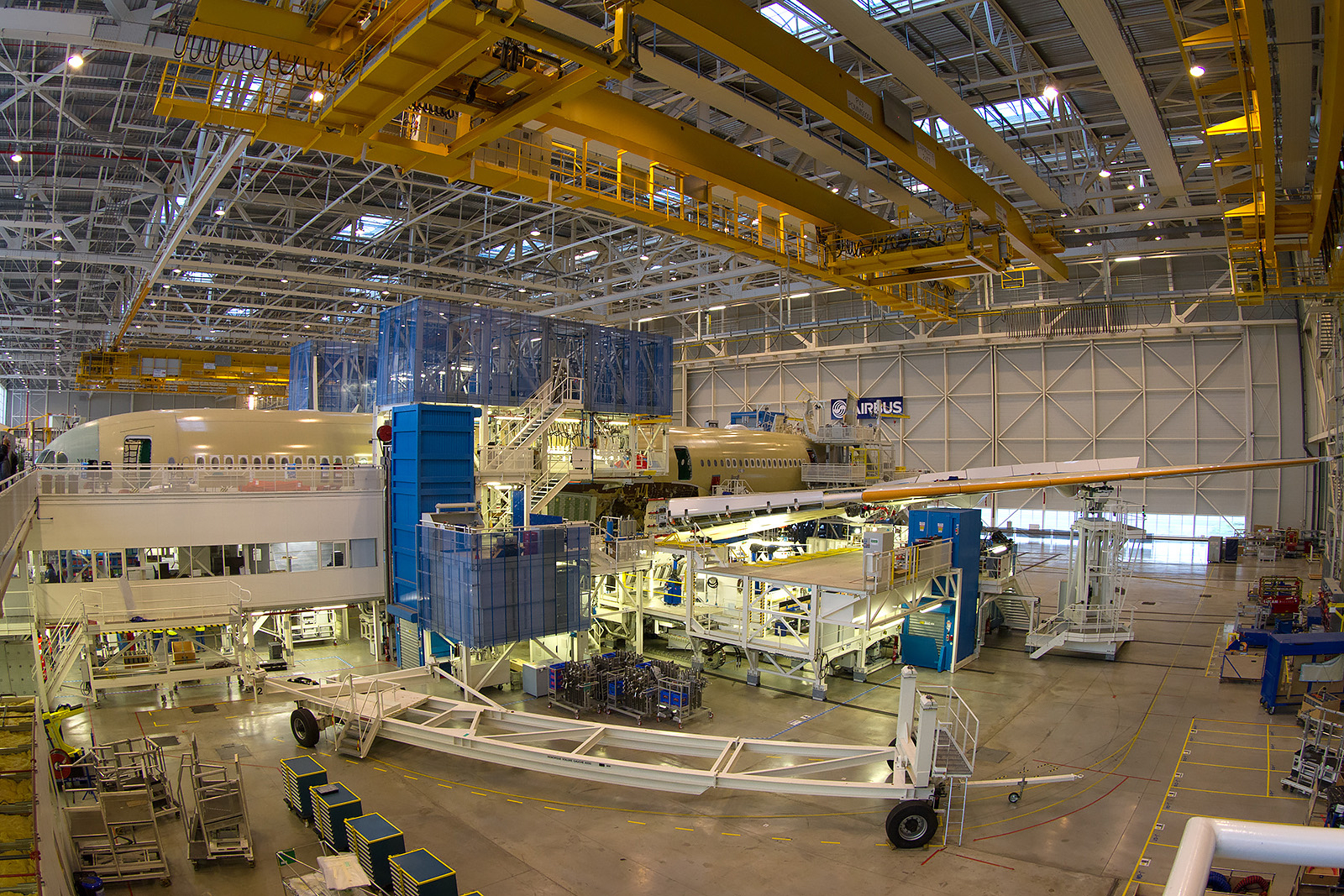
Without any exaggeration, this is the true European capital of aviation, and the unique chance to peek straight into the kitchen of the aviation giant Airbus is an absolutely one-of-a-kind experience for any traveller. The carefully organised tour, called “Let’s Visit Airbus”, takes you onto a special viewing platform right above the huge assembly line, where real airliners for the world’s airlines are put together before your very eyes.
The whole production site is the size of a small town, so internal buses are naturally used to move between the various halls, because it simply couldn’t be done on foot. During the action-packed tour you’ll see the complex process of testing, painting, and the final preparation of the aircraft just before they are ceremonially handed over to airlines from around the world and take to the skies for the first time.
⚠️ Crucial warning: There’s one big, non-negotiable catch to watch out for, though. Without careful preparation, you simply won’t get in. Booking the factory tour is strictly required at least three weeks in advance through the official website of the local tourist office. Tours in English typically run only on Wednesdays and Saturdays, and the available spots disappear in a flash. If you turn up blind expecting to buy tickets at the desk, you’ll be turned away one hundred percent due to the very strict security rules in place across the whole site.
8. Canal du Midi: Slowing down in the shade of plane trees
While nearby Airbus embodies the extreme speed of the modern age, the famous Canal du Midi is, by contrast, a perfect celebration of utter slowness and quiet calm. This impressive 240-kilometre-long navigable canal connects Toulouse with the Mediterranean Sea and today rightly features on the UNESCO World Heritage list as a seventeenth-century engineering masterpiece, the brainchild of visionary Pierre-Paul Riquet.
The canal is famous around the world above all for its magical green tunnel, because its banks are lined with tens of thousands of old plane trees that create perfect shade and protect the water from rapid evaporation in the summer heat. Sadly, in recent years you’ll also see a more sombre reality here, as the trees are being heavily attacked by a fungal disease known as chancre coloré. Because of this, there’s extensive felling of old trees and their gradual replacement with new, more resistant species, so some stretches have temporarily lost their iconic character.
The most traditional way to experience this watery marvel is to hire a comfortable houseboat, for which you need absolutely no boating licence or prior experience whatsoever. You cruise along at the soothing pace of a brisk walk, around five to eight kilometres an hour, manoeuvring through historic locks during the day and simply mooring up by the nearest picturesque village in the evening. If you prefer solid ground underfoot, the former towpaths along the water make a perfect flat cycle route, along which you can comfortably ride an amazing 105 kilometres from Toulouse all the way to fairy-tale Carcassonne in two days.
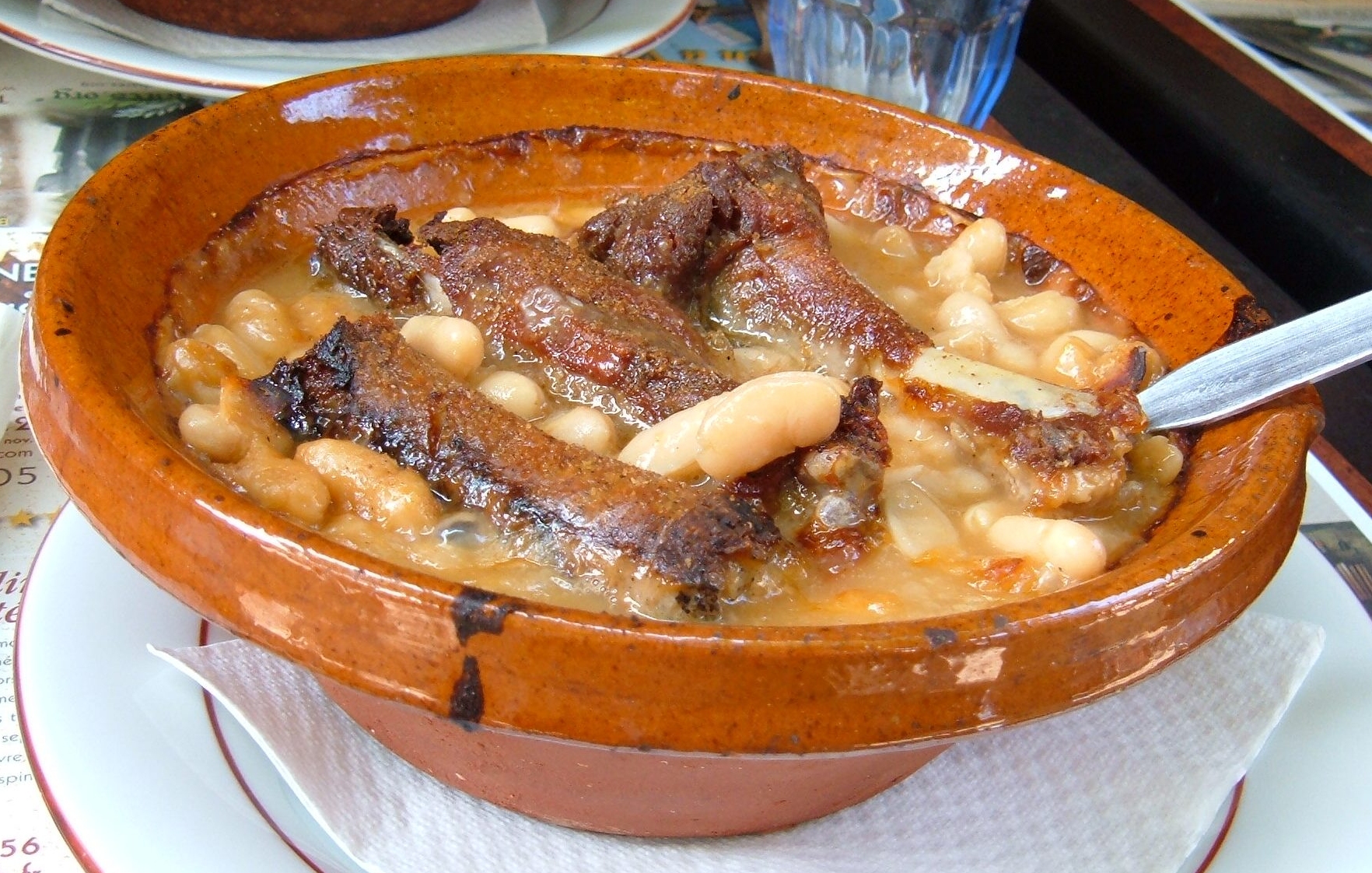
9. Tasting a local legend: cassoulet
You simply can’t leave Toulouse without bumping into the absolute local culinary icon on every corner, the dish that defines the region’s whole gastronomy. The famous cassoulet is definitely not a meal for the faint of stomach or for a light summer diet, though. It’s an ultra-hearty calorie bomb and a revered local institution, over whose one true and only correct recipe the towns of southwest France have been arguing for centuries, with the fiercest and loudest rivalry running between the cooks of Toulouse, Carcassonne, and nearby Castelnaudary.
This traditional and incredibly rich rustic dish typically consists of large white beans, local sausages, tender duck confit, and pieces of pork, with this whole rich mixture slowly baked in a special earthenware dish called a cassole until a deep brown, perfectly crispy crust forms on the surface.
For lovers of traditional meaty dishes it’s an absolute culinary must, which the locals best wash down with a hearty red wine from the nearby wine region. Just accept that after such a substantial lunch you probably won’t be walking very far and you’ll likely spend the rest of the afternoon contentedly snoozing in the shade of one of the city’s quiet parks.
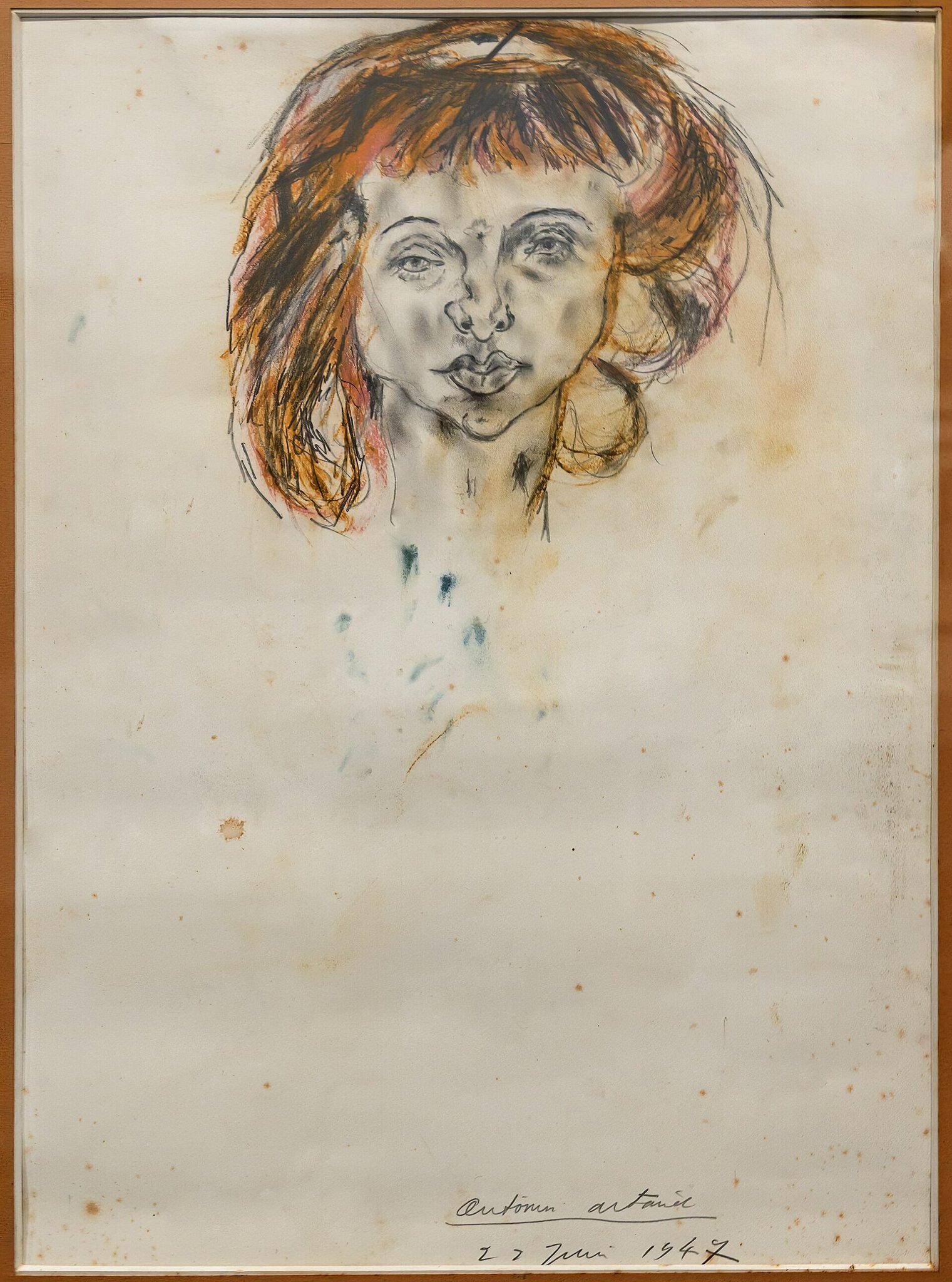
10. Les Abattoirs museum and modern art
If you enjoy contemporary and slightly provocative art, definitely head into the lively Saint-Cyprien district on the left bank of the wide Garonne. The Les Abattoirs museum building has a very turbulent and supremely interesting history, because it’s a beautifully renovated sprawling complex of former municipal slaughterhouses dating from the nineteenth century, given an entirely new cultural lease of life.
Today, these beautiful industrial brick halls display top-class works of modern and contemporary art, both as part of rich permanent collections and during very bold temporary exhibitions that often reflect current social themes. The raw space itself, with its high ceilings and preserved industrial features, lends every art installation a wholly unique and faintly dark atmosphere.
The museum’s main highlight is undoubtedly the enormous theatre curtain painted in 1936 by the legendary Pablo Picasso himself, which bears the poetic title “La Dépouille du Minotaure en costume d’Arlequin”. However, it’s only displayed for a few selected months of the year, to reliably protect this extremely rare and fragile canvas from permanent damage caused by direct light.
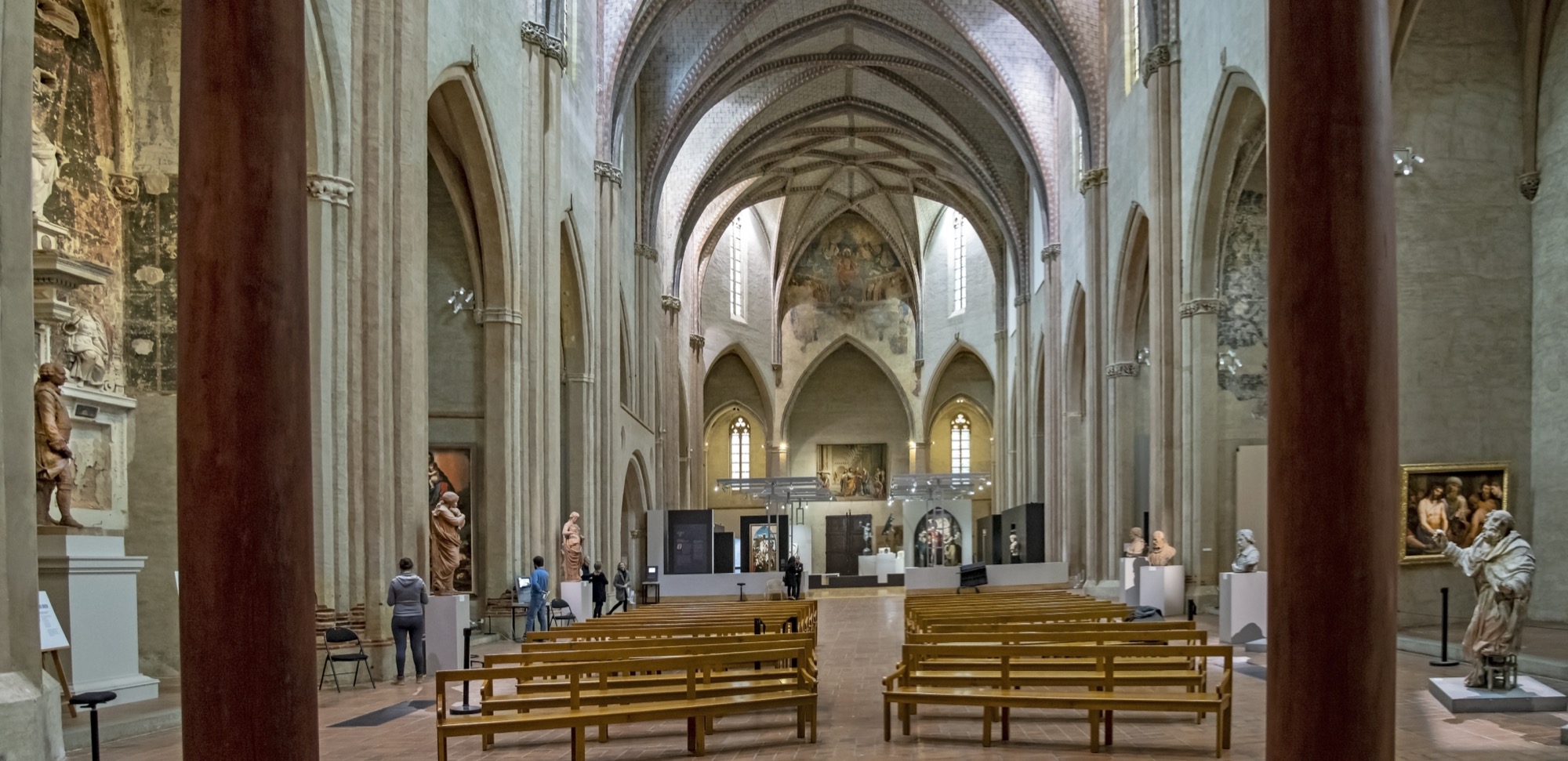
11. Musée des Augustins and fine art
Lovers of classical art and old architecture, on the other hand, should head straight to the Musée des Augustins, which sits in the absolutely stunning rooms of a former Gothic convent dating from the fourteenth century. The historic building itself, with its richly decorated and quiet cloister, is worth the admission fee even if you have no interest in the paintings on display, because it offers a perfect escape from the noise of the modern city.
The collections of this important museum cover a huge time span, from early Romanesque sculpture to classical French painting of the early twentieth century. During your visit you’ll find valuable works by masters such as Delacroix, Ingres, and the famous Toulouse-Lautrec, but by far the most impressive is the extensive exhibition of medieval stone sculptures and fearsome gargoyles, gradually brought here from ruined churches across the surrounding region.
💡 Tip: The museum recently underwent a fairly extensive and lengthy overall renovation aimed at modernising the exhibition spaces. So always check the current opening hours on their official website just before you visit, as some of the smaller exhibition halls may still be temporarily closed to the public for necessary maintenance.
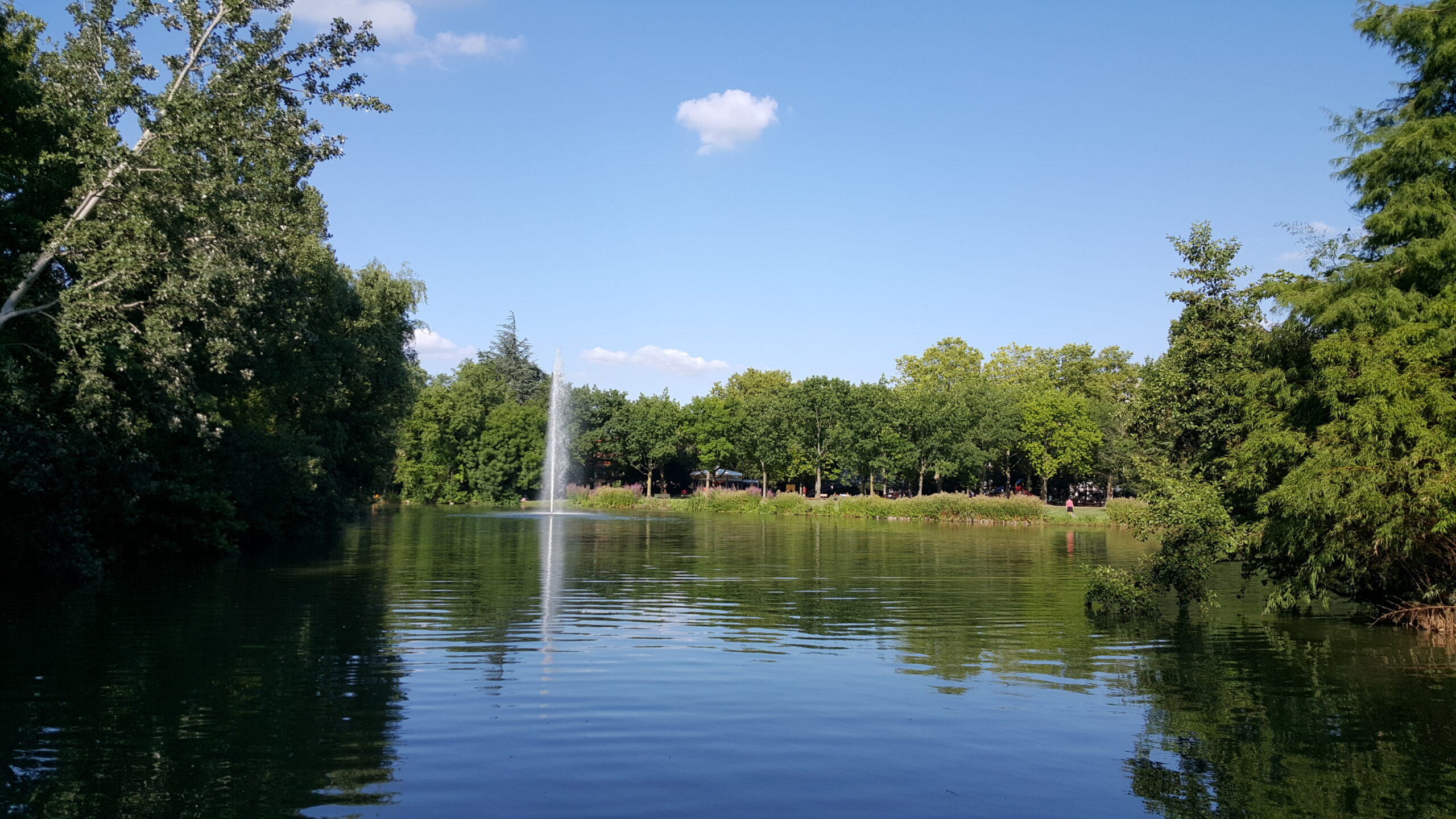
12. The Japanese garden: A zen escape from the city
When, after a few hours, you’ve had enough of sun-baked bricks, historic monuments, and busy streets, hop on the metro at the nearest station and head to the green Compans-Caffarelli park. Hidden right at its heart is a perfectly maintained Japanese garden (Jardin Japonais), carefully inspired by the traditional historic gardens of Kyoto in Japan, offering visitors absolute, undisturbed calm.
In a fairly small and cleverly enclosed space, you’ll find just about every classic Asian zen element, from the typical red wooden bridge and an elegant tea pavilion to a quiet pond full of giant colourful Koi carp that constantly and lazily drift beneath the surface. The garden is surrounded by a tall wall and dense trees, so none of the annoying noise from the wide traffic boulevards reaches in, and you can clear your head completely.
Entry to this gorgeous, lovingly maintained garden is completely free, and it’s an absolutely ideal spot for a short rest with a good book or a slow, peaceful stroll with a coffee in hand. This is especially true in spring, when the exotic Asian trees come into full bloom and the whole place takes on an incredibly romantic air.
13. The Victor Hugo market and local gastronomy
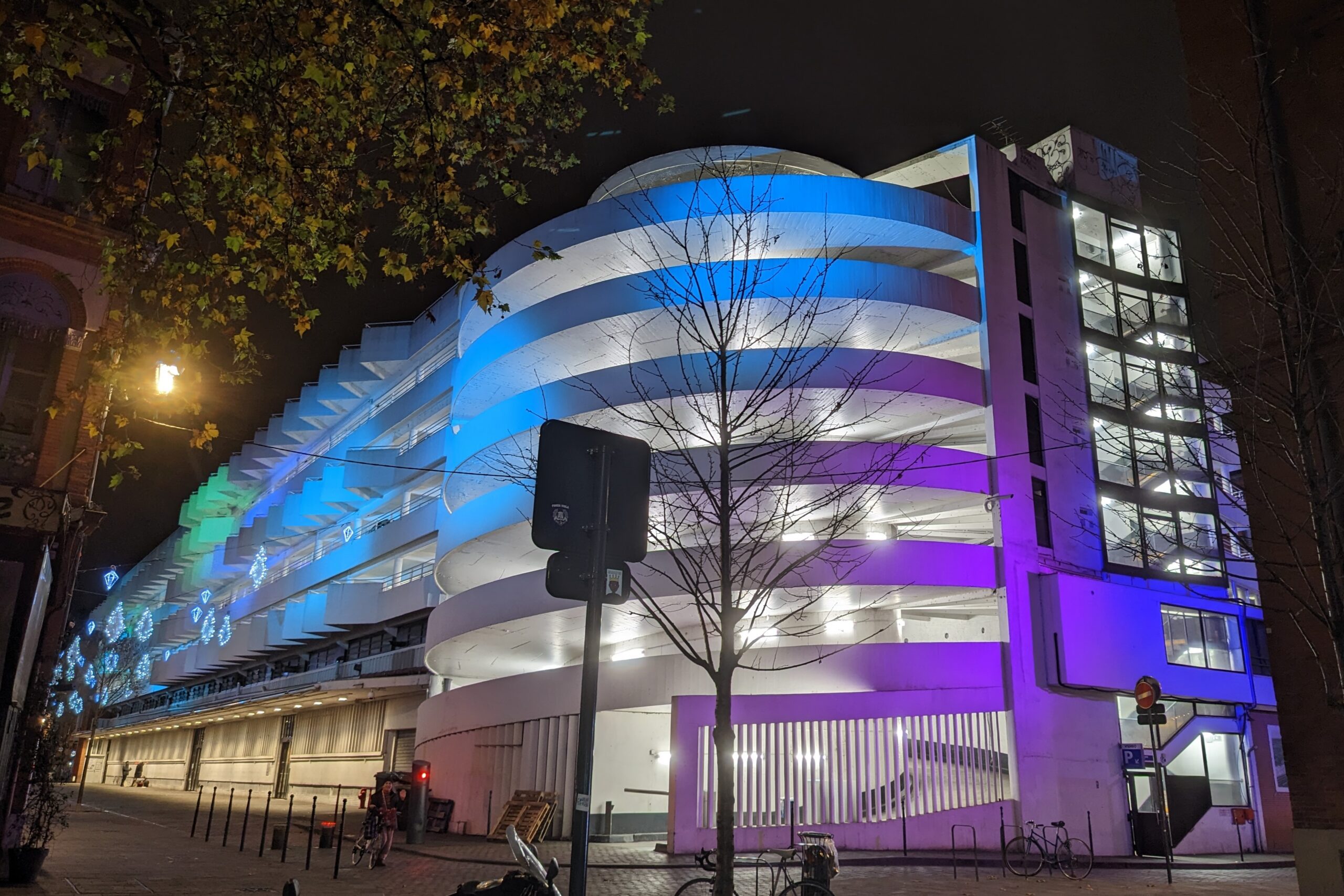
For the real, utterly authentic taste of local everyday life, you have to head to the Marché Victor Hugo, which is the largest covered market in the whole city and an absolute paradise for every food lover. On the ground floor of this massive concrete building, dozens of small, fragrant stalls are packed in, literally overflowing with fresh cheeses, incredibly crusty French bread, local delicacies, and vegetables from farmers in the nearby area.
Stop by one of the many wine stalls, pour yourself a glass of good local red, and have a careful selection of mature cheeses from the nearby Pyrenees sliced for you. There’s a wonderful, energetic buzz here, with locals cheerfully shouting back and forth with the stallholders, everyone on a first-name basis, and the overall atmosphere is incredibly infectious and warmly friendly.
But the very best comes right at lunchtime. On the first floor directly above the market are several very popular bistros that cook exclusively with fresh ingredients bought straight from the stallholders below them. The food here is fairly simple and rustic, but absolutely fantastic, and the final prices are far friendlier than at the overpriced tourist restaurants on the main square by the town hall.
Map of points of interest for your phone
Where to go next from Toulouse
Toulouse has a huge advantage in its strategic location, so if you have more days to spare, definitely set off to explore the surrounding area. The Occitania region is full of history and beautiful nature.
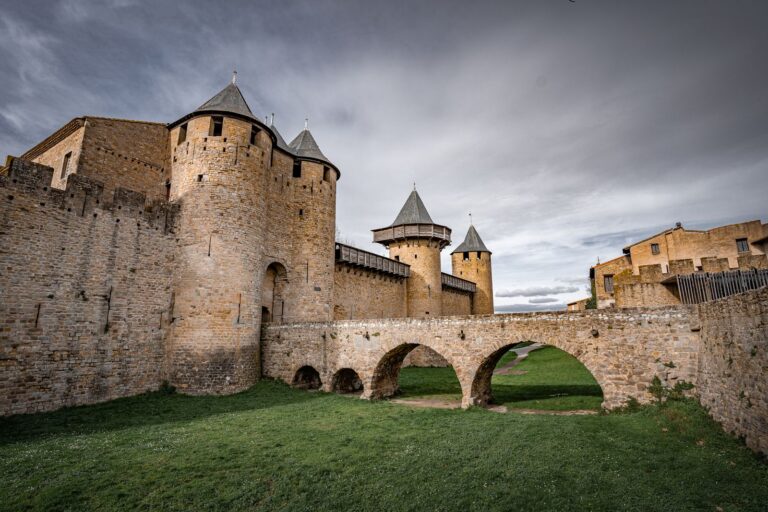
The most logical and most beautiful trip is the journey along the canal to the medieval fortress of Carcassonne. You can sail there by boat, ride along the flat cycle path, or simply hop on a train and be there in under an hour. This town with its double walls looks like something out of a fairy tale, and in our article Carcassonne: What to See and Do you’ll find all the practical tips for visiting.
And if you start missing the Mediterranean atmosphere and the sea breeze, hop on a high-speed train and head towards the coast. In roughly two hours’ travel you’ll find yourself in an elegant city full of students and modern architecture. For inspiration, read our guide Montpellier: Day Trip Tips.
Frequently asked questions
Is Toulouse a safe city for tourists?
Yes, the historic center and main tourist areas are very safe even for late evening walks. However, as in any large French city, watch out for pickpockets around the main Matabiau train station and in metro cars during the afternoon rush hour when people are packed together.
How to best get from Blagnac Airport to the city center?
Transportation from the airport is extremely easy and straightforward. The fast tram line T2 runs directly from the terminal, taking you to the Palais de Justice station, where you can transfer straight to the metro. The journey takes about thirty minutes and a ticket costs just a few euros. There’s also an airport express bus available.
Do I need a rental car in Toulouse and the surrounding area?
If you’re planning to stay just in the city and perhaps take a leisurely cruise along the Canal du Midi, you won’t need a car at all and it would actually be more of a hassle due to expensive and complicated parking. You can reach nearby towns very comfortably and quickly using the reliable regional TER trains.
When do museums in Toulouse have free admission?
Most city museums, including the popular Les Abattoirs and Musée des Augustins, offer completely free admission on the first Sunday of every month. However, keep in mind that on this day there tend to be quite large queues of locals, so I recommend heading there early in the morning before opening time.
Are there direct flights to Toulouse from Prague?
Yes, traveling has recently become significantly easier and more affordable for us. Smartwings airline has introduced very practical direct flights from Prague airport straight to Toulouse, so fortunately you no longer have to deal with lengthy and annoying layovers in Paris or Amsterdam that unnecessarily extended the journey.
Will I be able to get by with English here?
In the main tourist areas, at the airport and in modern hotels, you can get by in English without major problems. In smaller traditional bistros and at the market, however, things can get tricky, so it’s worth knowing at least basic French courtesy phrases. Locals will always greatly appreciate your attempt at French.
Is tap water in Toulouse drinkable?
Tap water (eau du robinet) is completely safe and drinkable here, and what’s more, it’s subject to very strict hygiene quality controls. In local restaurants, you can quite normally ask for it free of charge with your meal, which will save you loads of money on unnecessarily overpriced bottled water during hot days.
Can I handle cycling along the canal if I’m not athletic?
Absolutely without worry and without any special training. The former towpaths along the Canal du Midi are completely flat and physically undemanding. Families with small children or casual cyclists can easily manage the route with a smile, plus you can adjust the pace and distance exactly to your liking.
Tips and Tricks for Your Vacation
Don’t Overpay for Flights
Search for flights on Kayak. It’s our favorite search engine because it scans the websites of all airlines and always finds the cheapest connection.
Book Your Accommodation Smartly
The best experiences we’ve had when looking for accommodation (from Alaska to Morocco) are with Booking.com, where hotels, apartments, and entire houses are usually the cheapest and most widely available.
 🚗 Car rental on the roadVerified rental cars in Occitanie
Search with the DiscoverCars comparison engine — it compares prices from dozens of local and international rental companies, and most bookings come with free cancellation.
Compare car prices in Occitanie →Don’t Forget Travel Insurance
Good travel insurance will protect you against illness, accidents, theft, or flight cancellations. We’ve had a few hospital visits abroad, so we know how important it is to have proper insurance arranged.
Where we insure ourselves: SafetyWing (simple monthly subscription) and TrueTraveller (for extra-long trips).
Find the Best Experiences
Get Your Guide is a huge online marketplace where you can book guided walks, trips, skip-the-line tickets, tours, and much more. We always find some extra fun there!