

Nouvelle-Aquitaine is that slice of south-west France you daydream about whenever you scroll through photos of vineyards, sand dunes and Basque beaches — until reality kicks in: what does it actually cost, when is it worth going, and should you book a tour or do it on your own? We were stuck on exactly those questions too, before we criss-crossed the region ourselves.
Here you’ll find three things in one place: up-to-date tour and flight prices that we refresh every morning; our tried-and-tested tips from our own trips and articles; and a simple plan for when and what to book so you don’t overpay needlessly. No theorising — just what genuinely saves you time and money.

What to see and do in Nouvelle-Aquitaine
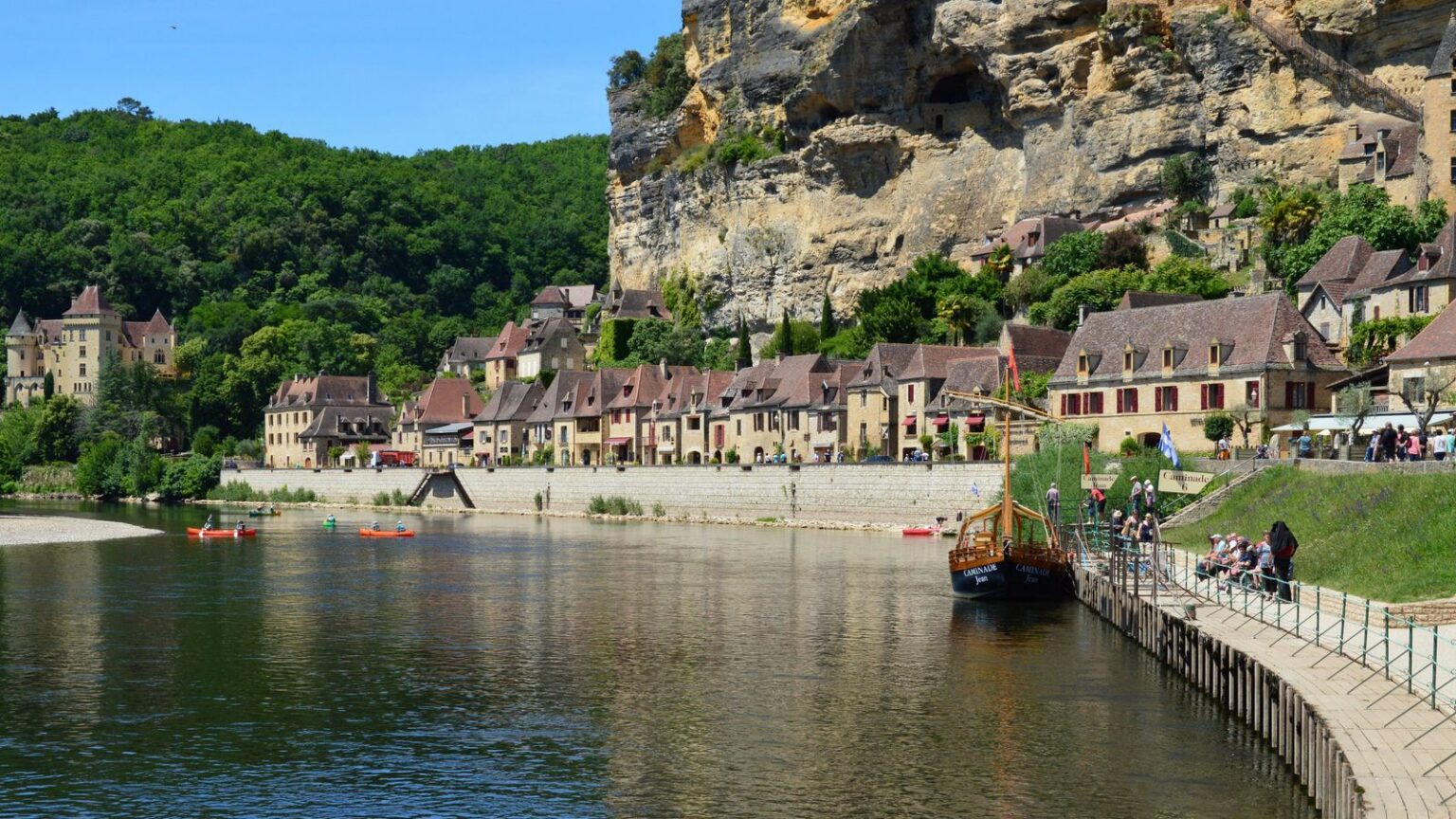
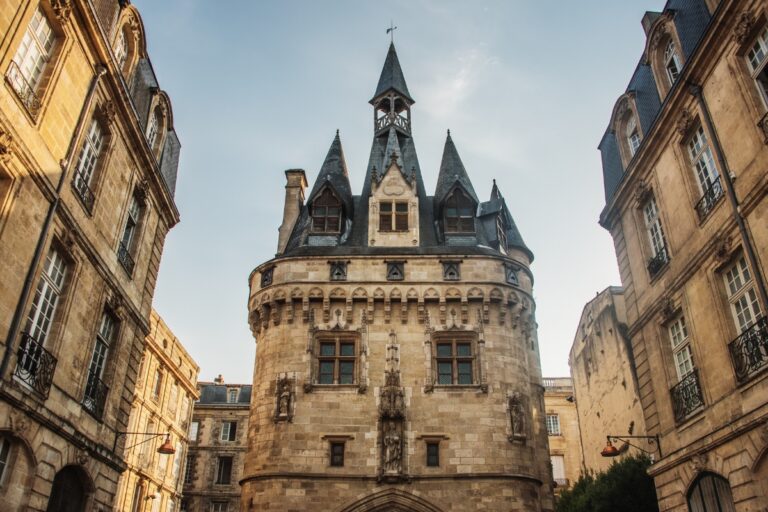
Nouvelle-Aquitaine is huge, and there’s something here for everyone — from wine to the ocean to the mountains. We always start in Bordeaux, the region’s elegant capital, where you could easily spend three days just strolling, tasting and admiring the stone façades along the Garonne.
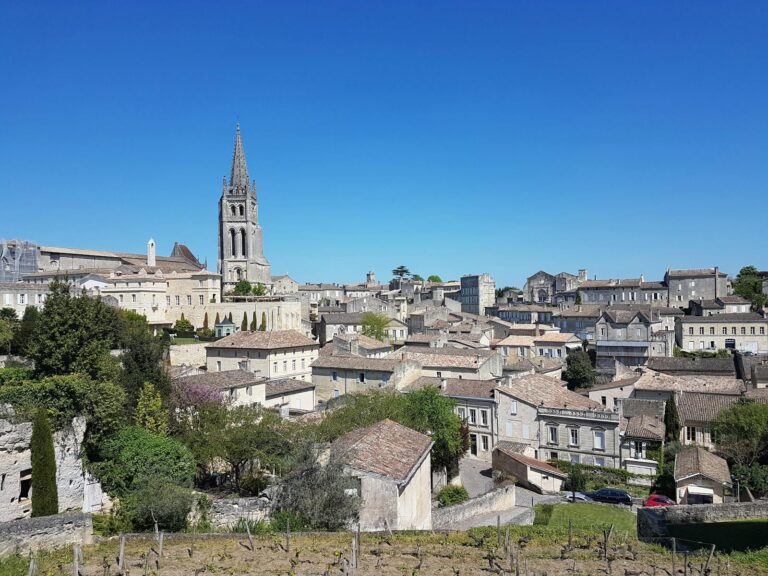
- Saint-Émilion – a fairy-tale wine village just outside Bordeaux, where you can taste world-famous reds right at the cellars.
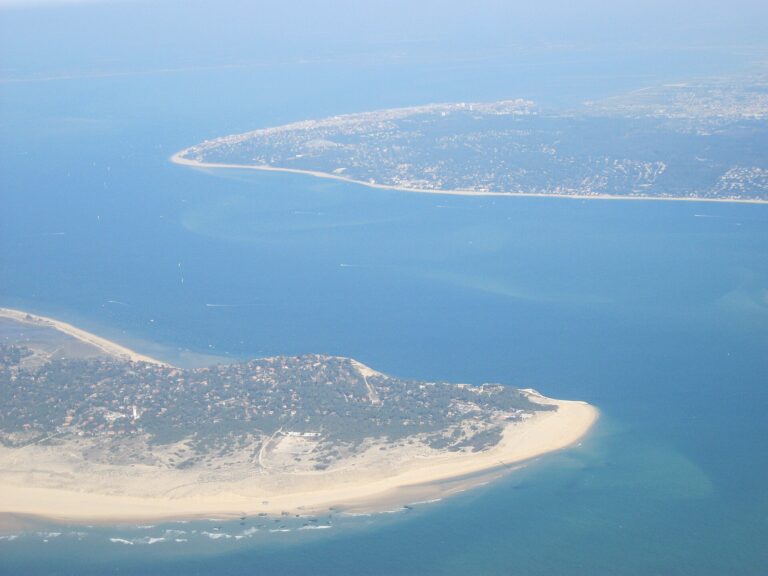
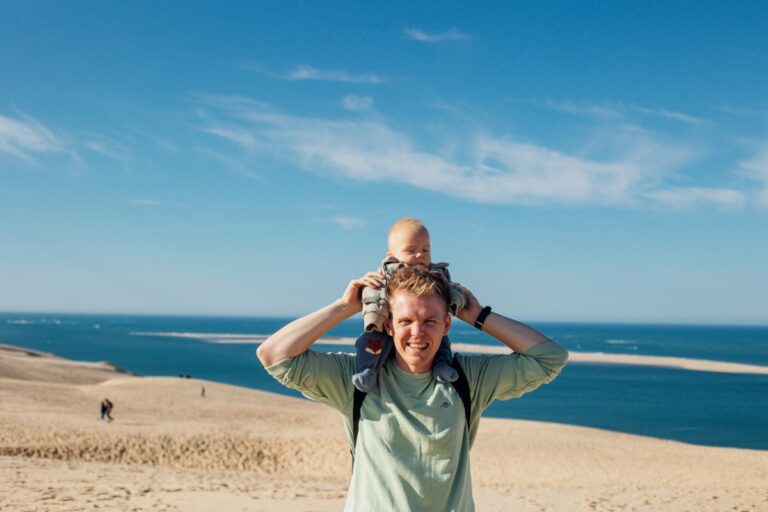
- Dune du Pilat – the tallest sand dune in Europe; climbing to the top for views over the ocean and pine forest is an unforgettable experience.
- Arcachon and Cap Ferret – a bay famous for its oysters, perfect for a slow day by the water with a plate of seafood.
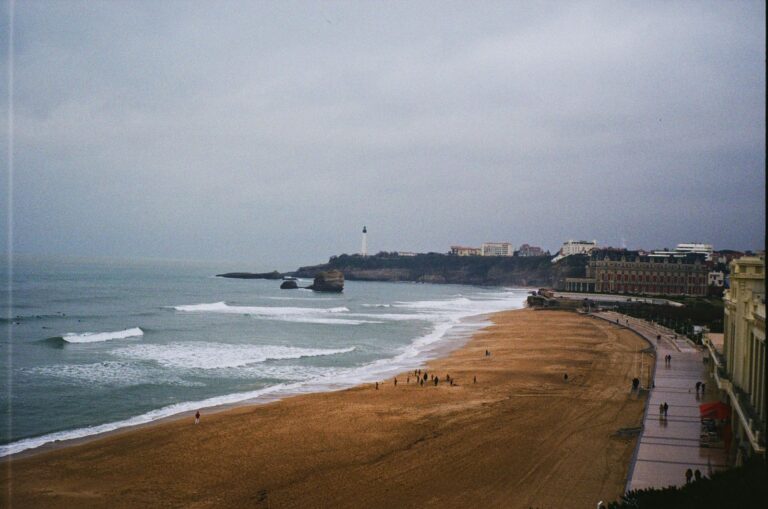
- Biarritz and the French Basque Country – an elegant surf resort with Basque cuisine and the wild Atlantic.
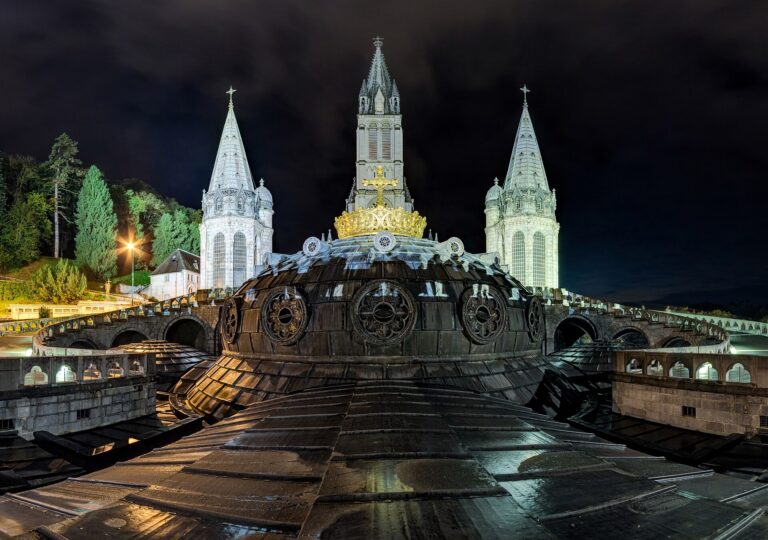
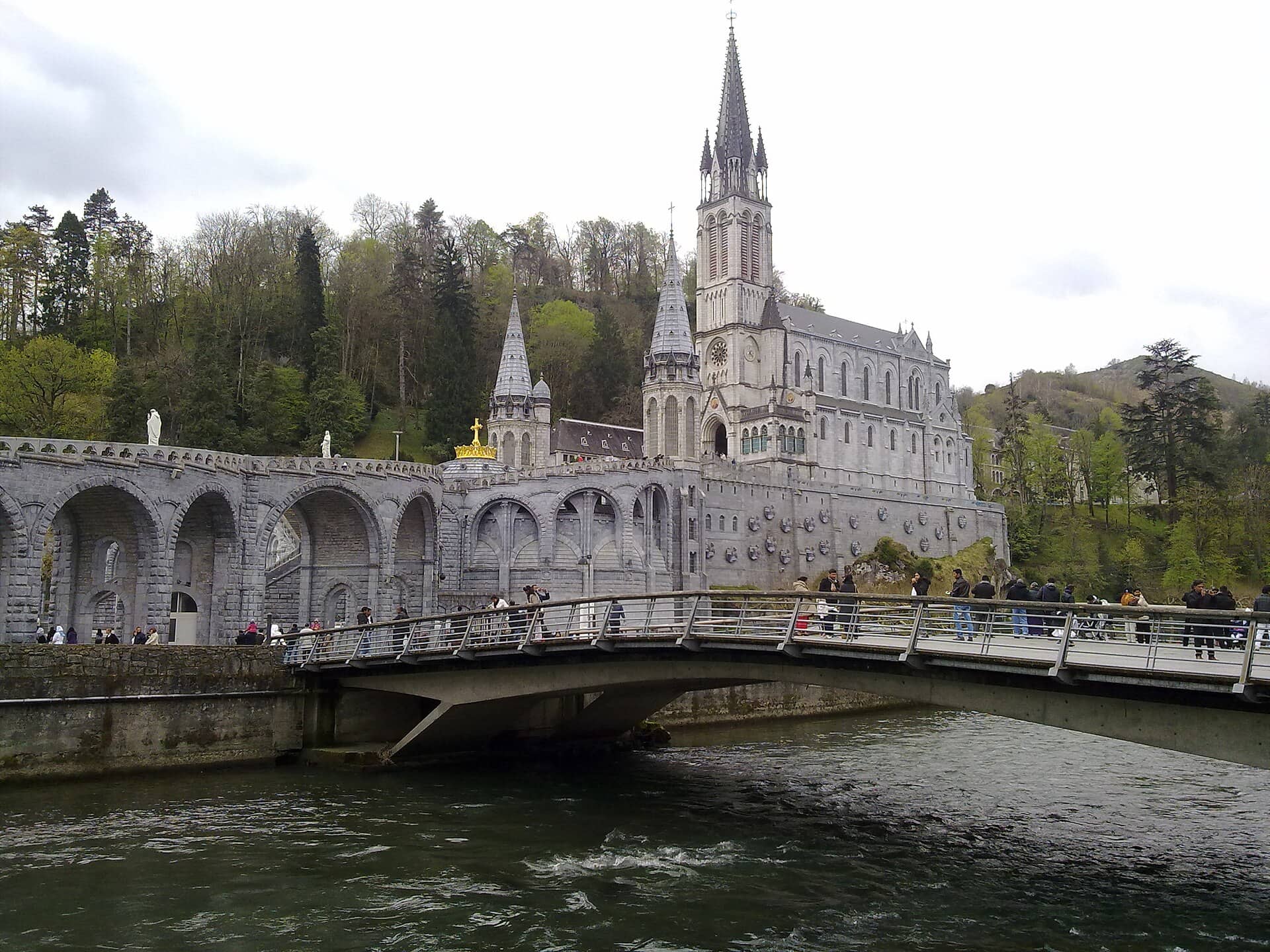
- Lourdes – France’s most important pilgrimage site, at the foot of the Pyrenees, drawing millions of pilgrims every year.
When to visit Nouvelle-Aquitaine
The best time for Nouvelle-Aquitaine, in our opinion, is from May to September. In summer it’s warmer here than in the rest of France, the beaches come alive and the ocean is warm enough for swimming — though in July and August the crowds are at their peak and accommodation prices in Biarritz and Arcachon climb fast.
If you have the flexibility, we’d recommend May, June and September — the weather is pleasant, the vineyards around Bordeaux and Saint-Émilion are beautiful, and there are fewer crowds. The grape harvest falls in September and October, when the region has a special atmosphere, but expect full hotels around the wine villages.
Off-season (November–March) it’s cold and rainy by the ocean and many beachside spots close up. Lourdes and Bordeaux are open year-round, but for swimming and surfing it’s better to go in the warmer months.
How to get to Nouvelle-Aquitaine
The quickest way to reach the region is by air via Bordeaux, the main gateway to Nouvelle-Aquitaine. From the Czech Republic there are usually no direct flights, but you’ll get there with one stop (typically via Paris or another European hub). From Bordeaux–Mérignac airport you’re in the centre by tram in around 45 minutes.
The second option is driving — but from Prague it’s over 1,500 km, so reckon on two days on the road through Germany and France (plus French tolls). Bringing your own car pays off if you want to combine several spots, from the dunes to the vineyards to the Pyrenees. Those who fly often rent a car once they arrive.
Renting a car
A car pays off in Nouvelle-Aquitaine if you want to combine several spots — the vineyards around Saint-Émilion, Dune du Pilat, the Basque villages and the Pyrenees are hard to link up by bus. On the other hand, for a stay just in Bordeaux, where the tram works well, you won’t need one, and parking in the centre is more of a hassle.
- Book ahead through rental comparison sites — in season the on-the-spot prices are much higher and cars run out.
- Watch out for the insurance and deposit — the base price often comes without full cover, and the hold on your card can be high.
- Budget for the French toll (péage) on the motorways — you pay by card or cash at the booths.
- Airport pick-up is convenient but often pricier than in the city — compare them.
Where to stay in Nouvelle-Aquitaine
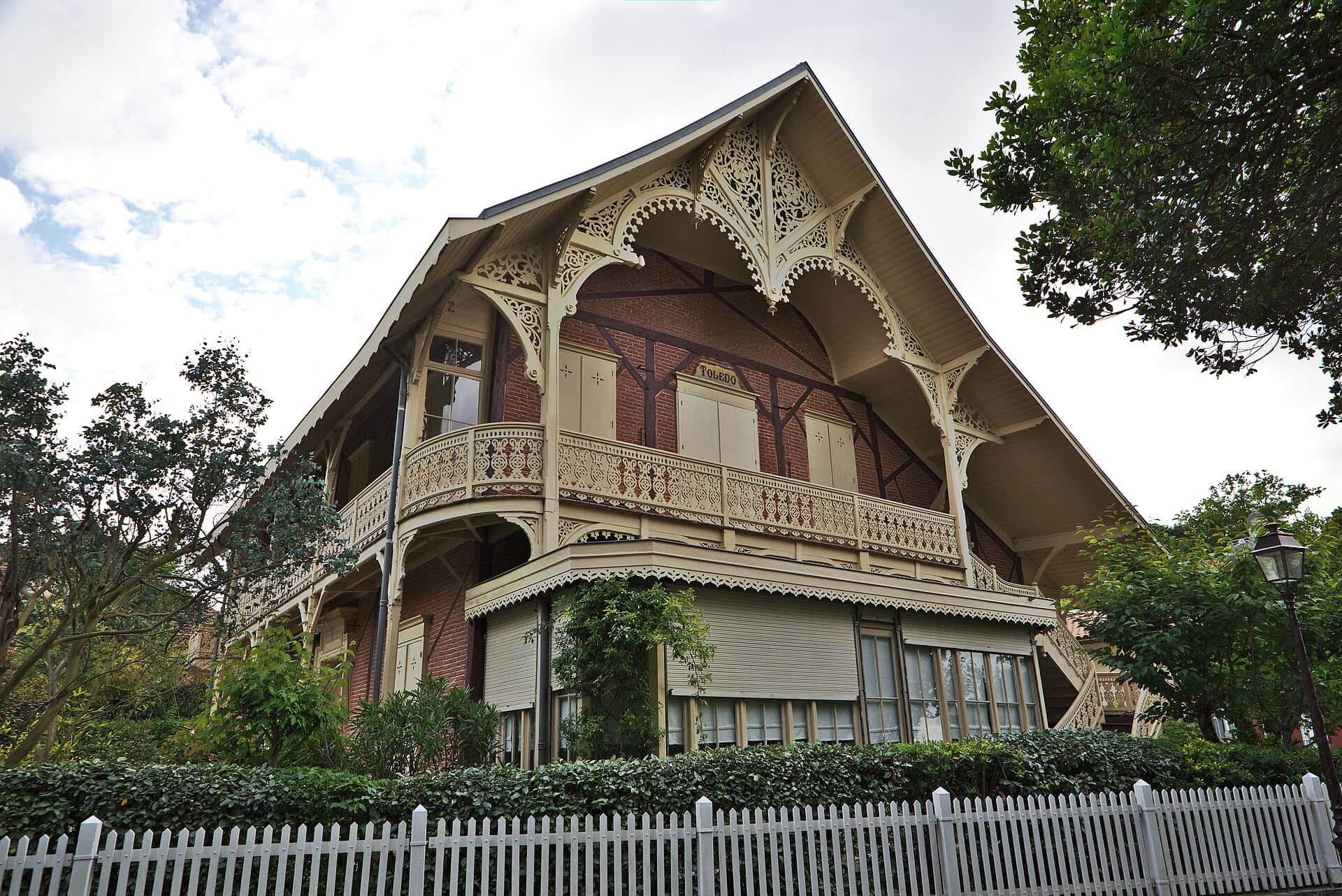
Where to stay depends on what you want to see. For a first visit, Bordeaux makes an ideal base — good connections, plenty of hotels and apartments, and a short hop to the vineyards. If you’re mainly heading for the ocean, go for Arcachon or Biarritz.
- Bordeaux – best for combining the city, wine and day trips; a wider choice at more reasonable prices.
- Arcachon / Cap Ferret – for beaches, oysters and Dune du Pilat; pricey in summer, so book ahead.
- Biarritz and the Basque Country – surfing, gastronomy and a chic vibe; a higher price bracket.
- Saint-Émilion and the countryside – wine-country guesthouses and gîtes for peace among the vines (you’ll need a car).
- Lourdes – a huge choice of cheaper pilgrim hotels, but a distinctive atmosphere.
Package tour or independent travel?
You can do Nouvelle-Aquitaine either way — it depends on what you want from the trip.
A tour is worth it when…
- you want to see a lot of places in a short time without planning the route and transport,
- you don’t want to deal with accommodation, entry tickets or the language,
- you’re travelling for a specific theme (wine, Lourdes) and would value a guide.
Go on your own when…
- you want your own pace and more time for the beaches, oysters or tastings,
- you don’t mind driving and finding accommodation,
- you’re travelling as a couple or with family and want flexibility.
The two of us go for doing it on our own with a car every time — the region is ideal for it, and only that way do you get to savour a leisurely lunch by the bay or an evening in a wine village. A tour mainly makes sense for a themed pilgrimage to Lourdes, or when you’re short on time and want everything sorted.
Budget: daily costs in Nouvelle-Aquitaine
| Level | Accommodation | Food | Transport & activities | Total/day |
|---|---|---|---|---|
| Backpacker | 30 €–45 € (hostel, cheap gîte) | 16 €–25 € (market, self-catering) | 12 €–20 € (public transport, a few entries) | approx. 60 €–90 € |
| Standard | 70 €–120 € (3* hotel, apartment) | 30 €–45 € (restaurants, wine) | 25 €–40 € (car, tastings) | approx. 125 €–210 € |
| Comfort | 160 €+ (4* hotel by the ocean) | 60 €+ (fine dining, oysters) | 45 €+ (private tastings, surf lessons) | approx. 260 €+ |
Prices are a rough guide per person per day, and in peak summer by the ocean (Biarritz, Arcachon) the reality is closer to the upper end. France isn’t a cheap destination, but you can save a lot by shopping at markets and grabbing lunch from a local boulangerie.
How to save when planning
- Flights: you’ll get the best prices roughly 2–4 months ahead, and even earlier for summer. Avoid last-minute booking in peak season. Search for flights in our finder.
- Accommodation by the ocean: Biarritz and Arcachon sell out for July and August as much as six months in advance — leave it late and you’ll overpay. Take a look at our accommodation tips.
- Timing: shifting your trip to May, June or September saves you the most on both accommodation and flights.
- Activities: tastings, surf lessons and popular tours fill up in season — book anything you definitely want in advance. We’ve put together a rundown of what to book early.
- Tours: if an organised package comes up, keep an eye on the current tours on this page — we refresh them every morning.
Practical information
- Language: French; you’ll manage in English in the towns and by the ocean, less so in the countryside — a few French phrases go down well.
- Payments: you can pay by card almost everywhere; cash is handy only at markets and small wineries. The currency is the euro.
- Connectivity: coverage is good; for online navigation and bookings we recommend an eSIM, so you don’t have to deal with roaming or buying a local SIM.
- Safety: the region is calm; in bigger cities (Bordeaux) just the usual care with pickpockets in crowds.
- Transport: trains run between cities, but for the vineyards, the dune and the villages you really can’t do without a car.


