Once you cross the sweeping plains of northern France and head southeast, the landscape begins to change dramatically. Southwest of Lyon and the Alpine peaks, a region opens up where a wild river carves deep into white limestone, creating absolutely breathtaking natural scenery. The Ardèche in France isn’t the polished Provence with endless lavender fields, but rather a rougher, more vertical, and incredibly photogenic stretch of land that you’ll fall in love with at first sight.
If you’re looking for an active holiday packed with swimming and discovering history, you’ve come to exactly the right place. The French know very well what they have at home, which is why they flock here from all over the country in summer. The local limestone canyon, the Gorges de l’Ardèche, is a natural wonder that can be explored not only on foot or by car from the viewpoints, but above all directly from the water. Get ready for days full of paddling, exploring prehistoric caves, and wandering through stone villages that look like they’ve stepped straight out of a period film.
TL;DR
- Main attraction: Paddling down the Gorges de l’Ardèche canyon by canoe or kayak is an absolute must, with routes ranging from 6 to 32 kilometres.
- Iconic landmark: The enormous natural rock arch of Pont d’Arc, which you can paddle beneath or swim around.
- Prehistoric art: The Chauvet 2 cave offers a perfect replica of 36,000-year-old wall paintings, listed by UNESCO.
- When to go: Ideally in May, June, or September. July and August see extreme crowds and traffic jams form on the river.
- Where to stay: The town of Vallon-Pont-d’Arc serves as the main base with all the facilities and boat rentals.
- Practical tip: For a multi-day trip with an overnight stay in the canyon, you must book a spot at the official bivouac well in advance — wild camping is strictly forbidden.
- Stone villages: Don’t forget to visit the villages of Balazuc and Vogüé, among the most beautiful in all of France.
The full destination guide: France — guide and what to see
When to Visit the Ardèche and What to Expect
Planning a trip to this part of France takes a little strategic thinking, because it’s an extremely popular summer destination. The best time to visit is clearly May, June, and September, when daytime temperatures hover around a pleasant 25 degrees. The river water is usually warm enough for swimming by then (or still is, in autumn), but more importantly you’ll avoid the worst tourist rush the region experiences in the height of summer. In these months you’ll enjoy peaceful time in nature, the river will be all yours, and you won’t spend hours stuck in endless tailbacks.
If you can, give weekends in July and August a wide berth, because that’s exactly when the French have their main eight-week holidays and domestic demand for this region is simply enormous. The river becomes literally carpeted with brightly coloured plastic canoes, traffic jams form at the weirs, and the car parks at the viewpoints are bursting at the seams. If you absolutely must come in summer, the simple rule is to rise early and hit the water or the trails first thing in the morning. The Ardèche river water sits at a very pleasant 22 to 26 °C during the summer months, so a swim is a wonderfully refreshing reward after a bit of exercise.
Getting here from the UK is easiest by air: the most convenient option is to fly into Lyon (served by British Airways and easyJet from London) or Marseille, then hire a car for the roughly 1.5 to 2-hour drive to the gorges. If you fancy a road trip and drive down through France, note that the motorways are tolled — for 2026 expect around €9.50 per 100 kilometres, and on some newer free-flow stretches (such as the A79) the physical toll barriers are disappearing, meaning you pay online based on your number plate. If you travel through Lyon, watch out for the low-emission zones: you can only enter with a pre-purchased Crit’Air 1 or 2 sticker, or you risk a fine of up to €375. A pleasant alternative is the high-speed TGV train, which you can connect to via Eurostar to Paris or Lille and onward to Lyon or Valence — just always check in advance for any rail strikes through the SNCF Connect app.
Where to Stay in the Ardèche and Around
💡 Tip for accommodation and experiences: We like to look for accommodation on Booking.com, which usually has the best cancellation terms. For tickets, tours, and activities, it pays to compare and book through GetYourGuide.
When choosing where to stay, the most important thing is picking the right strategic location, so you’re not far from the river while still having restaurants and shops to hand. The most sought-after base is the town of Vallon-Pont-d’Arc, which sits right at the entrance to the canyon and has the highest concentration of boat rentals, cafés, and large supermarkets. The downside is, of course, the higher price and considerable noise in peak season, but for an active holiday it’s simply the most practical spot to set out from each day without lengthy drives.
If you’re after a slightly calmer atmosphere, an excellent alternative is the neighbouring town of Ruoms or the picturesque village of Vogüé, which lie a little upstream and offer a more authentic slice of the French countryside. A huge share of the region’s accommodation is made up of campsites, which are of a very high standard in France and often offer fully equipped mobile homes with air conditioning, a private terrace, and a shared pool. Bear in mind, though, that searches for campsites in the Ardèche break records on the French internet every summer, so for the summer months it’s absolutely essential to book your stay even half a year ahead.
Lovely facilities are offered, for example, by Hôtel Le Clos des Bruyères, which has an outdoor pool and lies just a short walk from the centre of Vallon-Pont-d’Arc, so you can stroll out for a glass of wine in the evening without a worry. For nature lovers, a great choice is the stylish Prehistoric Lodge complex, located right at the entrance to the Gorges de l’Ardèche reserve, offering accommodation in luxury tents as well as classic rooms with a truly unique atmosphere. On Booking.com you’ll also find plenty of smaller family-run hotels built into old stone houses that will charm you with their historic character.
12 Best Things to See and Do in the Ardèche, France
Let’s take a look at twelve specific tips for getting the most out of your visit to this stunning limestone region. You’ll learn how to plan your river descent, where to find the best viewpoints, and which underground caves to escape into during the afternoon heat.
1. The Stone Arch of Pont d’Arc
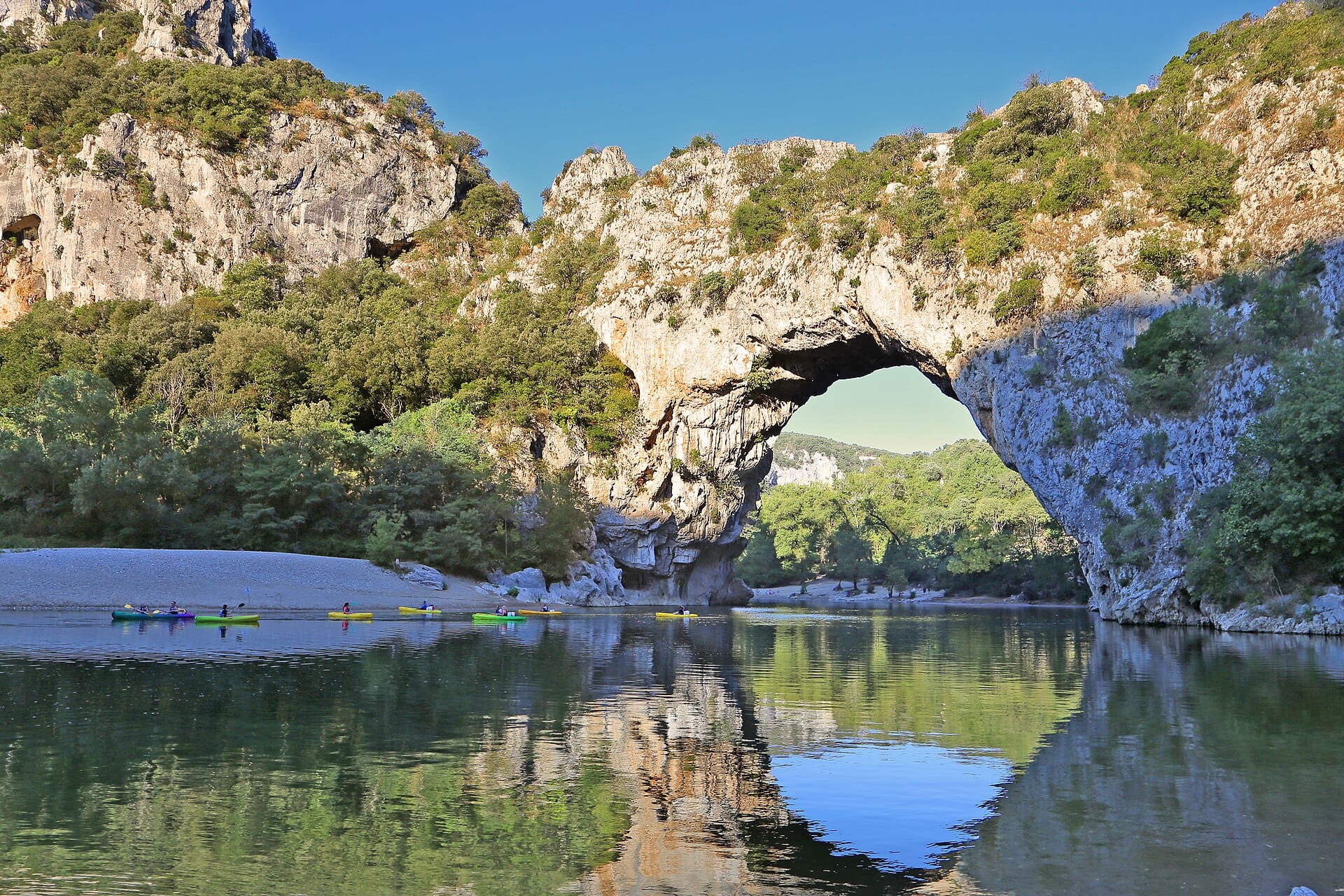
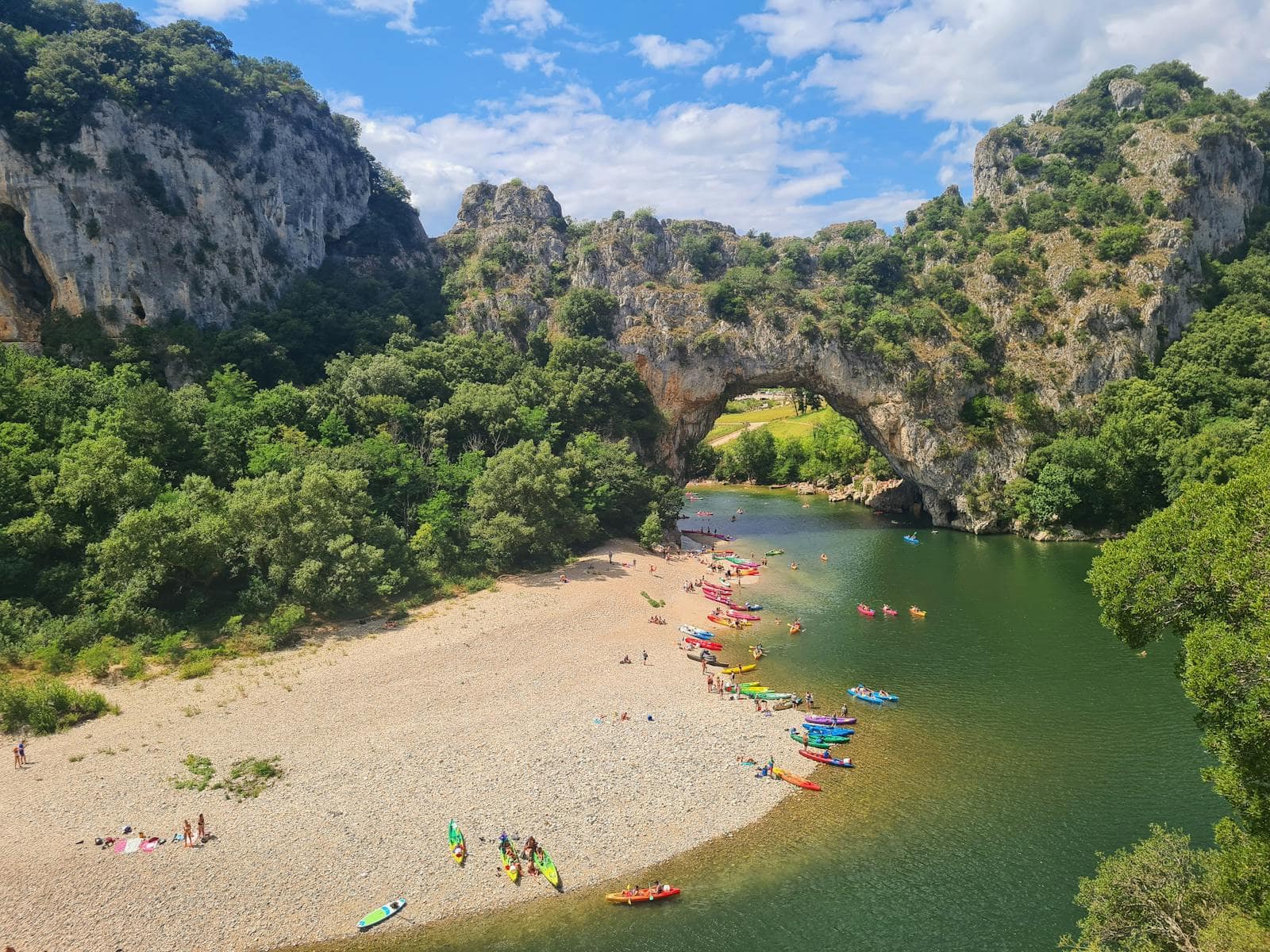
This is the absolute symbol of the entire region and a place you simply can’t miss on a visit. Pont d’Arc is a gigantic natural rock gateway that the Ardèche river carved into the limestone massif over millions of years of relentless flow. The arch rises to an incredible height of 54 metres and spans a full 60 metres wide, so when you paddle beneath it you feel utterly tiny and awestruck by the untamed power of nature. It’s essentially a magnificent gateway into the deep canyon itself.
You can reach it not only by water but also on foot or by car, as it lies just a few kilometres beyond the town of Vallon-Pont-d’Arc. Right beneath the arch you’ll find popular pebble beaches that invite you in for a swim and a full day of relaxing with a picnic spread out on the bank. The water here is surprisingly calm and slow, so even families with children can swim safely — just be prepared that in the summer months it’ll be absolutely heaving.
The most beautiful view of the arch comes in the late afternoon, when the surrounding crowds thin out a little. The setting sun paints the limestone cliffs in deep orange and golden hues, making it the perfect moment for photography. Many people come just for a quick look, but it’s well worth spending at least a couple of hours here, simply watching dozens of canoes drift through this majestic natural monument from the bank.
💡 Tip: If you’re driving here, park exclusively in the official paid car parks nearby, as the police uncompromisingly fine cars parked on the verge of the narrow road during summer season.
2. Canoeing and Kayaking the Ardèche Canyon
Paddling down the Ardèche river in France is the absolute foundation of any visit, and for many French people it’s something of a national summer tradition. There are countless boat rentals around Vallon-Pont-d’Arc, offering complete service from equipment hire to a minibus shuttle back to your car. You can choose from several routes of varying length (from 6 up to 36 kilometres), with the shortest seven-kilometre stretches down to the Pont d’Arc arch taking about two hours and being ideal for families with children.
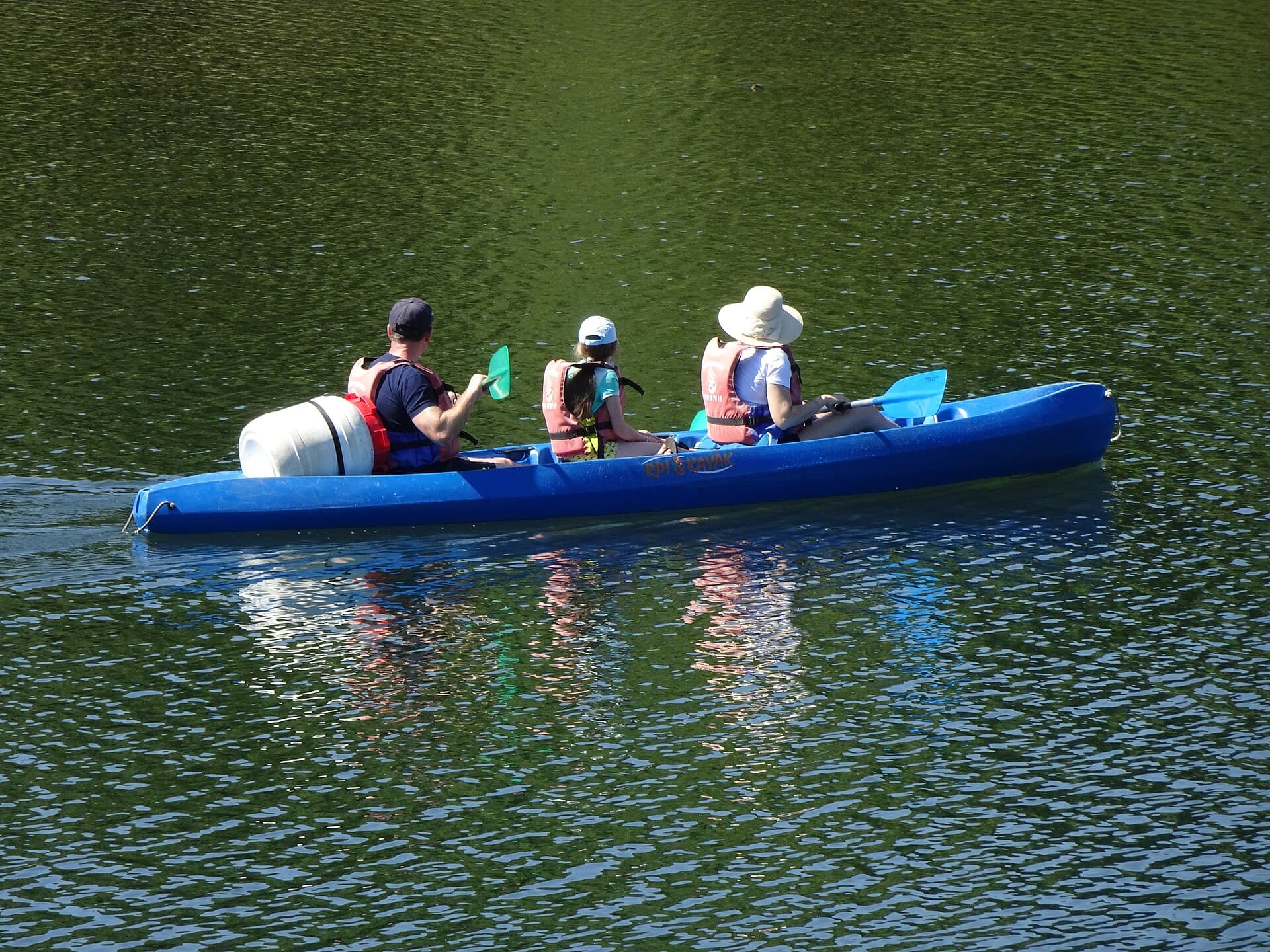
The classic route measures roughly 24 to 32 kilometres and takes you through the wildest and most deserted part of the state nature reserve. This long stretch can be done in one very demanding day, but it’s far better to split it over two days and enjoy a night out in the wilderness. Along the way you’ll hit dozens of smaller rapids that are tremendous fun but not particularly dangerous, as long as you follow the basic rules and keep your life jacket fastened. During the trip you can stop on the bank at any time, swim in the turquoise water, or eat lunch on the sun-warmed rocks.
If you decide on a multi-day trip, remember that the nature reserve has very strict rules and wild camping on the beaches is strictly forbidden and heavily fined. You can’t pitch a tent wherever you fancy — you must use only the official bivouacs of Gaud or Gournier. They have basic facilities such as toilets and grills, but you won’t find any shops or restaurants, so you’ll have to carry all your food supplies with you in barrels on the boat.
💡 Tip: For a multi-day trip with an overnight stay, you must book your bivouac spot online well in advance, and it really helps to download the free local app Canoë Malin, which shows your exact position on the river.
3. The Route des Gorges Scenic Road
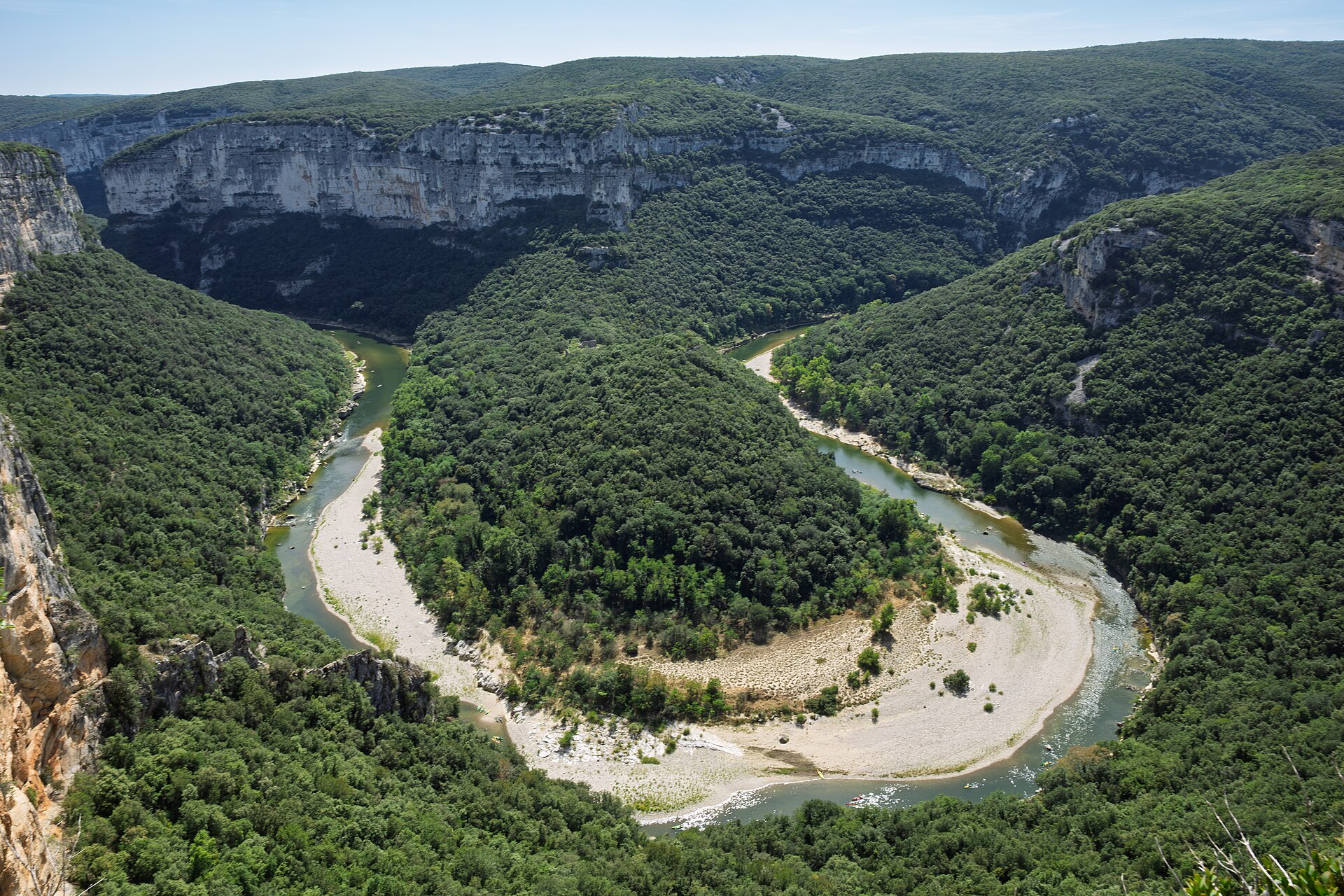
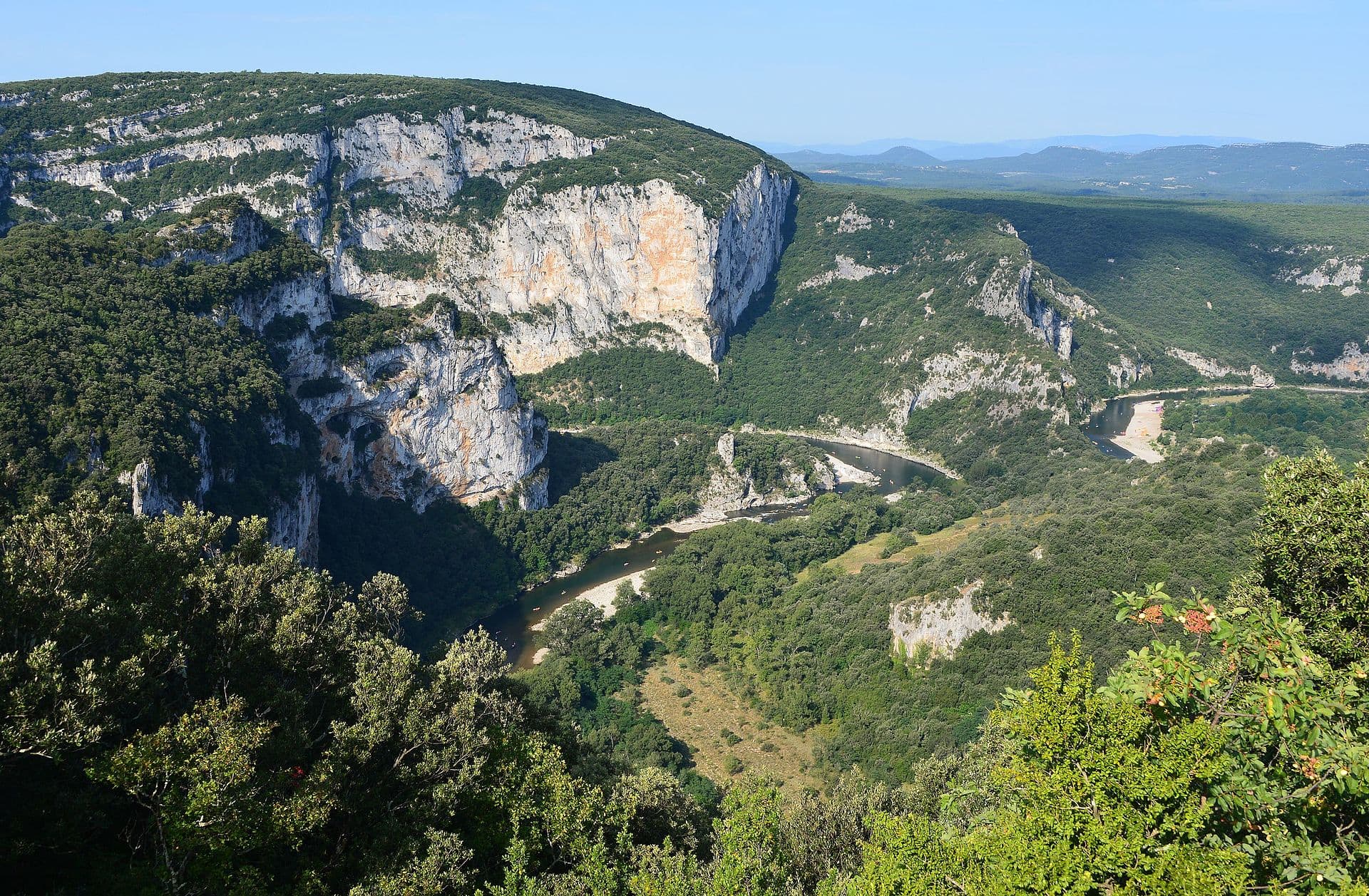
If you don’t fancy the water or you’re looking for something to do on a rest day, you mustn’t miss a drive along the famous road designated D290. This stunning panoramic route hugs the entire northern rim of the canyon and offers absolutely fantastic views into the depths where the silver ribbon of the river winds. The road starts at Vallon-Pont-d’Arc and twists for just under thirty kilometres all the way to the picturesque village of Saint-Martin-d’Ardèche, making it an absolute paradise for motorcyclists, cyclists, and keen drivers alike.
Strategically dotted along the whole length of the route are eleven official viewpoints, known in French as belvédères. One of the most beautiful is the very first, the Belvédère du Serre de Tourre, from which you’ll see the river carving into densely forested hills from a staggering height. Each viewpoint has a tidy car park and information boards explaining in detail how this geological miracle came to be millions of years ago. From some spots you can even spot canoes floating along the very bottom of the canyon, looking like tiny coloured grains of rice from that great height.
Driving this road requires great care, because in season there are plenty of unwieldy caravans and the bends are genuinely blind in places. The road is also cut directly into the limestone cliff and in many places is separated from the drop by only a very low stone wall that commands respect. It’s best to set aside at least half a day for the whole route, so you have plenty of time for photos and soaking up the views.
💡 Tip: Set off on the Route des Gorges early in the morning, when a light morning haze still hangs over the canyon and the sun is only just beginning to light up the tops of the cliffs. You’ll avoid the afternoon heat and the queues behind slow caravans.
4. The Chauvet 2 Cave and Prehistoric Paintings
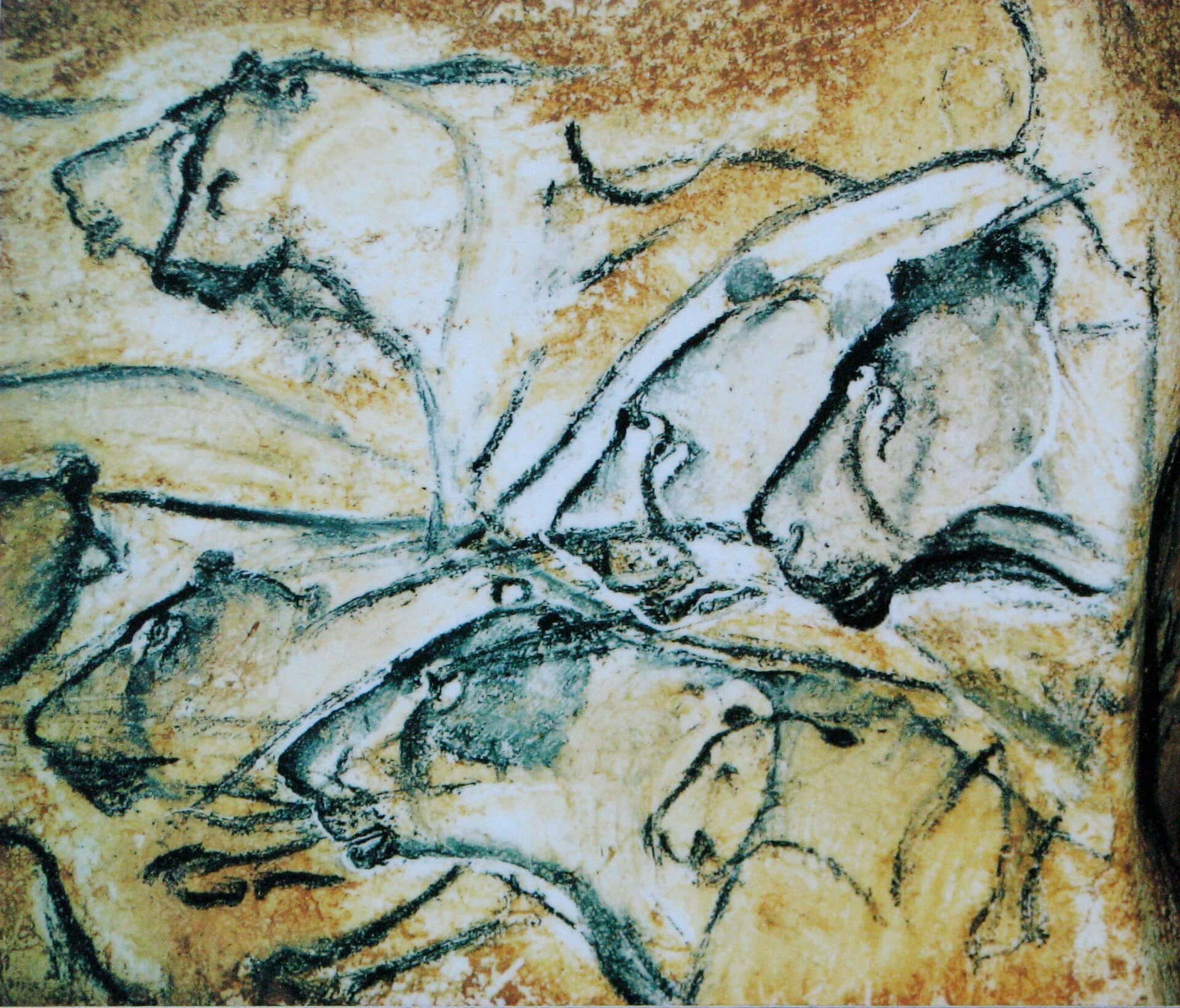
A short distance from Vallon-Pont-d’Arc lies one of the most important archaeological sites in the entire world, one that will take you on a journey deep into the past. The original Chauvet cave hides wall paintings an incredible 36,000 years old, making them some of the oldest surviving works of human art. Because visitors’ breath and changes in humidity would irreversibly destroy these precious animal paintings, the original cave is permanently closed to the public and only selected scientists have access.
The local authorities, however, came up with a brilliant solution and, for millions of euros, built a stunning complex called Chauvet 2. It’s an absolutely perfect, millimetre-by-millimetre replica of the original cave, rightfully inscribed on the UNESCO World Heritage list. During the fascinating tour you’ll see captivating drawings of cave bears, rhinoceroses, lions, and wild horses that prehistoric people painted using charcoal and ochre. The work of the artists and engineers on the replica is so incredibly precise that it faithfully mimics even the temperature, humidity, and the specific smell of the damp clay of the original cave.
Besides the cave replica itself, the site also includes the interactive Galerie de l’Aurignacien museum, which brings to life in detail the harsh existence of our distant ancestors in the Ice Age. The whole modern complex is set in a beautiful woodland park where you can take a walk after the tour and absorb this huge cultural experience. A visit is a perfect choice for hot summer days, when it’s unbearably warm outside, because inside you’ll cool down pleasantly.
💡 Tip: You absolutely must buy your tickets in advance for a specific time slot through the official website or the popular GetYourGuide portal, because in summer the tours are regularly sold out days ahead.
5. Vallon-Pont-d’Arc as Your Base
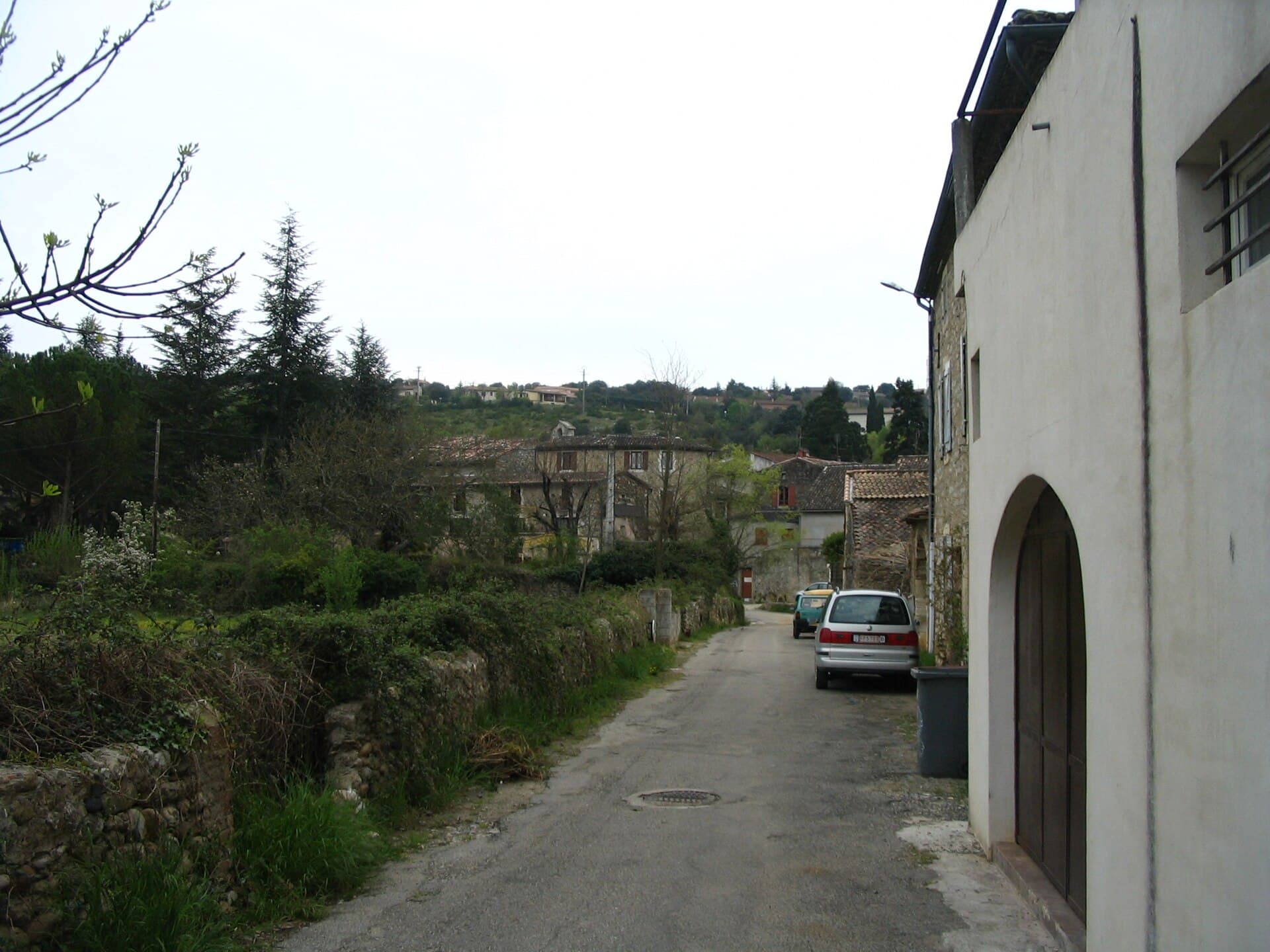
This charming historic town is the beating heart of the entire region and a place where ancient architecture mingles with exceptionally busy tourist life. Vallon-Pont-d’Arc has a beautiful compact centre full of narrow stone lanes that mercifully provide shade even on the most scorching summer days. The little squares are lined with mature plane trees, and at every step you’ll come across a small café, a craft bakery, or a shop selling local souvenirs.
The town serves as the main logistical hub for all the paddlers who come here to conquer the canyon. You’ll find dozens of boat rental offices organising shuttles to and from the river, as well as large supermarkets where you can conveniently stock up on food for the trip to your campsite. Every Thursday morning a traditional Provençal market takes over the whole centre with stalls of fresh fruit, vegetables, fragrant spices, and handmade goods. The market atmosphere is wonderful, but be prepared to squeeze through genuinely enormous crowds.
When planning meals in town, keep in mind the relentless French rules that can easily catch you out. The lunch menu (menu du jour, which works out at €15 to €25) is served in restaurants exclusively between noon and two in the afternoon — at any other time you’ll get a coffee at most. Dinner in a nicer bistro usually starts at €20, and the tip (service compris) is already included in the price by law, though leaving a euro or two in coins on the table is considered very polite.
💡 Tip: The traffic situation in town is very complicated in July and August, with long queues forming. If you’re only coming for a day trip, it’s better to park at the overflow car parks on the very edge of town and walk into the centre.
6. Swimming in the River and Its Beaches
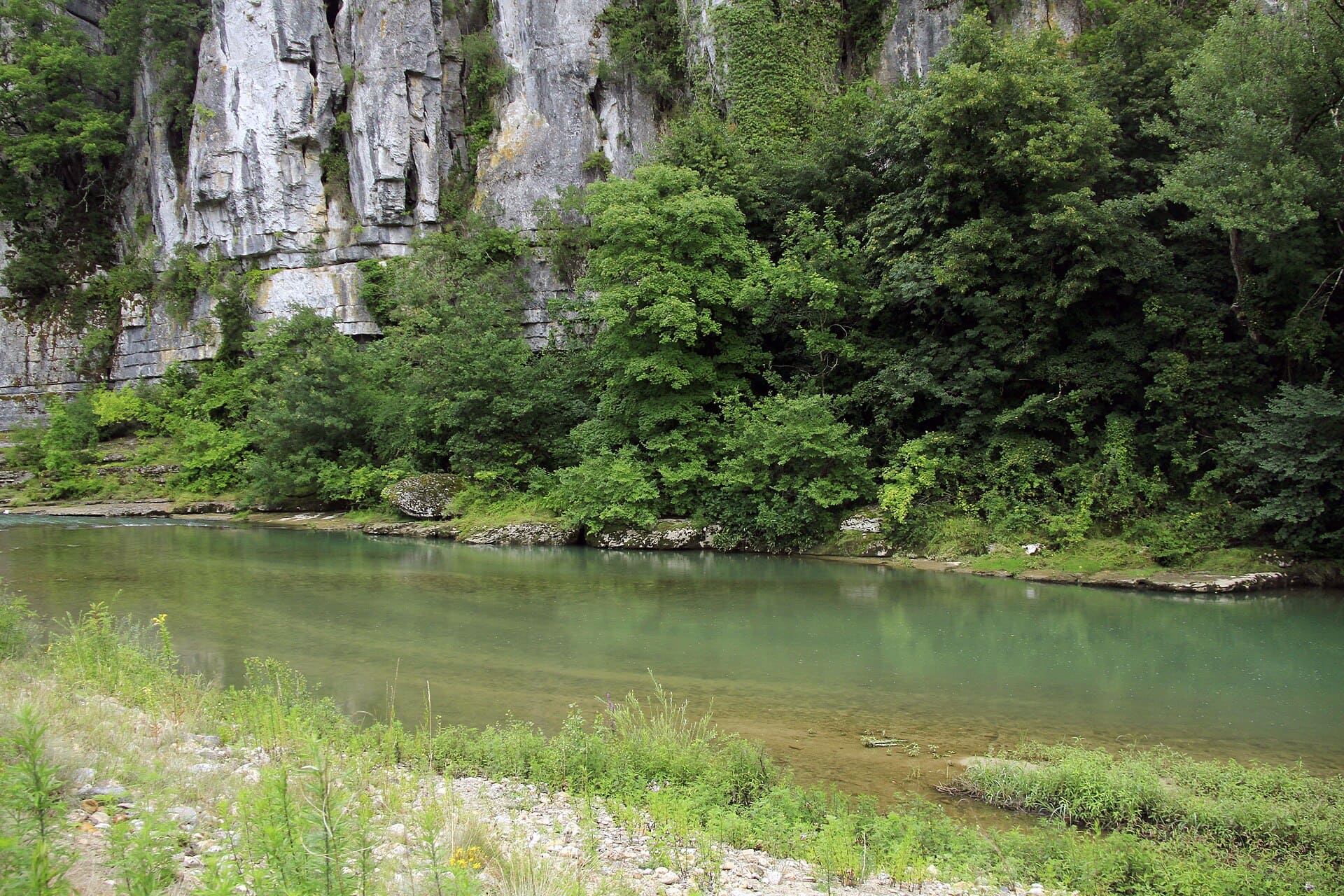
Beyond the paddling itself, the Ardèche river is a huge magnet for lovers of swimming in clean, untamed natural water. Dozens of beaches, both small and large, line the entire course of the river, mostly made up of white limestone pebbles or vast smooth slabs of rock. The water is a gorgeous emerald colour and, because it flows through a strictly protected area, it’s incredibly clean and crystal clear all summer long.
Among the most popular and accessible are the beaches right beneath the Pont d’Arc arch, but if you’re after a bit more privacy, it pays to explore spots that lie a little further from the main roads. You’ll find lovely swimming near the villages of Balazuc or Labeaume, for instance, where the river forms calmer lagoons that are absolutely ideal for swimming. Many beaches aren’t officially marked on maps, so you’ll often reach them only by a narrow worn path from the nearest car park or the edge of a campsite.
Swimming in the river does have its quirks that you need to prepare for in advance. The bottom is rocky and slippery in places, and there’s no soft sand to lie on with just a thin beach towel. The river’s current can be quite strong even in summer in some narrow sections, so you need to stay alert at all times, especially if you’re travelling with younger children whom the current could easily sweep away.
💡 Tip: Pack a decent pair of water shoes with firm soles — without them, getting into the river over the slippery pebbles is agony — and bring a thicker camping mat or a folding chair for comfortable lounging on the rocky bank.

7. Aven d’Orgnac, the Stalactite Cave
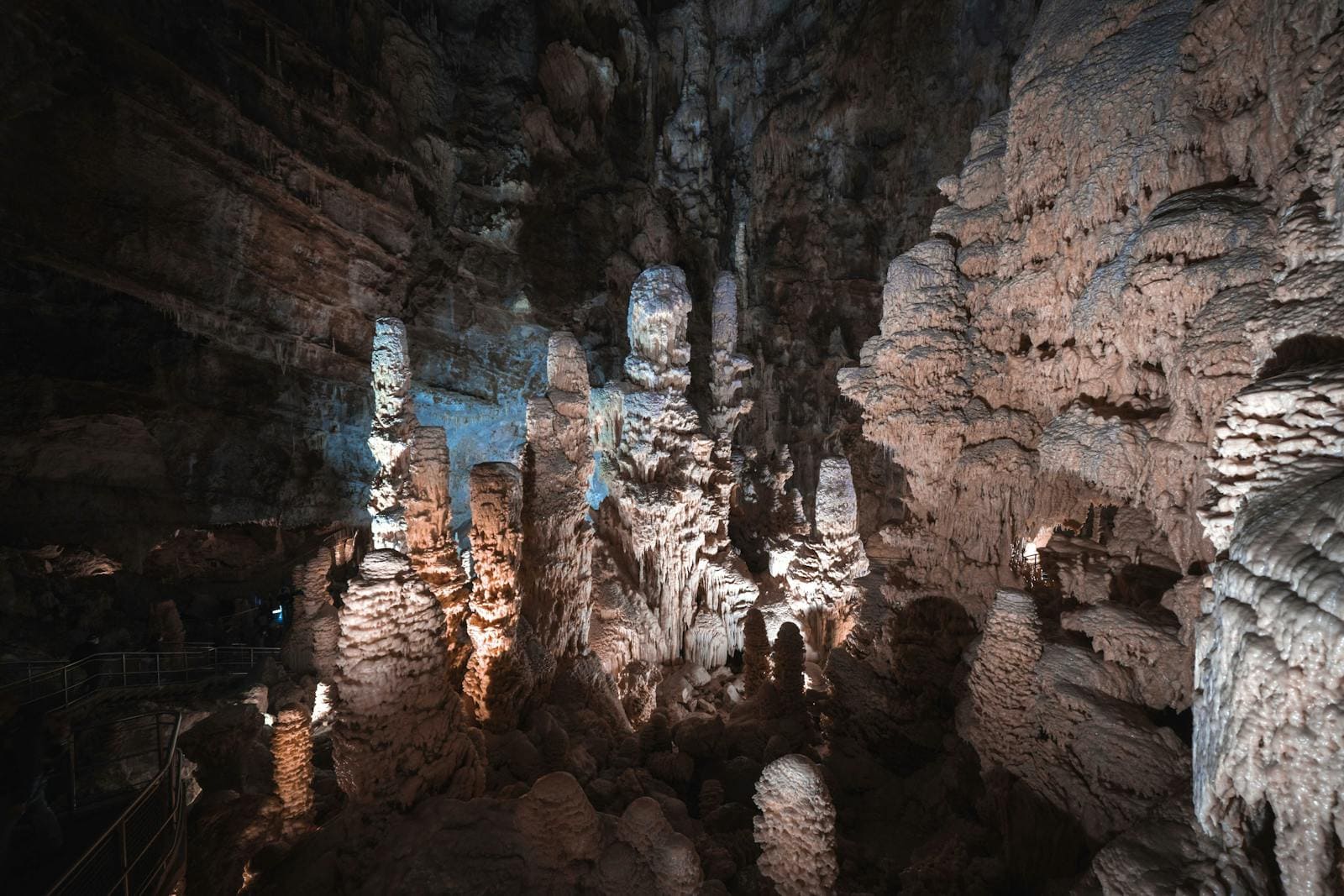
If you need a break from the scorching sun and want to see another natural marvel of the region, head a few kilometres south of the river. Aven d’Orgnac is one of the most beautiful and largest stalactite caves in all of Europe, boasting the prestigious French designation of Grand Site de France. Unlike the Chauvet 2 cave, where people primarily go for the prehistoric art, here you come to admire incredible geological beauty and gigantic underground chambers hollowed out by water.
The guided tour takes you deep underground into several enormous, breathtaking domes. The deepest point of the tour route sits a full 121 metres below the earth’s surface, which you reach by gradually descending a system of hundreds of steps. On the way down you’ll pass massive stalagmites resembling huge petrified trees, and incredibly delicate limestone curtains hanging from the ceiling. The whole vast space is also very sensitively lit, lending the millennia-old formations a mysterious, almost magical atmosphere.
At the end of the tour, in the very largest hall, an impressive light and sound show awaits, perfectly enhancing the majesty of the entire underground space. Don’t worry — you won’t have to trudge those 121 vertical metres back up on foot (a modern lift conveniently carries you to the surface). Right next to the cave entrance there’s also the excellent Cité de la Préhistoire museum, whose visit is included in the price of your ticket.
💡 Tip: Inside the cave there’s a constant year-round temperature of around 11 °C, so even when it’s an unbearable thirty degrees outside, definitely don’t forget to bring a warm jumper and sturdy footwear.
8. The Village of Balazuc and Its Narrow Lanes
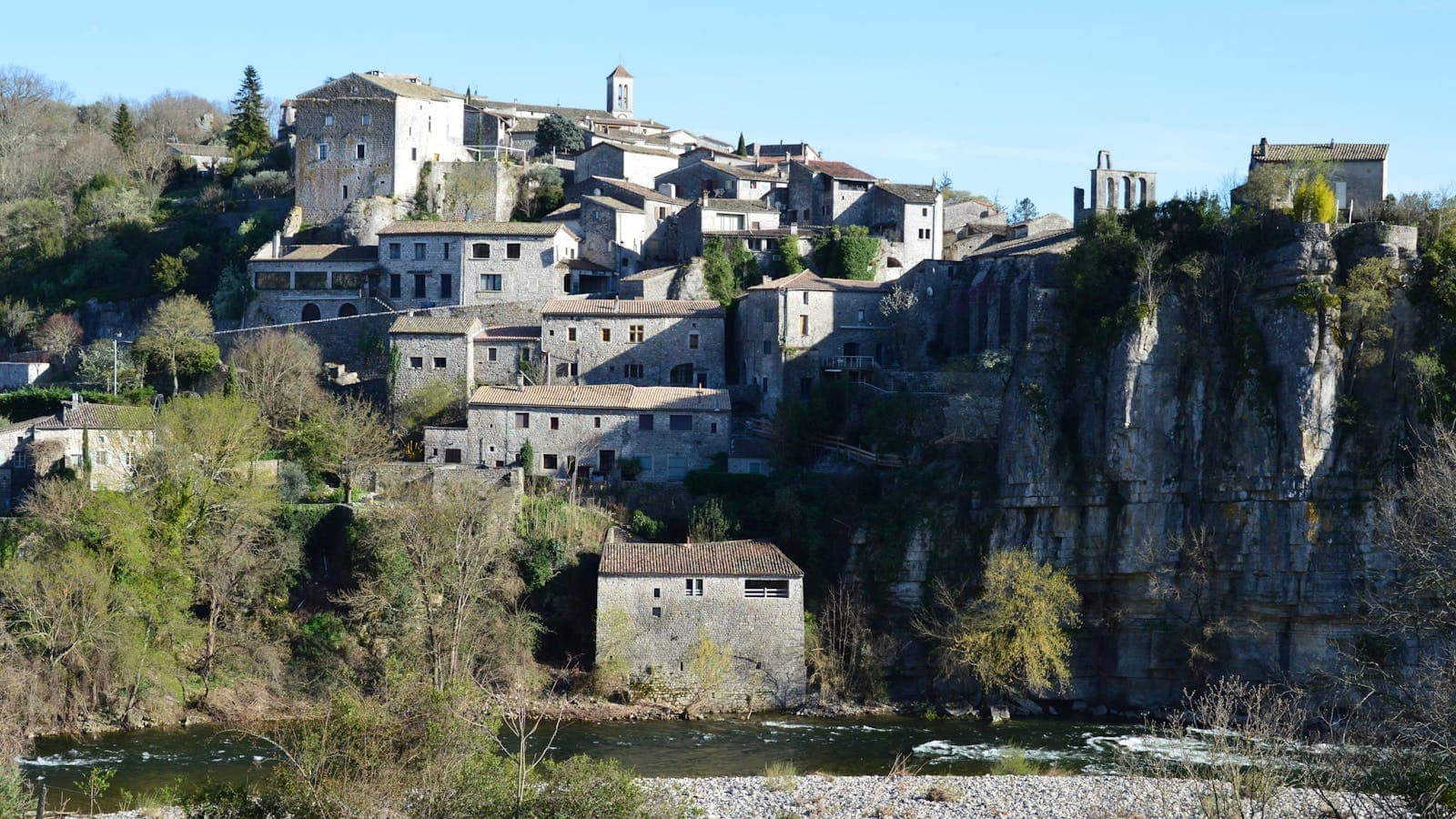
When you want a break from the water-based fun, set off to explore the surrounding historic villages, which without exaggeration are among the most beautiful in the entire country. Balazuc is officially included on the prestigious list of the Most Beautiful Villages of France (Les Plus Beaux Villages de France), and on your first visit you’ll immediately understand why it deserves the title. The whole village is literally glued to a steep limestone cliff right above the Ardèche river and, from a distance, looks as though it’s growing straight out of the bare rock.
Its architecture has a strong Moorish flavour, a legacy of the historic Saracen raids of ages past. The centre is an incredible maze of narrow, winding lanes and steep stone staircases, arched over by historic vaults and dark passageways. The houses are built of pale stone, and from almost every corner you get a marvellous view down to the river or out over the surrounding sun-drenched vineyards. At the very top of the village stand a proud old Romanesque chapel and the remains of the original medieval castle.
Right below the village there’s a popular pebble beach, so after a tiring stroll through the historic lanes you can simply head down to the water for a swim. The village is very small and can comfortably be walked in an hour or two, but its peaceful atmosphere and picturesque cafés with a view will probably keep you here far longer than you originally planned.
💡 Tip: Park your car in the spacious paid car park above the village, because access to the narrow lanes of the historic centre is strictly forbidden to non-residents — and you wouldn’t make it round the corners in an ordinary car anyway.
9. The Village of Vogüé and Its Medieval Castle
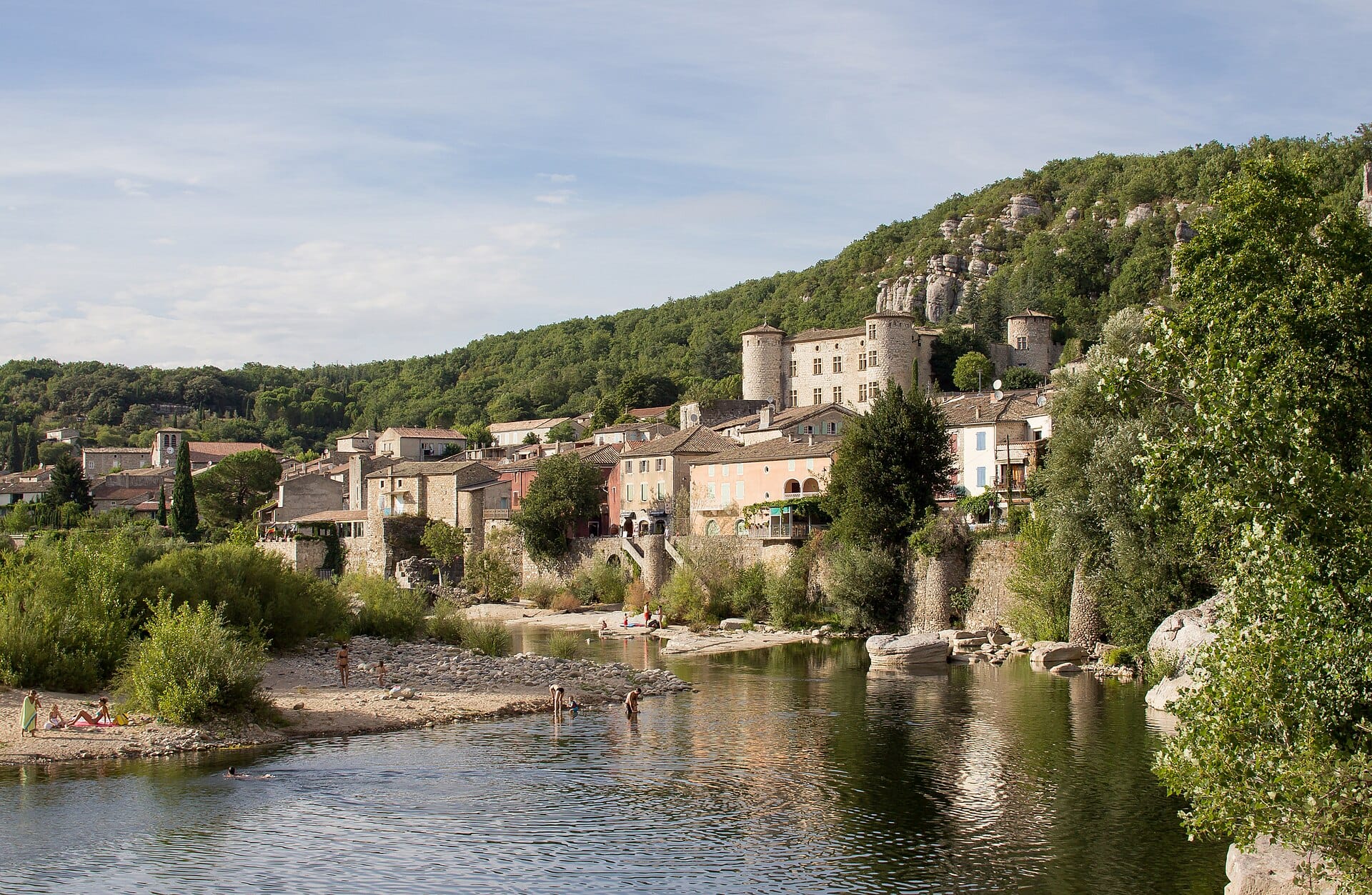
Just a few kilometres north of Balazuc lies another architectural gem of the region that you definitely shouldn’t miss. The village of Vogüé is shaped like a natural amphitheatre set on the riverbank and is dominated by the majestic castle of the de Vogüé family with its four mighty corner towers. This village too rightfully boasts the title of one of the most beautiful villages in France and, unlike the steep Balazuc, has a slightly more open and accessible character, although a huge limestone cliff still rises behind the castle.
The castle, originally dating from the 12th century and rebuilt into a more comfortable château in the 17th century, is open to the public and its tour is well worth your time. From its hanging gardens and windows there’s a fantastic panoramic view over the red roofs of the houses below and across the calm flow of the river surrounded by lush greenery. The castle interiors also regularly host very interesting contemporary art exhibitions, forming an unexpected but wonderful contrast with the ancient stone walls.
A walk along the river right below the village is incredibly romantic and calming. The bank is full of greenery and old trees, and in the summer months locals and tourists alike hold picnics or play the traditional game of pétanque on small packed-earth pitches. If you enjoy easy walks, a beautiful surfaced path leads along the water from Vogüé, following the route of an old railway line.
💡 Tip: If you have the time and energy, head out from the village along the marked trail to the small chapel of Saint Cerice, set high in the cliff above the castle (the climb is a touch steep, but the view over the whole valley from there is absolutely unbeatable).
10. Safety on the Water and Preparing for the Descent
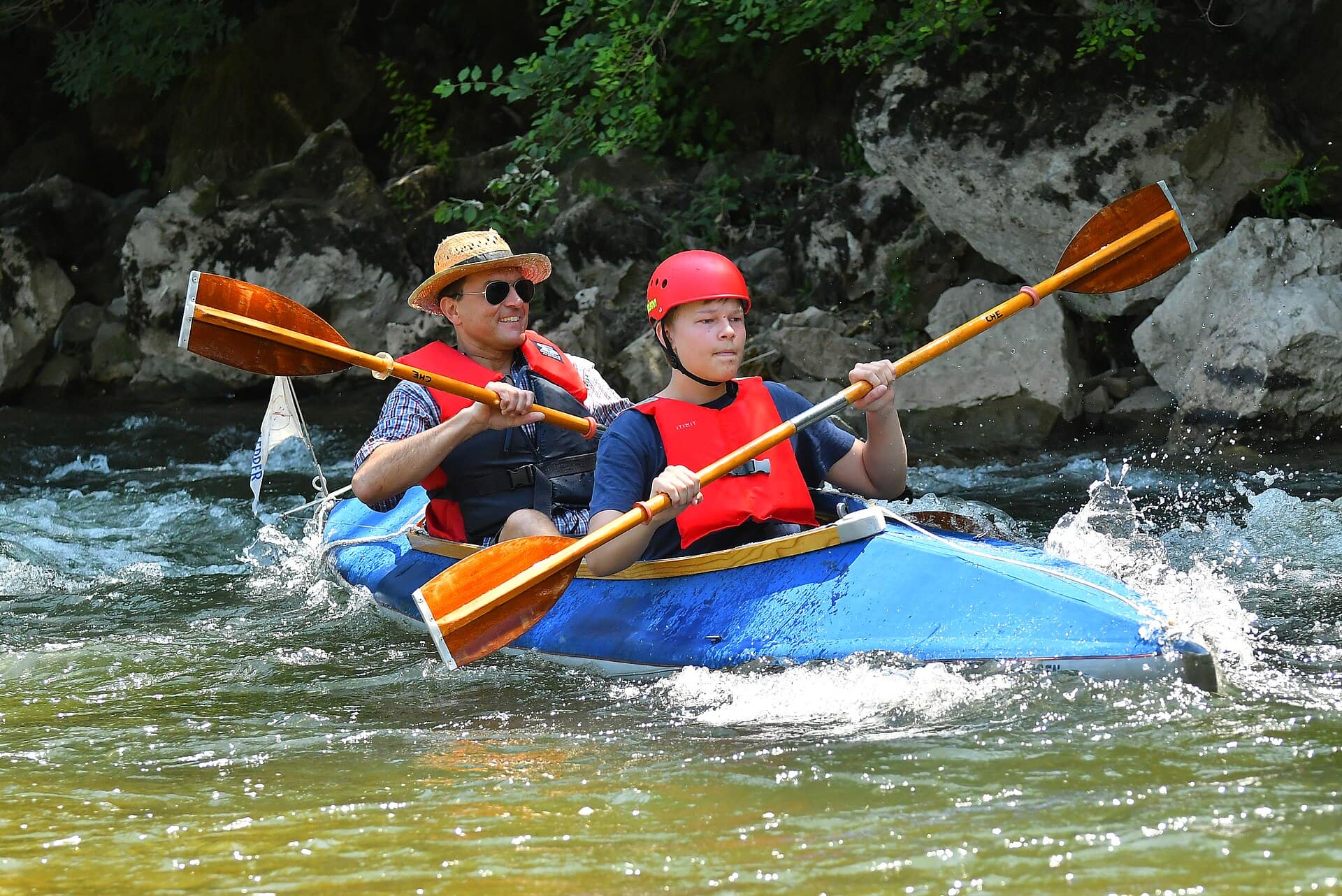
Although paddling the canyon is an amazing once-in-a-lifetime experience, it requires a bit of planning and enormous respect for nature. The safety rules here are strict and a life jacket is absolutely mandatory for everyone on the boat throughout the entire trip, even in the biggest, most exhausting summer heat. The river is very calm for most of the time, but the canyon itself contains around thirty smaller rapids (so-called rapides), where the water suddenly speeds up and inexperienced paddlers can very easily capsize.
Another huge risk that enthusiastic visitors often underestimate is the scorching summer sun. There’s only a bare minimum of shade in the canyon and the water surface reflects the sun’s rays like a giant mirror, so you can burn to a crisp here in just a few hours. If you’re heading out on a full-day trip, don’t forget to bring plenty of drinking water (count on at least three litres per person per day), a hat, and a generous supply of sunscreen, which you should reapply regularly on the boat.
One curious rule concerns pets and often catches dog owners off guard. Dogs are strictly forbidden from entering the Gorges de l’Ardèche national nature reserve (the longest and deepest stretch) for conservation reasons. If you’re travelling with a four-legged friend, you’ll have to choose only the shorter stretches of river outside the main protected zone, where the rentals usually allow it.
💡 Tip: Always put all your valuables, phones, and electronic car keys into the waterproof barrels provided and tie the barrels firmly to the boat (every day divers fish drowned phones of careless tourists out of the river).
11. Hiking in the Reserve and Around
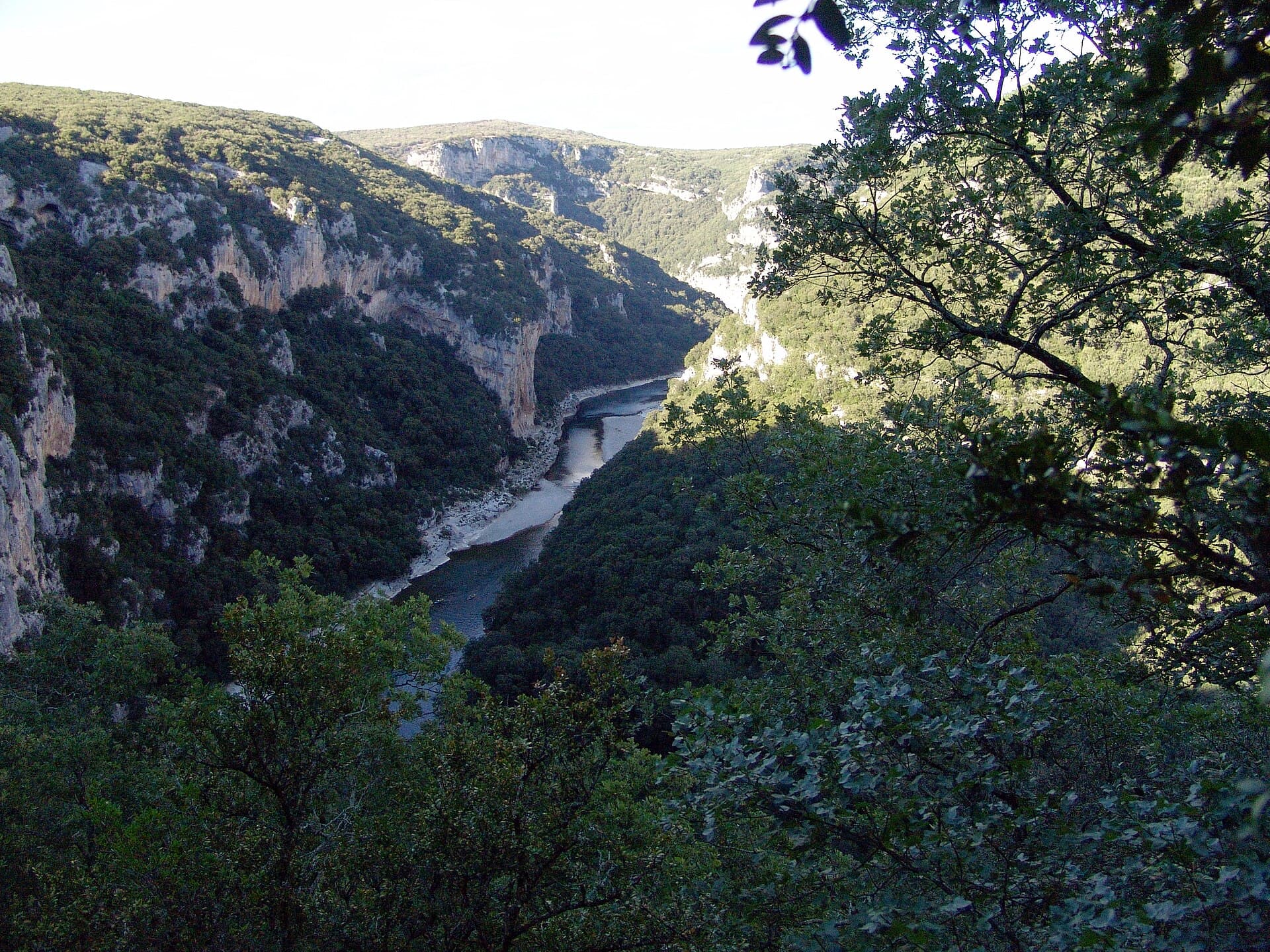
Even though the river is the absolute main draw, the region offers hundreds of kilometres of excellently marked hiking trails for lovers of long walks. You can set off on a hike right into the very heart of the canyon along the path that hugs the river, discovering places that boats can’t reach at all due to shallows or sharp rocks. The trails lead through fragrant oak forests, over old stone bridges, and offer a completely different perspective from that of the water or the upper panoramic road.
A popular route is the loop around the village of Labeaume, or the more demanding climbs up the limestone ridges, from which on a clear day you can see all the way to the Alps and the majestic Mont Ventoux. Trail signposting in France differs from what you may be used to back home — mostly just coloured stripes painted on rocks or trees (yellow stripes for local loops, red-and-white for the long-distance GR routes). Be sure to download offline maps to your phone, because mobile signal in the canyon and on the more remote trails often simply doesn’t exist.
Just as with paddling, with hiking you need to keep a close eye on the high summer temperatures. The limestone cliffs heat up like an oven during the day, and walking up a steep hill in the afternoon sun can be very exhausting and dangerous. So plan your trips exclusively for early morning and don’t forget quality hiking footwear, as the trails are full of sharp, slippery stones.
💡 Tip: A great, easy walk leads to a deserted river meander called Cirque de Gens, which you reach from the village of Chauzon (the route offers wonderful views of the cliffs and lovely spots for a secret crowd-free swim).
12. Local Markets and Gastronomy
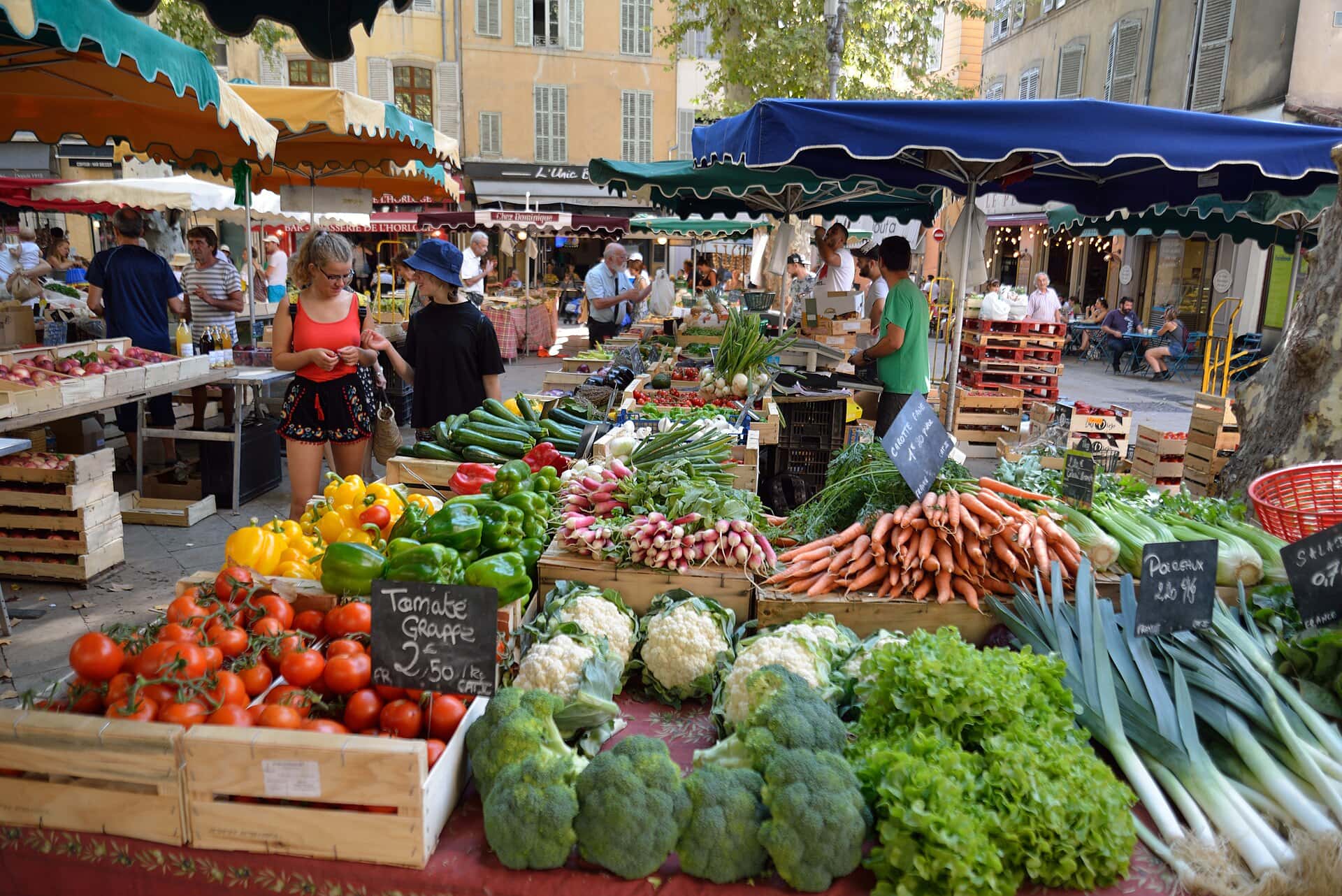
France is famous the world over as a land of superb food, and the southeastern regions are certainly no exception. The Ardèche is renowned for its local produce, dominated by edible chestnuts and farmhouse goat cheeses. An absolute classic you have to try at the markets is the small round goat cheese Picodon, which has a slightly tangy and very distinctive flavour. It goes wonderfully with a fresh crusty baguette and olives that you buy early in the morning at one of the local Provençal markets.
The region’s sweet treasure is the edible chestnut (châtaigne), of which the locals are immensely proud. Residents make absolutely everything from chestnuts, from thick creamy soups to wonderful desserts. In every shop here you can get sweet chestnut purée (crème de marrons), which the French love to spread on crêpes or generously stir into plain yoghurt. And of course, the robust, sun-soaked local wines from the Rhône valley go superbly with all of it — and you can pick them up in supermarkets at very reasonable prices.
In restaurants you needn’t worry at all about going hungry as a vegetarian. You’ll find rich salads with baked goat cheese (salade de chèvre chaud), excellent vegetable quiches, or pasta made from fresh ingredients, available in any decent bistro. Just remember one golden rule for survival: whether you’re entering a bakery or a restaurant, always greet people with a loud “Bonjour” before asking whether they speak English (the staff’s attitude improves instantly and miraculously).
💡 Tip: Stop in at a local bakery (boulangerie) and buy a fresh sweet fougasse bread or a traditional fruit tart, tarte aux myrtilles — these are ideal energy snacks for full-day outings.
Map of points of interest for your phone
Where to Go Next from the Ardèche
If you have a car and a few extra days to spare, this corner of France makes a great springboard for further exploring. North of the canyon lies a gastronomic metropolis you can reach in about two and a half hours’ drive. I’d definitely recommend exploring Lyon, where you’ll get pleasantly lost in the secret Renaissance passageways known as traboules and taste the finest food in the famous bistros called bouchons. A stop in this city is also ideal as a stepping stone on the long journey back home.
If, on the other hand, you love dramatic natural scenery and one canyon wasn’t enough for you, head east into Provence. About three hours’ drive away lies the famous Verdon Gorge, which is even deeper and steeper. The water of the Verdon river has an incredible turquoise colour and the whole region offers top-class options for hiking and pedal boats. These two areas combine beautifully into one great summer road trip.
Frequently Asked Questions
How long does it take to descend the Ardèche canyon?
Short routes for beginners (length 6 to 8 km) take approximately 2 to 3 hours. A classic full-day trip of 24 to 32 kilometers will take you 6 to 8 hours of pure paddling. If you want to explore the entire length, it’s recommended to split the route into two days with an overnight stay at an official campsite.
Can complete beginners and children handle river rafting?
Yes, the river is quite calm in summer and families with children can handle short sections under the arch. The condition is that children must be able to swim reliably, must be at least 7 years old, and everyone must wear a life jacket at all times. However, always follow the instructions from the rental shop on the rapids.
Can I wild camp in the Gorges de l’Ardèche reserve?
No, wild camping and sleeping in the car is strictly forbidden in the protected area and heavily fined. For overnight stays during multi-day paddling trips, you must use exclusively the two official bivouacs (Gaud and Gournier), which you need to book online well in advance.
Is the water in the river warm enough for swimming?
During the main summer season (from late June to early September), the water temperature ranges between a very pleasant 22 to 26 °C. Swimming is therefore absolutely ideal and refreshing. In spring, the water tends to be somewhat cooler, usually hovering around 18 °C.
Do I need a highway vignette for France?
France doesn’t have classic motorway vignettes, but instead uses a toll system directly at toll gates based on kilometres driven. Prices in 2026 are around €9.50 per 100 kilometres. You can pay by card, or you’ll encounter the so-called Free-Flow system (e.g. on the A79 motorway), where you pay online based on your licence plate number.
Do I need a Crit’Air environmental sticker?
If you’re only traveling in the rural Ardèche region, you don’t need the sticker. However, if you’re planning to drive through larger cities like Lyon, where low-emission zones are in place, the Crit’Air sticker is mandatory. It costs around 5 euros and you need to order it online in advance.
Will I be able to get by with English in the region?
In tourist centers, boat rental shops, and campsite receptions, you’ll usually have no problem communicating in English. However, it’s always extremely important to start the conversation with a French greeting “Bonjour” before even asking about English, which will immediately improve the locals’ attitude.
Can I bring my dog on the canoe?
Entry for dogs into the main national nature reserve (which is the longest section of the canyon) is strictly prohibited for conservation reasons, even on a boat. However, with a dog you can paddle the shorter sections of the river before the start of the reserve, where the rental companies commonly allow it without any problems.
Tips and Tricks for Your Vacation
Don’t Overpay for Flights
Search for flights on Kayak. It’s our favorite search engine because it scans the websites of all airlines and always finds the cheapest connection.
Book Your Accommodation Smartly
The best experiences we’ve had when looking for accommodation (from Alaska to Morocco) are with Booking.com, where hotels, apartments, and entire houses are usually the cheapest and most widely available.
 🚗 Car rental on the roadVerified rental cars in France
Search with the DiscoverCars comparison engine — it compares prices from dozens of local and international rental companies, and most bookings come with free cancellation.
Compare car prices in France →Don’t Forget Travel Insurance
Good travel insurance will protect you against illness, accidents, theft, or flight cancellations. We’ve had a few hospital visits abroad, so we know how important it is to have proper insurance arranged.
Where we insure ourselves: SafetyWing (simple monthly subscription) and TrueTraveller (for extra-long trips).
Find the Best Experiences
Get Your Guide is a huge online marketplace where you can book guided walks, trips, skip-the-line tickets, tours, and much more. We always find some extra fun there!