

Paris lives in almost everyone’s imagination – the Eiffel Tower at dawn, a croissant by a café window, a stroll along the Seine. But then reality kicks in: when should you actually go to avoid the crush? How much will the whole thing cost? And do you book a package or plan it all yourself? The two of us were once stuck in exactly that uncertainty, which is why we put together this little hub.
You’ll find three things in one place: up-to-date flight and tour prices that we refresh every morning; our hands-on tips from our own trips and articles, covering what’s genuinely worth it (and what isn’t); and a plan for when and what to book so you don’t overpay for no reason. No filler – just what we ourselves need when we’re planning a trip.

What to see and do in Paris
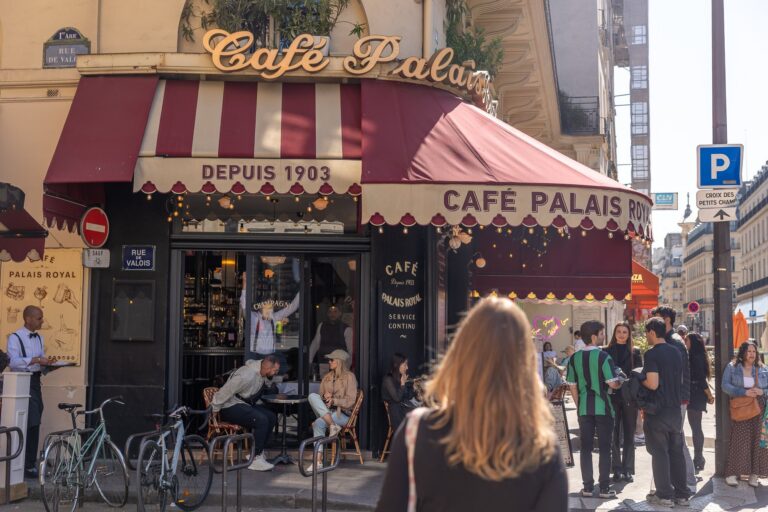
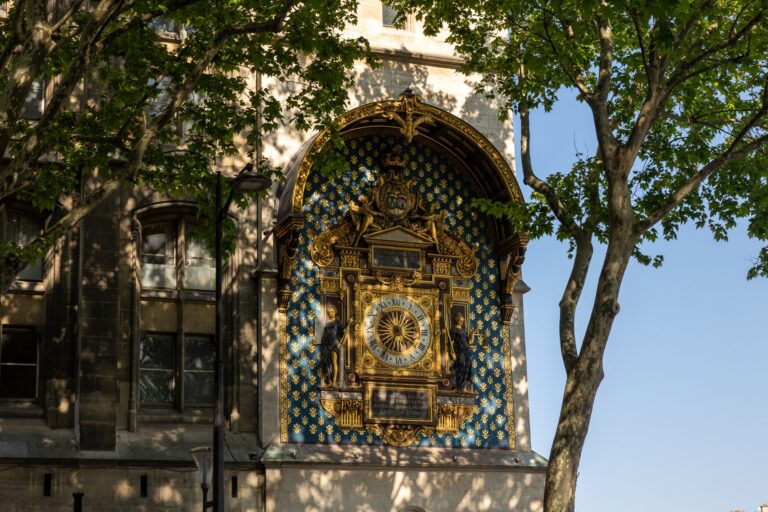
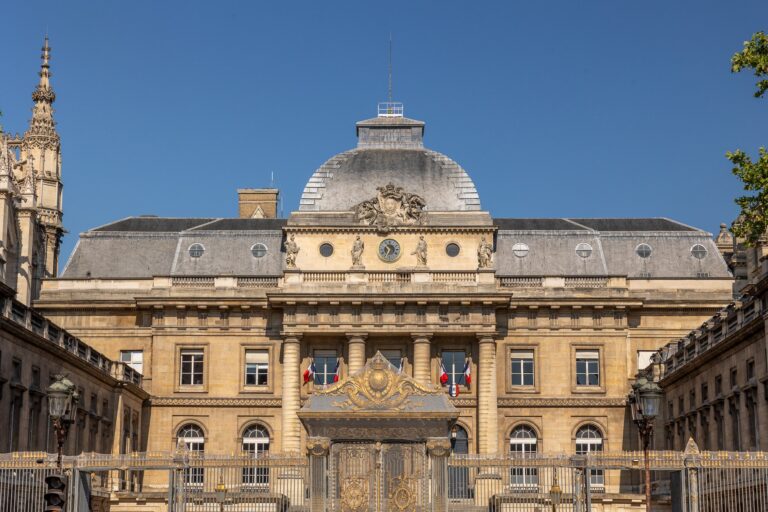
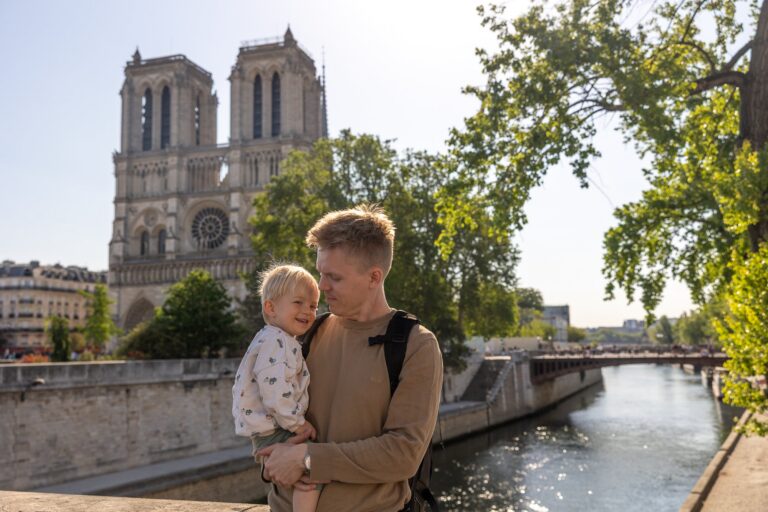
You can’t “do” Paris in a weekend, but you can get the most out of it if you know where to head. Start with the classics – the Eiffel Tower, the Louvre, Notre-Dame, Montmartre – but don’t stop there. You’ll find our full rundown in 38 things to see in Paris, where we also share ready-made itineraries for 2–5 days.
- Museums and art – the Louvre is a must, but the real gems are elsewhere; see our picks in the guide to Paris museums.
- Food – from the morning croissant to bistros and Michelin tables; where to go and what to skip is in our Paris foodie guide.
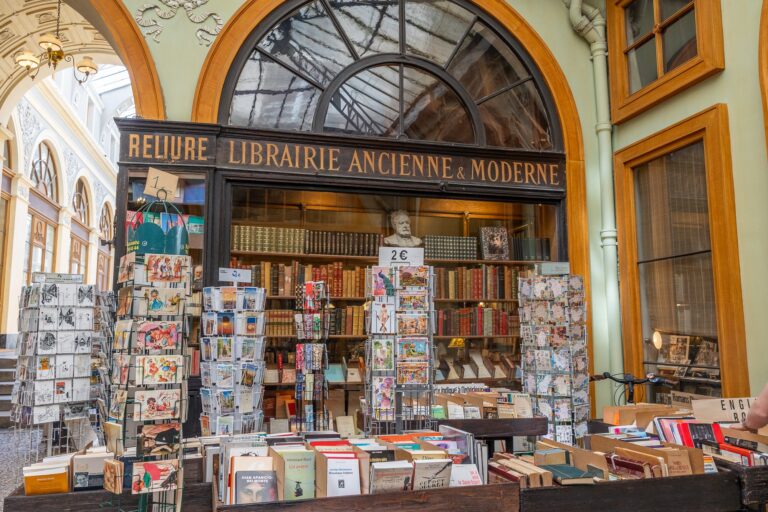
- Hidden Paris – the arcades, courtyards and neighbourhoods the crowds never reach are in our 30 hidden gems.
- Day trips – Versailles, Giverny, Chantilly and Fontainebleau are all doable in a day; how to do it in day trips from Paris.
- Paris after dark – jazz, speakeasy bars and rooftops; tips in Paris by night.
- Shopping – concept stores, department stores and vintage in our shopping guide.
Travelling with kids? We’ve put together a guide to family-friendly Paris, including what to expect with a stroller. And if it’s the Paris from the series that draws you in, check out 15 Emily in Paris filming locations, or our take on Paris myths and legends. And before you set off, run through our Parisian etiquette – a few simple rules will make your whole stay smoother.
When to visit Paris
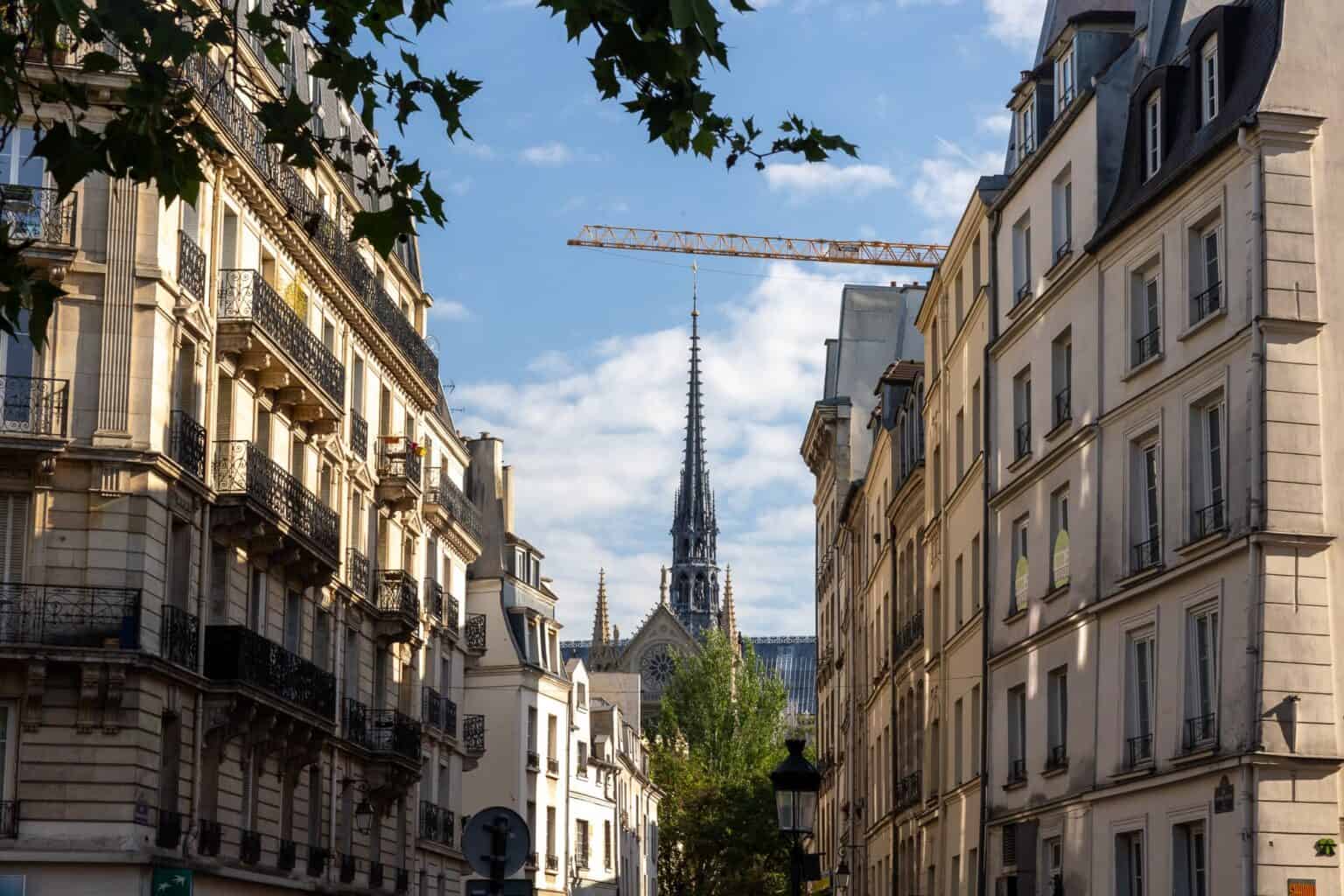
Paris is at its most pleasant in spring (April–June) and early autumn (September–October). The weather is mild, the gardens are in bloom or turning golden, and the queues are more bearable than in summer. These are the months we recommend most of all.
Summer (July–August) is the warmest and busiest – the city tends to be packed, and some local bistros and shops close for the holidays in August. Upside: long evenings and plenty of open-air events. Downside: higher accommodation prices and queues at the top attractions.
Winter has its own charm – Christmas markets, empty museums and the lowest accommodation prices outside the holidays. It can be damp and gets dark early, but for a long weekend of museums and cafés it’s ideal. Just bear in mind that the weeks before Christmas are pricier.




How to get to Paris
The fastest way to reach Paris is by air – direct flights from Prague take around 2 hours, and there are flights from Prague to both of Paris’s main airports. From smaller Czech cities you’ll usually fly with one connection. It pays to keep an eye on fares early; we refresh the current prices here every morning.
By car it’s roughly 1,000 km from Prague, meaning 10–11 hours of actual driving through Germany – realistically, plan to split it over two days. In the city itself, though, a car is more of a hindrance (parking is expensive and traffic heavy), so driving really only makes sense if you want to combine several stops along the way.
Renting a car
For Paris itself we don’t recommend a car – parking is expensive, traffic is heavy and the metro will get you anywhere faster. A car only makes sense if you want to combine trips outside the city (Fontainebleau, Chantilly) or carry on into regions that are harder to reach by public transport.
- Where to book – through rental comparison sites and ideally online in advance; on the spot it tends to be pricier with less choice.
- Insurance – watch the excess; basic cover often isn’t enough, and supplementary insurance protects you from a nasty bill.
- Deposit – expect a hold on your credit card, so make sure it has a sufficient limit.
- Tolls and motorways – French motorways are tolled (péage), so have a card ready; don’t drive into central Paris unless you have to.
Where to stay in Paris
The key is choosing the right neighbourhood – Paris has a brilliant metro, so you don’t need to stay right by the Eiffel Tower (and you’ll save money too). Tried-and-tested areas for a first visit are the central districts around the 1st–7th arrondissements, the much-loved Le Marais (3rd–4th) or the lively Latin Quarter (5th). For more peace and better prices, try districts a little further from the centre with a good metro connection.
- Hostels and budget hotels – for backpackers, often in the 10th–20th districts with good metro access.
- Boutique hotels – our pick, with a review: Hôbou Paris, an ideal base, including for a day trip to Versailles.
- Apartments – great for families and longer stays; your own kitchenette saves money on food.
Whatever you choose, focus above all on walking distance to a metro station – in Paris that matters more than being close to the sights themselves. Book sooner rather than later; the good price-to-location deals go fast.
Package tour or independent travel?
A package tour is worth it when:
- you want transport, accommodation and itinerary sorted all at once and hassle-free;
- it’s your first visit and you’d appreciate a guide to walk you through the classics;
- you’re travelling with parents or in a larger group and the logistics put you off.
Go it alone when:
- you want to set your own pace and have the freedom to change plans on a whim;
- you enjoy hunting down bistros and spots away from the crowds;
- you’re going for a long weekend – flights, a hotel and the metro are easy to manage yourself.
For the two of us, Paris suits doing it yourself – it’s a city where it pays to wander the neighbourhoods at your own pace. But if you want peace of mind and everything arranged for you, a well-put-together package is a perfectly valid choice; have a look at the current offers and compare them with the cost of flights and a hotel yourself.
Budget: daily costs in Paris
| Level | Accommodation | Food | Transport & activities | Total/day |
|---|---|---|---|---|
| Backpacker | 30 €–45 € (hostel, shared room) | 16 €–25 € (bakery, street food, supermarket) | 12 €–20 € (metro, free sights) | 55 €–90 € |
| Standard | 80 €–140 € (3* hotel, apartment) | 30 €–50 € (bistro, set lunch menu) | 25 €–40 € (metro, 1–2 museums) | 135 €–230 € |
| Comfort | 200 €+ (4* and boutique hotels) | 70 €+ (quality restaurants, wine) | 45 €+ (taxis, top attractions, experiences) | 320 €+ |
The prices are a rough guide per person, per day and assume you’re already in Paris (flights not included). Paris is one of the pricier European cities, but you can still travel on a budget — you’ll save a lot on food (bakeries, markets) and on places that are free to visit.
How to save when planning
- Buy flights ideally 2–4 months ahead; for a long weekend, avoid Friday departures – they’re usually the priciest. Search for flights in our finder.
- Book accommodation early – the good price-to-location deals in the centre disappear fast, especially over the holidays and in summer. Our accommodation tips.
- Watch tours in two windows: early bird (great prices and choice for the season) and last minute (when you’re flexible and want to save). Find the current tours here.
- Buy tickets and experiences (Eiffel Tower, Louvre, Versailles) online in advance – you’ll save hours in the queue and, for limited time slots, money too. What to book early.
- Where people overpay – cafés right next to the sights, single metro tickets instead of a multi-day pass, and changing money at the airport. These are easy to avoid.
Practical information
- Language and communication – the official language is French; you’ll get by in English at tourist spots, but a “Bonjour” opens doors. Our Parisian etiquette guide will help.
- Payments – you can pay by card almost everywhere, contactless even on the metro; cash only really comes in handy at markets and for small odds and ends.
- Connectivity – sort out an eSIM before you fly and you’ll have data the moment you land; coverage and even metro Wi-Fi are good.
- Safety – Paris is safe, but watch out for pickpockets on the metro and around the sights; wear your bag at the front and keep your documents separate.
- Getting around – the metro is fastest; a multi-day ticket or a rechargeable Navigo pass beats buying single tickets.


