

Paris etiquette is something the city will teach you very quickly. When Paris wakes up in the early morning and the scent of clarified butter drifts from corner bakeries into the cool air, you feel as though you’ve wandered onto the set of a perfectly directed film. People in long coats hurry to work, the first guests are already perched at little pavement tables with espressos, and everything looks effortlessly, impossibly chic.
Yet beneath that romantic surface beats a surprisingly strict and intricate system of social rules. You’ll usually discover this the moment you stride enthusiastically into a café, order a cappuccino in English, and are met with the icy stare of a server making it crystal clear that’s not how things are done here.
Paris won’t open its doors simply because you’ve got a loaded credit card. It will open them the moment you agree to play by its rules.
This city rewards those who make an effort. You don’t need to speak fluent French, but you do need to know when to lower your voice, how to break a baguette properly, and why you simply do not walk on the grass in the park. Master a handful of basic gestures and phrases, and you’ll suddenly find that famously frosty Parisian waiter smiling at you and cheerfully warming your toddler’s snack.
So come on — let me share what Lukáš and I learned, sometimes the hard way. 😅
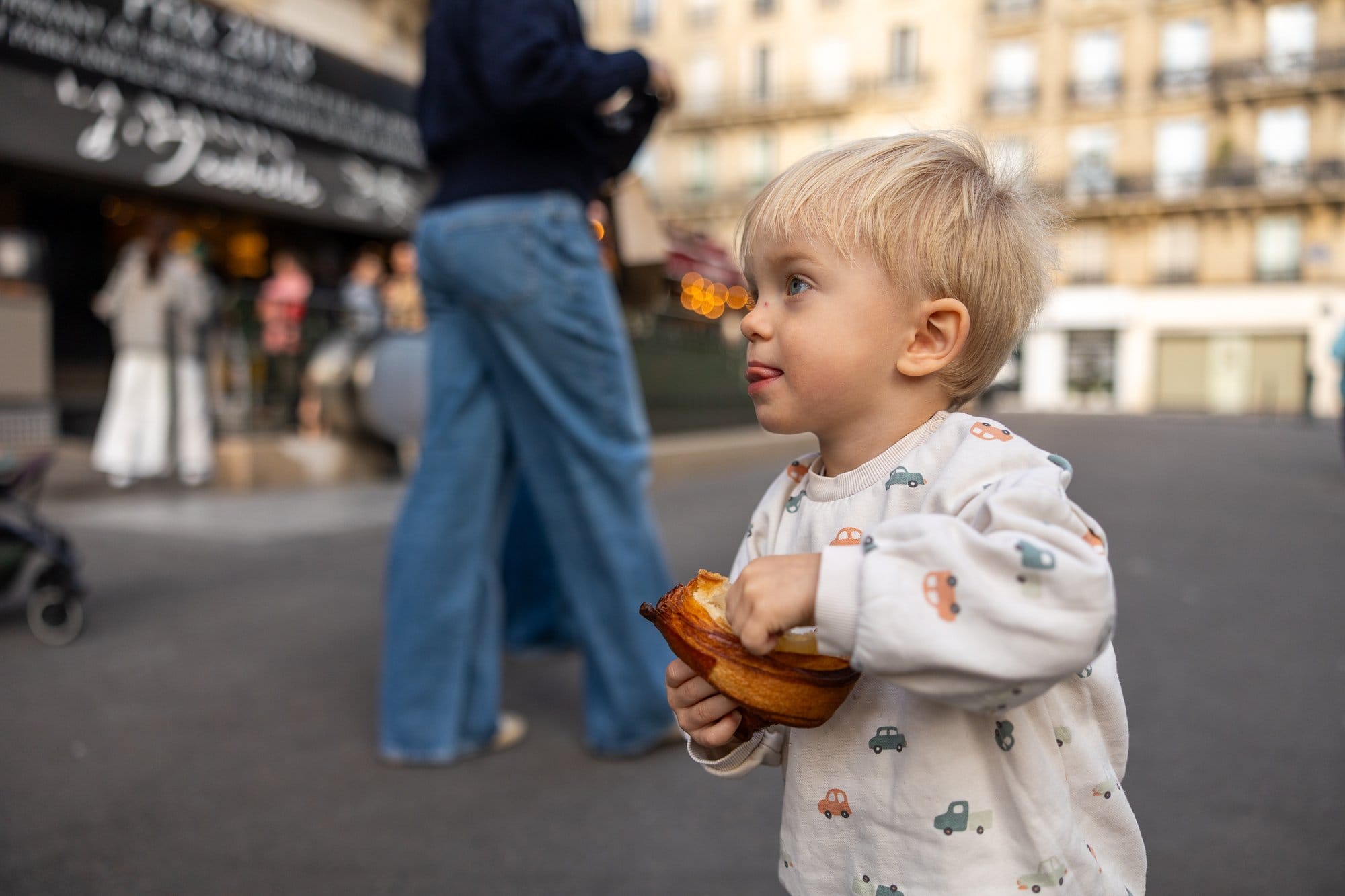
The full destination guide: Paris — guide and what to see
TL;DR
- The golden rule of Bonjour: Never begin any conversation, enter a shop, or step into a lift without this greeting. It is the absolute foundation of all Parisian politeness.
- Waiters are not “Garçon”: Calling them that is a rude, 19th-century insult. Always address staff as Monsieur (sir) or Madame (madam).
- The tip is included: Every bill already contains a “service compris” charge. Leaving a coin or two (1–2 €) on the table is reserved for genuinely exceptional service.
- Never cut a baguette: Bread is placed directly on the table beside your plate and broken by hand — never sliced with a knife.
- The Parisian uniform: Forget bum bags, trail shoes and technical outdoor gear. Locals stick to muted colours (black, beige, navy) and quiet elegance.
- No eating on the Métro: Nibbling a baguette on the street is perfectly fine; unwrapping a sandwich underground is a massive social taboo.
- Pelouse interdite: Means keep off the grass. Park wardens are merciless — one blast of the whistle and you’re off immediately.
- What to skip: Don’t go up the Eiffel Tower (go to Tour Montparnasse instead), avoid restaurants on Place du Tertre, and ignore anyone waving a petition.
- 2026 updates: Notre-Dame Cathedral has reopened after its restoration; Centre Pompidou is closed for five years; and swimming in the Seine is happening this summer.
When to Visit Paris: Seasons & 2026 Calendar
Choosing the right month will shape your mood far more than you might expect. Paris transforms with every season — sometimes quiet and melancholic, other times buzzing with music until the small hours. 2026 is also packed with specific events that could either enrich your itinerary brilliantly or complicate it unexpectedly.
Spring & Autumn: The Safest Bets
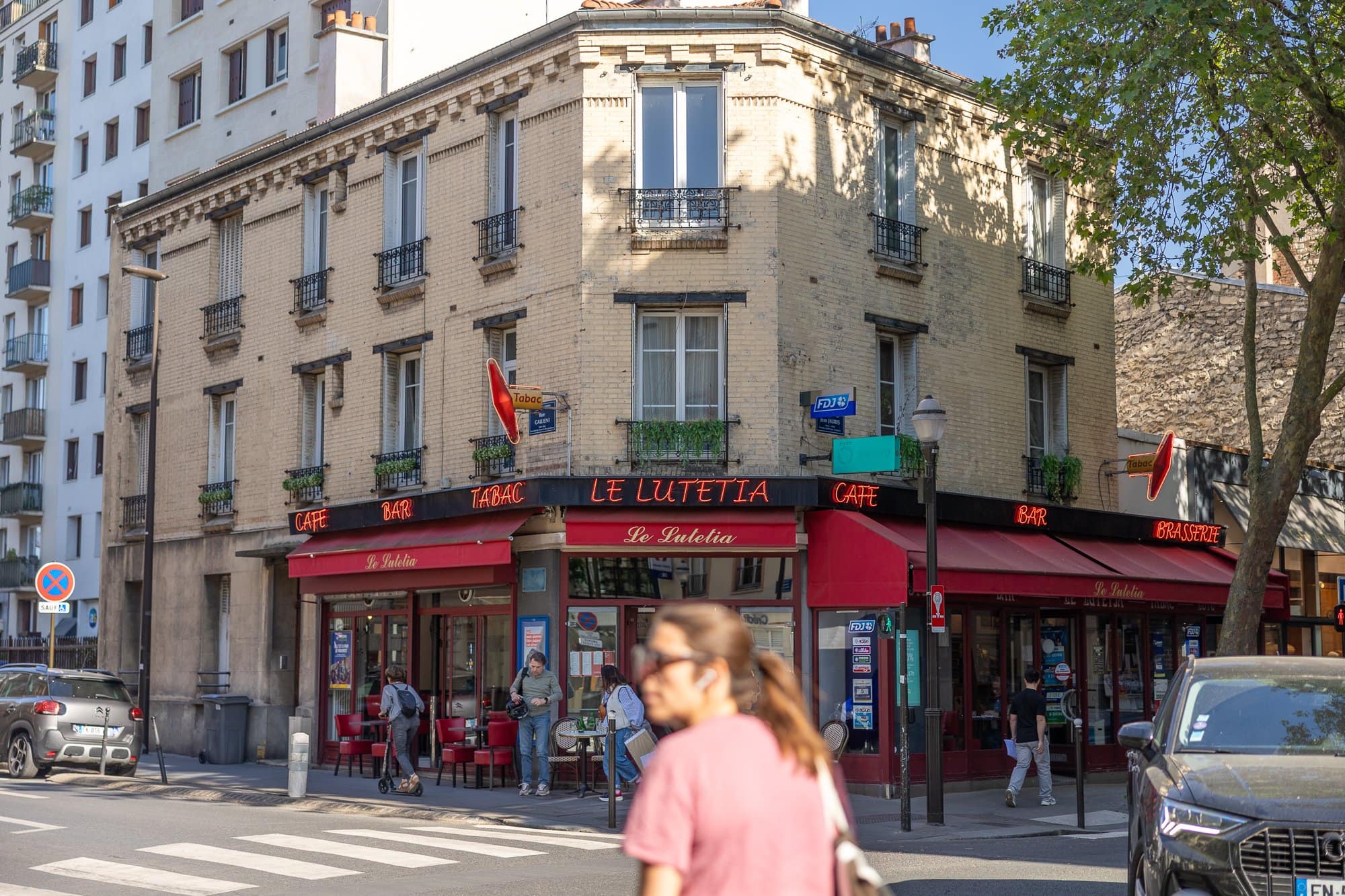
If you can choose, plan your trip for April, May, September or October. Spring brings blossom-lined streets and pleasant temperatures perfect for lingering on café terraces. In my opinion, May is the most photogenic month of all.
Autumn has its own irreplaceable magic, thanks to golden light and the return of Parisians from their holidays (the period known as la rentrée). The city buzzes with fresh energy, new exhibitions open, and bistros launch new menus.
💡 Tip: If you’re visiting in spring, bear in mind that the Paris Marathon takes place on 12 April 2026. Traffic in the centre grinds to a halt and many streets are closed. Navigating the area around the Champs-Élysées with a pushchair that day is a proper adrenaline rush.
January & February: Winter for Shopping and Solitude
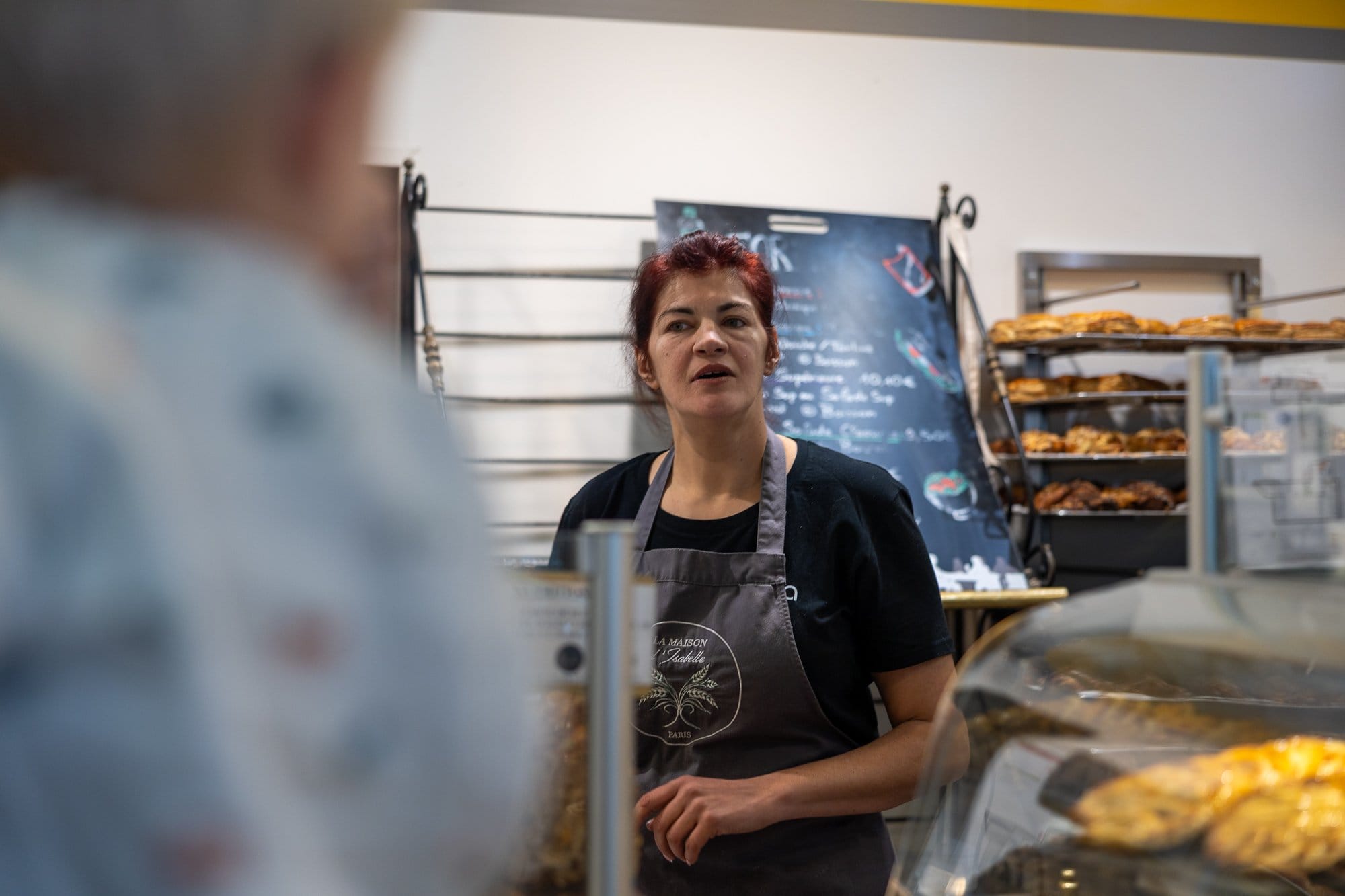
The start of the year tends to be grey and drizzly, but it has one enormous advantage: crowds are at an absolute minimum. January also brings the Soldes — state-regulated winter sales — when prices in boutiques tumble to a fraction of their usual levels.
Around the turn of February and March, however, it’s best to give the city a wide berth, as Paris Fashion Week descends. Black limousines clog every street, hotel rates triple, and you won’t find a table in any decent restaurant.
💡 Tip: In the first two weeks of January, every bakery sells Galette des Rois (King’s Cake). Hidden inside the flaky almond pastry is a tiny ceramic figurine. Whoever finds it in their slice gets to wear a paper crown.
Summer 2026: Swimming in the Seine & the August Exodus
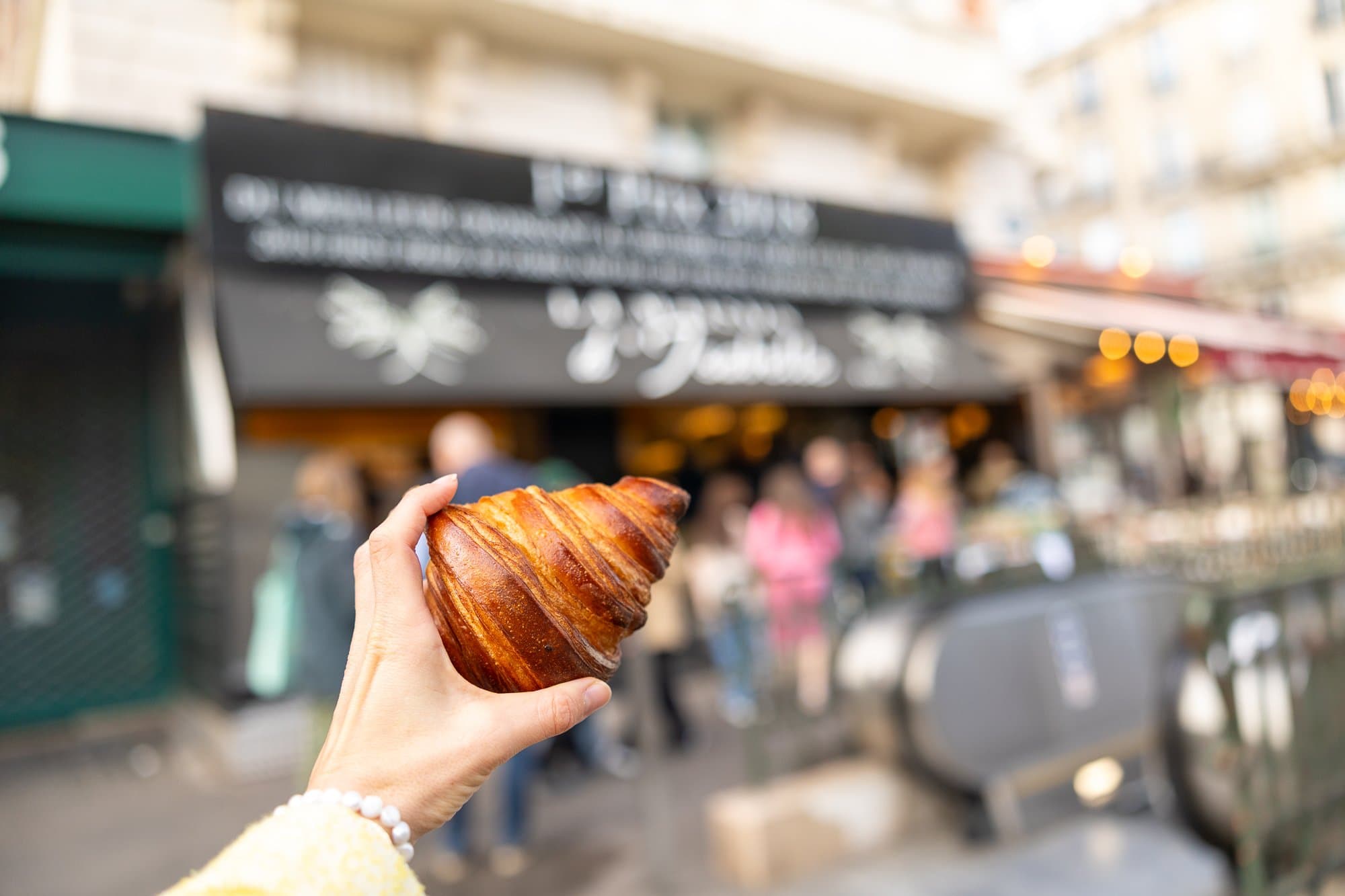
June is magical in Paris. The headline event is Nuit Blanche (White Night) on 6 June 2026, when the whole city transforms into an open-air gallery and the streets stay alive until dawn. Then on 21 June comes Fête de la Musique, with free live bands performing on every corner.
July and August bring one of the big novelties of 2026. After a historic clean-up of the river, official swimming spots will open directly in the Seine.
August, though? Lukáš and I once arrived in August and found half our favourite spots displaying a sign: fermeture annuelle (annual closure) — the owners had simply headed to the coast. Lesson learned. The city fills up with tourists, and the heat is relentlessly oppressive.
💡 Tip: On the weekend of 19–20 September 2026, the European Heritage Days (Journées du Patrimoine) take place, opening palaces that are normally off-limits. One important caveat: if you’re planning a day trip outside the city, note that Monet’s famous gardens at Giverny are exceptionally and strictly CLOSED on those two days.
Where to Stay in Paris: Safe, Peaceful & Family-Friendly Neighbourhoods
On our first trip with Lukáš and baby Jonáš in the pushchair, we naively booked a hotel near the Eiffel Tower — and endured the three noisiest nights of our lives. Now we know that choosing the right arrondissement determines which version of Paris you actually experience.
Forget the idea of staying directly next to the famous landmarks if you want to absorb the real city atmosphere. For us, the priorities are safety, proximity to parks, and wide pavements where you can manoeuvre a pushchair without zigzagging around wheelie bins.
6th Arrondissement (Saint-Germain-des-Prés): The Golden Family Choice
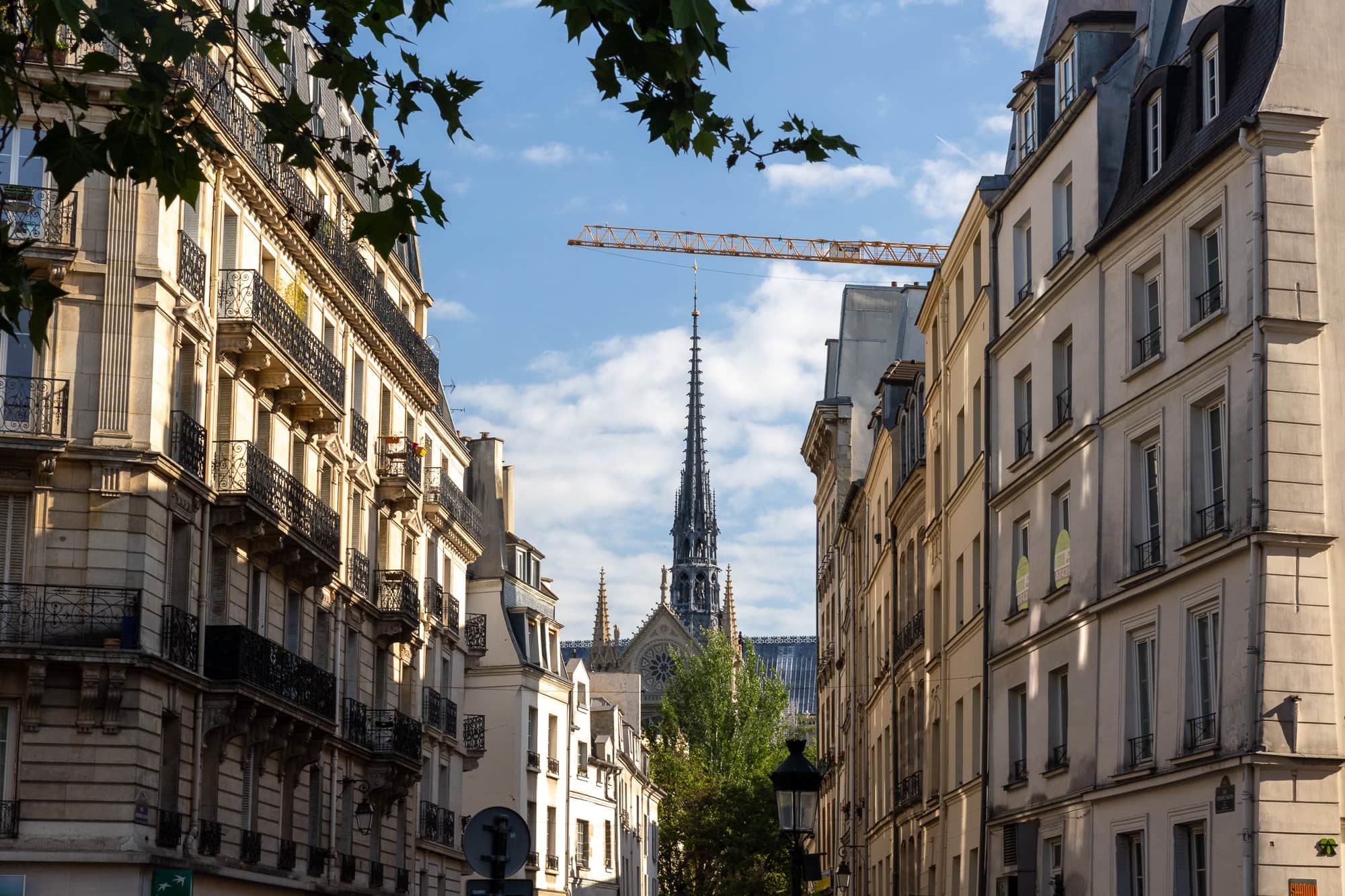
This is our absolute favourite part of the Left Bank. It’s remarkably peaceful, strikingly beautiful, and you feel completely safe even at midnight. The star attraction for families is the Jardin du Luxembourg, which is paradise for children. You’ll find legendary cafés, old bookshops and luxury boutiques. It’s one of the pricier neighbourhoods, but the quality of life there is absolutely worth it.
Jonáš immediately fell in love with the little wooden sailing boats you can hire to float on the fountain, while Lukáš and I were won over by the ever-present smell of fresh coffee. Everything is conveniently close, and the Métro connects you easily to both banks of the Seine.
3rd Arrondissement (Northern Marais): Local & Trendy
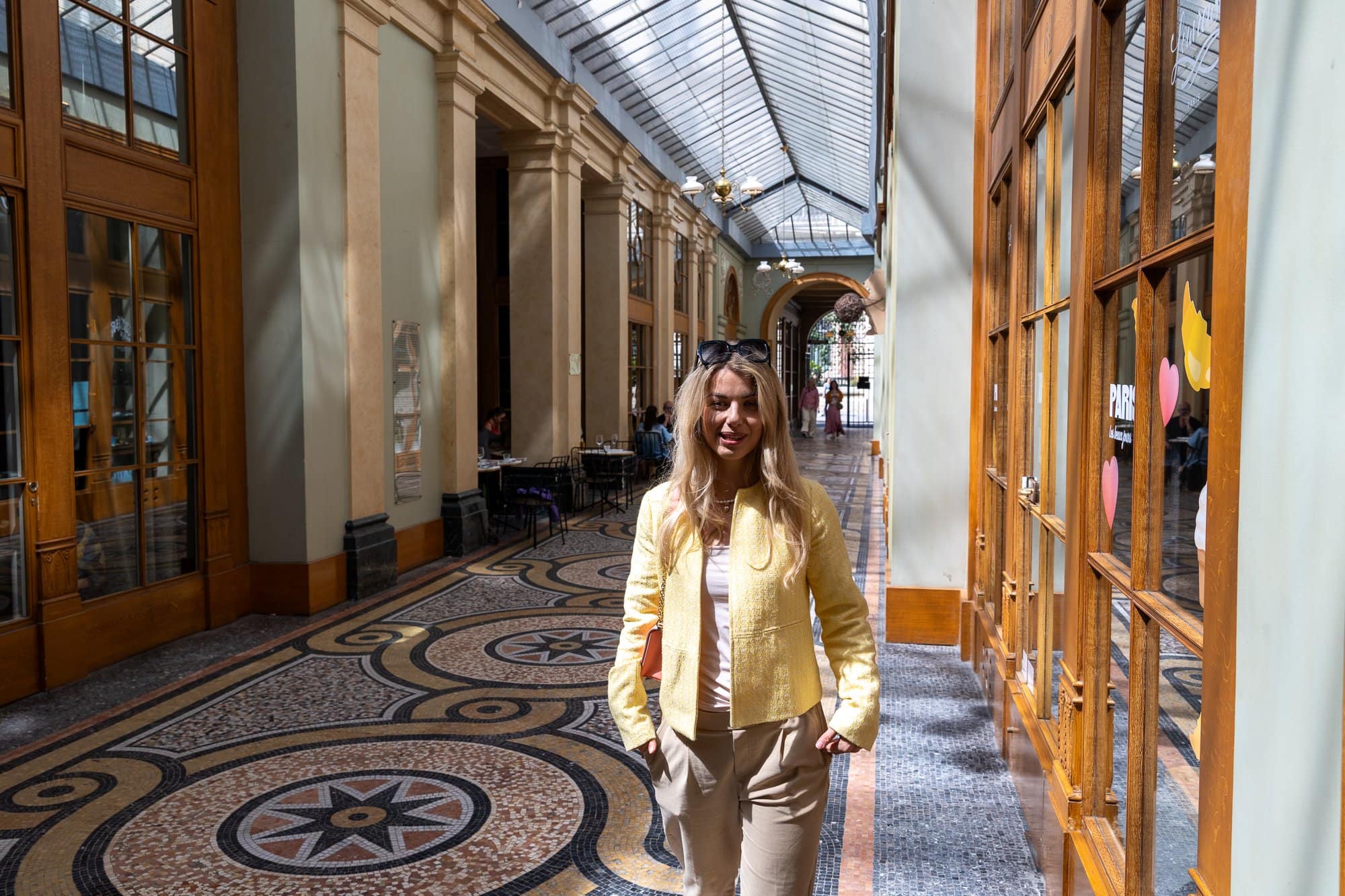
The historic heart of the Right Bank. While the southern Marais (4th arrondissement) heaves with tourists, the northern part around Rue de Bretagne is a genuine oasis. The streets are flat, there are charming little squares, brilliant bakeries, and the famous covered market Enfants Rouges. The neighbourhood is wonderfully tolerant, very safe and full of independent arts and culture.
I remember spending an entire rainy afternoon in a tucked-away crêperie here, feeling completely like a local. The streets aren’t overrun with cars, and the independent boutiques stock the most beautiful little finds.
15th Arrondissement (Vaugirard): Quiet Residential Haven
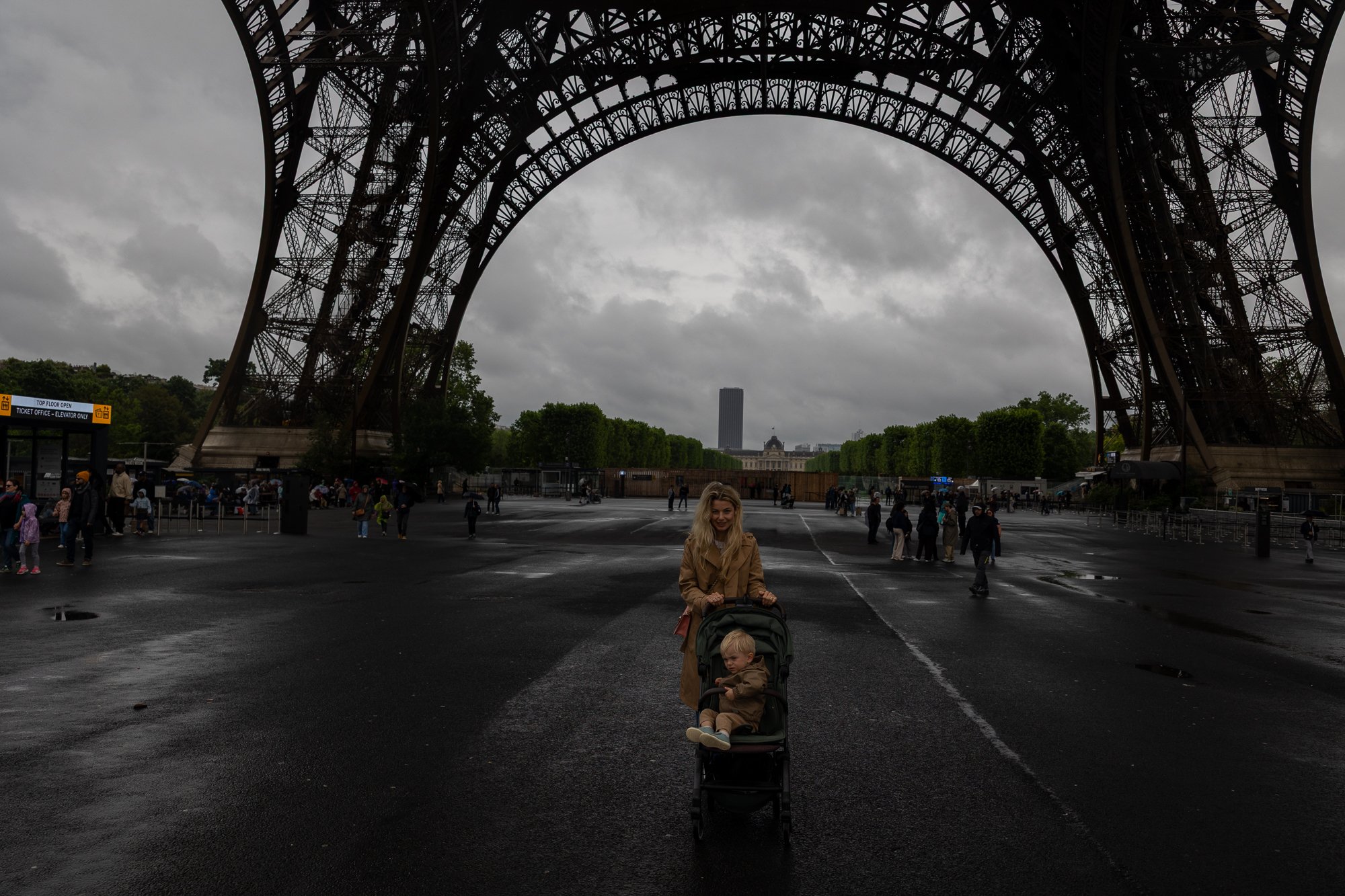
If you’re looking for more affordable accommodation that still sits within the broader centre and feels completely safe, the 15th arrondissement is a hidden gem. It’s primarily residential, streets are broad, and there are brilliant local markets. You’re within easy reach of the Eiffel Tower yet nowhere near the camera-toting crowds.
We love coming back here especially for the Sunday markets, where local grandmothers do their weekly shop and stallholders will press a sliver of cheese into your hand with a smile. It feels like a quiet Parisian village tucked inside the metropolis.
Specific Hotels That Meet Our Strict Criteria
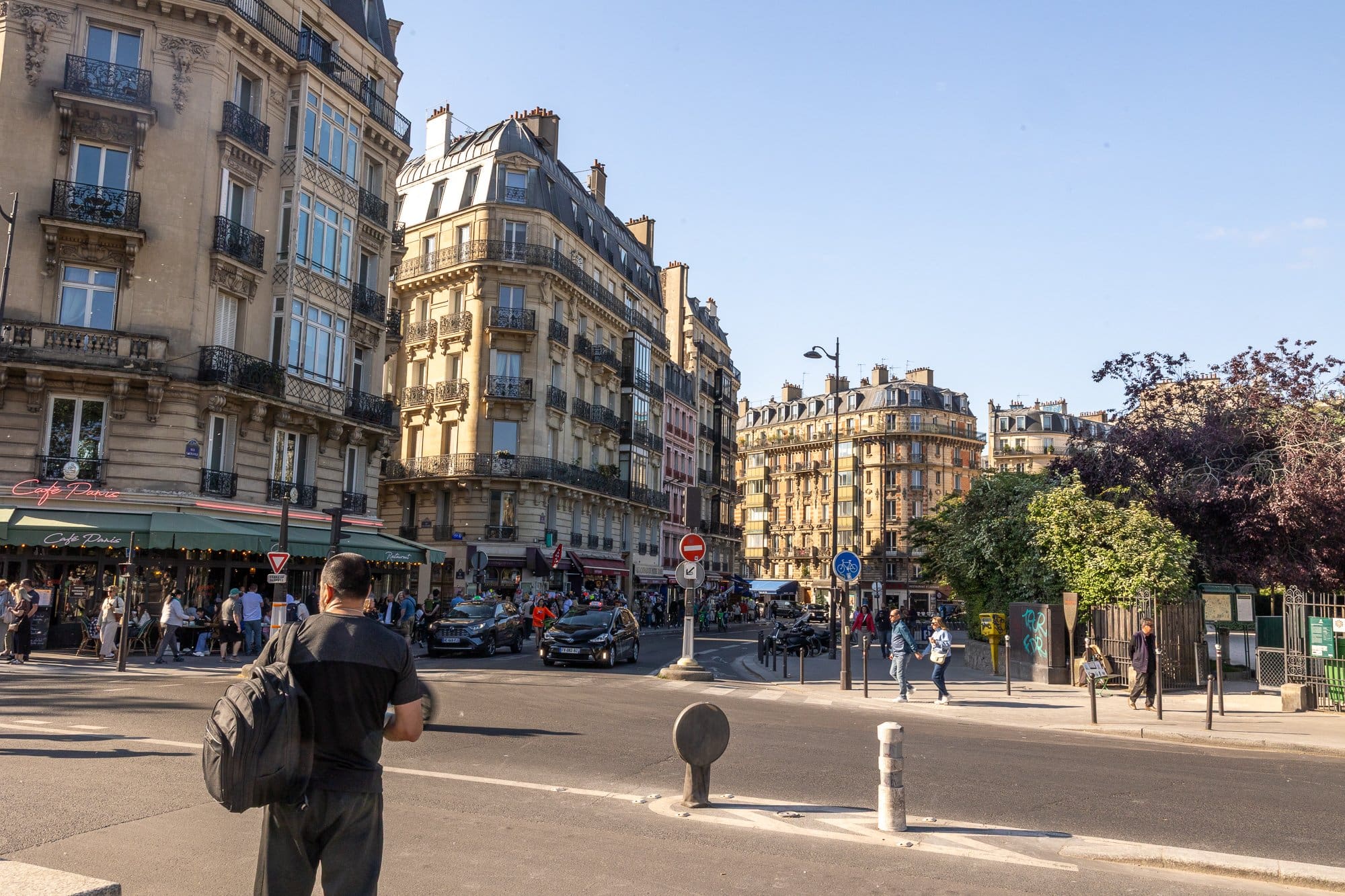
These hotels were selected by Lucie: the first two we tried ourselves, and the third was enthusiastically recommended by our friend Petra, who stays there every year:
Hôtel des Grands Hommes (5th arrondissement) A gorgeous hotel directly opposite the Panthéon, a short walk from the Luxembourg Gardens. Rooms have classic French charm with floral wallpaper. They offer free travel cots on request and the staff are genuinely lovely. A double room costs around 220 € per night.
Hôtel Henriette (13th arrondissement) A little away from the busiest centre, this design boutique hotel has a hidden inner courtyard where you can enjoy your morning coffee. It’s an incredibly photogenic spot, and they offer family rooms — a rarity in Paris. Rates are around 160 € per night.
citizenM Paris Gare de Lyon (12th arrondissement) If you prefer a modern, tech-forward stay, this is a reliable choice. Rooms are compact but the beds are enormous — wall to wall. Excellent access to Métro line 14 (fully step-free and ideal for pushchairs). A night here costs around 180 €.
Understanding local etiquette often starts the moment you check in. The owners of boutique hotel Hôbou showed us an authentically French approach — full of warm greetings and genuine personal interest that you simply won’t find in a chain hotel. If that kind of personal touch appeals to you, read my detailed review and then check available rooms.
Paris Etiquette in Practice: Rules for Daily Survival
French society runs on details. You could be wearing the latest looks straight off a Paris runway, but one basic communication blunder and locals will instantly file you under “rude foreigner”. There’s no need to panic, though — a few core principles are all it takes.
The Magic Word Bonjour (and Why You Don’t Exist Without It)
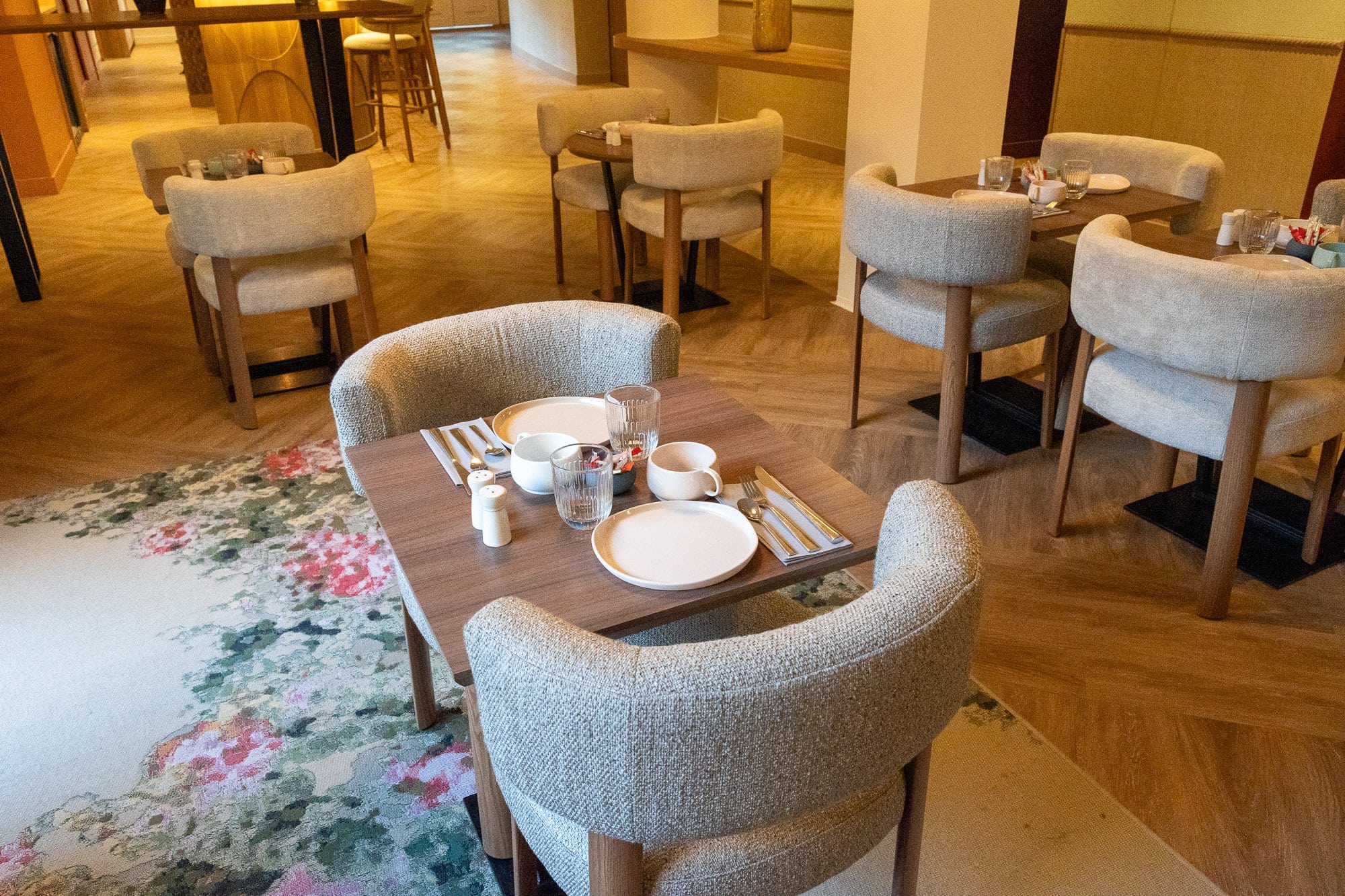
This is the single most important paragraph in this entire guide. In France, the greeting Bonjour (Good day) doesn’t just function as a courtesy. It is the key that unlocks communication — a signal that you recognise the person in front of you as an equal, not a machine there to fulfil your requests.
Stepping into a boulangerie? You must say Bonjour, even if you’re already peering at the display. Entering a small boutique? Bonjour. Approaching the till in a supermarket? Bonjour.
If you walk into a café and launch straight into your order, the server will likely ignore you or respond with deliberate coldness. From around 6pm, the greeting shifts to Bonsoir (Good evening).
💡 Tip: When leaving a shop or restaurant, simply walking out won’t do. Good manners require an Au revoir (Goodbye) and ideally a Bonne journée (Have a good day) or Bonne soirée (Have a good evening) — even if you didn’t buy anything.
How to Behave in a Restaurant and at the Table
Gastronomy is a religion in France, and the dining table is its altar. Timing is absolutely critical. Lunch is served strictly between 12:00 and 14:30. Arrive at three in the afternoon and classic bistro kitchens will be closed — you’ll be left with tourist traps whose doors advertise Service Continu (Continuous Service). Dinner starts no earlier than 7:30pm, though locals tend to arrive after 8.
In a restaurant, never seat yourself unless invited to do so. Wait by the entrance, catch the server’s eye, and say “Bonjour, une table pour deux” (Good day, a table for two).
And now for the crucial bit: never call a waiter “Garçon!” (literally “Boy!”). It’s a relic of the 19th century and is considered a genuine insult today. Always address staff as Monsieur (Sir) or Madame (Madam).
When it comes to bread, a baguette is never cut with a knife. You tear it into small pieces by hand. There’s no need to keep it on your side plate — it’s completely normal to rest a piece directly on the bare tablecloth beside your plate. And your hands? They don’t belong in your lap under the table as in many other cultures; instead, your wrists rest on the edge of the table.
💡 Tip: A tip (service charge) is always included in the price of your meal under the item “service compris”. You don’t need to calculate percentages. If you were happy with the service, it’s customary to leave 1–2 € in coins on the table after lunch. Tips are always left in cash — never added on the card reader.
The Parisian Uniform: What to Wear
Elegance in Paris is not about piling on luxury labels with oversized logos. It’s about understatement and quality materials. Locals love a neutral palette: black, navy, camel, cream and grey. The foundation is a well-cut coat, clean shoes and one statement accessory — a quality leather bag or a silk scarf, for example.
What will instantly mark you out as a tourist — and attract the attention of pickpockets?
- A bum bag worn around the waist (if you must have one, wear it across your chest).
- Technical outdoor gear, hiking boots and zip-off cargo trousers. They simply don’t belong in the city.
- Bermuda shorts and cargo shorts on men (Parisians wear full-length trousers even in warm weather, or at most elegant linen shorts).
- Bold logos and slogan tees.
Hair follows the coiffé-décoiffé principle — effortlessly tousled, as though a Parisienne just rolled out of bed and ran her fingers through her hair. In reality, she spent twenty minutes in front of the mirror with a texturising spray. I’ve tried it too. The result was more coiffé-catastrophe, but at least I had a laugh. ☺️
💡 Tip: Trainers are absolutely fine in Paris these days. Locals love classic white styles like Veja, adidas Stan Smith or New Balance — but they pair them with an elegant wool coat or a dress, never with a tracksuit.
Social Faux Pas in Public Spaces
Parisians place great value on their privacy, even in public. They are naturally quieter and more discreet than, say, many American tourists. Loud phone conversations on the Métro or talking over one another at a restaurant table will earn you genuinely annoyed looks.
The underground also has one enormous taboo: eating. While you’re perfectly welcome to nibble the end off a fresh baguette as you walk from the bakery, unwrapping a sandwich on the Tube will earn you looks of pure disgust. Sipping from a water bottle is, of course, absolutely fine.
In parks, keep a close eye on the grass. If you see a sign reading Pelouse interdite (Keep off the grass), take it deadly seriously. Parisian parks are patrolled by uniformed wardens who show no mercy — one sharp blast of the whistle and you’re ejected immediately.
Picnics are permitted only in designated areas, typically in the Parc des Buttes-Chaumont or on the specific lawns set aside for that purpose in the Jardin du Luxembourg.
💡 Tip: Whenever you pass through a door — whether entering a shop or going through the Métro barriers — always glance behind you and hold the door for the person following. It’s an automatic social reflex here, and letting a door swing into someone’s face is considered genuinely rude.
What NOT to Do in Paris (and What to Watch Out For)
The internet is full of lists telling you what to see. Far fewer people will honestly tell you what you can comfortably skip. Some things are nothing more than expensive tourist traps that drain both your energy and your wallet — and then there are the specific scams that tend to cluster around the major sights.
Tourist Traps Worth Skipping
Going up the Eiffel Tower — This sounds like heresy, but don’t bother going to the top. You’re looking at hour-long queues, security checks, a ticket costing 29.40 €, and — crucially — from the summit you can’t actually see the Eiffel Tower itself, which is what makes the Paris skyline so magical. Head to the Tour Montparnasse instead. At 21 €, you ride the fastest lift in Europe to get a 360-degree panorama with the Eiffel Tower sitting perfectly in front of you.
Eating on Place du Tertre (Montmartre) — The little square full of painters on the Montmartre hilltop is picturesque, but eating there is a serious mistake. Restaurants here rely on the fact that you’ll never return, so the food is below average and the prices are stratospheric. Have a coffee at most, then walk a few streets downhill — try the Rue des Martyrs for proper food.
Shopping on the Champs-Élysées — This famous avenue long ago ceased to be the romantic promenade you see in films. It’s now a parade of multinational chains, fast food and tourist hordes. For a genuine Parisian shopping experience in independent boutiques, head to Le Marais instead (particularly Rue des Francs-Bourgeois).
💡 Tip: Don’t even put Centre Pompidou, the famous modern art museum with its exposed pipework façade, on your list. The building closed for a complete five-year renovation at the end of 2025 and won’t reopen until 2030.
The Most Common Street Scams in 2026
Paris is generally a safe city, but around its major landmarks operate very skilled, organised groups. Here are the three most common tricks you need to know about:
The golden ring — You’re walking along the Seine when someone stops you, bends down to the pavement, “finds” a large gold ring, and with an innocent expression asks whether you dropped it. Before you can refuse, they’re pressing it into your hand and explaining they need a few euros for food. The ring is, of course, cheap brass. 😅 Ignore it and walk on.
Friendship bracelets at Sacré-Cœur — On the steps below the basilica on Montmartre, groups of men stand with coloured threads. The moment you get close, they’ll try to grab your wrist and start tying a bracelet around it. Before you know it, the bracelet is knotted tight and they’re aggressively demanding 10 €. Keep your hands in your pockets and say firmly: “Non, merci.”
Fake petitions and charities — Around the Eiffel Tower and at the entrance to the Louvre, you’ll often encounter young women carrying clipboards and pens. They present themselves as deaf-mute and ask you to sign a petition for animal or children’s rights. Once you’ve signed, they demand money — and while you’re distracted, an accomplice checks your pockets.
💡 Tip: Watch out for “tickets” to Notre-Dame Cathedral. Since its reopening, touts — both online and on the street — have appeared selling “skip-the-line” entry passes. Entry to Notre-Dame is and has always been COMPLETELY FREE for everyone. Never buy a ticket from anyone.
Misunderstandings from Language Barriers
English is far less of a taboo in Paris than it was twenty years ago, but the way you use it matters enormously. Never approach someone with the direct question “Do you speak English?”
Always open with a polite “Bonjour, excusez-moi de vous déranger…” (Good day, I’m sorry to disturb you) and only then ask whether they speak English. The difference in willingness to help will be remarkable.
You’ll also encounter a cultural difference at the theatre or in smaller live-music venues. The French don’t applaud with their hands above their heads or whoop with enthusiasm after a performance. They clap quietly, hands close to the body. Start cheering like you’re at a rock concert and you’ll get very puzzled looks.
💡 Tip: If you’re paying by card in a small bakery or at a market for something under 5 €, always apologise in advance (“Désolé, je n’ai pas de monnaie” — Sorry, I don’t have change). Merchants pay high bank fees on small transactions and genuinely appreciate cash.
Where to Eat: Our Favourite Spots Without Tourist Traps
Finding excellent food in Paris isn’t difficult — but finding somewhere that will welcome a foreigner with a small child with genuine warmth takes a little more hunting. Lukáš and I have tried plenty of bistros where we were merely tolerated rather than made to feel at home.
Here are the places we return to with confidence, knowing we’ll get honest cooking, a friendly smile, and the kind of culinary experience that stays with you long after you’ve gone home.
Bouillon Chartier: A Step Back into Old Paris
This place is a legend, and you owe it to yourself to experience it at least once. It’s a vast 19th-century dining hall where waiters in black waistcoats scribble your order directly onto the paper tablecloth. The noise levels are extraordinary, the tables are packed so close together you’ll inevitably strike up a conversation with your neighbours, and the atmosphere is completely one-of-a-kind.
The food won’t earn a Michelin star, but it’s honest French cooking at a fraction of the price you’d pay anywhere else. The snails and French onion soup are excellent, and they’ll always happily rustle up plain pasta for Jonáš. They don’t take reservations, so arrive just before opening time — otherwise expect a long queue.
Miznon in Le Marais: Vegetarian Heaven in Your Hand
When we’ve had our fill of French cheese, we always head to Le Marais for something Middle Eastern. Miznon is an Israeli bistro famous for baking the finest whole roasted cauliflower in the world. I know that sounds absurdly ordinary, but once you taste it, you’ll understand completely.
The cauliflower comes out beautifully crisp on the outside and impossibly tender within, served alongside perfect pitta stuffed with grilled vegetables and falafel. It’s fast, informal, and while squeezing in with a pushchair is a challenge, you can always grab your food to go and settle on a bench in a nearby square.
L’As du Fallafel: The Classic That Never Disappoints
Staying in the same neighbourhood — because just around the corner is this legendary little window. It might sound like a cliché, but the falafel really is extraordinary and will keep you going for half a day. The queue is long but moves incredibly quickly thanks to a team working with the precision of a well-oiled machine.
We always buy ours to take away and eat in the nearest park, giving Jonáš space to run around. It’s the perfect solution when you can’t face a leisurely two-hour lunch and just need to refuel quickly before the next stretch of exploring.
Practical French Phrasebook (Especially for Parents)
You absolutely do not need to learn fluent French before your trip. A handful of anchor points that show you’ve made an effort is all you need. The list below covers the phrases we actually use ourselves. Pronunciation is shown in square brackets, written to be read naturally by an English speaker.
Essential Phrases & Basic Politeness
A few key words act as a social shield. Using them signals respect for local culture. The difference between Pardon and Désolé is small but important. Use Pardon when squeezing past someone in a crowd or accidentally bumping into them lightly. Use Désolé for a genuine apology — when you’ve made a mistake or can’t help someone.
- Good day: Bonjour [bon-ZHOOR]
- Good evening: Bonsoir [bon-SWAHR]
- Goodbye: Au revoir [oh ruh-VWAHR]
- Please: S’il vous plaît [seel voo PLAY]
- Thank you (very much): Merci (beaucoup) [mair-SEE boh-KOO]
- Excuse me (in a crowd): Pardon [par-DON]
- Excuse me (to get attention): Excusez-moi [ex-kyoo-ZAY mwah]
- I’m sorry: Désolé(e) [day-zo-LAY]
- Do you speak English?: Parlez-vous anglais? [par-LAY voo ong-LAY]
- I don’t understand: Je ne comprends pas [zhuh nuh kom-PRON pah]
💡 Tip: The French link words together fluidly. “S’il vous plaît” doesn’t sound like three separate words — it runs together as something close to “seel-voo-PLAY”. Don’t be afraid to say it quickly.
In a Restaurant or Café
Knowing these phrases will save you real money. Take water, for instance. By law, every French restaurant must provide tap water free of charge. But you need to ask for it correctly. If you simply ask for “de l’eau” (water), they’ll bring you expensive bottled water. The magic words are “une carafe d’eau” — a jug of tap water, always free.
As a vegetarian, I know that France is traditionally a meat-loving country — though that’s changing fast (the legendary Michelin-starred restaurant Arpège went fully vegan in 2026, which is a genuine watershed moment). Even so, it’s worth being able to state your dietary requirements clearly.
- A table for two, please: Une table pour deux, s’il vous plaît [oon TAH-bluh poor duh, seel voo PLAY]
- Tap water (free): Une carafe d’eau [oon kah-RAF doh]
- The menu, please: Le menu, s’il vous plaît [luh muh-NOO, seel voo PLAY]
- I’m vegetarian: Je suis végétarien(ne) [zhuh swee vay-zhay-tah-RYEH(n)]
- A coffee (small espresso): Un café [uhn kah-FAY]
- Coffee with milk (larger): Un café crème / Un café au lait [uhn kah-FAY krem / uhn kah-FAY oh LAY]
- A glass of red wine: Un verre de vin rouge [uhn vair duh vaN ROOZH]
- The bill, please: L’addition, s’il vous plaît [lah-dee-SYOHN, seel voo PLAY]
💡 Tip: Once you’ve finished eating and want to compliment the chef, tell your server “C’est délicieux” [say day-lee-SYUH] (It’s delicious). Watch them melt.
Special Section for Travelling with a Toddler
Travelling with Jonáš means we face entirely different logistical challenges from most tourists. Parisian cafés are small and squeezing in with a pushchair can be a real puzzle. These phrases will save your sanity when the baby is crying and you need to act fast.
- Do you have a high chair?: Avez-vous une chaise haute? [ah-VAY voo oon shayz OHT]
- Where is the baby changing table?: Où est la table à langer? [oo ay lah TAH-bluh ah lon-ZHAY]
- Could you just warm this up, please?: Pouvez-vous juste réchauffer, s’il vous plaît? [poo-VAY voo zhüst ray-show-FAY, seel voo PLAY]
- May I come in with the pushchair?: Puis-je entrer avec la poussette? [pwee-zhuh on-TRAY ah-VEK lah poo-SET]
- Not spicy, please: Pas épicé, s’il vous plaît [pah ay-pee-SAY, seel voo PLAY]
- Nappies / nappy: Des couches [day KOOSH]
- Baby food / purée: Une compote / Une purée [oon kom-POT / oon pyoo-RAY]
💡 Tip: Most traditional Parisian bistros have no baby changing facilities (the loos are typically down a spiral staircase in the basement). If you urgently need to change your baby, head to any large park or the modern self-cleaning public toilets on the street (Sanisettes), which are free of charge and spacious.
In Shops, on the Métro & in Emergencies
This section is purely practical. If you get lost or feel unwell, it helps to know where to turn. Pharmacies (identifiable by the green blinking cross) work brilliantly in France, and pharmacists can often advise you on common ailments without a doctor’s appointment.
- Where is the Métro?: Où est le métro? [oo ay luh may-TROH]
- A ticket: Un billet [uhn bee-YAY]
- How much does it cost?: Combien ça coûte? [kom-BYEH(n) sah KOOT]
- Can I pay by card?: Je peux payer par carte? [zhuh puh pay-YAY par KART]
- I’m just browsing, thanks: Je regarde juste, merci [zhuh ruh-GARD zhüst, mair-SEE]
- Pharmacy: La pharmacie [lah far-mah-SEE]
- It hurts here: J’ai mal ici [zhay mal ee-SEE]
- A temperature / fever: De la fièvre [duh lah FYEV-ruh]
- Call the police: Appelez la police [ah-play lah poh-LEES]
💡 Tip: When you walk into a clothes shop and the assistant asks if you need help, but you just want to browse in peace, smile and say exactly “Je regarde juste, merci.” They’ll immediately give you space.
The Most Photogenic Spots: How to Capture the Best Shots
I remember surfacing from the Métro on Île de la Cité for the first time and nearly letting go of Jonáš’s pushchair because I spun around to photograph a lamp post. Paris is simply unfair — every single corner is worth photographing.
But if you want shots without thousands of tourists in the background, you need to know where to go and precisely when to be there. From my experience in photojournalism, I know that light and timing are everything.
The Eiffel Tower Without the Crowds: Secret Angles
Everyone knows the classic shot from Trocadéro plaza. Try something different this time. Instead of the main esplanade, head to the Passerelle Debilly. This narrow pedestrian bridge gives you a perfect angle on the Tower with the Seine flowing beneath you, and you’ll rarely encounter crowds here.
Another iconic location is the Pont de Bir-Hakeim bridge (Métro line 6). The bridge has two levels: above, green carriages rattle past on the elevated railway, while below, a colonnade of steel pillars frames the Tower perfectly — it looks exactly like a scene from the film Inception.
If you’re after a romantic Parisian street with the Tower’s tip peeking into frame at the far end, make for the cul-de-sac Avenue de Camoens in roughly the 16th arrondissement. It opens onto a small flight of steps, flanked by beautiful townhouses, and there’s complete quiet.
💡 Tip: If you want to shoot long-exposure photos from the Pont Alexandre III with a tripod, arrive just after sunset before it gets completely dark (the so-called blue hour). The golden statues on the bridge glow magnificently against the deepening sky.
Romance on Montmartre
Hilly Montmartre is photogenic from top to bottom. Avoid the main square, though — instead, lose yourself in the side streets.
The most famous spot right now is the pink house La Maison Rose on the corner of Rue de l’Abreuvoir and Rue des Saules. It was once a cabaret and is now a restaurant, and thanks to the series Emily in Paris it draws serious crowds. Aim to arrive before 9am.
The Rue de l’Abreuvoir itself is frequently cited as the most beautiful street in Paris — lined with pastel-coloured houses draped in ivy, with the white dome of Sacré-Cœur rising at its far end.
For something quite different, discover Villa Léandre — a quiet cul-de-sac of art deco cottages with tiny front gardens. You’d never guess you were in a throbbing metropolis; it feels more like somewhere in the English countryside.
💡 Tip: If you’re photographing with a pushchair, Montmartre will be a serious staircase challenge. Use the funicular railway (Funiculaire), which accepts a standard Métro ticket. It saves an enormous amount of energy.
Hidden Lanes and Architectural Gems
One of the most colourful streets in Paris is Rue Crémieux in the 12th arrondissement — a cobbled lane lined with low houses painted in candy shades (pink, yellow, pale blue) that reminds you more of Notting Hill in London than the French capital.
On the Île de la Cité, don’t miss Place Dauphine. This triangular square hides behind the Palais de Justice, with shady trees, benches, locals playing pétanque, and a perfect backdrop for a coffee-in-hand portrait shot. In autumn it has an almost unreal atmosphere.
And for monumental symmetry, stand in Rue Soufflot in the 5th arrondissement. The broad, straight street leads directly to the majestic colonnade of the Panthéon, which at sunset takes on a beautiful golden-honey glow.
💡 Tip: The residents of Rue Crémieux are thoroughly fed up with constant photo shoots and are actively considering closing the street to the public. If you visit, be quick, be quiet, don’t use flash, and under no circumstances sit on anyone’s doorstep.
The Reopened Notre-Dame and the Banks of the Seine
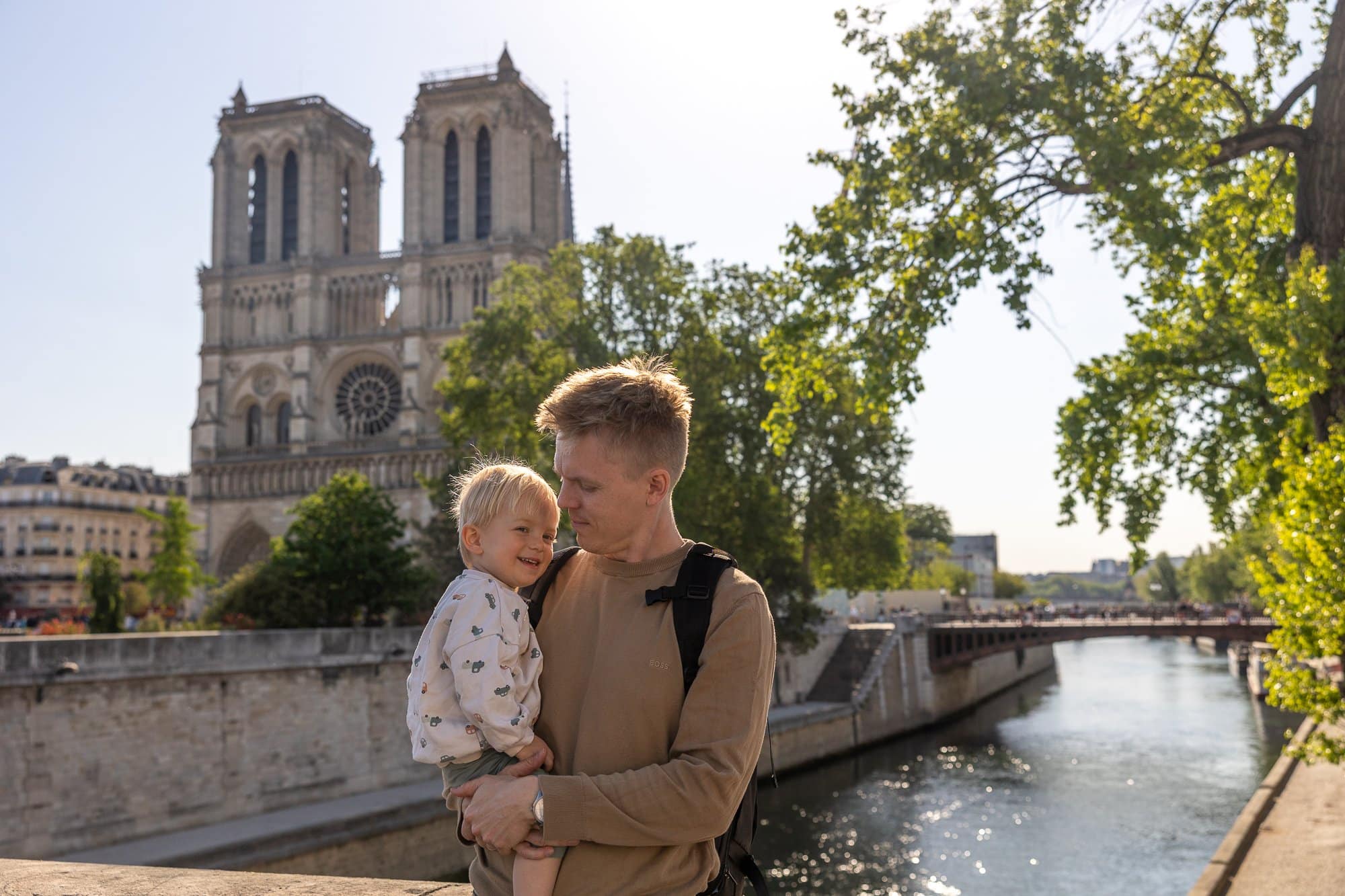
After the devastating fire and years of painstaking restoration, Notre-Dame Cathedral is finally revealed in its full glory once more. Its freshly cleaned and restored façade shines in a way none of us have ever seen before. The best photographs are taken from the bridges on the south side — specifically Pont de l’Archevêché or Pont au Double.
Wonderful framed views of the cathedral also open up through the narrow streets of the Latin Quarter (on the Left Bank), particularly from Rue Galande, where old houses lean in at the foreground and the majestic towers of Notre-Dame form the backdrop.
💡 Tip: For the finest detail shots of Notre-Dame’s façade, arrive just after sunrise. The early morning light falls directly onto the main west front, throwing every newly cleaned statue and gargoyle into sharp, glowing relief.
Practical Information for a Smooth Trip
Navigating Paris with a pushchair gave Lukáš and me a proper headache for the first two days — until we figured out a few things that made everything much simpler. The city has made enormous strides towards sustainability and ecology in recent years, which means fewer cars but also its own quirks when it comes to getting around.
Getting Around & the Pitfalls of the Métro
The Paris Métro is dense and fast, but unfortunately deeply hostile to pushchairs. Most stations have no escalators or lifts — just endless labyrinths of stairs and heavy swing doors. The one fully step-free exception is the sleek purple line 14. If you’re travelling with a toddler, I’d strongly recommend packing an ergonomic baby carrier.
A far better alternative is the above-ground bus network. Buses are spacious, step-free and double as a sightseeing tour.
On the ticketing front, paper carnet tickets are now a thing of the past. Pick up a Navigo Easy contactless card at any RATP ticket office (it costs 2 €) and load it with a book of ten journeys for 17.30 €. You can also pay by tapping your smartphone directly on the reader. If you need a data SIM for your trip, Holafly and Yesim both offer excellent eSIM plans for France.
💡 Tip: For the ultimate sightseeing bus ride at the price of a regular ticket, jump on bus number 69. It passes the Eiffel Tower, the Invalides, the Louvre, the Hôtel de Ville and continues all the way to Place de la Bastille. Bag a window seat and enjoy the show.
Booking in Advance & Safety
In post-Olympic Paris in 2026, one rule applies more than ever before: if you haven’t booked, you won’t get in. The Louvre requires timed-entry tickets bought online in advance (entry costs 22 €), with no walk-up option whatsoever.
The same applies to the popular Musée d’Orsay (16 €). For the famous Paris Catacombs, you need to snap up tickets exactly 7 days before your planned visit — otherwise they’re completely sold out. You can find tours and skip-the-line tickets for most major attractions through GetYourGuide.
On the subject of safety: Paris is a normal major city. During the day you have nothing to worry about, but at night I’d recommend avoiding the area around the northern mainline stations (Gare du Nord and Gare de l’Est in the 10th arrondissement) and the quieter back streets around Pigalle. Keep your bag fastened and worn across your body, don’t leave your phone lying on a café terrace table, and you’ll be absolutely fine.
💡 Tip: When visiting the Louvre, skip the main entrance at the glass pyramid where queues are enormous. Use the secret Porte des Lions (Lion’s Gate) entrance on the south side near the river, or the underground entrance from the Carrousel du Louvre shopping centre.
Read More
If you’d like more detail on planning your itinerary, we’ve put together further in-depth guides with specific maps and our favourite routes:
- What to See in Paris: The Complete Guide
- Paris in 3 Days: Detailed Itinerary with Map
- France Road Trip: 7 Days
Frequently Asked Questions
What’s the best way to address a waiter in Paris?
The only proper way is to say Monsieur (Sir) for men and Madame (Madam) for women. Never use the word Garçon (Boy), which is considered very rude and demeaning. To get their attention, simply make eye contact, raise your hand slightly, and smile.
Do I have to tip in Paris?
No, it’s not mandatory. Under French law, service (service compris) is already included in the total price you see on the bill. However, if you were happy with the service, it’s common to leave some small change on the table (€1-2 for coffee or lunch, or 5-10% for a more expensive dinner).
Is water free in Parisian restaurants?
Yes, but you need to ask for it correctly. If you request ‘une carafe d’eau’ (a carafe of water), the server will bring you tap water, which is free and perfectly safe and tasty. If you just order ‘de l’eau’, they’ll bring you bottled water, which you’ll be charged for.
Which months should I avoid visiting Paris?
Definitely skip August. Many family-run bistros and independent shops are closed (fermeture annuelle) because Parisians head off on vacation. The city is packed with tourists only, and it’s often swelteringly hot. Late February and early March can also be tricky due to Fashion Week, when hotel prices skyrocket.
Is it possible to get around Paris with a stroller?
On the streets and in parks it’s fine, but the metro will be a real struggle. The Paris metro is full of stairs and escalators are often missing. The only fully accessible line is Line 14. We strongly recommend parents use the above-ground buses instead, which are spacious and have ramps.
What does the sign ‘Pelouse interdite’ mean in parks?
This sign means it’s strictly forbidden to walk on the grass. In France, lawns in historic parks (like Jardin du Luxembourg) are considered ornamental features, not places to relax. If you step on them, a guard with a whistle will immediately kick you off.
How can I see the Eiffel Tower without the crowds?
Instead of the classic view from Trocadéro, try heading to Pont de Bir-Hakeim bridge, the Passerelle Debilly footbridge, or the quiet Avenue de Camoëns. Timing is also key – for empty photos, you’ll need to arrive ideally just after sunrise, before the city comes to life.
Is there an entrance fee for Notre-Dame Cathedral after the reconstruction?
No, entry to Notre-Dame Cathedral itself is completely free for all visitors following its reopening in December 2024. Be very careful of street touts and dodgy websites trying to sell you fake ‘skip-the-line’ tickets. Only the tower climb or crypt entry typically have fees.
Tips and Tricks for Your Vacation
Don’t Overpay for Flights
Search for flights on Kayak. It’s our favorite search engine because it scans the websites of all airlines and always finds the cheapest connection.
Book Your Accommodation Smartly
The best experiences we’ve had when looking for accommodation (from Alaska to Morocco) are with Booking.com, where hotels, apartments, and entire houses are usually the cheapest and most widely available.
 🚗 Car rental on the roadVerified car rentals in Paris
Search with the DiscoverCars comparison engine — it compares prices from dozens of local and international rental companies, and most bookings come with free cancellation.
Compare car prices in Paris →Don’t Forget Travel Insurance
Good travel insurance will protect you against illness, accidents, theft, or flight cancellations. We’ve had a few hospital visits abroad, so we know how important it is to have proper insurance arranged.
Where we insure ourselves: SafetyWing (simple monthly subscription) and TrueTraveller (for extra-long trips).
Find the Best Experiences
Get Your Guide is a huge online marketplace where you can book guided walks, trips, skip-the-line tickets, tours, and much more. We always find some extra fun there!
More from Paris
Full guide → Where to stay · most readParis Arrondissements: Where to Stay in Paris (and Where Not To)
 What to seeBest Paris Museums 2026: From the Louvre to Hidden Gems (Art Scene Guide)
 Day tripsDay Trips from Paris: Versailles, Giverny, Chantilly & Fontainebleau
 Travel storyParis Myths and Legends: From Paris Syndrome to the Phantom of the Opera
 What to seeParis Nightlife: Jazz, Speakeasy Bars, Rooftops & Opera (Complete Guide)


