

Paris nightlife is nothing short of magical, especially when dusk begins to settle over the Seine and the cast-iron street lamps cast their first golden reflections on the wet cobblestones. The city radically shifts its tempo — the daytime tourist hustle gives way to something far more elegant, and the little round tables outside cafés start filling with glasses of wine while a muffled bass throbs through the half-open doors of old cellar bars. Paris is gearing up for its second, far more seductive shift.
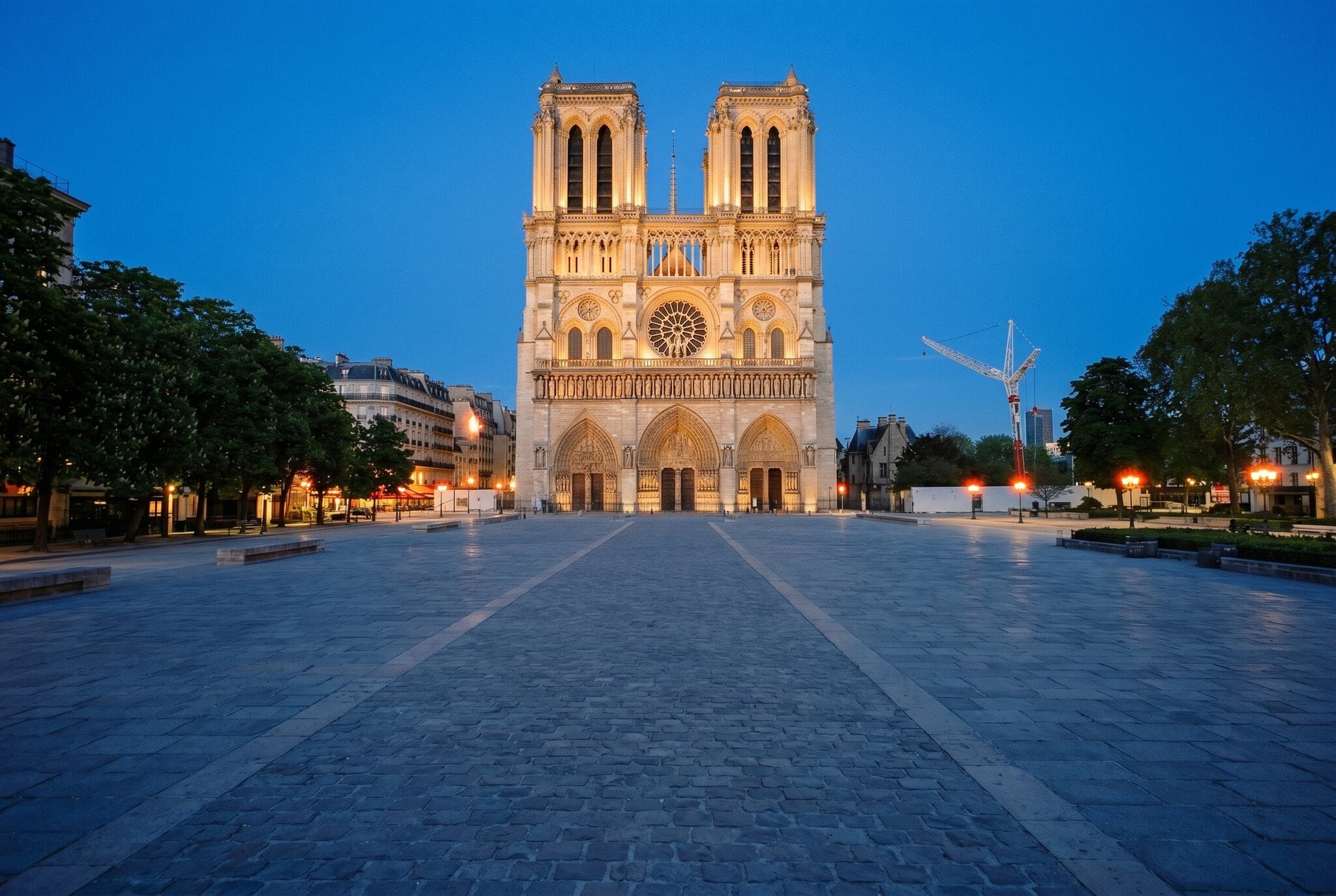
What’s more, Paris after dark in 2026 offers incredible energy. While some famous institutions are resting, others have been reborn. Notre-Dame Cathedral finally glows into the night with its fresh restoration, and this summer, for the first time in over a century, evening swimming has reopened right in the Seine. From a vegetarian’s perspective, it’s also a huge celebration that the legendary restaurant Arpège has switched to a fully plant-based menu, transforming the entire local fine dining scene. Whether you’re after quiet romance or a wild swing dance party, this city won’t let you sleep.
I’ll walk you through it all in order: from jazz cellars and secret speakeasy bars hidden behind washing machine doors to rooftops where the Eiffel Tower peeks right over your shoulder.
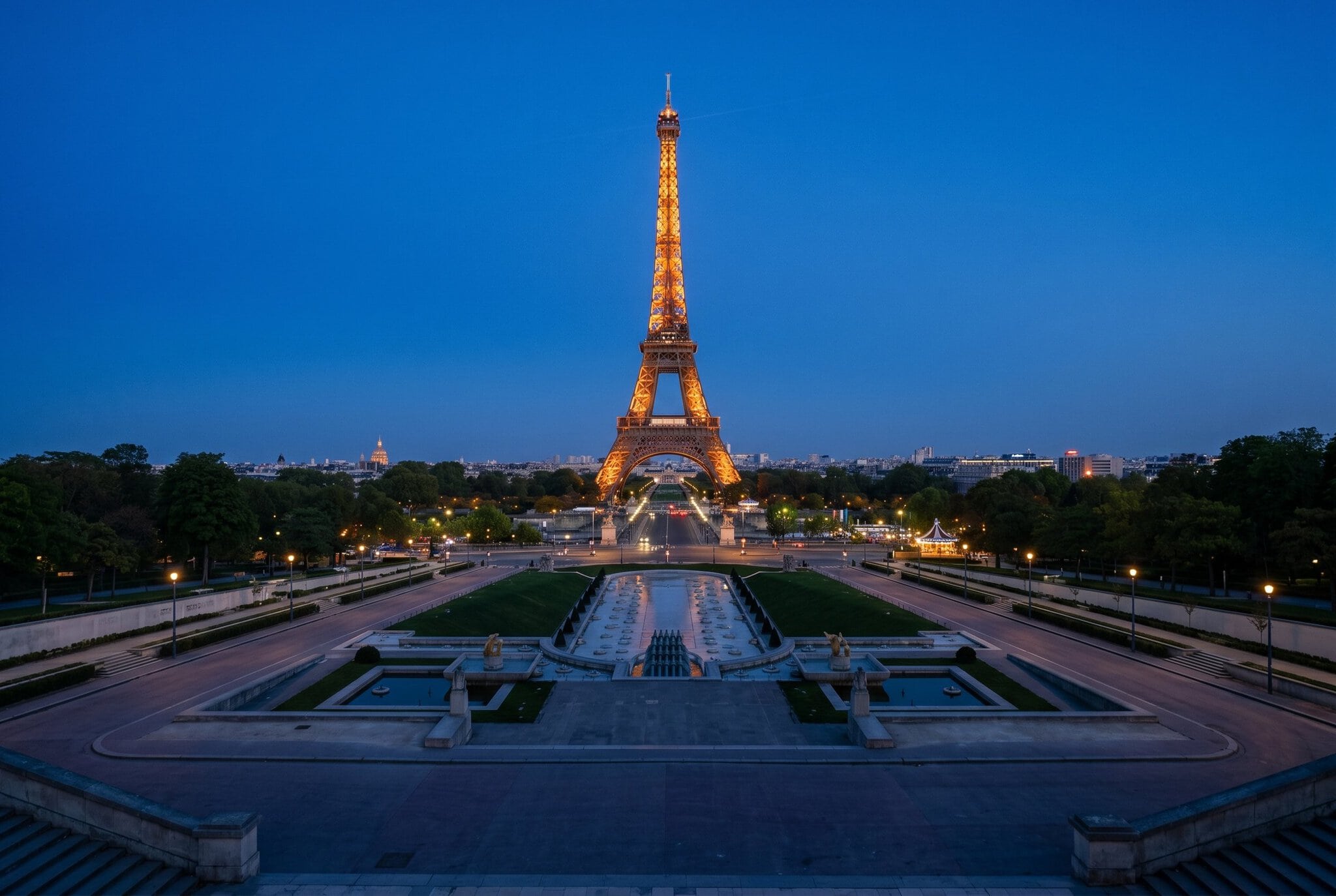
The full destination guide: Paris — guide and what to see
TL;DR
- The best night views aren’t from the Eiffel Tower. Head to the rooftop of Tour Montparnasse (open until 23:30) or the bar atop Galeries Lafayette, where you get all of Paris spread out before you.
- Secret speakeasy bars are a massive trend. Visit Little Red Door in the Marais, Lavomatic hidden inside a launderette, or Candelaria disguised as an ordinary Mexican taqueria.
- The jazz heartbeat pulses on Rue des Lombards, where you’ll find clubs like Le Duc des Lombards and Sunset/Sunside. For dancing and swing, head to the medieval cellar of Caveau de la Huchette.
- Cabarets aren’t just about Moulin Rouge. For a more authentic, less touristy experience in a stunning building designed by Gustave Eiffel, book tickets for Paradis Latin.
- Watch out for common scams. At night, ignore people offering you a “found” gold ring, bracelet sellers under Sacré-Cœur, and fake deaf-mute petition signers.
- Parents with kids, don’t despair. Make the most of the early-evening apéro culture (between 5 pm and 8 pm), when people sit on terraces with wine and cheese. Children are perfectly welcome.
- Night transport has its quirks. The metro runs until 2:15 am on weekends. After that, you’ll need to rely on Noctilien night buses or official taxi services (Uber, G7).
- Avoid late-night walks around Gare du Nord and Gare de l’Est stations (10th arrondissement) and the more remote parts of Pigalle and Barbès. The 6th and 3rd arrondissements, on the other hand, are very safe.
Paris Nightlife by Season: When to Go and Night Events Calendar
The city’s evening character changes dramatically depending on what month you arrive. Sometimes you can stroll along the river in a light jumper until midnight; other times, a bitter wind chases you into the nearest heated wine bar by five in the afternoon. Every season has its own magic though, so it all depends on what mood you’re in.
Summer Evenings and Paris Plages
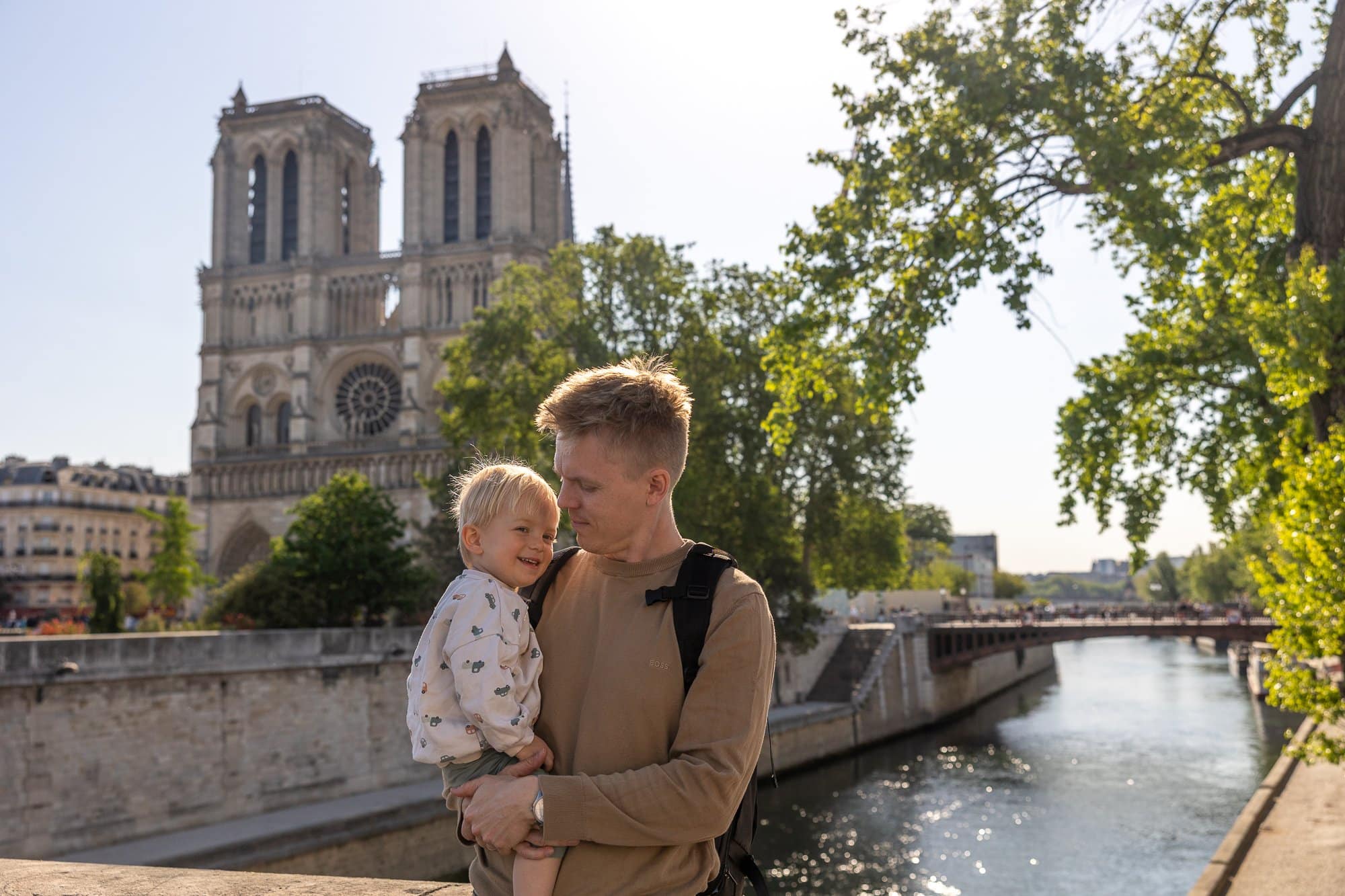
June and July are hands down the best months for nightlife in Paris. The days are incredibly long, the sun doesn’t set until around ten in the evening, and golden hour seems to last an eternity. This is when the famous Paris Plages open up, transforming the banks of the Seine into sandy beaches with sun loungers and bars. The big news for 2026 is that, for the first time in over a century, swimming has officially relaunched right in the Seine at designated spots — including during the evening hours.
Be prepared, though: in August the city experiences what’s known as the fermeture annuelle. Locals leave en masse for their holidays, many independent bistros and smaller bars close for the entire month, and the streets are left mostly to tourists.
💡 Local tip: If you want the real local vibe in summer, head along the Canal Saint-Martin. Parisians sit right on the banks, crack open bottles of wine and order pizza from nearby spots. It’s cheap, spontaneous and wonderfully laid-back.
Autumn and Winter Romance
Once October rolls around, nightlife retreats from the streets and moves indoors. This is the perfect time to discover dark jazz cellars and cosy speakeasy bars. Parisians return from their summer holidays (a period known as la rentrée) and the cultural scene kicks into full gear. New theatre seasons open and opera tickets vanish in the blink of an eye.
Winter has its own enormous charm thanks to the Christmas lights, which traditionally shine from late November. Just bear in mind that after the holidays, in January and February, it can be genuinely miserable outside and some rooftop bars don’t open their outdoor terraces at all due to the weather.
💡 Local tip: In winter, booking a table at restaurants ahead of time is absolutely essential. While in summer people spread out across huge outdoor terraces, in winter everyone squeezes into tiny interiors — and without a reservation, you haven’t got a chance.
Night Events Calendar for 2026
If you want to experience something truly extraordinary, plan your trip around specific dates. The absolute must-see event is Nuit Blanche (White Night), which this year falls on Saturday, 6 June 2026. The entire city stays awake, museums open for free, and gigantic art installations take over the streets.
Just a few weeks later, on 21 June, comes Fête de la Musique. Live bands play on every corner, square and outside every bakery. It’s deafening, wild and utterly joyful. In May, the European Night of Museums (Nuit des Musées) lets you into famous galleries after dark, often with special programmes.
💡 Local tip: During Nuit Blanche, selected metro lines run all night long completely free of charge. Take advantage — taxis are hopelessly booked out that evening. You can always find programme details well in advance on the official paris.fr website.
Where to Stay in Paris: Safe and Strategic Neighbourhoods for Late-Night Returns
Choosing the right accommodation is crucial, especially if you’re planning evening adventures or travelling with small children. You don’t want to be trudging home at midnight through dodgy, unlit back streets on the city’s outskirts. My partner Lukáš and I have learned from experience that paying a bit more for a hotel in a safe, central neighbourhood pays for itself many times over in peace of mind and saved taxi fares. Paris has twenty arrondissements, and for nightlife I recommend the ones that buzz with energy yet still maintain a high level of safety.
6th Arrondissement (Saint-Germain-des-Prés): Elegance and Absolute Safety
This is our absolute favourite part of the city — the golden grail of the Left Bank. It’s perfectly safe even at two in the morning, the streets are beautifully lit and lined with elegant restaurants. You’ll find famous literary cafés and plenty of quiet side streets. With a pushchair it’s an ideal choice, because during the day you’ve got the Luxembourg Gardens just around the corner, and in the evening you can take a leisurely stroll along the river.
For us it’s always a little haven of calm. Sometimes in the evening we just sit on a bench with a fresh crêpe in hand and soak up the unrepeatable atmosphere of old Paris, which has been preserved here almost untouched.
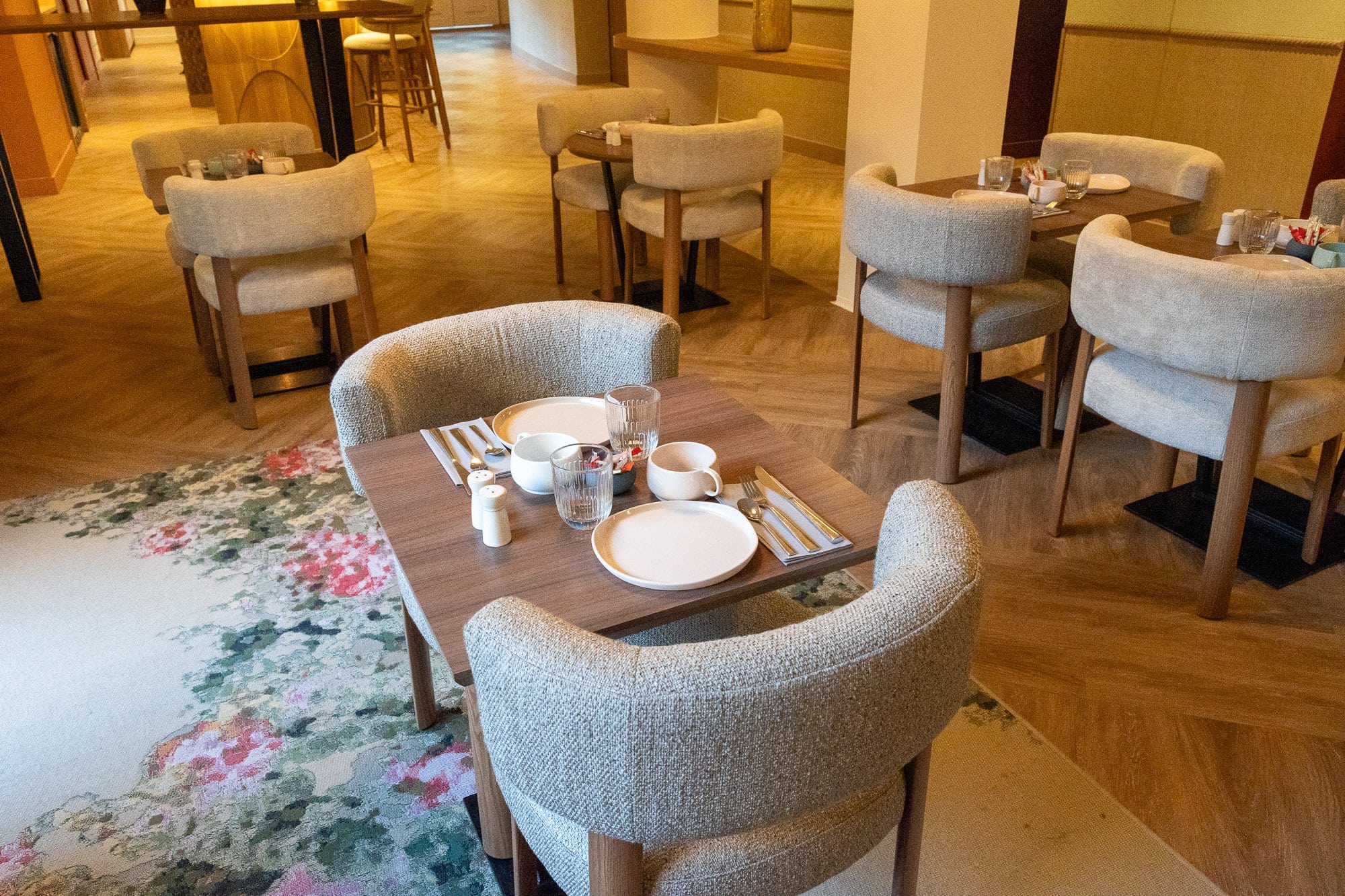
- Hôtel Rive Gauche: A lovely smaller hotel with very friendly staff who’ll happily arrange a cot. Rooms are fairly spacious by Parisian standards and there’s a working lift (which isn’t a given here). Rates in 2026 are around €180 per night for two.
- Hotel des Marronniers: A hidden gem in a courtyard, shielded from street noise. They have a gorgeous inner garden where you can enjoy an evening glass of wine while your child sleeps in the room with a baby monitor. A night costs roughly €220.
3rd Arrondissement (Upper Marais): In the Heart of the Action
If your main goal is discovering secret speakeasy bars and outstanding restaurants, stay in the northern part of the Marais (Haut-Marais). It’s noticeably calmer than the wilder southern section, and you’re just a few steps from some of the best cocktail bars in Europe.
What’s more, old stone alleyways blend here with cutting-edge boutiques and independent cafés. It’s exactly the kind of neighbourhood where you can get lost without a map and always stumble upon some fantastic little spot that regular guidebooks never mention.
- Hôtel Les Tournelles: Modern, very clean hotel with excellent breakfasts and comfortable beds. They have step-free access, which is a blessing with a pushchair. Double rooms start from €160 per night.
- Hôtel Emile: A design gem with a wonderful atmosphere and a very welcoming approach to families. Located a short walk from the Saint-Paul metro station. A night costs approximately €190.
15th Arrondissement (Vaugirard): A Calm, Family-Friendly Choice
If you’re looking for a compromise between price, safety and good transport links, the 15th arrondissement is a brilliant option. It’s a residential, very peaceful neighbourhood where mainly Parisian families live. You won’t find wild clubs here in the evening, but there are loads of excellent bistros and from many spots you can walk to the Eiffel Tower.
It’s also a huge advantage if you want to avoid the biggest tourist crowds. Local cafés here serve the neighbours, prices are noticeably friendlier, and in the morning you’ll be woken only by the aroma of fresh baguettes from the nearby bakery.
- Novotel Paris Centre Tour Eiffel: A rock-solid choice for families with children. Rooms are large, the hotel has its own pool and river views. Children under 16 often stay free in their parents’ room. Prices start at €150 per night.
- Hôtel Eiffel Blomet: A gorgeous art deco hotel with an indoor pool and a very tranquil atmosphere. A great pick for those who want to explore by day and relax by evening. A night costs roughly €170.
For families with children, nightlife wraps up quite a bit earlier, so we welcomed the quiet hotel environment with great relief. Do bear in mind, though, that metro line 10 stops running around half past midnight, so for very late returns from the centre you’ll need to call an Uber. I go into the logistics in a separate review, and you can browse accommodation options here.
Where to Eat: Paris Nightlife Includes Brilliant Bistros and Renowned Restaurants
Heading out into the Parisian streets for a good dinner is a ritual you simply can’t skip. The French eat dinner fairly late — the best restaurants don’t really fill up until around eight or nine in the evening. It’s the time when the city quietens down a little, people put away their phones and enjoy the company of their loved ones over a plate of superb food and a glass of wine. Lukáš and I absolutely love it, though with our little one Jonáš we have to get a bit more creative to avoid disrupting his sleep schedule.
The golden rule for Parisian restaurants is rather uncompromising: book a table in advance. Especially at popular, well-known spots, you’ll otherwise easily find yourself standing hungry on the pavement. Here are a few places we keep returning to — not because we lack imagination, but because they’re simply exceptional and won’t blow your budget.
Bouillon Julien (10th Arrondissement)
This is an absolute classic if you want to taste traditional French cuisine at very reasonable prices in a jaw-droppingly beautiful setting. The bouillon concept is all about serving fast, hearty and cheap working-class food — but in grand Art Nouveau halls. The Bouillon Julien building from 1906 transports you straight back in time, with mirrors, painted glass and wrought-iron details everywhere. We often bring visiting friends here because that first impression is simply priceless.
They have a huge selection of starters like escargots or an excellent leek soup, plus mains such as bœuf bourguignon. As a vegetarian I sometimes have a tougher time choosing, but the cheese and vegetable options are outstanding. Main courses start at around €10, which is a small miracle for central Paris. Expect a bit of noise and very swift, occasionally brusque service though — tables turn here at breakneck speed.
Pink Mamma (9th Arrondissement)
If you’re after Italian cuisine in an insanely photogenic setting, you need to head to Pigalle. Pink Mamma occupies a multi-storey corner building, and the very top floor with its glass roof and cascading jungle of plants genuinely feels like stepping into an Italian dream. The food is authentic, pasta is made fresh on-site, and the aroma of truffles hits you the moment you walk through the door.
Their famous truffle pasta costs around €19 and a proper Neapolitan pizza comes to about €15. Don’t forget to leave room for the tiramisu, which they serve tableside from an enormous bowl. One caveat though: without a reservation there’s genuinely no point coming. They open their booking system a few weeks in advance and the best slots vanish before you can blink.
Le Train Bleu (12th Arrondissement)
If you want something truly luxurious and you’re in a celebratory mood, this restaurant inside Gare de Lyon station is a real gem. It opened for the World Exhibition and its interior is adorned with enormous chandeliers and gilded frescoes. Le Train Bleu carries an aura of a bygone era — famous travellers used to lunch here before boarding their train to the French Riviera.
Prices are understandably higher — a main course runs around €45 — but you’re largely paying for the fairy-tale experience. I love dropping in for an afternoon coffee or an evening dessert, even when we’re not planning a full dinner. Waiters in long aprons glide silently between tables and the whole atmosphere feels utterly captivating.
Classics and Drama: Opera, Ballet and Theatre
The Parisian theatre and opera scene is an institution in its own right. You don’t just go for the performance itself — you go for the overall experience of the space. The architecture of the finest auditoriums plays a starring role right alongside the soloists, and simply stepping inside these buildings transports you to another era.
Two Faces of the Opera: Palais Garnier vs. Opéra Bastille
When you announce in Paris that you’re going to the opera, you immediately have to specify which one. The city has two main venues that could hardly be more different. They’re both managed by the Opéra national de Paris, but each offers an entirely different world.
Choosing between them is a bit like choosing between classic romance and modern minimalism. One building instantly transports you to the nineteenth century, while the other delivers the finest contemporary acoustic experience.
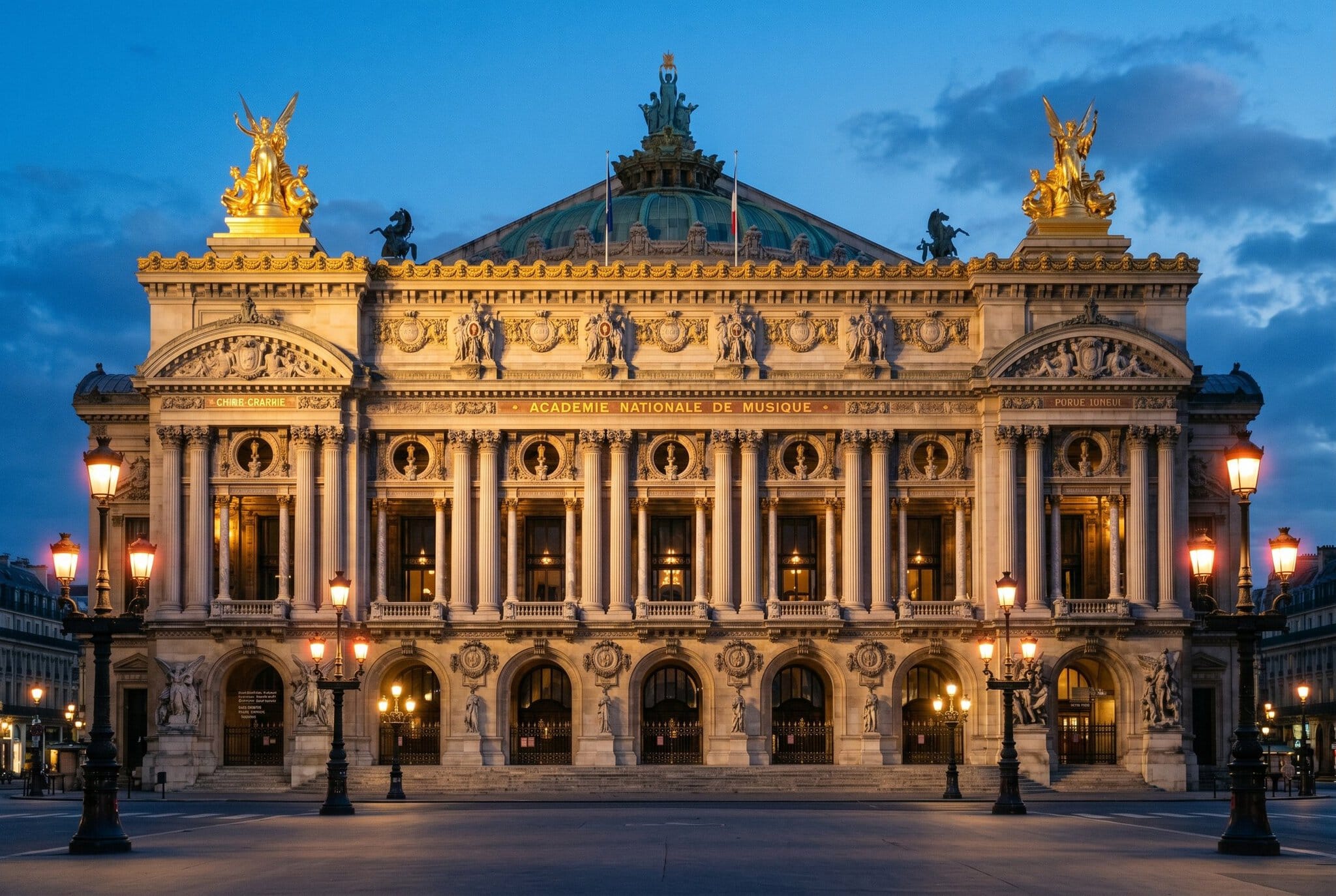
Palais Garnier (9th Arrondissement) This is the classic opera house — the essence of the 19th century with marble, gold, heavy red velvet and an enormous crystal chandelier. This is where Gaston Leroux set his famous Phantom of the Opera. The myth about an underground lake has a real basis, by the way — there’s a vast water tank still used by firefighters to this day. When you take your seat and look up, a breathtaking ceiling by none other than Marc Chagall will stop you in your tracks. His dreamy, colourful canvas sharply contrasts with Charles Garnier’s classical architecture, yet together they work absolutely perfectly. Today, it mainly hosts ballet.
- Tickets: Evening performances range from €25 to €200. We never tested those €200 best seats 😅, but the €25 ticket for the last row is absolutely worth it. If you can’t make a performance, a daytime building tour costs €14.
- Transport: Metro lines 3, 7 and 8 (Opéra station).
- 💡 Local tip: To save money, look for Category 5 tickets. They’re the cheapest and often have a restricted view, but you’ll soak up every ounce of the grand atmosphere. The dress code is surprisingly relaxed these days — smart casual is fine, but leave the trainers at the hotel.
Opéra Bastille (12th Arrondissement) Opened in 1989 for the bicentennial of the French Revolution, this is a glass-fronted, massive, hyper-modern colossus. While Garnier breathes history, Bastille — with its huge capacity of over 2,700 seats and cutting-edge acoustics — hosts the biggest and most demanding operatic productions.
- Tickets: From €15 to €180.
- Transport: Metro lines 1, 5 and 8 (Bastille station).
- 💡 Local tip: Bastille offers “last-minute” tickets (places de dernière minute) for under-28s and seniors for just €10. They’re sold at the box office roughly an hour before the performance.
Theatre Legends and Classics
Beyond opera and ballet, the Parisian stage is also renowned for its fantastic dramatic repertoire. Even if French might be a barrier for some, seeing classic plays in their home setting is an experience in itself.
Comédie-Française (1st Arrondissement) This theatre is synonymous with Molière. Founded in 1680, it’s the only state theatre company in France with its own permanent acting troupe. It’s housed in the beautiful Salle Richelieu right next to the Palais-Royal. If your French is up to it, seeing a classic drama here is the absolute cultural pinnacle of your stay.
- Tickets: Prices range from €12 to €45.
- Transport: Metro lines 1 and 7 (Palais Royal – Musée du Louvre station).
- 💡 Local tip: Every day, roughly an hour before the performance, the theatre sells a limited number of standing or restricted-view tickets for a token €5. You’ll need to queue, though.
Cabarets: Feathers, Sequins and the Can-Can
Parisian cabaret is expensive, occasionally kitsch and undeniably touristy — I won’t pretend otherwise. But it carries undeniable historical weight and is simply part and parcel of nightlife in Paris.
Moulin Rouge and the Rest
Choosing the right cabaret can be quite a puzzle for first-time visitors, because each offers a slightly different kind of spectacle. While some go all-in on traditional folklore and grand production values, others push the genre in a more modern, artistic direction.
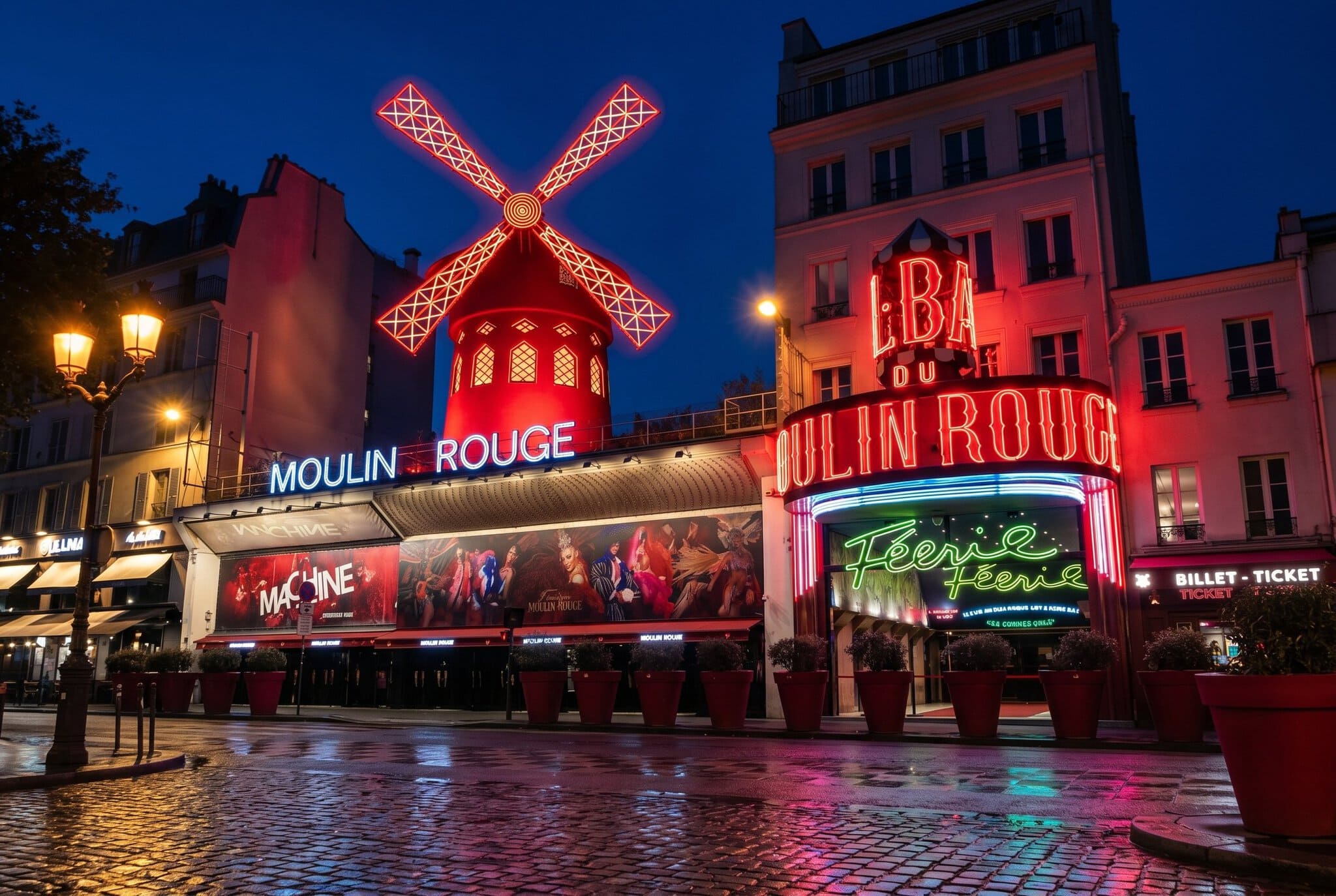
Moulin Rouge (18th Arrondissement) The red windmill at the foot of Montmartre on Boulevard de Clichy needs no introduction. It’s a legend that lives off its colossal fame. It’s massively touristy and the prices are astronomical. So why go at all? Because nowhere else on earth will you see the original French can-can performed with such precision and in such costumes. Tickets sell out months ahead, so you need to plan well in advance.
- Tickets: The show alone with a glass of champagne costs around €135; the dinner option climbs to about €230.
- Transport: Metro line 2 (Blanche station).
- 💡 Local tip: Buy tickets for the late show from 23:00. They tend to be slightly cheaper and the atmosphere in the hall is more relaxed than the earlier dinner show.
Paradis Latin (5th Arrondissement) This is the hidden gem of the Latin Quarter and my personal recommendation for anyone wanting something more authentic. It’s the oldest cabaret in Paris, with roots dating back to 1803 (making it older than the Moulin Rouge). The current hall was designed by none other than Gustave Eiffel. Compared to the Red Windmill, it has a far more intimate, warmer and altogether more “local” feel. Their current show was choreographed by the renowned Kamel Ouali and it’s a visual stunner.
- Tickets: Show with champagne comes to roughly €85; with dinner around €160.
- Transport: Metro lines 7 and 10 (Jussieu station).
- 💡 Local tip: Paradis Latin is one of the few cabarets where the food is genuinely excellent. If you want to combine a show with dinner, this is where your money is best spent compared to the competition.
Crazy Horse (8th Arrondissement) This is an entirely different league from the traditional can-can. Don’t expect enormous skirts and flying feathers. The Crazy Horse, located near the Champs-Élysées, focuses on the female form, the interplay of light and shadow, and flawless synchronisation. It’s highly stylised, visually mesmerising erotic art that feels very modern and chic.
- Tickets: From €115 for the show with champagne.
- Transport: Metro line 9 (Alma-Marceau station).
- 💡 Local tip: The venue is very small and intimate. There isn’t a single bad seat in the house, so there’s no need to pay extra for VIP zones near the stage.
(Note for 2026: If you had your heart set on the famous Lido on the Champs-Élysées, you’ll need to change plans. The venue is currently undergoing a major transformation and no longer offers its classic evening dinner shows in their original format.)
Jazz in Paris: Cellars Where History Was Written
I’ll admit that jazz wasn’t originally my reason for visiting Paris. Then Lukáš dragged me into a cellar on Rue des Lombards and everything changed. The genre and this city have had a love affair since the First World War, when African-American soldiers brought the rhythm across the Atlantic. After the Second World War, American jazz musicians fled racial segregation back home — names like Sidney Bechet and Miles Davis — and Paris welcomed them with open arms. Today, the city is one of Europe’s premier jazz capitals, and the clubs here have an atmosphere you won’t find anywhere else.
The Golden Triangle on Rue des Lombards (1st Arrondissement)
If you don’t want to spend your evenings poring over a map, go for the dead certainty. The unassuming Rue des Lombards, just a stone’s throw from the Châtelet transport hub, is the epicentre of contemporary Parisian jazz. You’ll find three legendary clubs packed practically side by side.
Le Duc des Lombards (42 Rue des Lombards) This is where you come to listen to serious jazz — the absolute cream of the crop. The club went through a complete renovation a few years ago, and the interior is dark, elegant, with a circular stage in the centre and a small mezzanine. They have first-rate acoustics, a Yamaha concert grand and, in the summer months, the absolute blessing of working air conditioning. They stage around 300 concerts a year and the biggest names in world jazz perform here.
- Tickets: Concert admission usually costs between €30 and €40. Drinks inside around €12.
- Transport: Metro lines 1, 4, 7, 11, 14 (Châtelet station).
- 💡 Local tip: On Friday and Saturday nights from 23:30, they hold “Late Night Jams”. Entry to these jam sessions is completely free — you only pay for drinks. It’s a fantastic chance to enjoy brilliant music for next to nothing.
Sunset / Sunside (60 Rue des Lombards) These are actually two clubs hiding behind a single door. The venue was founded in 1983. Sunside is on the ground floor, with warm brick walls, an intimate vibe and a pure focus on acoustic jazz. Sunset, by contrast, takes you down the stairs into a cellar — its tiled walls give it the feel of a metro station, and the sounds here lean towards electric jazz, fusion and more experimental fare.
- Tickets: Around €25 to €35 depending on the artist.
- Transport: Same as Duc — Châtelet station.
- 💡 Local tip: If you can’t decide, I’d recommend the basement Sunset. That underground tiled-vault atmosphere with superb acoustics is quintessentially Parisian.
Le Baiser Salé (58 Rue des Lombards) The third musketeer on this street. While Duc is the classic and Sunset experiments, the “Salty Kiss” specialises in world music, Afro-Cuban rhythms and wild jazz-fusion. Percussion takes centre stage and the atmosphere tends to be by far the most relaxed of all three.
- Tickets: Often around €20 to €28.
- Transport: Châtelet station.
- 💡 Local tip: Grab a seat at the first-floor bar. They have an enormous selection of rums from around the world, which pair far better with the Afro-Cuban rhythms than your standard glass of wine.

Cellars and Legends Beyond the Centre
If you venture a little further from the famous jazz epicentre, you’ll find venues that may not look as polished at first glance but harbour far more fascinating histories. These are places with genuine soul.
Caveau de la Huchette (5th Arrondissement) Picture a genuine medieval cellar in the Latin Quarter: stone vaulting, dim light and all-pervading sweat. Since the 1940s, pure swing and bebop have been played here. This place has a very specific, slightly old-world charm. Traditional orchestras perform and people actually dance — no stiff sitting at tables and polite head-nodding; here, you work up a proper sweat on the dance floor. The space might also look familiar — it was used for the Paris scenes in the Oscar-winning film La La Land.
- Tickets: Entry is a modest €15; for students under 25 just €10.
- Transport: Metro line 4 (Saint-Michel station).
- 💡 Local tip: Don’t wear heels. The stairs down to the cellar are old, steep and slippery. And if someone invites you to dance, don’t refuse — even if you don’t know the steps. Here, it’s all about the joy of movement.
New Morning (10th Arrondissement) A club with a larger hall and a monumental history. Don’t expect a polished salon or velvet sofas — this is a fairly raw space in a former print works where musical history was written. Miles Davis, Chet Baker and Prince have all played here. World-class acts still come through, though the programme is broader now and includes funk, soul and blues.
- Tickets: Typically €25 to €40.
- Transport: Metro lines 4, 8, 9 (Strasbourg – Saint-Denis station).
- 💡 Local tip: Gigs here often start with a slight delay and the hall fills to bursting point. Arrive at least 45 minutes early to snag a good standing spot near the stage.
Map of points of interest for your phone
Speakeasy and Top Mixology: Secret Doors and Hidden Bars
I’ll confess that I originally wrote off speakeasy bars as a slightly overrated tourist trend. Then I accidentally spent two hours searching for the right washing machine door at Lavomatic and changed my mind entirely. Paris has taken this concept and perfected it to an art form. It’s long since stopped being about simply finding a hidden entrance — it’s about what they pour you behind it. Parisian mixology now sits at the absolute pinnacle of the global scene, and the bartenders here are more like alchemists and chefs rolled into one.
Absolute Must-Visit: Little Red Door
If you only have time and budget for a single cocktail during your entire stay, make it here. This unassuming spot in the heart of the Marais has featured an incredible nine times in the prestigious World’s 50 Best Bars ranking since 2012.
Their menu isn’t just a list of drinks but an elaborate conceptual piece, built around artistic movements and social sciences with a huge emphasis on sustainability and local French ingredients. It’s a perfect blend of New York energy and Parisian elegance.
- Prices: Cocktails are a flat rate of around €17.
- Transport: Metro line 8 (Filles du Calvaire station).
- 💡 Local tip: They’re open daily from 18:00 to 02:00 but take absolutely no reservations — walk-ins only. Arrive right at opening time at six in the evening, or be prepared to queue on the street.
Secret Entrances and Illusions
Some bars have elevated secrecy to an entirely new level, turning the very act of finding the entrance into a fun game. Whether they’re hiding behind a washing machine, inside a pizzeria or behind an unassuming restaurant, that moment of surprise when you discover the hidden door is simply priceless.
Lavomatic (10th Arrondissement) One of the wittiest and most popular concepts in the city. From the street, you see a completely normal-looking launderette — people are genuinely doing their laundry in here. But you need to find the right washing machine door, which lets you onto a secret staircase built from old washing machines. Upstairs, a buzzing, colourful bar awaits with excellent drinks and a brilliant young-crowd atmosphere.
- Prices: Drinks range from around €12 to €15.
- Transport: Metro lines 3, 5, 8, 9, 11 (République station).
- 💡 Local tip: The bar is tiny and it’s a huge hit on social media. At weekends it’s packed from eight in the evening onwards. Go on a Wednesday or Thursday instead.
Candelaria (3rd Arrondissement) From the street, all you see is a small, fairly ordinary and slightly greasy taqueria. Walk past the food counter, push the inconspicuous white back door and you find yourself in a dark, candlelit bar that feels like a cave. They specialise in mezcal and tequila, and Candelaria has been a longstanding fixture on the Parisian bar scene.
- Prices: Cocktails €14 to €16, tacos €4.
- Transport: Metro line 8 (Saint-Sébastien – Froissart station).
- 💡 Local tip: Combine the two experiences. Have the excellent tacos in the front section, get your hands properly greasy, then move to the back for a sophisticated mezcal cocktail.
Moonshiner (11th Arrondissement) Same principle as Candelaria, but with an Italian twist. You walk into the pizzeria Da Vito, pass straight through the meat cold room and suddenly find yourself in 1920s America. Gramophones, dim lighting and the scent of prohibition-era drinks surround you. The interior is absolutely gorgeous.
- Prices: Cocktails from €13.
- Transport: Metro line 5 (Bréguet – Sabin station).
- 💡 Local tip: Order their take on an Old Fashioned. The bartenders also crack open old safes where they stash their finest bottles.
High End and World Class
For those seeking the purest luxury and who aren’t afraid to dig deep into their pockets, Paris has world-class venues at the ready. This is no longer a game of hide-and-seek — it’s about first-rate design and the most acclaimed bartenders in the business.
Danico (1st Arrondissement) This bar is tucked away in the beautiful historic Galerie Vivienne, just behind the viral Italian restaurant Daroco. Danico regularly features in the World’s 50 Best Bars. The interior with striped wallpaper and velvet armchairs will take your breath away, and their drinks are staggeringly creative.
- Prices: Drinks around €16.
- Transport: Metro line 3 (Bourse station).
- 💡 Local tip: Their signature Moscow Mule is legendary, but don’t be afraid to tell the bartender what flavour profiles you prefer and let them mix something bespoke off-menu.
Bar Hemingway (1st Arrondissement) Located inside the iconic Ritz hotel on Place Vendôme. You won’t be looking for hidden doors here — just make sure your wallet is well padded. Ernest Hemingway used to drink here and reportedly personally “liberated” the bar at the end of the Second World War. It’s conservative, very expensive, full of leather and dark wood, but it’s a slice of pure literary history.
- Prices: Brace yourself — cocktails start at €35.
- Transport: Metro lines 3, 7, 8 (Opéra station).
- 💡 Local tip: They won’t let you into the Ritz in ripped jeans and trainers. More formal attire is expected here — a jacket for men is standard. If you want to treat yourself to one luxury drink of a lifetime, order their renowned Martini.
Paris from Above: Rooftop Bars and Terraces
Why drink at ground level when you can look the Sacré-Cœur or the Eiffel Tower straight in the eye? Rooftop bars have been booming in Paris over the last five years. The golden rule is simple: check what time the sun sets that day, and arrive at least an hour and a half early. Golden hour over the grey zinc rooftops of Paris will get under your skin far more than any museum visit.
Classics and the Best Free Views
The most perfect view of illuminated Paris actually doesn’t have to cost you a single euro — if you know where to go. Simply steer clear of overpriced tourist lookouts and head where Parisians go after work.
Créatures on the Galeries Lafayette Rooftop (9th Arrondissement) The terrace on the 7th floor of the famous Galeries Lafayette department store offers a full 360-degree view. From here you get a gorgeous vantage point of the rear of the Opéra Garnier building, and the Eiffel Tower rises majestically in the distance. In summer, a bar and vegetarian restaurant called Créatures operates here, run by the excellent chef Julien Sebbag.
- Prices: Access to the terrace during the day is completely free. In the evening, a drink at the bar costs around €15.
- Transport: Metro lines 7, 9 (Chaussée d’Antin – La Fayette station).
- 💡 Local tip: This is hands down the best spot for a sunset with the Eiffel Tower in the background — without paying steep admission to climb the tower itself. Arrive early though, as the queue for the lifts can be long.
Tour Montparnasse and Ciel de Paris (15th Arrondissement) Many guidebooks will tell you the black skyscraper Tour Montparnasse is the ugliest building in Paris. Perhaps. But it has one enormous advantage: when you’re on it, you can’t see it. What you can see is the entire Paris skyline, including the perfect silhouette of the Eiffel Tower. At 210 metres up you’ll find a bar and restaurant called Ciel de Paris. I wasn’t terribly excited about going myself — the tower really is no architectural masterpiece, jarring from every second Parisian hilltop. But once the lightning-fast lift whisked us to the top, I had to admit it was worth it. Suddenly this breathtaking panorama opens up before you, the endless boulevards gleaming in the night, all of it spread out like a sparkling map.
- Prices: Drinks at the bar cost around €20. Entry to the observation terrace of the tower is €20.
- Transport: Metro lines 4, 6, 12, 13 (Montparnasse – Bienvenüe station).
- 💡 Local tip: Feel free to skip climbing the Eiffel Tower entirely. From up there you can’t see the most beautiful element of the Paris panorama — the Eiffel Tower itself. Tour Montparnasse is open until 23:30, making it the ideal spot for late-night views.
Atmosphere and Design
When a stunning view is paired with thoughtful interior design and a brilliant atmosphere, you’ve got the recipe for a perfect evening. These rooftops pride themselves on offering stylish seating and fantastic drinks alongside the city panorama.
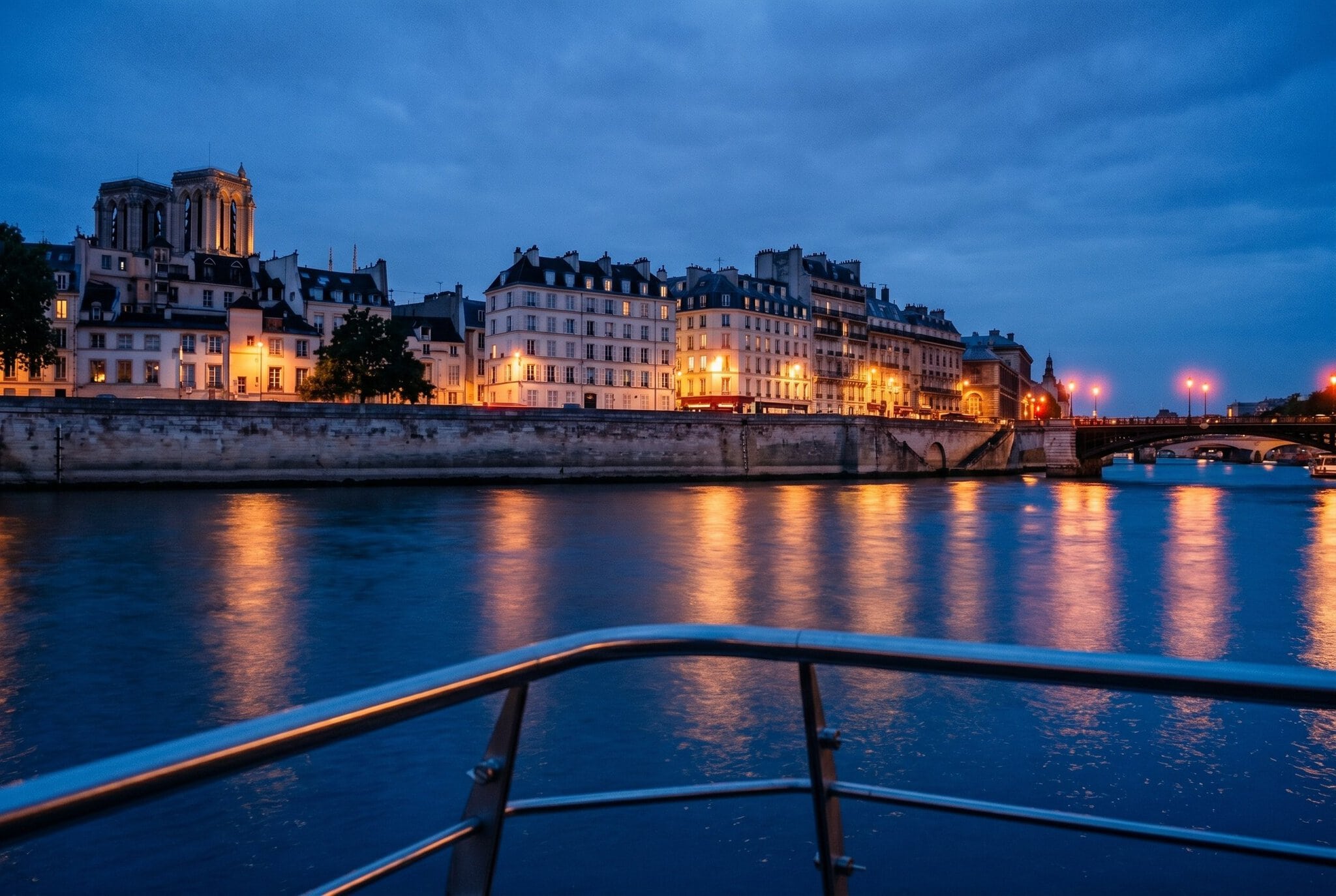
The Le Perchoir Family The word perchoir means “perch” in French, and the owners of this chain know exactly how to pick the best ones. Le Perchoir Ménilmontant (11th Arrondissement) is the original rooftop that kicked off the entire trend, offering a very laid-back, bohemian atmosphere full of cushions and fairy lights. Its sibling, Le Perchoir Marais (4th Arrondissement), sits right on the roof of the BHV Marais department store and rewards you with an absolutely stunning view of the illuminated Hôtel de Ville, the Seine and the towers of Notre-Dame.
- Prices: Drinks around €14.
- Transport: For Marais, metro lines 1, 11 (Hôtel de Ville station).
- 💡 Local tip: The entrance to Le Perchoir Marais can only be found after the department store’s closing hours, from the rear on Rue de la Verrerie. Look for an inconspicuous door with a bouncer.
Terrass” Hotel (18th Arrondissement) Tucked away at the foot of Montmartre, this offers a far calmer, more romantic atmosphere than the buzzy bars in the city centre. The view stretches across the entire city, deep down to the Seine and over the Montmartre cemetery. Comfortable armchairs, plenty of greenery, and in winter they even hand out heated blankets.
- Prices: Cocktails at €16.
- Transport: Metro line 2 (Blanche station).
- 💡 Local tip: This is one of the few places that does genuinely excellent non-alcoholic mocktails — not just sickly-sweet fruit juices but proper flavour experiences in their own right.
Hôtel Raphaël (16th Arrondissement) This is a little slice of exclusive Paris that most standard guidebooks overlook. This super-luxurious hotel near the Arc de Triomphe has a beautiful rooftop garden with views. Normally it’s only accessible to hotel guests and the Parisian elite.
- Prices: Drinks start at €25.
- Transport: Metro line 6 (Kléber station).
- 💡 Local tip: The insider trick is this: if you book a table for drinks online in advance, they’ll let you up for free and you can enjoy this five-star luxury for the price of a single cocktail.
Alternative Evenings: Night Cruises, Walks and Hidden History
If loud music and packed bars aren’t your thing, Paris offers plenty of quieter ways to enjoy an evening out. The city is beautifully illuminated after dark, and a simple walk along the river is a fully-fledged cultural experience in its own right.
Magic on the River Seine
The most classic — yet still utterly enchanting — evening activity is a cruise along the Seine. Boats (Bateaux Mouches or Bateaux Parisiens) depart mostly from near the Eiffel Tower or Pont Neuf, and the cruise lasts about an hour. In the evening, when all the monuments lining the river are lit by floodlights and the light dances on the water, the romance is off the scale.
Lukáš and I prefer the smaller boats where it’s not wall-to-wall people and you can actually have a quiet conversation. Sometimes there’s even live music, which takes the evening romance to another level entirely. If you’re travelling with kids, definitely bring a warmer hoodie — it can get surprisingly chilly on the open river — but the view of a glittering Paris will make their jaws drop. 😉
Personally, I recommend timing your cruise for exactly sunset or just after. That’s when the famous Eiffel Tower comes alive — it sparkles for five minutes on the hour every evening, and seeing it from the water is unforgettable.
- Prices: A basic evening cruise costs around €16; a cruise combined with a luxury dinner on board starts from €90.
- 💡 Local tip: Dress warmer than you think you need to. On the upper open deck, the wind off the river is always quite biting — even in summer.
Bohemian Footsteps in Paris
Here’s something that many guidebooks miss entirely. Paris has historically been a refuge for artists and intellectuals from across Central Europe, and an evening walk in their footsteps has enormous charm. You could head to the 6th arrondissement and stroll along Rue de Cherche-Midi, near where the renowned novelist Milan Kundera lived for decades until his recent passing. Or walk past the Luxembourg Gardens and a short distance away, on Rue du Val-de-Grâce, you can trace the steps of the legendary Art Nouveau painter Alphonse Mucha, who created some of his most iconic work here before becoming a star.
I’m always fascinated by how many of these places still breathe the same atmosphere as they did when these great figures lived and worked in them. There’s something magical about standing in front of an old building and imagining the Parisian bohème mingling with artists from far-flung corners of Europe.
- 💡 Local tip: In the suburb of Puteaux on the city’s outskirts (reachable by metro line 1), you’ll find the famous studios of the pioneering abstract painter František Kupka. An evening stroll through this quieter area is a lovely escape from the centre.
Pont de Bir-Hakeim
This double-decker steel bridge connecting the 15th and 16th arrondissements is famous from the film Inception. While during the day it’s packed with tourists and wedding photographers, in the evening it transforms into the perfect spot for quietly watching the city. The metro line 6 rumbles across the top; pedestrians walk below.
We love walking here after dinner. The massive industrial structure, lit up in gold, feels like something from another world, and when a metro train rattles overhead, you feel like you’re in the middle of a film scene. Occasionally you’ll encounter a street musician with an accordion, which for me creates the most quintessentially Parisian backdrop imaginable.
Lean against the cool railing and gaze across the river, and you’ll realise this pocket of the city is actually wonderfully peaceful. And because you’re a bit further from the busiest tourist hotspots, you won’t be jostling for elbow room at the viewpoint with a thousand other people.
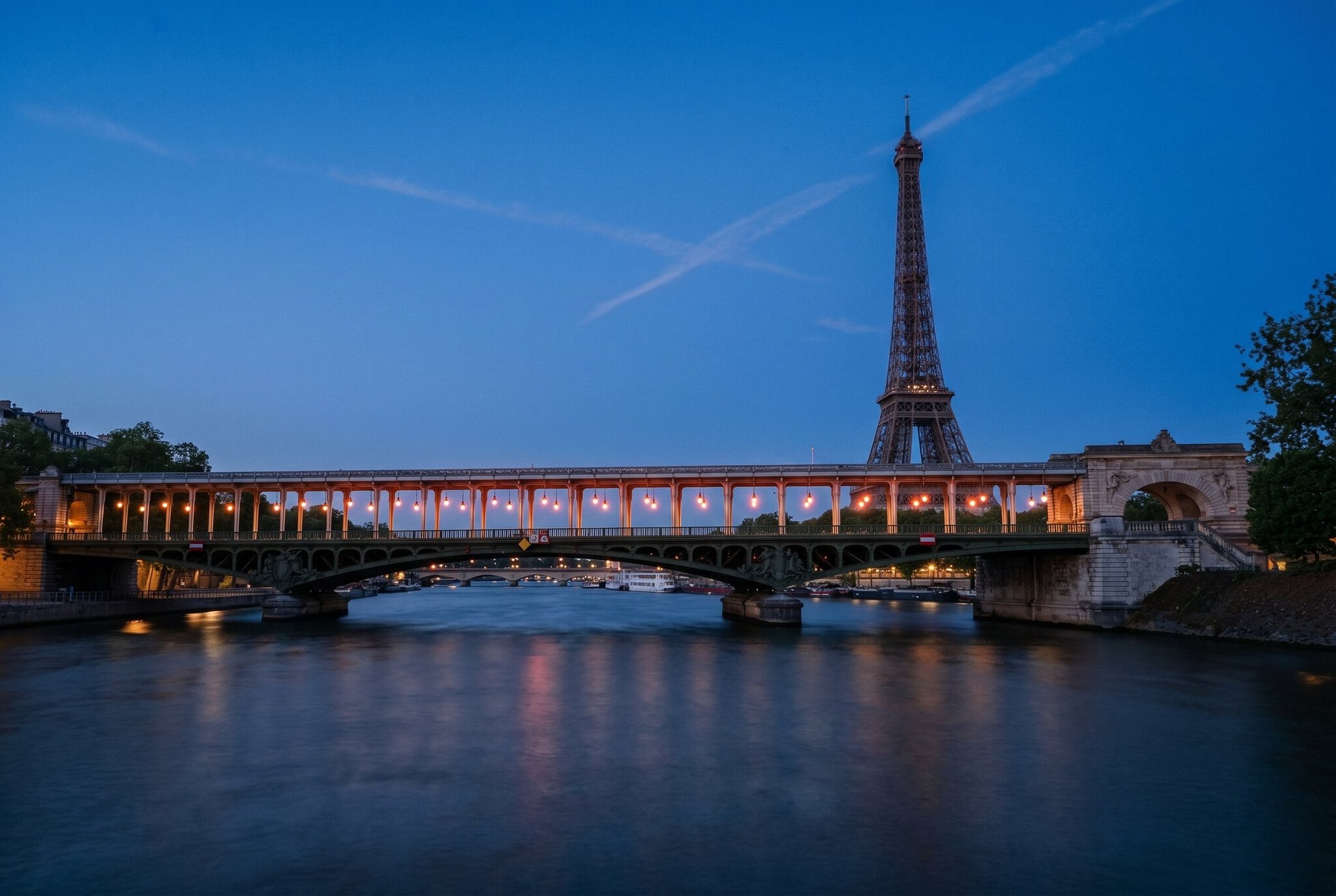
- 💡 Local tip: This is objectively the best spot in all of Paris for a photo of the illuminated Eiffel Tower. You’re far enough away to fit the whole thing in frame, the bridge provides a gorgeous architectural frame, and you avoid the insane crowds at the Trocadéro.
Practical Info: Transport and Safety After Dark
Paris at night operates a little differently from the daytime. It’s important to know the rules of the game so you can avoid unnecessary stress — or worse, unpleasant situations. The city is generally very safe, but like any major metropolis, it has its quirks.
Night Transport and the Noctilien
The Paris metro doesn’t run 24/7: from Sunday to Thursday, services stop at around 1:15 am, and on weekends that extends to 2:15 am. If you stay out later, you’ll need to rely on night buses called Noctilien, which criss-cross the city all night and converge at major hubs like Châtelet and the main train stations.
I’ll admit that navigating the night bus network can be a bit of a patience test, especially when you’ve already clocked up miles on your feet. That’s why I recommend always having the local transport app downloaded — it’ll show you exactly where to go and when.
- 💡 Local tip: Night buses use the same tickets as regular transport, but they tend to be full of tipsy revellers at weekends and the journeys take ages. If you’re tired, you’re better off ordering an Uber or using the official G7 taxi service (they have a great English-language app). Never get into a taxi without an official sign and working meter!
Safety and Which Areas to Avoid
Most central arrondissements (1st to 8th) are perfectly safe at night — bustling with people and well lit. Still, there are places you should steer clear of after 10 pm, especially if you’re on your own or with children.
It works much the same as in any large European city — just trust your instincts. If a street suddenly goes suspiciously quiet, the street lights thin out and you just don’t feel right, the best thing to do is turn around and head back to the nearest busy boulevard.
- Around train stations: Avoid the northern part of the 10th arrondissement, specifically the immediate surroundings of Gare du Nord and Gare de l’Est. Dodgy characters and pickpockets congregate here at night.
- Pigalle and Barbès: While Boulevard de Clichy itself, with the Moulin Rouge, is full of tourists, the more remote side streets heading towards Barbès-Rochechouart (18th arrondissement) can feel rather unwelcoming and unsafe after dark.
- 💡 Local tip: If you feel uncomfortable on the street at night, simply walk into any open bistro or hotel reception and ask them to call a taxi. Parisians are always willing to help in this regard.
Scams and Cons in Nighttime Paris
Tourist traps don’t sleep at night either. In fact, scammers often count on you being less alert after a few glasses of wine.
I didn’t want to believe it for the longest time myself, but a moment’s inattention is all it takes to lose your phone or wallet. It pays to know the most common tricks in advance so you can spot them a mile off.
- The gold ring: The ring is, of course, worthless brass. Lukáš and I witnessed this scam first-hand near the Louvre: a man suddenly bent down, picked up a chunky ring and started pushing it on an unsuspecting British tourist, explaining how he couldn’t afford food and just needed a few coins — all before she could even catch her breath. She was completely taken aback, so we stepped in and shooed him away. Always keep your wits about you.
- Fake petitions: Especially around the evening-lit Eiffel Tower or the Louvre, people (often young women) will approach you pretending to be deaf-mute, carrying clipboards and asking you to sign a “charity petition”. It’s purely a distraction while an accomplice robs you. This is probably the single most common trick. The women carry hard-backed clipboards, shove them in your face and gesture that they can’t hear. The clipboard acts as a screen behind which they lightning-fast rummage through your pockets — and before you know what’s happened, your phone is gone. Remember: genuine charities never collect signatures this aggressively on the street.
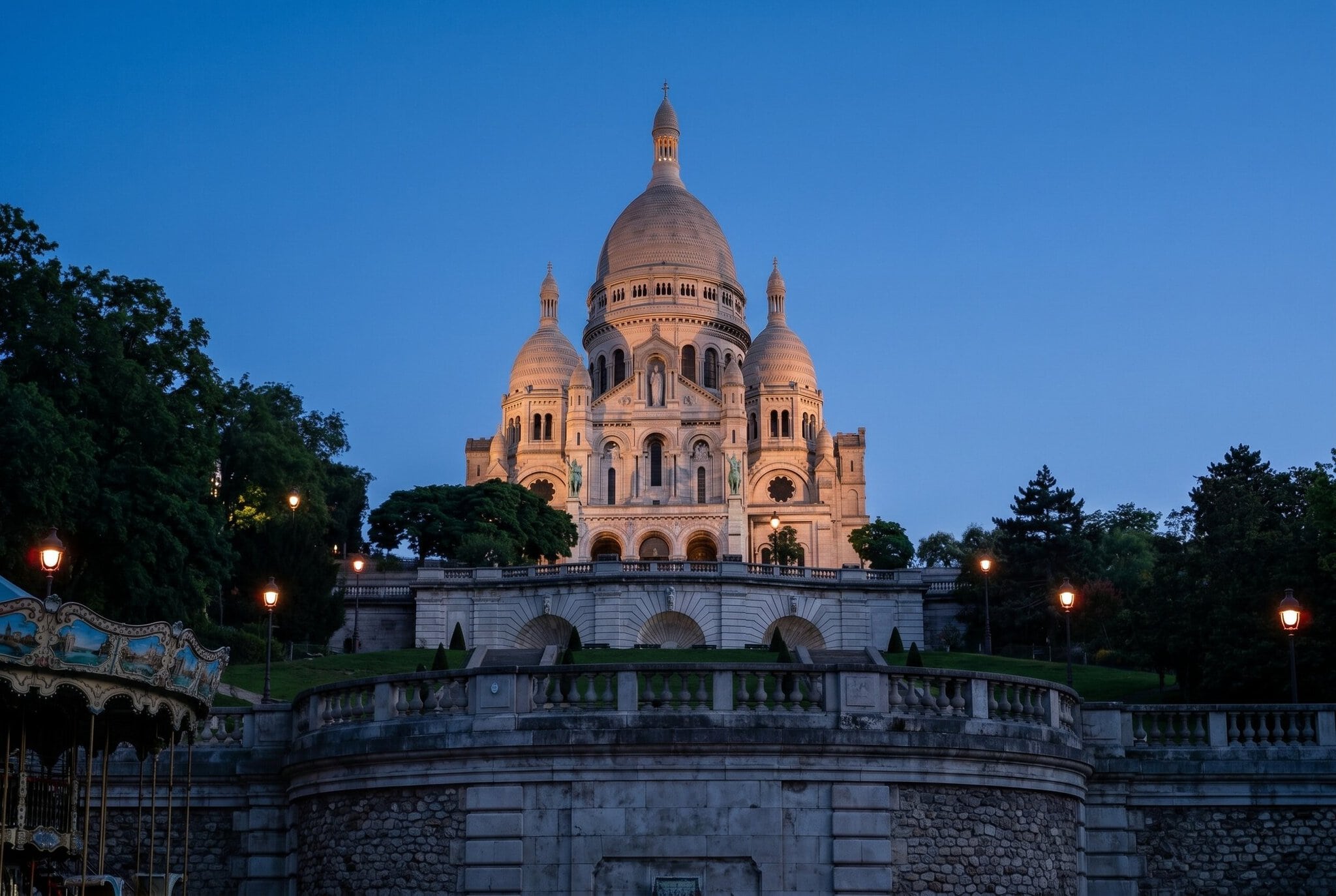
- Friendship bracelets: On the steps below Sacré-Cœur, groups of men operate by trying to forcibly tie a woven bracelet onto your wrist and then demanding money for it. Keep your hands in your pockets and walk firmly past them with a clear French non. These gangs hang around the steps leading to the basilica almost year-round. They’re quite persistent, and once they’ve wrapped a thread around your wrist, they start demanding hefty sums. The safest approach is not to engage at all — don’t make eye contact and keep walking assertively. Don’t worry about any physical confrontation; if you’re firm enough, they’ll leave you alone immediately.
- 💡 Local tip: The cardinal rule in every restaurant and bar: never leave your mobile phone sitting on the table in front of you, especially if you’re sitting on an outdoor terrace. Thieves will walk up, lay a map or newspaper on the table, ask for directions, and whisk your phone away under the paper.
Read Next
If you’ve got your evening plans sorted and need to fine-tune the rest of your trip, check out our other articles:
- For a complete overview of landmarks, head to what to see in Paris.
- If you’re only coming for a long weekend, our detailed Paris in 3 days itinerary will save the day.
- And if you’re wondering what (meat-free) food to try, read our guide on what to eat in Paris.
Frequently Asked Questions
Tips and Tricks for Your Vacation
Don’t Overpay for Flights
Search for flights on Kayak. It’s our favorite search engine because it scans the websites of all airlines and always finds the cheapest connection.
Book Your Accommodation Smartly
The best experiences we’ve had when looking for accommodation (from Alaska to Morocco) are with Booking.com, where hotels, apartments, and entire houses are usually the cheapest and most widely available.
 🚗 Car rental on the roadVerified car rentals in Paris
Search with the DiscoverCars comparison engine — it compares prices from dozens of local and international rental companies, and most bookings come with free cancellation.
Compare car prices in Paris →Don’t Forget Travel Insurance
Good travel insurance will protect you against illness, accidents, theft, or flight cancellations. We’ve had a few hospital visits abroad, so we know how important it is to have proper insurance arranged.
Where we insure ourselves: SafetyWing (simple monthly subscription) and TrueTraveller (for extra-long trips).
Find the Best Experiences
Get Your Guide is a huge online marketplace where you can book guided walks, trips, skip-the-line tickets, tours, and much more. We always find some extra fun there!
More from Paris
Full guide → Where to stay · most readParis Arrondissements: Where to Stay in Paris (and Where Not To)
 ItineraryParis: 40 Best Tips for Your Visit
 Travel storyParis Etiquette: How Not to Be “That Tourist” (Phrasebook, Rules & What NOT to Do)
 PricesWhat to Eat in Paris: The Complete Foodie Guide 2026 (Bistros, Michelin, Vegetarian Scene)
 With kidsParis with Kids: The Complete Guide to Family-Friendly Paris (What to Expect with a Pushchair)


