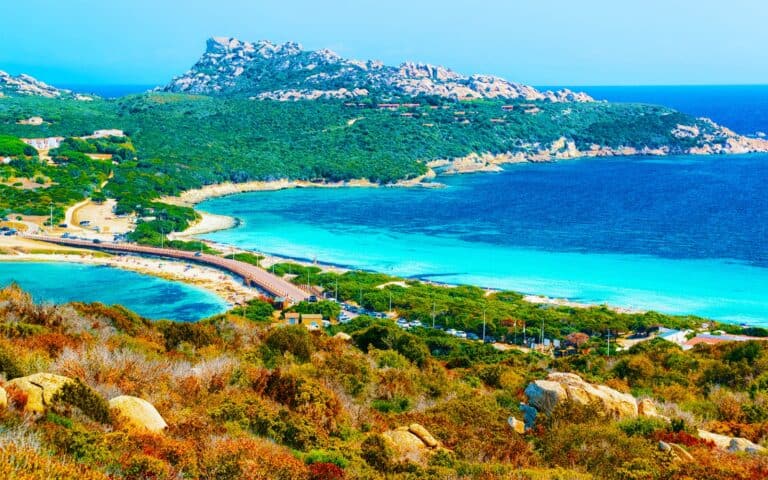
When people hear about the northern coast of this Italian island, many automatically picture nothing but luxury yachts and overpriced resorts along the famous Emerald Coast. But let me let you in on a little secret, because the real and far more authentic treasure lies on exactly the opposite side. Northwest Sardinia, Italy is an utterly fascinating blend of Caribbean-looking beaches, medieval clifftop towns and wild nature that hasn’t yet been swallowed up by the mass commercialism of the wealthiest crowds. It’s probably the best choice for everyone who wants to fit both swimming in turquoise water and wandering through historic lanes into a single holiday.
This region also has a huge logistical advantage, because thanks to the airport in Alghero you can get here very easily, and overall the prices here are noticeably friendlier than in the northeast. Travellers often praise the fact that this is exactly where they found the perfect balance between amenities and peace and quiet, while the local culture still holds on to its proud island character. Whether you’re looking forward to sampling rich red wine or longing to see the semi-wild white donkeys, this corner of the island will reliably win you over.
Wondering what to see in northwest Sardinia so you make the most of your time and don’t miss anything important? In this guide you’ll find 10 tips for the most beautiful spots, from the famous La Pelosa beach through pastel-coloured Bosa to historic Castelsardo. Of course there will also be plenty of practical advice on renting a car, fines and reservations, so you can head off on holiday completely relaxed.
TL;DR
- Most famous beach: La Pelosa near the town of Stintino draws visitors with its white sand and shallow water, but in peak season it requires booking in advance and a compulsory mat under your towel.
- Prettiest town: Bosa will enchant you with its colourful houses stacked on a hill above the island’s only navigable river.
- Transport and roads: You’ll struggle without a rental car here, and the scenic SP105 road from Alghero to Bosa is an enormous experience in its own right.
- History and culture: Castelsardo offers a gorgeous medieval castle on a cliff and a traditional basket-weaving craft.
- Unique nature: Asinara National Park, reached by boat, hides an abandoned prison and herds of rare white donkeys.
- Pitfalls: Watch out above all for driving into the historic centres, the so-called ZTL zones, where automatic cameras dish out hefty fines.
The full destination guide: Sardinia — guide and what to see
When to visit northwest Sardinia and how to get around
Planning the right time to visit is probably the single most important step towards falling in love with the island. Travellers broadly agree that the best months to visit are June and September. By June you’ll already be greeted by steady warmth with temperatures around 25 to 28 degrees and a pleasantly warmed-up sea, while in September you’ll enjoy water heated by a whole summer without the worst of the crowds. July and August, on the other hand, are months I’d personally rather avoid, because temperatures climb towards 35 degrees, accommodation prices shoot through the roof, and around the Italian holiday of Ferragosto in mid-August the island is literally bursting at the seams. May and October are said to be fantastic for sightseeing and exploring the sights, but the sea may still be quite refreshing and cool for swimming.
Logistically this area is exceptionally welcoming thanks to the international Sardinia airport right in Alghero, served by low-cost airlines from many European cities — from the UK you’ll typically find easyJet and Ryanair connections, or you can fly into one of the bigger hubs and pick up an onward flight; alternatively use the slightly more distant airport in Olbia. As soon as you step off the plane, I’d definitely recommend renting a car, because public transport here is fairly weak and buses simply don’t run to the most beautiful remote beaches. When choosing a rental company, though, be very careful and read the reviews thoroughly, because some international chains have a reputation for aggressively selling expensive insurance at the desk. People on forums often advise going for local Sardinian rental companies instead, which tend to be friendlier and frequently even accept a regular debit card.
Getting around the island has its clear quirks, and you certainly won’t be breaking any speed records here. Distances may look short on the map, but thanks to the winding mountain and coastal roads, count on an average speed of around 40 kilometres per hour. The biggest tourist trap, however, is undoubtedly the restricted-access zones known as ZTL (Zona a Traffico Limitato), found in the historic centres of towns like Alghero, Bosa and Castelsardo. The entrances are guarded by automatic cameras, and if you ignore the sign, a fine of 80 to 200 euros is guaranteed to catch up with you. So it’s much safer to park your car in the larger paid car parks outside the centre and walk the rest of the way on foot.
Where to stay in northwest Sardinia
Choosing the right base is absolutely key to a comfortable holiday, because constantly driving back and forth along winding roads can tire you out pretty quickly. If you’re looking for a place close to the sights, great restaurants and nightlife, the town of Alghero and its immediate surroundings seem like the ideal strategic point. A little to the north near the town of Stintino you’ll find fantastic resorts and apartments that will mainly appeal to lovers of all-day beach lounging, though the evenings here tend to be a bit quieter. For romantic souls, the area around Bosa is enormously tempting, where you can find beautiful accommodation in historic buildings overlooking the river, which brings a completely different, more peaceful atmosphere.
The northwest is the best base for a first visit — it combines culture, beaches and its own airport, and is noticeably cheaper than the Costa Smeralda. Alghero over three days will cover the whole corner; anyone who wants to be as close as possible to Caribbean-style La Pelosa should head to Stintino. Here are our tips according to your holiday style:
💑 For couples and style: Hotel Villa Las Tronas (Alghero) — a historic villa on its own peninsula with the sea on three sides; romance and tranquillity just a stone’s throw from the centre of Alghero.
👨👩👧 For families near La Pelosa: Hotel Rocca Ruja (Stintino) — in Stintino just a stone’s throw from Caribbean-style La Pelosa, on the beach in the morning before the crowds arrive.
💰 For the best location in the centre: Hotel Catalunya (Alghero) — a modern hotel in the heart of Alghero with a rooftop terrace and views of the walls and the sea.
🎨 For the pastel town of Bosa: Corte Fiorita Albergo Diffuso (Bosa) — a scattered hotel in the colourful lanes of Bosa by the river, one of the most photogenic addresses on the island.
💡 One final tip: you can book most hotels through Booking.com with free cancellation, so you can reserve your favourite spot right away and make up your mind later. Just don’t wait too long — the most sought-after seafront addresses sell out for July and August up to six months in advance, and high-season prices climb tens of percent higher.
The most beautiful beaches of the northwest
This coastline is utterly unique in its variety, because within just a few dozen kilometres you’ll find fine white sand reminiscent of the tropics alongside dramatic cliffs plunging steeply into the sea. Let’s take a look at the most interesting spots where you can spread out your towel and enjoy the crystal-clear water.
1. La Pelosa and Stintino — a Caribbean dream with strict rules
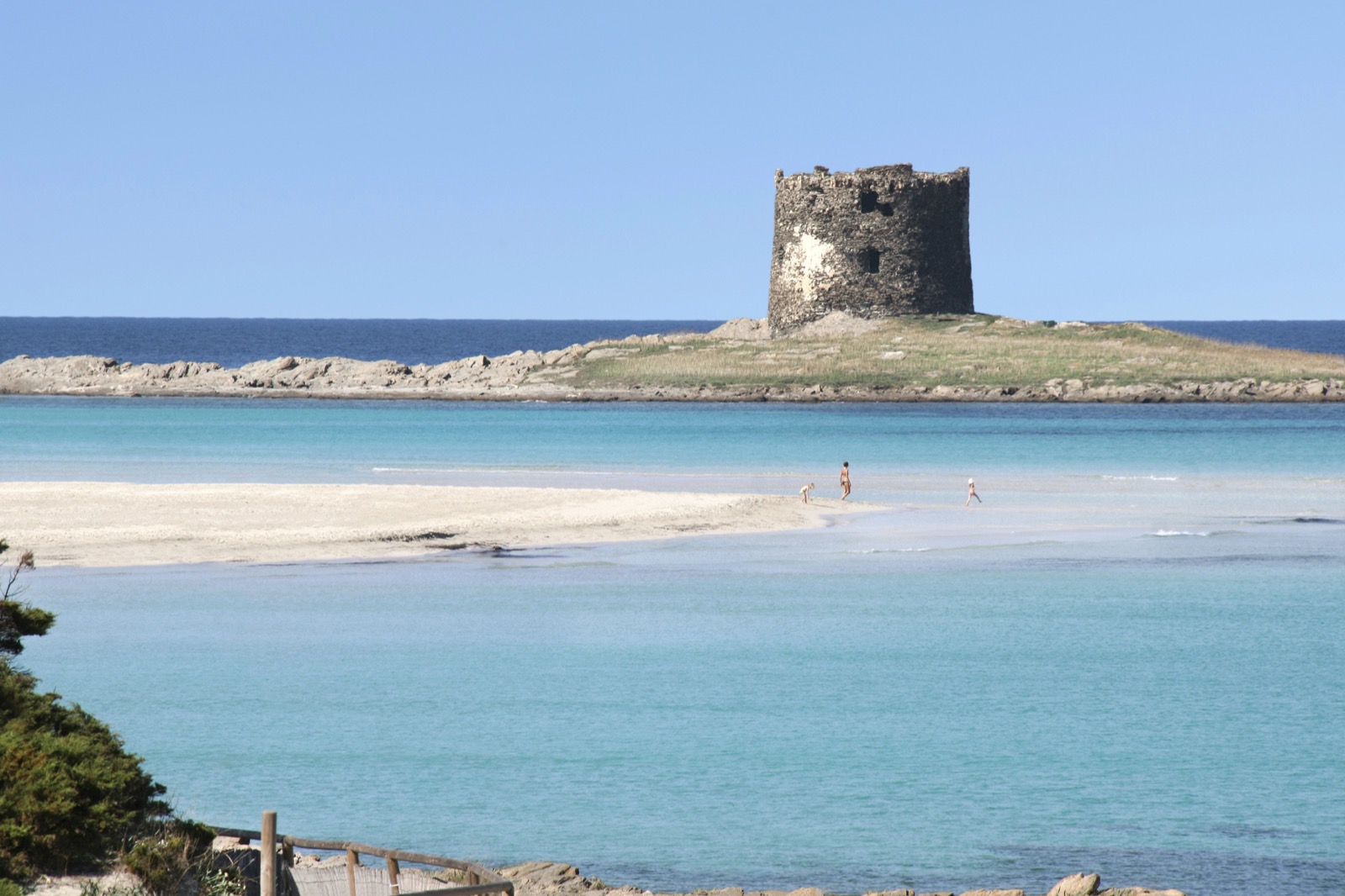
This is, without exaggeration, one of the most famous beaches in all of Europe, and once you look at the photos you’ll immediately understand why. La Pelosa beach lies at the very northwestern tip of the island near the fishing town of Stintino and offers almost unbelievably shallow, crystal-clear water that shifts from pale turquoise to deep blue. The snow-white sand is so fine it resembles flour, and the whole gorgeous scene is completed by the historic watchtower Torre della Pelosa standing on a small islet just off shore. The water here is calm and warm, making it an absolute paradise for everyone who loves long, relaxed swims without big waves.
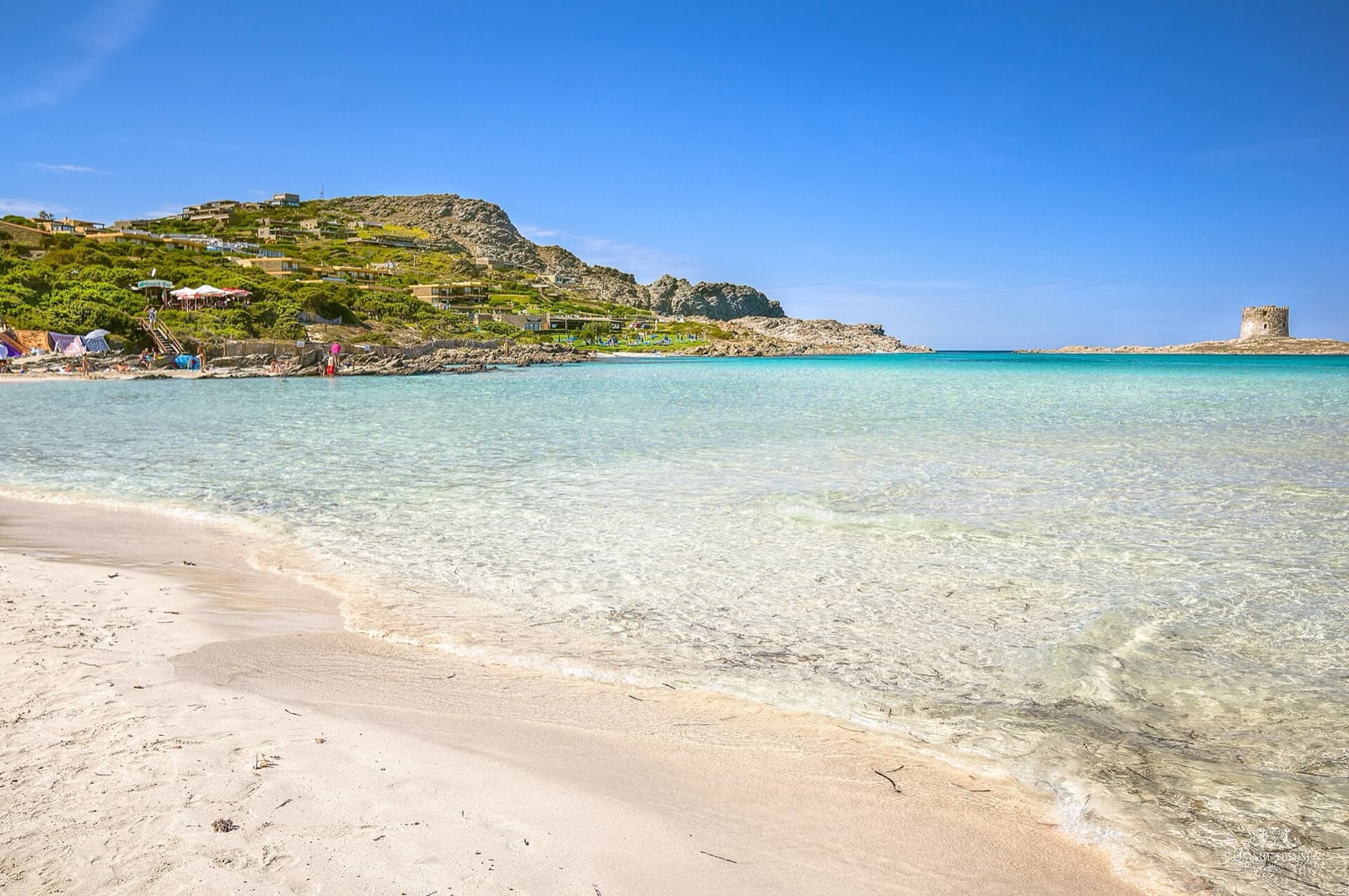
This beauty comes at a price, though, and in recent years the local authorities have had to introduce very strict conservation rules to stop the beach disappearing entirely under the onslaught of tourists. In peak season, from mid-May to mid-October, daily capacity is limited to 1,500 visitors, and you have to book your entry online, ideally well in advance, through the official app. A ticket costs 3.50 euros per person, and on site there’s an absolute obligation to have a firm straw or bamboo mat underneath your cloth towel. If you forget the mat, the local wardens are said to be uncompromising and you risk a fine of up to 100 euros, which would probably upset you far more than sunburnt shoulders 😅. So always check the current conditions for the season before you go, so you’re not unpleasantly surprised at the entrance.
2. Capo Falcone and the surrounding beaches
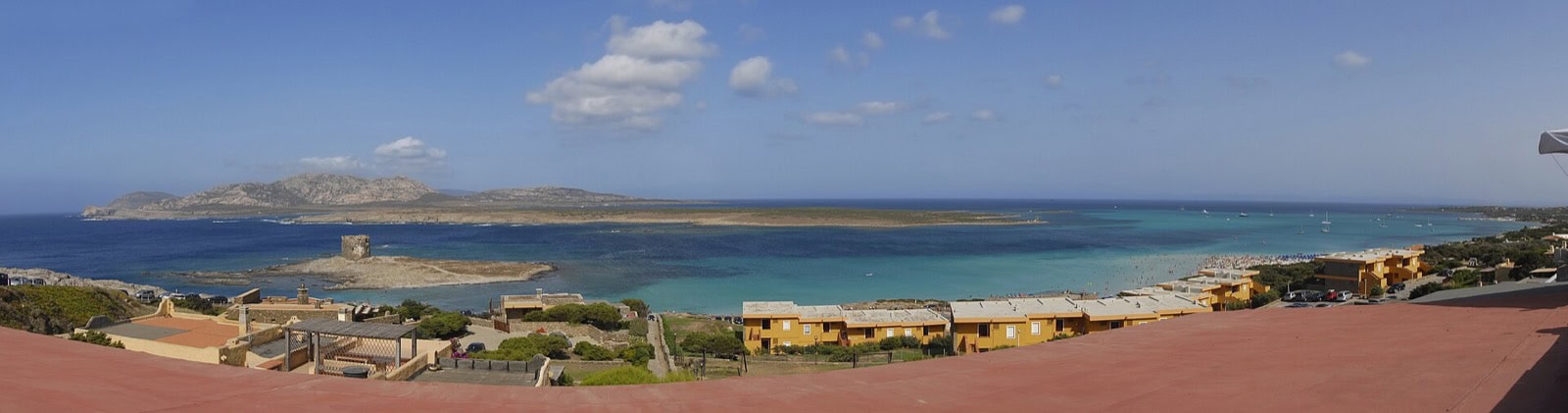
Just around the corner from famous La Pelosa lies the dramatic Capo Falcone headland, which offers a completely different, rougher spectacle. The cliffs here drop steeply down into the deep blue sea, and the whole area is a popular destination for lovers of breathtaking views and photography. If you don’t manage to snag that dream reservation for La Pelosa, don’t despair at all, because the area around Stintino offers plenty of other gorgeous swimming spots. Travellers very often recommend the nearby La Pelosetta beach, which is a bit smaller and pebblier, but still offers fantastic access to the water and a lovely view of the old watchtower. Another great alternative is the sprawling Ezzi Mannu beach, where you’ll enjoy far more space and peace even on the busiest summer days.
3. Asinara National Park and the famous white donkeys
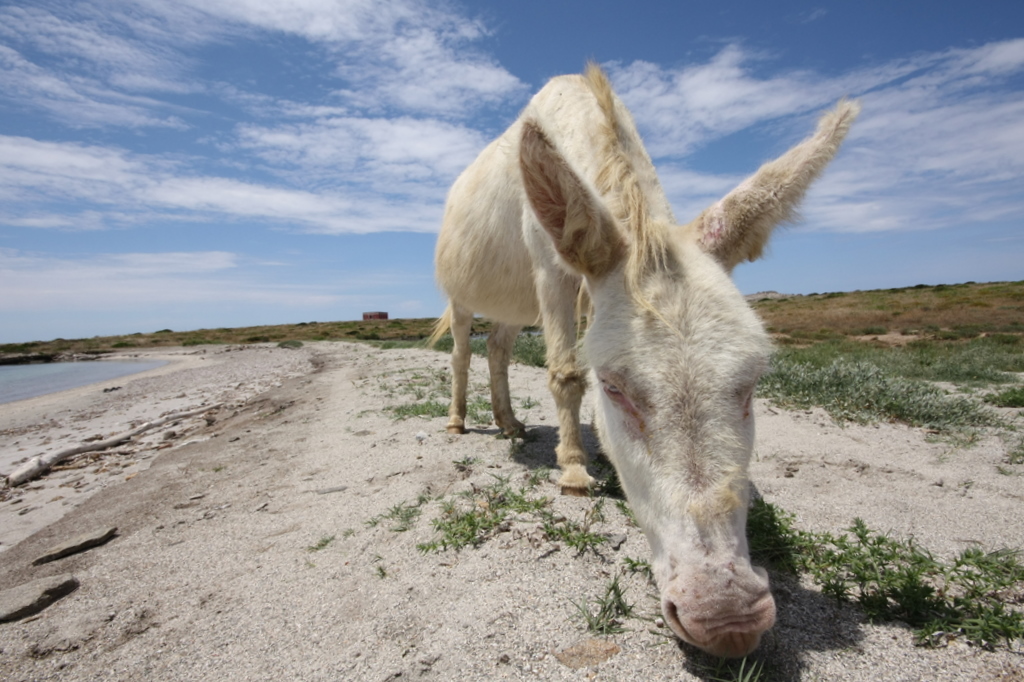
Just a short boat ride from Stintino lies an island with an utterly fascinating and somewhat dark history behind it. Today it’s the strictly protected Asinara National Park, but for more than a hundred years the island served as an isolated penal colony and maximum-security prison, where the Italian state sent the toughest mafia bosses. It’s precisely thanks to this long isolation from the outside world that nature here has remained completely untouched, and today the island is a refuge for many protected animals. The absolute biggest draw is the herds of rare white donkeys, or albinos, who roam freely through the scrub and represent the adorable symbol of the whole park.
You’re not allowed to drive onto the island in a private car, and the only option is to use the official boat service from the ports of Porto Torres or directly from Stintino. Once you arrive on dry land, you can rent bicycles, hop on an organised guided jeep tour, or ride around in a small electric car. The tour of the abandoned prison buildings combined with wild nature and completely deserted coves creates, according to visitors, an experience that’s not easily forgotten.
Pastel Bosa and the scenic road
As you move a little further south, the landscape begins to change and the cliffs give way to picturesque valleys. This part of the island hides an architectural gem that would be a huge crime to skip, even though it lies a little off the beaten track of the main beach centres.
4. The town of Bosa and the island’s only navigable river
If we were to hold a contest for the most photogenic spot in Sardinia, the town of Bosa would be battling for first place by an enormous margin. Picture a steep hill on which tall houses are stacked tightly side by side, glowing in every possible pastel shade from rich yellow through pink to azure blue. This historic quarter, known as Sa Costa, forms an utterly fairytale maze of narrow cobbled lanes where laundry dries on lines and old grandmothers still occasionally sit out on their doorsteps. Bosa lies on the banks of the Temo river, which, as it happens, is the only navigable river in all of Sardinia. Along the water runs a beautiful promenade lined with old tanneries that hark back to the rich industrial past of this seemingly sleepy place. You’ll find up-to-date tips for visiting on the official Sardinia tourism website.
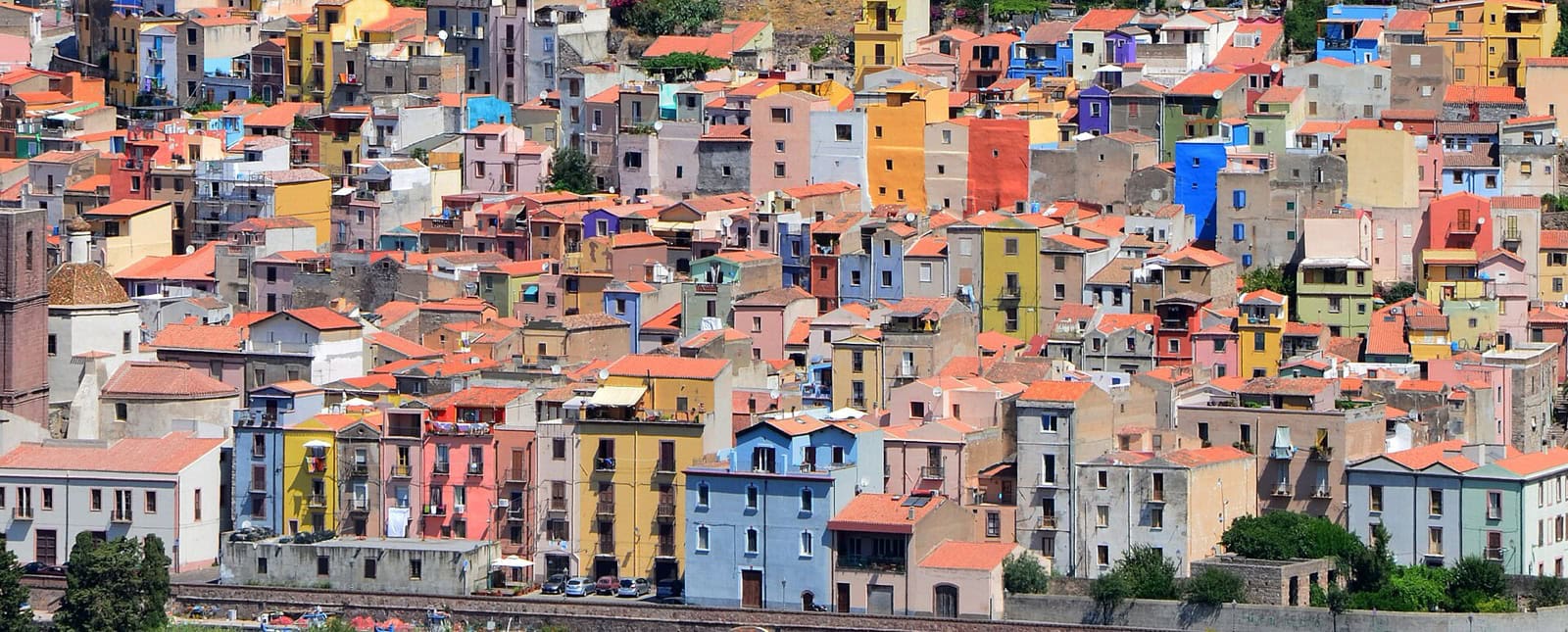

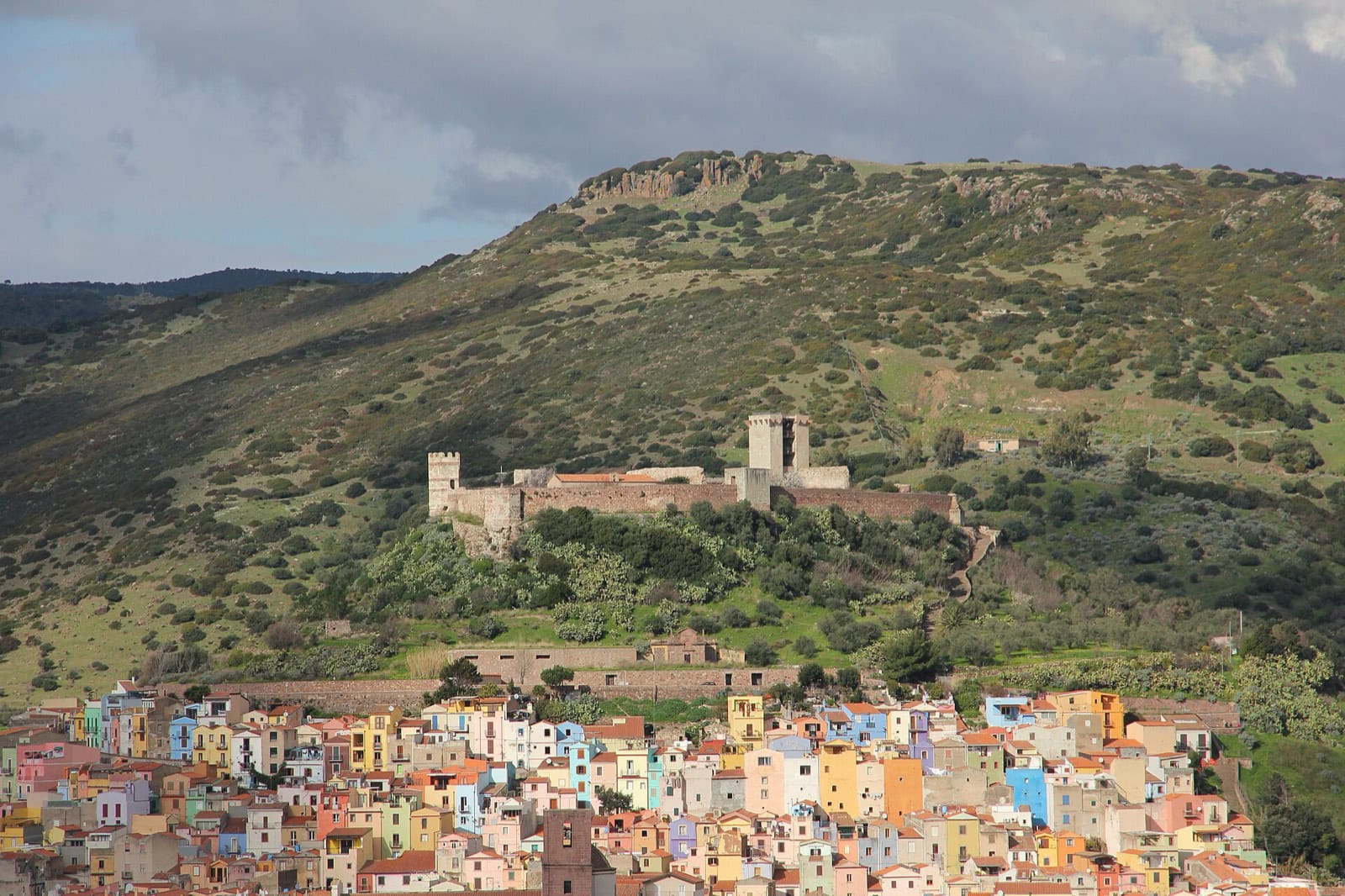
5. Malaspina Castle with gorgeous views
All that colourful beauty in Bosa is dominated, right at the top of the hill, by the medieval Malaspina Castle, sometimes also called Castello di Serravalle. The original fortress was built here by a Tuscan noble family as far back as the twelfth century, to protect the strategic river valley from raids from the sea. Although mostly only the mighty walls and a few towers have survived to this day, the climb up is definitely worth the little bit of effort. Your reward will be a panoramic view of the whole colourful town and the winding river disappearing into the distance. Inside the castle grounds you’ll also find the unassuming little church of Nostra Signora de Sos Regnos Altos, which hides unexpectedly well-preserved medieval frescoes that were discovered by chance only in the 1970s.
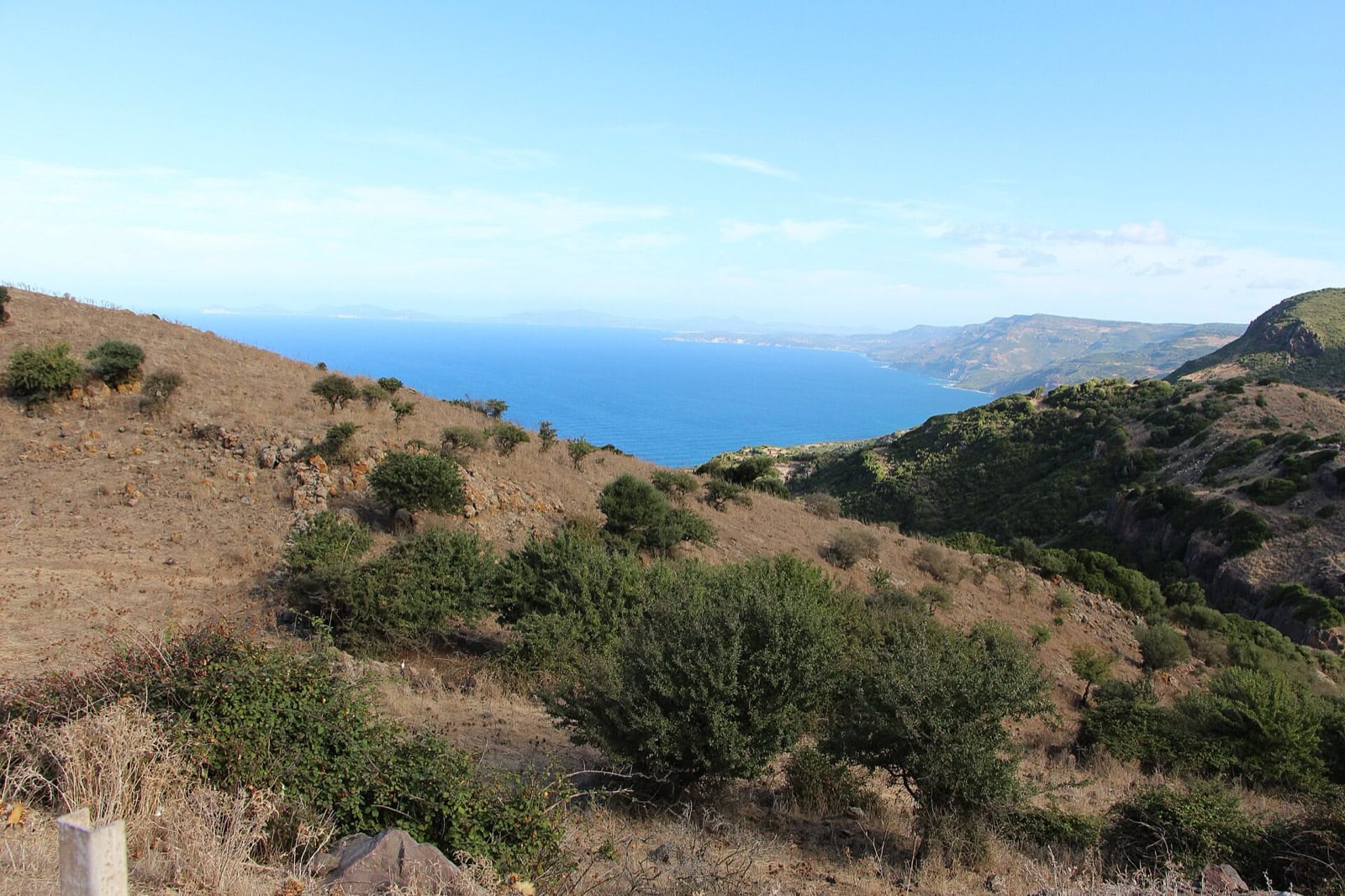
6. The scenic SP105 road from Alghero to Bosa
The drive from Alghero down to Bosa isn’t merely a transfer from point A to point B — it’s a full-blown experience that many travellers rate as one of the highlights of the entire holiday. The coastal SP105 road winds incredibly for a full forty-five kilometres high up on the steep cliffs right above the churning sea. There isn’t a single town, no petrol stations, just wild nature, fragrant maquis and views stretching to infinity. It’s said to be an absolutely perfect spot for watching the sunset, when the rocks take on a beautiful golden hue. If you’re lucky and look carefully at the sky or the rocky ledges, you might spot nesting griffon vultures, the so-called grifoni, for whom this rugged stretch of coast is a natural home. Before setting off, we recommend checking the weather and wind strength on something like Windfinder, so you can enjoy the view to the fullest.
Map of points of interest for your phone
Castelsardo and the historic north
If you head along the coast eastwards from the port of Porto Torres, you’ll come across an area that breathes ancient history and hides monuments hundreds and even thousands of years old. It’s a great contrast to lounging on the beach.
7. Medieval Castelsardo and the Doria Castle
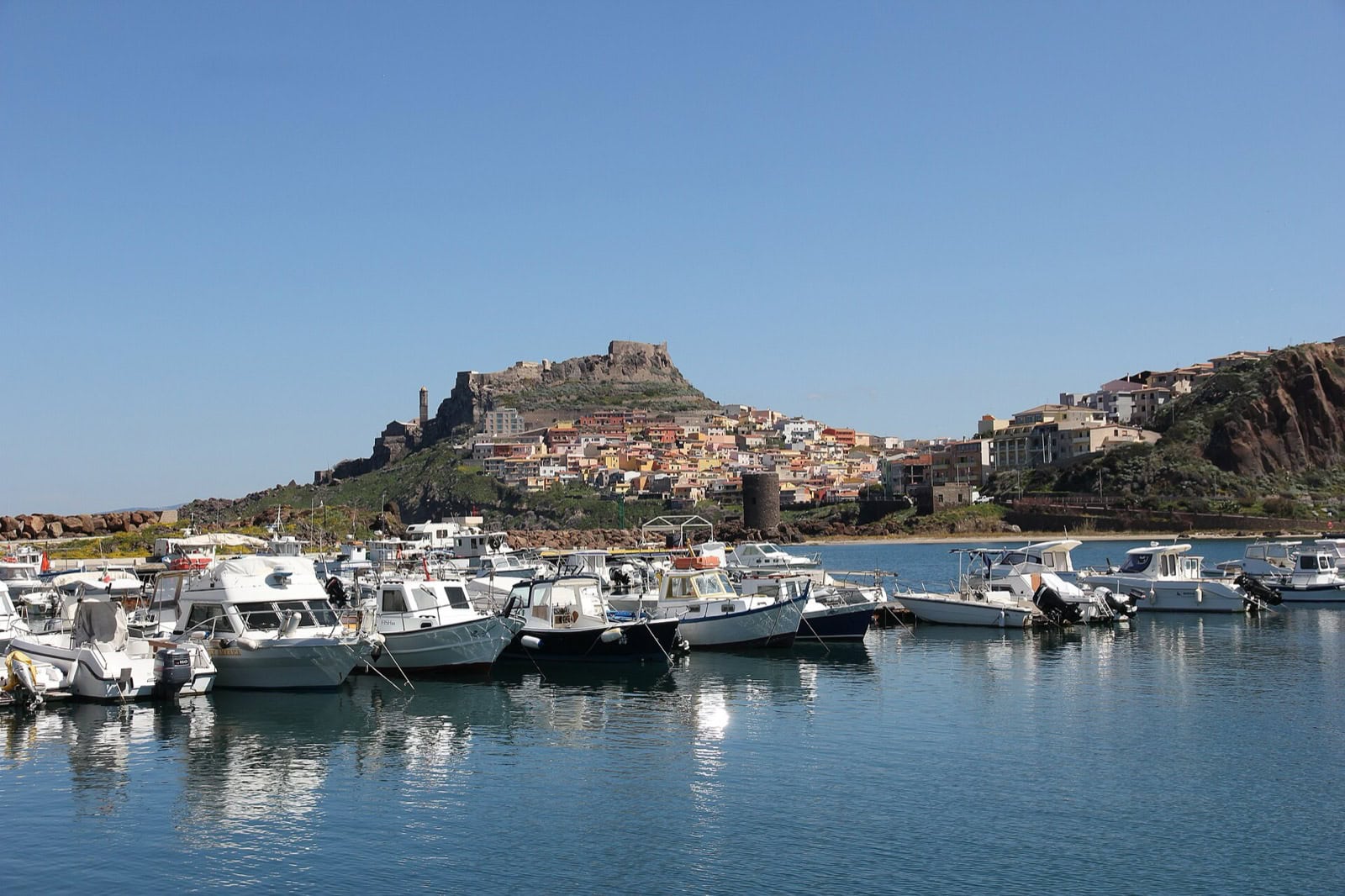
Castelsardo is exactly the kind of town that captivates you from afar. It’s perched on a mighty volcanic promontory that juts high above the sea, and the whole panorama is ruled by the majestic Castello dei Doria, a twelfth-century fortress founded by the powerful Genoese family. Climbing the narrow steep lanes up to the castle is a pretty solid cardio workout, but the breathtaking views over the Gulf of Asinara more than make up for it. The historic centre is full of little shops and craft workshops, because Castelsardo is renowned for its long tradition of basket weaving. The castle itself is even home to an interesting basketry museum that shows in detail the art of working with dwarf palm leaves and reeds. As you stroll around, don’t forget to peek inside the cathedral of Sant’Antonio Abate, whose bell tower decorated with colourful majolica is visible far and wide. You’ll find the castle opening hours and up-to-date information on the official website of the town of Castelsardo.
8. Roccia dell’Elefante, the Elephant Rock
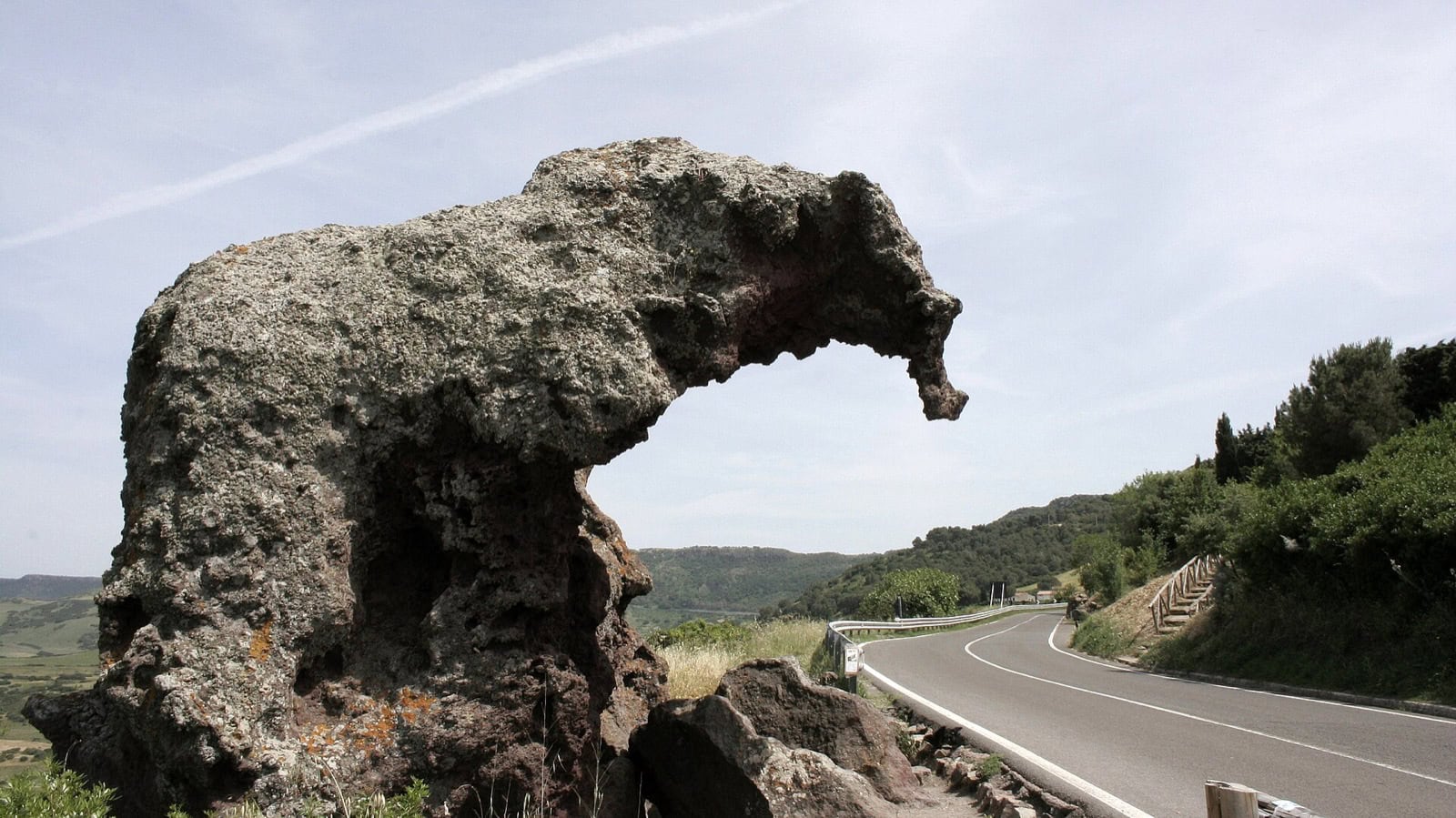
Just a few kilometres’ drive from Castelsardo lies one of the most bizarre and most photographed natural landmarks in the wider area. Right at the edge of the road, an enormous chunk of trachyte rock juts up out of nowhere, shaped by erosion and strong winds into a form that looks exactly like a sitting elephant with its trunk lowered to the ground. But the Elephant Rock isn’t only interesting for its shape, because it also conceals a secret several thousand years old. Carved into its side are small Neolithic burial chambers, the so-called domus de janas, which poetically translates as houses of the fairies. It’s an ideal quick stop to stretch your legs and snap a funny photo.
9. Porto Torres and the stunning San Gavino basilica
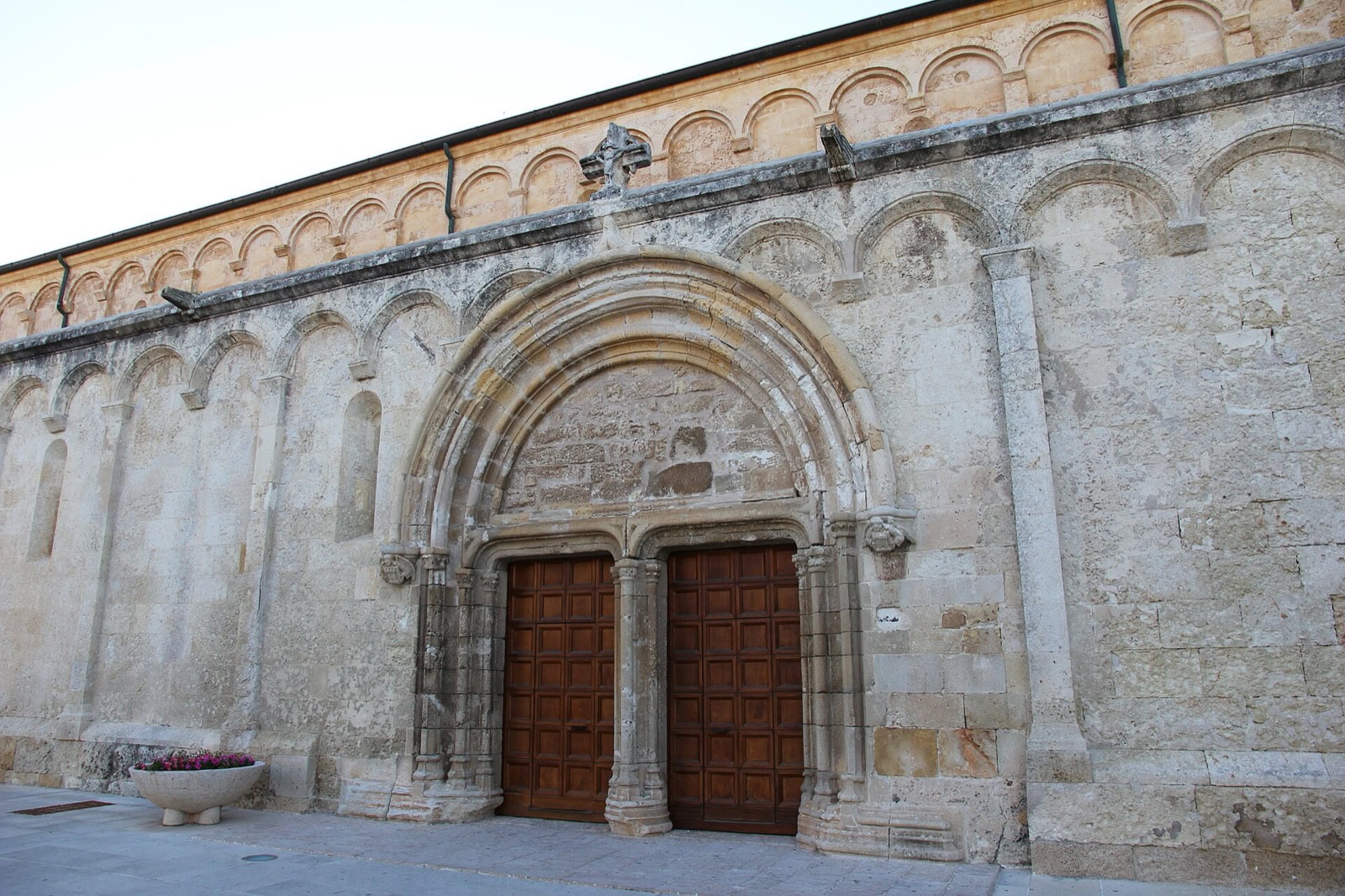
At first glance, the town of Porto Torres may come across mainly as a busy industrial port where giant ferries from mainland Italy or France constantly arrive, but it hides some truly significant historic gems. In ancient times this place was called Turris Libisonis and was one of the most important Roman ports on the island, and you can still admire the remains of ancient baths with mosaics here to this day. The most important reason to visit, however, is the Romanesque basilica of San Gavino, built largely from white limestone and the largest and most significant Romanesque building in all of Sardinia. Its austere yet immensely majestic interior is said to breathe an incredible calm and mystical atmosphere.
10. The abandoned mining village of Argentiera
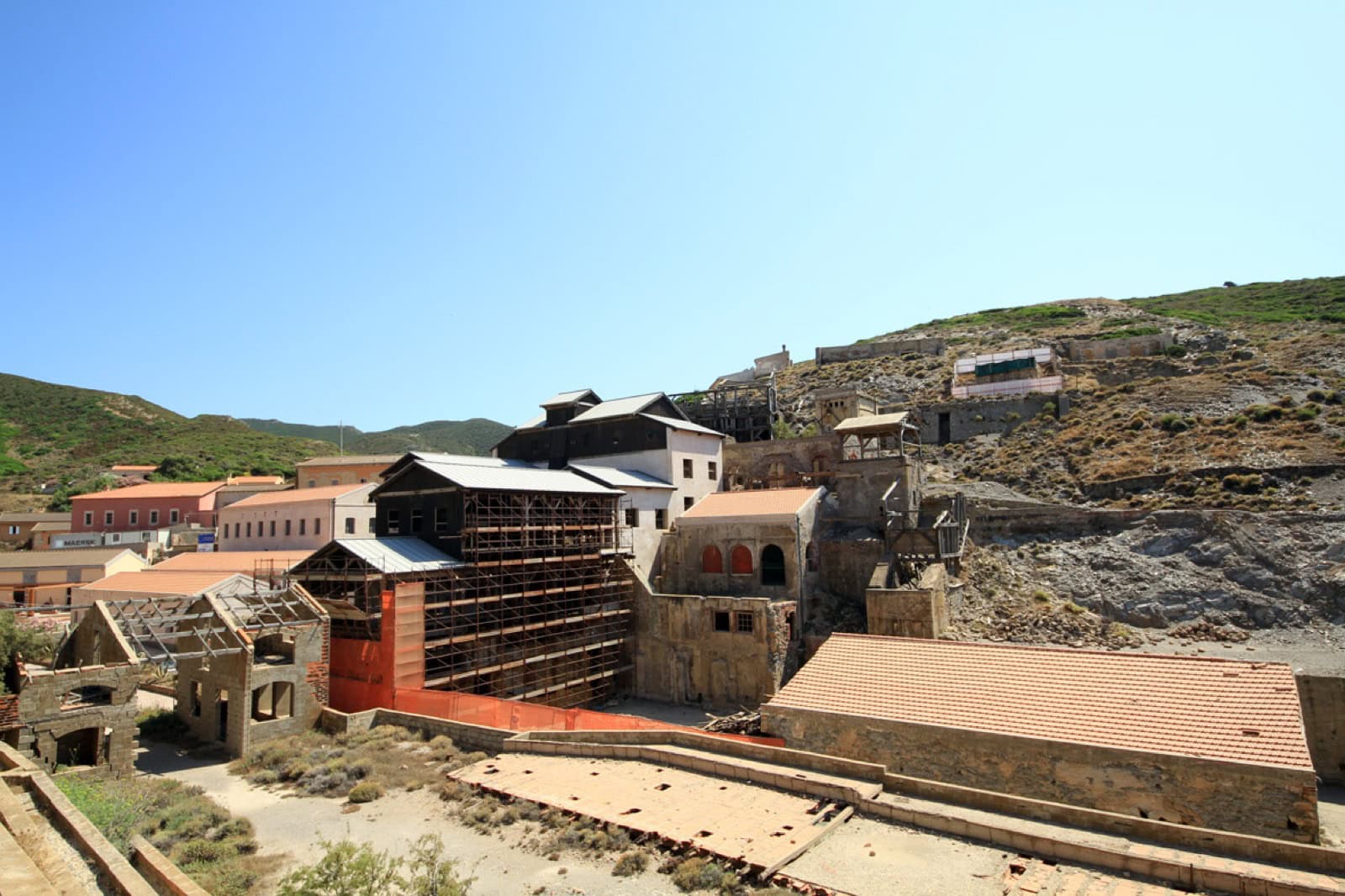
Our last tip for this area is highly unusual and will appeal to everyone who loves slightly mysterious, industrial places with a ghost-town atmosphere. The abandoned mining village of Argentiera lies on a rugged stretch of coast west of Porto Torres, where silver and lead were mined on and off for centuries. The mine was finally closed in the 1960s and most of the inhabitants left. Today you’ll find a fascinating complex of crumbling wooden mining towers and factory halls that contrast sharply with the wild beach and dark sand right beneath them. In recent years the authorities have been trying to partly restore and preserve the site, so it’s slowly turning into a fantastic open-air museum that’s said to have a strangely melancholic yet very photogenic charm.
What to taste in northwest Sardinia
When you travel around Italy, food is always one of the main items on the agenda, and this part of the island is absolutely no exception. Sardinian cuisine is heavily influenced by the pastoral tradition of the interior, which is fantastic news for everyone looking for excellent vegetarian options full of great cheeses and vegetables.
You absolutely must try the local speciality called culurgiones, beautifully pleated pasta parcels filled with a rich mix of potato, pecorino cheese and refreshing mint. It’s a huge treat you’ll find in pretty much every traditional trattoria. The restaurant will also always bring you crispy shepherd’s bread, pane carasau, which is paper-thin and goes brilliantly with olive oil. For dessert, don’t miss out on seadas, a fried parcel filled with young cheese and generously drizzled with local honey, which sounds a little odd but is said to be an absolute knockout in terms of flavour.
The locals are certainly very fond of meat dishes too, led by roast suckling pig porceddu or grated dried fish roe, bottarga, which they add to pasta, but you’ll happily eat well here without any meat at all. And whatever you have for dinner, don’t forget to wash it down with a glass of Malvasia di Bosa wine, grown on the slopes above the Temo river and a great source of pride for the whole region.
Where to go next
If the island has won you over and you’re planning a wider itinerary, be sure to get inspired by our other detailed guides, which will help you plan an unforgettable trip.
- You’ll find a basic overview of all the essentials in our extensive article Sardinia holiday: what to see and do.
- If you’re also considering combining it with its French neighbour, check out our guide to Corsica.
- For lovers of swimming, our pick of the Most beautiful beaches of Sardinia is a must.
- We’ve put together detailed information on how to get to the island by plane or ferry in the article How to get to Sardinia.
Frequently asked questions
What to see in northwest Sardinia?
Northwest Sardinia offers a great mix of history and beautiful beaches. Major highlights include the Caribbean-like La Pelosa beach, the pastel-colored town of Bosa with Malaspina Castle, historic Castelsardo perched on a cliff, and Asinara National Park with herds of white donkeys.
Where is La Pelosa beach and do I need a reservation?
La Pelosa Beach is located at the very northwestern tip of the island near the town of Stintino. During high season (from mid-May to mid-October), reservation is absolutely essential, as capacity is strictly limited to 1,500 people per day. You must secure your ticket online in advance, and on the beach it’s also mandatory to have a solid mat under your beach towel, otherwise you risk a hefty fine.
Is the town of Bosa worth it?
Absolutely yes! According to many travelers, Bosa is one of the most picturesque towns in all of Italy. You’ll be captivated primarily by its colorful pastel houses, which are stacked on a hill around the only navigable Sardinian river Temo, and above it all the historic Malaspina castle rises majestically with beautiful views.
How to get to Asinara National Park?
Na ostrov Asinara isn’t possible to enter with your own private vehicle. You can only get there via official boat transport, which departs from the ports of Porto Torres or nearby Stintino. Once on the island, you can get around by rented bicycle, electric car, or pay for an organized jeep tour with a licensed guide.
What to see in Castelsardo?
This historic gem attracts visitors primarily for the medieval castle of the Doria family, which offers fantastic views of the sea. Inside the castle, you’ll find a unique museum of traditional basket weaving. Also worth a visit is a stroll through the old streets and a tour of the Cathedral of Sant’Antonio Abate with its bell tower decorated with colorful majolica.
Which is the most beautiful road in northwestern Sardinia?
An absolute highlight is the coastal scenic road SP105, which connects the town of Alghero with the town of Bosa. Forty-five kilometres of breathtaking clifftop views over the sea await you, a drive through pristine nature and the chance to observe stunning sunsets and rare nesting vultures.
Where to stay in northwest Sardinia?
It depends on your preferences. If you’re looking for a great starting point with an airport, bustling life, and easy access to sights, Alghero and its surroundings are recommended. For romance and tranquility by the historic center and river, Bosa is ideal, while for beach resort lovers and proximity to La Pelosa, it makes sense to look for accommodation near the town of Stintino.
Tips and Tricks for Your Vacation
Don’t Overpay for Flights
Search for flights on Kayak. It’s our favorite search engine because it scans the websites of all airlines and always finds the cheapest connection.
Book Your Accommodation Smartly
The best experiences we’ve had when looking for accommodation (from Alaska to Morocco) are with Booking.com, where hotels, apartments, and entire houses are usually the cheapest and most widely available.
 🚗 Car rental on the roadVerified rental cars in Sardinia
Search with the DiscoverCars comparison engine — it compares prices from dozens of local and international rental companies, and most bookings come with free cancellation.
Compare car prices in Sardinia →Don’t Forget Travel Insurance
Good travel insurance will protect you against illness, accidents, theft, or flight cancellations. We’ve had a few hospital visits abroad, so we know how important it is to have proper insurance arranged.
Where we insure ourselves: SafetyWing (simple monthly subscription) and TrueTraveller (for extra-long trips).
Find the Best Experiences
Get Your Guide is a huge online marketplace where you can book guided walks, trips, skip-the-line tickets, tours, and much more. We always find some extra fun there!