When Lukáš and I first walked from the historic centre of Rome towards the Vatican, the enormous cylindrical silhouette on the banks of the River Tiber drew us in like a magnet. Castel Sant’Angelo is a building that feels almost impossibly massive, and as you approach it across the ancient bridge lined with angel statues, you can feel the incredible weight of two thousand years of history. While most tourists rush headlong towards St Peter’s Square and pass the castle with nothing more than a quick photo from outside, we discovered that inside lies one of the greatest surprises in the entire Eternal City. It’s a place where dark death mingles with Renaissance luxury, and we come back here on almost every trip to Rome, Italy.
I’ve always been fascinated by how this building has reinvented itself over the centuries, having served as an imperial mausoleum, an impregnable military fortress, a dreaded prison and a stunning papal residence. Rome can be utterly exhausting with its crowds, but when you climb to the upper terrace of Castel Sant’Angelo in the late afternoon, the city below suddenly falls quiet. The wind tousles your hair, the perfectly illuminated dome of St Peter’s Basilica stretches out right before you, and beneath your feet unfolds a labyrinth of alleyways bathed in soft golden light. The experience is so powerful that we promised ourselves we’d put together all our tips so you don’t accidentally skip this fantastic monument when planning your trip.

TL;DR
- Book tickets online: Tickets cost around €13–15, and queues on site can be brutal during peak season, so buying in advance through official websites or apps will save you a lot of frustration.
- Best time to visit: Head here in the late afternoon — the Vatican crowds are already thinning out, and the sunset from the upper terrace beneath the angel statue is one of the most beautiful in all of Rome.
- Perfect combo with the Vatican: Castel Sant’Angelo is just a few minutes’ walk from St Peter’s Square, so it makes perfect sense to combine both sights into one logical full-day itinerary.
- Watch out for food scams: The immediate surroundings of the castle and the Vatican are packed with the worst tourist traps, so never eat at a restaurant where a waiter is actively luring you in from the street.
- The secret of Passetto di Borgo: Don’t forget to look out from the battlements for the secret elevated passageway through which popes fled from the Vatican to the safety of the fortress in times of greatest danger.
The full destination guide: Rome — guide and what to see
When to Visit Rome and Castel Sant’Angelo
Every traveller’s fundamental wish sounds perfectly simple — we all want to see Rome bathed in sunshine without being crushed by ten thousand other people. Finding that magical sweet spot is incredibly difficult and requires strategic planning, because the Eternal City doesn’t forgive the unprepared and can physically grind you down. The best months to visit are May, June, September and October, when temperatures drop to a more bearable 22°C and the city takes on that gorgeous autumn glow or fresh spring light. Be prepared, however, for the fact that these months are the absolute peak of so-called shoulder season, meaning hotels are fully booked and the streets around major sights resemble a pulsing anthill.
Summer in Rome — specifically July and August — is a genuine test of your physical and mental endurance. Temperatures regularly soar above 35°C, and the ancient stones soak up the heat during the day, radiating it back like a giant oven long after dark. If you have to visit in summer, your daily routine needs a radical overhaul: tackle the main sights first thing in the morning, then retreat to the shade or your hotel over midday. Schedule your visit to Castel Sant’Angelo for late afternoon, after six o’clock, because the upper terraces offer absolutely no shade and the midday sun would roast you alive up there.
Winter, on the other hand, is the best-kept secret of experienced travellers, as accommodation prices drop to their annual lows from late November through February. 2026 also brings a welcome relief after the madness of the Holy Year, when millions of pilgrims flooded the city — the streets are a touch more breathable now and infrastructure has undergone a massive renovation. Still, don’t be lulled into a false sense of emptiness, because the main tourist icons will always be packed and booking tickets in advance remains an absolute survival necessity.
Where to Stay in Rome
For specific accommodation recommendations, we’ve had great experiences with Hotel Artemide in the central Monti district, the boutique Condotti Boutique Hotel just a stone’s throw from the Spanish Steps, or the quieter Residenza Cavallini in the Prati neighbourhood near the Vatican. Booking well in advance gets you the best rates.
💡 Tip for accommodation and experiences: We love searching for places to stay on Booking.com, which tends to have the best free cancellation policies. For tickets, tours and activities, it’s worth comparing options on GetYourGuide.

Choosing the right neighbourhood will define your entire Rome experience, because the city is huge and commuting for an hour every day on a sweltering bus with no air conditioning will break you. The biggest mistake first-timers make is booking accommodation purely on price without considering logistics, which is why we always recommend choosing your location based on what you actually want to see. If your main goals are the Vatican and Castel Sant’Angelo, the Prati neighbourhood is an unbeatable choice. It’s an elegant, safe and relatively quiet residential area with wide streets, from which you can walk to St Peter’s Basilica in just a few minutes — all without battling the early-morning queues.
On the other hand, if you’re after that cinematic atmosphere, you’ll probably end up in romantic Trastevere or the Monti district right behind the Colosseum. Monti offers the perfect balance between accessibility to sights and an escape from the worst crowds, while Trastevere will charm you with its medieval alleyways and absolutely fantastic local dining scene. We always book our accommodation through Booking.com, because it offers the best free cancellation options — something that’s incredibly handy when planning a trip to unpredictable Italy.
- Excellent hotel in Prati: We can recommend the lovely Hotel Isa, which is just a short walk from Castel Sant’Angelo and boasts a fantastic rooftop terrace where you can enjoy your morning coffee with views of St Peter’s dome.
- Calm and elegance: Another great choice is NH Collection Roma Giustiniano, which offers perfect comfort, spacious rooms and a strategic location near the orange metro line, making it easy to reach the historic centre as well.
- Romance in Monti: If you’d rather stay closer to the ancient monuments, try the charming hotel The Inn At The Roman Forum, where history is literally at your fingertips and you can wander the alleyways full of brilliant local cafés in the evening.
How much does a weekend in Rome cost? A total budget for two people for three nights can be squeezed to roughly €600–720 if you stay in a cheaper guesthouse further from the centre and eat pizza on the go. If you prefer the comfort of a nice hotel and dinners with a bottle of wine in classic restaurants, budget closer to €1,000–1,200 for a couple, as admission prices and food costs have been creeping up in recent years. On top of that, you’ll need to factor in the city tax, which is paid in cash at reception and typically runs €4–7 per person per night depending on the category of your chosen hotel.
12 Tips for What to See and Do at Castel Sant’Angelo and Nearby
Let’s take a look together at twelve specific things that make Castel Sant’Angelo such an extraordinary place — from hidden secret passageways to the most stunning viewpoint in the city. We’ll show you how to save time buying tickets, what to watch out for, and how to squeeze the absolute maximum out of your visit to this fascinating monument.
1. Tickets and Opening Hours 2026
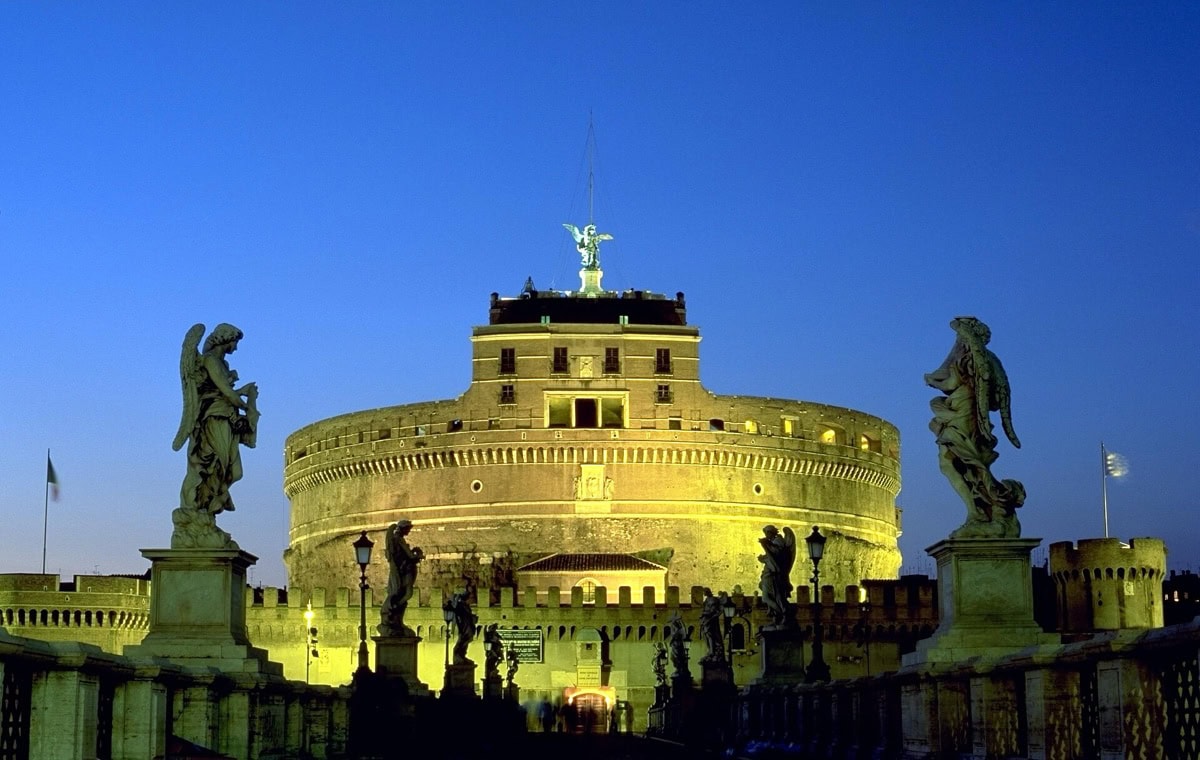
The days when you could just stroll up to Castel Sant’Angelo and be inside within five minutes are, unfortunately, well and truly over. A standard ticket currently costs around €13, plus an additional €2 for the mandatory reservation fee, though prices may vary slightly depending on ongoing exhibitions. The castle is open every day from 9:00 to 19:30, with last admission an hour before closing time. During summer, opening hours are often extended into the late evening, which offers an absolutely magical experience.
The official Italian ticket websites can be confusingly laid out and frequently crash, so many travellers opt for a more convenient route. Lukáš and I have had the best experience buying through reliable third-party platforms, where you can easily download the ticket straight to your phone without worrying about printing or communicating in Italian. Another option is the Roma Pass, which you can use for your first free entry — but even with it, you often need to reserve a time slot in advance to avoid disappointment at the door.
2. Ponte Sant’Angelo and Bernini’s Sculptures
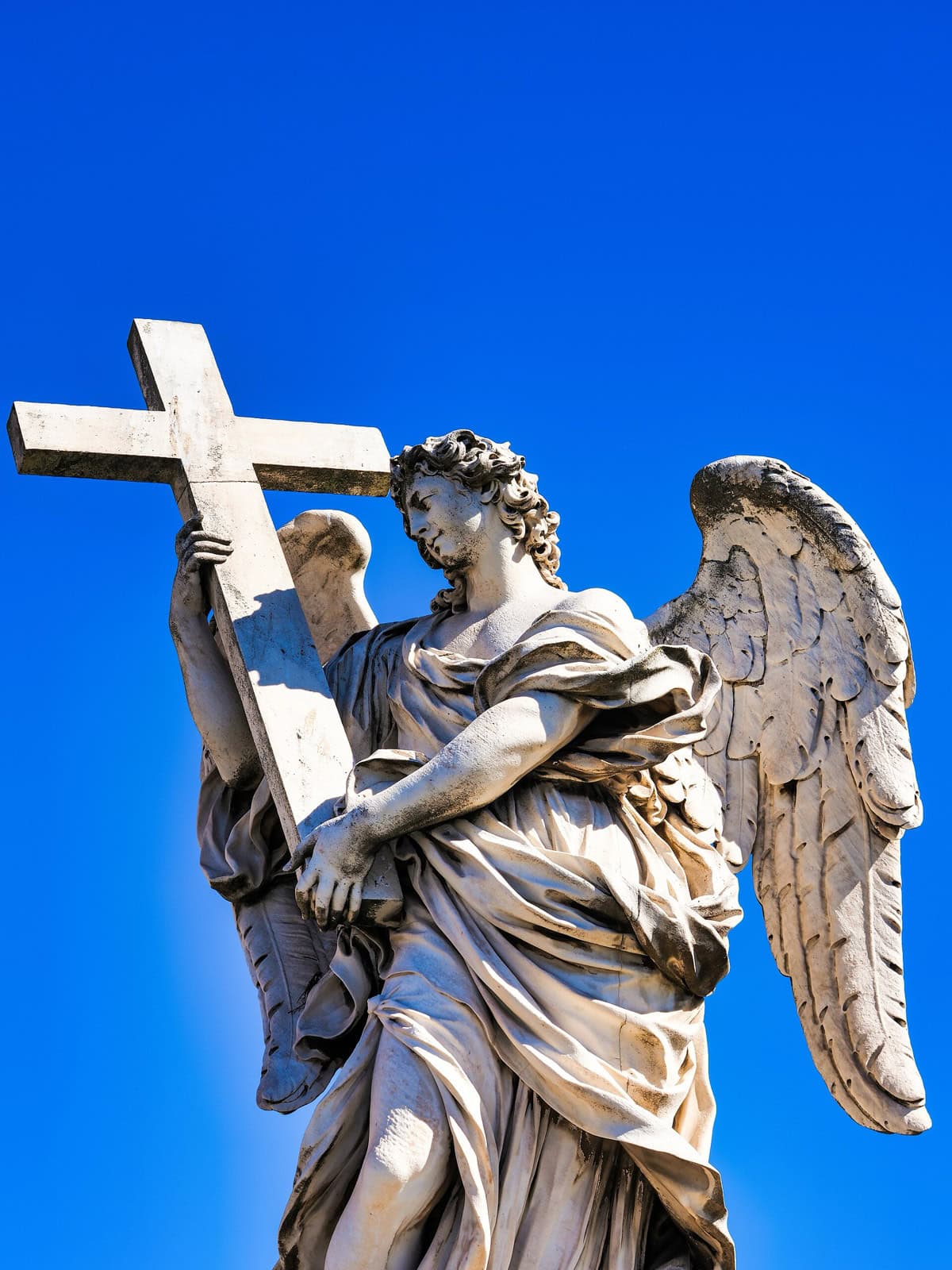
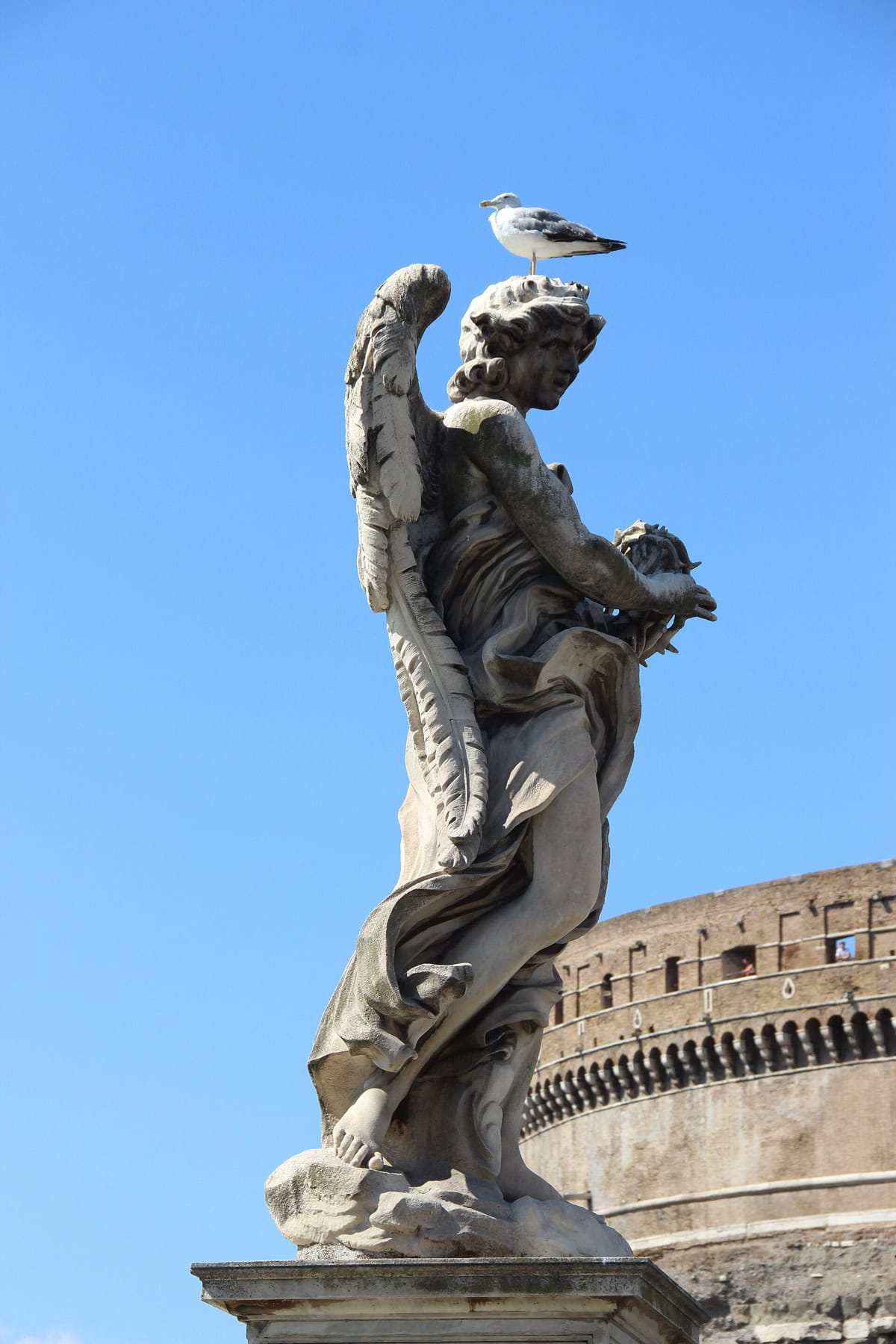
Your visit actually begins long before you pass through the castle gates, because the route across the River Tiber takes you over the famous Ponte Sant’Angelo (Bridge of Angels). This ancient bridge was originally built by Emperor Hadrian himself as a grand ceremonial approach to his tomb, but it acquired its current, breathtaking appearance many centuries later during the Baroque period. The incredibly photogenic atmosphere comes from ten larger-than-life angel statues holding instruments of Christ’s Passion — an open-air gallery you can admire completely free of charge.
Two of these statues were designed by the sculptural genius Gian Lorenzo Bernini himself, though the originals were eventually moved by the Pope into the church of Sant’Andrea delle Fratte to protect them from the weather. Today, only perfect copies stand on the bridge, but the walk across the cobblestones between these flowing marble figures is still utterly captivating, especially when the bridge is shrouded in soft morning mist rising from the river. Just keep a sharp eye out for pickpockets and persistent street vendors, who love to gather on the bridge and take advantage of tourists gazing up at the statues.
3. History: Hadrian’s Mausoleum
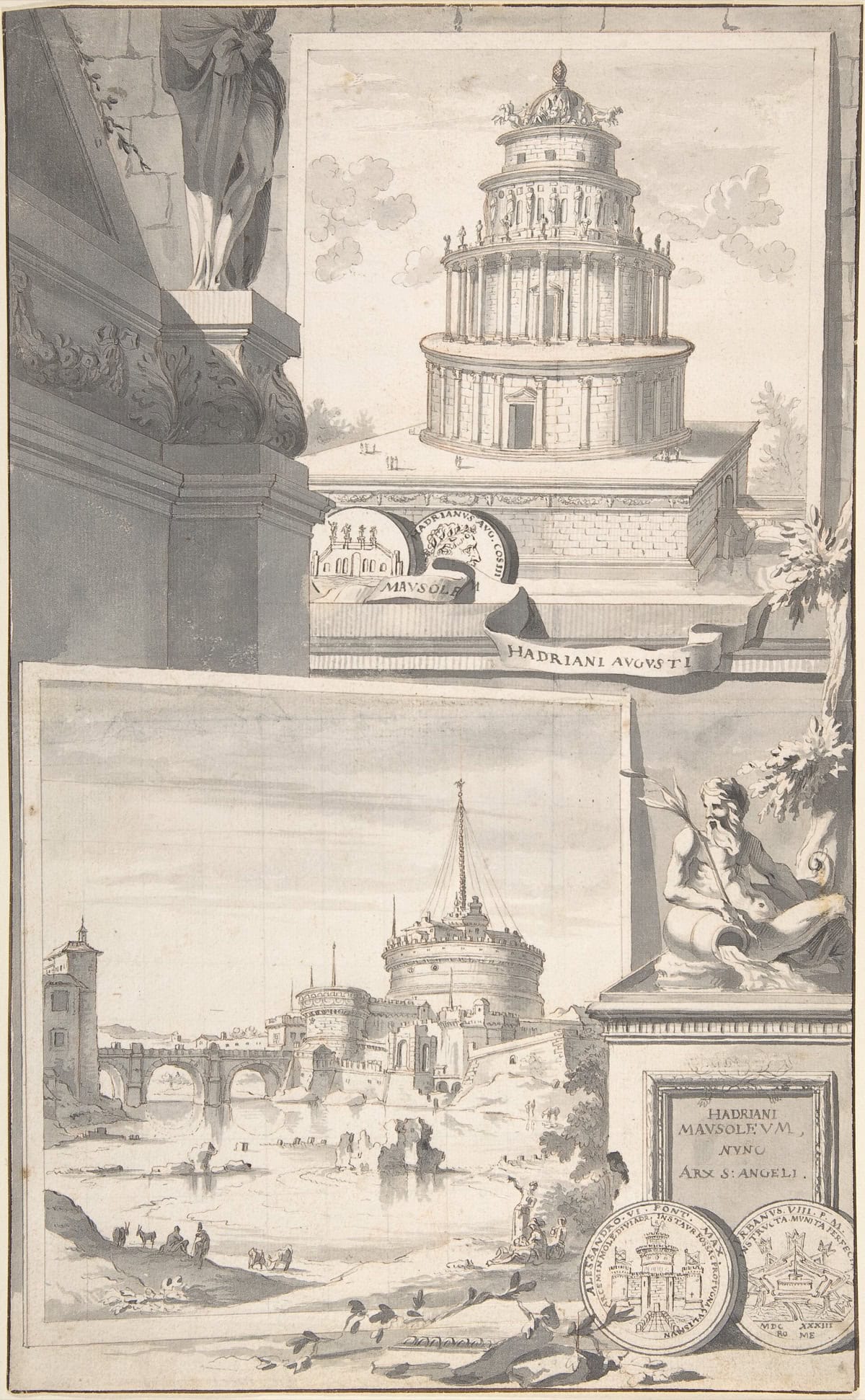
When you step into the lowest levels of the castle, you immediately feel a noticeable chill and find yourself in an entirely different world. The original structure was built in the 2nd century AD as a monumental tomb for Emperor Hadrian and his family — a fact that few people realise when they look at today’s fortress. The emperor reportedly drew inspiration from the older Mausoleum of Augustus but wanted to surpass it, so he had an enormous cylinder clad in gleaming white marble constructed, crowned with a garden of trees and topped by a colossal bronze statue of the emperor riding a chariot drawn by four horses.
Today, you can walk up the original ancient spiral ramp that winds slowly and darkly upward into the very heart of the building, towards the former burial chamber. The brick walls here are laid bare and feel incredibly raw, giving you a vivid sense of what masterful builders the ancient Romans truly were. It was into these very chambers that the urns containing the ashes of Roman emperors — up to Caracalla — were placed, before the tomb was plundered by barbarian tribes in the 5th century, who destroyed or stole all the precious decoration.
4. History: From Tomb to Impregnable Fortress
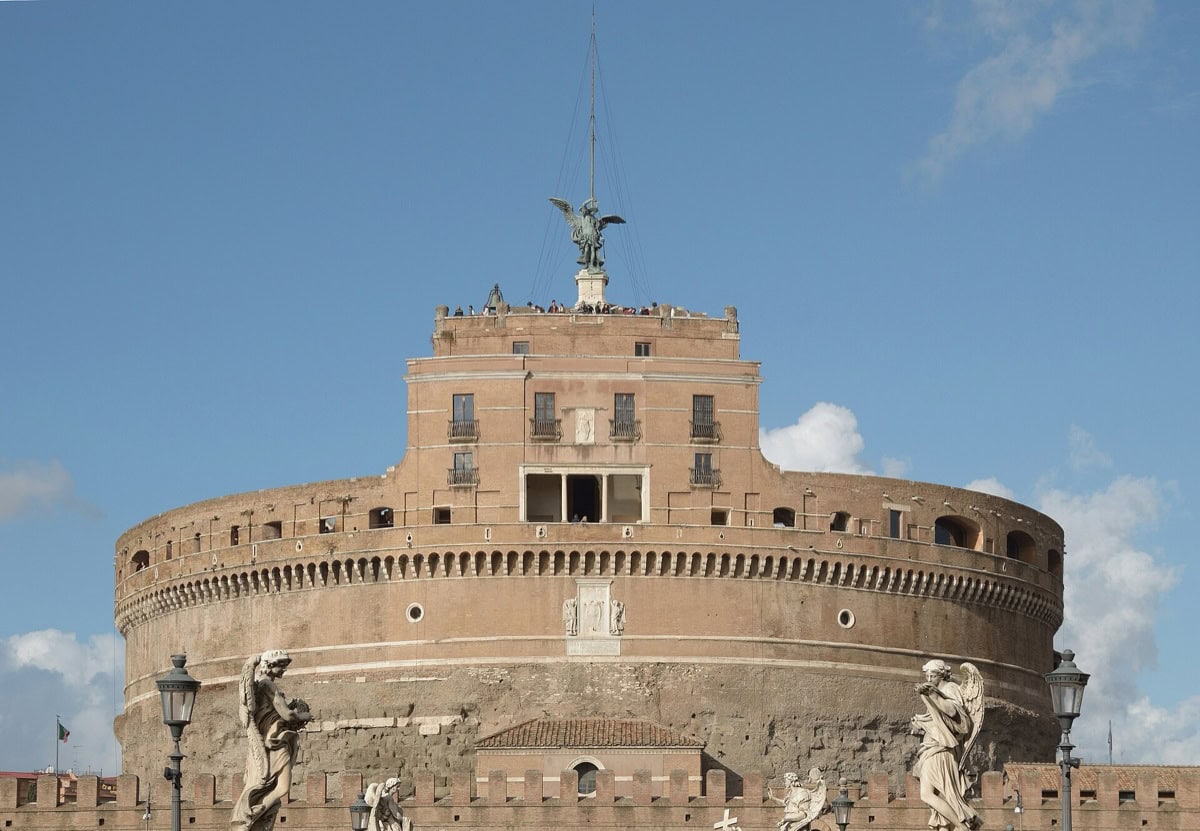
With the fall of the Roman Empire, the city descended into chaos, and this massive building with its ideal strategic position by the river was crying out for a new purpose. The sacred mausoleum gradually transformed into a fearsome military fortress, its thick walls and deep moats protecting the approach to the Vatican from raids by invaders and hostile Roman families alike. The popes invested enormous sums in its conversion, adding massive corner bastions and turning the former tomb into the safest place in the entire city.
It was precisely this military transformation that preserved at least the basic ancient core — otherwise the Romans would have dismantled the structure for building materials, just as they did with the Colosseum. As you walk along the outer ramparts and battlements today, you can clearly see the arrow slits and imposing defensive features that must have struck terror into anyone who dared approach the fortress. It’s a fascinating contrast to the romantic angels on the bridge, because in the Middle Ages, the castle was a genuine machine of war and survival.
5. Passetto di Borgo (The Secret Passage to the Vatican)
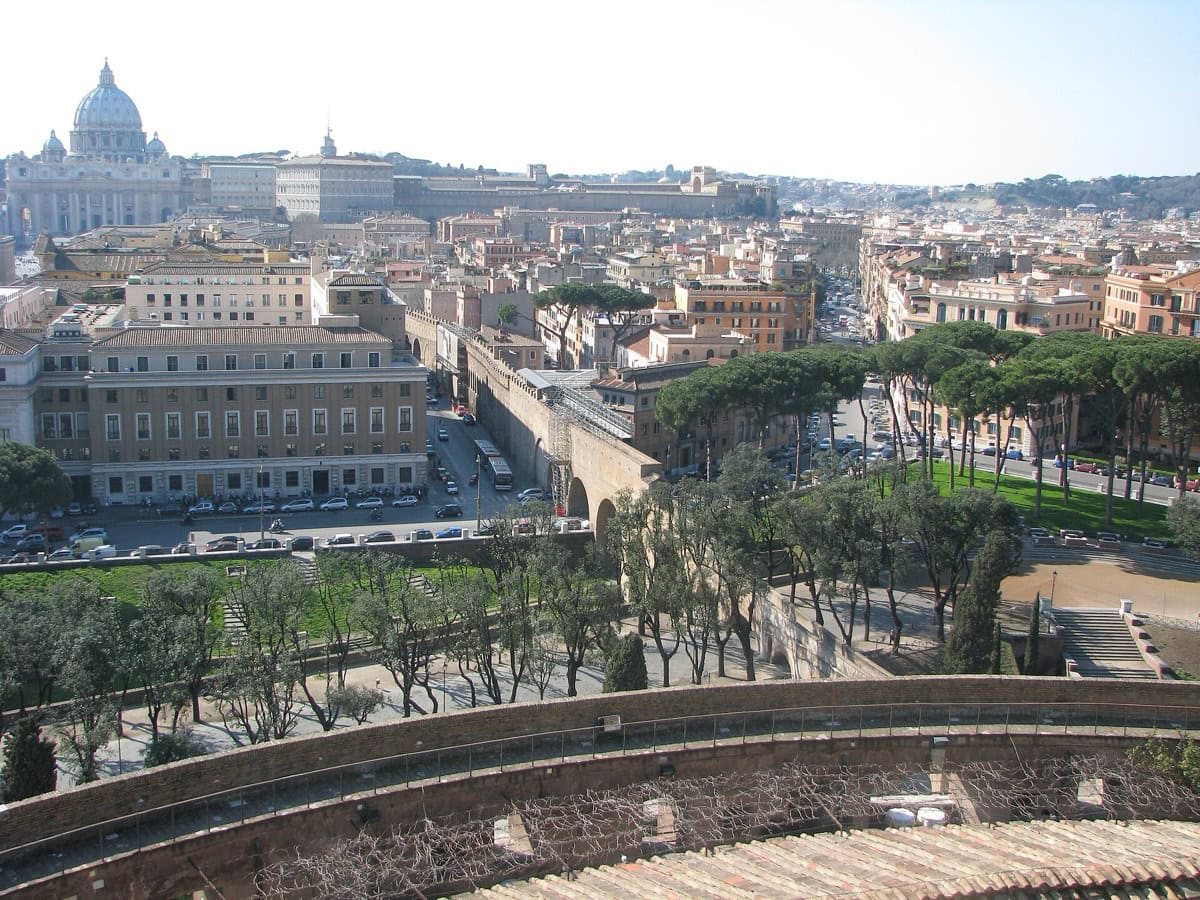
This is probably our favourite part of the entire history of Castel Sant’Angelo, because it sounds like something straight out of an adventure film. The Passetto di Borgo is a secret, nearly kilometre-long elevated corridor hidden within the massive medieval walls, connecting the impregnable fortress directly to the Apostolic Palace in the Vatican. From the street, it looks like nothing more than an ordinary old wall, but inside lies a secure corridor through which popes could slip away unnoticed and at lightning speed whenever mortal danger loomed.
The most famous moment in this passageway’s history came in 1527 during the Sack of Rome (Sacco di Roma), when the renegade imperial troops of Charles V attacked the city. Pope Clement VII literally ran for his life through this corridor in disguise, while his brave Swiss Guard laid down their lives at St Peter’s Basilica below to protect him. Today, the Passetto is only open to the public occasionally during special summer tours, but even if you can only see it from a distance atop the castle walls, the image of a fleeing pope with an army on his heels will send shivers down your spine.
6. The Dark Past: The Castle as a Dreaded Prison
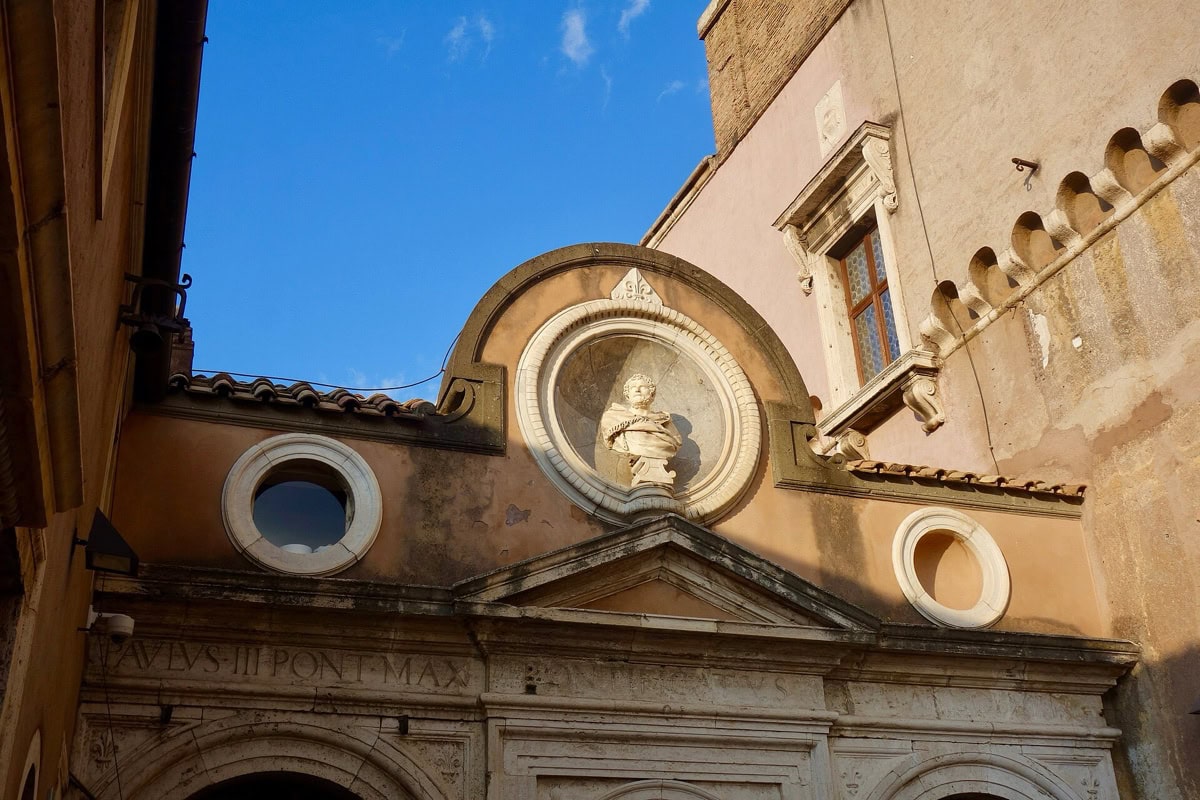
But it’s not all tales of rescue, because for many centuries Castel Sant’Angelo also served as the most feared and cruellest prison in the entire Papal States. Political opponents, heretics and inconvenient artists ended up in the dark, damp dungeons built within the original ancient walls, where torture and often a very slow death awaited them. The entire lower level of the fortress was designed so there was no escape, and prisoners languished in total darkness with no hope of a fair trial.
Among the most famous inmates was the brilliant Italian philosopher and astronomer Giordano Bruno, who was held here before the Church had him burned at the stake in the nearby Campo de’ Fiori square. Another well-known prisoner was the Renaissance sculptor and hot-head Benvenuto Cellini, who was one of the very few to actually escape from the fortress — though he was eventually recaptured. When you peer into those small, cramped cells today, it sends a chill down your spine, and you’re rather glad the only price of admission is a ticket and you can walk out freely afterwards.
7. The Stunning Papal Apartments
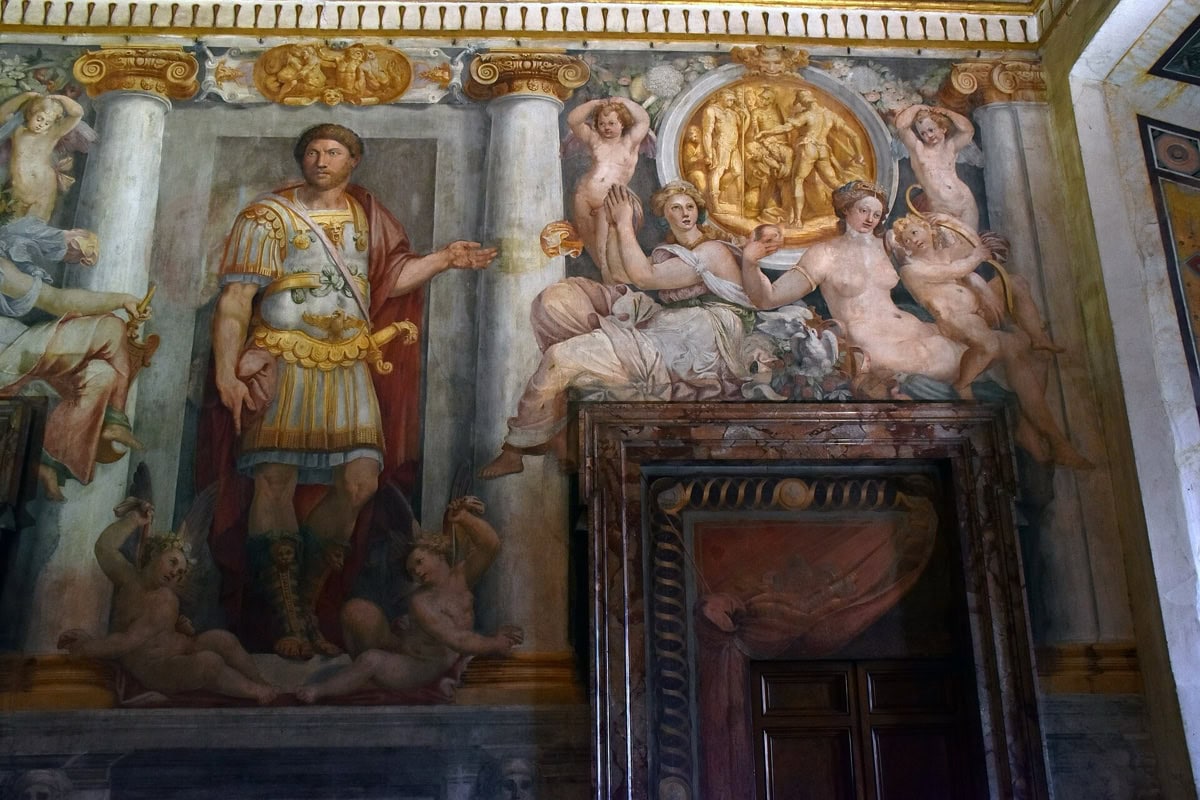
As if the contrasts weren’t stark enough, just a few floors above those damp prison dungeons lies something that will completely take your breath away. During the Renaissance, the popes had incredibly luxurious private apartments built here, retreats they could withdraw to when they needed to hide within the impregnable fortress for extended periods. Naturally, they had no intention of living in austerity, so they summoned the finest artists of their age to transform the austere military walls into a palace worthy of the head of the Catholic Church.
The most beautiful room is undoubtedly the Sala Paolina, commissioned by Pope Paul III, whose walls and ceilings are covered in fantastic colourful frescoes depicting mythological scenes and gilded details. You wander from one lavishly decorated room to the next, with ancient precious floor tiles creaking beneath your feet and masterpieces above your head that wouldn’t look out of place in the Vatican Museums. It’s a thoroughly surreal feeling when you realise that directly beneath all this beauty, prisoners once languished in agony — a fact that tells you pretty much everything about the history of Rome at the time.
8. The Terrace with Views over Rome and St Peter’s Basilica

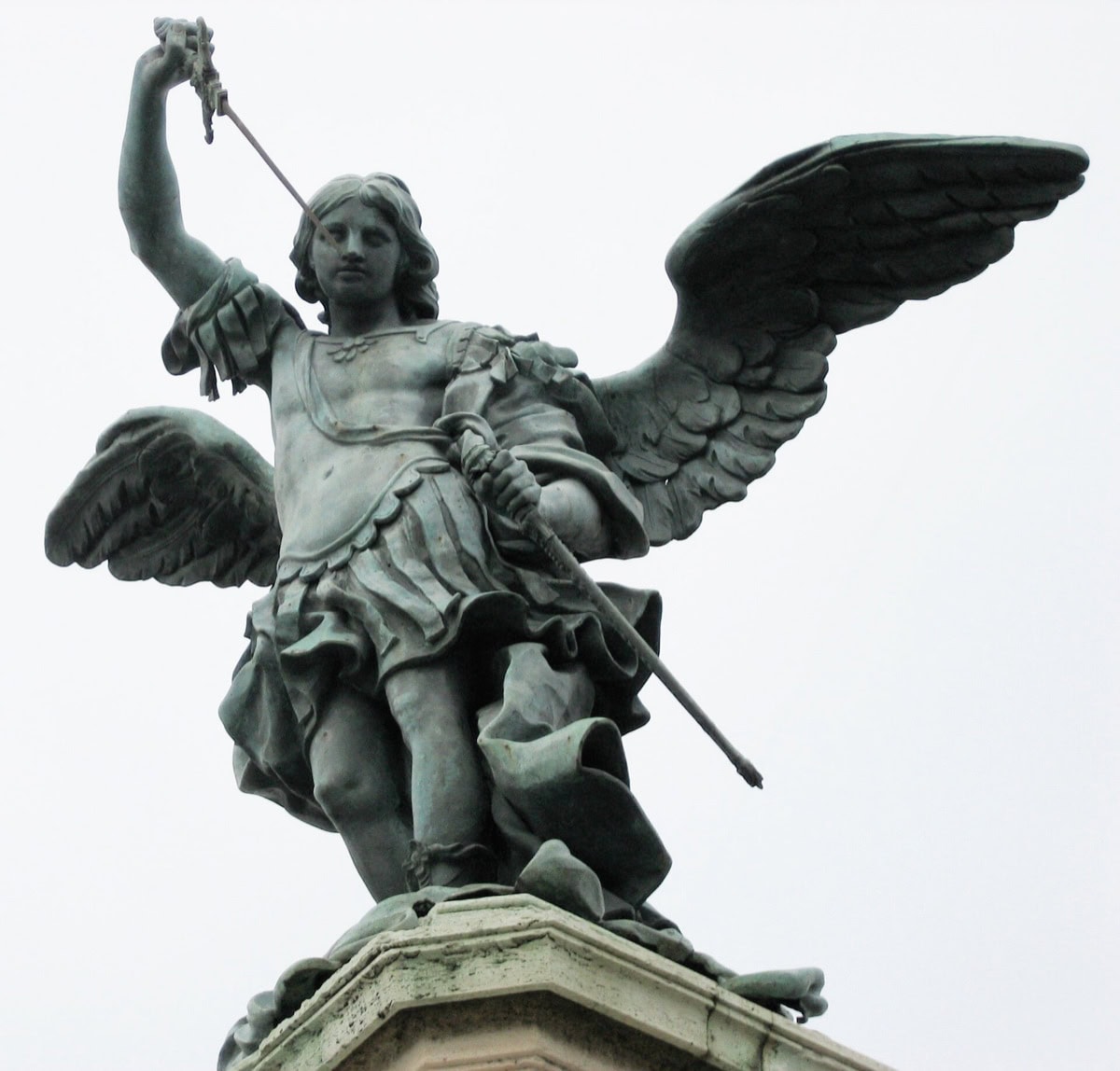
This is the main reason Lukáš and I keep coming back, and why we send all our friends here. When you finally clamber up the narrow stairs to the very top of the fortress, you’re greeted by what is probably the best 360-degree panorama of the entire city. You stand directly beneath the huge bronze statue of Archangel Michael sheathing his sword, which according to legend symbolises the miraculous end of a plague epidemic in 590 AD through the intercession of Pope Gregory the Great.
From this terrace, the Eternal City is literally spread out at your feet, but the greatest show unfolds to the west. You get a completely unobstructed, jaw-dropping view of St Peter’s Basilica and the Vatican — a sight that never gets old. If you arrive roughly an hour before sunset, you’ll watch the great dome slowly turn pink and gold as the first street lamps flicker on below you, their light reflecting off the surface of the Tiber.
9. In the Footsteps of the Opera Tosca
Castel Sant’Angelo isn’t just a monument for history and architecture buffs — it also holds enormous significance for all fans of classical music and opera. It was in this very setting that the famous Italian composer Giacomo Puccini placed the gripping final act of his phenomenal opera Tosca, one of the most performed works in the world. Music and emotion are tightly interwoven with the architecture here, allowing fans to walk through the actual locations where the story unfolds.
In the story, the protagonist, painter Mario Cavaradossi, is imprisoned in the castle dungeons and sings his famous, heart-wrenching aria “E lucevan le stelle” on the rooftop before his execution. The heroine Tosca herself, in utter despair, then throws herself from the upper battlements of the fortress into the river to escape arrest. Standing on the terrace and peering over the edge of that massive parapet, the dramatic theatrical scene comes alive before your eyes with incredible intensity.
10. How Much Time to Allow and Combining It with the Vatican
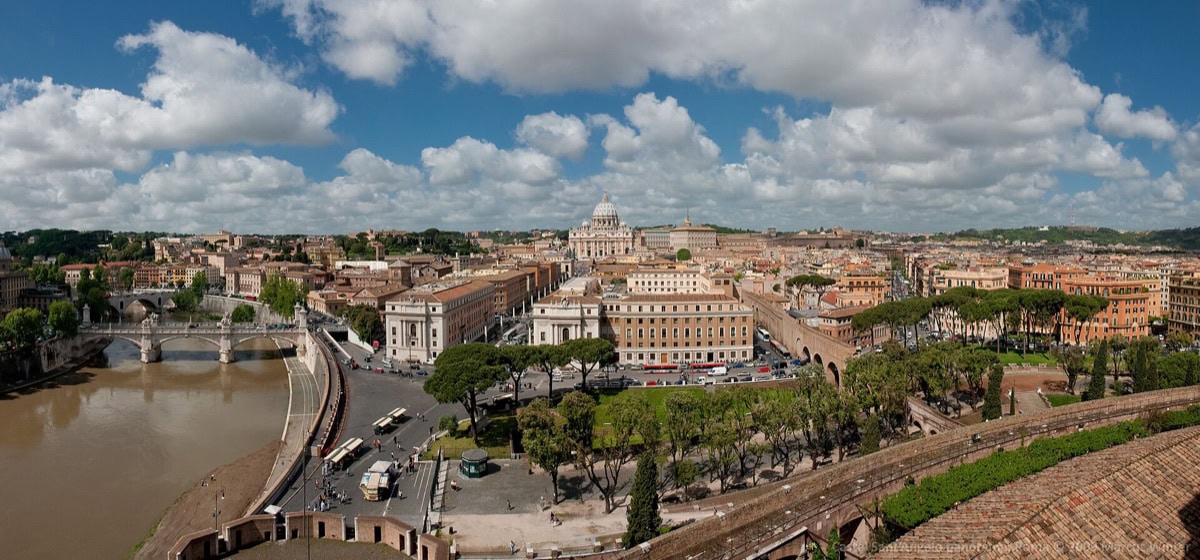
One of the most common mistakes when planning a trip to Rome is dashing from one end of the city to the other, needlessly wasting energy and precious time. Castel Sant’Angelo is roughly a ten-minute walk from St Peter’s Square, so it makes perfect sense to combine both sights into one logical full-day itinerary. For the castle tour itself — including a leisurely climb to the terrace, photos and a possible coffee at the rooftop café — allow roughly two to two and a half hours so you don’t have to rush anything.
We recommend planning your day so that you hit the Vatican Museums and St Peter’s Basilica first thing in the morning, when the worst crowds haven’t yet arrived. Leave the Vatican around one or two in the afternoon, have a relaxed lunch somewhere, and head to Castel Sant’Angelo around four or five o’clock, when you can enjoy that fantastic late-afternoon view. This way, you save loads of time, avoid paying for transport across the city, and in the evening you can simply stroll back to the centre across the illuminated Ponte Sant’Angelo.
11. How to Get There (and What to Avoid)

If you’re staying in the historic centre — anywhere around Piazza Navona, the Pantheon or the Trevi Fountain — don’t even bother looking for complicated public transport connections. This part of Rome is best explored on foot, and the walk from the centre to the castle takes a very pleasant 15 to 20 minutes, during which you can soak up the atmosphere of narrow alleyways and savour the authentic Italian vibe. If you’re staying further out, the nearest metro stations on Line A are Lepanto or Ottaviano, from which you can walk to the fortress in about fifteen minutes.
However, we absolutely must give you an honest warning about one particular mode of transport. Avoid the notoriously long-routed bus number 64, which connects the main Termini station with the Vatican and passes right by the castle, because it is the single worst and most infamous pickpocket route in all of Rome. This bus gets so outrageously crowded that you can’t even move, and thieves brazenly rob confused tourists — so if you really must take it, keep your bag clutched firmly to your front. Reliable transport information can always be found on the official ATAC website.
12. Where to Eat Nearby (Without the Tourist Traps)
The area around the Vatican and Castel Sant’Angelo is an absolute breeding ground for the worst tourist traps in Italy, where they’ll serve you defrosted pizza and charge astronomical prices for fish sold by weight. The golden rule is: never — and we really mean never — eat at a restaurant where a waiter is standing outside the door, actively trying to lure you in with a picture menu in five languages. Lukáš and I are both vegetarian, so we always hunt for places that do the best honest Italian meat-free classics without trying to rip us off.
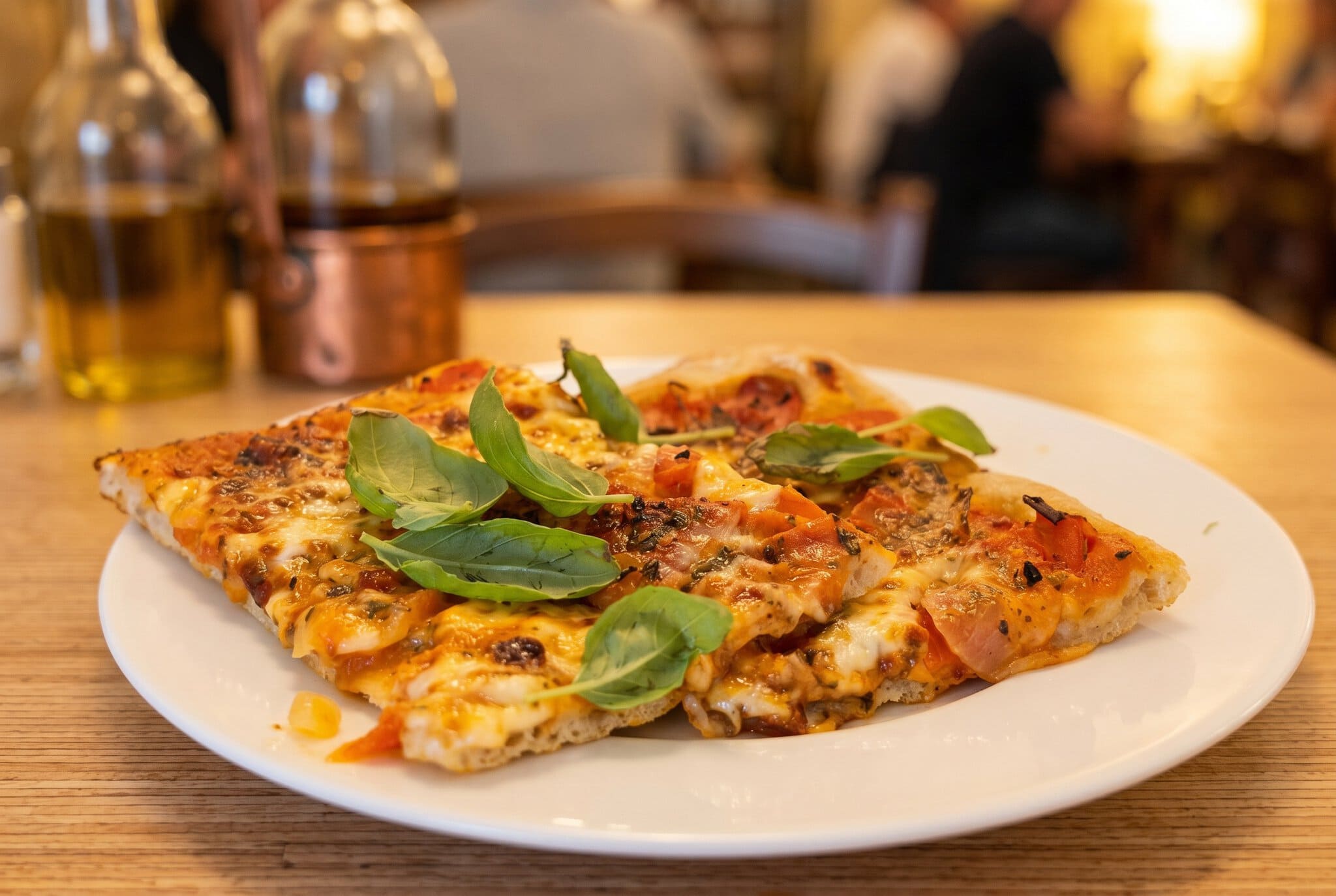
If you want something truly phenomenal, walk a little further from the castle into the Prati neighbourhood to the pizzeria Pizzarium (also known as Bonci), which sells pizza by the slice with pillowy dough and fantastic vegetarian toppings like rosemary potatoes or roasted vegetables. If you fancy classic pasta and don’t mind venturing a bit further, head to the Testaccio neighbourhood for dinner, where they make the absolute best creamy cacio e pepe (just pecorino cheese and black pepper) — a dish you simply must try in Rome. The authentic local restaurants here don’t care about fancy décor, just honest food.
Map of points of interest for your phone
Where to Go Next from Castel Sant’Angelo

Rome is a city you can’t possibly get to know in a single weekend, but planning your route wisely will save you a lot of blisters. Once you’ve soaked in the views from Castel Sant’Angelo, several logical options present themselves for where to head next to make the most of your day.
- Make sure to check out our comprehensive guide on What to See in Rome, where you’ll find a complete itinerary and more tips on hidden gems that most tourists walk right past.
- Since it’s right next door, you absolutely can’t miss the Vatican and the breathtaking Vatican Museums — though these require a separate reservation.
- A pleasant evening stroll across the river will take you to the stunning Piazza Navona, and just a short walk from there you’ll find the ancient Pantheon in Rome.
- If you want to soak up that lively, slightly noisy and romantic atmosphere, head to the Trastevere neighbourhood for dinner in the evening.
- And if you have several days in Rome, definitely consider a day trip by high-speed train (look for tickets on Trenitalia) or explore the ancient ruins of Pompeii.
Frequently Asked Questions
Is there an admission fee for Castel Sant’Angelo?
Yes, entry to the castle is paid and a basic ticket usually costs around 15 euros including the booking fee if you buy your tickets in advance online. On the first Sunday of the month, admission is actually free as part of a state initiative by the Ministry of Culture (Ministero della Cultura), but it’s better to avoid those days, because the crowds waiting in hour-long queues are absolutely unbearable.
Is there a dress code like at the Vatican?
Unlike St. Peter’s Basilica or the Pantheon, Castel Sant’Angelo functions as a museum and military monument, so there’s no strict religious dress code here. You can visit without any issues wearing summer shorts and a tank top with bare shoulders, and no one will stop you at the entrance—which is a huge relief in the sweltering Roman summer.
Can I manage the castle with a stroller or wheelchair?
Unfortunately, Castel Sant’Angelo is originally a military fortress and ancient tomb, so accessibility is very limited. There is a small elevator inside that takes you to the middle floors, but the most beautiful papal apartments and upper terrace are only accessible via narrow, steep, and winding stairs that are simply impossible to navigate with a stroller or wheelchair.
Can I bring a large backpack inside?
You won’t be allowed into the castle with a large backpack, suitcase, or bulky luggage for security reasons, and you’ll need to leave them at the cloakroom or at a luggage storage facility in the city. A regular small daypack or handbag that you’d normally carry while sightseeing poses no problem and will pass through security without any issues.
Is there a café on the upper terrace?
Yes, right inside the castle, just below the highest terrace with the angel, there’s a very pleasant café with outdoor seating along the old ramparts. Prices are understandably a bit higher than at a regular street bar, but having an espresso with a view of St. Peter’s dome in such a historic setting is definitely worth the few extra euros.
Can I visit the Passetto di Borgo anytime?
The secret escape passage Passetto di Borgo isn’t part of the regular tour route throughout the year. It only opens occasionally, usually during special night tours or summer cultural events, so you’ll need to check its current accessibility in advance on the monument’s official website or at tourist information centers.
Is the castle suitable for children?
In our experience, Castel Sant’Angelo is often much more fun for kids than the Vatican Museums full of paintings. Children love exploring the old military ramparts, peering into cannon embrasures, discovering dark passageways, and of course the views, so it can be a great way to liven up your family itinerary through ancient ruins.
Tips and Tricks for Your Vacation
Don’t Overpay for Flights
Search for flights on Kayak. It’s our favorite search engine because it scans the websites of all airlines and always finds the cheapest connection.
Book Your Accommodation Smartly
The best experiences we’ve had when looking for accommodation (from Alaska to Morocco) are with Booking.com, where hotels, apartments, and entire houses are usually the cheapest and most widely available.
 🚗 Car rental on the roadVerified rental cars in Rome
Search with the DiscoverCars comparison engine — it compares prices from dozens of local and international rental companies, and most bookings come with free cancellation.
Compare car prices in Rome →Don’t Forget Travel Insurance
Good travel insurance will protect you against illness, accidents, theft, or flight cancellations. We’ve had a few hospital visits abroad, so we know how important it is to have proper insurance arranged.
Where we insure ourselves: SafetyWing (simple monthly subscription) and TrueTraveller (for extra-long trips).
Find the Best Experiences
Get Your Guide is a huge online marketplace where you can book guided walks, trips, skip-the-line tickets, tours, and much more. We always find some extra fun there!