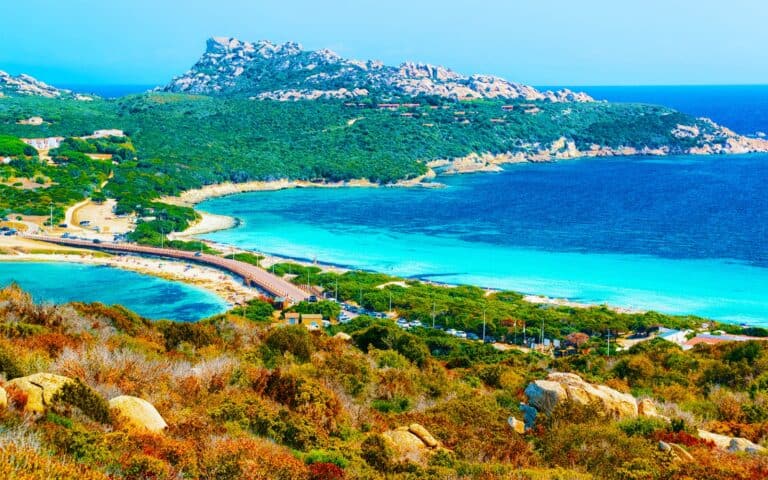
Most people fly to this Italian island with a single image in mind: collapsing onto a sun lounger on a white-sand beach and staring out at an endlessly turquoise sea. And honestly, I don’t blame them, because the coastline here is said to be absolutely unrivalled and easily holds its own against far-flung tropical destinations. But few travellers realise that just a few dozen kilometres from the gleaming yachts and luxury resorts hides a completely different, rugged and utterly fascinating world. The interior of Sardinia is a place where time has stood still, where mysterious stone towers called nuraghi await you, along with the traces of a civilisation that history textbooks barely mention.
Come with me to peel back that postcard surface and discover the real, authentic face of the island. We’ll talk about astonishing Bronze Age structures, villages covered in painted murals, and mountains where ancient shepherding traditions still hold sway. The local culture is so different from mainland Italy that at times you’ll feel as though you’ve landed on an entirely different continent. In this guide you’ll find 10 tips on what to see and do in inland Sardinia, including practical travel advice.
TL;DR
- Mysterious nuraghi: The island is dotted with more than 7,000 Bronze Age stone towers, the most famous being the Su Nuraxi di Barumini complex on the UNESCO World Heritage list.
- The Nuragic civilisation: A mysterious culture that left no written records, but did leave behind giant stone statues known as the Giants of Mont’e Prama.
- Rugged Barbagia: The heart of authentic Sardinia lies in the province of Nuoro, home to villages like Orgosolo with its political murals and Mamoiada with its eerie carnival masks.
- Active holidays: The interior is a paradise for hikers — you can trek to the cave village of Tiscali or explore Gennargentu, the island’s highest mountain range.
- When to go: Spring or autumn is ideal for exploring the sights and mountain villages, especially for the autumn festival Autunno in Barbagia.
- Getting around: Without a rental car you simply can’t reach the more remote areas, so be ready for winding mountain roads and slower journeys.
The full destination guide: Sardinia — guide and what to see
When to visit inland Sardinia and how to explore it
If you’re planning to explore mountain villages and archaeological sites, cross summer straight off your list. In July and August temperatures regularly climb towards 35 °C, and trudging across the scorching stones of ancient monuments in that kind of heat is probably the last thing you want to do on holiday. The best time to visit the interior is without question spring or autumn, when temperatures sit at a pleasant 20 to 25 degrees and the landscape is either beautifully in bloom or glowing with autumn colour.
An absolute highlight for culture lovers is the period from September to December, when the mountain villages host the traditional festival Autunno in Barbagia. Over these weekends locals throw open their homes and courtyards, demonstrate old crafts and serve up the finest local cheeses and wine — an experience that’s said to stay with you forever. Just bear in mind that you have to actually get up into the mountains somehow, and without a rental car that’s all but impossible. Public transport does run between the larger towns, but buses simply don’t reach the more remote sites and mountain passes.
When planning your itinerary, be very careful with distance estimates, because there are no proper motorways on the island and only narrow, extremely winding roads lead into the mountains. You can easily find a 60-kilometre stretch taking an hour and a half, so don’t plan more than 150 to 200 kilometres of driving per day. Renting a small, nimble car outside the peak summer season will cost you roughly 30 to 45 euros a day, but travellers often warn about the aggressive tactics of some budget rental firms, so always insist on thoroughly photographing the vehicle before you take it.
Where to stay in inland Sardinia
Finding a place to stay in the mountains is a completely different game from booking a hotel on the beach, because here you’ll mostly come across traditional, family-run accommodation. The absolute classic is the so-called agriturismo — working farms and rural homesteads where you’ll often be offered not just a lovely room but a fantastic home-cooked dinner made from their own produce. Basing yourself right in the heart of Nuoro province or around the little town of Oliena is a safe bet, since the most important archaeological sites and mountain treks are just a stone’s throw from your door.
Unlike on the coast, in inland Sardinia you’re not paying for a sea view but for peace, authenticity and mountain scenery. You’ll find the island’s famous art hotels as well as family agriturismi where they serve you whatever they’ve grown just behind the house. Most of the loveliest addresses are tucked around Oliena and Nuoro, from where it’s easy to set off to the nuraghi and into Barbagia. Choose according to your style of holiday:
✨ For a unique artistic experience: Su Gologone Experience Hotel (Oliena) — a renowned art hotel beneath the Supramonte mountains, brimming with Sardinian craftsmanship; authentic Sardinia straight out of a picture.
🏡 For an authentic agriturismo: Agriturismo Guthiddai (Oliena) — a family farmstead among vineyards and olive groves near the Su Gologone spring, where you eat what they grow themselves.
⛰️ For peace and quiet in the forest below Supramonte: Hotel Monte Maccione (Oliena) — a small mountain hotel hidden in the woods above Oliena, a paradise for hikers and the starting point for treks across Supramonte.
🏙️ For a practical base in town: Euro Hotel (Nuoro) — comfortable lodgings right in Nuoro, ideal for day trips to the nuraghi and the mountain villages of Barbagia.
💡 One last tip: you can book most hotels through Booking.com with free cancellation, so you can reserve your favourite spot right away and make up your mind later. Just don’t wait too long — the most sought-after places by the sea sell out for July and August even six months ahead, and prices in high season climb by tens of percent.
Nuraghi and mysterious monuments
Before we dive into specific places, let’s first explain what we’re actually talking about, because the Nuragic civilisation is a genuine world rarity. Nuraghi are megalithic conical towers that were built on the island during the Bronze Age, roughly between 1800 and 500 BC. The builders used no mortar at all — they simply stacked enormous boulders on top of one another with great precision, and although this civilisation left not a single written record, it did leave behind over 7,000 of these breathtaking structures.
1. Su Nuraxi di Barumini
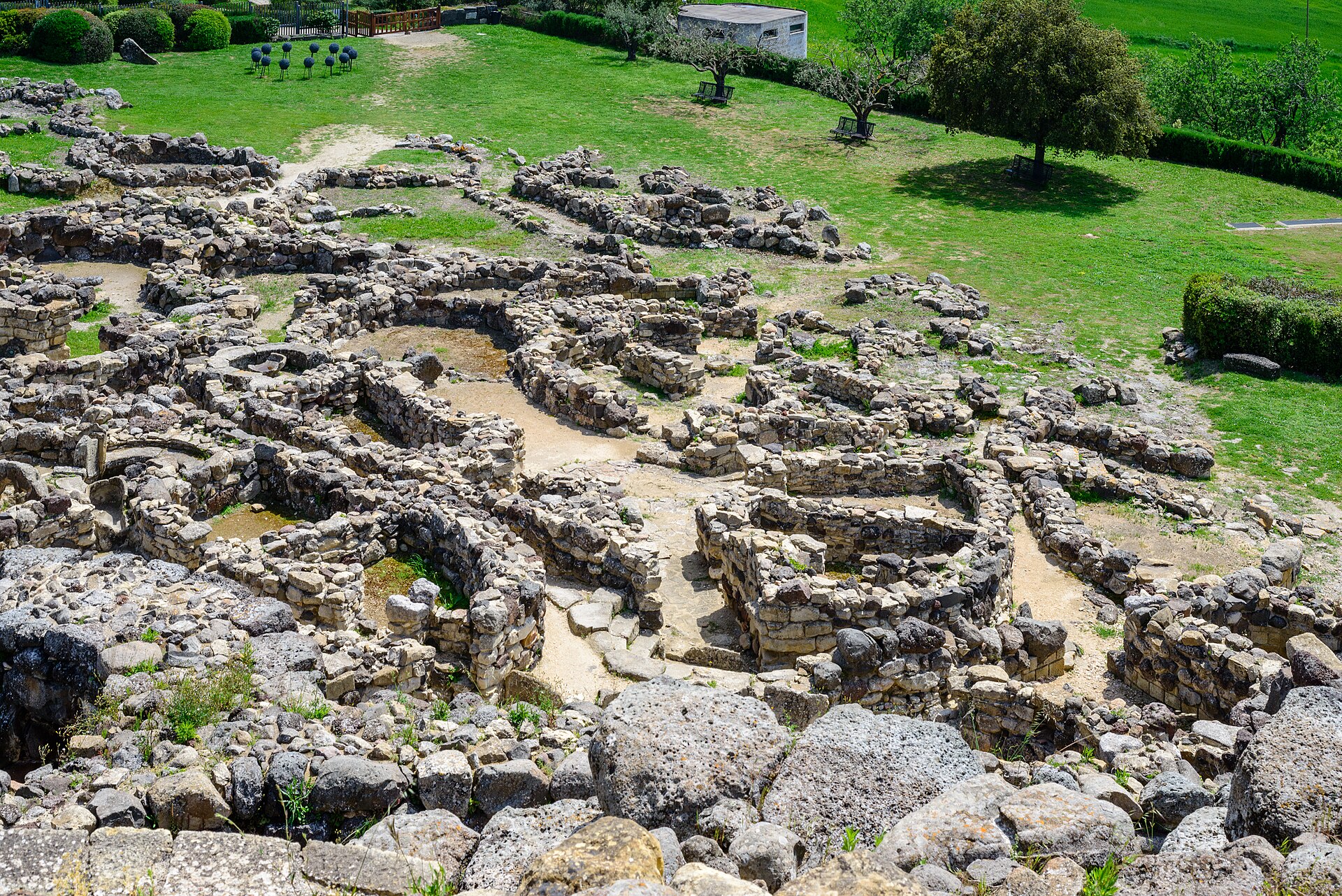
This enormous complex is the undisputed king of all the nuraghi and the only one on the island to have earned a place on the UNESCO World Heritage list. It lies about an hour’s drive north of Cagliari and is said to be the best-preserved example of how the entire Nuragic society once functioned. The central tower originally stood at an impressive 18 metres, and over time a whole fortified village of dozens of circular stone huts grew up around it.
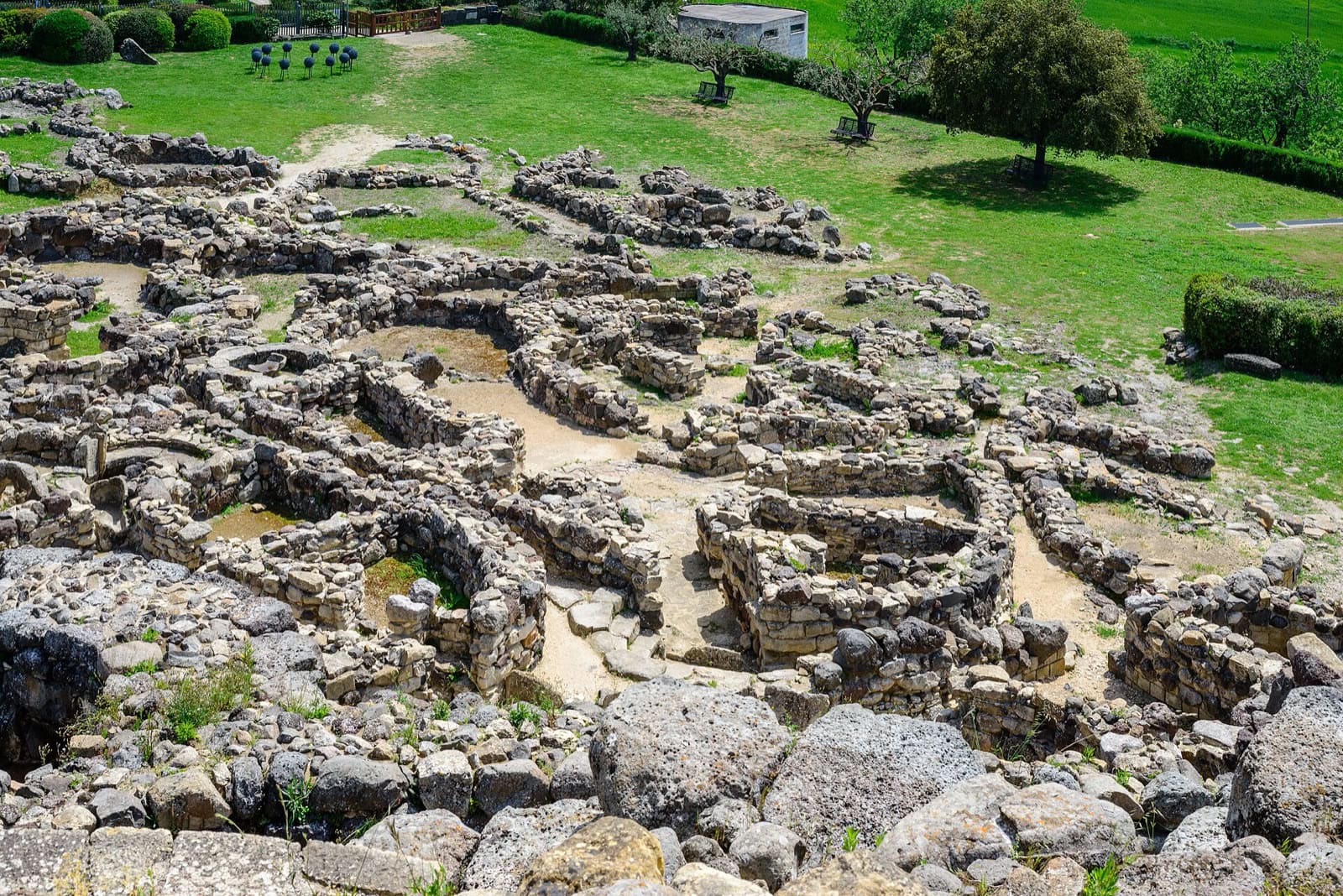
Picture an immense ancient labyrinth of mighty boulders that you can wander through freely, marvelling at the ingenuity of those long-gone builders. The complex can only be visited with a guide, but that’s actually a huge plus, as you’ll learn plenty of fascinating details about the everyday life of this mysterious culture. If you’re planning to come, I’d recommend checking the current opening hours on the official Barumini Foundation website, where you’ll also find the admission prices for the current season.
💡 Tip: Tickets, boat trips and organised tours fill up fast in season, so it pays to book them in advance online through GetYourGuide.
2. The Giants of Mont’e Prama
While at least some tourists have heard of the nuraghi, most people have no idea that giant sandstone statues even exist. The Giants of Mont’e Prama are among the oldest monumental sculptures in the entire Mediterranean, and many historians compare them to an Italian version of China’s Terracotta Army. These figures of warriors, archers and boxers, standing over two metres tall and with fascinating concentric eyes, were discovered entirely by chance in a field back in the 1970s.
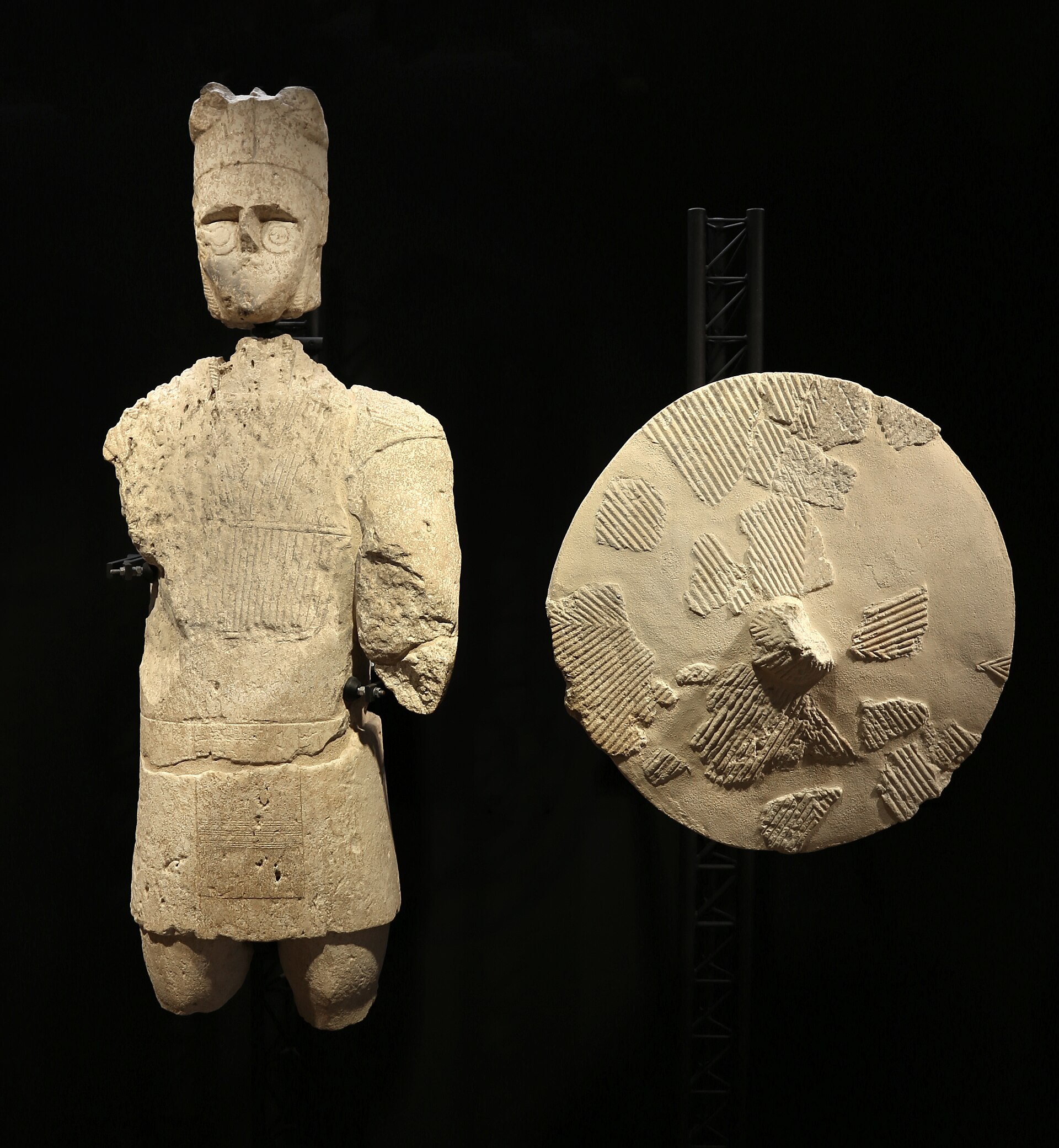
It remains a mystery why these huge statues were deliberately smashed into thousands of small pieces in ancient times — fragments that archaeologists then had to painstakingly piece back together over decades. The largest collection of these statues can be seen in the small town of Cabras at the Civico Giovanni Marongiu museum, but you’ll also find several very well-preserved examples in the National Archaeological Museum in the capital, Cagliari.
3. Nuraghe Santu Antine and Losa
If the stone towers fascinate you, you should definitely work these two stunning complexes in the northwest of the island into your itinerary. Nuraghe Santu Antine near the town of Torralba has earned the local nickname Sa Domo de su Re, which translates as the House of the King, and once you stand in front of it you’ll understand why. Its mighty central tower and incredibly sophisticated system of inner passages and staircases feel more like a medieval castle than a Bronze Age structure.
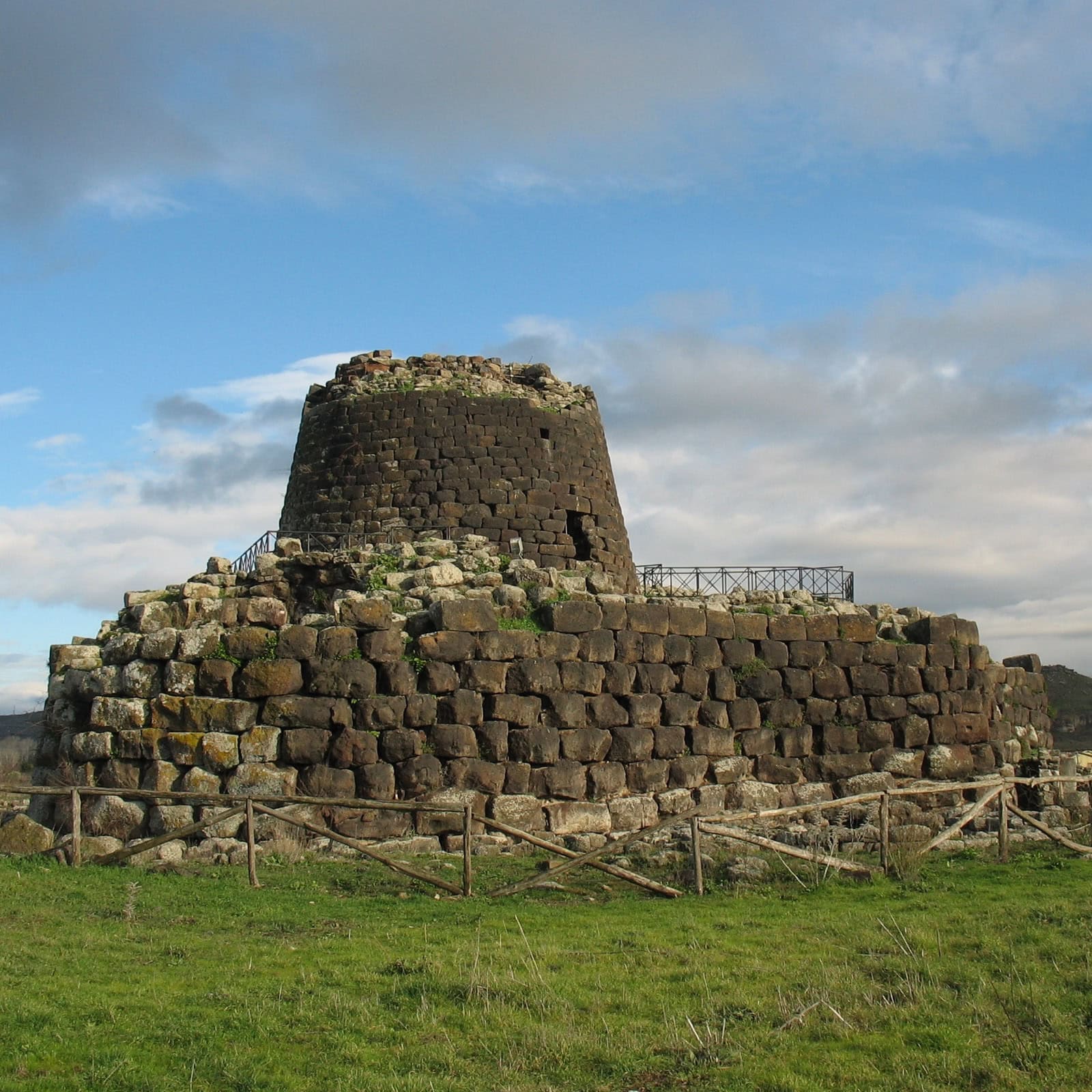
Just a short distance away, near the village of Abbasanta, stands the majestic Nuraghe Losa, which stands out for its massive triangular floor plan. Travellers reportedly love the fact that, unlike the more famous Barumini, there tend to be far fewer tourists here, so you can often soak up the mysterious atmosphere of the cool stone corridors entirely on your own. Both sites charge a small admission fee, and you can comfortably visit each in about an hour.
4. The Nuragic village of Tiscali
This one is a treat for anyone who likes to combine a little history with a proper mountain hike in wild surroundings. Tiscali is a unique prehistoric village built neither on a hill nor in a valley, but literally hidden inside a vast cave whose roof collapsed in the distant past. It sits in the rugged limestone Supramonte mountains and is reached by a fairly demanding trek that will take you at least two hours of steep climbing.
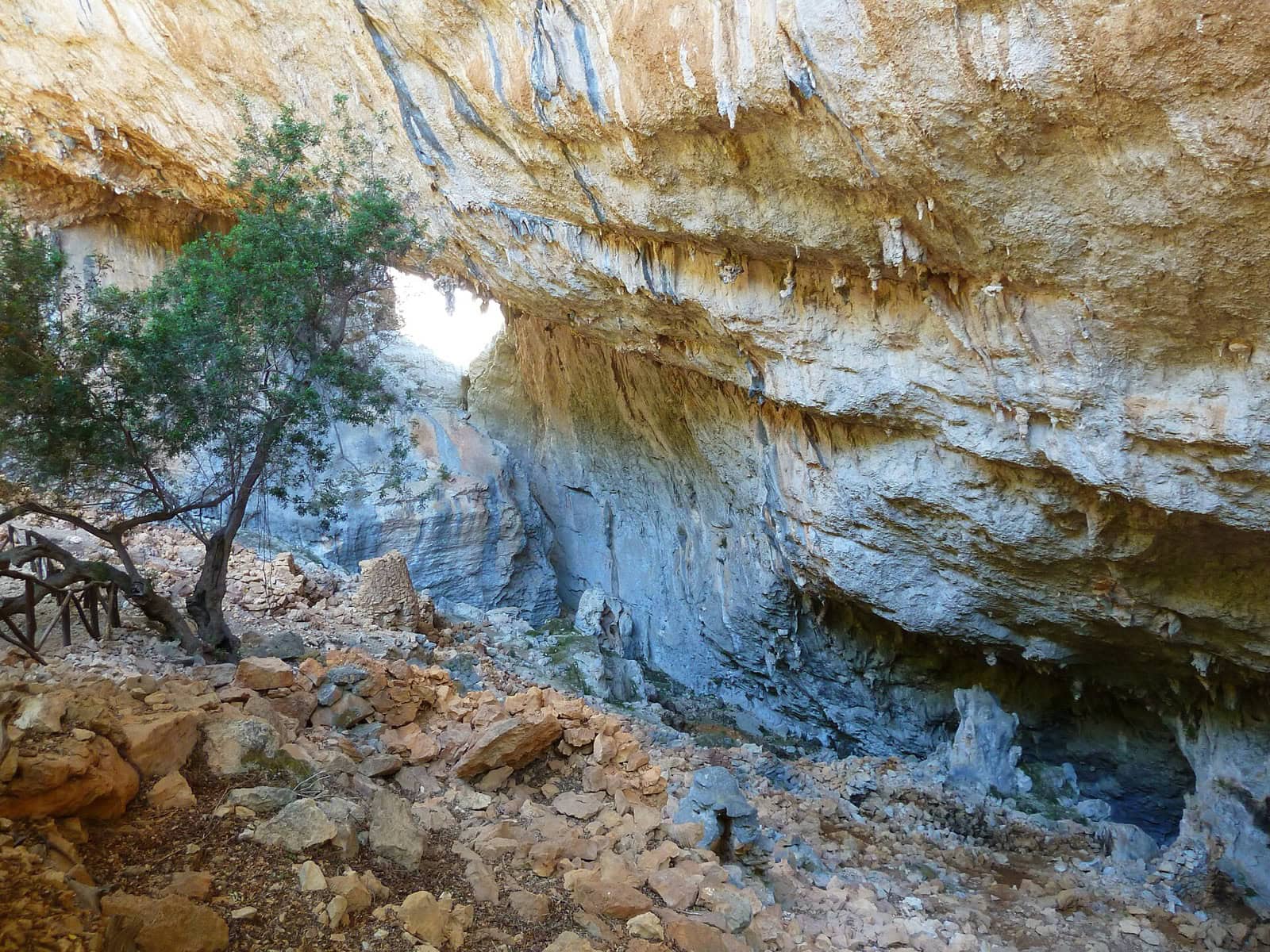
The remains of the circular huts themselves are admittedly fairly ruined, thanks to the passage of time and ancient grave robbers, but the location is utterly breathtaking. People are said to have lived in this isolated natural fortress for many centuries, successfully hiding here even from the raids of the mighty Romans. The route isn’t for complete beginners, so bring sturdy footwear and plenty of water, because you won’t find any facilities at all along the way.
5. Giants’ tombs and domus de janas
The Nuragic and pre-Nuragic cultures left behind not only defensive towers but also incredibly mystical burial sites, which the locals gave wonderfully poetic names. The Tombe dei giganti, or giants’ tombs, are monumental stone graves with an enormous front stele, which villagers long believed must have held the bodies of actual giants. In reality these were mass tombs of the elite of the day, and the most beautiful of them lie scattered near the town of Arzachena.
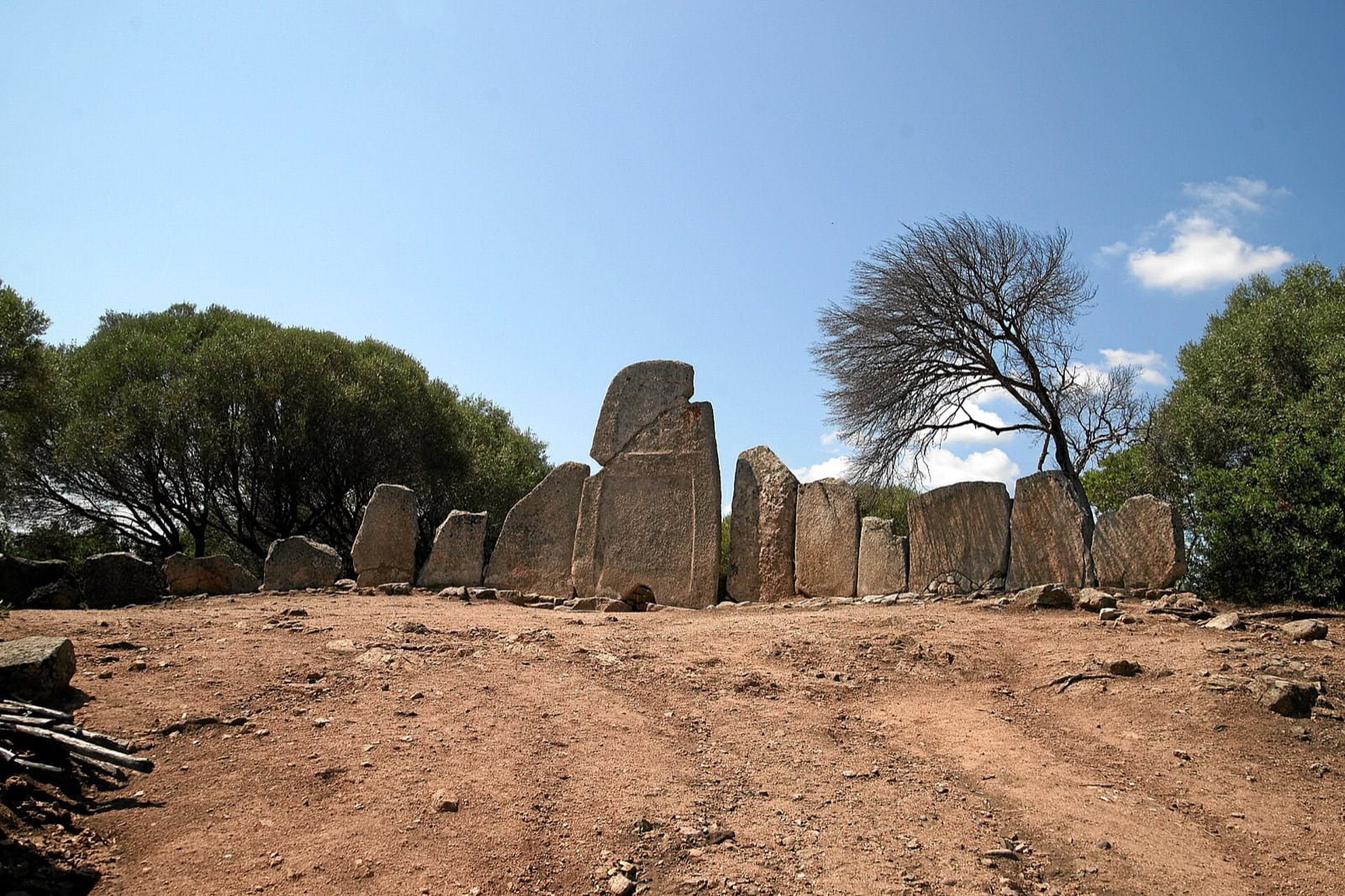
Even older and stranger are the so-called domus de janas, which in Sardinian means houses of the fairies. These are prehistoric rock-cut tombs carefully hewn into sandstone or limestone, often resembling tiny rooms with carved doors and ritual symbols. There are thousands of them dotted across the island, so as you roam the interior you’re guaranteed to stumble upon a few — and it would be a shame not to explore them, even just for a moment.

Map of points of interest for your phone
Barbagia: the heart of authentic Sardinia
If any region can be called the true soul of the whole island, it’s unquestionably the province of Nuoro and its historic Barbagia area. This remote mountain region was completely isolated for centuries, and thanks to that it has held on to its own rugged dialect, shepherding customs and deeply rooted independence. Even the ancient Romans never managed to fully conquer the area, calling it the land of barbarians — which is, in fact, where today’s name comes from.
6. Orgosolo and its murals
The moment you arrive in Orgosolo, they say, you’re hit by a very particular, almost slightly rebellious atmosphere with no equal in the Mediterranean. This mountain village is famous for its murals — huge wall paintings that have covered the walls of most of the houses here since the late 1960s. But these aren’t just ordinary street art; they’re a visual cry from the locals, who use them to voice their stance on politics, poverty and social injustice.
You’ll find over 200 paintings here, criticising everything from wars around the world to the expropriation of shepherds’ land, and a stroll through the local lanes feels like a visit to a free open-air gallery. Orgosolo once had a very dark reputation tied to blood feuds and bandits, but today it’s a friendly place where you can confidently pop in for an excellent coffee and soak up the incredibly powerful local energy.
7. Mamoiada and the Mamuthones masks
Just a few kilometres further on lies the unassuming village of Mamoiada, home to one of the strangest and most mysterious traditions in all of Europe. The village’s main symbol is the terrifying Mamuthones masks, worn by local men during the traditional winter carnival. Picture figures dressed in heavy dark sheepskins, with an expressionless black wooden mask covering their faces and a huge cluster of heavy cattle bells strapped to their backs, clattering deafeningly with every step.
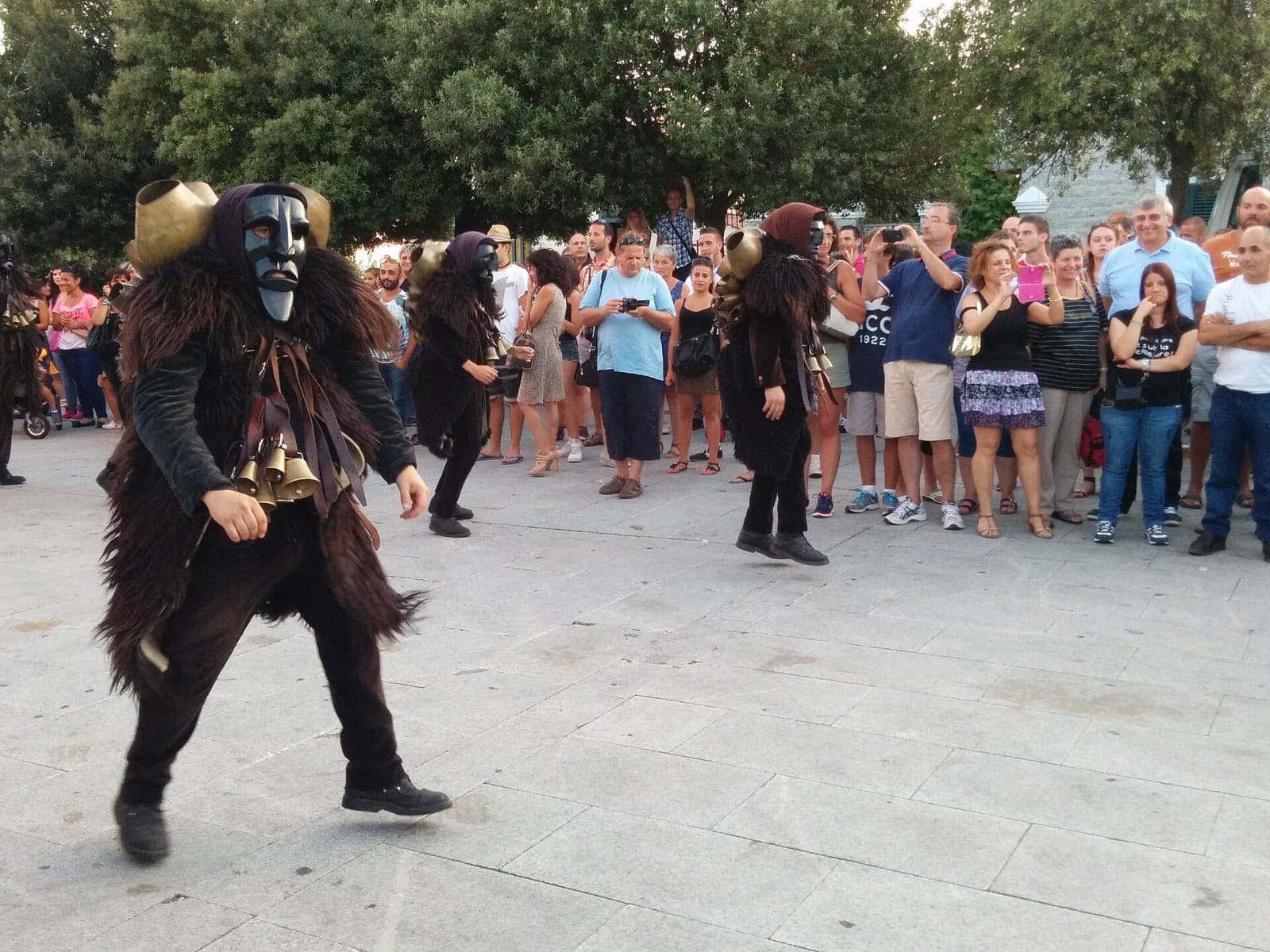
This pagan ritual is said to symbolise the shepherds’ victory over evil spirits, and its roots may reach all the way back to ancient Nuragic times. Definitely don’t miss a visit to the wonderful museum Museo delle Maschere Mediterranee, where you can examine these eerie costumes up close and understand just how deeply these magical rituals are etched into the hearts of the local people.
8. Oliena and the Su Gologone spring
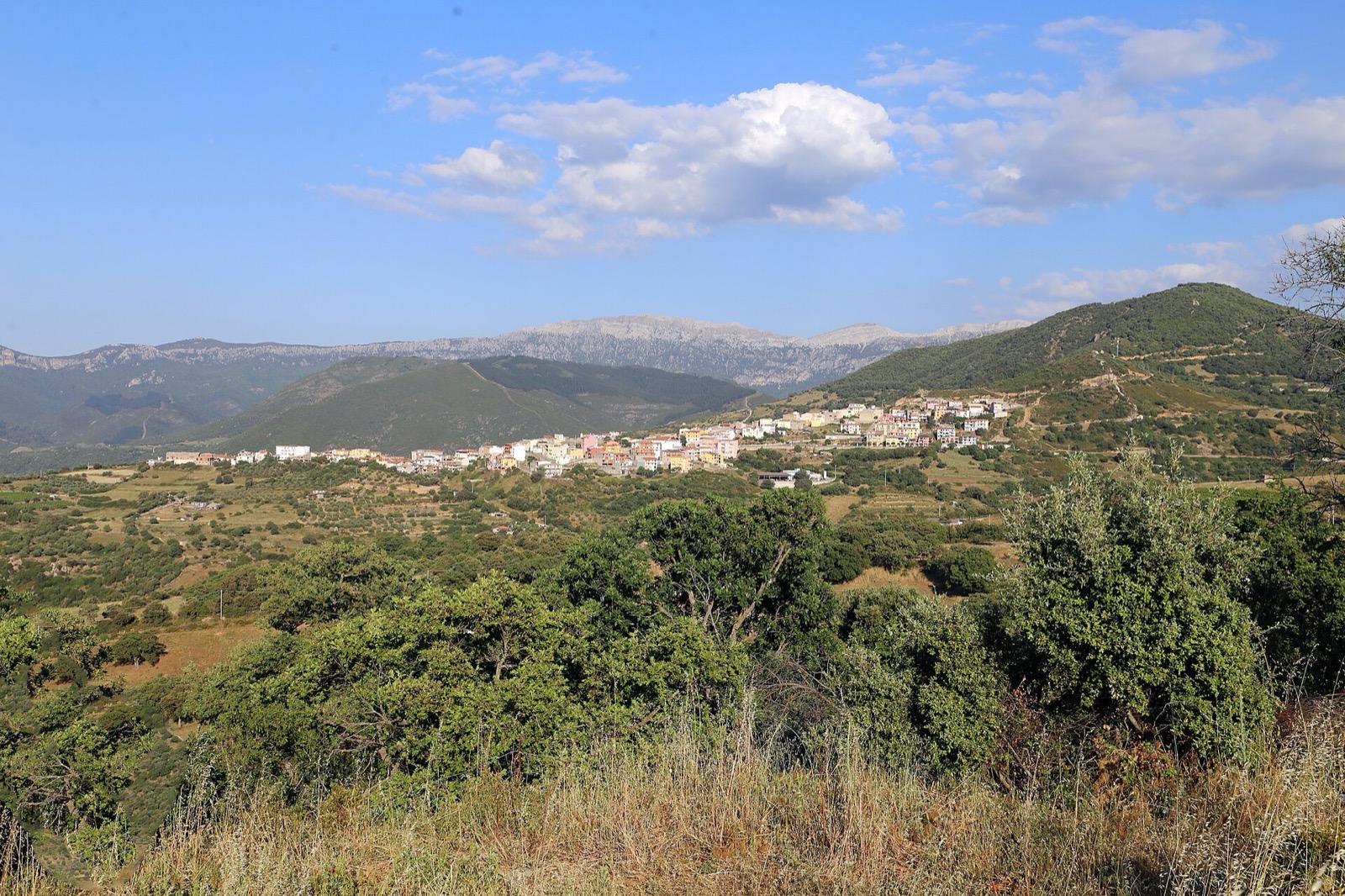
At the foot of the steep limestone Supramonte mountains lies the white village of Oliena, famous above all for producing a fantastic, full-bodied red wine from the Cannonau grape. Just outside town you’ll also find the karst spring of Su Gologone, an absolute natural phenomenon and one of the most beautiful spots in the region. Ice-cold, crystal-clear water gushes here under enormous pressure from a dark crack in the rock, forming a gorgeously coloured blue-green pool.
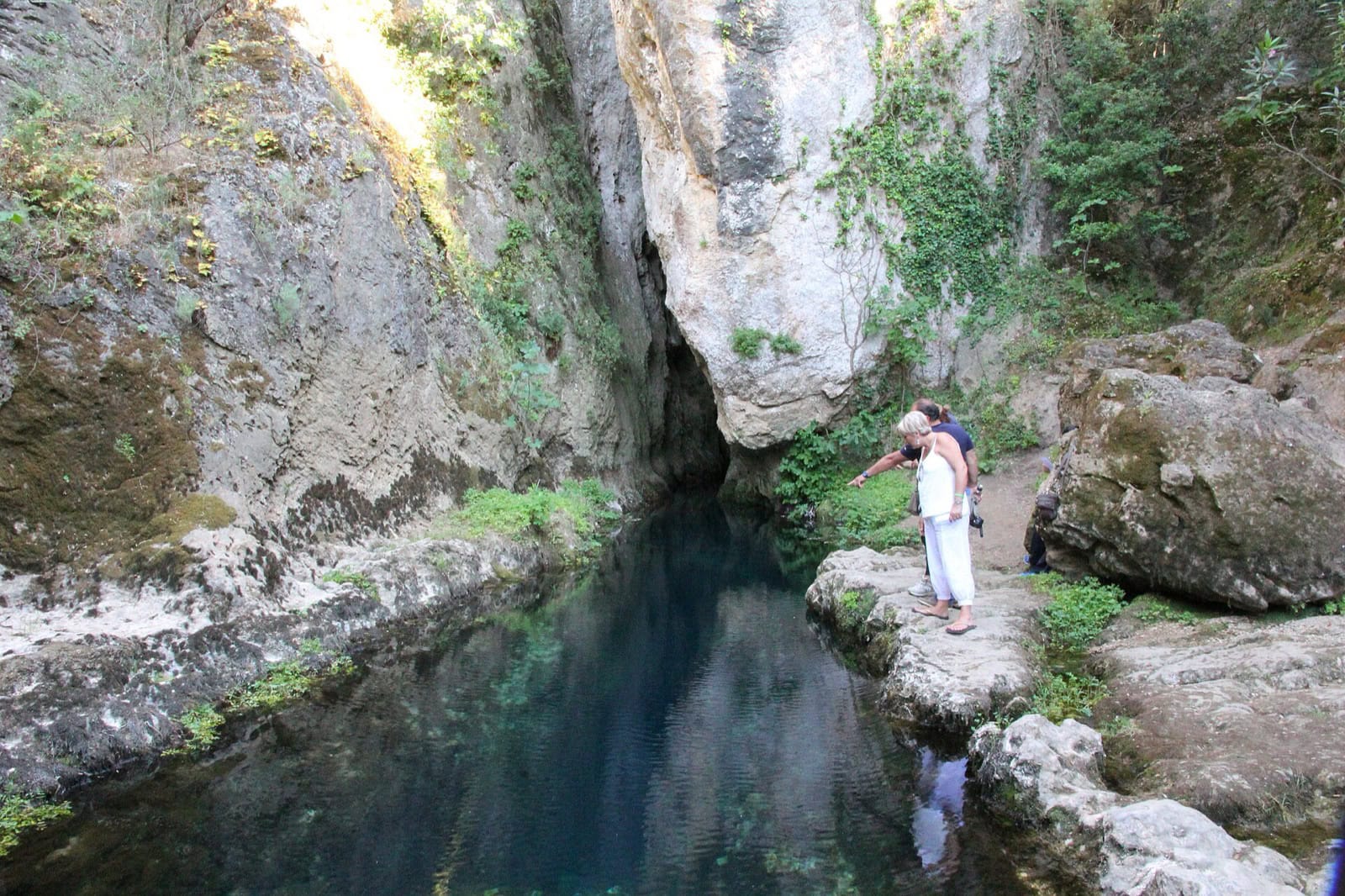
The area around the spring is beautifully landscaped, surrounded by lush greenery and ancient trees, making it an absolutely ideal spot for a peaceful afternoon stroll. What’s remarkable is that the cave system beneath the spring is so vast that even the most experienced cave divers have never been able to fully explore it, and you can buy tickets to visit this magical place through the regional tourism portal.
Mountains and living traditions
Once you’ve had your fill of scorching stones and village walks, I’d recommend lacing up some proper hiking boots and heading for the island’s highest reaches. Inland Sardinia offers fantastic conditions for mountain hiking, where instead of crowds of tourists you’re more likely to meet free-grazing flocks of sheep and half-wild horses. The nature here is wild, and in many places it still looks exactly as it did thousands of years ago.
9. The Gennargentu mountains and Fonni
The Golfo di Orosei and Gennargentu National Park covers a huge swathe of the eastern interior and conceals the very highest peaks. The highest point on the island is Punta La Marmora, rising to 1,834 metres, from which they say you can see all the way to the coast on a clear day, where the blue sea merges with the sky. The trek to the summit is long but technically fairly easy, so any reasonably fit hiker can manage it.
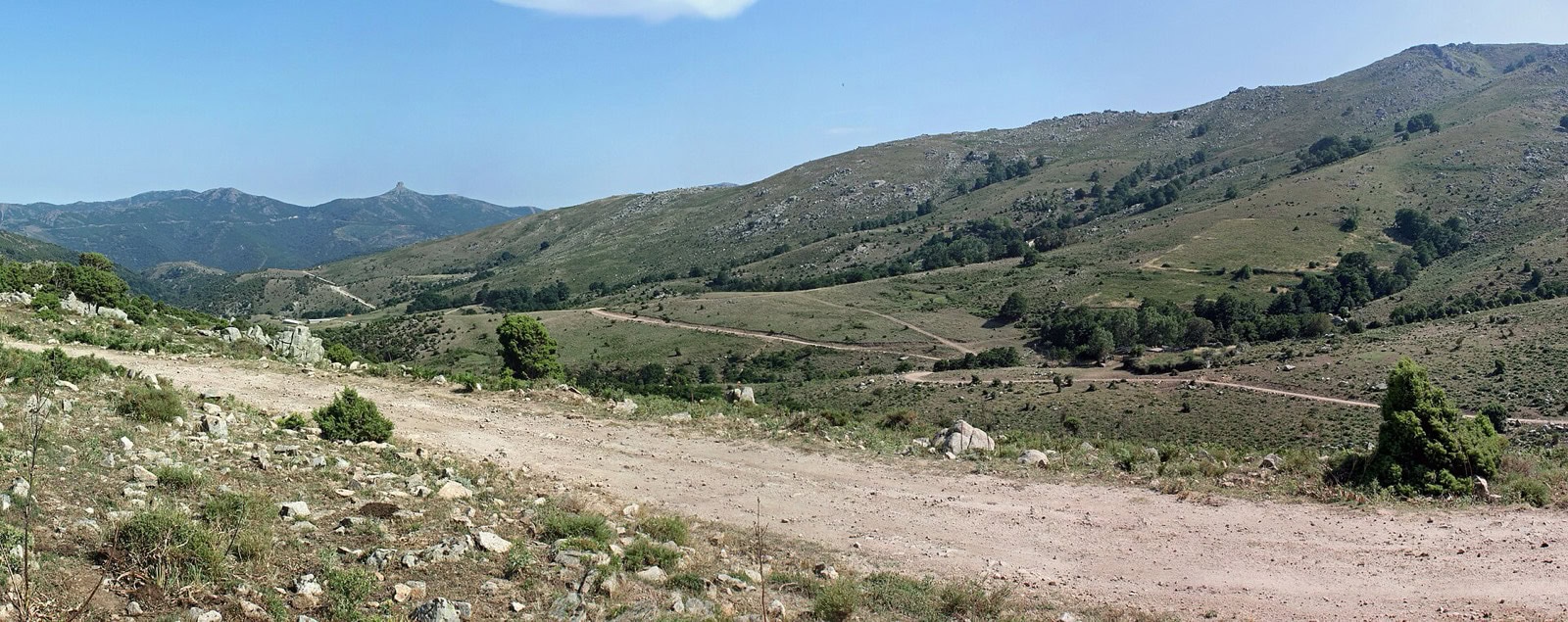
Your base for trips into the mountains could be the picturesque little town of Fonni, the highest-lying settlement in all of Sardinia. It sits at exactly a thousand metres above sea level, and while people are swimming in their bathing suits down by the sea, here it’s perfectly normal for snow to fall in winter — there was even a small ski lift here in the past. Today Fonni is better known for its colourful murals and its crunchy local biscuits.
10. The Autunno in Barbagia festival
This is probably the best tip for anyone who wants to experience completely genuine local hospitality. The Autunno in Barbagia festival is a roaming autumn celebration held every weekend from September right through to December, each time in a different one of the roughly thirty participating villages. During these days the so-called Cortes Apertas, or open courtyards, take place, when local families welcome you right into their homes and old stone courtyards.
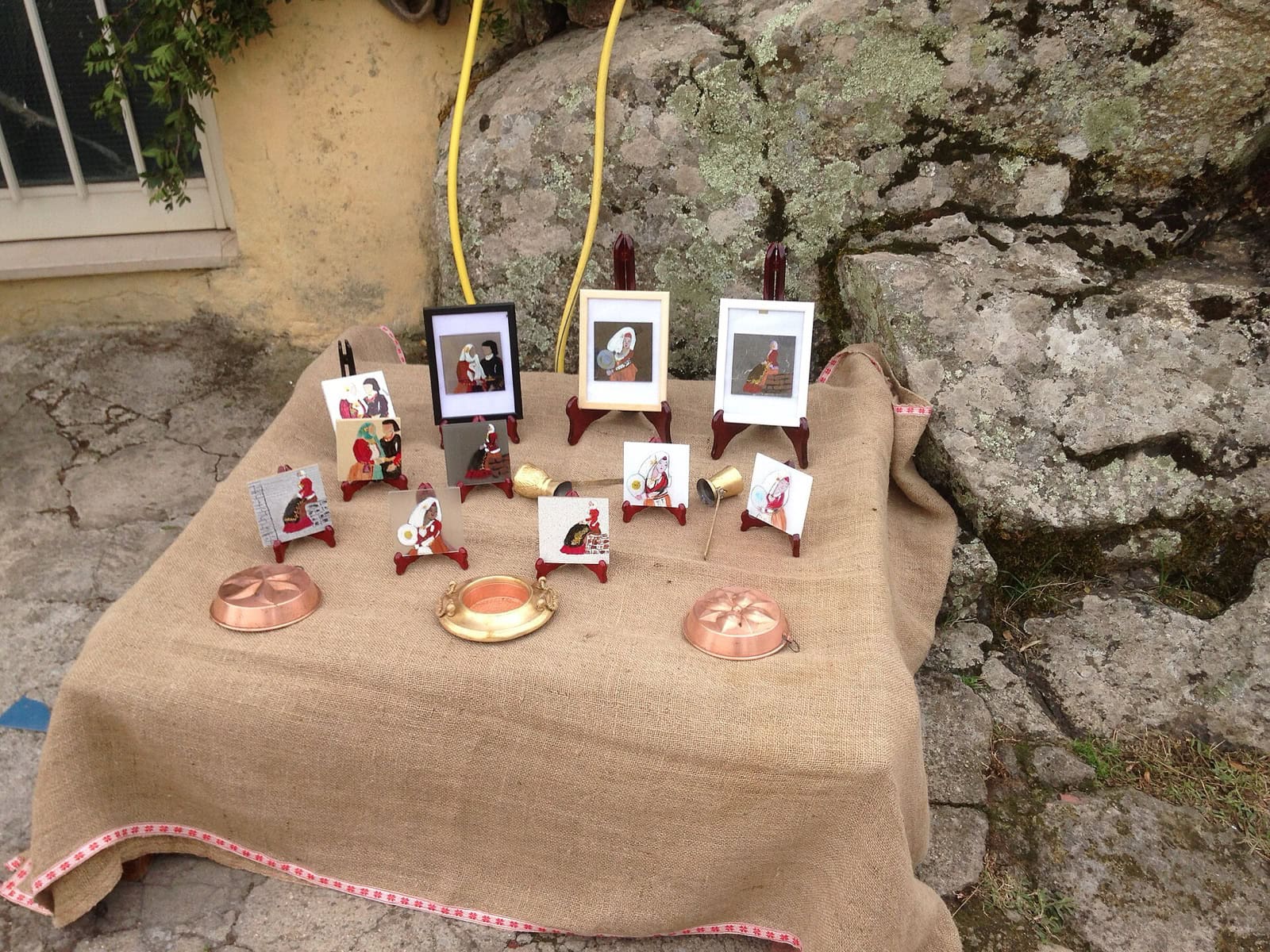
You’ll see grandmothers hand-rolling pasta, woodcarvers crafting wooden masks, and you’ll taste products you won’t find in any ordinary supermarket. You’ll sample cheeses you can’t buy in a regular shop, hear traditional polyphonic singing, and leave with the feeling that you’ve glimpsed behind a curtain the average tourist never lifts. Don’t forget to check the exact festival calendar for the current year on the official Autunno in Barbagia website.
What to eat in inland Sardinia
The Sardinian mountain cuisine is completely different from what you’ll be served at the seaside resorts, and it’s a genuine culinary treasure. Be sure not to miss the culurgiones, beautifully hand-folded pasta parcels stuffed with mashed potato, strong pecorino cheese and fresh mint leaves. Travellers reportedly agree that, paired with a simple tomato sauce, they’re a real delicacy — one that originally comes from the Barbagia and Ogliastra regions.
With absolutely every meal you’ll also get pane carasau, an extremely thin and crispy shepherd’s bread that stayed fresh for long months while the men went up into the mountains with their flocks. The locals love it in the form of pane frattau, where the flatbreads are layered with sauce and cheese, but if you don’t eat meat, it’s always best to ask whether the cook used a meat stock. For a sweet finish you simply have to try seadas, sinfully good fried parcels filled with fresh cheese and generously drizzled with slightly bitter chestnut honey.
As for local meat specialities, in the interior they reportedly swear by traditional porceddu, a slow-roasted suckling pig on the spit flavoured with wild myrtle, cooked over an open fire for several hours. The locals love to wash all that wonderful food down with a full-bodied red wine from the Cannonau grape, which is said to be the secret to the longevity of the people here, or with a shot of mirto, a strong herbal liqueur.
Where to go next
Frequently asked questions
What are nuraghe?
These are megalithic cone-shaped towers from the Bronze Age, built from enormous stone boulders without using mortar. There are more than 7,000 of them across the entire island, and they were likely defensive, residential, or religious structures of the ancient Nuragic civilization.
Which nuraghe in Sardinia to visit?
If you only have time for one, definitely choose the magnificent Su Nuraxi di Barumini complex, which is a UNESCO World Heritage Site. Also very popular and impressive are Nuraghe Santu Antine and Nuraghe Losa in the northwest of the island.
What is Su Nuraxi di Barumini?
This is the most famous and best-preserved archaeological site of the Nuragic culture on the island. It consists of a central massive stone tower surrounded by extensive fortifications and the remains of an ancient circular village, with visits possible only with a guide.
Who are the stone giants of Mont’e Prama?
These are unique ancient sandstone statues of warriors, archers and boxers that measure over two metres tall. You can admire these fascinating sculptures from the Nuragic civilization period at the museum in the town of Cabras or at the National Archaeological Museum in Cagliari.
What to see in Barbagia?
Don’t miss the mountain village of Orgosolo full of political murals, the mysterious Mamoiada with traditional Mamuthones masks, and the beautiful village of Oliena. Also worth seeing are the magical karst spring Su Gologone or the high mountain town of Fonni.
Why are there murals on the houses in Orgosolo?
So-called murals began to appear in Orgosolo in the late 1960s as a form of political and social protest. Local residents continue to express their disagreement with poverty, land expropriation, and global conflicts through these massive wall paintings.
Where to stay in inland Sardinia?
The absolute best experience is to choose a so-called agriturismo, which are rural estates and working farms where they take care of you like family. Accommodation in the area of Nuoro or Oliena, right in the heart of the Barbagia province, has an ideal strategic location for trips.
Tips and Tricks for Your Vacation
Don’t Overpay for Flights
Search for flights on Kayak. It’s our favorite search engine because it scans the websites of all airlines and always finds the cheapest connection.
Book Your Accommodation Smartly
The best experiences we’ve had when looking for accommodation (from Alaska to Morocco) are with Booking.com, where hotels, apartments, and entire houses are usually the cheapest and most widely available.
 🚗 Car rental on the roadVerified rental cars in Sardinia
Search with the DiscoverCars comparison engine — it compares prices from dozens of local and international rental companies, and most bookings come with free cancellation.
Compare car prices in Sardinia →Don’t Forget Travel Insurance
Good travel insurance will protect you against illness, accidents, theft, or flight cancellations. We’ve had a few hospital visits abroad, so we know how important it is to have proper insurance arranged.
Where we insure ourselves: SafetyWing (simple monthly subscription) and TrueTraveller (for extra-long trips).
Find the Best Experiences
Get Your Guide is a huge online marketplace where you can book guided walks, trips, skip-the-line tickets, tours, and much more. We always find some extra fun there!